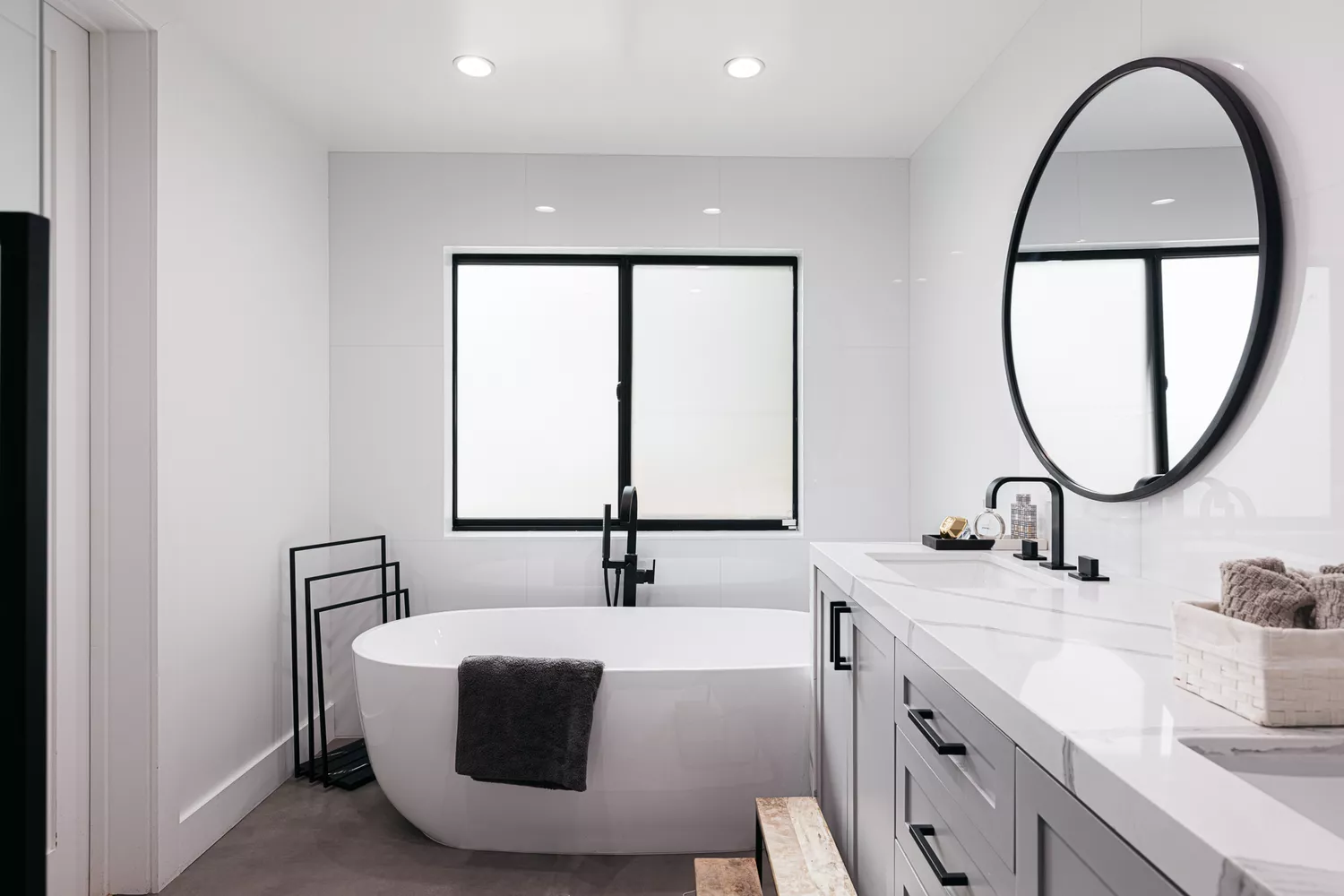
Concrete Flooring Is a Rock-Solid Performer in the Bathroom
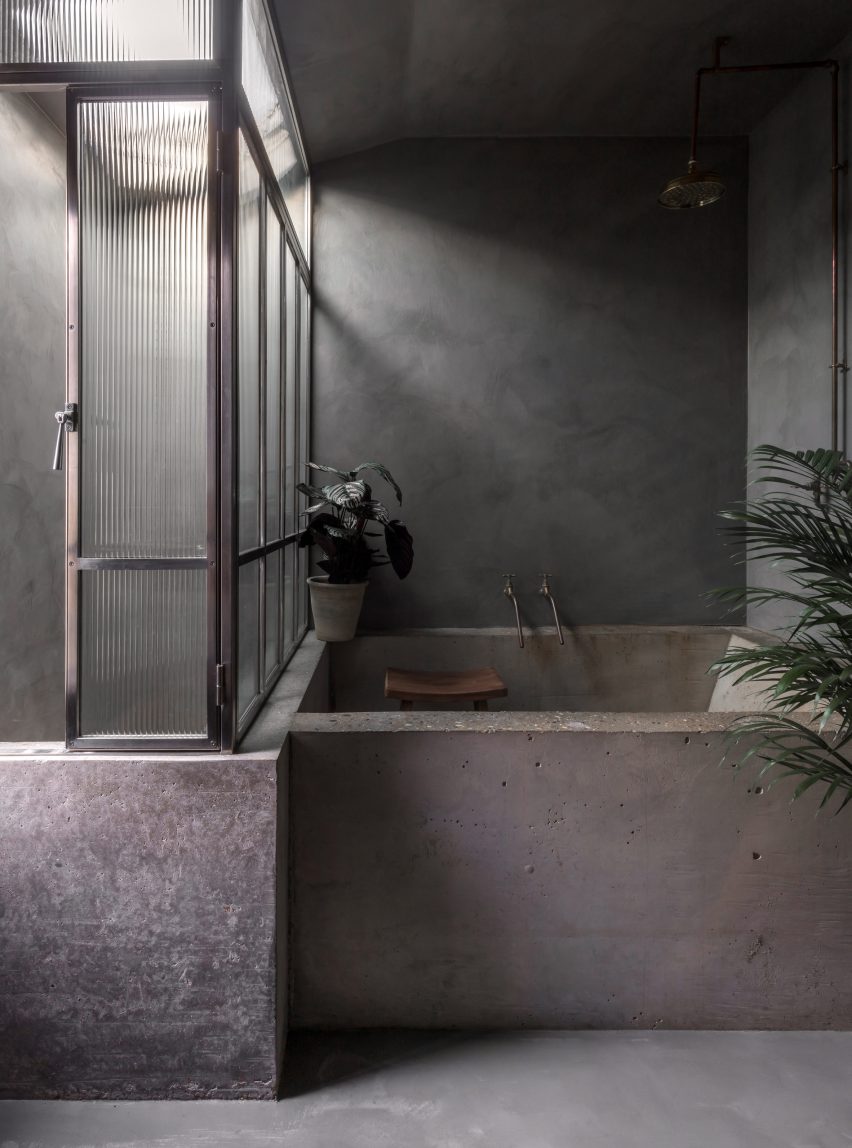
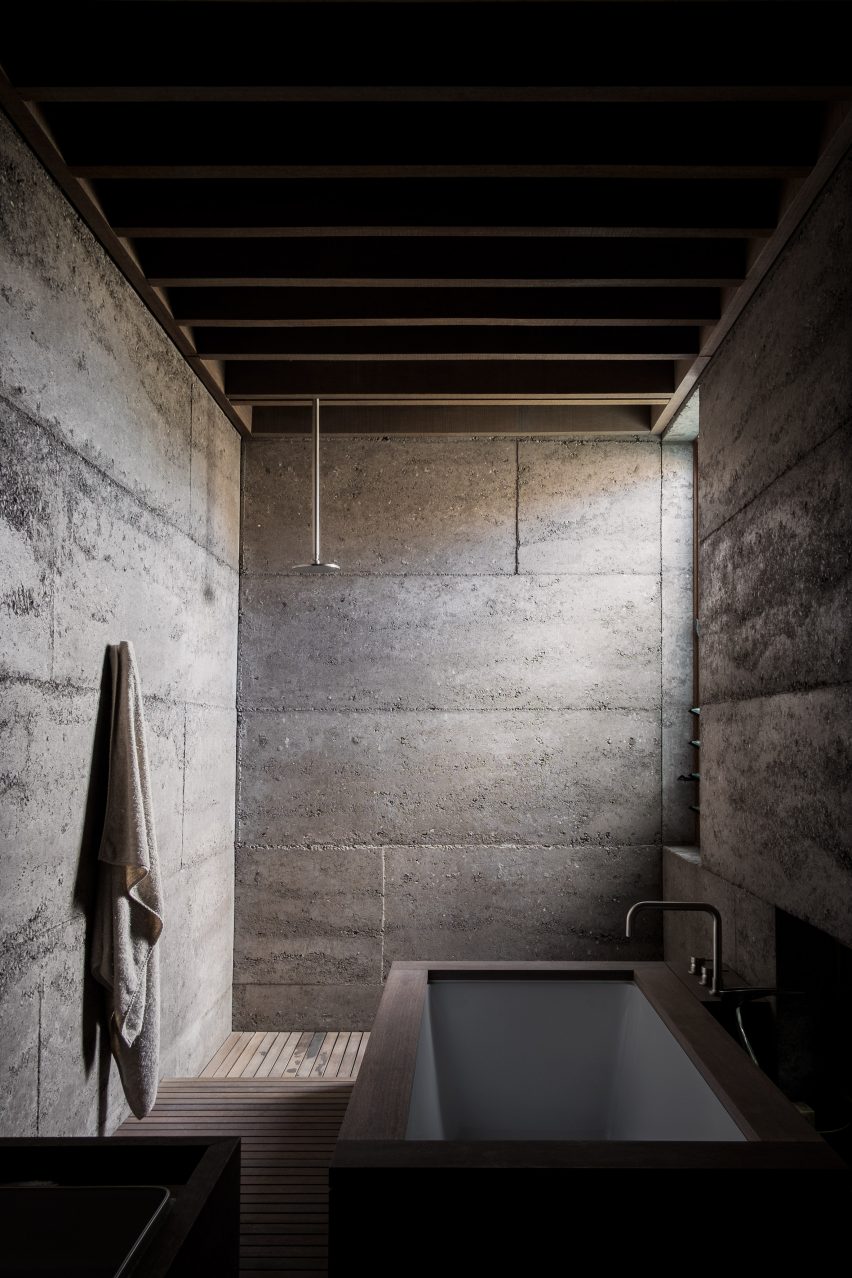
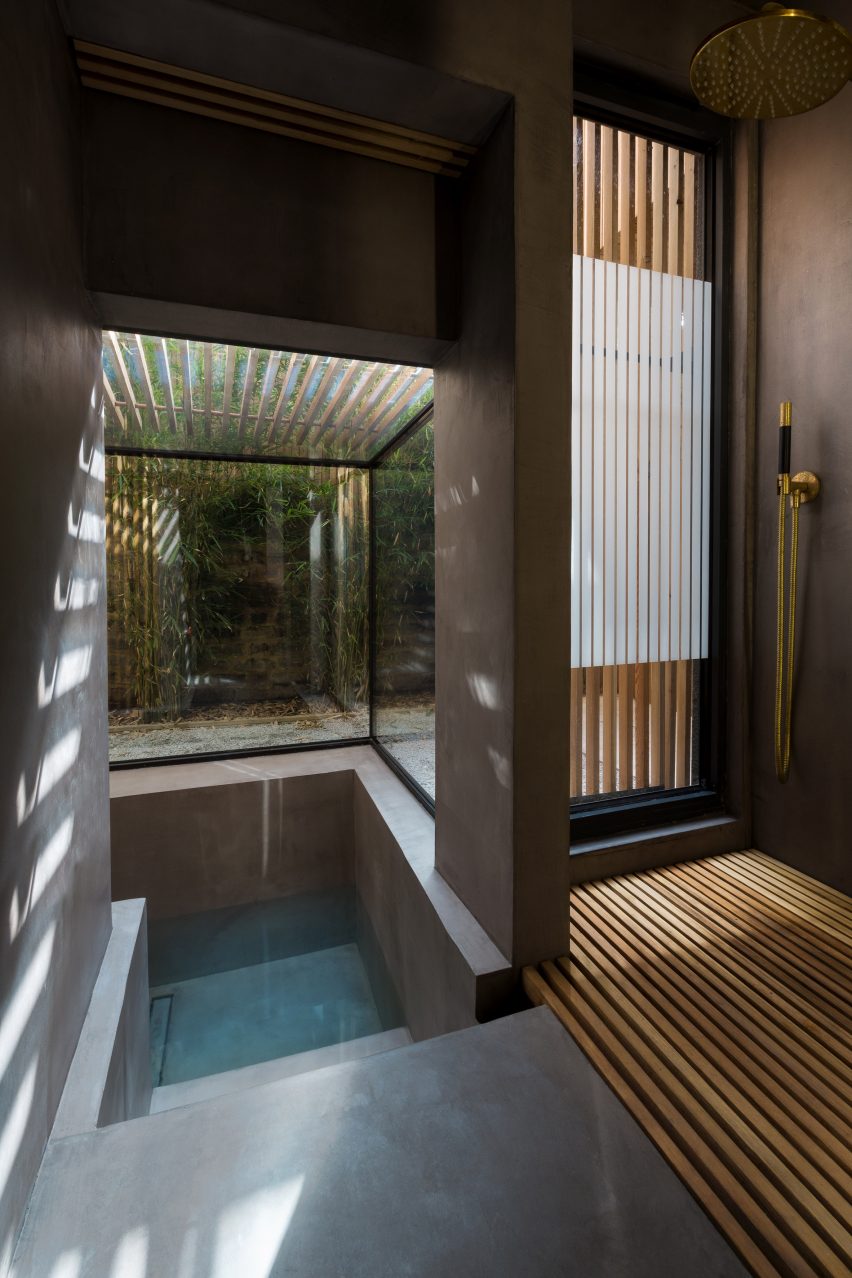
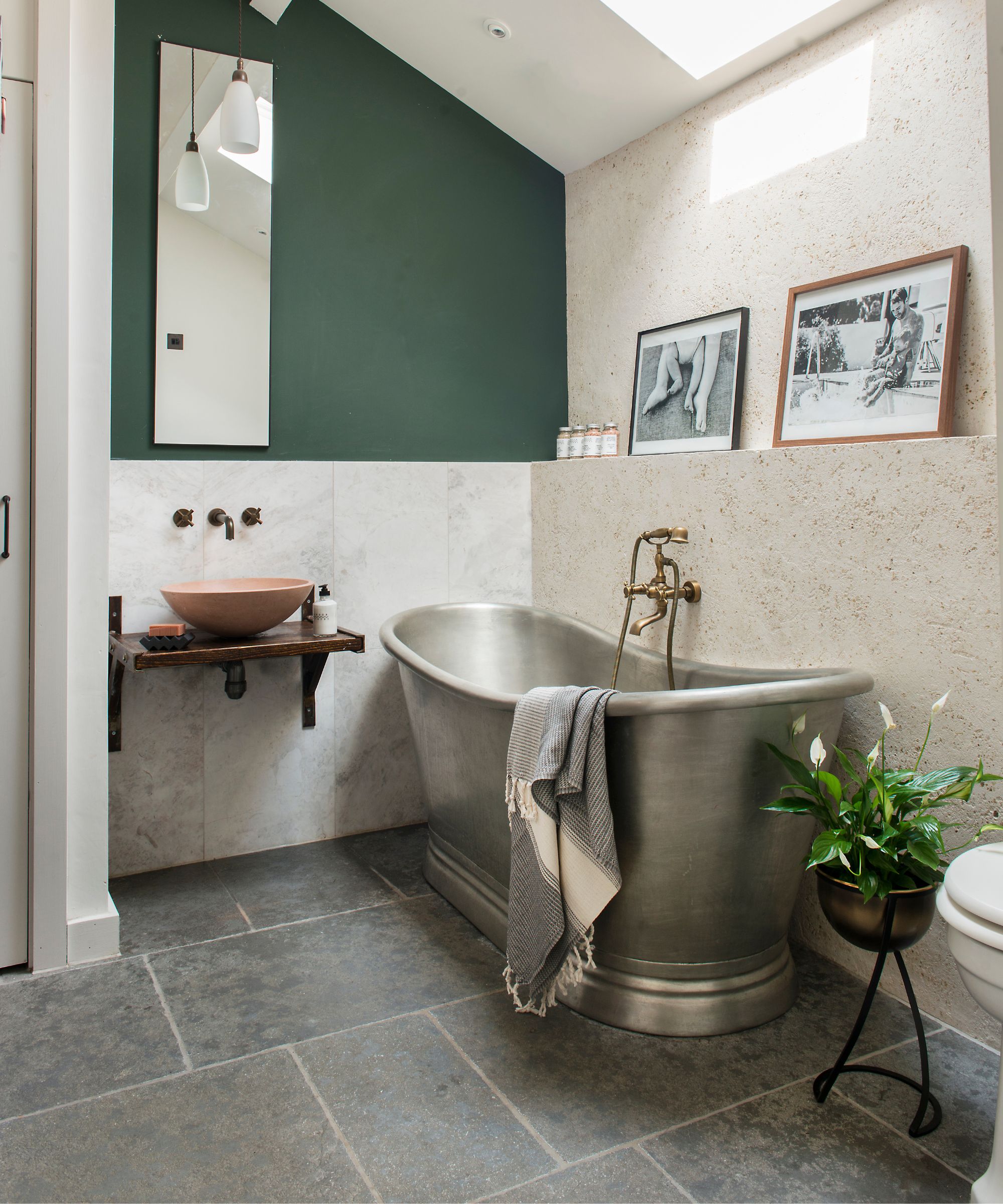
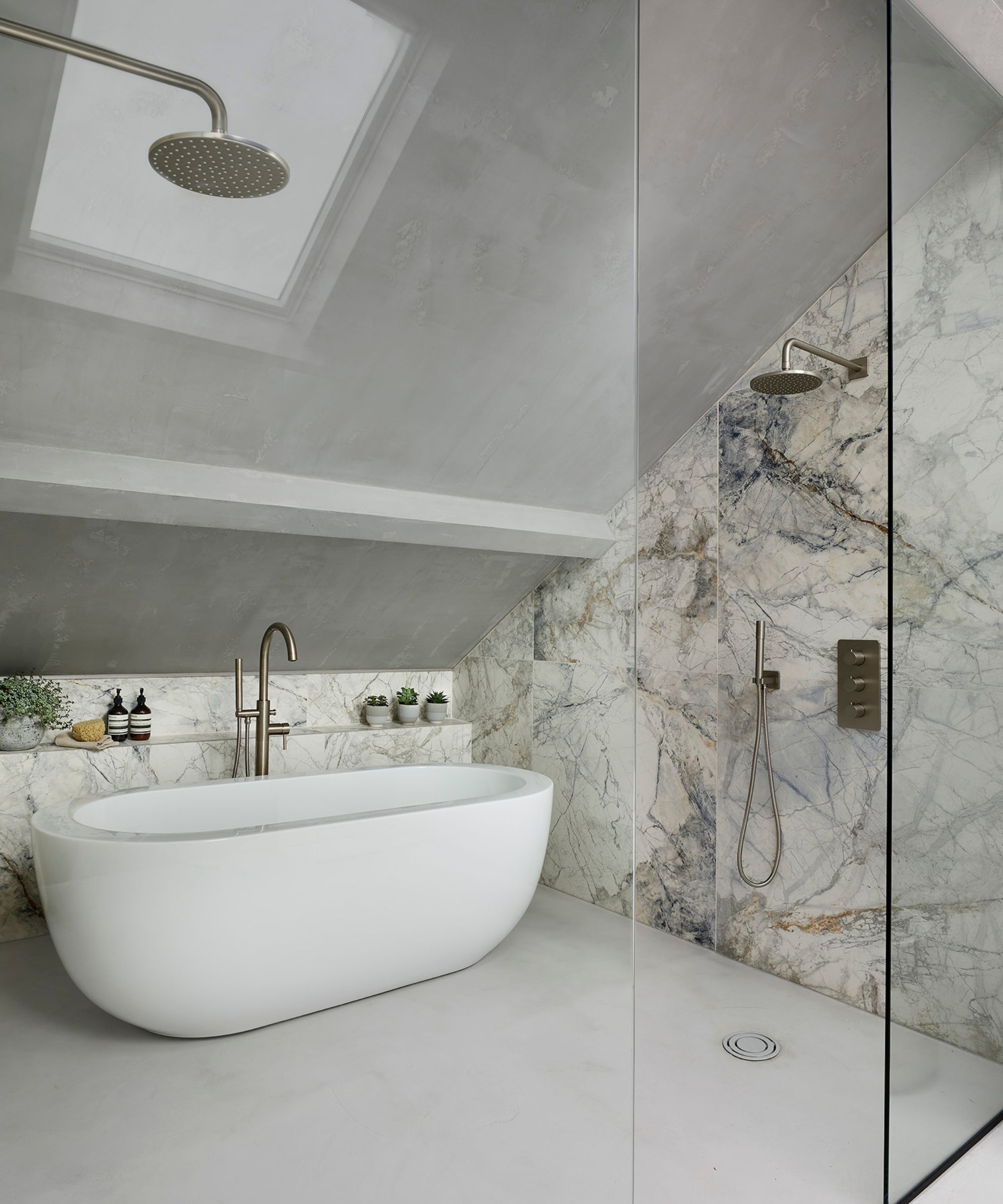
Concrete flooring presents a durable and aesthetically versatile option for bathrooms, balancing numerous advantages with a few considerations. Its key benefits include excellent water resistance, high durability, and ease of cleaning, making it comparable to ceramic tile in suitability for wet environments. Concrete floors are also typically less expensive than luxury tiles and can last for the lifetime of a home with proper care, significantly outperforming other flooring types in longevity. Modern concrete flooring offers diverse design possibilities through dyeing, acid-staining, and texturing, moving beyond simple polished surfaces to accommodate various home styles, particularly those favoring an industrial aesthetic.
Despite its advantages, concrete flooring has specific drawbacks. It can be cold underfoot, especially in structures built directly on soil, though this can be mitigated by installing insulation or radiant heating systems during new construction. Concrete surfaces can also become very slippery when wet, requiring careful consideration of finishes or surface treatments to ensure safety, particularly in a bathroom setting. While concrete itself is not easily damaged by water, its porous nature makes it susceptible to staining if not regularly sealed. Cracks in concrete floors can allow water to seep through to underlying materials, potentially causing damage, thus necessitating prompt repair.
Installation of concrete flooring is a complex process typically requiring professional expertise, making it unsuitable for DIY projects. It is most straightforward in homes with slab foundations or basements where a concrete slab already exists. For above-grade installations, the significant weight of concrete necessitates structural reinforcement, making it a rare choice in standard wood-framed homes. Overlays can be applied to existing slabs in poor condition to create a smooth surface for finishing, but this is not always feasible for severely damaged slabs.
Comparing concrete with ceramic tile, concrete offers superior durability, potentially lasting a century versus 30-50 years for tile, given consistent sealing and maintenance. However, ceramic tile generally provides greater aesthetic diversity and is a lighter material, making it suitable for broader application throughout a house without structural modifications. Ceramic tile installation is also more accessible for DIY enthusiasts. Ultimately, the decision to use concrete flooring in a bathroom involves weighing its robust, low-maintenance, and cost-effective nature against its potential for coldness, slipperiness, and the complexity of professional installation, particularly for homeowners concerned about safety and comfort.
#ConcreteFlooring #BathroomDesign #HomeImprovement #FlooringOptions #InteriorDesign #Durability #CostEffectiveness #HomeMaintenance #SlabFoundation #ConcreteFlooring #BathroomDesign #HomeImprovement #FlooringOptions #InteriorDesign #Durability #CostEffectiveness #HomeMaintenance #SlabFoundation
0 comment in total
 No comments yet
You may also like
14 Bathroom flooring ideas to create a stylish and sensible space in 2025
15 of the Most Important Bathroom Flooring Ideas You Need to Know When You're Planning a Makeover This Year

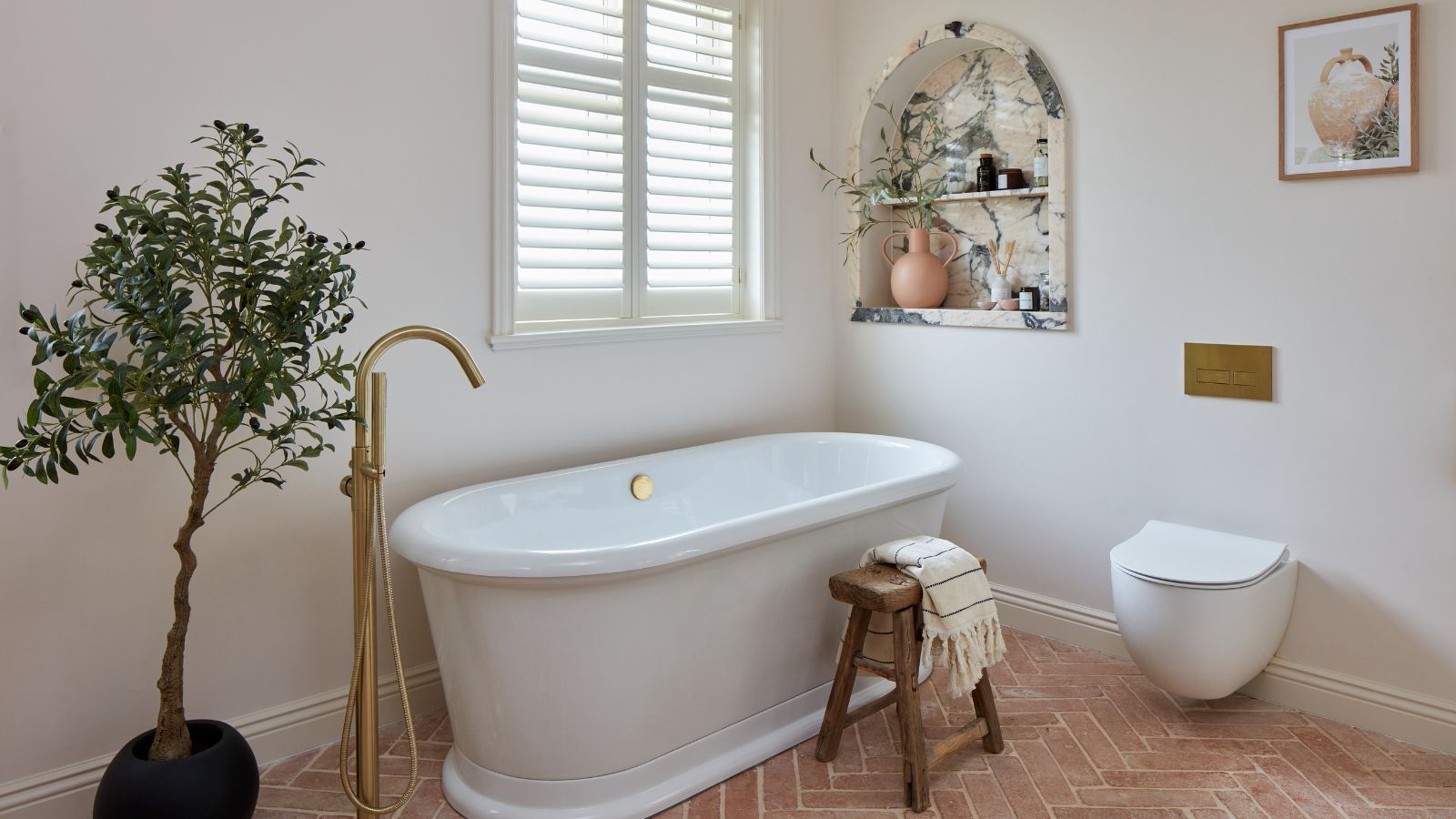
15 bathroom flooring ideas designers always return to

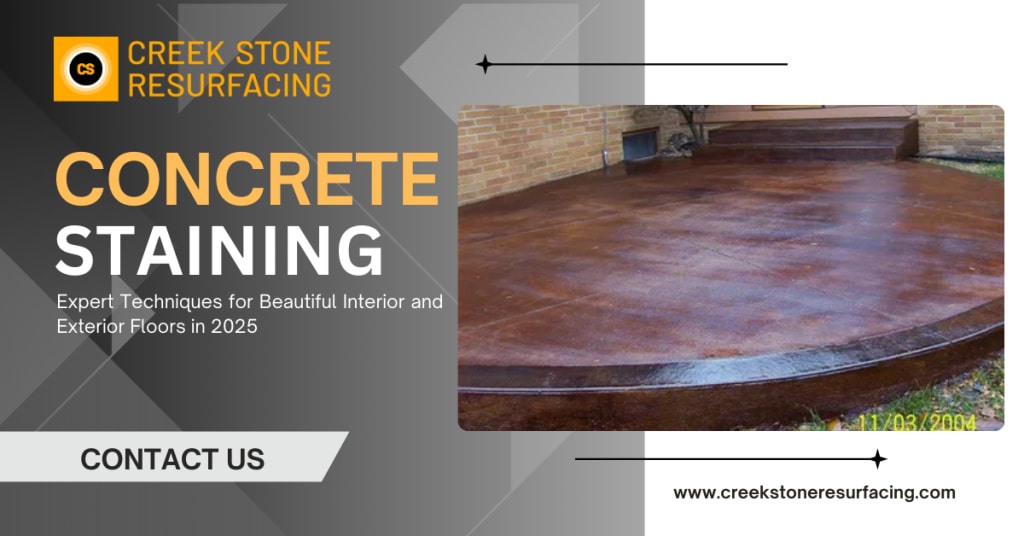
The Best Concrete Staining Techniques for Interior and Exterior Spaces in 2025
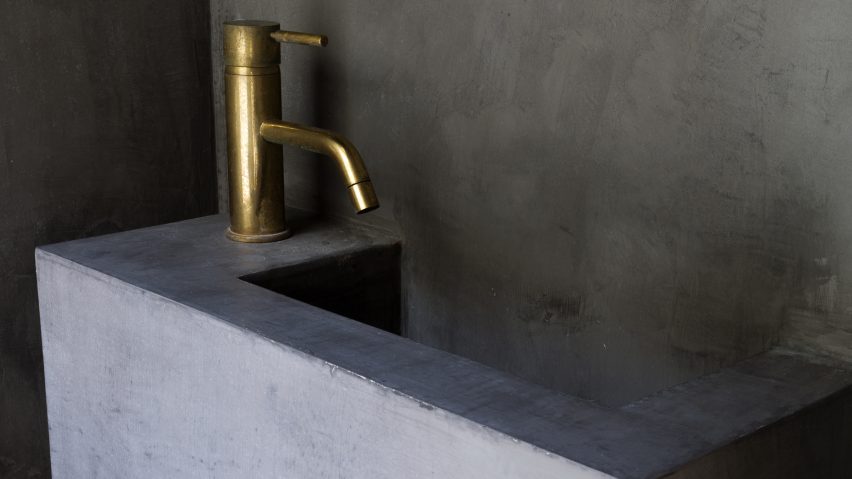
Eight practical and beautiful concrete bathrooms around the world
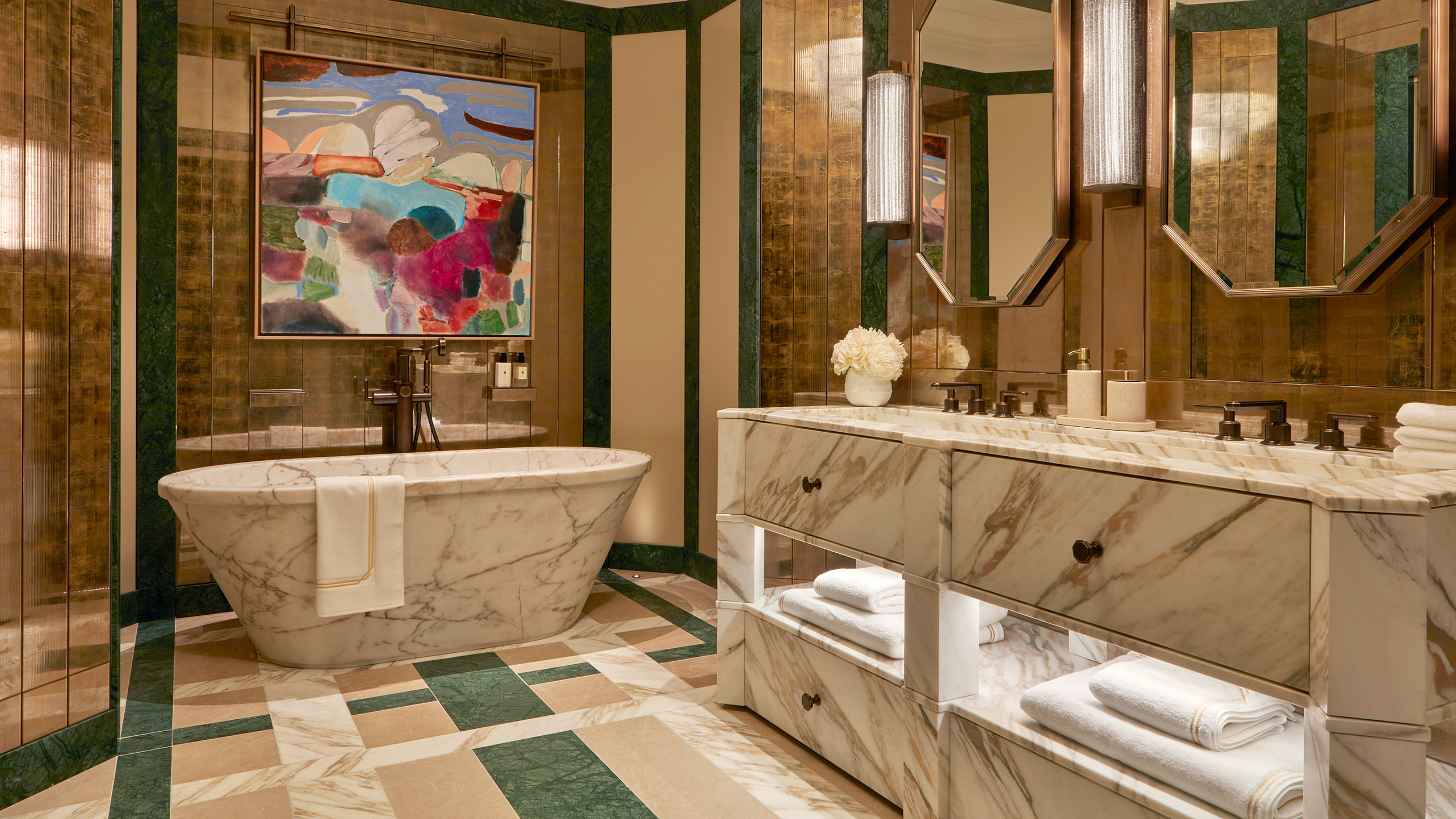
5 Outdated Bathroom Flooring Trends to Avoid in 2025 — Plus the Ones the Experts Want to See More of in Your Home
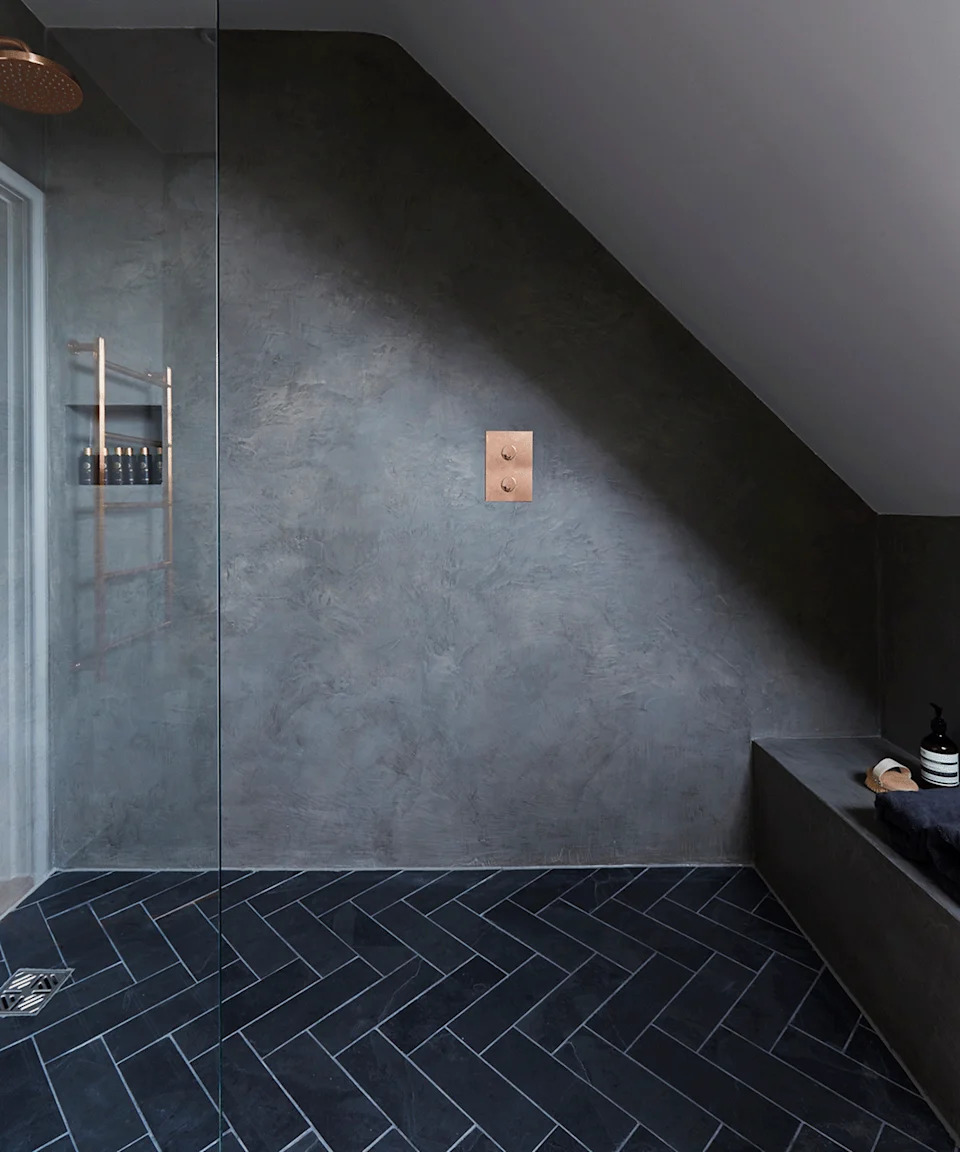
Wet room ideas – stunning wet room bathroom designs for your home

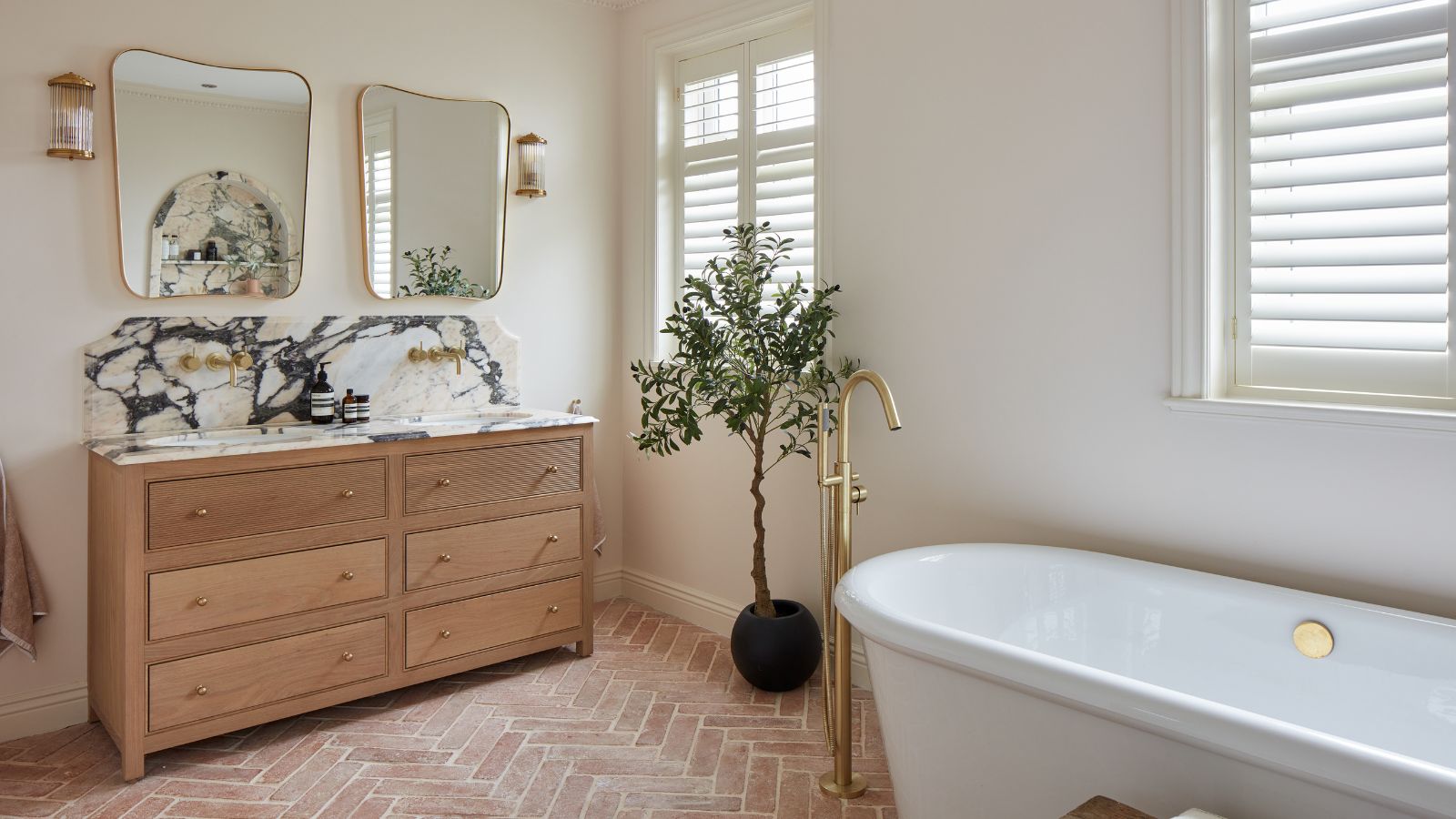
7 bathroom floor tile trends interior designers have on their radar for 2025
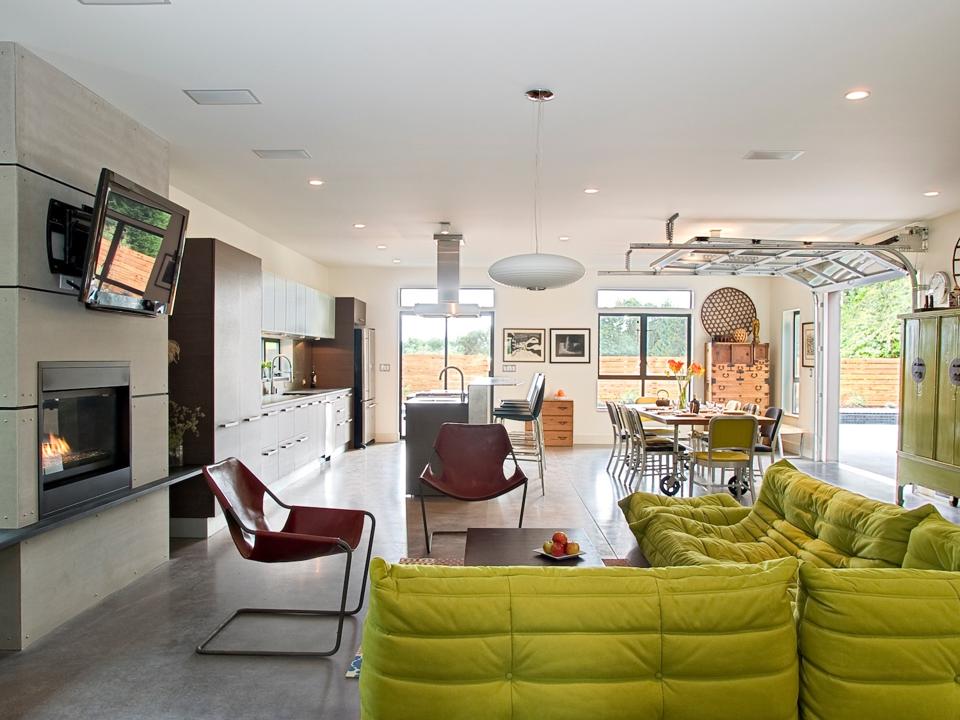
Concrete Floors: The Hot And Cold Of Them

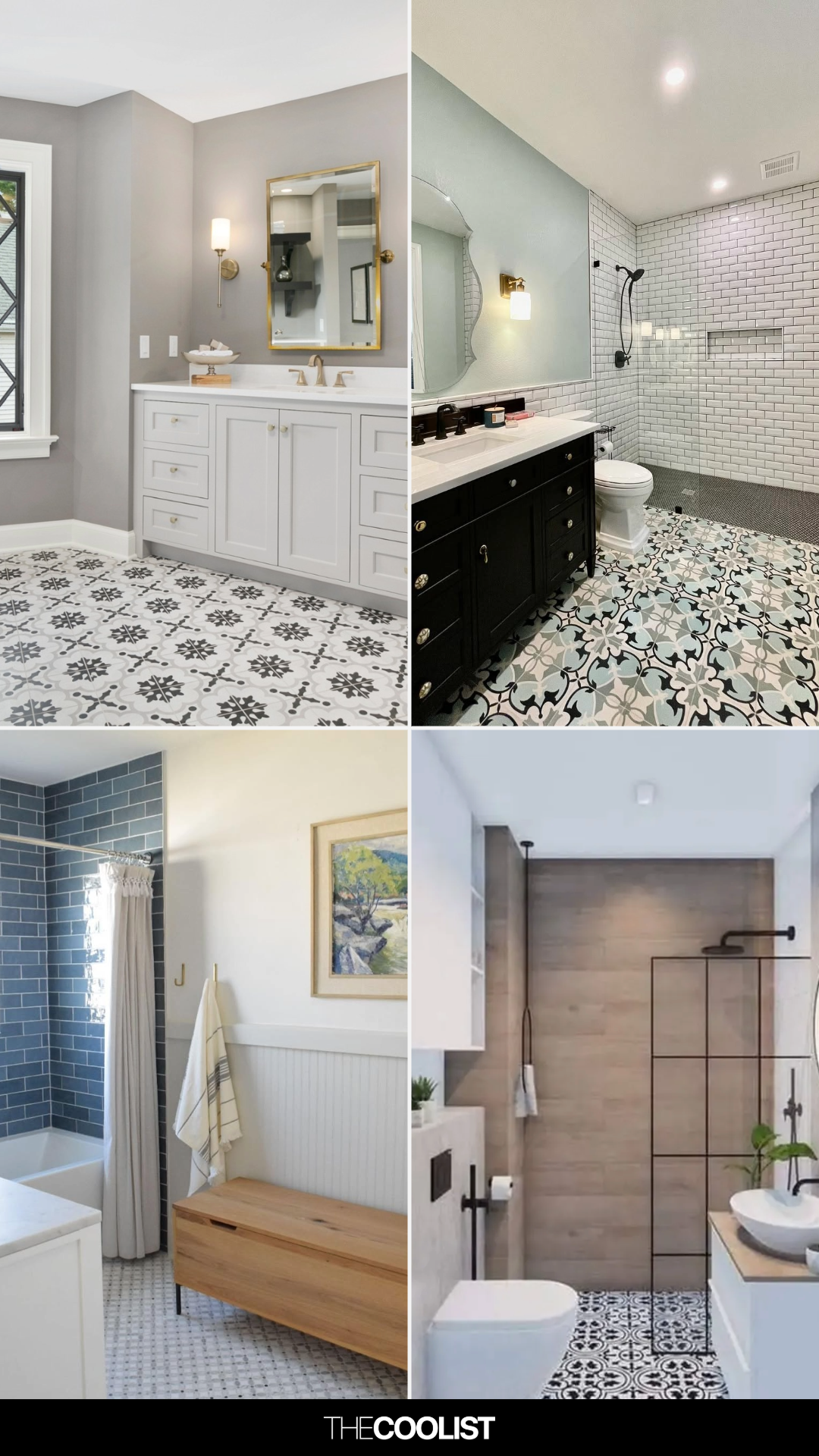
24 Shockingly Chic Bathroom Flooring Ideas That Will Make You Cancel Every Other Remodel Plan
Review: Keep the Bathroom Floor Slip- and Drip-Free With This Hygienic Stone Bath Mat

What Designers Call the "Little Black Dress" of Bathroom Countertops

Concrete Floors Are Trending—Here's Why You Should Consider This Affordable Alternative to Hardwood and Tile

How to choose bathroom flooring - everything you need to know, according to experts
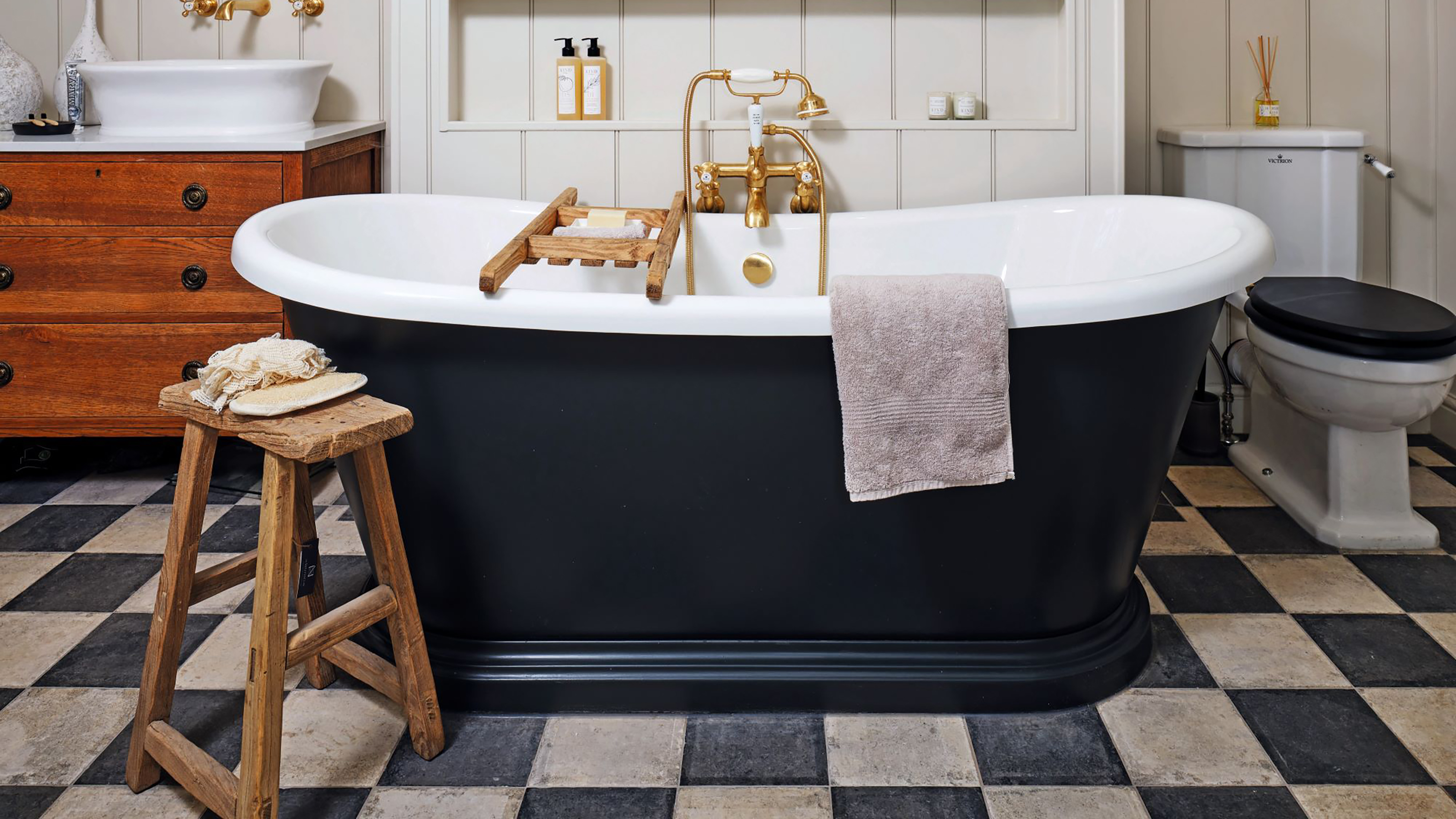
Bathroom floor tile ideas – 15 ways to incorporate stylish tiles underfoot

Bathroom Tiles

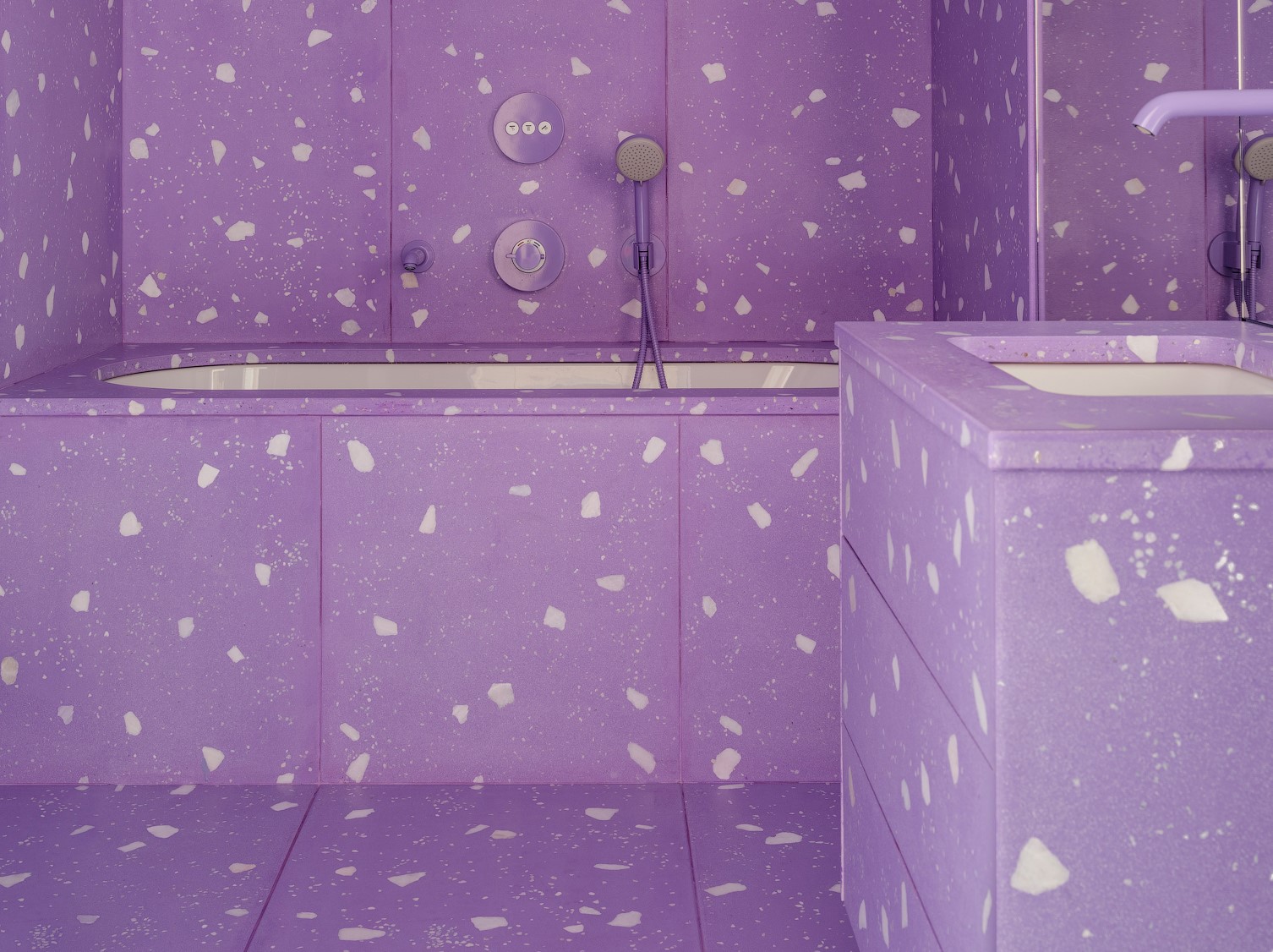
5 Major Bathroom Flooring Trends That Will Take Over 2024 — "This is What People Are Choosing Now"
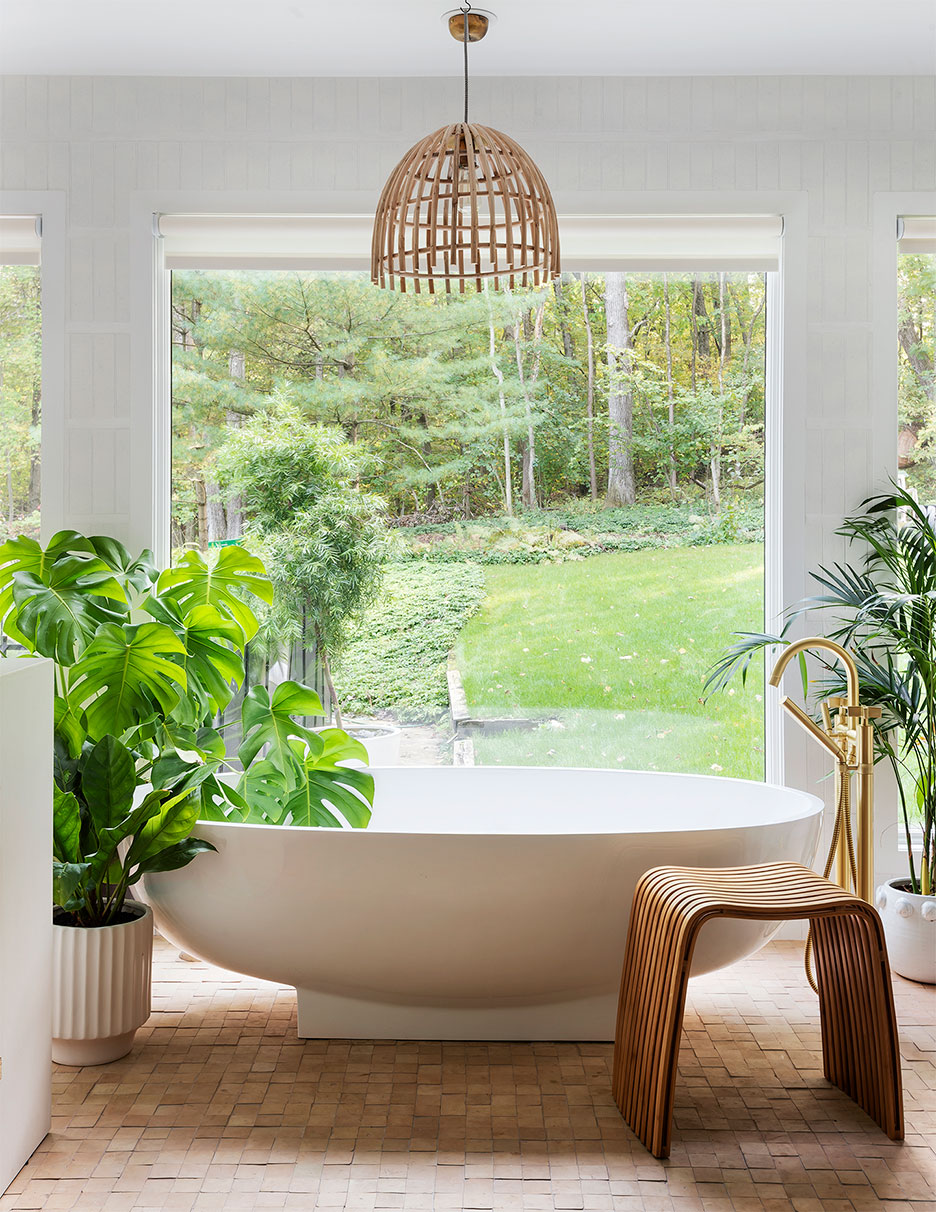
7 Designers Weigh in on the Best Tile for Bathroom Floors
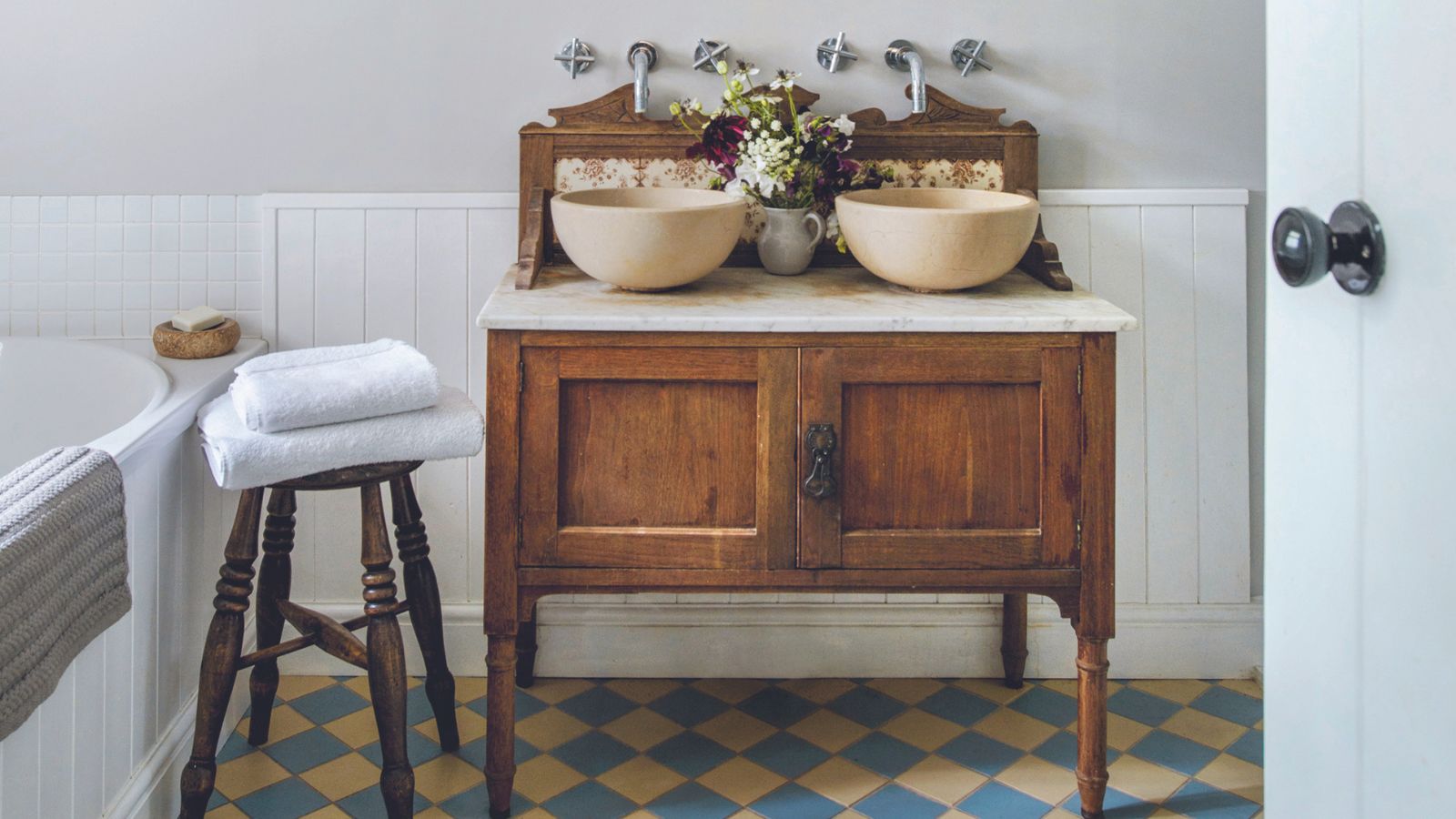
You're cleaning your bathroom floor wrong, experts warn – here's how to get it right
The Statement Shower: A New Approach to Cement Tile