The Best Concrete Staining Techniques for Interior and Exterior Spaces in 2025
Concrete staining continues to be a highly effective method for enhancing the aesthetic appeal, durability, and versatility of concrete surfaces in both interior and exterior environments. As 2025 approaches, advancements in staining techniques offer a wide array of possibilities for transforming ordinary concrete into visually striking surfaces for homeowners, designers, and contractors alike. Understanding the diverse range of concrete staining options available can significantly impact the outcome of any project, whether the goal is to revitalize interior floors or personalize an outdoor patio.
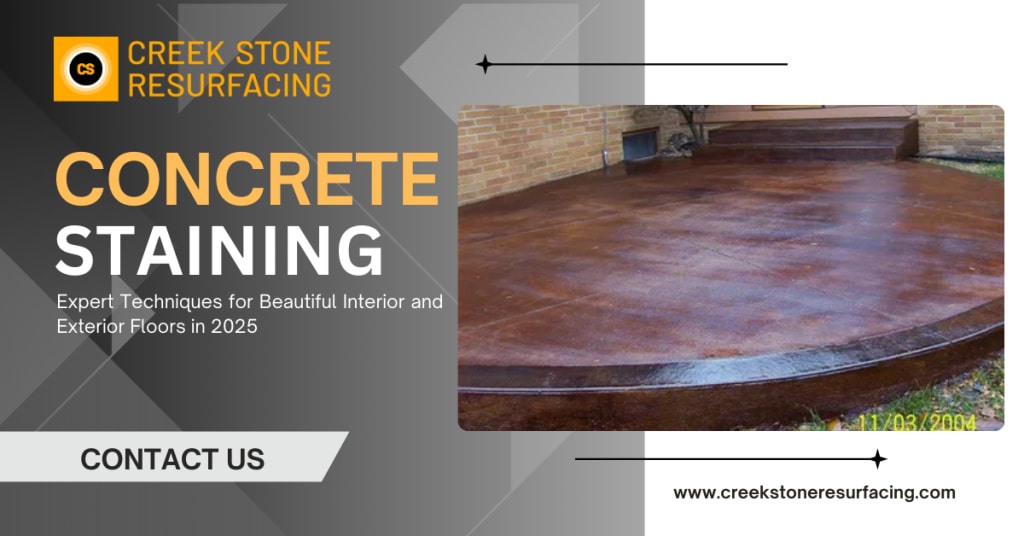
Acid-based concrete staining remains a classic and popular choice. This technique utilizes a combination of hydrochloric acid and metallic salts, which react with the concrete's minerals to produce rich, translucent, and unique color tones. Known for its earthy hues like browns, tans, and terracotta, acid-based staining is well-suited for various design styles, from modern to industrial. Its deep penetration into the concrete ensures long-lasting and durable results, while also enhancing the natural texture of the surface, making it ideal for floors, driveways, patios, walkways, and high-traffic commercial areas.
Water-based concrete staining has gained traction due to its vibrant color palette and environmentally friendly characteristics. Unlike acid-based stains, water-based solutions use pigments suspended in water, allowing for a broader spectrum of colors, including blues, greens, and deep reds, and a more uniform finish. This makes them suitable for contemporary and artistic designs. Water-based stains are non-toxic, have less odor, and dry faster, contributing to better indoor air quality, which is particularly beneficial for residential and commercial interior applications, art installations, decorative floors, retail environments, patios, and garden paths.
Concrete overlay staining provides an excellent solution for refreshing aged and worn concrete surfaces. This method involves applying a thin layer of a specialized concrete mixture over existing concrete, which can then be stained. Overlays effectively conceal imperfections such as cracks and discoloration, providing a smooth foundation for subsequent staining. They can transform old concrete to mimic more luxurious materials like granite, slate, or marble, and can be customized with textures and patterns to add depth and style. This technique is perfect for updating damaged floors, creating custom designs for driveways and patios, improving residential flooring, and providing durable surfaces for commercial spaces.
Decorative patterns with stained concrete are set to be increasingly popular in 2025. By employing stencils, templates, and stamping techniques, intricate designs, including faux brick, tile, or custom logos, can be created. This approach offers significant creative flexibility, allowing for unique, one-of-a-kind floors and surfaces that can achieve either traditional or abstract aesthetics. It is suitable for interior floors mimicking other materials, custom outdoor designs for patios and pool decks, branded commercial spaces, and creatively patterned driveways and walkways.
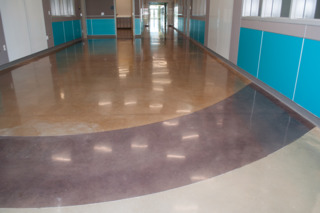
Polished concrete with stained effects represents a significant trend, combining the durability and reflectivity of polished concrete with the aesthetic enhancement of staining. The polishing process creates a sophisticated, glossy finish that accentuates the concrete's natural appearance, while staining adds color and vibrancy. The result is a luminous, high-end surface that brightens spaces and is easy to maintain, making it a prime choice for luxury homes, showrooms, retail spaces, commercial floors needing both beauty and functionality, and high-traffic areas like lobbies and kitchens.
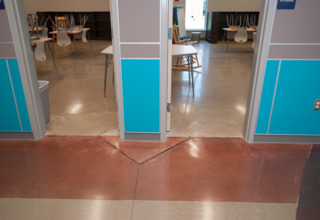
Two-tone and multi-color staining techniques offer a truly custom look by combining multiple hues to create depth and visual interest. Different shades of water-based or acid-based stains can be layered or used to highlight specific architectural features, such as columns, borders, or accent walls. This advanced technique is ideal for interior floors with bold design statements, multi-colored outdoor entertainment areas, custom borders for driveways, and commercial spaces requiring visual separation or branding.
Finally, eco-friendly concrete staining aligns with the growing emphasis on sustainability in 2025. This approach uses non-toxic, biodegradable stains, avoiding harsh chemicals to minimize environmental impact while still delivering beautiful, high-quality results. These safe options are perfect for health-conscious individuals and those pursuing sustainable design in green building projects, eco-conscious residential and commercial spaces, and renovations of older concrete surfaces.
#ConcreteStaining #HomeImprovement #FlooringTechniques #InteriorDesign #ExteriorDesign #EcoFriendlyDesign #DecorativeConcrete #SurfaceTransformation #ResidentialFlooring #ConcreteStaining #HomeImprovement #FlooringTechniques #InteriorDesign #ExteriorDesign #EcoFriendlyDesign #DecorativeConcrete #SurfaceTransformation #ResidentialFlooring
0 comment in total
 No comments yet
You may also like
The Best Concrete Paints for Masonry Surfaces, Tested

The 10 Best Concrete Paints That Seal the Deal

Best Wood Stain Colors For Interior And Exterior Surfaces
5 Exterior Paint Color Trends Boosting Curb Appeal in 2025—Plus the Exact Shades to Try

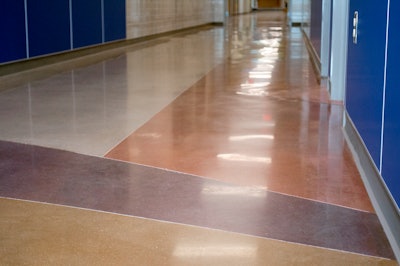
How to Apply Multi-Color Dyes to Polished Concrete

The Best Deck Stains of 2026

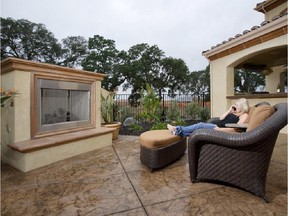
Concrete solutions for attractive, durable finishes

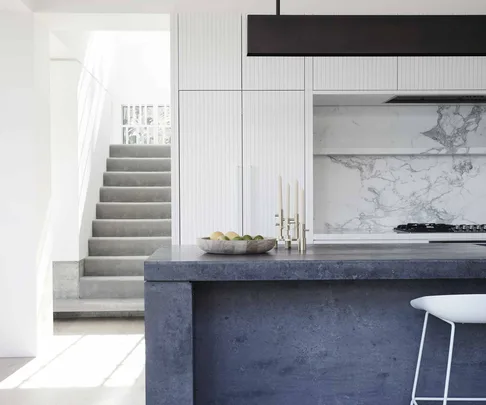
Concrete design ideas: how to make them work in any home

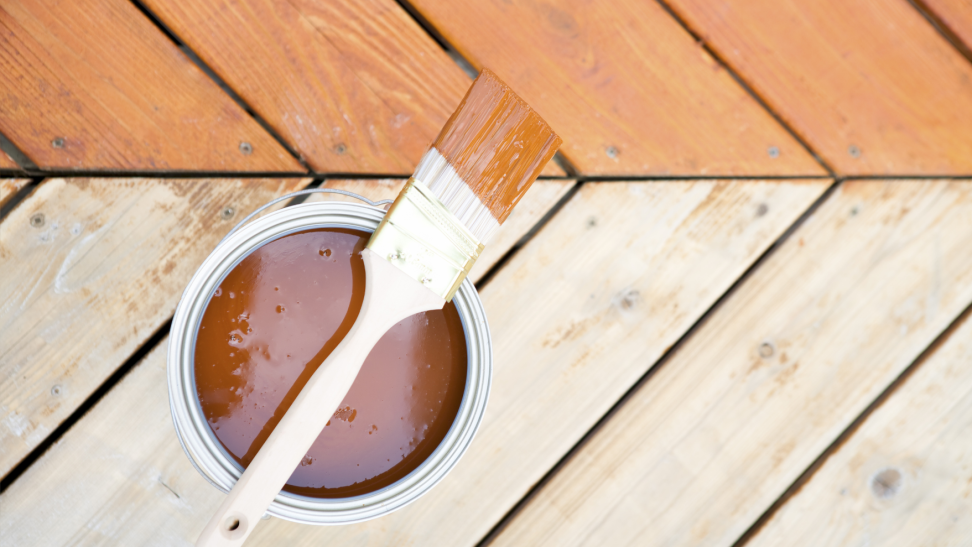
The Best Deck Stains of 2025
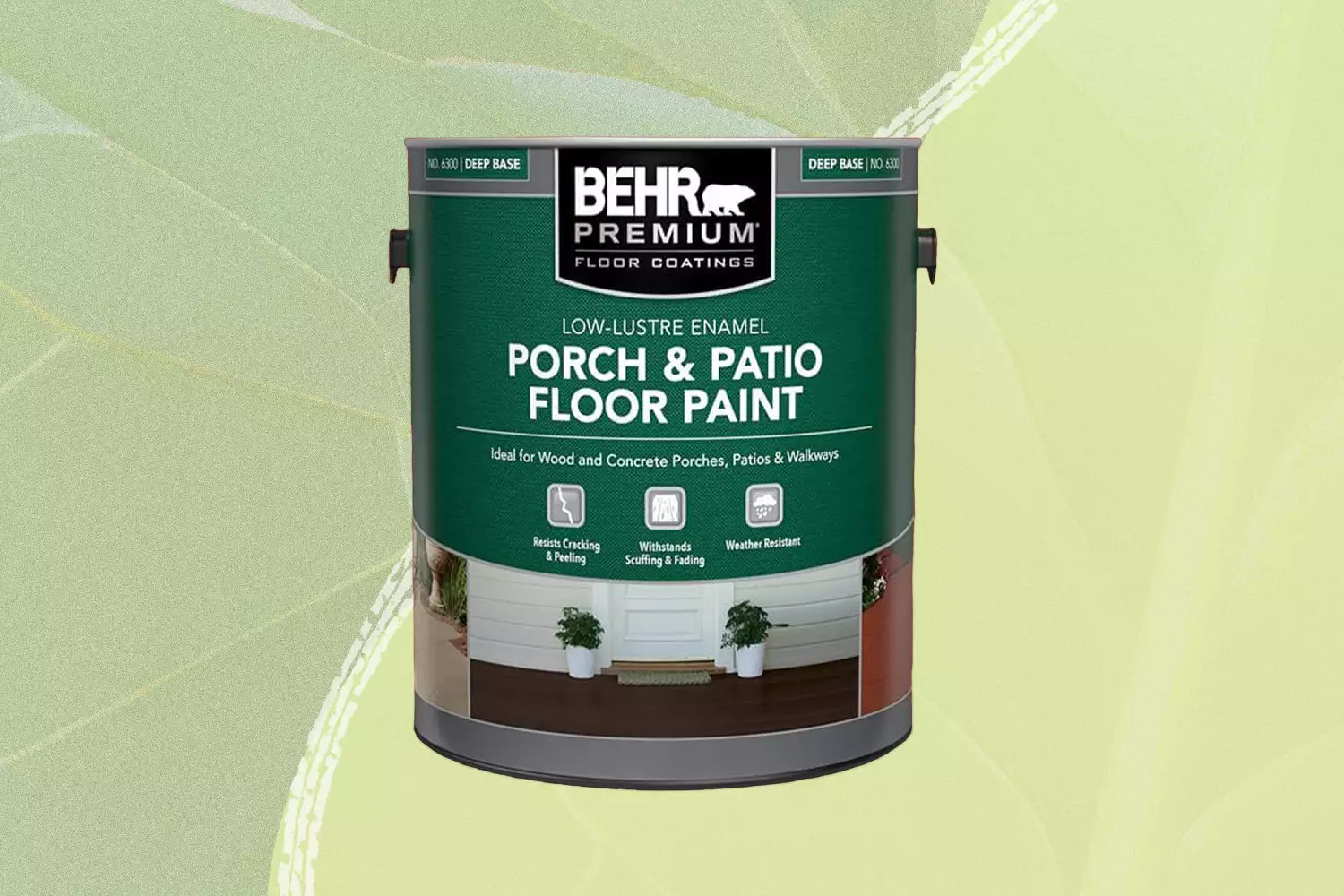
These Concrete Paints Will Give Your Patio, Driveway, or Pool Deck An Instant Makeover

9 modern exterior house paint color ideas to embrace in 2024 (and 2025), according to experts

How Good Is INSL-X Paint by Benjamin Moore? A Tested Review

Successful Staining
'Tile drenching': The statement-making interiors trend to try in 2025
Please, No More 'Builder Beige' — Discover the Most Outdated Exterior Paint Colors in 2025

Here Are 2025's 8 Best Floor Stain Colors To Choose From
Best Deck Paints and Stains for 2025
Exterior paint trends 2025 – 8 stylish color ideas for the outside of your home
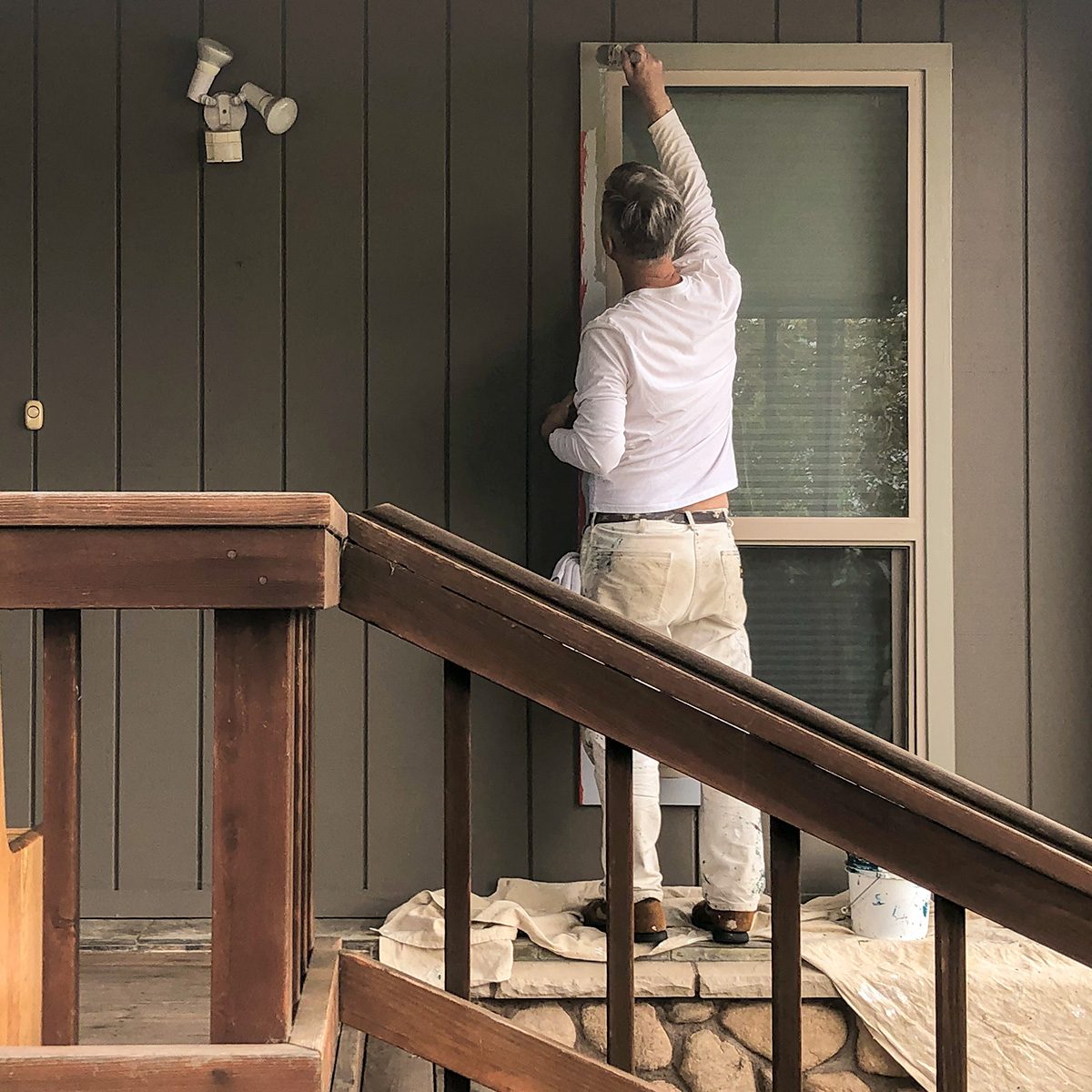
10 Most Popular Exterior Paint Colors for 2025
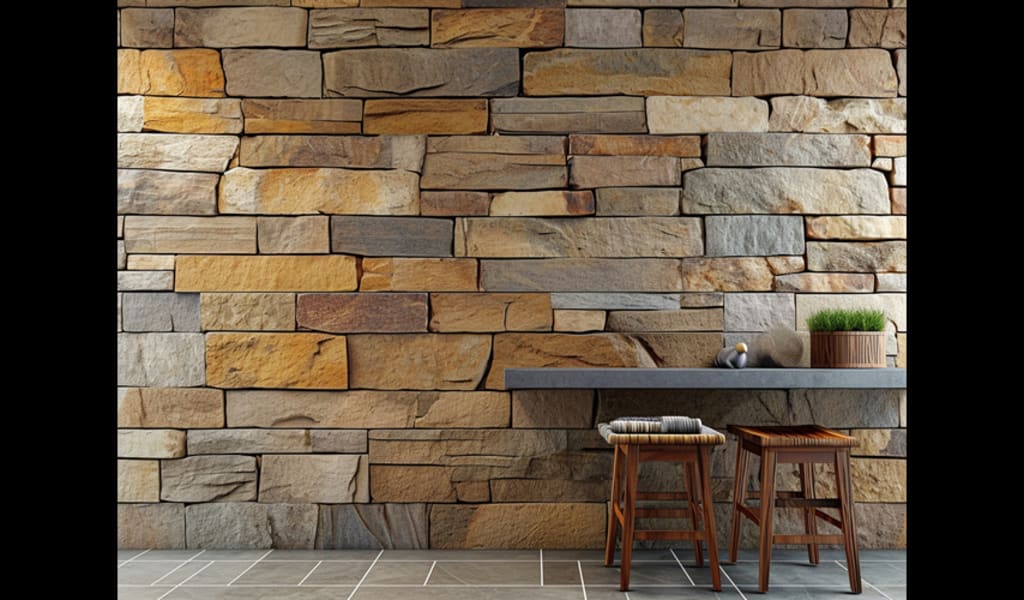
Best Stone Colors for Modern Homes in 2025