1/2
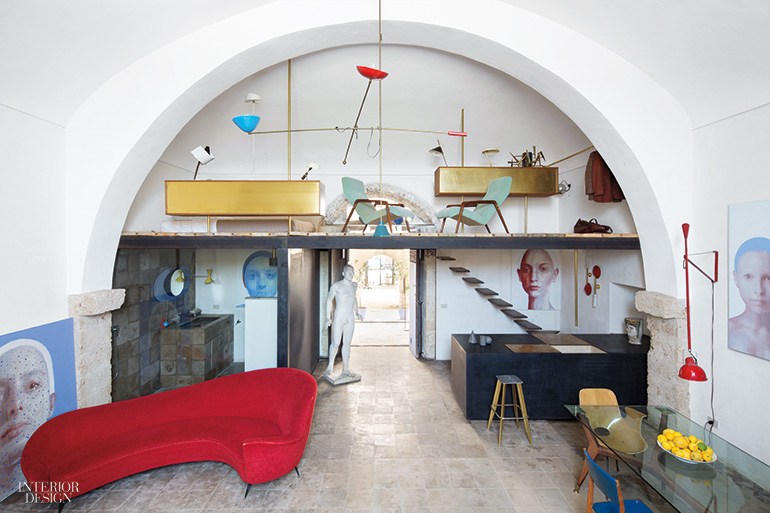
Artist Sergio Fiorentino’s Majestic Home and Studio by +CStudio Architetti in Noto, Italy
The article details the transformation of an 18th-century former refectory in Noto, Sicily, into a combined home and studio for painter-sculptor Sergio Fiorentino. Noto, a UNESCO World Heritage site, is known as the “giardino di pietra” for its baroque stone architecture and attracts numerous artists and designers. Fiorentino, originally from Catania, initially pursued a career in design, restoring antique ceramics and opening a gallery specializing in Italian furniture and decorative objects from the 1930s to the 1960s. He later transitioned to full-time painting, leading him to Noto.
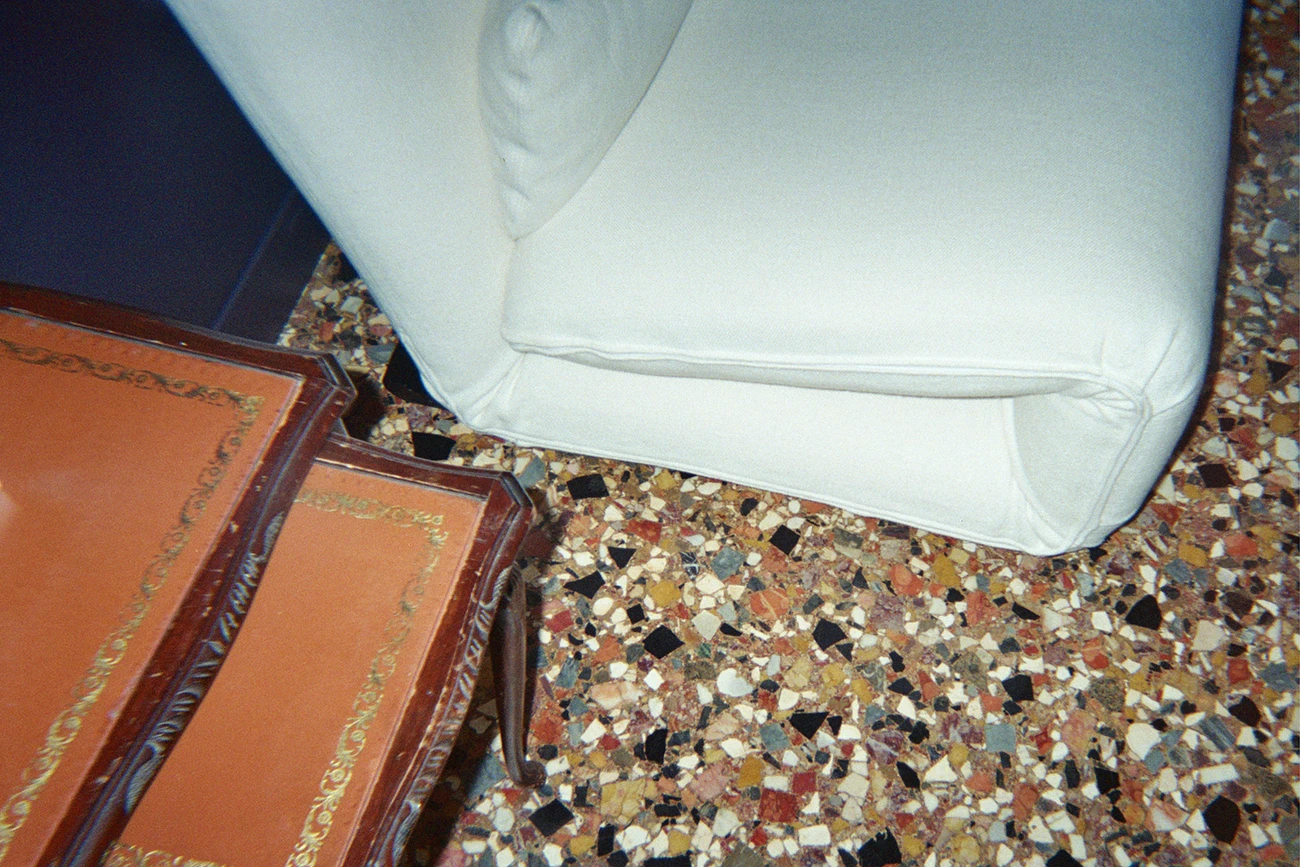
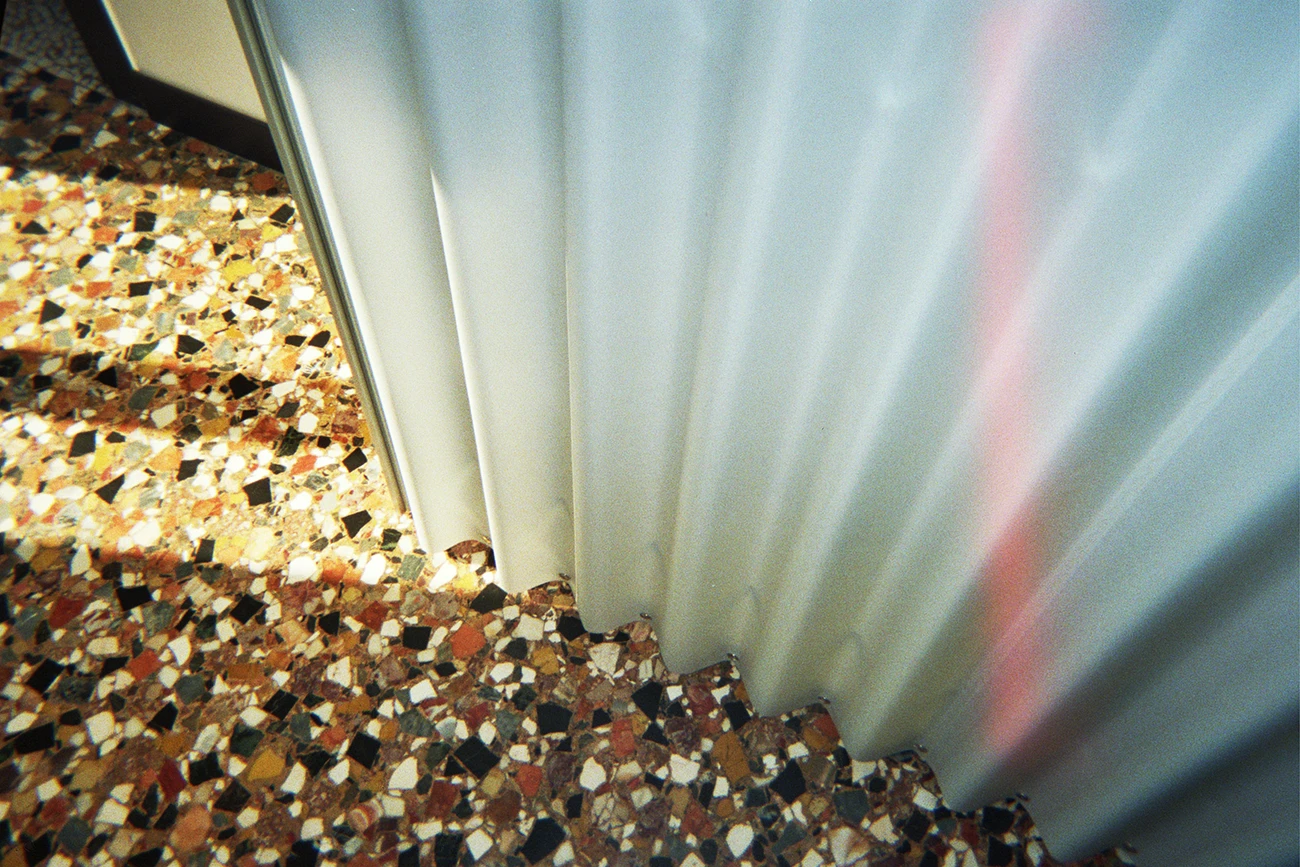
He acquired the refectory, part of a former Cistercian monastery adjacent to a deconsecrated church, for his studio. Around the same time, architect Massimo Carnemolla of +CStudio Architetti returned to his native Noto after working in Rome, Amsterdam, and Paris. Carnemolla, a self-proclaimed artisan who also designs decorative accessories and interiors, met Fiorentino and a collaboration ensued. Both Fiorentino and Carnemolla approached the project with a philosophy of minimal intervention, emphasizing respect for the historical site and its existing features, such as 14-foot limestone walls and original gray polished cement floor tiles.
The primary architectural addition was a 175-square-foot sleeping loft, increasing the total living and working space to 825 square feet. Fiorentino personalized the loft with his own designs—a walnut and brass credenza and wall-mounted cabinet—along with armchairs attributed to Gio Ponti and 1950s light fixtures. The ascent to the loft is marked by a minimalist cast-iron staircase, comprising treads welded to a beam.
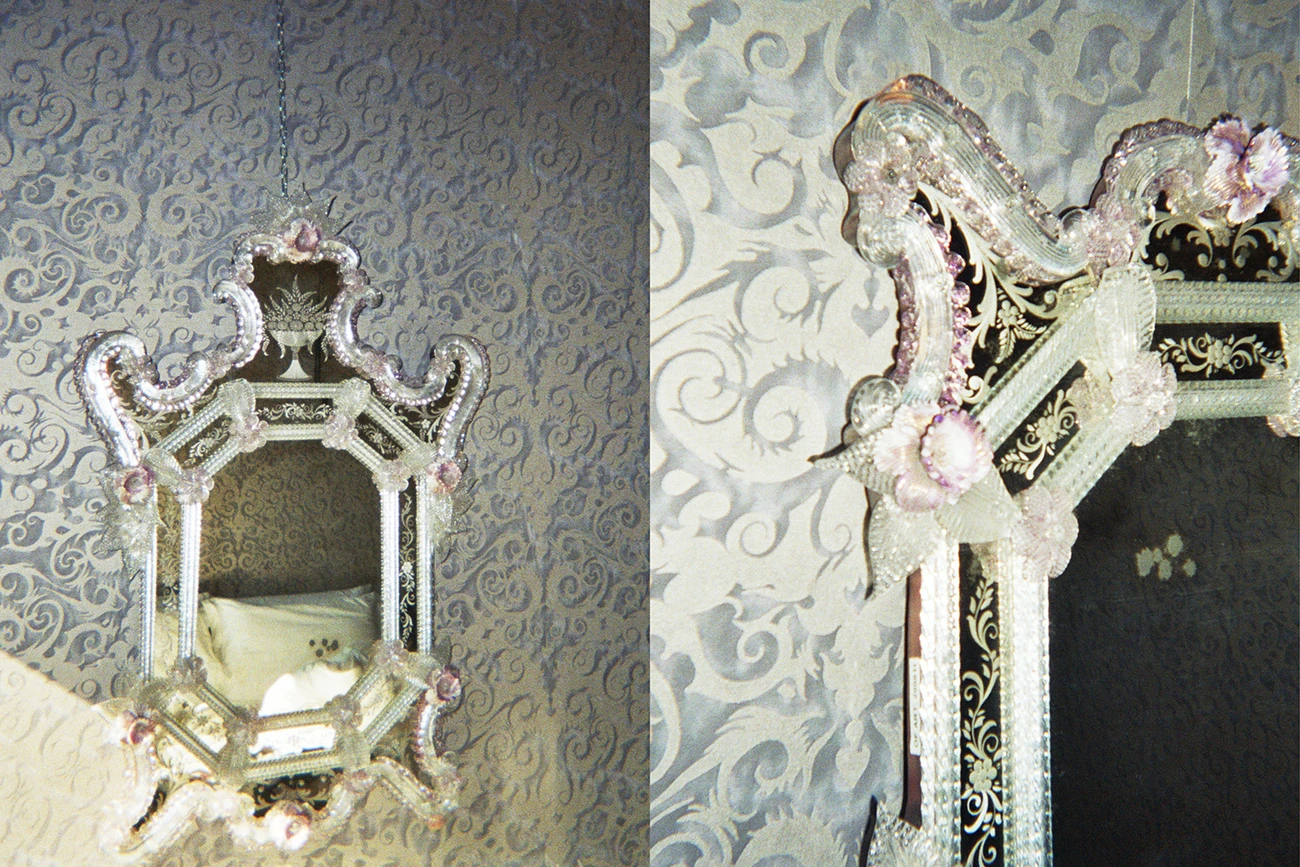
Below the loft, an open kitchen features a cast-iron island designed by Carnemolla, integrating a cooktop and sink. The bathroom is also open-plan, with a glass door for privacy, and features a shower-room design with a floor drain. The bathroom's walls, floor, and sink vanity are clad in the same gray tiles found throughout the space. Decorative elements include a 1950s round mirror framed with cerulean glass and a yellow wasp-waisted sconce from the same era.
The living and working areas flow seamlessly, defined by Fiorentino’s curated collection of Italian design pieces. The living room showcases Gianfranco Frattini rocking chairs upholstered in mint green, a Federico Munari sofa and lounge chair in crimson fabric (all from the 1960s), a Gastone Rinaldi armchair, and a white-glazed torso sculpture. Lighting is provided by a spiky floor lamp with multicolored shades. The dining area combines Gio Ponti’s Superleggera chairs, Vittorio Nobili’s Medea chairs, and a glass-topped trestle table reminiscent of Ico Parisi’s style. Fiorentino's cherished futurist ceramics are displayed in an arched niche.
Throughout the space, Fiorentino's paintings are prominently displayed. His current work explores haunting faces, figures, and themes of birth or rebirth, with large canvases often featuring oil subjects against acrylic backgrounds, frequently using white and blue hues, reflecting the influence of Noto’s pristine beach and the Ionian Sea. The project involved metalwork by Giuseppe Pisana and features products from various Italian designers and manufacturers, including Tagliabue Fratelli, Ceramiche Rometti, Azucena, FontanaArte, and Cassina.
#NotoItaly #SergioFiorentino #CStudioArchitetti #HistoricRenovation #ArtistHomeStudio #ItalianDesign #MinimalistInterior #MidCenturyFurniture #NotoItaly #SergioFiorentino #CStudioArchitetti #HistoricRenovation #ArtistHomeStudio #ItalianDesign #MinimalistInterior #MidCenturyFurniture
0 comment in total
 No comments yet
You may also like
This Is the Dream: How to Turn a Tuscan Fortress Into Your Own Retreat

Masterful Minds – Furniture Designers At The Top Of Their Game
This Apartment Brings Italian-Chic to the Middle of Manhattan

Inside a Designer’s Theatrical Apartment and Studio in Rome (Published 2019)

Faceted concrete T fronts house by Nicolás Campodonico
Designer Suzanne Costa Transforms One Floorplan in 3 Dazzling Ways

This Fairfax home mixes rich colors with classic designs for a extravagant look
Inside a 1930s Mansion Turned Eclectic Show House in Milan
Best-Laid Plans
fornasetti unveils five 'unusual living rooms' as proposals for fantastical interior settings
6 beautiful homes with Italian influences

Fakir Bari House / Design Works Studio

Pristine "Byrd house" with Studio Retreat in Prime Location
EYRC + johannes girardoni spectral bridge house emits light and color in venice, california
A Historic House in Paris Gets a Visionary Makeover by Designer Hugo Toro
A Pink Staircase Dominates the Revival of This Roman Apartment

After Morning Espresso, This Creative Duo's Milan Home Transforms Into Their Design Studio

Refugium Amoris — Reclaims the Fabric of the City

A São Paulo Abode by FCstudio Prioritizes Outdoor Living
italian painter’s works transform il bottaccio luxury hotel into integrated living gallery