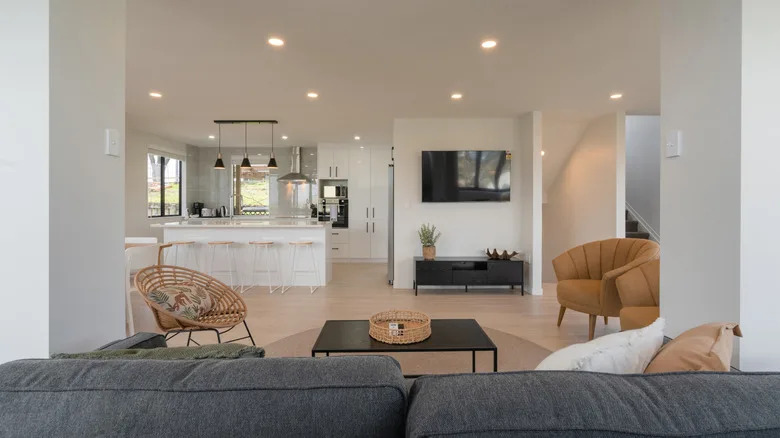
1/3
Are Recessed Lights Still A Good Idea, Or Are They Outdated?
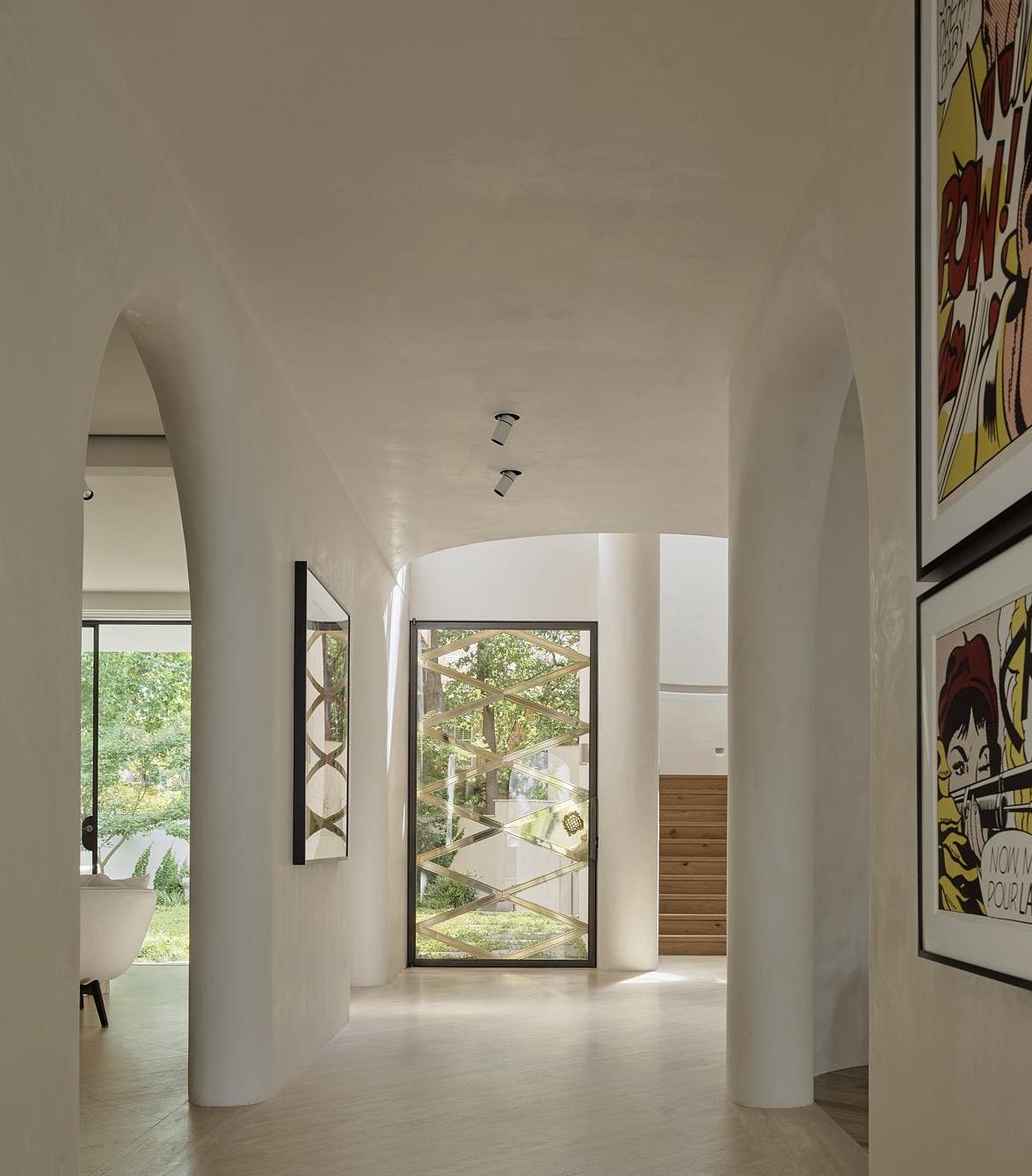
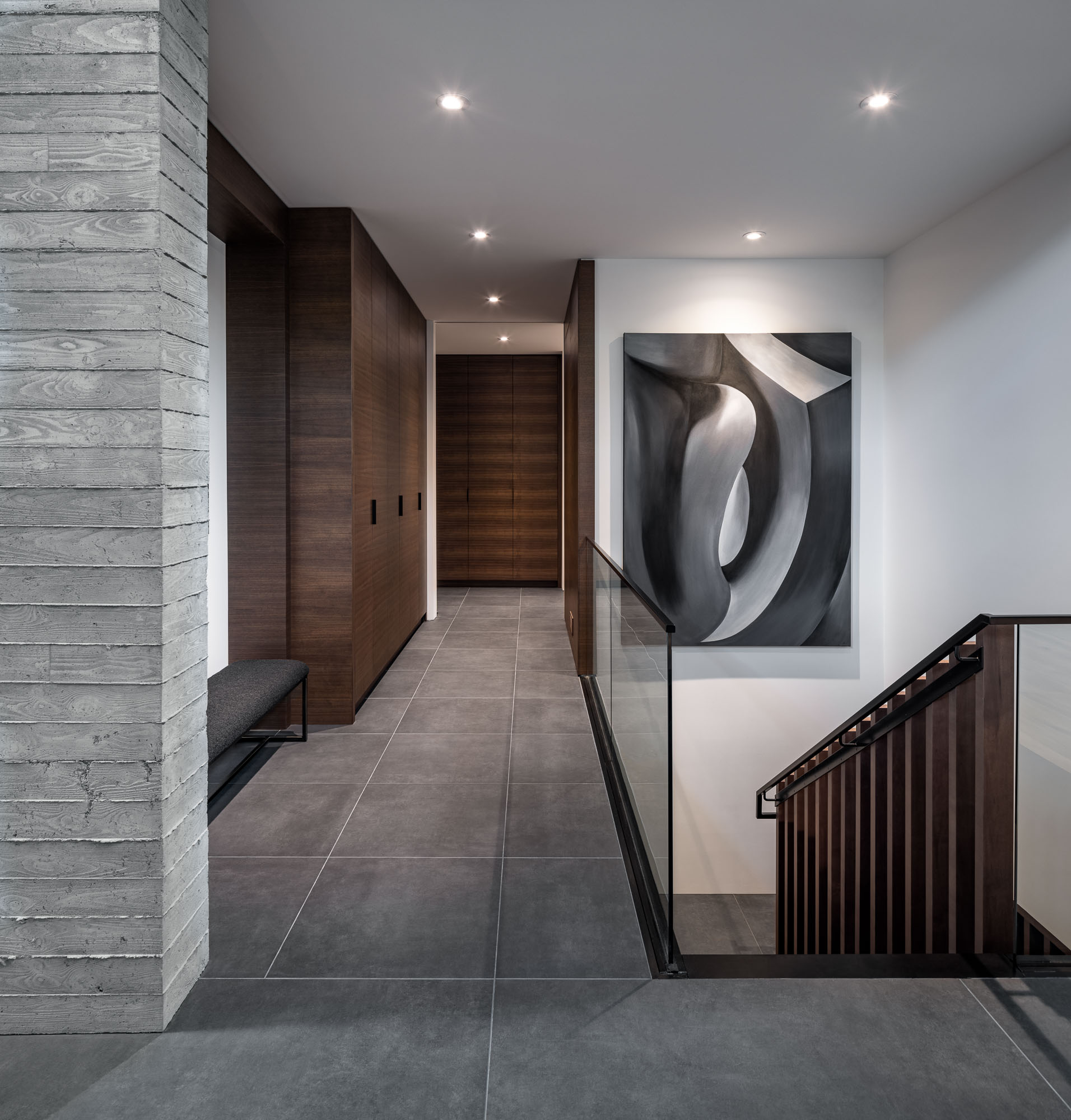

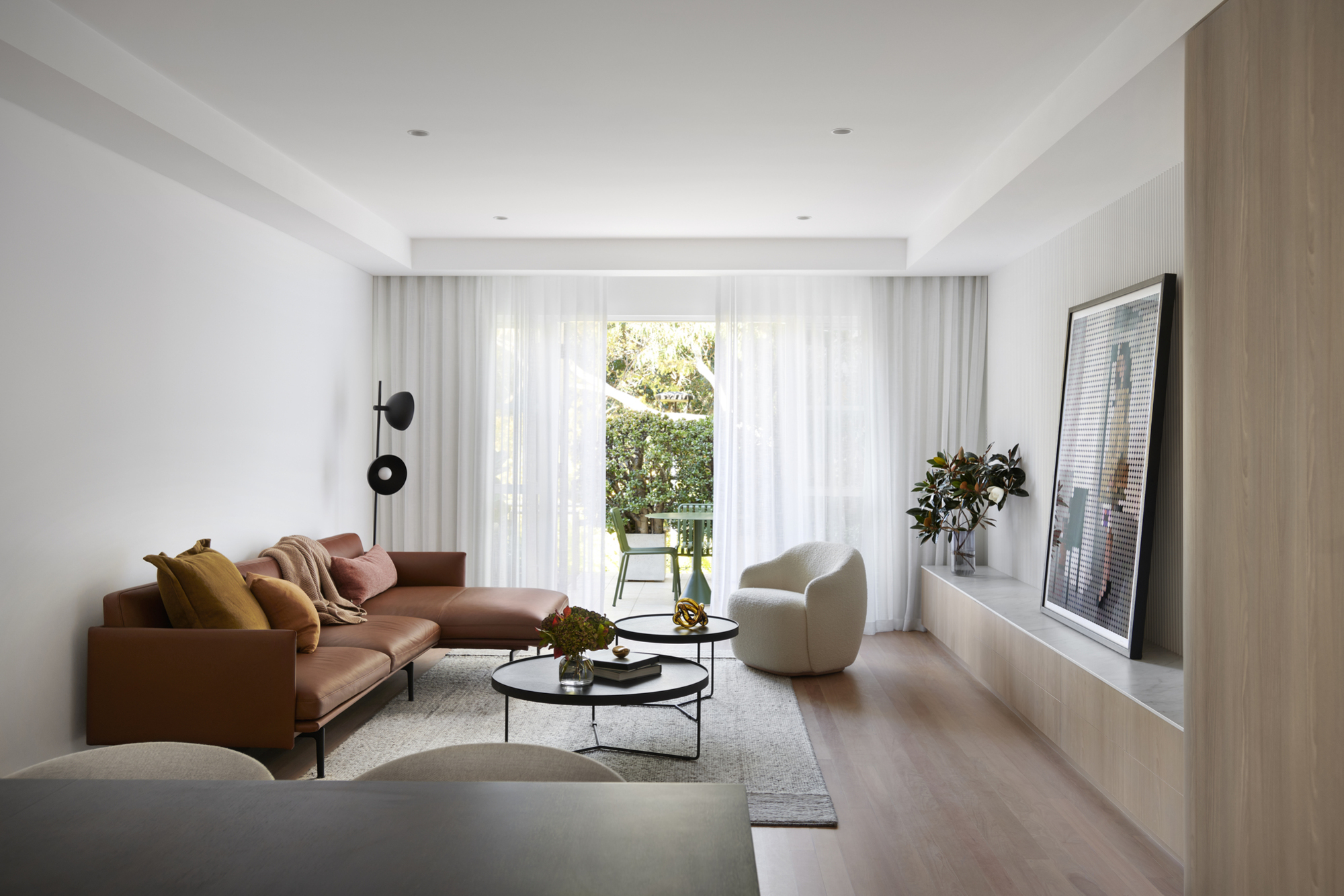
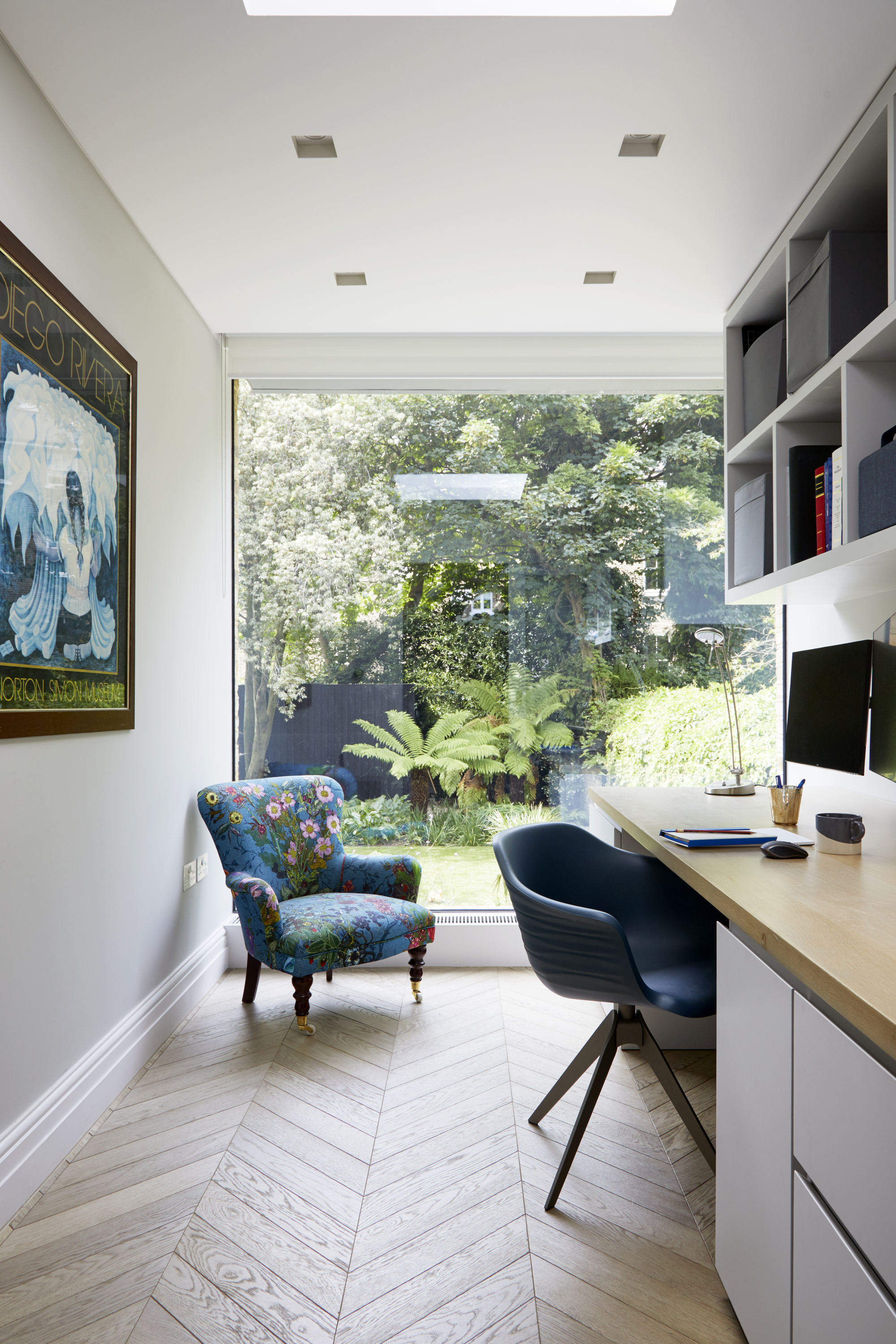
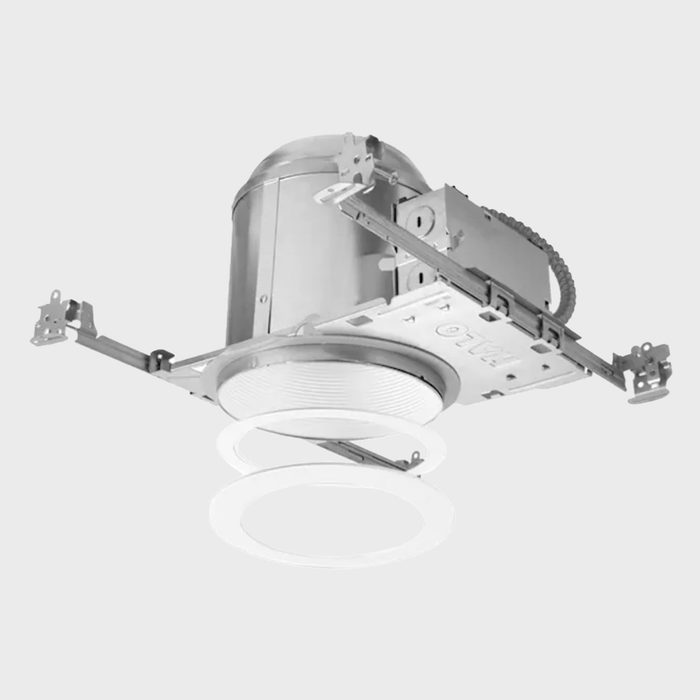
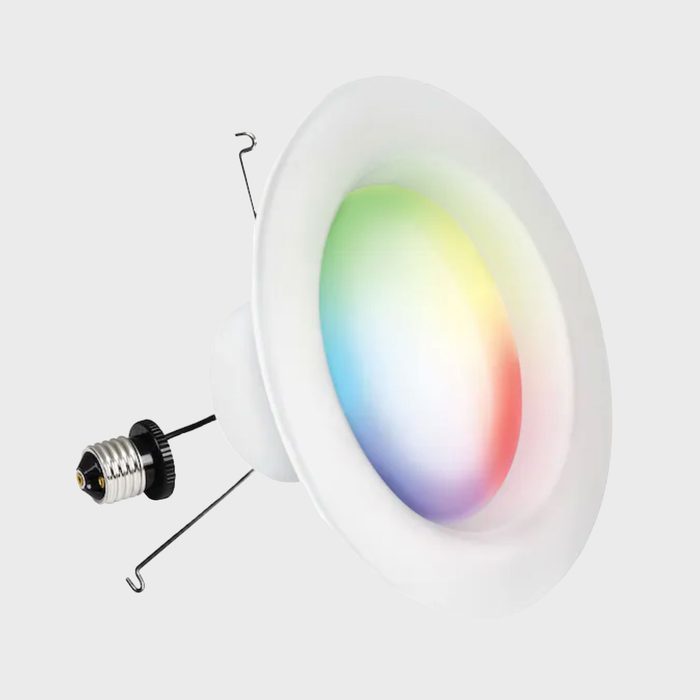
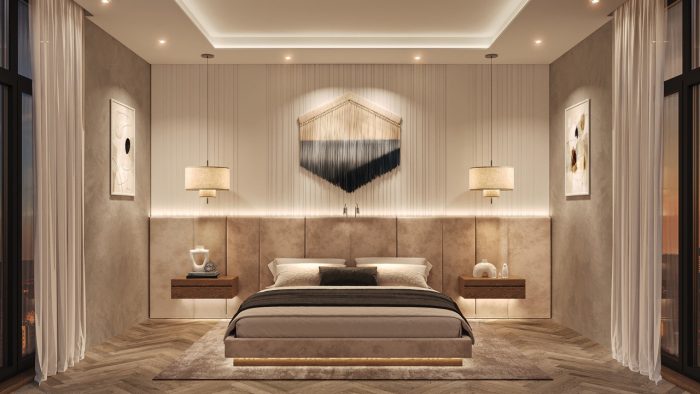
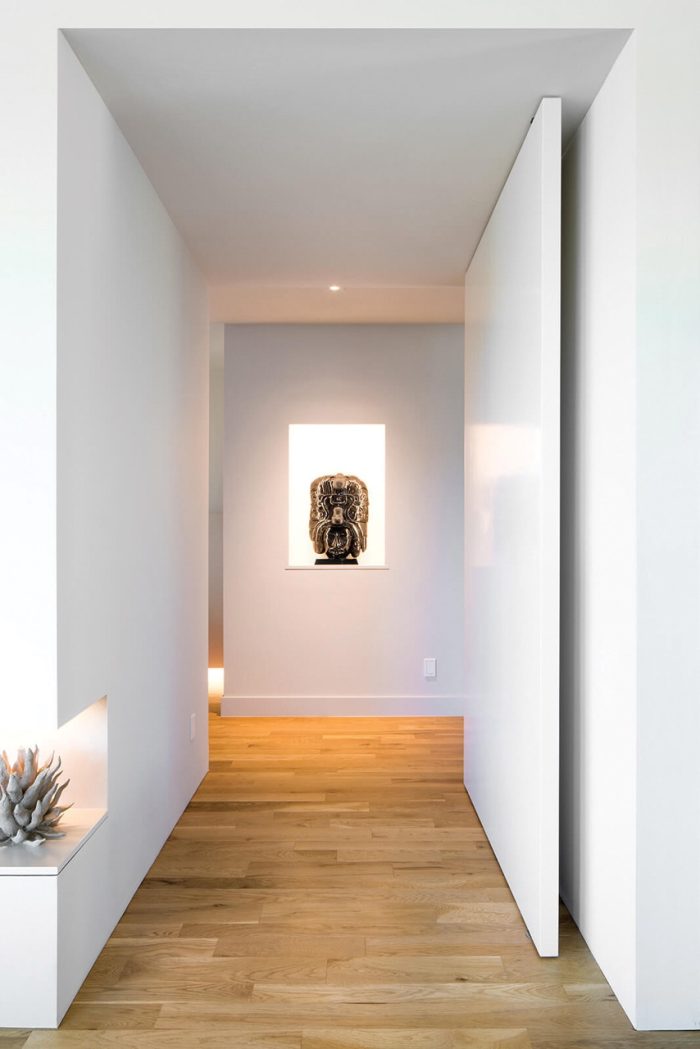
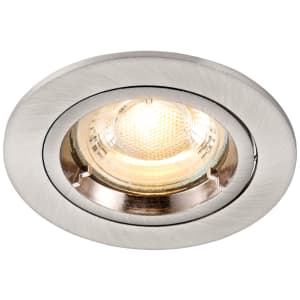
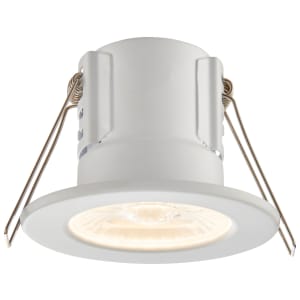
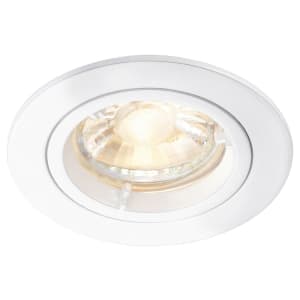
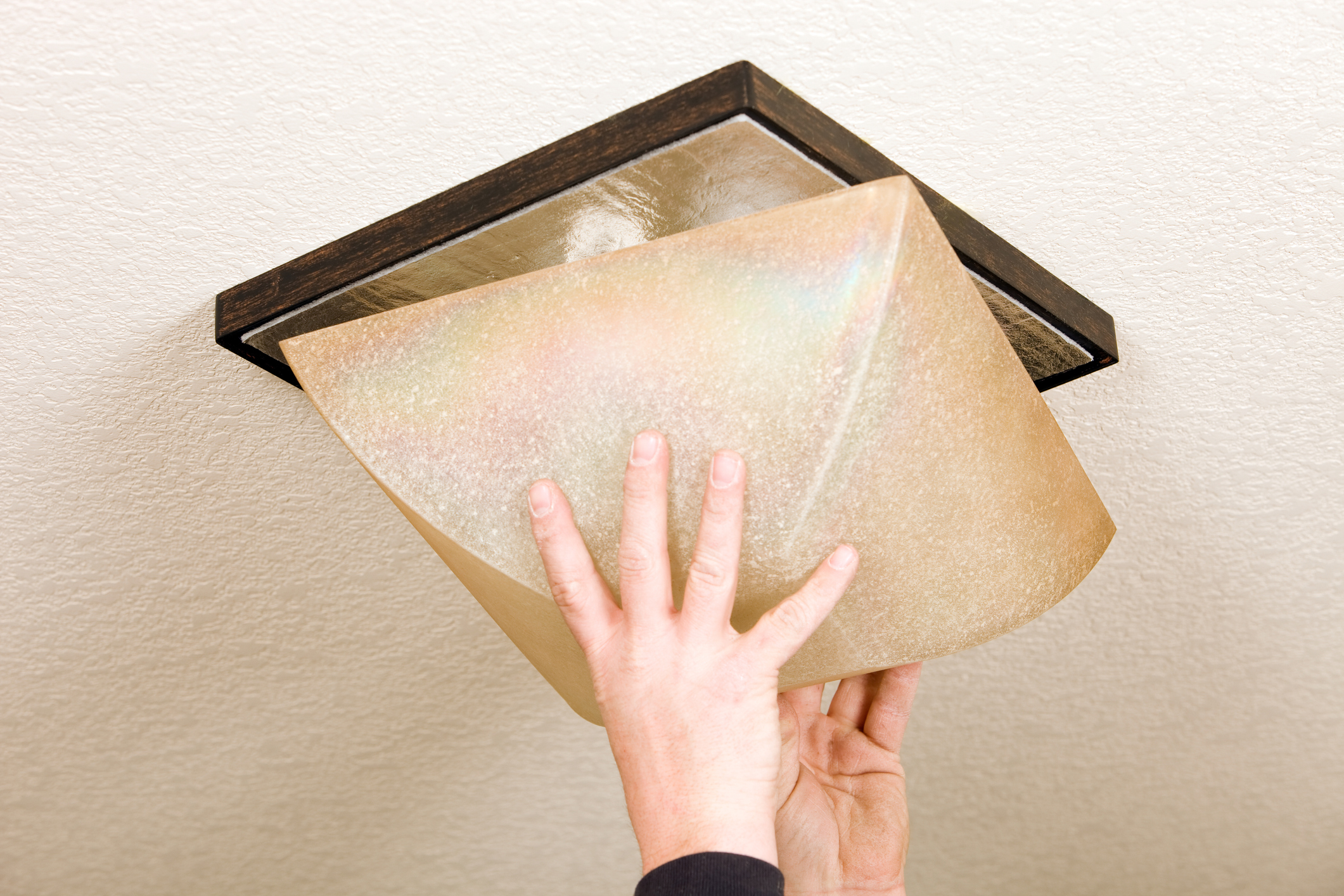
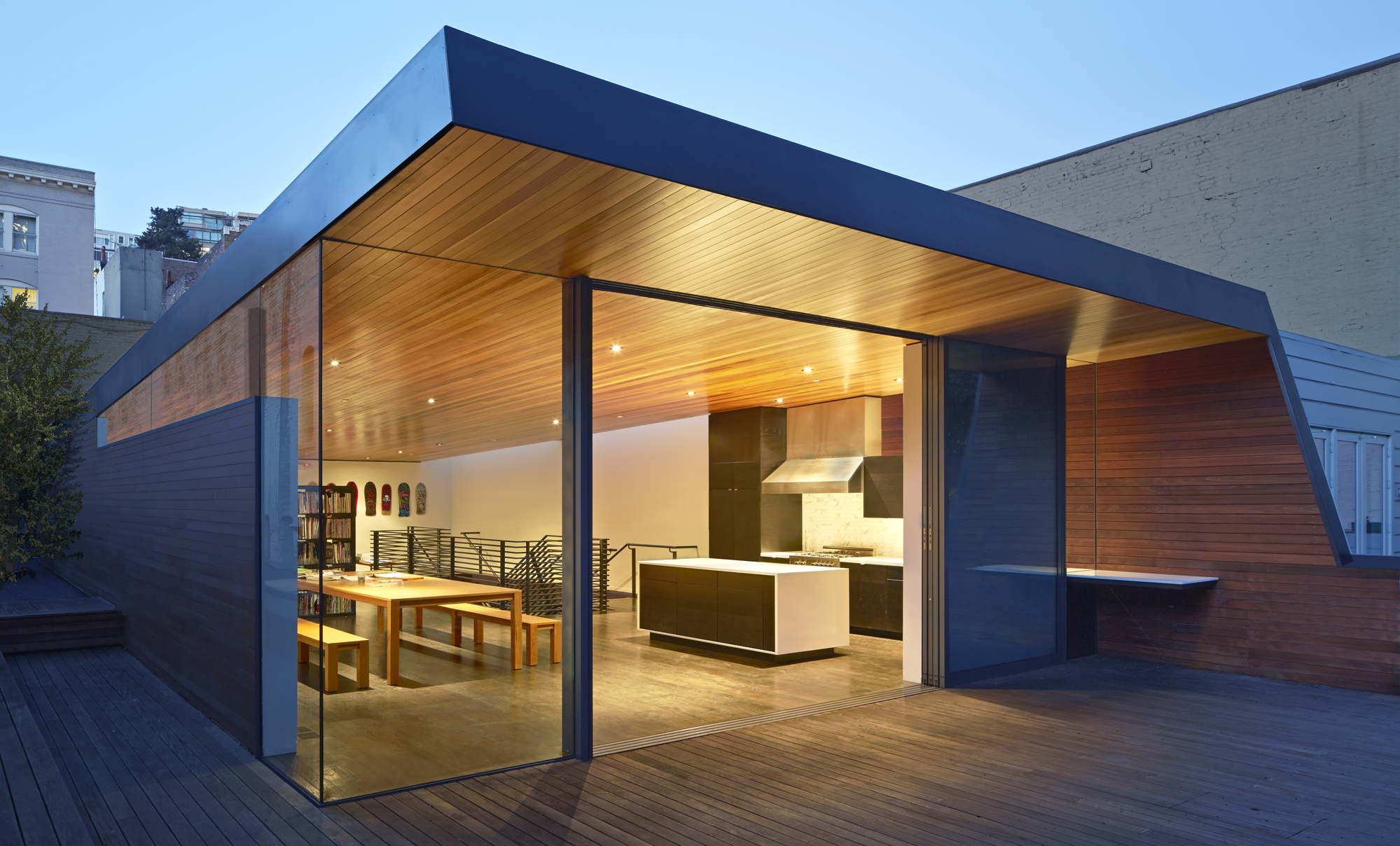
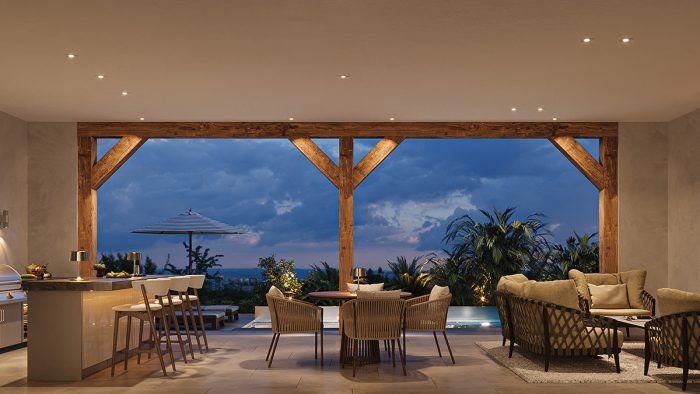
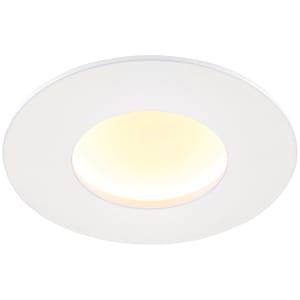
The article explores the contemporary relevance of recessed lighting in home design, addressing concerns about its potential obsolescence given its long-standing presence in interior aesthetics. Recessed lights, also known as canned lights, are fixtures installed flush with the ceiling to provide overhead illumination, a feature that has been a staple in homes for decades. Despite their age, industry expert Dara Greaney, founder and CEO of LED Light Expert, suggests that recessed lighting remains a highly effective solution for achieving uniform and comprehensive light coverage, particularly in essential living spaces like kitchens and family rooms. According to Greaney, the performance of these fixtures in terms of light distribution and consistency is difficult to surpass with other lighting products, indicating their continued importance in modern homes.
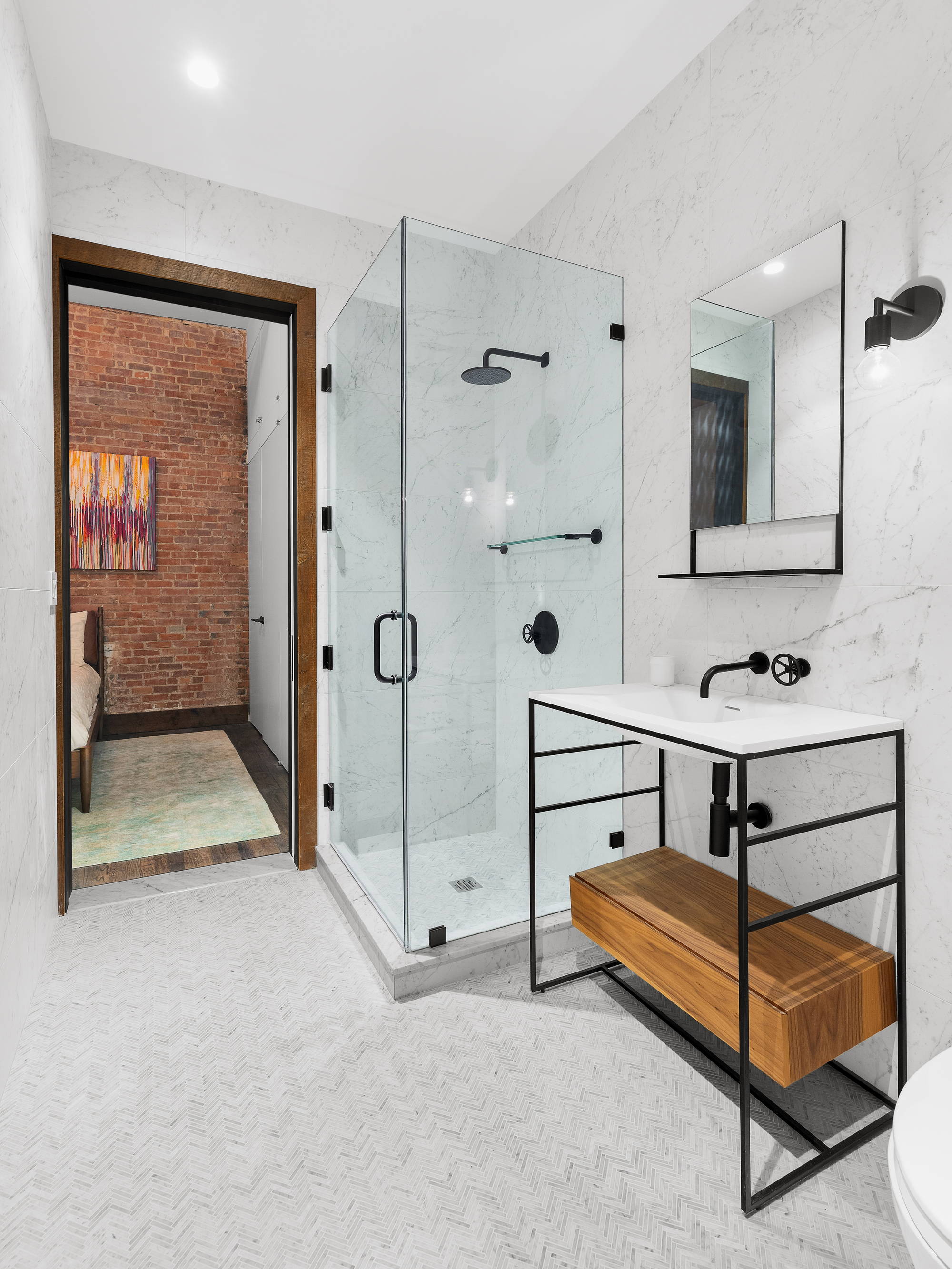
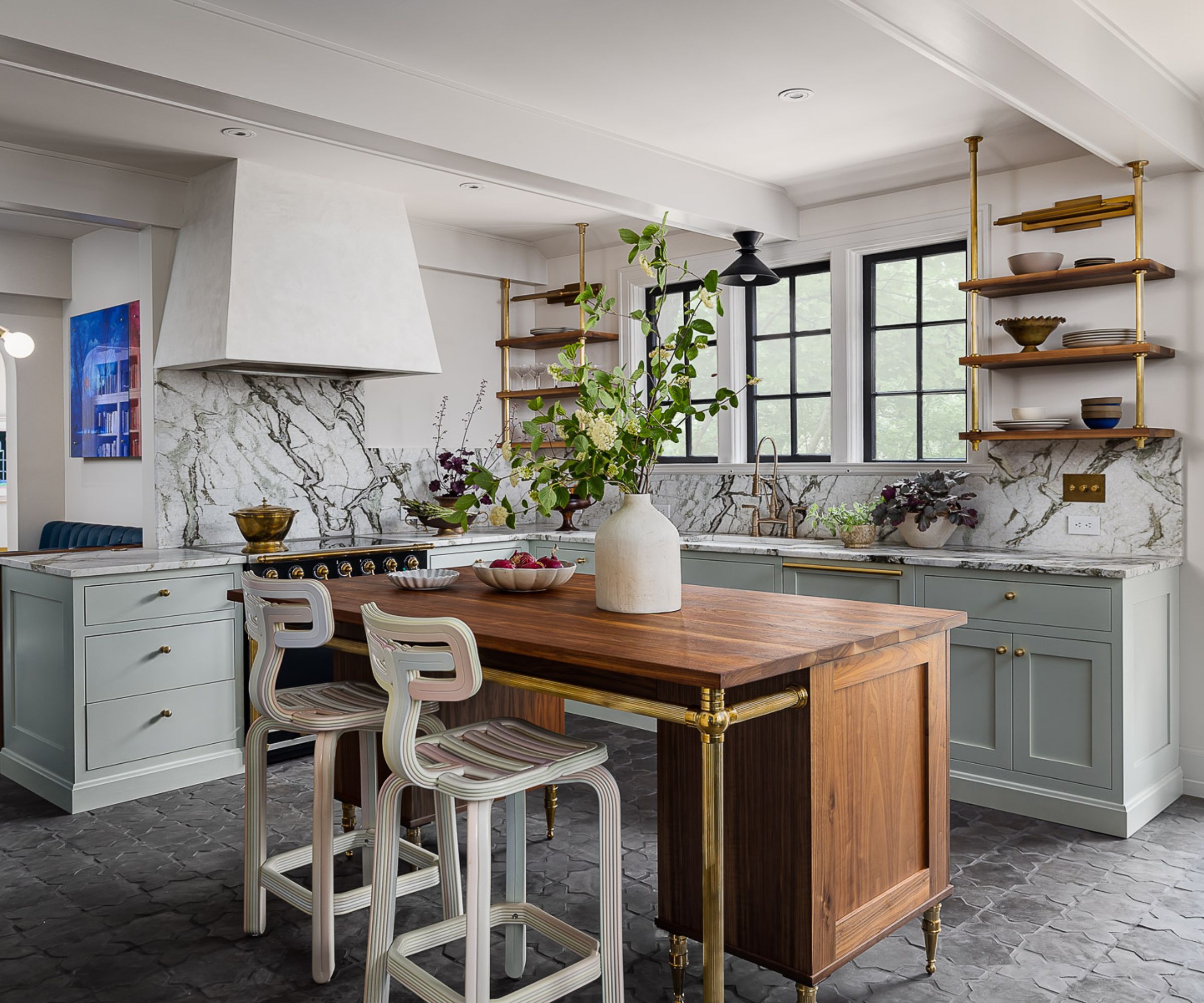
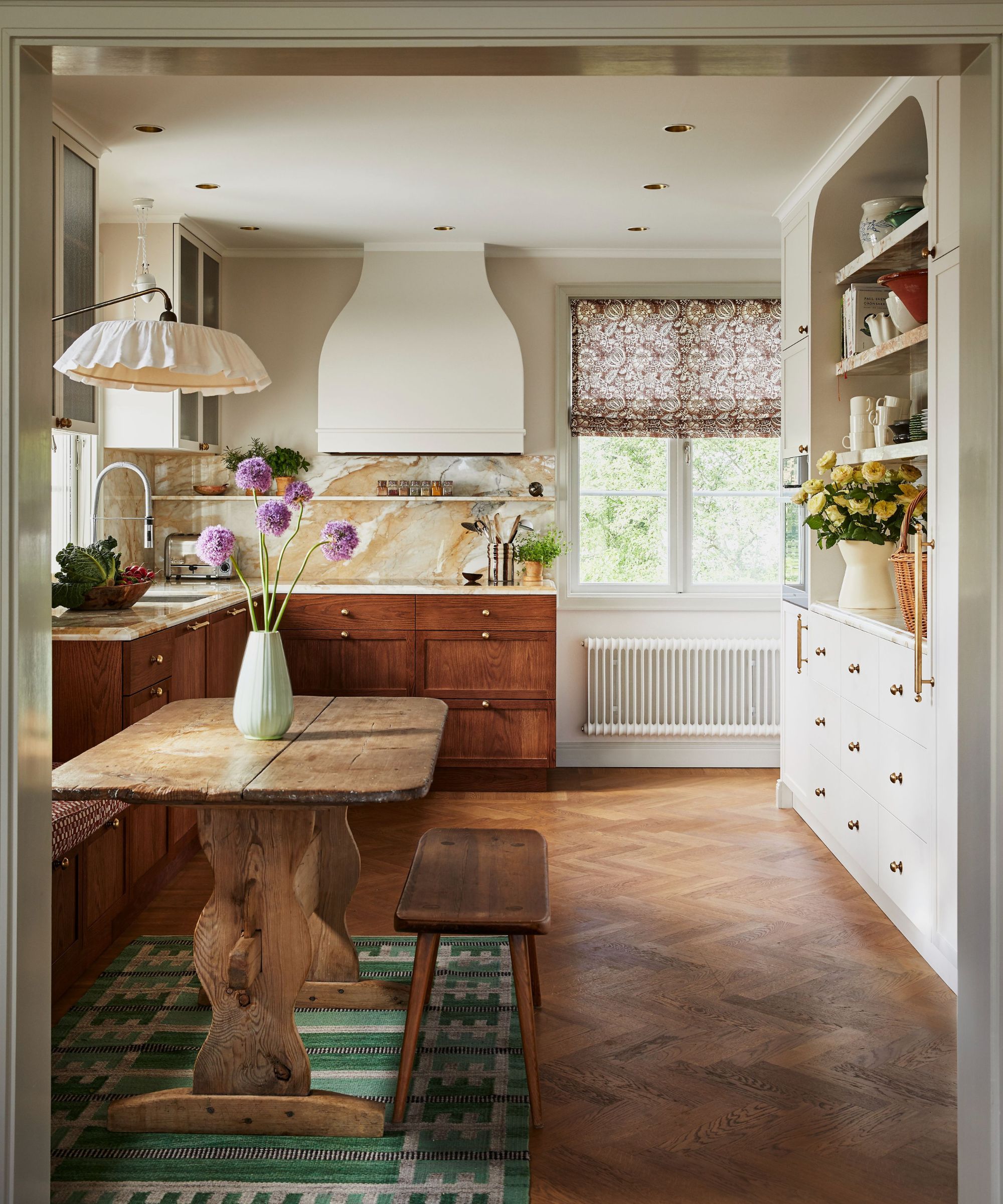
The discussion delves into the enduring advantages of recessed lighting. Greaney highlights their ability to serve as excellent "house lights" across various rooms, including kitchens, family rooms, bathrooms, garages, and bedrooms. A key benefit is the customizability of illumination; homeowners can strategically place these fixtures to control the amount and spread of light in each area. Moreover, recessed lighting offers the significant advantage of providing ample illumination without occupying any visible space, contributing to a clean and uncluttered ceiling aesthetic. This functional efficiency, as Greaney points out, makes them an unbeatable choice from a practical standpoint.
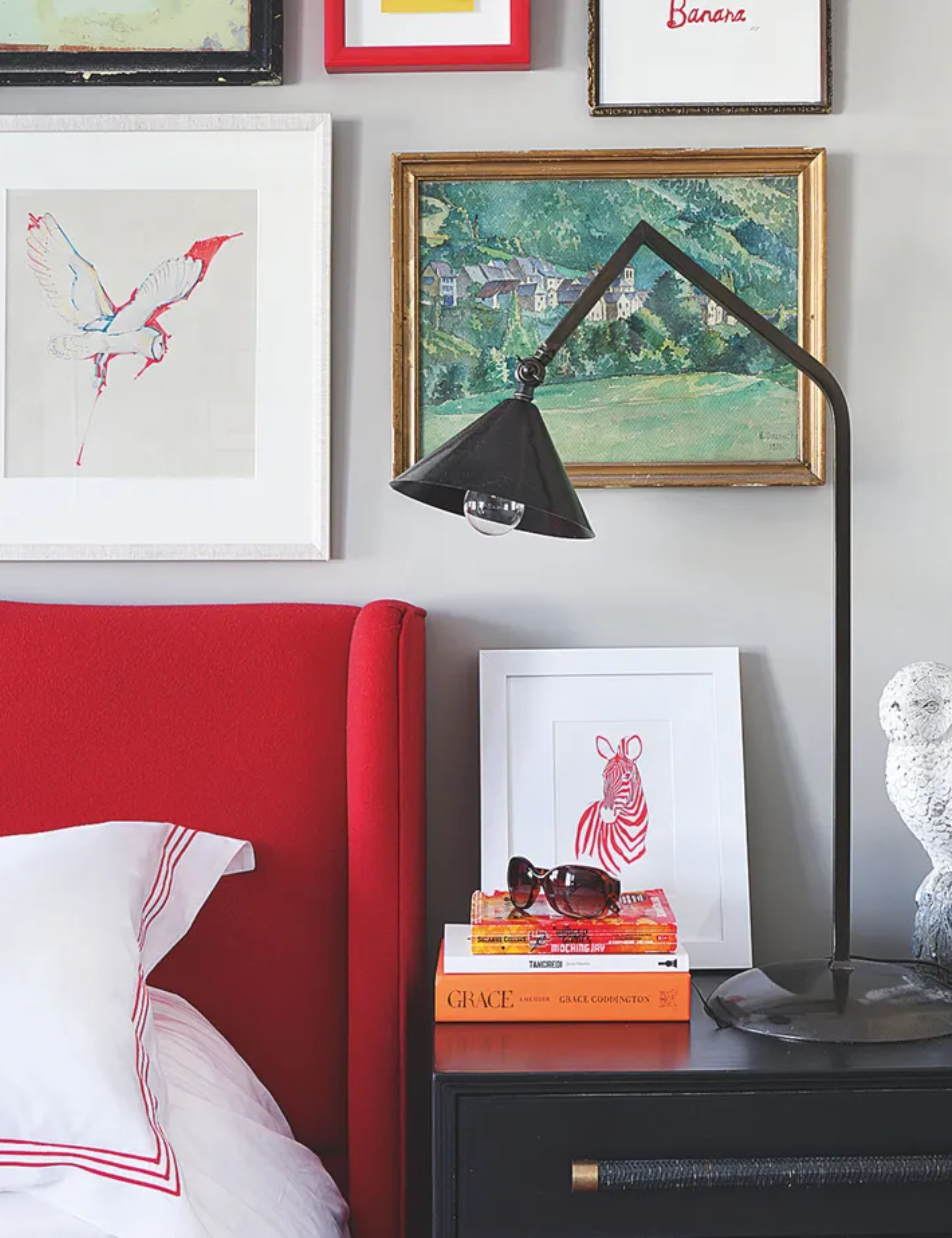
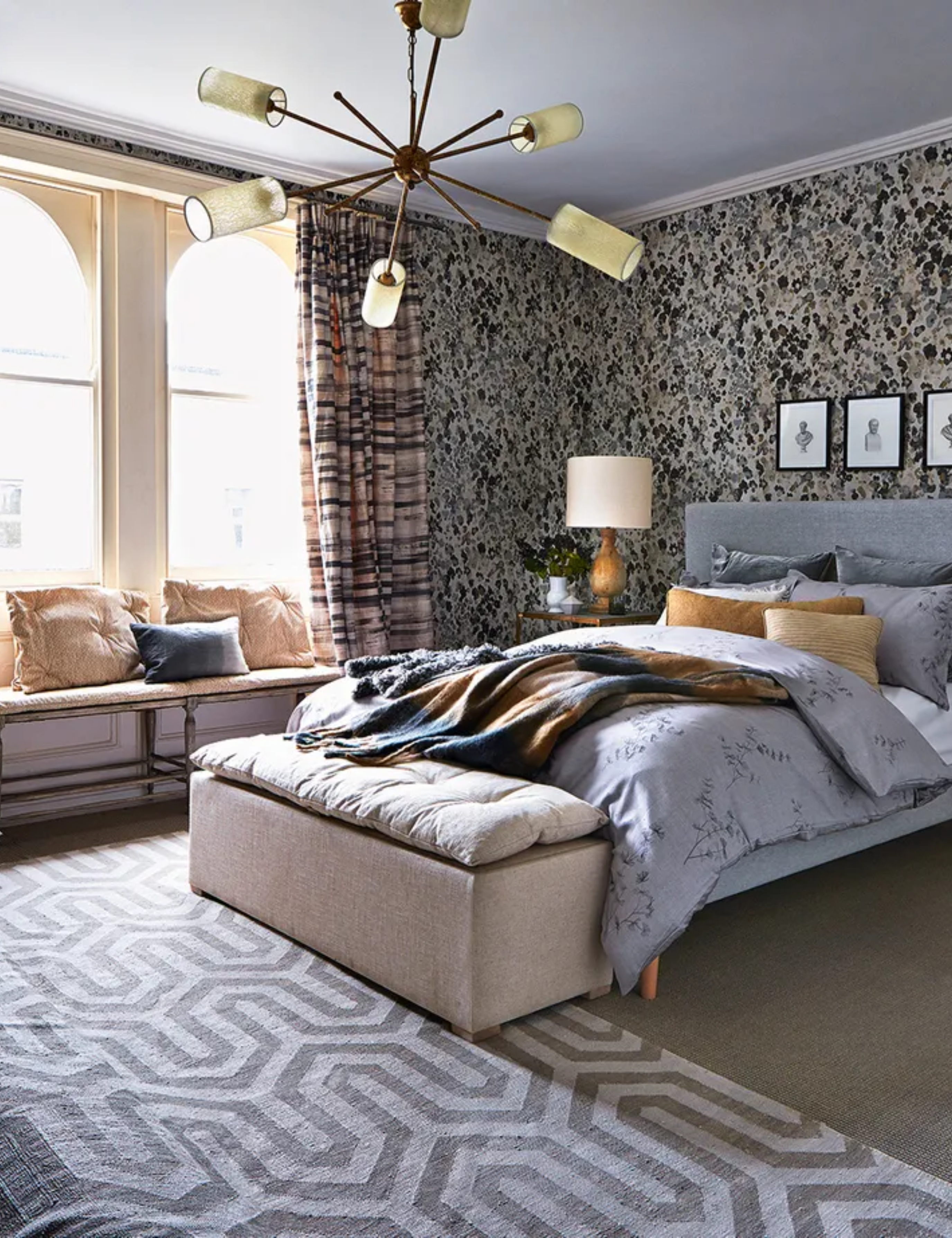
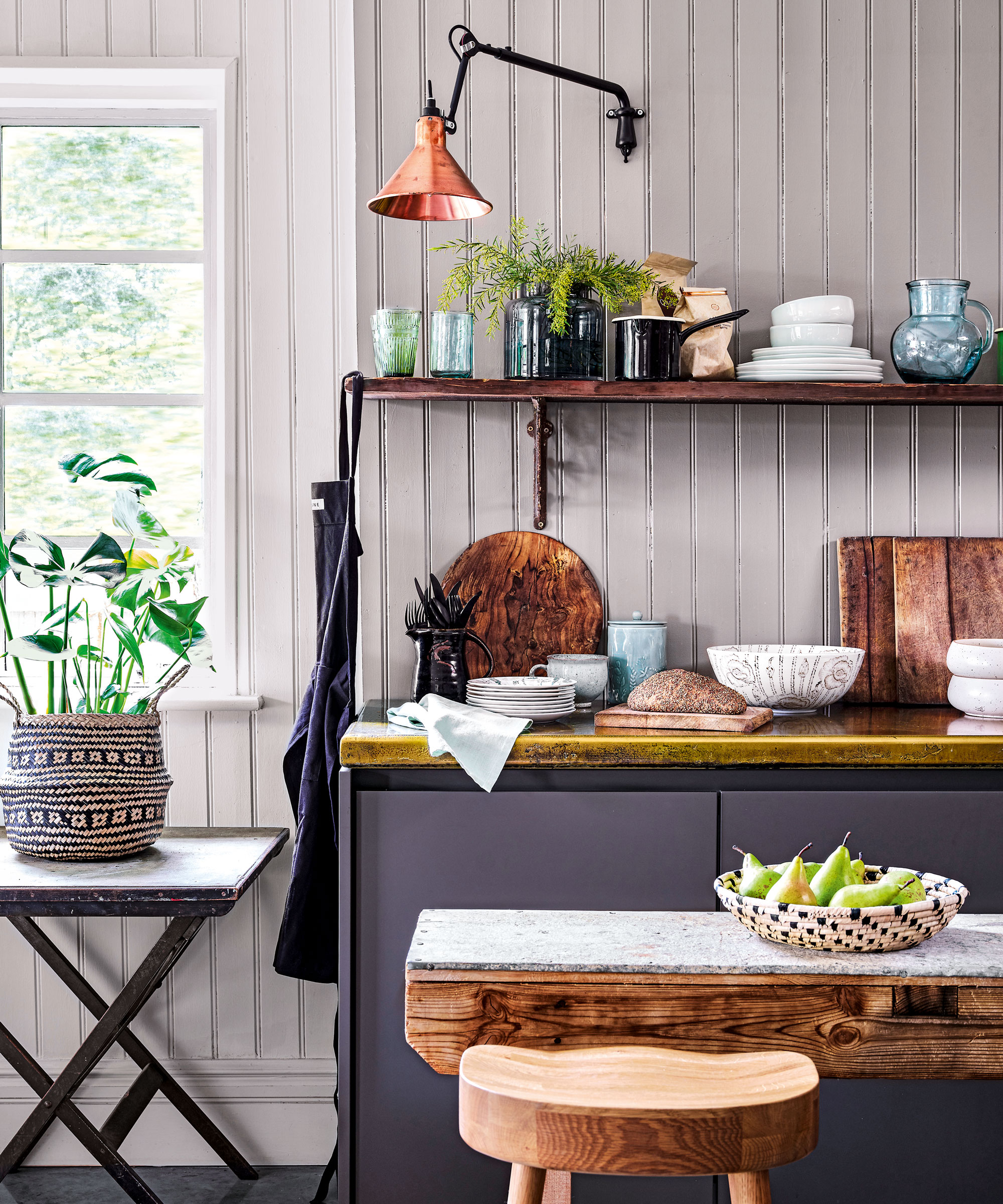
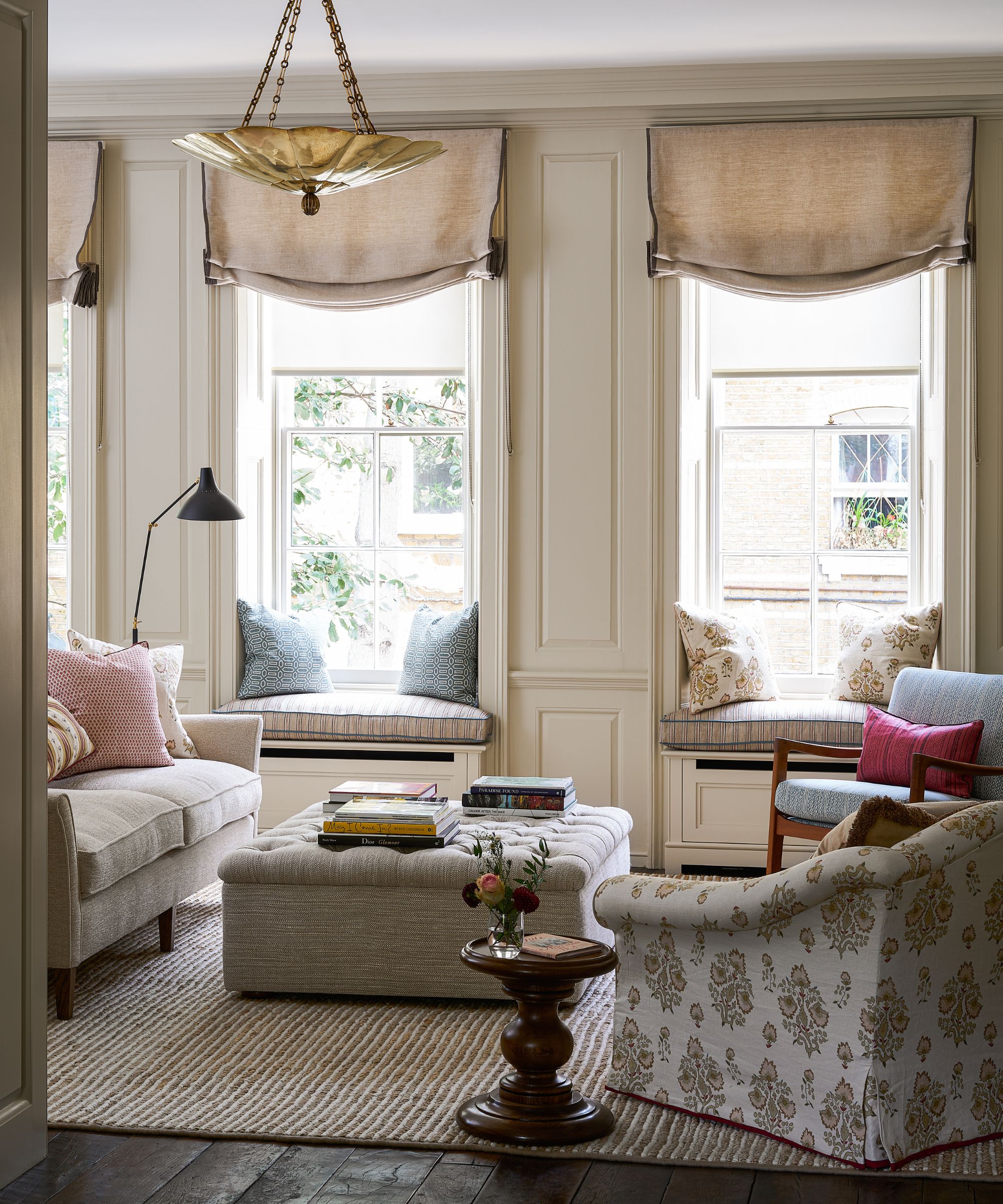
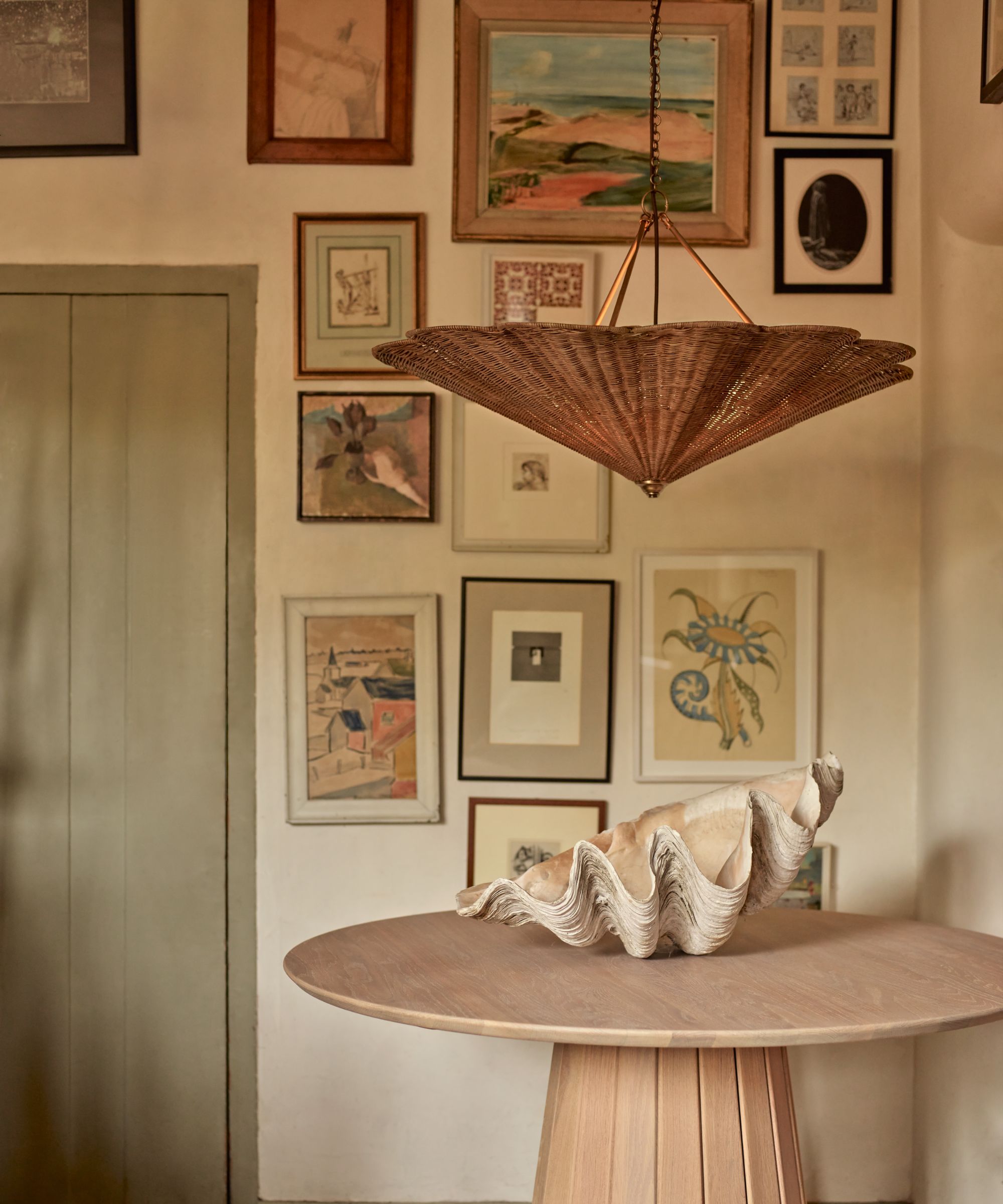
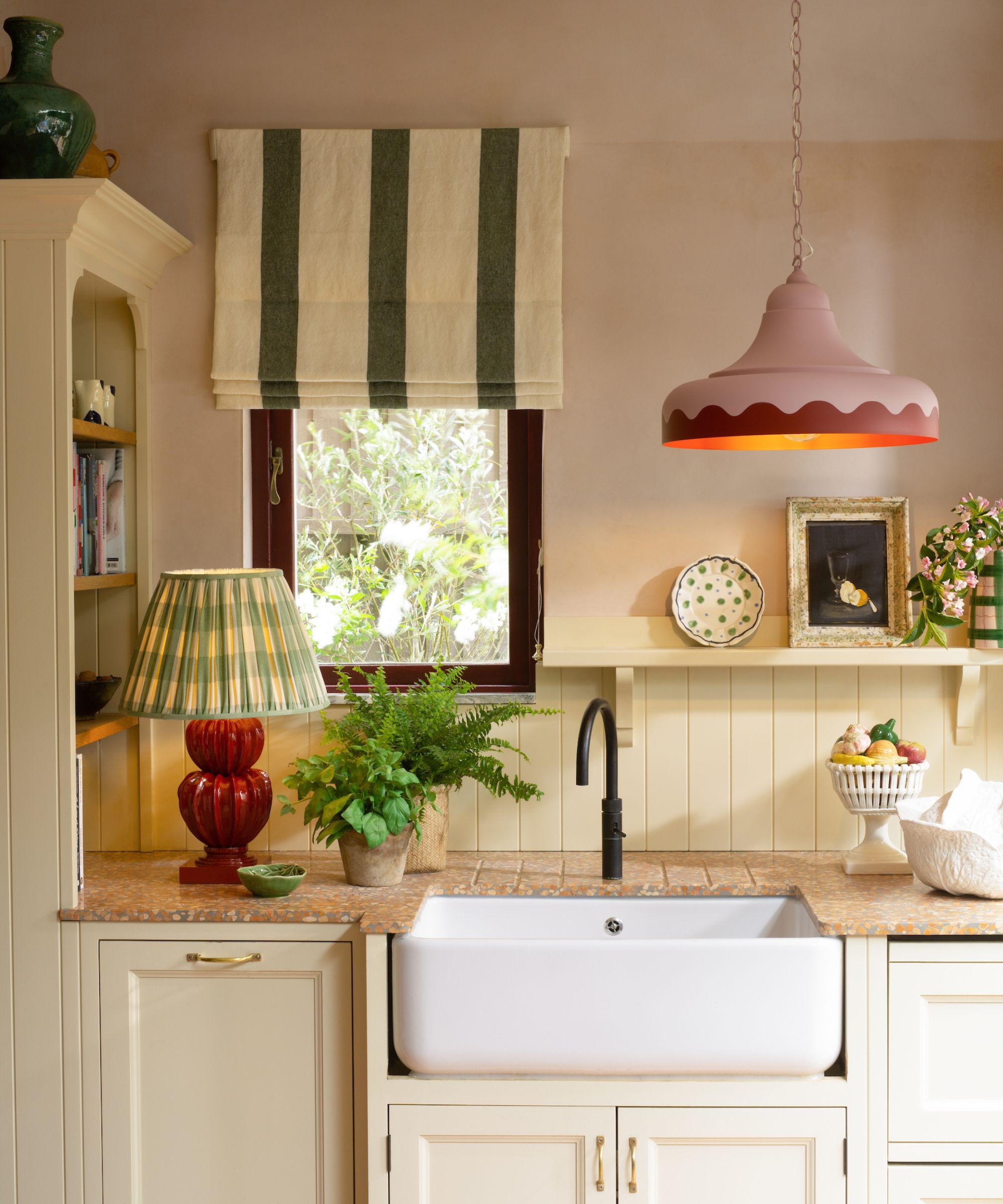
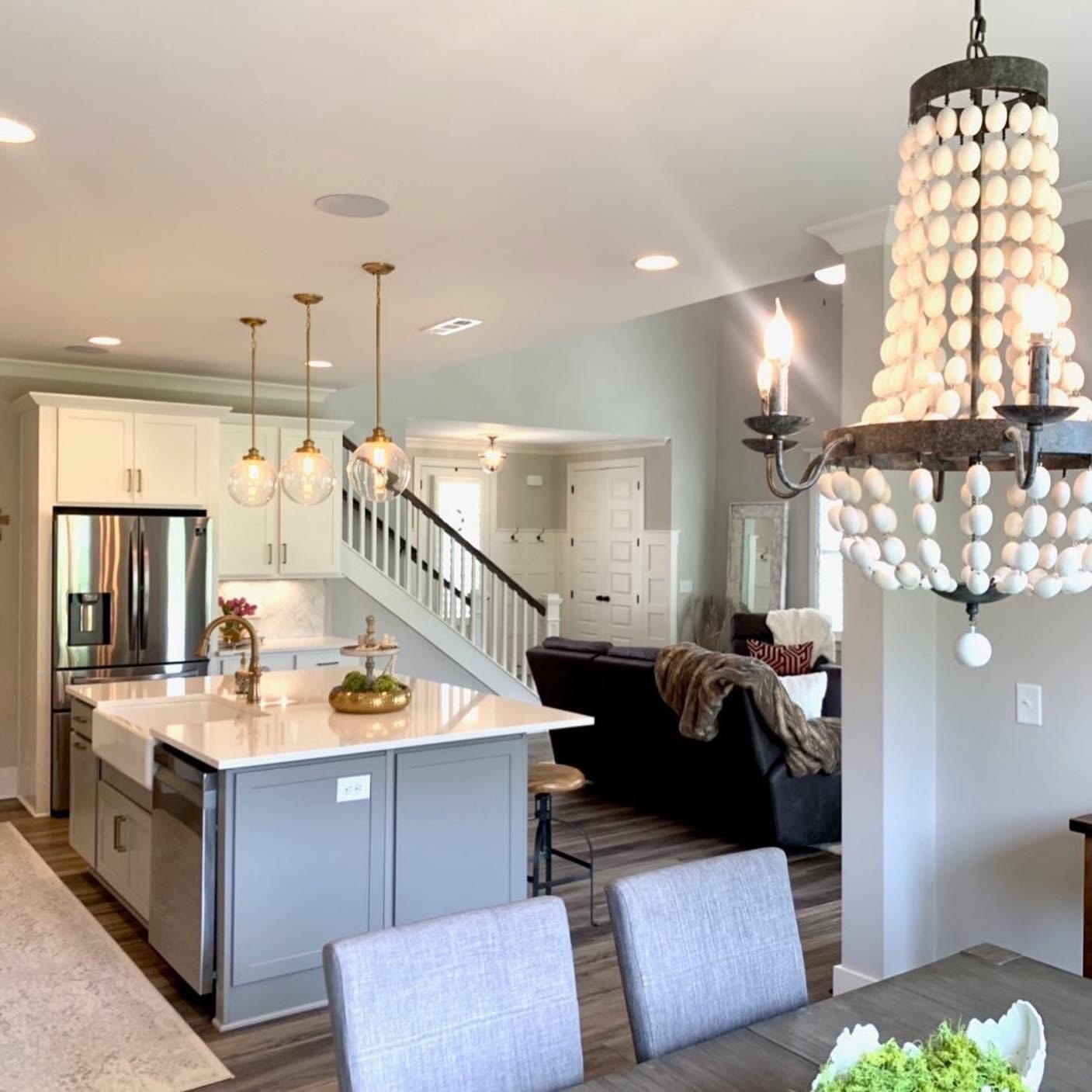
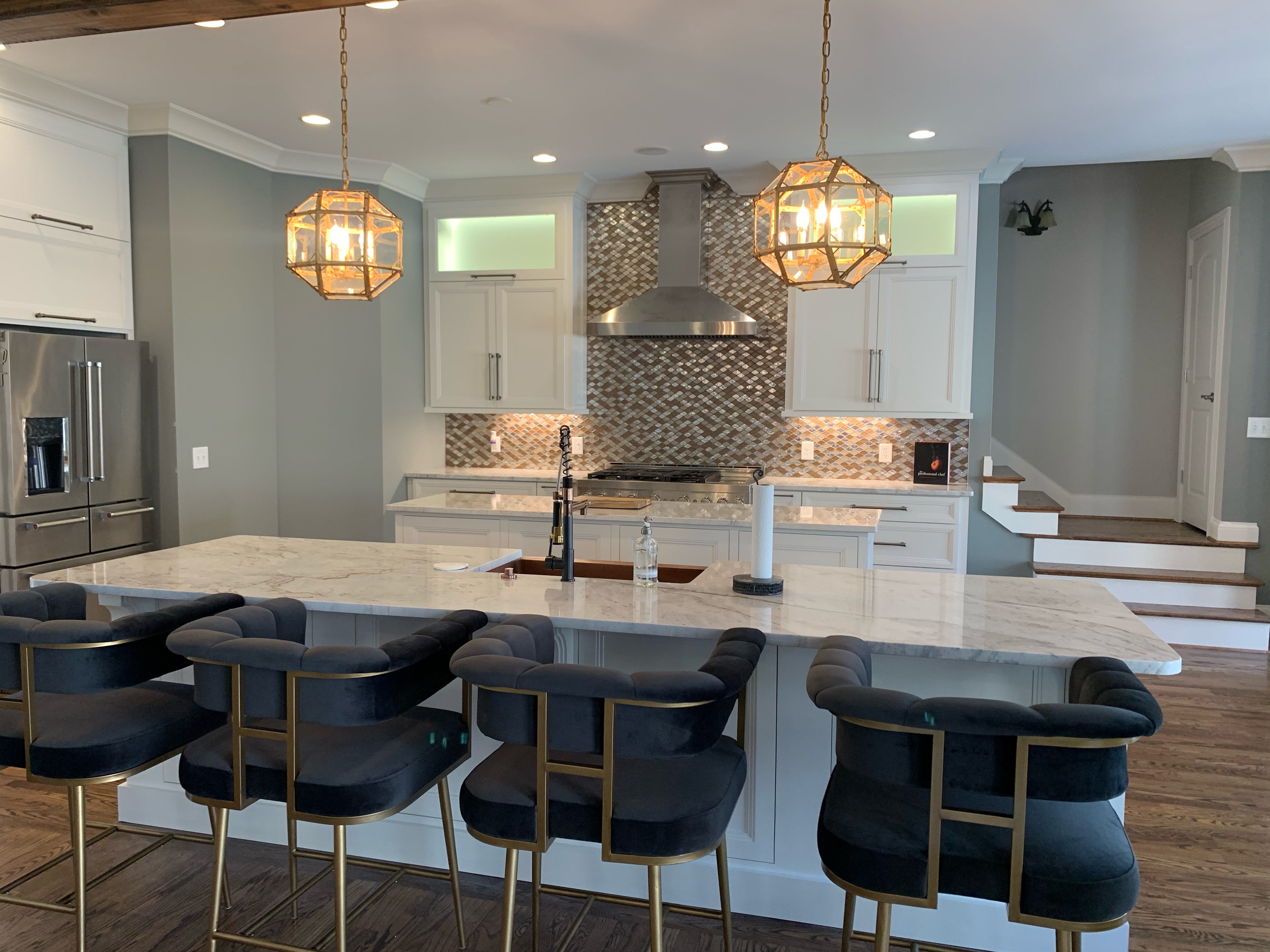
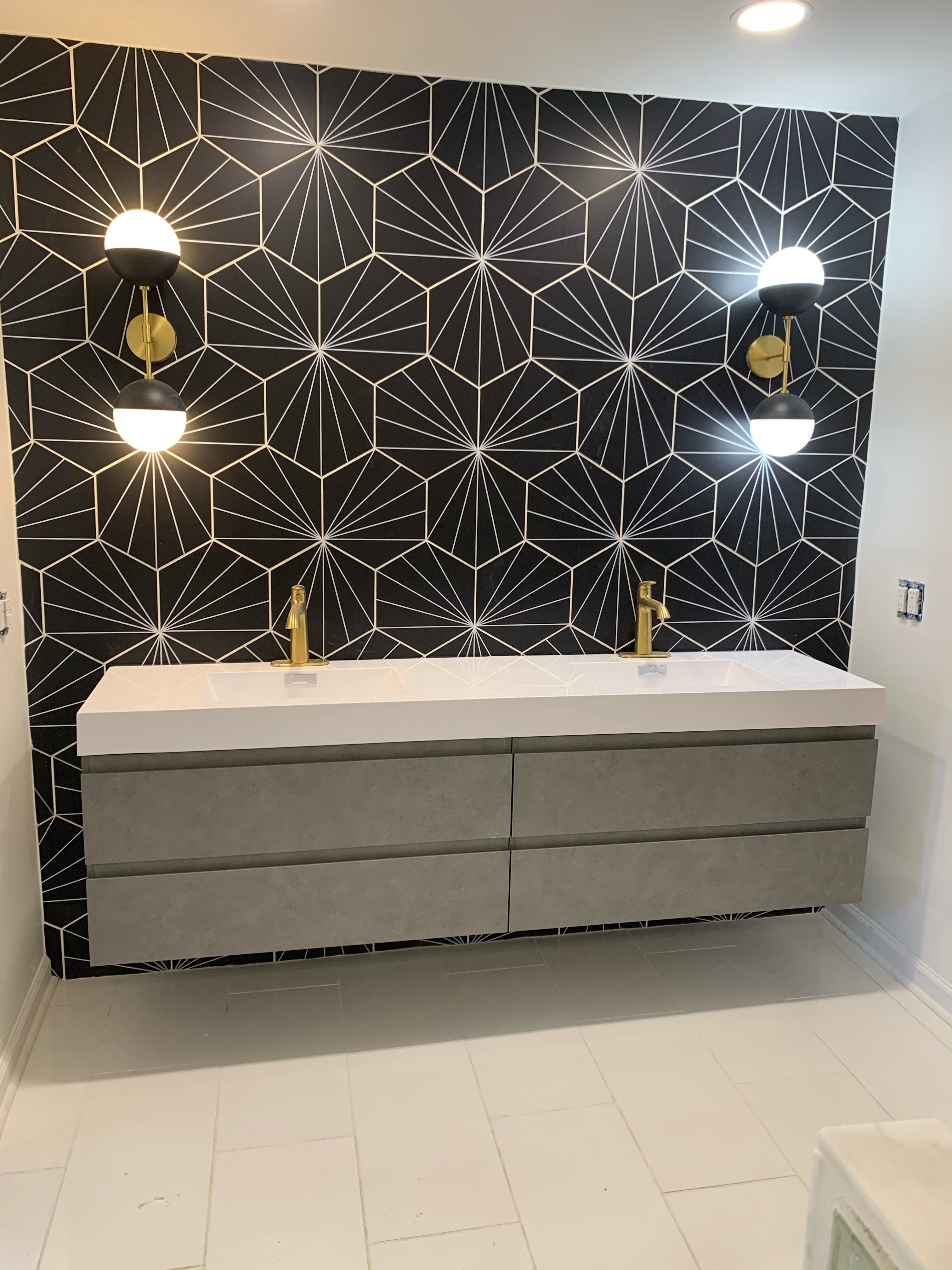
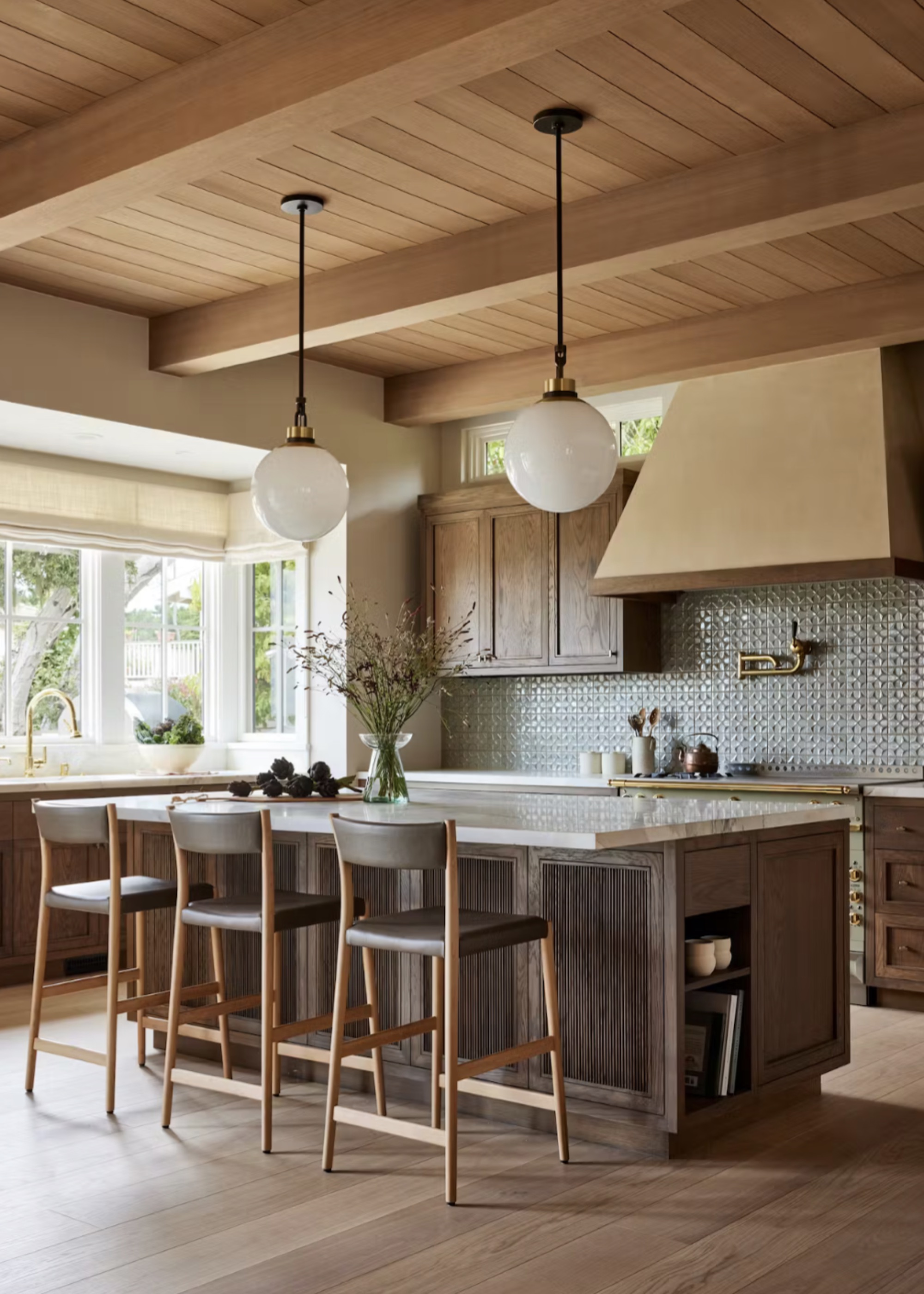
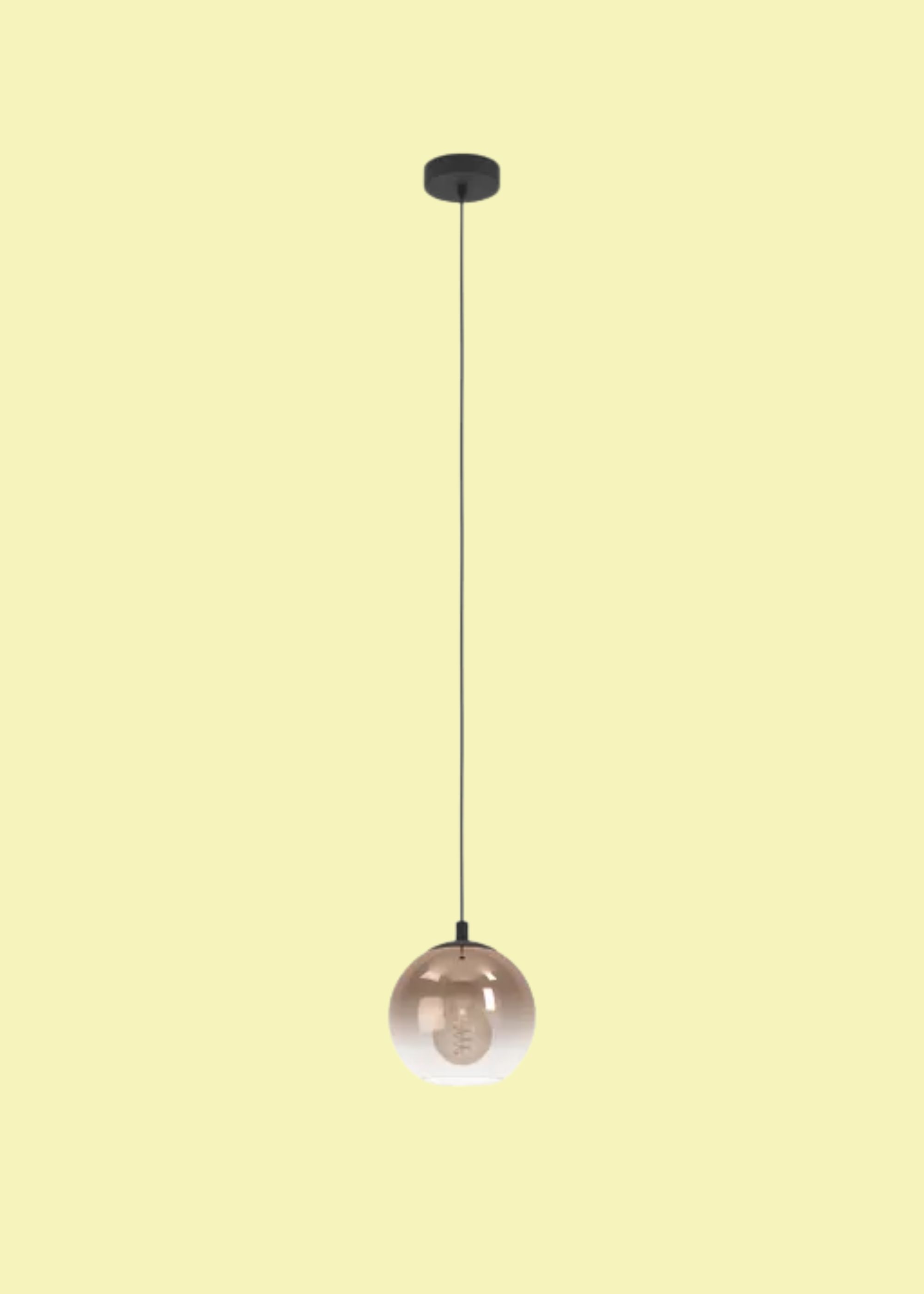
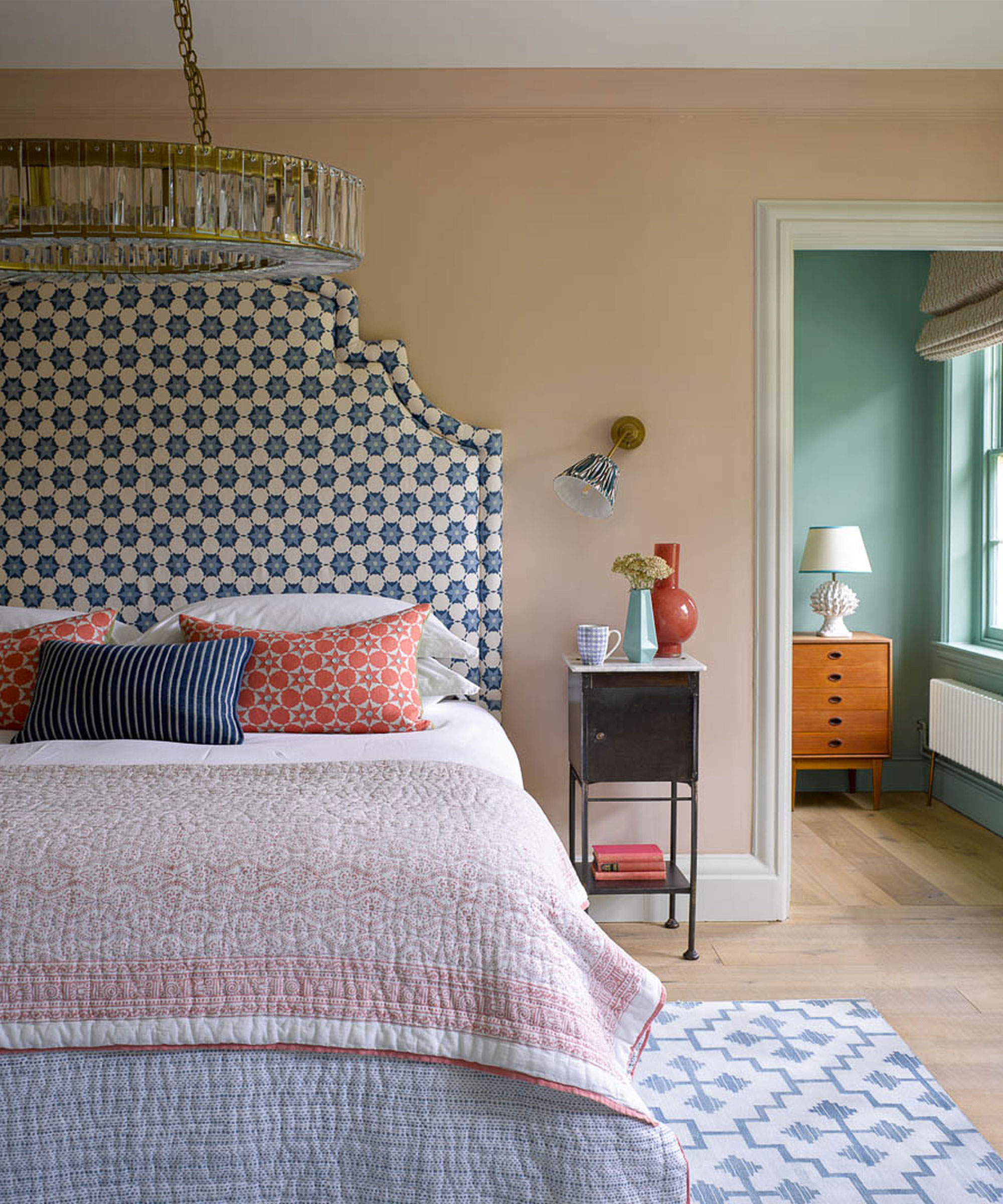
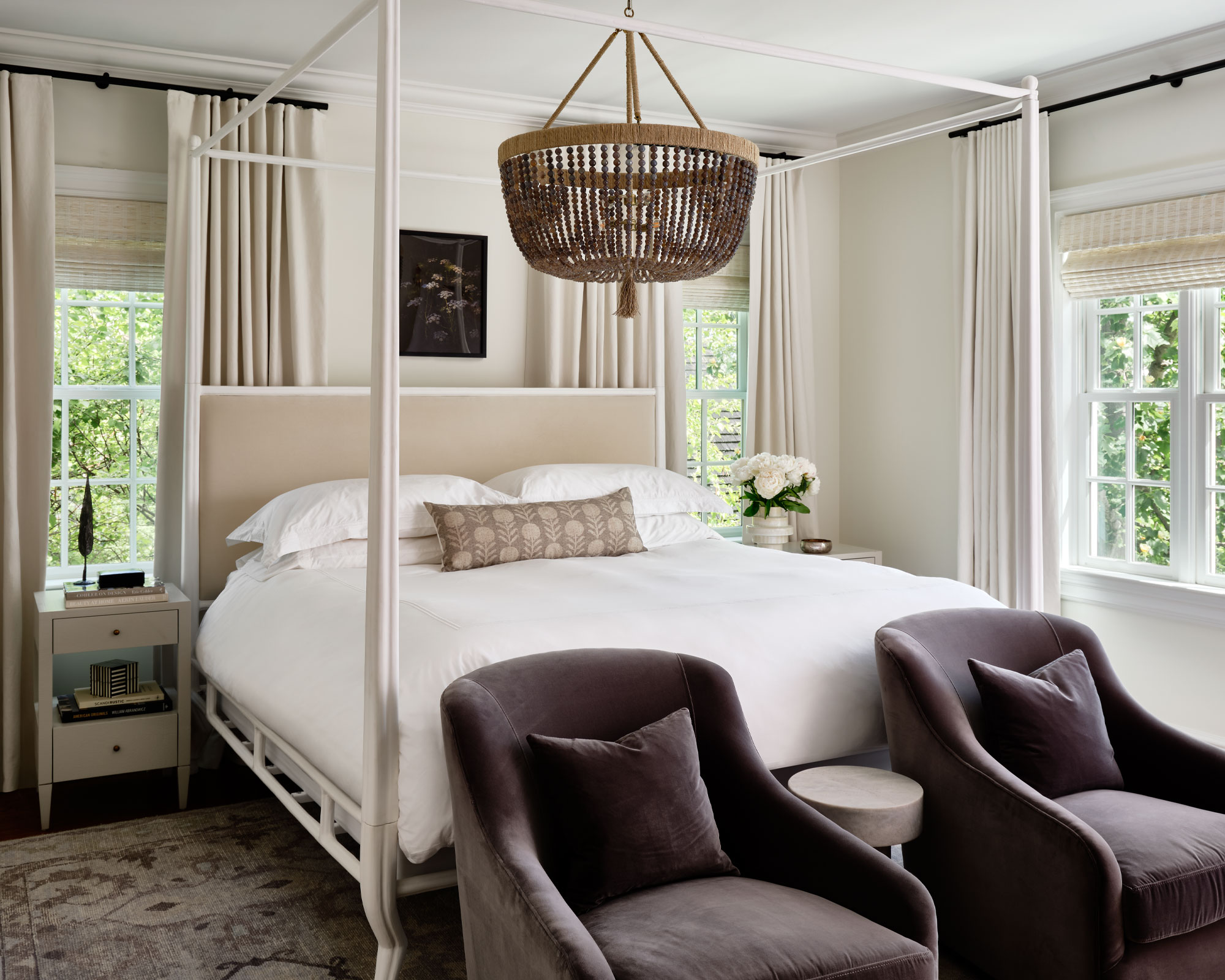
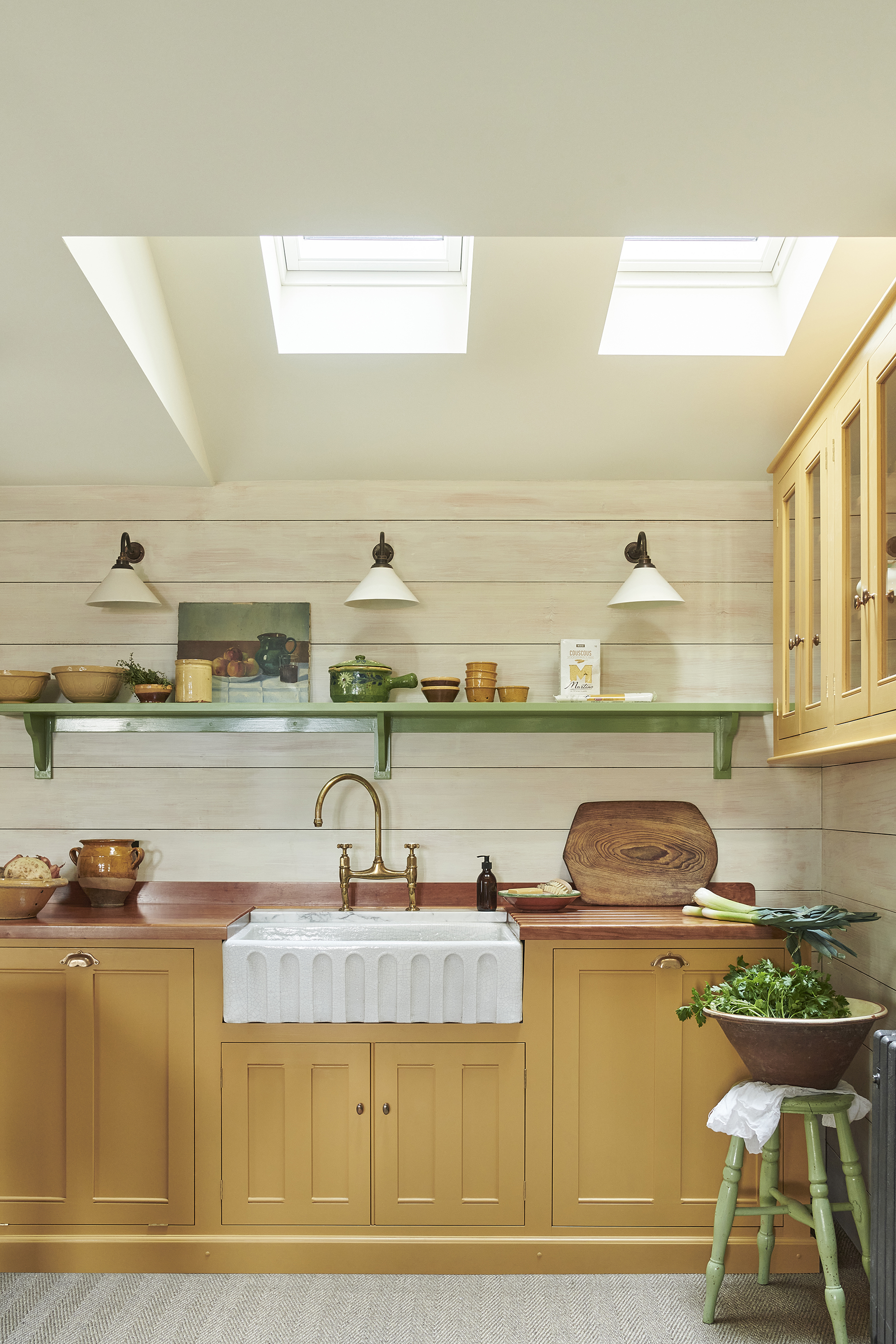
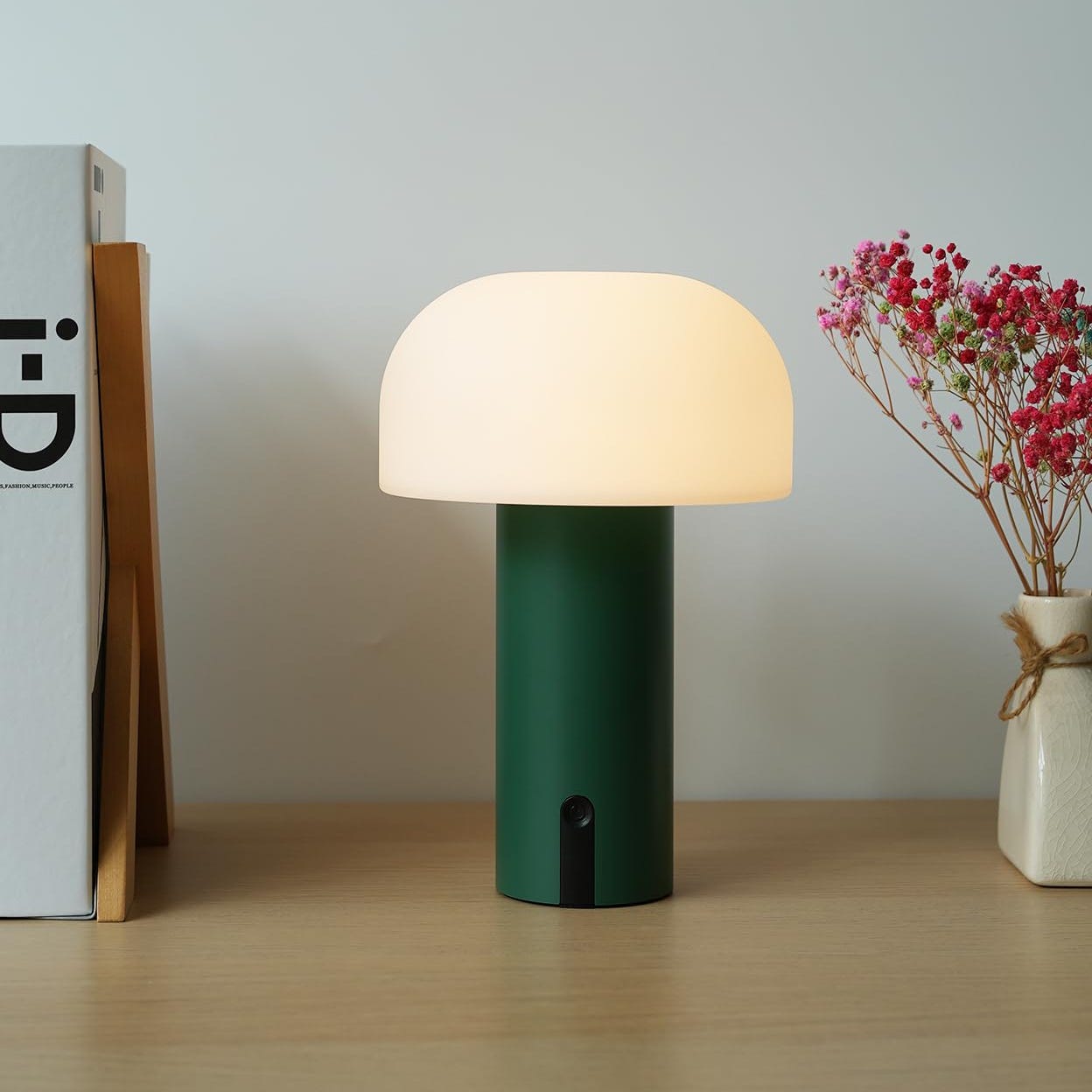
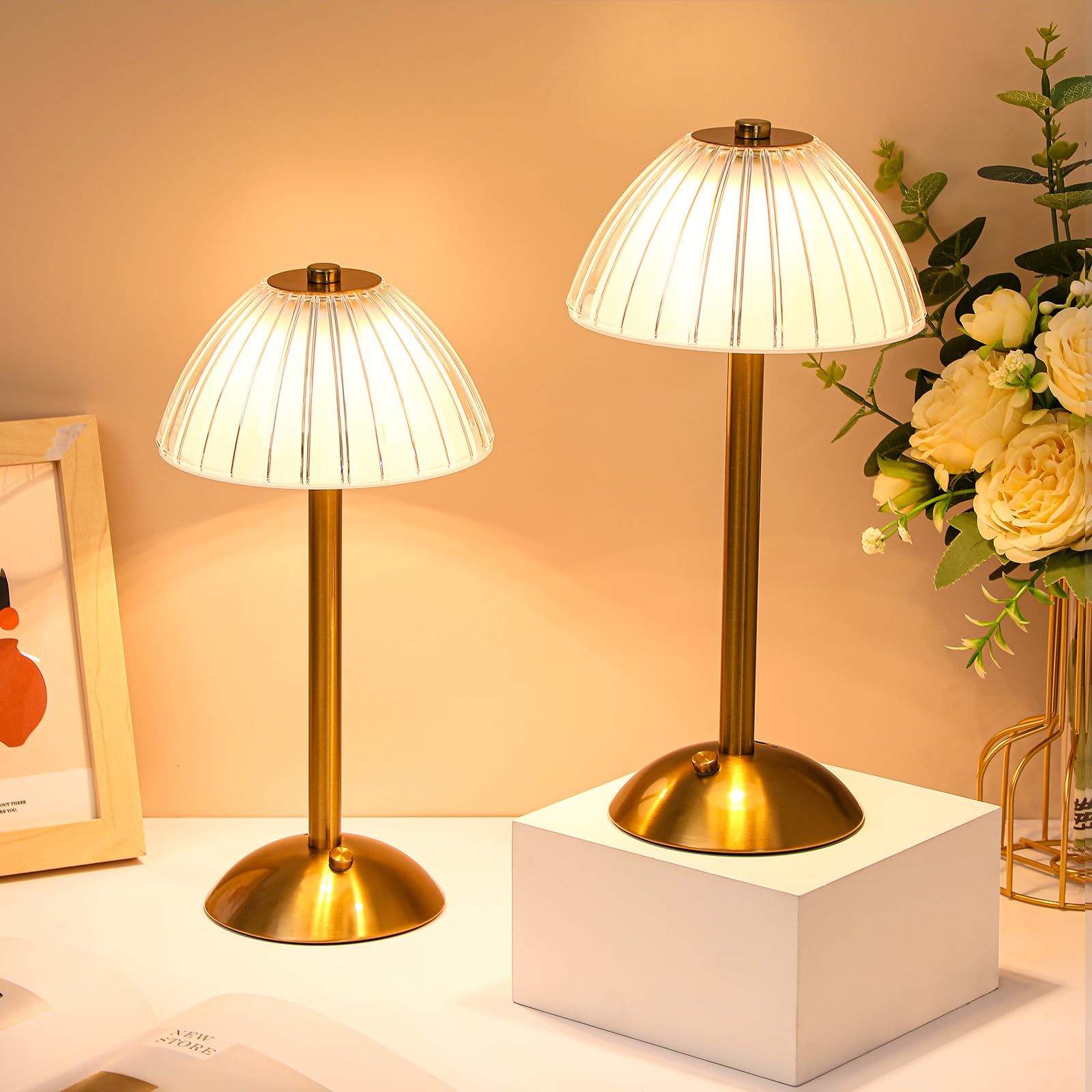
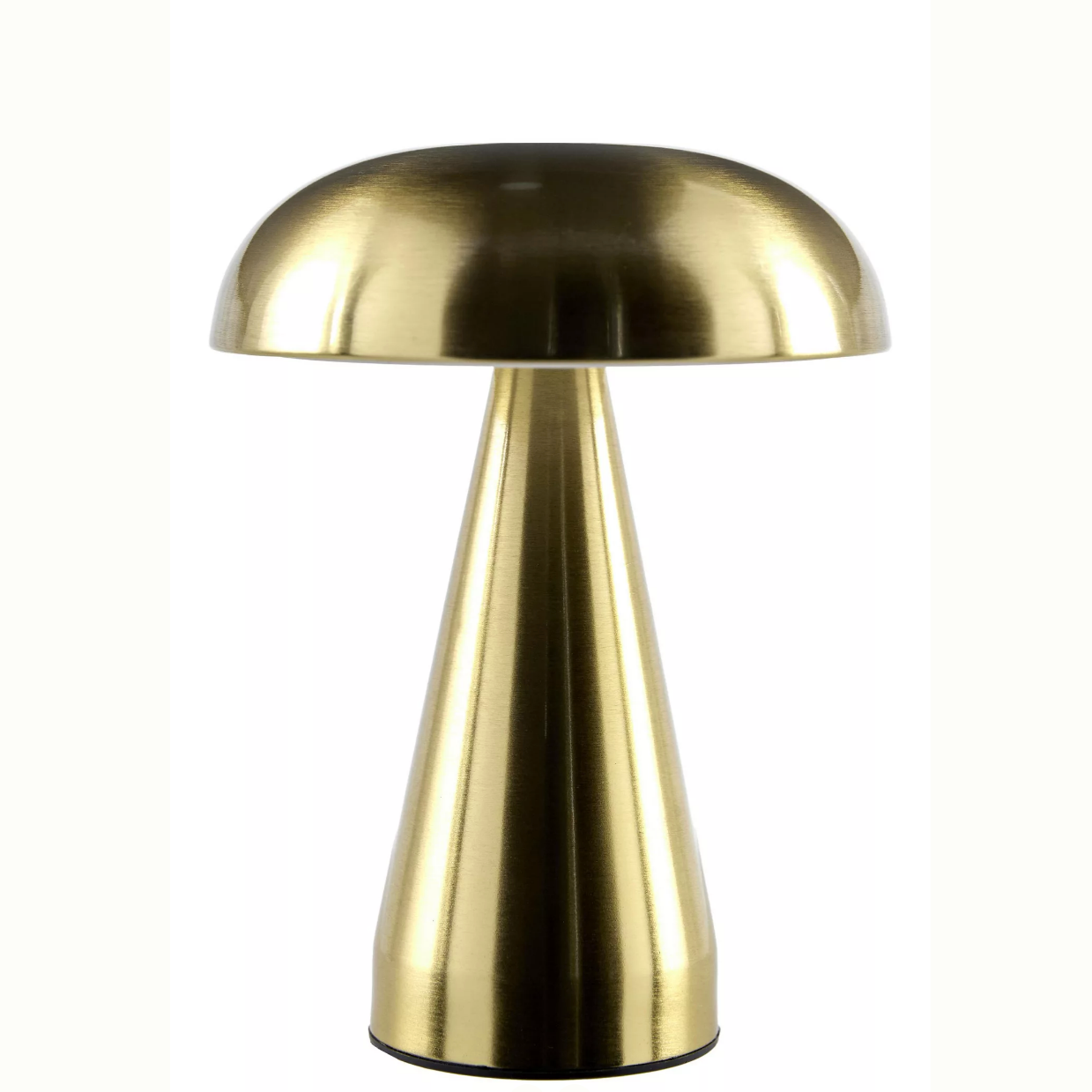
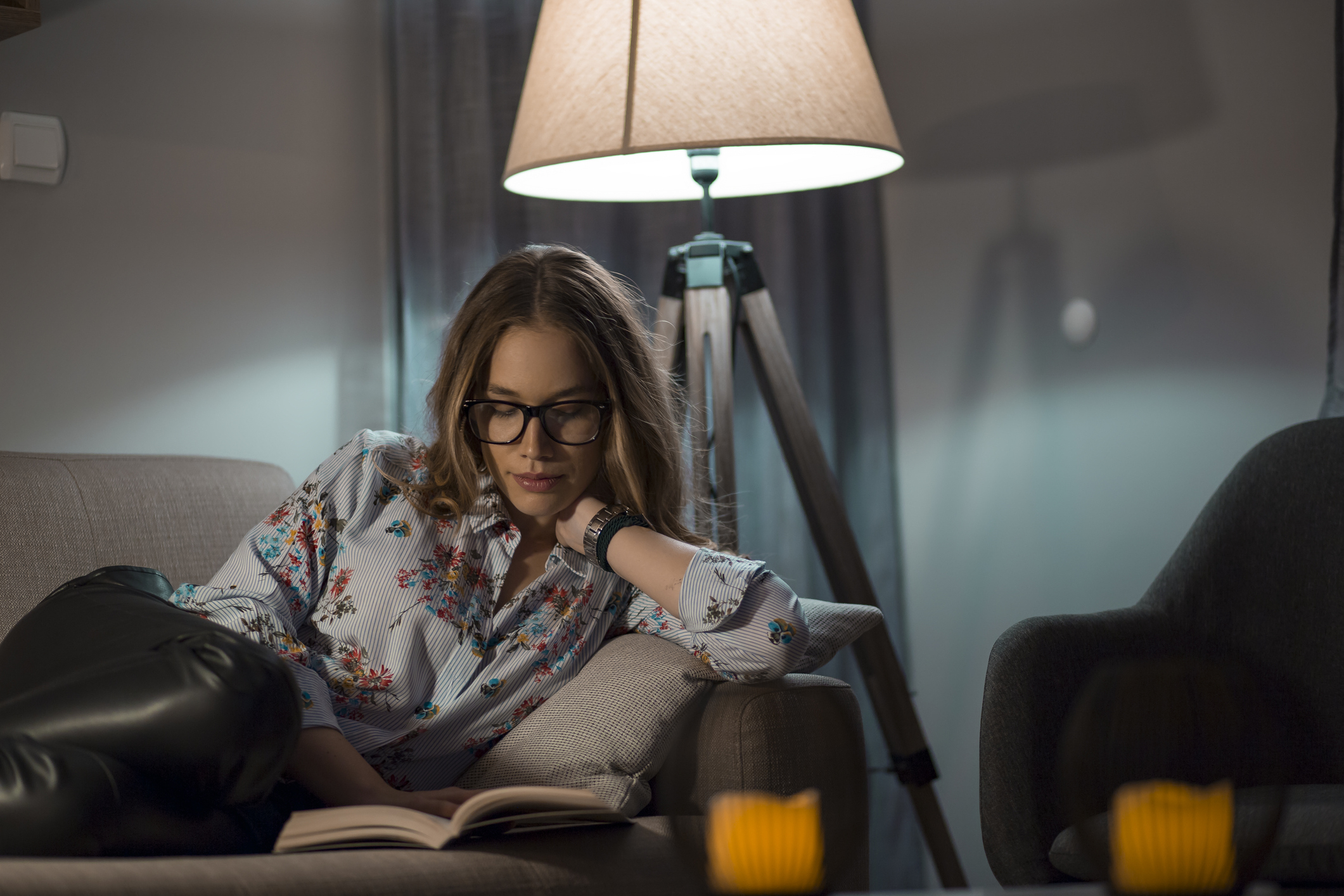
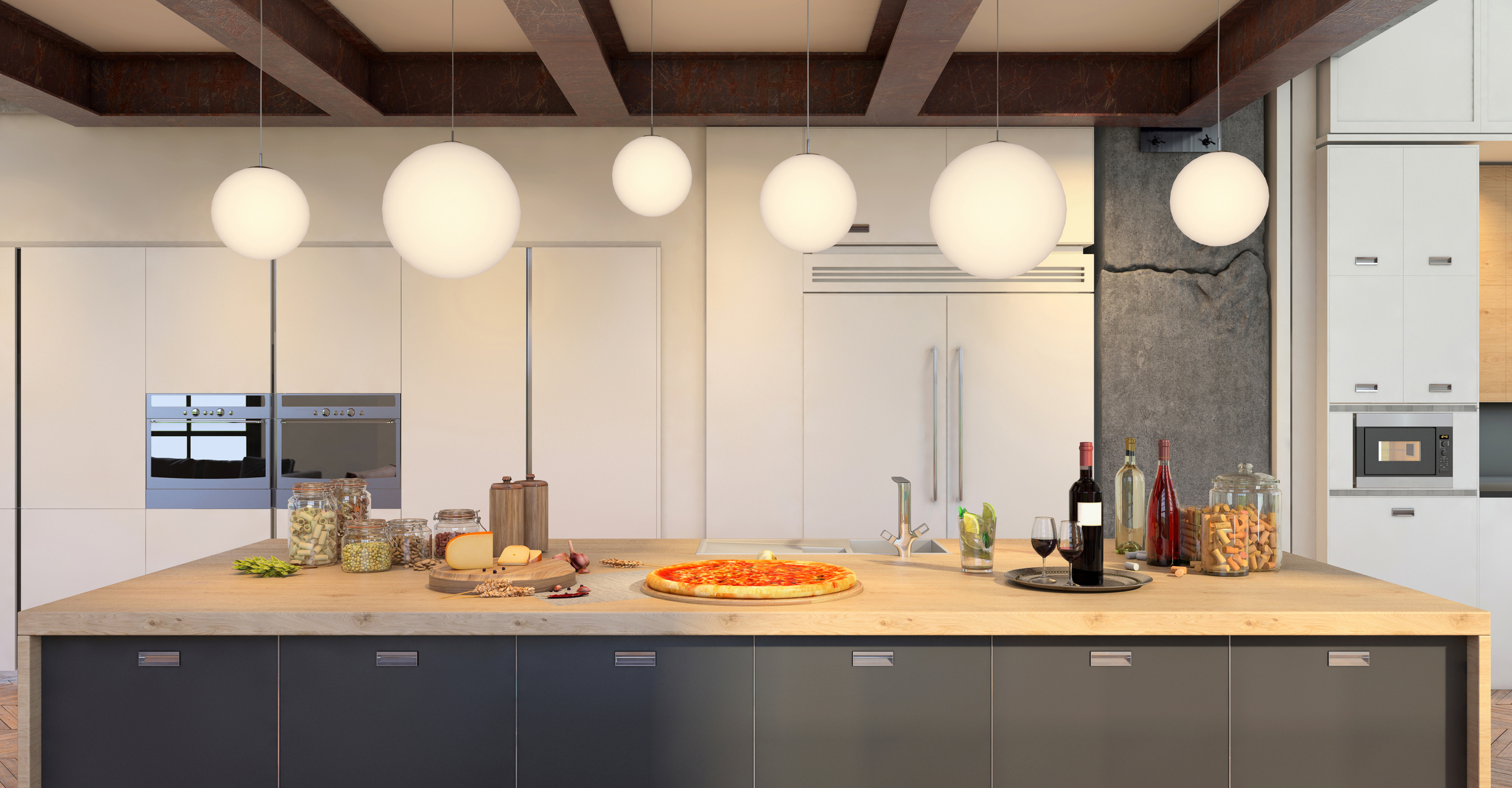
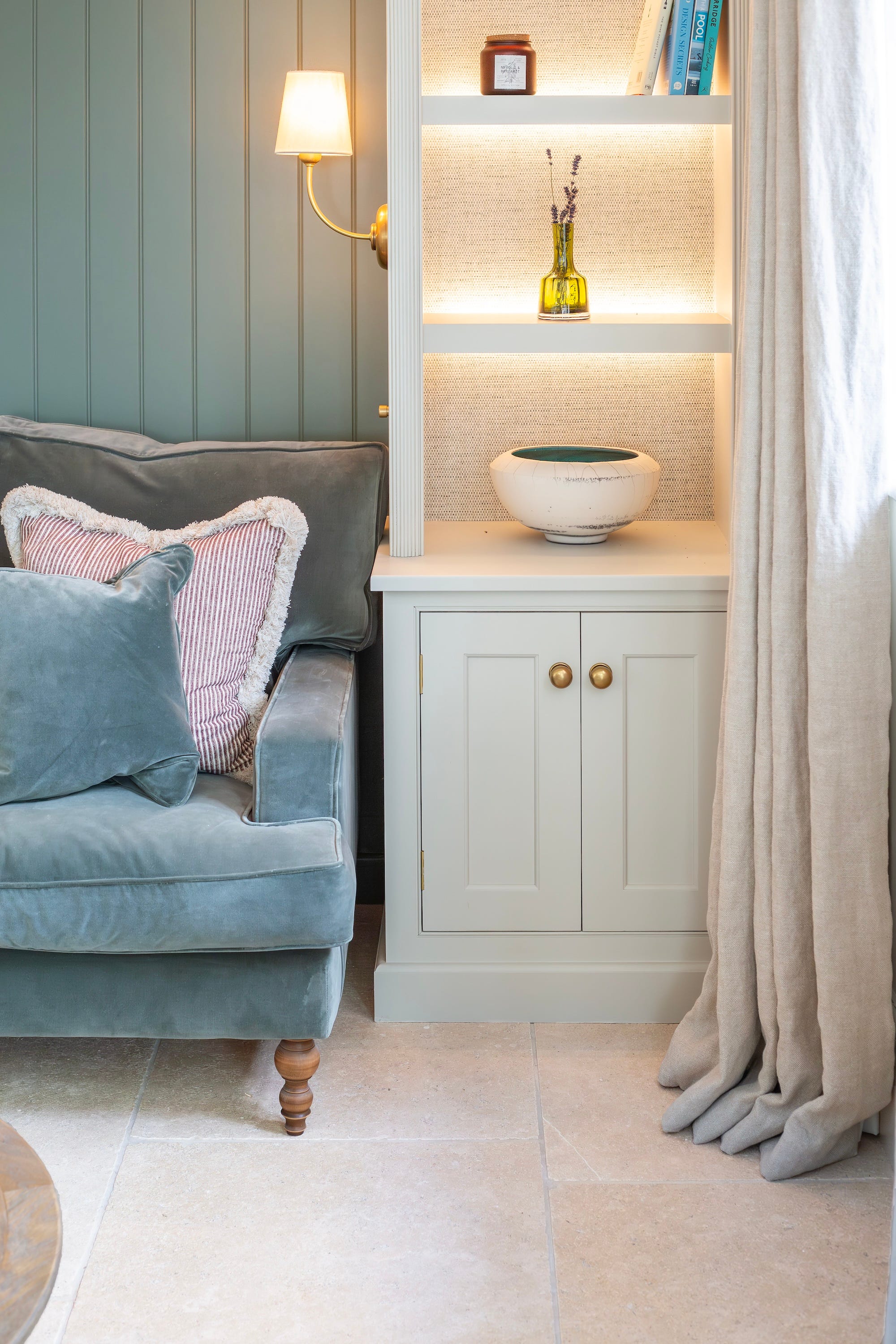
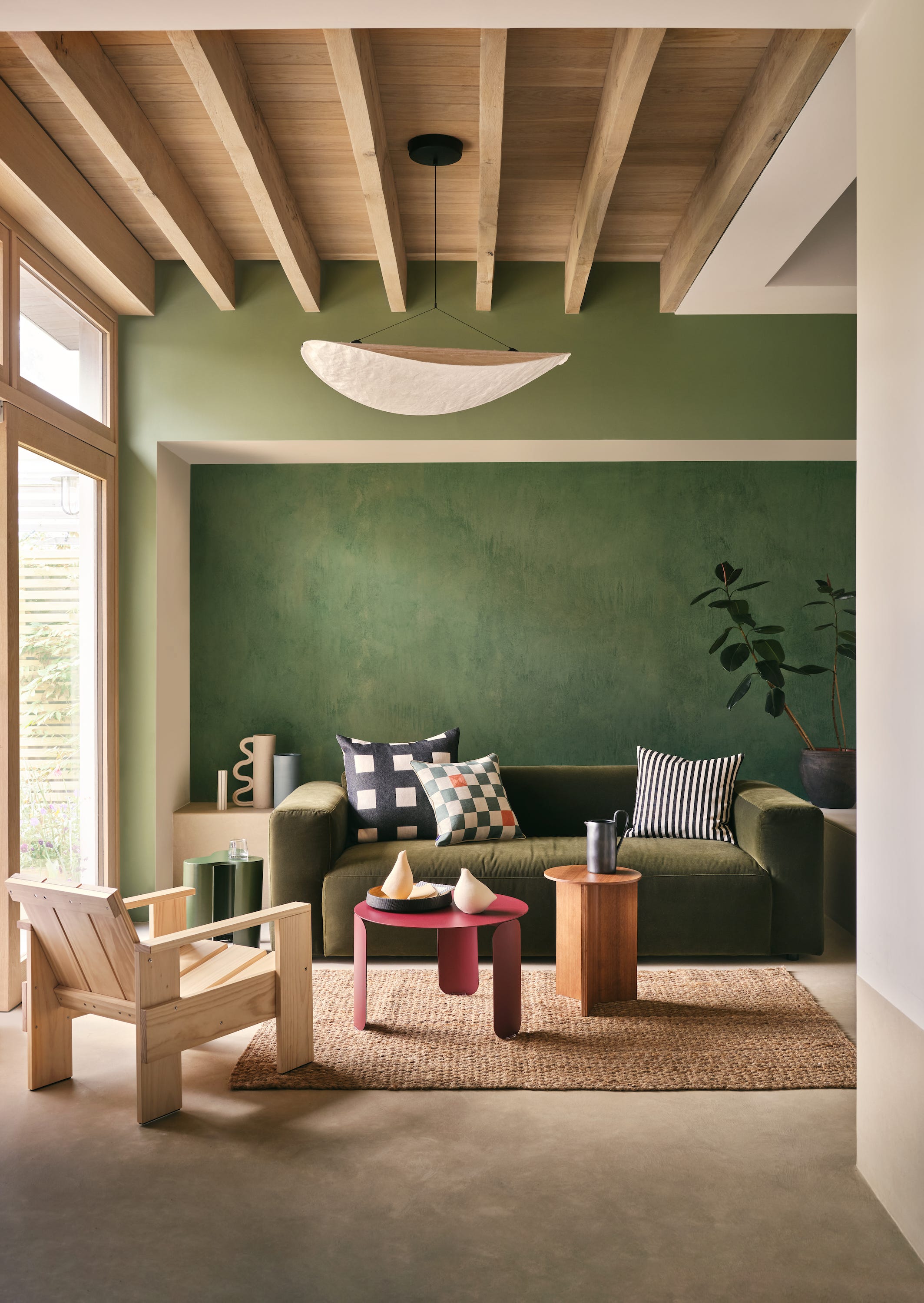
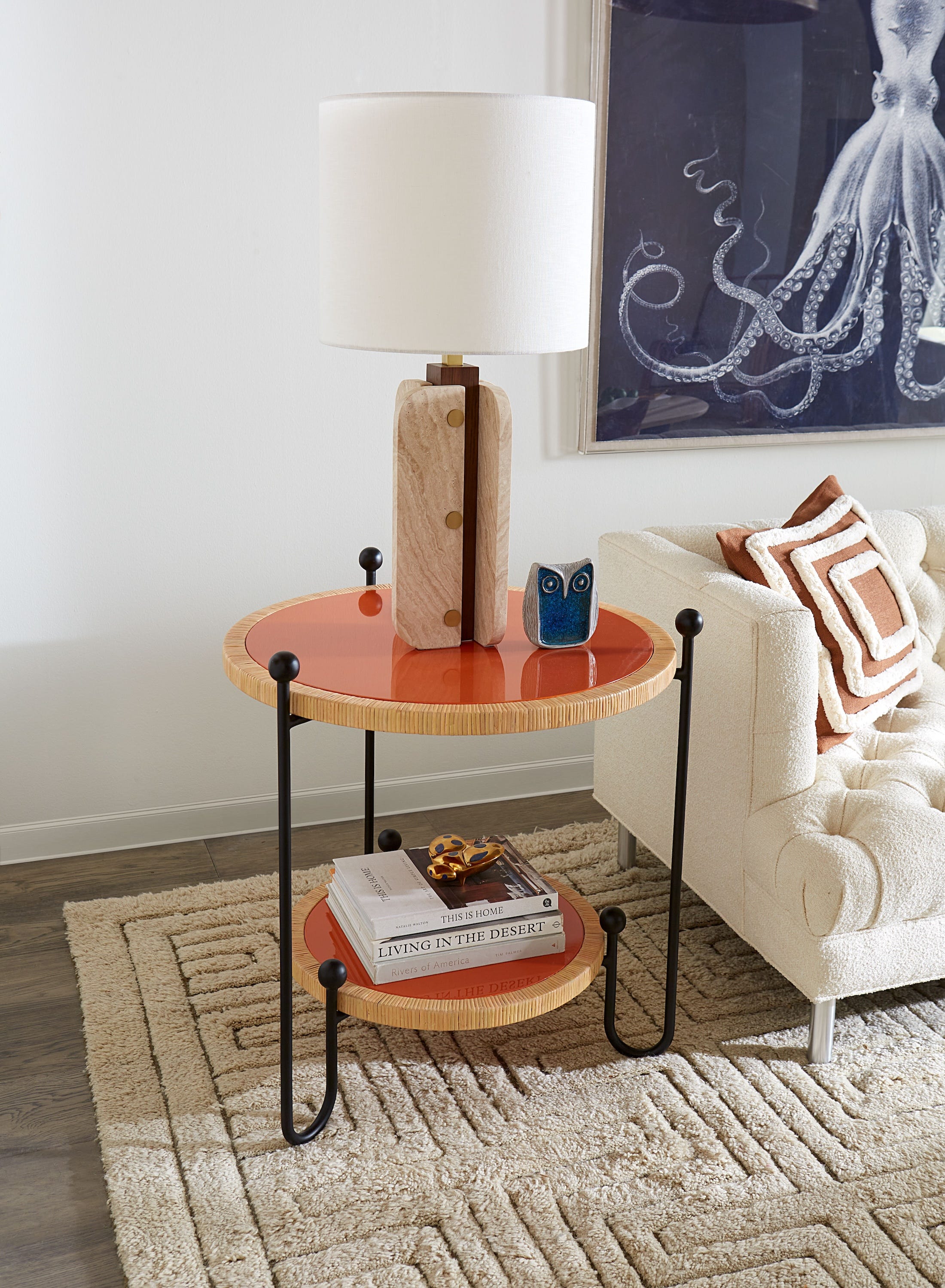

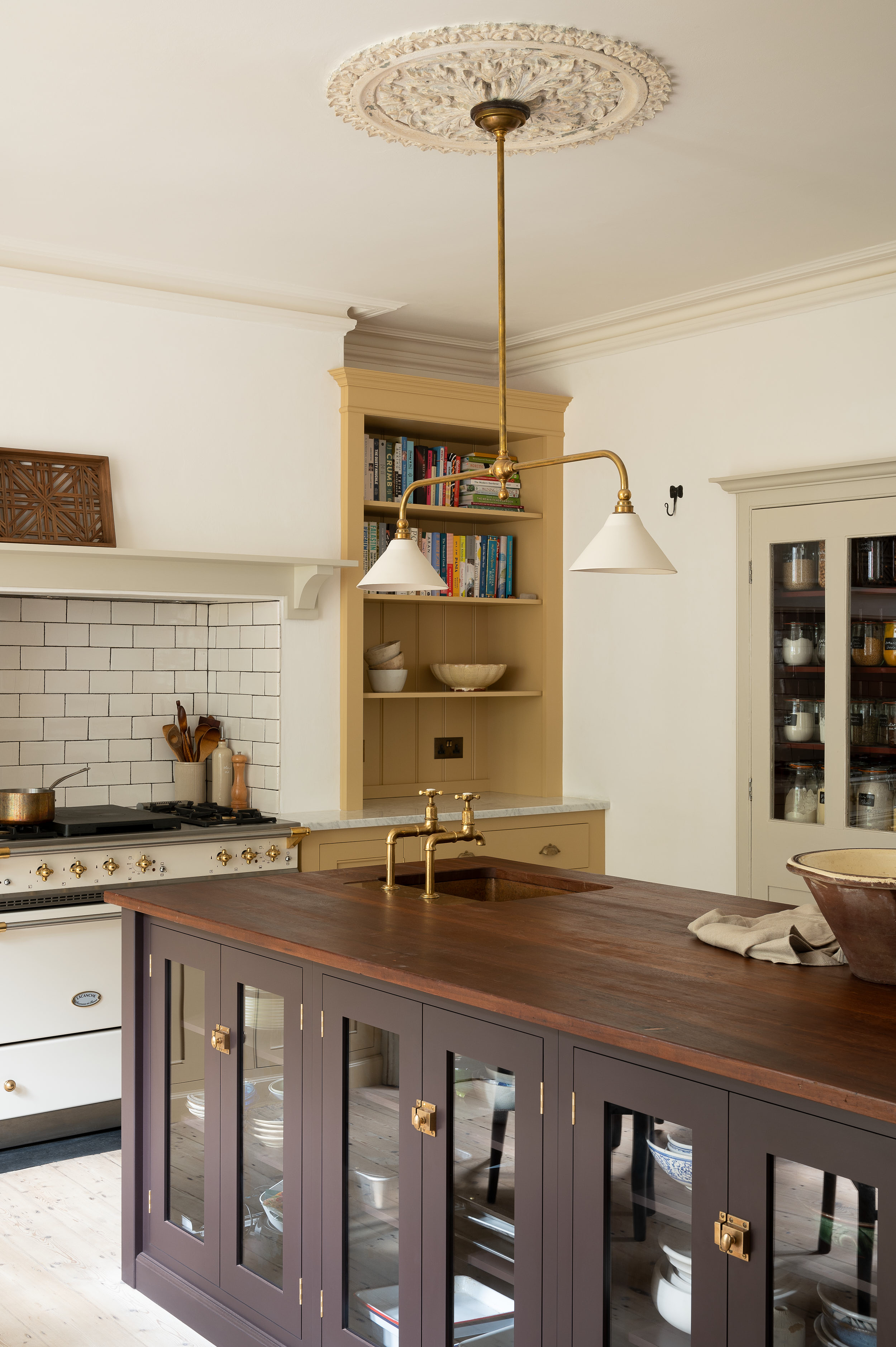

However, the article also acknowledges the limitations of recessed lighting. While highly functional, these fixtures do not inherently contribute to the architectural interest or stylistic elements of a space. To counter this, Greaney advises homeowners to integrate specialty fixtures such as pendant lights in kitchens, floor and table lamps in other areas, and surface-mount ceiling lights to introduce desired style and aesthetic appeal. The recommendation is to adopt a layered lighting approach, combining recessed lights for ambient illumination with task lighting (e.g., under-cabinet lights) and accent lighting (e.g., wall sconces) to create a well-rounded and visually appealing lighting scheme.
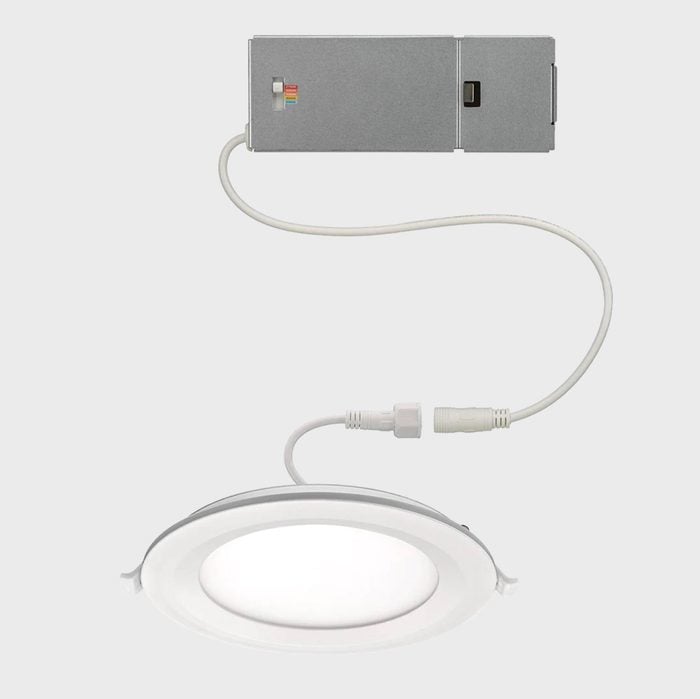
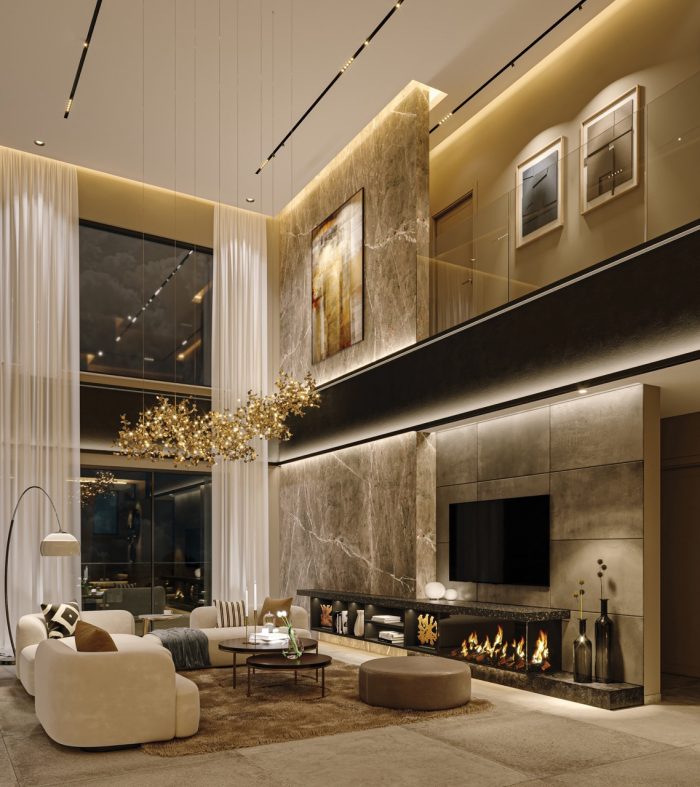
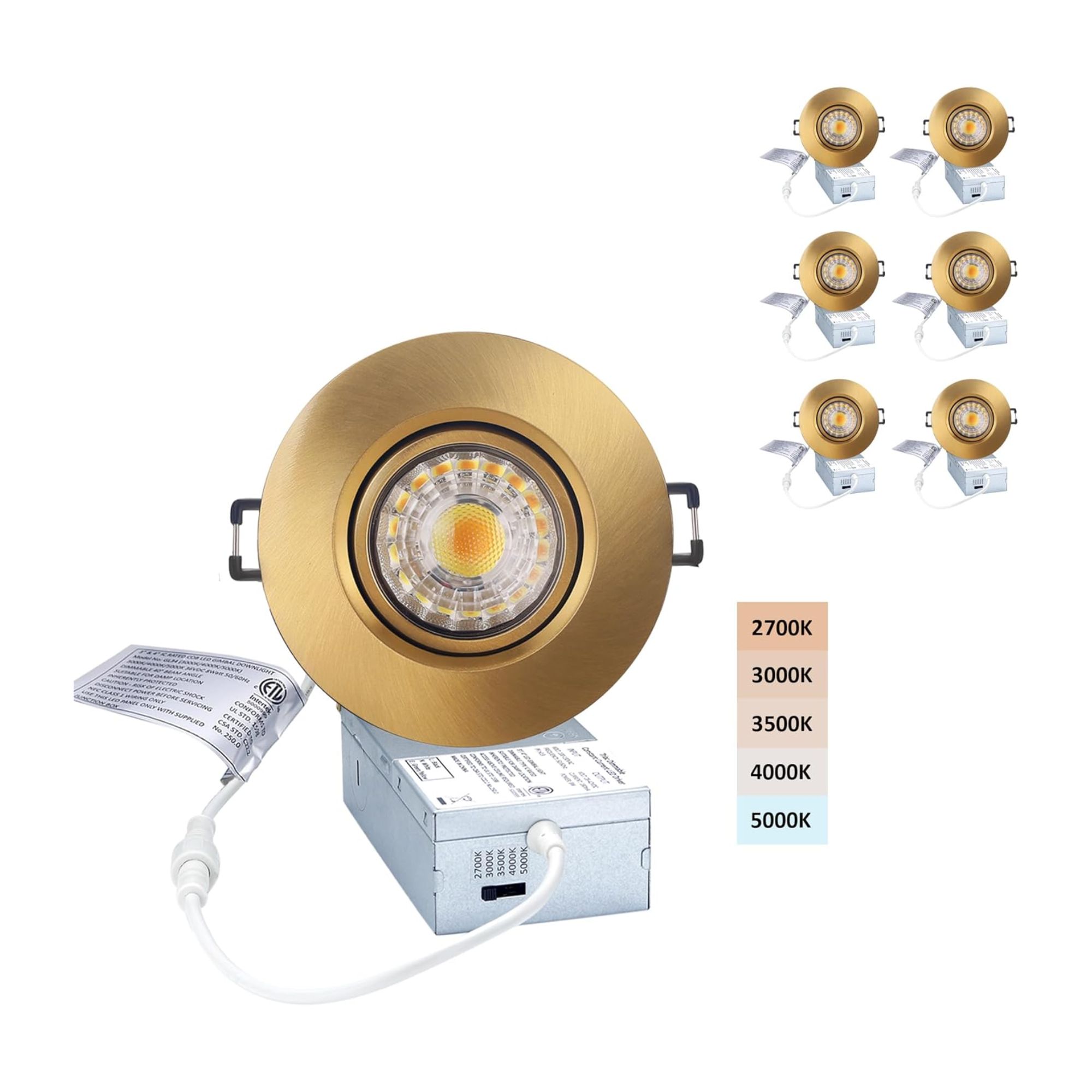
Looking ahead, the article discusses potential evolutions in recessed lighting to align with emerging design trends. Greaney anticipates the development of smaller versions, possibly ranging from 2 to 3 inches in diameter, which would offer a sleeker and more modern aesthetic compared to traditional 4 or 6-inch fixtures. Conversely, there's also a possibility for much larger recessed light fixtures, with blue sky panels mentioned as a potential future iteration. Despite their practicality, the expert acknowledges a consumer desire for newer and fresher ideas, pushing designers to explore alternatives. Beyond conventional recessed lights, options like RGB and strip lighting, as well as accentuating wall or ceiling features with panel lights, are gaining traction. For new constructions or extensive renovations, particularly those involving deconstructed walls and ceilings, the integration of rope or strip lighting can create unique effects, offering an advanced alternative to traditional recessed lighting solutions.
#RecessedLighting #HomeLighting #InteriorDesign #LightingTrends #HomeImprovement #ModernDesign #LightingFixtures #LEDLighting #DesignTips #RecessedLighting #HomeLighting #InteriorDesign #LightingTrends #HomeImprovement #ModernDesign #LightingFixtures #LEDLighting #DesignTips
0 comment in total
 No comments yet
You may also like
Have We Evolved Beyond Spotlights? Why Designers Aren't Choosing This Lighting Anymore, and Where It Still Comes in Handy

Does this hated feature still have a place in our homes? Designers on what they really think of the 'big light' debate

Proper lighting can add drama and coziness to any space

The One Lighting Feature Designers Hate But Home Buyers Love

How do you layout recessed lighting? Top designers answer your questions
A Recessed Downlighting Guide for Every Budget

6 Outdated Lighting Trends to Skip in 2024, According to Designers

Overhead Lighting vs. Lamps: Experts Settle This Great Debate

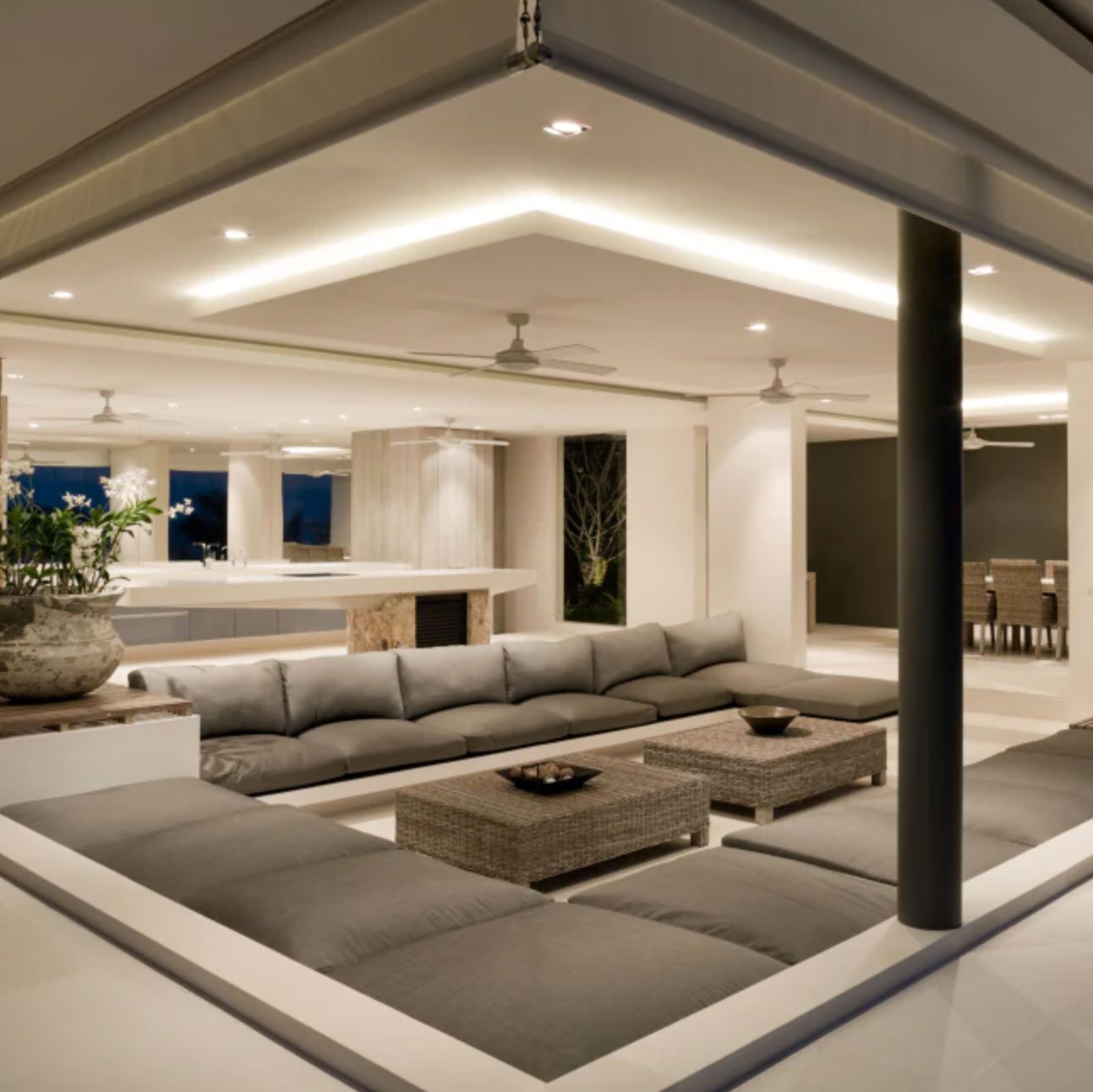
10 Best Recessed Lights to Buy for Your Home in 2025

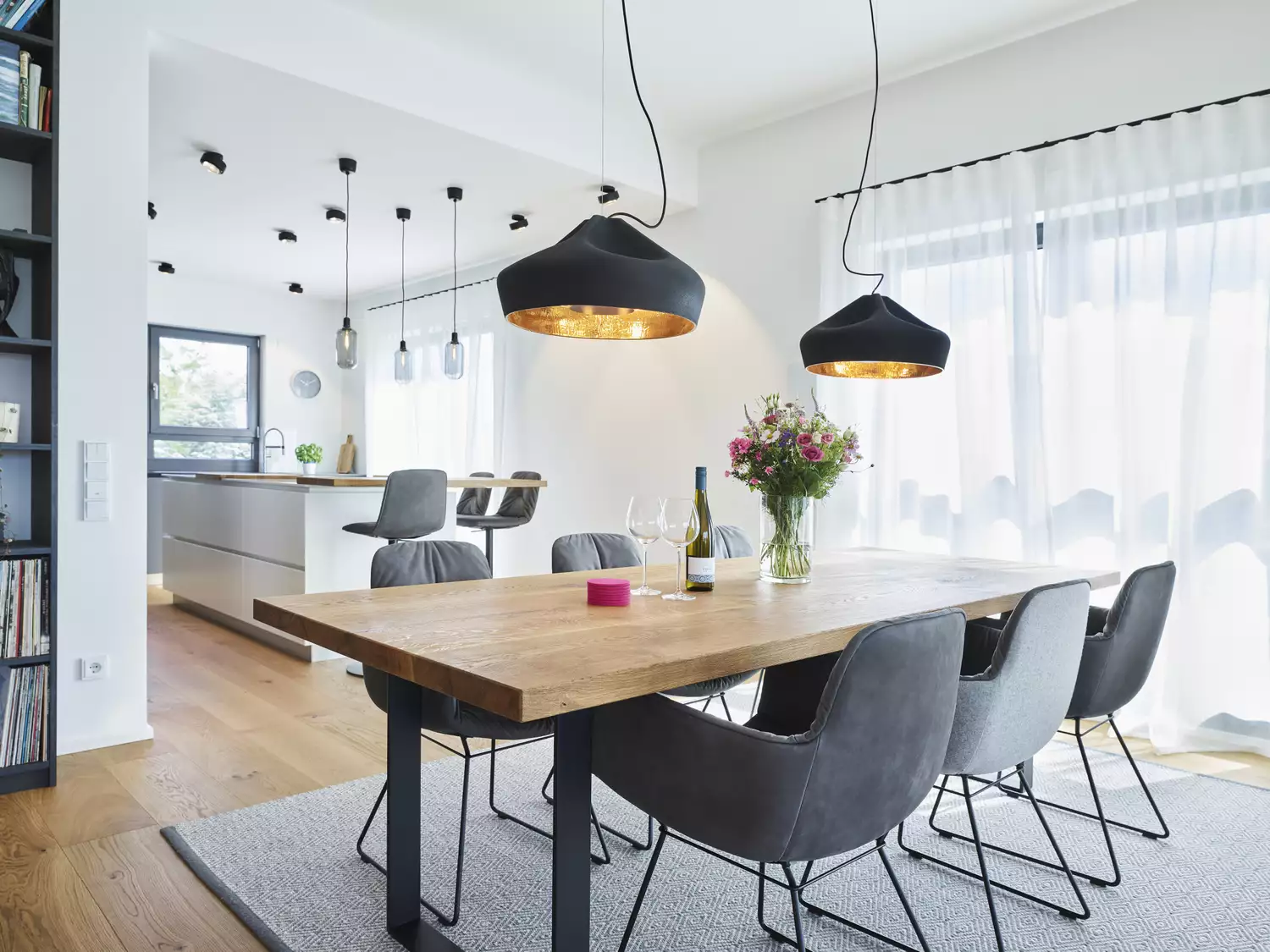
6 Outdated Lighting Trends to Avoid in 2025, According to Interior Designers
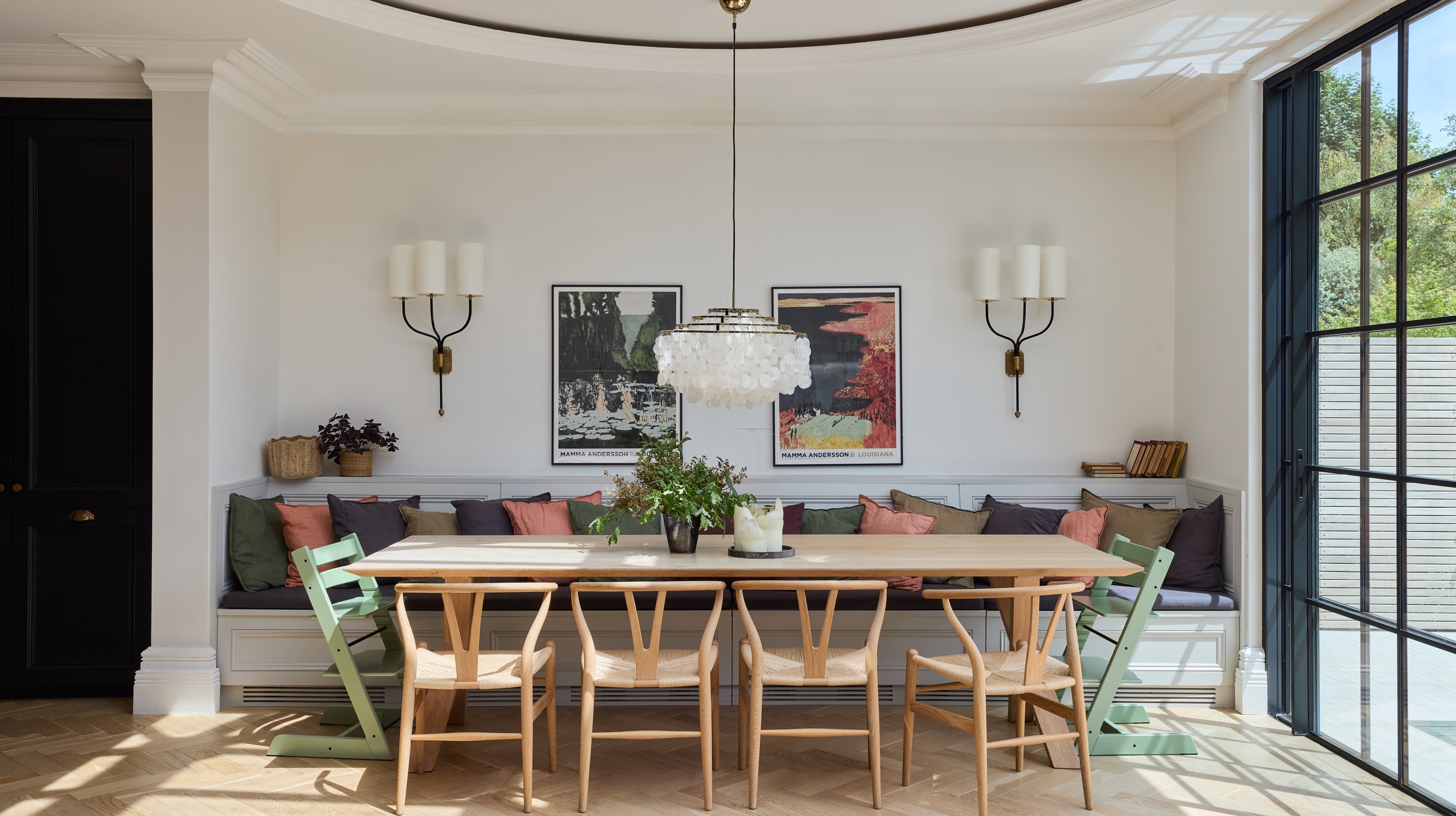
7 Outdated Lighting Trends to Avoid in 2026 Renovations — And What You Should Be Doing Instead
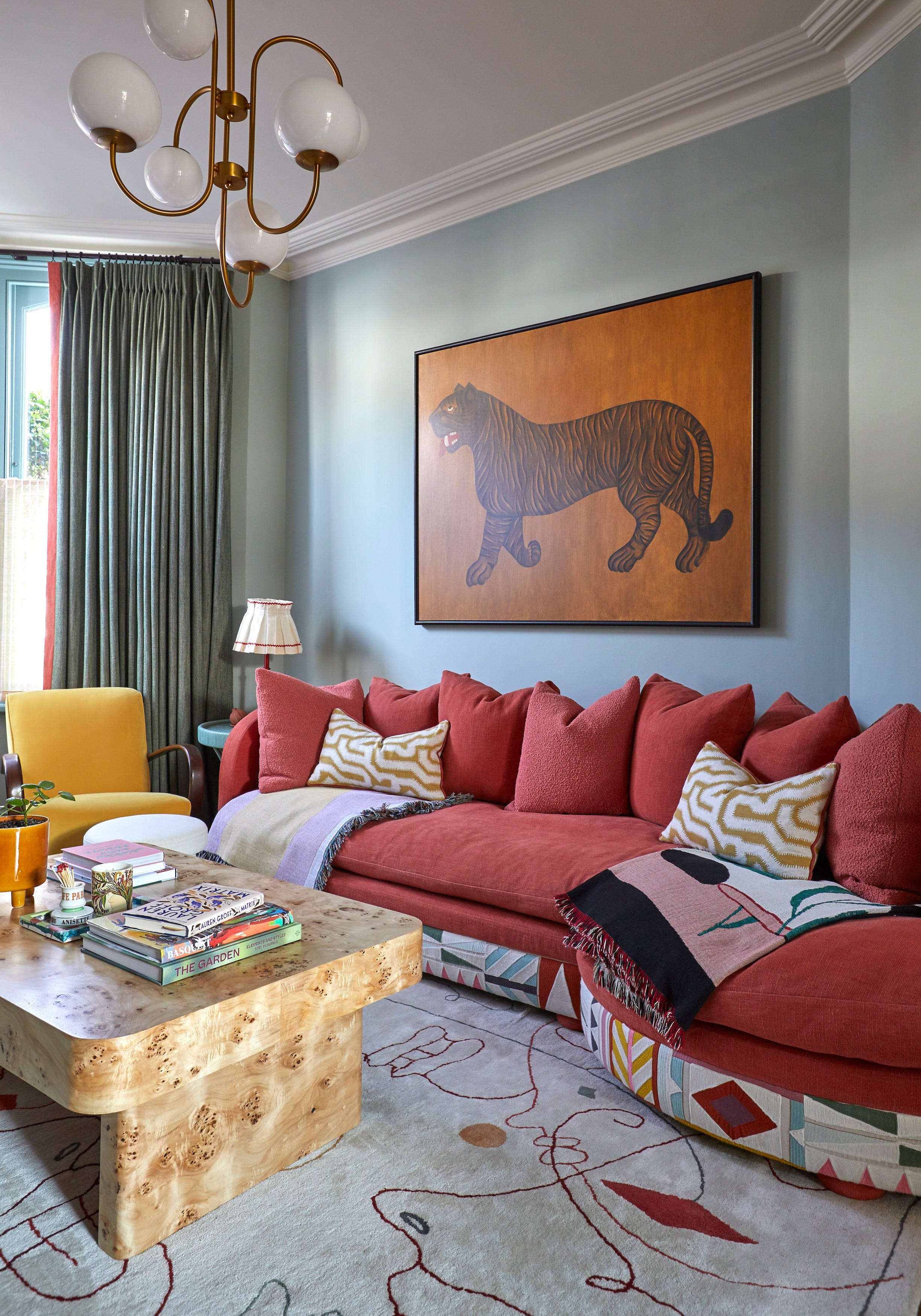
The living room trends defining 2025: Time to banish the big light?


Why Do Homes These Days Have So Much Recessed Lighting?

Downlights

5 outdated lighting trends designers say to avoid – and the designs and techniques to use, instead
9 outdated kitchen lighting trends designers urge you to avoid, plus what to try instead
Designers agree: these 7 dated lighting trends are officially on the outs for 2026
Why I regret using recessed lights in my kitchen remodel
Say Goodbye to Overhead Lighting and Hello to the Best Cordless Lamps

5 Lighting Trends That Are So Outdated, According to Designers