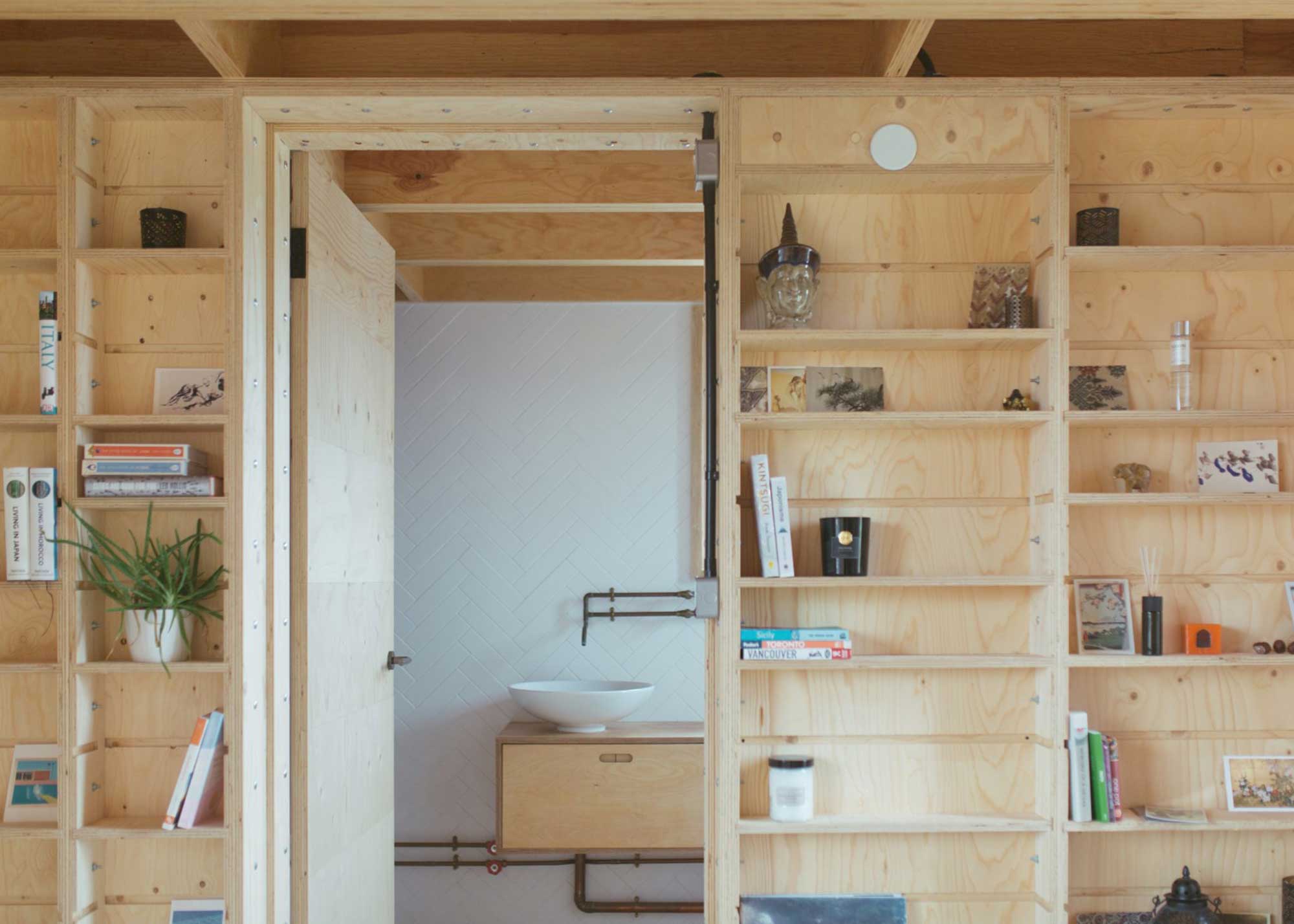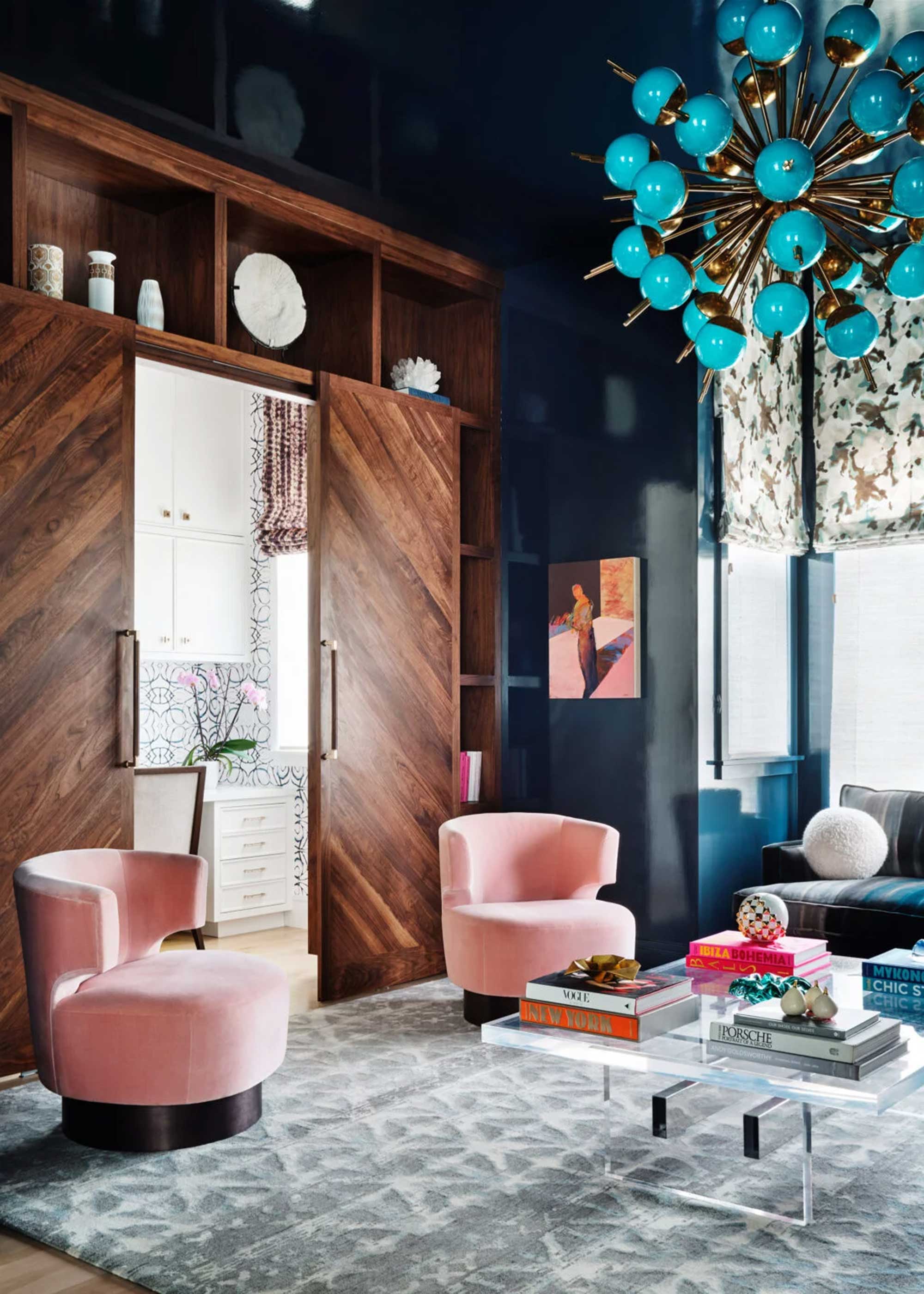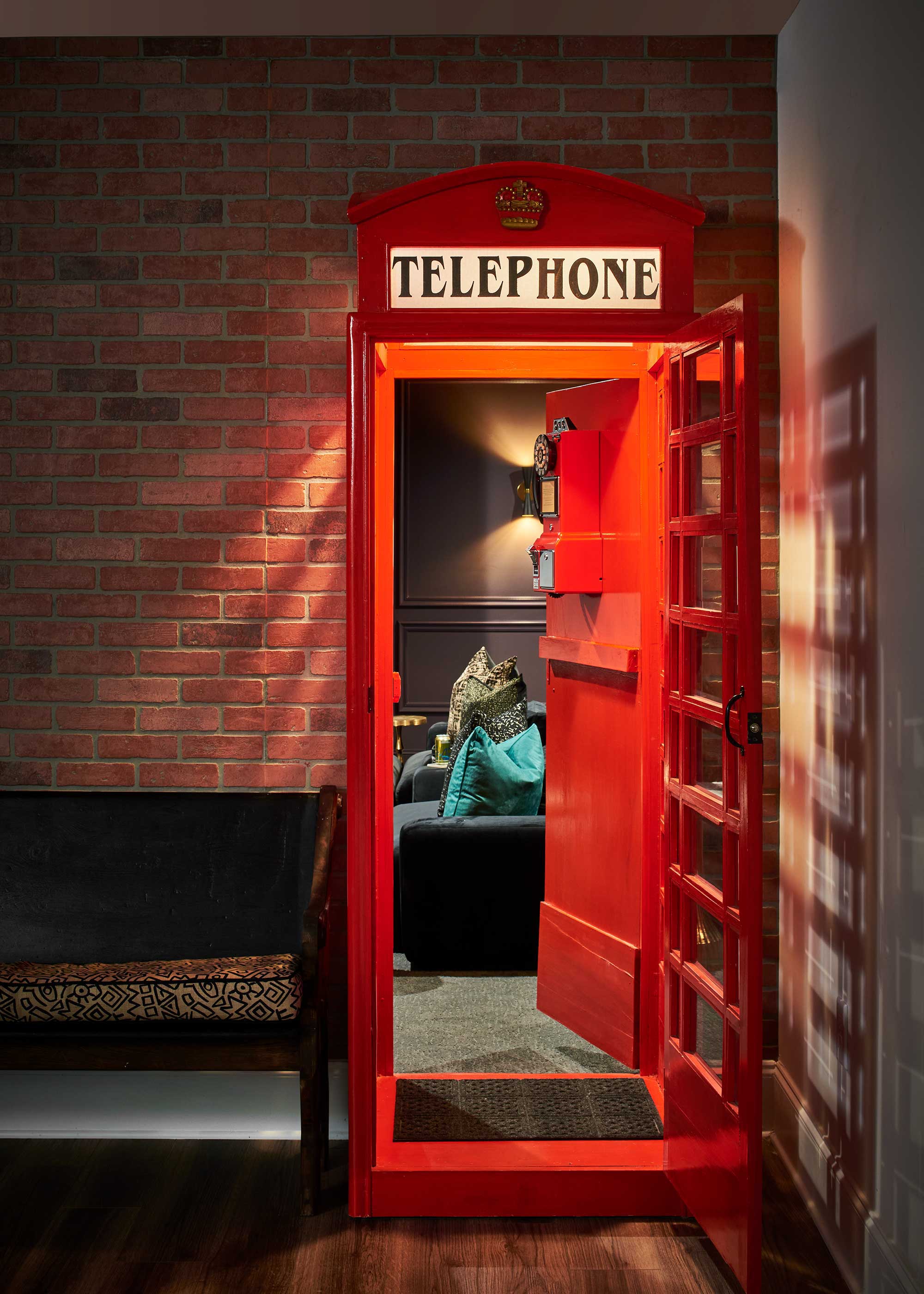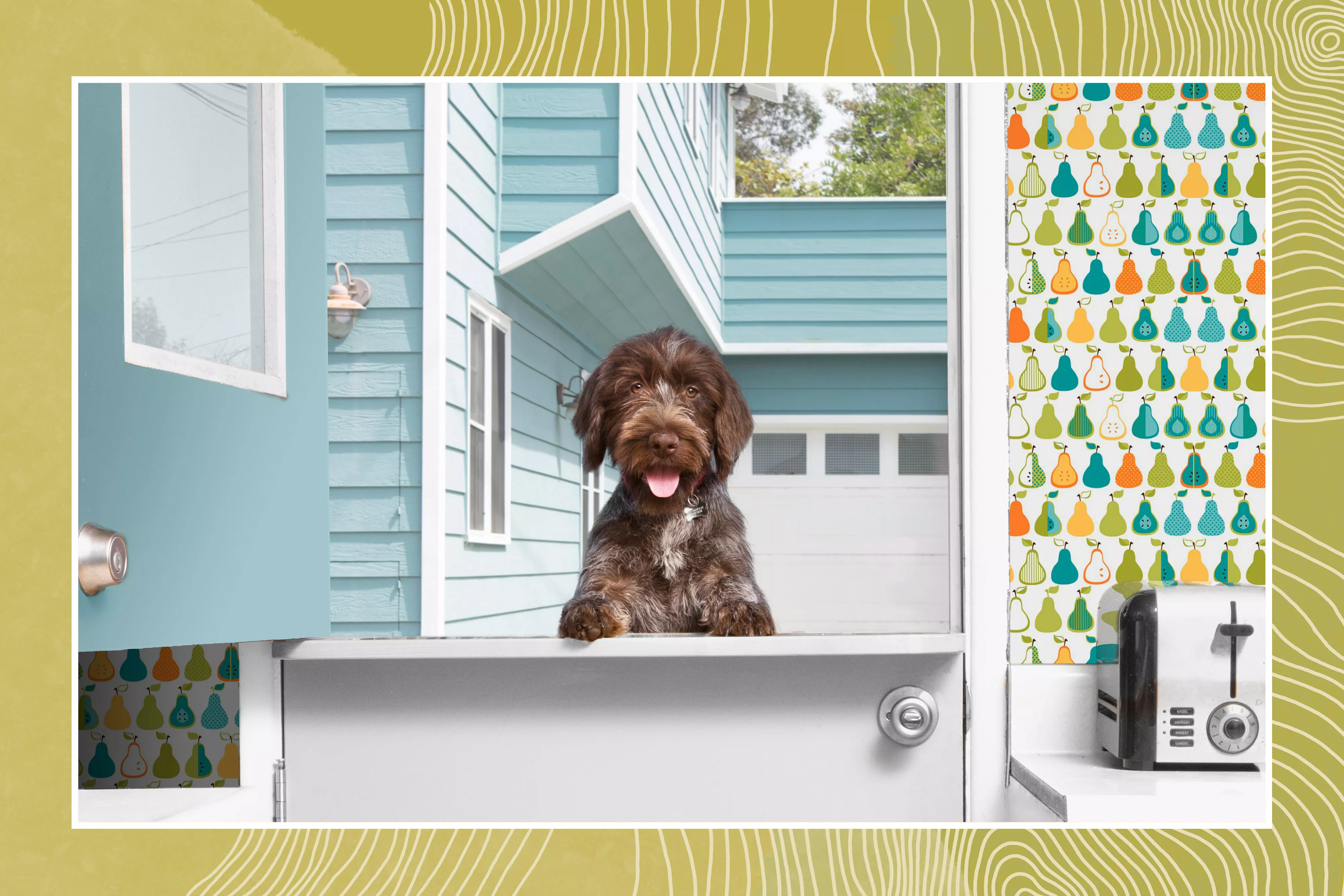
Are Dutch Doors the Secret to a Prettier Home With Pets?
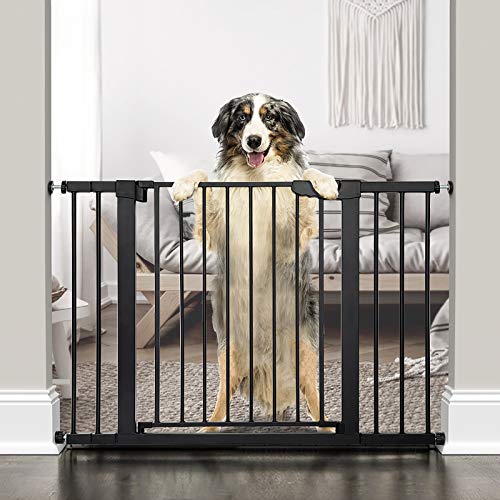
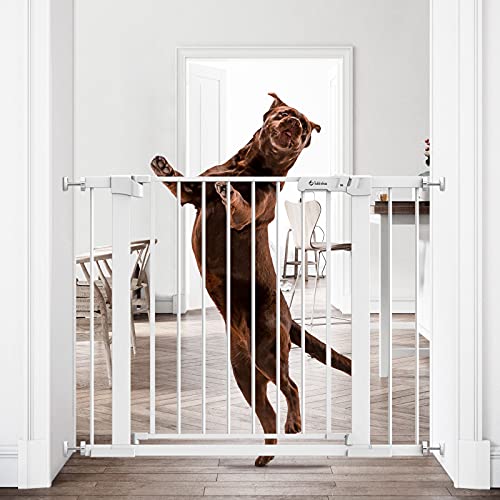
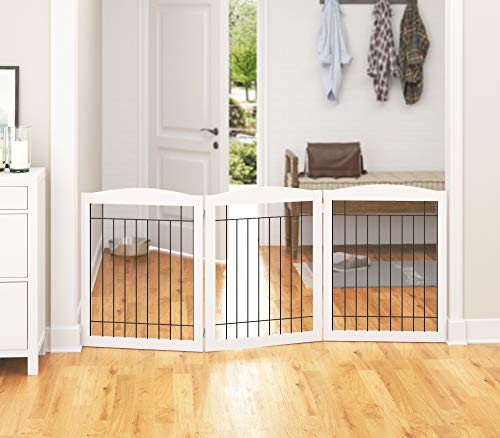
Pet owners frequently seek ways to integrate their furry companions into their homes without sacrificing style or functionality. While common solutions include stain-proof upholstery and washable rugs, a more aesthetically integrated option gaining traction is the use of Dutch doors as an alternative to traditional pet gates. This approach aims to create a harmonious living space that accommodates pets' needs while enhancing home decor.
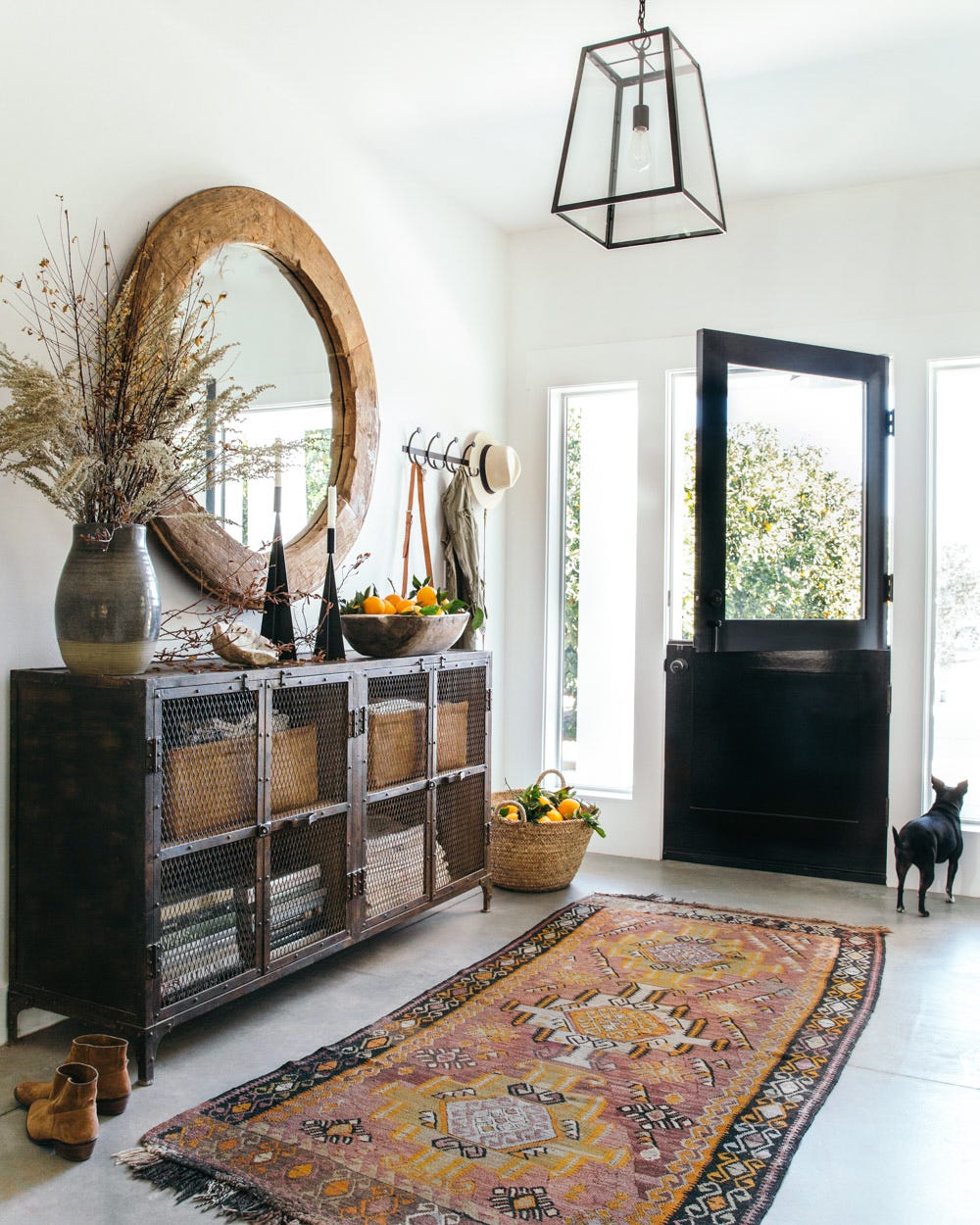
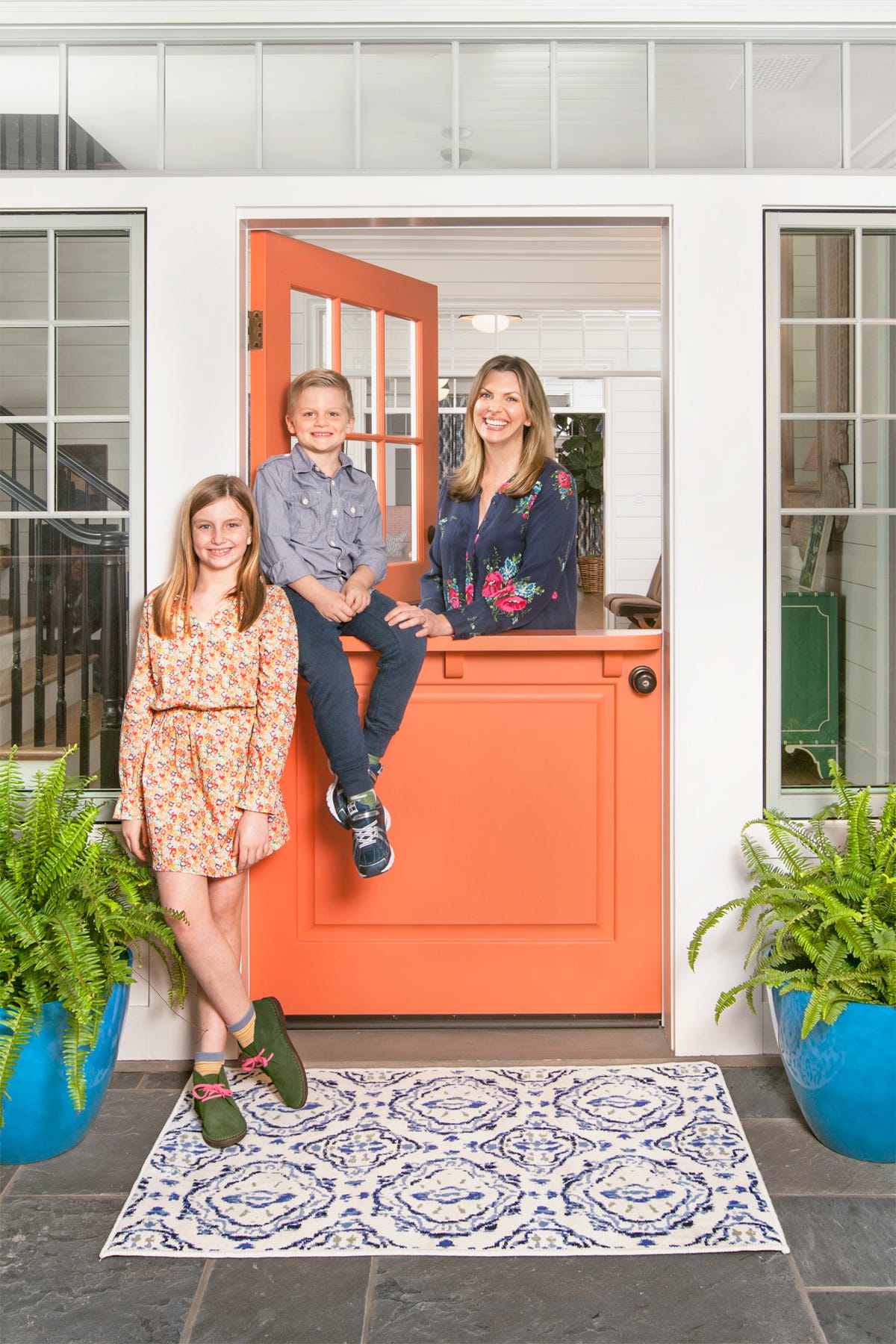
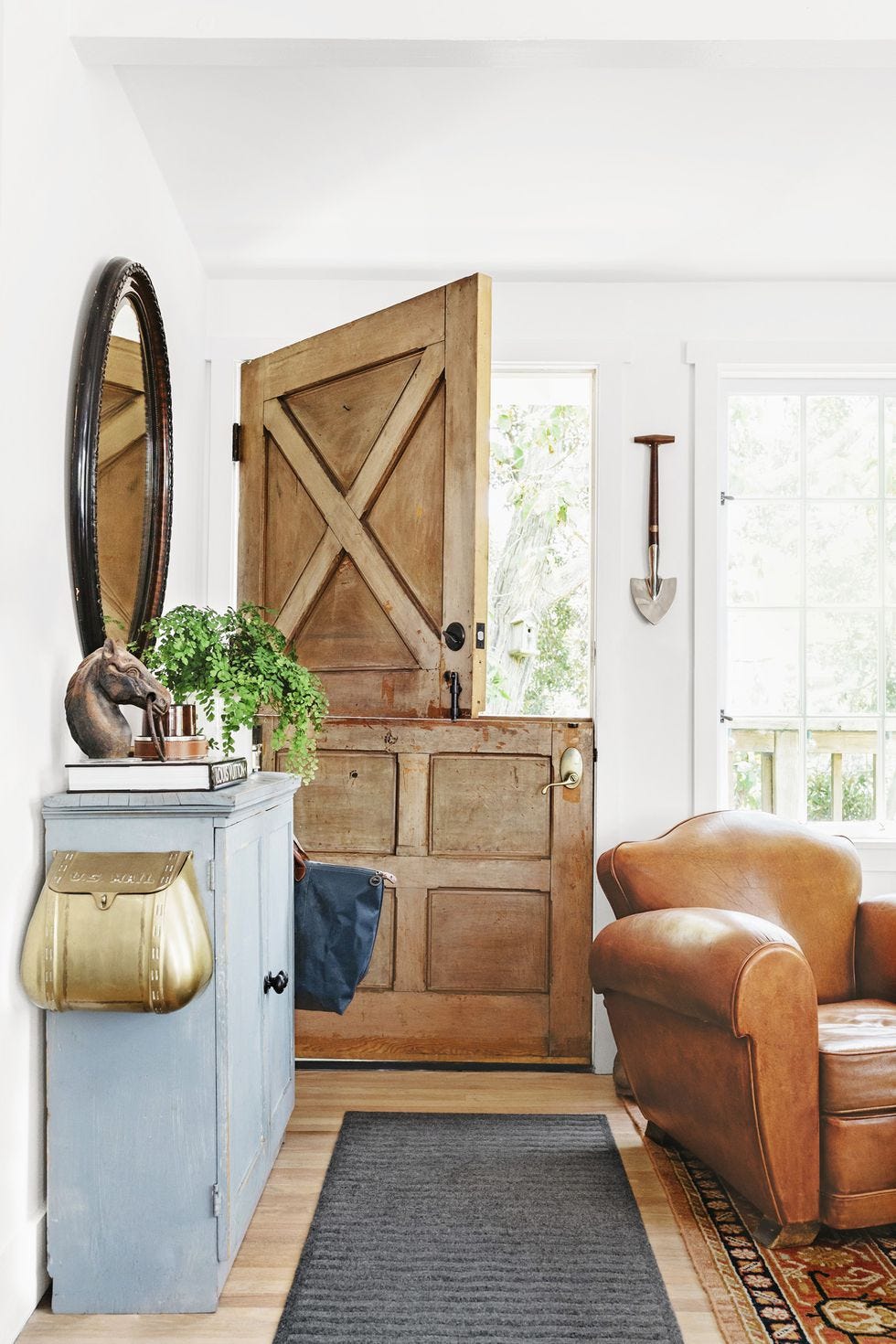
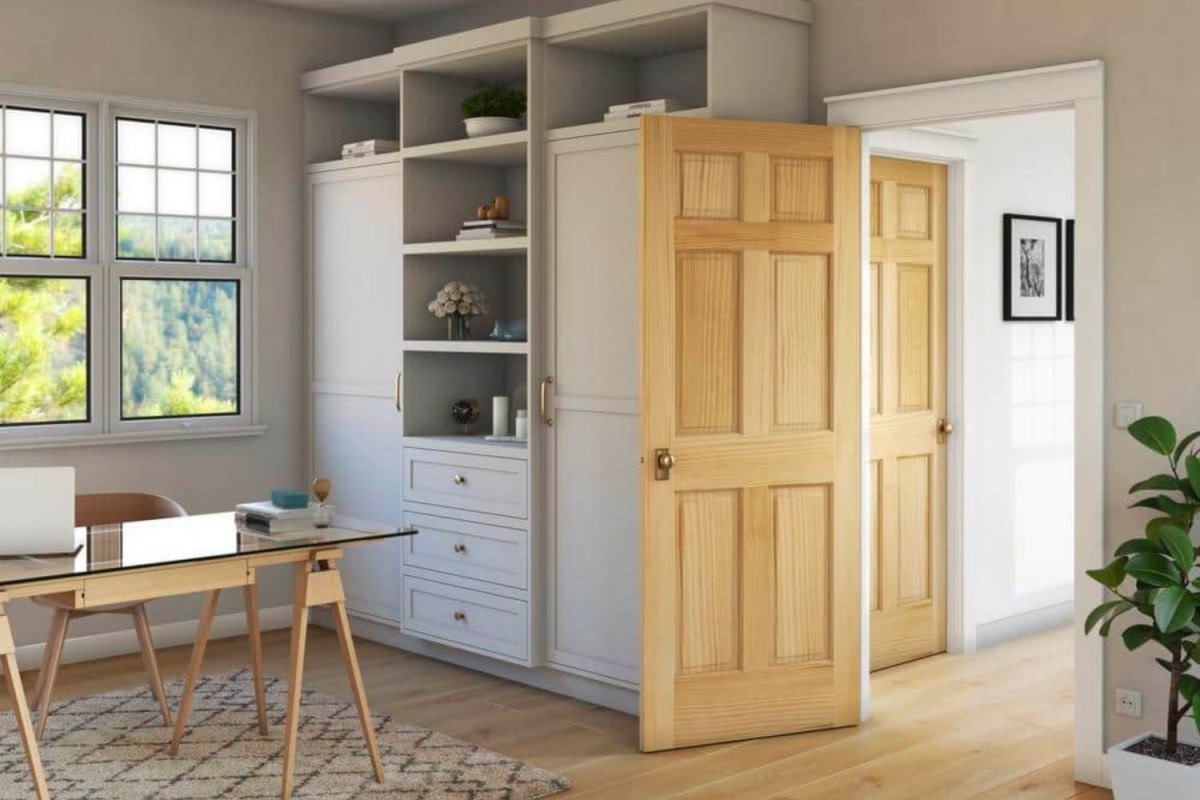
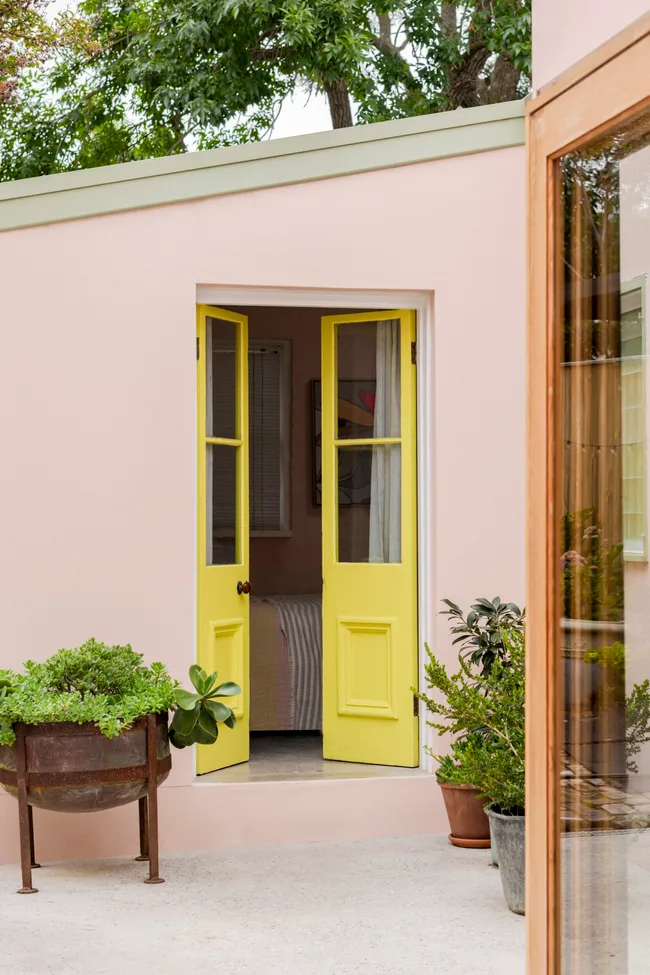
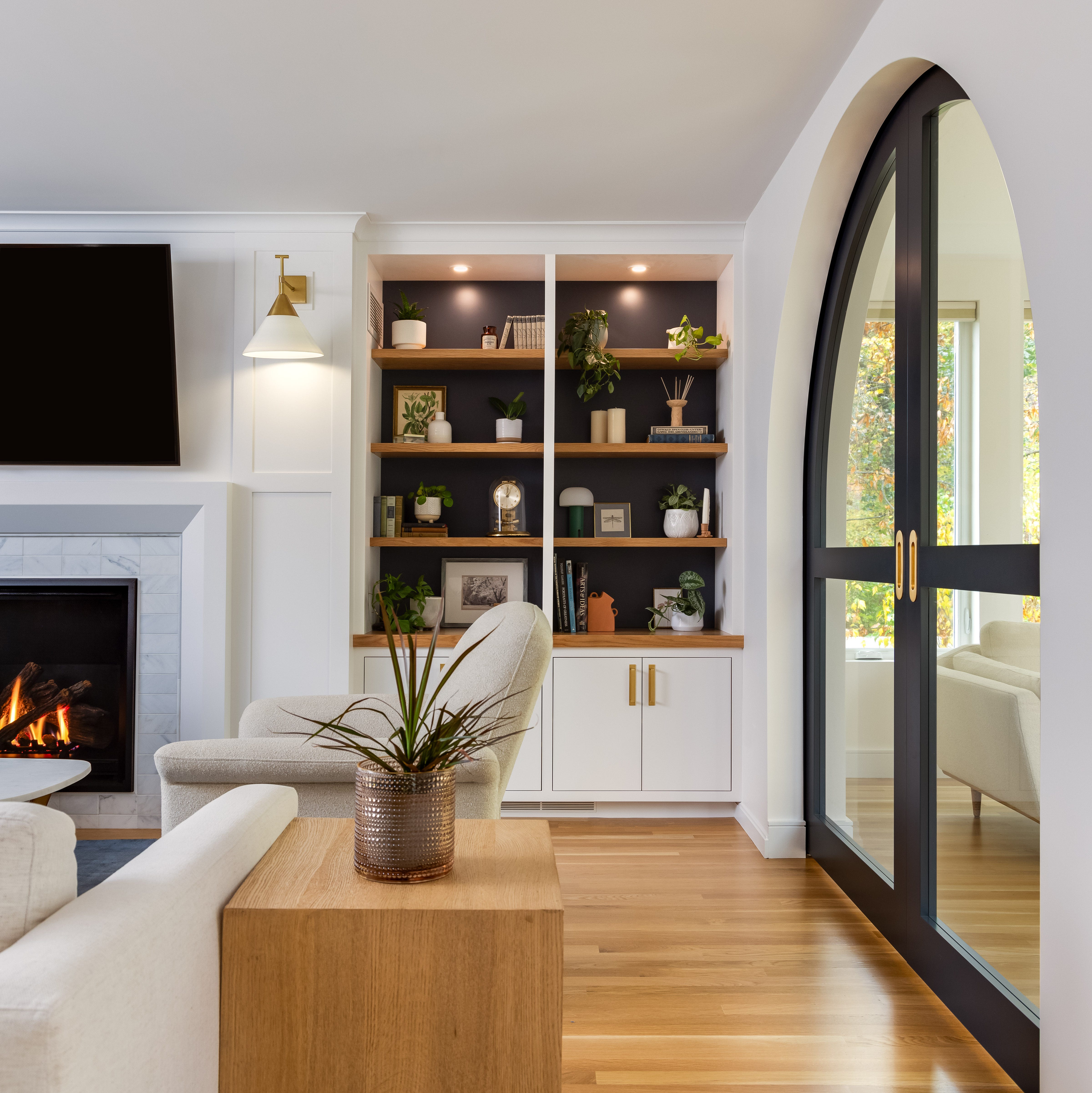
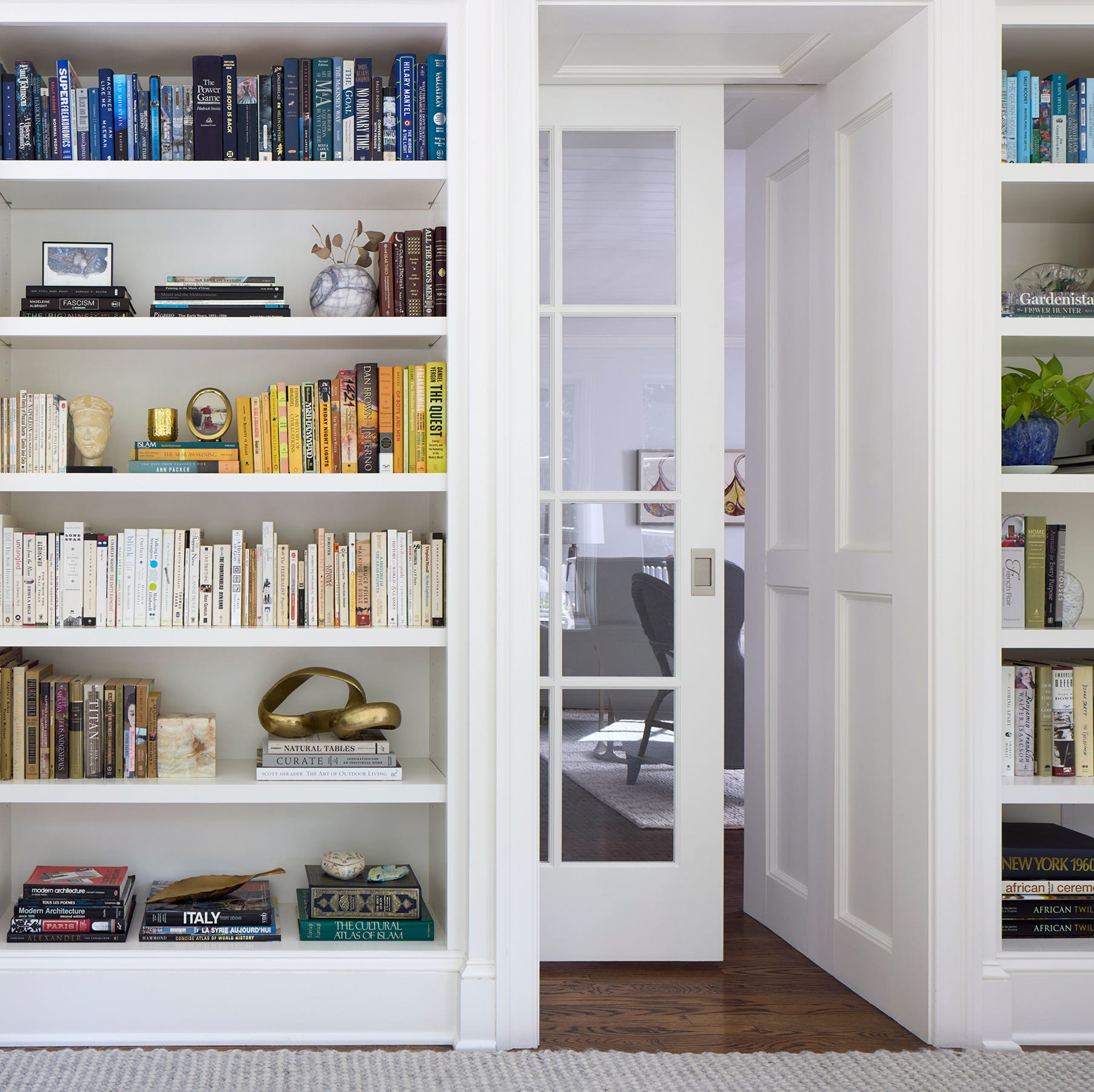
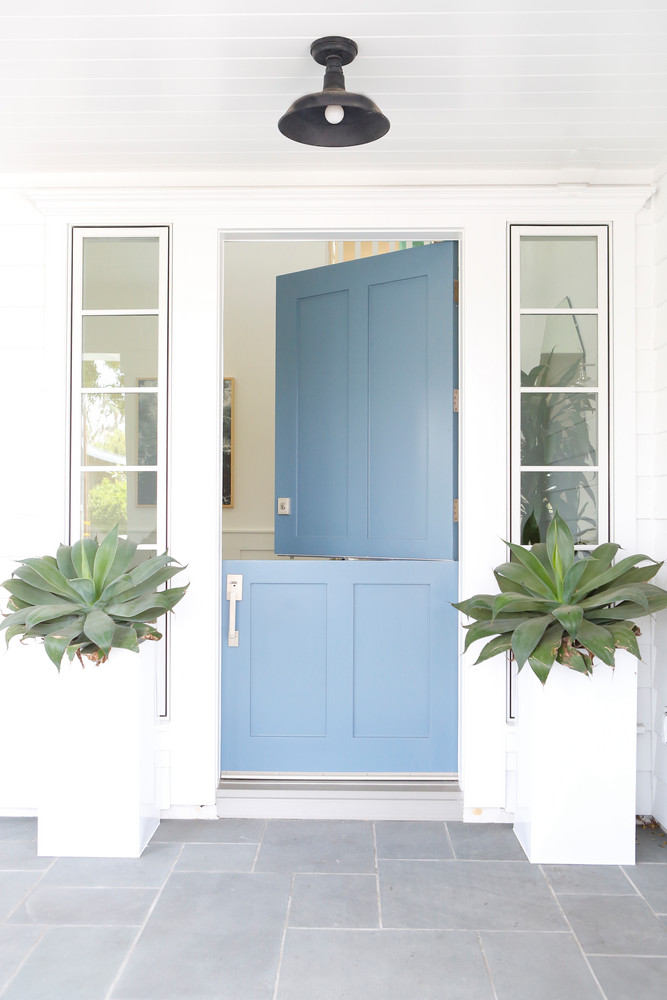
Dutch doors, historically originating from the Netherlands in the 17th century, are characterized by their horizontal division, allowing the top and bottom halves to open independently. Their initial purpose was primarily practical: to permit fresh air and sunlight into homes while simultaneously preventing animals from entering and ensuring children's safety within. These doors were once common in early American homes, particularly in regions like New York and New Jersey, before falling out of favor with the advent of urban living and advanced climate control systems such as HVAC. However, with the recent resurgence of farmhouse-style decor, Dutch doors have experienced a comeback in contemporary interior design, now frequently being incorporated indoors in areas like kitchens, laundry rooms, and home offices.
Interior designers and experts, such as Brad Loveless from Simpson Door Company, confirm the growing trend of bringing Dutch doors inside for their "corralling functionality." Carmelo Carrasco, an interior designer, highlights their benefit in stylishly containing pets while maintaining visibility, allowing pet owners to keep an eye on their animals without resorting to less attractive pet gates. Allison Garrison, principal designer at ALLITO Spaces, further emphasizes that Dutch doors impart an "instant sense of charm" that traditional safety gates cannot match. While commonly made of wood, modern variations can also feature steel and glass for a more contemporary aesthetic, offering versatility in design.
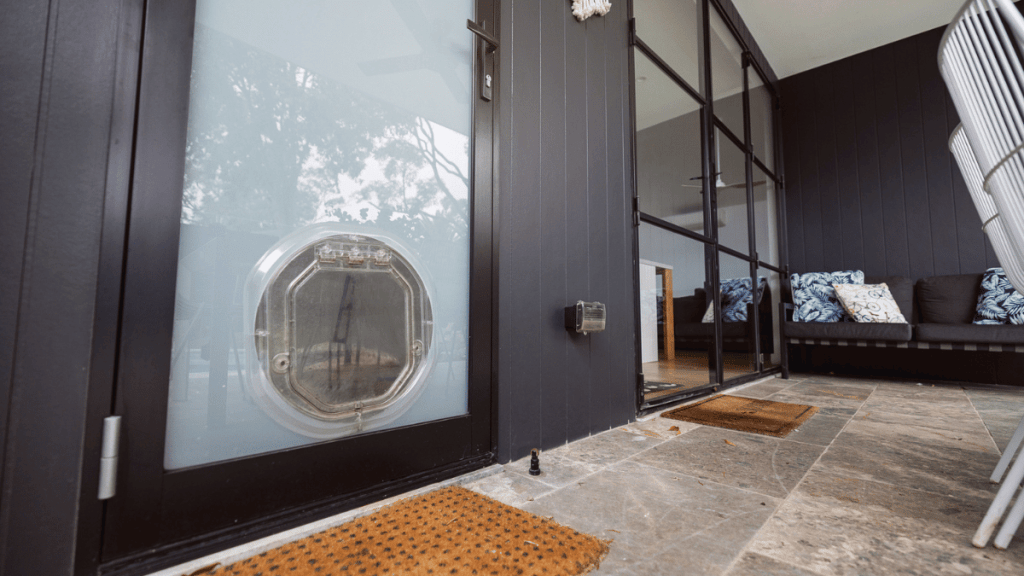
Before considering installation, several factors need to be weighed. Dutch doors are more complex to install than standard doors because they require additional hinges to support their two distinct sections. Their construction, often from solid wood, makes them heavier, necessitating proper installation of surrounding trim and door jambs to adequately bear the weight. Consequently, professional installation is often recommended. Exterior Dutch doors may also require more complex maintenance due to the varying rates at which their upper and lower halves weather. Indoors, the upper edge of the lower half might experience wear from frequent use. Economically, Dutch doors represent a higher investment compared to standard doors or pet gates, both in purchase price and installation costs. Despite the expense, many homeowners find the enhanced functionality and visual appeal to be a worthwhile long-term investment. Practical limitations also exist; while more robust than gates, Dutch doors may not be effective in containing larger, more agile, or highly determined pets, nor are they a foolproof solution for cats, which can often bypass such barriers. Nevertheless, they remain a stylish and generally effective option for managing pets within a home environment.
#DutchDoors #PetFriendlyHome #InteriorDesign #HomeDecor #PetGatesAlternative #FarmhouseStyle #HomeImprovement #PetContainment #DutchDoors #PetFriendlyHome #InteriorDesign #HomeDecor #PetGatesAlternative #FarmhouseStyle #HomeImprovement #PetContainment
0 comment in total
 No comments yet
You may also like
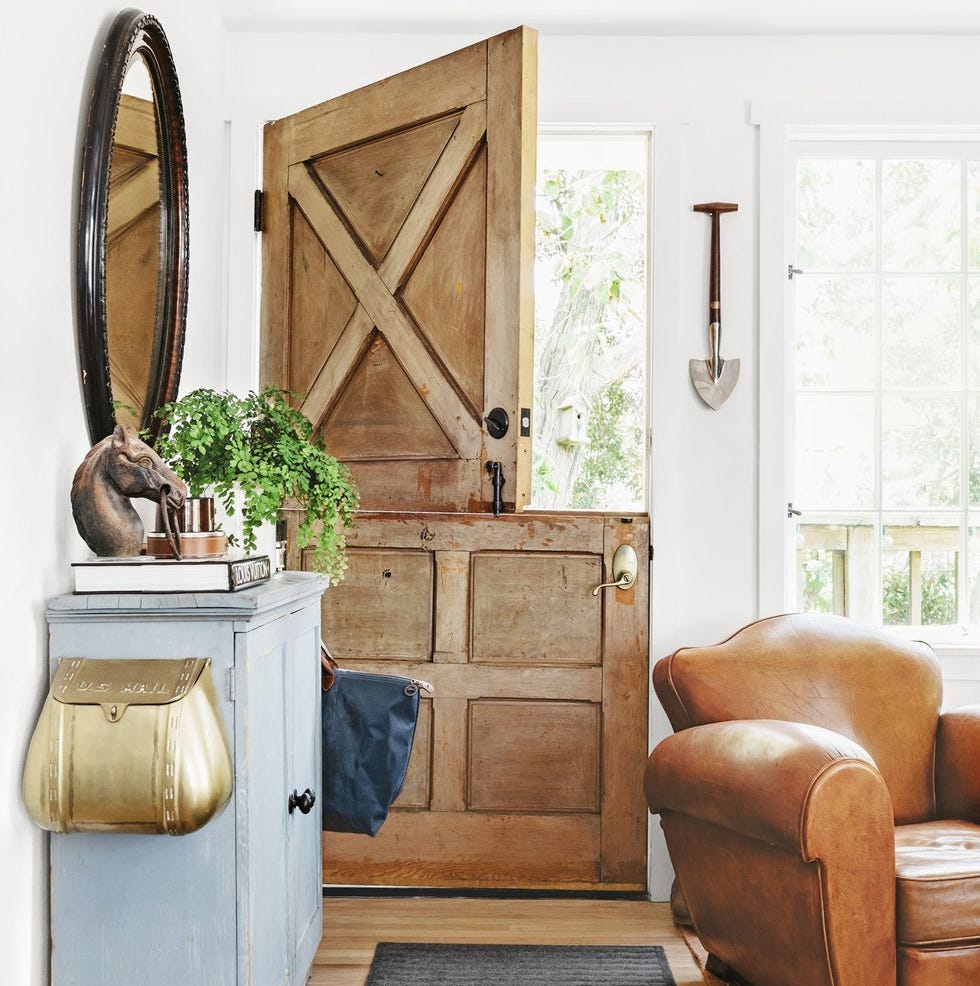
Here's Proof That Dutch Doors Should Have Never Gone out of Style
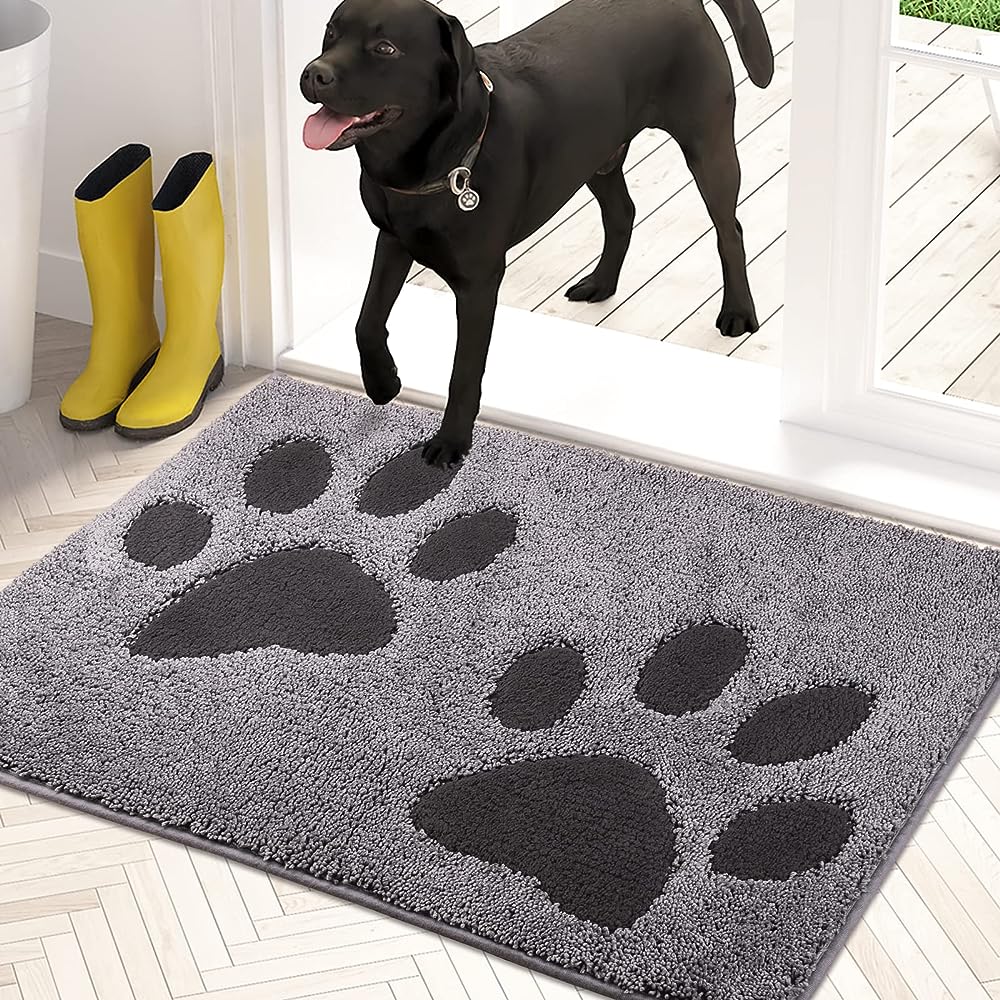
10 Best Indoor Door Mats for Dogs
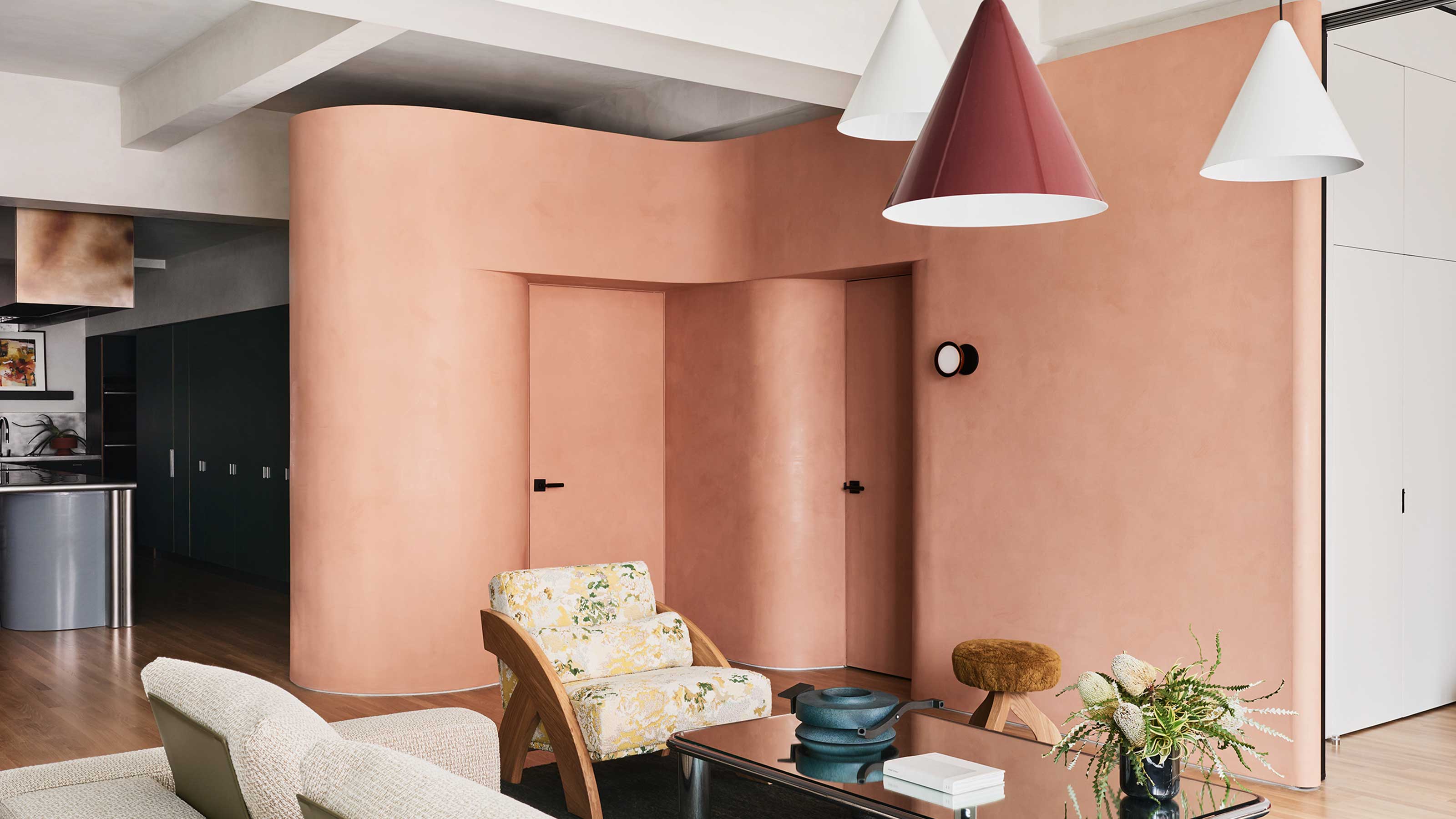
Interior Doors Shouldn’t Be an Afterthought — 11 Ideas That Will Actually Elevate Your Home's Design

Doors: A forgotten design element
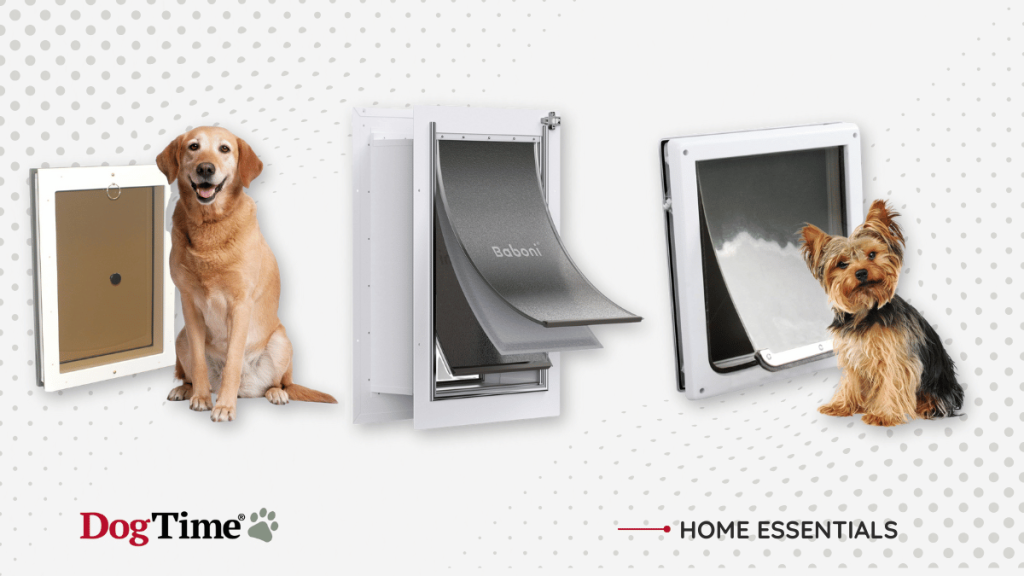
10 Best Dog Doors for Your Furry BFF

Internal Doors

Home design is going to the dogs
The Best Doors We’ve Seen This Year

The Best Interior Doors

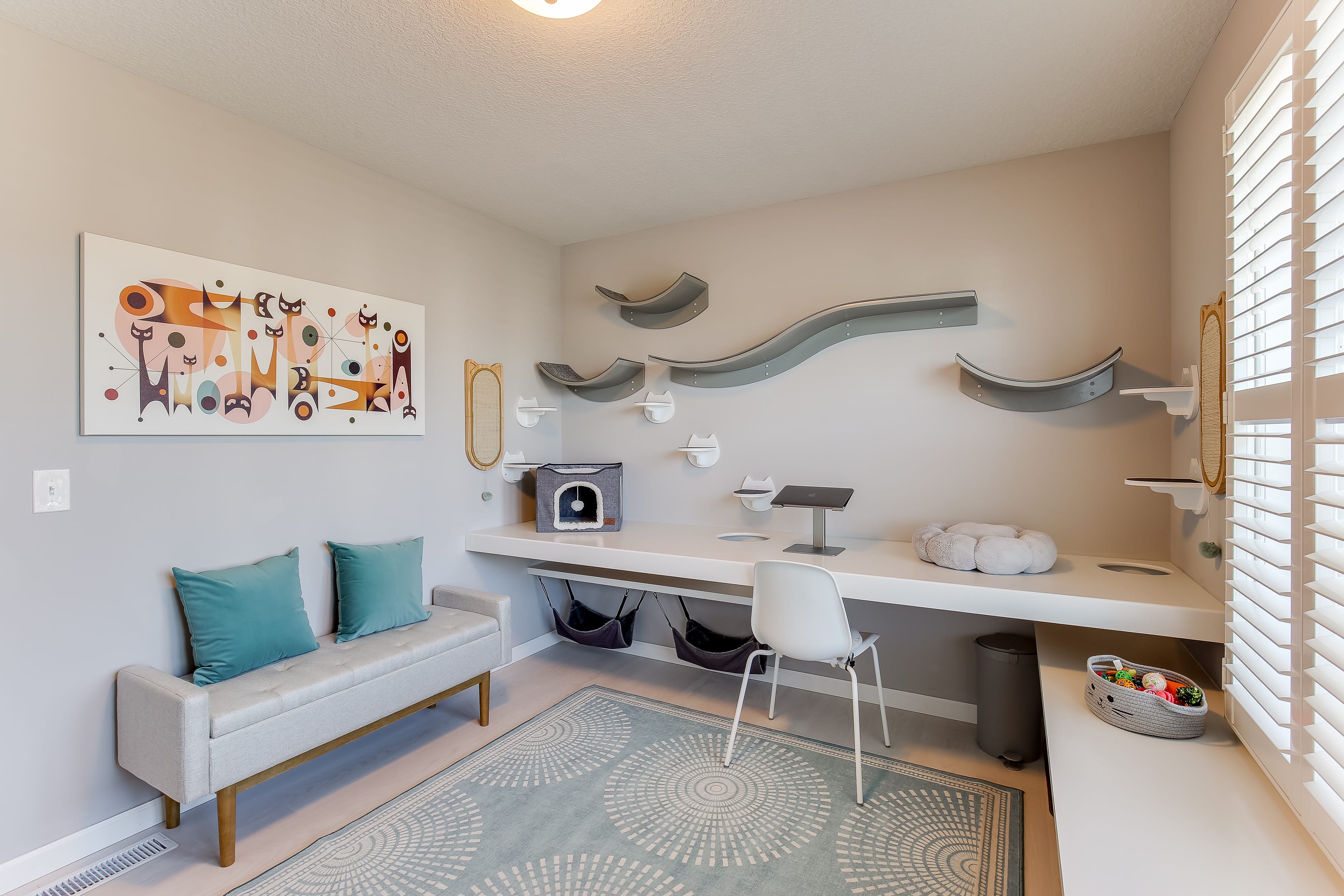
Purr-fect Design: Make your furry loved one feel right at home with your décor

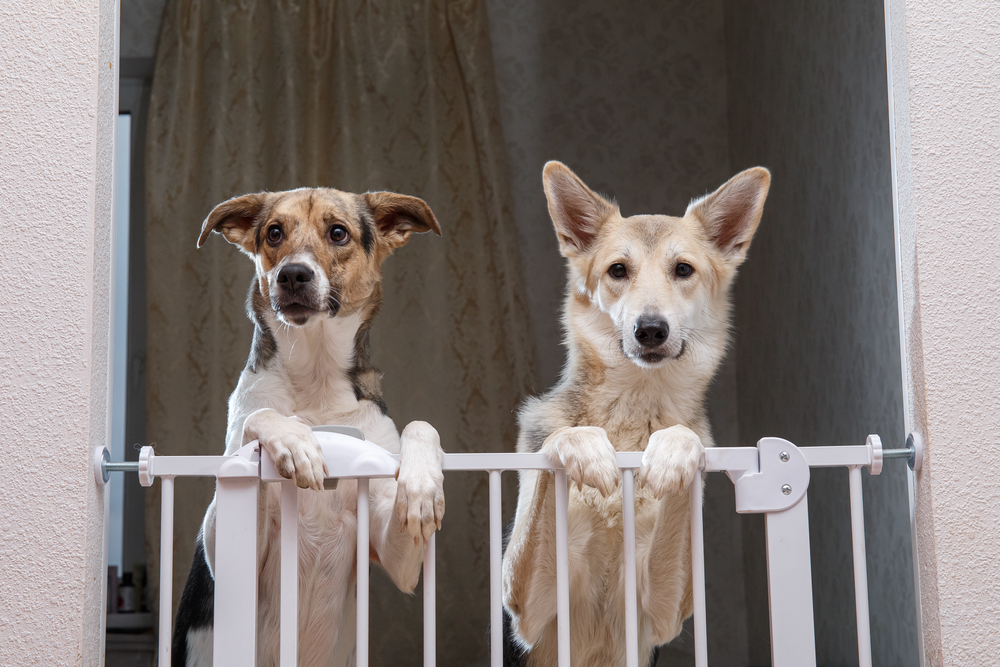
The Best Dog Gates For Doorways

9 Best Door Scratch Protectors for Dogs
Keep Your Entryway Clean with the 7 Best Doormats We Tested
22 homes that perfect the art of the French door

Designers Say This Vintage Home Feature Is Back

"Wallpapered Doors" Are Trending — And It's the Answer to Making Your Home's Storage Look Beautiful
The Best Smart Pet Doors in 2024

Pets play role in shaping luxury home design | Real Estate Millions | Homes

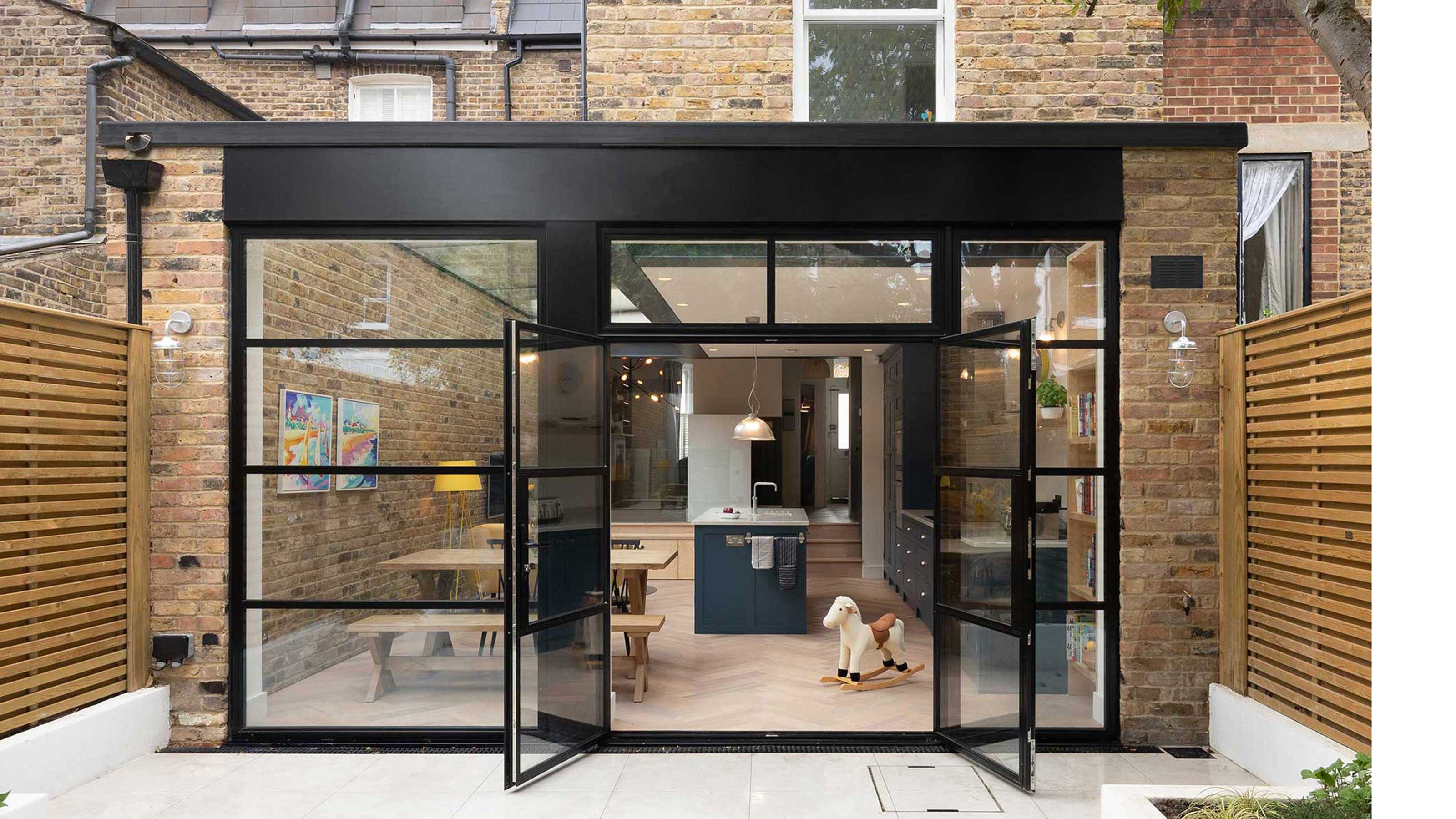
Sorry Bifolds — French Doors Are the Coolest Choice for Your Extension Right Now, and They're Anything but Basic
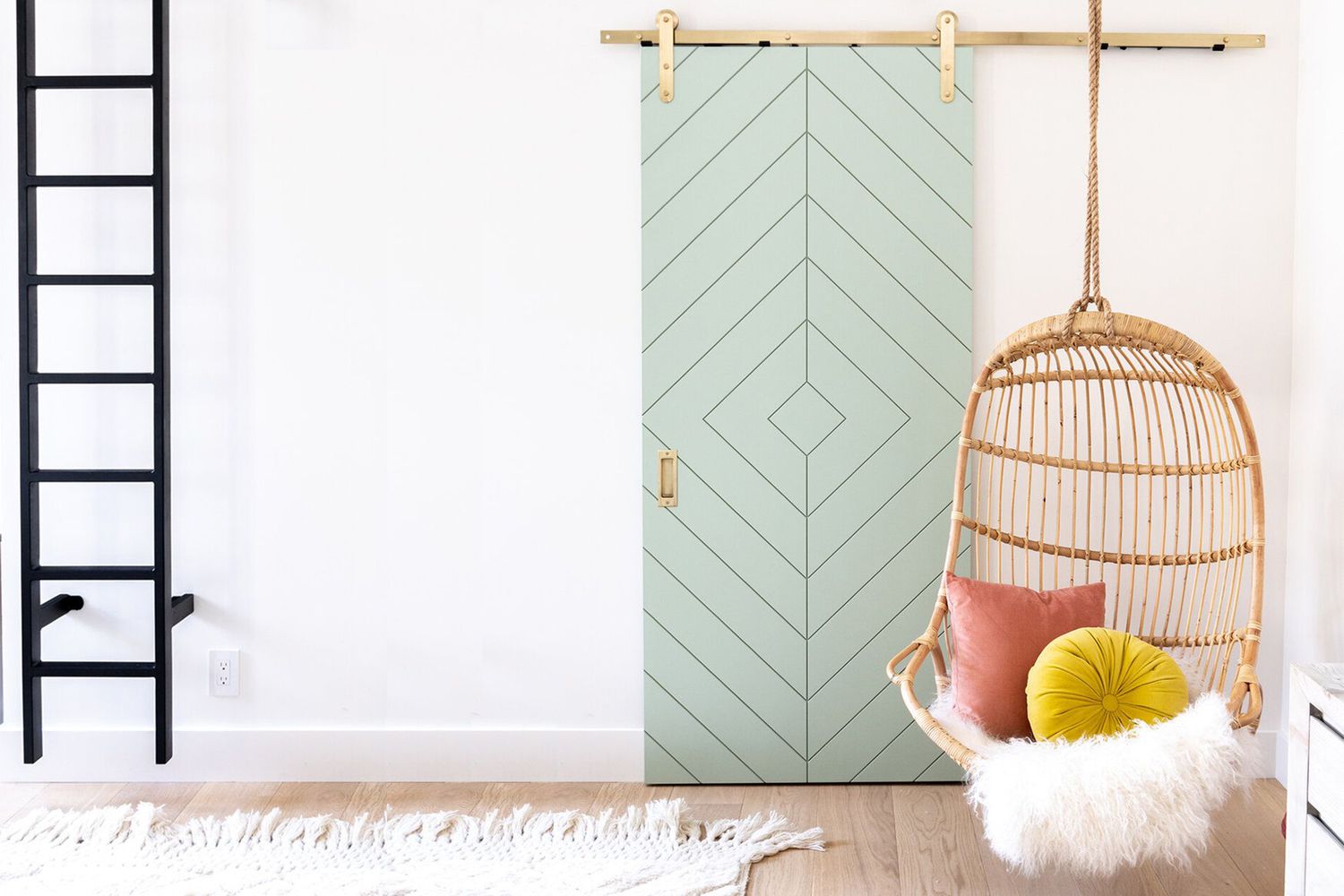
Interior Doors Don't Have to Be Boring—These Designer-Approved Colors Prove It