1/21
Here's Proof That Dutch Doors Should Have Never Gone out of Style
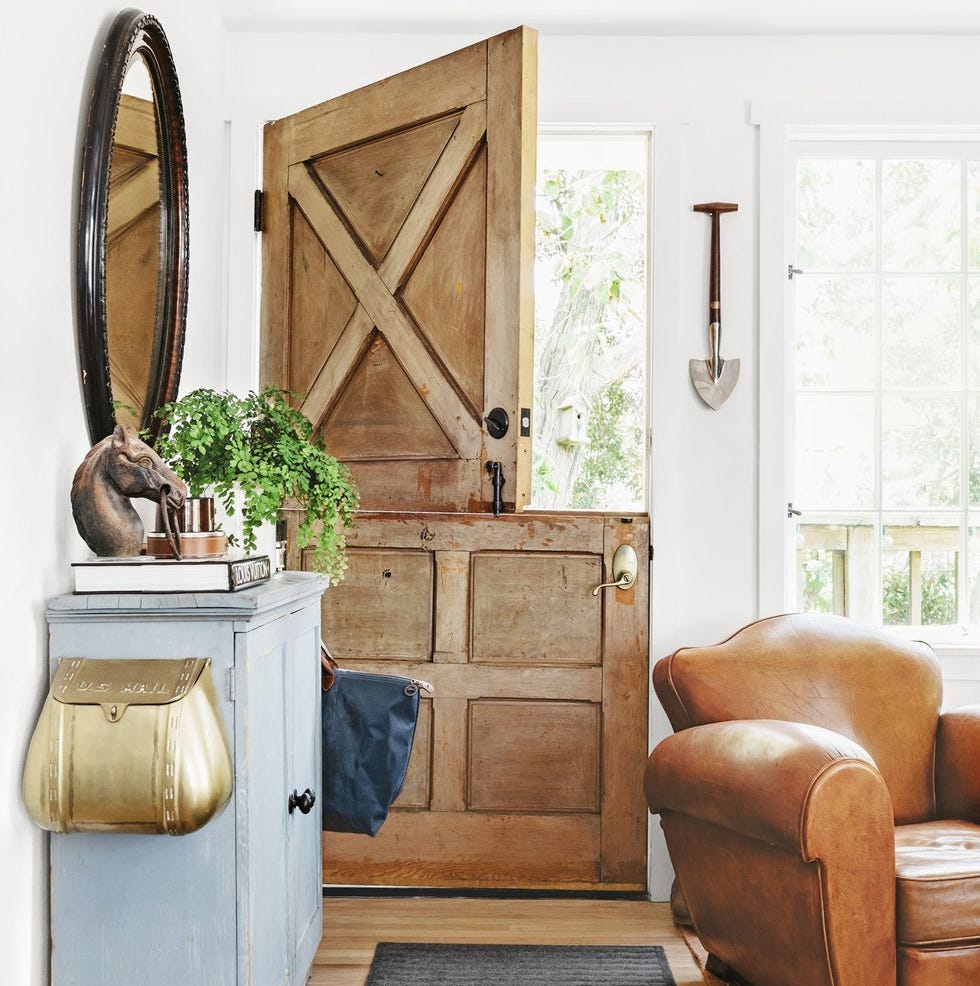
Dutch doors, also known as split, double-hung, or half doors, originated in the 17th century and are characterized by a horizontal division that allows the top and bottom sections to open independently. This design offers practical benefits, such as enabling airflow while maintaining a barrier, and is increasingly popular for both exterior and interior applications in contemporary homes.
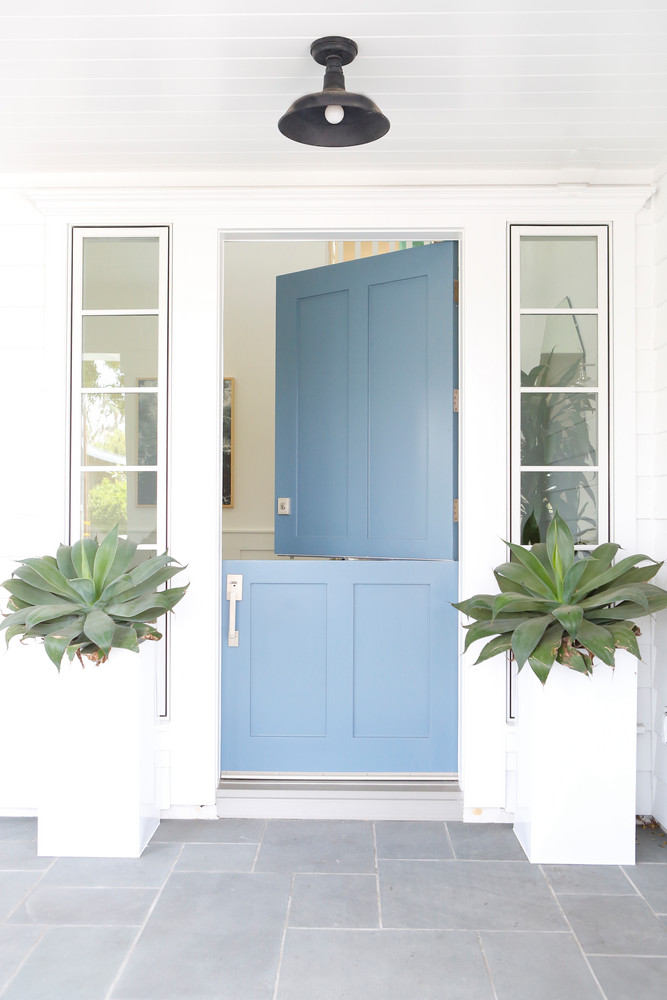
For exterior use, Dutch doors are particularly effective in settings like farmhouses, where they can keep barnyard animals out while still allowing the top portion to open for fresh air and interaction. This functionality extends to pets, as demonstrated by beach house examples where the top half can be open to enjoy the breeze without allowing pets to roam freely. When considering an exterior Dutch door, it is crucial to ensure a tight, weatherproof seal between the upper and lower sections, along with a secure lock or bolt, to prevent movement and ensure security.
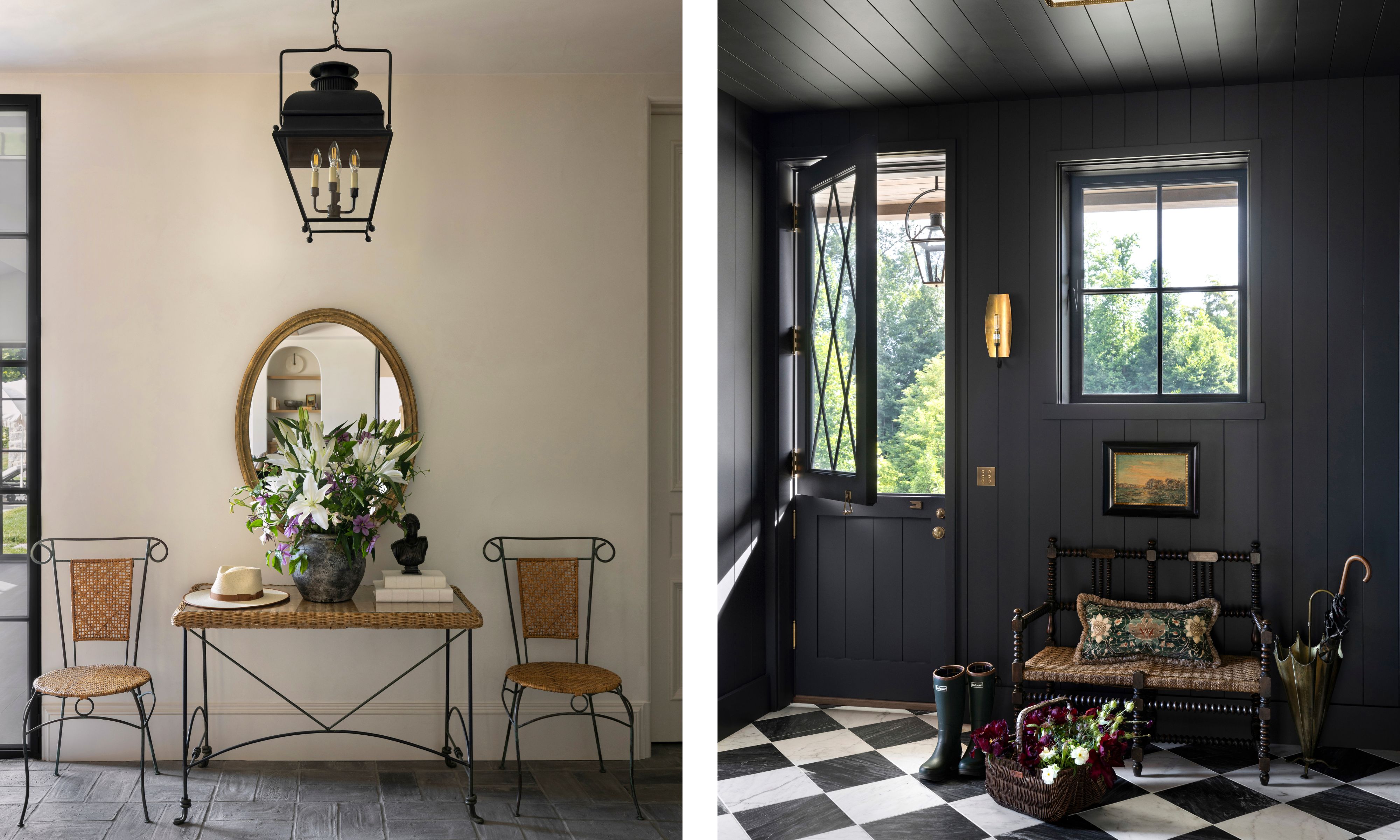
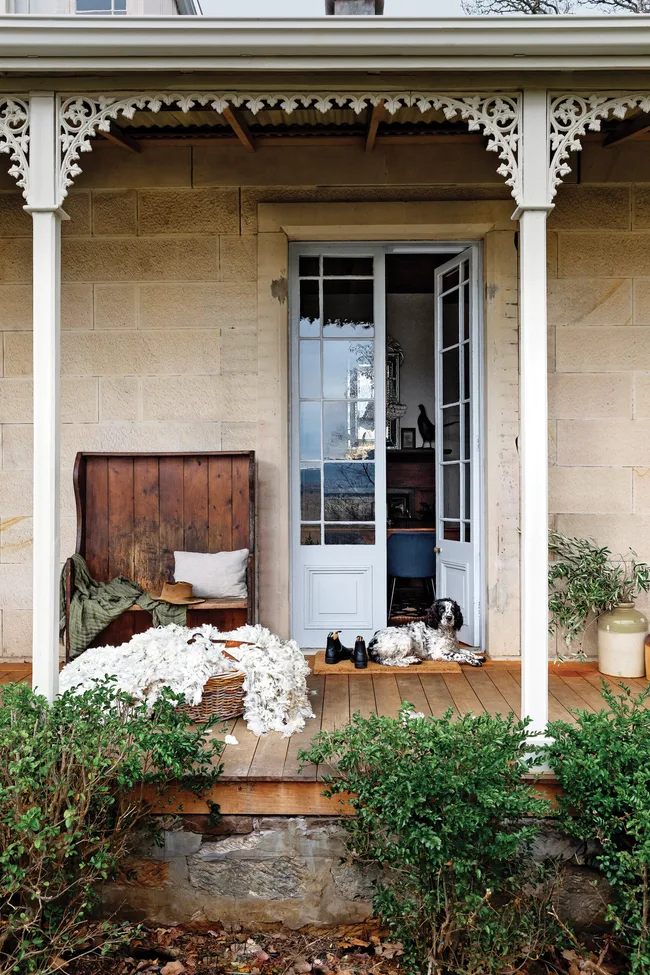
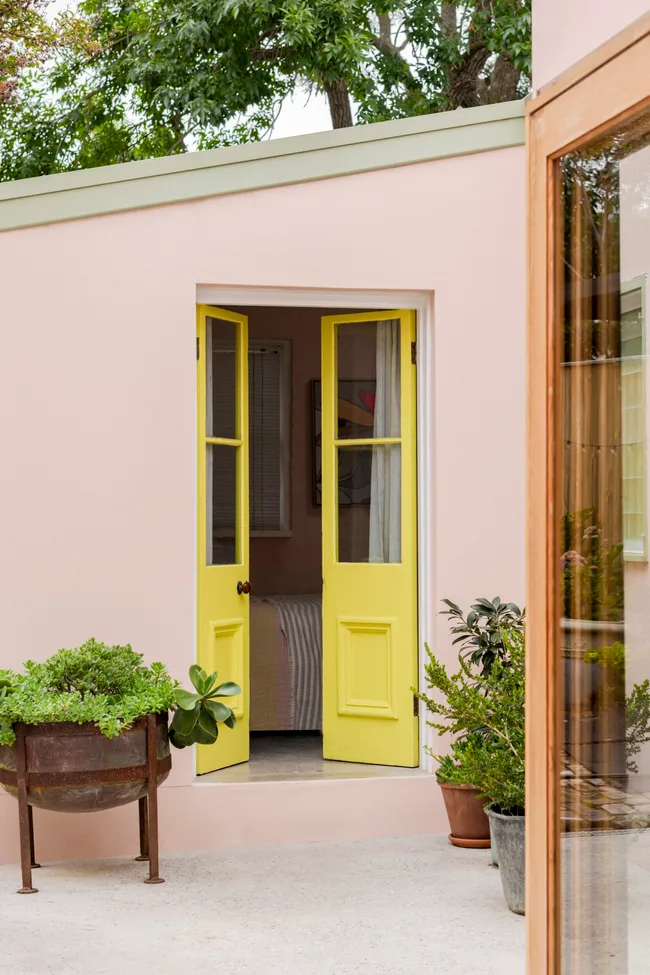
Beyond their functional advantages, Dutch doors offer significant aesthetic appeal, contributing to a sense of warmth and welcome. They are versatile in design, fitting seamlessly into various architectural styles, from traditional Victorian farmhouses to modern homes. The examples presented illustrate how a Dutch door can be a central design element, whether through a dark and dramatic color choice, a vibrant shade like Pomegranate or yellow, or a simple, inviting entrance complemented by galvanized planters.
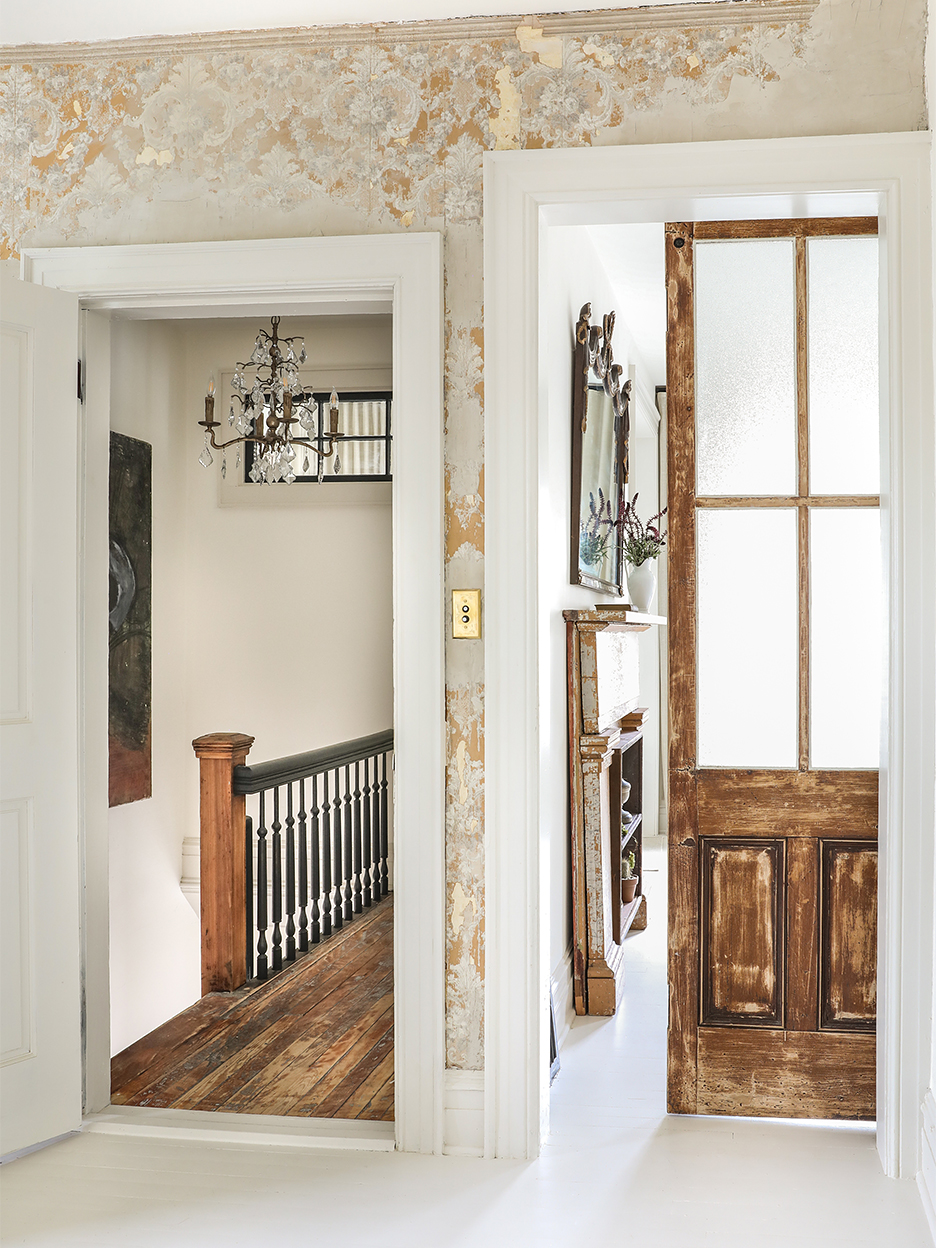
Interior Dutch doors offer similar charm and functionality without the need for weatherproofing. They are ideal for creating playful divisions, such as leading to a playroom, or for practical purposes like containing pets in specific areas while allowing visibility and air circulation. The article highlights an instance where an existing hollow core door was converted into an interior Dutch door, showcasing a DIY approach to incorporating this design element.
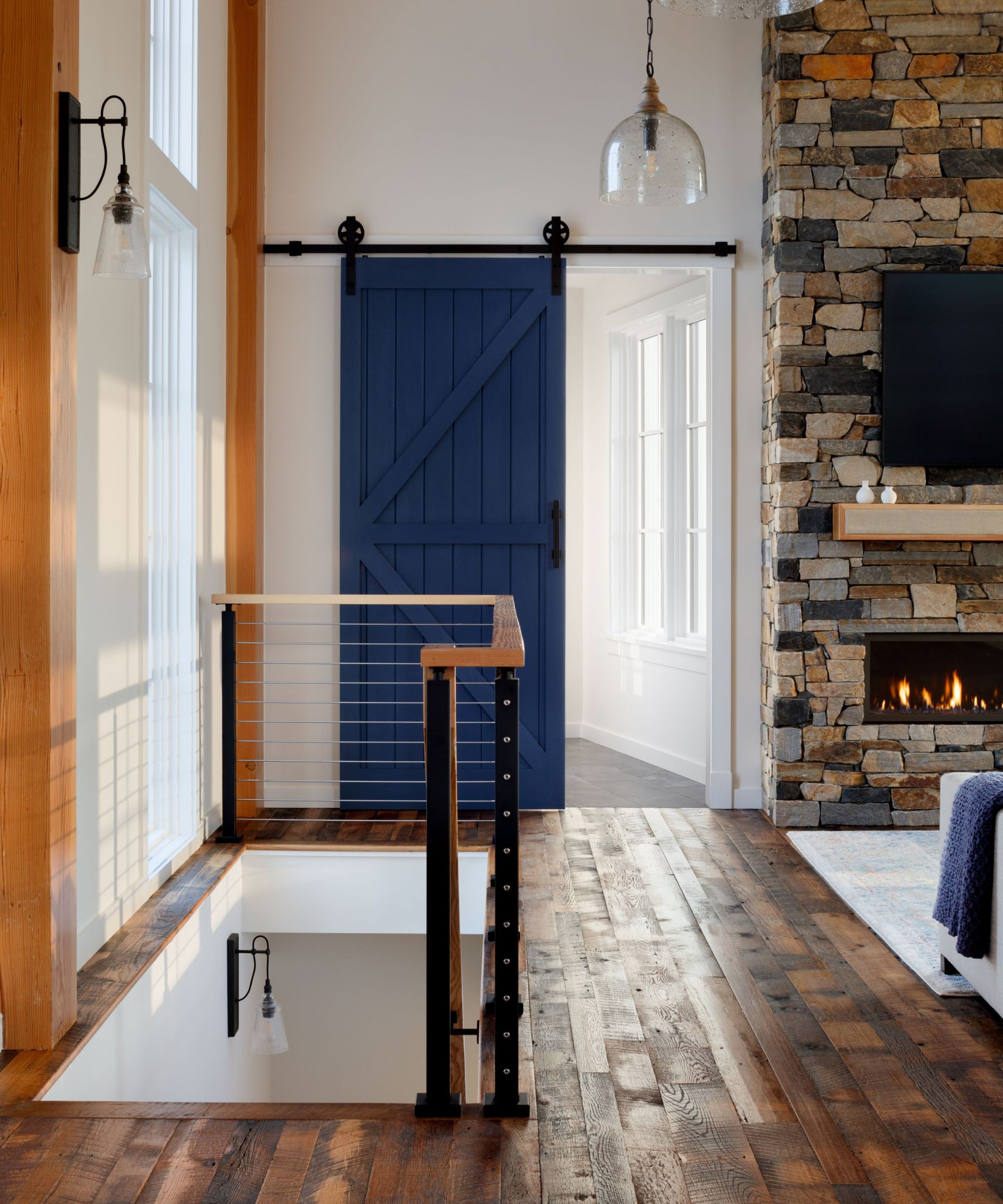
Furthermore, Dutch doors can be integrated with other architectural features, such as transom windows, to maximize natural light and airflow. They can also feature unique design elements, like the X-pattern on the bottom half, reminiscent of barn doors, which adds a rustic touch to modern farmhouse aesthetics. The versatility extends to their use beyond the main house, such as on barns, where they can keep animals contained while allowing for ventilation. The aesthetic impact is further enhanced when decorated with elements like wreaths, particularly for holiday seasons.
While Dutch doors offer numerous advantages, including the ability to foster an inside-outside relationship, a potential drawback is the lack of an upper screen, which could allow insects indoors. However, proponents argue that this is a small price to pay for the unique charm and style they bring to a home. The article provides inspiration for integrating Dutch doors into various spaces, emphasizing their timeless appeal and practical benefits.
#DutchDoors #HomeDesign #DecoratingIdeas #EntrywayDesign #FarmhouseStyle #InteriorDesign #ExteriorDoors #ArchitecturalFeatures #DutchDoors #HomeDesign #DecoratingIdeas #EntrywayDesign #FarmhouseStyle #InteriorDesign #ExteriorDoors #ArchitecturalFeatures
0 comment in total
 No comments yet
You may also like
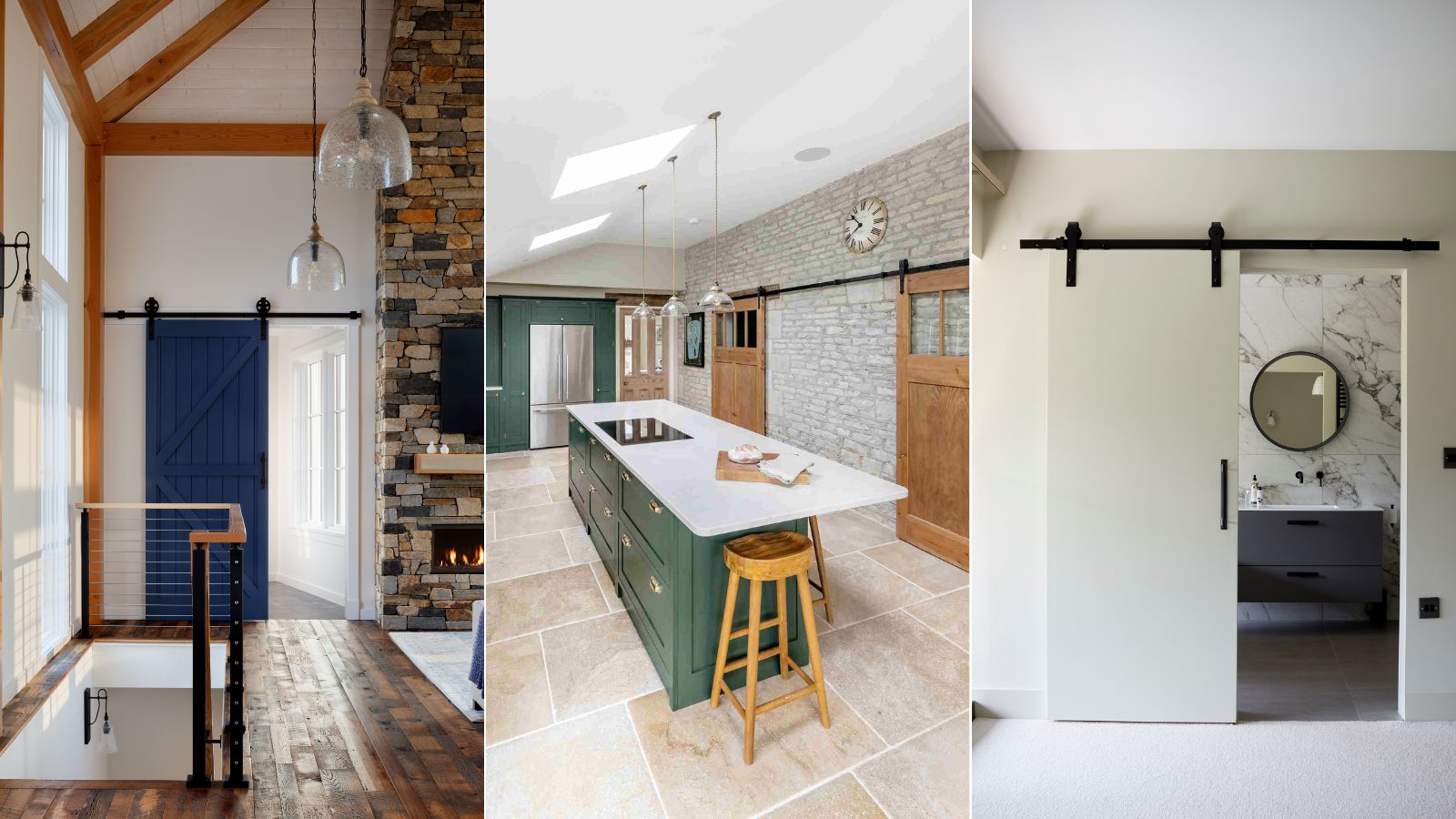
Are barn doors still in style? Interior designers weigh in on the well-loved rustic feature

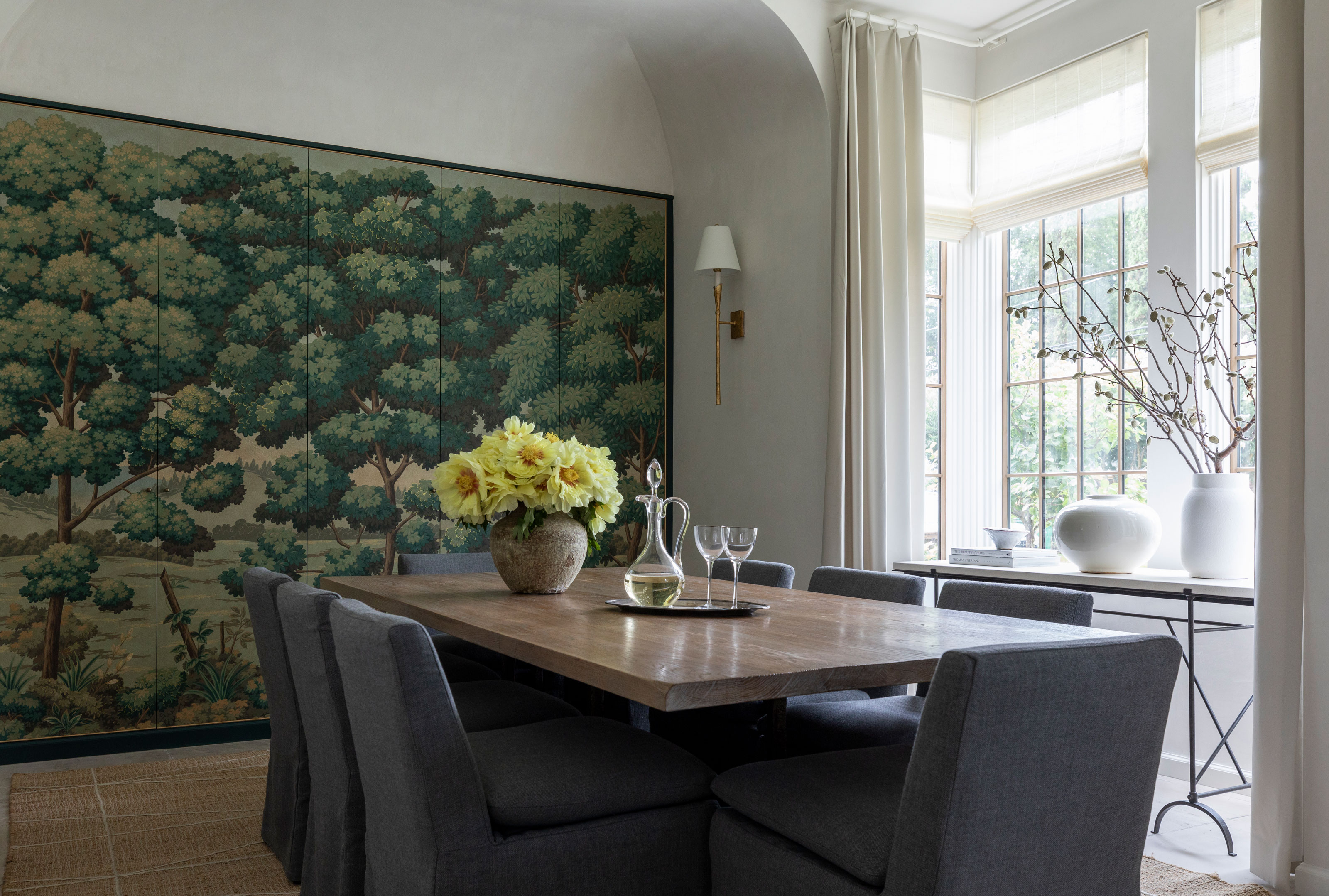
"Wallpapered Doors" Are Trending — And It's the Answer to Making Your Home's Storage Look Beautiful

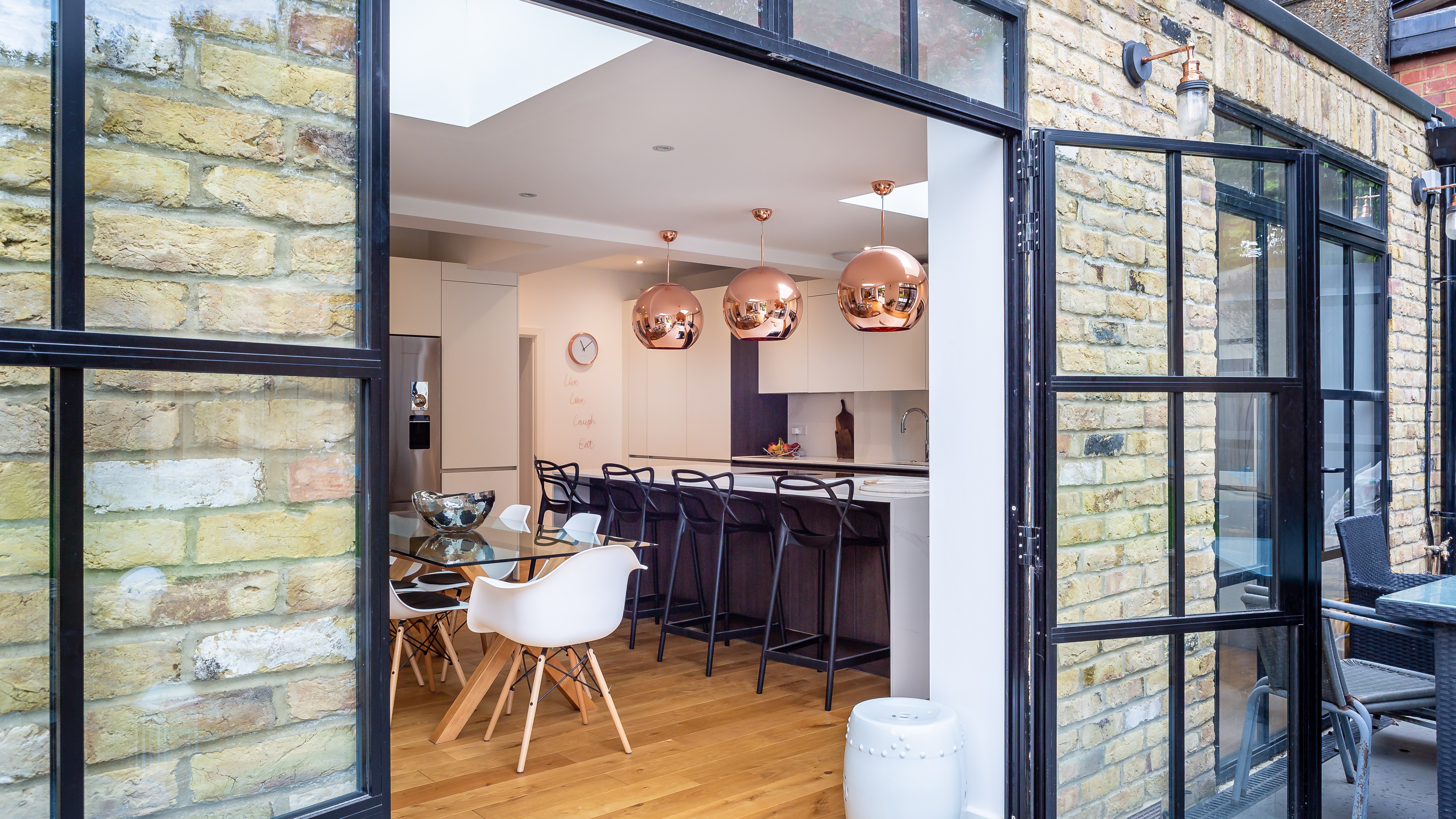
The death of the bifold door and what you should replace them with
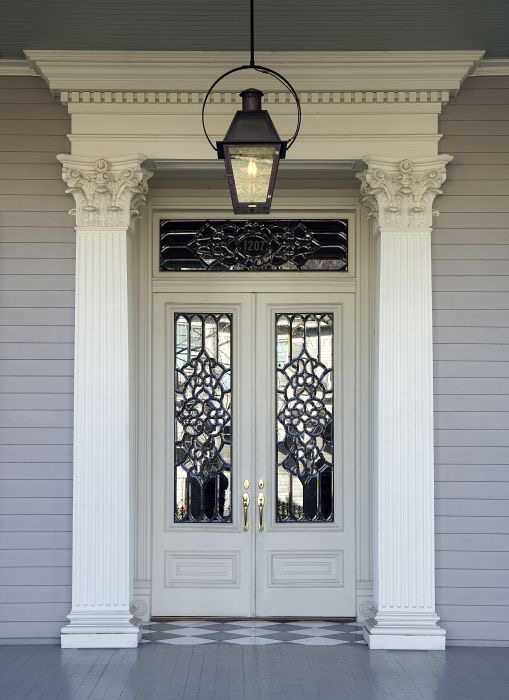
Colour Trends For French Door Designs
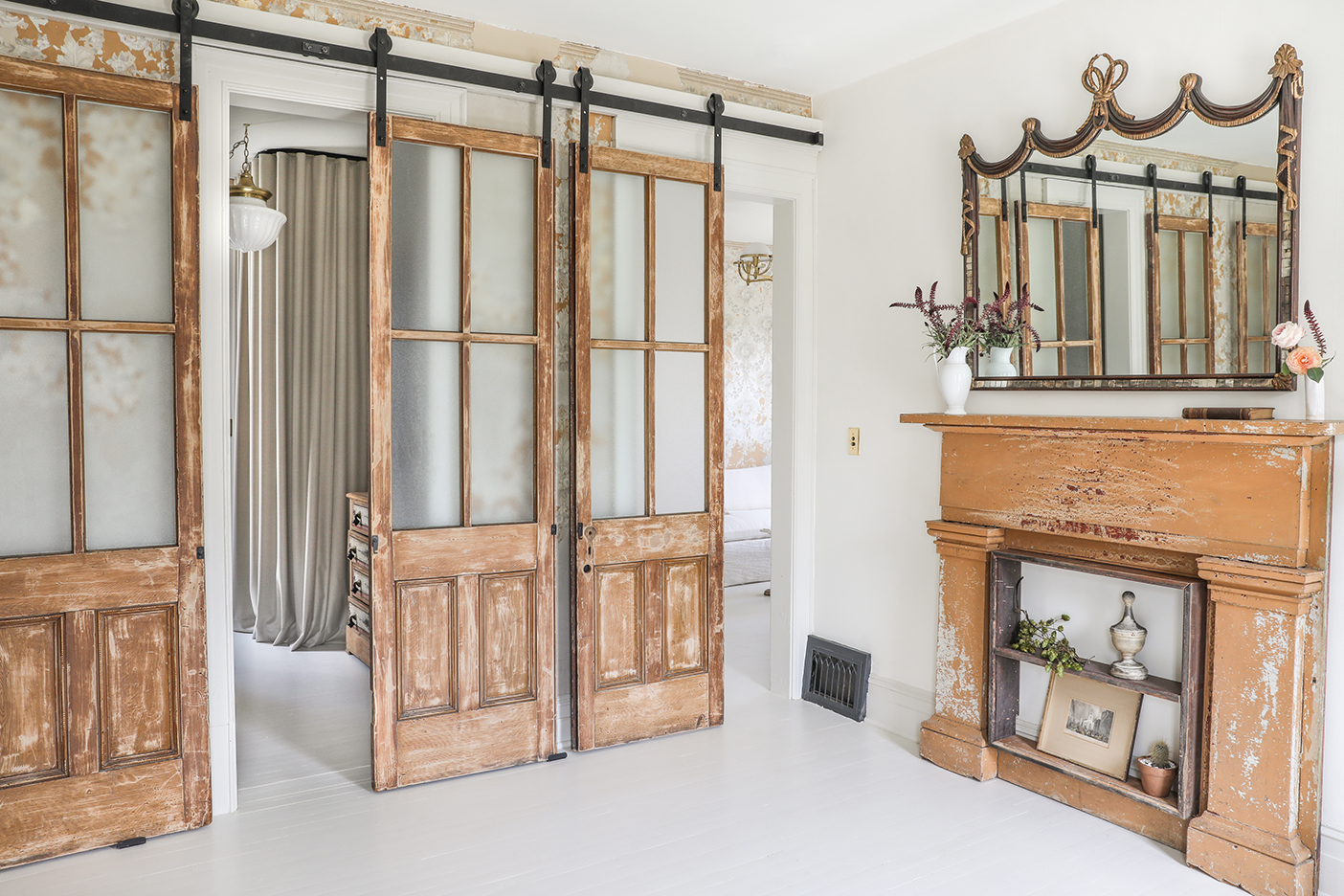
These 100-Year-Old Doors Make All Other Room Dividers Pale in Comparison
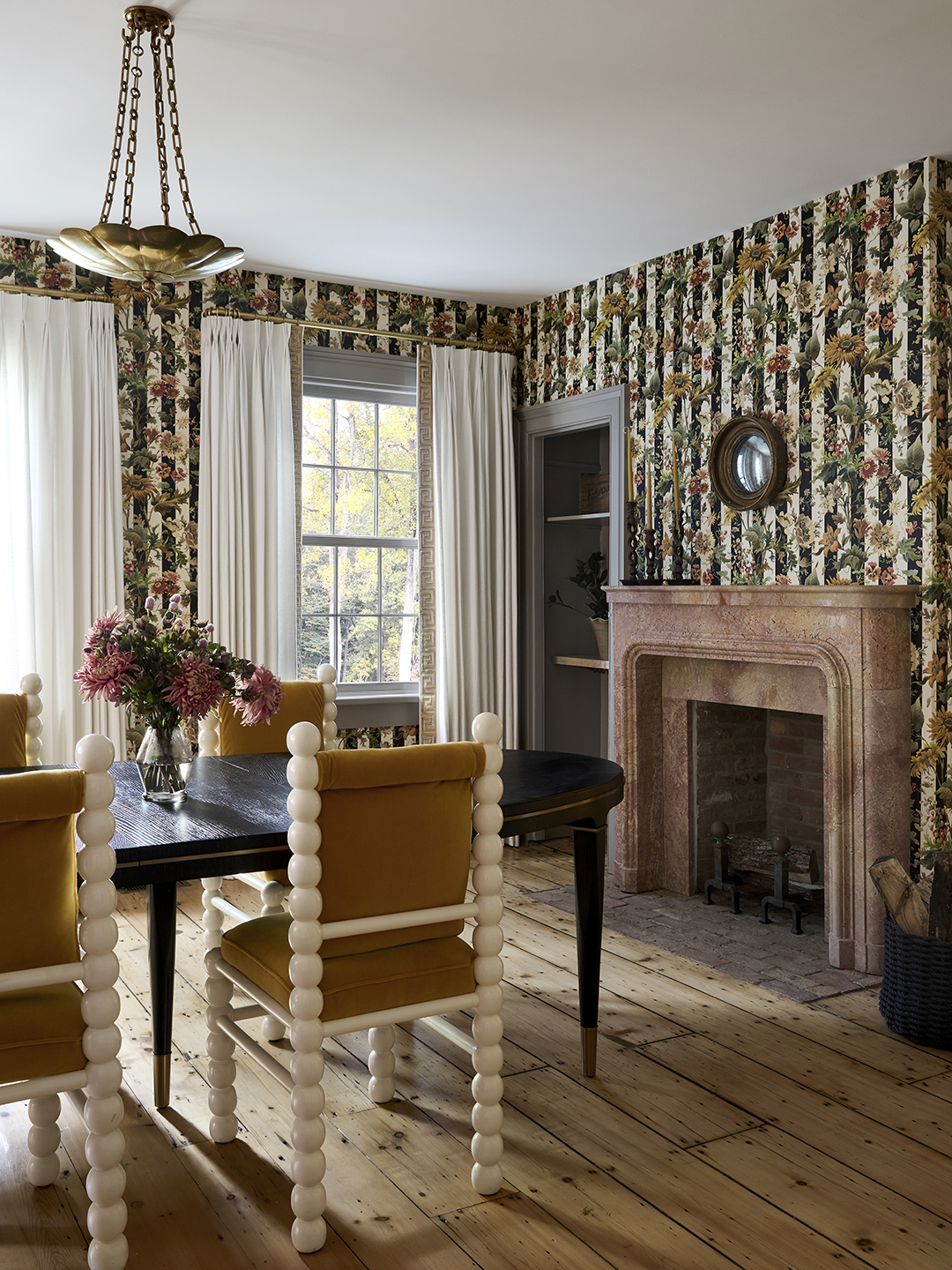
Hidden Doors and Patterns Galore Brought British Charm to This Builder-Grade Home


Doorway to heaven

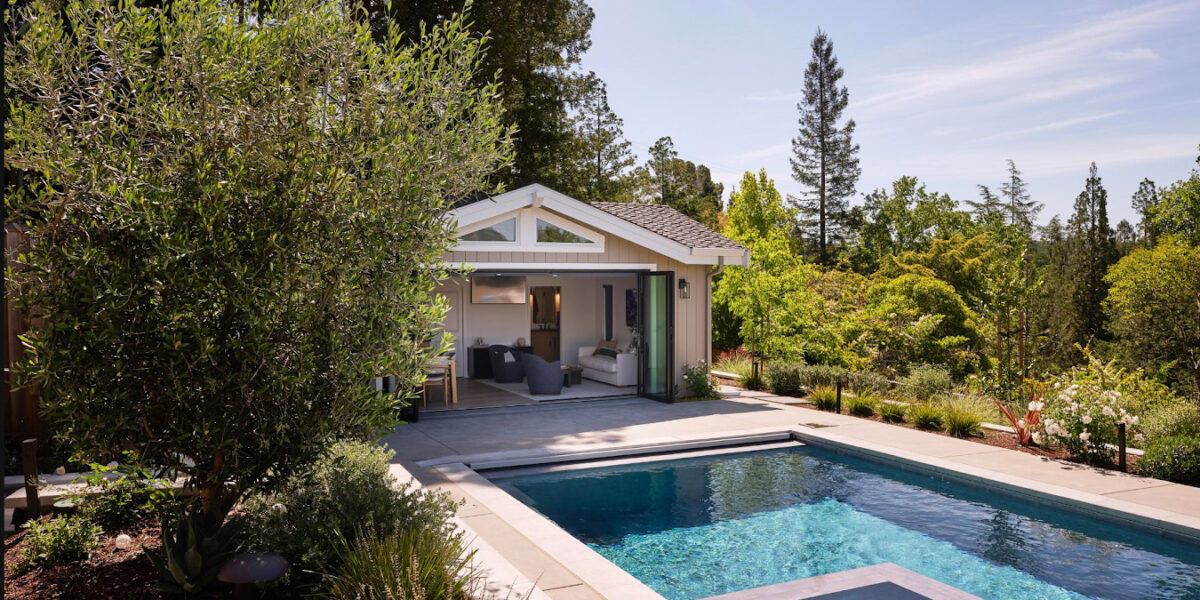
Tired of the Barn Door Trend? These Alternatives Are on the Rise
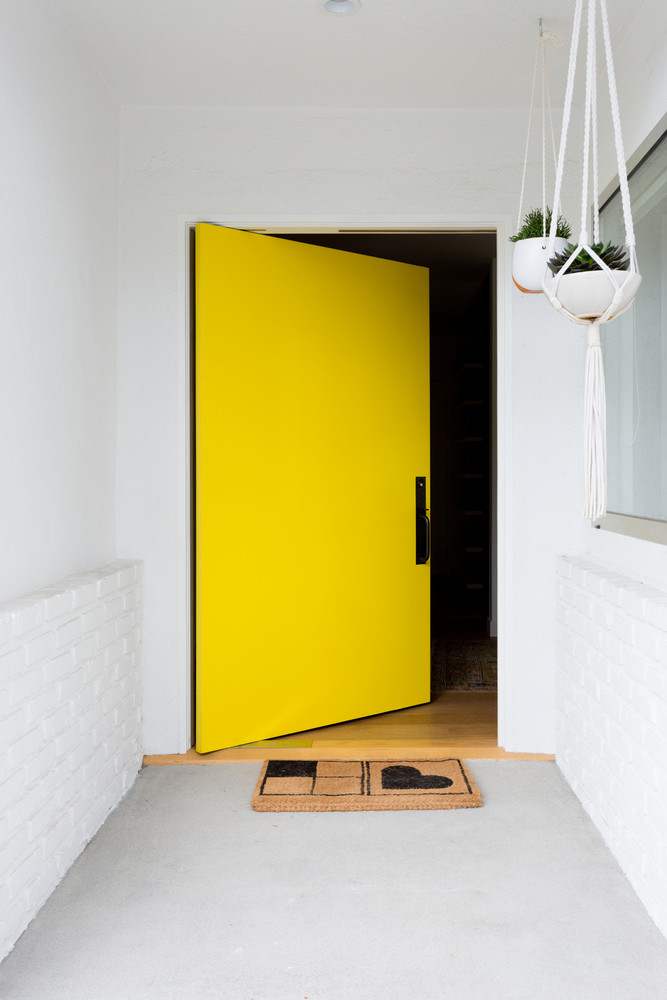
The Best Doors We’ve Seen This Year

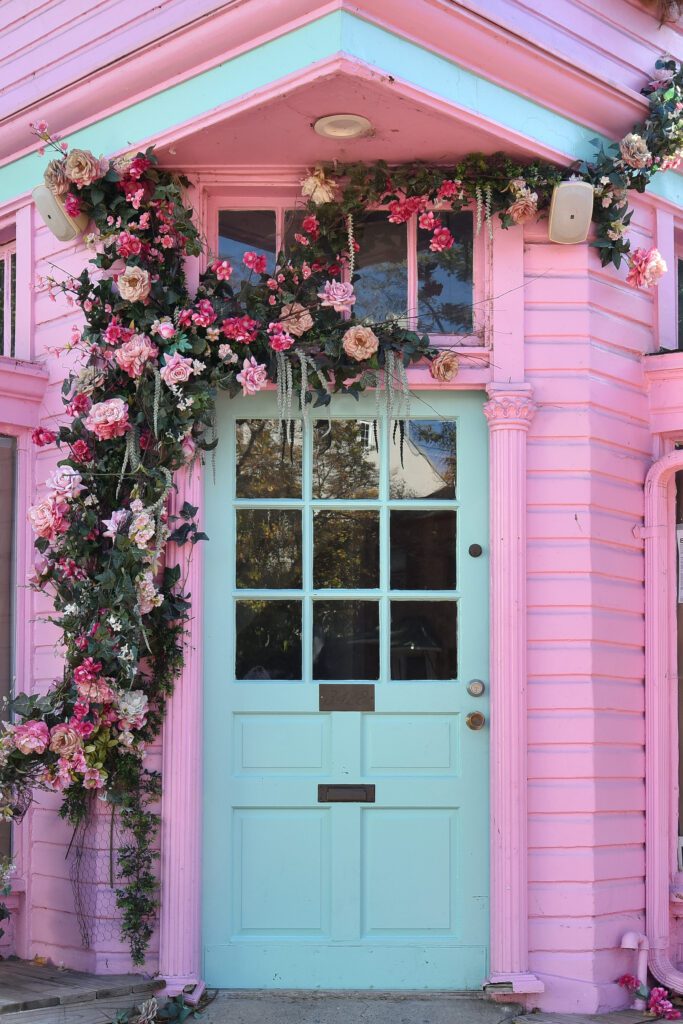
At Home: The Door


This Timeless Entryway Honors Its Historic Roots

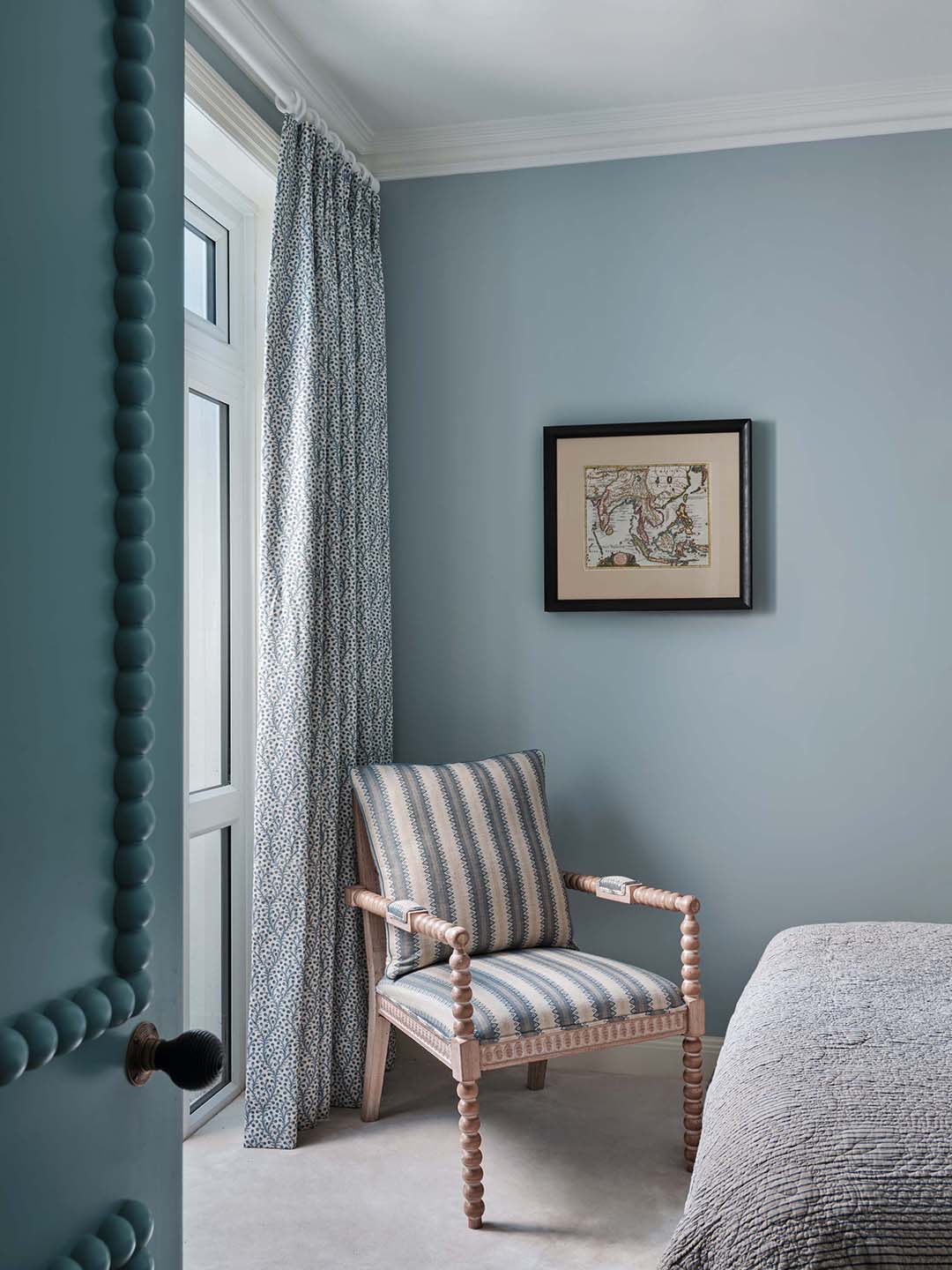
The Next Big Molding Trend Instantly Elevates Basic Doors

Doors: A forgotten design element

Piecing Together 18th-Century Doors

'I wanted each room to feel as though it had lived a few lives before we ever moved in' – how a designer created their dream 'European' home in Tennessee
Doors & Windows

16 Front Doors That Make the Case for a Fresh Coat of Paint
Trend Alert: Wood Walls Are BACK!
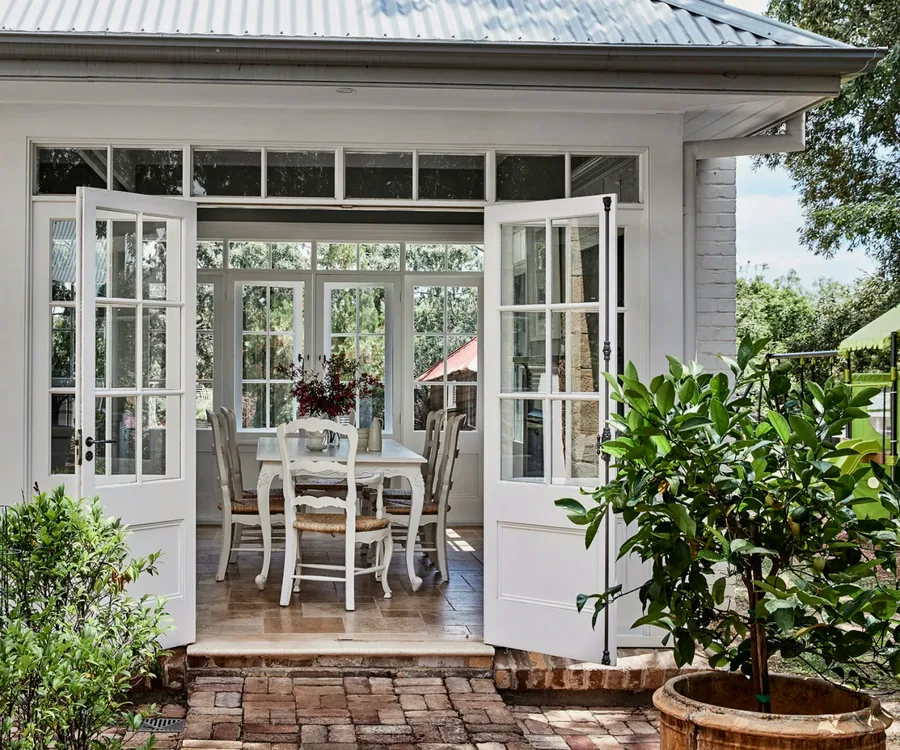
22 homes that perfect the art of the French door

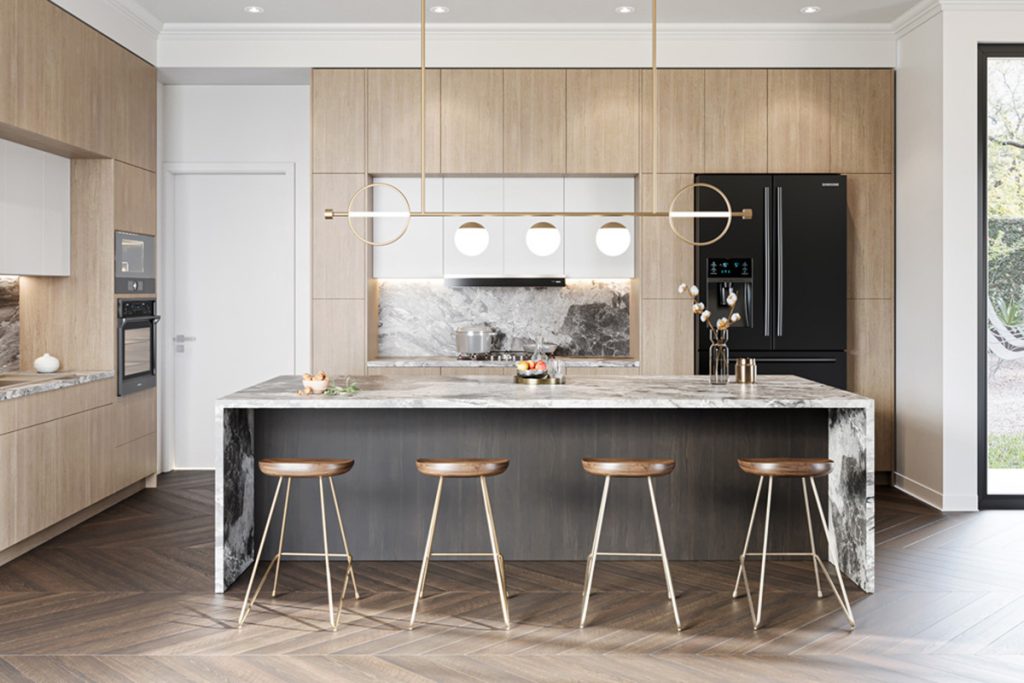
Clean, Modern Slab-Style Doors