1/3
ArchiCAD 21 adds algorithmic stair creation
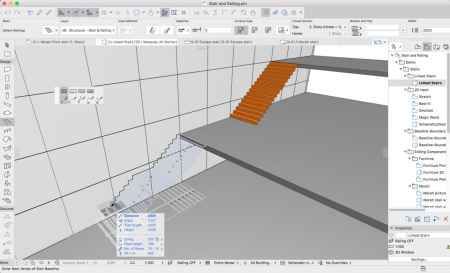
Graphisoft has released ArchiCAD 21, an update to its BIM software for architectural design, featuring a new algorithmic tool for stair design. This innovation addresses the complex challenges of stair and railing creation, which typically involve adhering to stringent design standards and ergonomic requirements while also fulfilling artistic intent. Traditionally, architects have had to manually iterate through numerous design options, a process that is often time-consuming and tedious. The new Stair Tool in ArchiCAD 21 introduces a patent-pending approach that automates much of this process.
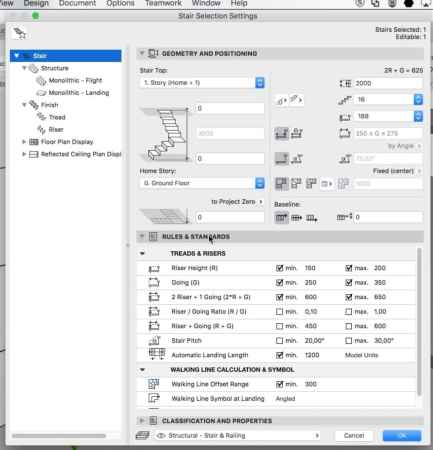
The core functionality of the new Stair Tool lies in its ability to perform automatic validation against human ergonomics in real-time. As architects work, the software processes thousands of potential design options in the background, identifying and presenting the most optimal stair designs tailored to the specific building context. This predictive design technology ensures that proposed stairs comply with relevant design standards from the outset. Designers can initiate stair placement with simple polyline inputs, after which the software offers a selection of the best options that align with both the user's graphical input and predefined standards. Furthermore, graphical methods are available for fine-tuning the stair's shape and customizing its structural and finish components, providing flexibility while maintaining automated compliance.
Complementing the Stair Tool, the associated Railing Tool in ArchiCAD 21 offers one-click input options, enabling the instant creation of associative railings along stairs or other building elements. This tool allows for the assignment of posts and panels as patterns or their individual customization, further streamlining the design process for these intricate elements. Graphisoft emphasizes that this algorithmic approach significantly automates what has historically been one of the most complex tasks in architectural design.
Beyond the new stair and railing tools, ArchiCAD 21 includes several other notable enhancements. The CineRender engine by Maxon has been updated to incorporate Light Mapping and Secondary global illumination (GI) methods. These additions contribute to more realistic and faster photorealistic rendering directly within the BIM environment. A new Element Classification system has also been introduced, offering a more flexible way to classify building elements. Unlike previous versions with fixed classifications, ArchiCAD 21 supports any national or company-specific classification system, enhancing interoperability among different disciplines and facilitating intelligent Open BIM workflows. These classifications can be easily transferred between projects using an XML file format.
Interoperability is further improved with the addition of IFC model referencing. Architects can now place IFC files as hotlinks into ArchiCAD projects, treating them as protected reference content. A Model Filtering feature allows users to narrow down the inserted IFC content by categories such as Structural or MEP, or by specific element selections. This linked IFC content can be updated from the original source file, and if the link is broken, elements of the inserted IFC modules can be edited as regular ArchiCAD elements. Finally, to support the architect's role as lead coordinator in modern BIM workflows, ArchiCAD 21 integrates collision detection as a standard feature, enabling architects to identify and resolve clashes with consultant information more effectively. Graphisoft and Maxon are both subsidiaries of Nemetschek, a company that provides a wide array of products for architectural design, structural engineering, construction, and digital content creation.
#ArchiCAD #Graphisoft #BIMSoftware #ArchitecturalDesign #StairDesign #AlgorithmicDesign #RailingTool #CineRender #ElementClassification #IFCModelReferencing #CollisionDetection #Nemetschek #ArchiCAD #Graphisoft #BIMSoftware #ArchitecturalDesign #StairDesign #AlgorithmicDesign #RailingTool #CineRender #ElementClassification #IFCModelReferencing #CollisionDetection #Nemetschek
0 comment in total
 No comments yet
You may also like
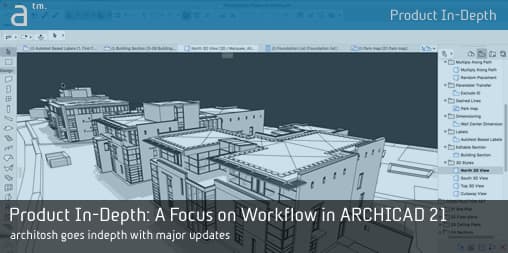
Product In-Depth: A Focus on Workflow in ARCHICAD 21

35 Swoon-Worthy Staircases That Are a Step Above the Rest

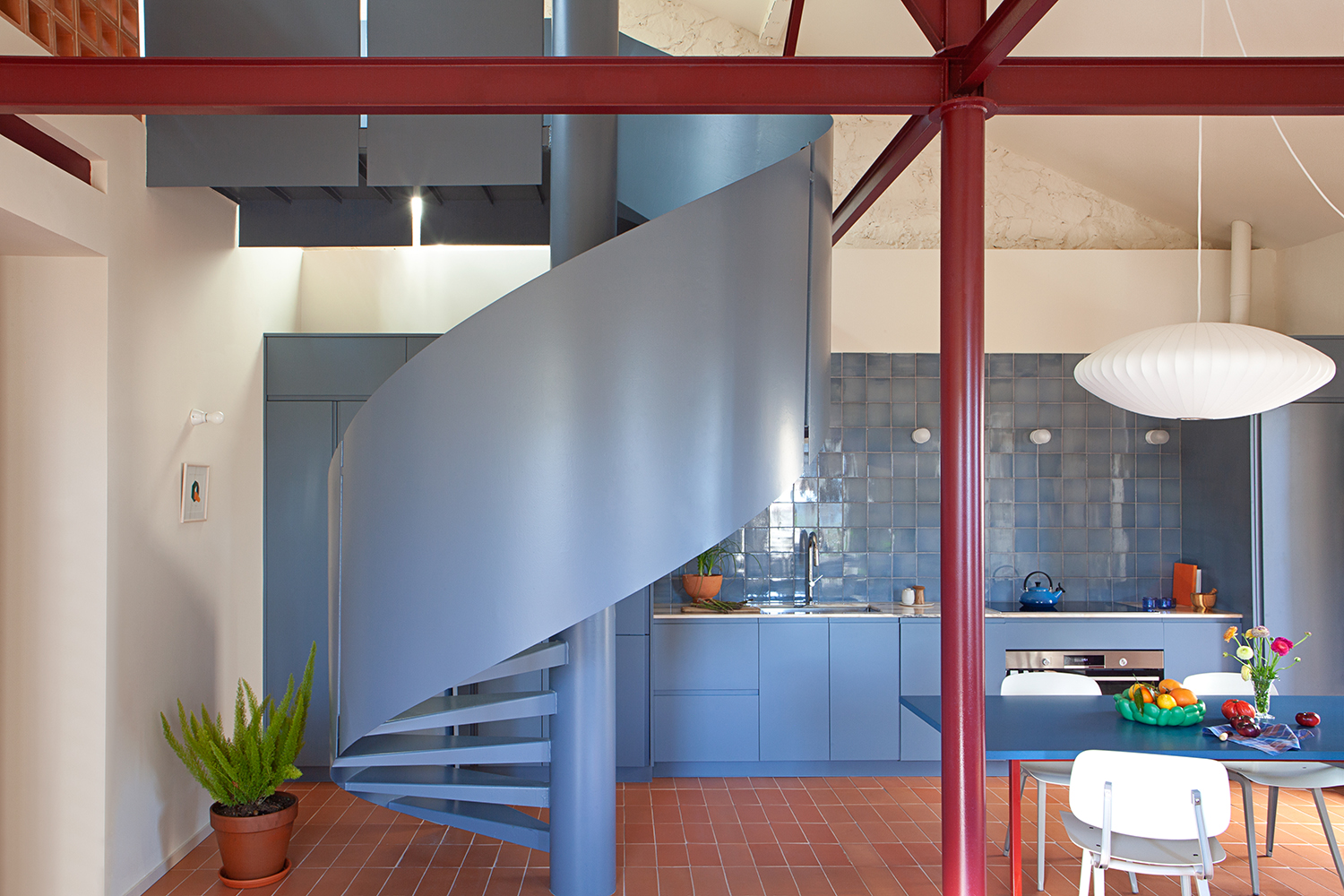
'They feel so elegant!' Architects love this design feature which saves space and ups the beauty of your home

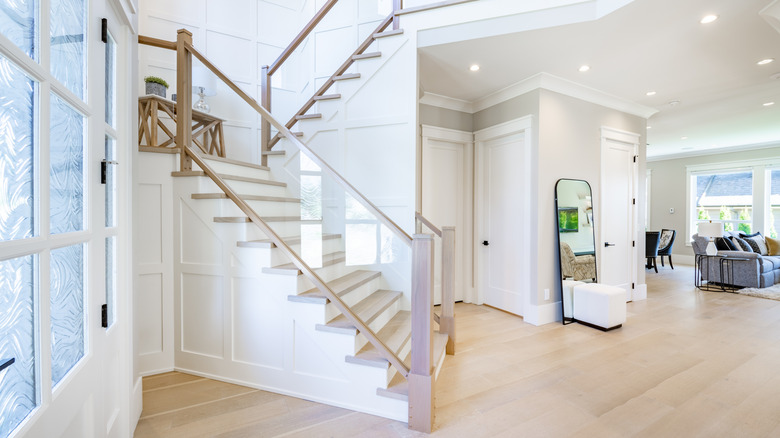
Goodbye, Boring Staircases: The Design Trend Making A Big Statement In 2026


The best contemporary staircases

A Modern Stairway That Brings Homes to the Next Level
Stairs well done
Staircase trends 2024 – 8 styles designers are turning to this year

Dezeen's top 10 staircases of 2021
Aaron Tang's disappearing stairs

Ten bold residential staircases designed by architects

39 Staircase Ideas That Are Truly Next Level

laser-cut steel stair railing in nervous system's new studio recalls plant tissue morphology
ETH Zurich explores novel fabrication method for light and reusable concrete staircase
Finch3D: automates the generation of floor plans
Vertebrae Staircase by Andrew McConnell
Staircase Parts

Let the Staircase Set the Stage for Style
An Oft-Overlooked Staircase Project Is Gaining Traction With Remodelers


Stair Base Rails