7 Easy Ways to Make Your Home More Private
Achieving a sense of privacy in one's home is crucial for relaxation and security. This article offers seven accessible strategies, endorsed by home design experts, to enhance privacy without necessarily incurring significant time or financial investments. Each method aims to balance seclusion with the practicalities of natural light and aesthetic appeal.
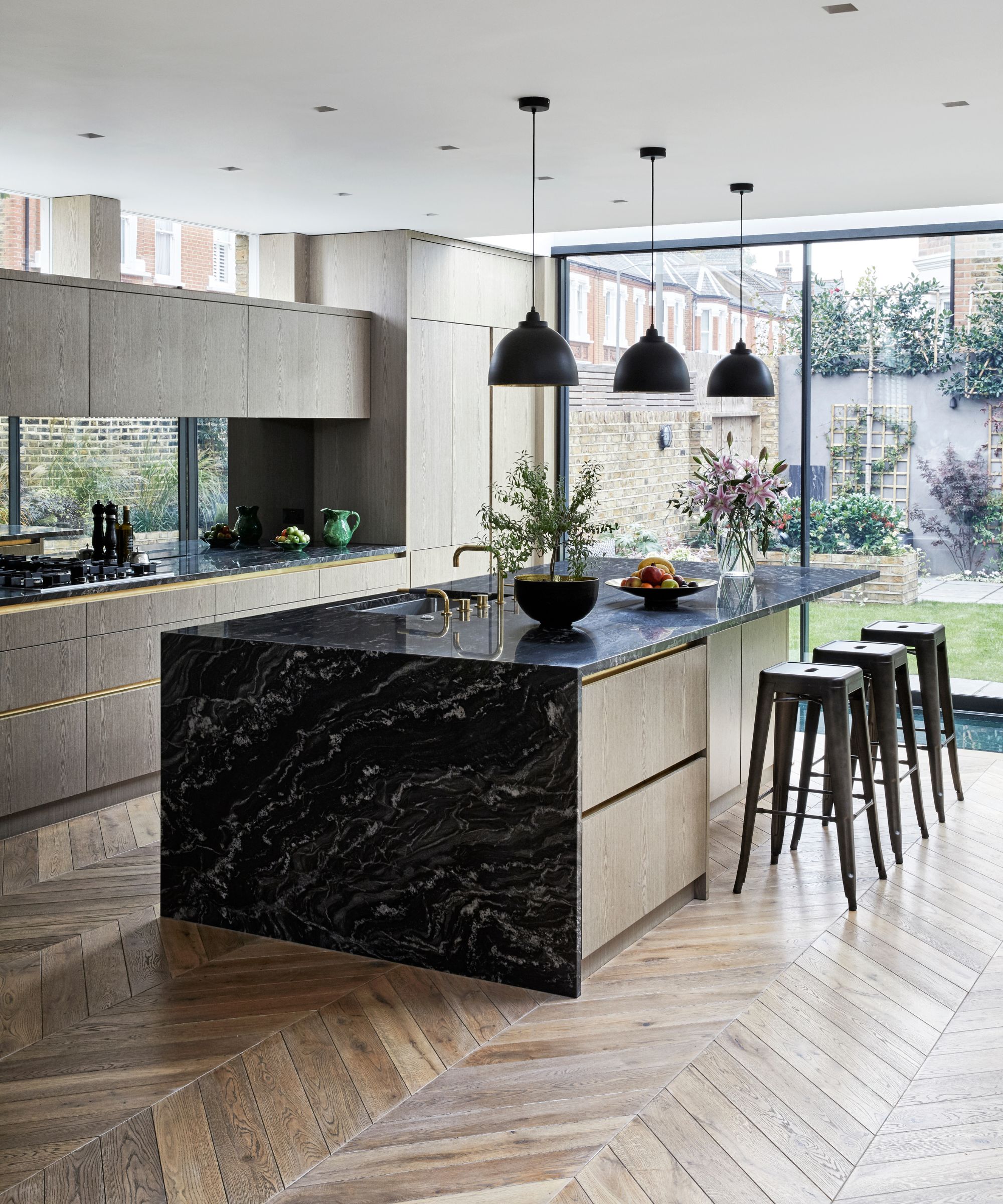
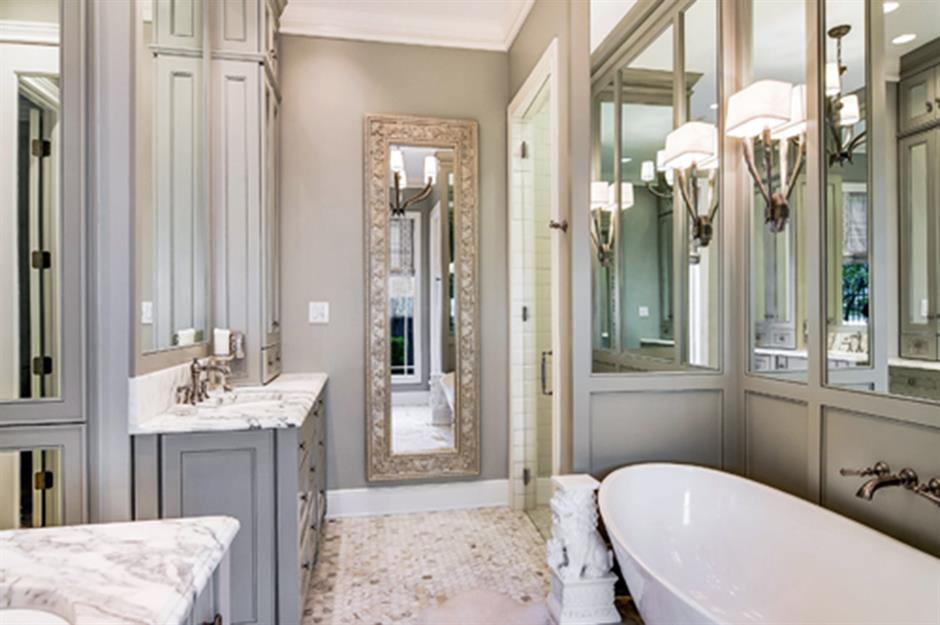
One effective approach is the use of frosted or mirrored glass accents. Frosted glass, suitable for windows, room dividers, or shower screens, allows natural light to permeate while obscuring direct views, as explained by Artem Kropovinsky, founder of Arsight. Mirrored glass provides a similar effect by reflecting views, making it challenging for outsiders to see in. This technique is particularly beneficial for maintaining brightness while securing privacy.
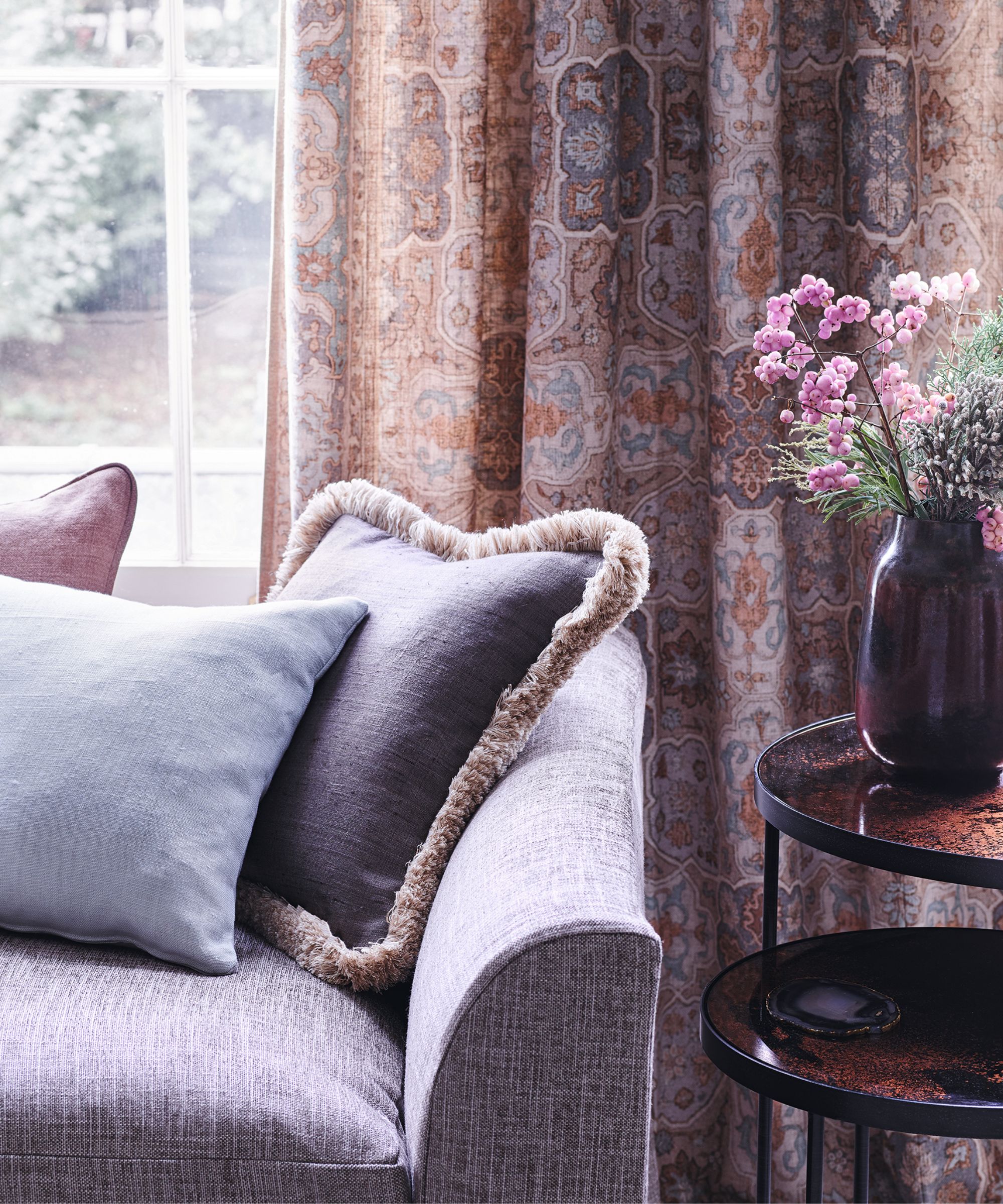
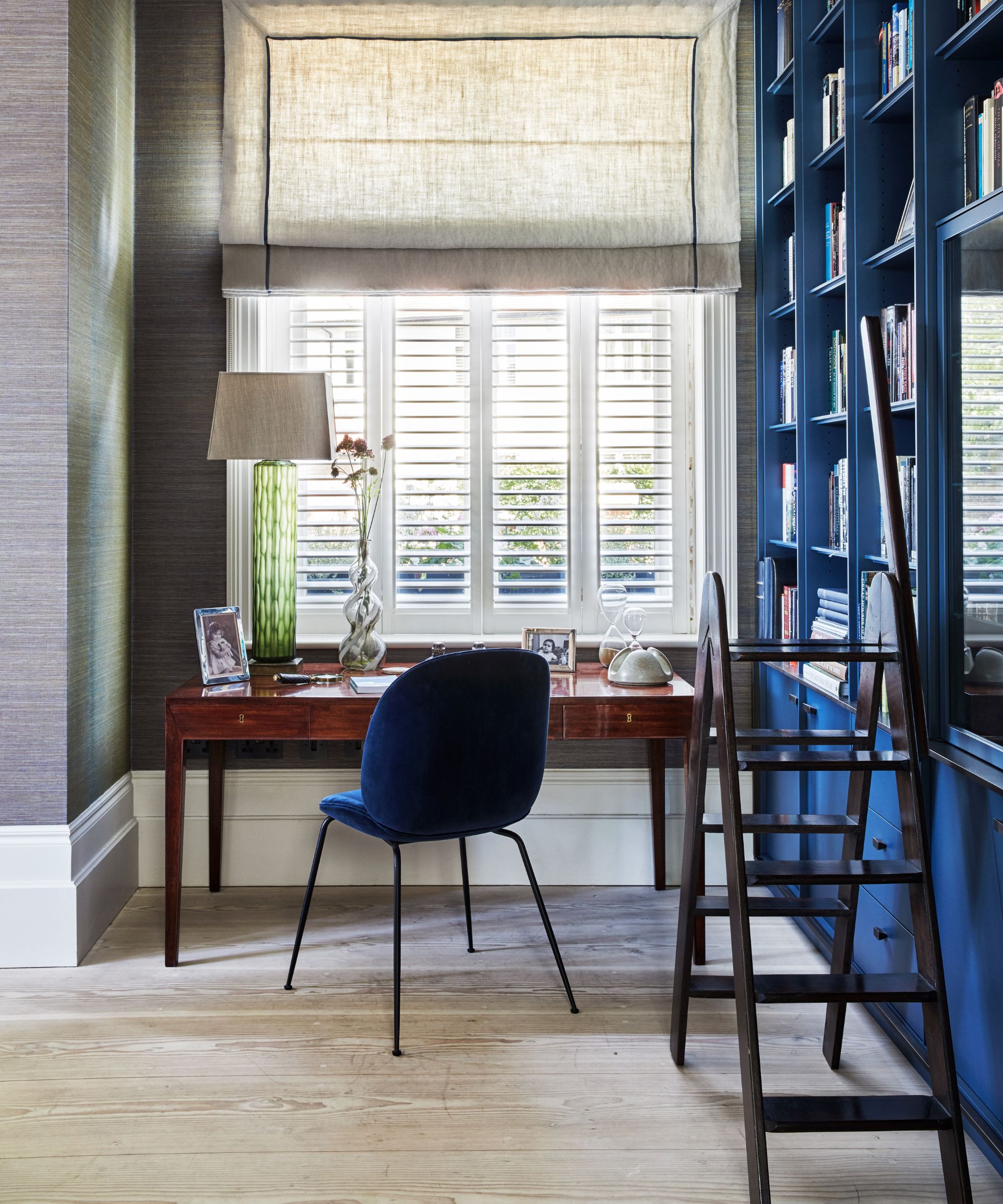
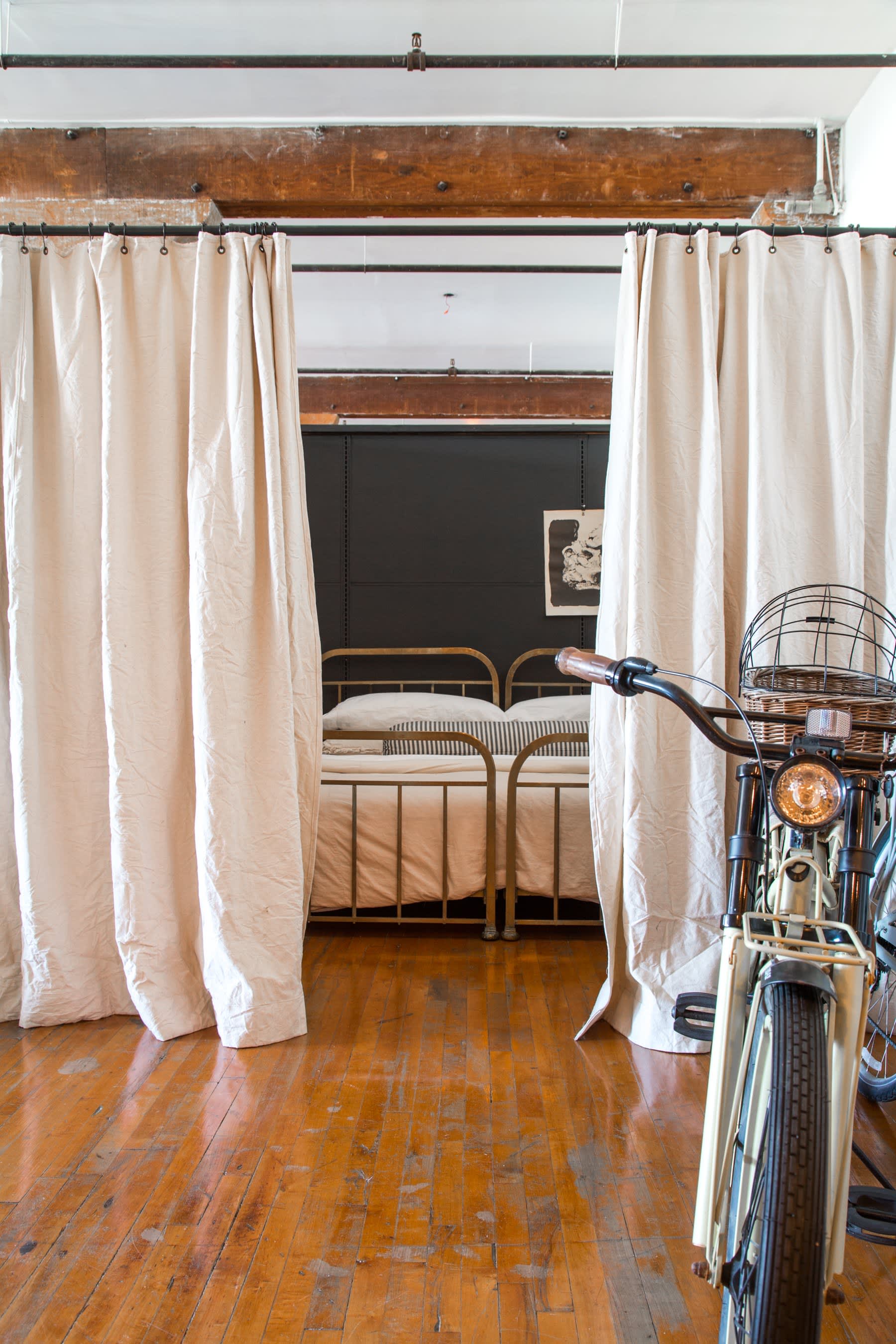
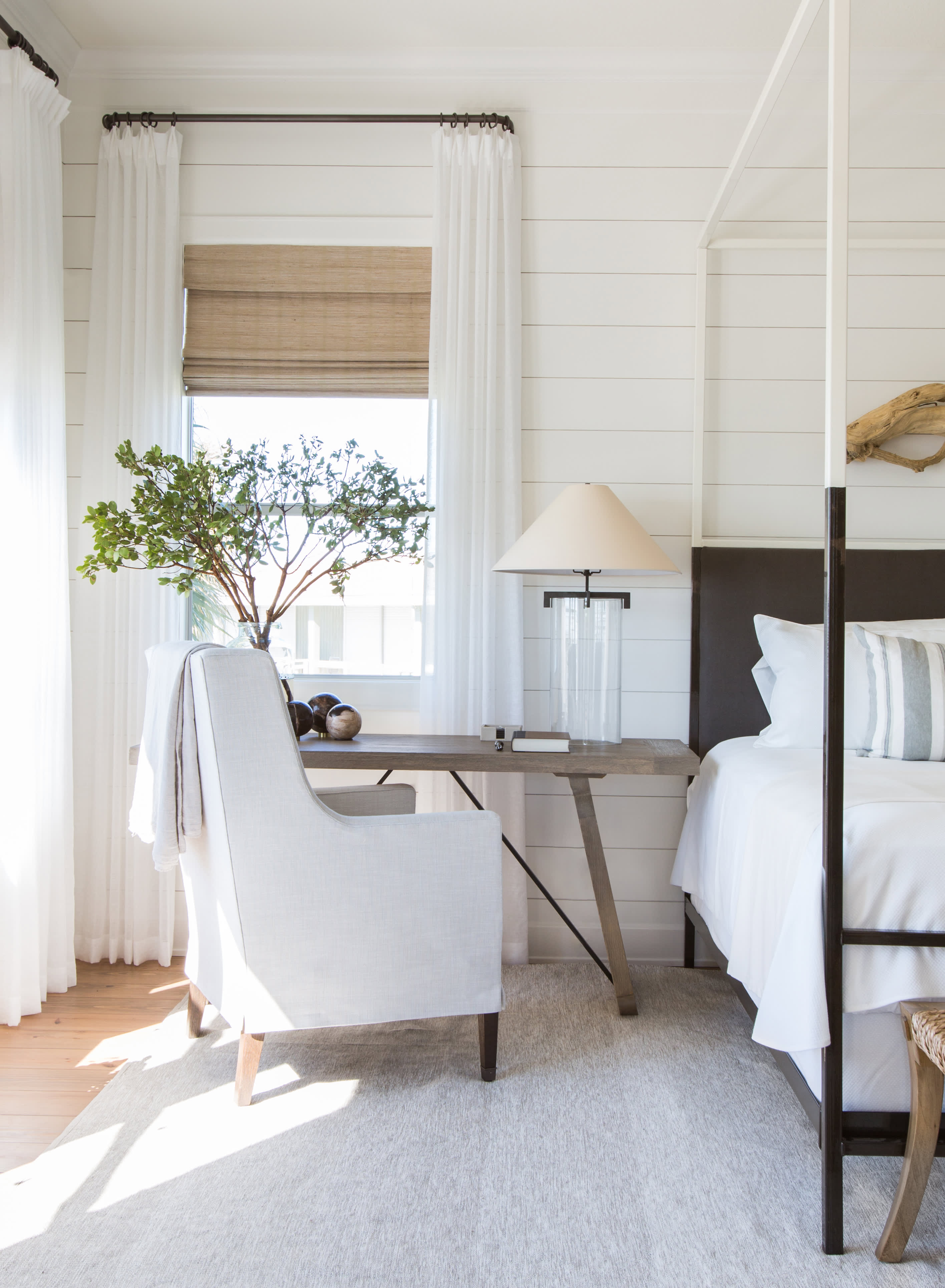
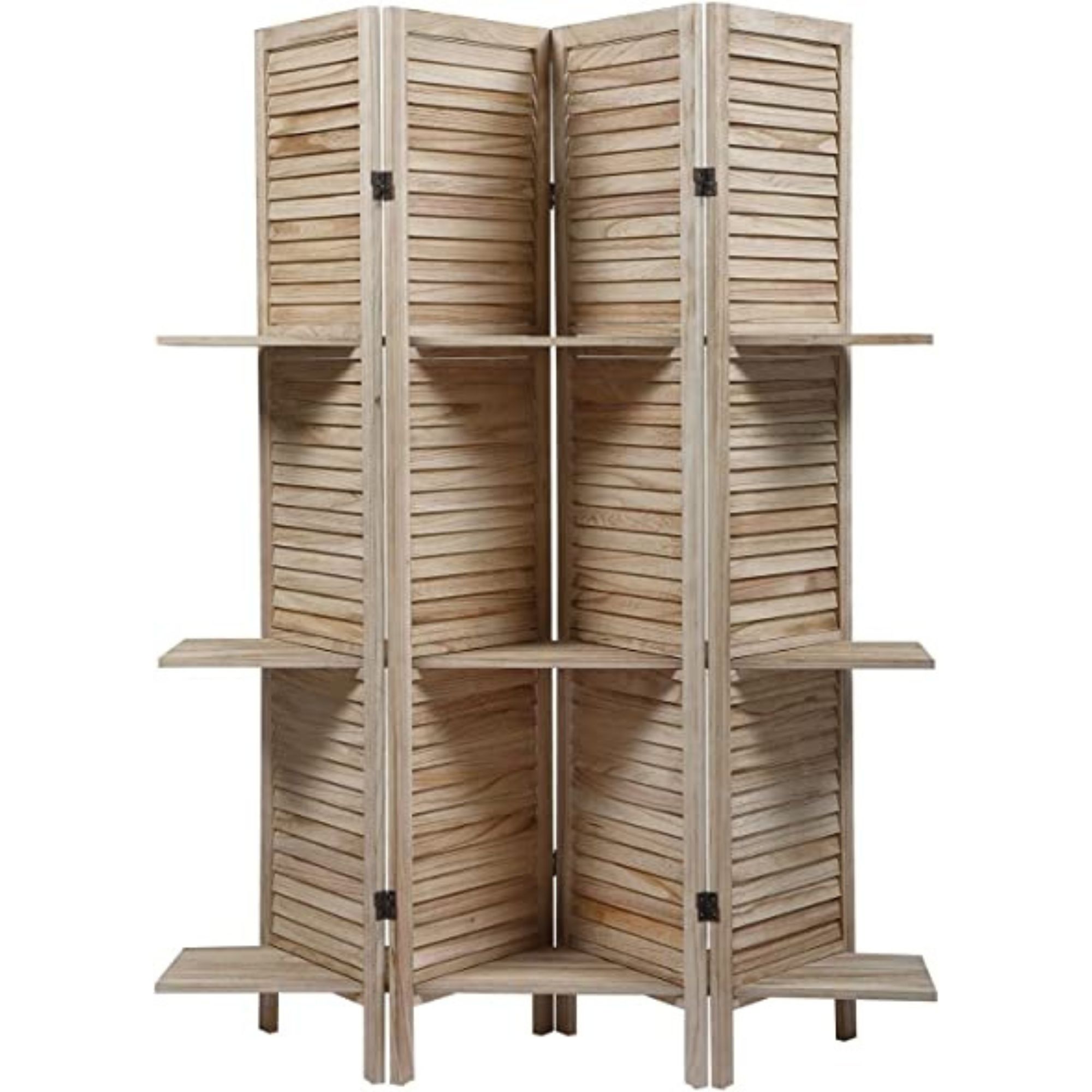
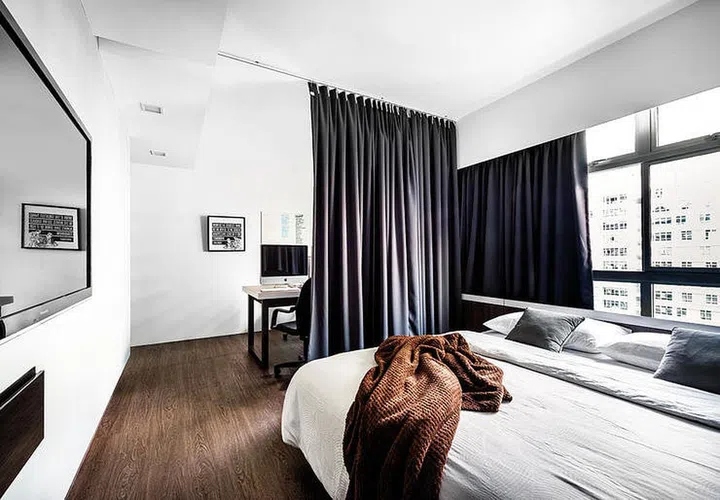
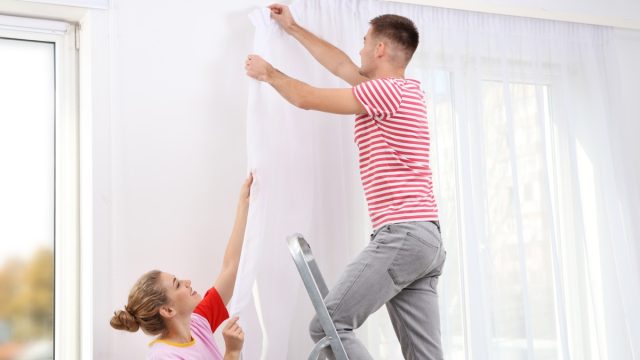
Interior shutters offer an alternative to traditional curtains or blinds. While curtains can provide light control (sheer for light, blackout for total privacy) and shades or blinds are common, shutters are highlighted by home design blogger Stefana Silber for their ability to allow privacy without sacrificing natural light. The louvers of shutters can be tilted to achieve seclusion while still permitting light into the room.
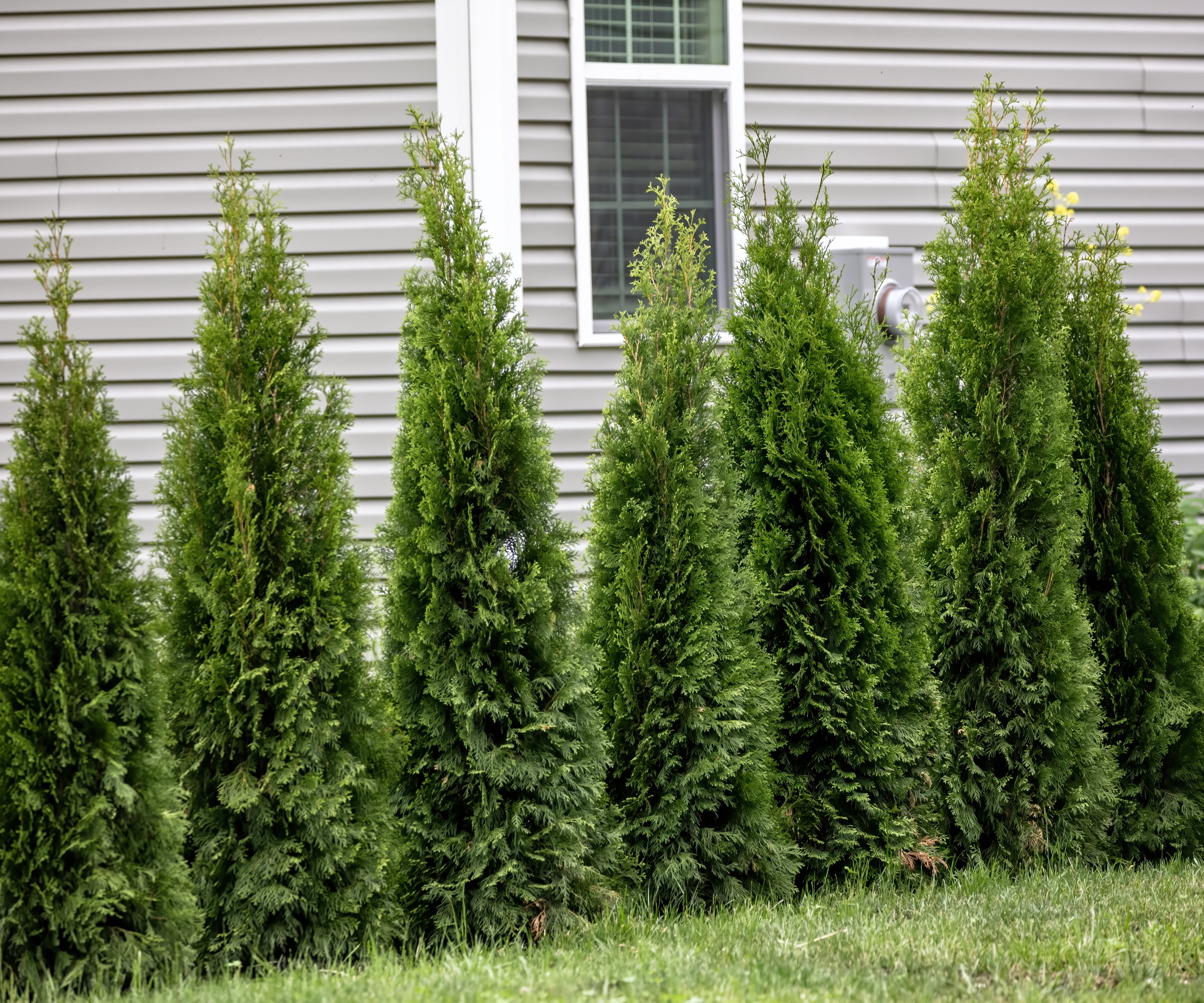
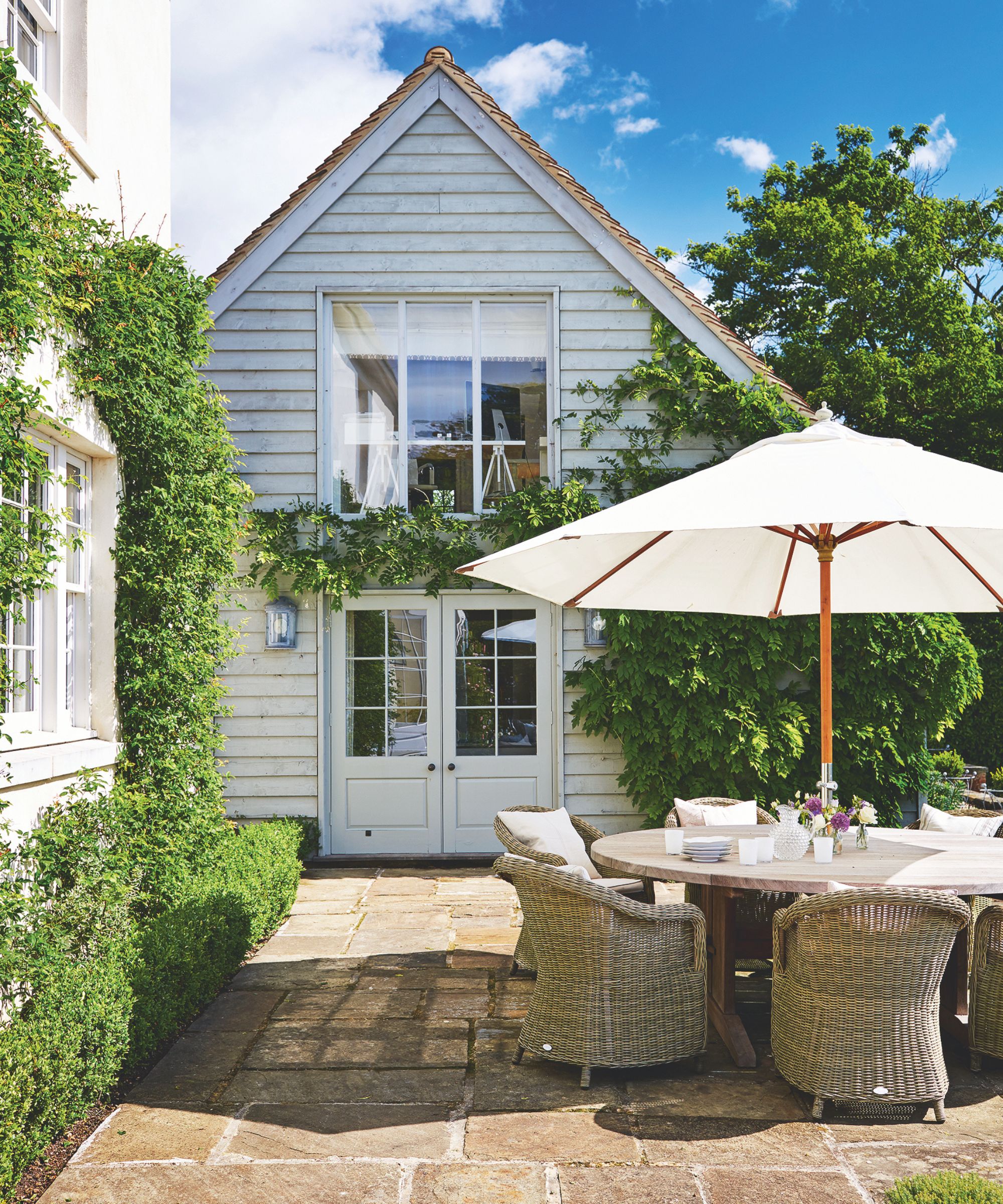
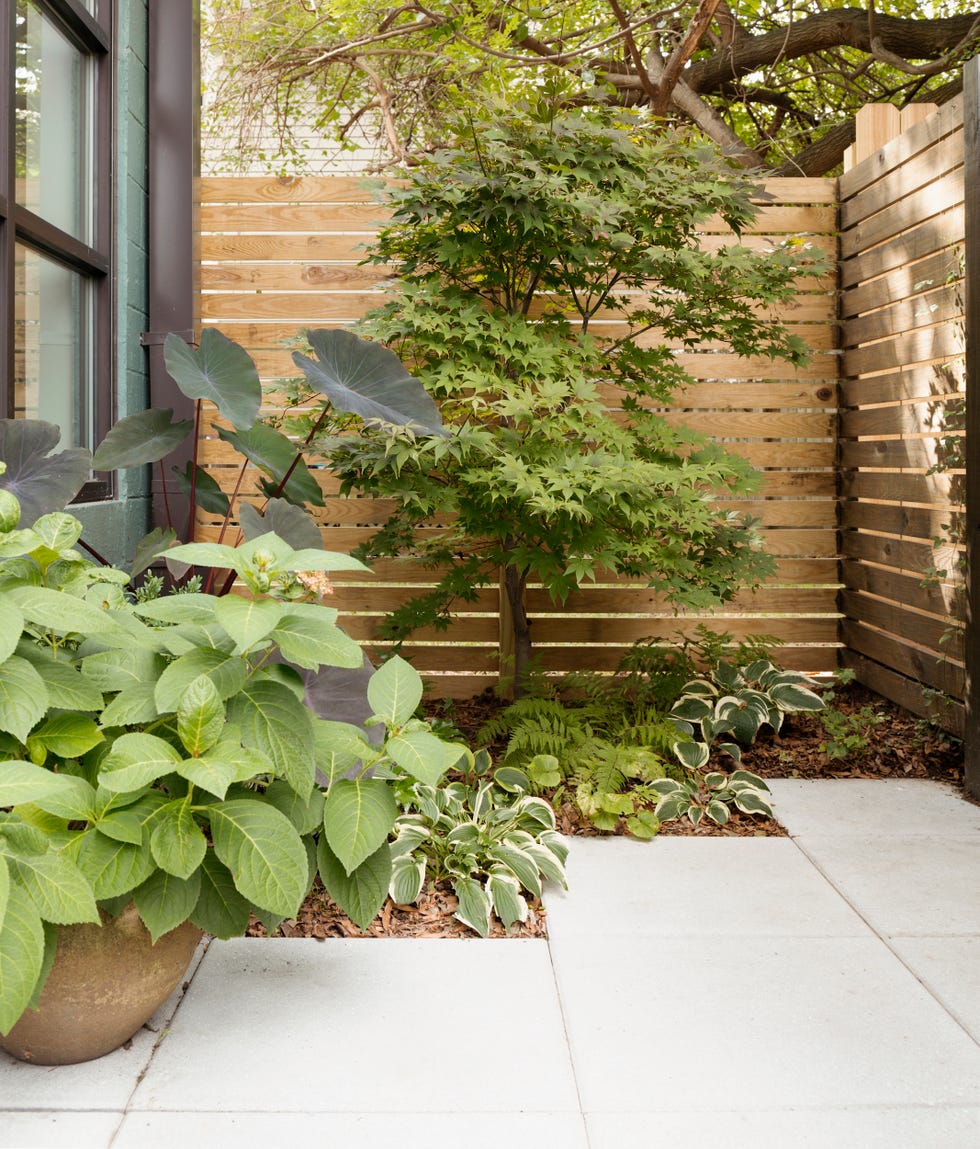
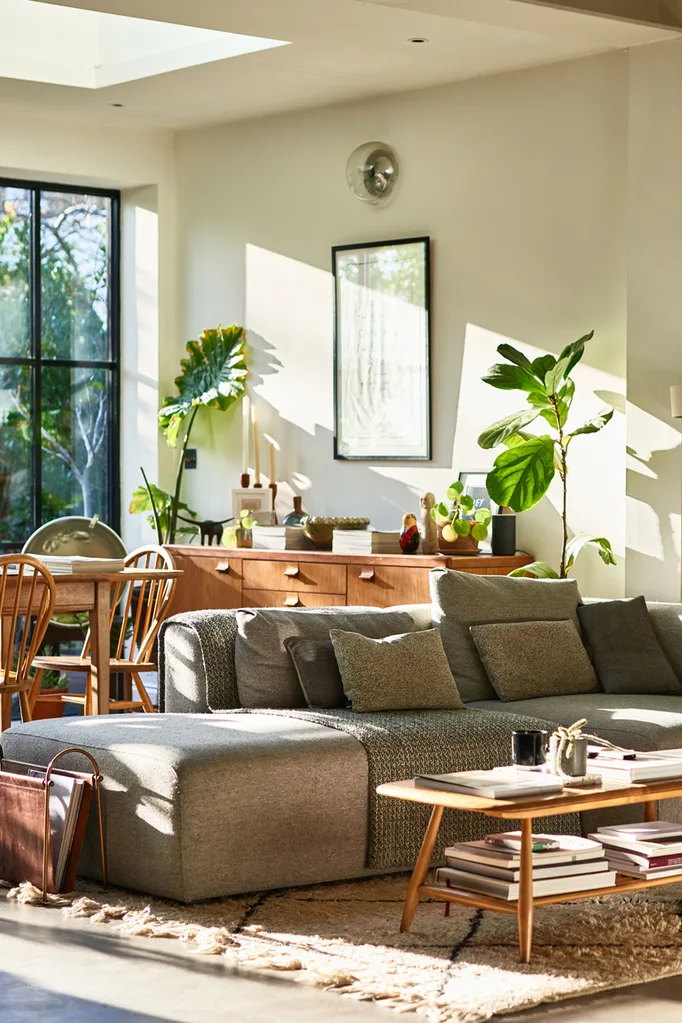
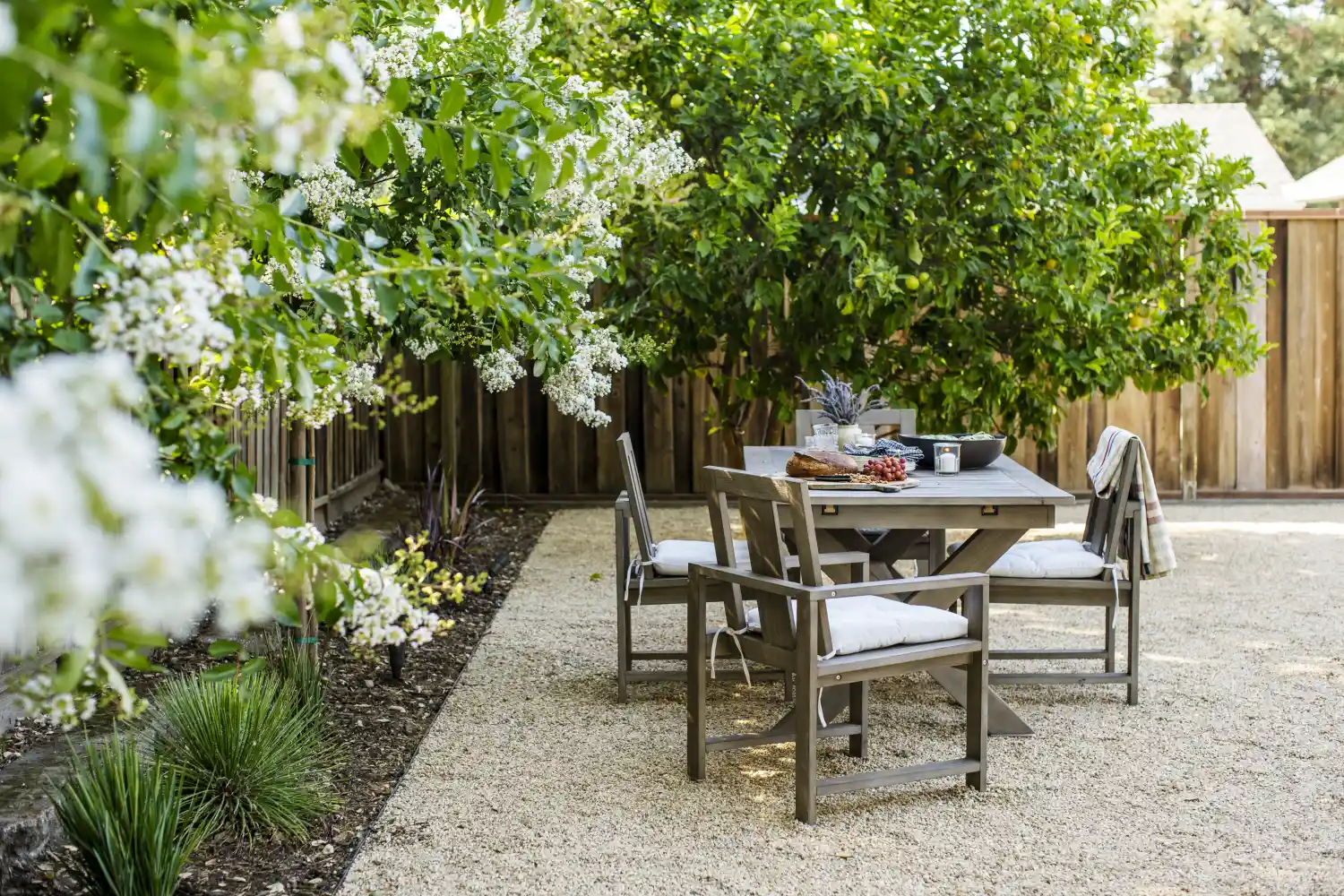
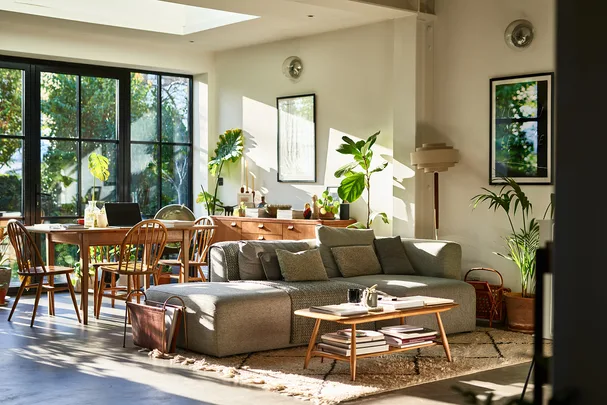
Integrating greenery, both indoors and outdoors, serves a dual purpose of privacy enhancement and aesthetic improvement. Large indoor plants, vine walls, or bamboo screens can create natural partitions, adding a refreshing touch of nature while improving air quality and mood. George Brown, CEO of UrbanLeafy, suggests tall indoor plants like ficus or monstera to act as natural barriers that obstruct sight lines and foster a sense of seclusion.
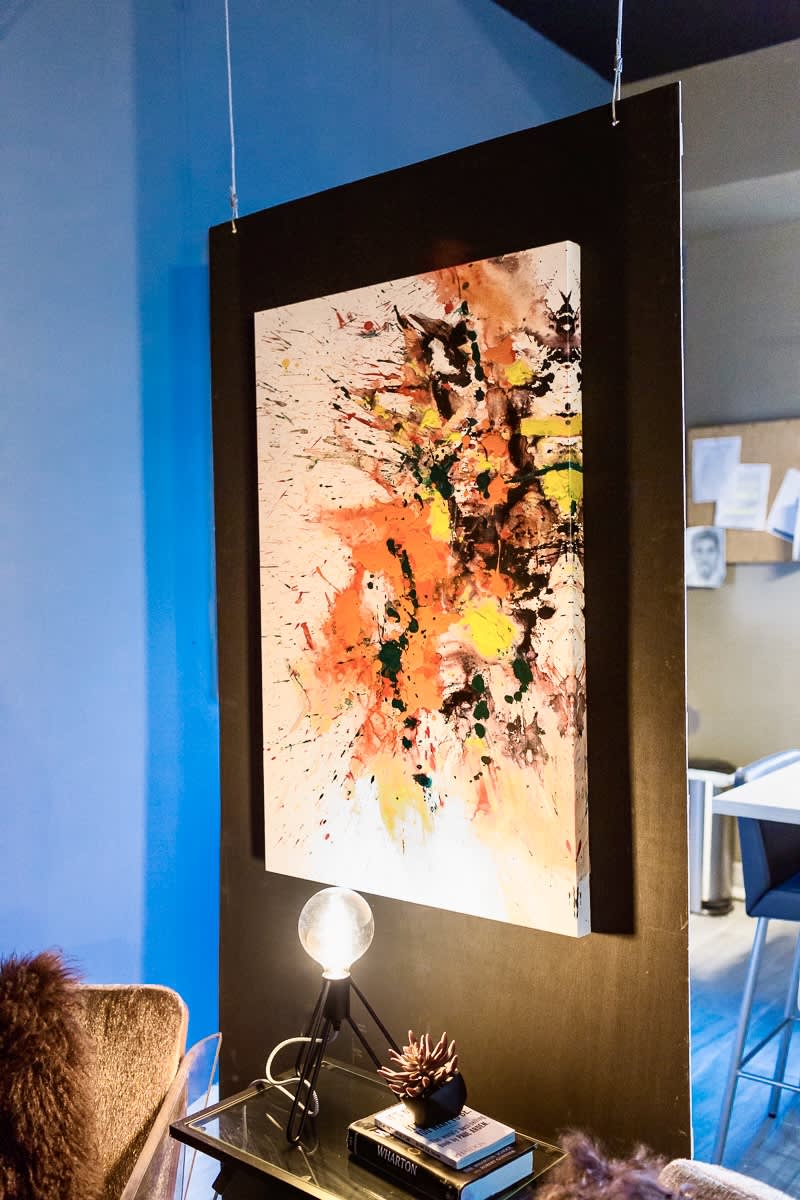
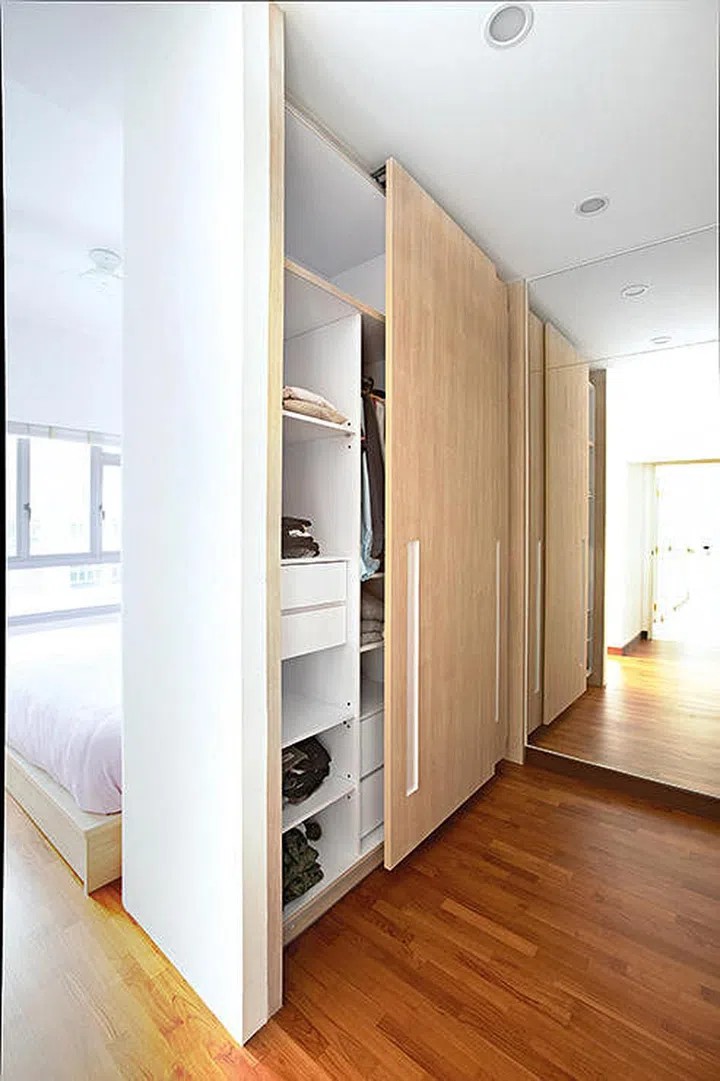
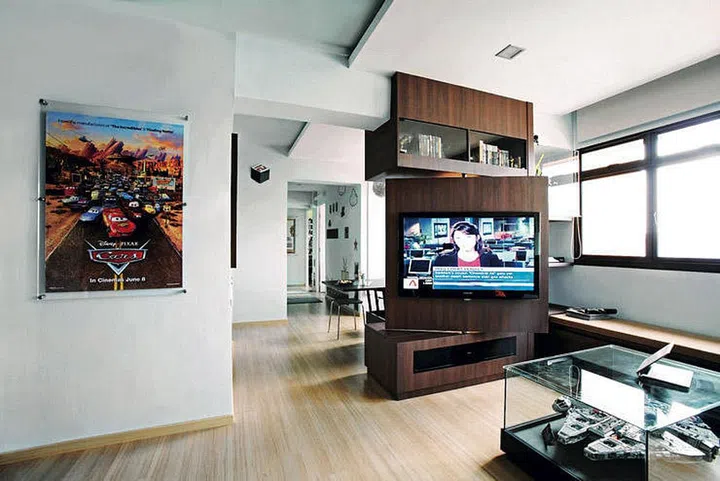
Experimenting with height and elevation within a home's design can create visual breaks and shield areas from external views. Kropovinsky notes that elevation changes, such as half walls or sunken living rooms, can define distinct zones indoors without compromising an open feel. Outdoors, terracing or raised decks can achieve similar results, layering the space to enhance privacy.
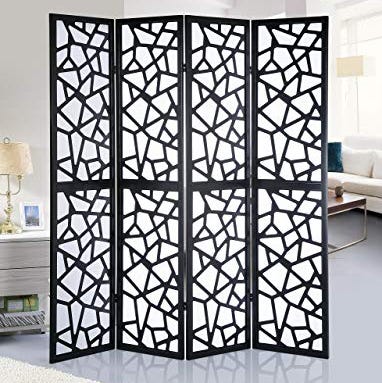
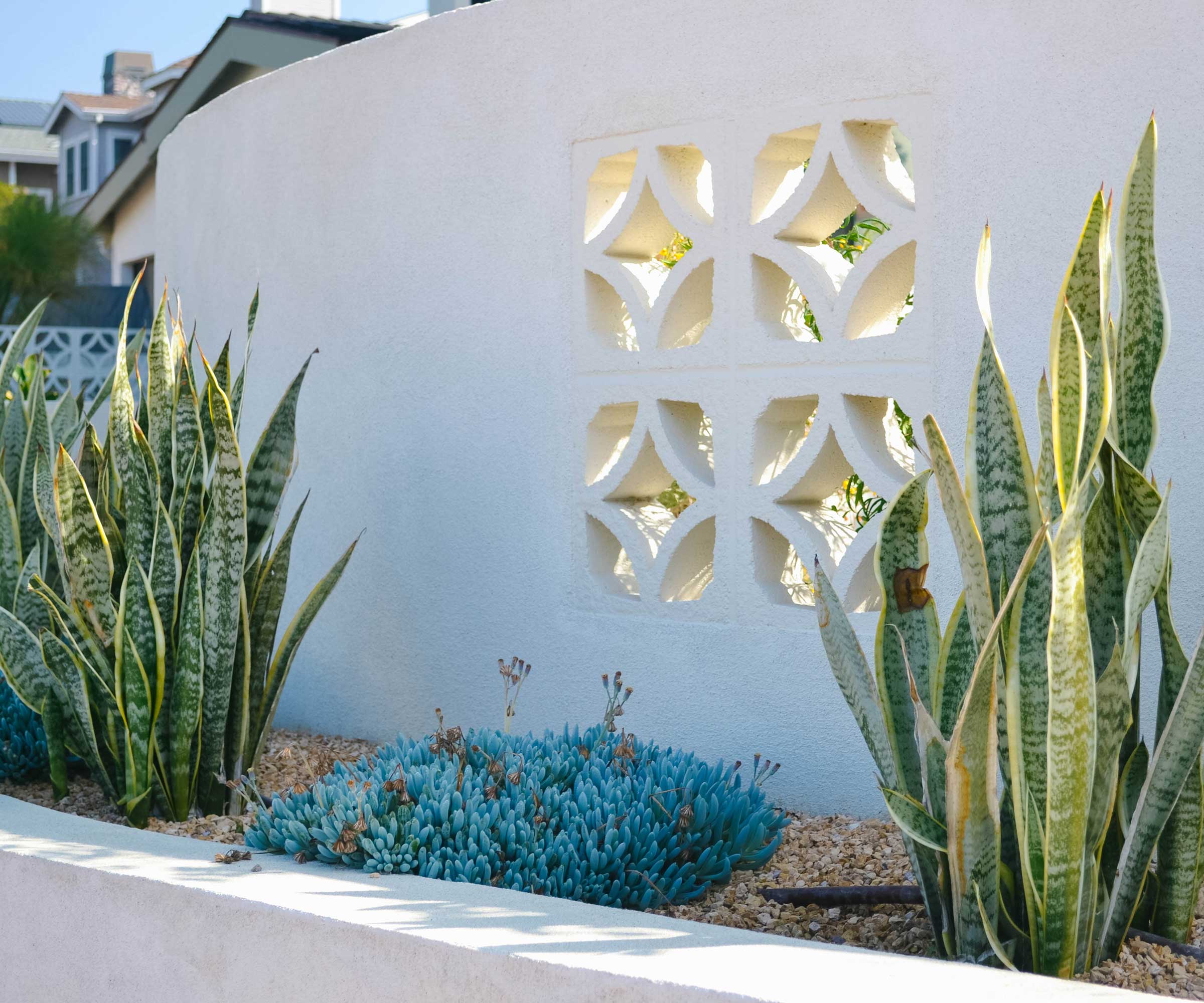
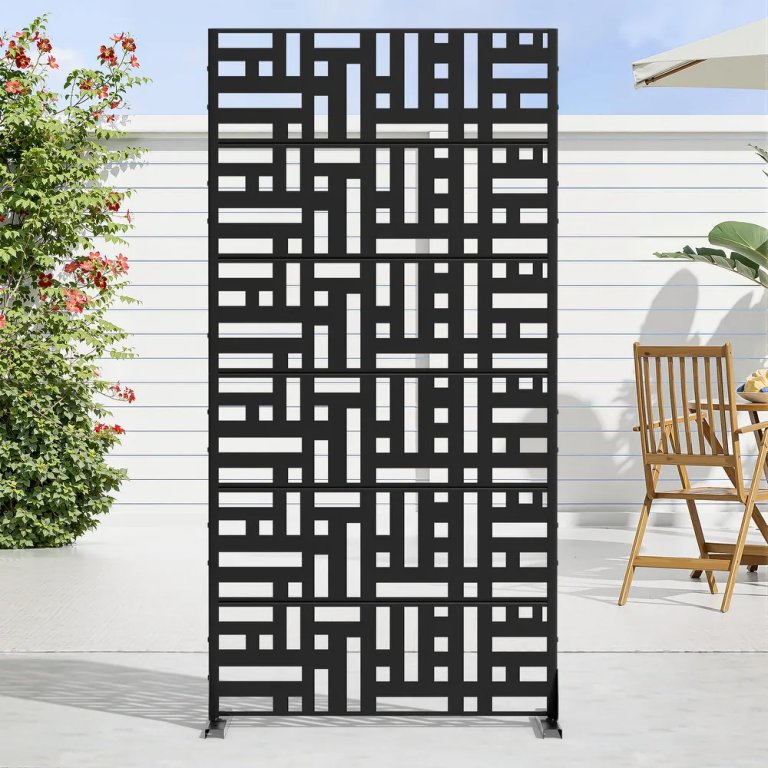
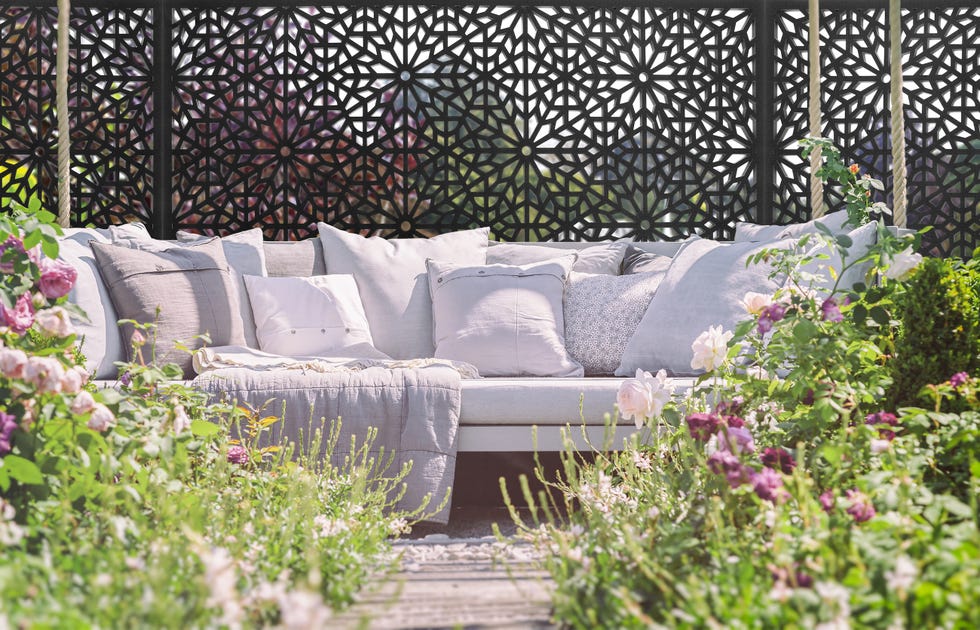
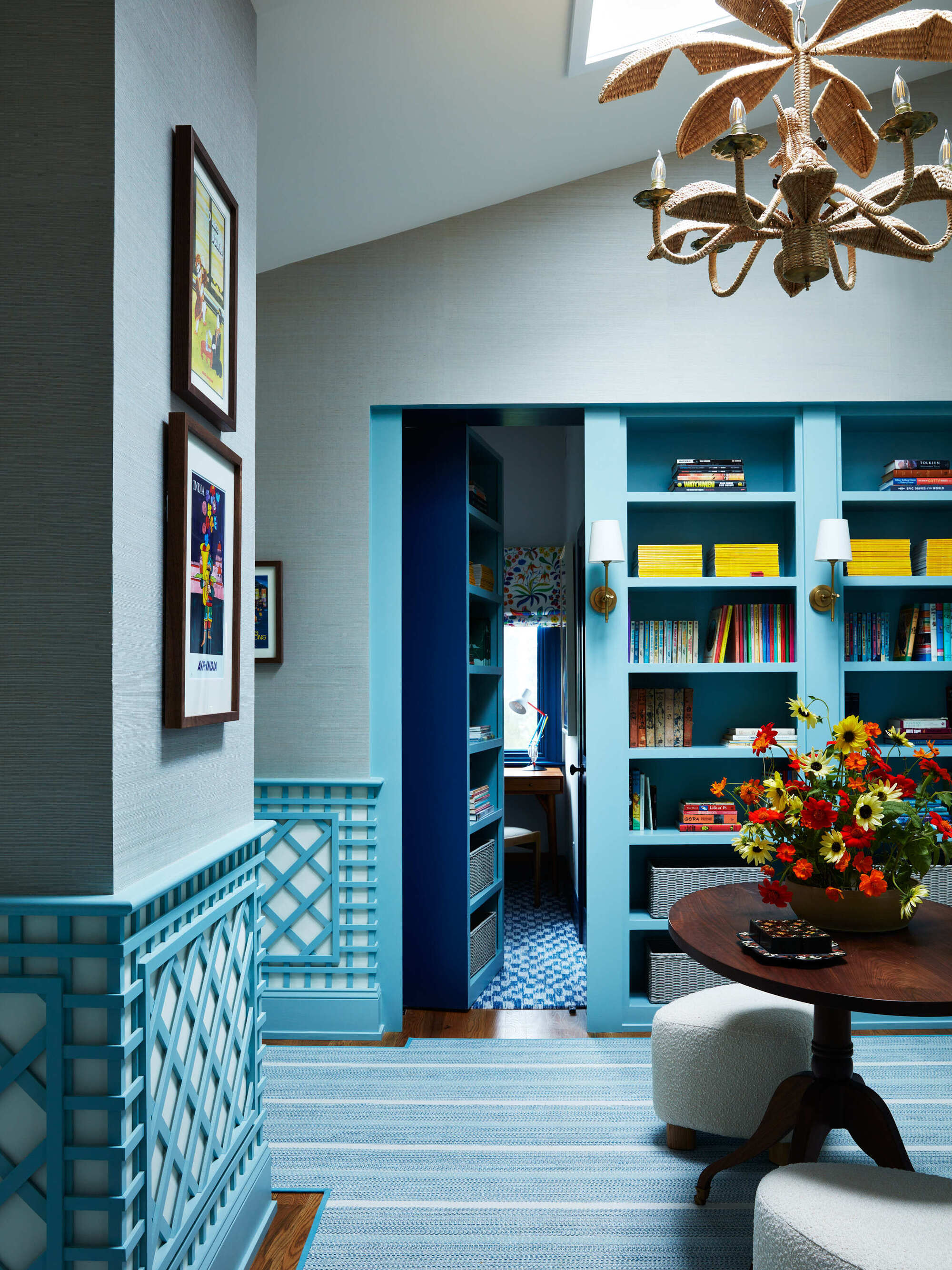
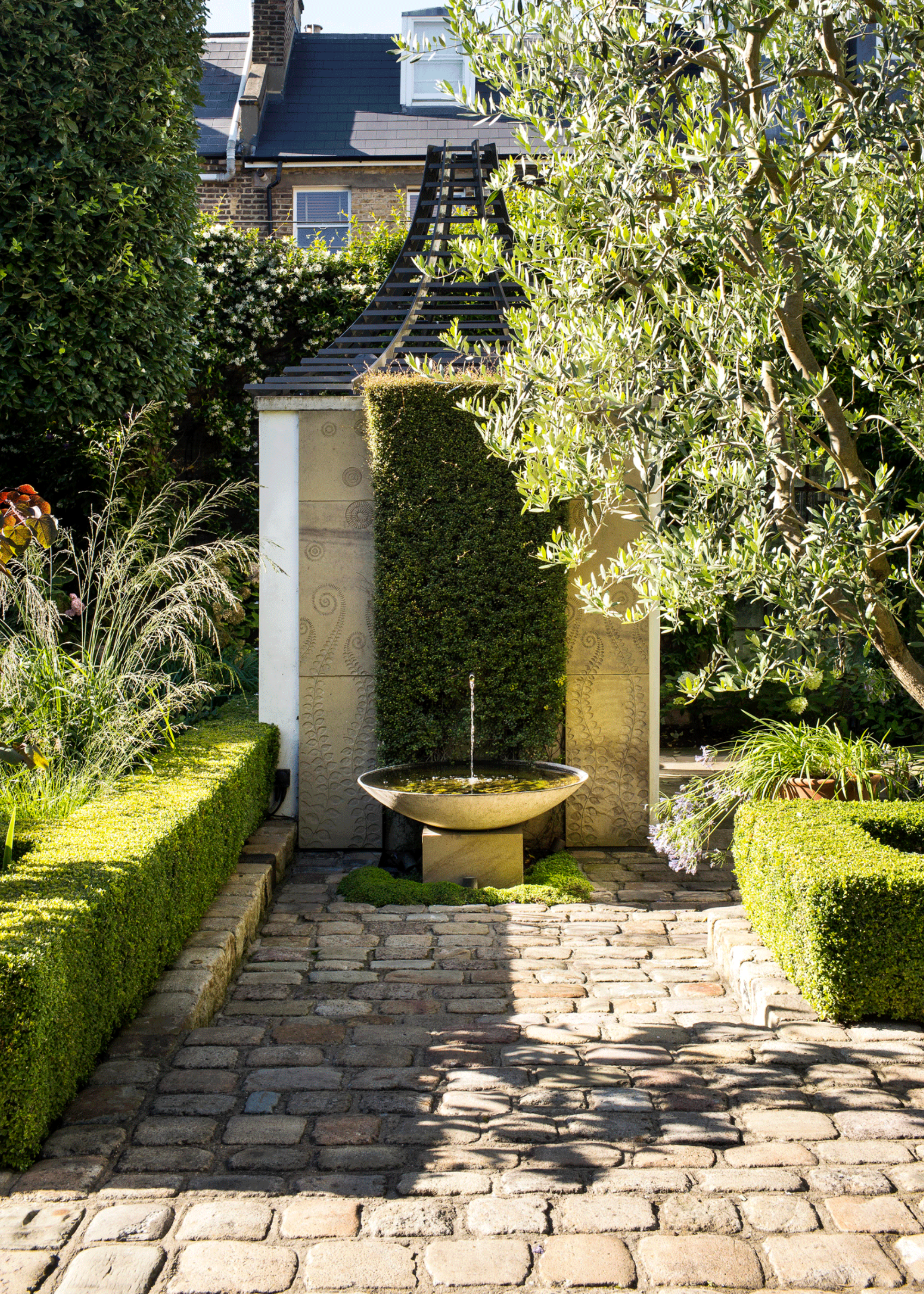
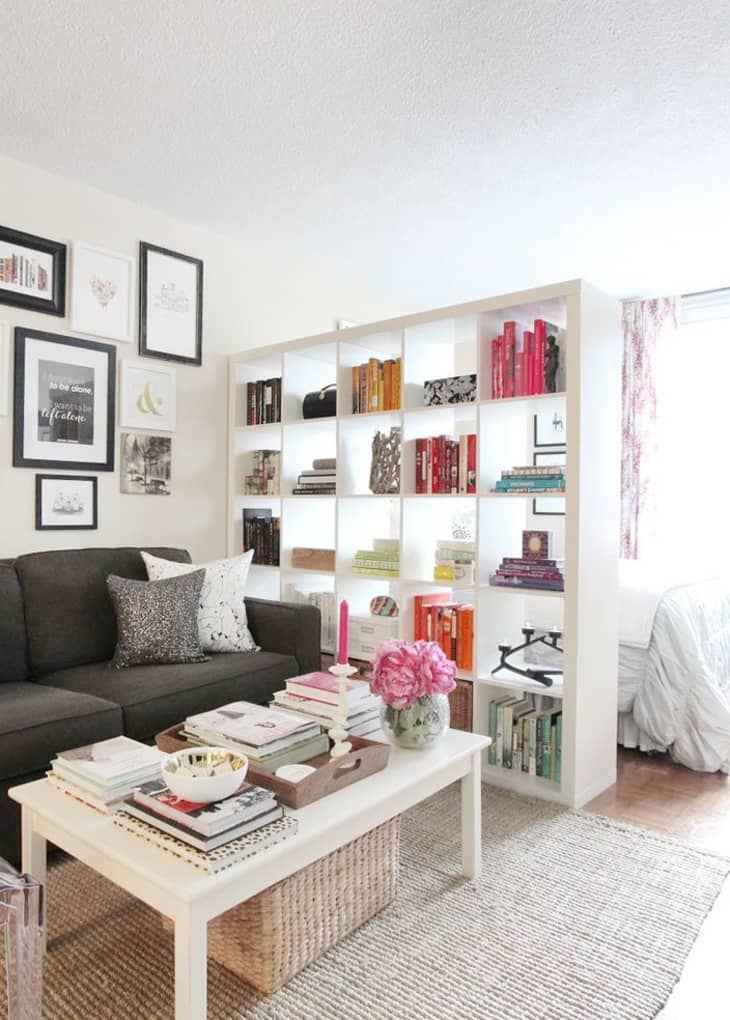
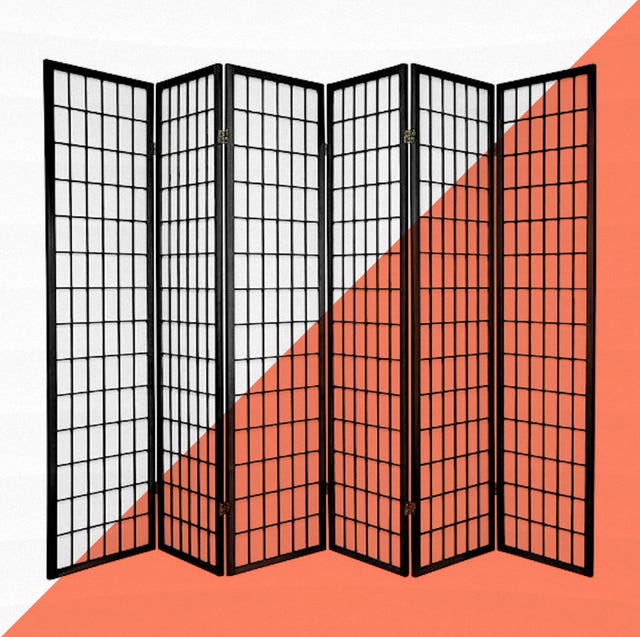
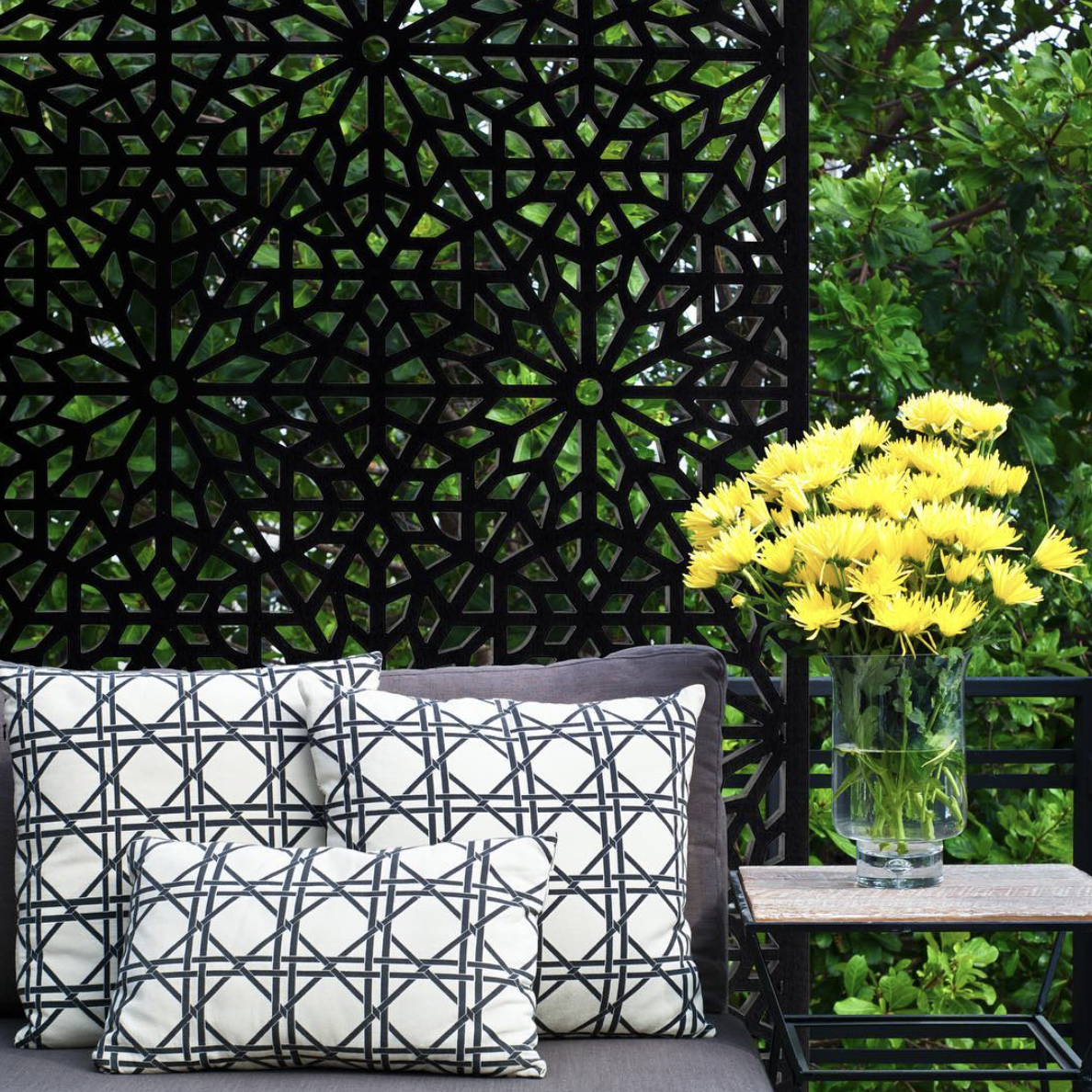
Latticework, whether simple or intricate, adds visual interest while partially obscuring views. Traditionally used in gardens to block direct sightlines while allowing light and air circulation, latticework can be adorned with climbing plants for added beauty. Indoors, it can function as a room divider or an architectural element, segmenting spaces while maintaining a sense of openness.
Upgrading outdoor seating areas is another practical step. Brown suggests building structures like pergolas or gazebos, which can be further enhanced with climbing plants or curtains for increased privacy. More budget-friendly options, such as pop-up canopies, can provide similar benefits without extensive construction.
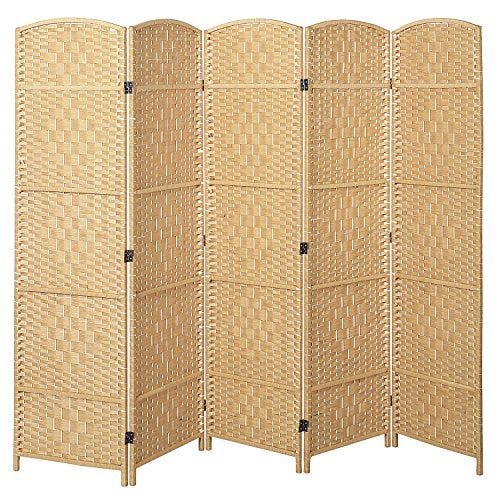
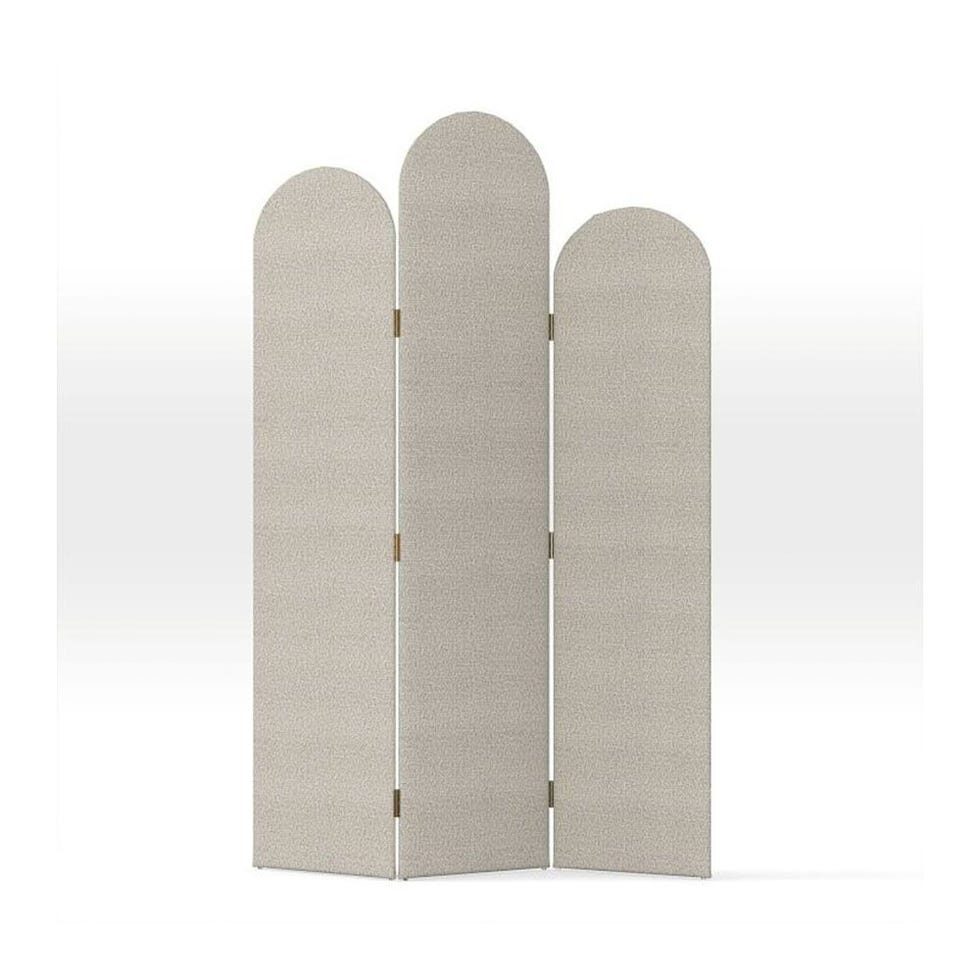
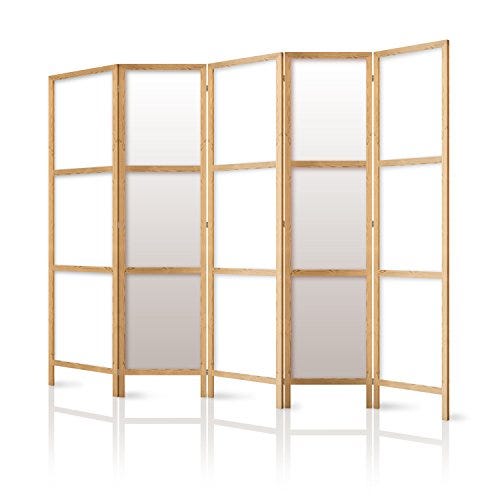
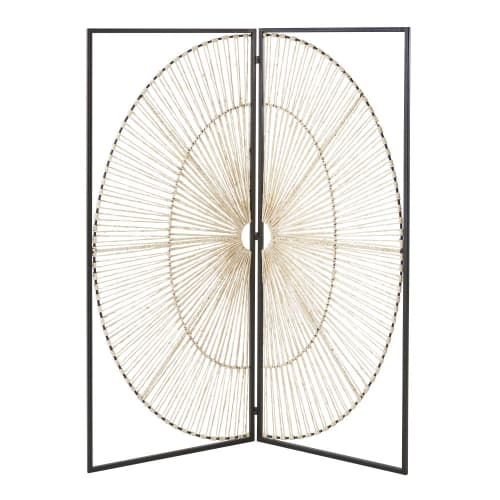
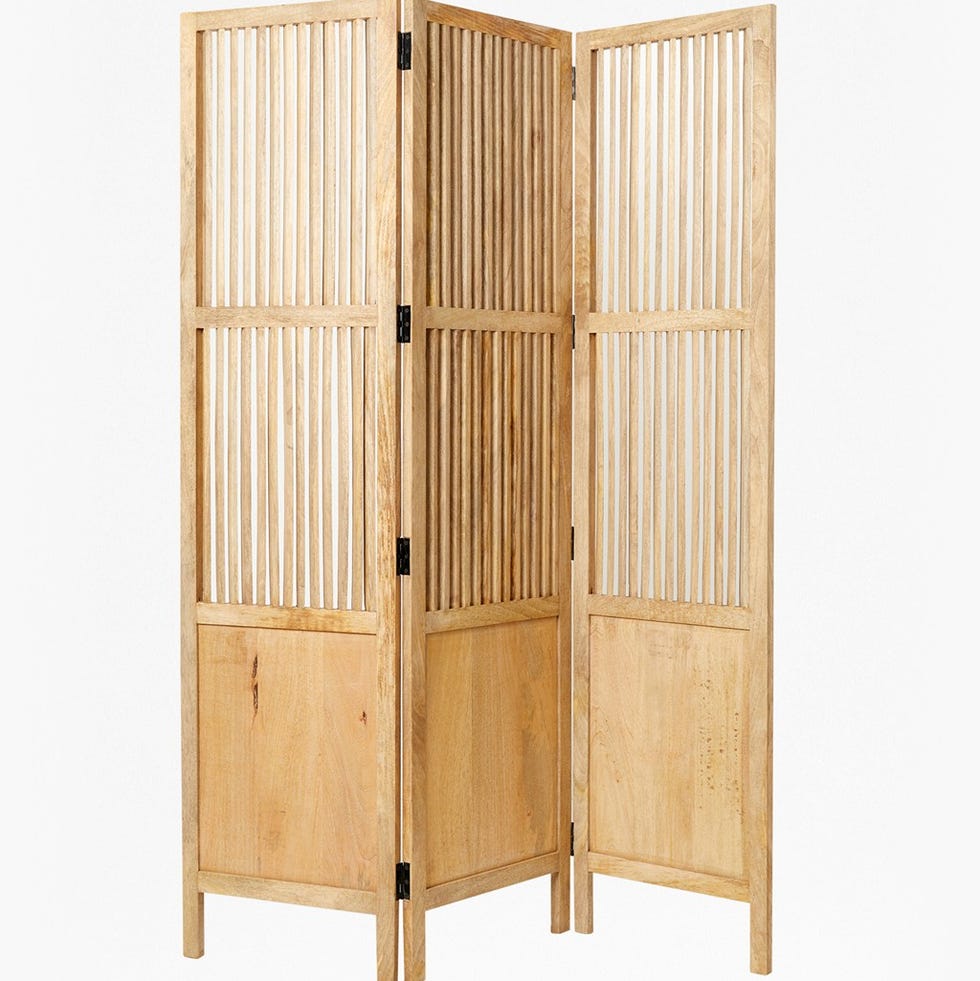
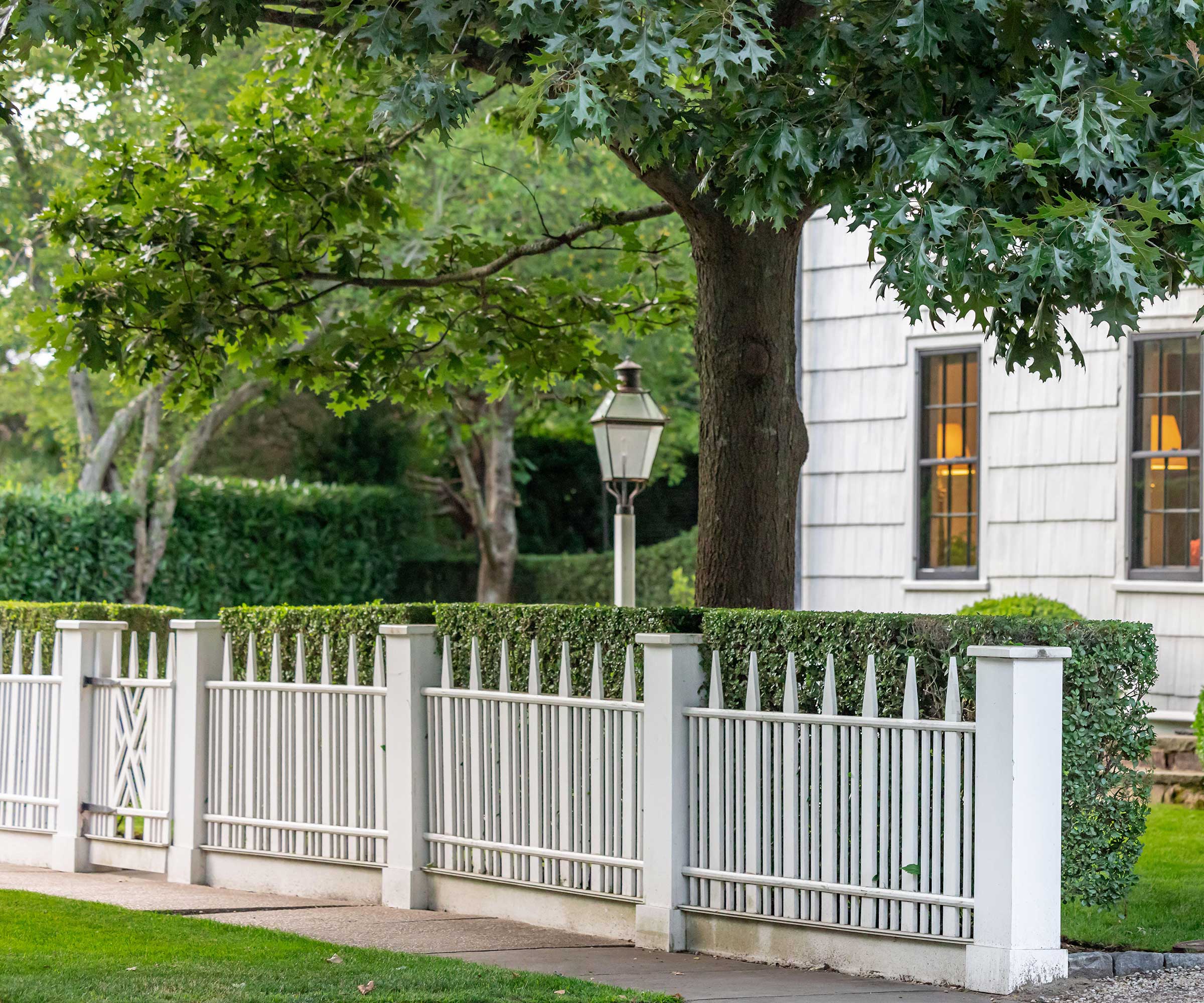
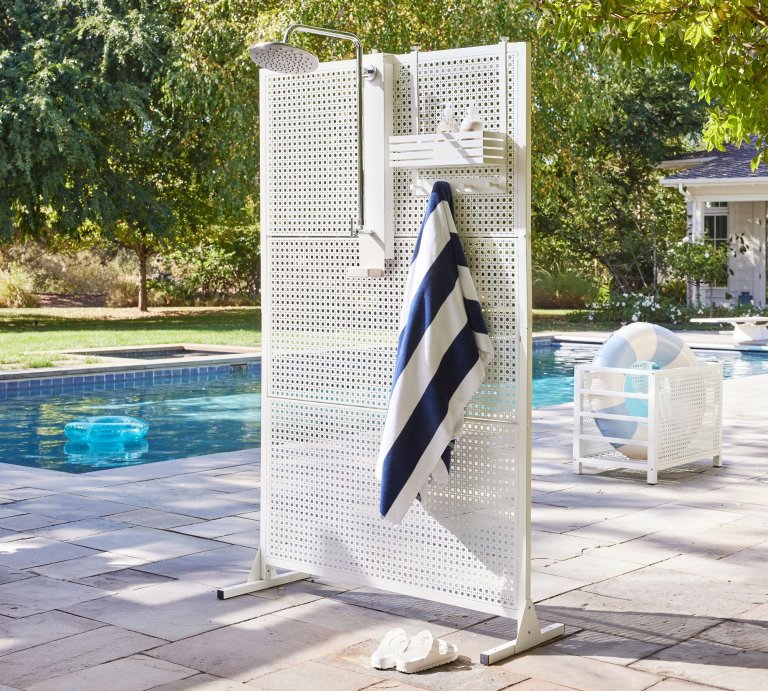
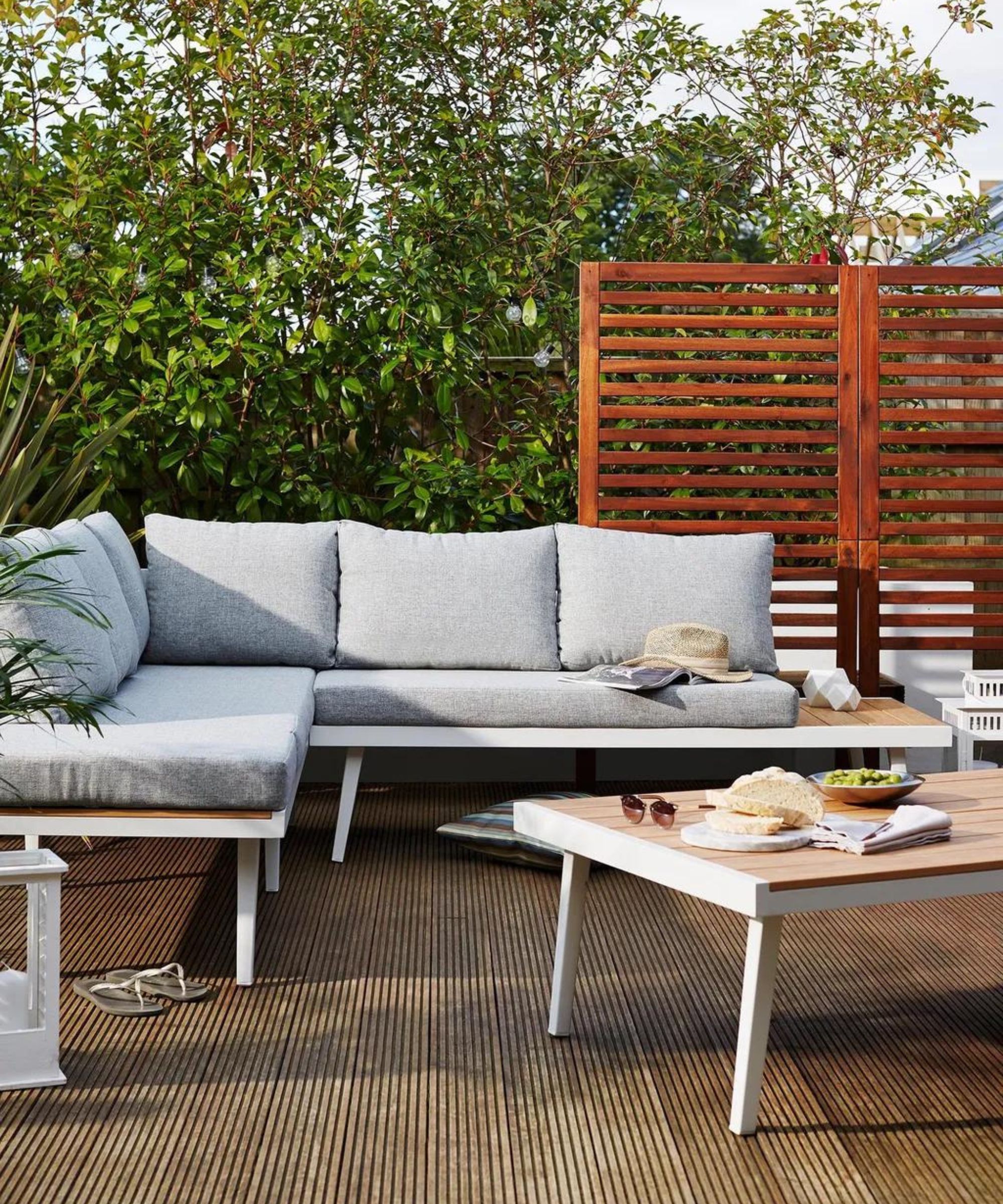
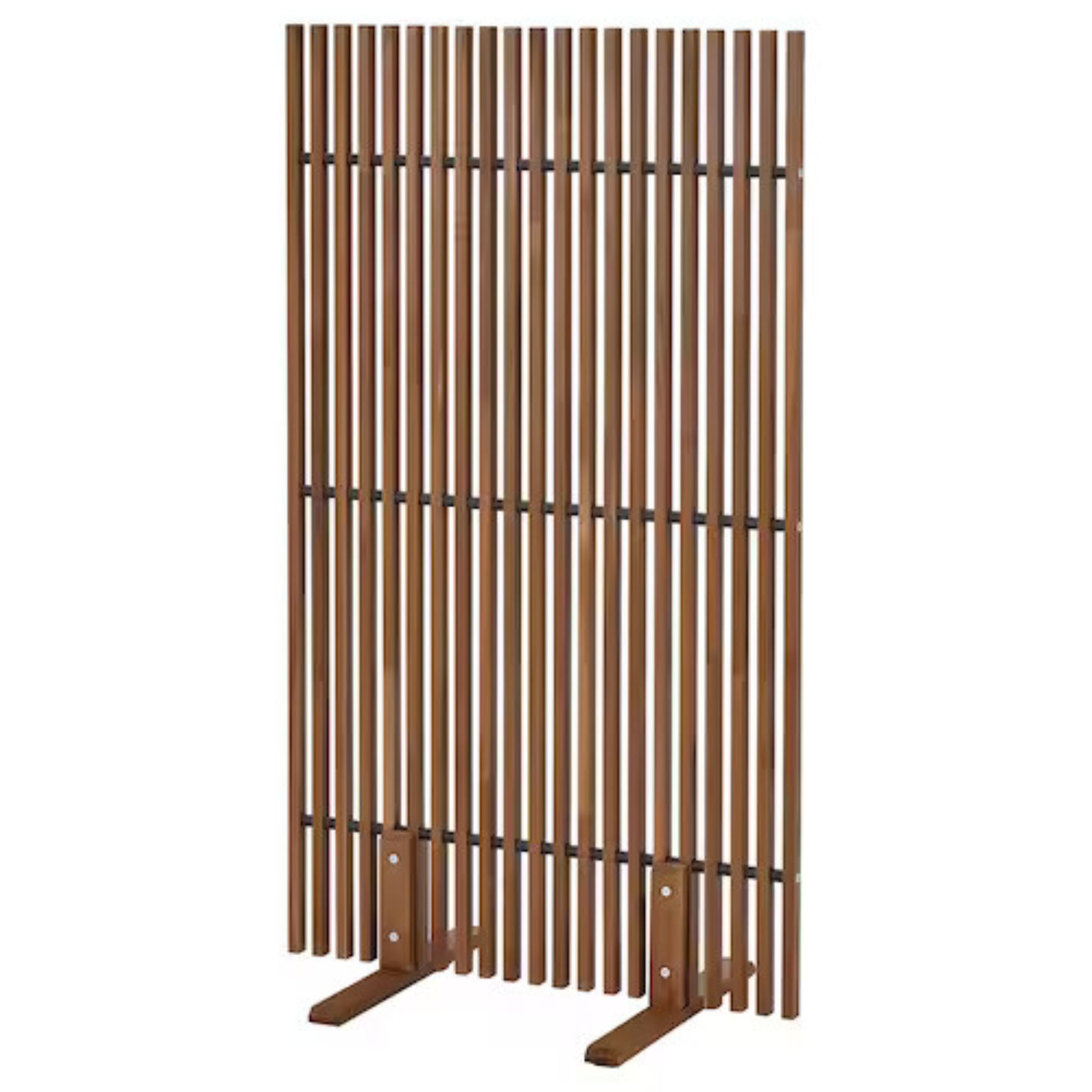
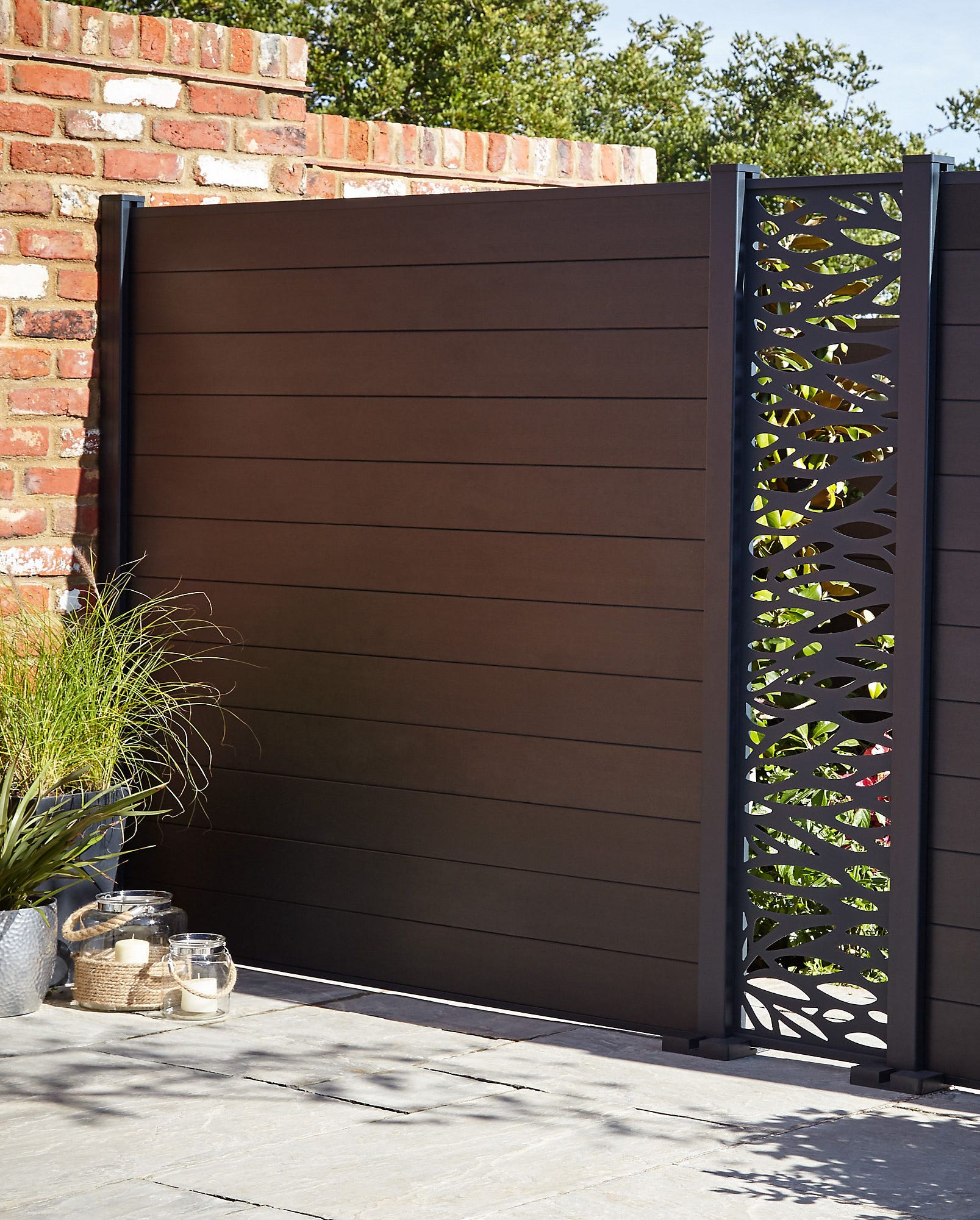
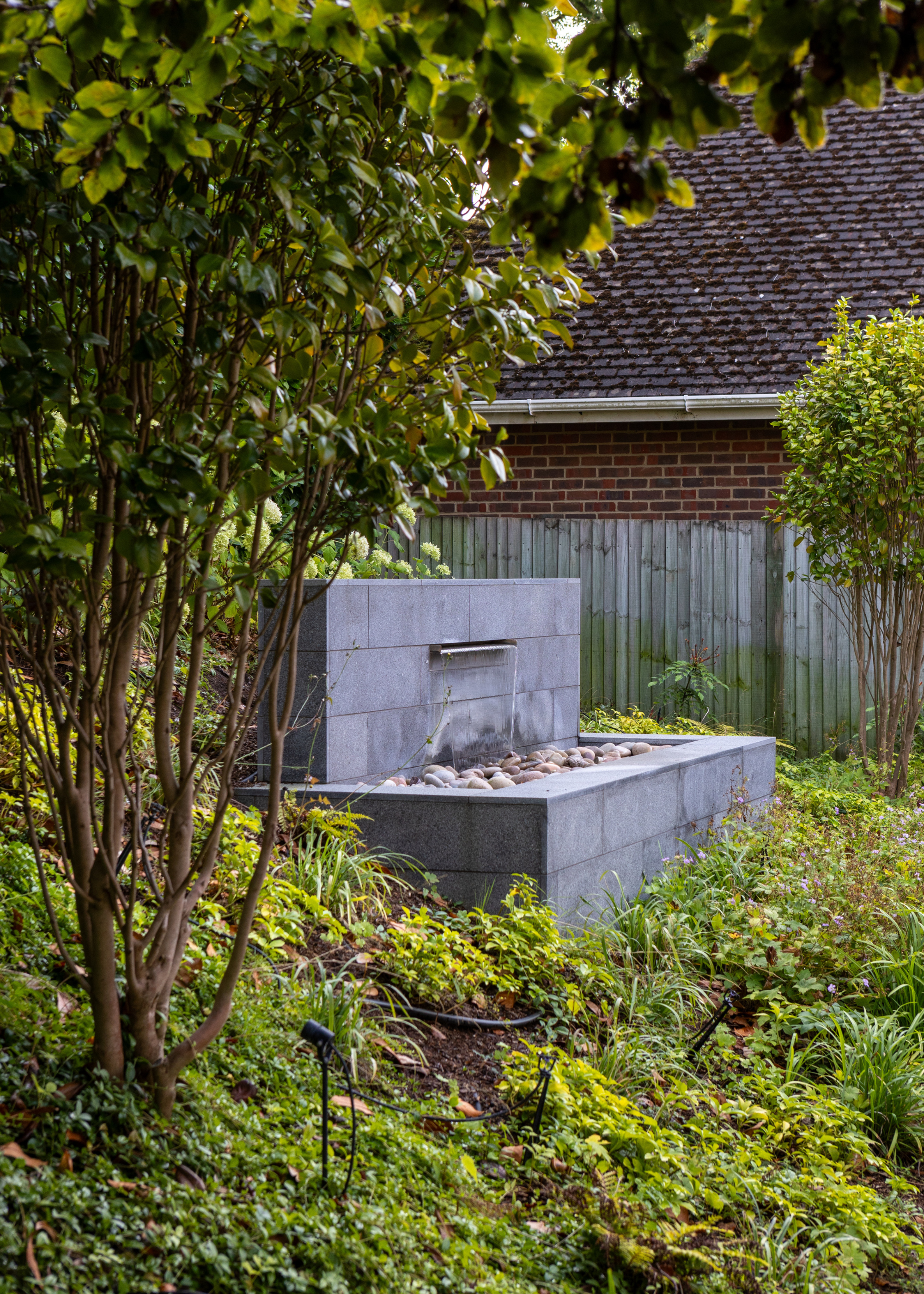
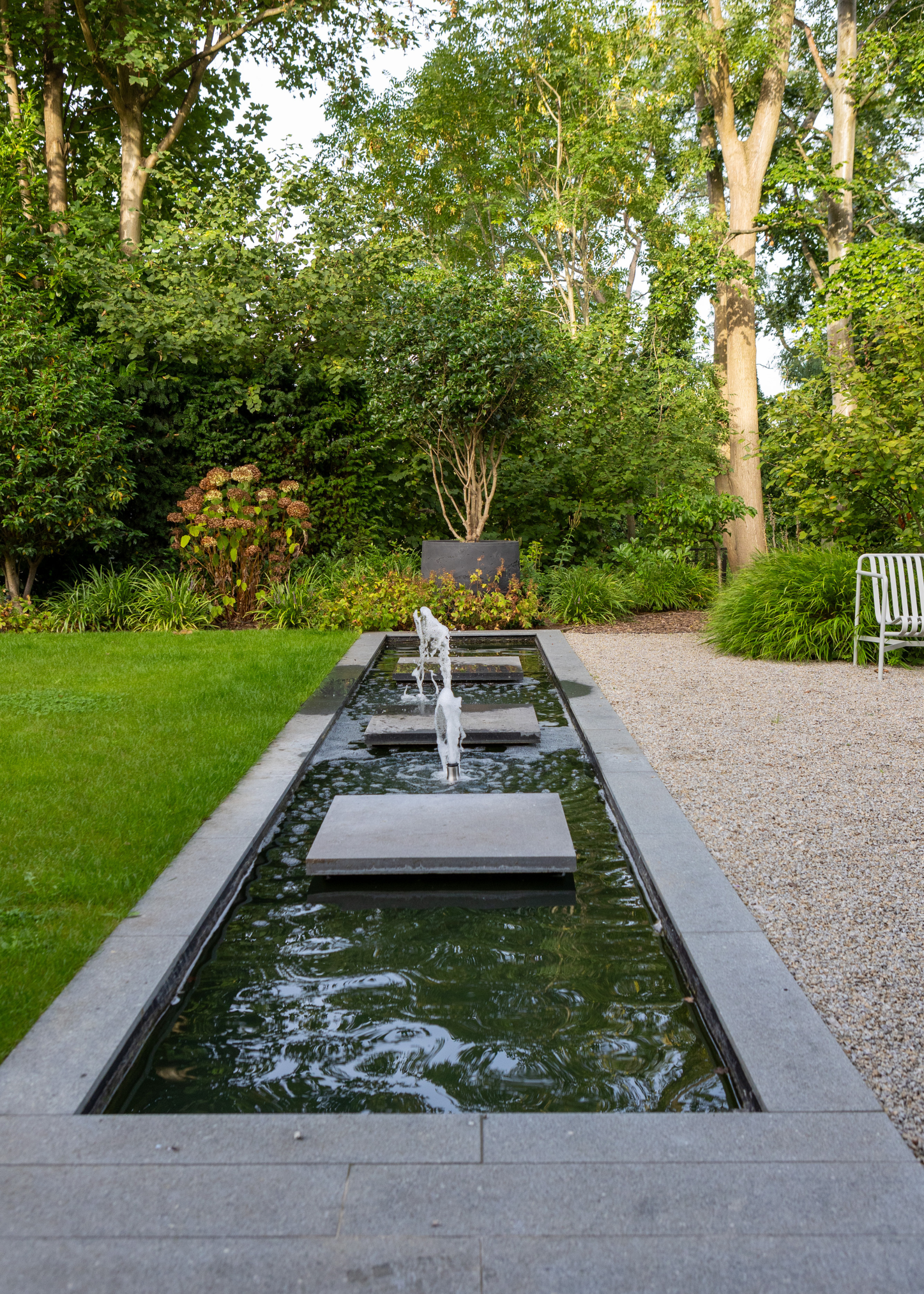
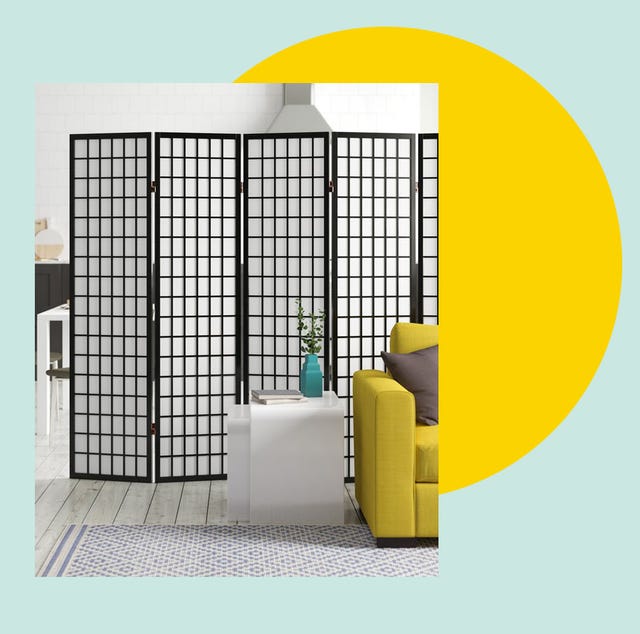
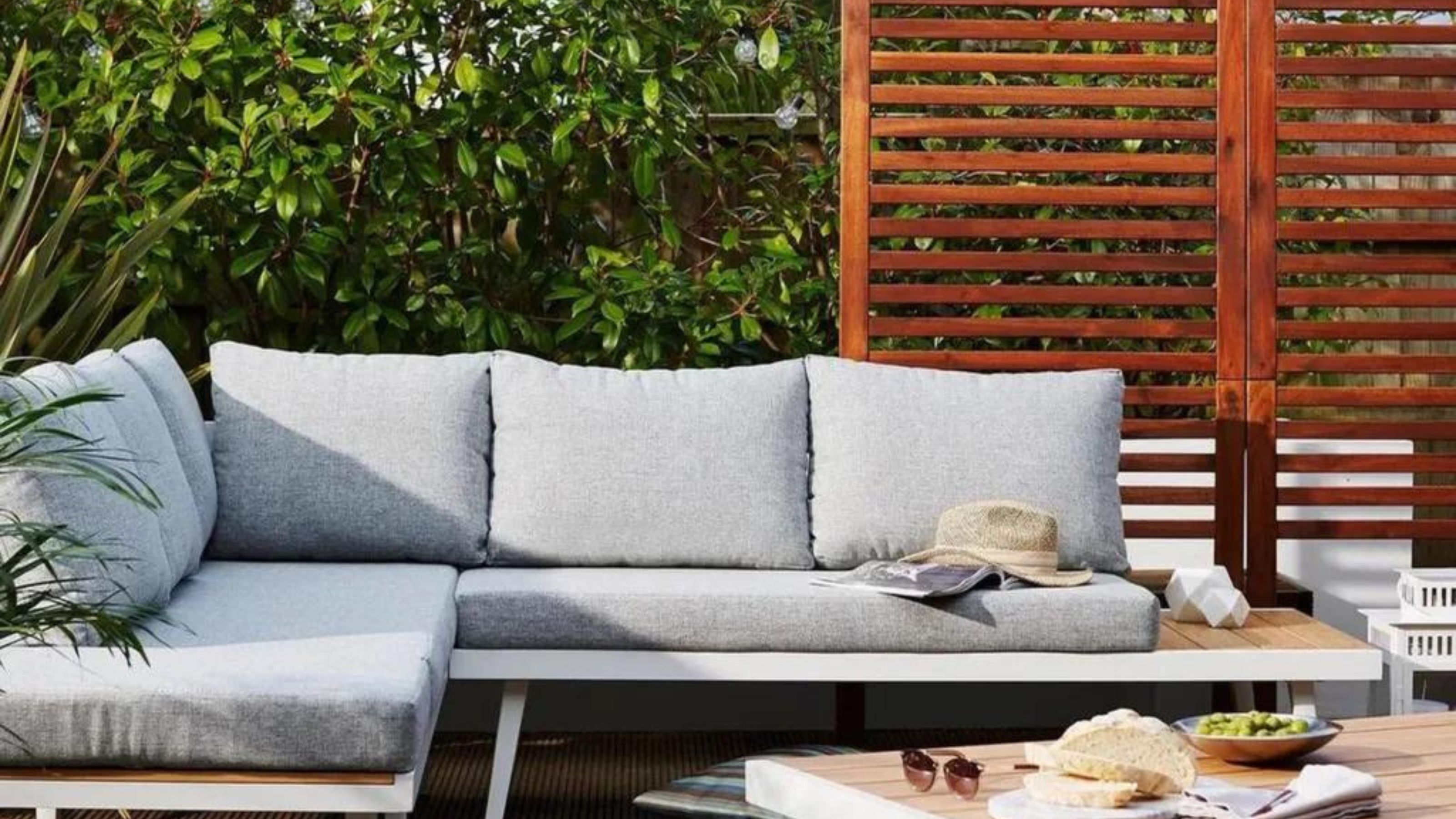
Finally, the installation of permanent outdoor features like screens, fencing, or hedges offers substantial privacy. Brown advises choosing designs that complement the home's aesthetic and considering maintenance requirements. For those seeking flexibility, privacy screens are a versatile solution, easily movable and adjustable to suit varying needs and aesthetic preferences, both indoors and outdoors.
#HomePrivacy #HomeDesign #InteriorShutters #FrostedGlass #NaturalLight #GreeneryInDesign #OutdoorLiving #Latticework #PrivacyFencing #HomePrivacy #HomeDesign #InteriorShutters #FrostedGlass #NaturalLight #GreeneryInDesign #OutdoorLiving #Latticework #PrivacyFencing
0 comment in total
 No comments yet
You may also like
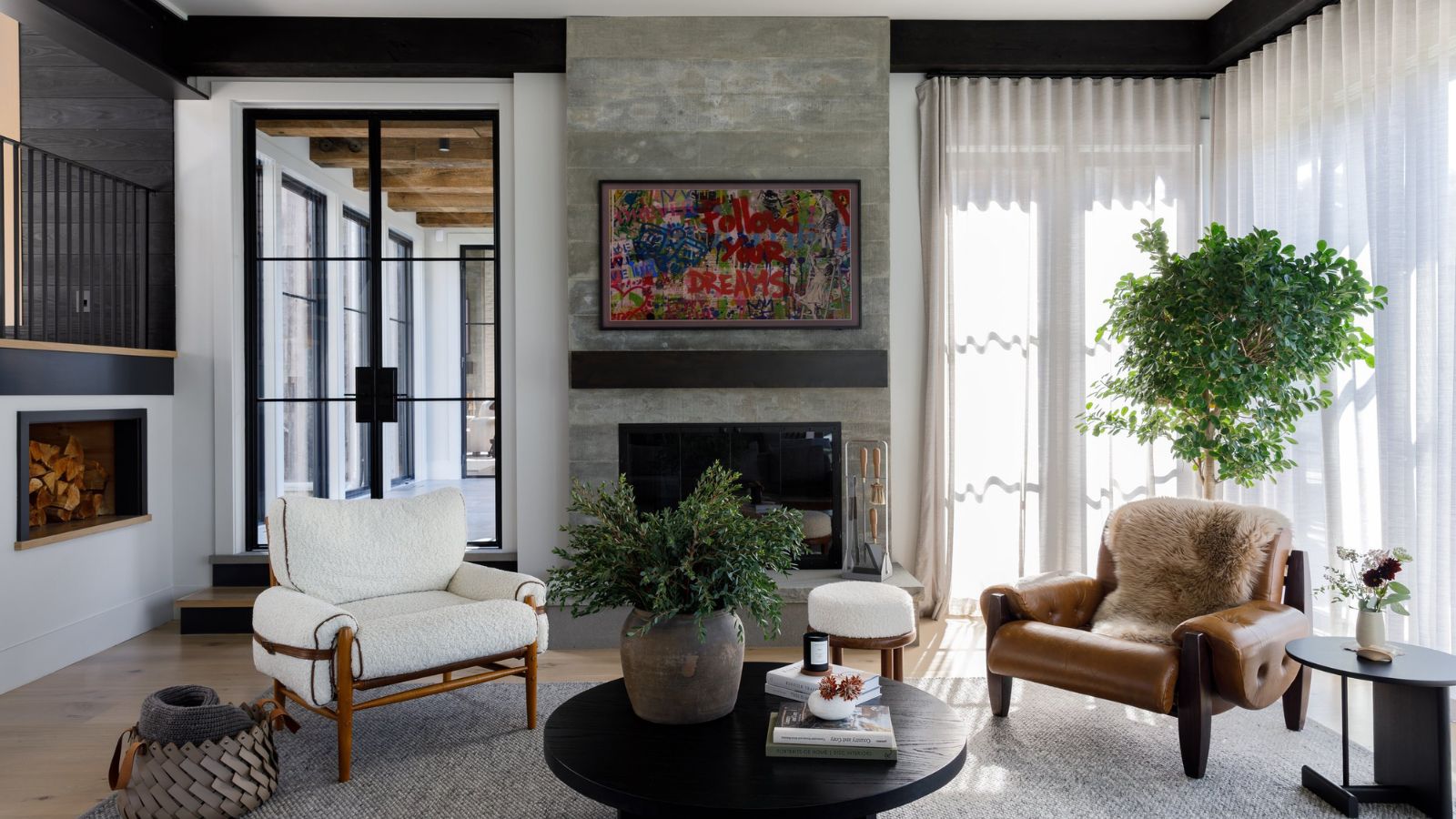
7 ways to add privacy to your home in clever, creative ways that bring quick results

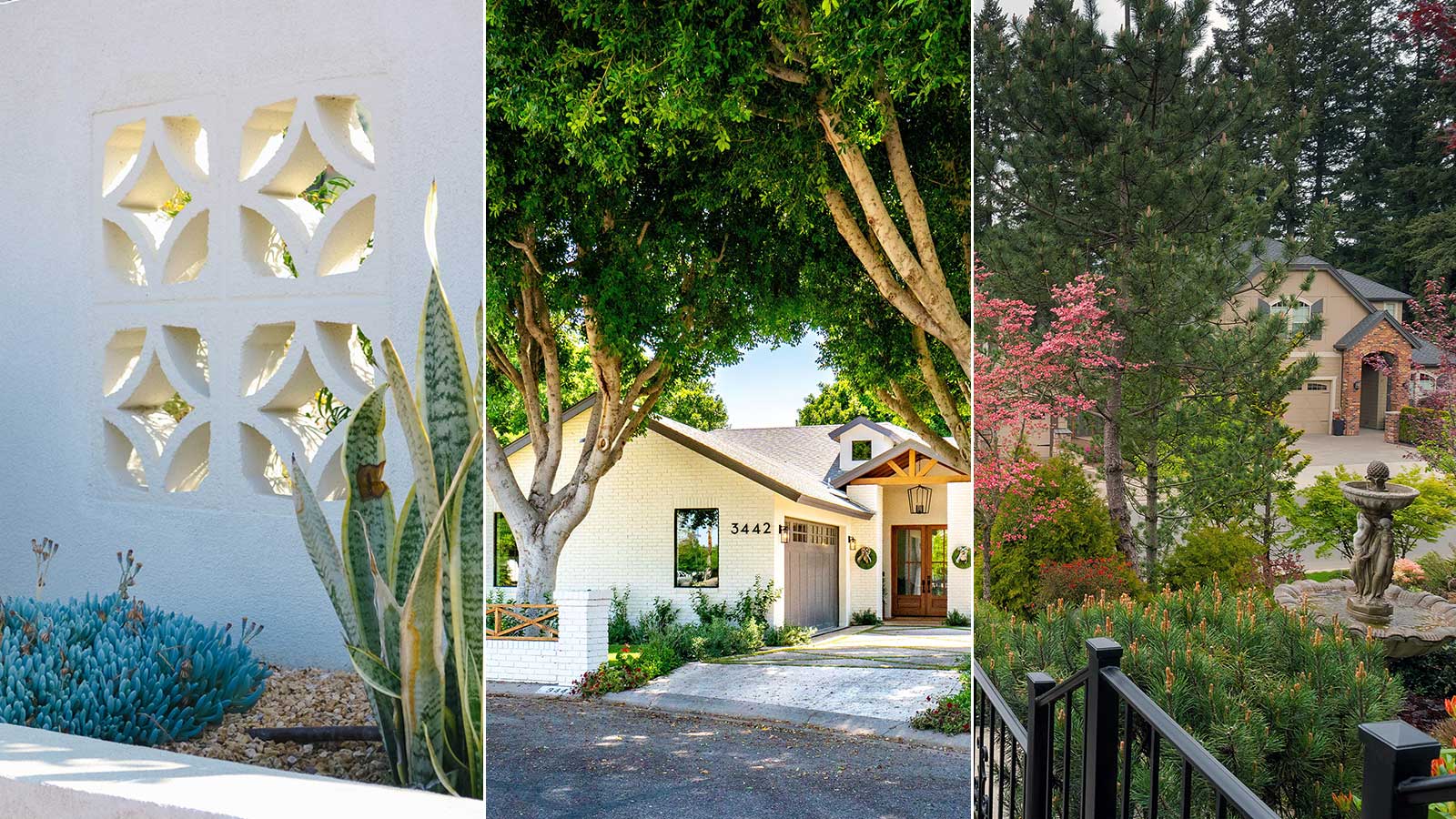
Front yard privacy ideas – 10 stylish ways to screen your home from the street
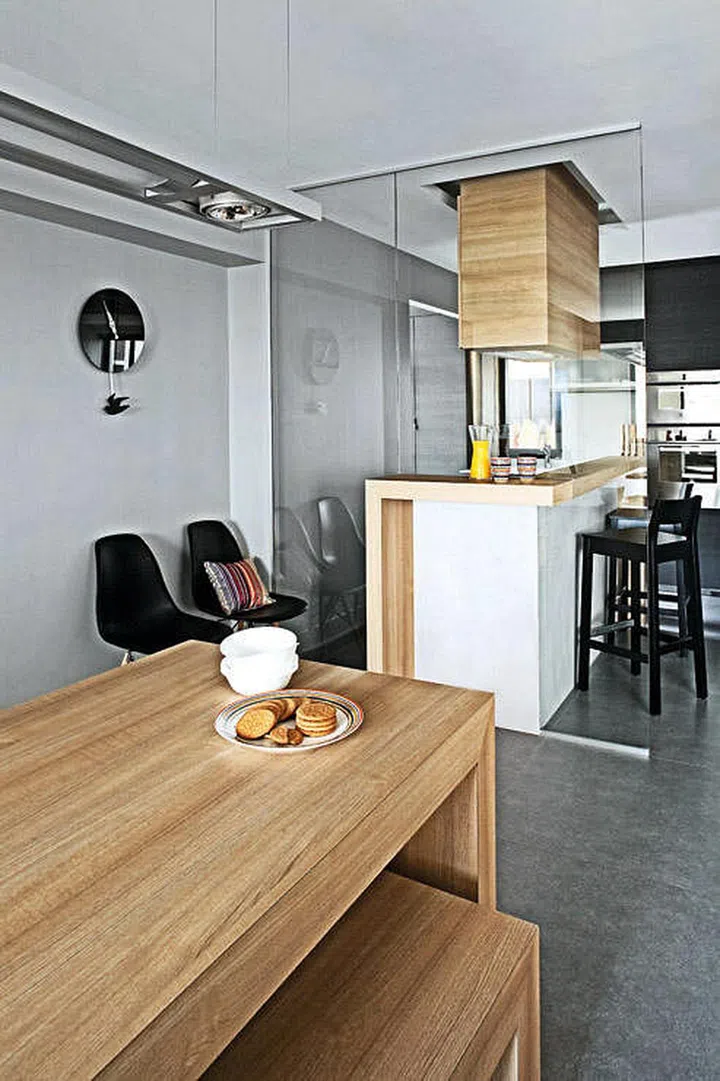
7 ingenious room dividers perfect for small homes
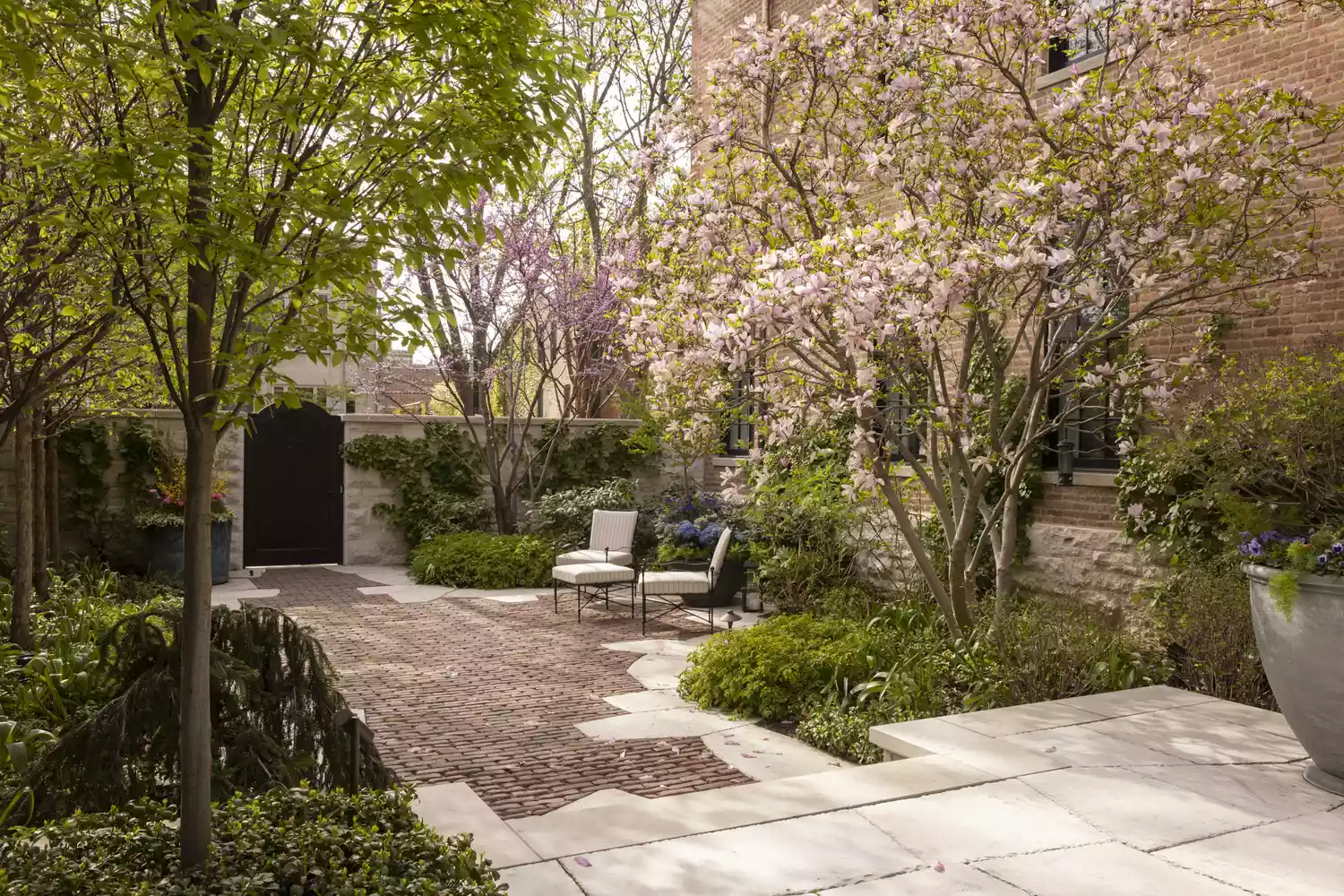
12 Backyard Privacy Ideas for a Secluded Garden Oasis

8 Ways To Create More Privacy in Your Home, According to Designers
Here's How to Make Your Windows Installation More Private

6 Backyard Privacy Ideas That Look Expensive—But Aren’t

16 Hidden Door Ideas — Make Your Home Super Streamlined by Concealing Passages and Storage

10 Best Room Dividers for Creating More Privacy at Home
38 Genius Solutions To Hide The Parts Of Your Home You Don't Particularly Love
10 Secret Hiding Place Products for Your Home

13 curious homes with secret rooms hidden inside | loveexploring.com

11 Stylish Ways to Create Privacy in an Open Floor Plan
7 Backyard Privacy Screens That Aren’t Eyesores for You or Your Neighbors

7 Sneaky Ways Drafts Hide in Your Home – And How to Fix Them So Holiday Guests Feel Cozy and Welcome
3 Ways to Use Water Features That Can Make Your Garden Feel More Private
17 of the best room dividers for minimal effort and maximum privacy
These 7 privacy screen ideas are pretty, practical, and perfect for creating a secluded outdoor space

Garden screening ideas: 13 ways to create privacy in your garden

Hide your outdated home feature with this clever storage hack!