1/4
6 Ingenious Ways to Brighten Up a Room That Gets Very Little Natural Light
The article offers guidance from textile designer Rebecca Atwood on how to decorate spaces that receive little to no natural light. Atwood’s new book, "Living with Color: Inspiration and How-Tos to Brighten Up Your Home," emphasizes that color is dynamic and affected by elements like pairing, material, and especially lighting. This is crucial because color choices are often made under artificial light or from backlit screens, which do not accurately represent how colors will appear in poorly lit rooms. The article provides six key recommendations to address this challenge.
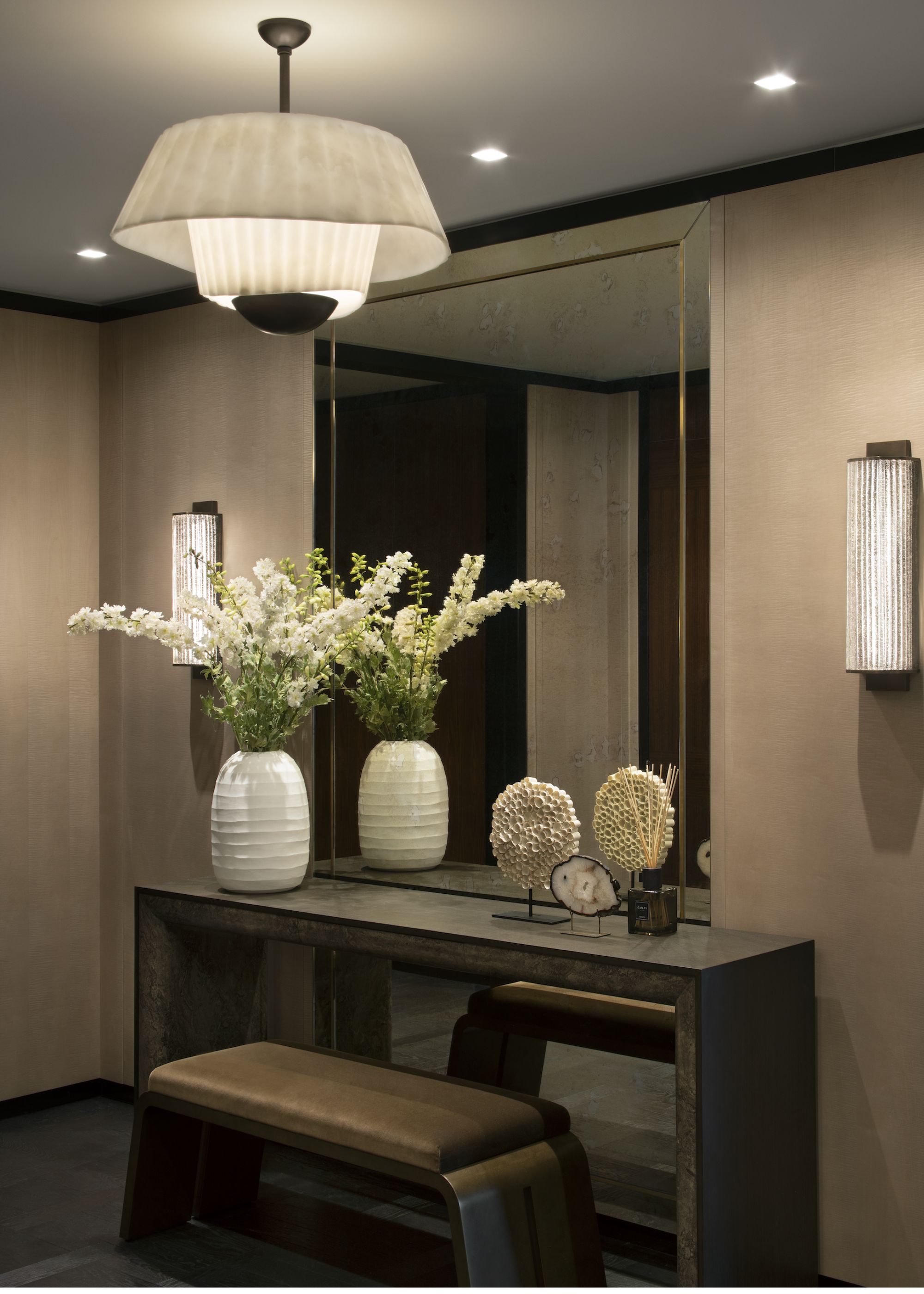
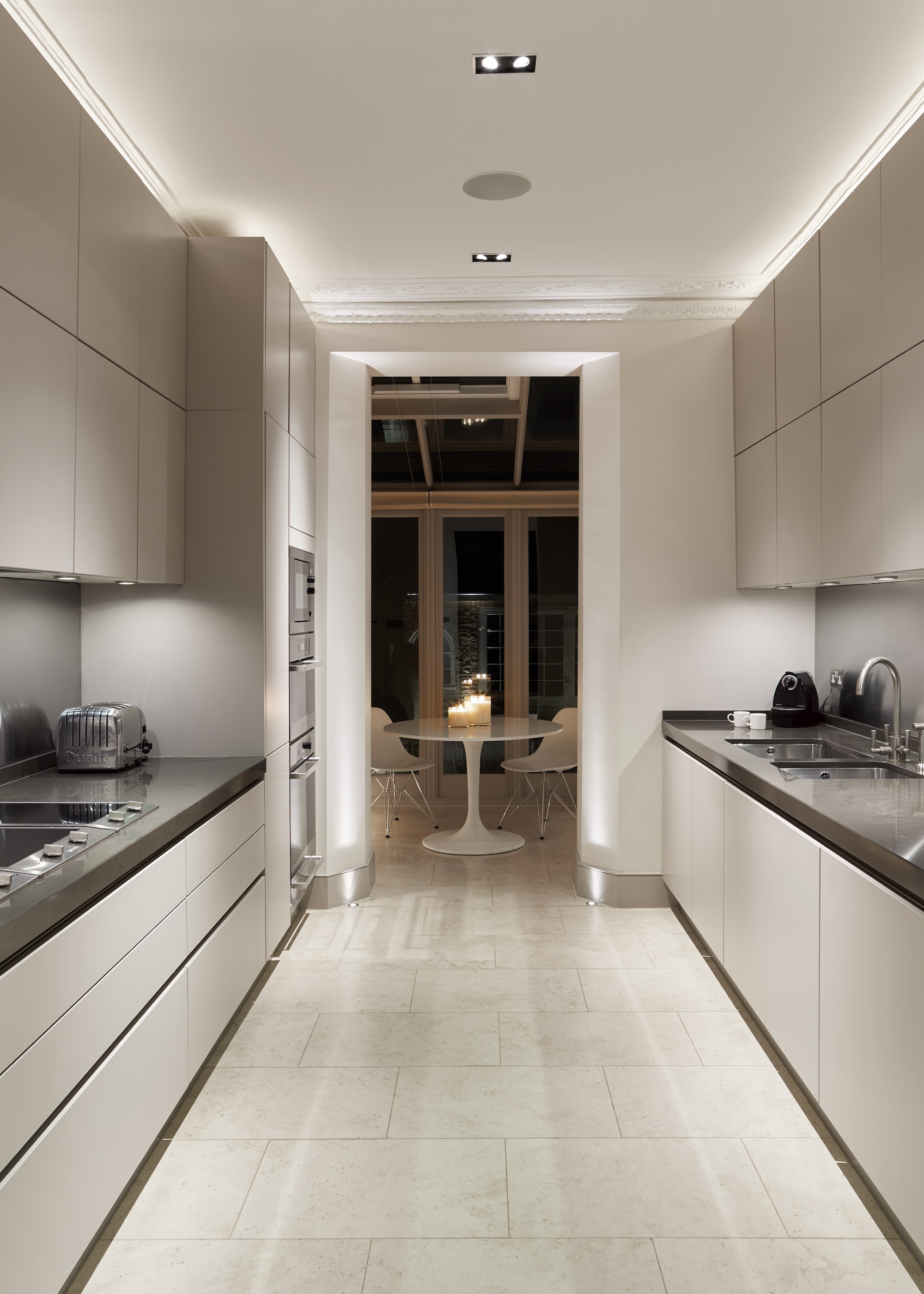
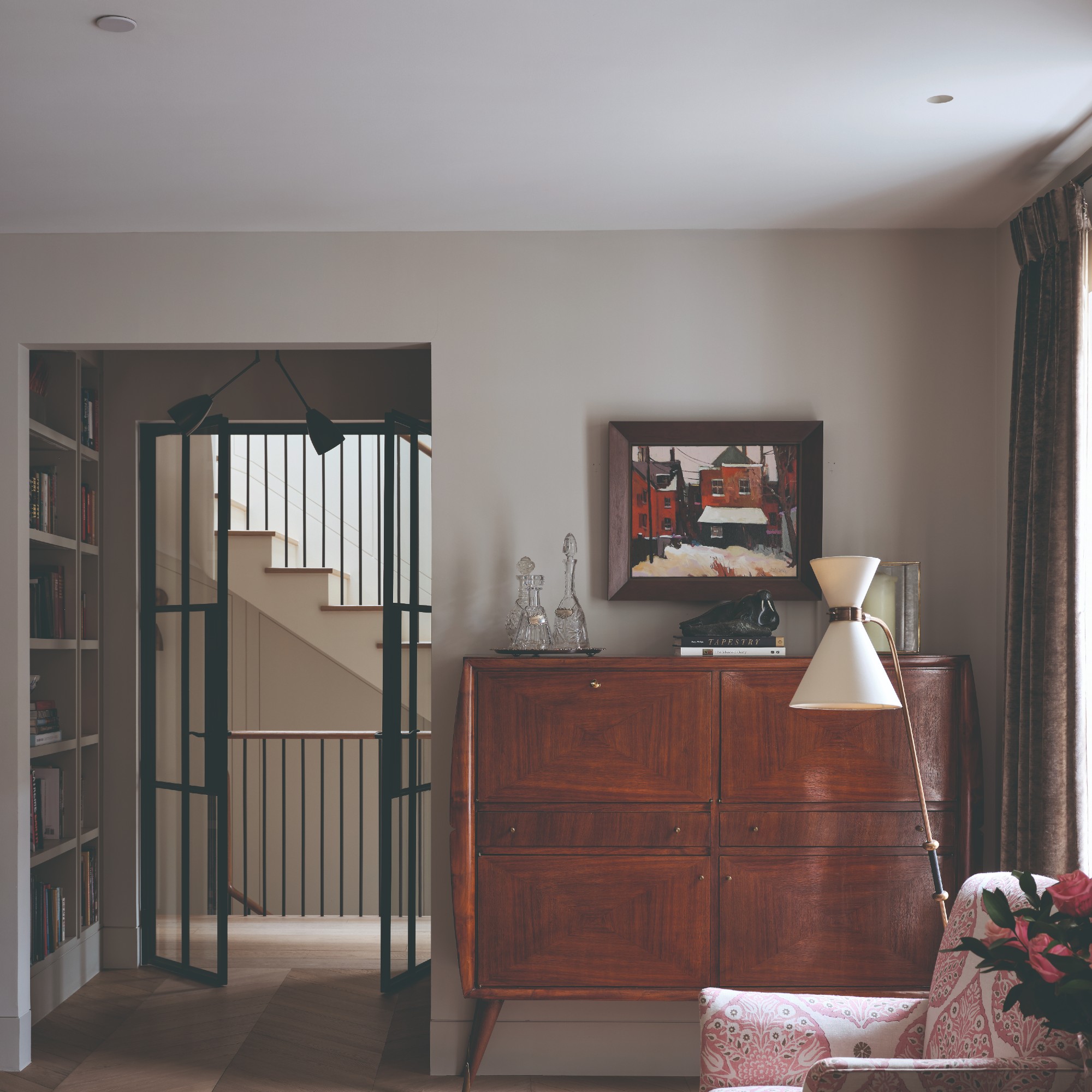
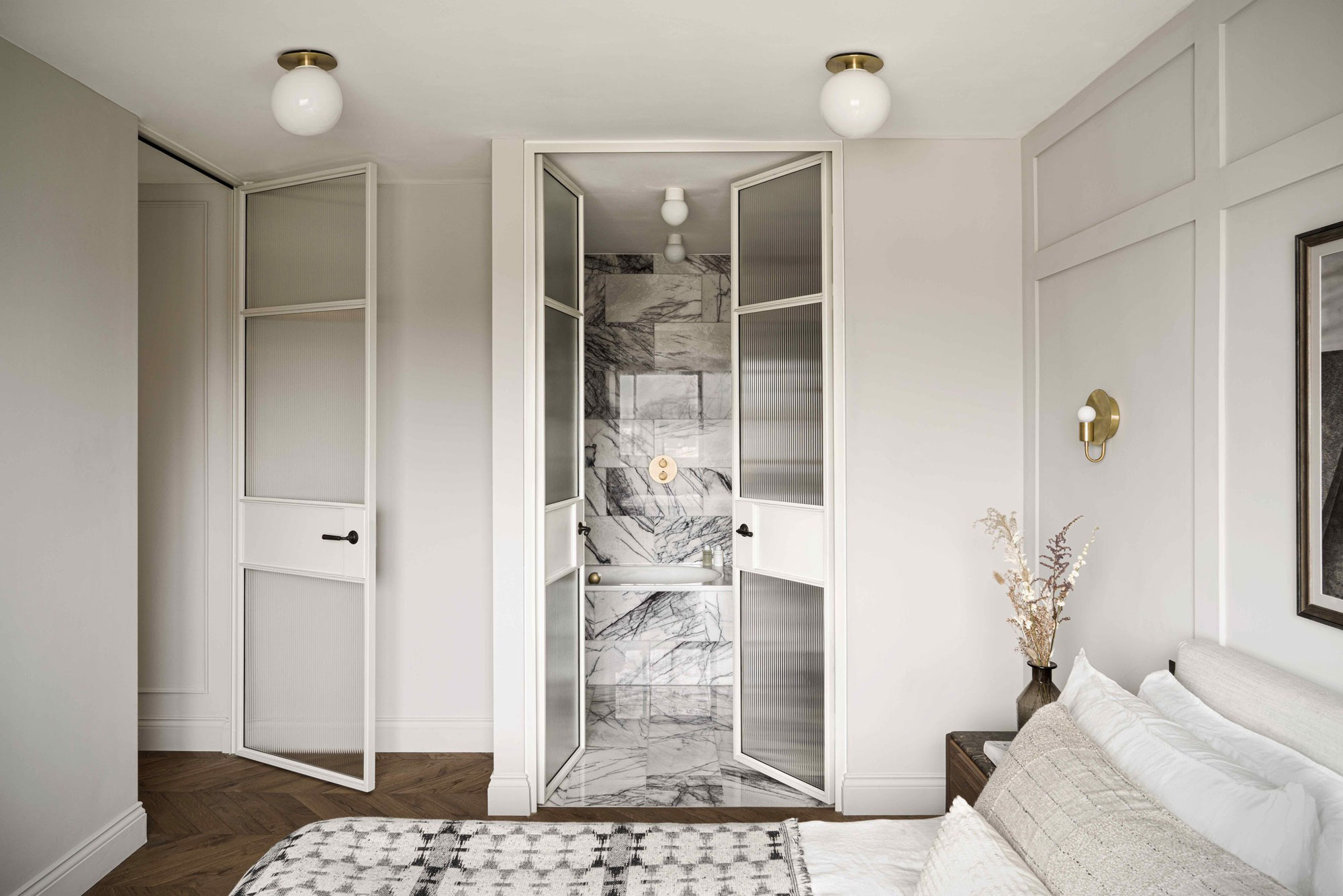
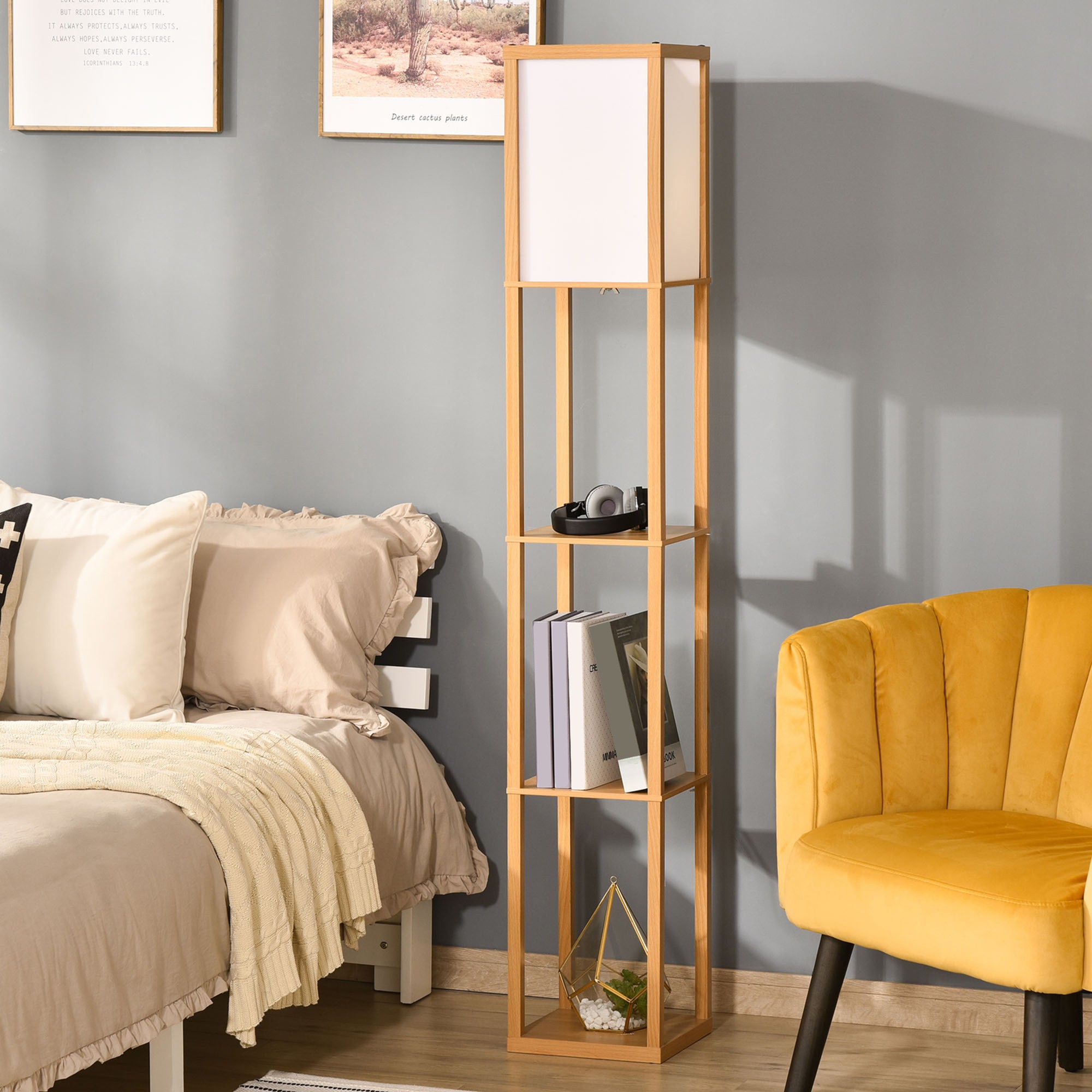
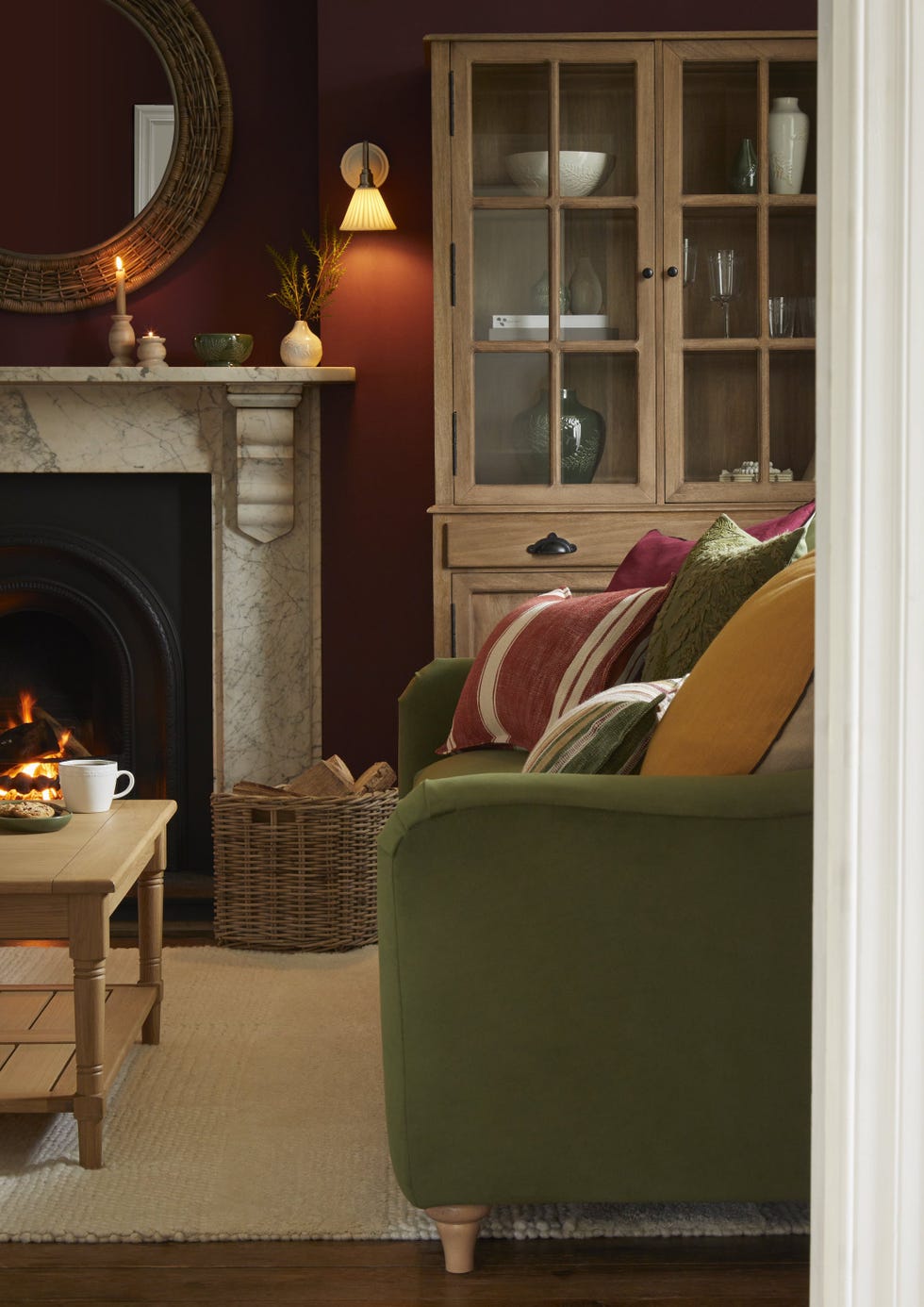
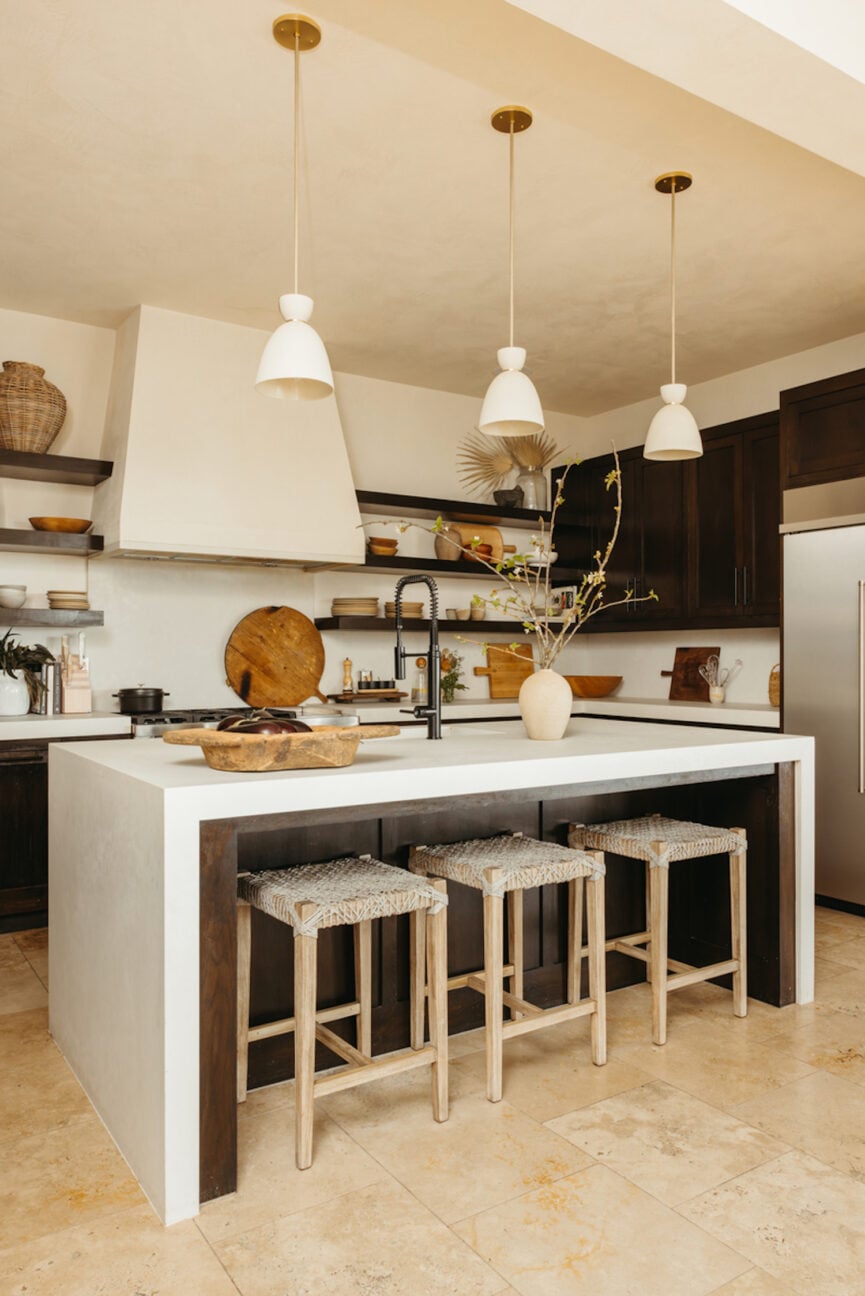
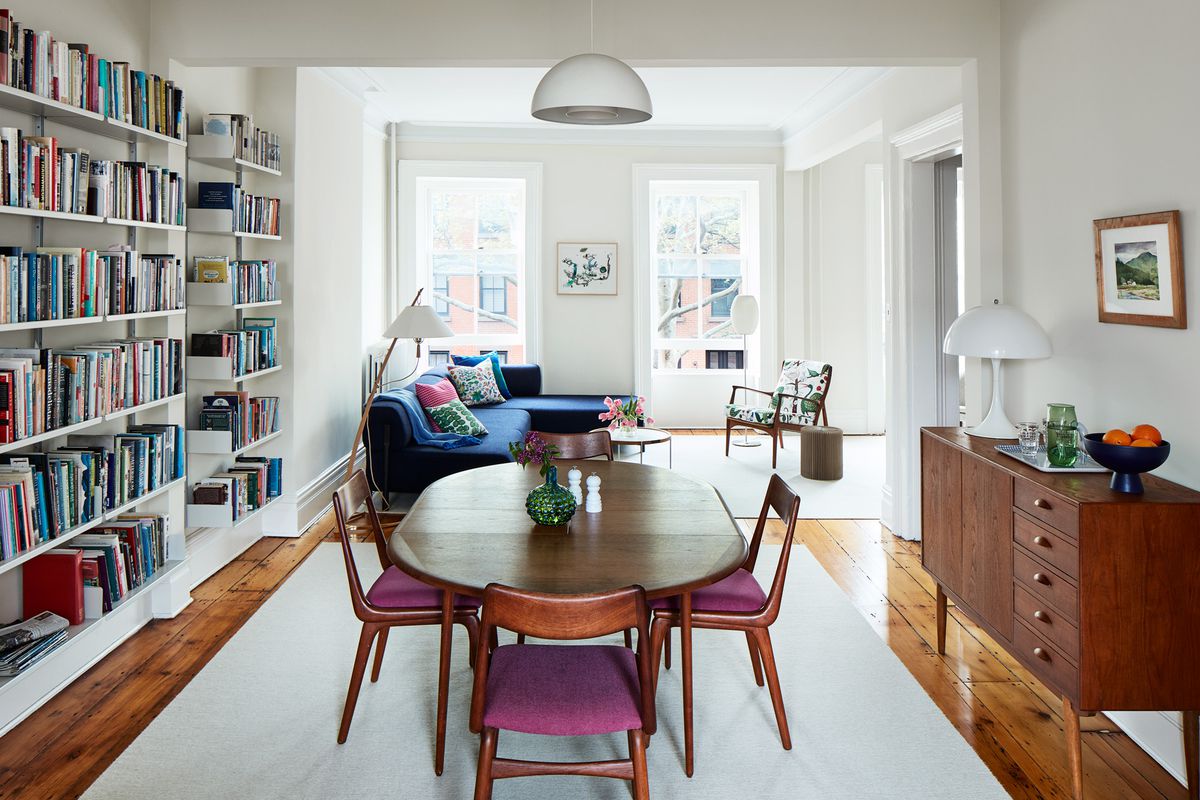
Firstly, Atwood stresses the importance of layering light sources. In rooms lacking natural light, artificial illumination becomes paramount. She categorizes lighting into three types: ambient (overhead), task (focused light like a reading lamp), and accent (lighting to highlight specific features or artwork). Utilizing multiple light sources allows for adjusting the overall illumination throughout the day, creating an effect that better mimics natural light and ensures that colors are seen accurately at any time. This layered approach helps to overcome the limitations imposed by the absence of natural daylight.
Secondly, the article highlights the significance of selecting the correct lightbulbs. Atwood advises against using generic bulbs and recommends testing different options to see how they interact with chosen colors. If a color appears yellow at night due to the bulb, a different bulb should be chosen. This step is critical for maintaining the intended color scheme and preventing artificial lighting from distorting the aesthetic of the room.
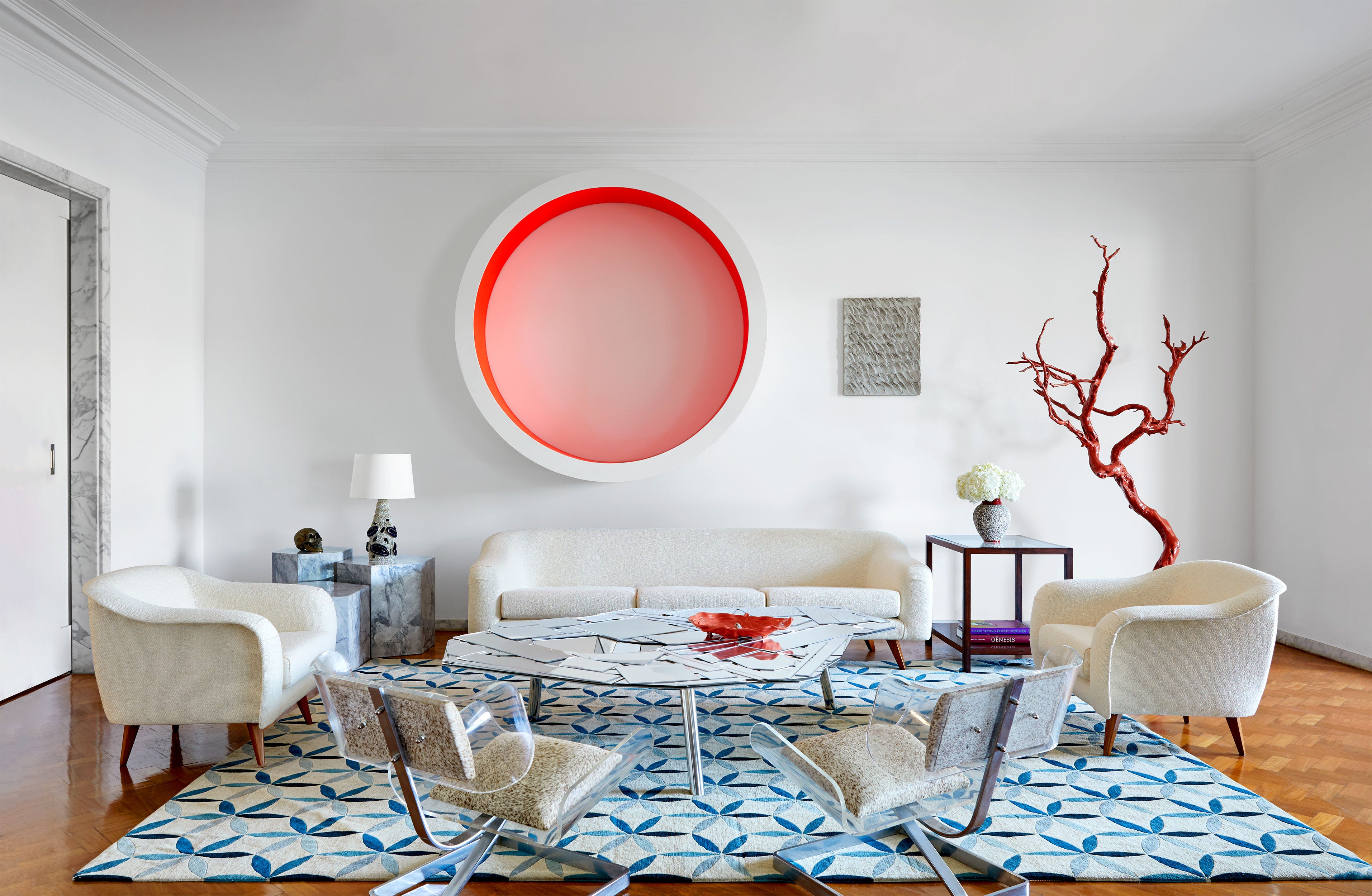
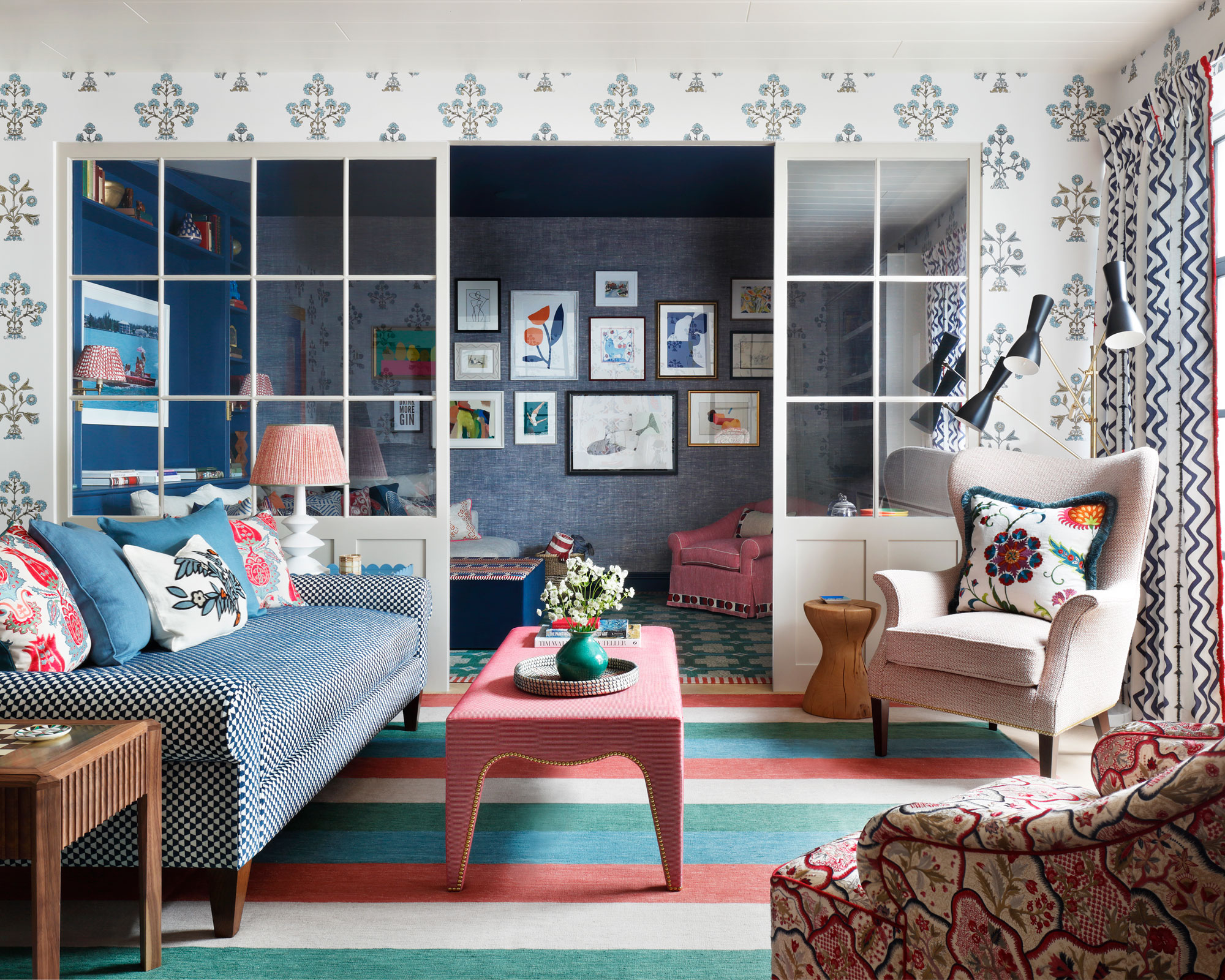
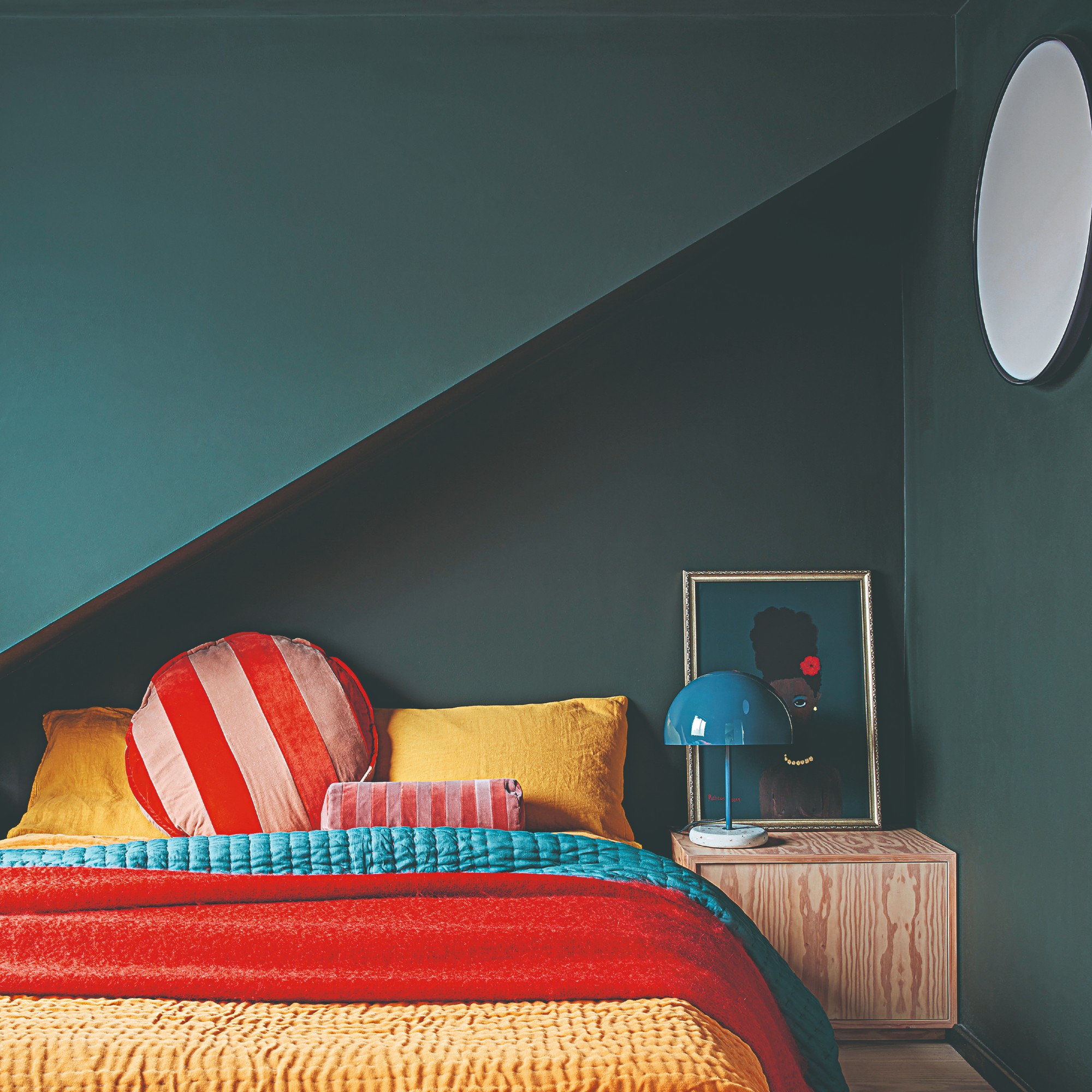
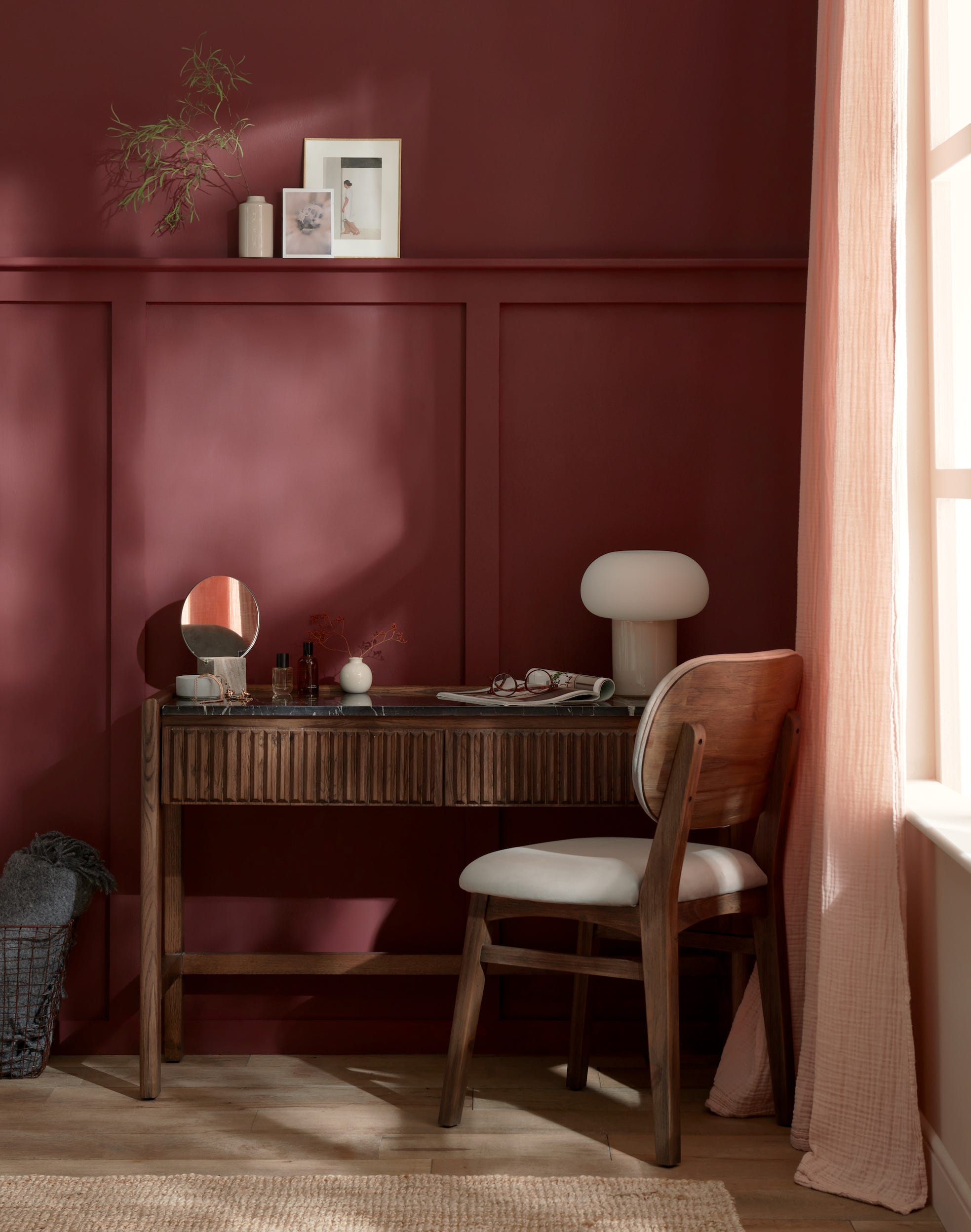
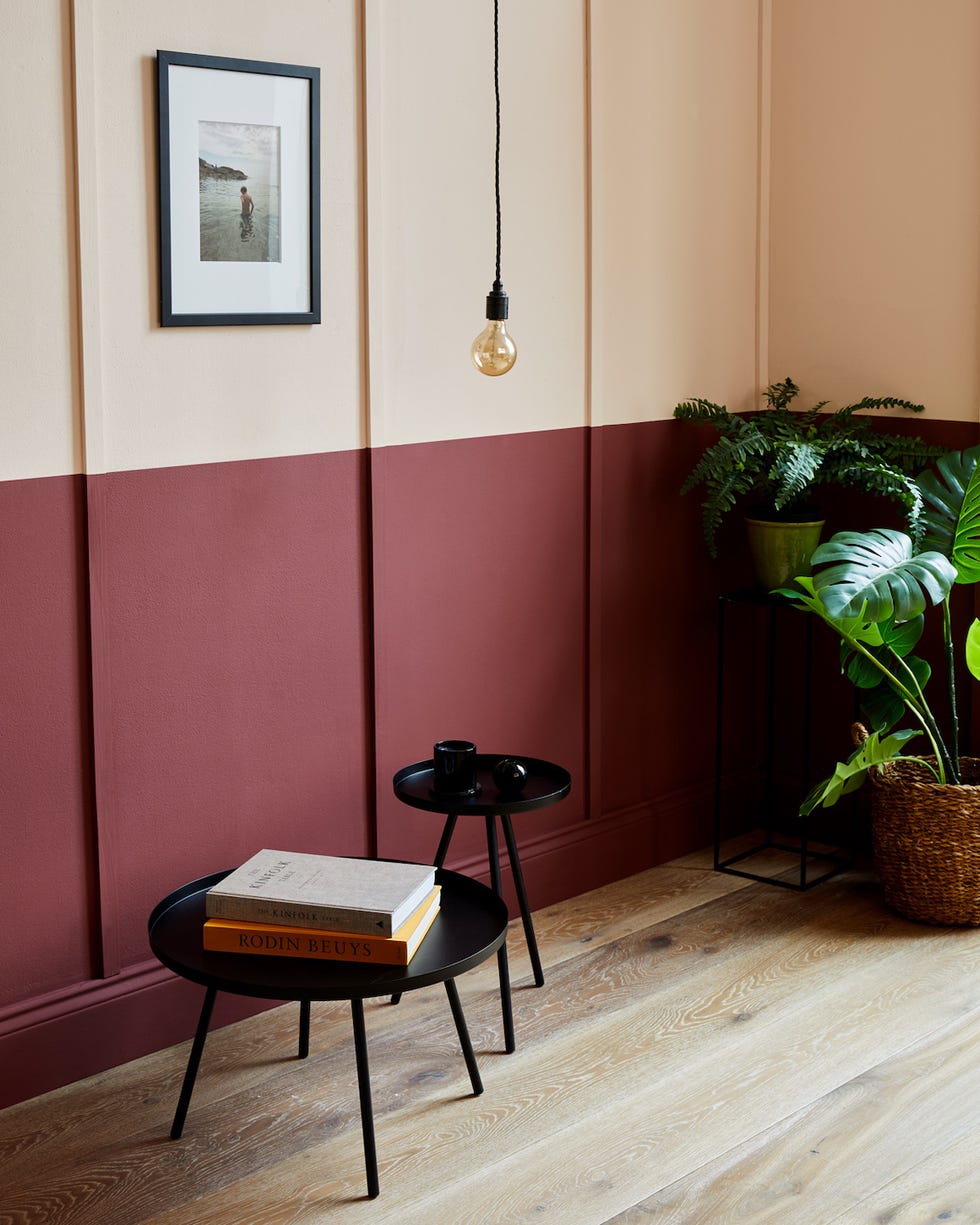
Thirdly, Atwood encourages creativity with color selection. A room with limited light might be an opportunity to explore colors that might not typically be considered. For example, when contemplating green, it is beneficial to experiment with a spectrum of shades, including light, medium, dark, and variations with yellow or blue undertones. Considering different color saturations is also important, as limited light can make colors appear grayer. Atwood suggests using paint fan decks directly in the space to observe how colors change under the existing lighting conditions, potentially requiring warmer, cooler, or more saturated hues.
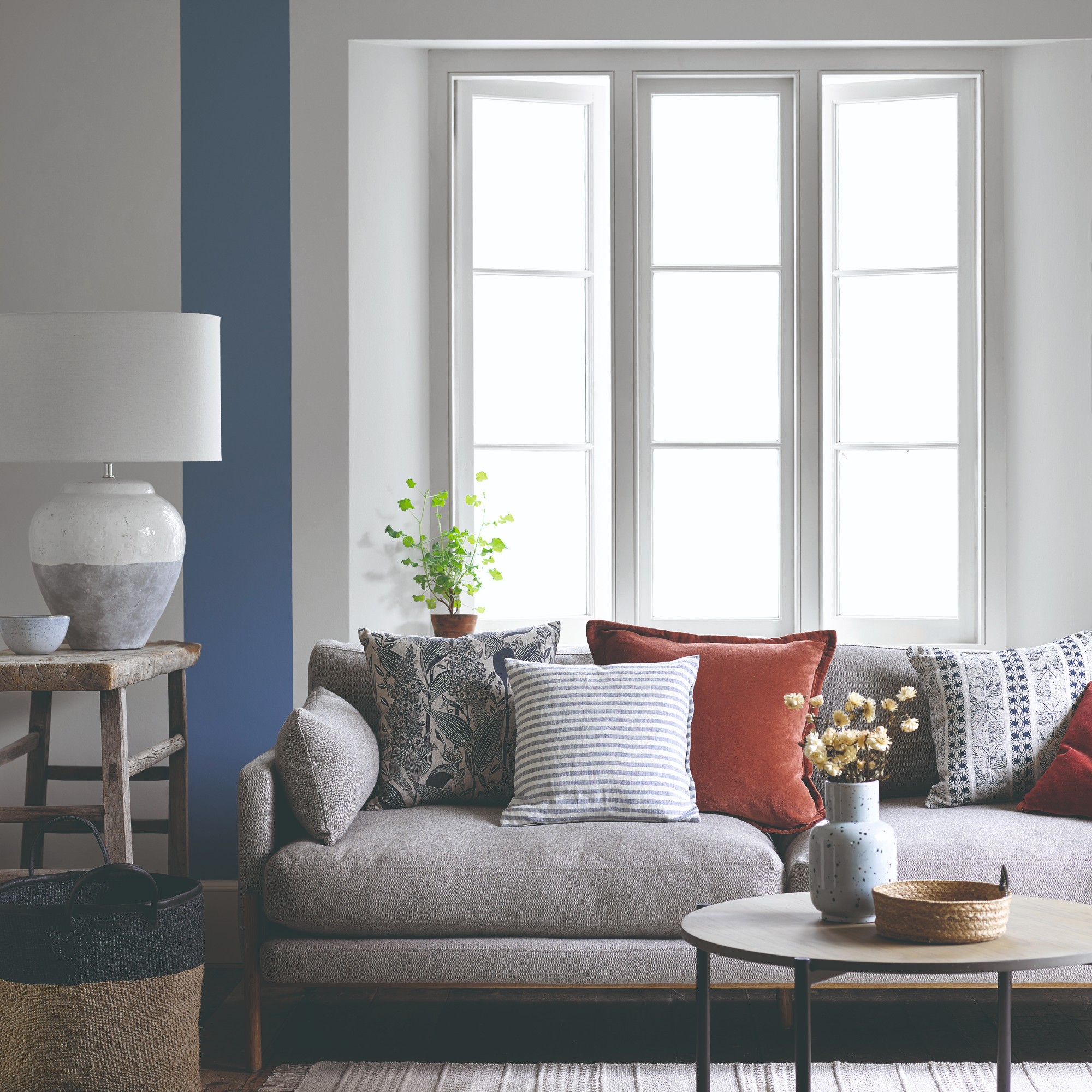
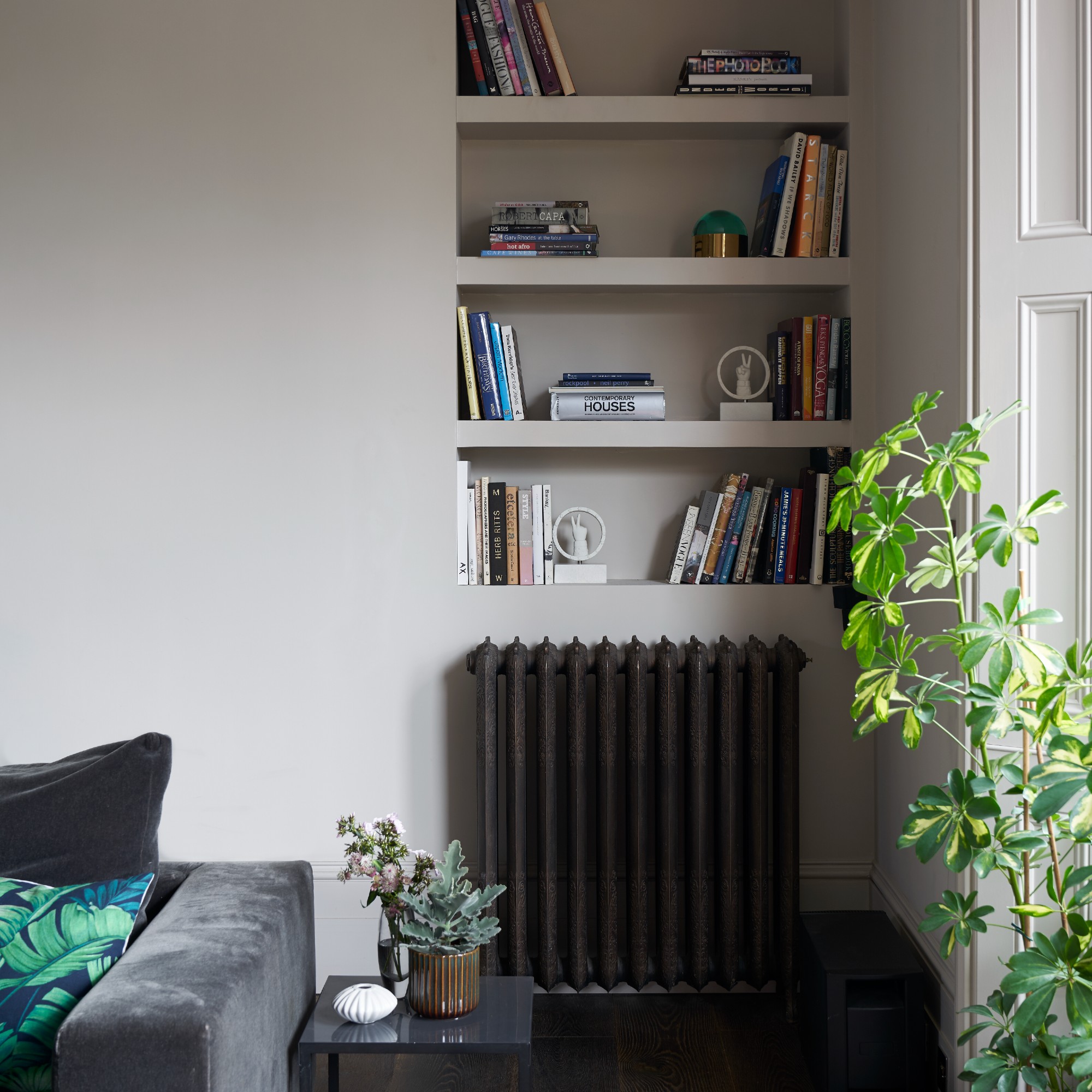
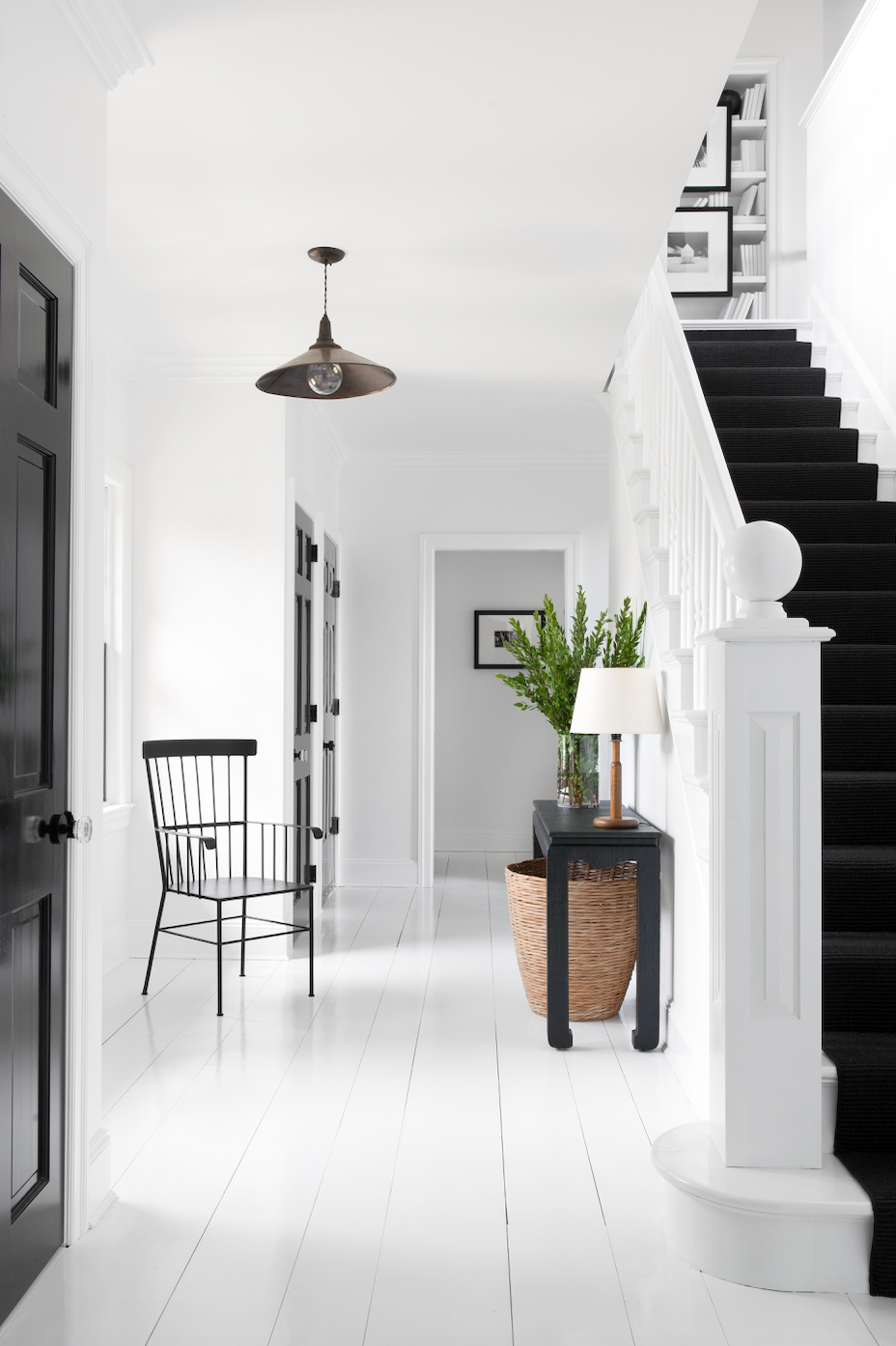
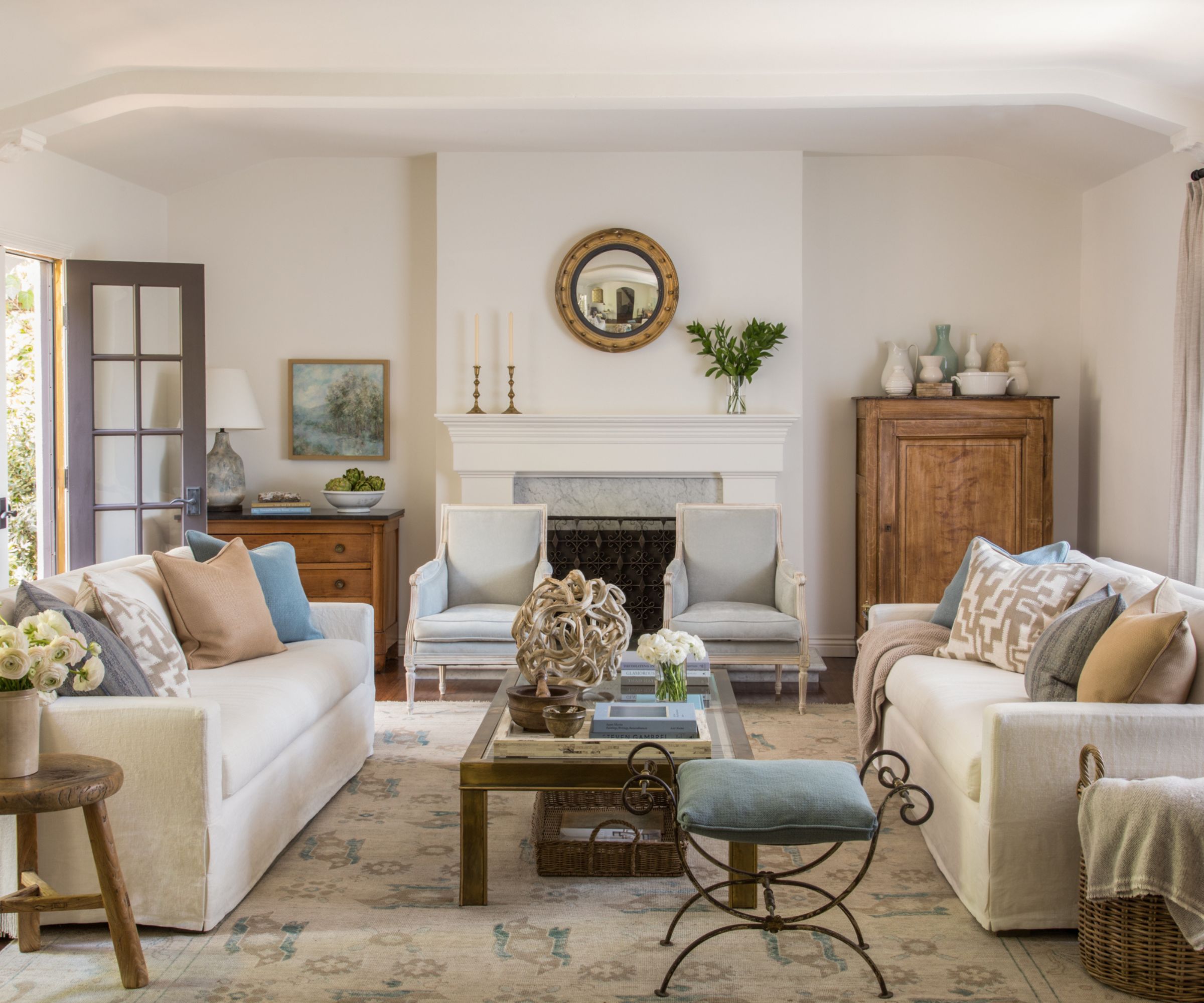
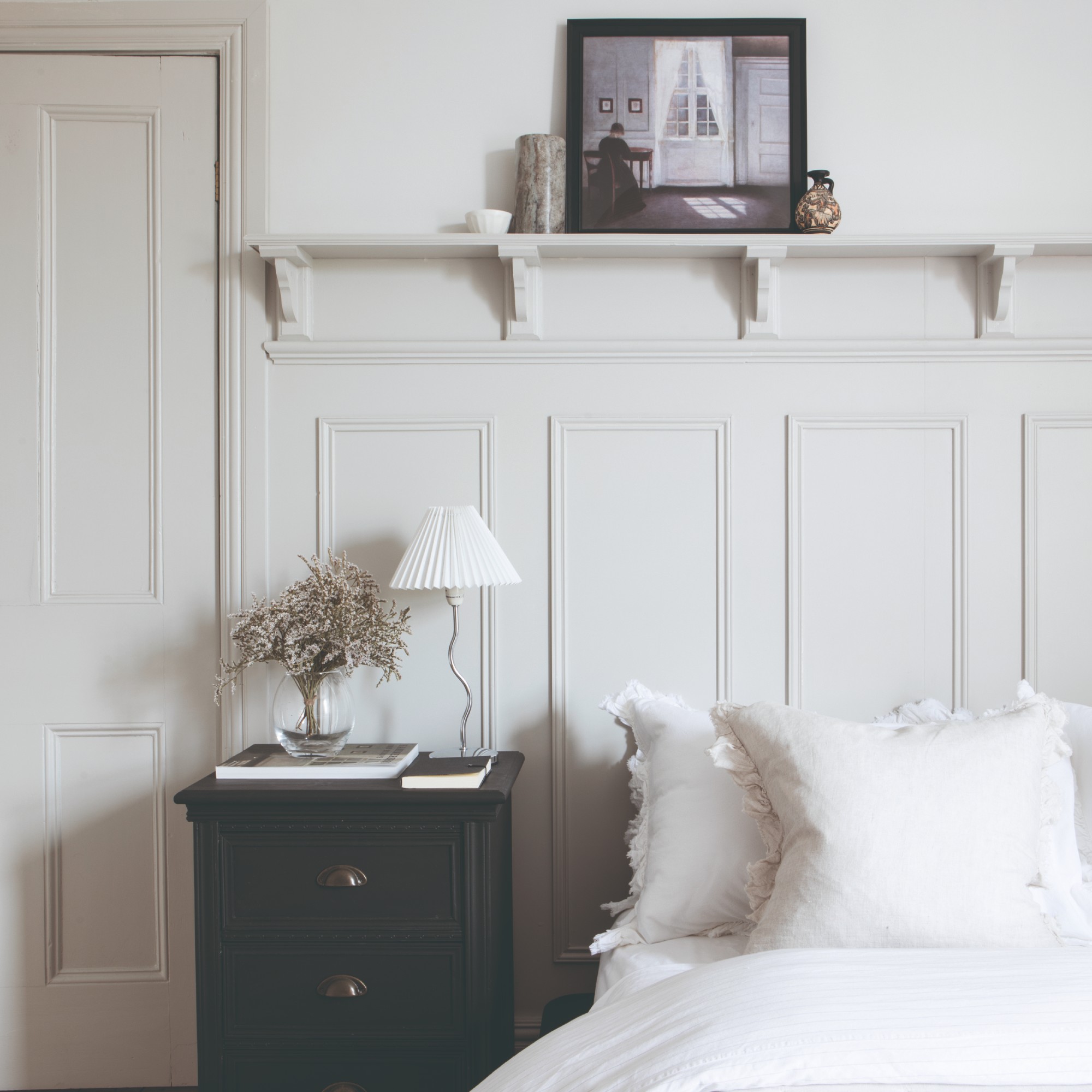
Fourthly, the article advises against using bright white in low-light rooms. While white might seem intuitive for making a space feel larger and brighter, Atwood, referencing designer Emily Henderson, explains that white walls can appear dingy or grayish in the absence of natural light. Instead, she recommends choosing a midtone color or an intentional gray to achieve a more appealing and less washed-out look.
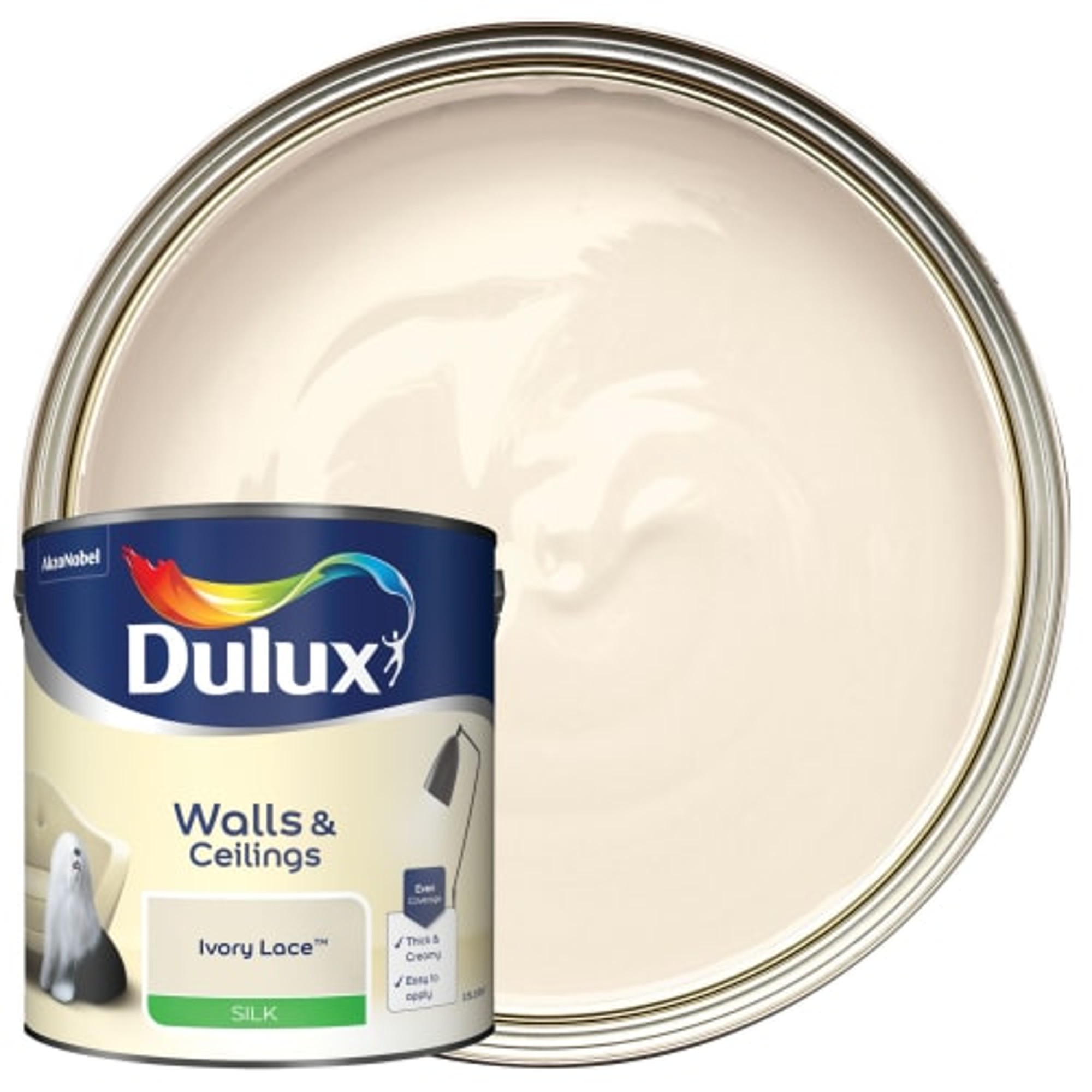
Fifthly, opting for a matte finish for paint is suggested. In rooms with minimal natural light, artificial light sources are heavily relied upon. High-gloss finishes can create undesirable glare under these conditions, detracting from the room's aesthetic. A matte finish helps to absorb light more evenly, preventing harsh reflections and contributing to a softer, more integrated look for the colors.
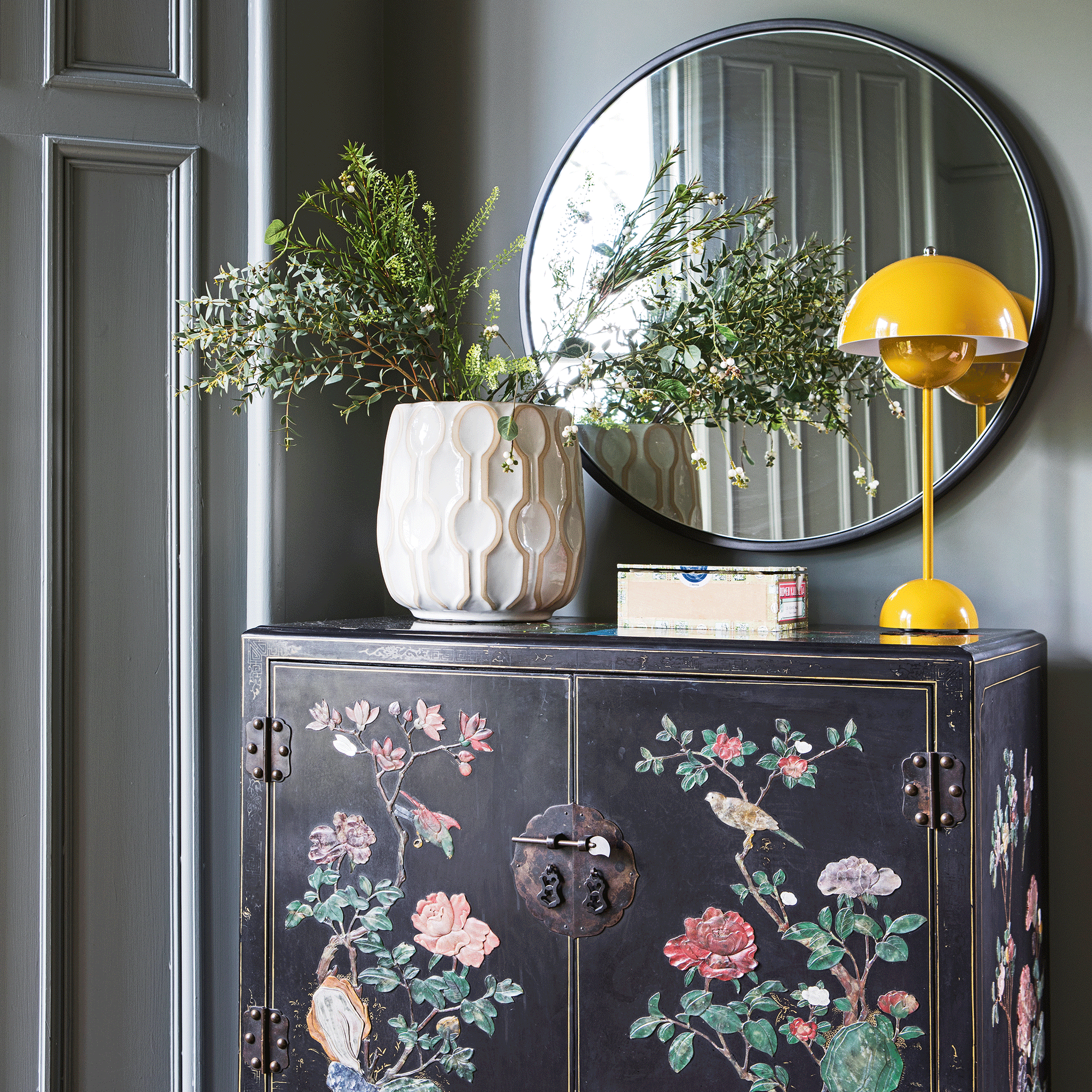
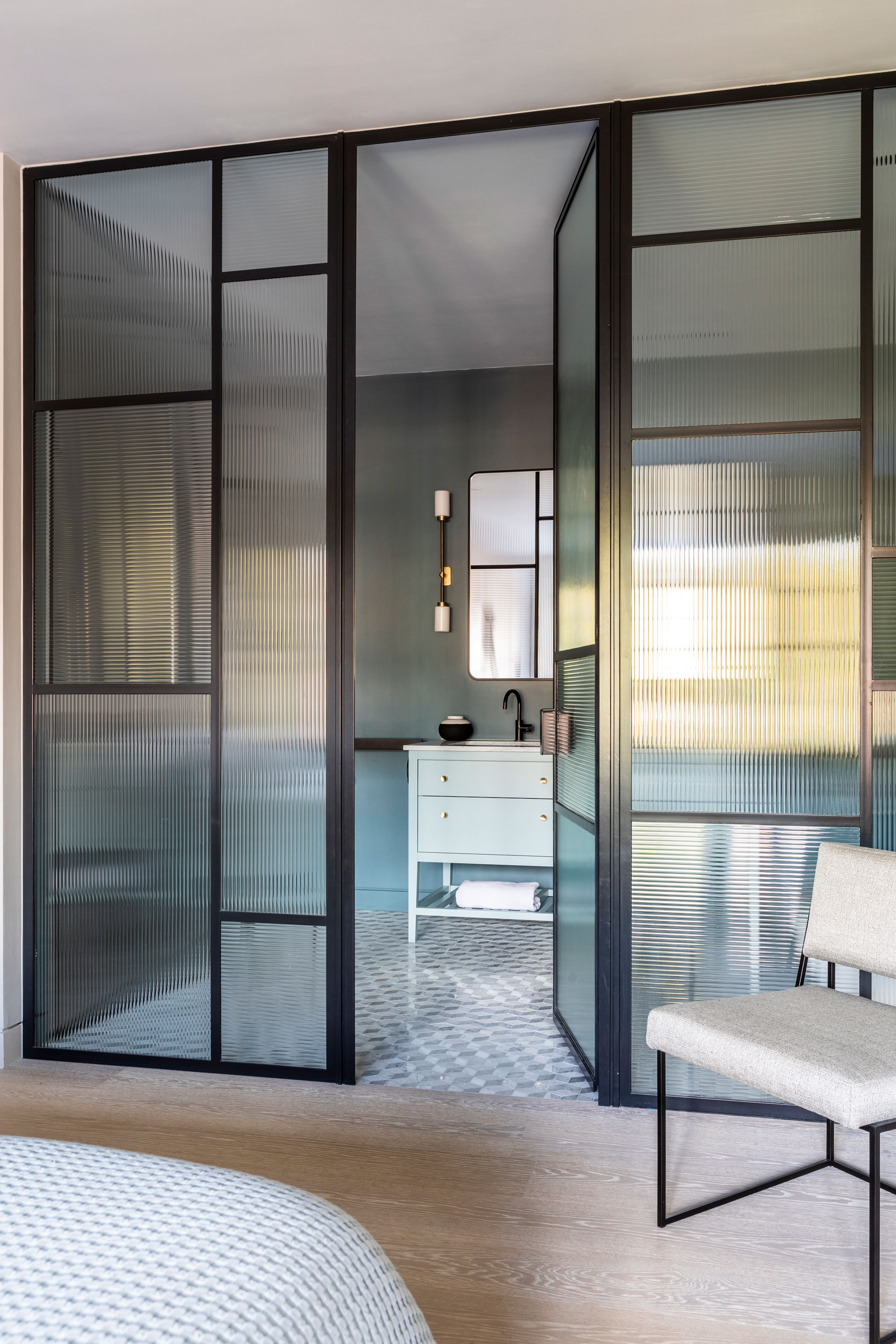
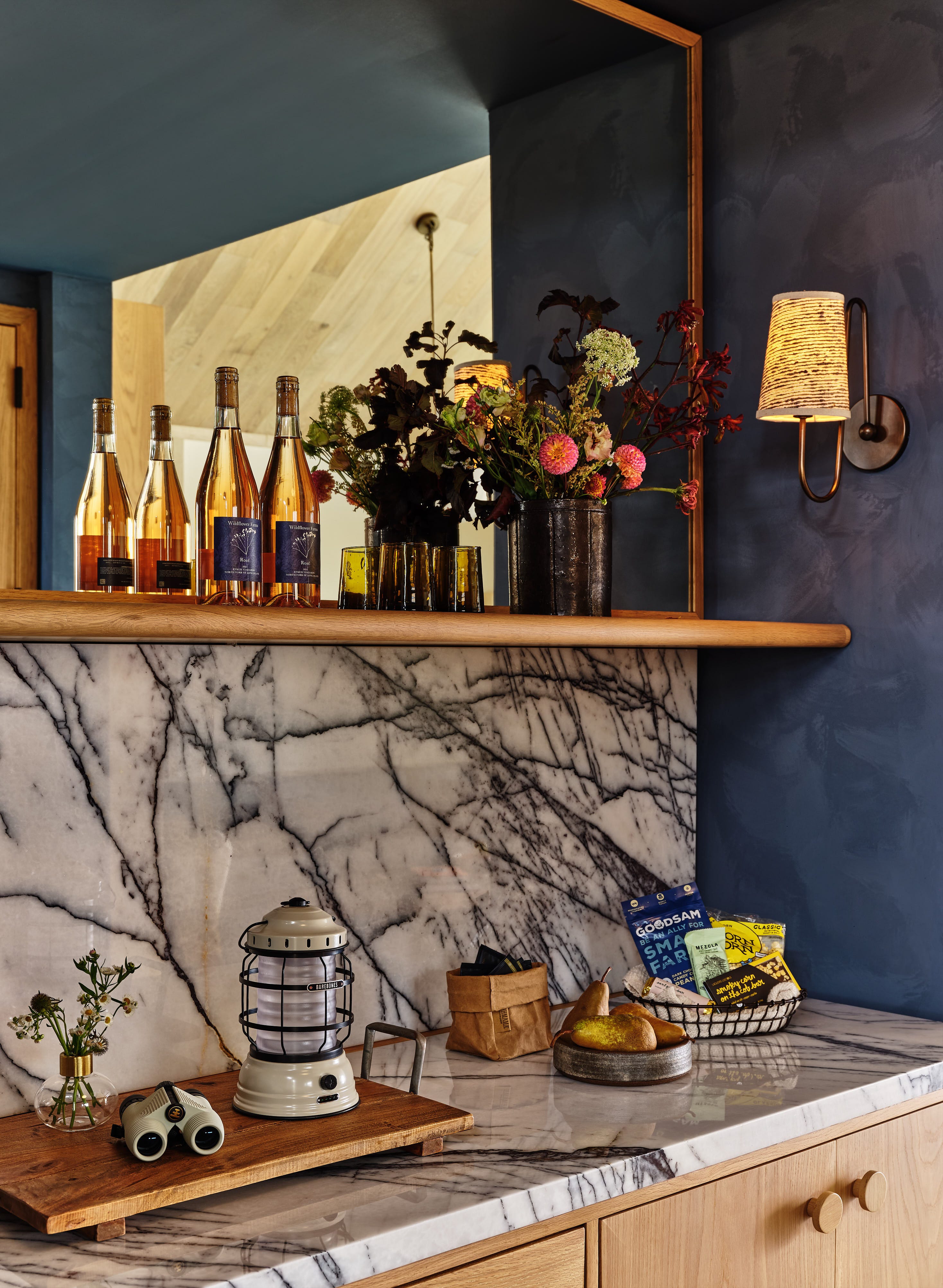
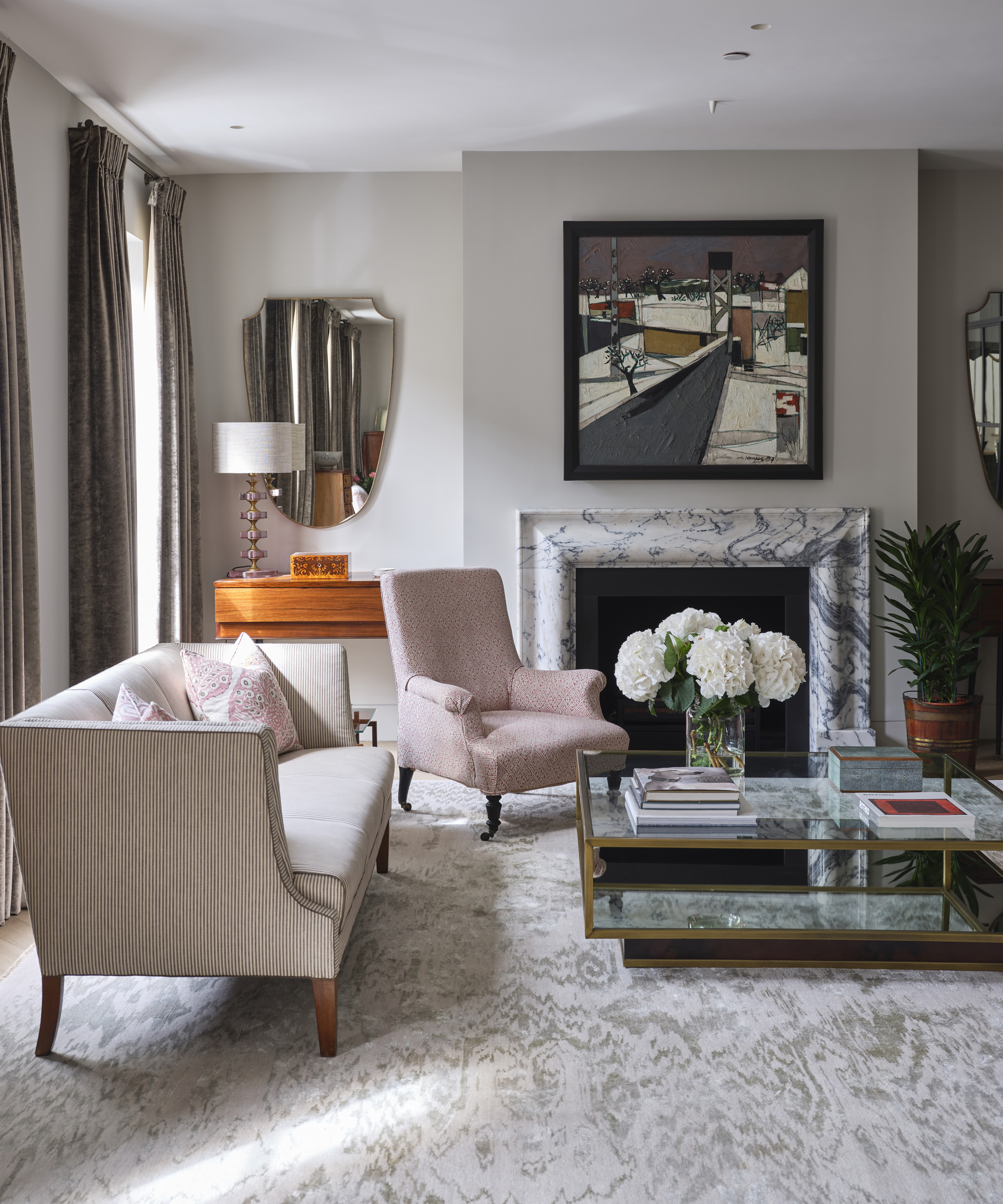
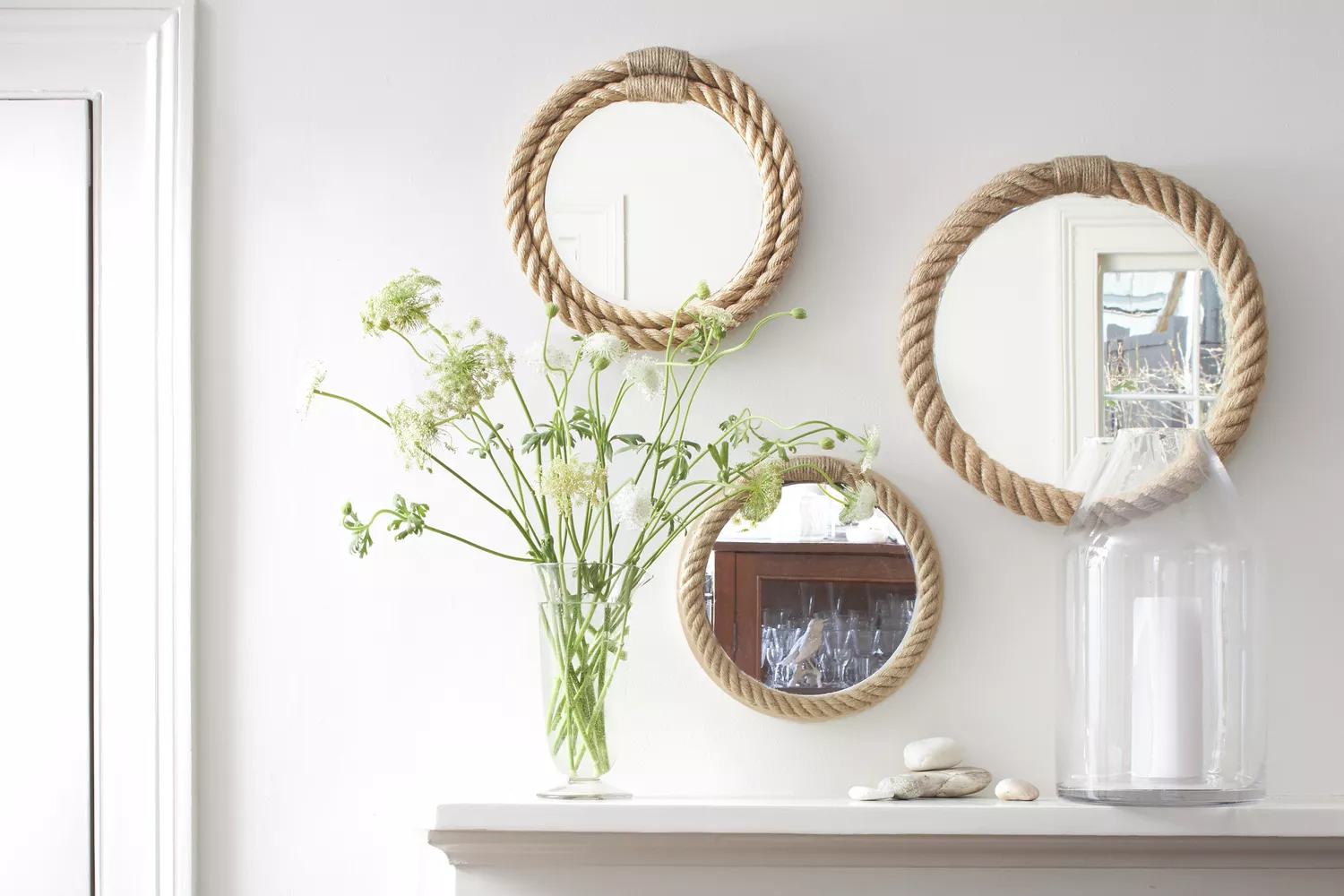
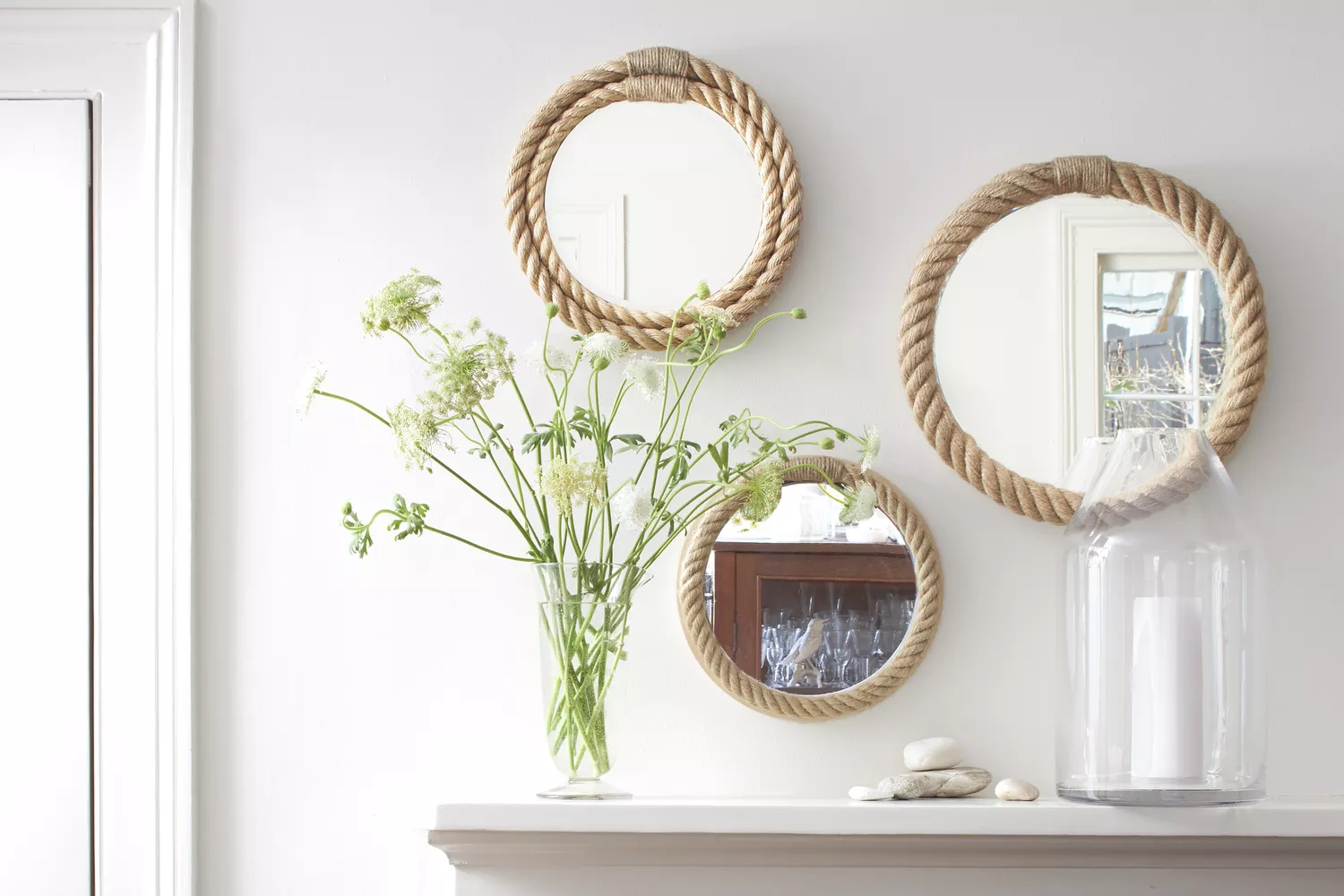
Finally, the article recommends incorporating mirrors and white accents to maximize light reflection. Mirrors are effective tools for visually expanding a space and bouncing light around a room. Similarly, strategically placed white accents can help distribute artificial light, making the room feel brighter and more open. These reflective elements work in conjunction with the other lighting and color strategies to enhance the overall brightness and ambiance of a low-light environment. #InteriorDesign #LimitedNaturalLight #ColorSelection #LightingTips #HomeDecor #RebeccaAtwood #MatteFinish #MirrorPlacement
0 comment in total
 No comments yet
You may also like
How to fake natural light in a dark room - 5 design tricks to brighten up a gloomy space
18 Utility room lighting ideas to achieve a light and bright space
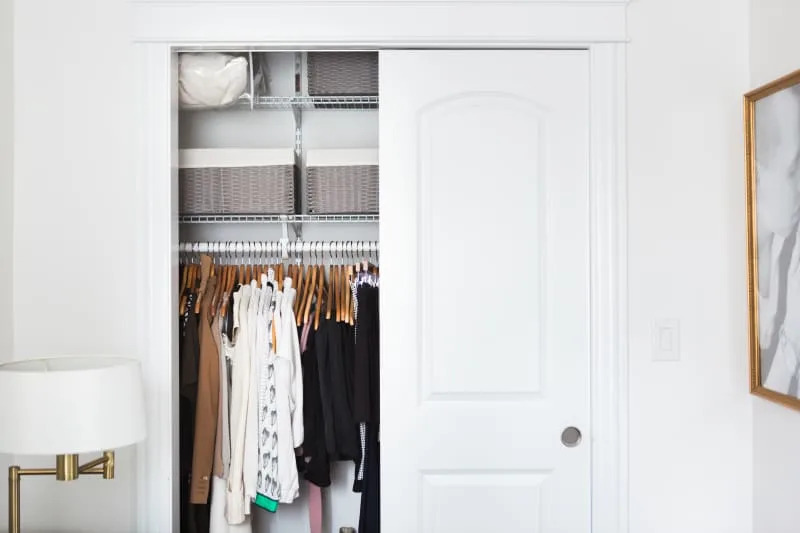
6 Affordable and Easy Ways to Add Lighting to a Closet Without Wiring

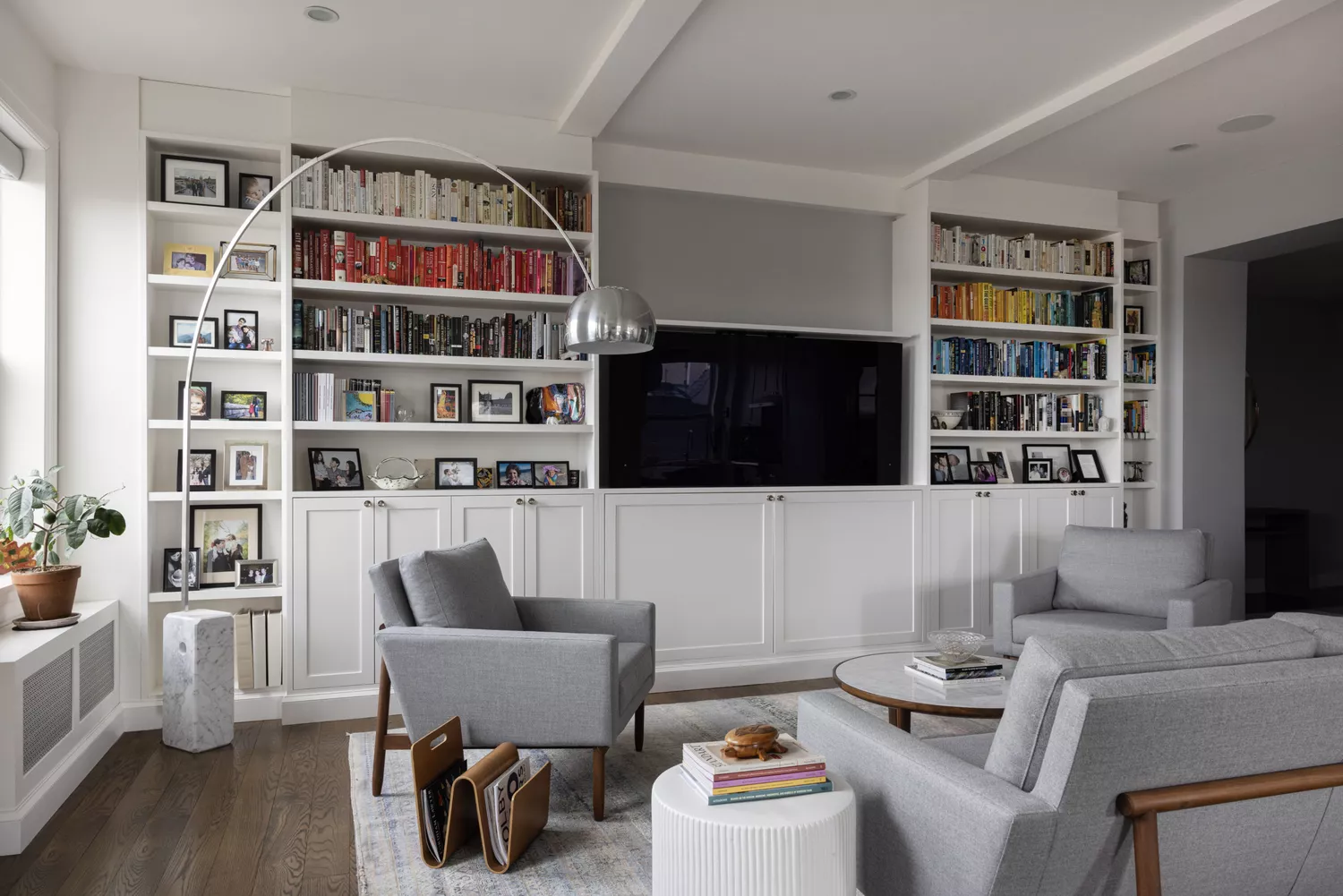
5 Easy, Designer-Approved Lighting Hacks to Brighten Up Your Home

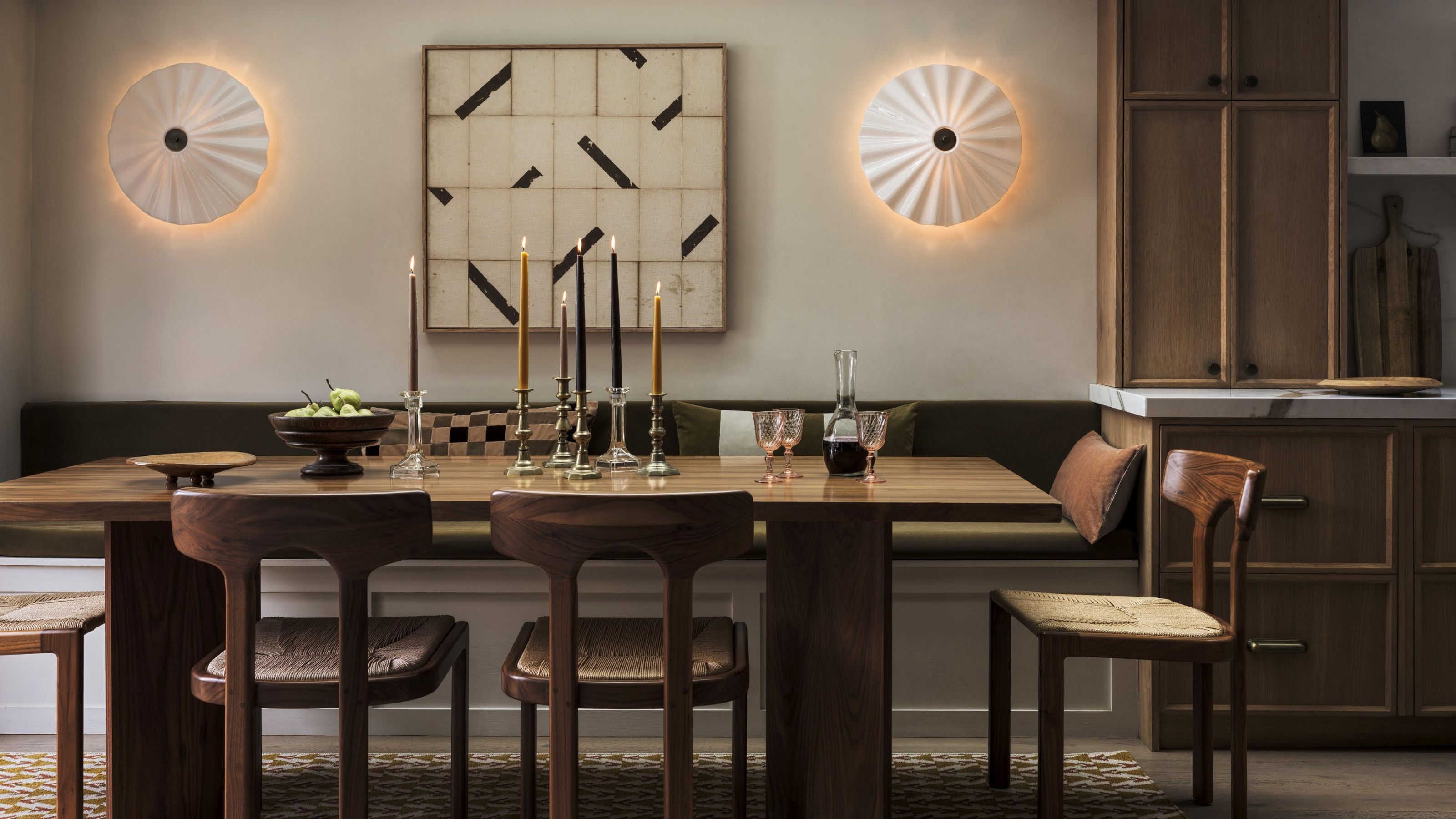
Let There Be Light — 10 Lighting Tricks That Will Transform Any Dark Room Into A Warm and Inviting Space

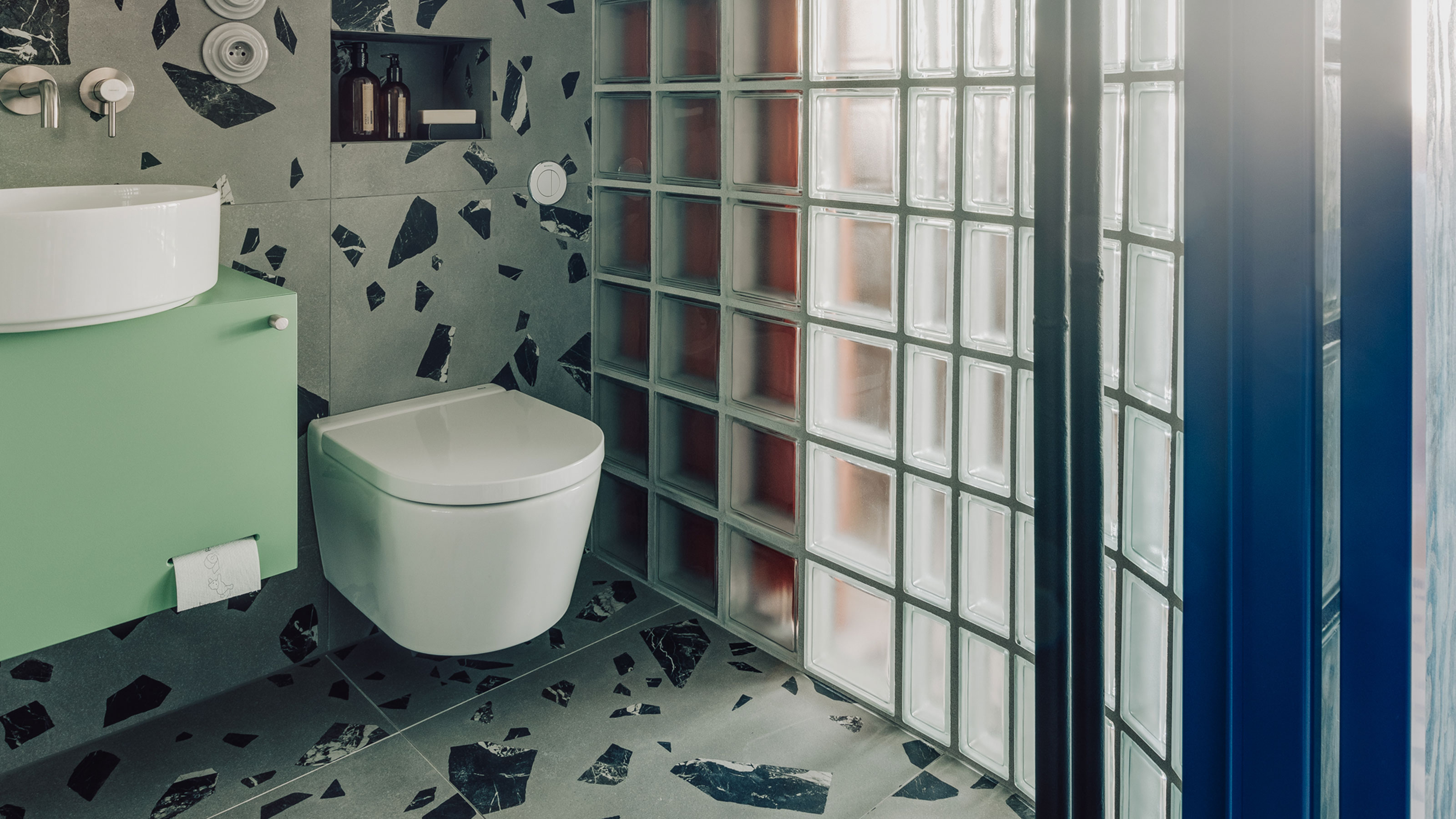
How to make a small bathroom feel brighter – 10 ideas that can bring light to even a windowless space
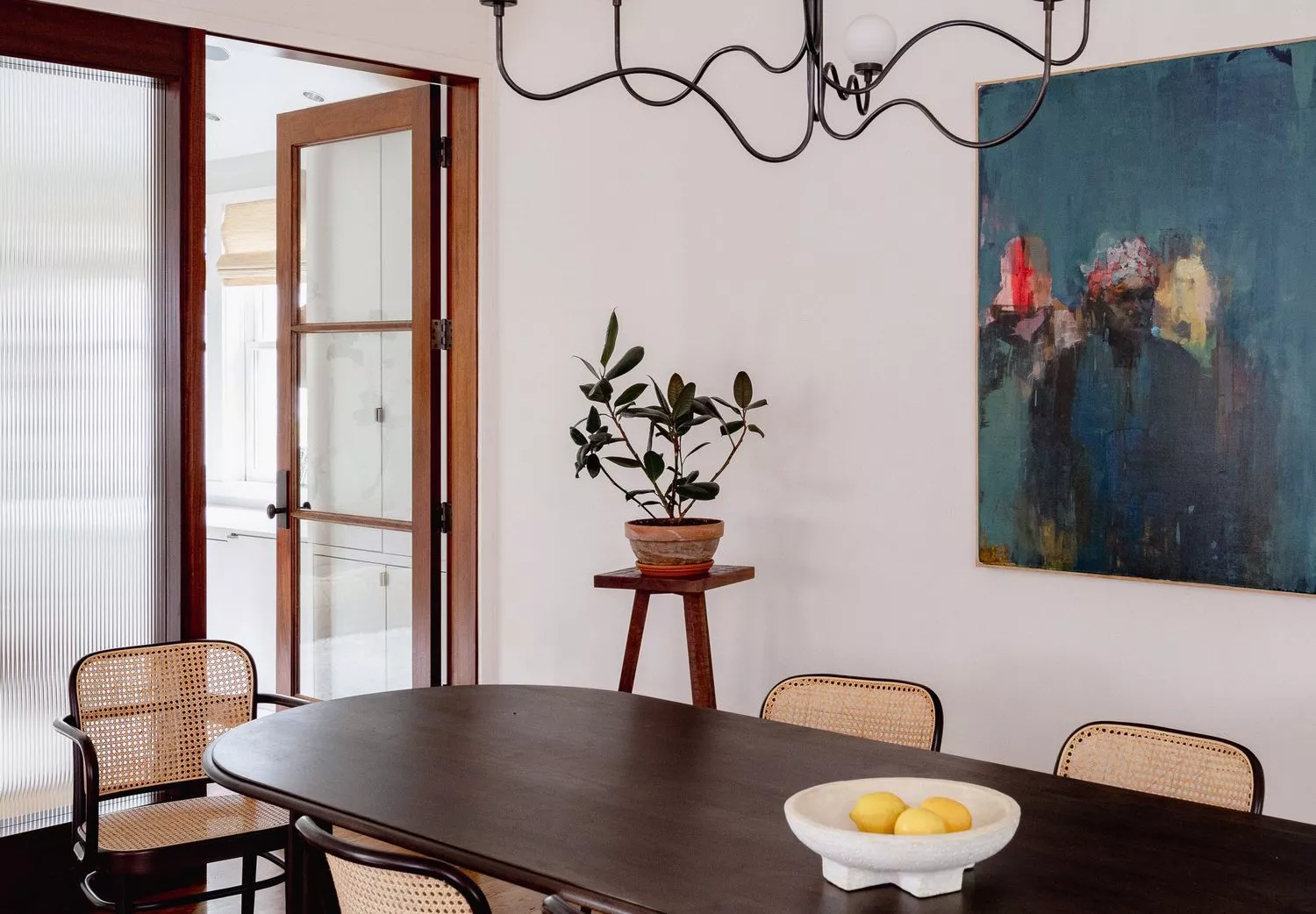
We Asked Designers How to Brighten a Dark Room and We’re Using These All Winter

Best new lighting designs to brighten up your space

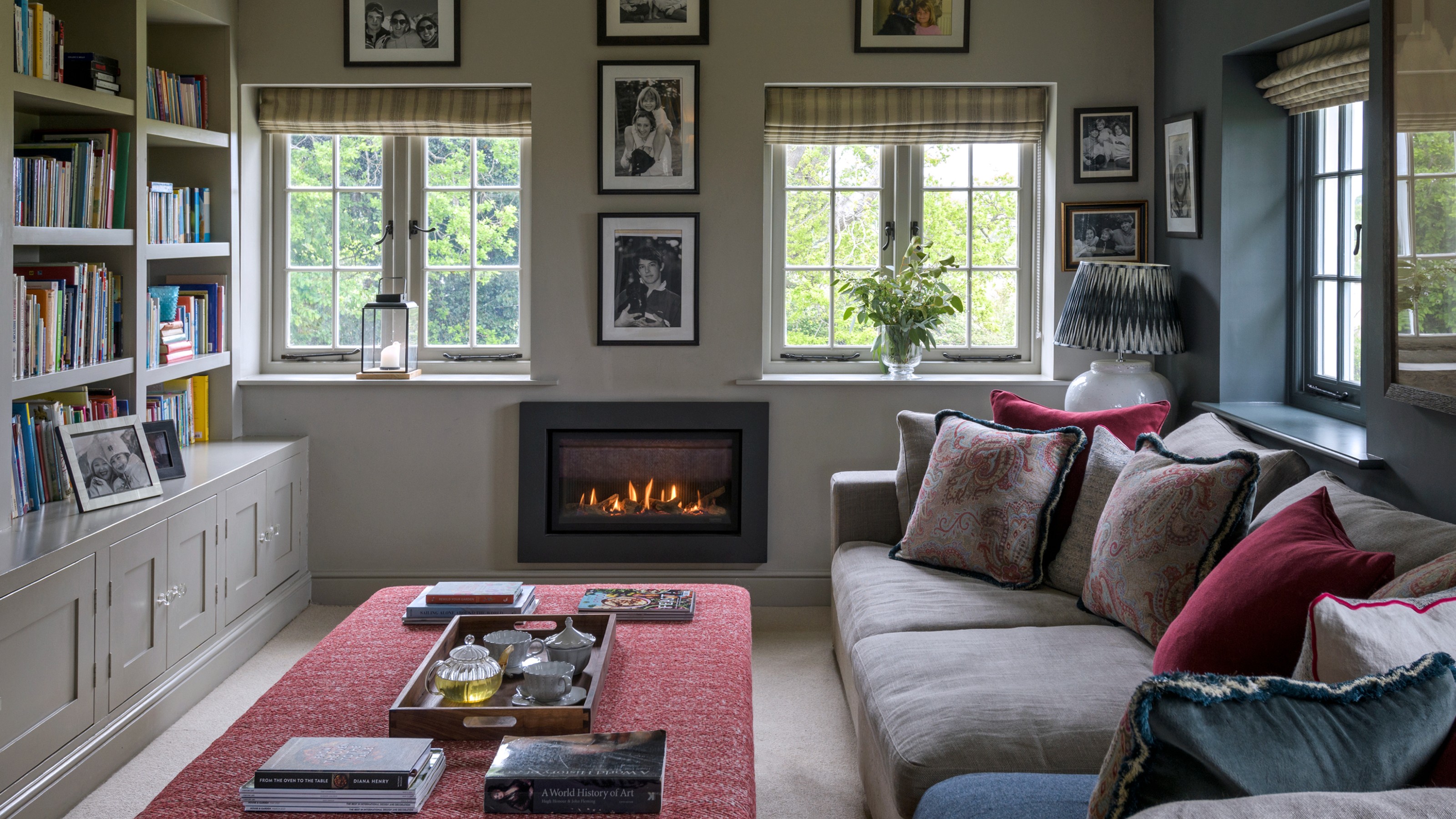
How to brighten a dark living room – 6 ways to make a dingy lounge feel light and airy
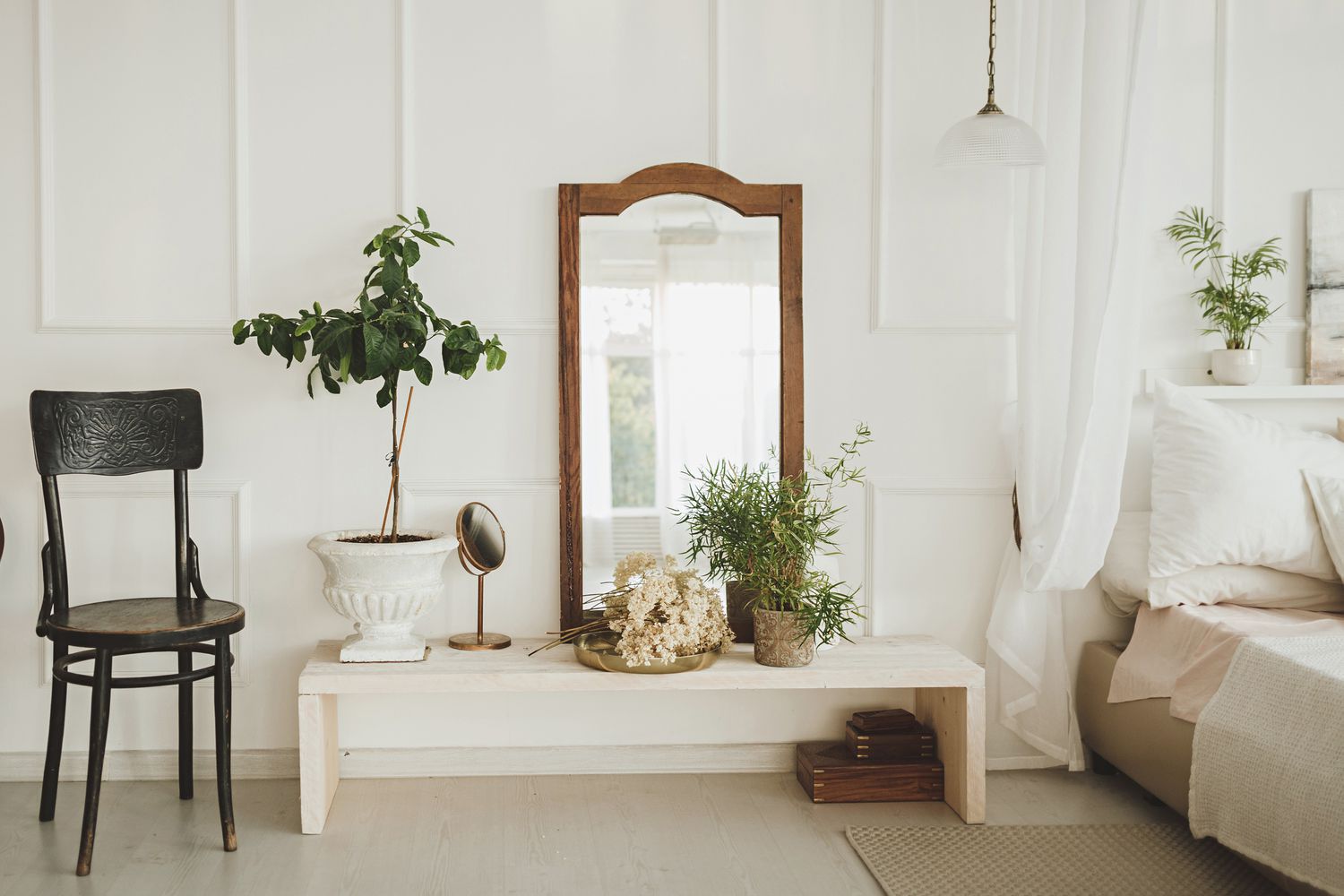
8 Ways to Make a Dark, Gloomy Room Feel Instantly Brighter

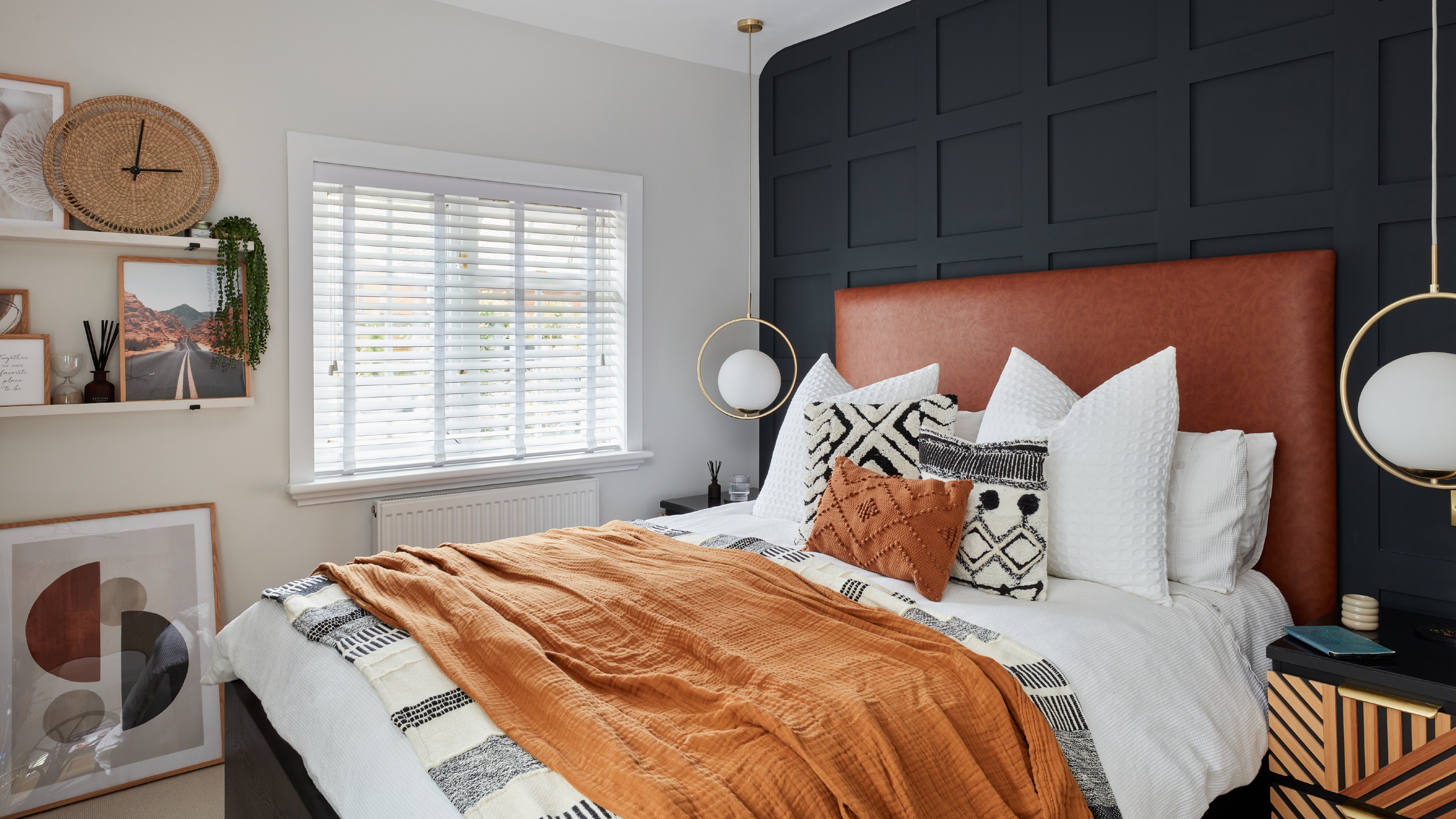
15 small bedroom lighting ideas to make your tiny space look bigger and brighter
Pro tips to improve your home’s lighting—without an electrician
No Natural Light? Here's How To Brighten Your Space, According To Designers
So You Live in a Lightless Cave. Here’s How to Create the Illusion of Sunshine

6 tips to make burgundy work in low-light rooms, according to experts
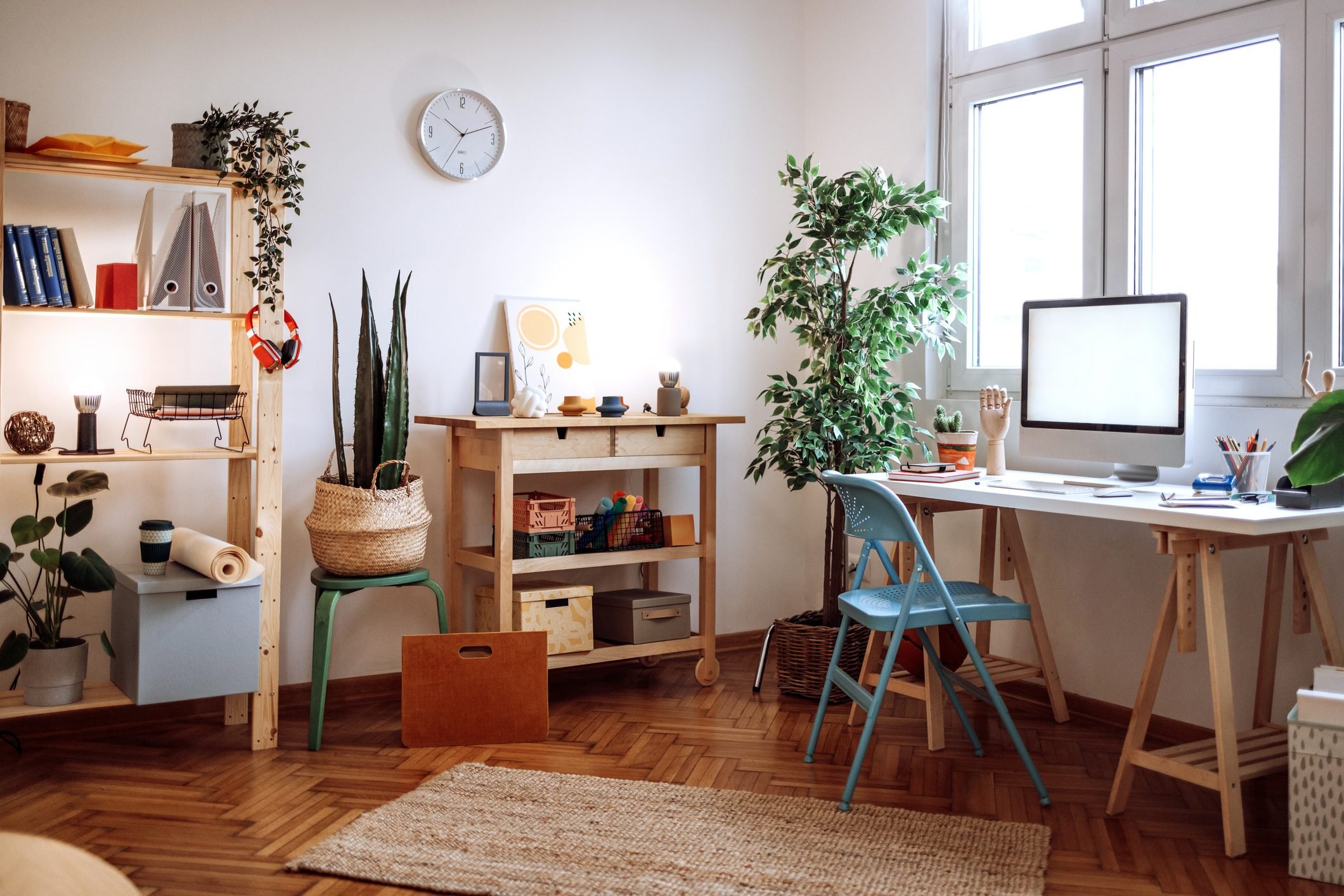
Maximize Your Space: 19 Tips to Make a Small Room Feel Bigger

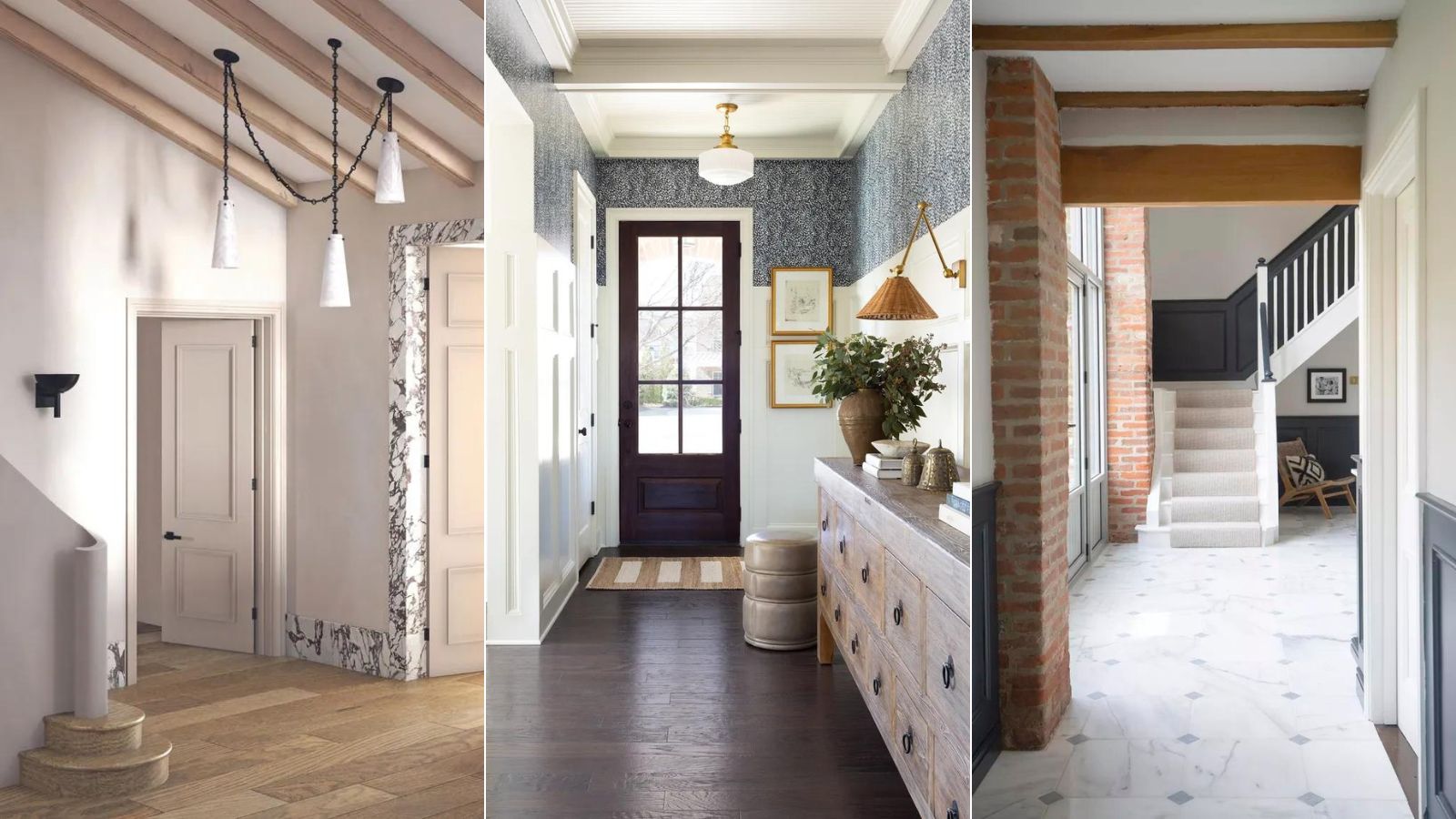
How to increase natural light in your entryway – 8 pro-endorsed solutions that experts love

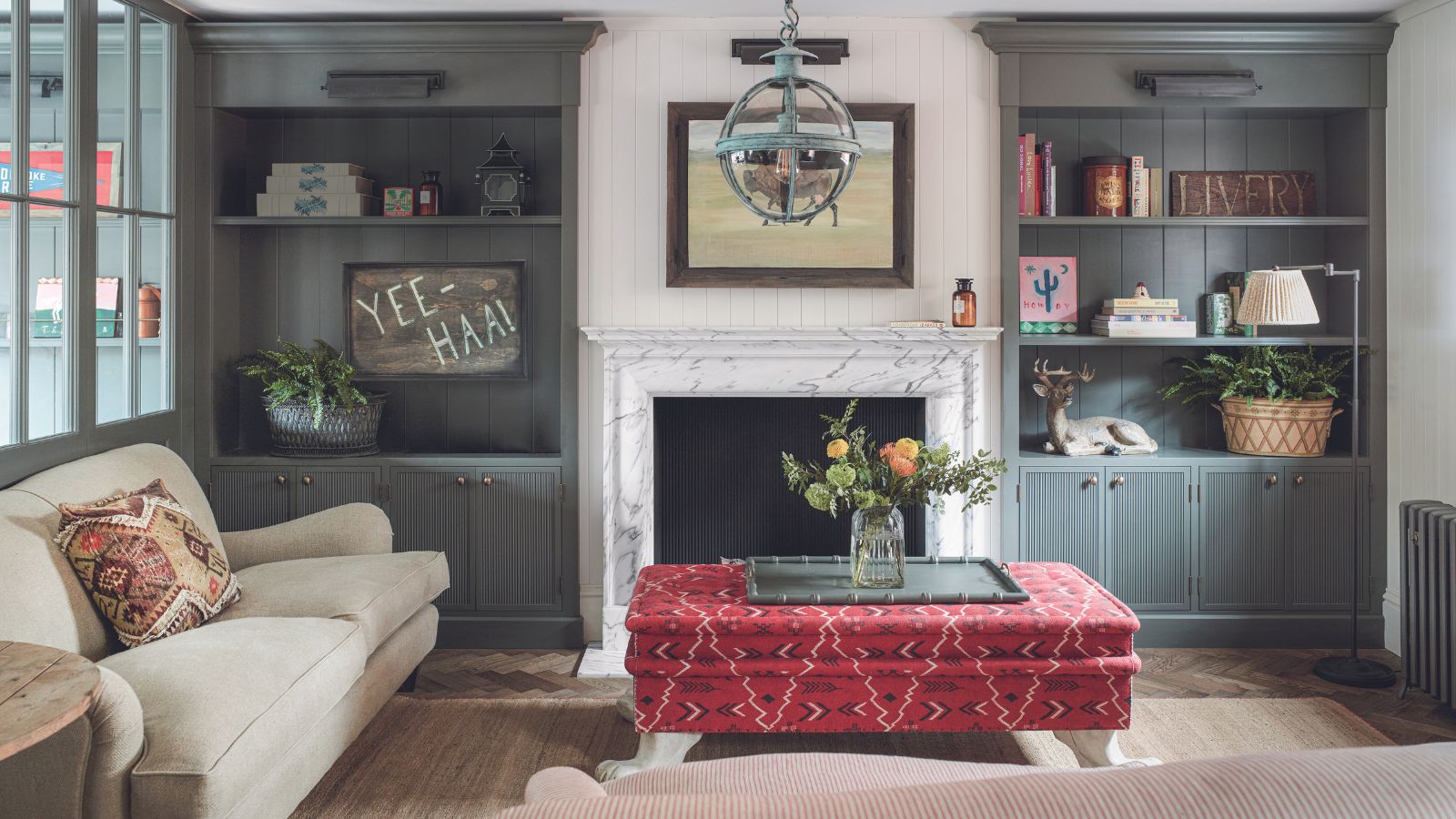
How to make a living room lighter – an interior designer's 10 tips for a creating brighter space
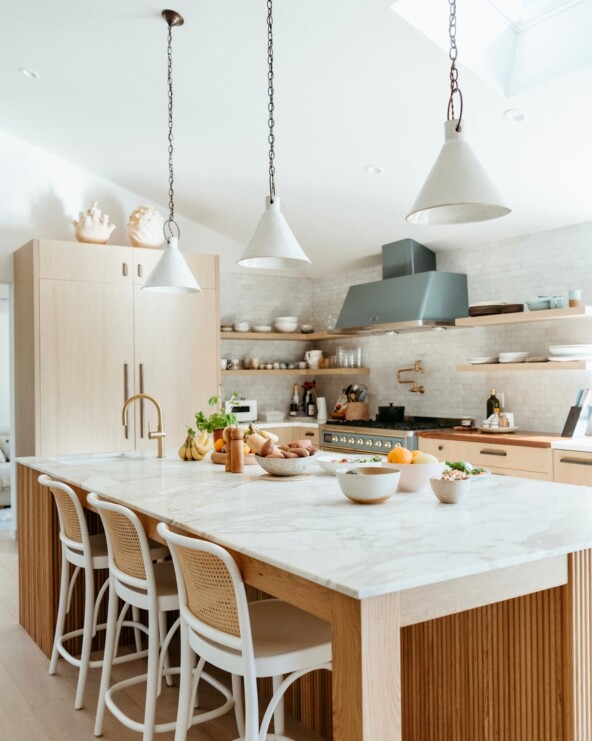
Lighting Is the Easiest Way to Transform A Room—15 Ideas to Inspire

10 Ways to Brighten a Dark Room, According to Interior Designers