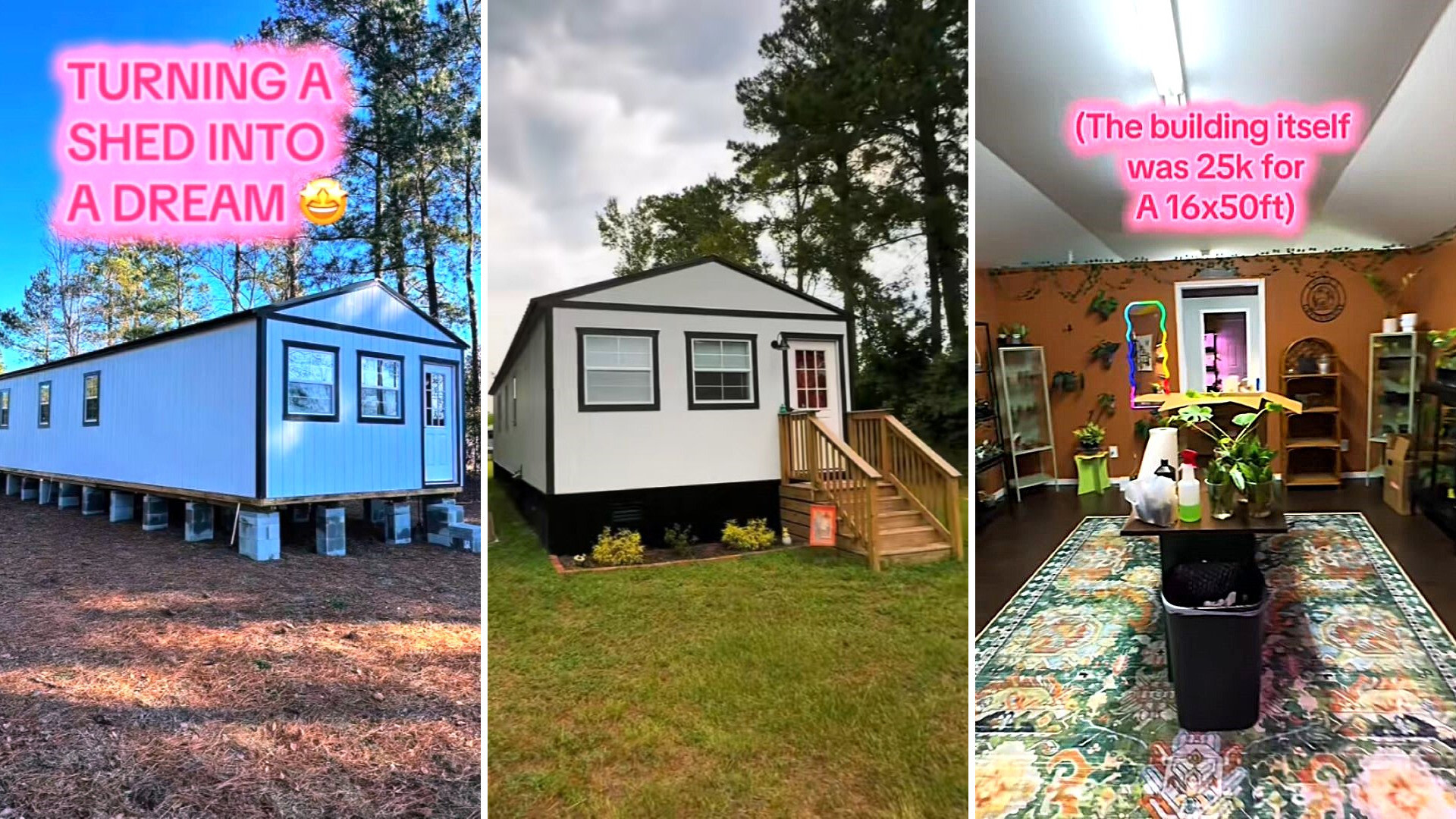
Woman shares inside look after transforming shed into tiny dream home: 'I think it turned out great'
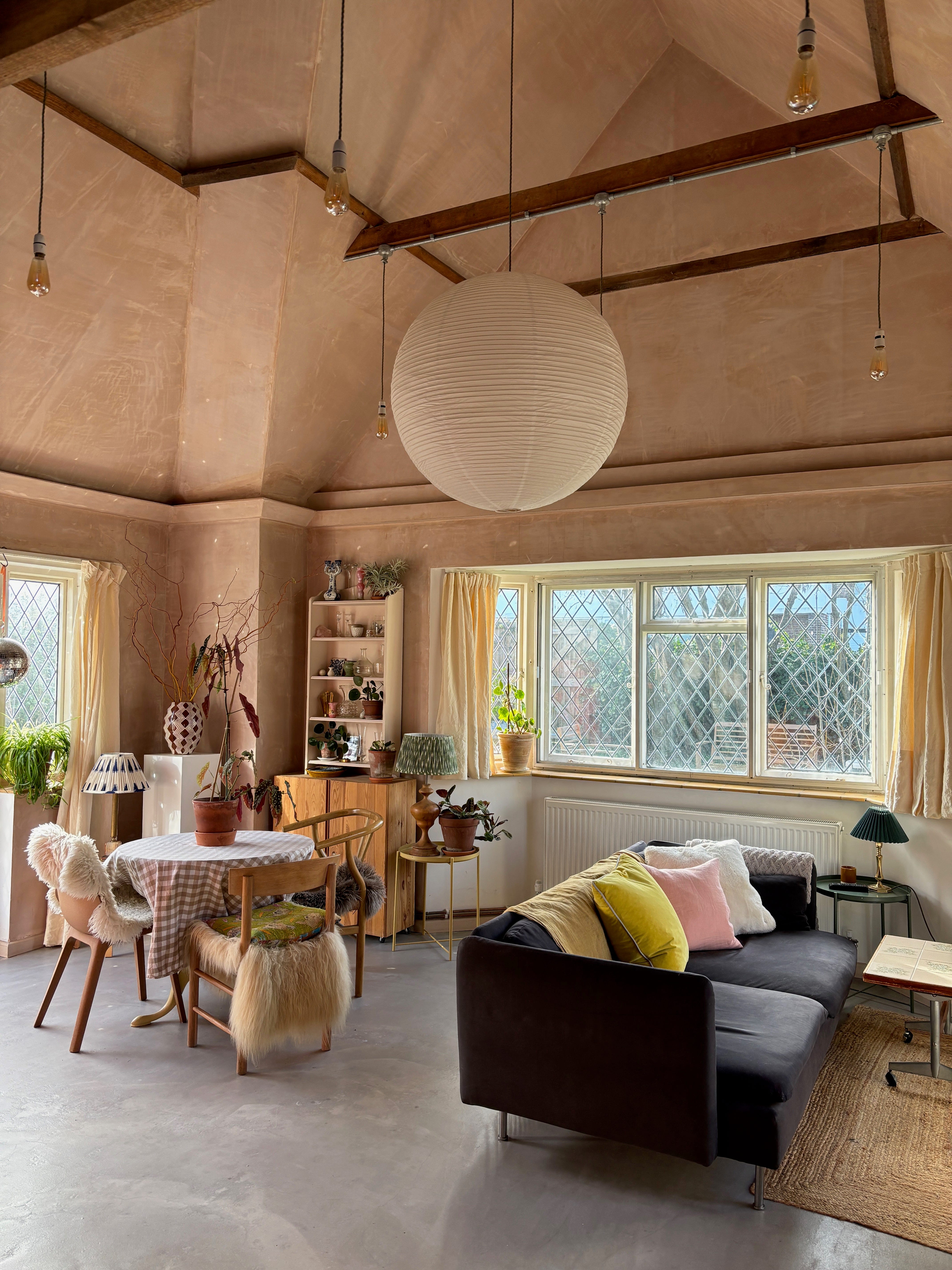
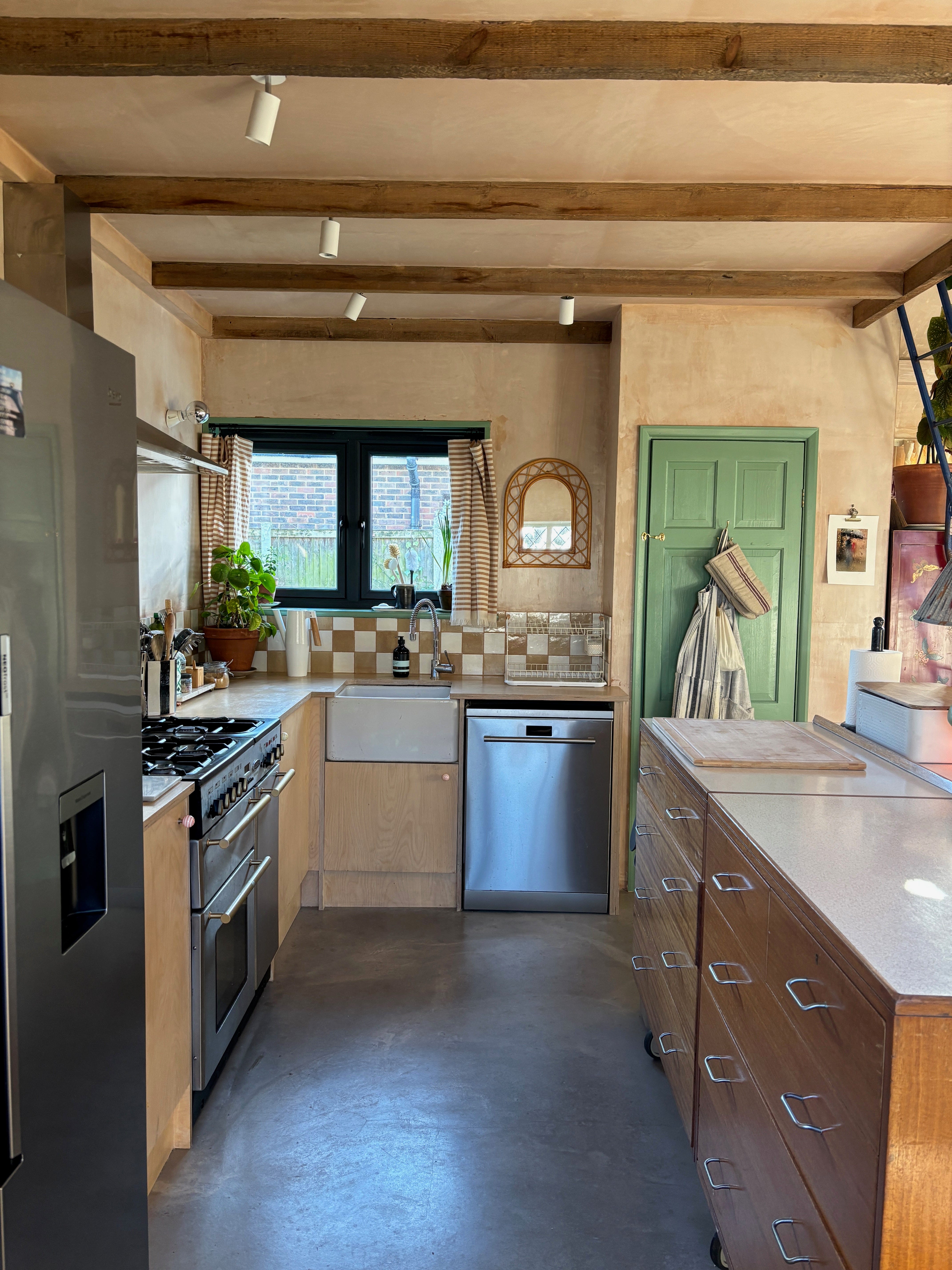
A TikTok creator named Chloe, known as @plantyquil, successfully transformed an 850-square-foot shed into her dream plant shop, demonstrating the potential for converting underutilized spaces into functional and aesthetic tiny homes. The conversion project, documented in a video, showcases a fully equipped space that includes essential amenities such as a washer and dryer hookup, stairs surrounding the property, and comprehensive plumbing. Chloe's initiative highlights a growing trend towards minimalistic living and sustainable housing solutions, as tiny homes offer a practical alternative to traditional residences.
The total cost for this extensive shed transformation was approximately $50,000 to $60,000. This figure encompasses all aspects of the renovation, from the structural modifications like adding stairs to the front and back of the property, to the installation of modern conveniences like the washer and dryer hookup, and plumbing infrastructure. Despite the relatively small footprint, the interior design maximizes space, allowing for ample room to care for a large collection of plants, which is central to Chloe's business.
The article emphasizes the increasing popularity of tiny homes, positioning them as an effective solution for both short-term and long-term living arrangements. A significant advantage of tiny homes is their ability to provide all necessary amenities while incurring only a fraction of the utility costs associated with larger, traditional homes. This cost-efficiency is a key driver for individuals seeking more affordable housing options. Furthermore, tiny homes encourage a minimalistic lifestyle, which inherently reduces household waste and promotes a more sustainable way of living.
United Tiny Homes, an organization focused on this housing model, supports these claims by explaining that smaller living spaces necessitate fewer resources, generate less waste, and consume less energy. The construction of tiny homes often involves environmentally friendly materials and sustainable building practices, positioning them as a more eco-conscious housing choice. This aligns with broader environmental goals of reducing carbon footprints and promoting responsible consumption.
In contrast, larger homes, particularly those exceeding 200 square meters, are reported to consume significantly more energy—up to four times more than smaller spaces. This increased energy consumption is due to the greater effort required to heat or cool larger volumes of space. Utility King further elaborates on the energy implications, noting that beyond just the energy-consuming appliances, the sheer size and construction materials of a home play a crucial role in its overall energy footprint. Building smaller homes is presented as not only a more cost-effective option but also an energy-efficient one, contributing to lower utility bills and reduced environmental impact. By consuming less energy, tiny homes help decrease planet-harming emissions, thereby fostering a healthier planet and mitigating pollution.
#TinyHome #ShedConversion #SustainableLiving #GreenHome #MinimalisticLifestyle #HomeHacks #EnergyEfficiency #DIY #PlantShop #TinyHome #ShedConversion #SustainableLiving #GreenHome #MinimalisticLifestyle #HomeHacks #EnergyEfficiency #DIY #PlantShop
0 comment in total
 No comments yet
You may also like
'In this house, we don’t shy away from joy. We make room for it' – how a designer turned a tiny 1920s cottage into her dream family home
Couple turn their cramped house into beautiful open plan living-space
See How a Designer Took This Project From Abandoned Mobile Home to Modern Family Oasis
A family spent $69,000 turning their garage into an apartment so their son could live rent-free while launching his startup
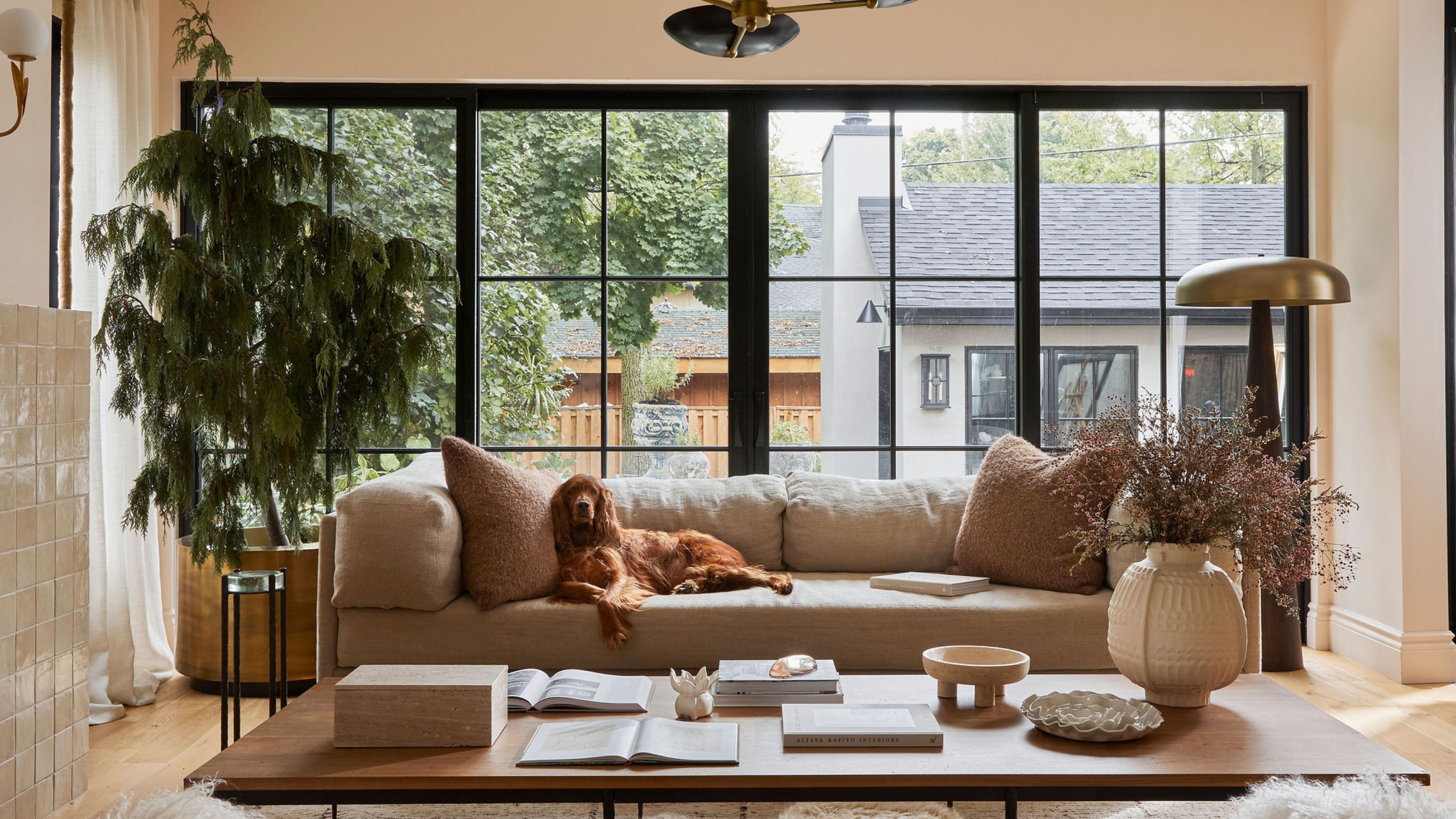
'In this house, we don’t shy away from joy. We make room for it' – how a designer turned her tiny 1920s cottage into her dream family home
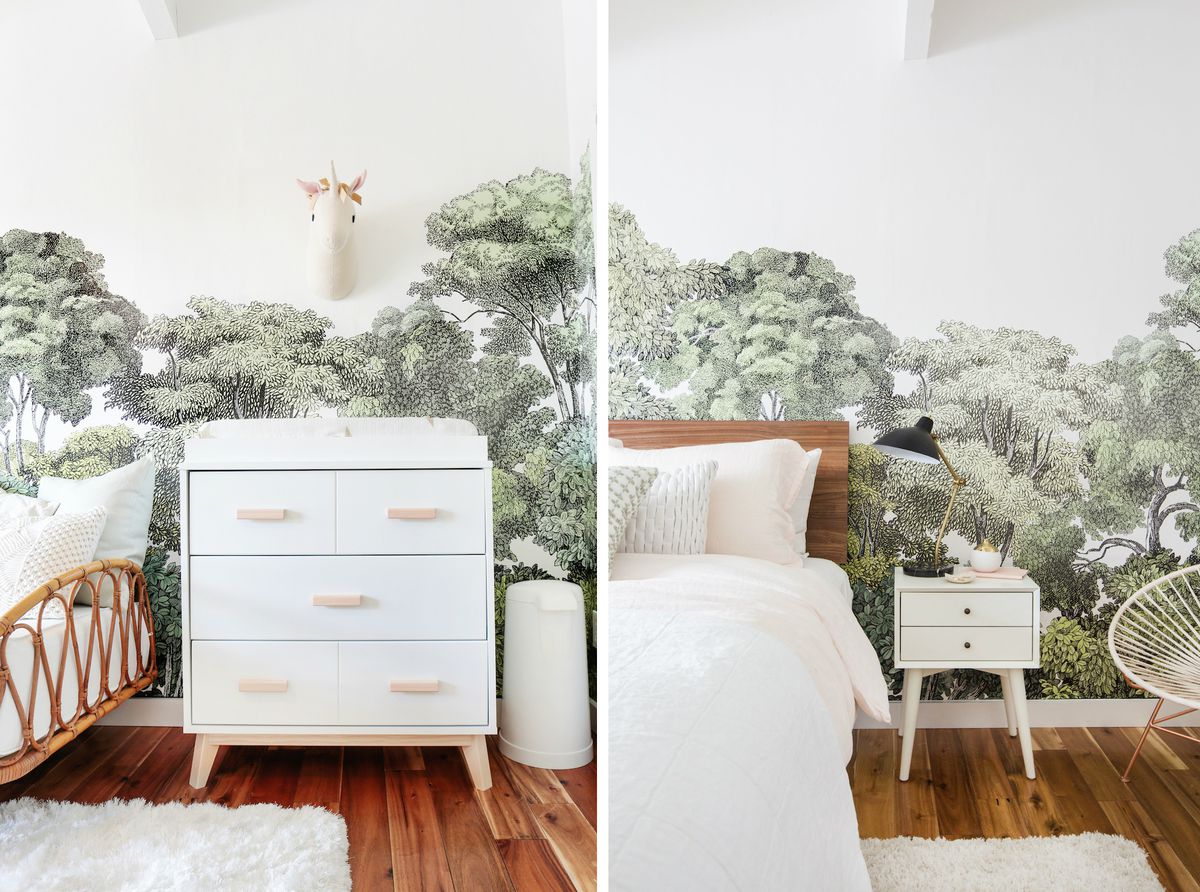
Designer Emily Henderson turns nursery into stylish guest room
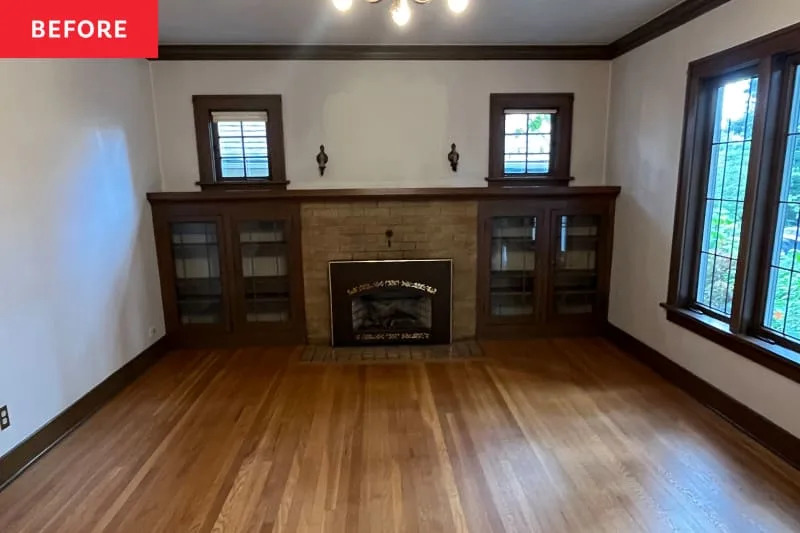
See How a Stager Transformed a “Dark” Craftsman Parlor (It’s So Much Brighter!)

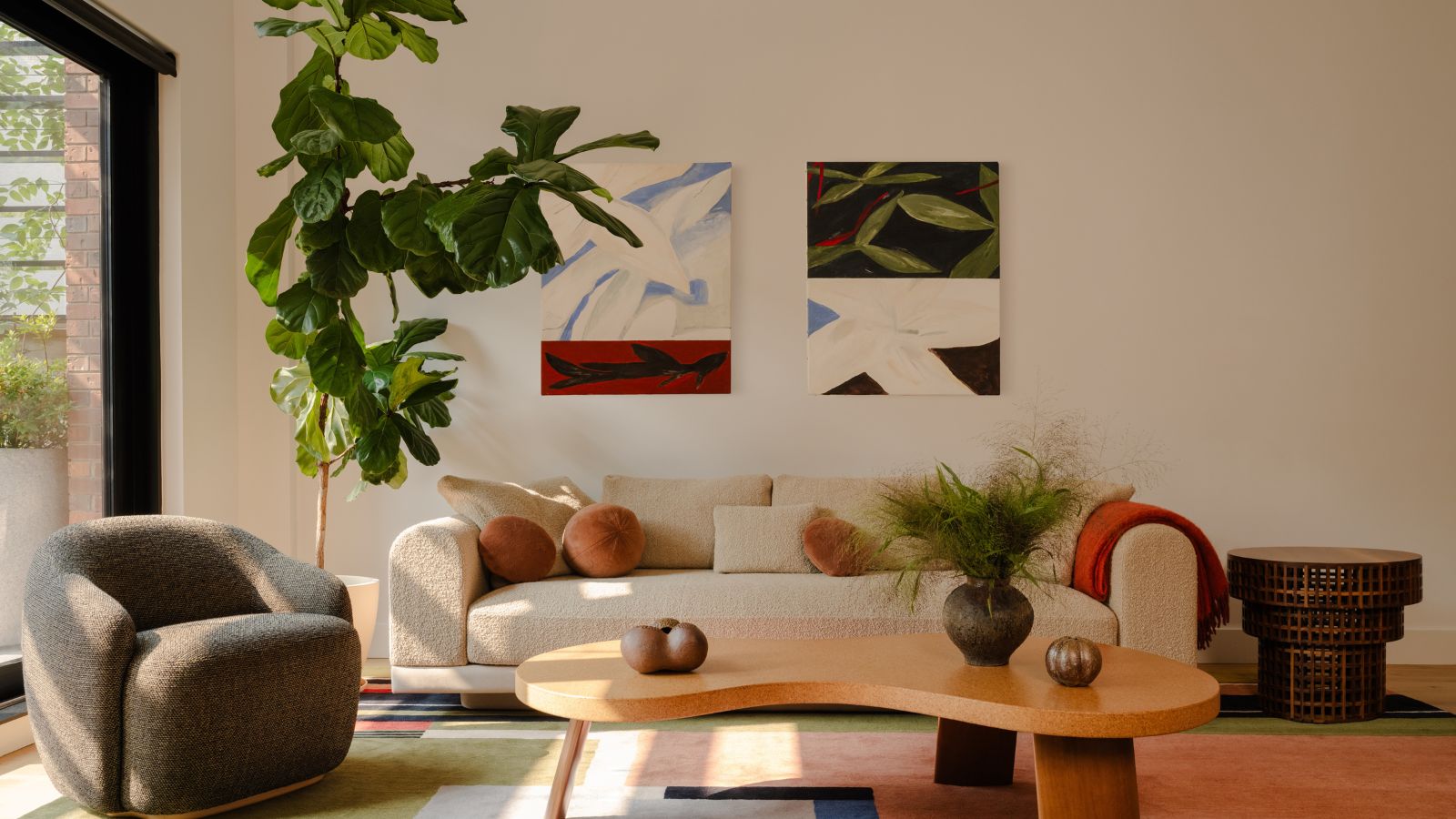
How a designer turned a blank canvas townhouse into a vibrant family home
See How a DIY-Loving Couple Transformed Their Bedroom, Bathroom, and Laundry Room
'We're Swapping Our Four-Bedroom Home For a Tiny House'

An Amazing Ranch Home Transformation

How an Awkward Closet Nook Became a Little Girl’s Pistachio-Hued Bedroom
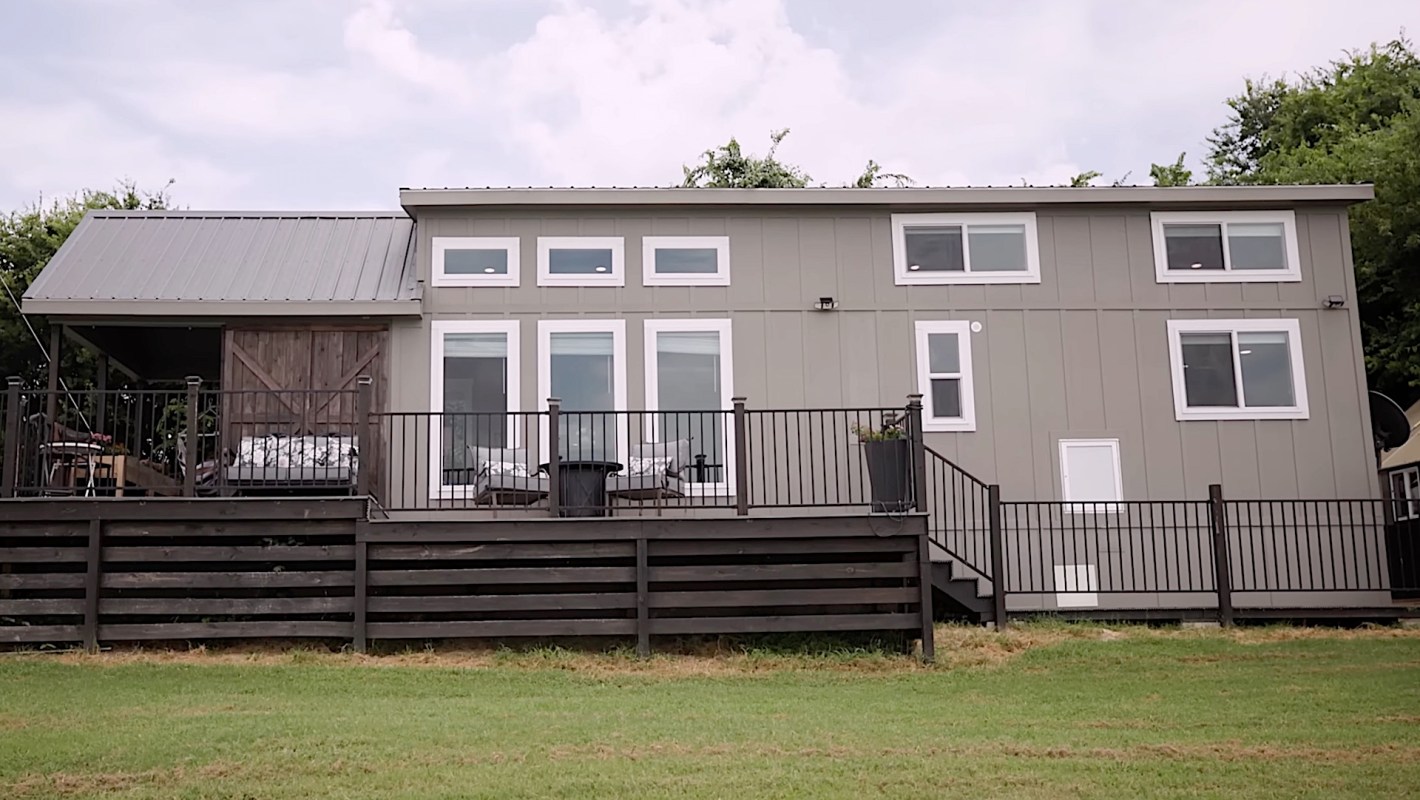
Designer shares video tour of beautiful tiny home: 'It doesn't feel tiny'
How a Designer Turned This "Modern White Box" Into a Lively—and Functional—Family Home

30 Years Later, This Homeowner Finally Built His Dream Childhood Treehouse

How 1 Blogger Turned Her Husband's Childhood Home Into a Chic Oasis
Before & After: How an interior stylist transformed a rundown bungalow into her dream seaside home

An Interior Designer Shows Us Her Dream Cottage
This Interior Designer Turned Her 'Cold, No Soul' New Build Into a Family Home That's Cozy and Full of Charm
You'd Never Guess This 480-Square-Foot Guest House Used to Be a Shed