1/6
These Alpine bathrooms prove just how cozy a bathroom can really be – here's how to get this on-trend look
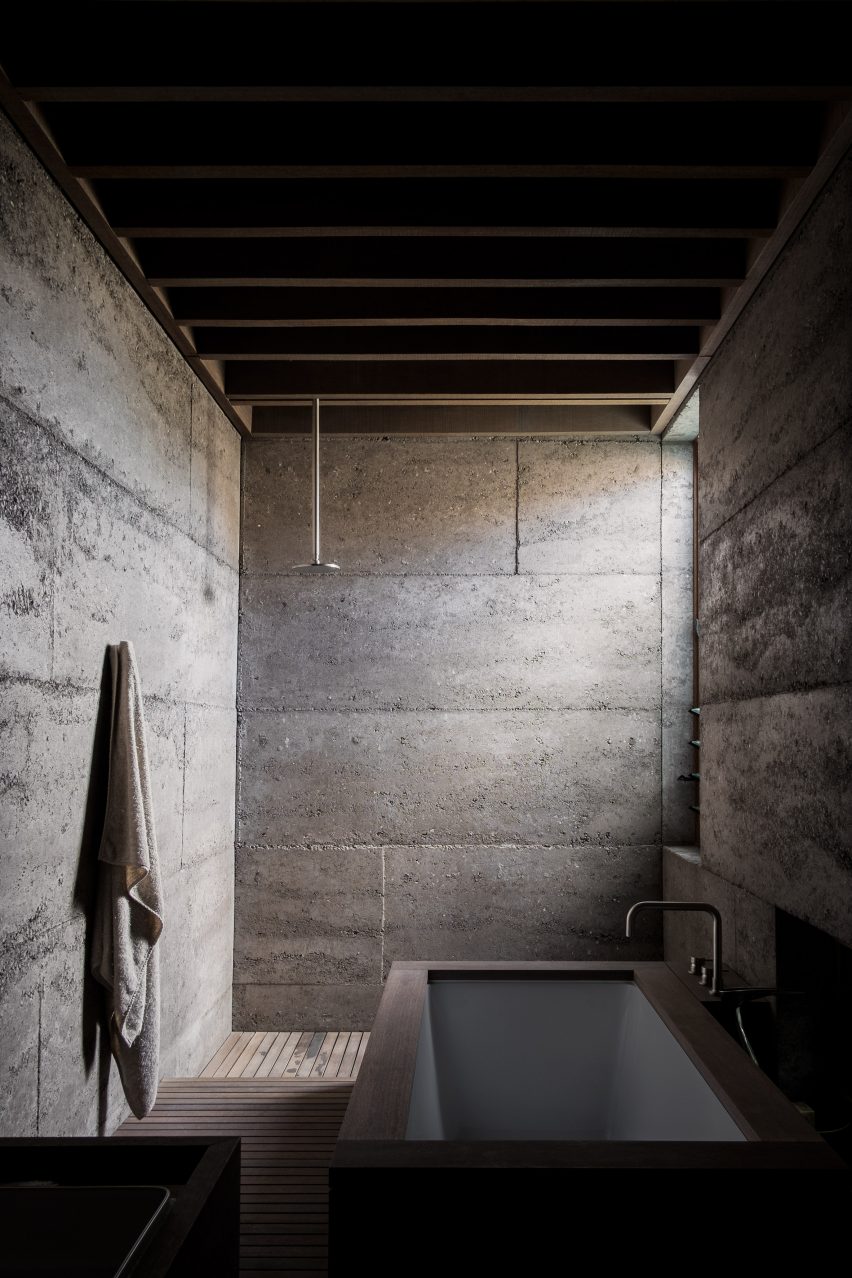
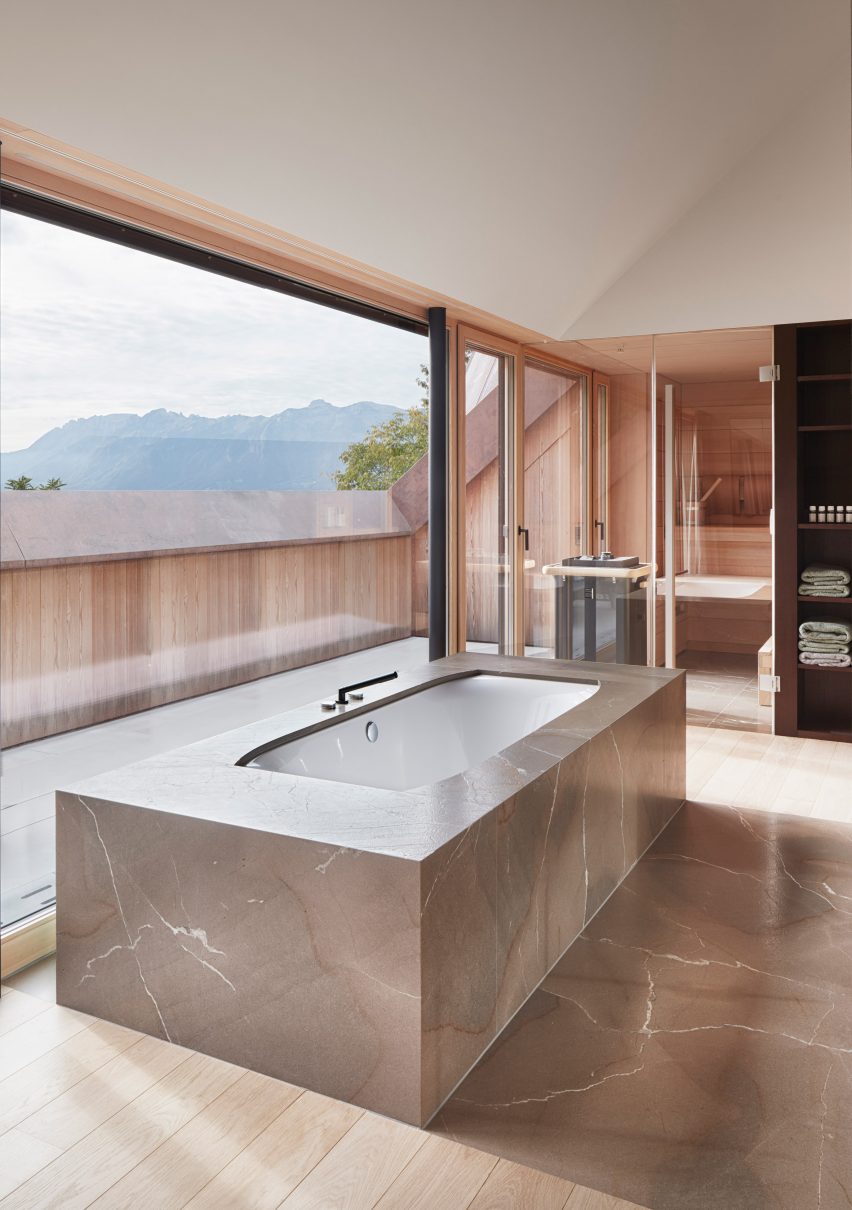
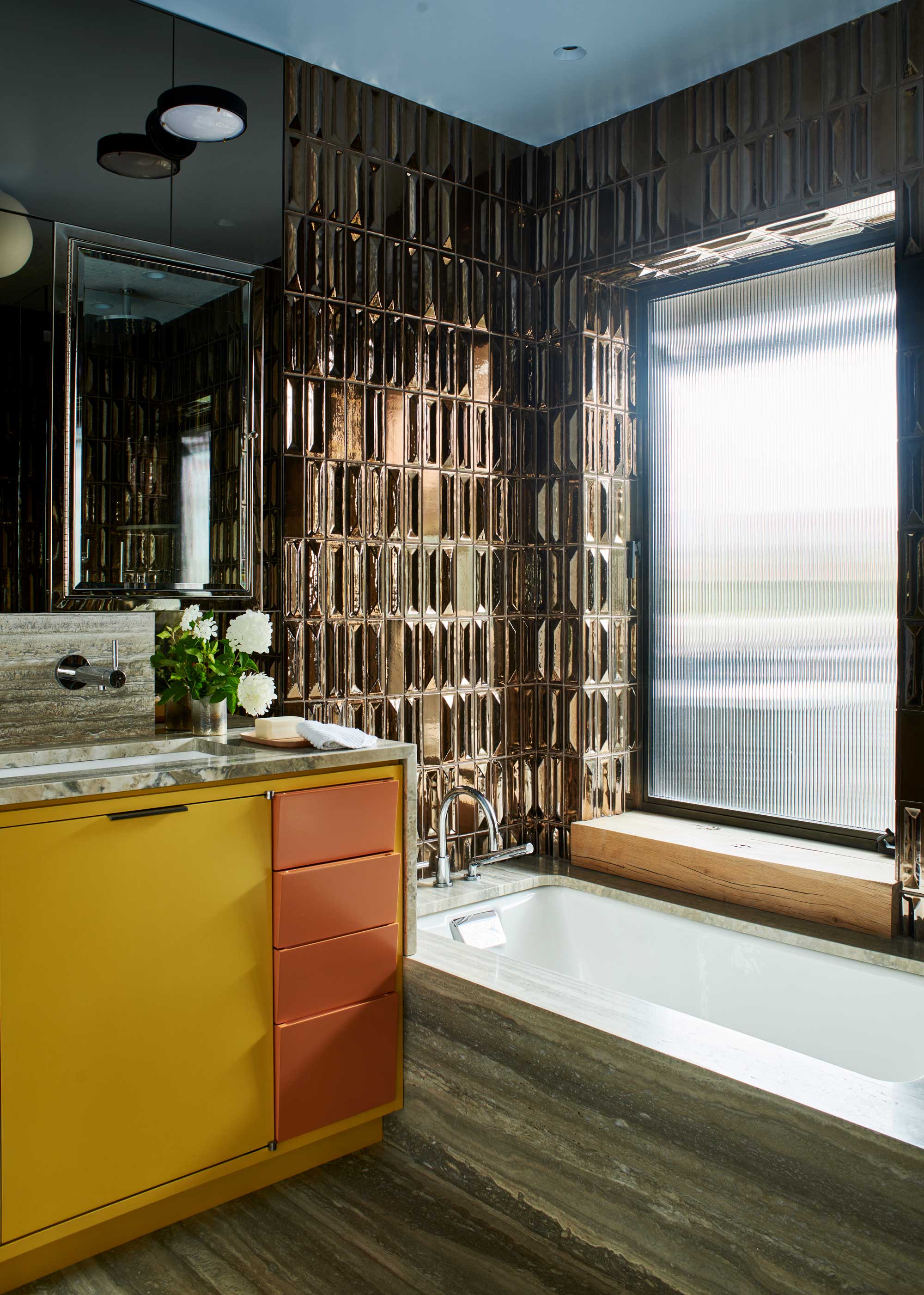
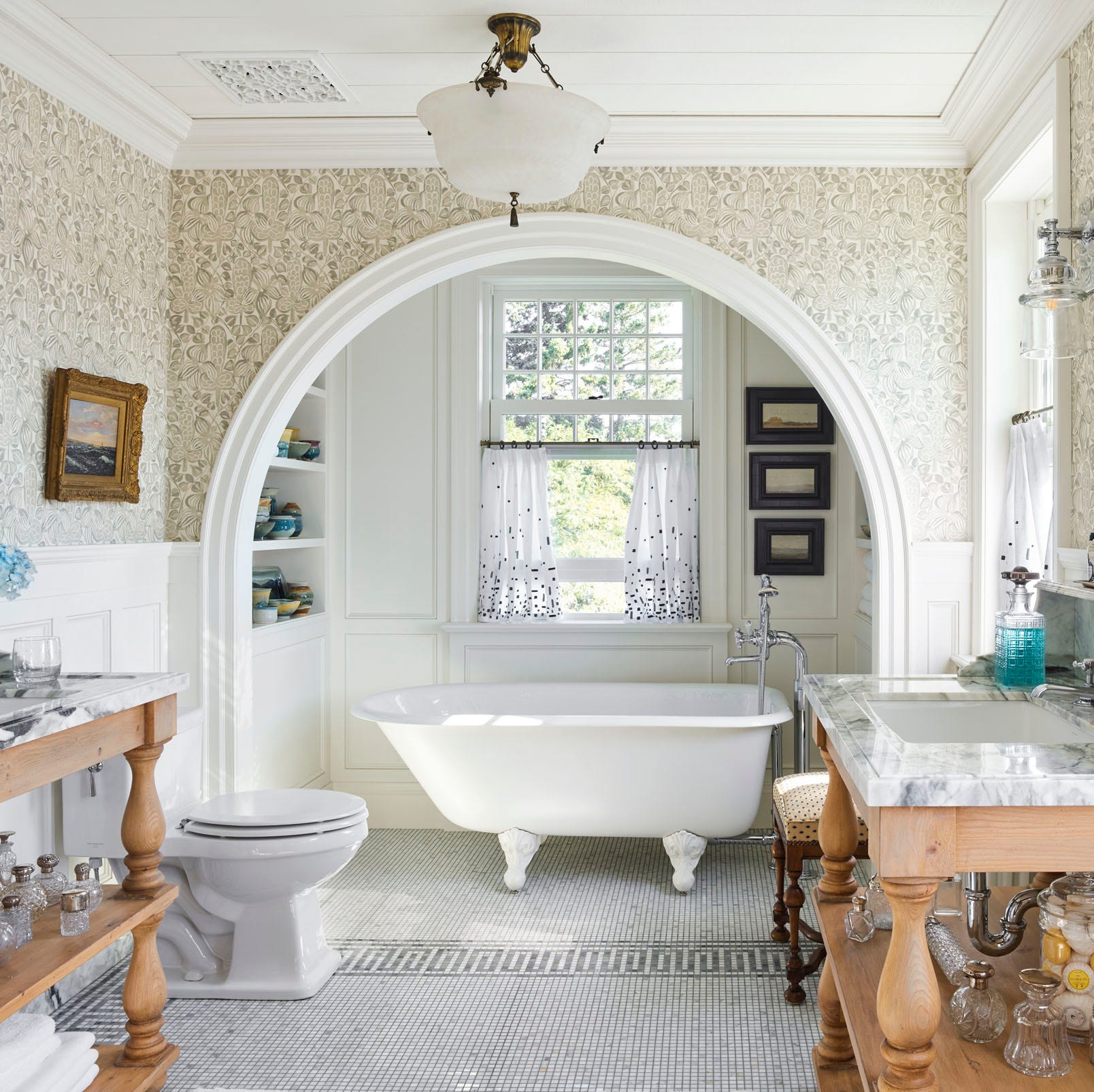
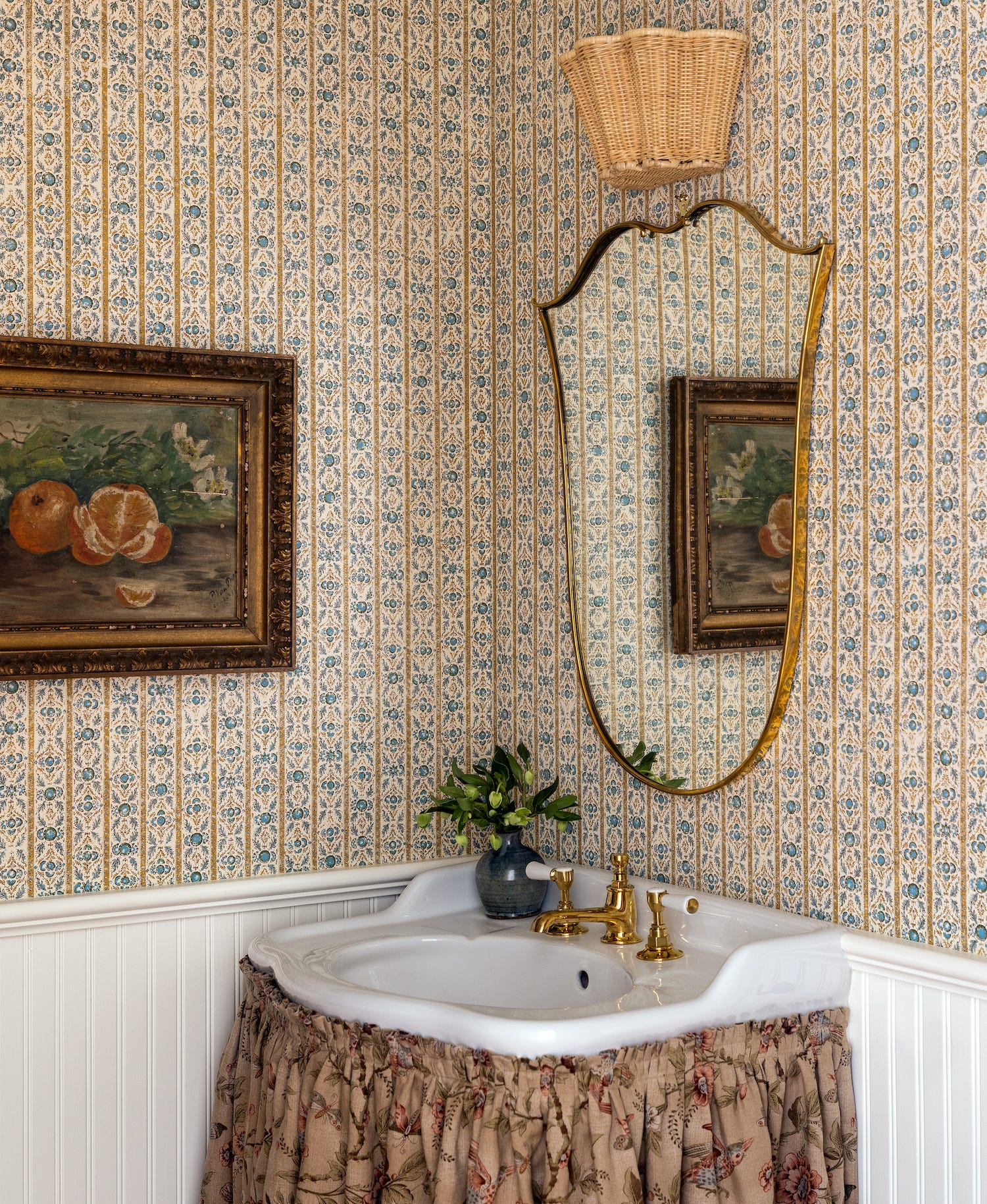
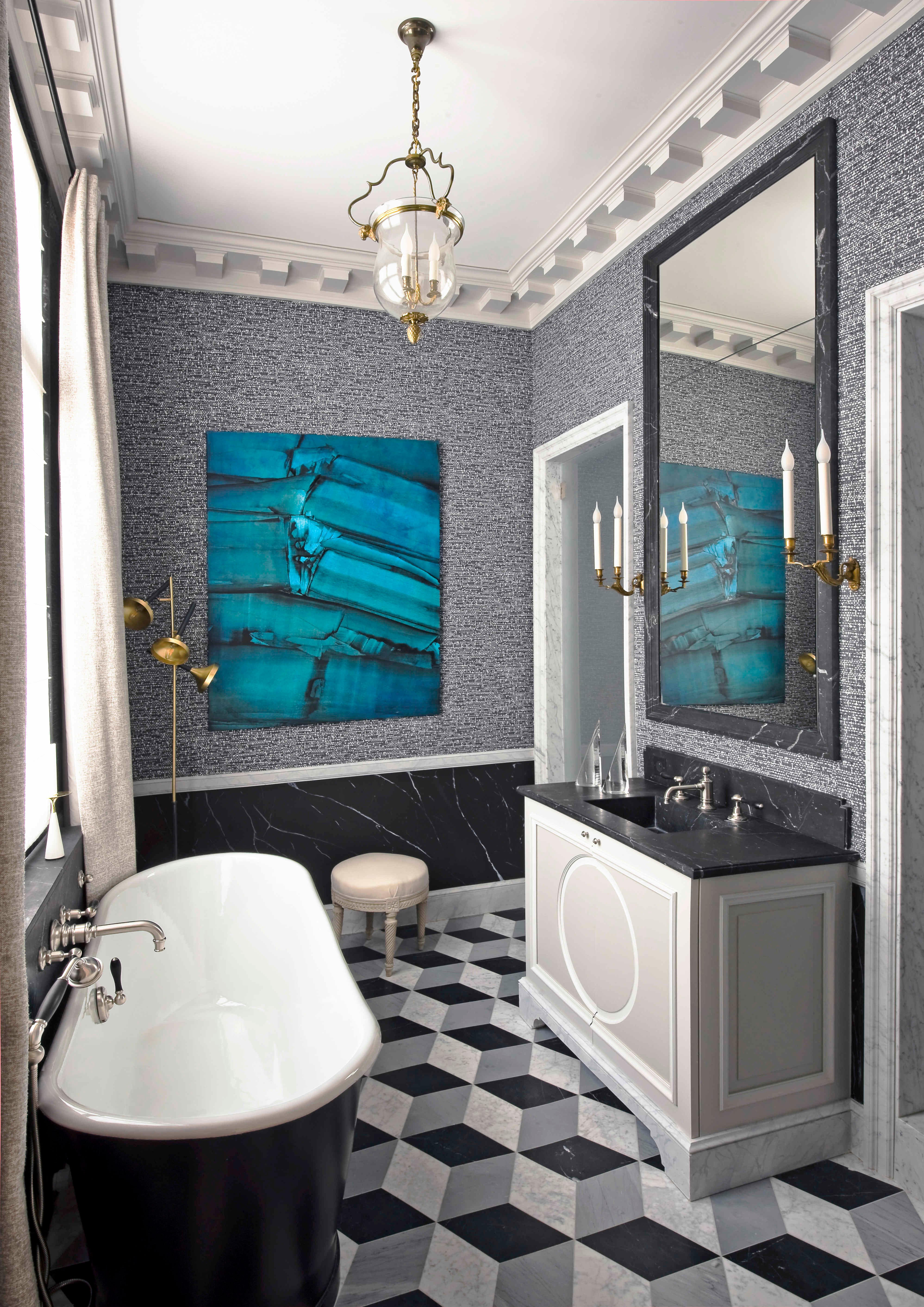
The article explores the emerging trend of Alpine-inspired bathrooms, which aim to infuse warmth, rustic charm, and a connection to nature into bathing spaces. This design approach diverges from typical modern bathrooms that often feature seamless, cool aesthetics. Alpine bathrooms are characterized by warm colors, rustic textures, and extensive use of wood, whether through paneling or exposed beams. The article consults five interior designers to demonstrate how this look can be achieved and why it may be suitable for various projects.
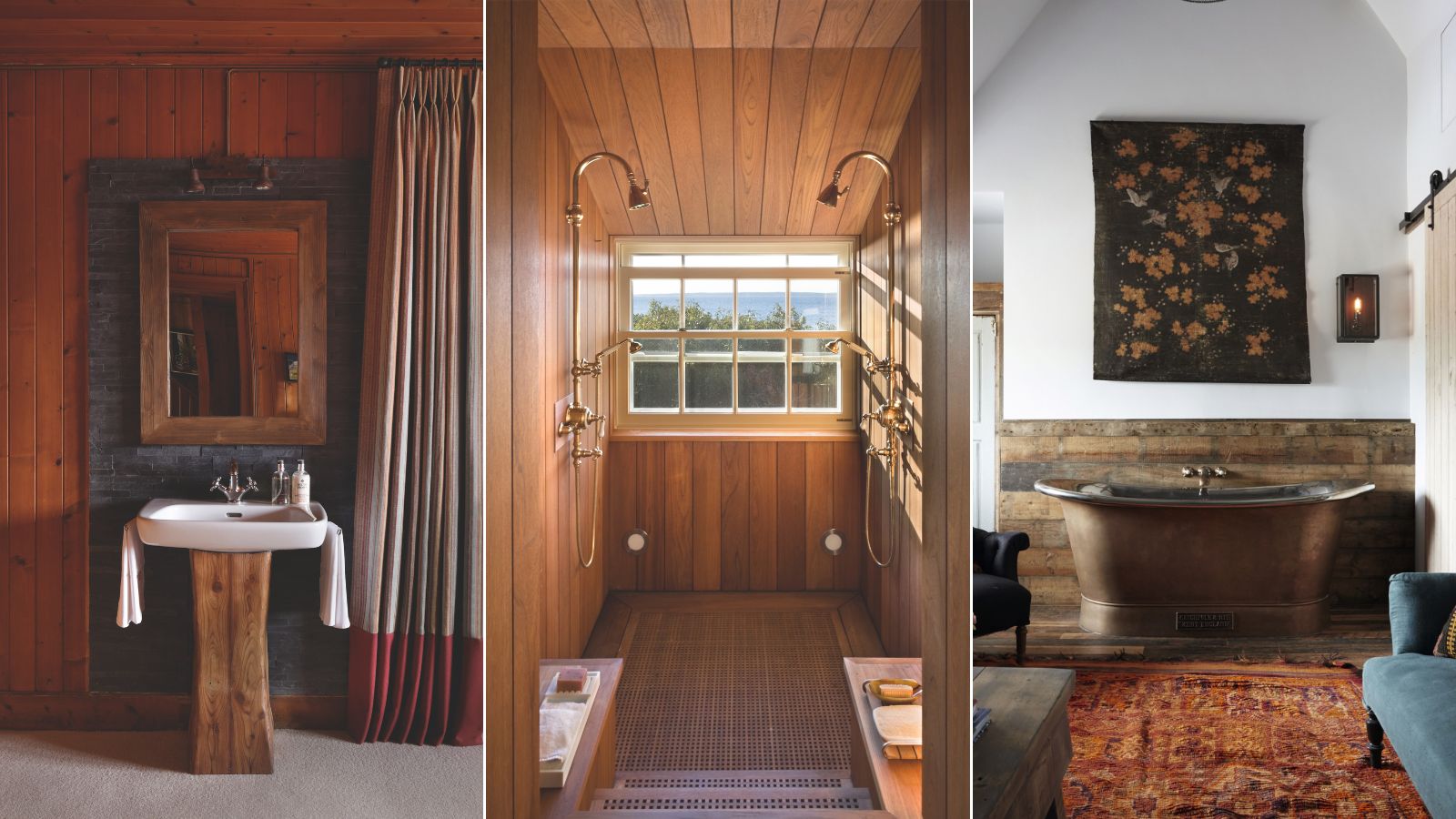
One key design element is the use of timber cladding on walls. Rough-sawn timber, with its visible saw marks, creates a cozy, cabin-like atmosphere. Gemma Holsgrove from Sims Hilditch highlights the practical benefits of this material, noting its durability and moisture resistance, especially when properly treated. She suggests that any wear and tear only enhances the rustic charm, grounding the space and connecting it to nature.
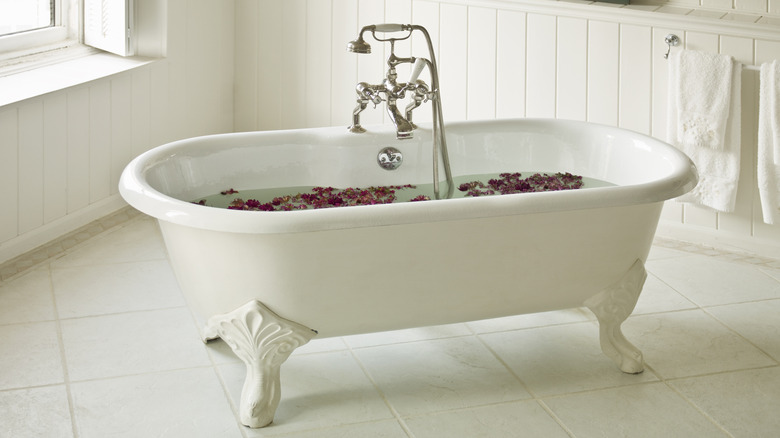
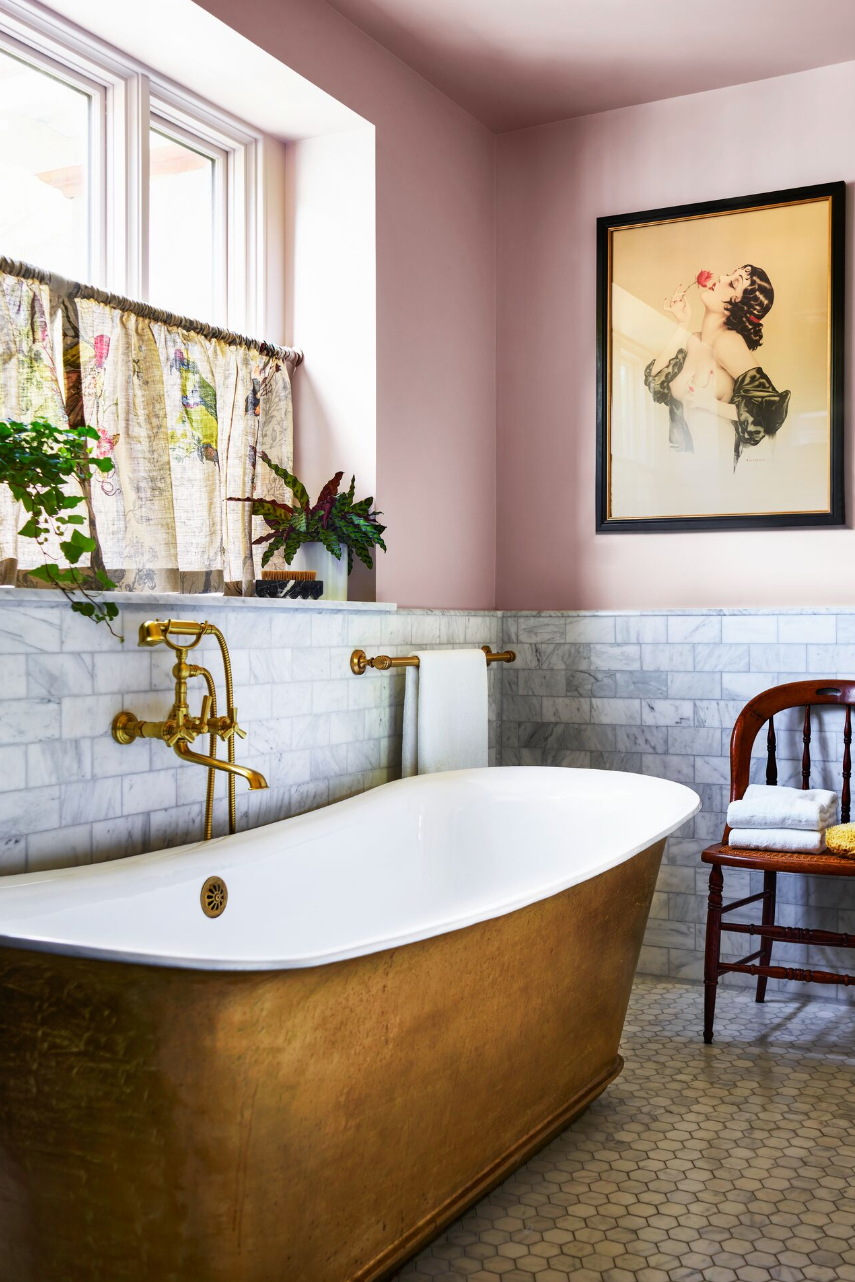
Another aspect of Alpine bathroom design is the incorporation of aged finishes. Lizzi Catchpole, Head of Design at Catchpole & Rye, explains that lived-in finishes are preferred over high-gloss surfaces to create a cozy and inviting atmosphere reminiscent of a mountain retreat. An example provided is a weathered copper freestanding bath against reclaimed wood flooring. Catchpole also points out that metal baths, like the copper bateau, are more effective at retaining heat, making them ideal for colder climates and long soaks.
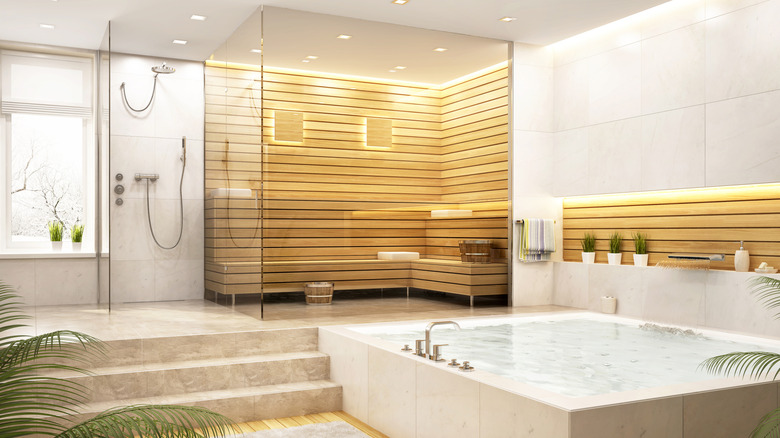
The article also discusses recreating the look of a traditional sauna. A teak-clad double shower room, designed by Kligerman Architecture & Design, showcases strong sauna influences. Thomas Kligerman, a founding partner, explains that teak is a rot-resistant wood suitable for wet environments, provided it is properly treated and maintained with water-resistant finishes. Polished, unlacquered brass fixtures were chosen for the shower, referencing durable hardware found on elegant sailboats, especially relevant for a property overlooking the ocean.
Embracing the past is crucial for capturing the essence of the Alpine style. Oakley Moore emphasizes drawing inspiration from the external environment and avoiding unnecessary modernization. When updating a 1930s Swiss chalet, founder Kate Aslangul focused on blending contemporary details with traditional vernacular. This involved using granite tiles and commissioning a woodworker for a custom basin pedestal, effectively integrating natural outdoor elements into the interior.
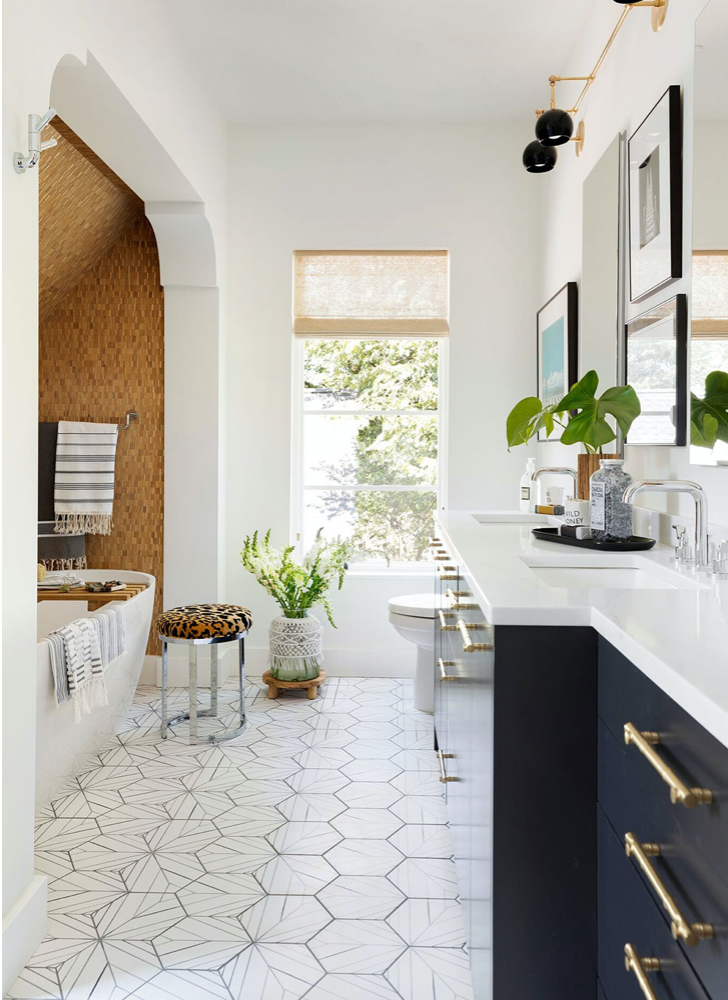
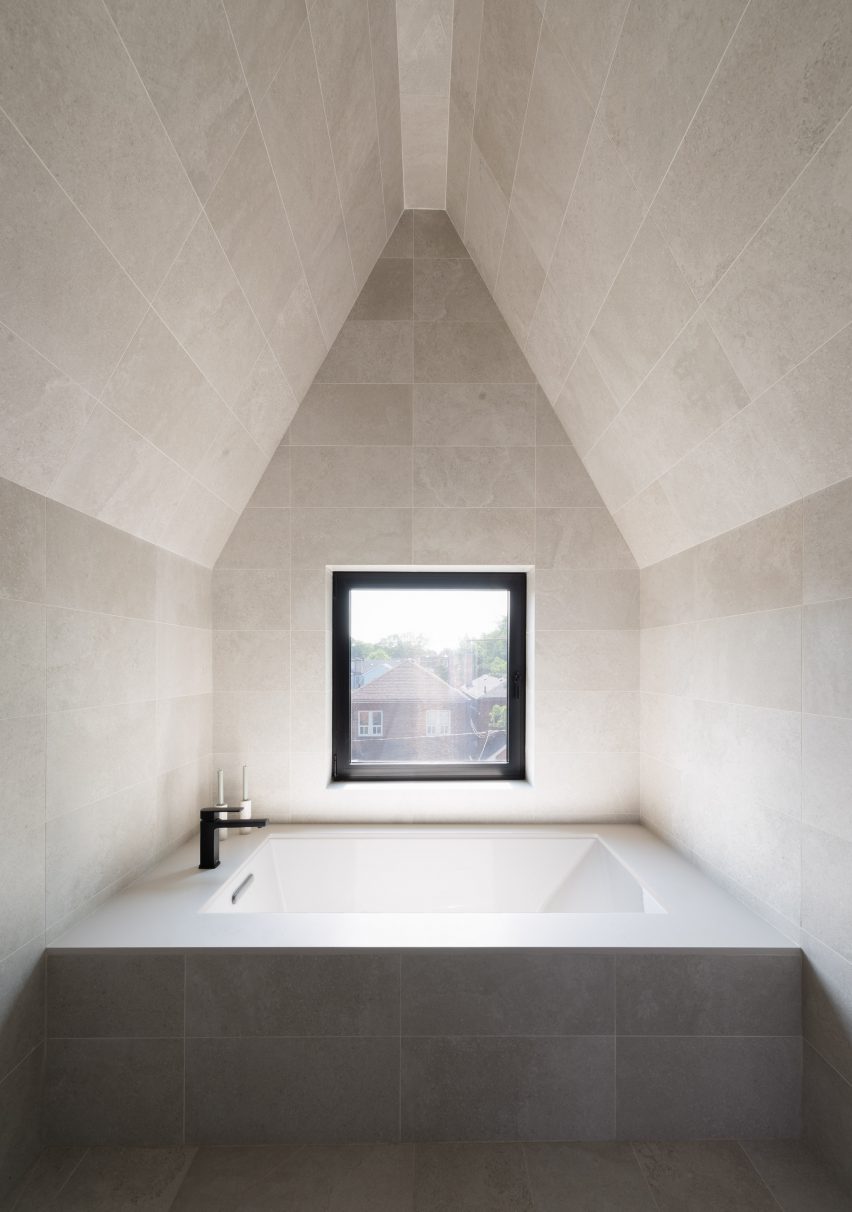
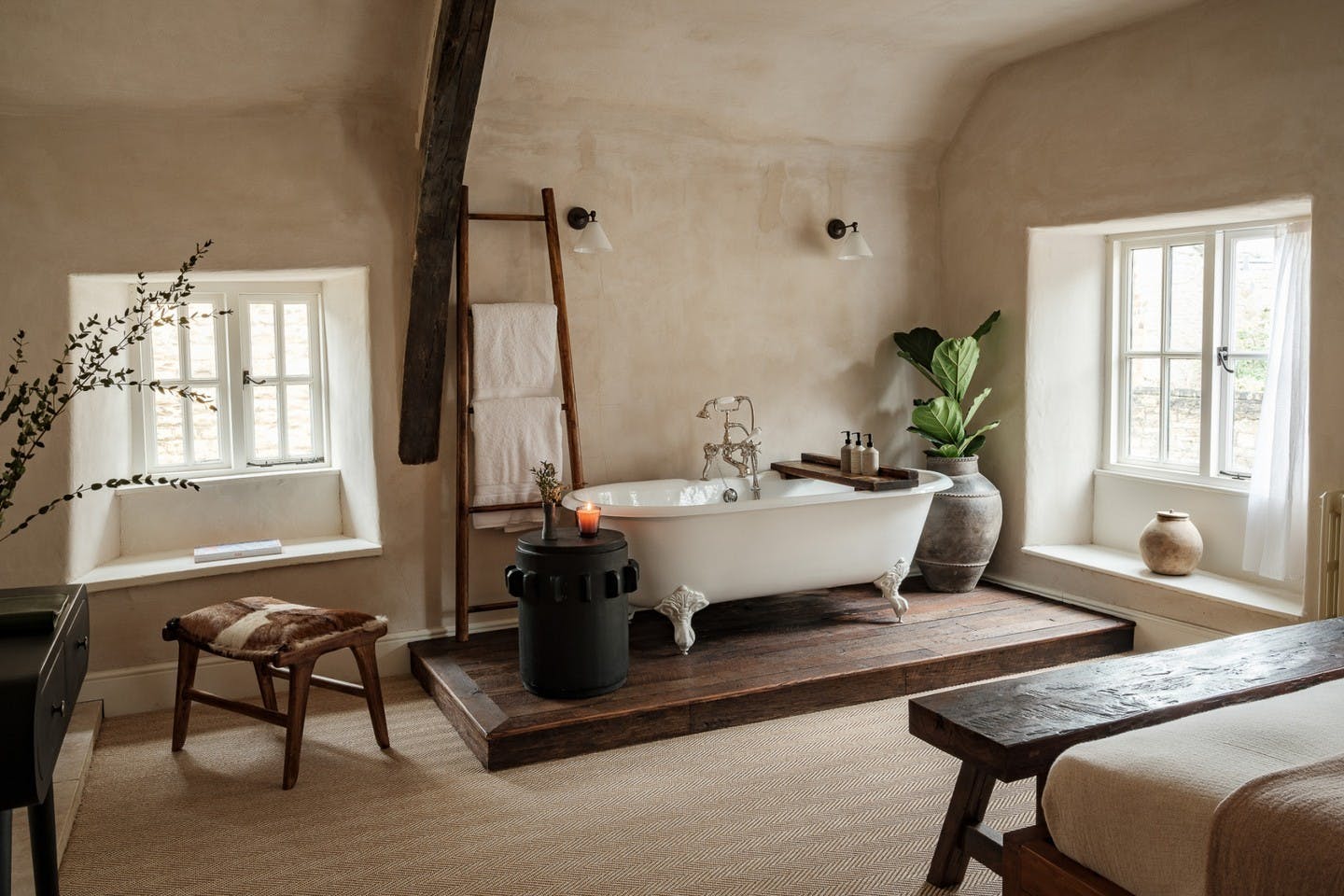
Finally, maximizing natural light and views is highlighted as an important element. Sophie Chapman, an associate at The Vawdrey House, transformed an attic space with sloped ceilings into a tranquil sanctuary by installing a timber-clad window seat. This design choice allowed homeowners to enjoy sweeping treetop views, and reclaimed floorboards paired with natural-toned cushions softened the hard surfaces of bathroom fittings, adding warmth and texture. The article concludes that Alpine bathrooms offer a relaxed, pampering, and natural aesthetic, appealing to those seeking a cozy, sauna-like experience that can be integrated with their home's overall design and surroundings. #AlpineBathroom #InteriorDesign #RusticCharm #WoodCladding #AgedFinishes #SaunaInspired #NaturalLight #HomeDecor #BathroomTrends
0 comment in total
 No comments yet
You may also like
These Are the Bathroom Trends That Will Dominate in 2022

Twelve contemporary bathrooms with a spa-like feel
10 Bathroom Design Trends We’ll See In 2023

The Top 2023 Bathroom Trends, According to Designers

All The Bathroom Trends That Will Be Taking Over In 2026

The 5 Biggest Bathroom Trends for 2023, According to Designers
Interior designers share 6 bathroom trends that'll be huge this season and 4 that will be out
9 modern bathroom ideas to try for a spa-like oasis

Designers Have Spoken: Here Are the Top Bathroom Design Trends for 2026

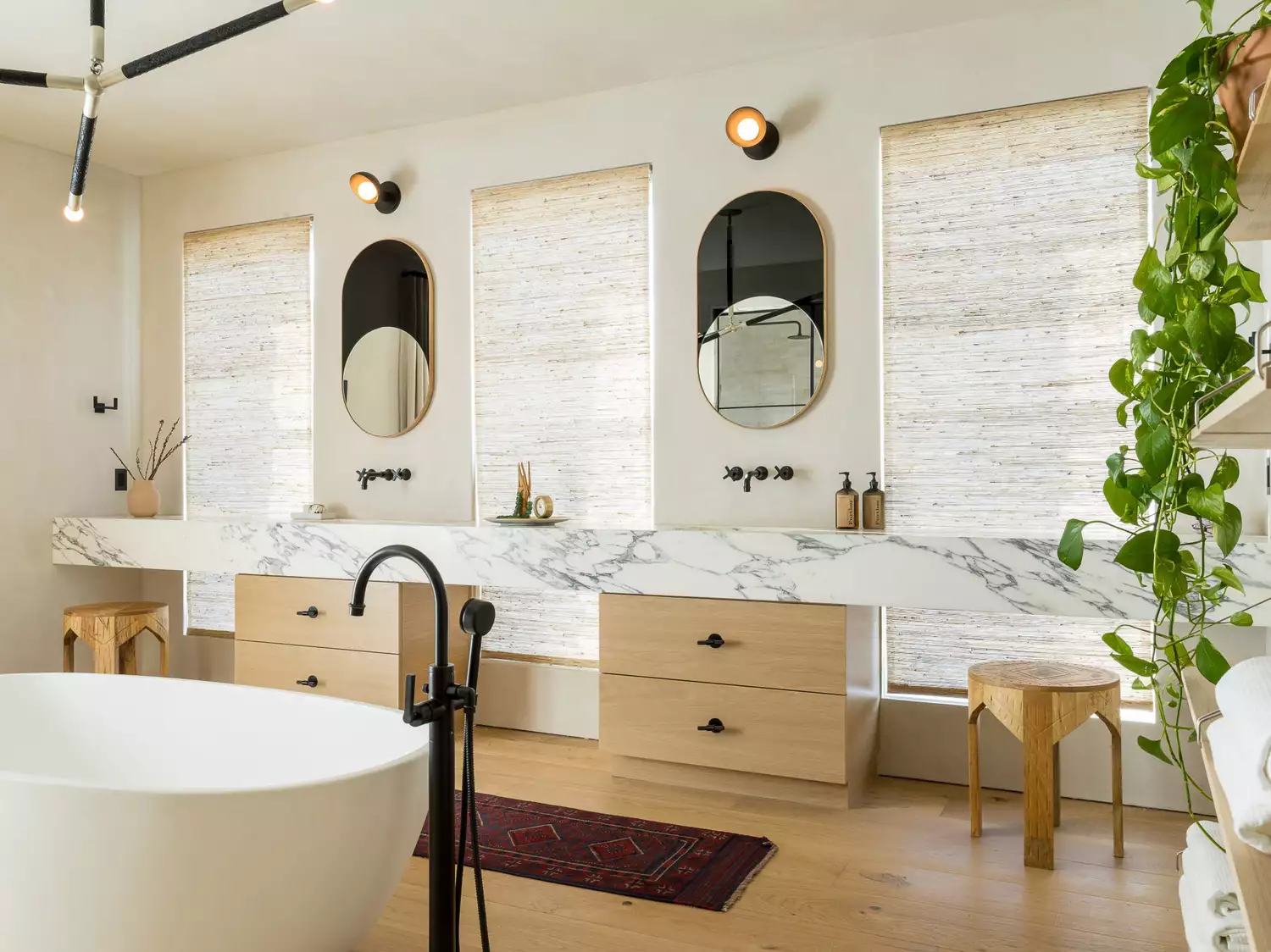
These Will Be The Biggest Bathroom Trends in 2025, According to Designers
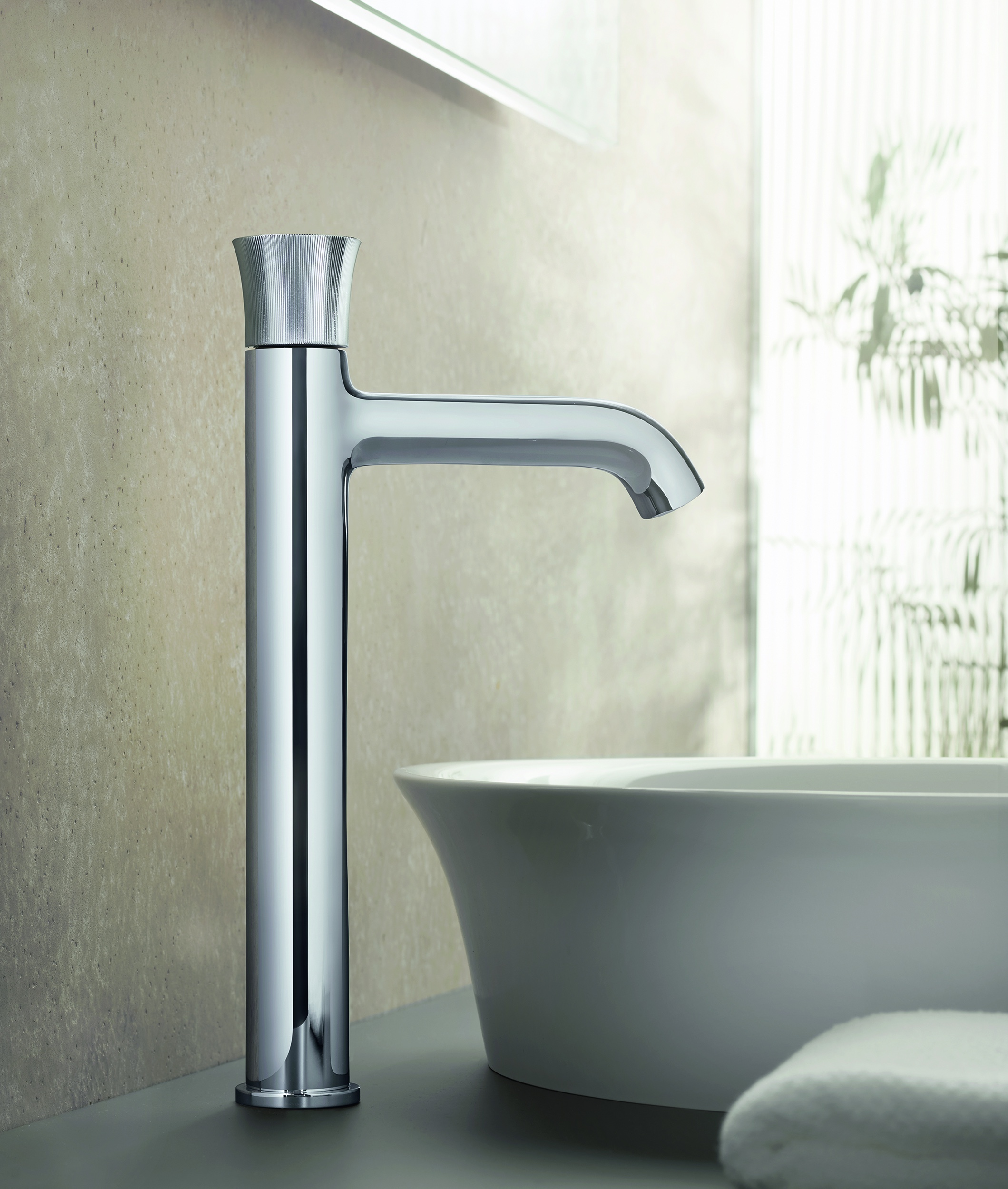
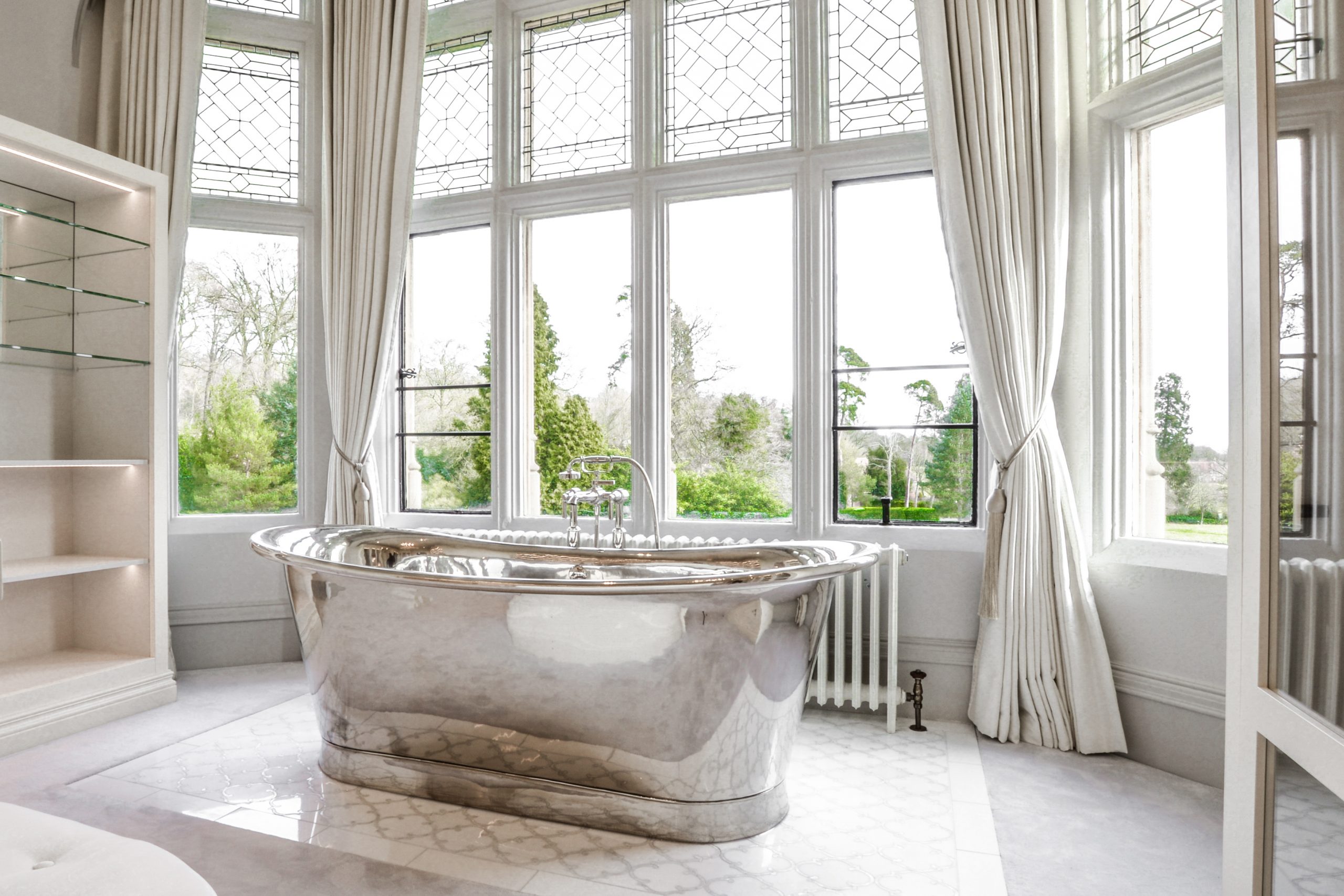
Breathtaking new looks for bathrooms, from linen and lights to a truly spectacular nickel bathtub
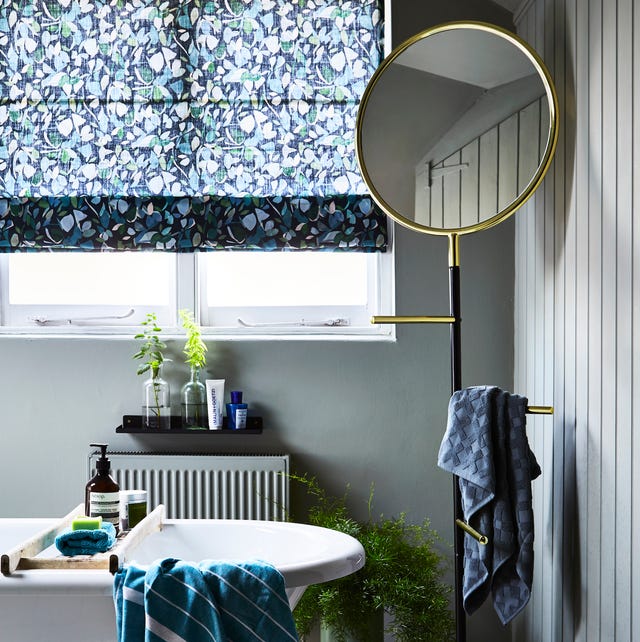
Modern Bathroom Ideas For Your Home In 2021
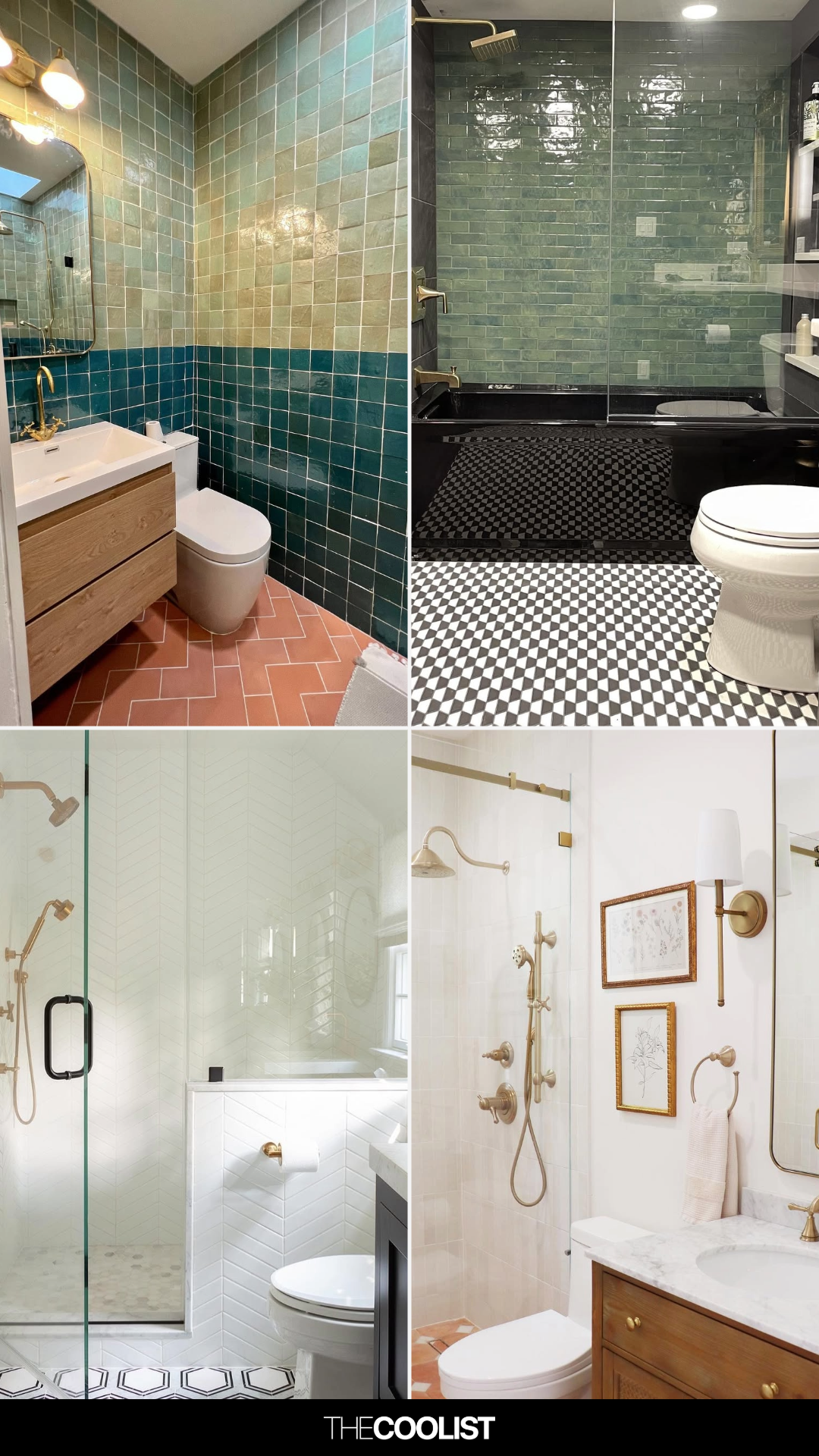
26 Bathroom Tile Ideas That Instantly Turn Your Space Into a Spa-Worthy Escape
These Bathroom Colors Were Once Considered "Ugly" — Now They're Having a Renaissance in Modern Homes

The Best Bathroom Ideas To Get The Glow-Up You Deserve
3 Bathroom DIY Ideas to Steal From This Hotel’s Pastel Roman Baths

10 bathroom trends that will define 2026 – from floating vanities to pastel tones
20 Art-Filled Bathrooms We Can't Get Enough Of
90 Bathroom Design Ideas That Will Make You Never Want to Leave the Tub
Major Bathroom Design Changes Are Coming: This Popular Trend Is Ending In 2026