1/2
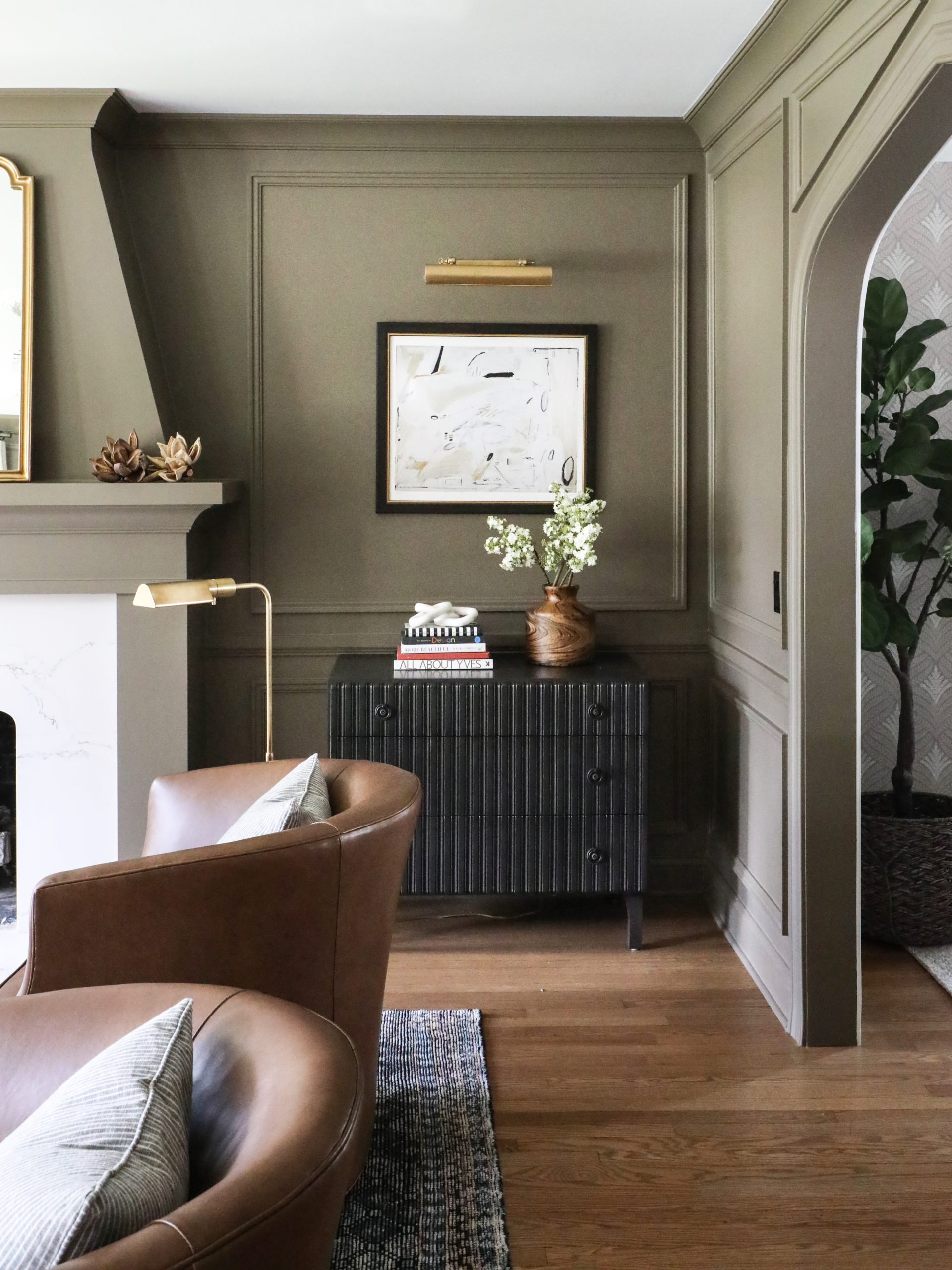
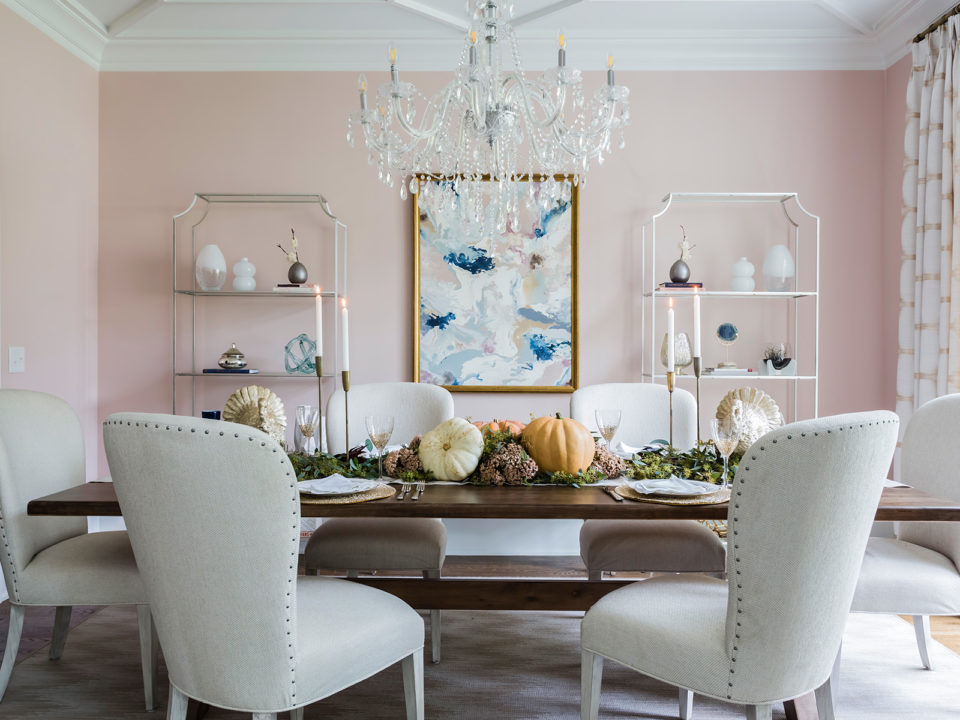
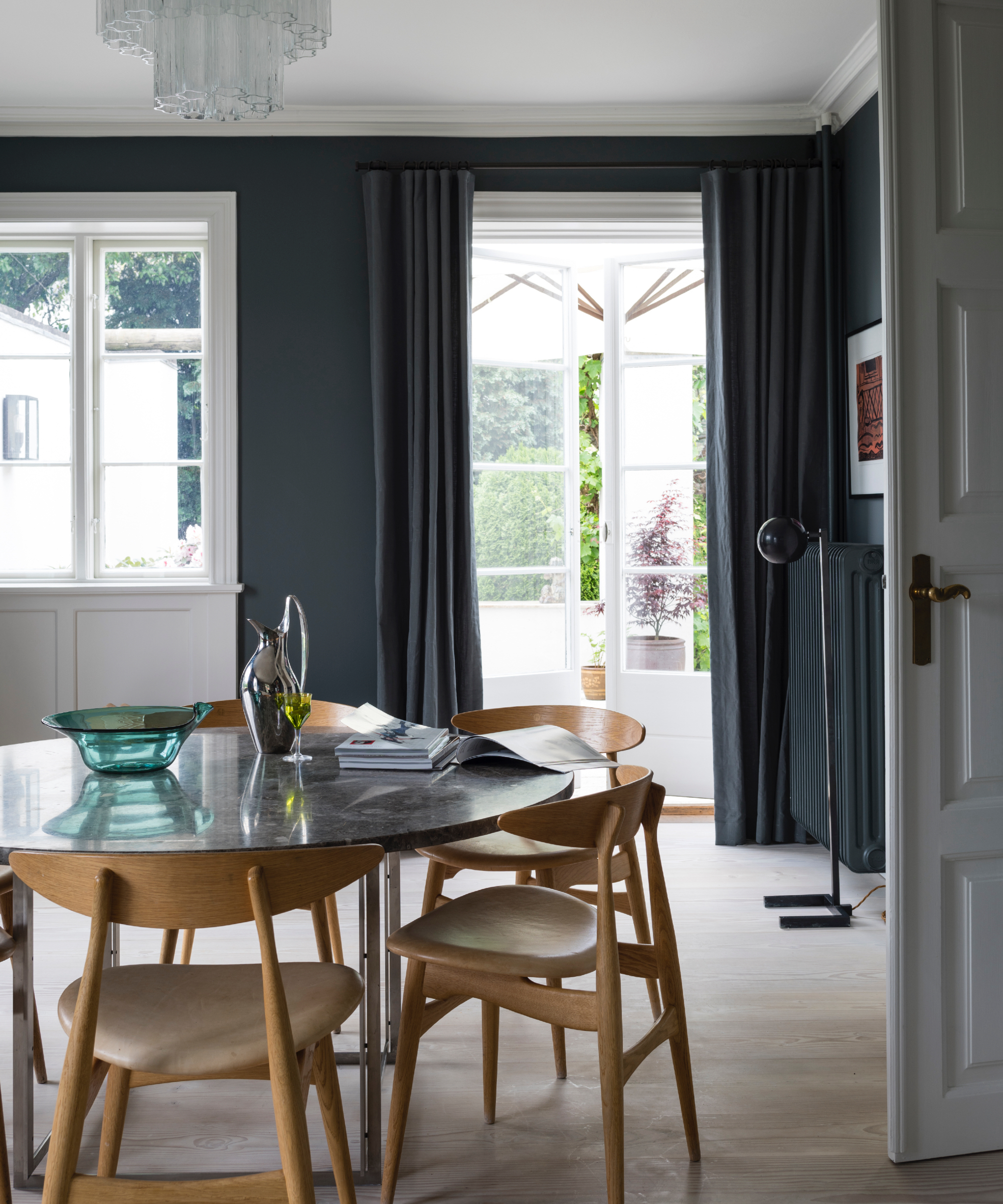
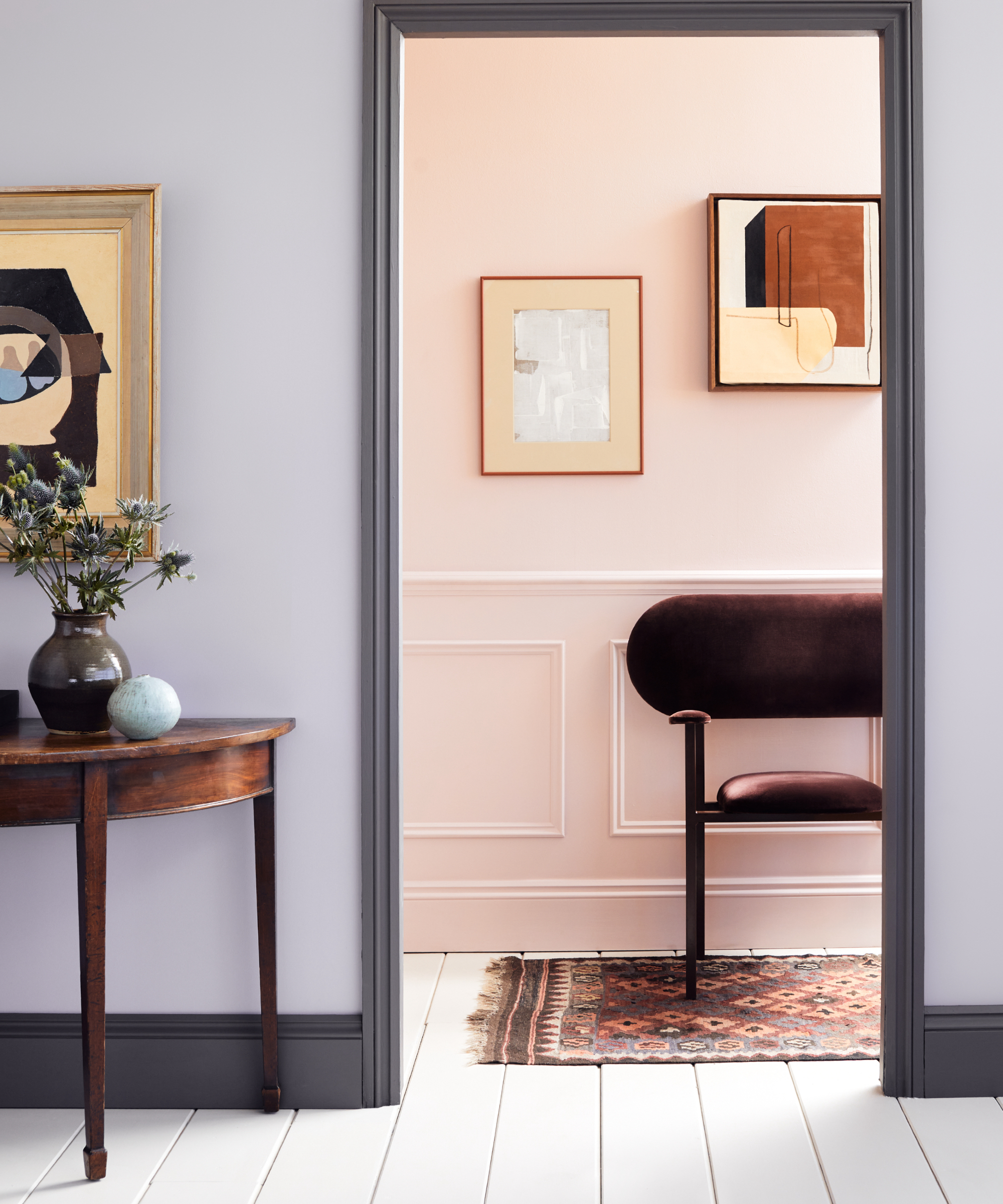
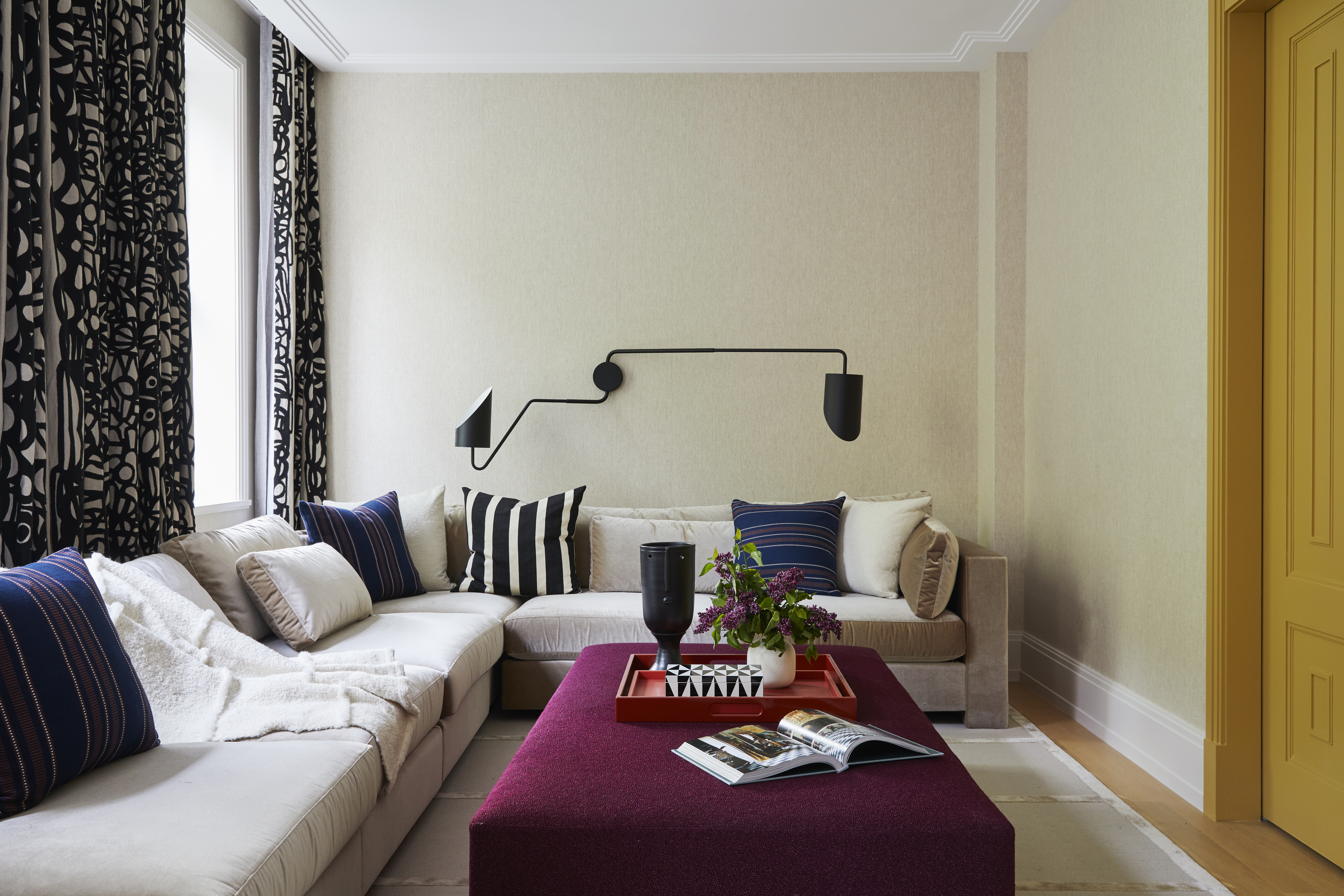
Color play: How to use hues and neutrals in architectural design
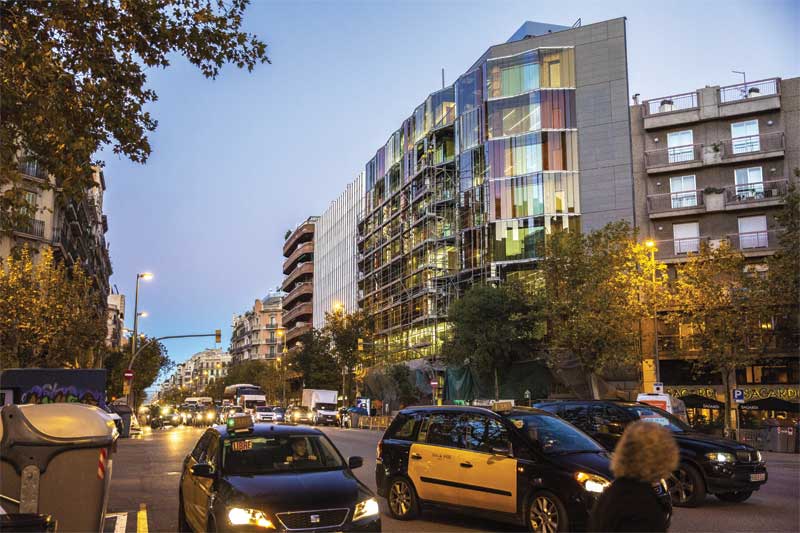
The article explores the increasing and creative use of color in architectural design, focusing on the application of laminated glass with colored interlayers in both interior and exterior spaces. It highlights how architects and designers are leveraging colored interlayers to achieve specific design objectives, such as influencing daylighting, aiding in wayfinding, defining distinct areas, or simply enhancing the aesthetic appeal and emotional impact of a space. The versatility of glass in architecture is attributed to advancements in its strength and performance through the incorporation of plastic interlayers. Laminated glass, created by bonding two layers of glass with a thin, flexible plastic interlayer under heat and pressure, offers enhanced durability and functionality.
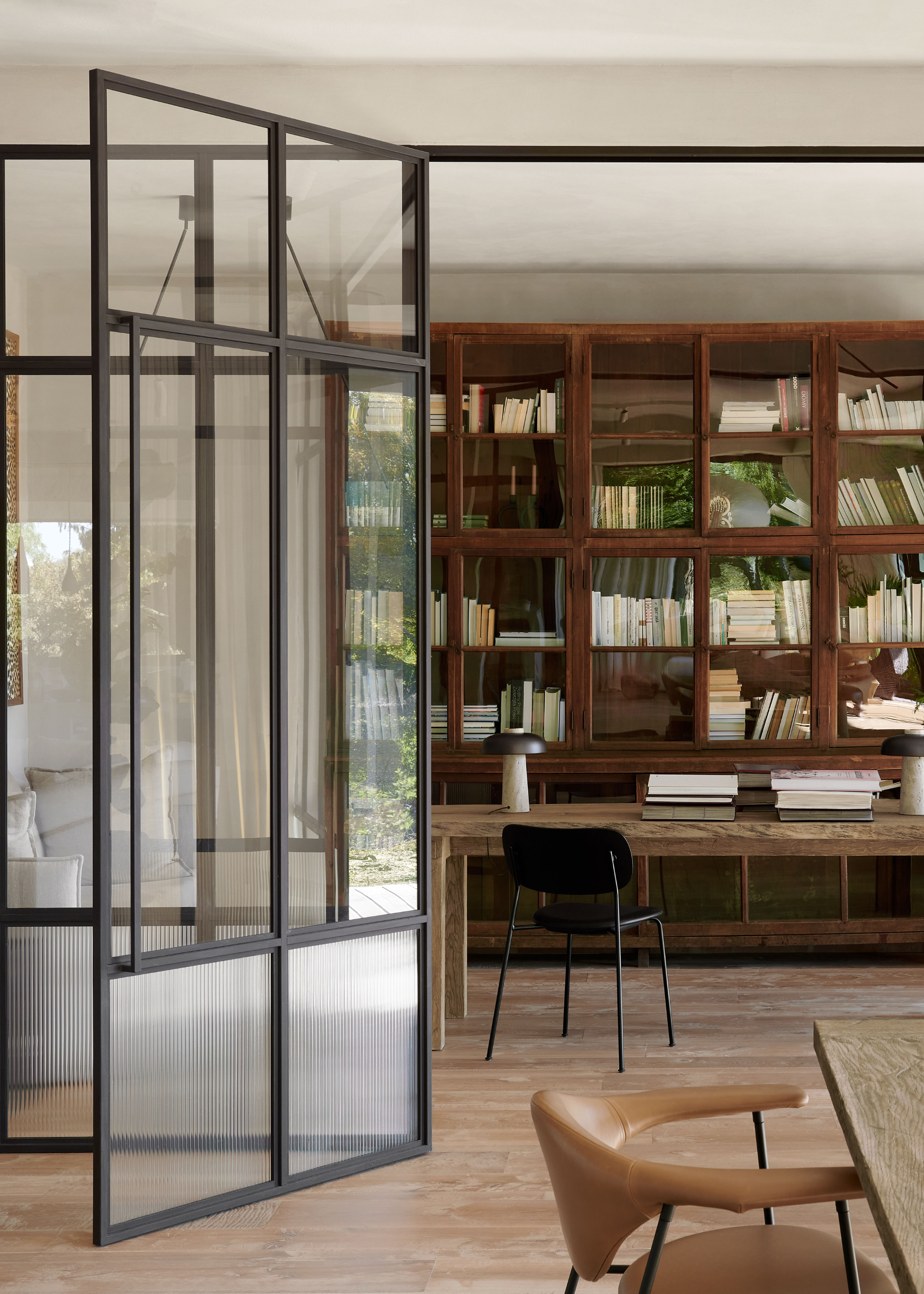
The article details the composition and characteristics of laminated glass, explaining that interlayers can be used with various types of glass, including annealed, heat-strengthened, or fully tempered glass, without compromising optical clarity. It notes that while heat processing can introduce some undulating waves in the glass, this is considered a characteristic and can be managed. Laminated glass finds applications in a wide range of architectural elements, such as façades, stairways, balustrades, railings, curtain walls, windows, overhead glazing, interior partitions, and various decorative features. The aesthetic advantages are broad, encompassing a spectrum from natural earth tones and contemporary neutrals to vibrant whites and all colors of the rainbow.
Colored interlayers are presented as a transformative tool that can turn ordinary buildings and interiors into distinctive statement pieces. The article emphasizes the extensive design possibilities, noting the availability of over 17,000 color combinations and the capacity to layer up to four colored interlayers, leading to more than 3,000 potential transparent or translucent glass colors. This flexibility also allows for the use of two different colors to create varied visual effects on each side of the glass. These custom design options unlock virtually limitless opportunities for integrating color with functional requirements, such as safety, security, solar control, and sound damping.
Furthermore, the article provides examples of building projects where designers have successfully incorporated color, including theaters, schools, hospitals, offices, retail establishments, hospitality venues, parking garages, and wayfinding systems. It reiterates the benefits of laminated glass, which include security, improved thermal performance, structural stability, sound reduction, solar management, and storm resistance. The possibility of combining or 'stacking' different interlayers allows for multiple functions to be served within a single application. The technical aspects of ensuring uniformity and minimizing optical distortion during the manufacturing process are also touched upon, with technical experts collaborating with glazing customers to achieve optimal results. Heat-strengthened glass is highlighted for its ability to resist thermal stress breakage, reduce spontaneous breakage, provide a larger break pattern, and maintain residual strength after breakage.
#ArchitecturalDesign #ColoredGlass #LaminatedGlass #GlassInterlayers #BuildingMaterials #InteriorDesign #ExteriorDesign #ConstructionInnovation #ArchitecturalDesign #ColoredGlass #LaminatedGlass #GlassInterlayers #BuildingMaterials #InteriorDesign #ExteriorDesign #ConstructionInnovation
0 comment in total
 No comments yet
You may also like
Beige-grey – the timeless paint color perfect for a barely-there backdrop

The 3 Best Neutral Entryway Paint Colors to Set the Right Tone for a Sophisticated Home

What Color Is Taupe? Plus 5 Ways To Decorate With This "Thoughtful" Shade in Your Home
The One Paint Color Designers Always Avoid in Kitchens—and What They Use Instead

How to Pick the Best Paint Colors for Every Space in Your Home

If This, Then That: Your Guide to Pairing Paint Colors

We Asked Designers Which Living Room Paint Colors People Regret Most—And We're All Guilty

What Paint Colors Will Rule 2026? Designers Make Their Predictions

7 of the most versatile and easy to use paint colors according to designers
9 Paint Colors You’ll Never Find in an Interior Designer’s Home
The best colors to pair with taupe, according to designers – 5 shades to complement this grounding neutral
Designers Say These 12 Paint Colors Will Be Everywhere in 2026

The Trick to Finding a Paint Color That Works With Everything You Already Have


Mother Nature Knows Best
Which Neutral Is Replacing White in 2025? Experts Reveal
The 20 Best Neutral Paint Colors for Your Home in 2025

White vs Cream: designers weigh in on these enduring neutrals
8 Paint Color Trends You'll ACTUALLY Want to Live With in 2026, According to Designers

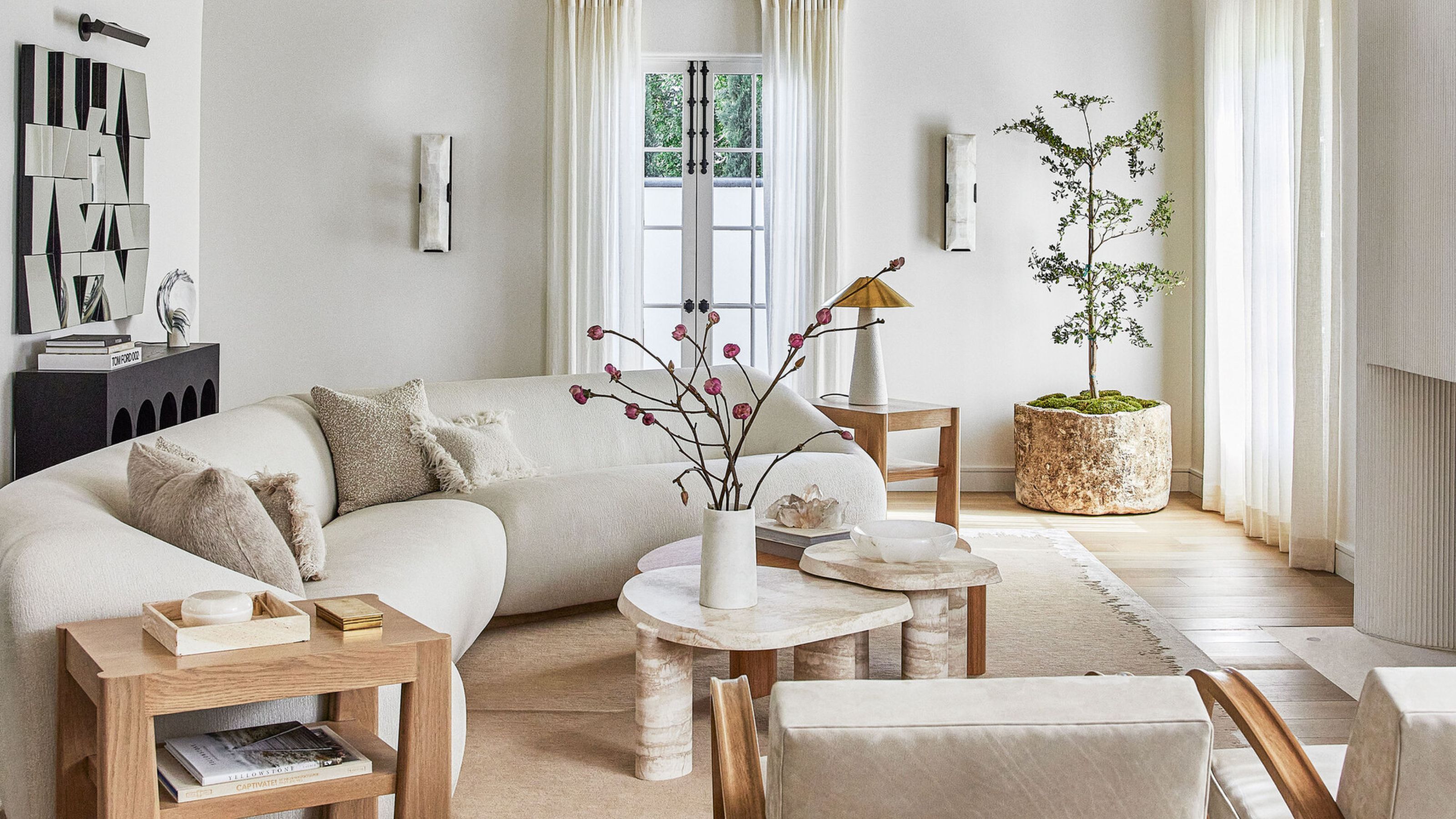
How to Achieve Transitional Style — 14 Designer Tips to Capture the Trend Taking Over Interiors
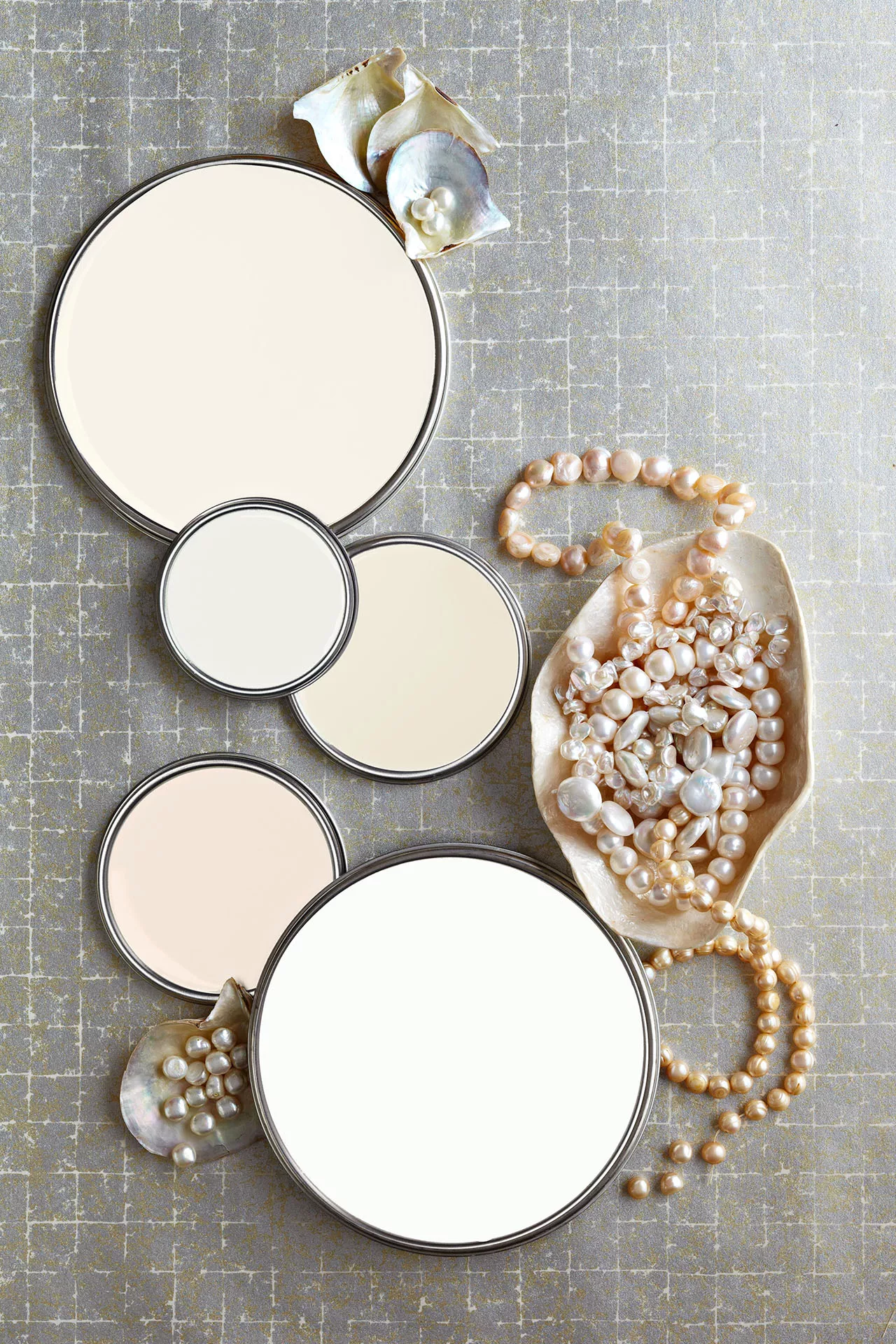
27 Neutral Paint Colors and Tips from Experts On How to Use Them