1/21
School of Architecture
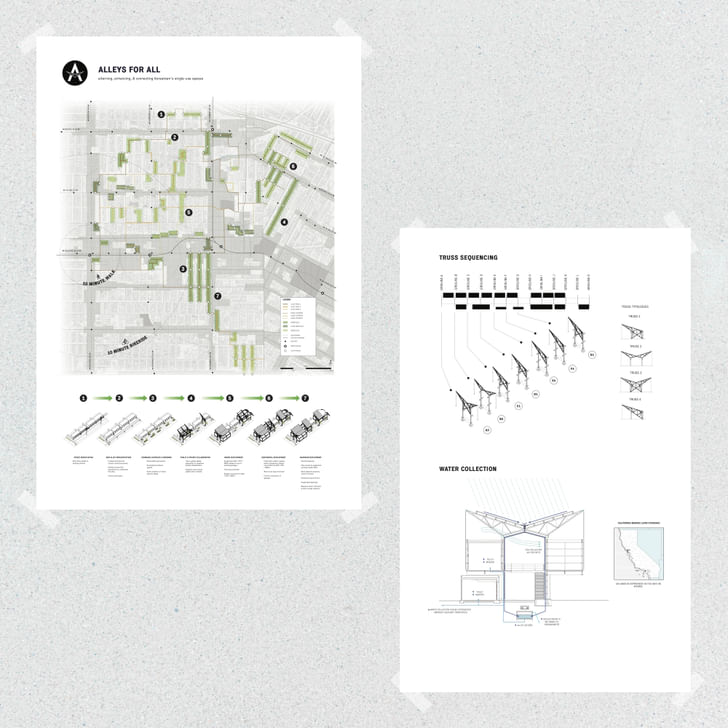
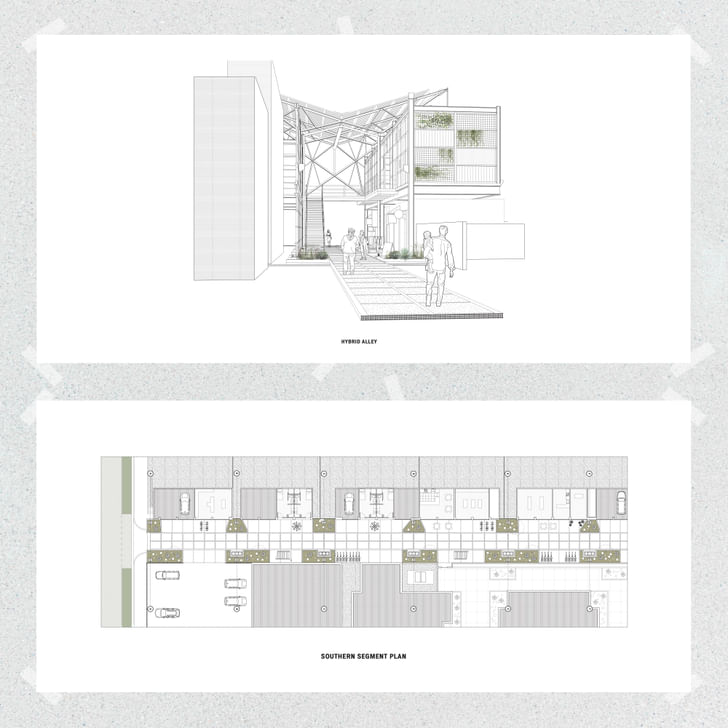
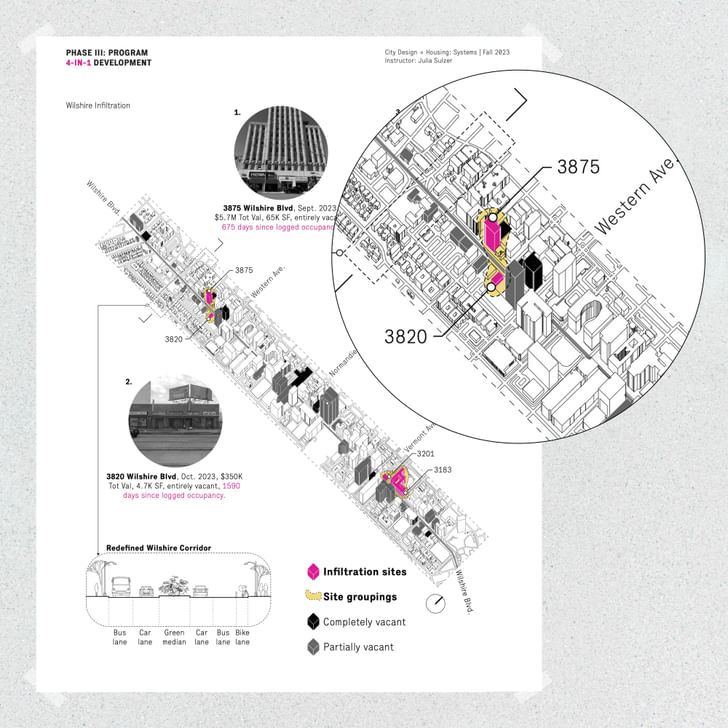
The Pratt Institute's School of Architecture is dedicated to utilizing the design, planning, and management of the built environment to address pressing contemporary issues, including social justice and the climate crisis. The school aims to equip students with the necessary skills and knowledge to tackle these complex and evolving challenges in a versatile, innovative, and ethical manner. The curriculum prepares students for impactful careers within various architectural disciplines, fostering leadership and responsibility.
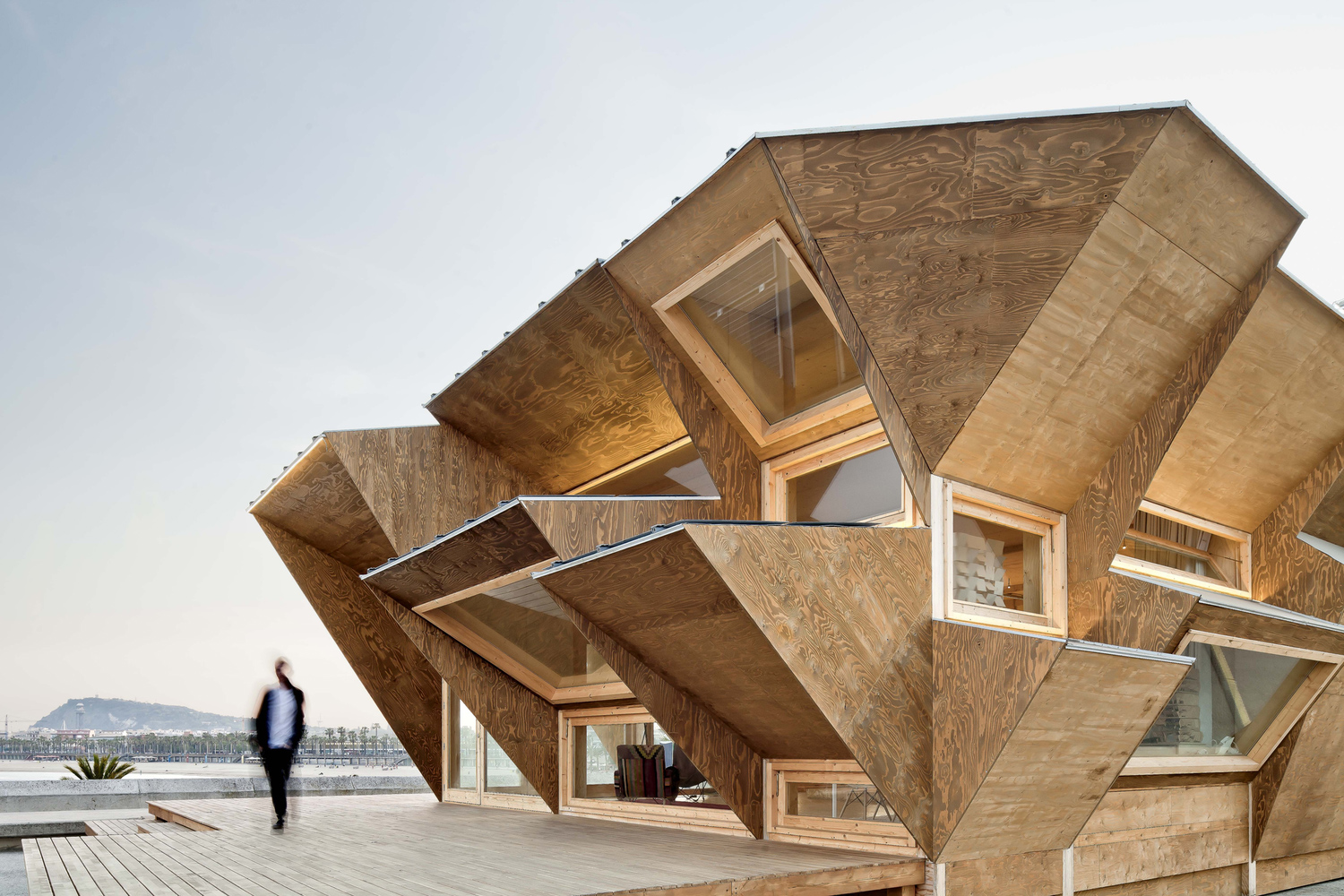
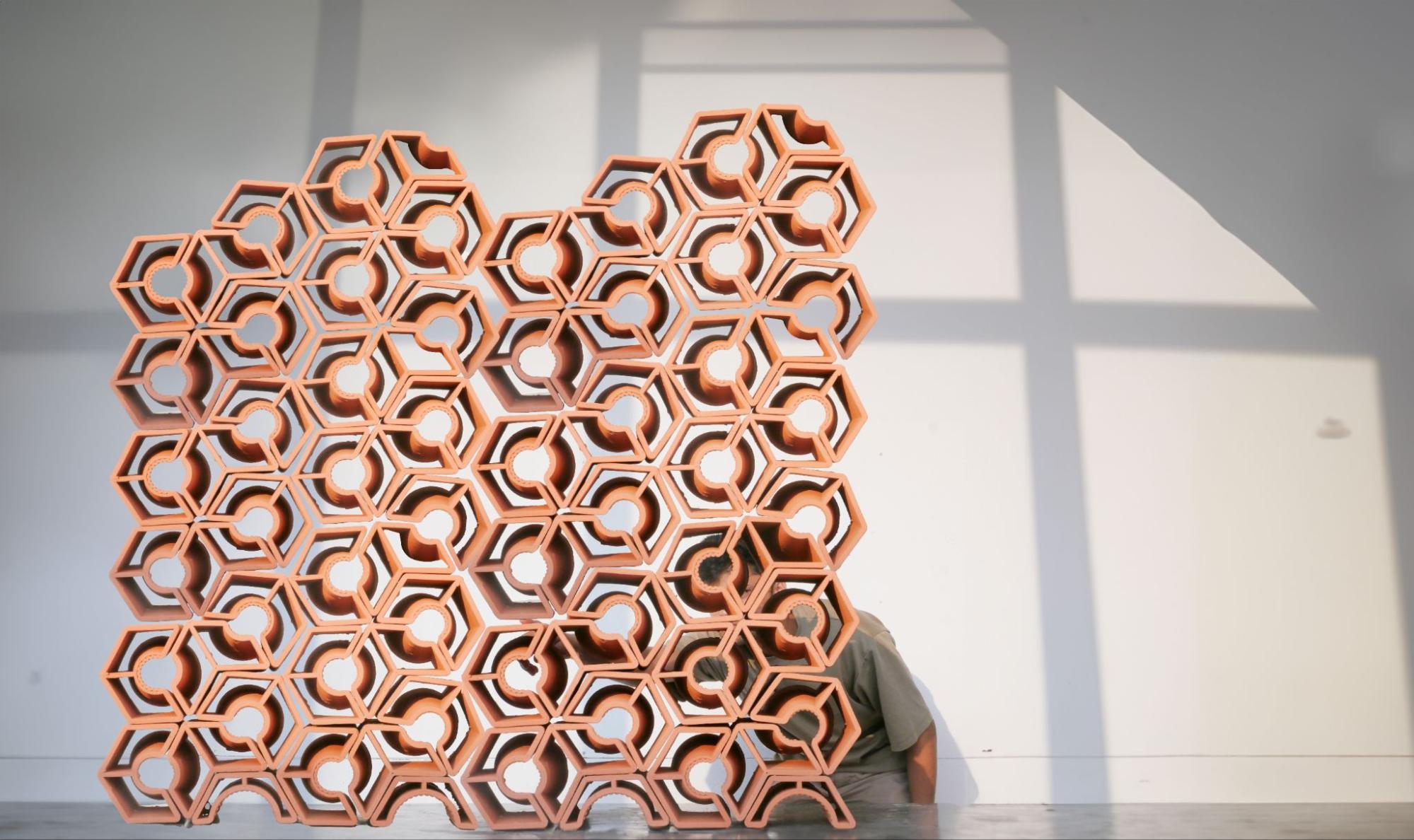
The School of Architecture offers a comprehensive range of undergraduate and graduate programs. Undergraduate options include a Bachelor of Architecture (BArch), with a specialized Morphology Concentration, and a Bachelor of Professional Studies (BPS) in Construction Management, alongside minors in Construction Management and Morphology. These programs emphasize foundational architectural principles, advanced design techniques, and practical construction and management skills. The Morphology Concentration, for example, delves into abstract and intricate structural formations, pushing the boundaries of traditional architectural design.
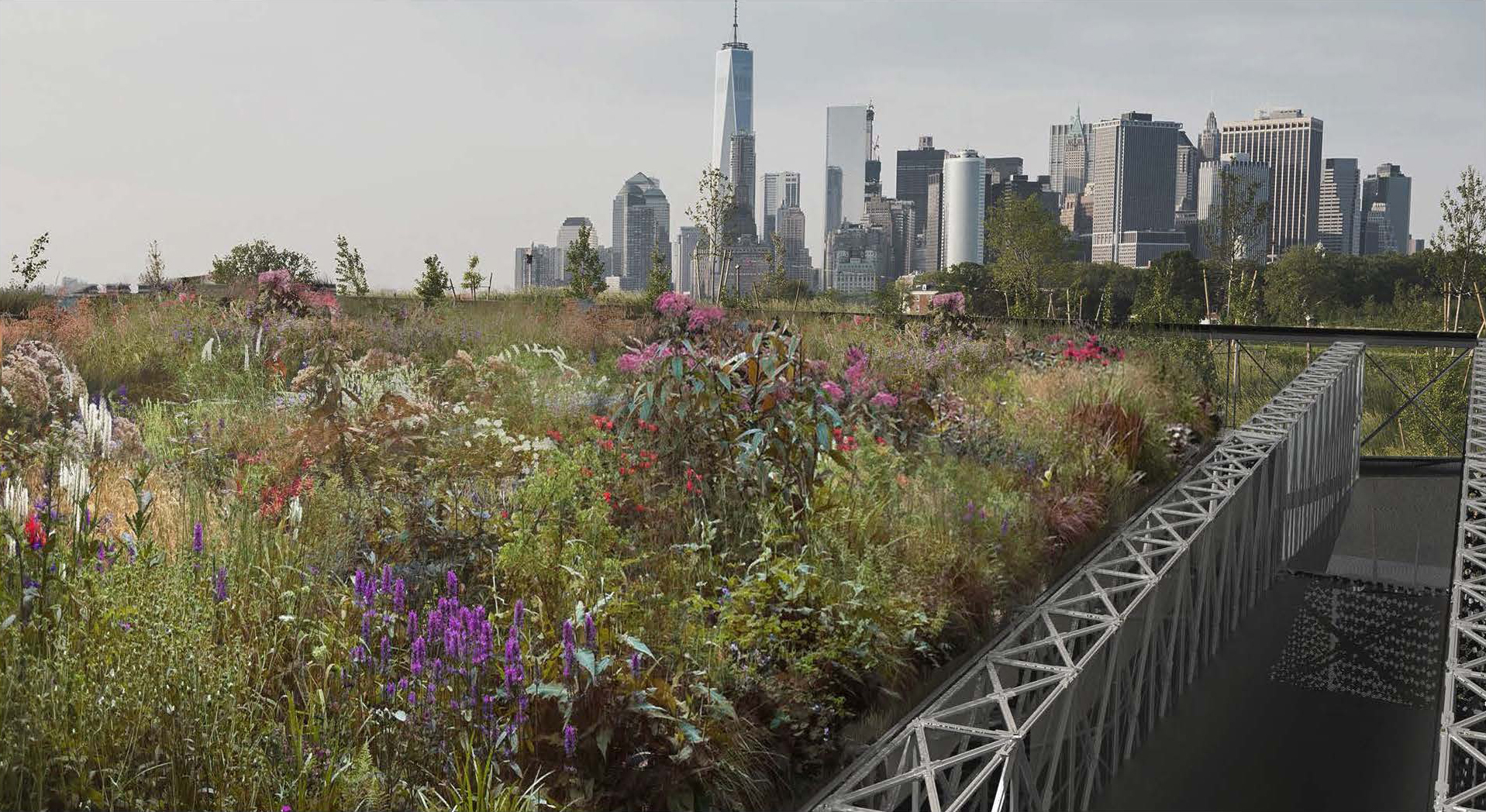
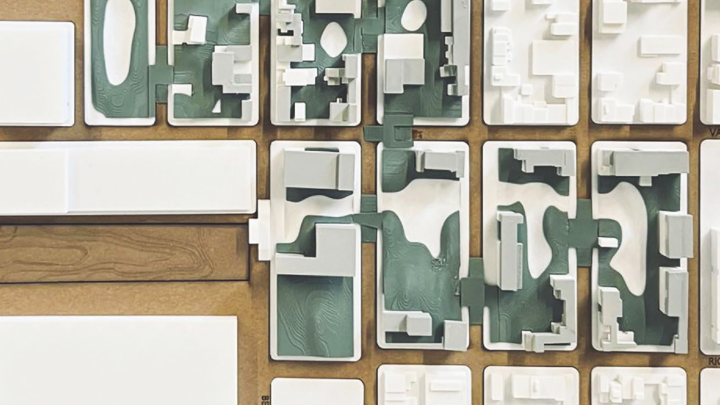
Graduate studies at Pratt's School of Architecture cover an even broader spectrum of specializations. Offerings include a Master of Architecture (M.Arch), a Master of Landscape Architecture (MLA), a Master of Science in Architecture (Post Professional), and a Master of Science in Urban Design (Post Professional). The Graduate Center for Planning and the Environment further expands these options with master's programs in Historic Preservation, Sustainable Environmental Systems, Urban and Community Planning, and Urban Placemaking and Management. Additionally, the school provides advanced certificates in Community Planning, Historic Preservation, Sustainable Environmental Systems, and Urban Placemaking, catering to professionals seeking specialized expertise.
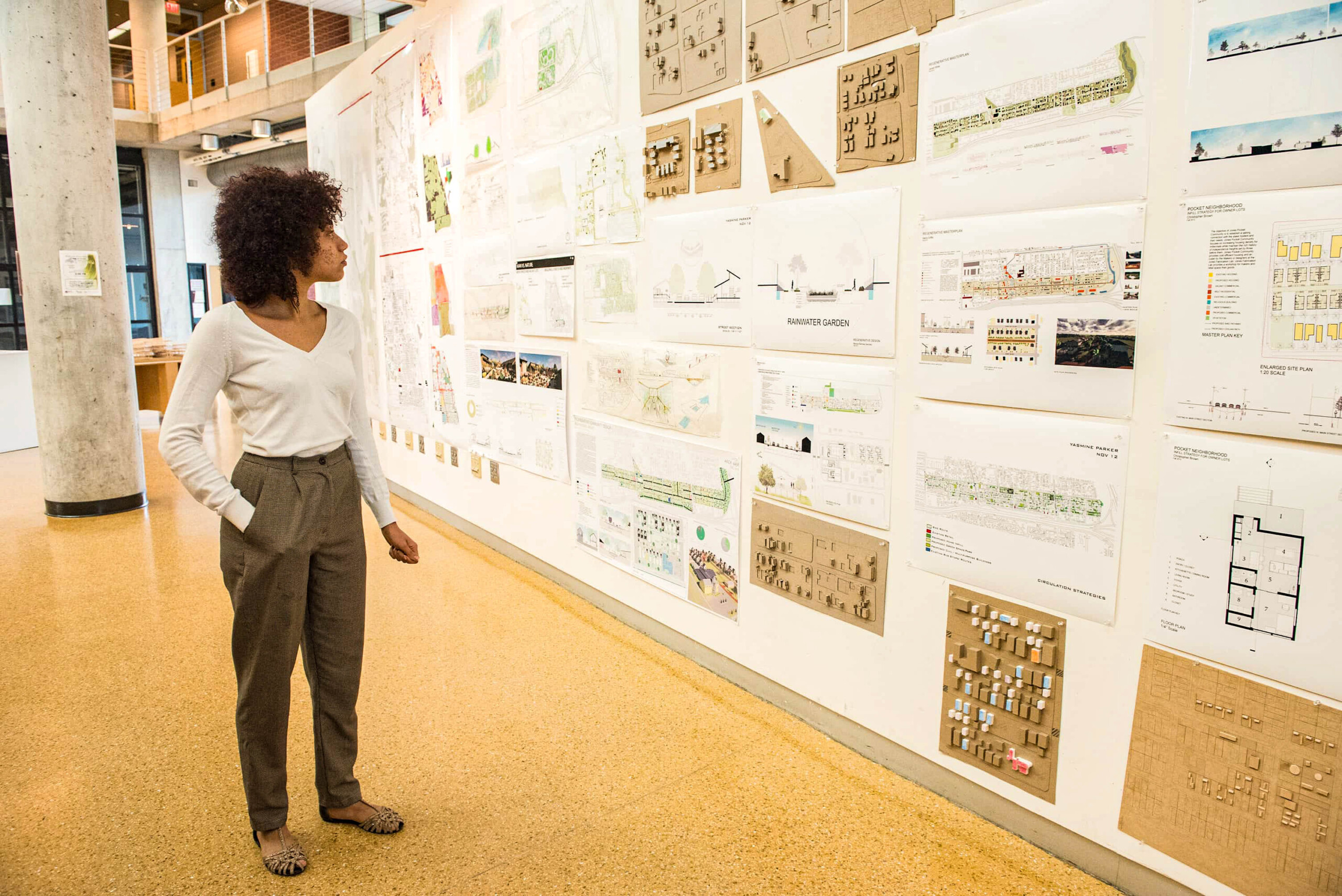
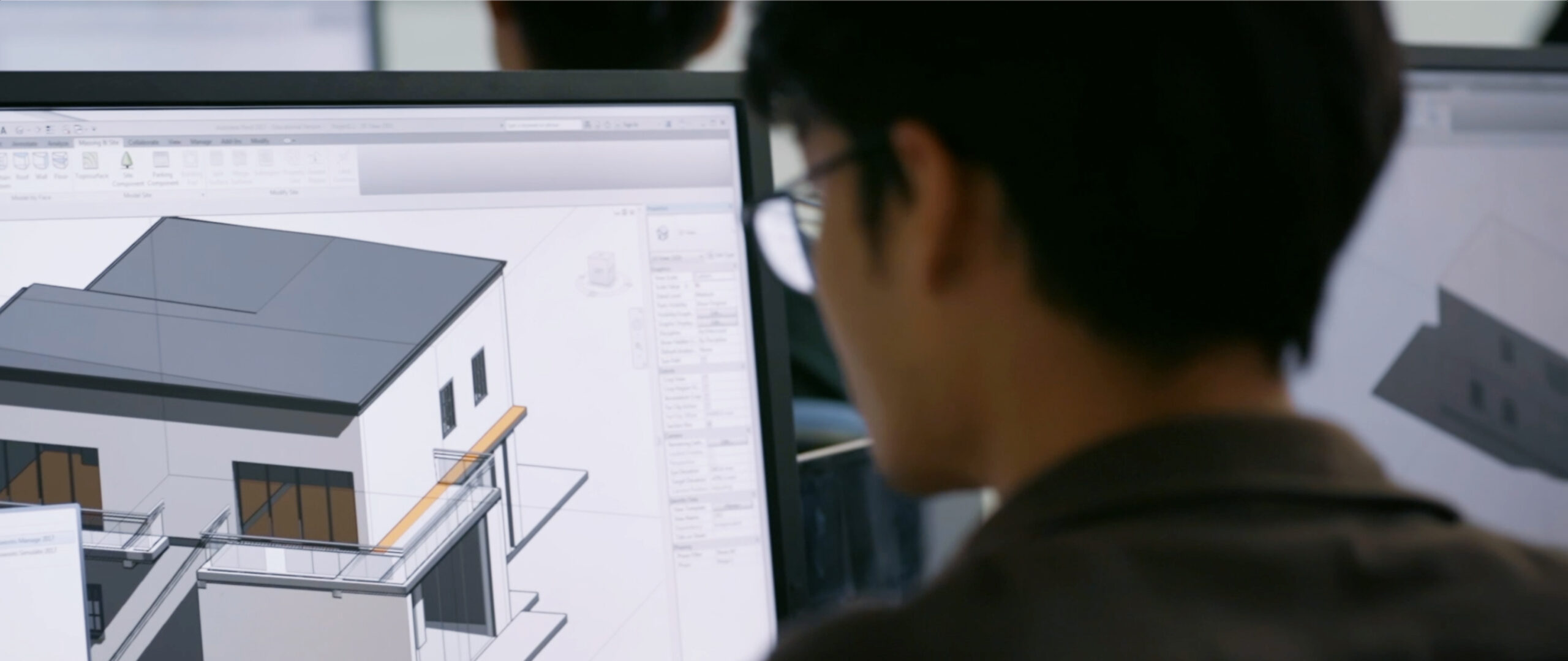
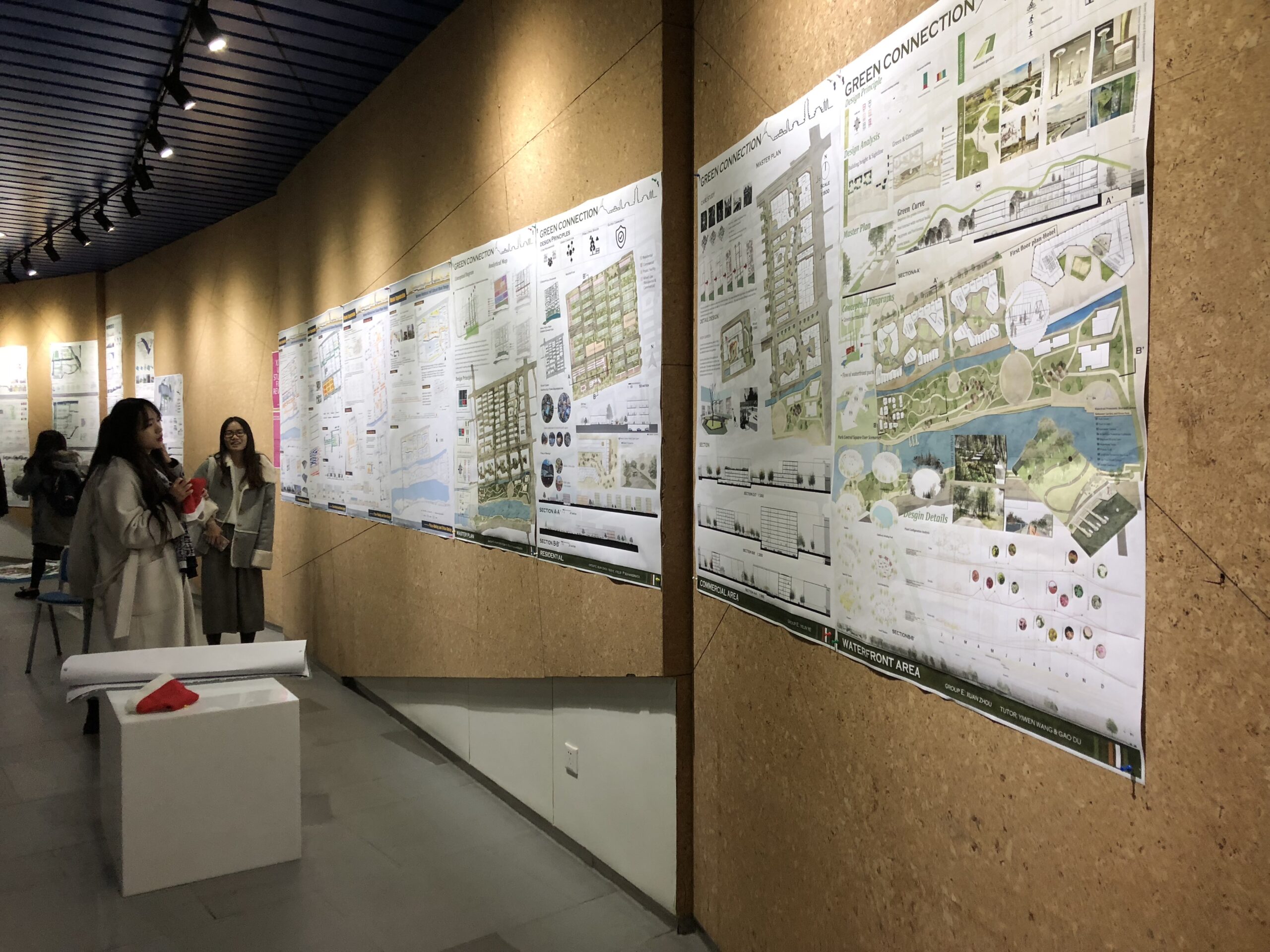
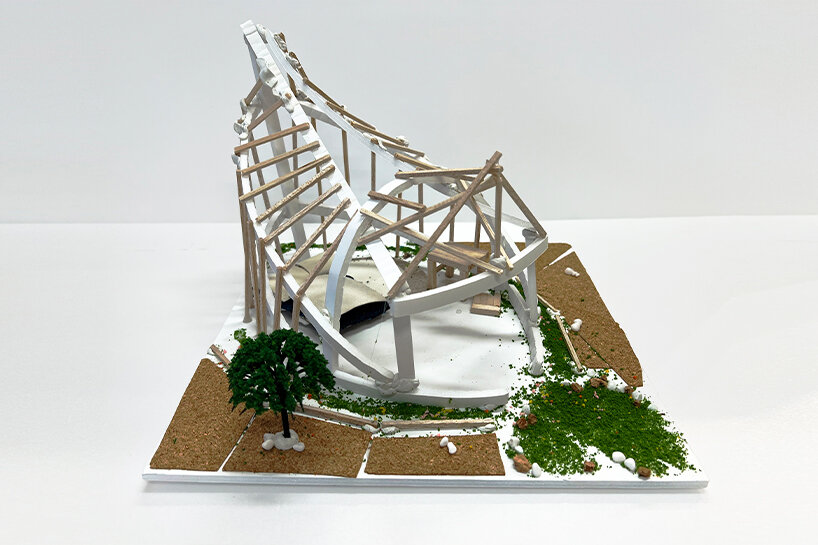
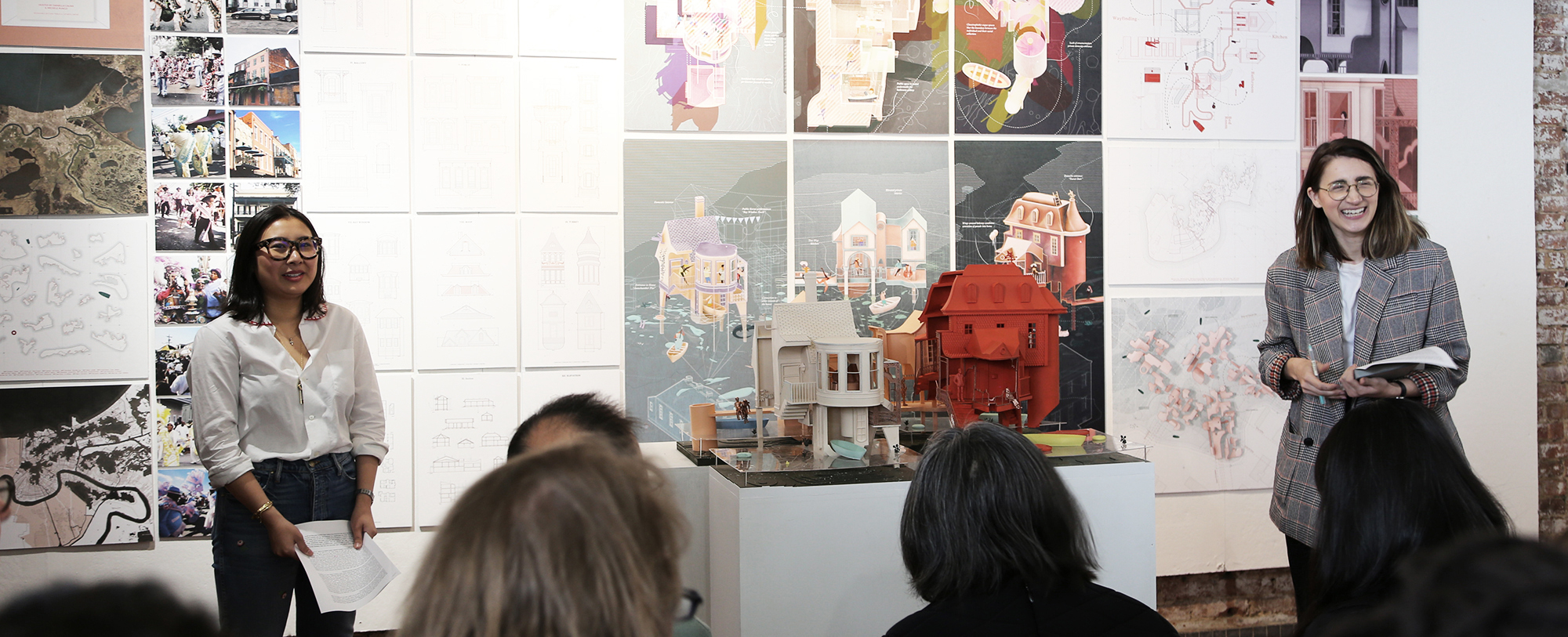
The pedagogical approach at Pratt emphasizes hands-on learning, critical discussion, and design exploration. Students engage with a wide array of technologies, methodologies, and community engagement processes to understand and expand the possibilities of built, unbuilt, and rebuilt environments. The overarching goal is to empower students to leverage their expertise in creating and maintaining sustainable spaces, communities, and habitats, thereby contributing positively to the public good. Recent news highlights include exhibitions celebrating the school's legacy, reflections on its 70-year history, and upcoming information sessions for prospective graduate students.
Key departments within the school are Undergraduate Architecture; Graduate Architecture, Landscape Architecture, and Urban Design; Construction Management; and the Graduate Center for Planning and the Environment. Each department focuses on specific aspects of architectural and urban development, ensuring a diverse and specialized educational experience. The School of Architecture also maintains strong ties with professional accreditation boards, such as the National Architectural Accrediting Board (NAAB) and the Planning Accreditation Board (PAB), underscoring its commitment to high academic and professional standards. The institution provides resources like contact information, messages from the dean, news and events, and a studio culture policy, all aimed at fostering a supportive and rigorous academic environment.
#PrattInstitute #SchoolOfArchitecture #ArchitecturalEducation #UrbanPlanning #LandscapeArchitecture #ConstructionManagement #HistoricPreservation #SustainableDesign #UrbanDesign #PrattInstitute #SchoolOfArchitecture #ArchitecturalEducation #UrbanPlanning #LandscapeArchitecture #ConstructionManagement #HistoricPreservation #SustainableDesign #UrbanDesign
0 comment in total
 No comments yet
You may also like

School of Architecture

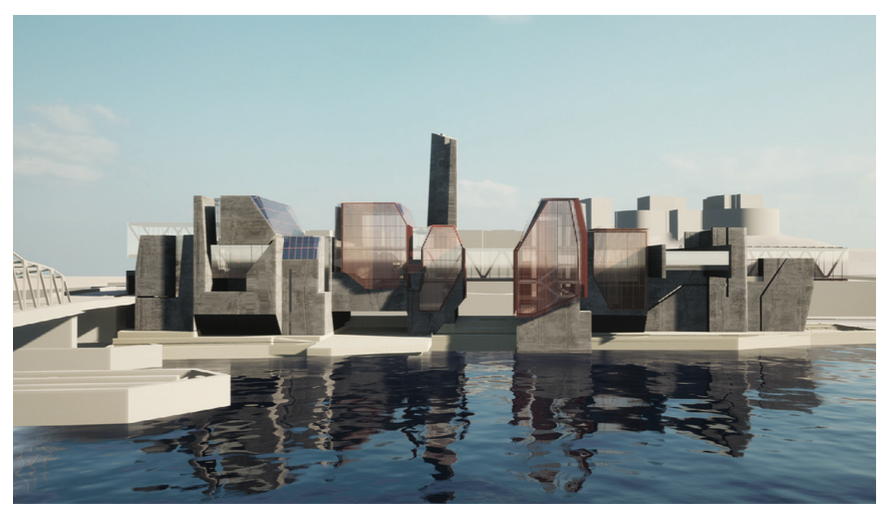
Graduate Architecture, Landscape Architecture, and Urban Design
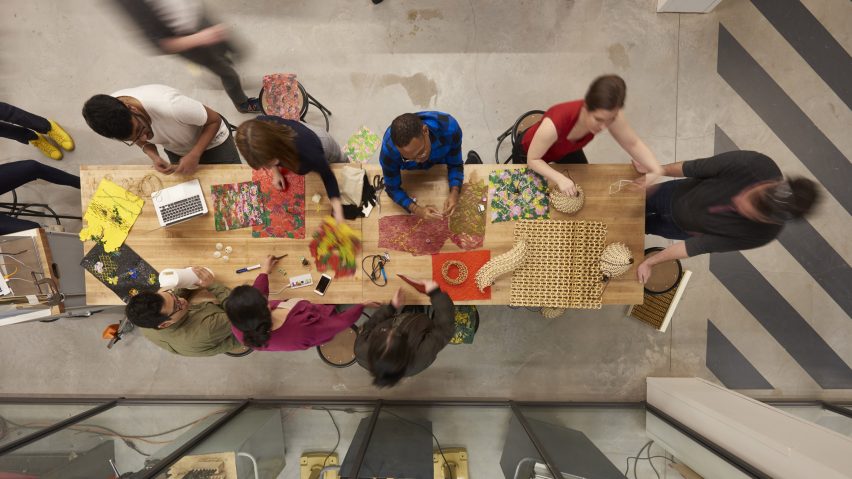
Nine design projects from The New School's Parsons School of Design students

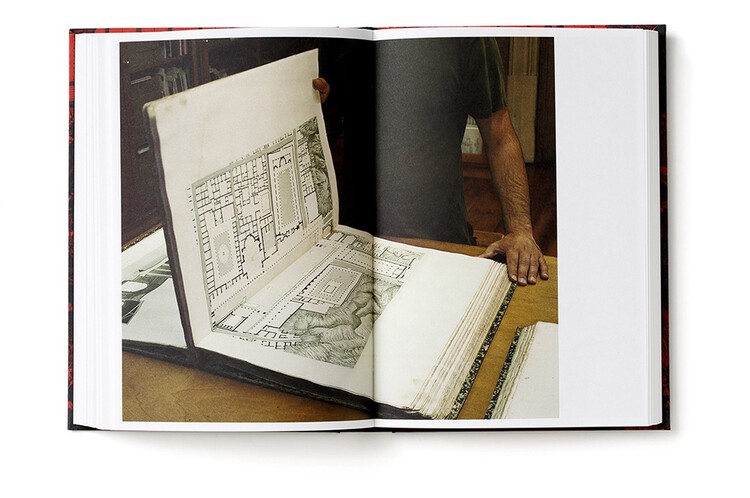
The Architect as Writer: Expanding the Discipline Beyond Buildings


My ArchiSchool presents 10 architecture and design projects
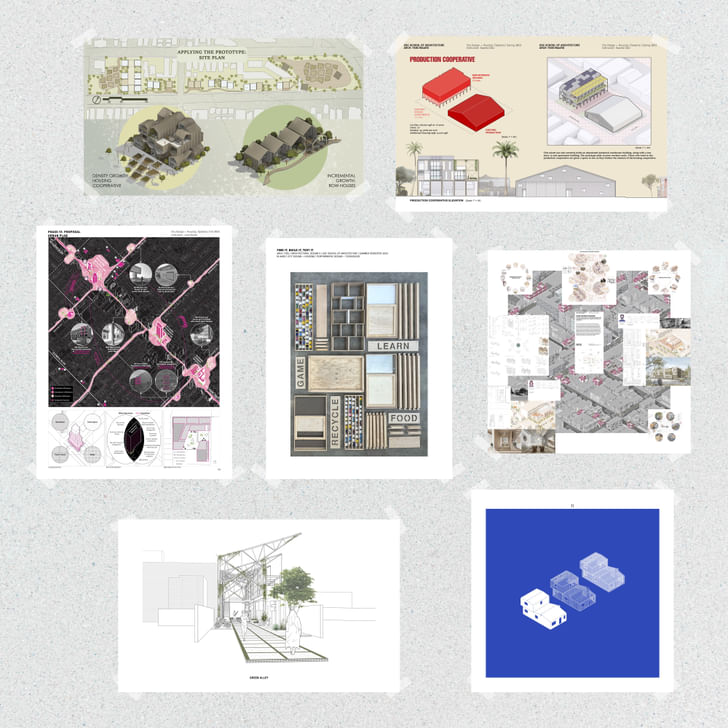
USC Students Try a ‘Bottom-Up’ Approach To Sustainable Housing Delivery in the School of Architecture’s Adaptive P/Re-Use Studios


Shenzhen Art High School / O-office Architects

Top interior design programs in St. Louis

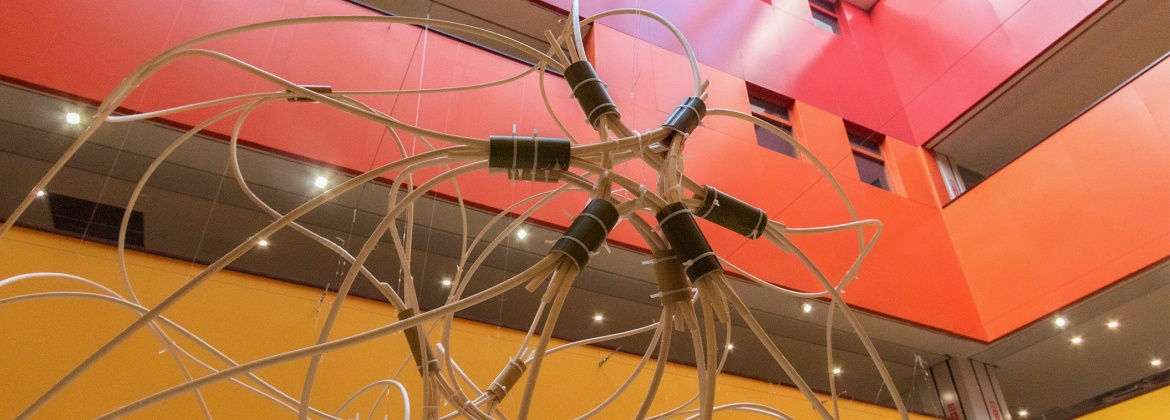
Design School - Xi'an Jiaotong-Liverpool University

How to Be a Better Architect Than Me
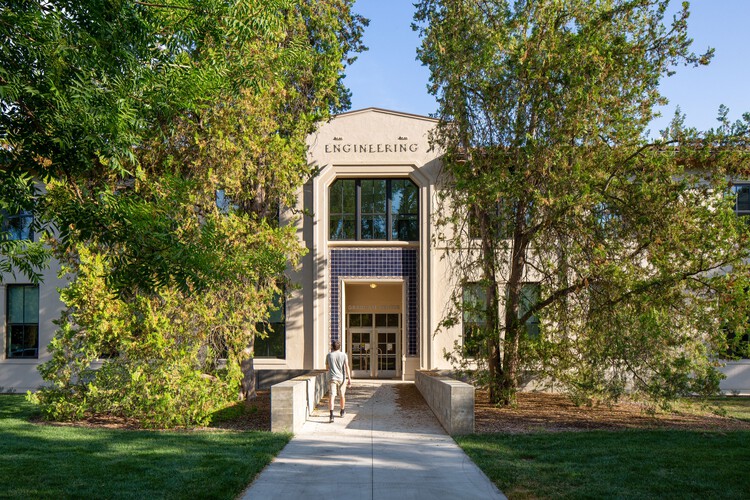
Walker Hall Graduate Student Center / LMS Architects
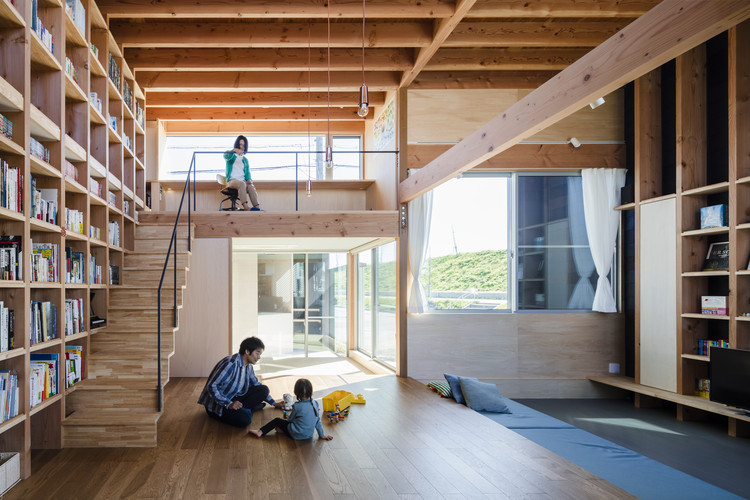
Parentheses House / SAI Architectural Design Office

Architectural Design Studios

my archischool experiments with wooden architecture in sustainable urban designs

A Look at Design School Dorms, Part 2: SCAD's Ultra-Modern Hive Complex

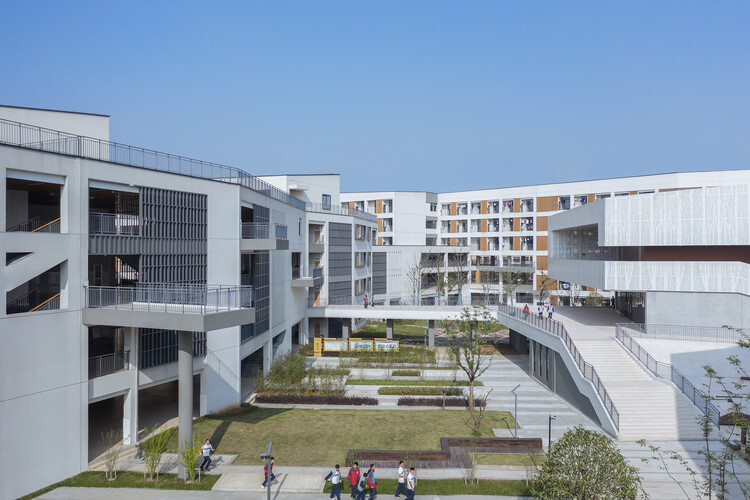
Hangzhou Zhongtai Middle School / LZGC Quantum City Design Firm + Zhejiang Jianyuan Architectural Design and Urban Planning Institute

10 best Master programs in advanced architecture and computational design

My ArchiSchool spotlights 10 architecture and design projects
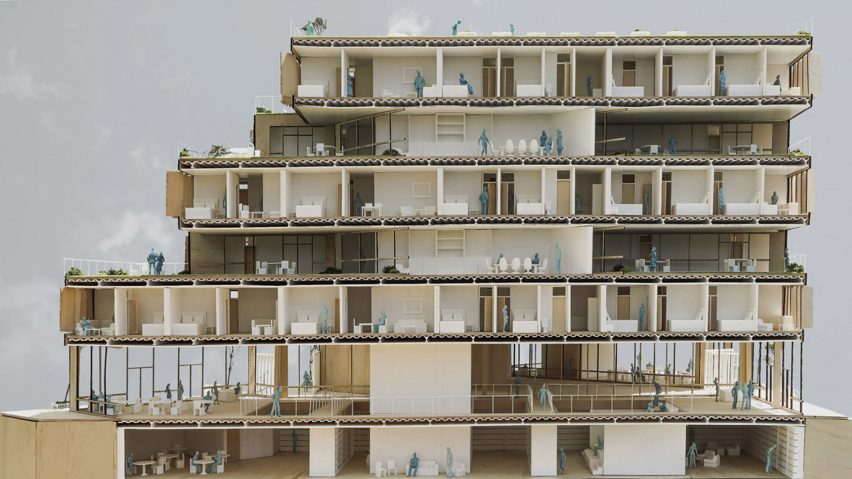
Ten architecture projects by students at the City College of New York
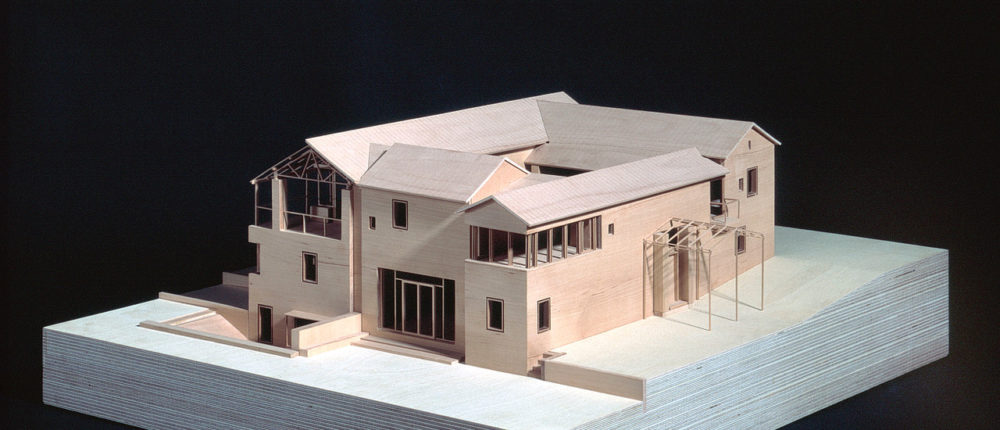
Whatever Happened to “The Architects’ Architect”?