1/7
'Avoid a return flight straight into burnout' – 6 simple tricks for sleeping better on holiday, according to Simba's sleep experts
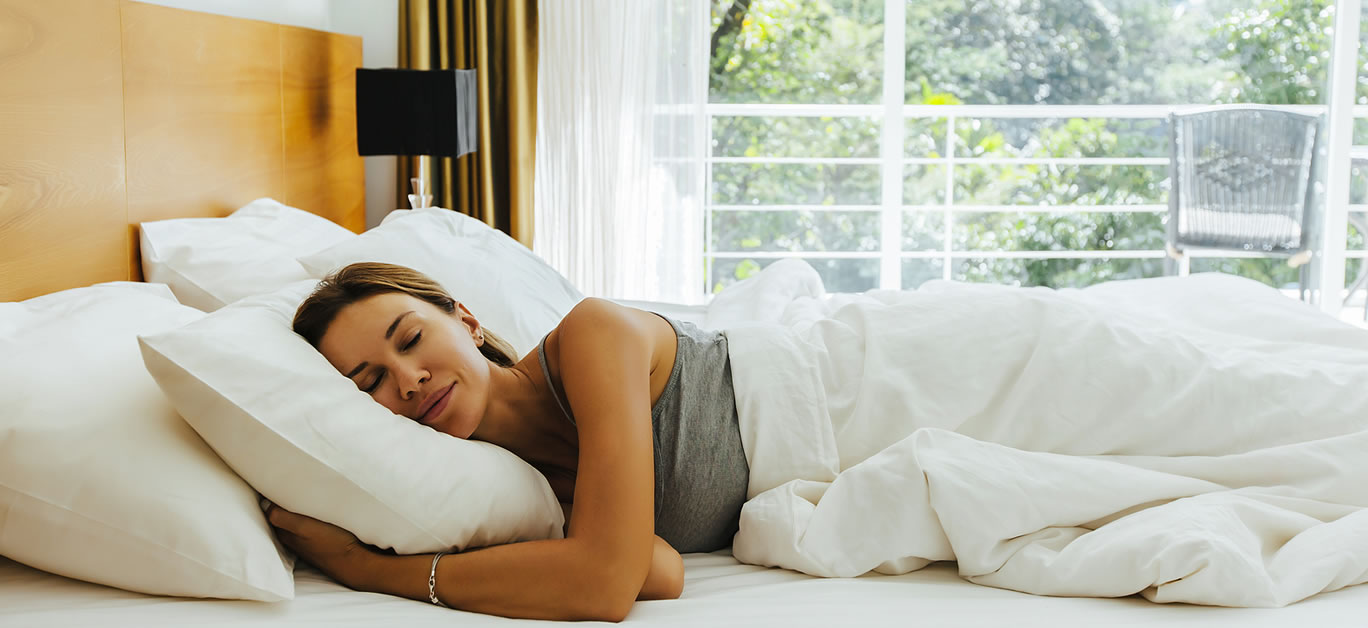
Many individuals look forward to holidays as an opportunity for rest and rejuvenation, hoping to return home feeling refreshed. However, recent research by sleep experts at Simba reveals that 72% of Britons experience disrupted sleep during their trips. This poor sleep often begins even before reaching the destination, with 42% of survey respondents reporting difficulty sleeping on planes, leading to fatigue upon arrival. Furthermore, a third of travelers have missed daytime activities due to the need for a nap, and 30% admit to increased irritability when sleep-deprived during their vacation. Lisa Artis, deputy CEO of The Sleep Charity, a partner of Simba, emphasizes that sleep is fundamental to a successful holiday and its absence can negatively impact the entire experience, leading to canceled plans, arguments, and a sense of burnout upon returning home.
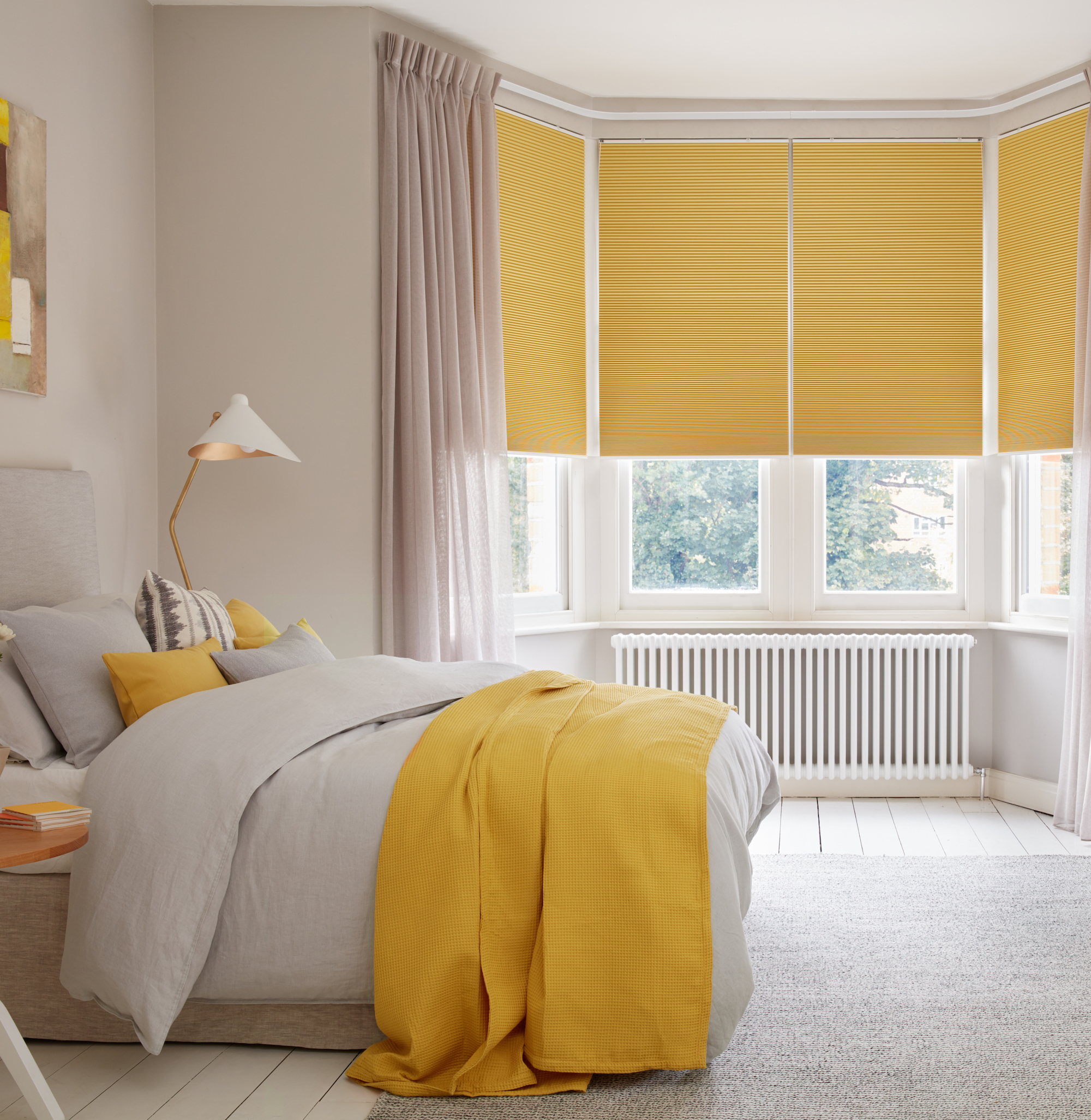
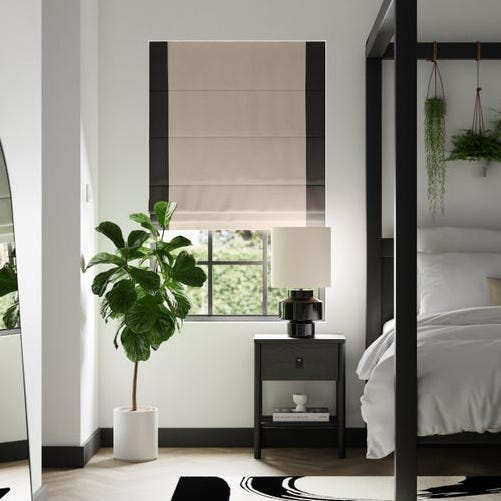
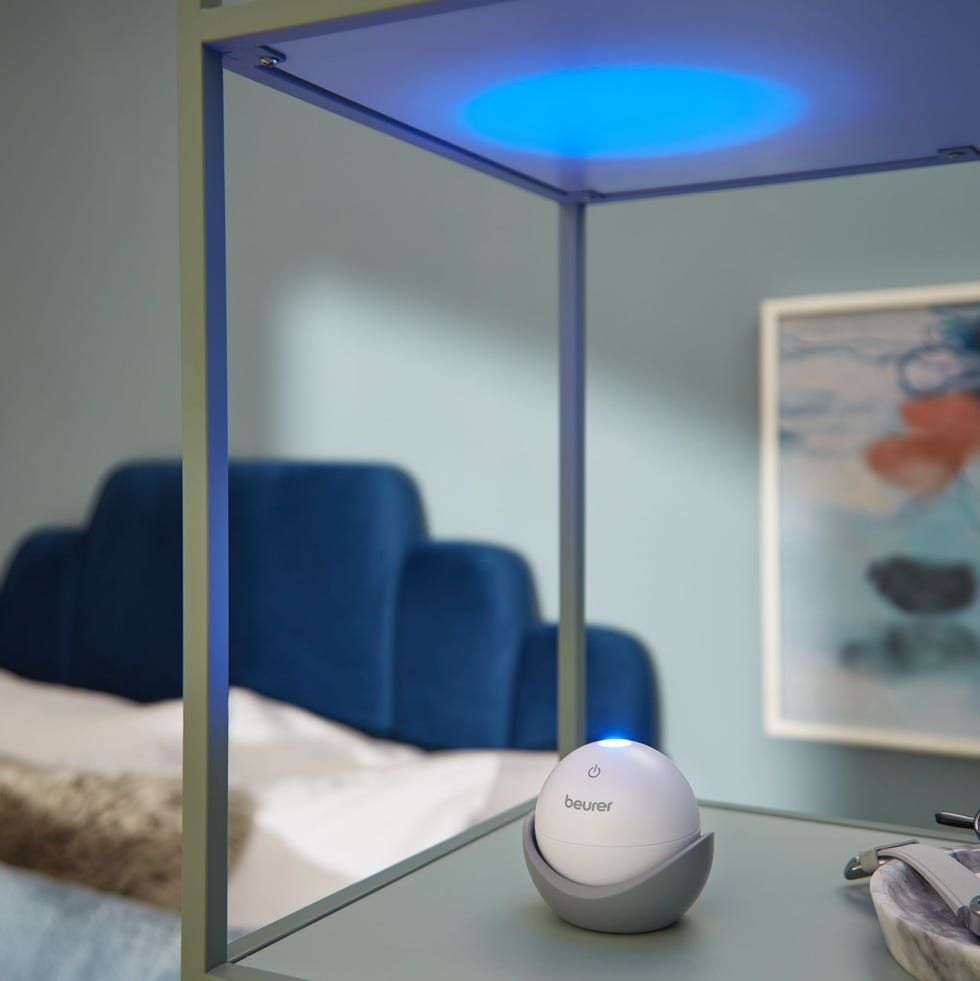
Simba's sleep experts and The Sleep Charity offer six practical tips to improve sleep quality while on holiday. The first recommendation is to block out all light. Hotel rooms and Airbnbs may not have adequate blackout solutions, and even a sliver of dawn light can signal to the brain that it's morning, leading to early awakenings. A suggested hack involves using trouser hangers with spring clips, often found in hotel wardrobes, to secure curtains. Alternatively, hair grips can serve a similar purpose to ensure darkness. The second tip addresses LED lights from electronic devices, which can illuminate a dark room and disrupt sleep. Blue light from standby lights on TVs, air conditioning units, and fire alarm sensors can interfere with the body's natural sleep cycle. A simple solution is to cover these blinking lights with plasters, stickers, or washi tape.
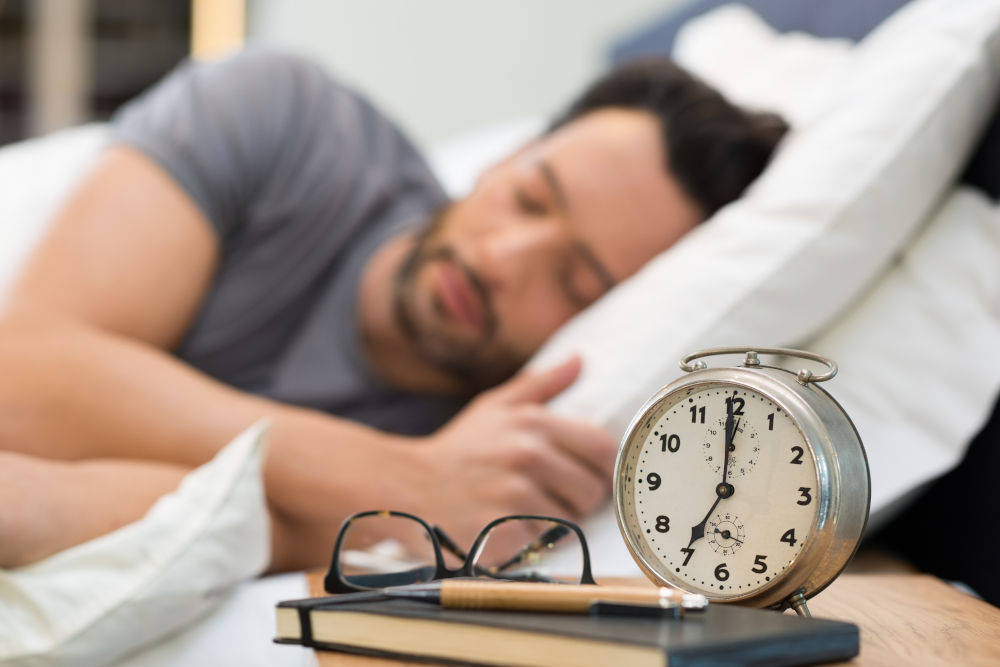
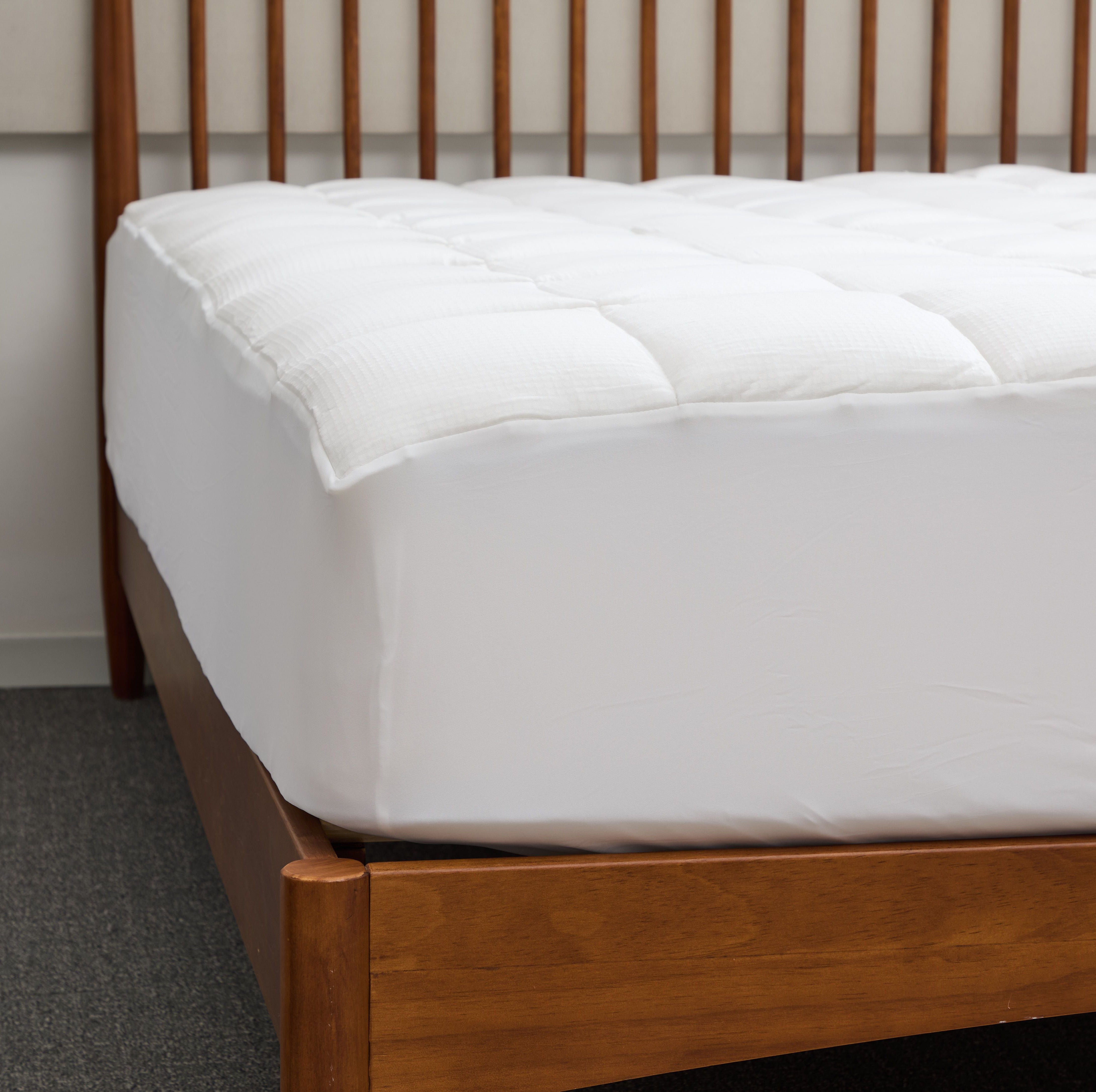
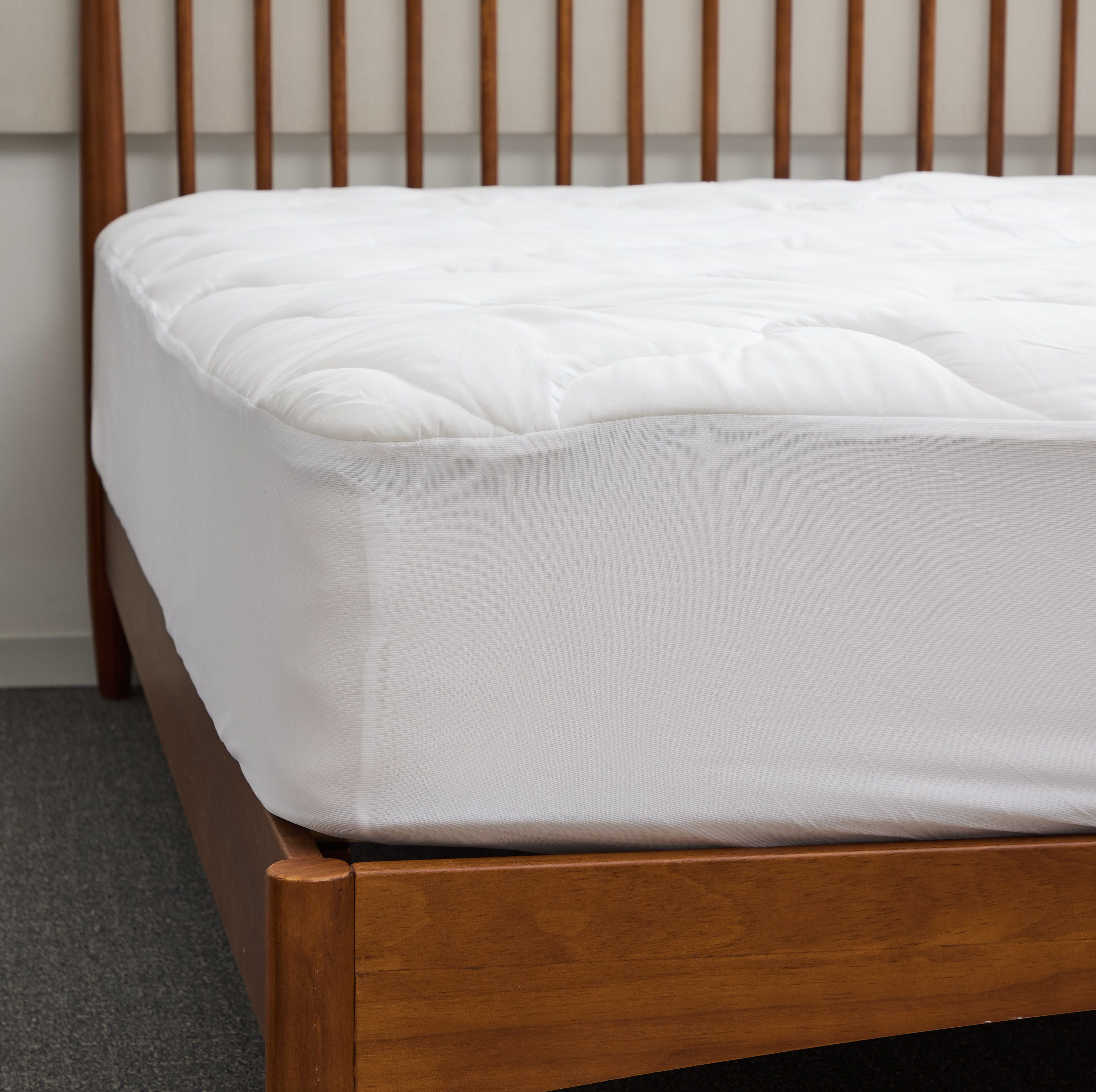
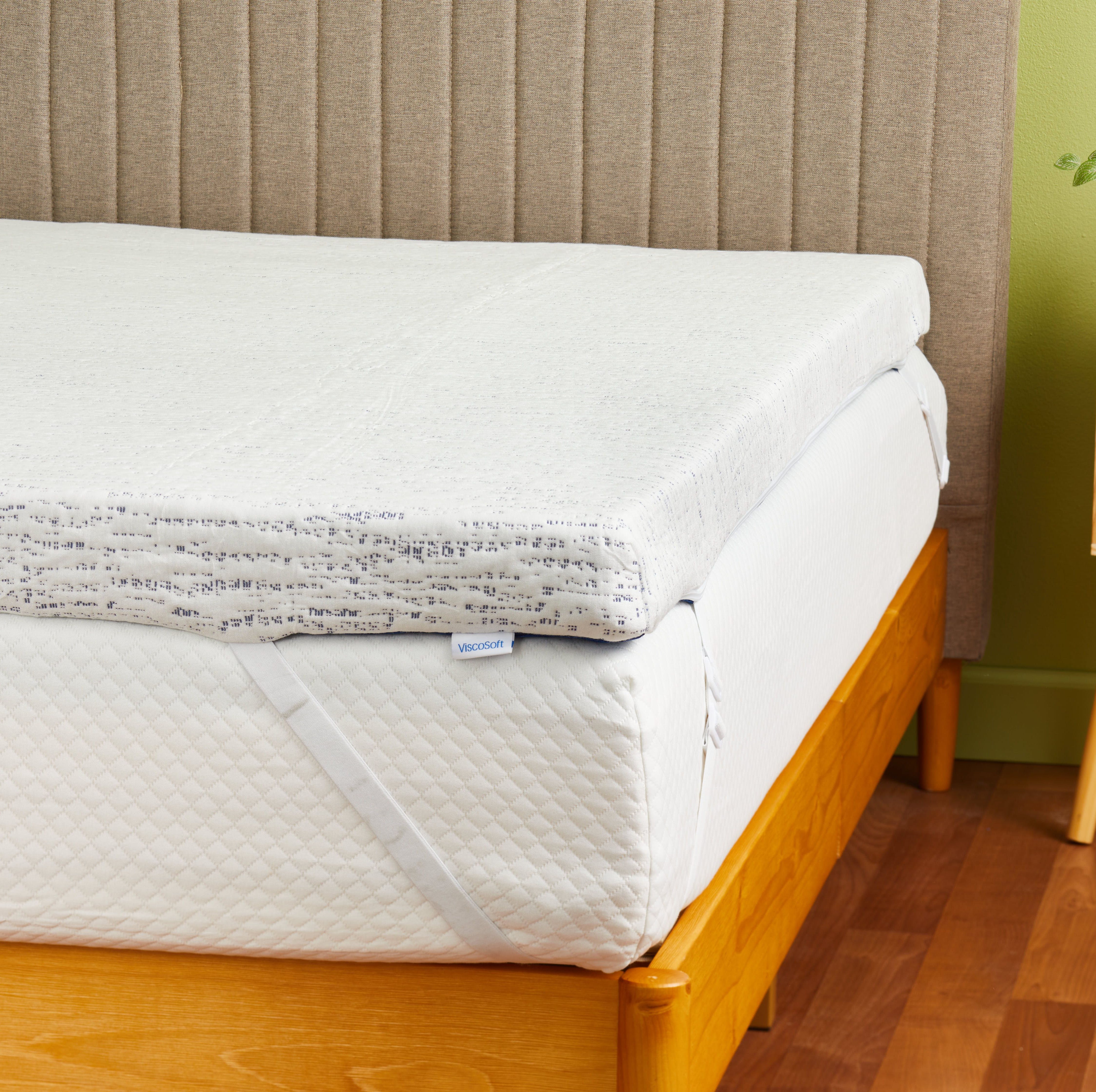
Thirdly, managing noise is crucial for uninterrupted sleep. Constant disturbances, whether from a ticking alarm clock or noisy neighbors, can prevent deep rest. Experts advise muffling sharp sounds and using white, pink, or brown noise to mask external disturbances. Placing a clean sock over a ticking clock can reduce its sound, while playing ambient noise on a phone can effectively block out street sounds or late-night conversations, with brown noise being particularly effective for sudden interruptions. The fourth tip suggests checking the mattress type when booking accommodation. Individual preferences for mattress firmness, softness, memory foam, or hybrid options vary, and a comfortable mattress significantly contributes to sleep quality. Many hotels are becoming more aware of the importance of mattress quality, and a comfortable hotel bed might even indicate it's time to replace your mattress at home.
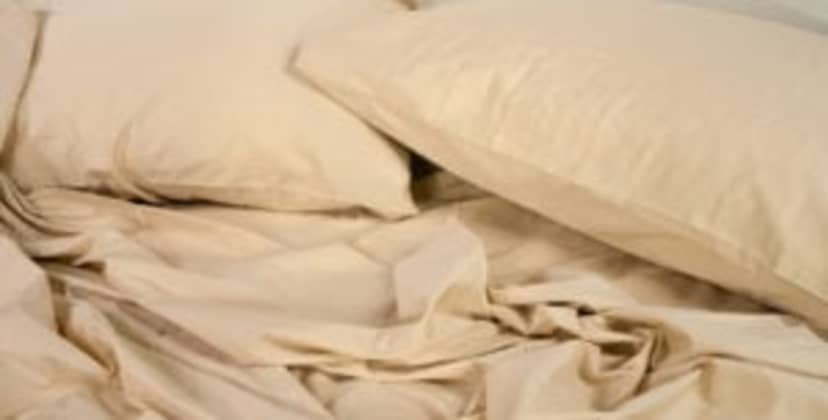
Fifth, improving pillow support is essential, especially when traveling light. The ideal pillow varies depending on sleeping position; side sleepers typically need a high, firm pillow, while back and stomach sleepers require a softer, lower loft. If bringing your own pillow is not feasible, a hand towel or jumper can be rolled up and tucked inside the pillowcase or beneath the middle of the pillow to provide neck support and spinal alignment. Finally, cooling the feet can help induce sleep faster. If a room is too hot due to lack of air conditioning, dampening a flannel and resting it over the feet or ankles can help regulate body temperature, signaling to the brain that it's time to sleep. These practical suggestions, many of which utilize items already available in holiday accommodation, aim to ensure a restful vacation experience.
#HolidaySleep #SleepTips #TravelWellbeing #SimbaSleepExperts #BedroomEnvironment #NoiseManagement #MattressComfort #PillowSupport #TemperatureRegulation #HolidaySleep #SleepTips #TravelWellbeing #SimbaSleepExperts #BedroomEnvironment #NoiseManagement #MattressComfort #PillowSupport #TemperatureRegulation
0 comment in total
 No comments yet
You may also like
The winter bedroom reset: How to sleep better this season


The Best Bedding to Improve Your Sleep

5 Things Wellness Experts Always Have in Their Bedrooms to Keep a Calm Space and Mind

Use the Scandinavian Bed-Making Method and Never Fight Over a Blanket Again

5 bedroom design tips to help night owls fall asleep – and wake up feeling fresh
15 bedroom design tips for better sleep – wake fresh for the day
Vastu for Sleep: Creating a Peaceful Bedroom Setup for Better Rest

6 interior design mistakes that could be affecting your sleep
Sleep experts helped organize my bedroom for better sleep
Our 7 Favorite Hotel-Style Sheets for a Luxurious Night of Sleep—No Vacation Required

Interior designers share their secrets to designing a bedroom like a 5-star luxury hotel room at home
13 best sleeper sofas so comfortable, your guests won’t want to leave
7 Bedroom Design Tips for Better Sleep, According to Experts
Hot Sleepers: We Found the Best Way to Make Your Bed Cooler and Comfier

Bedroom Organization Ideas That’ll Help You Sleep Easy

These Sleeper Sofas Are Your Best Bet for Comfortably Hosting Guests

Bed Rot Essentials for That Post-Holiday Break

10 Bedroom Decor Mistakes Keeping You From Your Best Sleep Ever

How to transform your bedroom into a wellbeing sanctuary, according to experts
6 Tricks Designers Always Use to Create a More Relaxing Bedroom