Use the Scandinavian Bed-Making Method and Never Fight Over a Blanket Again
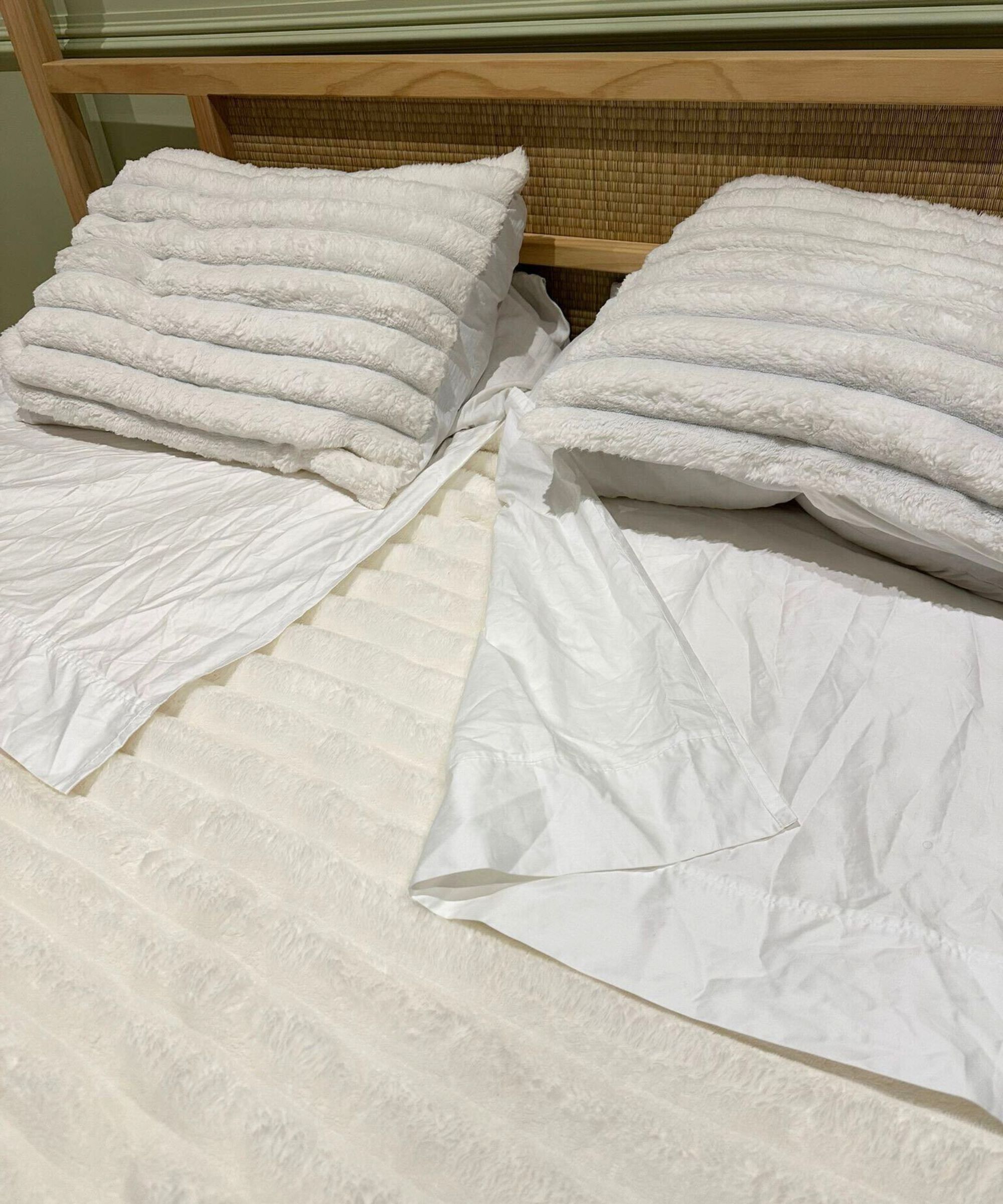
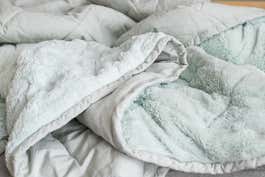
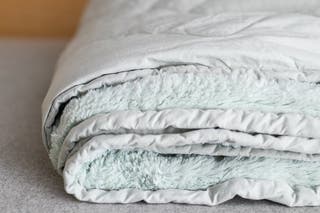
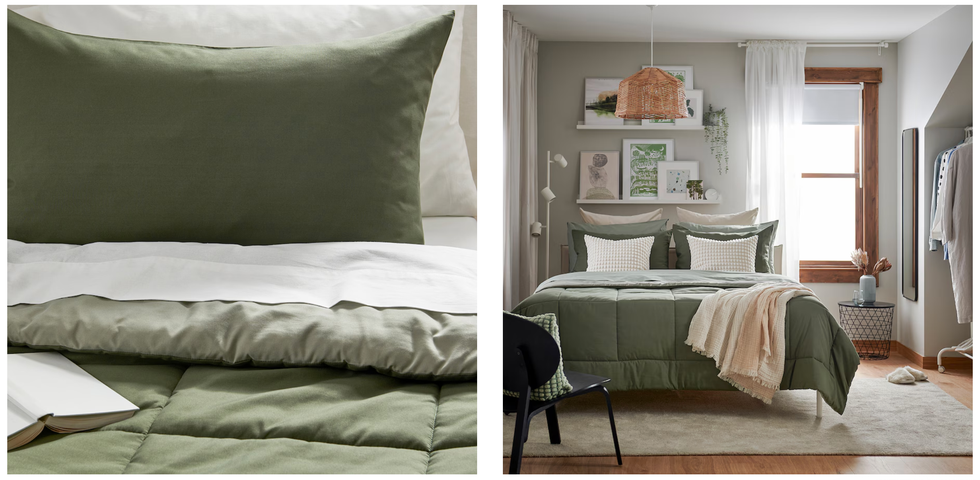
The Scandinavian sleep method offers a unique approach to bed-making and bedroom design, particularly beneficial for co-sleepers. This method, popular in countries like Sweden, Norway, and Denmark, addresses common issues faced by partners, such as blanket-hogging and differing temperature preferences, aiming to enhance the quality of co-sleeping. The core principle revolves around using two separate duvets, one for each individual, rather than a single large comforter. This allows each partner to control their own bedding, preventing tug-of-wars over covers and enabling personalized choices regarding duvet thickness and material to suit individual temperature regulation needs. Twin-size or twin XL duvets are commonly used, which can be slightly overlapped in the center to maintain a cohesive look while ensuring independent cover usage. These duvets are typically tucked at the bottom of the bed to keep them in place throughout the night.

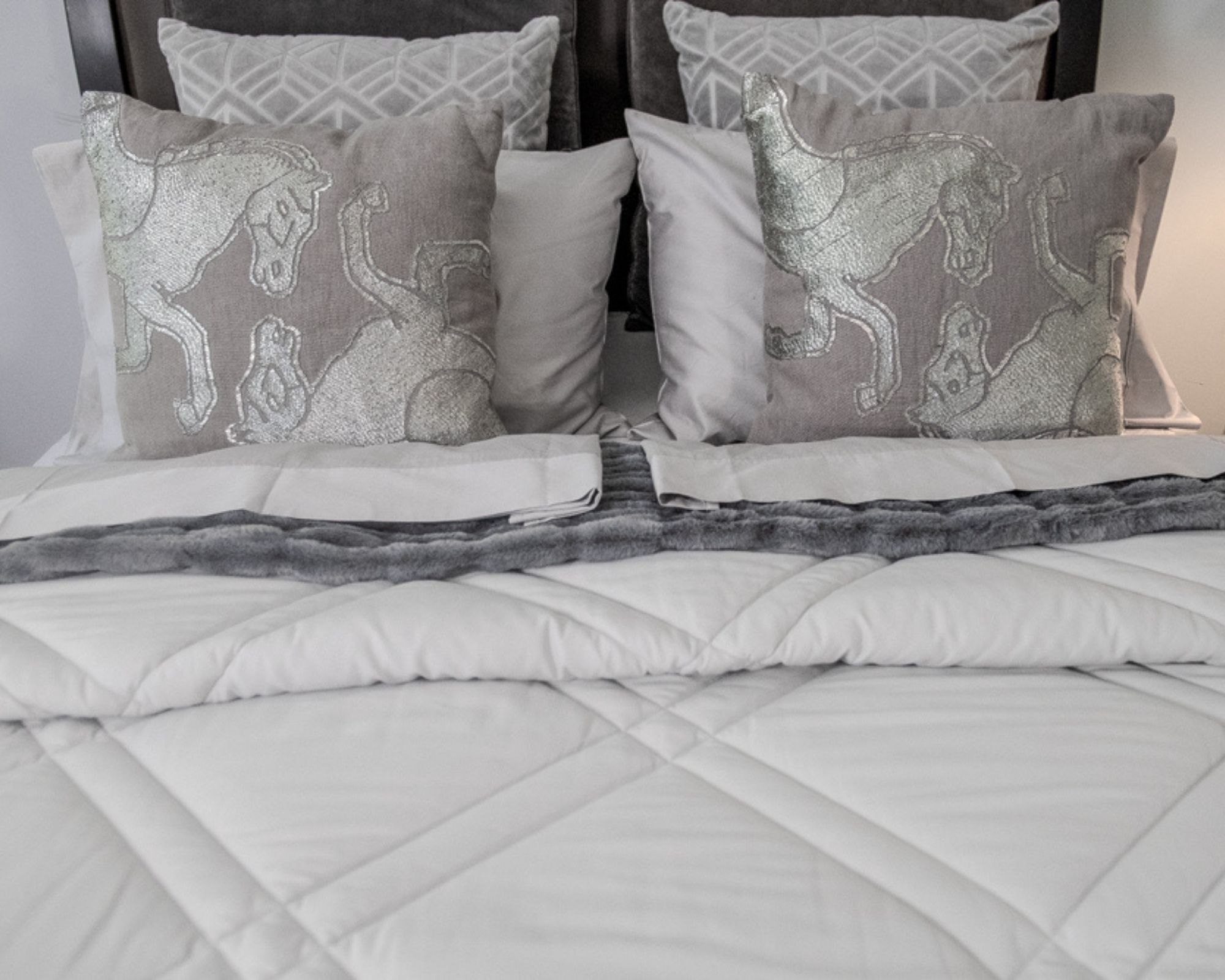
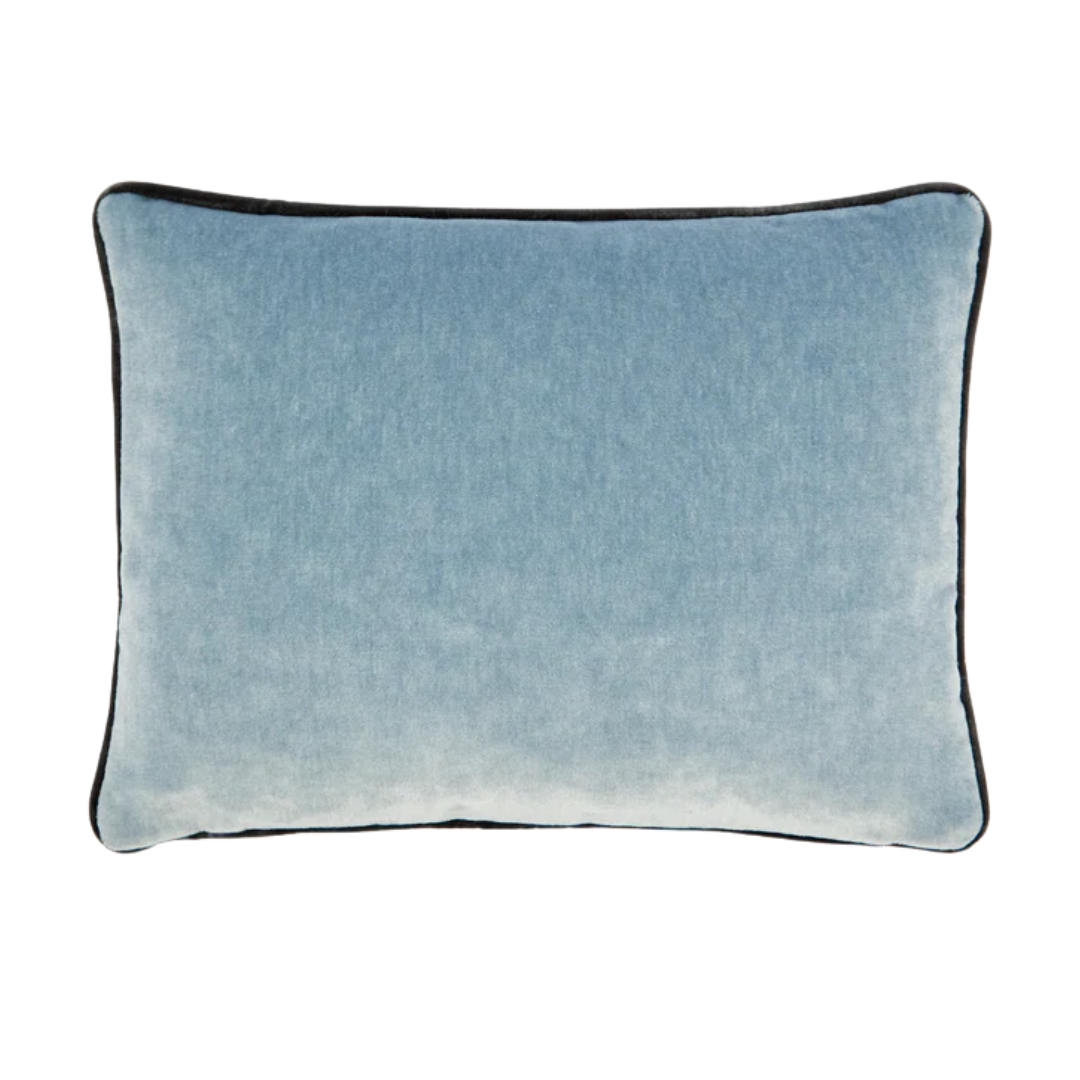
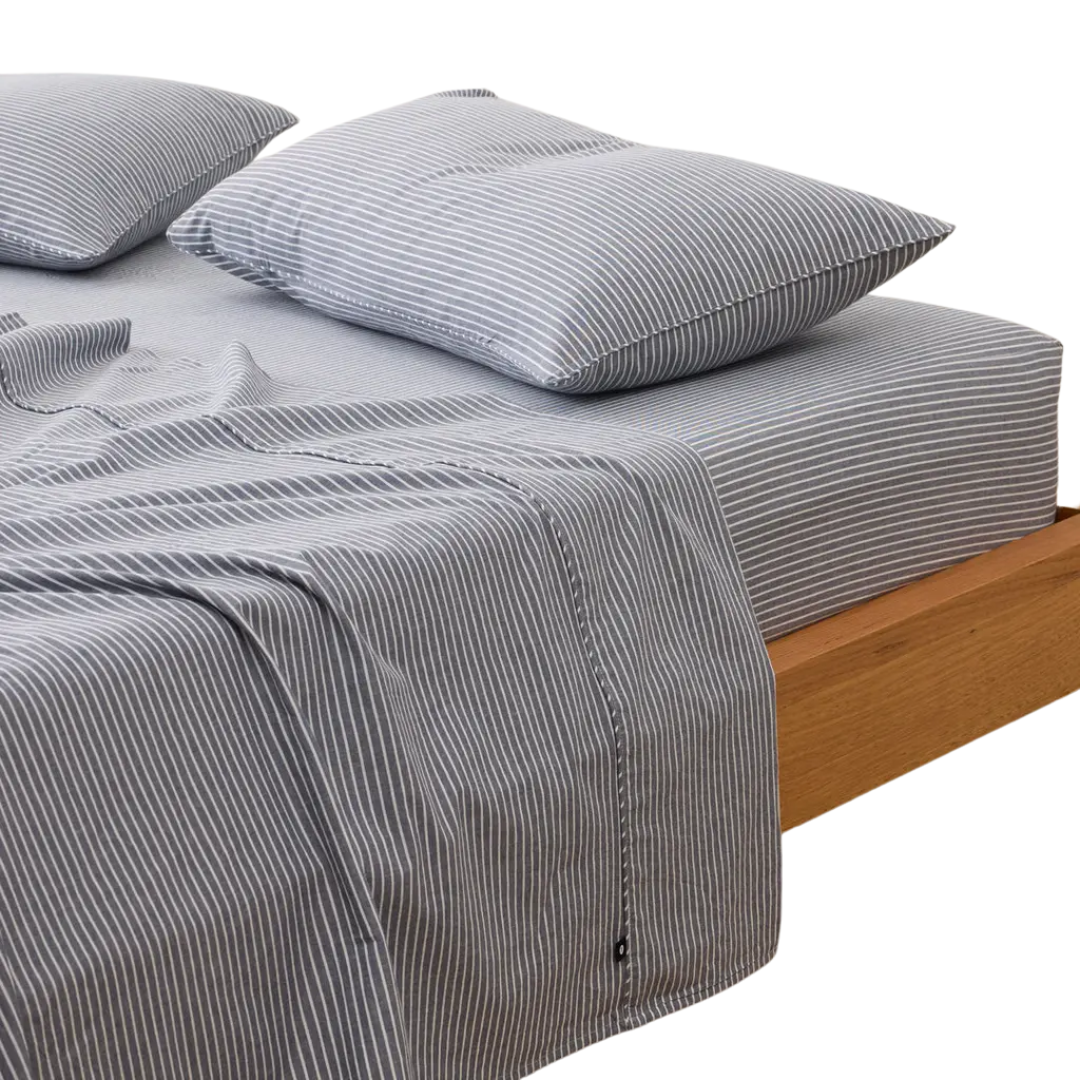
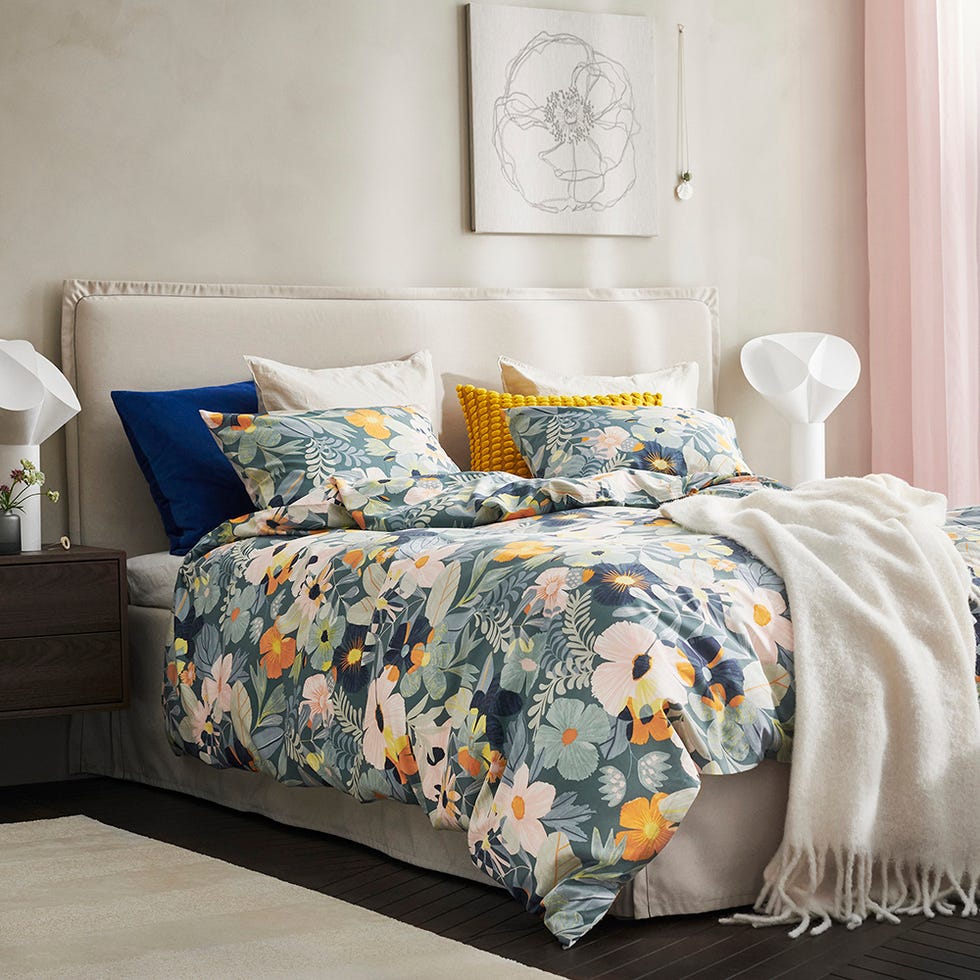
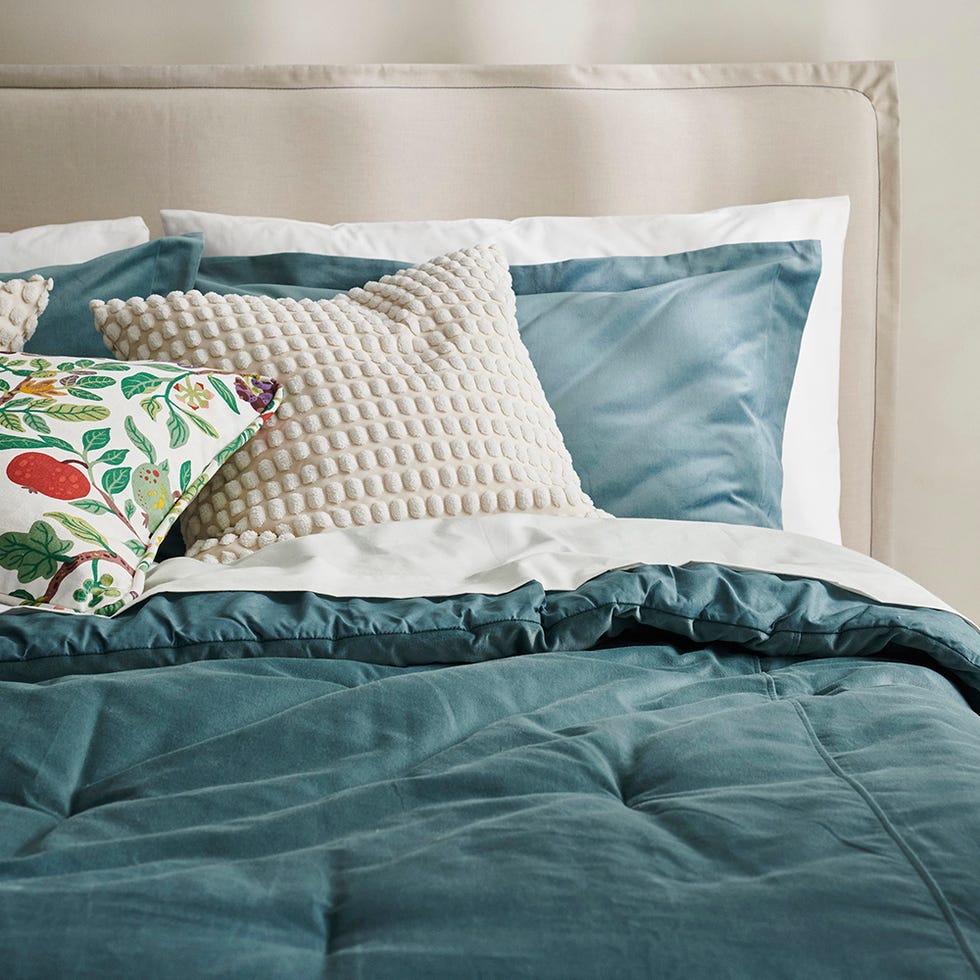
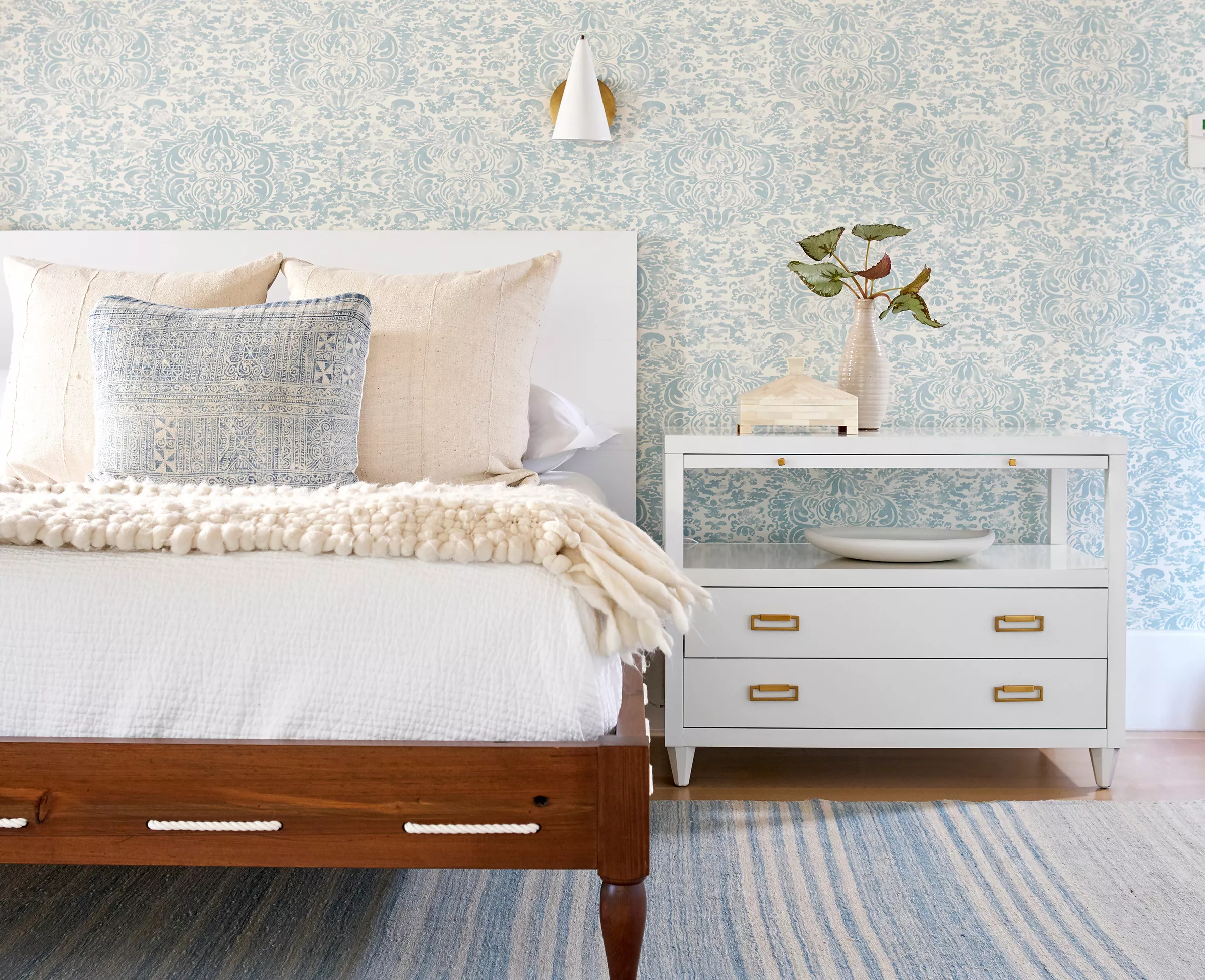
Another significant aspect of the Scandinavian sleep method is the recommendation to forgo the top sheet. While a fitted sheet is still used, the top sheet is omitted to reduce tangling and eliminate another layer that partners might pull back and forth. This simplification can contribute to a more undisturbed night's sleep. Despite these practical adjustments, the method emphasizes maintaining an aesthetically pleasing bedroom. After positioning the two duvets, they can be folded back at the top, creating space for decorative pillows to be layered, adding a cozy and plush feel to the bed. An ornamental throw can further enhance the visual appeal and tie the bedding together.
The primary benefit of this method is the increased autonomy it provides each partner, allowing them to optimize their sleep environment without impacting the other. This individualized control over bedding can reduce sleep disturbances caused by differing sleep schedules or movements during the night. The Sleep Foundation highlights that while separate duvets offer practical solutions for some sleep-related conflicts, they do not resolve more complex issues such as restless leg syndrome, sleep talking, snoring, or sleep apnea. However, the method aims to preserve the benefits of co-sleeping, which, according to the Sleep Foundation, include reduced stress levels and improved emotional regulation due to oxytocin release from physical closeness.
While the Scandinavian method offers numerous advantages, there are some potential drawbacks. It might be more challenging to make a bed with two duvets appear perfectly neat and tidy, requiring careful overlapping. Additionally, couples who enjoy cuddling closely throughout the night might find the separate duvets to be a minor impediment to their preferred sleeping style. Nevertheless, for many, the trade-off of individual comfort and reduced sleep disruption outweighs these minor inconveniences, making it a viable option for improving shared sleep experiences.
#ScandinavianSleepMethod #BedroomDesign #CoSleeping #SleepImprovement #DuvetSelection #HomeDecor #BeddingChoices #StressReduction #ScandinavianSleepMethod #BedroomDesign #CoSleeping #SleepImprovement #DuvetSelection #HomeDecor #BeddingChoices #StressReduction
0 comment in total
 No comments yet
You may also like

Are you ‘sleep divorced’? Here’s why single beds are back

This 1980s Bedding Trend Is Coming Back—Here’s How to Make It Feel Modern

Step Away From Boring Bedding Choices — This Unexpected Fashion Inspiration Is the Trend I Don't Think Anyone Saw Coming

Cozy Up with These Beautiful Bedding Ideas for Every Style

I Tried This Luxurious Split-Panel Bedsheet – It Instantly Ended Our Night-Time Battle for the Covers


The 9 Best Weighted Blankets of 2026 | Reviews by Wirecutter


Martha Shows Us How We Should Be Making Our Beds Every Morning

Bedded bliss: The return of the four-poster bed

Scandinavian quilts are the cozy fall bedding trend to try
We Found the Best Places to Buy Bedding So You Don’t Have To


One duvet or two? How adopting the Czech bedding style can improve your sleep
How To Keep Sheets On a Bed (2025)

Say Goodbye to Slipping Sheets: These Deep-Pocket Options Stay Put All Night
Best Bedspreads of 2025


The Best Bedding to Improve Your Sleep

Best Quilts of 2025

Best Bedding Brands of 2025
The 7 Best Blankets of 2025 - Wool, Fleece & Cotton Blankets | Reviews by Wirecutter

Beat the Winter Blues With These Fresh Bedding Options
Finding the Best Bed Frame Is More Important Than the Mattress