
1/4
How To Keep Sheets On a Bed (2025)
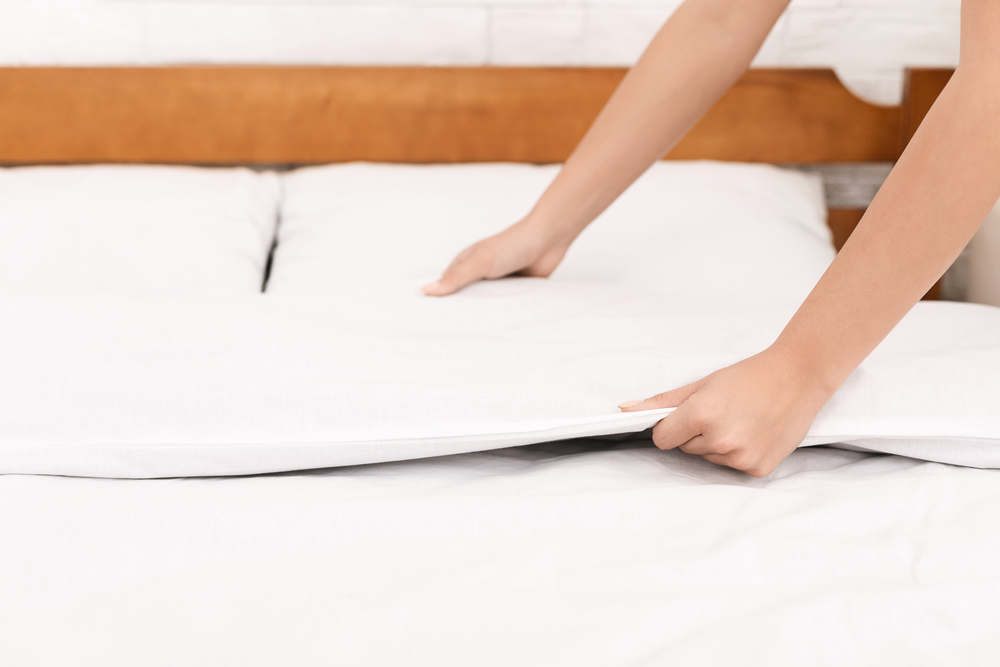
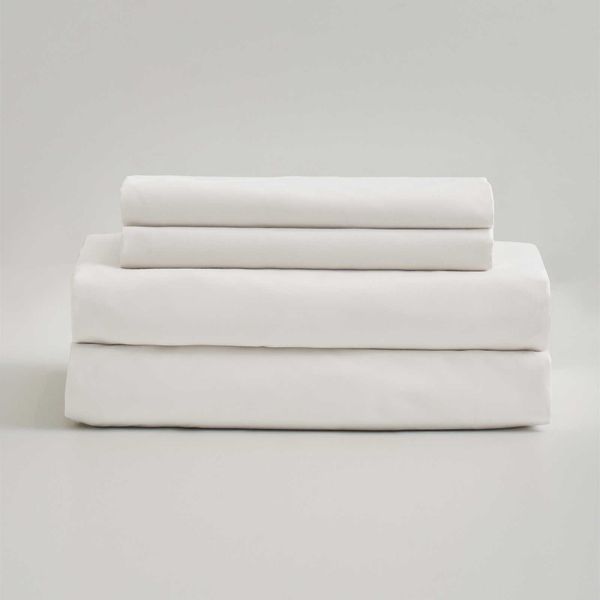
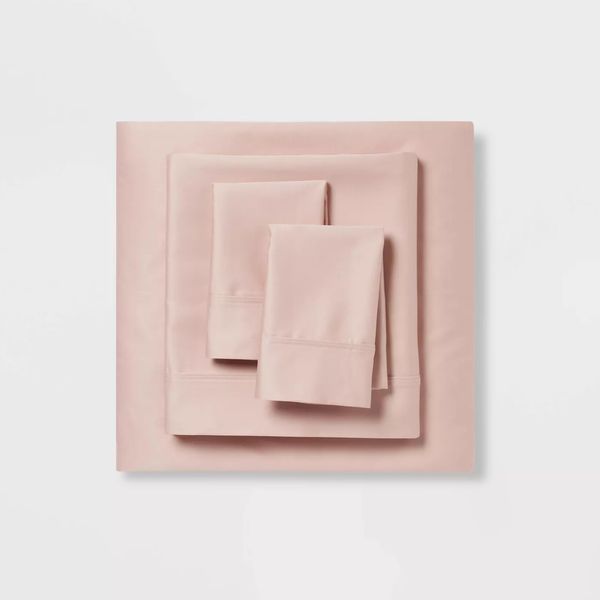
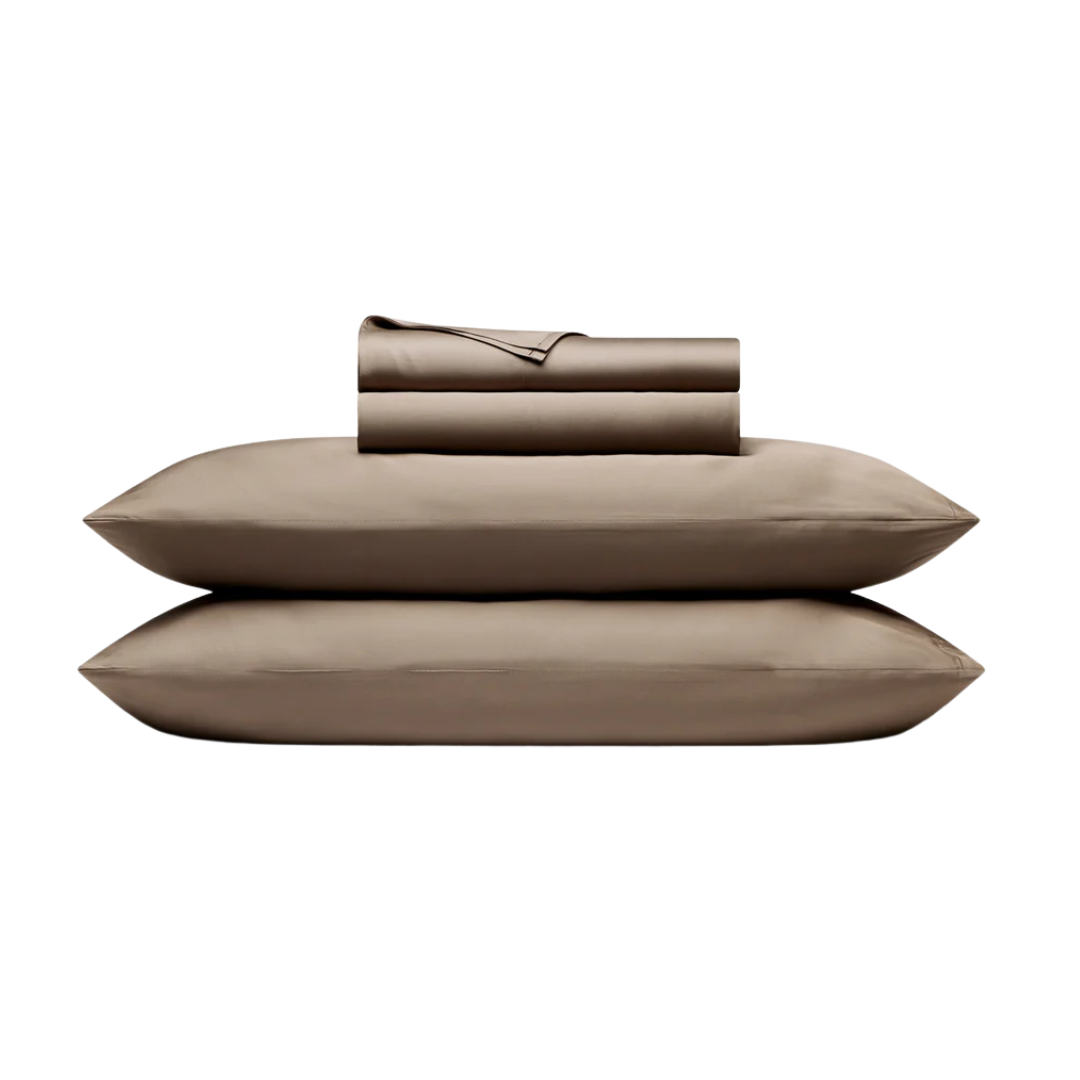
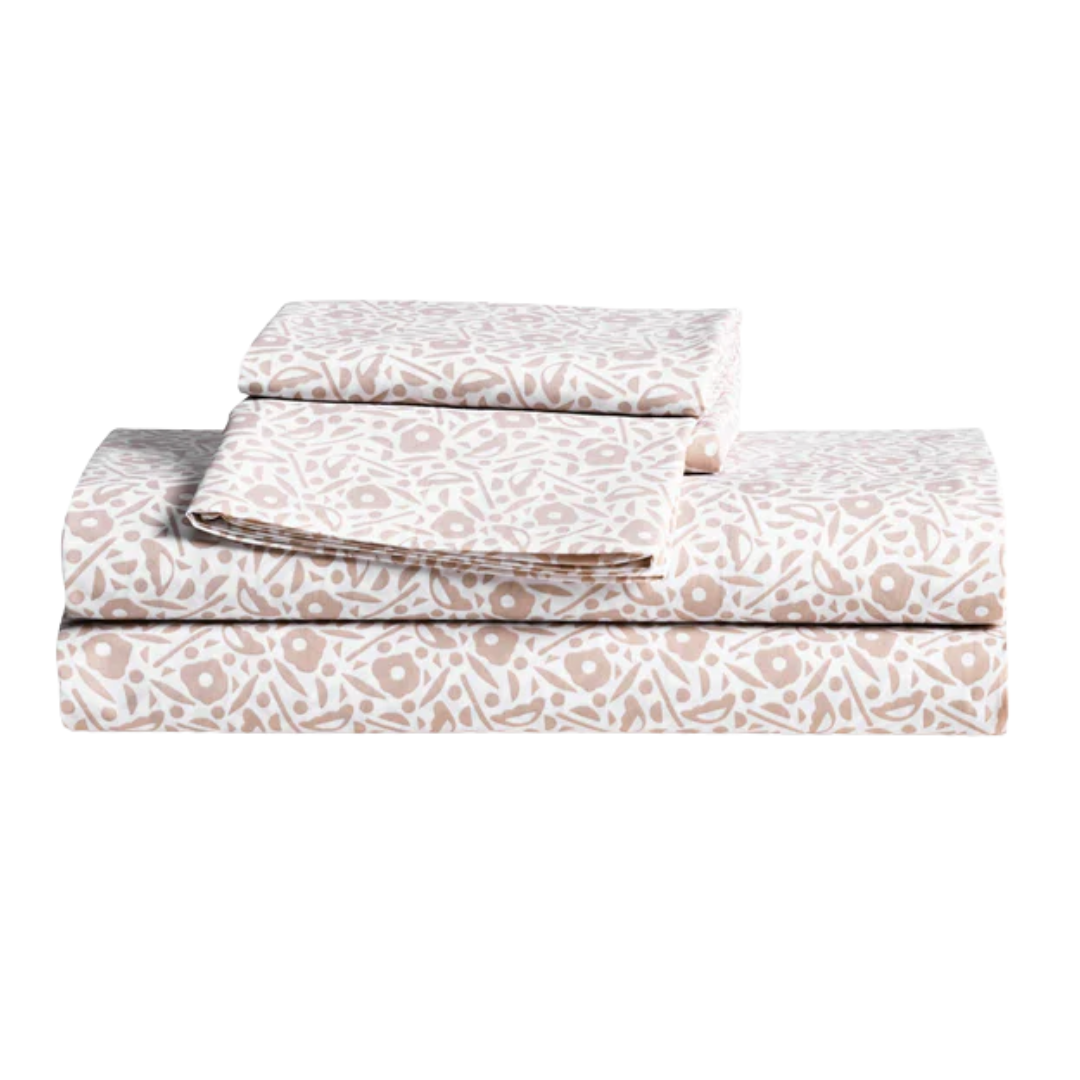
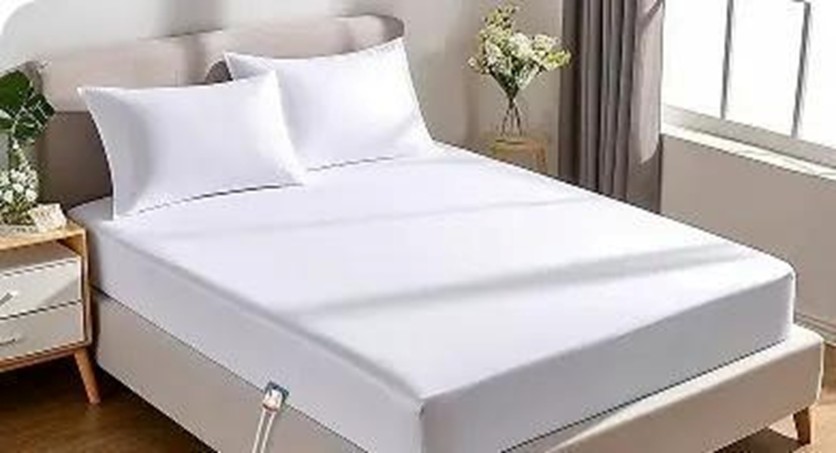
Keeping sheets securely on a bed is a common challenge that can disrupt sleep. Several factors contribute to sheets slipping off, including incorrect sheet size, the type of fabric, and wear and tear on the sheet's elastic. Sheets that are too small for the mattress, especially if it's a deep mattress, will struggle to stay in place. Smooth fabrics like silk and satin, while luxurious, offer less friction, making them prone to slipping, particularly for active sleepers. Over time, the elastic in fitted sheets can lose its stretch and integrity, leading to a loose fit.
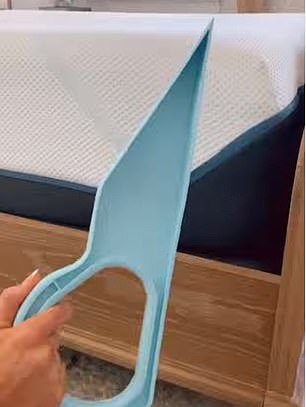
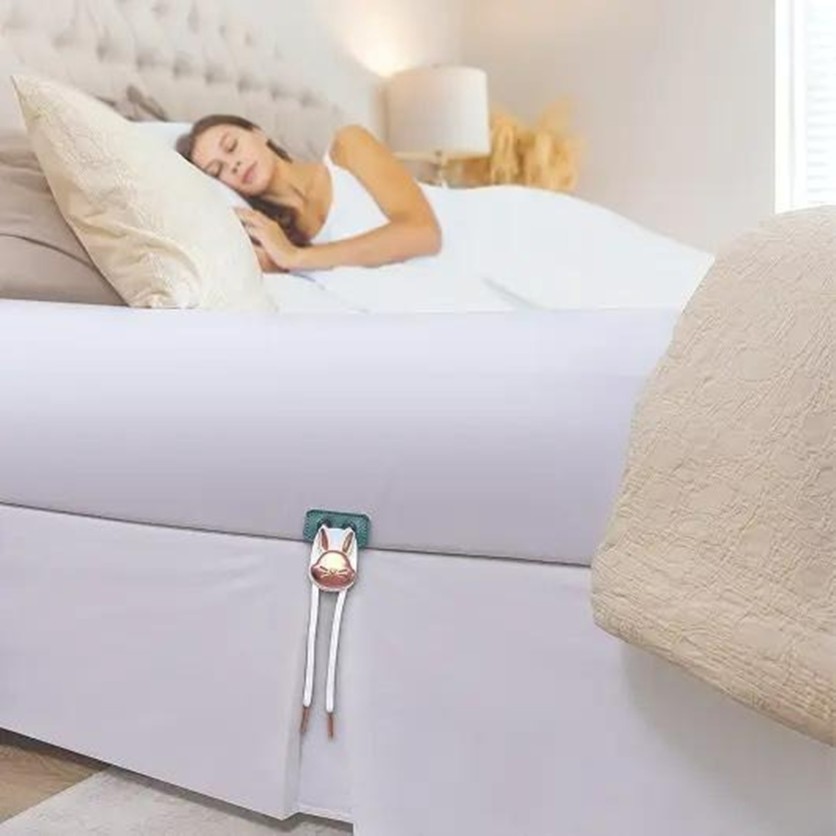
Various solutions exist to address the issue of slipping sheets, ranging from readily available products to DIY fixes. Sheet suspenders are an effective and inexpensive option. These come in two main types: those that connect the sheet to the mattress, box spring, or slats, forming a triangle at each corner, and those that stretch across the corners in an X-shape. Both types securely hold the fitted sheet in place and are durable, typically costing around $10 a set. Stretchy bands provide an alternative to suspenders, fitting around the entire mattress to keep sheets taut. Some even feature locking mechanisms for added security. These bands are similarly priced to suspenders and are often considered easier to use.
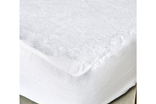
For those with slick sheets, placing a rougher sheet, such as flannel or cotton, underneath the fitted sheet can create the necessary friction to prevent movement. Mattress toppers can also serve this purpose, adding an extra layer between the mattress and the fitted sheet that helps grip the material. Many toppers come with adjustable straps to secure them to the mattress, and they offer the additional benefit of enhancing comfort or extending the mattress's lifespan.
DIY options offer quick and cost-effective solutions using common household items. Sewing fabric strips into the corners of a flat sheet to create handles that hook around the mattress corners can keep sheets in place. Double-sided sticky tape provides a temporary fix, adhering the sheet to the mattress, though it might leave residue. Safety pins can be used to attach sheets to the mattress, but this method is less durable for restless sleepers and risks tearing the fabric. Binder clips offer another simple solution, clamping the fitted sheet to the mattress edges, though they may not be aesthetically pleasing. For a more robust DIY approach, making mattress suspenders from a spool of one-inch thick elastic and eight safety pins involves cutting elastic strips and pinning them to the sheet's corners to create a custom-fit restraint.
When purchasing new sheets, selecting those with deep pockets ensures they can accommodate thicker mattresses and stay put. Sheets with strong, durable elastic are also crucial, as worn elastic is a primary reason for slippage. Fabric choice plays a role; crisp sheets, like percale cotton, tend to create more friction than softer materials. Zippered sheets, though more expensive, offer a complete solution for keeping sheets securely attached, particularly useful for children or adjustable beds. Ultimately, understanding the root cause of slipping sheets and choosing an appropriate solution can significantly improve sleep quality.
#BedSheets #SleepSolutions #HomeComfort #MattressAccessories #BedroomEssentials #DIYHome #SleepHygiene #BedSheets #SleepSolutions #HomeComfort #MattressAccessories #BedroomEssentials #DIYHome #SleepHygiene
0 comment in total
 No comments yet
You may also like
I've found a budget hack that solves the dilemma of storing bed sheets more efficiently

We've Ranked 12 Sheet Sets That Won’t Go All Wrinkly on You. Promise.

The 23 Very Best Bedsheets
Cleaning guru Mrs Hinch shares genius tip for storing sheet sets


How to store guest bedding – the best places in your home to keep it free of dust, damp and creases

The best bed sheets to buy now

Say Goodbye to Slipping Sheets: These Deep-Pocket Options Stay Put All Night


Best bed storage ideas – experts share the smartest solutions

Organisation queen reveals why you've been making your bed WRONG - and how to put on a fitted sheet

5 Easy Ways to Store Bedding and Finally Declutter Your Linen Closet


Best Bed Sheets 2025
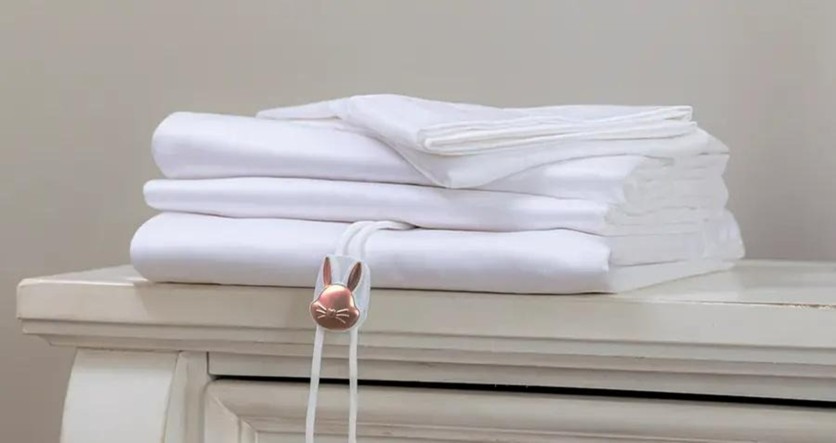
Bed Bunny Reviews: Do Bunny Bed Sheets Really Work?
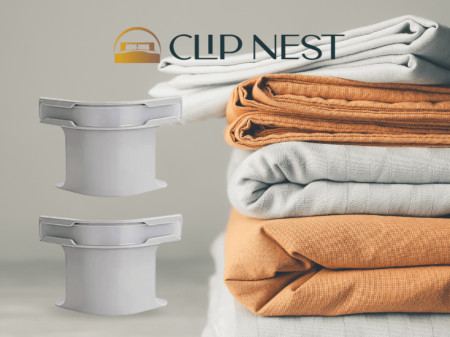
ClipNest Review: Mechanical Bed Sheet Fastening System for Household Use
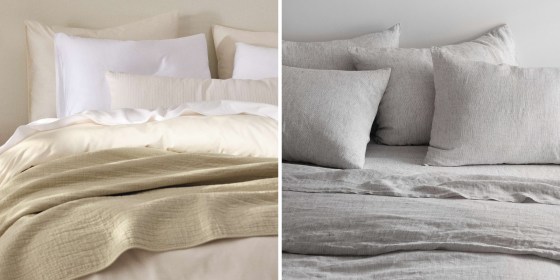
The 13+ Best Bed Sheets of 2025, Tested and Reviewed


Linen, bamboo or cotton: which material is the best for bed sheets?

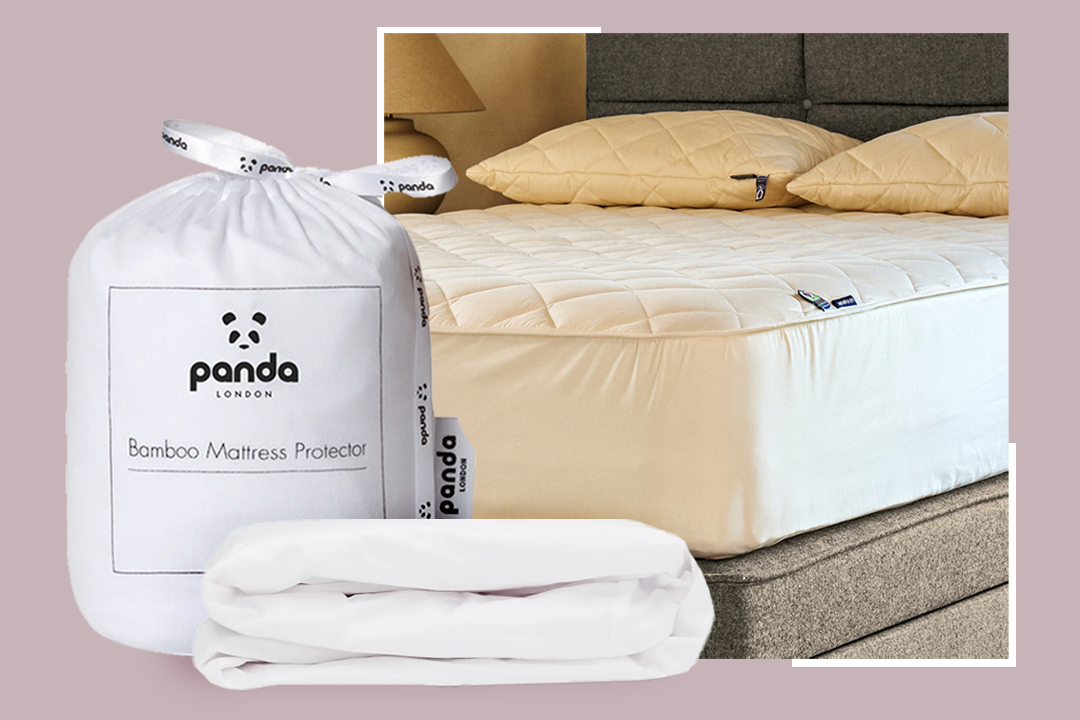
Best mattress protectors to keep your bed in top condition, tried and tested

The Best Bed Sheets You Can Get


5 surprisingly practical ways to re-purpose old bed sheets for cleaning, decluttering and storage at home

The 8 Best Sheets of 2025 | Reviews by Wirecutter

How Often You Should Wash Your Sheets (And How to Get Them Really Clean) | Reviews by Wirecutter