1/4
How to grow passion flowers – for a spectacular and other-worldly flowering climber
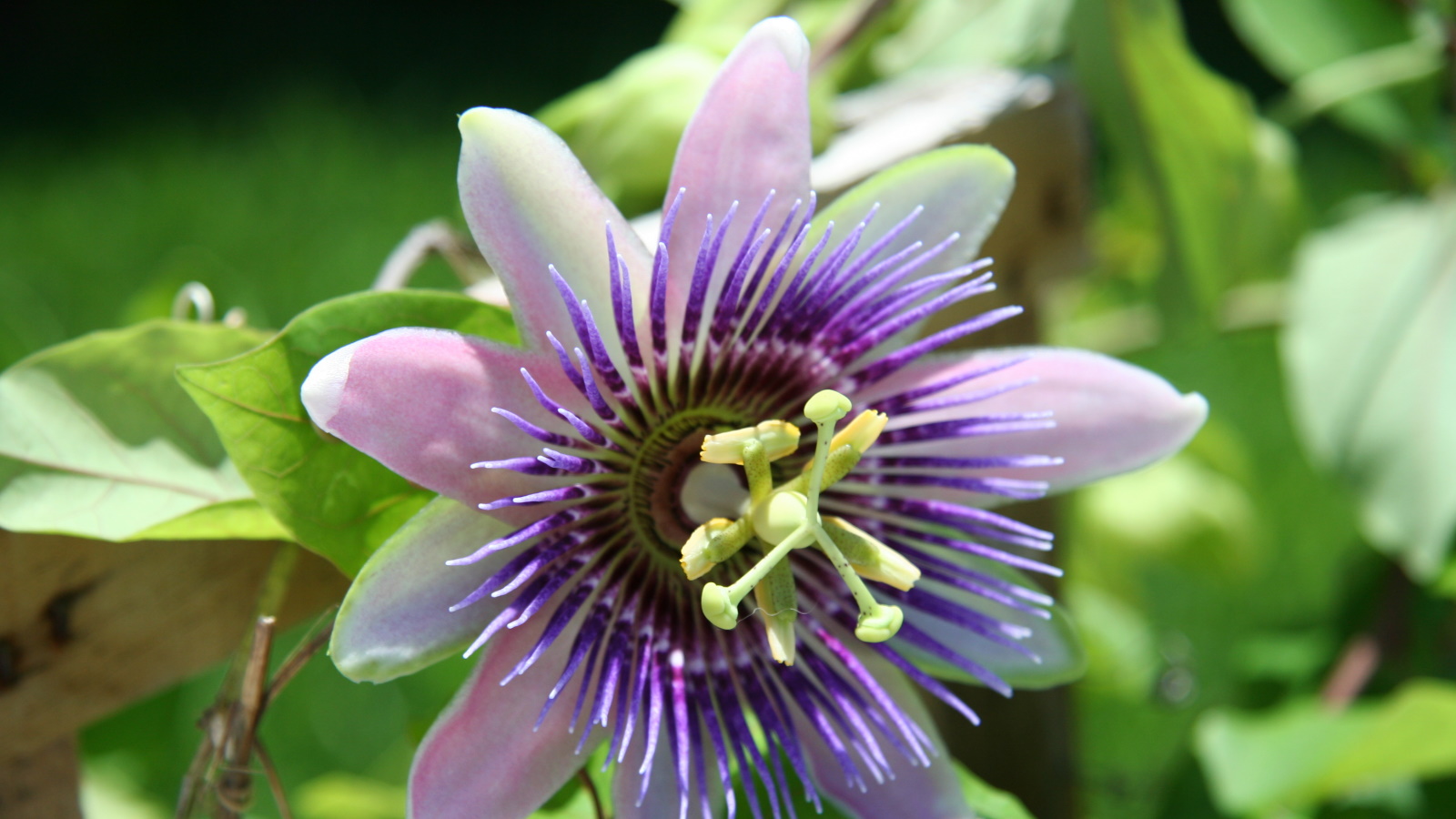
The passion flower, or _Passiflora_, is a distinctive climbing plant known for its exotic and intricate blooms. Native to tropical regions of North, Central, and South America, these plants thrive in warm, humid, rainforest-like environments. With over 600 species, most are vigorous climbers that produce striking purple, pink, blue, and white flowers.
While many passion flower species are tender and best suited for warmer climates or conservatories, several hardy varieties exist. For example, the native _Passiflora caerulea_ grows wild in many southern US states and can tolerate cooler zones. Some species, like _Passiflora incarnata_, can even survive in US hardiness zone 5. However, even hardy species can be invasive, so gardeners should check with local authorities before planting. Expert Myles Stewart Irvine, a passion flower breeder, recommends certain hybrids for container growing, such as _Passiflora 'Betty Myles Young'_, _Passiflora 'Damsel’s Delight'_, _Passiflora 'Snow Queen'_, and _Passiflora ‘Lady Margaret’_, as they tend to be hardier and produce fewer runners than some species.
Passion flowers are fast-growing climbers that use tendrils to attach to trellises, wires, and other supports. They can quickly cover large areas and, if not pruned, may outcompete nearby plants. The exotic appearance of their blooms attracts pollinators like bees and hummingbirds. These plants also exhibit a symbiotic relationship with ants, which feed on nectar and protect the foliage from pests.
Successful cultivation of passion flowers involves specific growing conditions. They require well-draining soil, which can be achieved by incorporating multi-purpose compost with horticultural grit or perlite. Planting them in a sheltered, south-facing location with full sun encourages abundant blooming. Newly planted passion flowers need regular watering, at least once a week during spring and summer in their first year, but established plants can be more self-sufficient. Container-grown tender varieties need consistent watering during warmer months.
Passion flowers are heavy feeders, especially when grown in pots. They benefit from a general-purpose liquid or slow-release fertilizer during spring and summer, but feeding should be avoided in the fall to allow growth to harden off. If blooming is sparse, a high-phosphorus fertilizer, such as tomato feed, can be used. It is crucial to avoid high-nitrogen fertilizers, as these promote leaf growth at the expense of flowers.
Pruning is best done annually in early spring to manage their vigorous growth. Removing a few feet of old growth will not hinder flowering, as new blooms develop on new growth. Regular pruning helps keep the plants in check. Passion flowers can be successfully grown in pots, which is ideal for smaller spaces or for gardeners in cooler climates who need to protect tender species indoors during winter. Potted plants should be placed in a sunny spot with well-draining soil and provided with support structures like canes, trellises, or obelisks for vertical growth.
Pest resistance is a consideration. While generally robust, passion flowers can be susceptible to spider mites and mealybugs, particularly in greenhouse environments. Mealybugs can be removed manually or by spraying with a hose. For more severe infestations, organic treatments like neem oil can be effective. By following these guidelines, gardeners can enjoy a profusion of these unusual and spectacular climbers.
#PassionFlower #Gardening #ClimbingPlants #PlantCare #TropicalPlants #Horticulture #GardenAdvice #FloweringPlants #PassionFlower #Gardening #ClimbingPlants #PlantCare #TropicalPlants #Horticulture #GardenAdvice #FloweringPlants
0 comment in total
 No comments yet
You may also like
Not Only Is Purple Passion Plant Gorgeous, It's Easy to Grow
The Best Flowers to Plant in Montana: 15 Flowers for a Gorgeous Bloom
10 Indoor Climbing Plants That Will Take Your Blooms to New Heights — And Make Your Home Look Lush

8 Perennials That Bloom Multiple Times a Year for Beautiful Flowers in Every Season

Easiest climbers to grow – 5 fool-proof vines to quickly and effectively cover bare walls this year

These Vertical Gardens Are a Plant Lover’s Dream

19 Fragrant Flowers That Will Make Your Garden Smell–and Look—Amazing
14 Gorgeous Flowers That Start With V
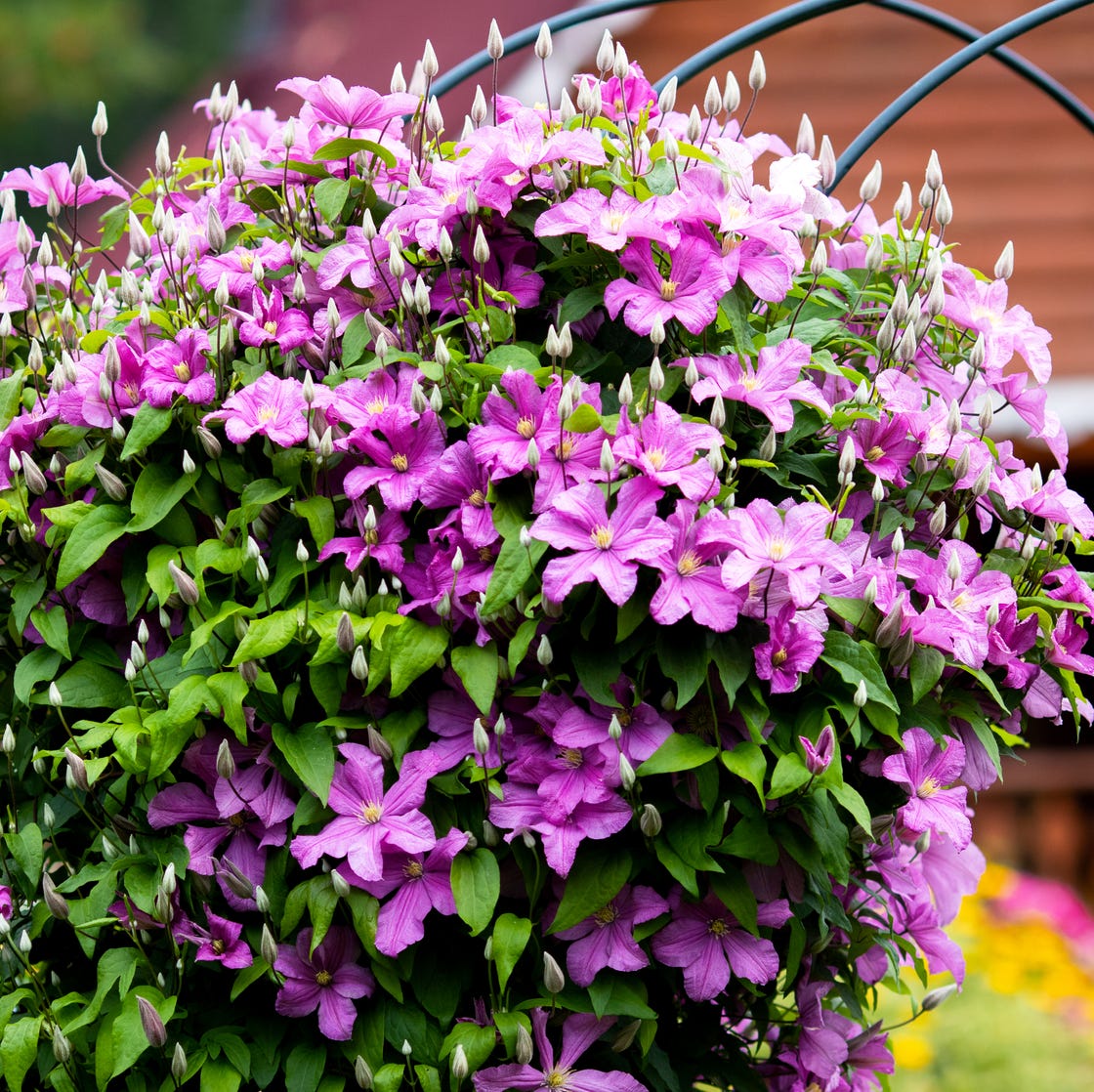
Grow Up! Flowering Vines to Adorn Walls, Trellises and Fences
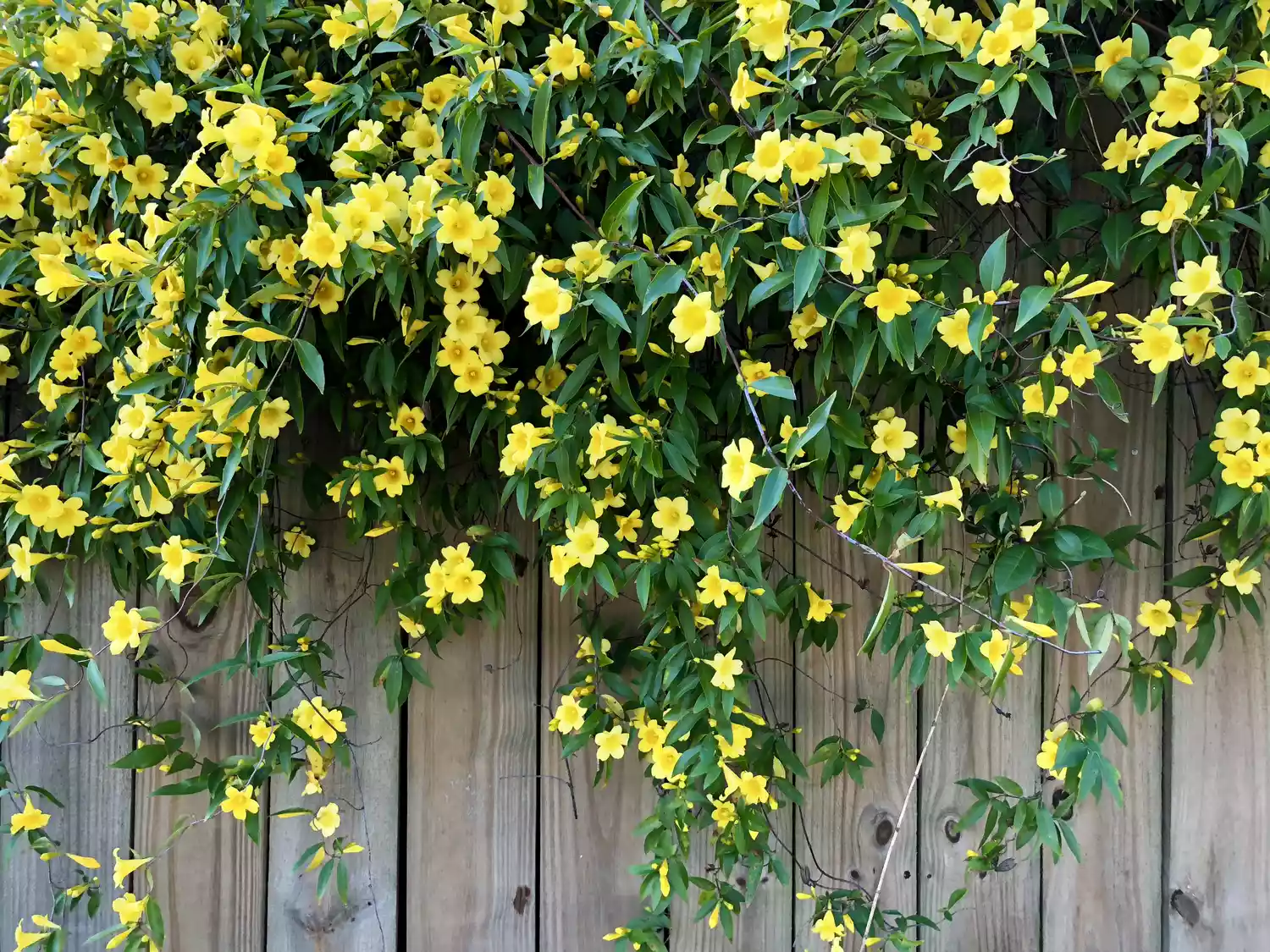
10 Climbing Plants That Will Cover Fences In A Flash
Plant These Flowering Shrubs Today If You Want a Vibrant Summer Yard

Gardeners, These Low-Maintenance Perennial Flowers Bloom Every Season

Enhancing the power of a flower
These Beautiful Flowering Shrubs Will Add Major Color to Your Garden

How to forage for and arrange wildflowers
'A flower grown from seed is the perfect metaphor for our individual creativity' – why 2025 floral trends are about stepping back and letting nature ground us
Grow These Stunning Spring Flowers to Welcome in the Season


How to Elevate Your Farm Stand Flowers

How to make cut flowers last longer – 7 expert tips for getting the most out of your bouquet

9 Fragrant Flowers to Plant in Spring for a Beautiful, Sweet-Smelling Garden