1/3
3 golden rules for choosing a hallway runner
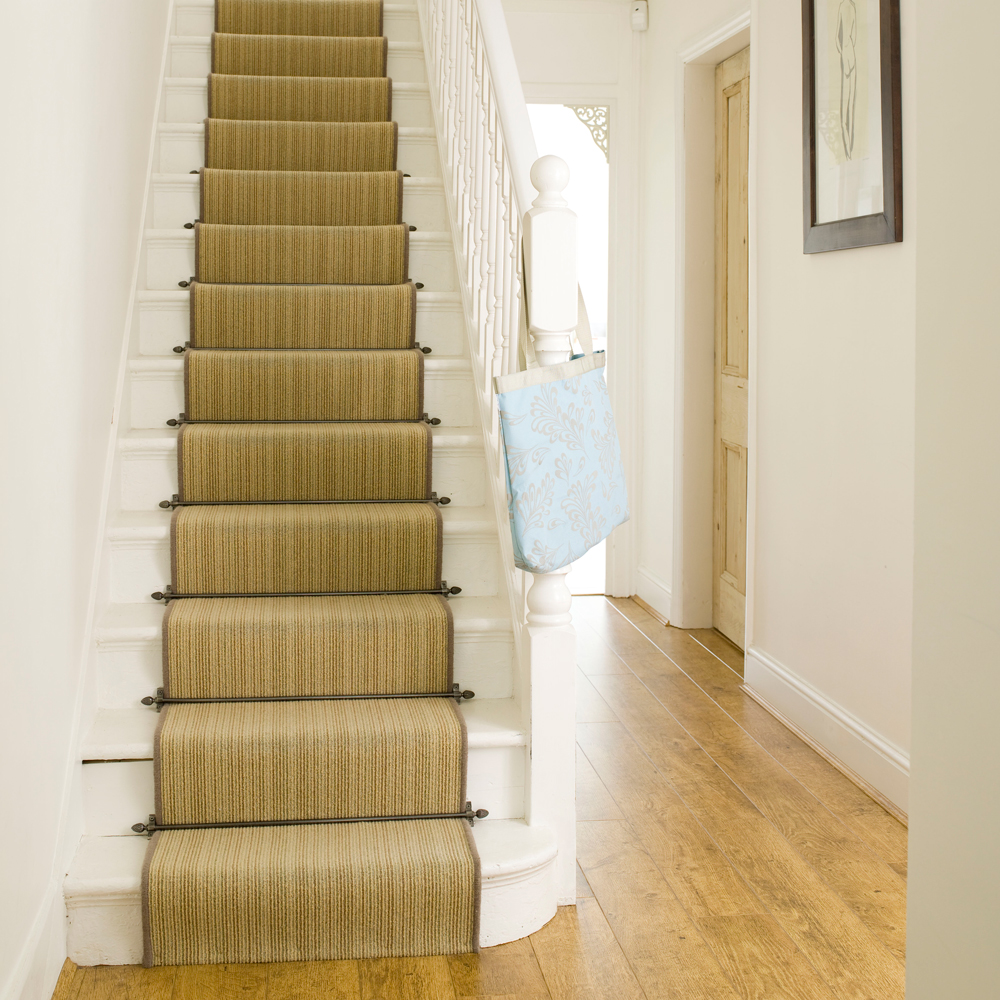
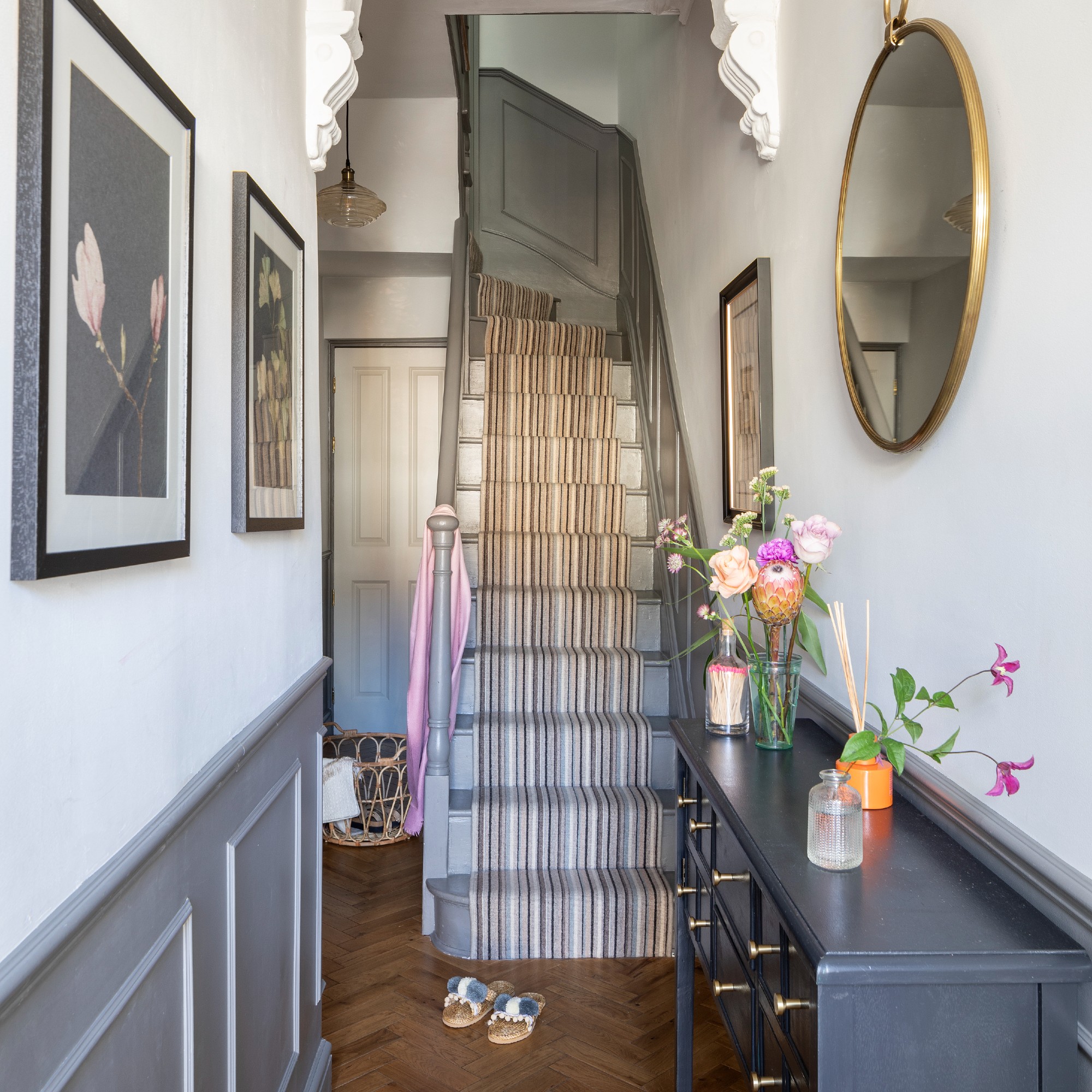
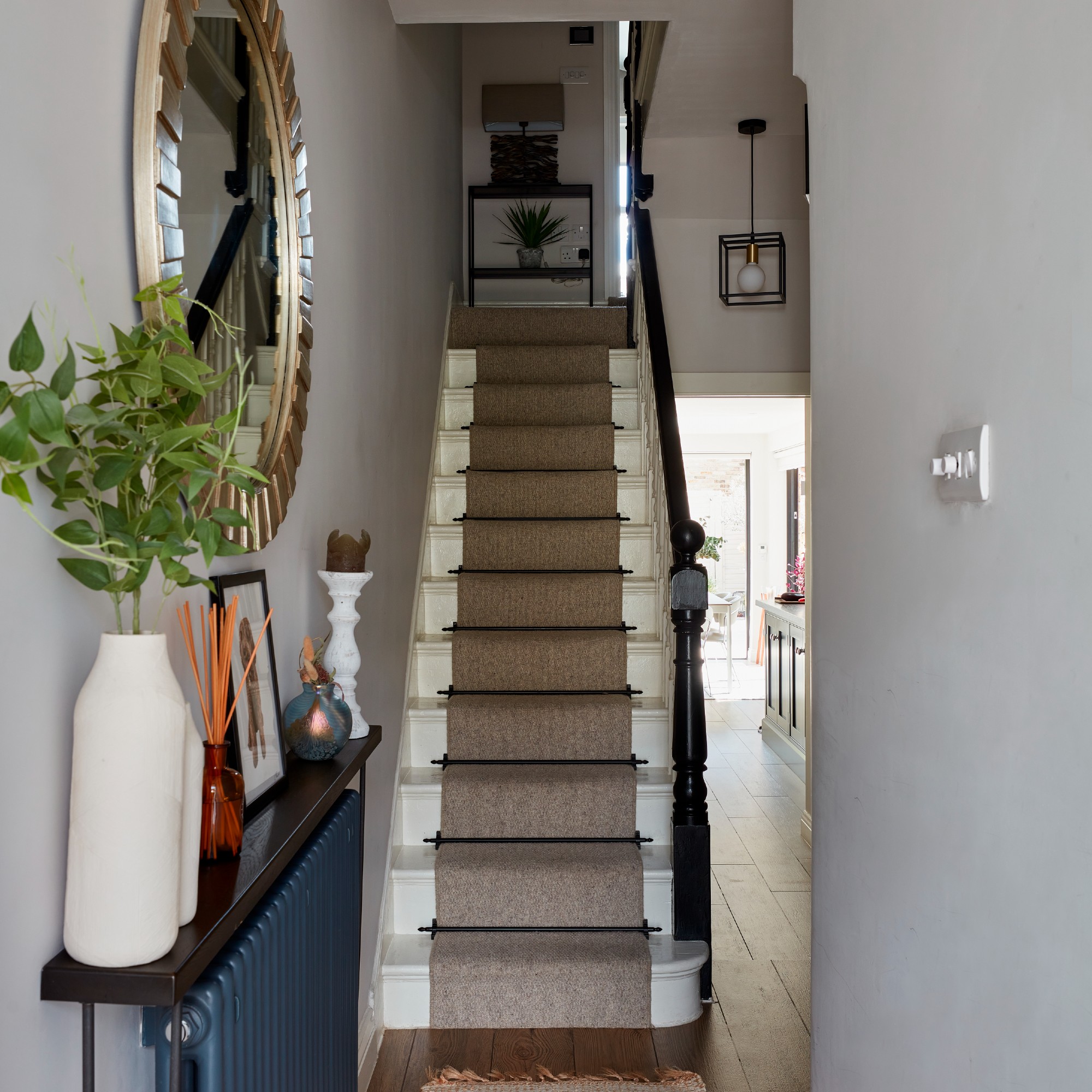
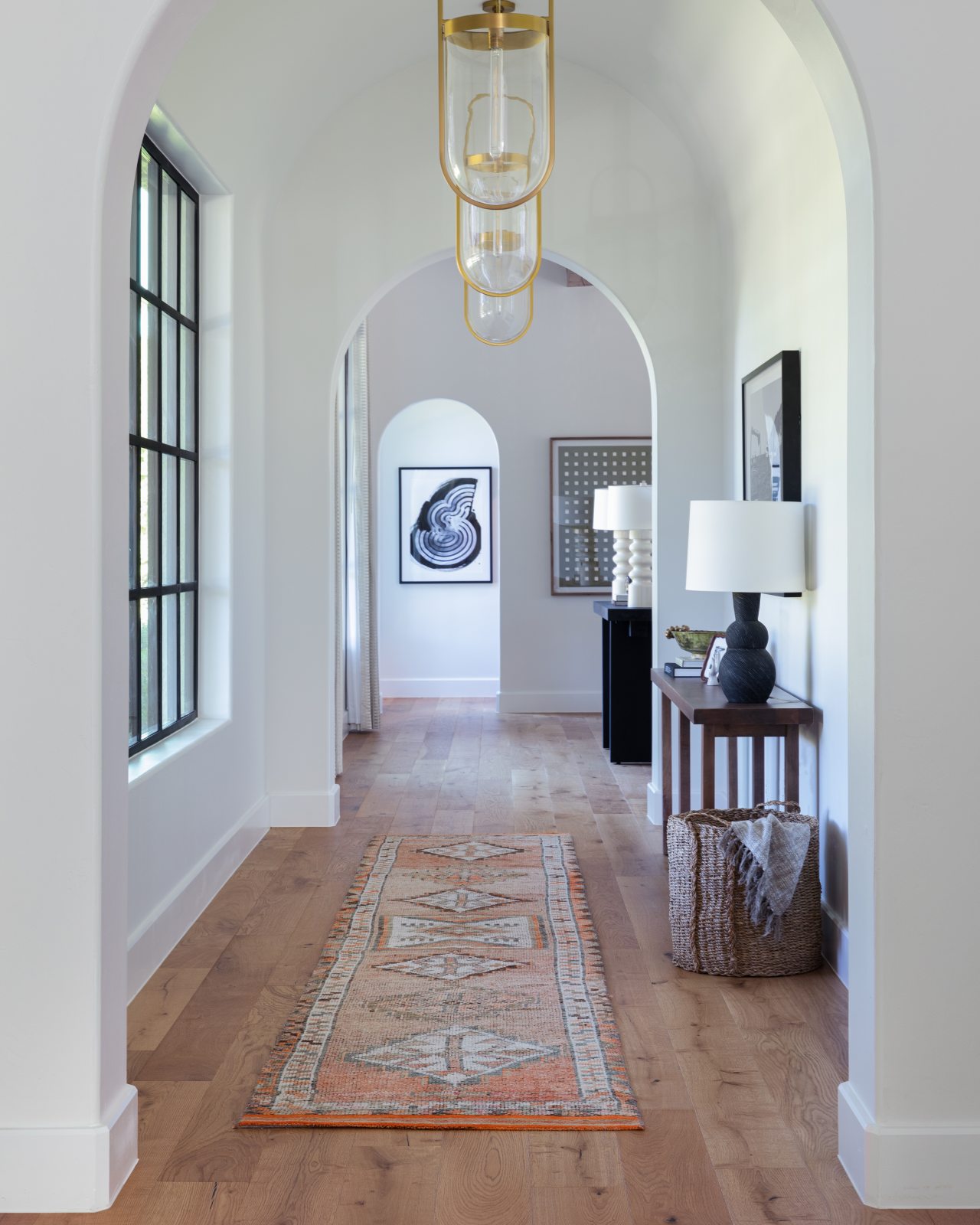
Selecting a hallway runner can be a challenging task, given that hallways connect various rooms within a home and often receive considerable foot traffic. Miss Amara co-founder and creative director, Alex Tanya Weller, offers three key guidelines to simplify this decision-making process, ensuring the chosen runner enhances the home's aesthetic and functionality.
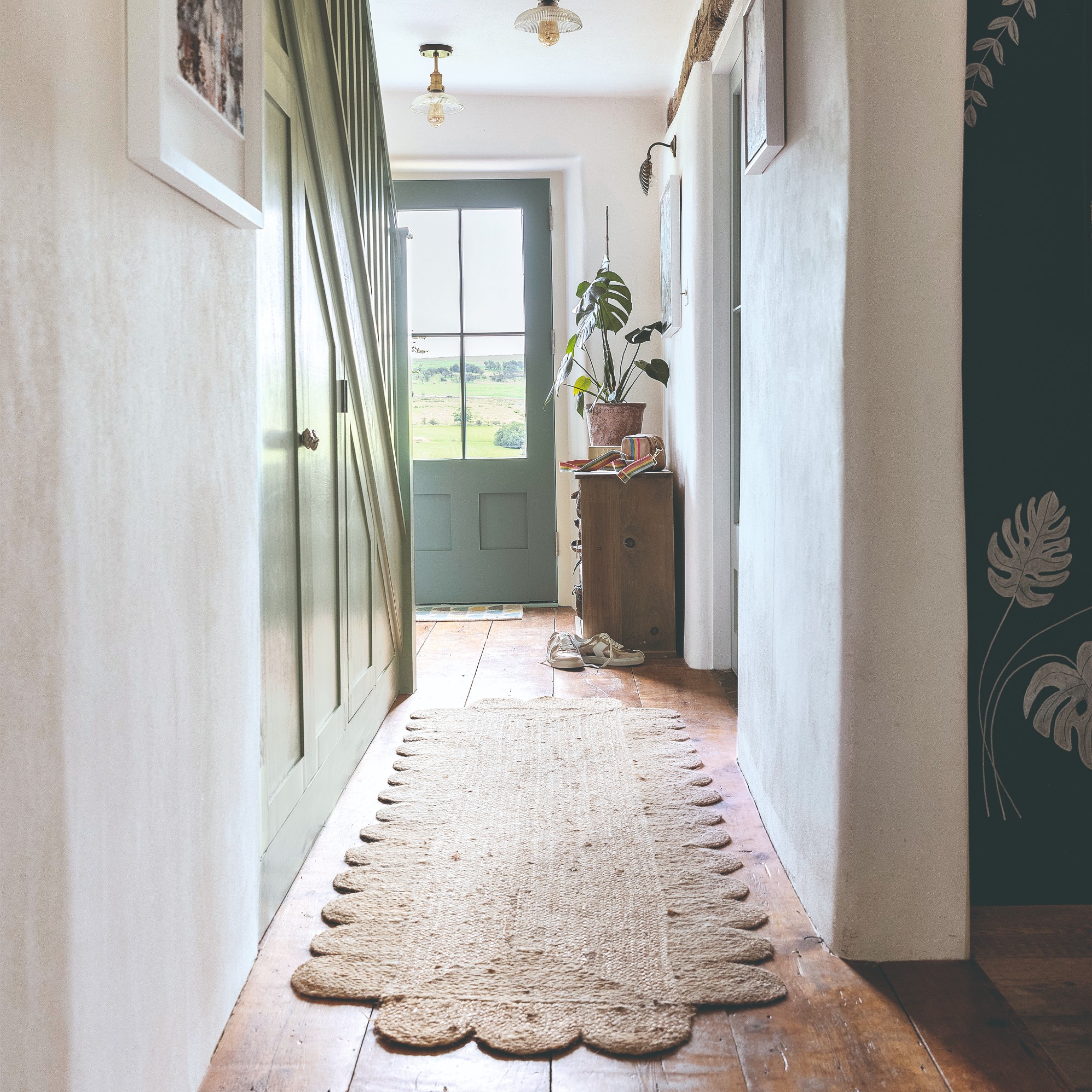
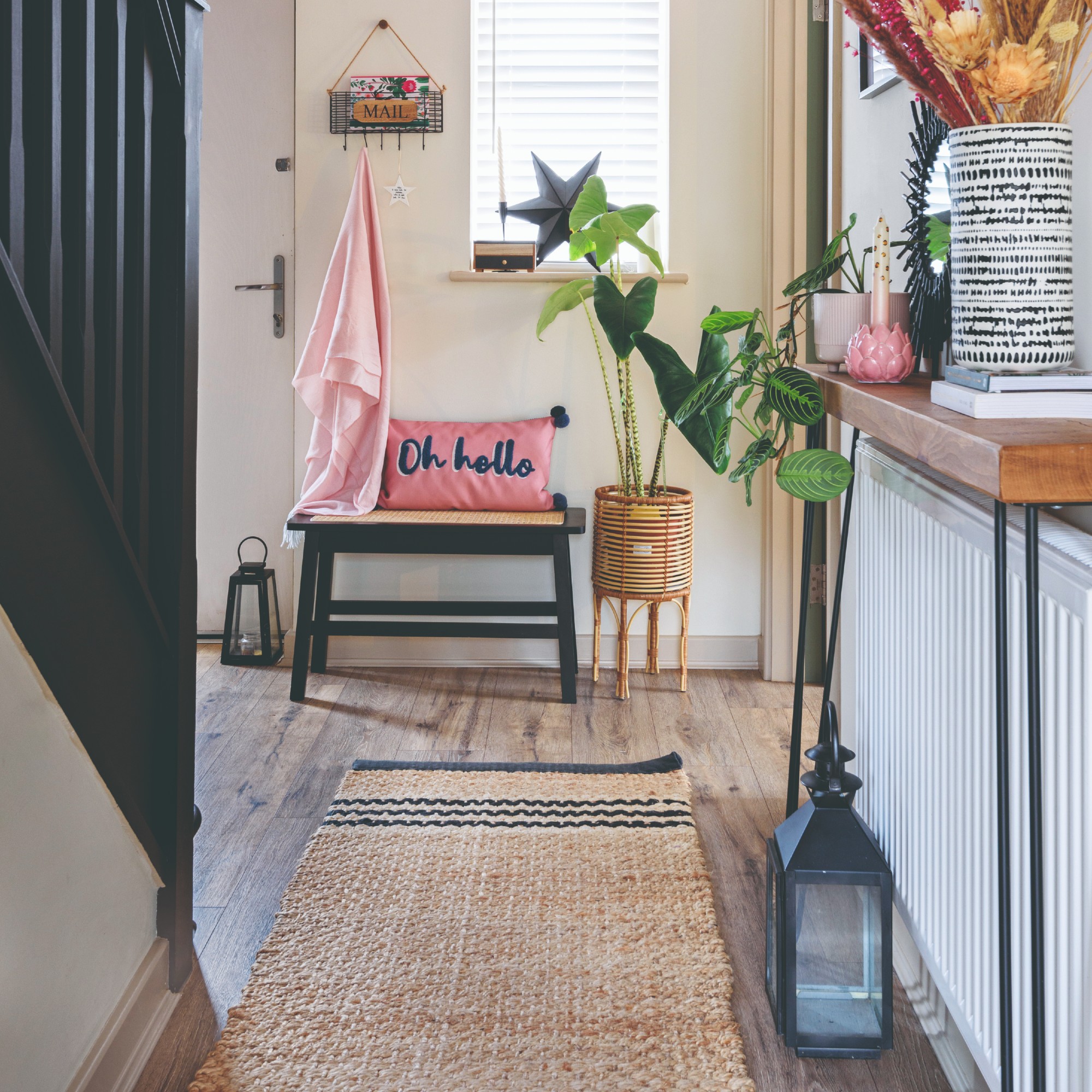
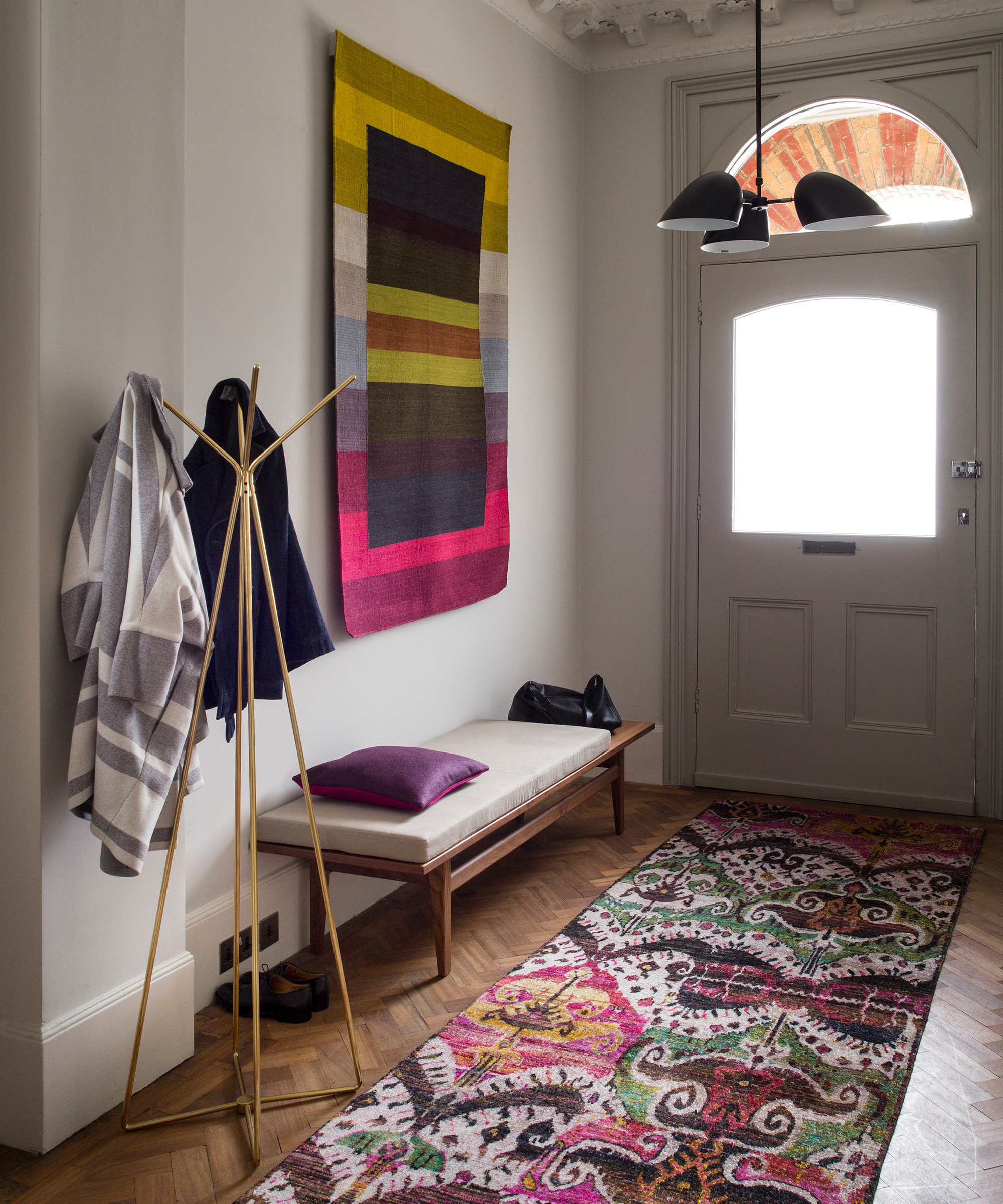
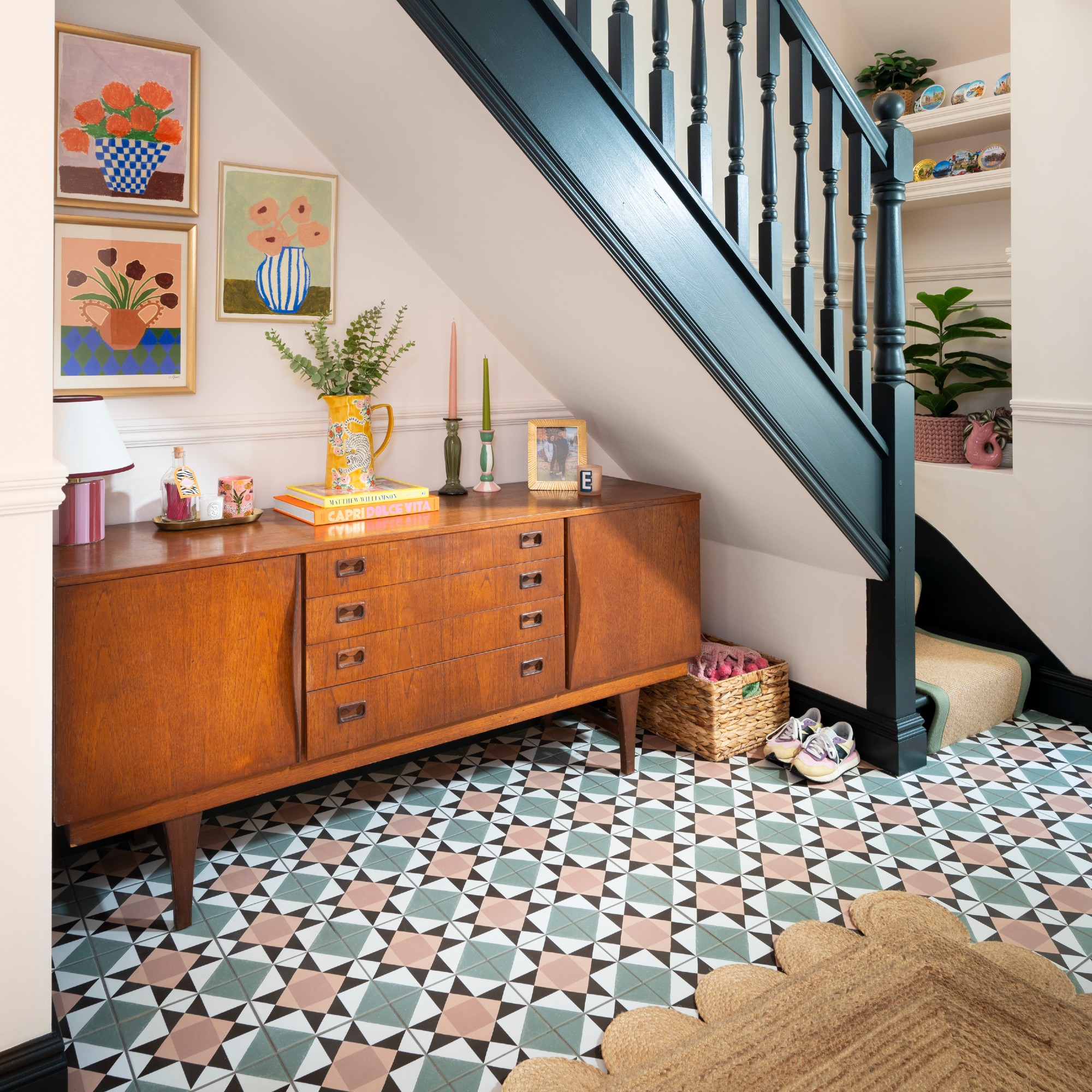
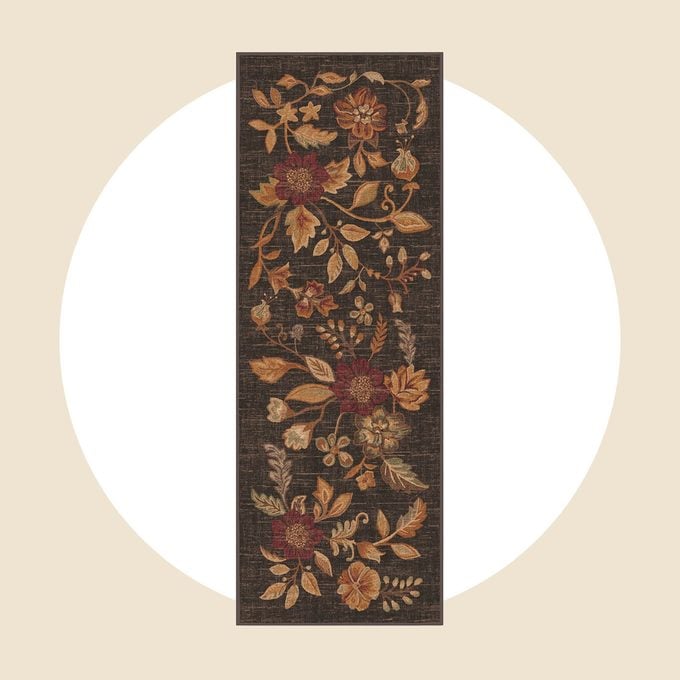
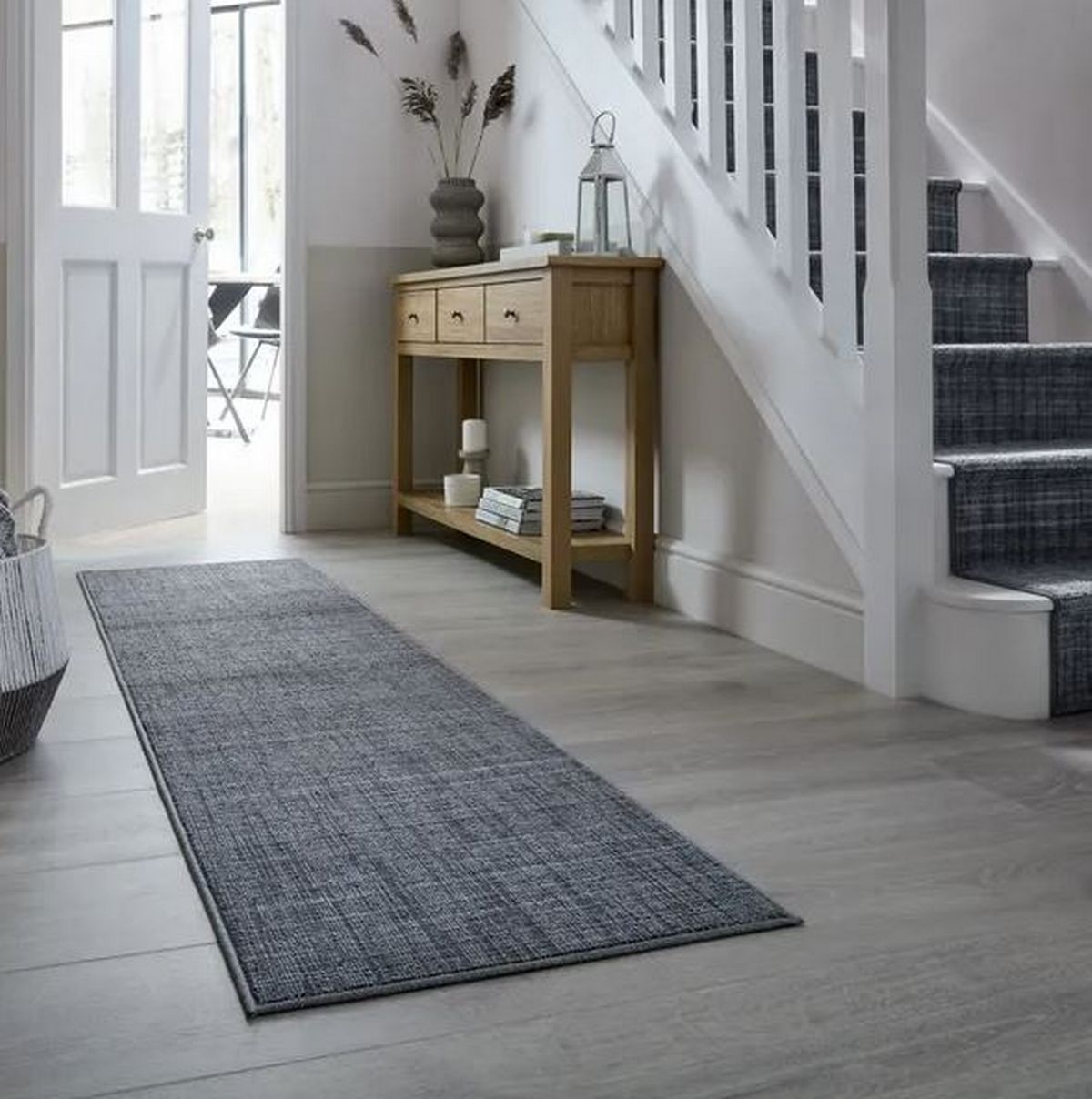
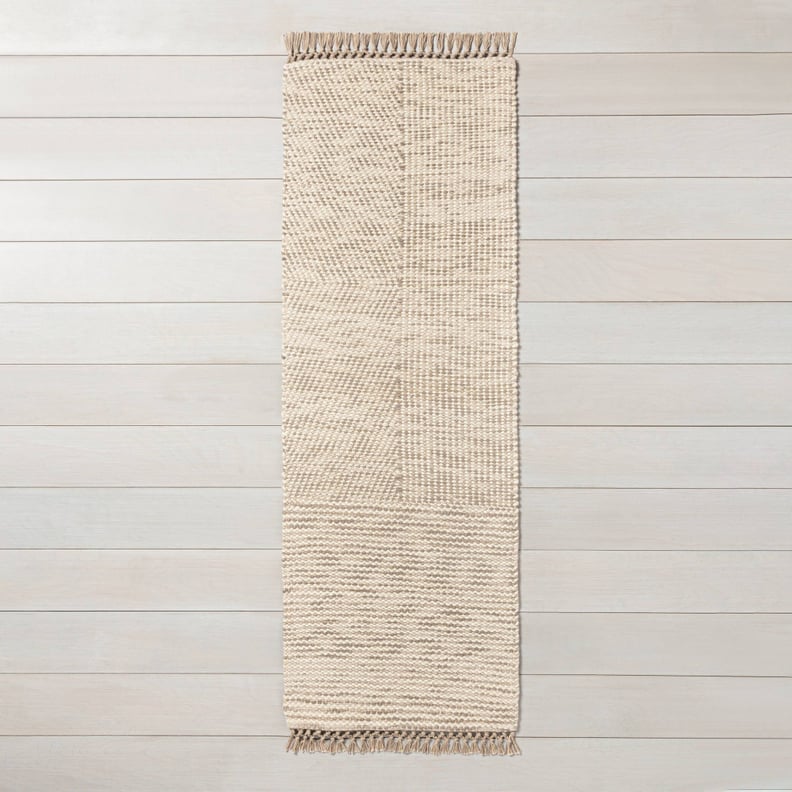
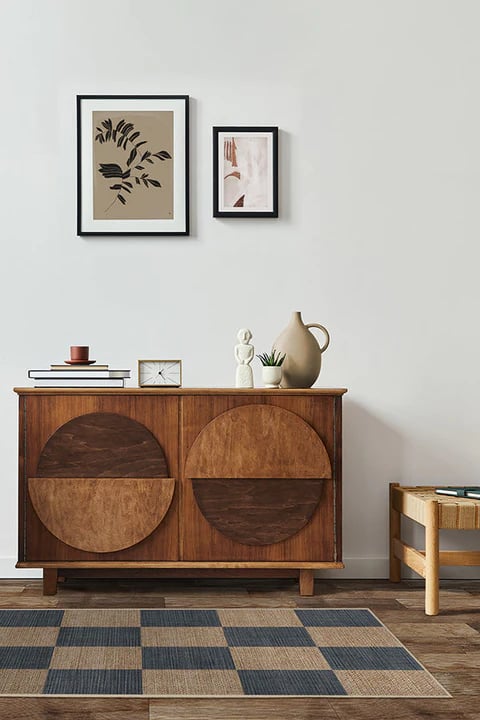
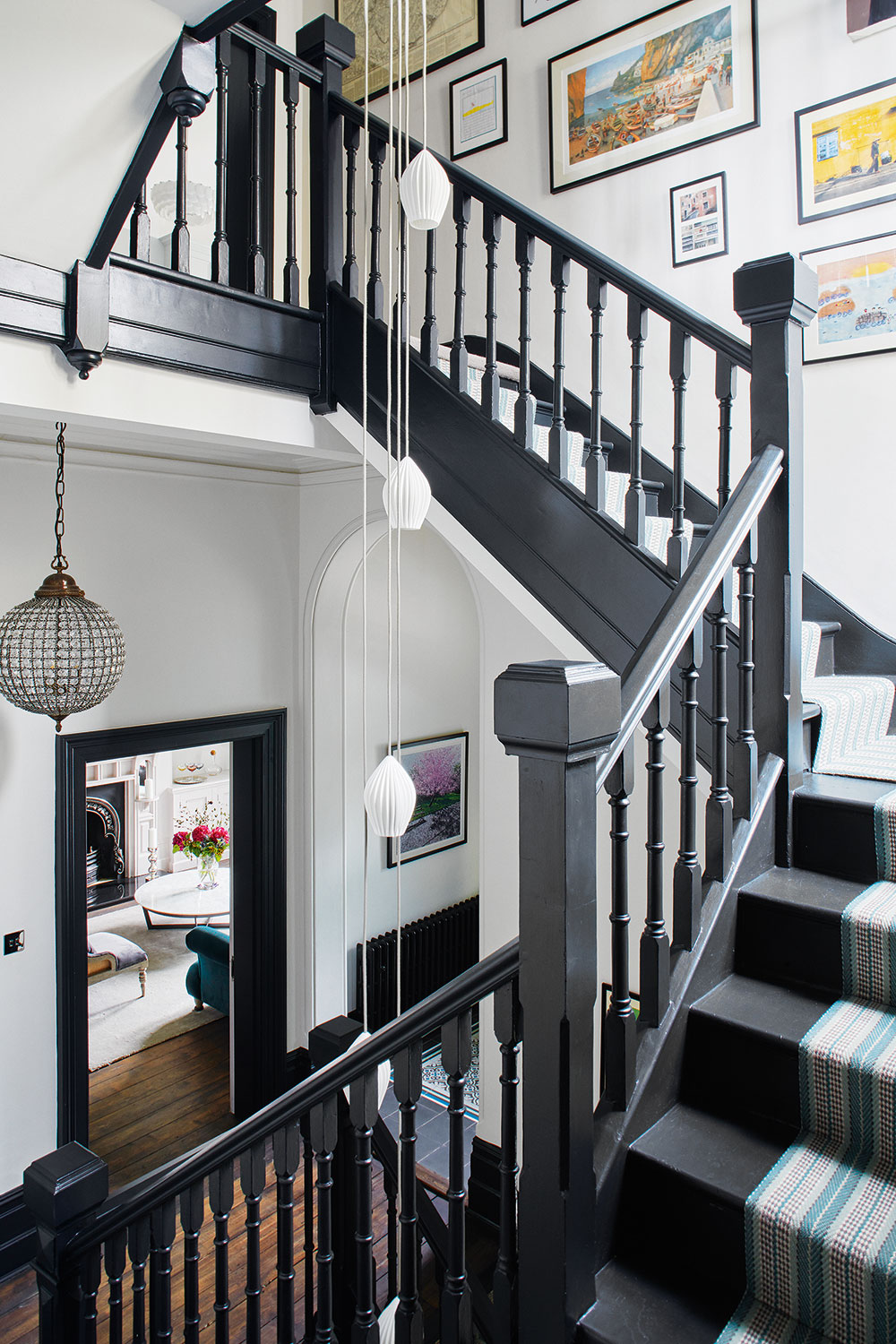
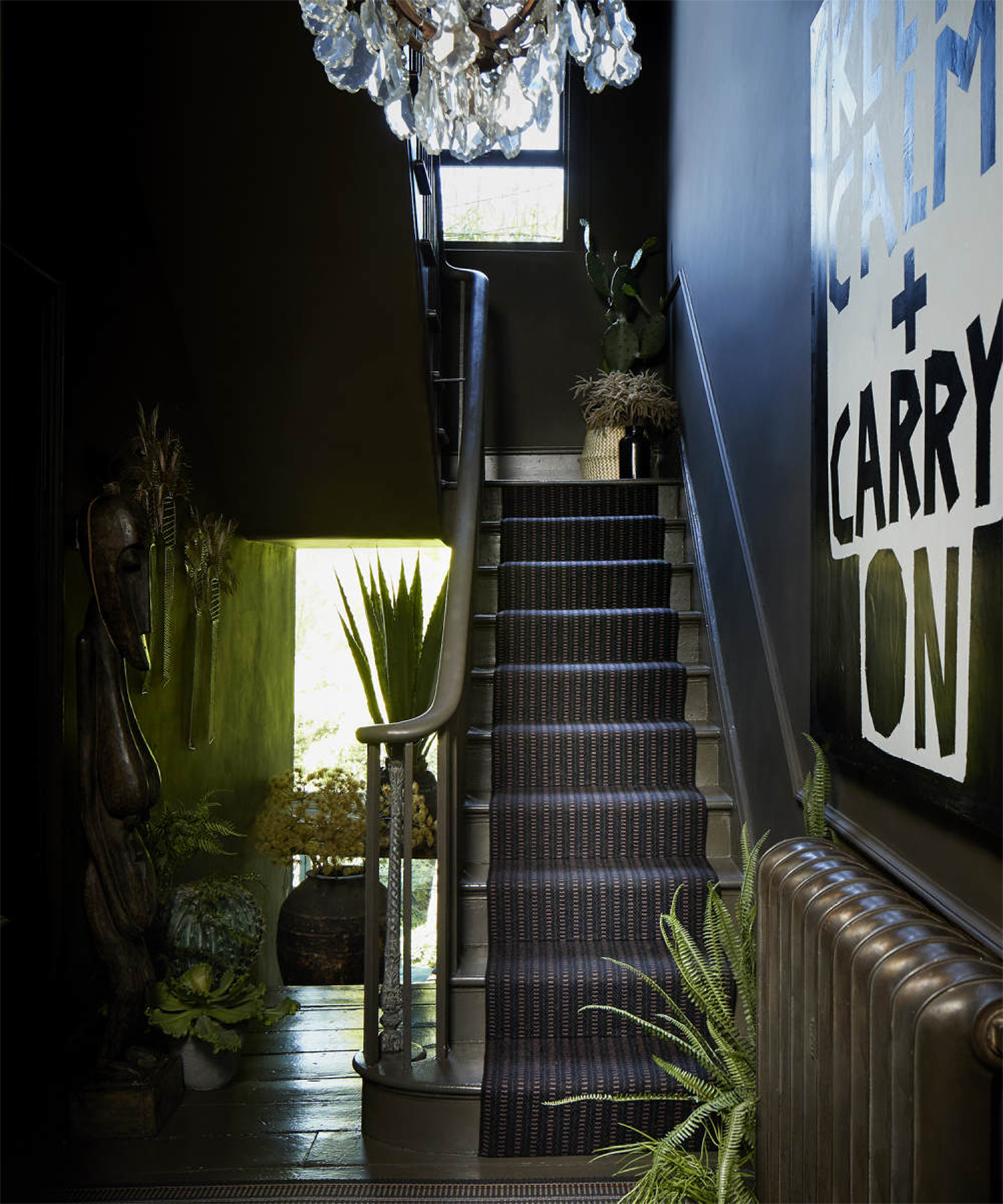
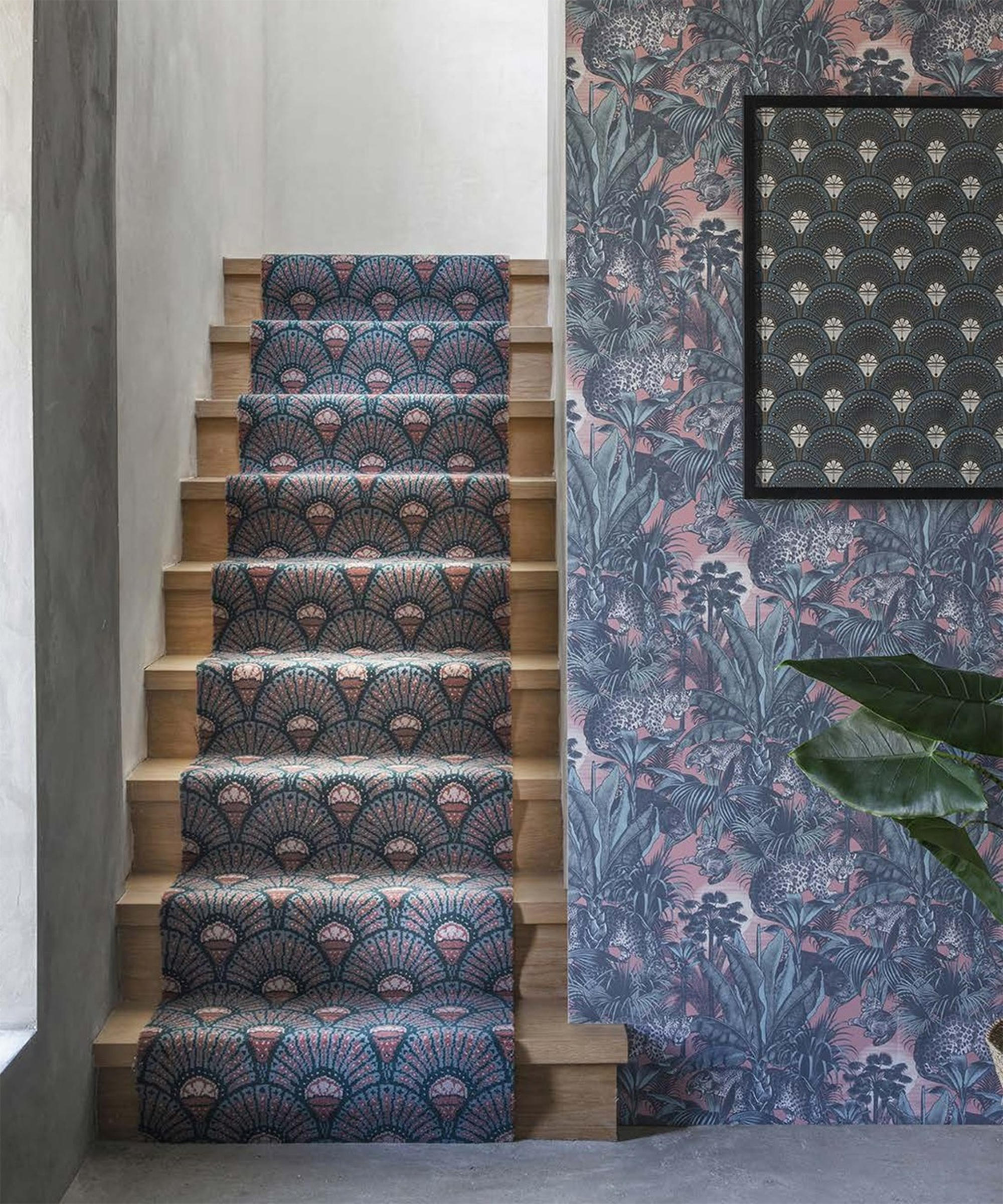
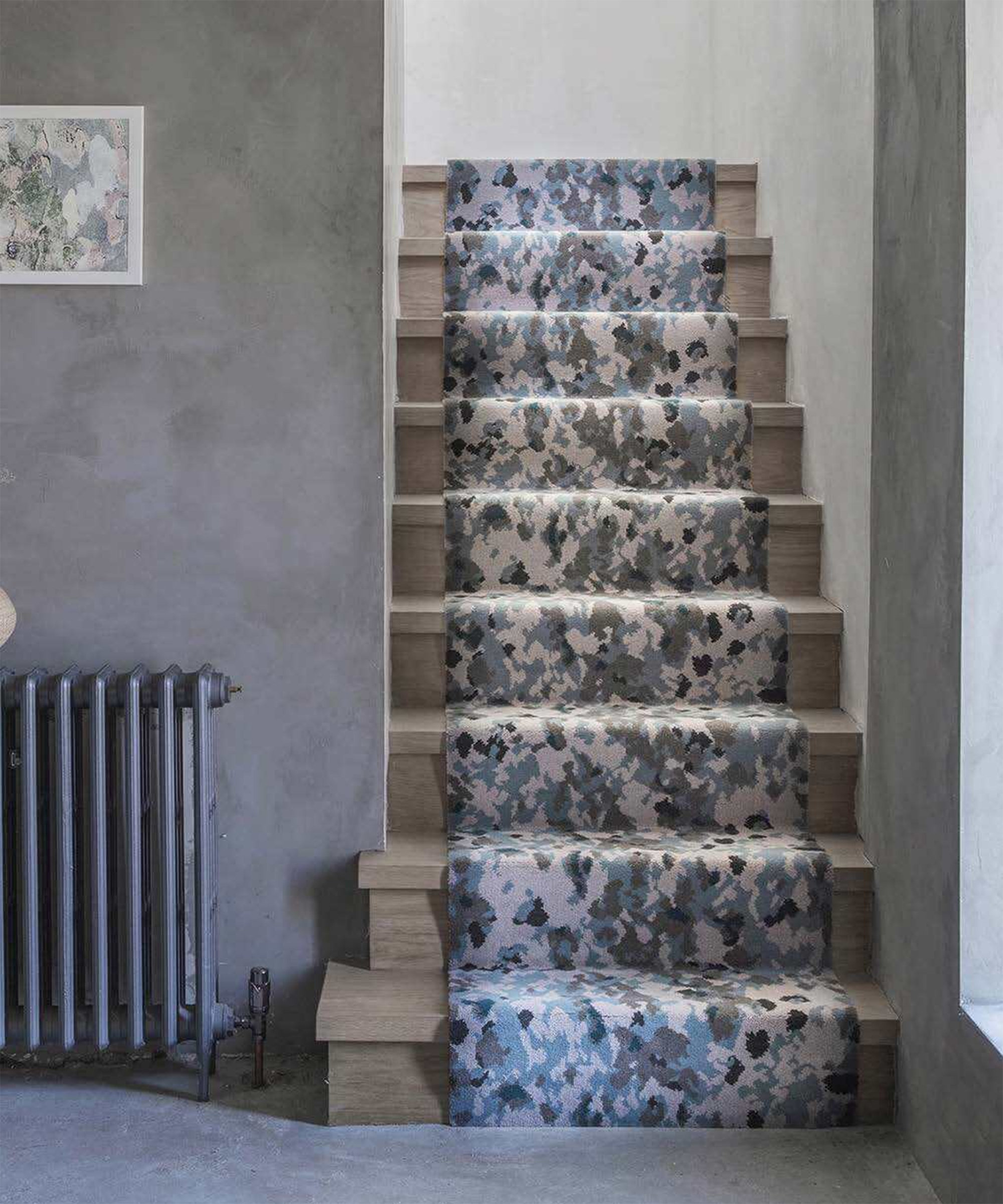
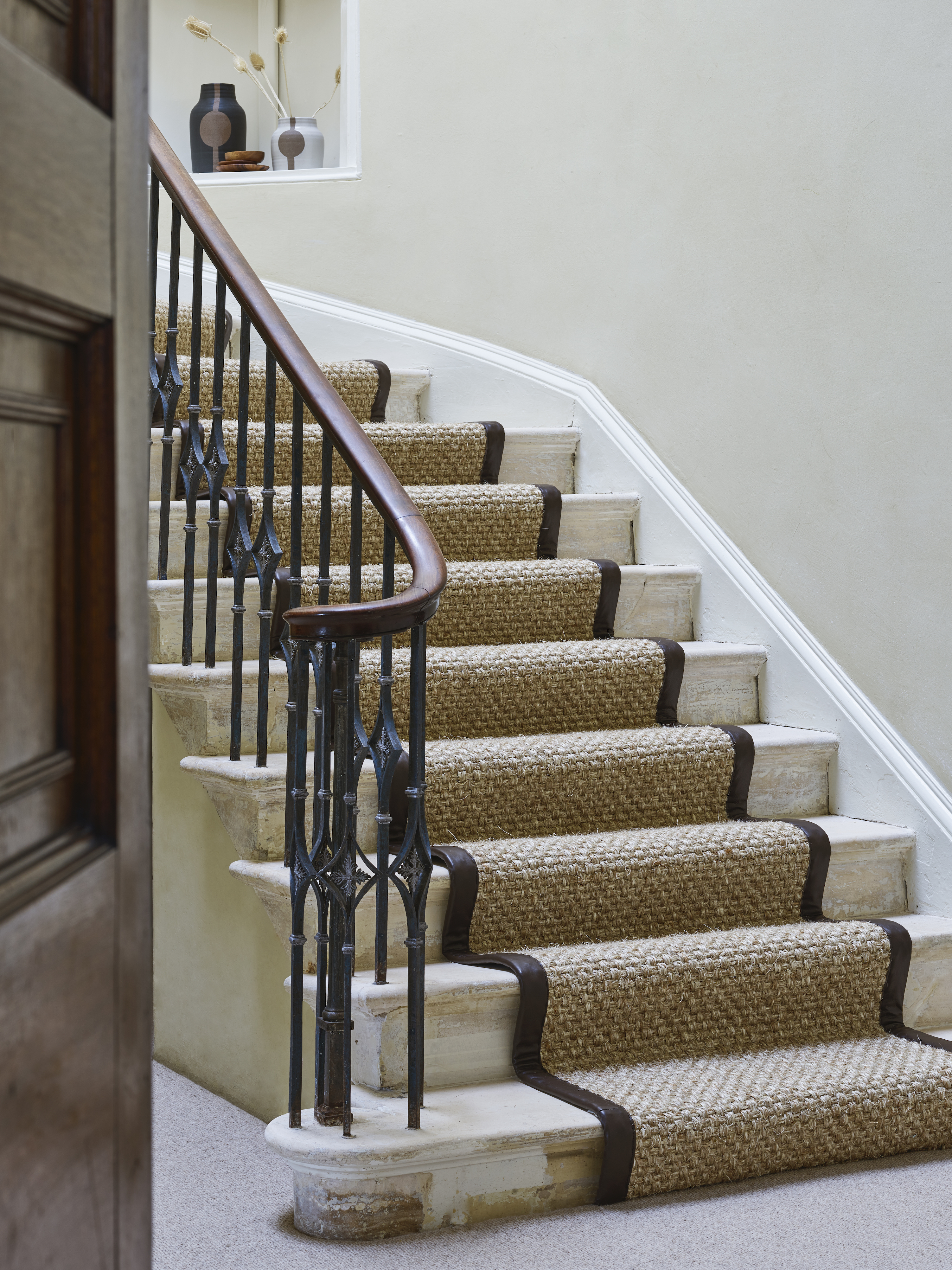
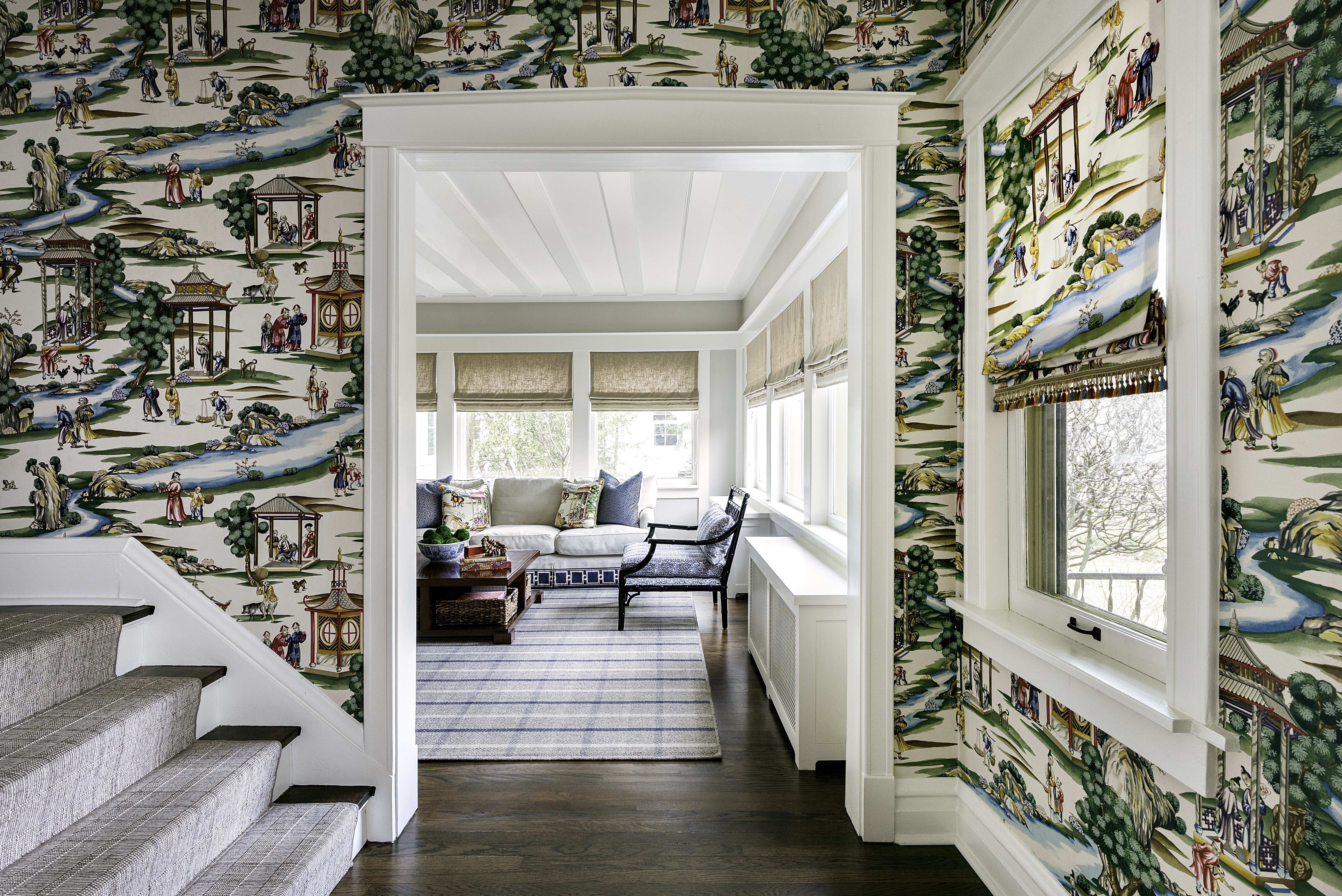
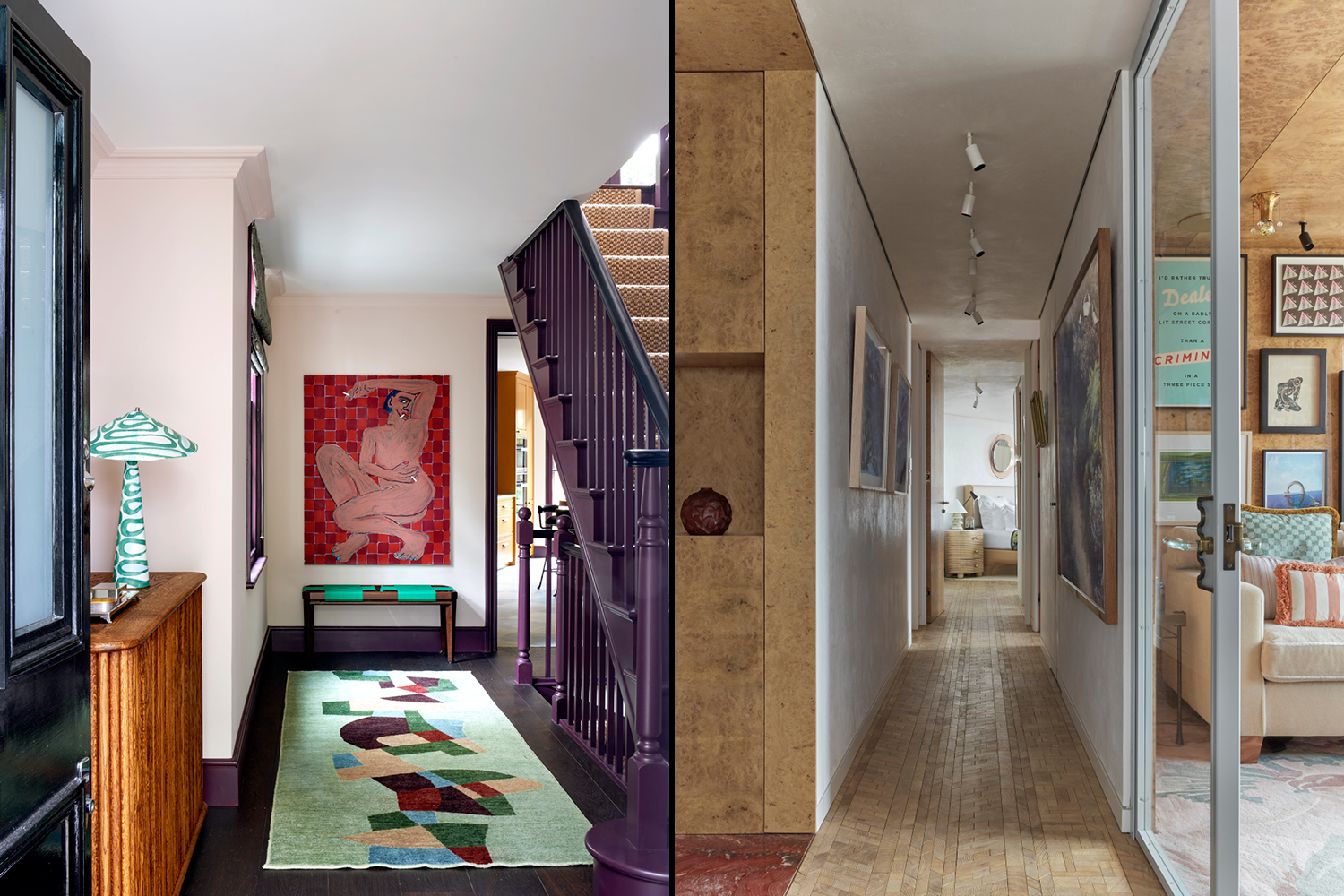
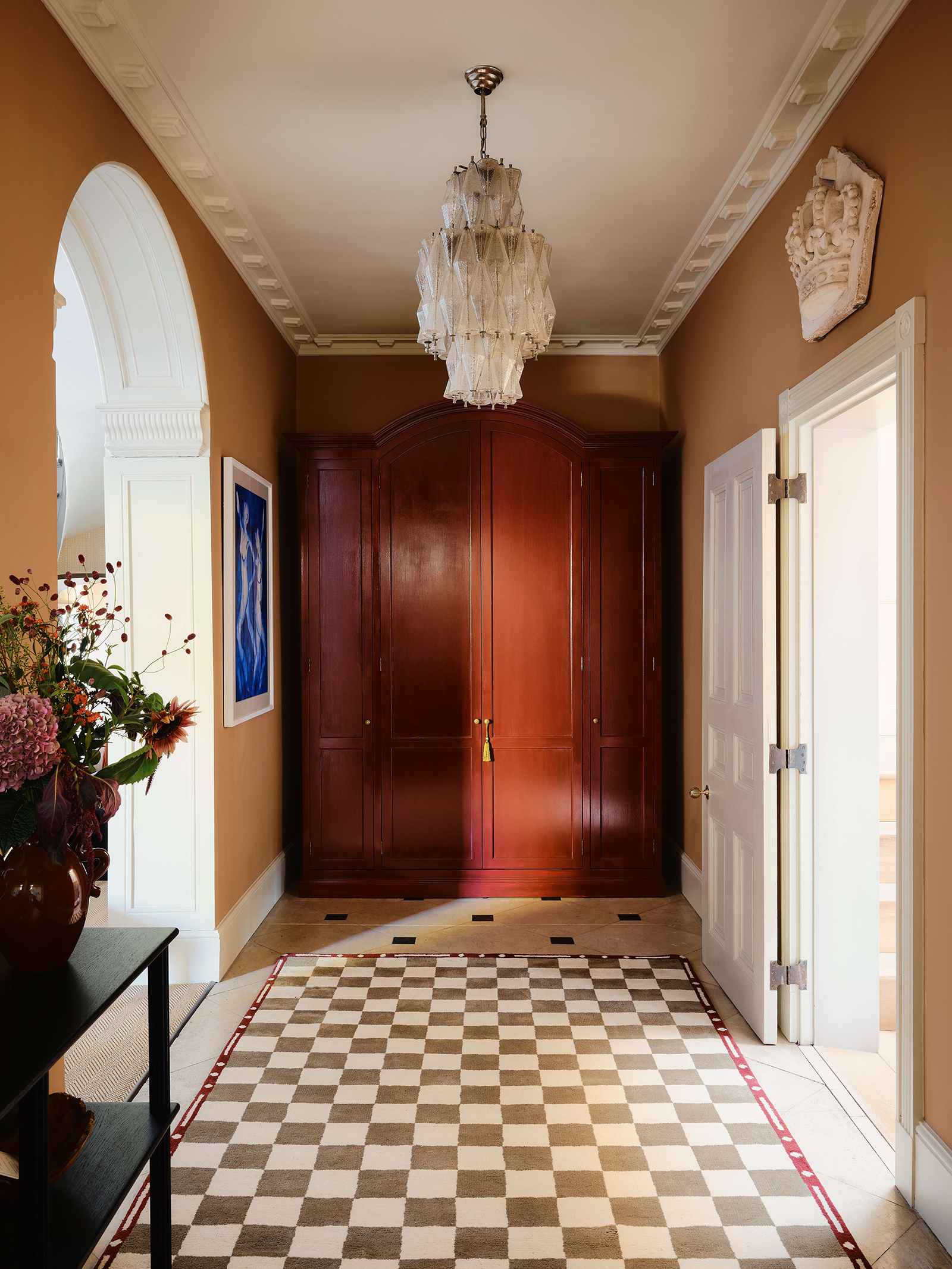
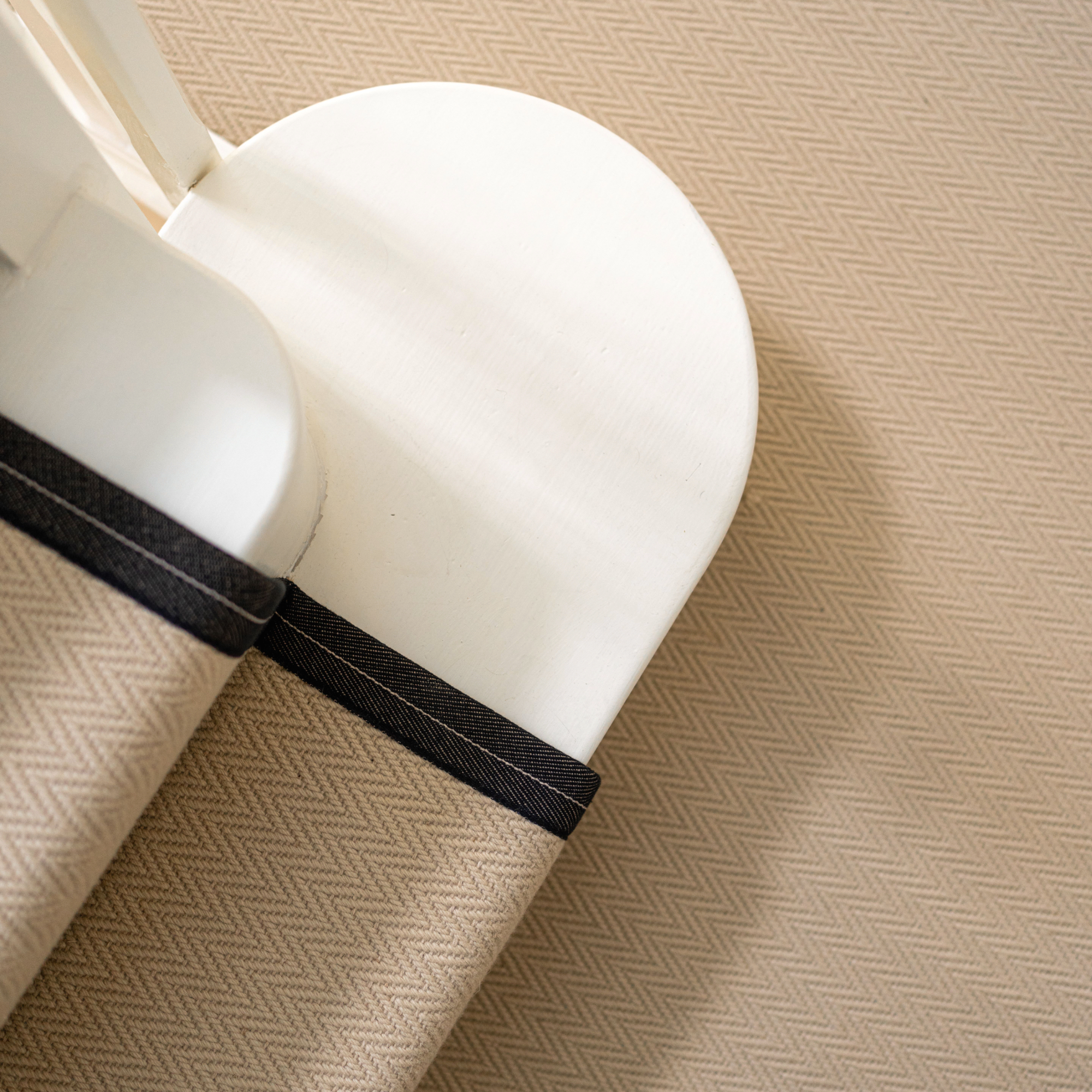
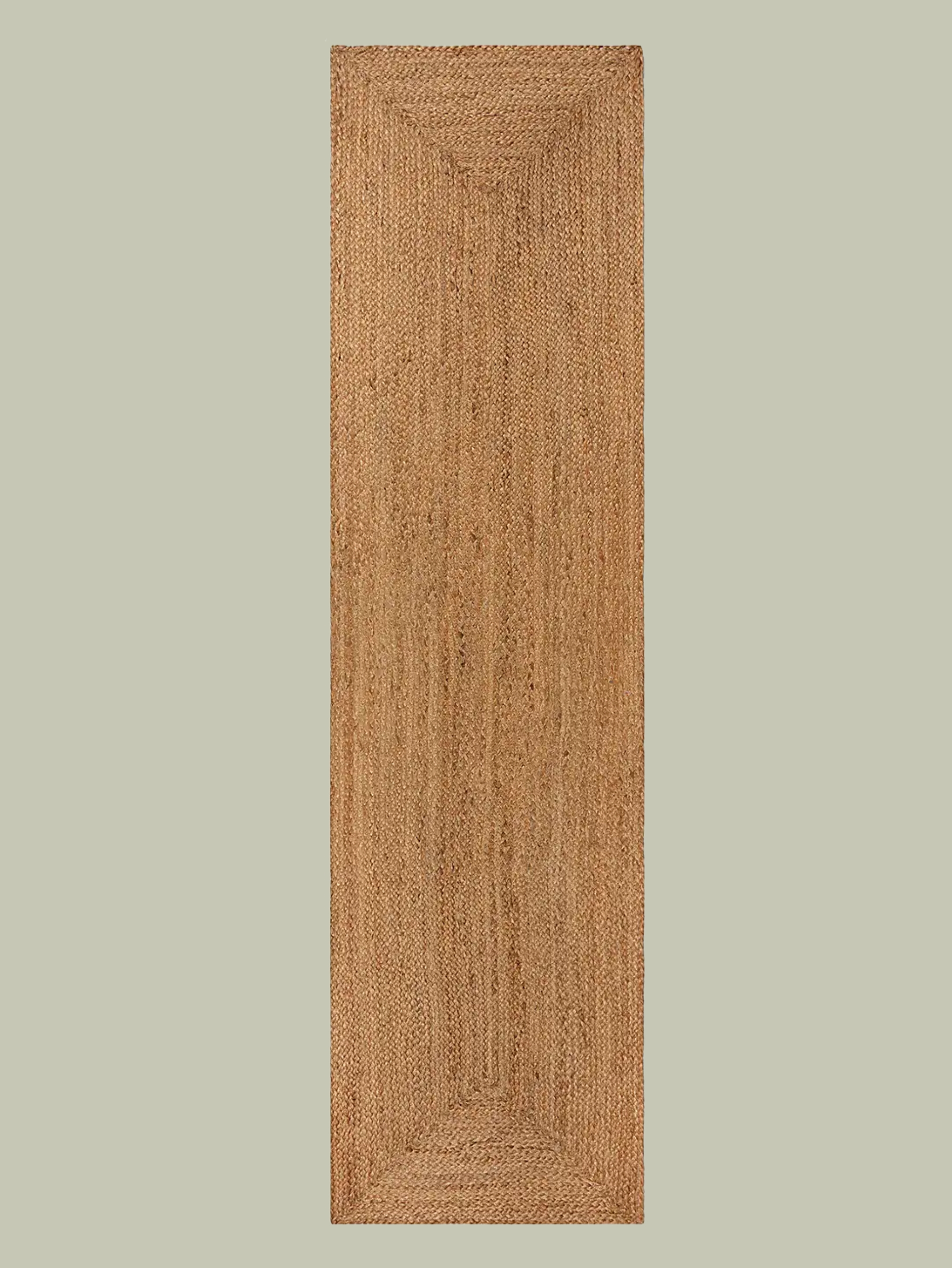
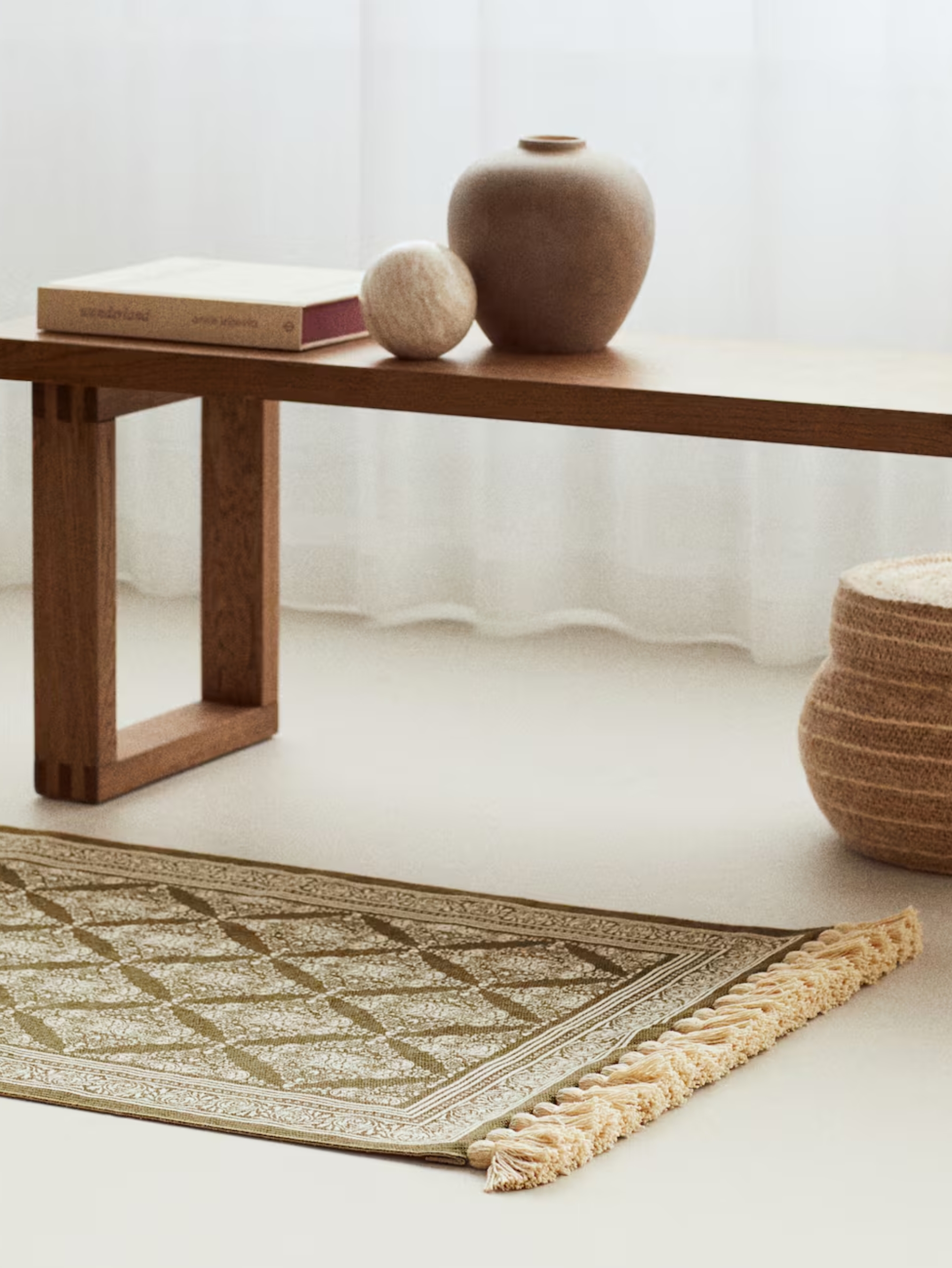
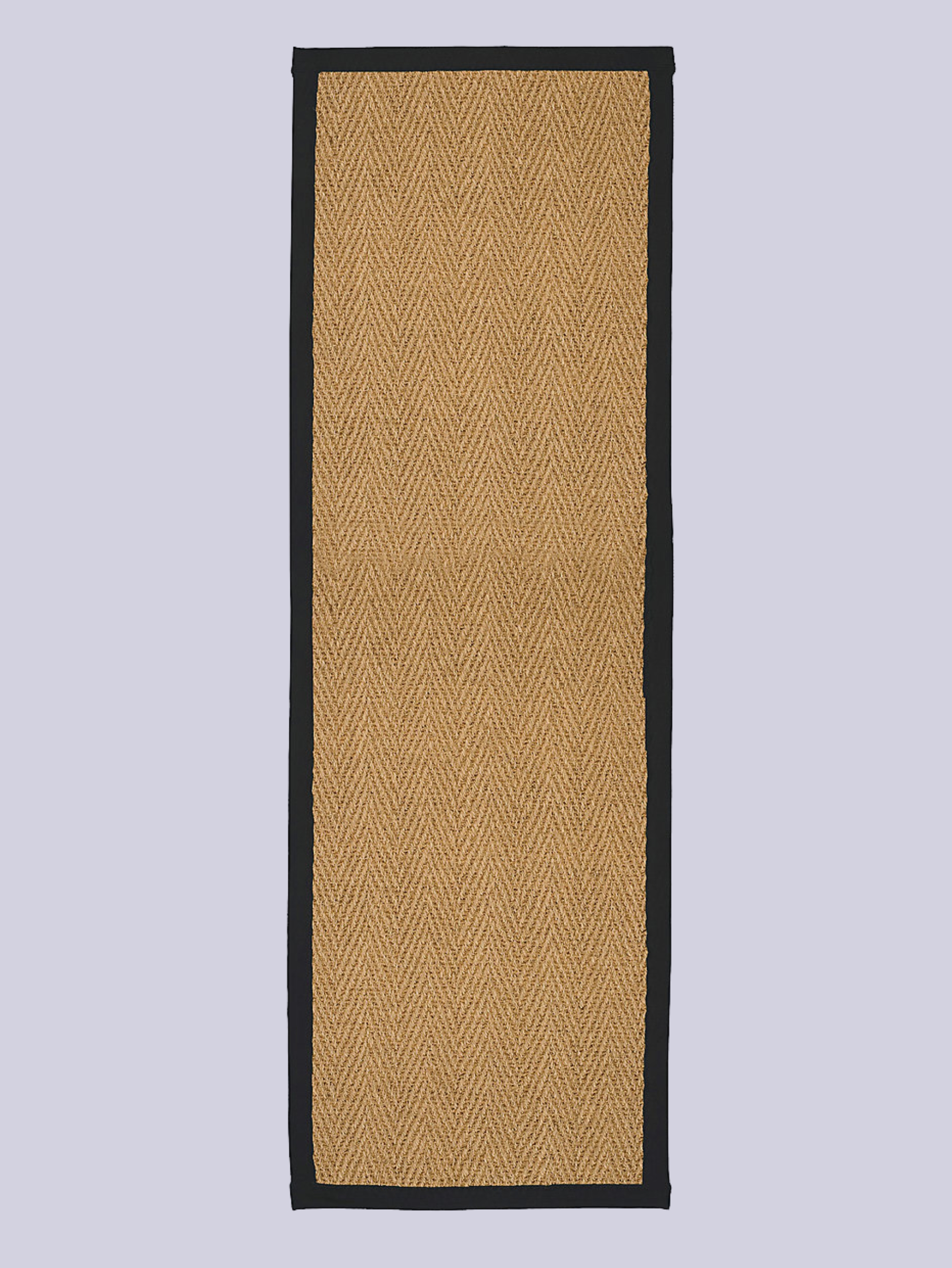
The first rule emphasizes the importance of complementing the existing styling of the home. When choosing a hallway runner, it is crucial to consider the homeowner's personal style and the prevailing colors and decor elements already present. For instance, if there is art in the hallway or distinct wall colors, the runner should harmonize with these features. Neutral tones are generally a safe option, as they integrate seamlessly with most interiors without overpowering the space. Alternatively, a runner with a pop of color can inject brightness and vibrancy into an otherwise understated area. For high-traffic hallways, patterns or varying tones, such as distressed or marbled effects, are recommended. These designs are effective in camouflaging dirt and debris, maintaining a cleaner appearance in frequently used corridors.
The second golden rule highlights the significance of selecting appropriate materials. The material of a hallway runner is as critical as its style. A thin, flatweave rug might not sit well on carpeted floors and could slide on hard surfaces. This issue can be mitigated by using an underlay to secure the runner in place. The level of foot traffic the hallway experiences should also influence material choice. Households with children or pets, particularly those with outdoor access, may benefit from more durable and easily maintainable materials. Synthetic polyester or recycled PET are examples of materials that are practical for busy environments, as they can withstand more wear and tear compared to other options. Considering these factors helps ensure the rug's longevity and suitability for the household's needs.
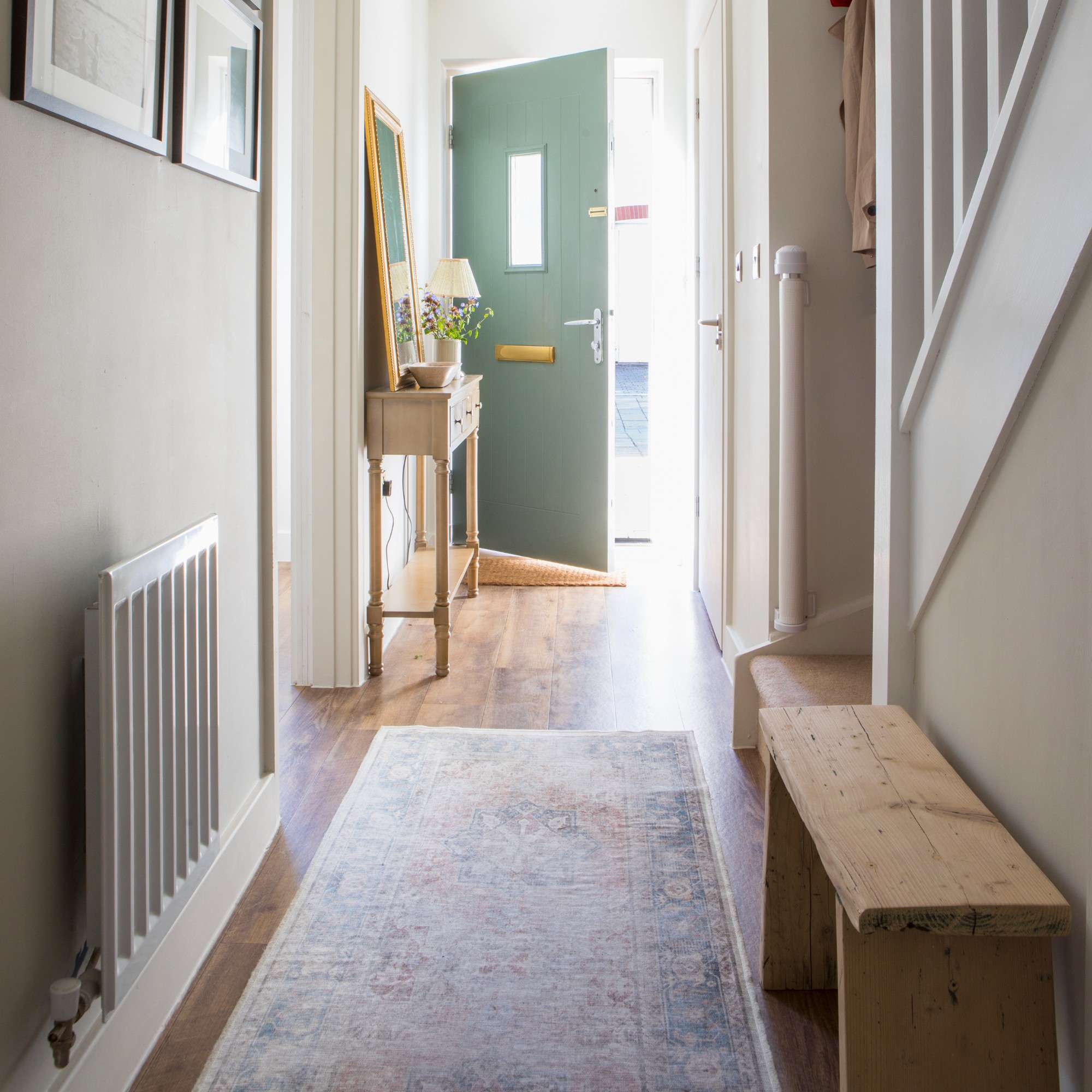
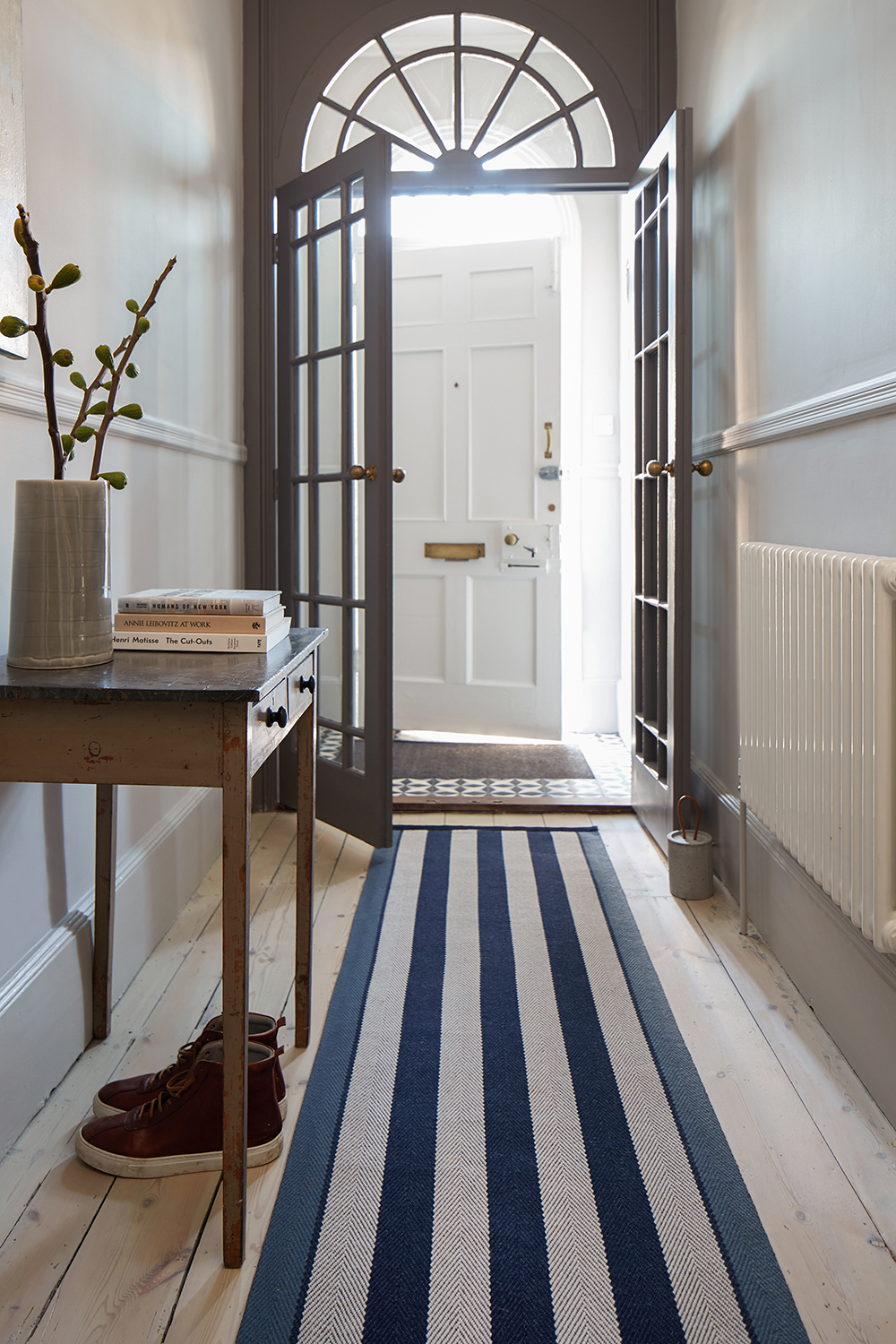
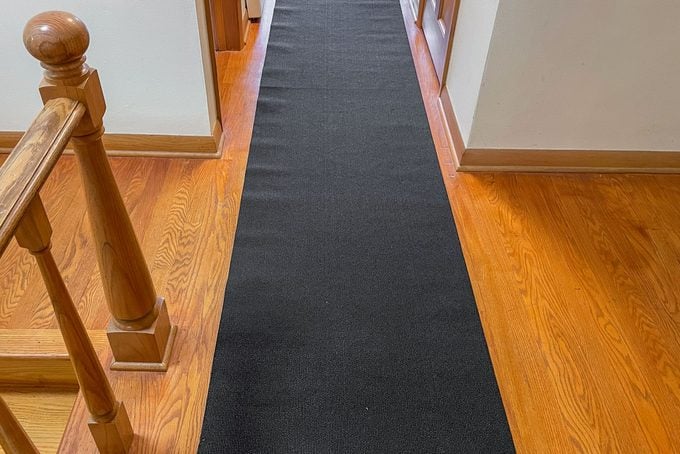
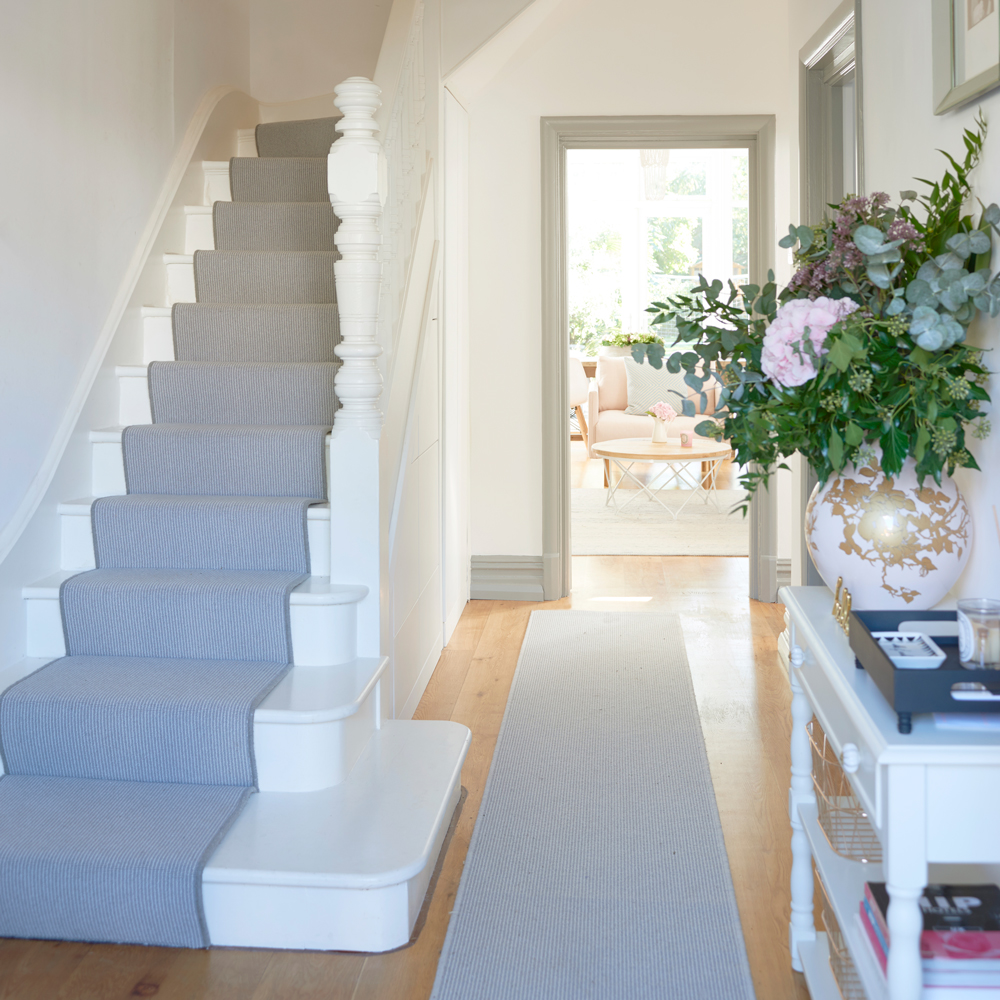
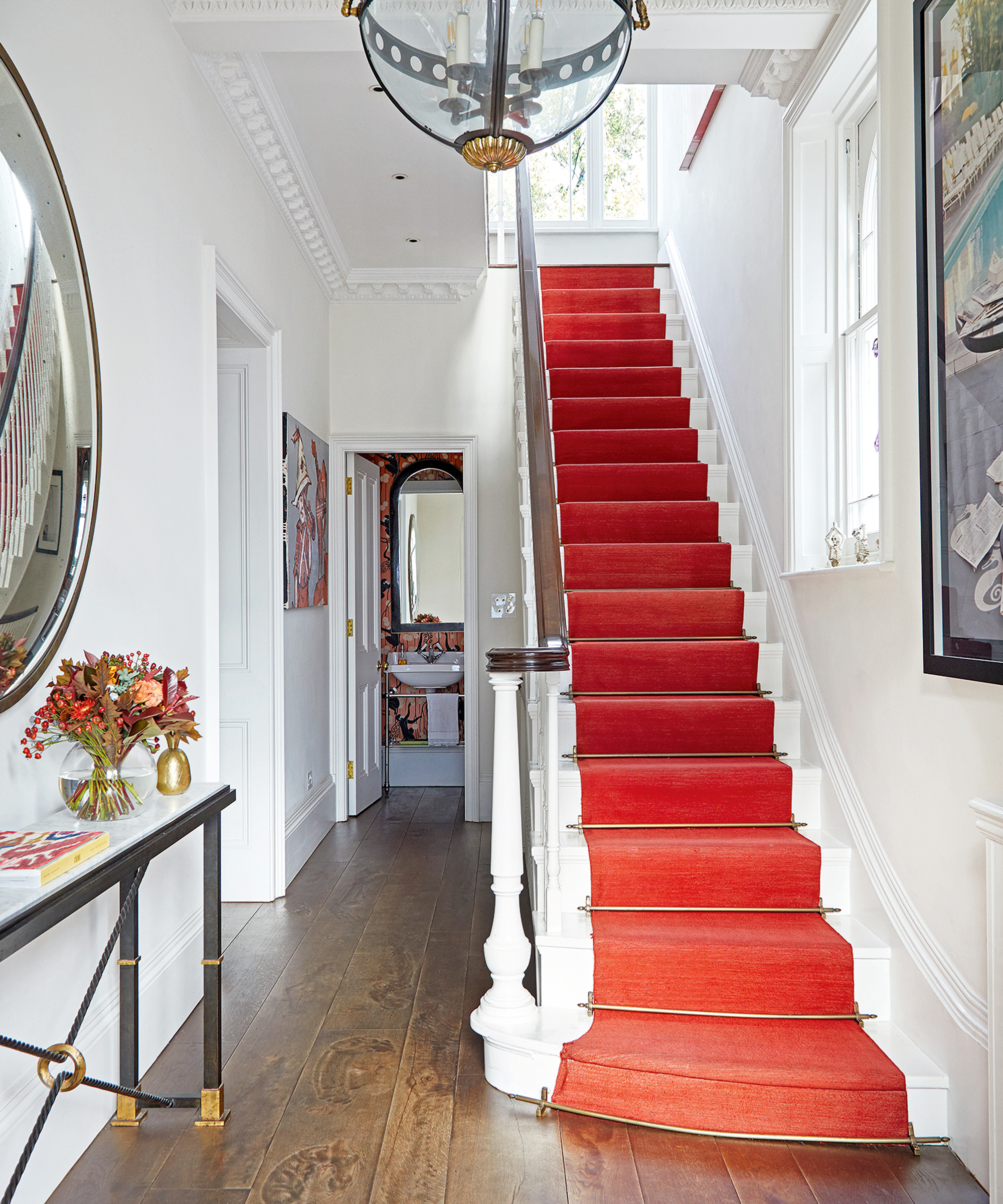
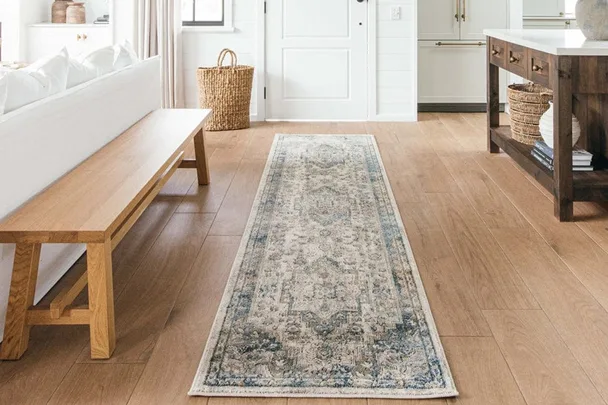
Finally, the third rule provides guidance on the correct sizing of a hallway runner. It is advised to leave approximately 10 to 15 centimeters of exposed flooring on either side of the runner. The runner should align with the doorways within the hall space, avoiding situations where it is too short and ends awkwardly in the middle of a doorway. It is also important to prevent the runner from extending into an adjacent room, as this can disrupt the visual flow and appear out of place. For longer hallways where a single runner might not suffice, using two identical or complementary runners (referred to as 'twins' or 'sister styles') is an effective solution. While foregoing a hallway runner is an option, it offers multiple benefits. A runner can introduce style and personality to an otherwise empty or echoing hallway without the need for bulky furniture. Additionally, it serves as a protective layer for the underlying flooring, guarding against daily wear and tear, and is much simpler and more cost-effective to replace than the entire floor itself.
#HallwayRunner #HomeDecor #InteriorDesign #StylingTips #MaterialSelection #RugPlacement #FootTraffic #MissAmara #HallwayRunner #HomeDecor #InteriorDesign #StylingTips #MaterialSelection #RugPlacement #FootTraffic #MissAmara
0 comment in total
 No comments yet
You may also like
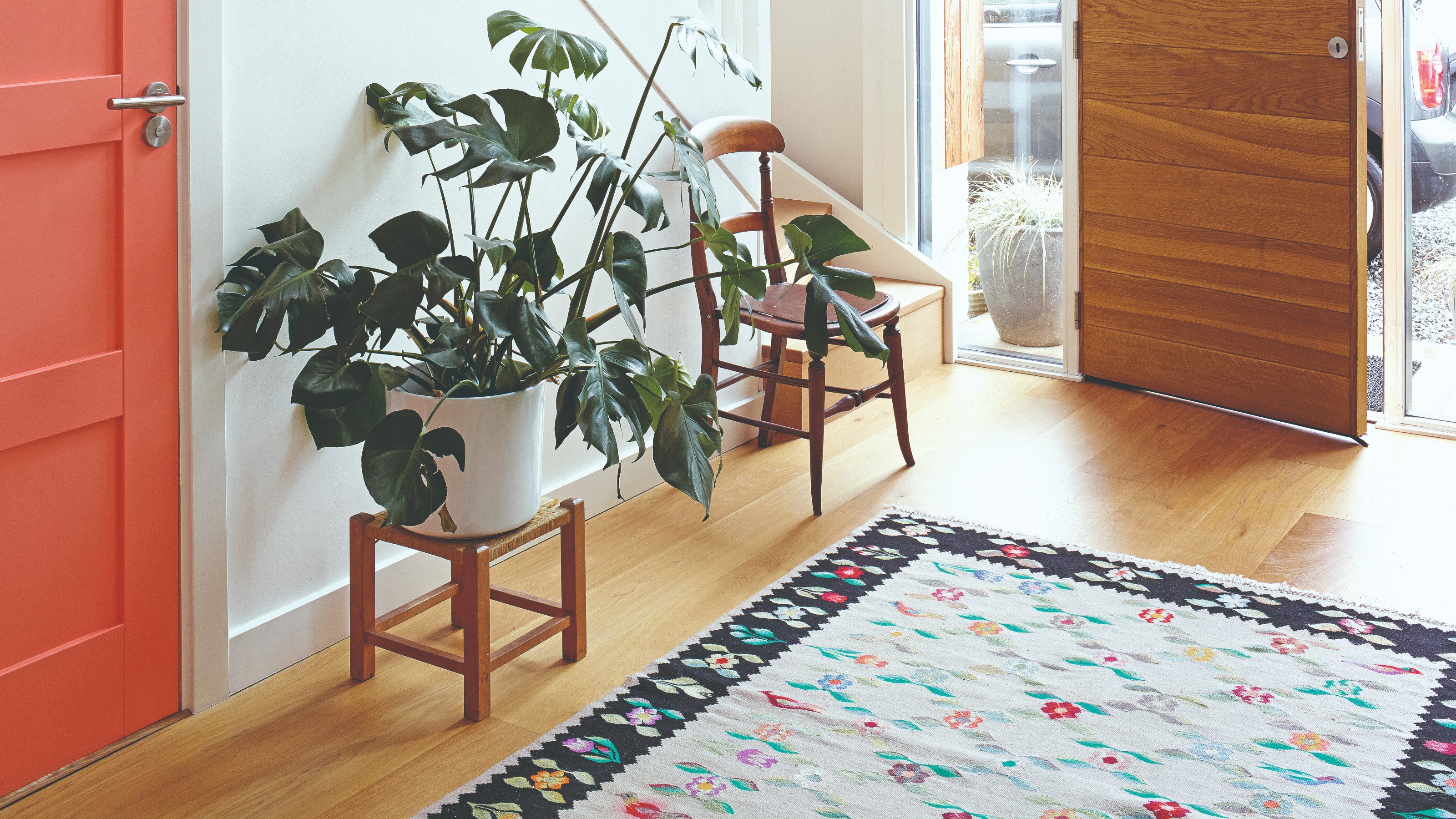
‘Size really is everything’ – experts reveal how big your hallway runner should be and how to get the right size every time
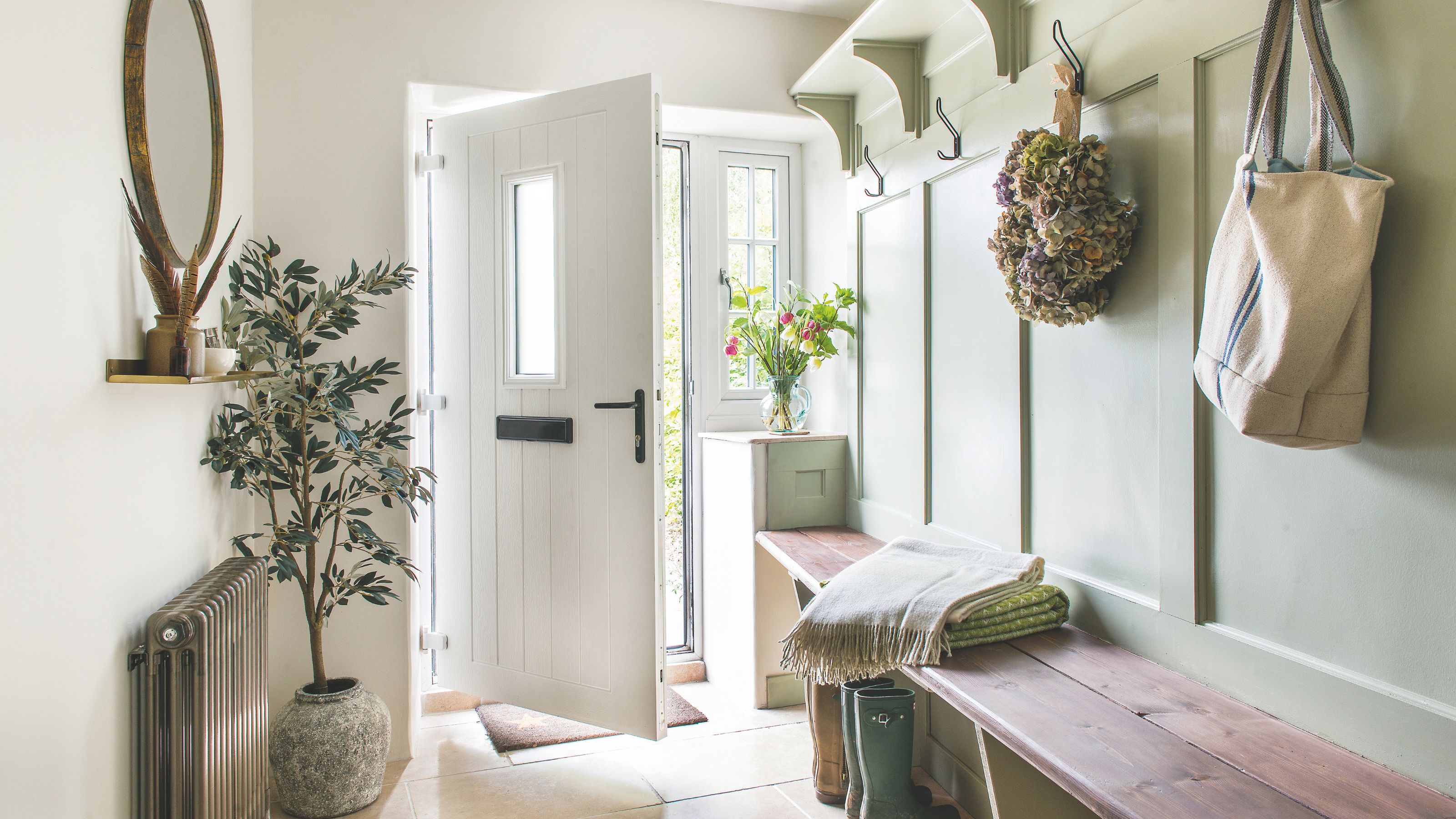
4 things that people with an organised hallway always do – expert tips that guarantee a neat entranceway
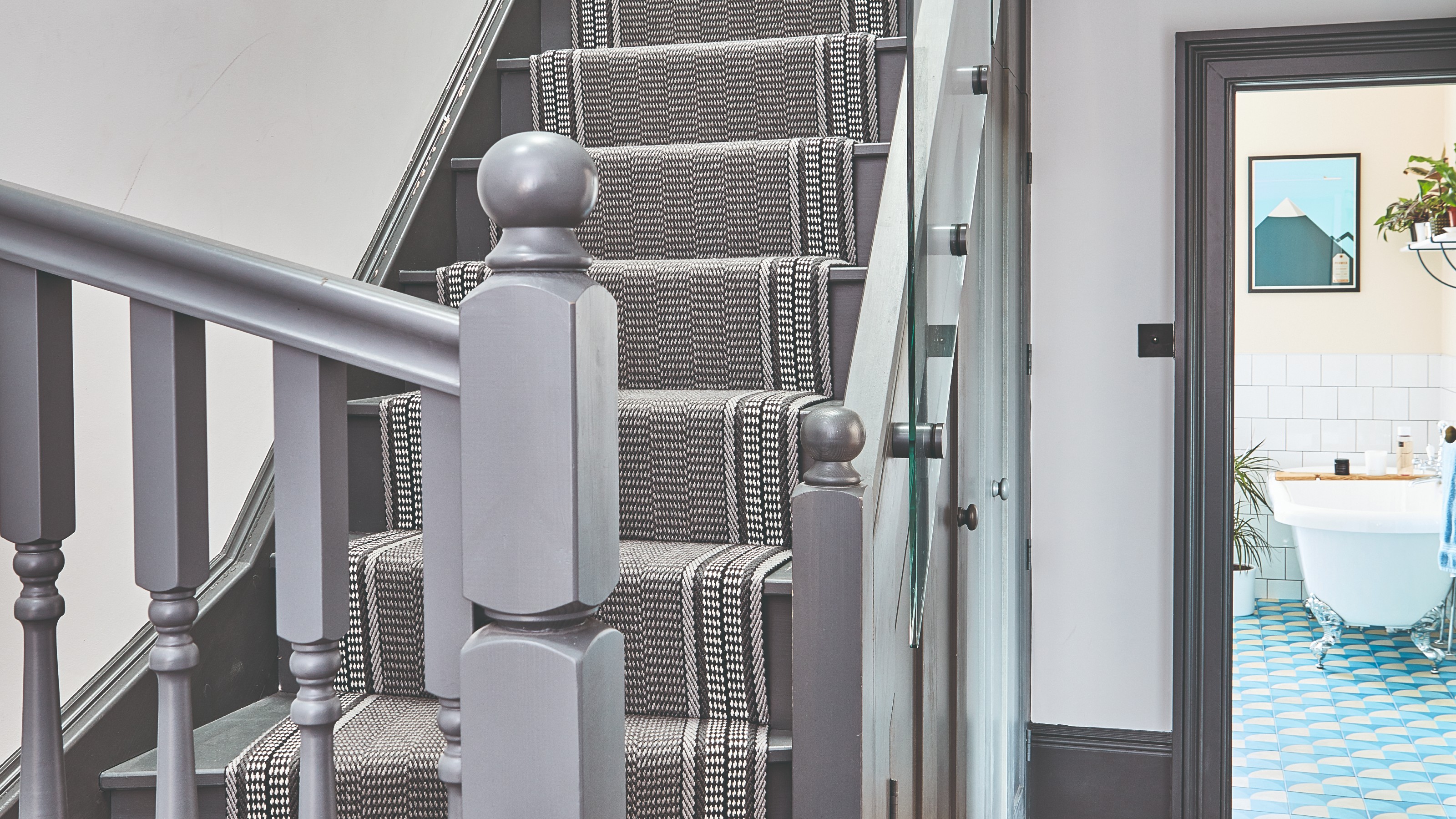
How to measure for a stair runner – experts reveal the golden rule for getting your measurements just right
5 Flooring Choices Designers Completely Regret Using in Their Homes

Hallway runner ideas - 10 ways to make a great entrance
Ruggable Runner Review: An Easy-to-Clean Option That Dresses Up Hallways

Home decor tips to choose perfect rug for your room's centerpiece | Hindustan Times


Corrie's Ryan Thomas' timeless stair runner instantly creates a 'statement look' in a hallway, say experts
Hallway runner ideas – 10 ways to warm up your entryway with rugs


Dunelm's new £45 runner in ten colours 'ideal for busy homes'
Staircase runner ideas – 15 designs that will instantly elevate your hallway steps

12 Runners That Will Make Your Entryway Feel a Lot Fancier (but That Cost Less Than £50 Each)

Ask Veronica: Why decorate with a stair runner?

The Best Runner Rugs For Hallways and Kitchens
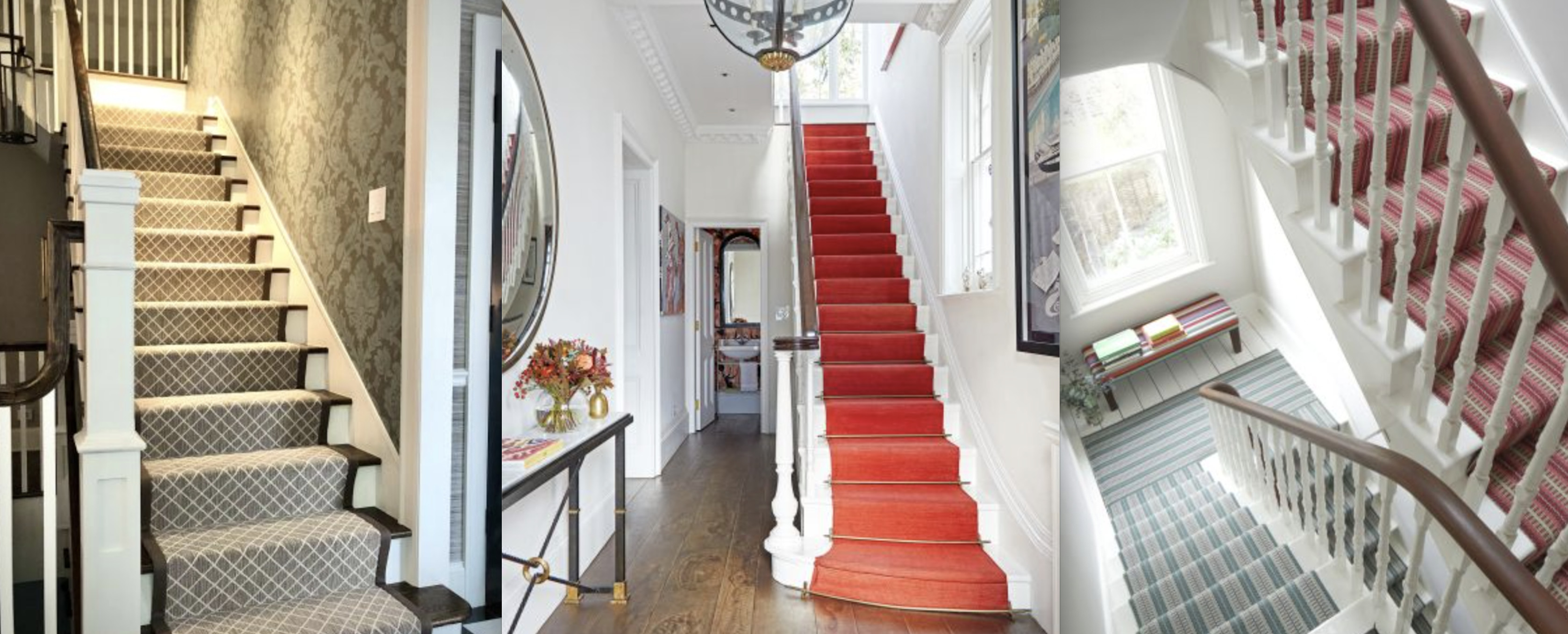
Stair runner ideas – 11 inspiring ways to introduce color and pattern
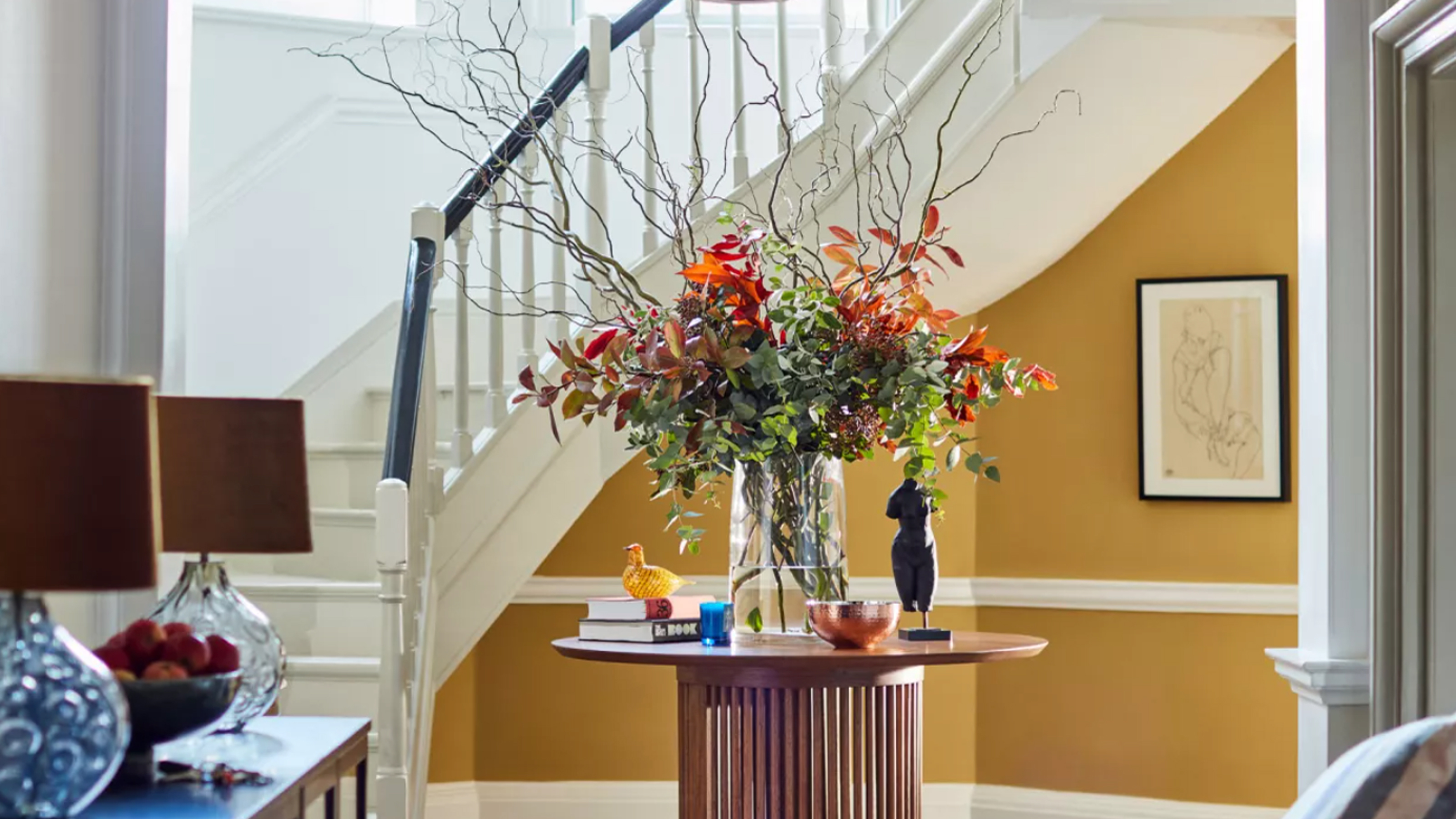
Staging a hallway – top tips from real estate professionals

Guide to Choosing a Stair Runner, Brooklyn Townhouse Edition
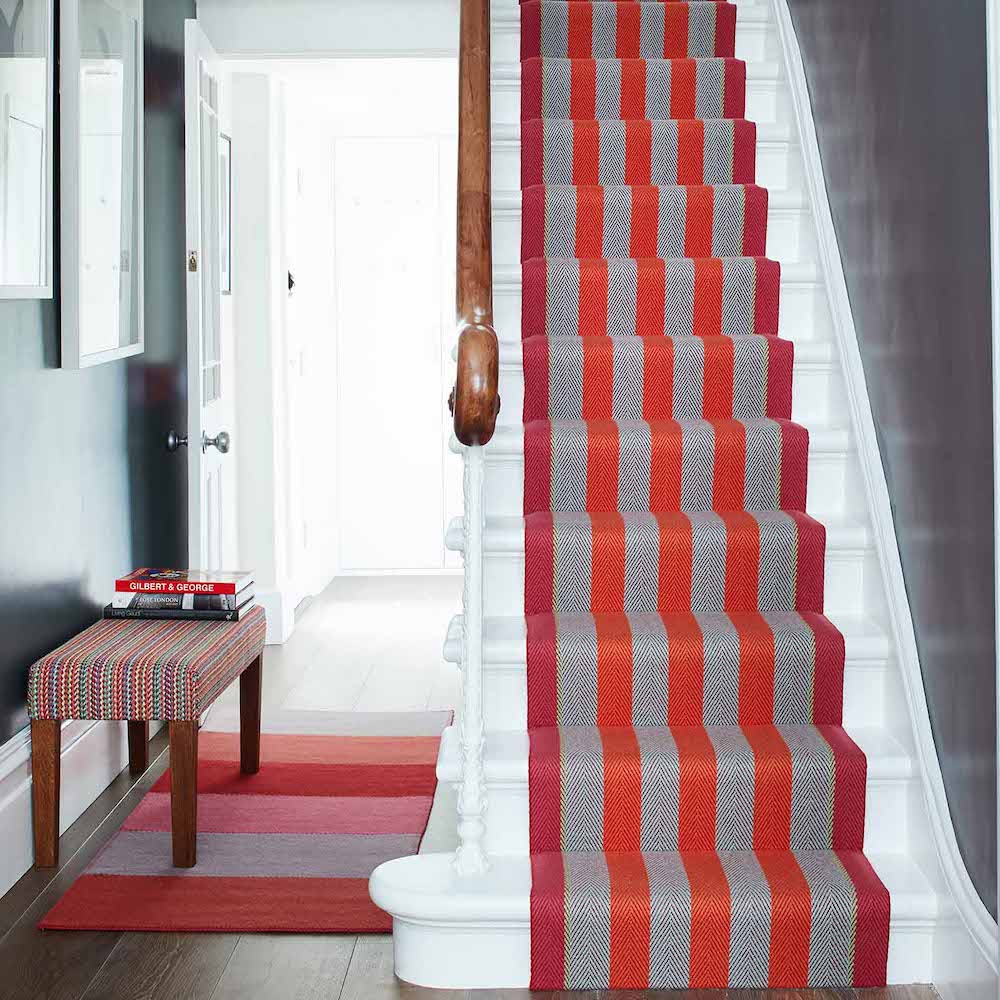
Stair runner ideas – ways to use carpet to elevate a decorating scheme
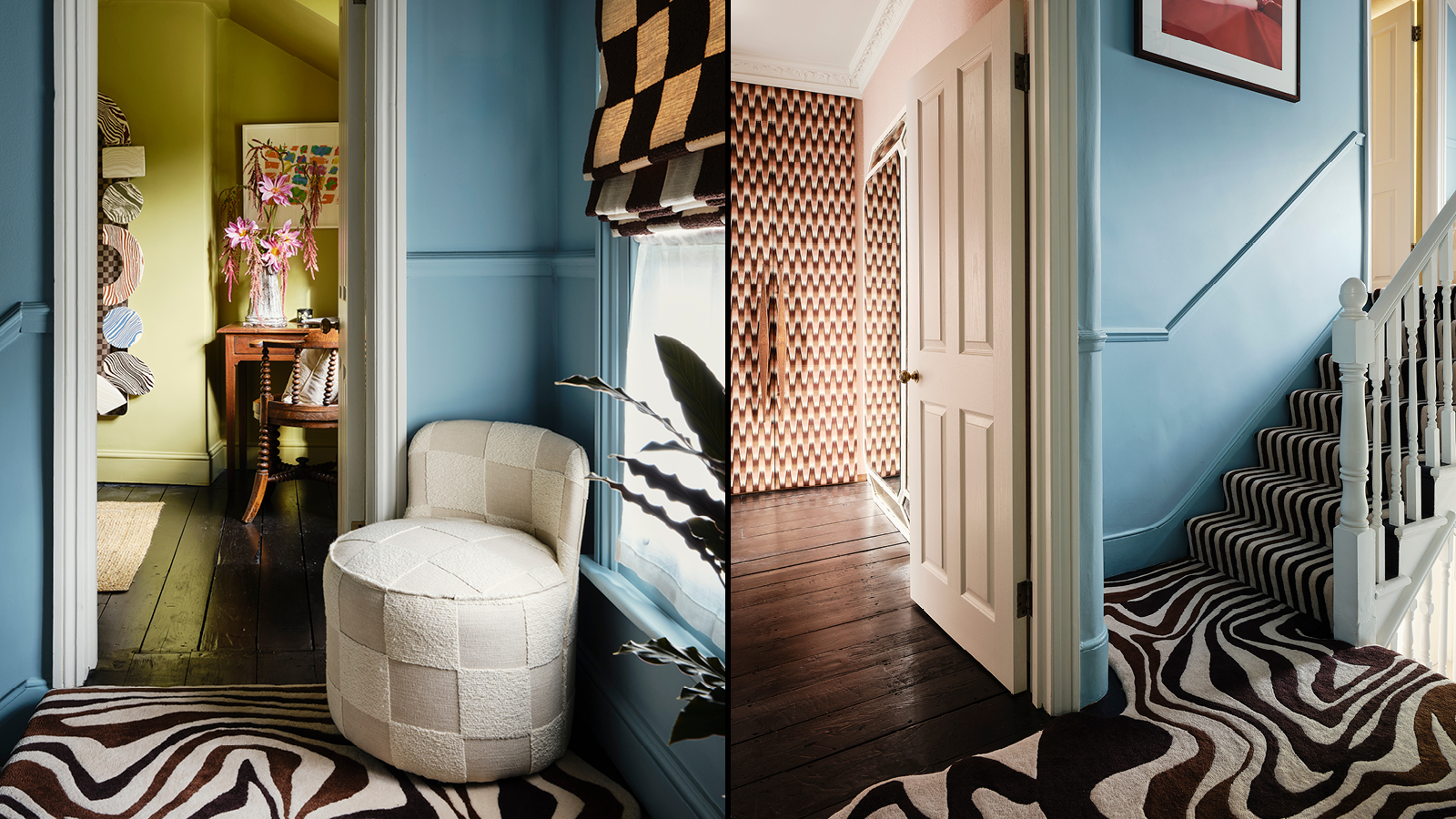
Hallway ideas: Interior design inspiration for ‘posh’ halls
How to Avoid the 5 Worst Hallway Design Mistakes