1/5
Alternative kitchen islands are trending for smaller spaces – these 5 kitchens sold me on the idea
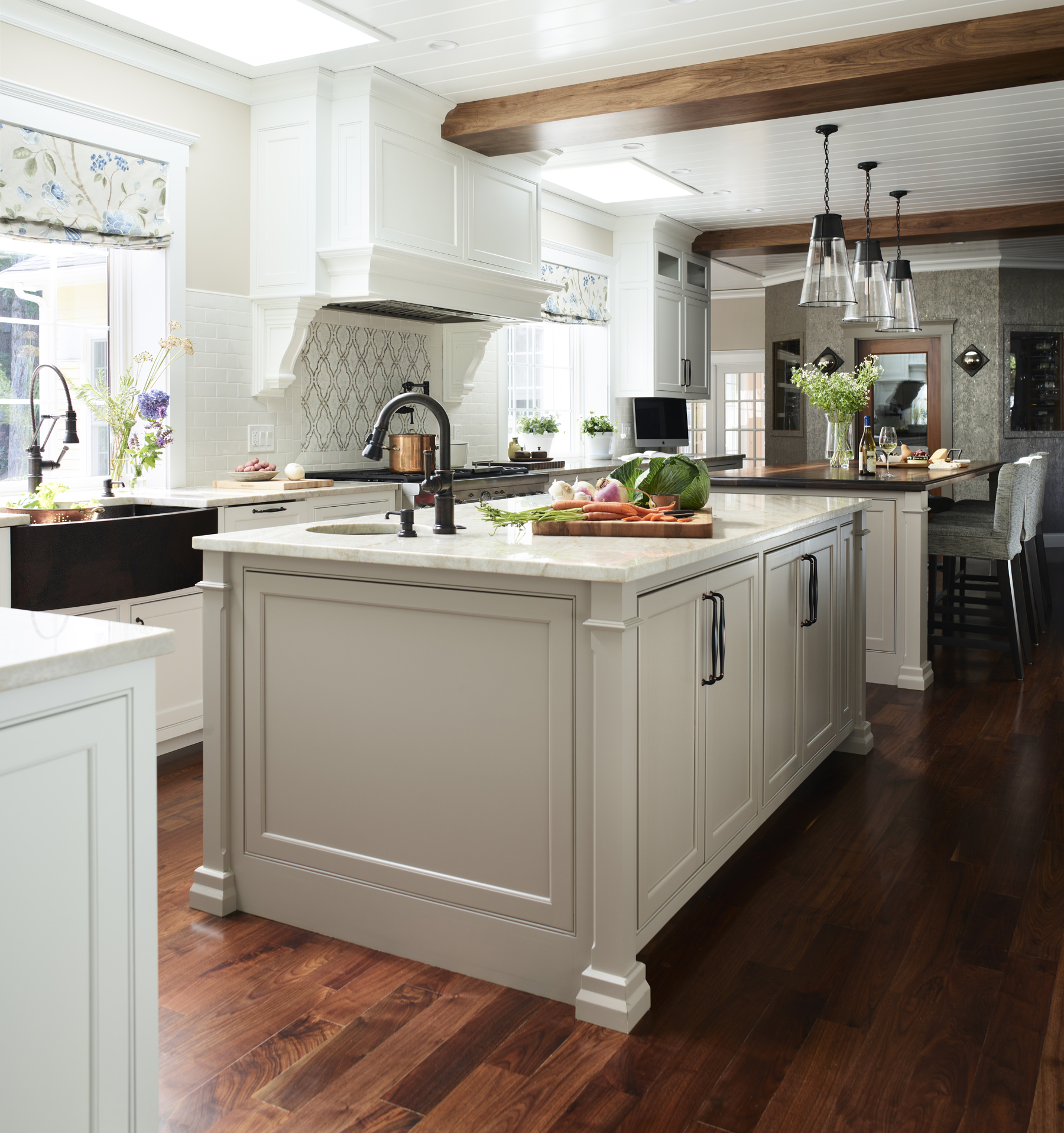
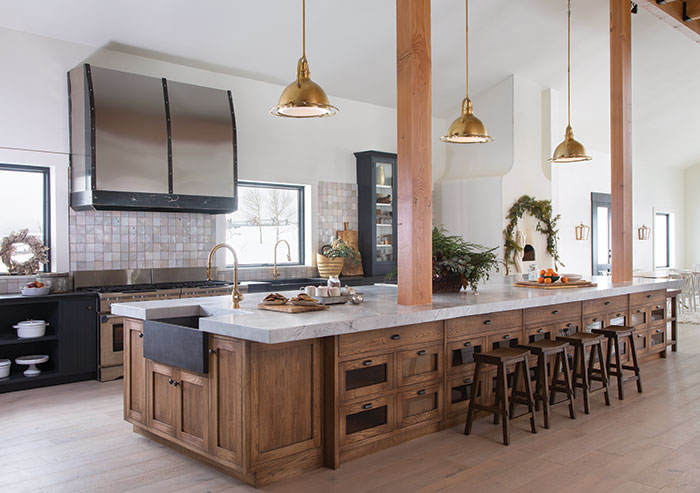
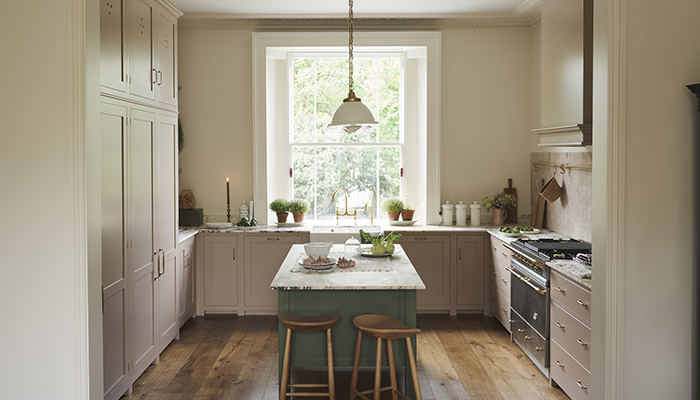
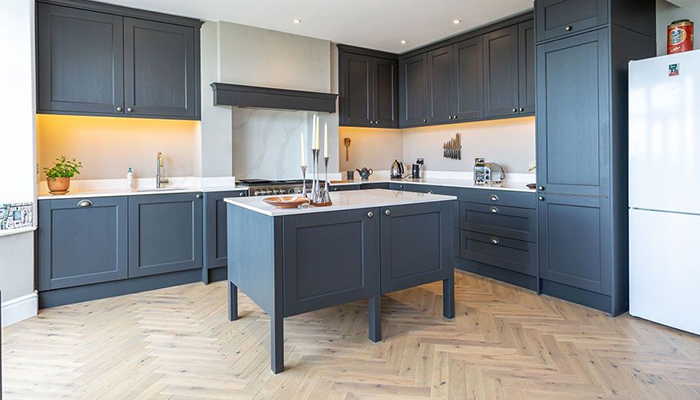
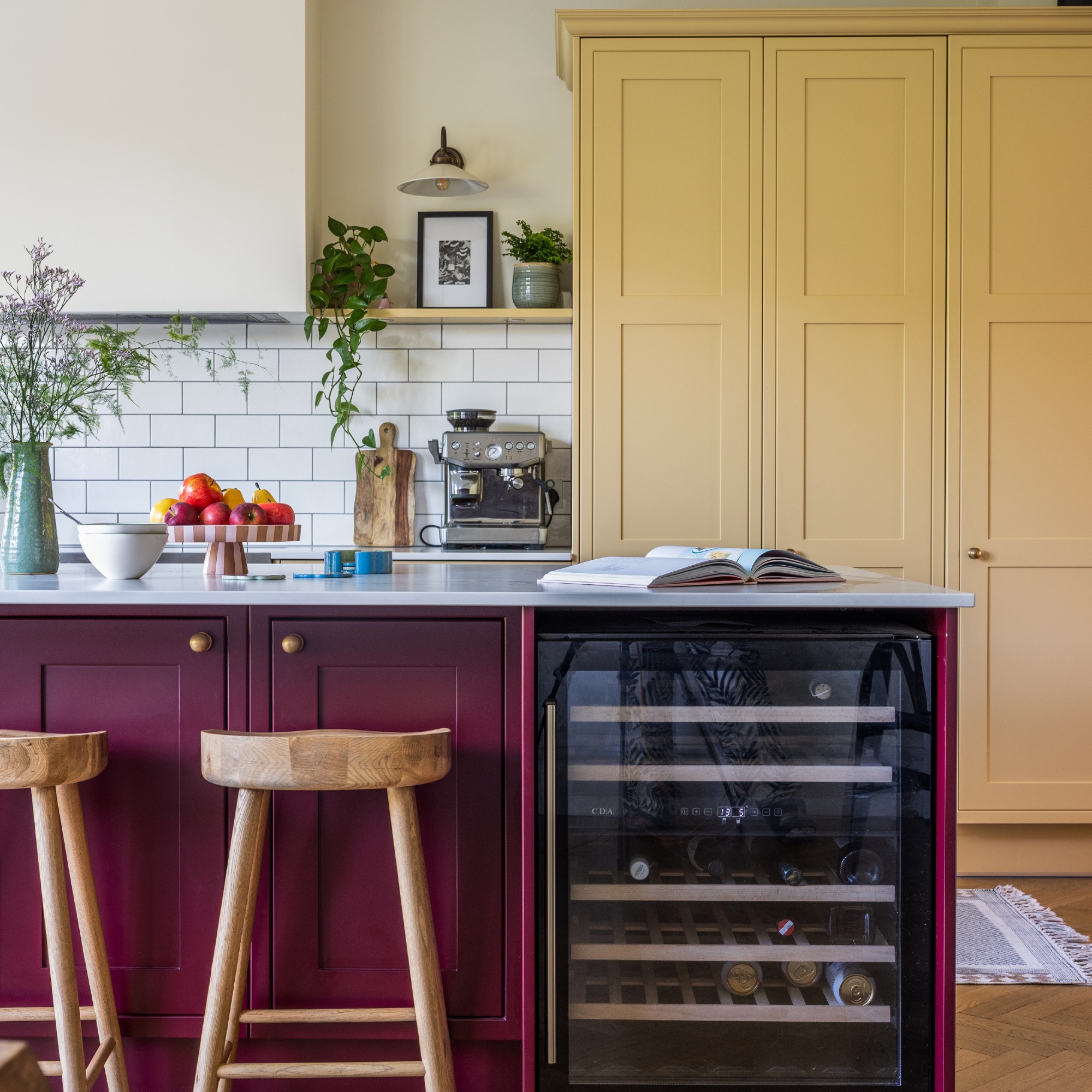
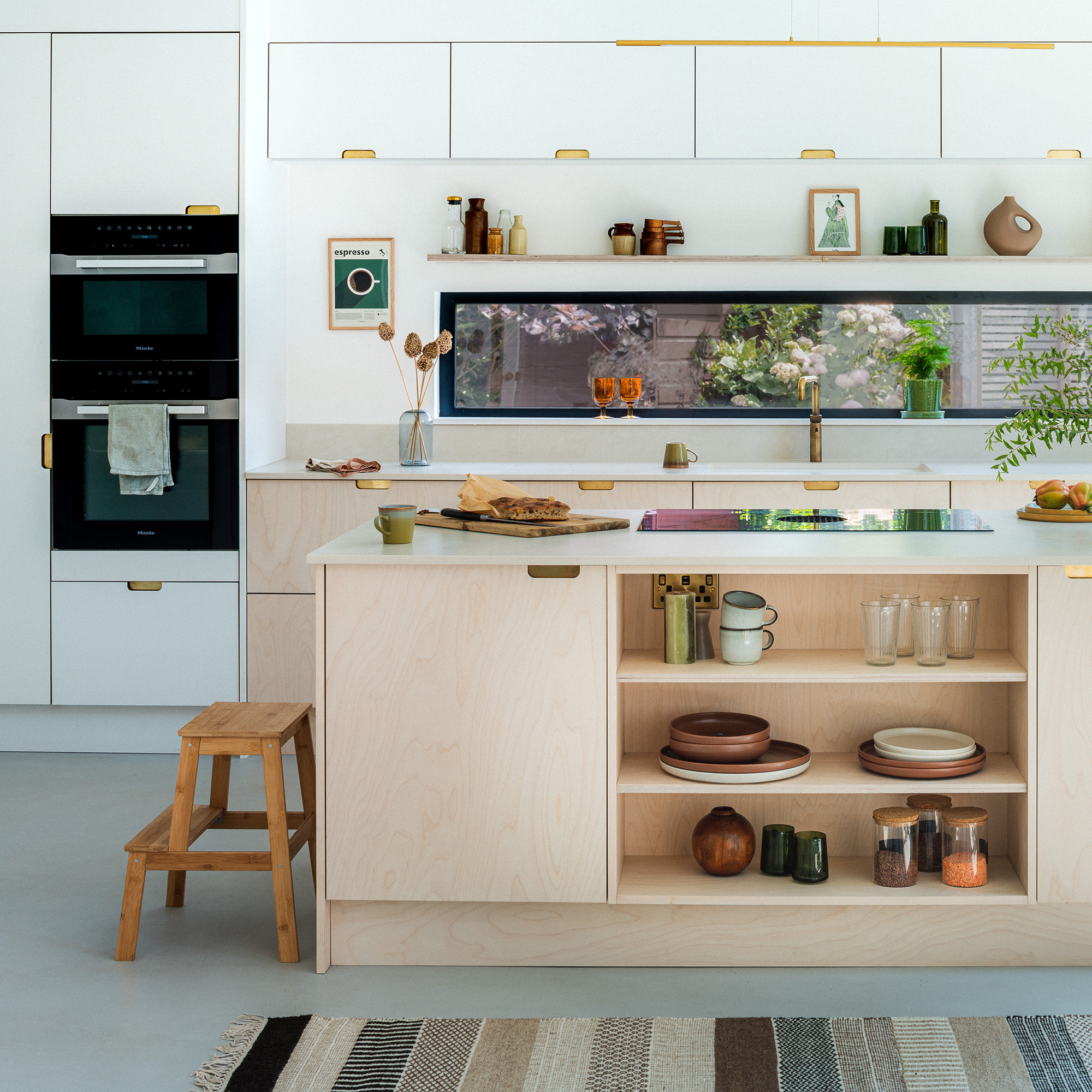
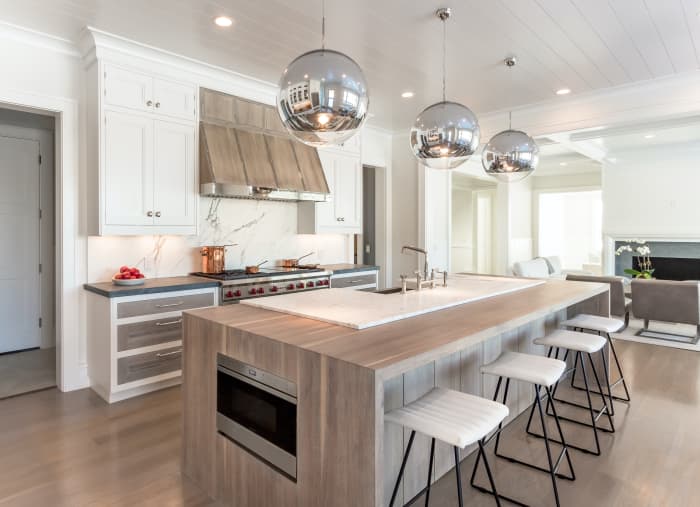
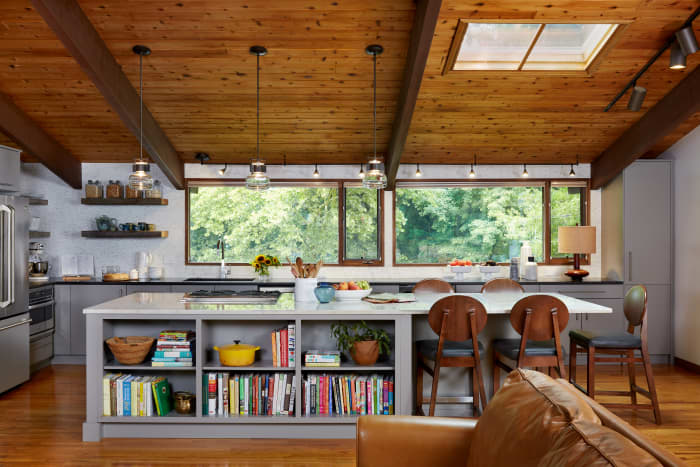
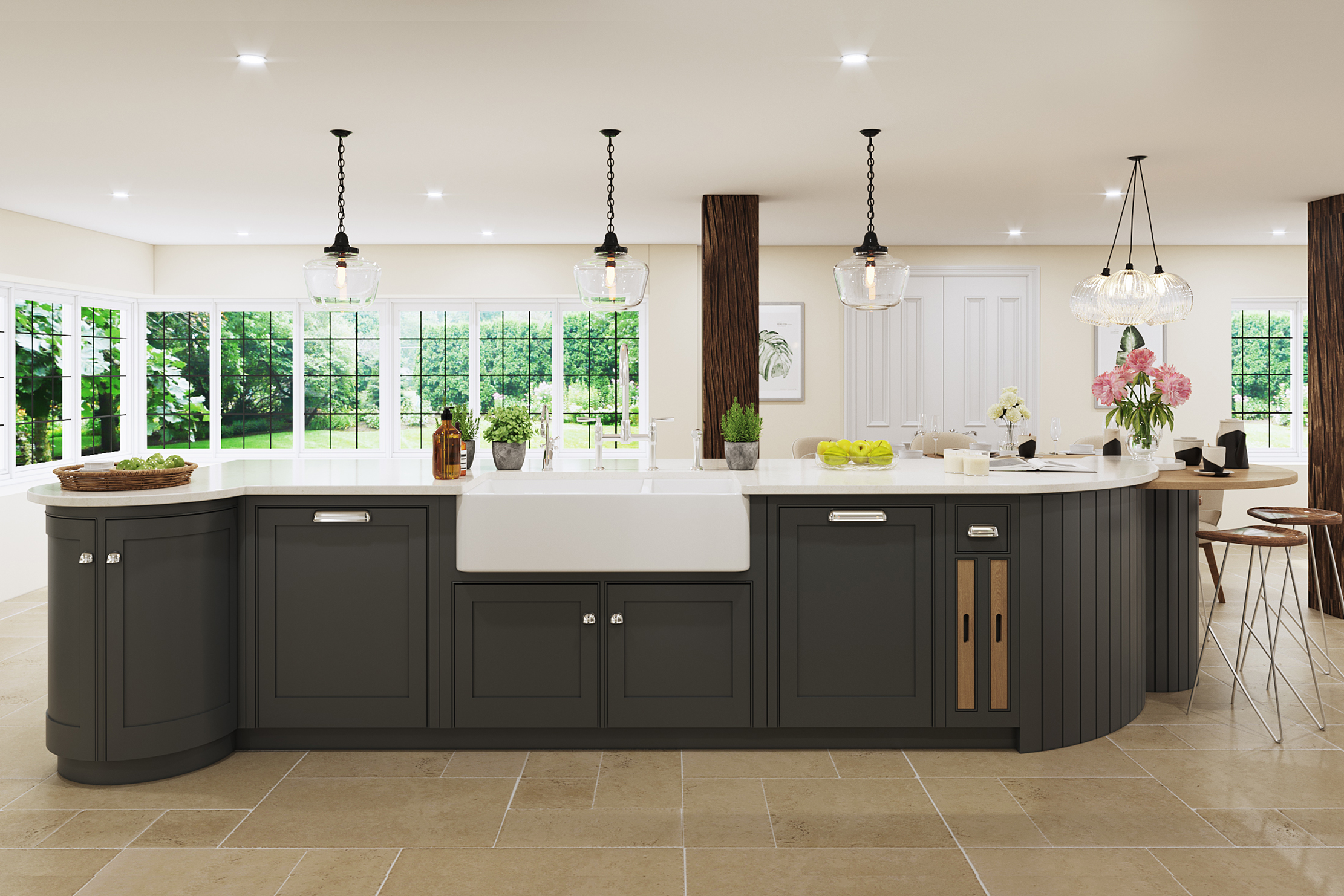
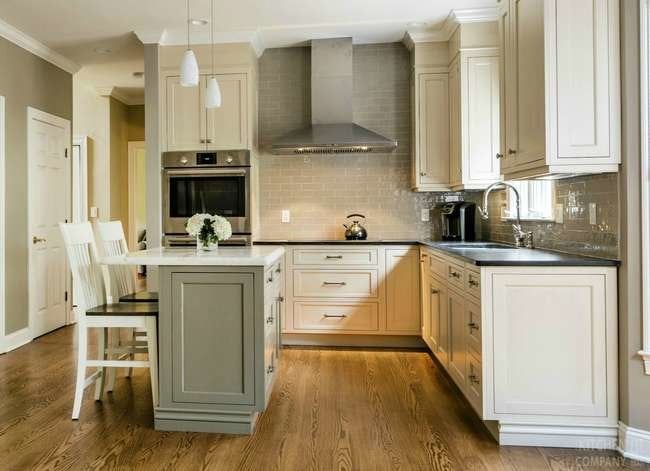
The kitchen island is often considered a central, luxurious, and highly functional element in modern kitchens, serving as a hub for cooking, socializing, and daily interactions. However, traditional kitchen islands can be unattainable for those with smaller kitchens or limited budgets. This article explores five creative alternatives to conventional kitchen islands, demonstrating how to achieve a similar aesthetic and functionality in more compact spaces.
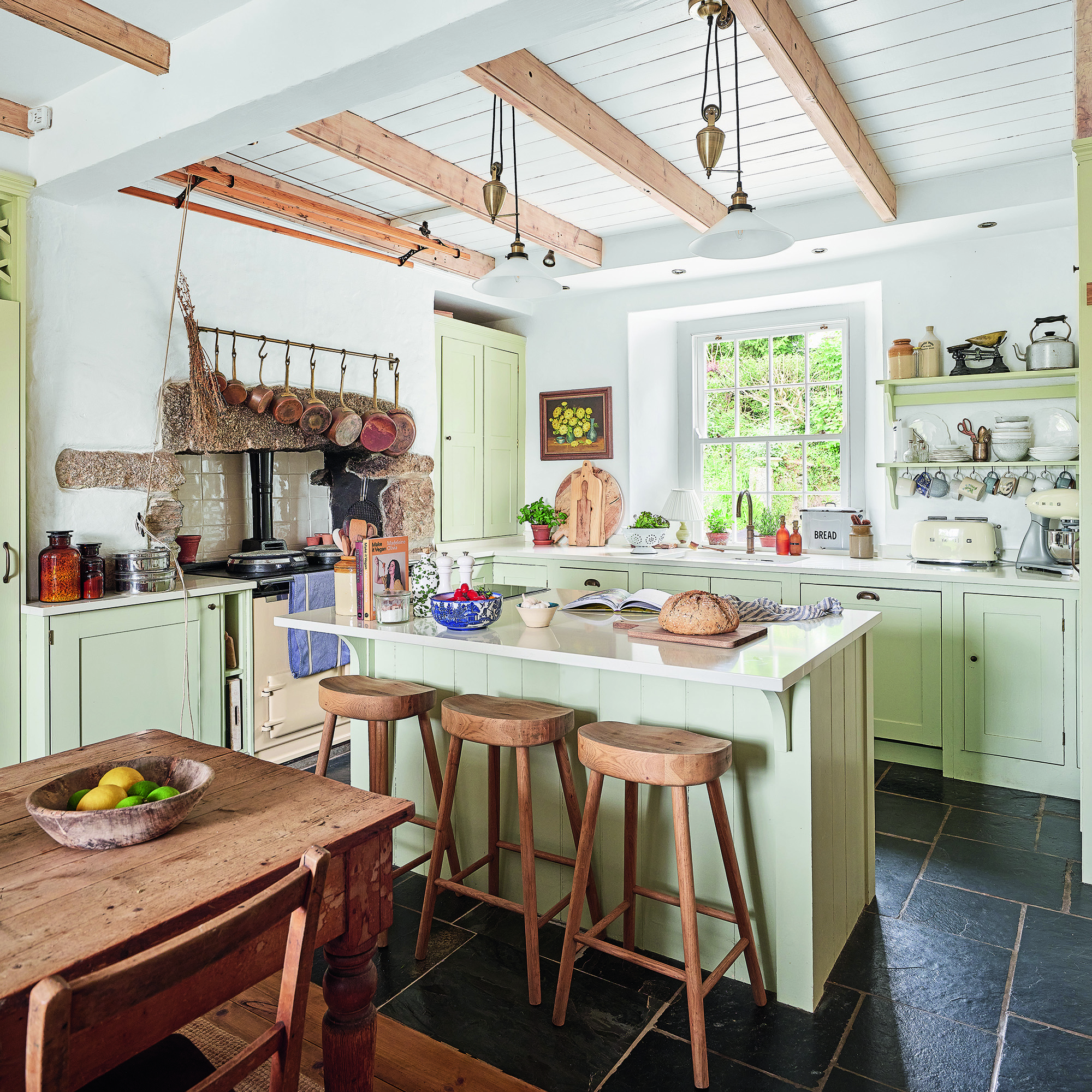
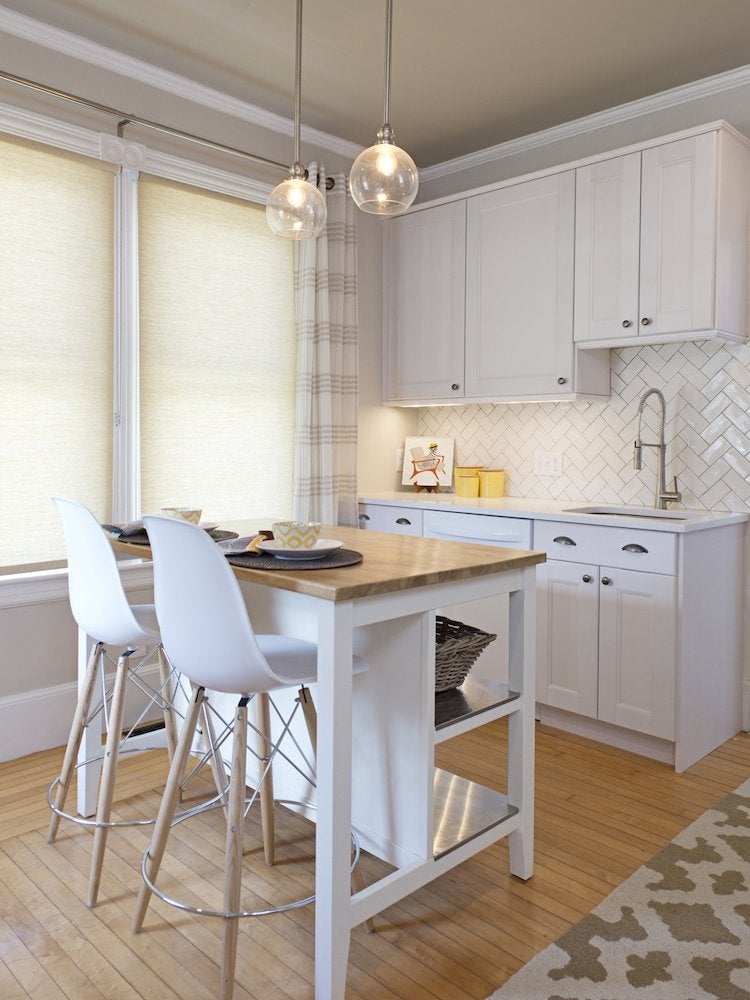
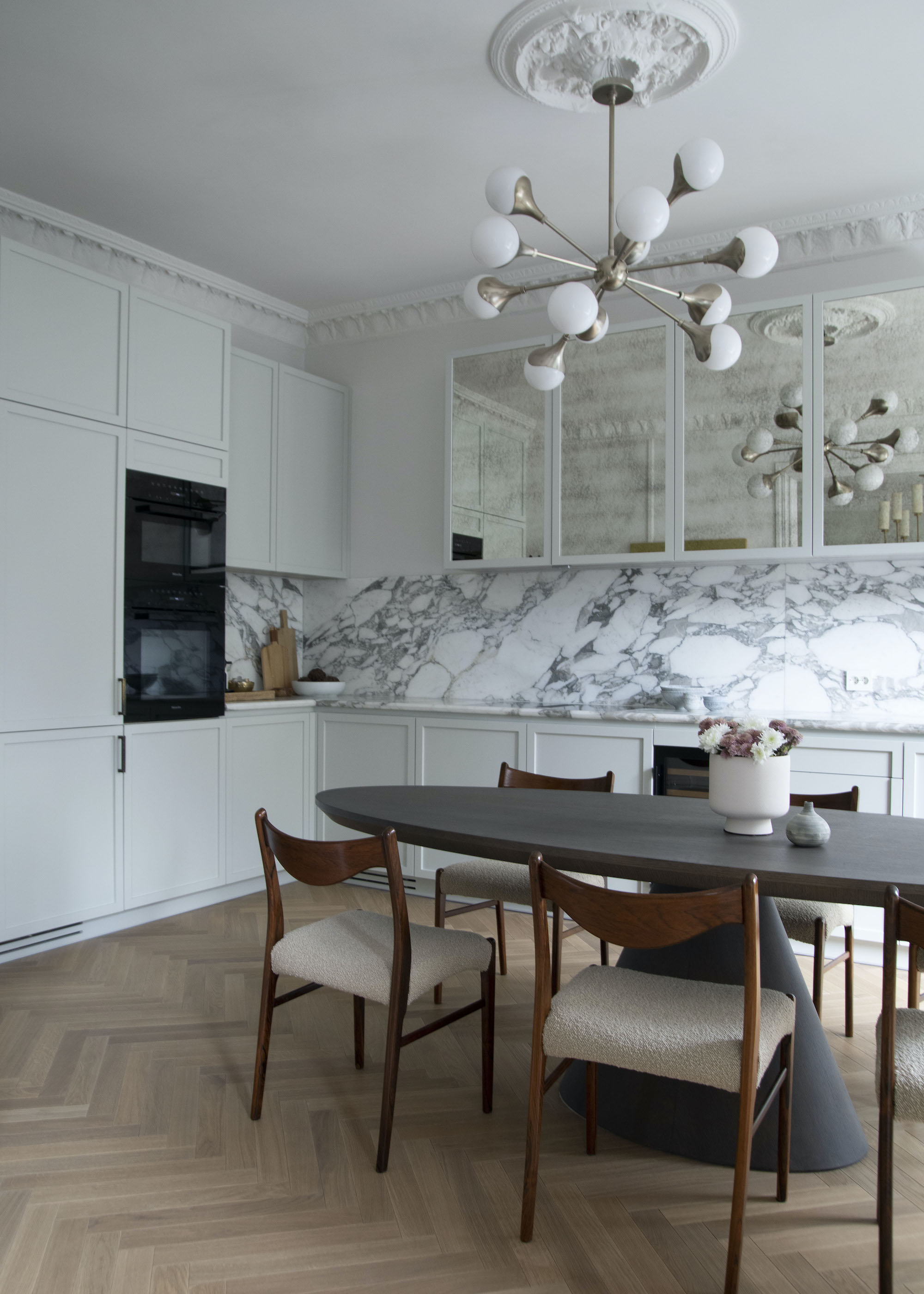
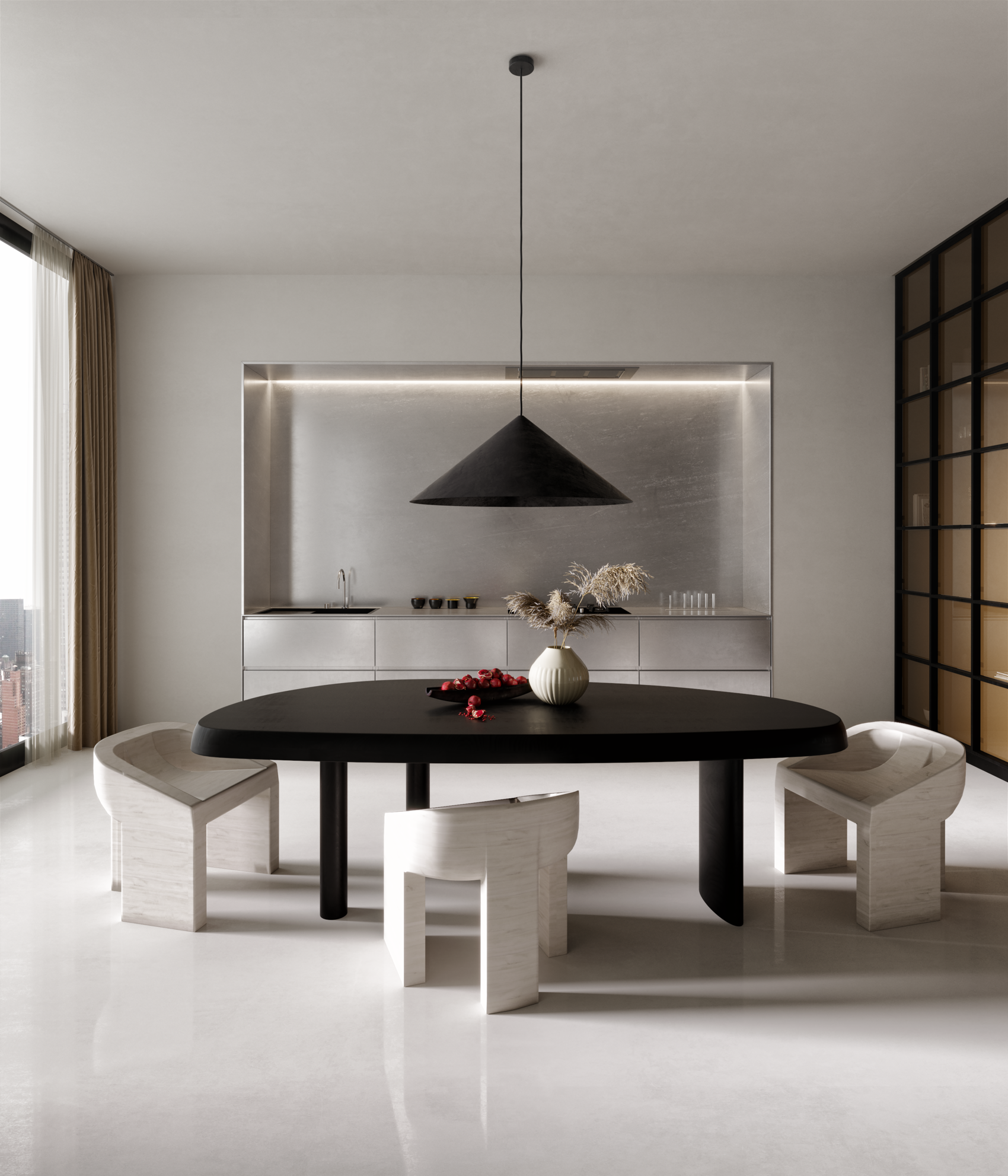
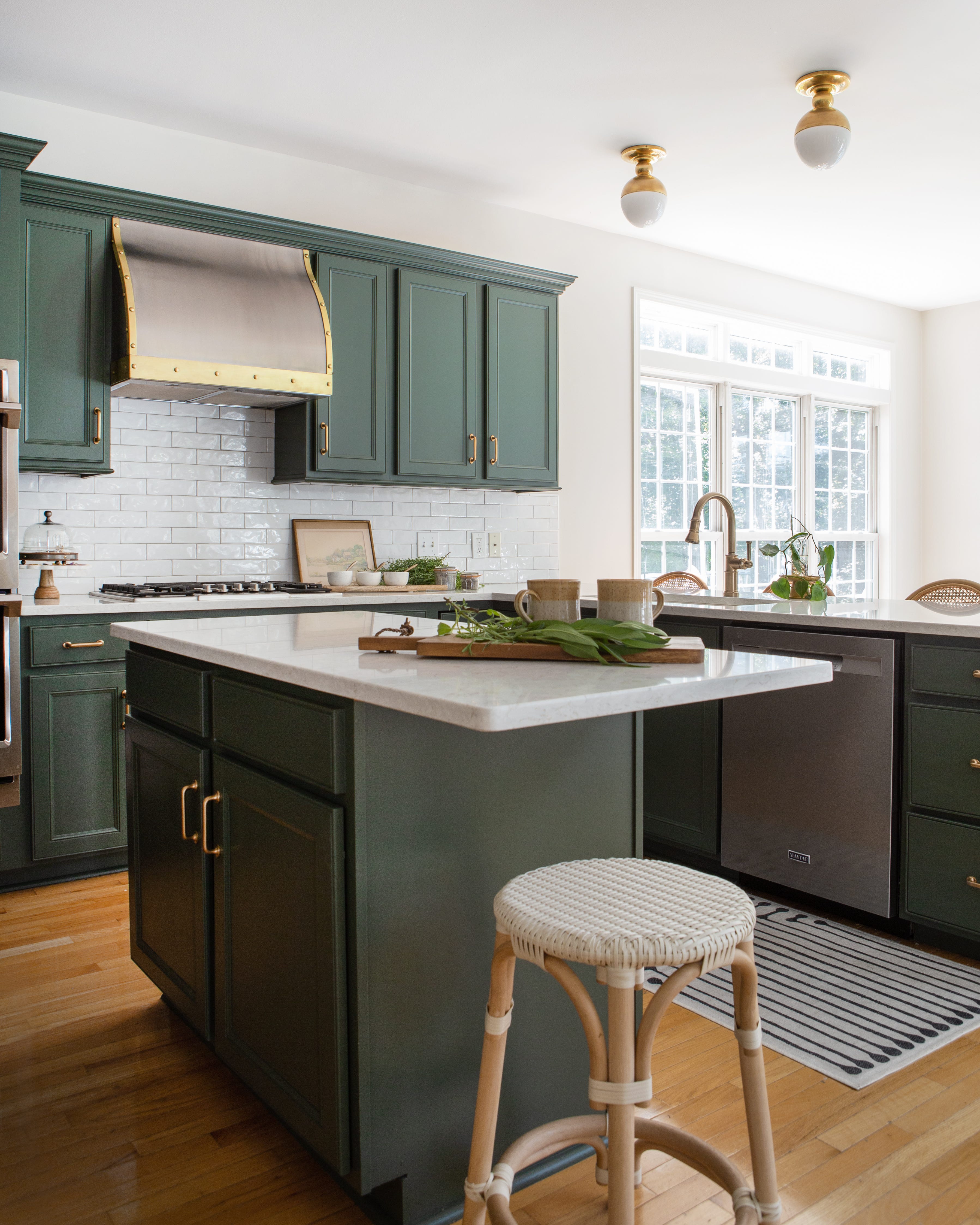
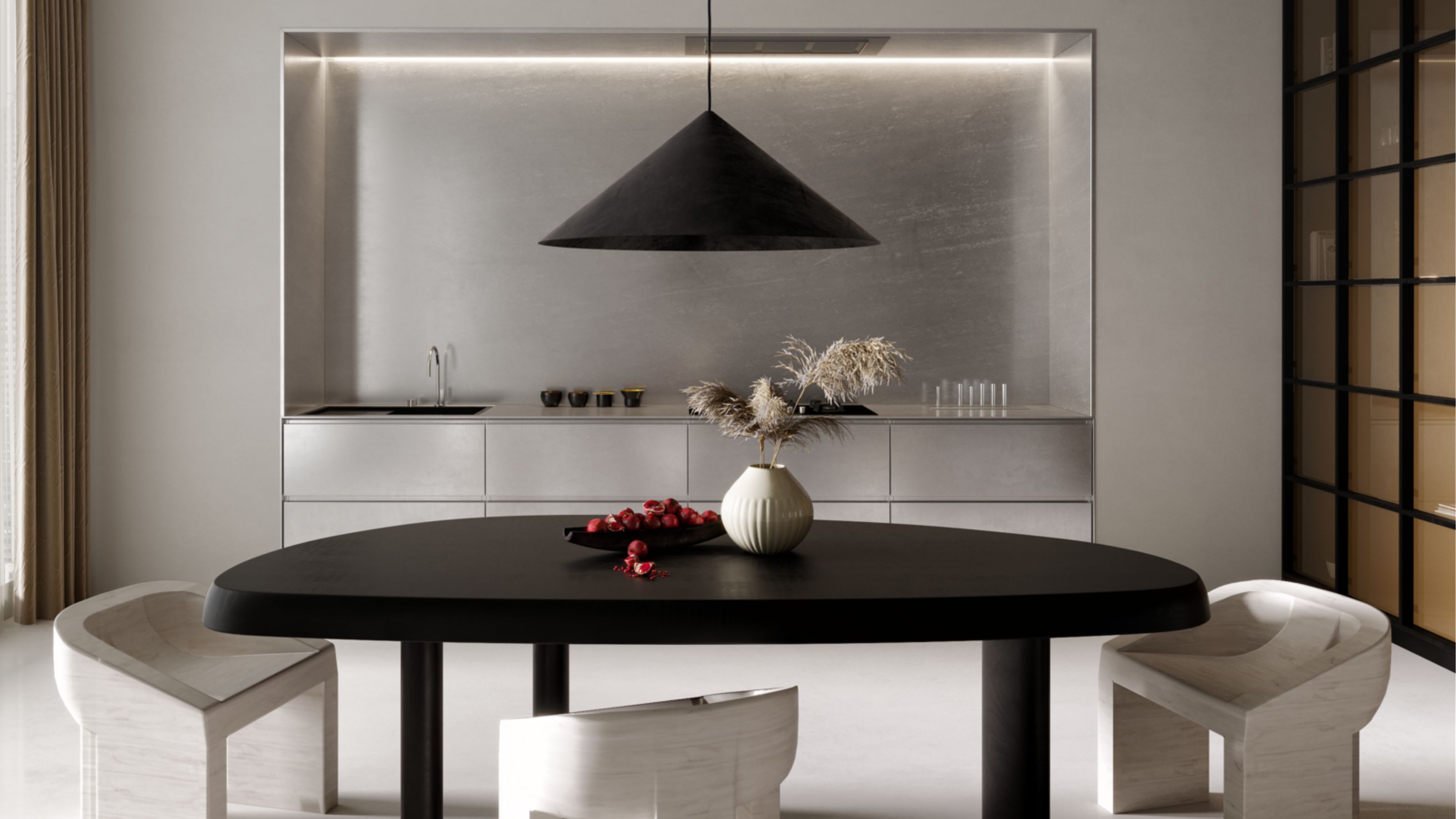
One effective alternative is the use of a smart dining table. By selecting a slimline dining table and pairing it with bar stools, it can effectively mimic the function of a kitchen island, providing extra surface area for meal preparation and dining. This setup not only offers a practical solution for quick meals but also enhances the kitchen's aesthetic by allowing for decorative elements like a vase with flowers. Designers emphasize the importance of creating a social corner in a practical space, ensuring that functionality is balanced with an appealing environment for interaction.
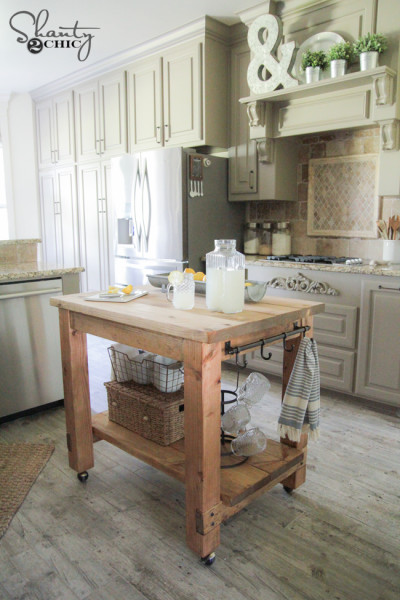
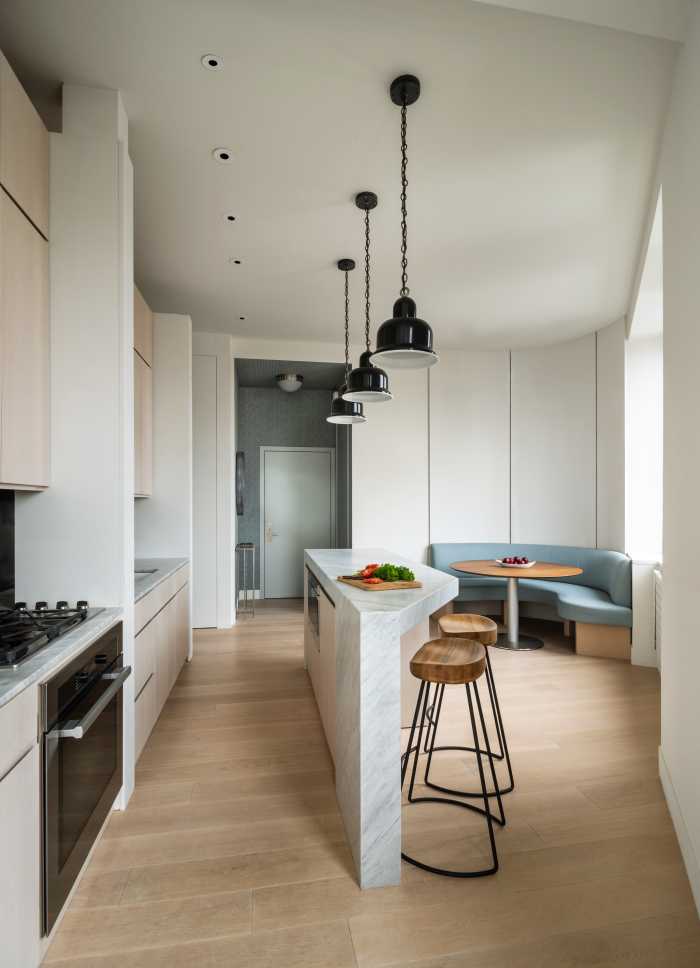
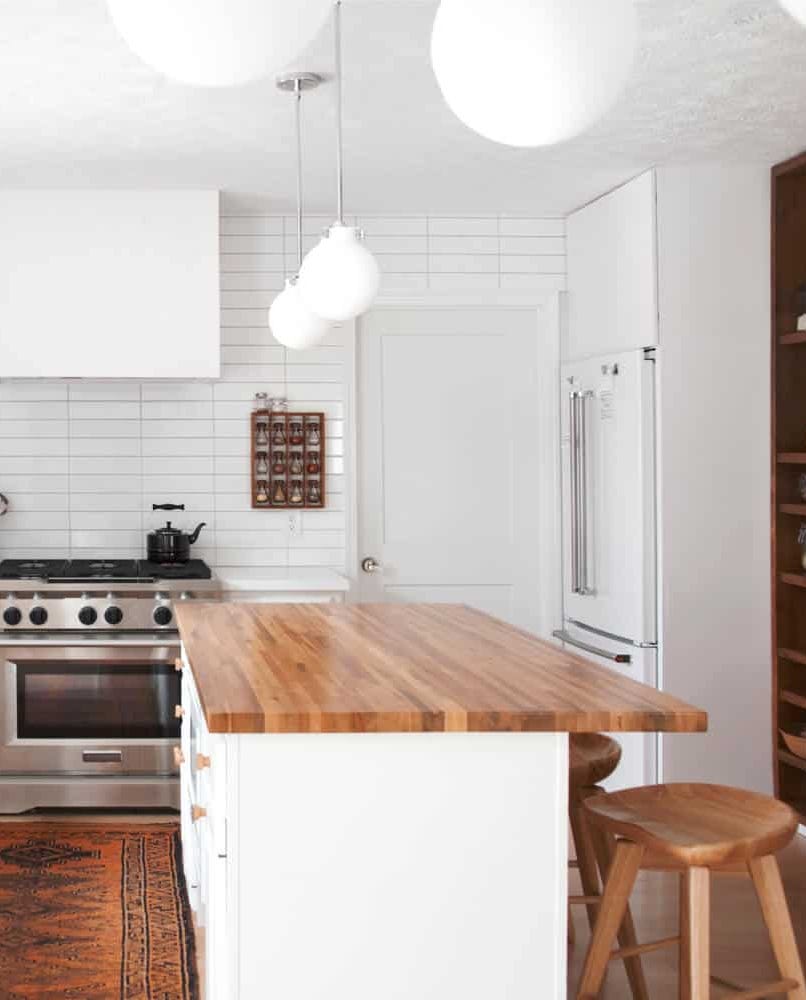
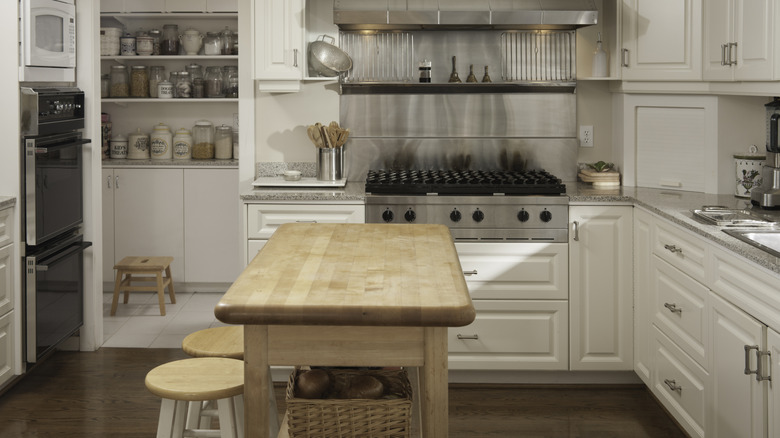
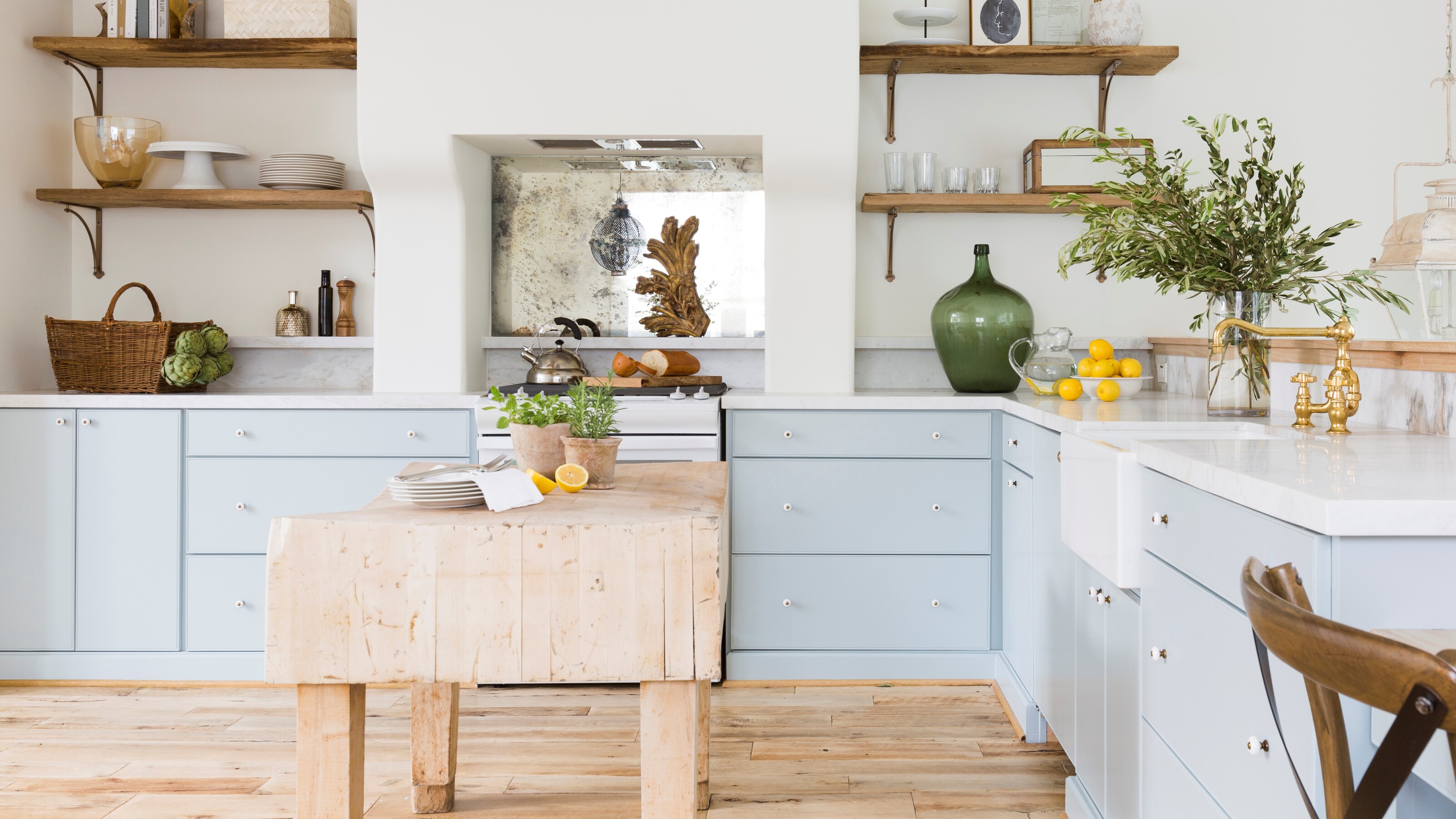
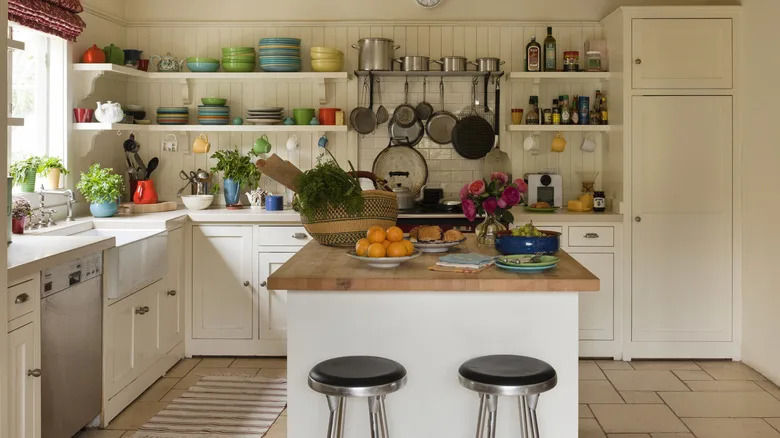
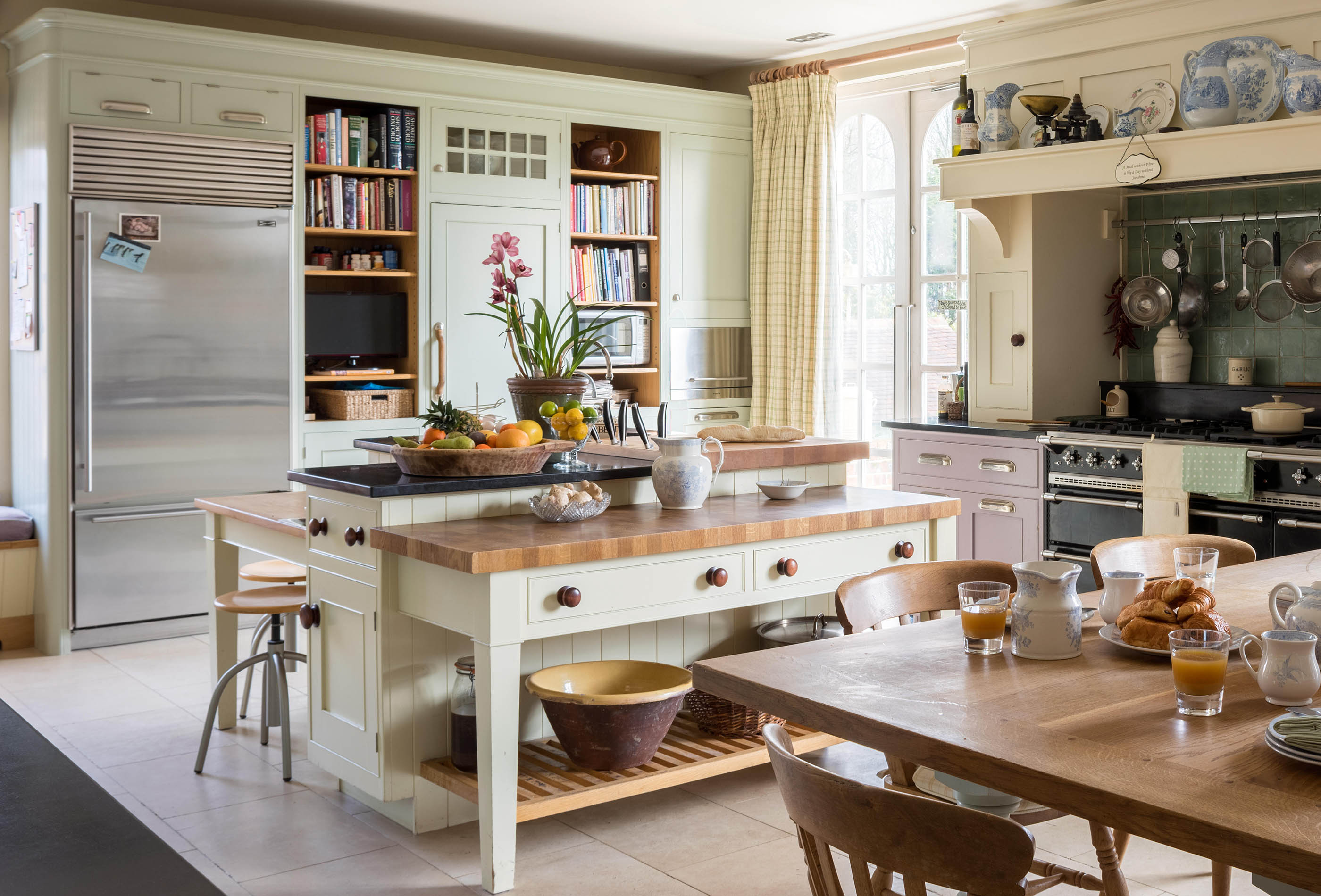
Another option highlighted is the farmhouse-style butcher's block. This provides a tactile and robust surface, ideal for chopping and food preparation, while also acting as a focal point in the kitchen. Butcher's blocks, typically made from glued wood pieces, introduce a touch of modern farmhouse charm. For spaces that don't require a full island, a butcher's block offers a practical and beautiful solution that aligns with various design aesthetics, as seen in guest houses or smaller cottages.
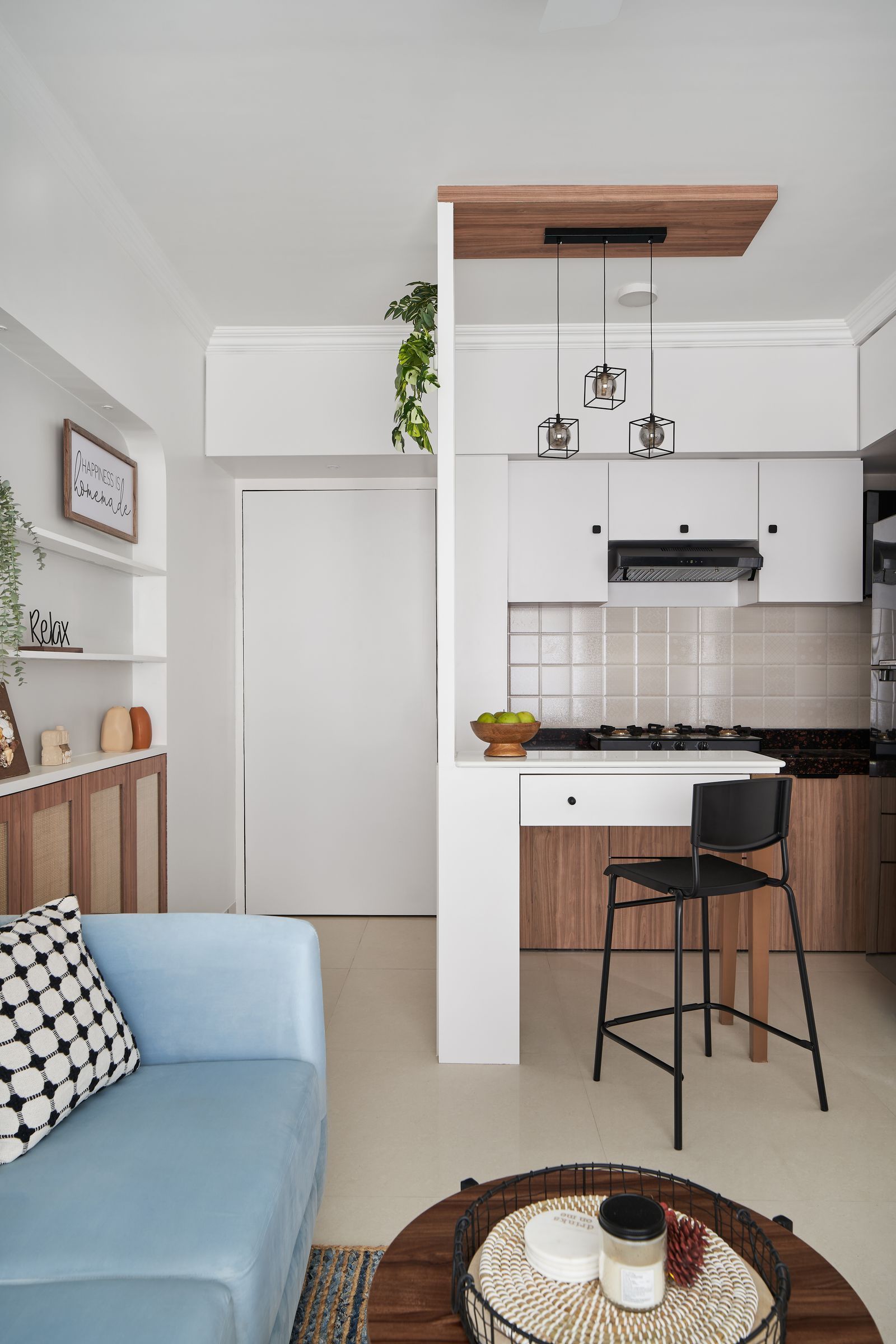
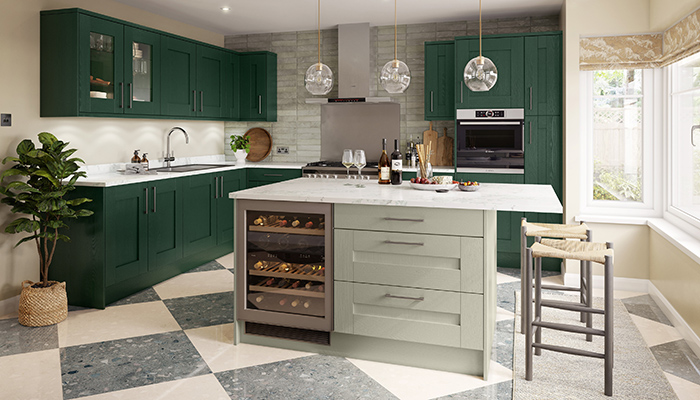
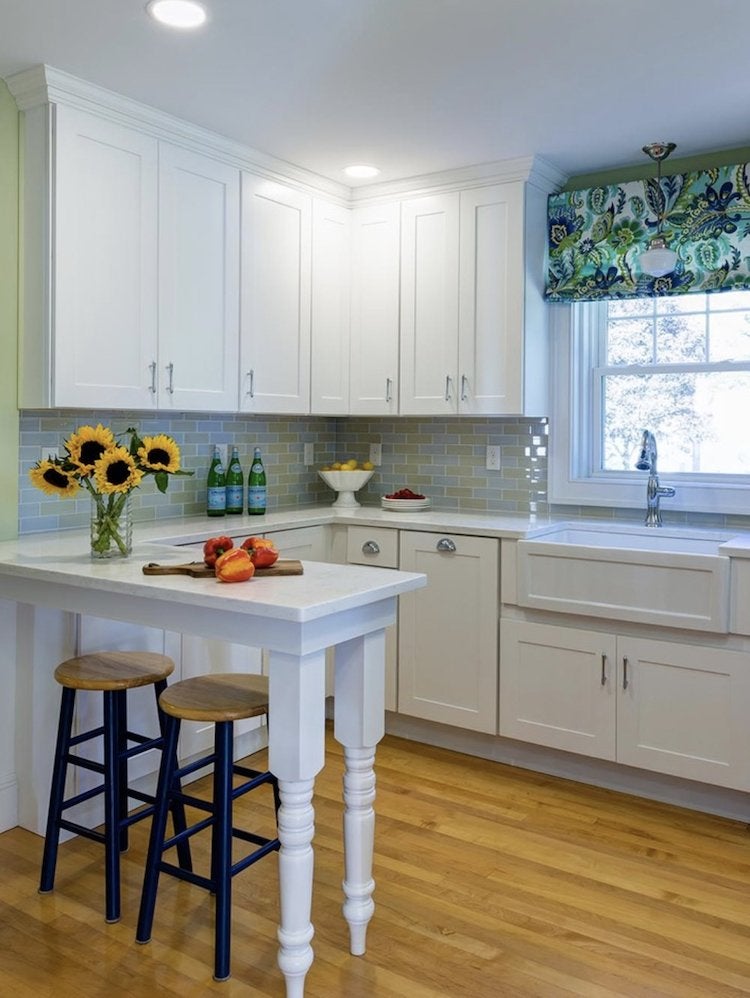
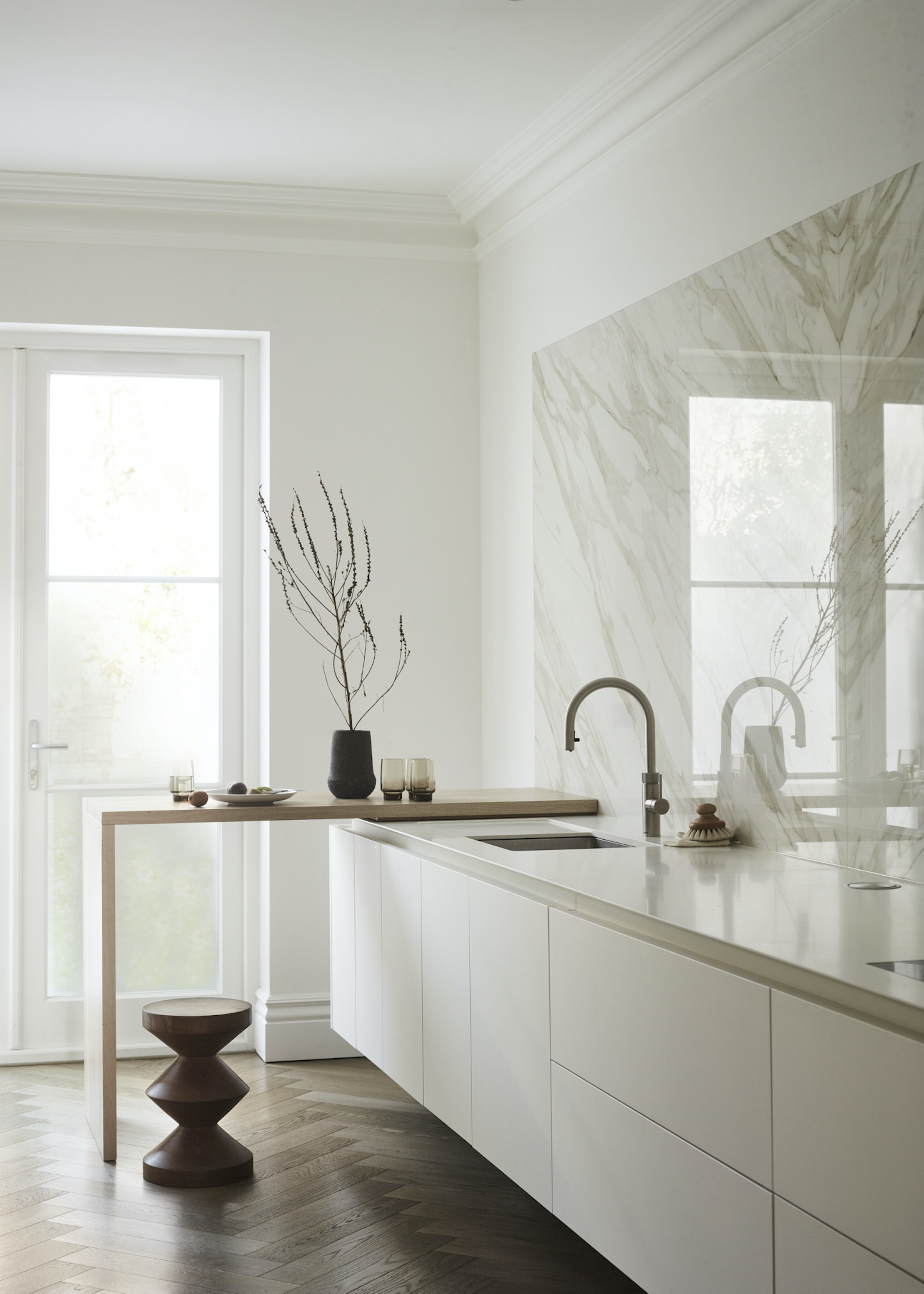
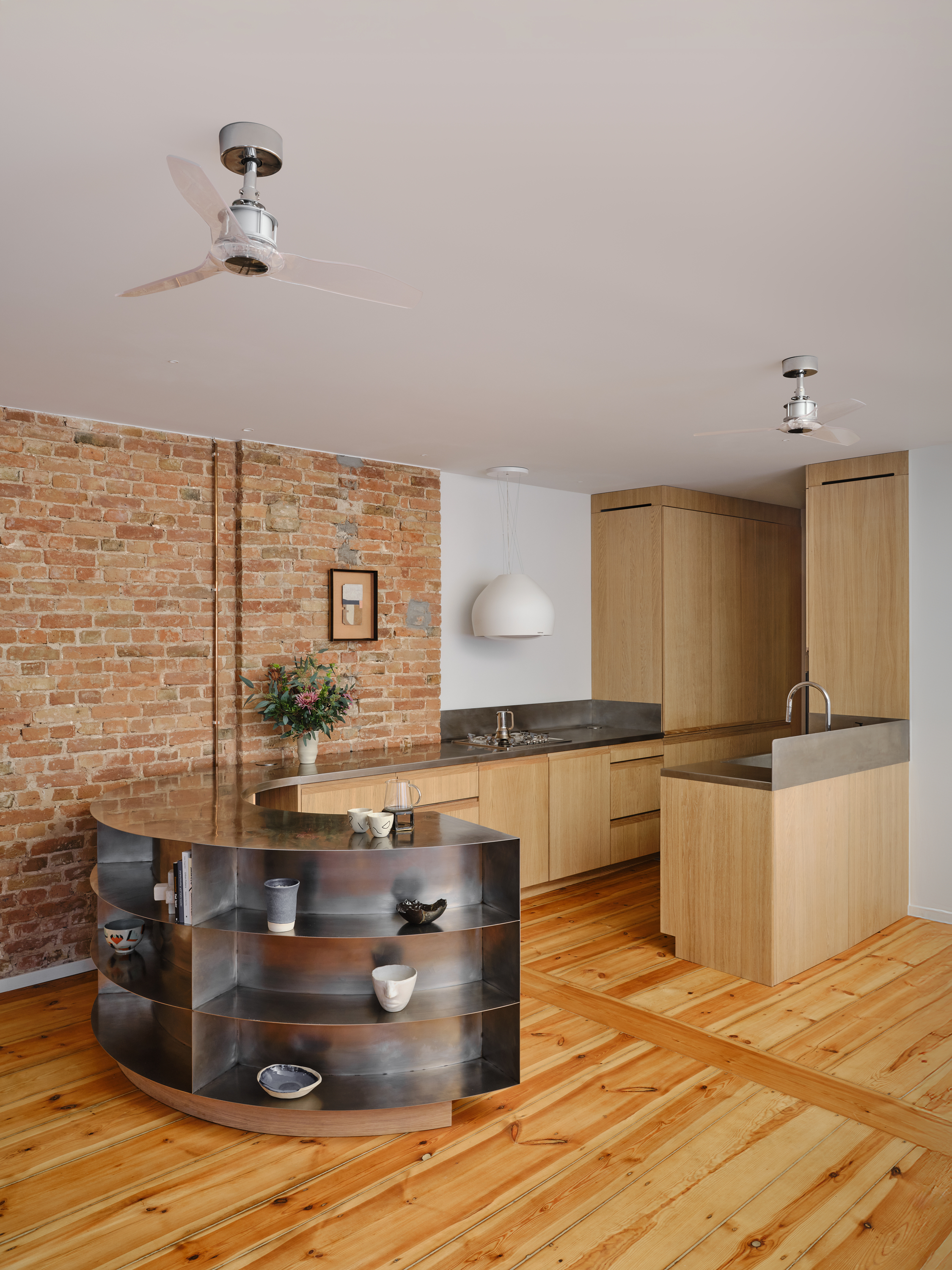
The article also presents the idea of integrating a breakfast bar, particularly those designed to optimize space. One innovative design showcases a breakfast bar that utilizes varying floor heights to bridge two levels, doubling as a kitchen island. The ability for a smaller bar to slot neatly underneath a larger one when not in use exemplifies clever space-saving techniques. This approach emphasizes multi-functional furniture in small spaces, transforming a countertop into both a preparation area and a dining table.
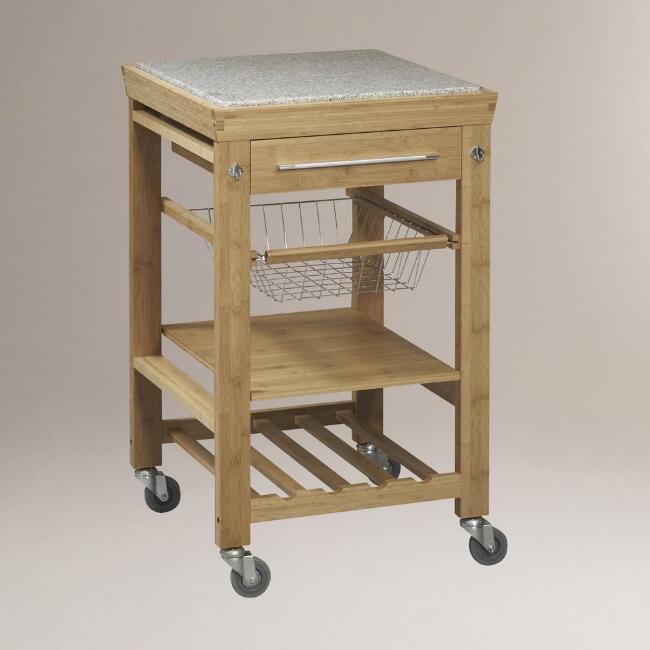
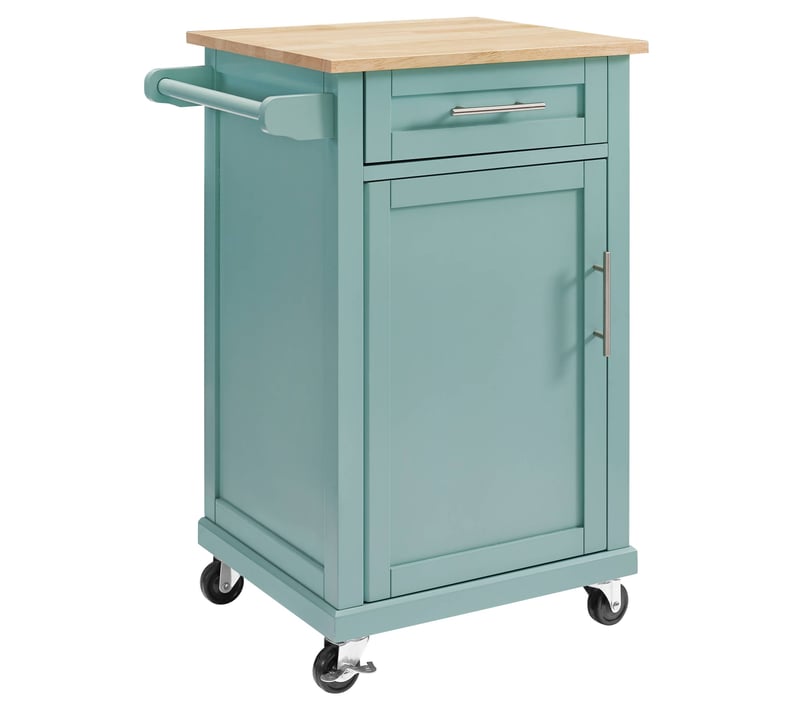
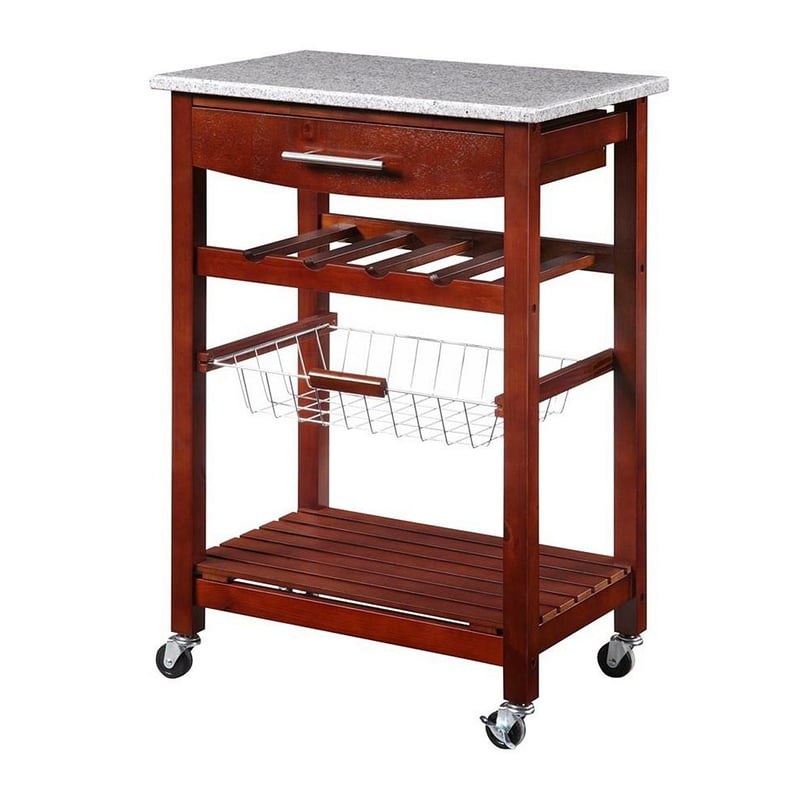
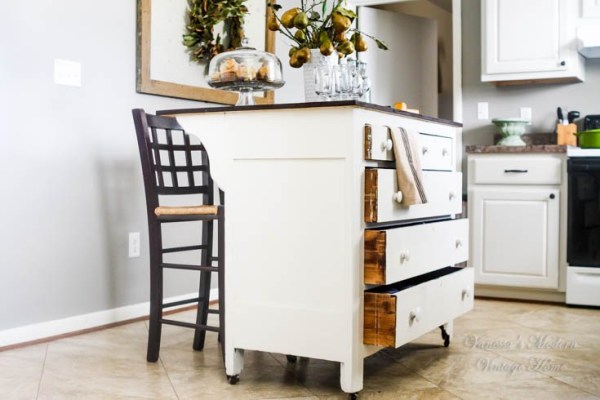
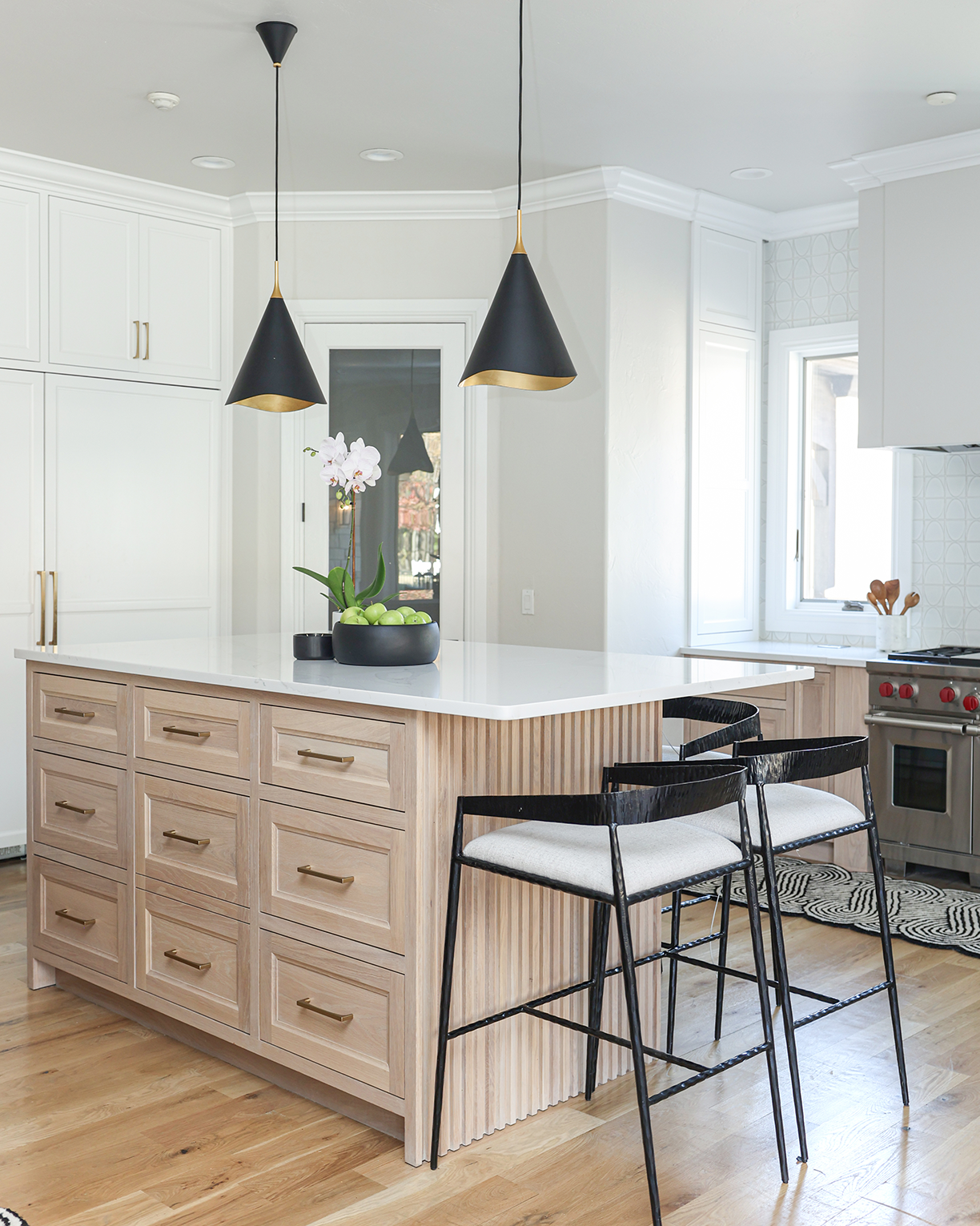
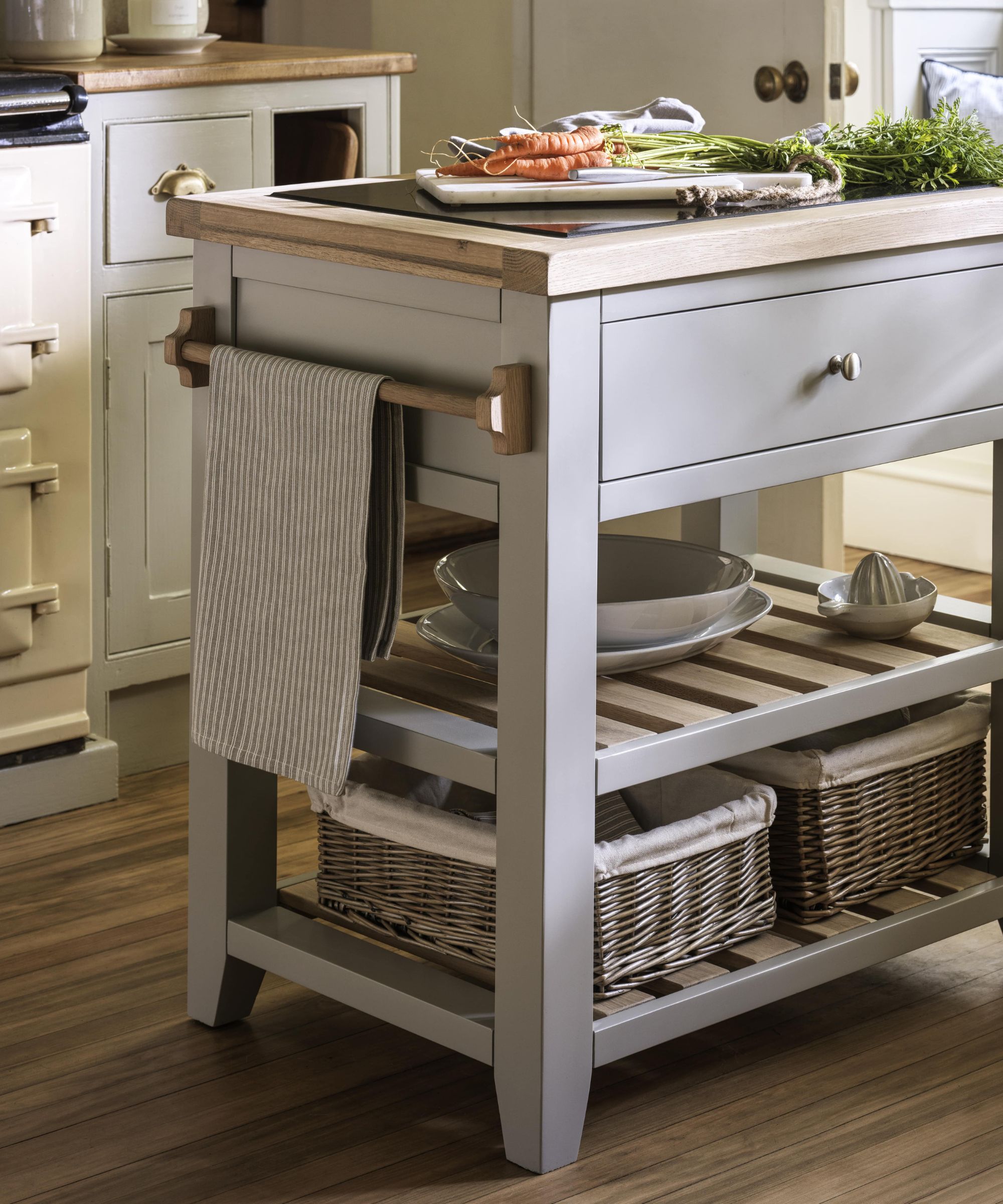
Furthermore, a scullery-style sideboard on wheels offers flexibility and additional storage. By repurposing a sideboard, it can provide valuable drawer and surface space, fulfilling the role of an island without the permanent installation. The inclusion of caster wheels makes these sideboards portable, allowing them to be moved as needed, thereby adding an element of adaptability to small kitchen layouts. This is particularly useful for adding storage and surface area that can be reconfigured based on immediate needs.
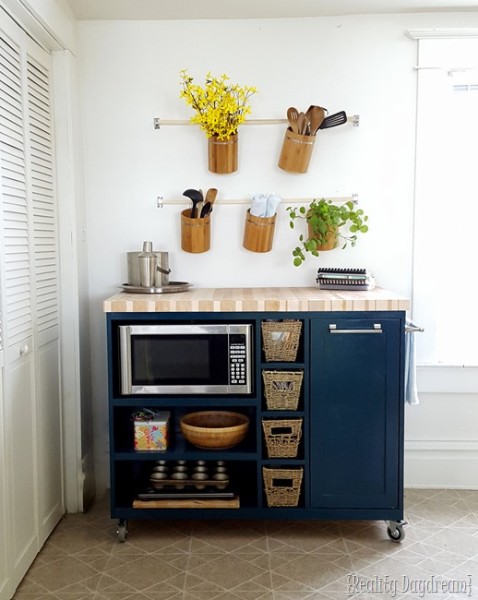
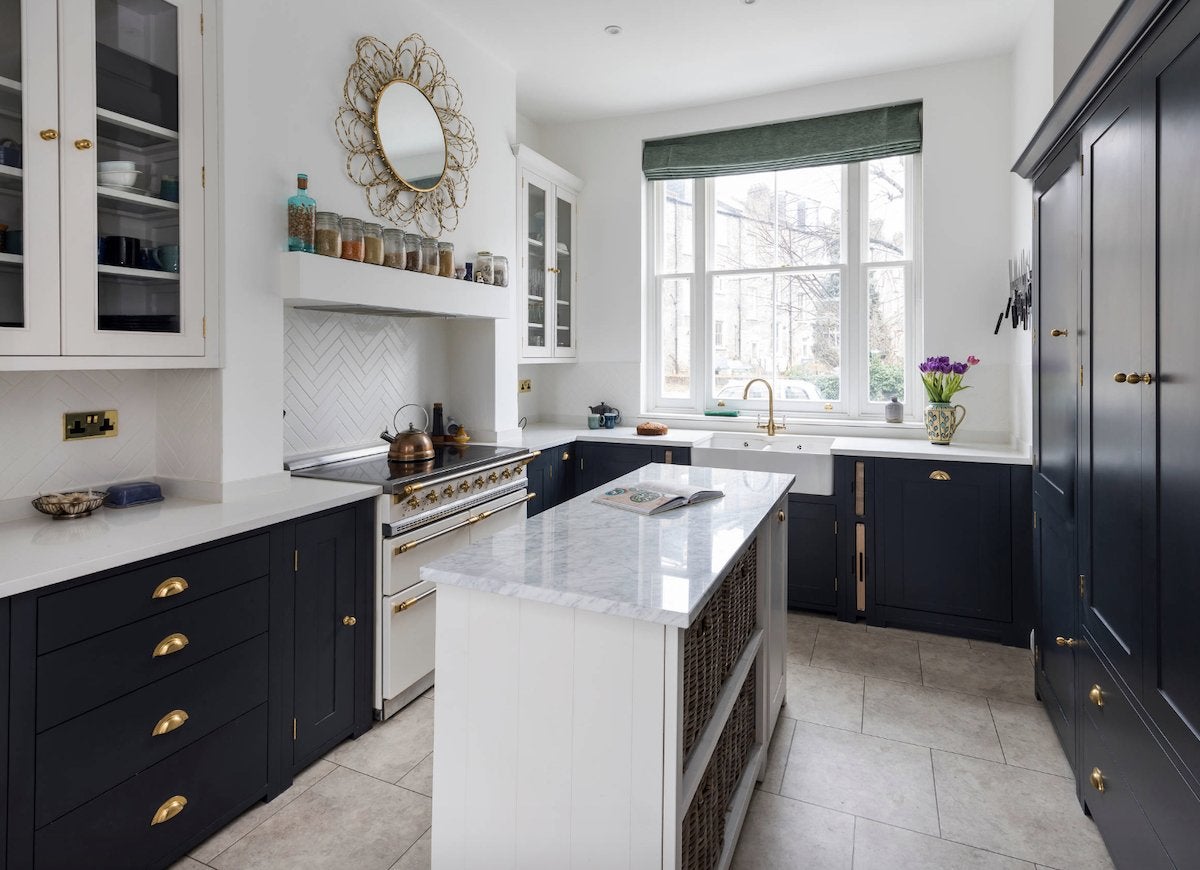
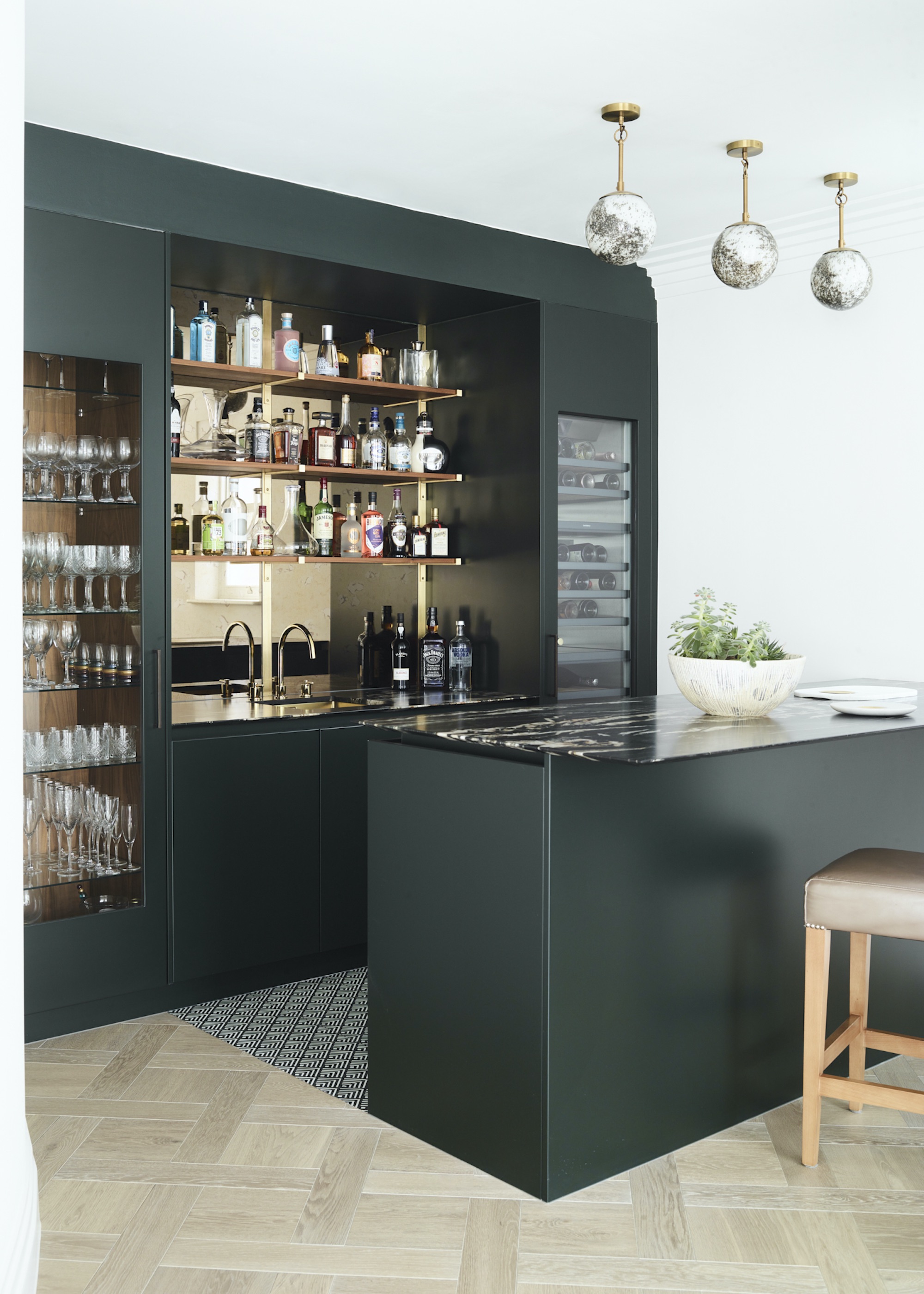
Finally, a slender console table, traditionally found in entryways, can be reimagined as a kitchen island. When floated in the center of a small kitchen, it provides an additional workstation and coveted countertop space. While console tables typically lack built-in storage, designers have effectively addressed this by incorporating decorative storage solutions like wicker baskets underneath. This transforms a typically wall-mounted piece into a central, social space or breakfast bar, especially when paired with seating. The article concludes by emphasizing that limited space and budget do not necessitate sacrificing a dream kitchen; instead, they encourage creative design solutions that offer both style and practicality.
#KitchenDesign #SmallSpaces #InteriorDesign #KitchenIslands #SpaceSavingSolutions #FurnitureRepurposing #HomeDecor #KitchenDesign #SmallSpaces #InteriorDesign #KitchenIslands #SpaceSavingSolutions #FurnitureRepurposing #HomeDecor
0 comment in total
 No comments yet
You may also like
5 Showstopping Kitchen Island Looks That Will Redefine Your Cook Space
Perfect kitchen islands that won't break your budget
What's Replacing the Kitchen Island? Meet the Stylish Alternatives Stealing the Spotlight in 2025
Why You Shouldn't Have An Island In A Small Kitchen

Four trending ways to reimagine kitchen islands
10 compact kitchen islands for a spacious and free-flowing design

Get rid of that kitchen island with these clever alternatives

11 Small Kitchen Trends That Need to Be on Your Radar If You're Planning a Reno This Year
14 Kitchen Islands That Will Improve Even the Smallest Kitchens
Small Kitchen Island Ideas That Think Big

Four Ways to Reimagine the Kitchen Island
Small Kitchen? Here's How You Can Still Have the Island of Your Dreams

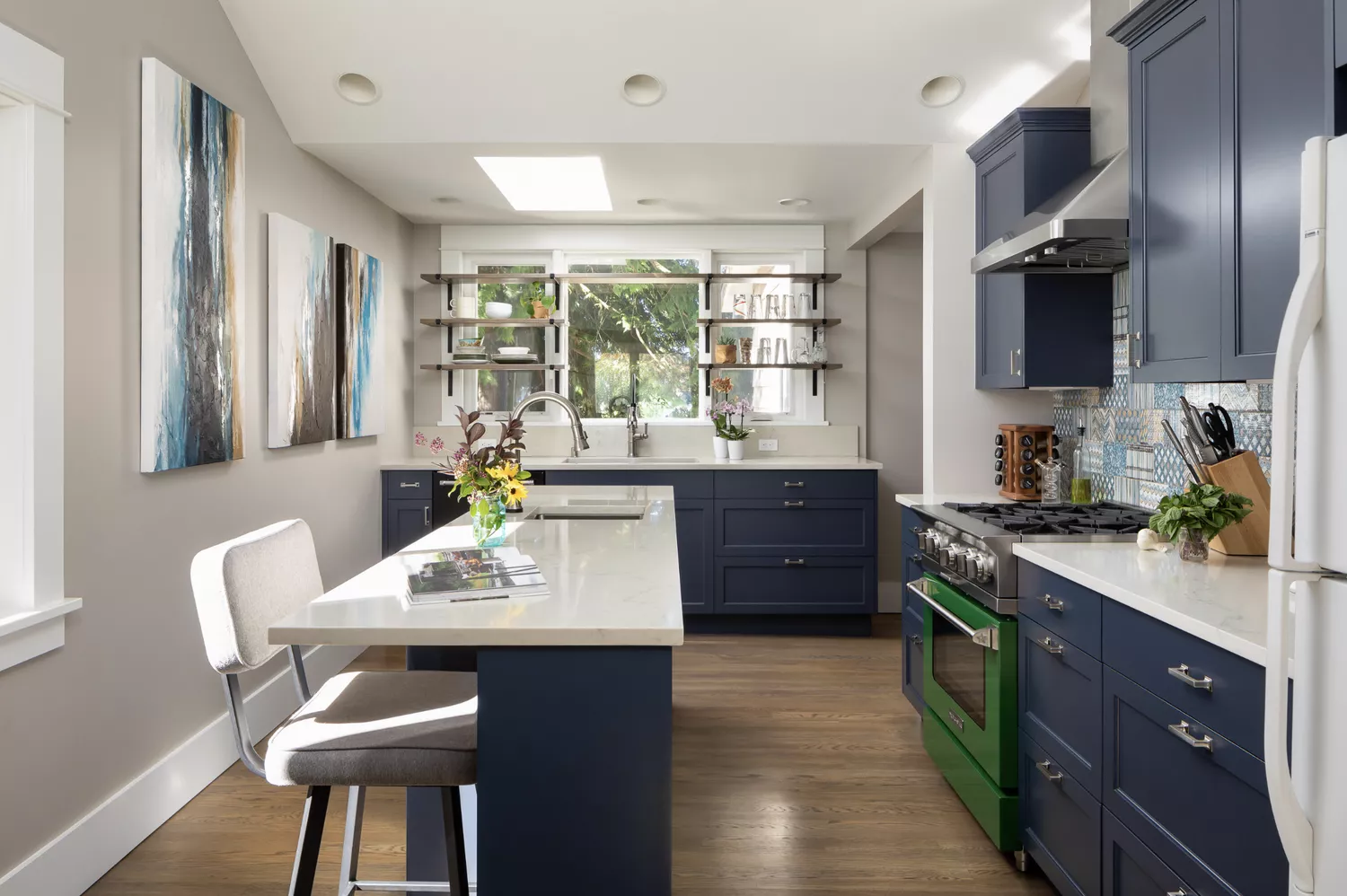
15 Small Kitchen Island Ideas That Add Function and Style to Tiny Spaces
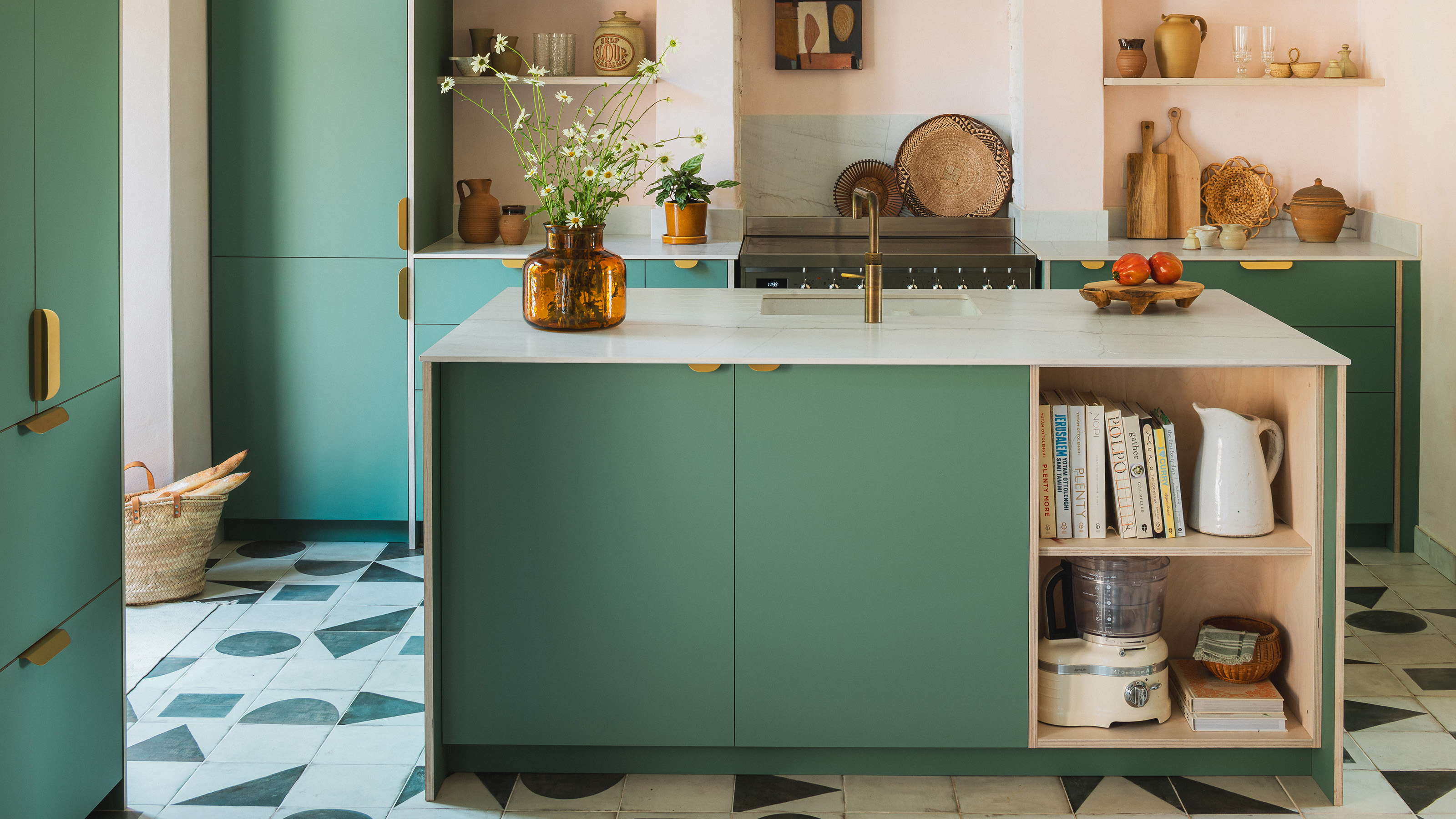
12 small kitchen island ideas – squeeze in a stylish kitchen island no matter the size of the space

15 Modern Kitchen Island Ideas

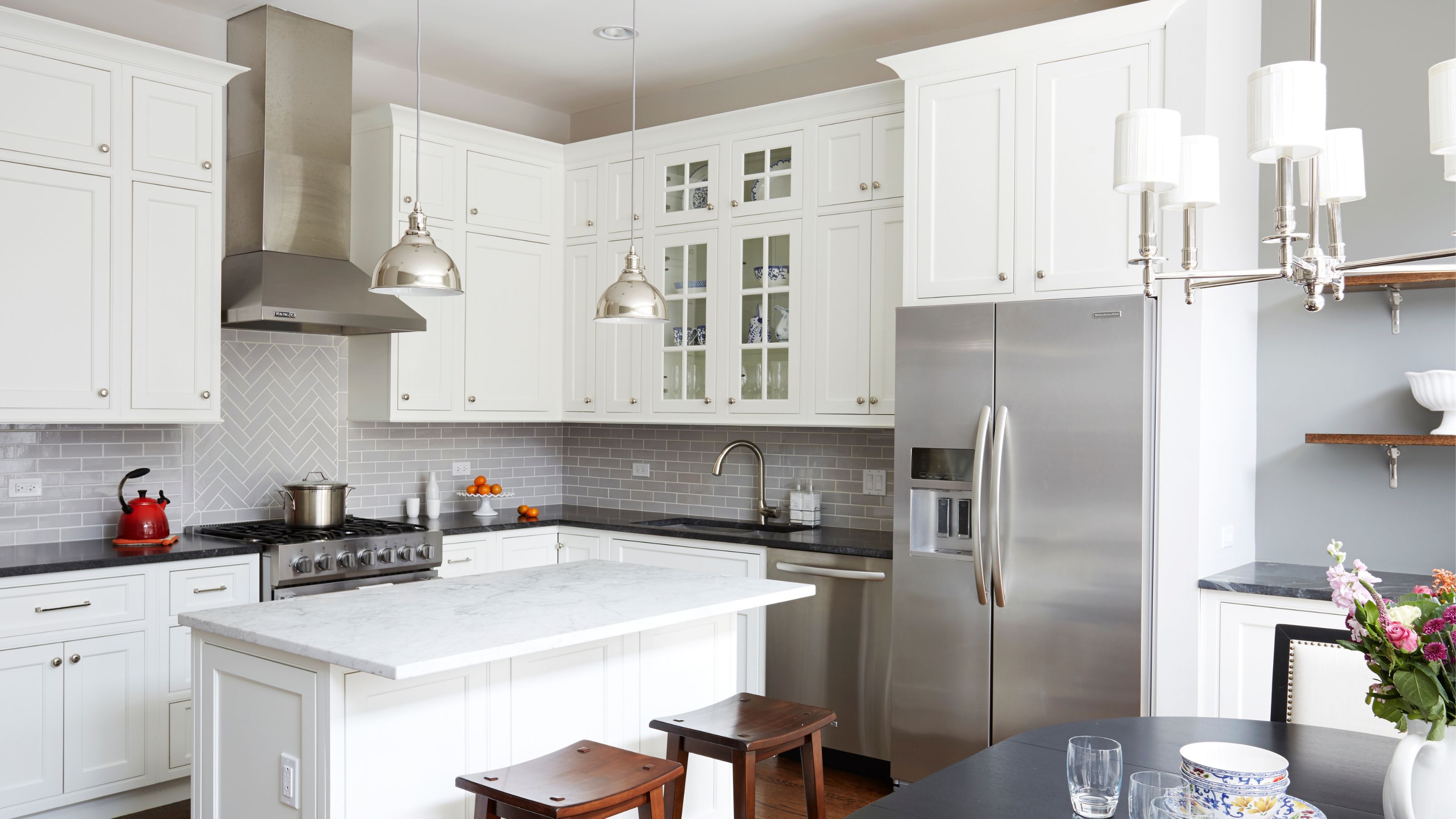
7 narrow kitchen island ideas that will work in even the smallest of spaces

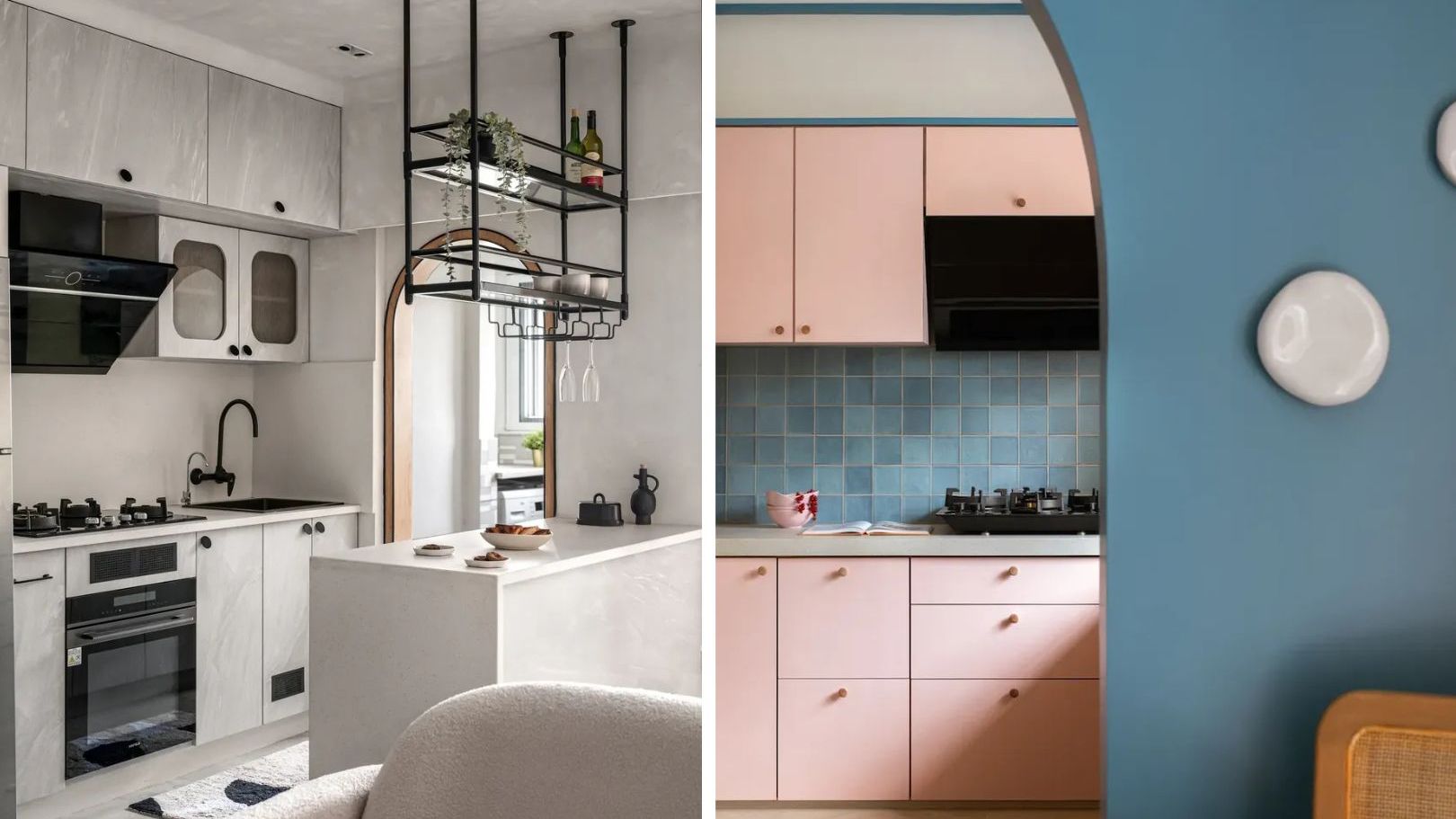
5 small kitchen ideas that make the most of a compact space

The Best Kitchen Islands Under $500
Four beautiful kitchen islands which push the boundaries of what can be done

The Once Dated Kitchen Island Alternative That's Making A Hot Comeback In Homes