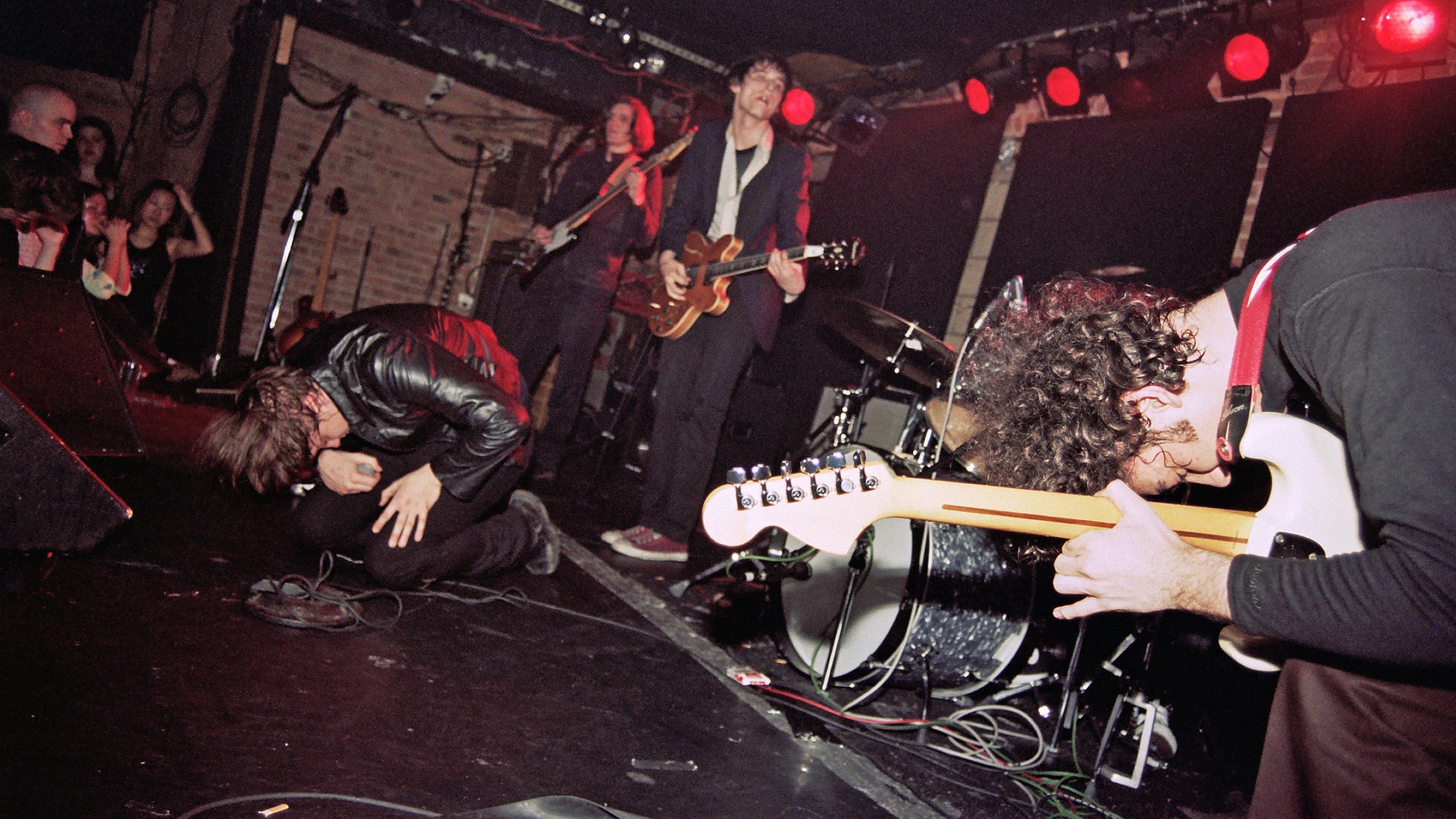
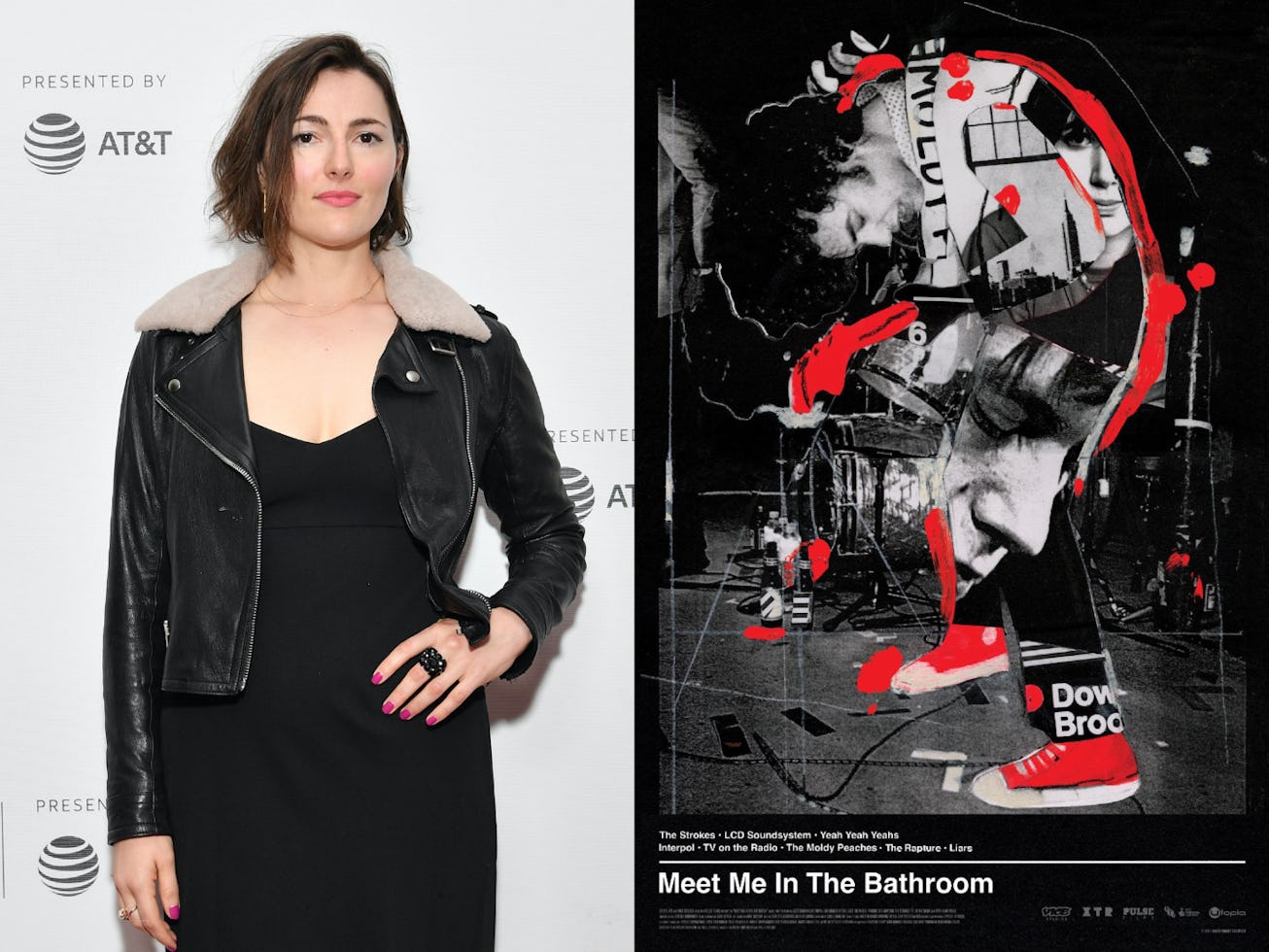
MEET ME IN THE BATHROOM will make you ask "is this it?"
The blog post reviews the documentary film *Meet Me in the Bathroom*, directed by Will Lovelace and Dylan Southern. This film explores the early 2000s New York City music scene, featuring bands like The Strokes, Yeah Yeah Yeahs, LCD Soundsystem, and Interpol. The author, Ian Hrabe, recounts his initial aversion to bands like The Strokes and Yeah Yeah Yeahs during his teenage years, evolving from a punk rocker to an indie rock snob. He describes how his perception changed years later while working at a used CD/DVD store, leading him to appreciate their music, particularly The Strokes' *Is This It* and *Room on Fire*, and later, Interpol's early records.
Hrabe expresses anticipation for the documentary but ultimately finds it to be a superficial examination of the era. He criticizes the film for relying solely on archive footage and voice-overs from the musicians, arguing that it fails to offer profound insights. The narrative structure is described as disjointed, jumping between bands without clear thematic connections. A specific point of criticism is a montage set to Frank Sinatra's "When I Was 17," which the author found cringeworthy and out of place.
Another significant flaw highlighted by the review is the repeated inclusion of awkward and uninformative interviews with band members, especially Julian Casablancas of The Strokes. Hrabe suggests that while these interviews might illustrate the musicians' discomfort with media, their excessive presence makes the subjects appear foolish. He points out that a single instance would have sufficed to convey this point, but the repetition undermines the film's quality.
The film's most engaging aspect, according to Hrabe, is the segment focusing on Karen O of the Yeah Yeah Yeahs. Her narrative provides a more compelling arc, detailing her journey from open mic nights to becoming an iconic frontwoman and addressing the unique challenges faced by women in rock music. This part of the documentary is identified as the only truly interesting and insightful component, offering a contrast to the "bratty twenty-somethings doing bratty things" depicted elsewhere.
Other bands like TV on the Radio receive minimal screen time, quickly overshadowed by more interviews with The Strokes. The segment on James Murphy's transition into dance music and the formation of LCD Soundsystem starts promisingly but devolves into an embarrassing montage illustrating his discovery of ecstasy and dance music. Hrabe feels that this portrayal makes Murphy appear as an obnoxious hipster, despite his generally more grounded public persona. The review concludes that the film prioritizes a celebratory, uncritical tone, asking, "ISN'T THIS COOL?!?!?!” without genuinely exploring the personalities or complexities of the scene. The lack of depth, particularly regarding Julian Casablancas's background, leaves the viewer wanting more substantive content. Overall, *Meet Me in the Bathroom* is deemed bland and more akin to a high school YouTube compilation than a comprehensive feature film, a surprising outcome given the exciting subject matter.
#MeetMeInTheBathroom #MusicDocumentary #NYCIndieRock #TheStrokes #YeahYeahYeahs #LCDSoundsystem #Interpol #FilmReview #Early2000sMusic #MeetMeInTheBathroom #MusicDocumentary #NYCIndieRock #TheStrokes #YeahYeahYeahs #LCDSoundsystem #Interpol #FilmReview #Early2000sMusic
0 comment in total
 No comments yet
You may also like

Remodel Your Bathroom And We'll Tell You Which Shower Routine You *Should* Have
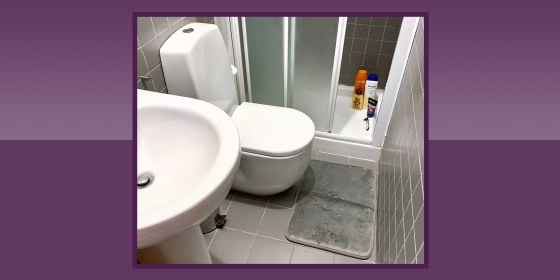
This Amazon bath mat is the real MVP in my bathroom

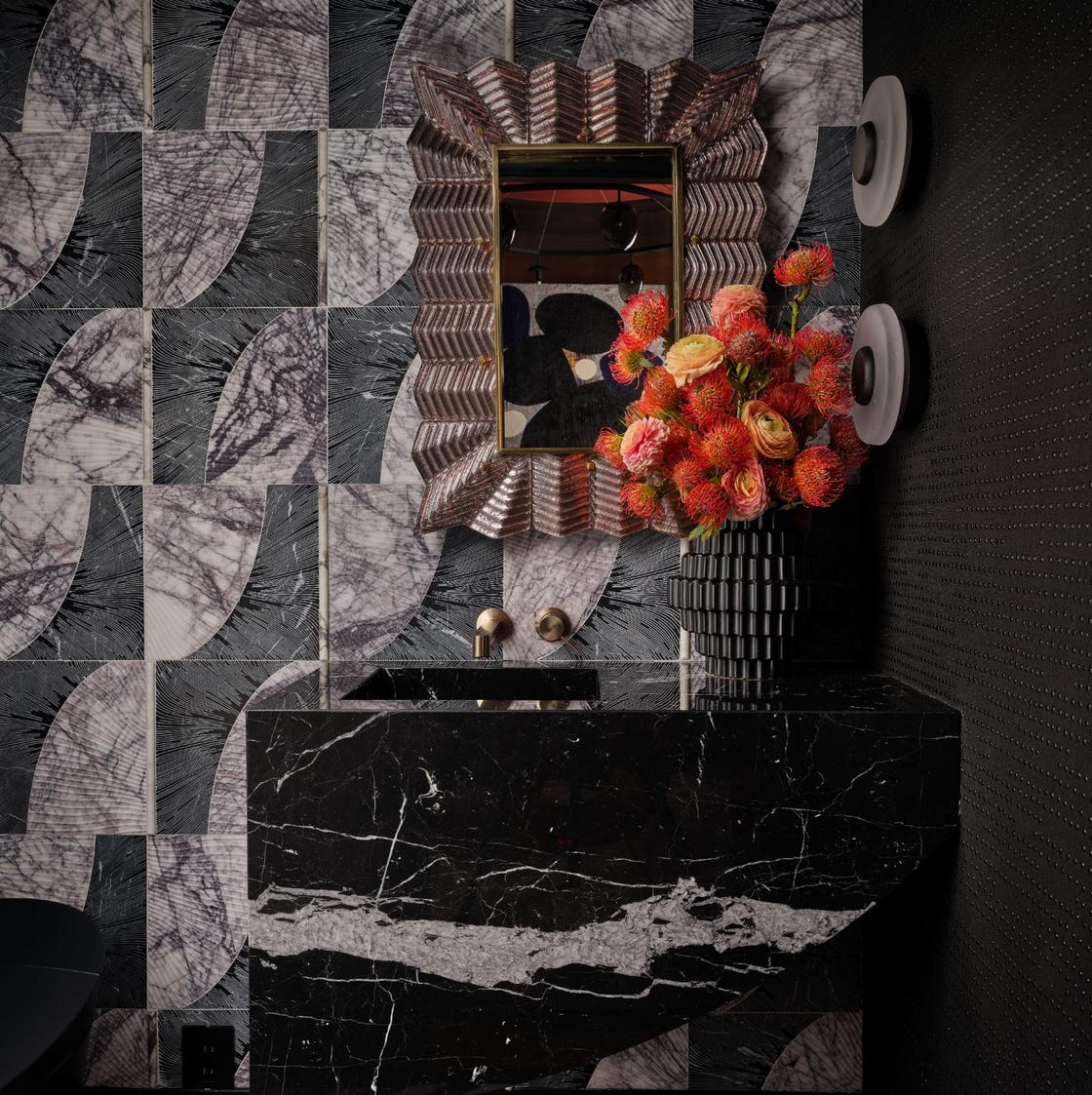
This Circular Powder Room Feels Like It Came Straight Out of a Bond Movie

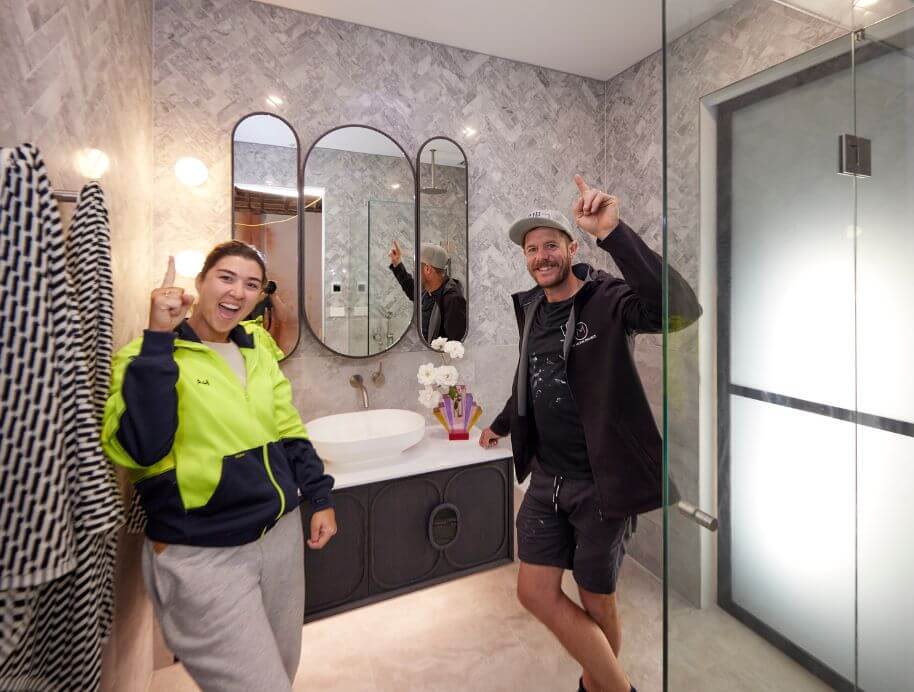
The Block 2023: Bathroom reveal
This Petite Space Convinced Me I Need a Blush Bathroom

9 Things In Your Bathroom Guests Always Notice Immediately
You Will Actually Die When You See This Small Bathroom Before & After

HGTV Fans Have the Same Question about the ‘Castle Impossible’ Bathroom

The Mystery of the Haunted Boarding School Bathroom
Lizzy Goodman On The Powerful Nostalgia Of 'Meet Me In The Bathroom'

Armoires and Sofas and Chairs—Oh My! Meet the New Tricked-Out Bathroom
Designers Say Your Bathroom is Missing This 1 Thing

8 Questions You Should Always Ask Yourself Before Decluttering Your Bathroom