1/3
Armoires and Sofas and Chairs—Oh My! Meet the New Tricked-Out Bathroom
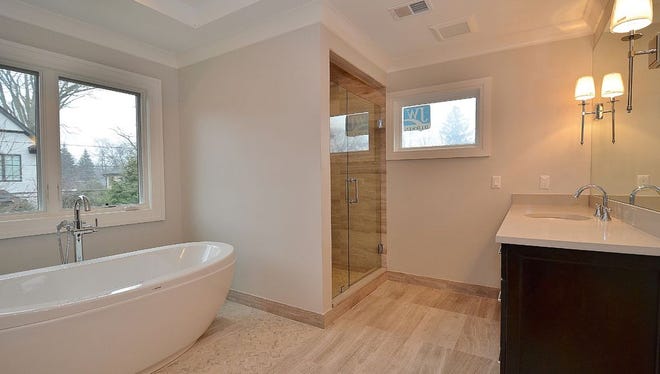
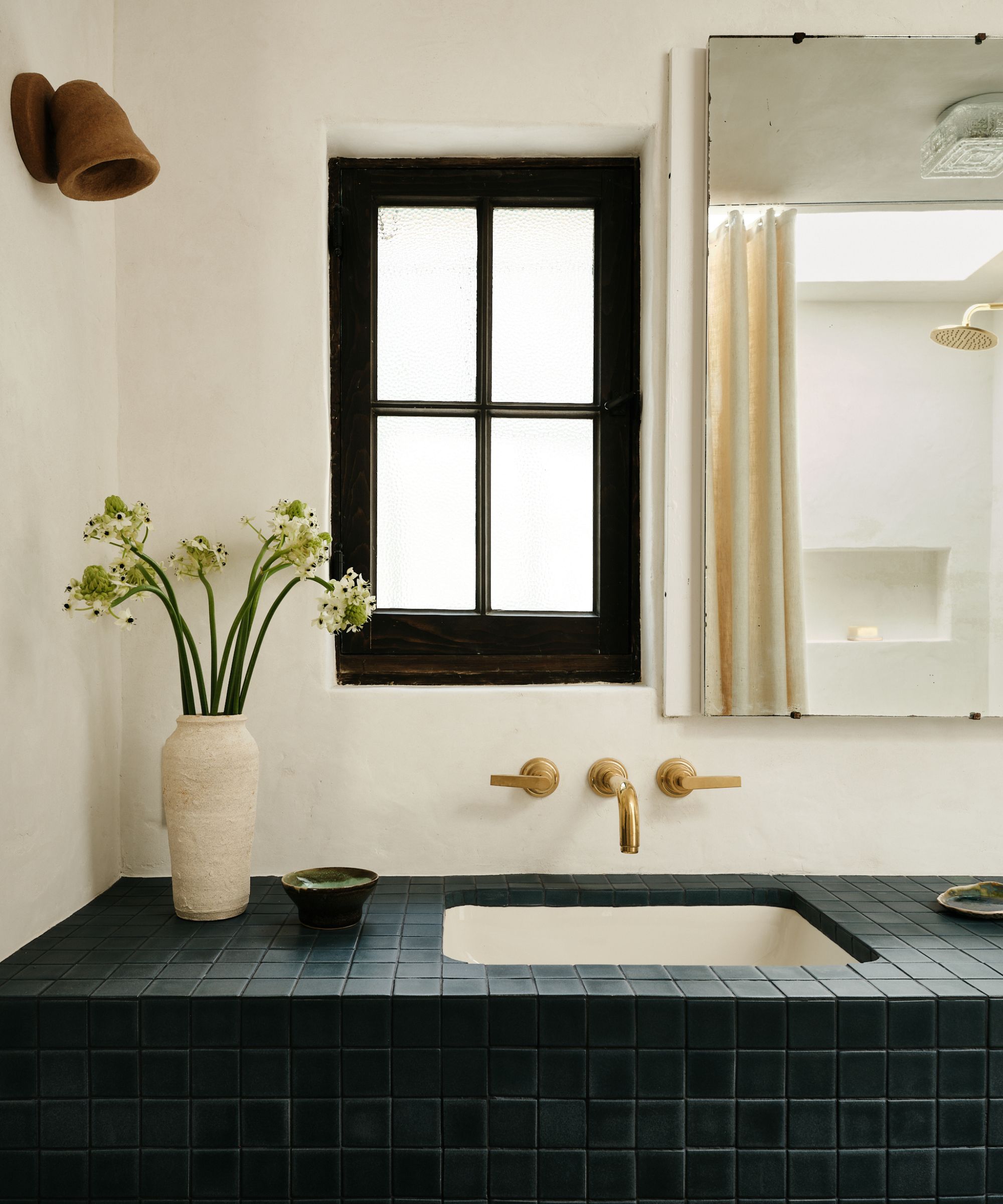
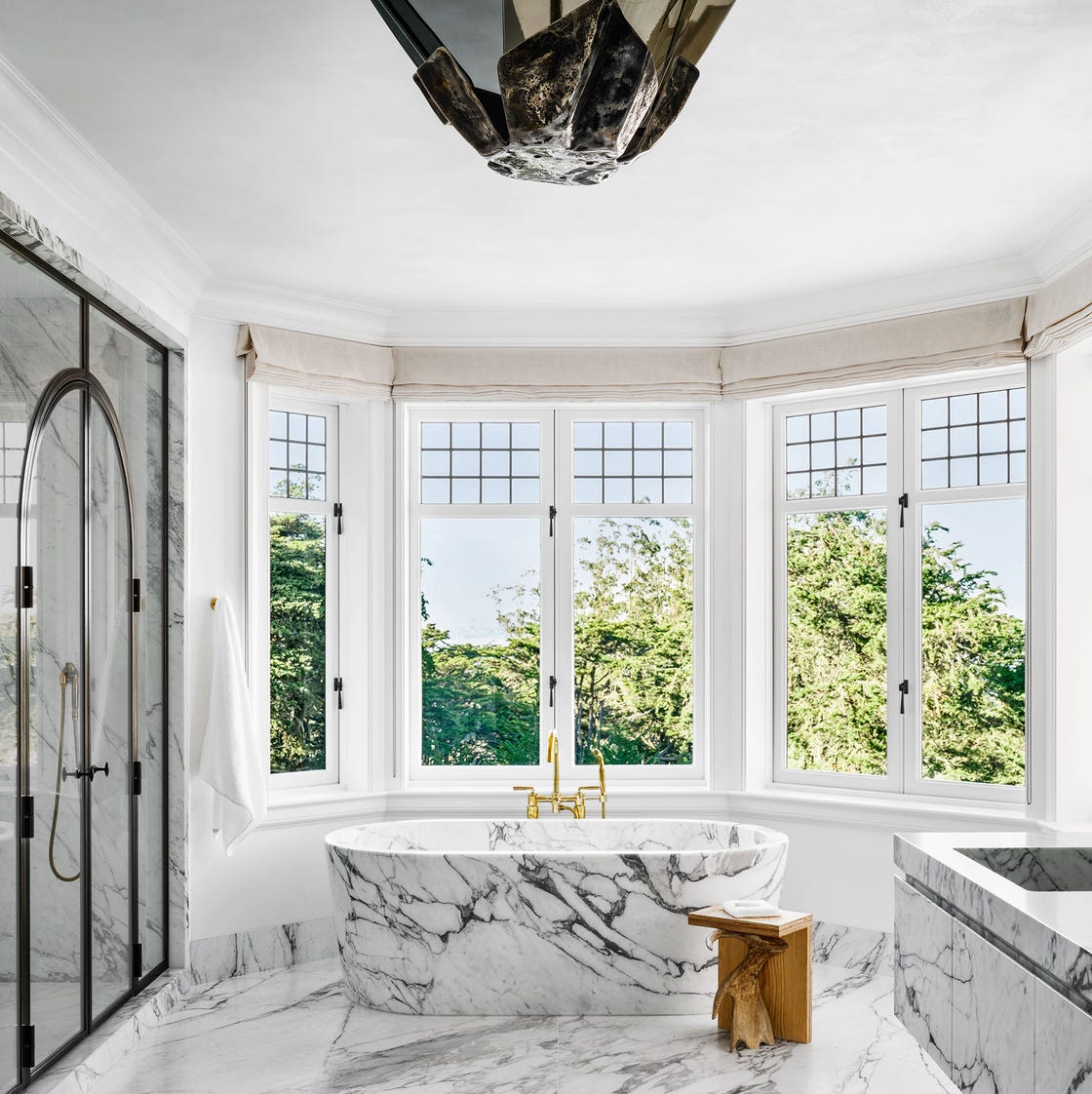
The primary bathroom has evolved into a private sanctuary, a trend solidified by recent societal shifts that emphasized personal space. This transformation reflects a departure from the historical communal bathing practices of ancient Romans and medieval Europeans, with discrete home bathrooms becoming standard only in the early 20th century. Modern homeowners are now pushing for even greater separation and personalization within this space, prioritizing overall layout and functionality over purely aesthetic elements like expensive tiles and fixtures.
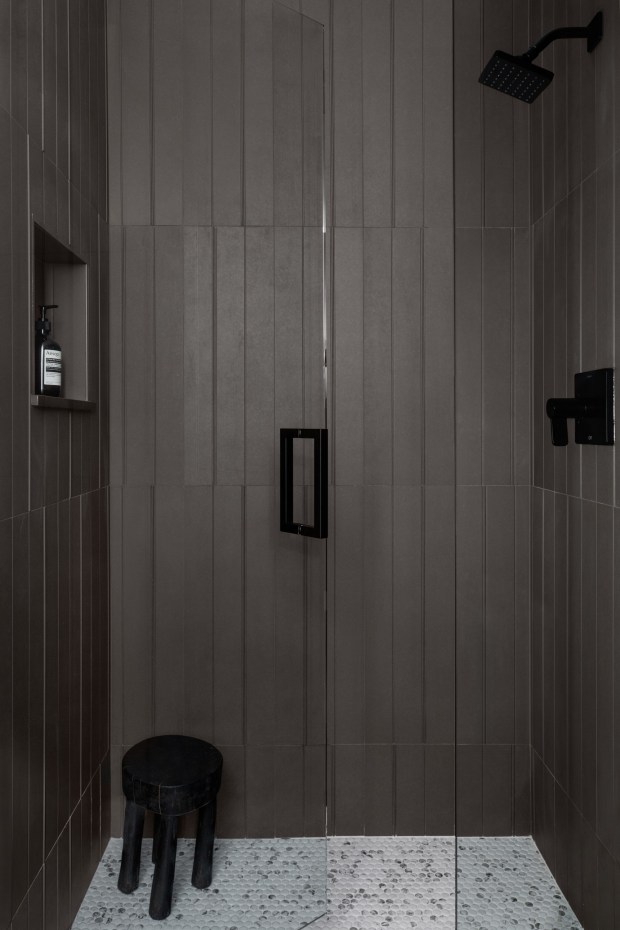
Anna Karp, CEO of Bolster, notes a significant shift towards investing in a bathroom's architectural foundation. She observes a rise in the incorporation of features such as sofas and built-in shower seating, driven by both comfort and the growing need for 'aging in place' accommodations. Additionally, clients are increasingly requesting sound insulation, including heavier doors, to enhance privacy and create a more secluded environment. The emphasis on wellness is also a key driver, as highlighted by Los Angeles interior designer Pamela Shamshiri. She advises clients to identify their most desired 'spa ritual' to guide design choices, acknowledging that space constraints often necessitate prioritizing certain features, such as a large soaking tub versus a steam shower.
Today's bathrooms are becoming increasingly multifunctional, serving as spaces not only for personal hygiene but also for meditation and even work. This expanded utility leads to the integration of more traditional furniture pieces like armchairs and armoires. Shamshiri recounts her experience living in a Rudolph Schindler house where she would work on heated bathroom floors, demonstrating how a well-designed bathroom can cater to diverse personal needs and activities. The concept of 'self-care mode' is central to this evolving bathroom identity.
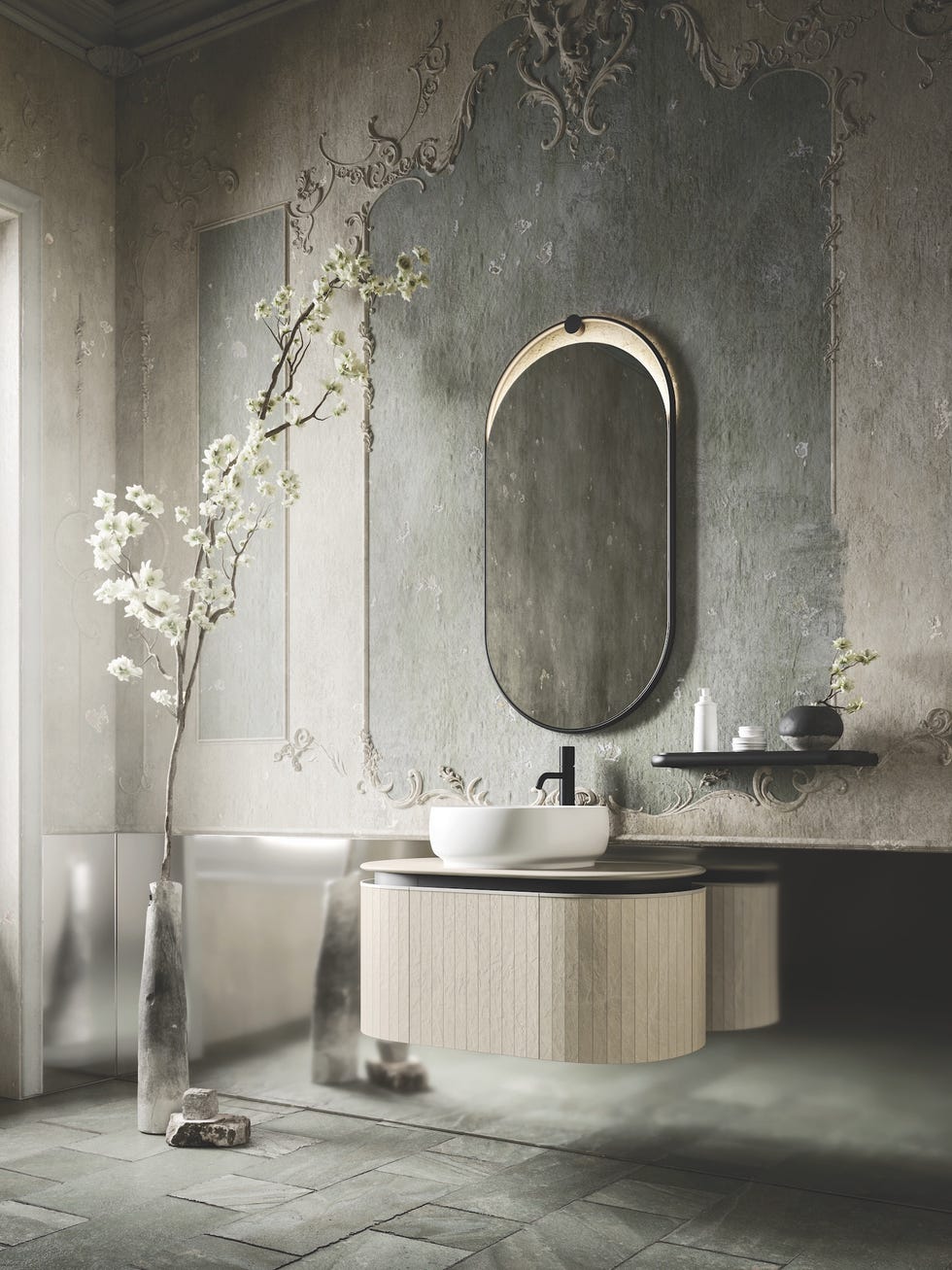
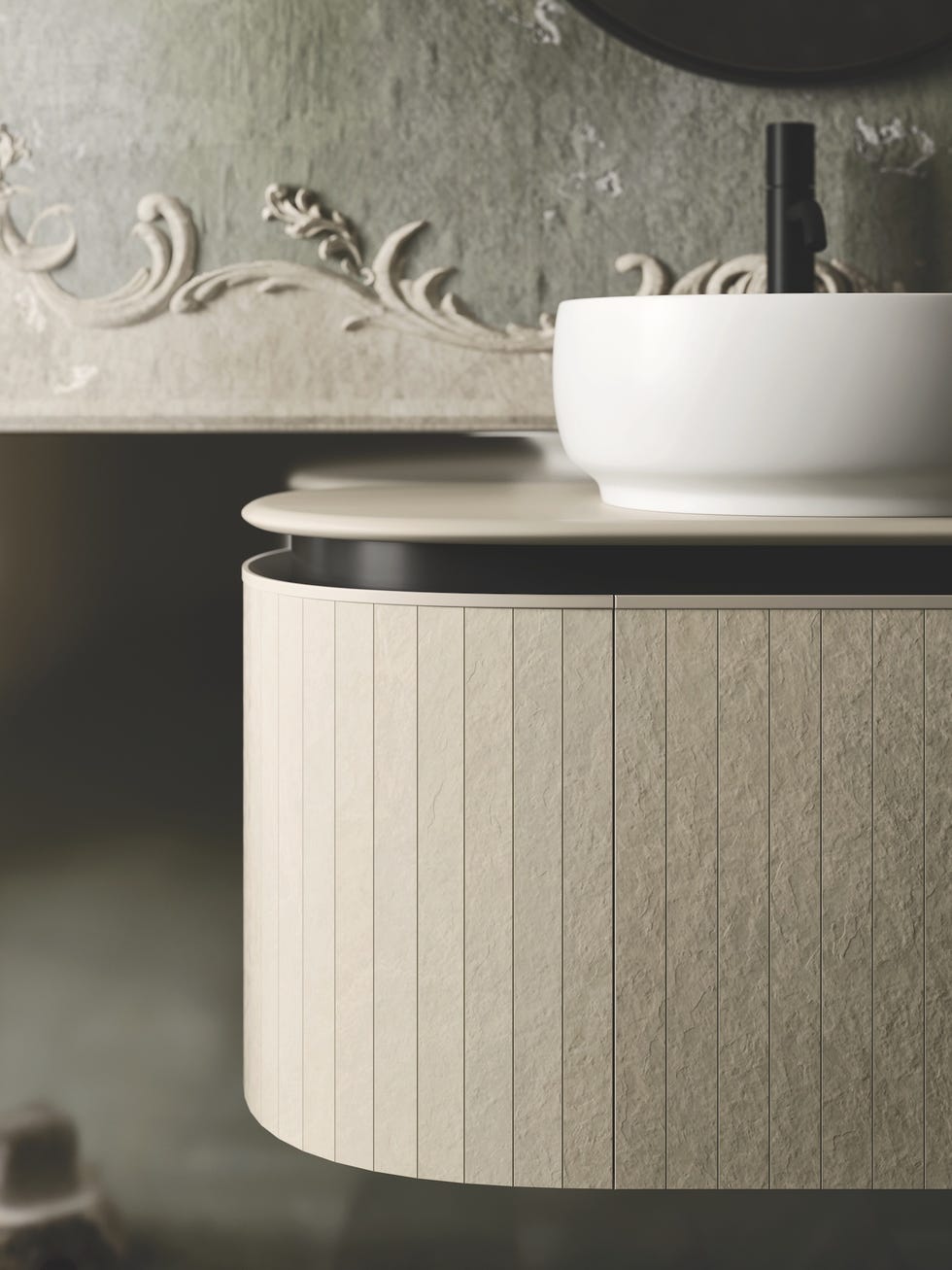
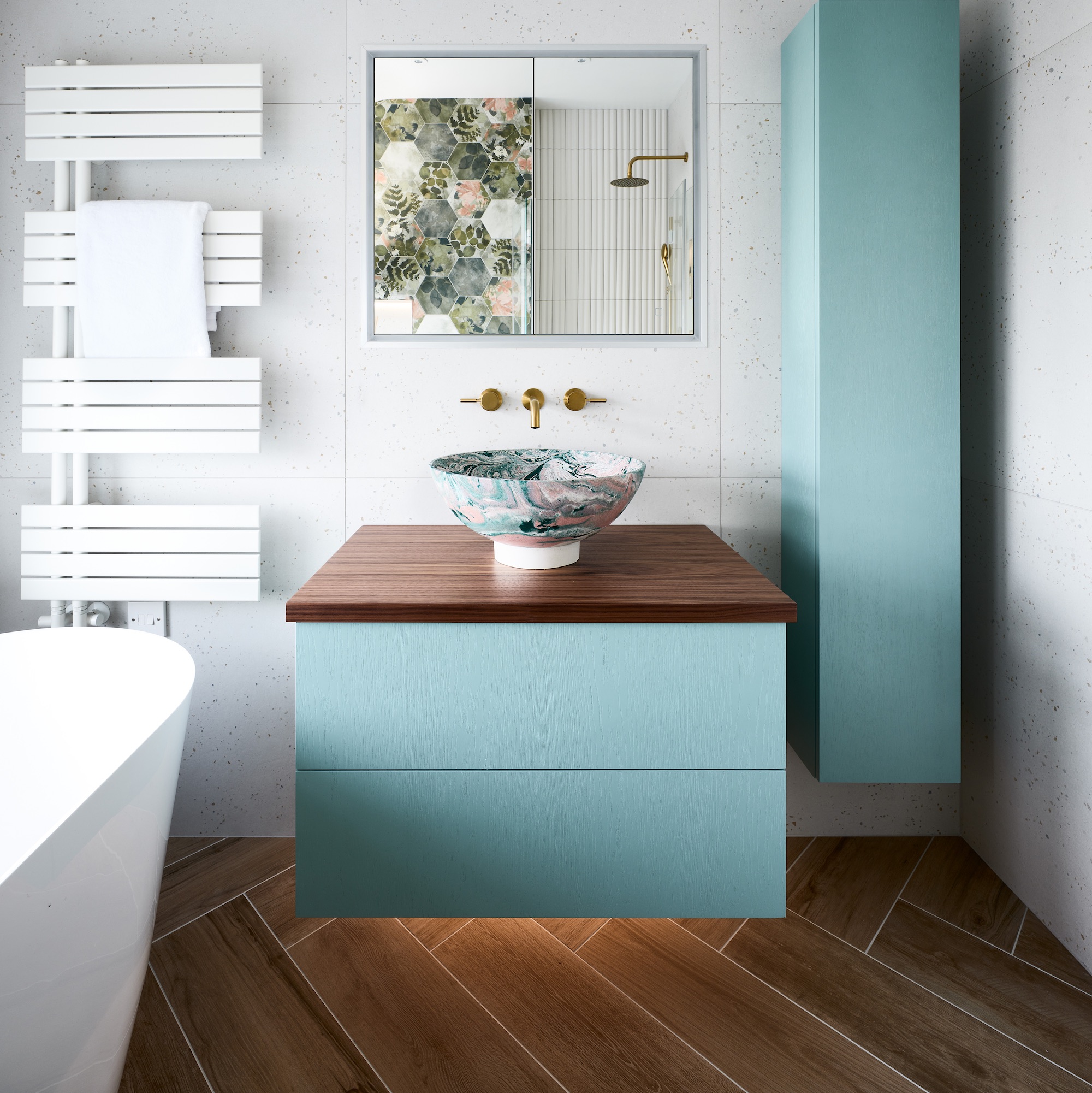
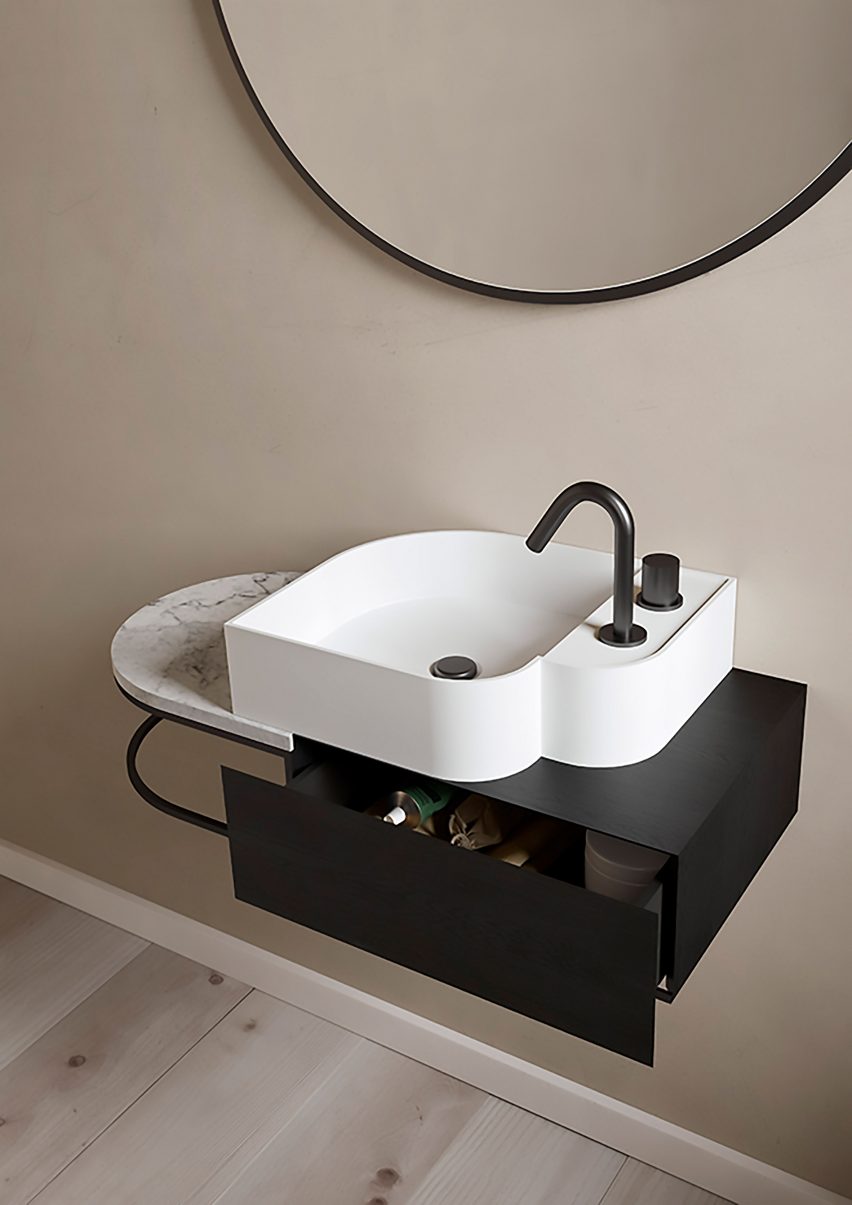
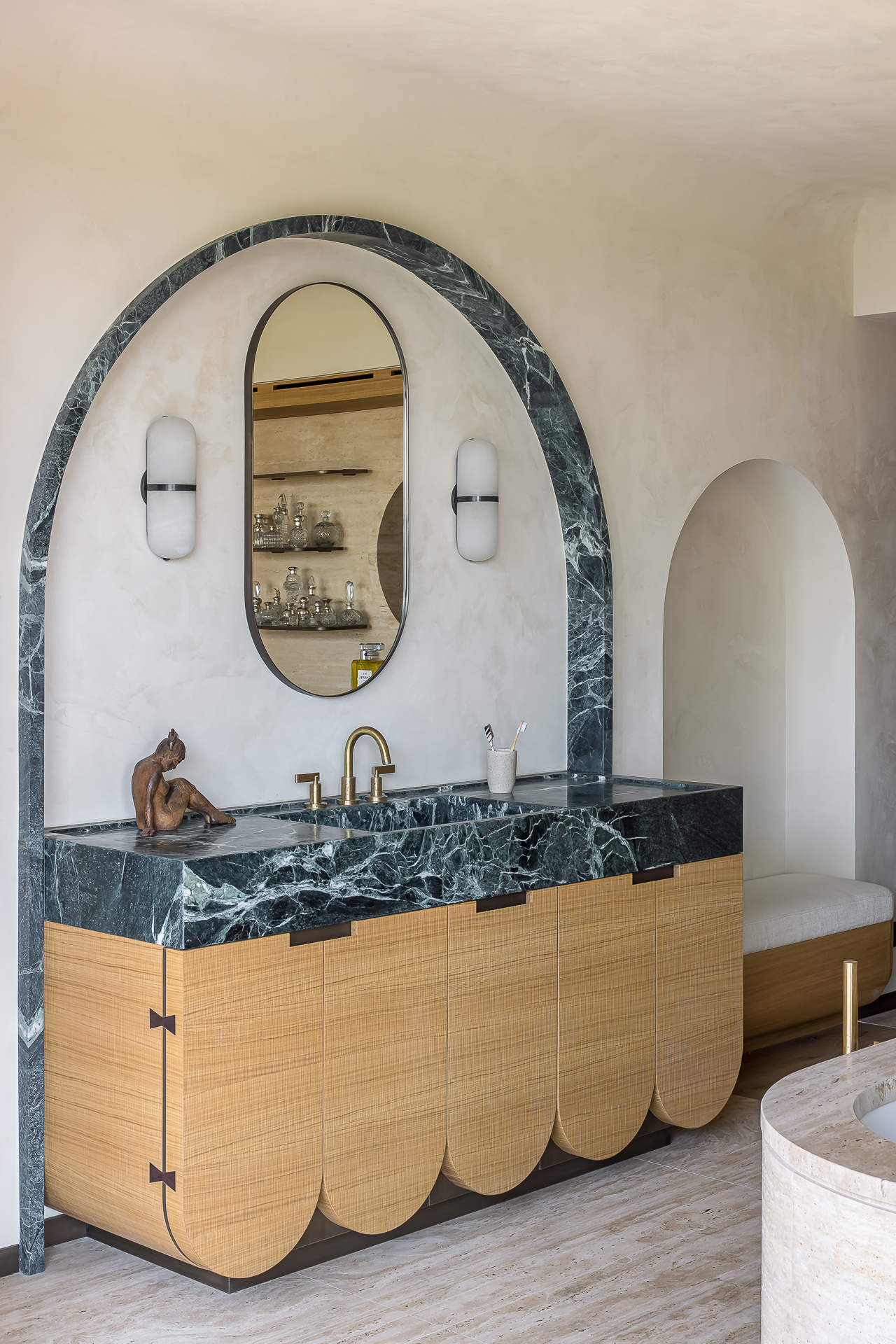
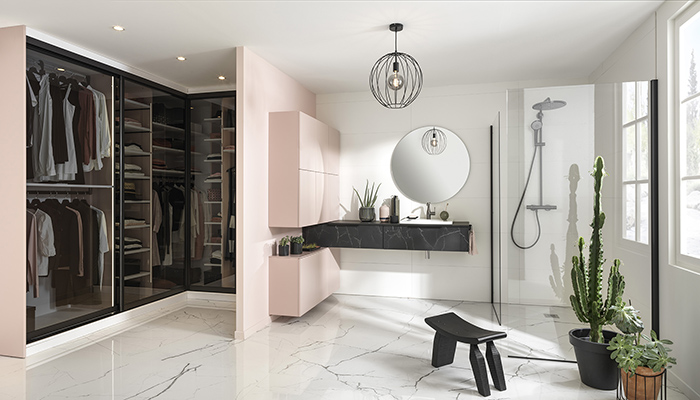
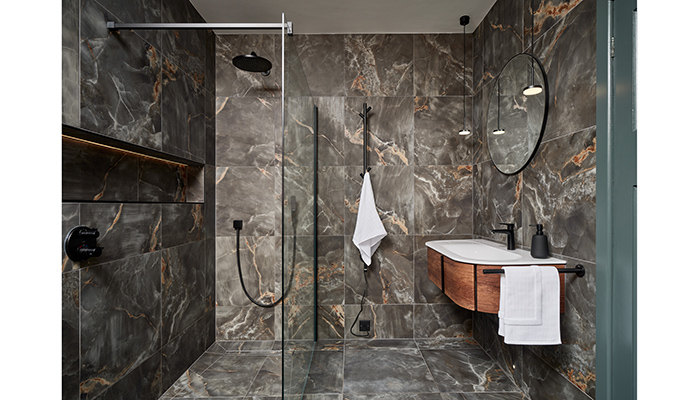
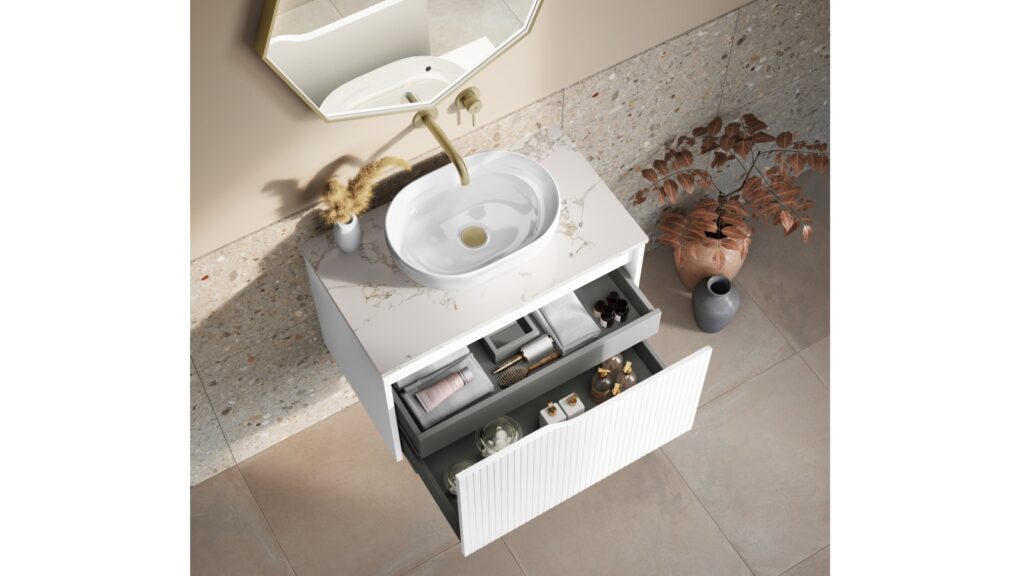
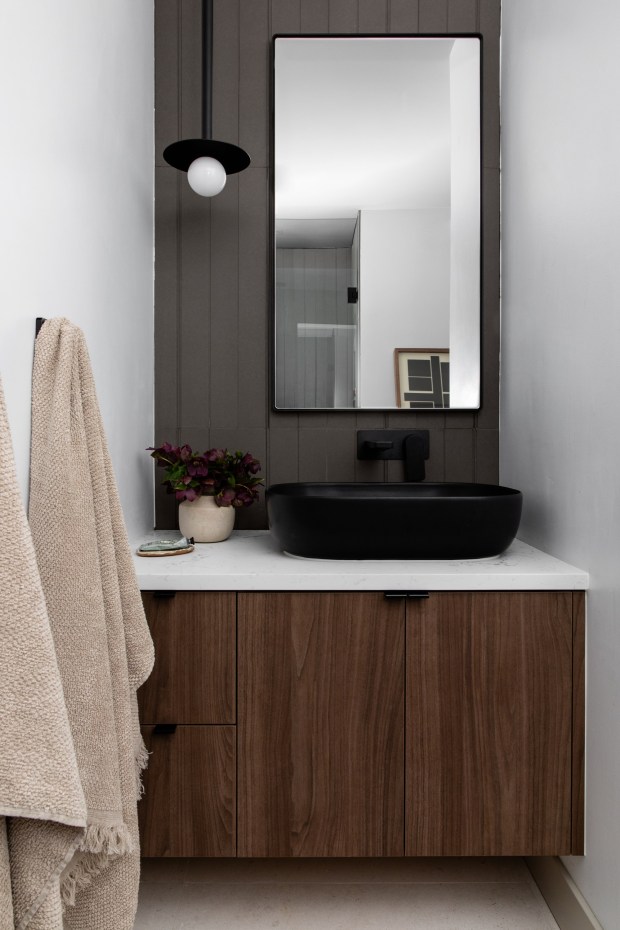
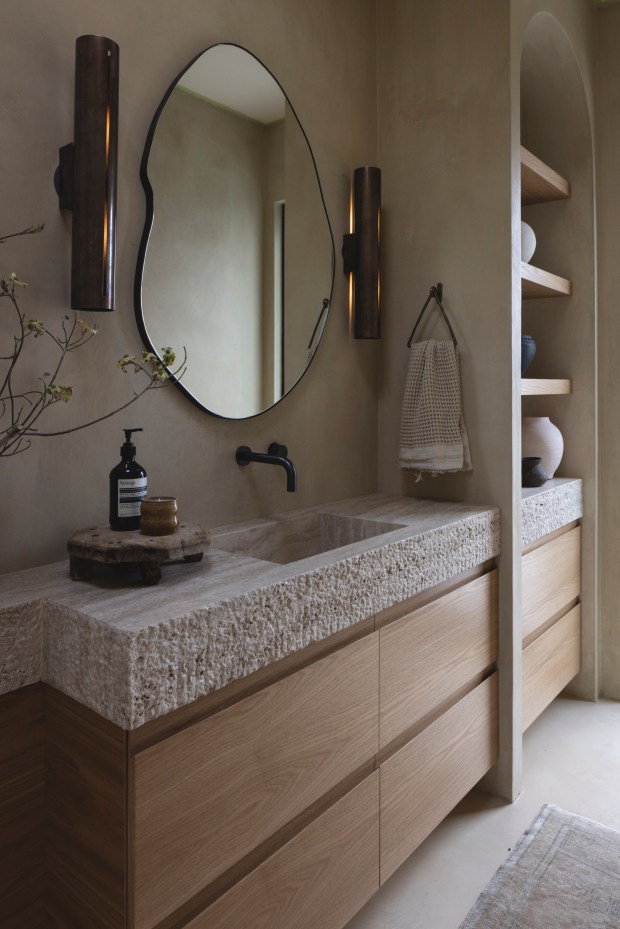
New York interior designer Joy Moyler advocates for integrating the bathroom more seamlessly with the rest of the home, moving away from cold, clinical aesthetics that she likens to institutional settings. To achieve this, she uses multiple layers of lighting to create ambiance and cater to different tasks, such as applying makeup. Architectural complexities are also a hallmark of contemporary bathroom design. Chris Fogarty of Fogarty Finger emphasizes the importance of a bathtub, particularly for those with cultural preferences, and favors durable, large-format porcelain tiles for their marble-like appearance. He points out that minimalist designs, like floating vanities, often conceal intricate engineering, requiring hidden steel bars to ensure stability and longevity. This underscores the unseen complexity often involved in achieving a sleek, modern look.
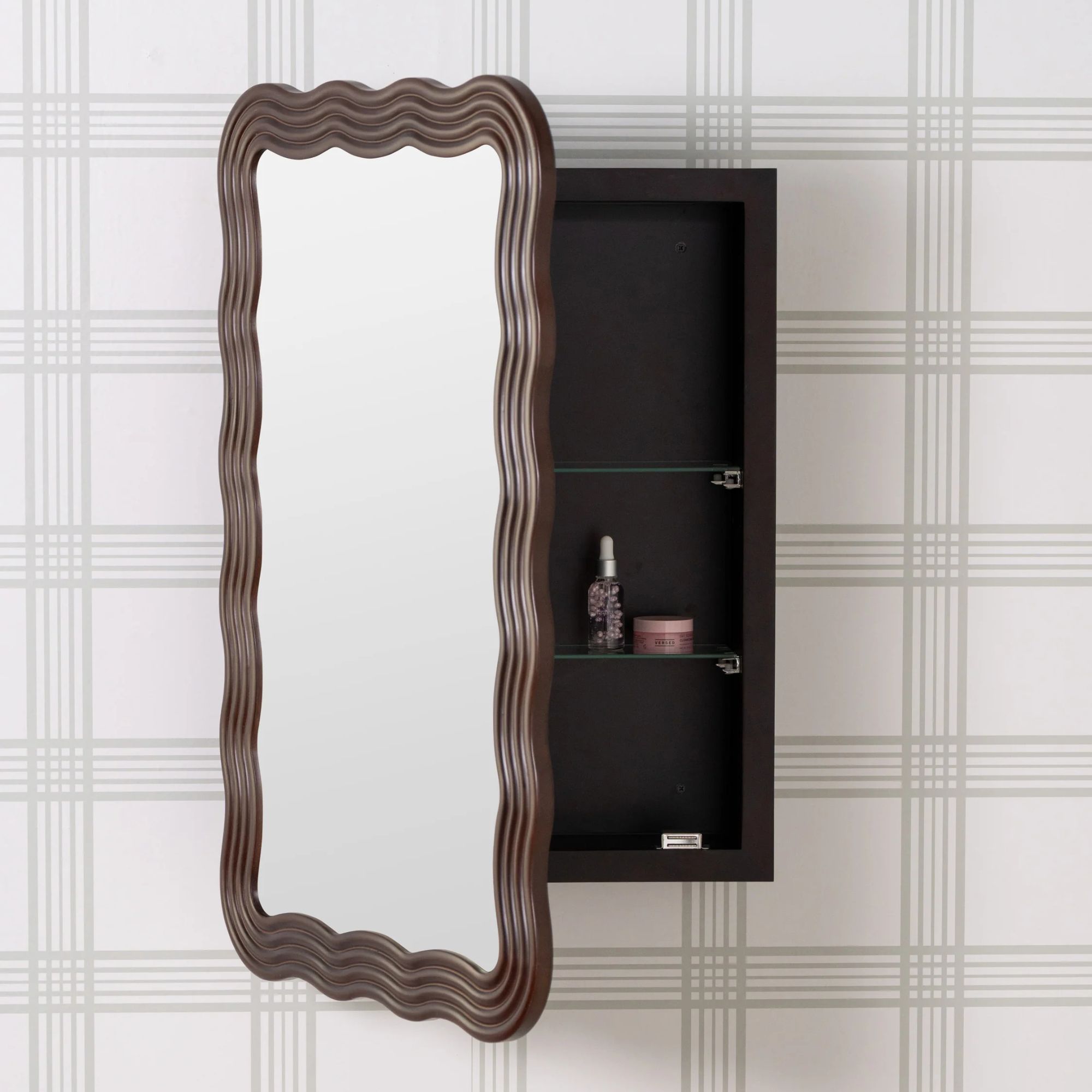
Beyond personal refuge, some bathroom features are designed with practical benefits in mind, such as enhanced security. Moyler mentions requests for medicine cabinets with lockable drawers, allowing homeowners to safely store valuable jewelry. This enables quick access in emergencies, eliminating the need to visit a bank for a safe deposit box. This demonstrates how contemporary bathroom design extends beyond comfort and aesthetics to address a wide array of personal and practical needs, solidifying its role as a versatile and indispensable space within the modern home.
#BathroomDesign #HomeRenovation #InteriorDesignTrends #WellnessSpaces #PrivacyInDesign #MultifunctionalRooms #LuxuryBathrooms #AgingInPlace #SmartDesign #BathroomDesign #HomeRenovation #InteriorDesignTrends #WellnessSpaces #PrivacyInDesign #MultifunctionalRooms #LuxuryBathrooms #AgingInPlace #SmartDesign
0 comment in total
 No comments yet
You may also like
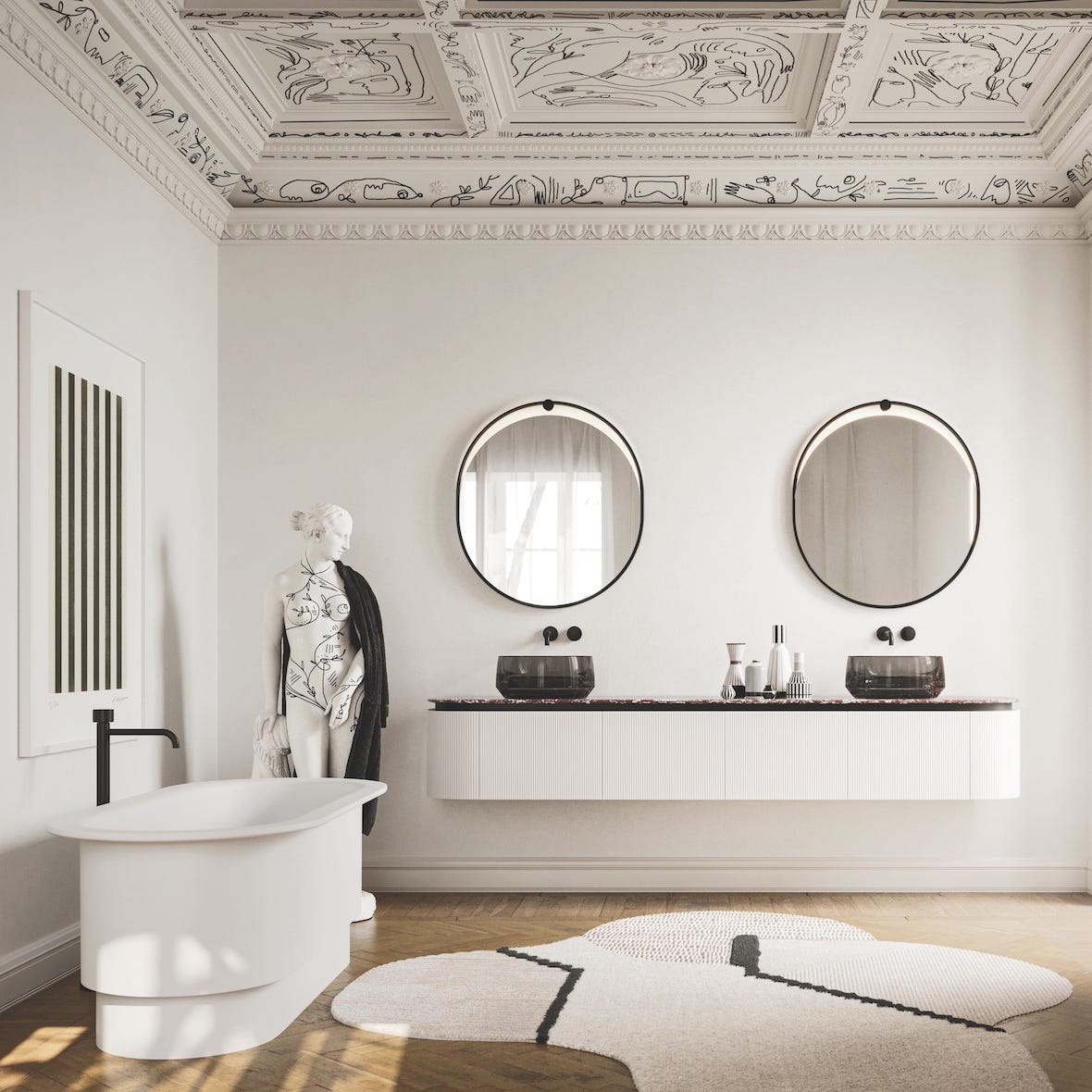
Fluid forms, fine materials and a tailored design reshape the bathroom

Fitted Bathroom Furniture

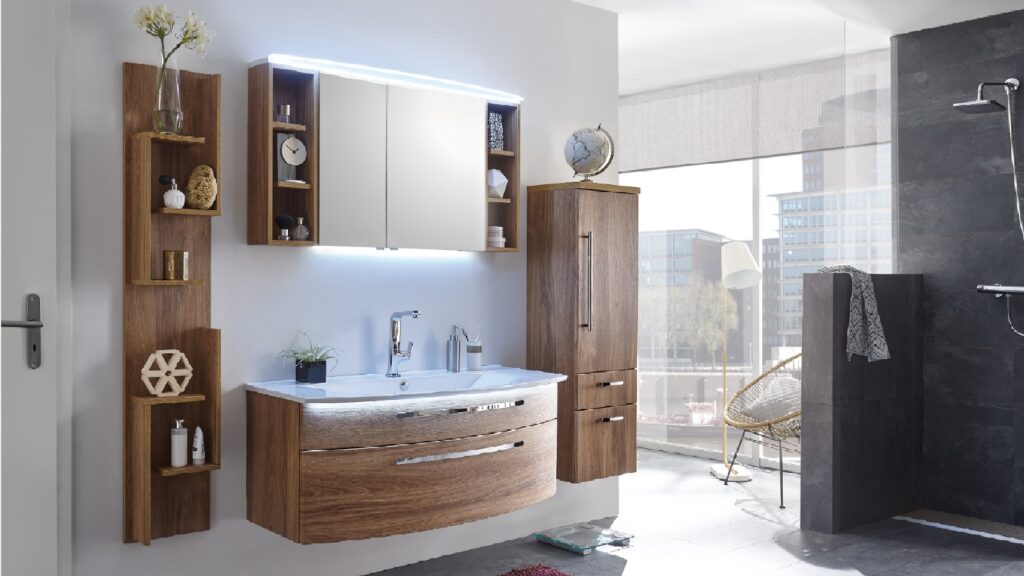
Bathroom furniture | How to enhance luxury with storage
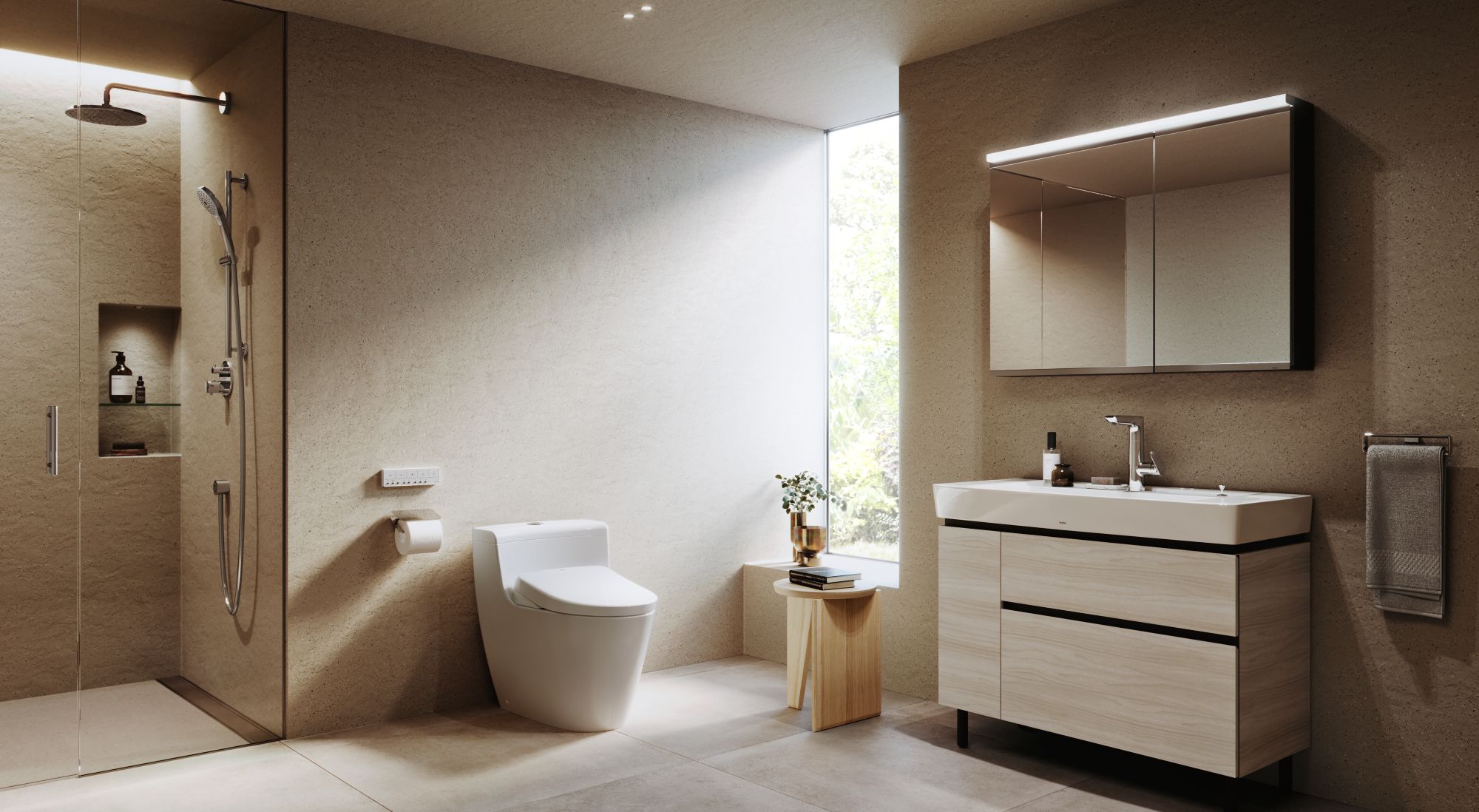
The future of bathroom luxury

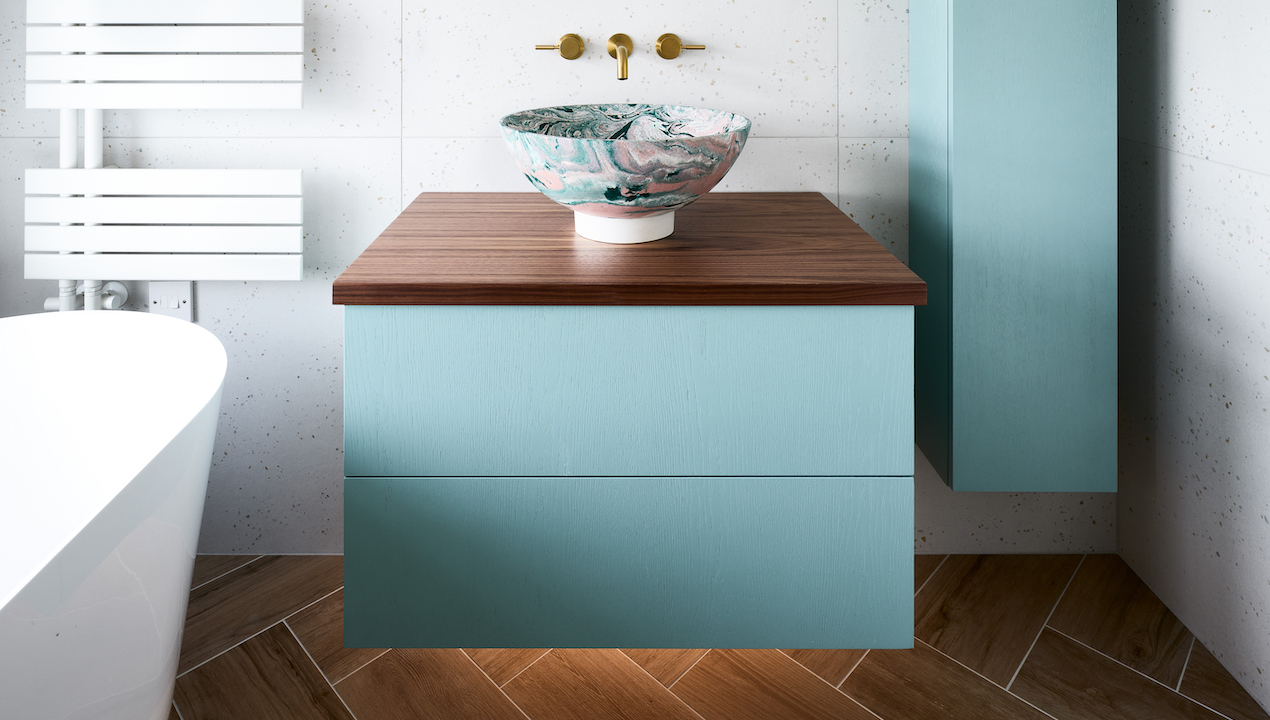
9 bathroom cabinet trends taking over in 2025 — the colours, textures and styles designers are most excited about
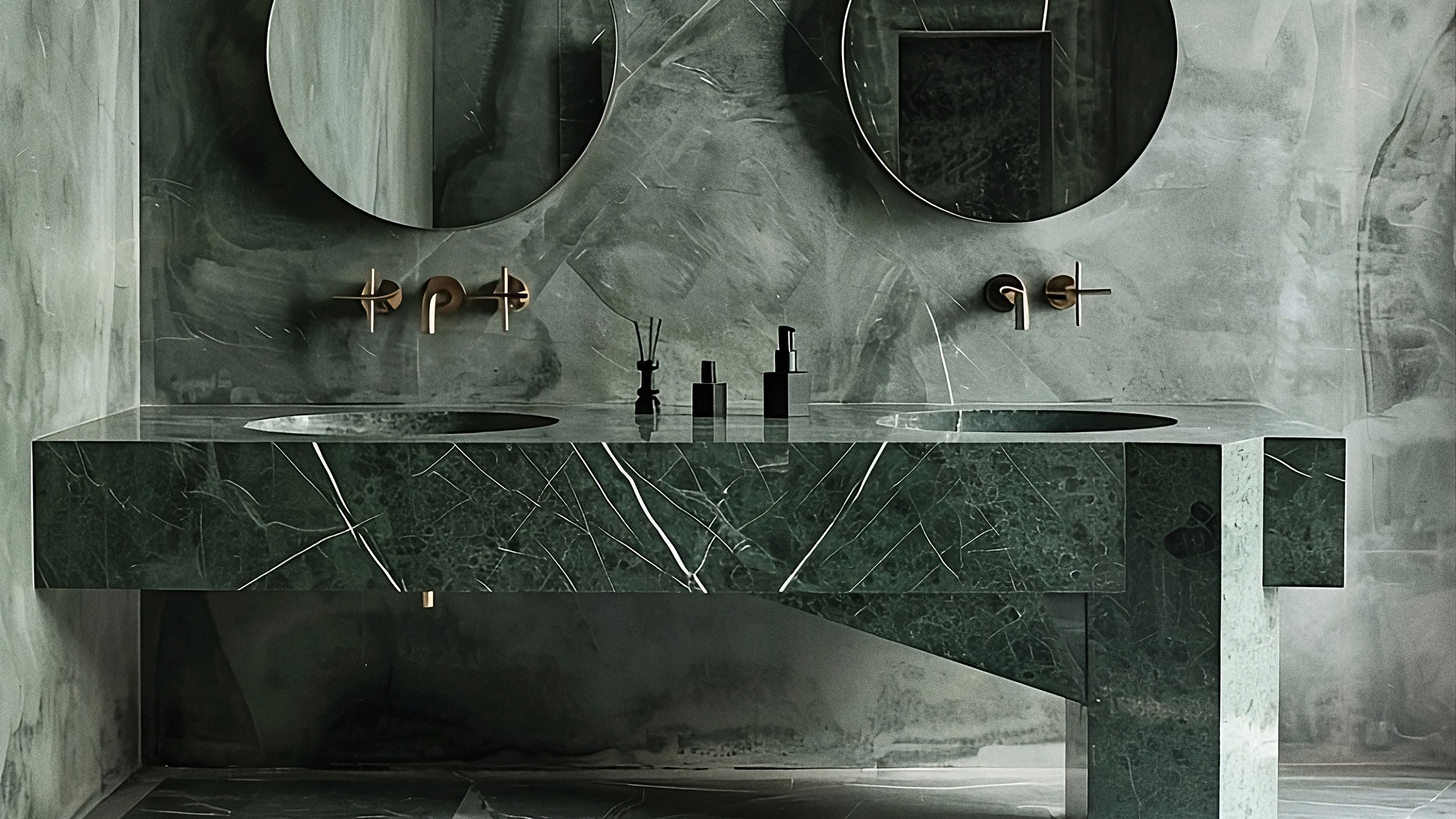
Forget Bathtubs — Designers Say This Feature is the New Focal Point You Should Invest in for a Bathroom

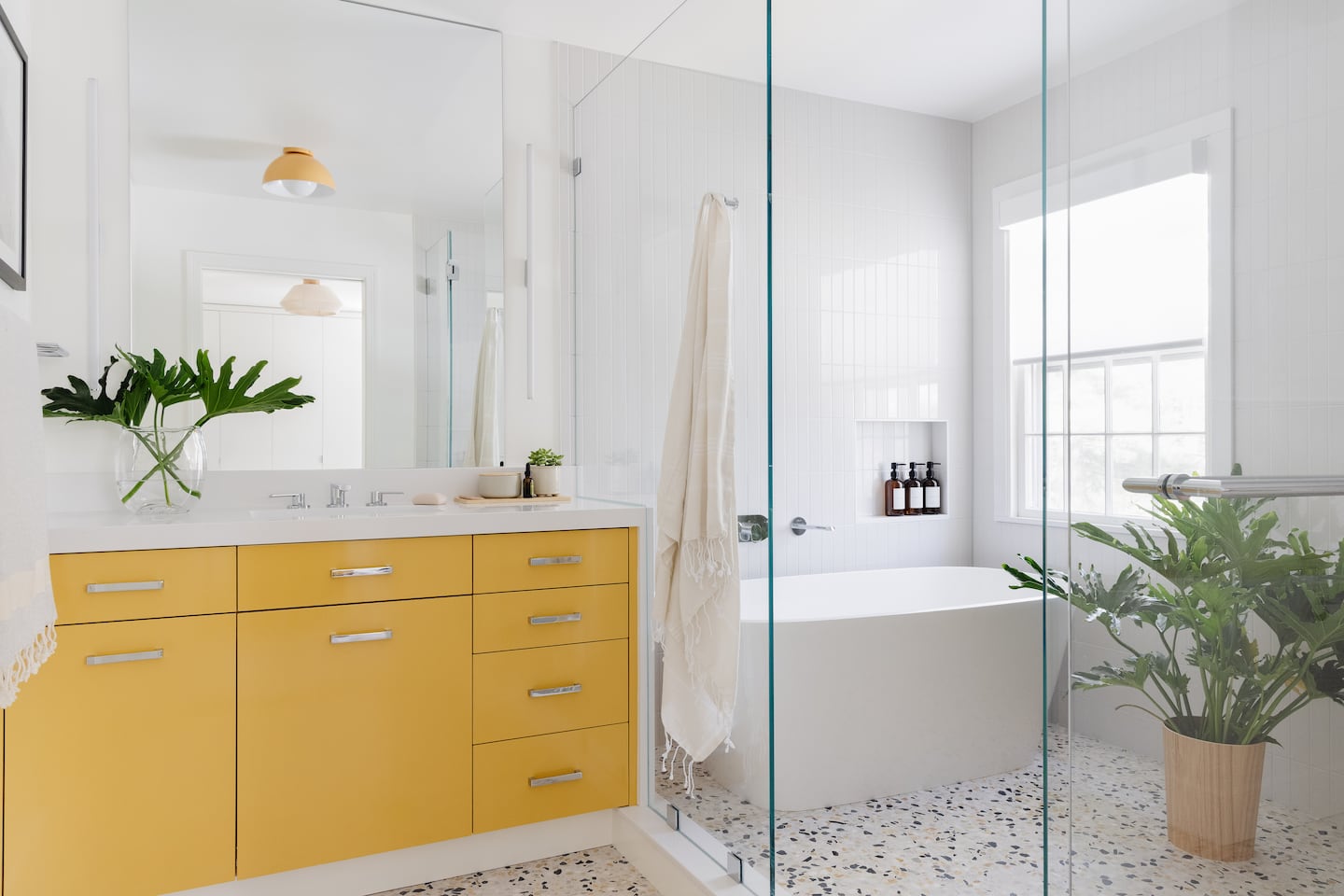
A zingy yellow bathroom vanity and terrazzo-like floor tile create a cheerful space

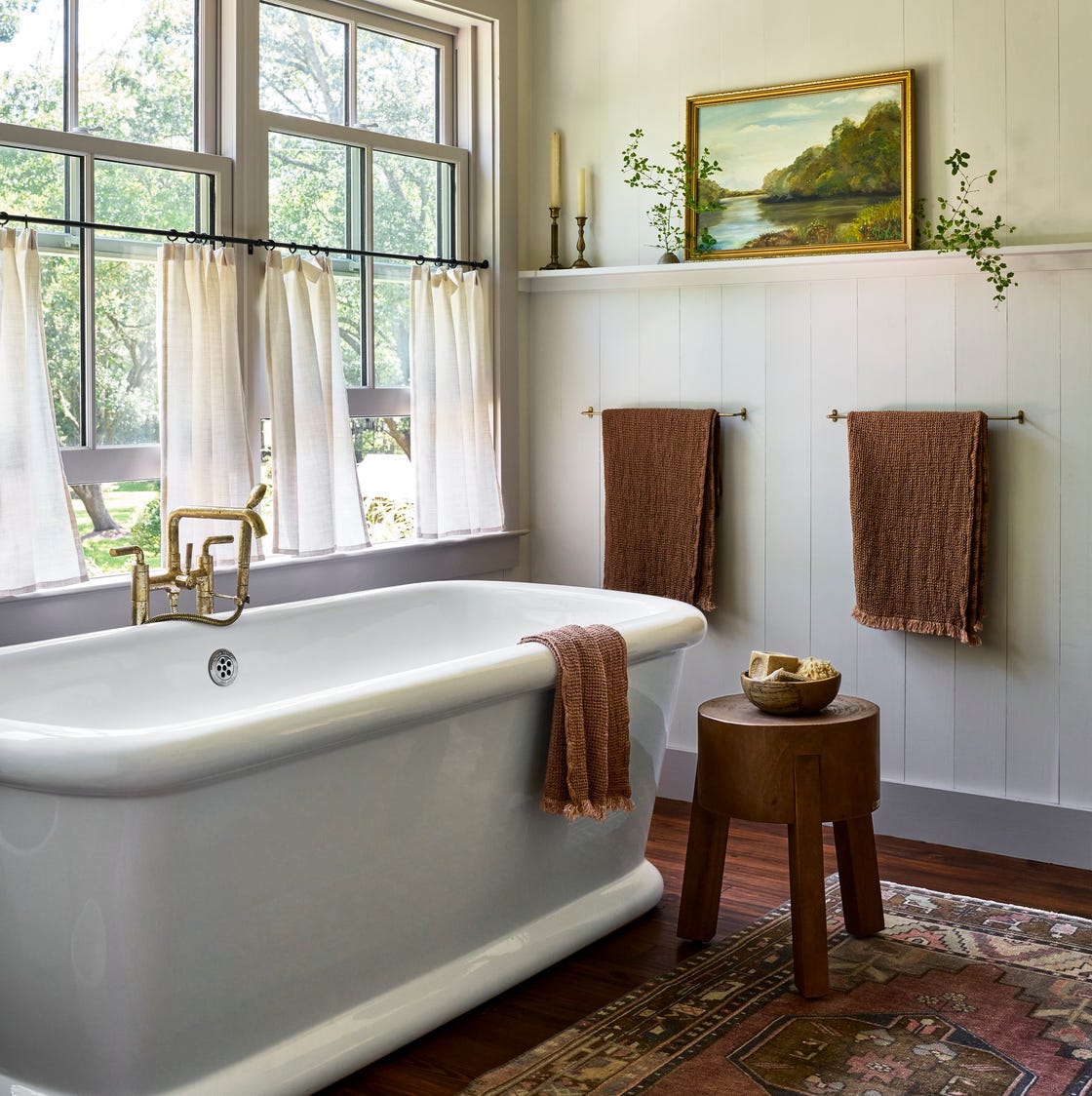
5 Bathroom Design Trends Already Taking Over in 2026
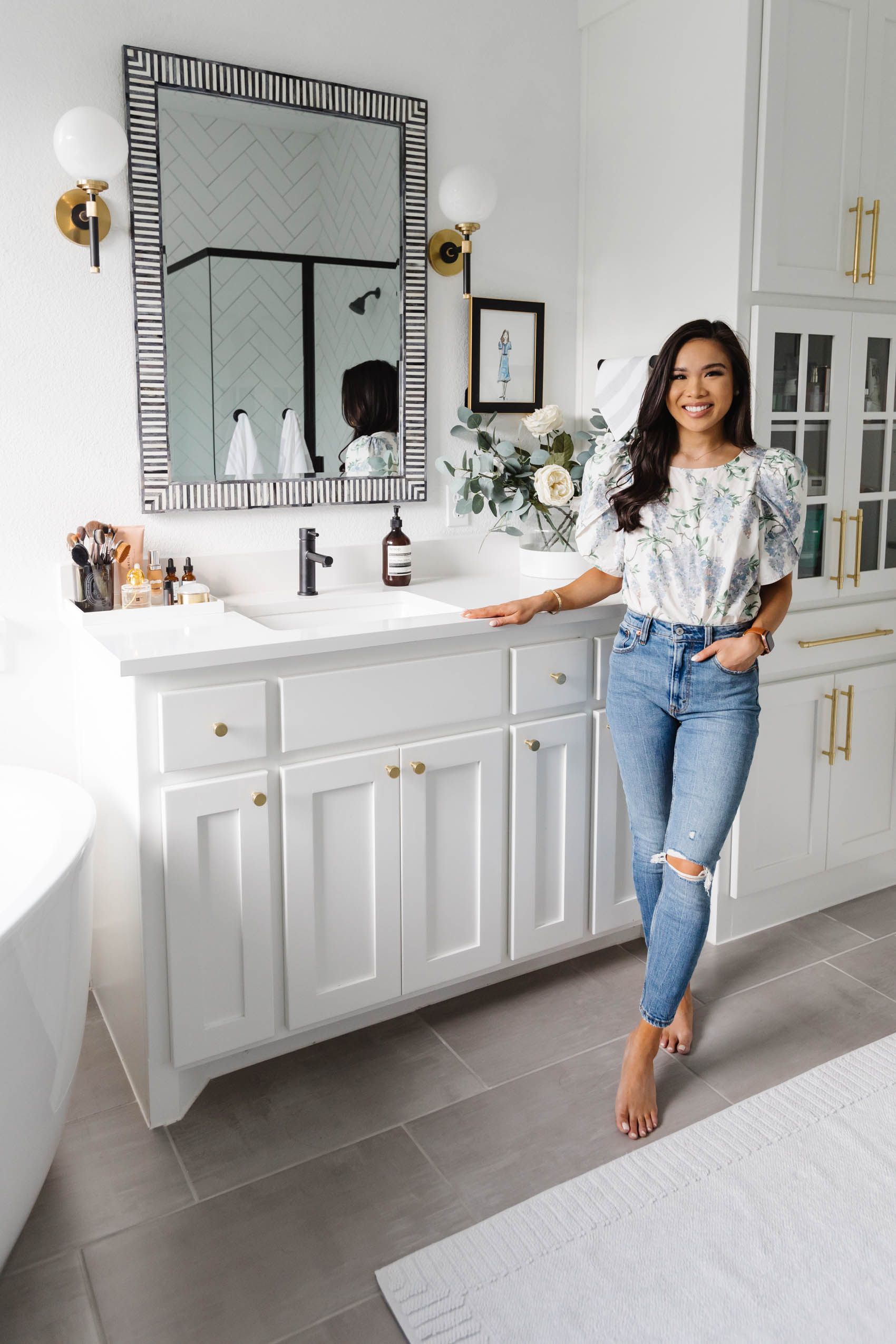
Luxury Bathroom Accessories That Transformed Our Space

Bring On the Glam: 5 Bathroom Design Ideas That Are Exquisitely Extra
Awkward bathroom layout? These clever products solve common design problems
Splish, Splash

Duravit launches new bathroom furniture range, Brioso

How boutique style is making its mark on en suite bathroom design
Are medicine cabinets out of style for 2025?

Before & After: A Carpeted ’70s Bathroom Gets the Spa Treatment
Bernhardt-Vella creates mismatched geometries in Nouveau bathroom collection for Ex.T
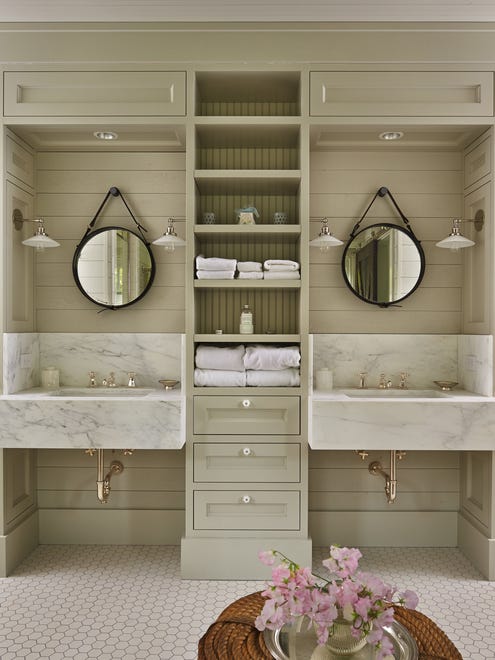
Bathroom Trends
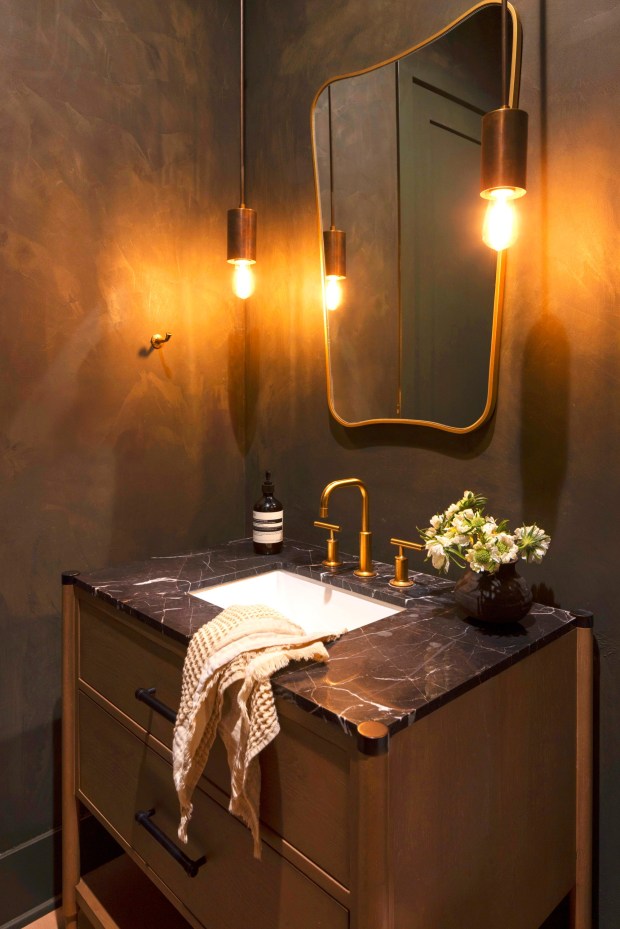
Magnificently moody bathrooms strike a chord
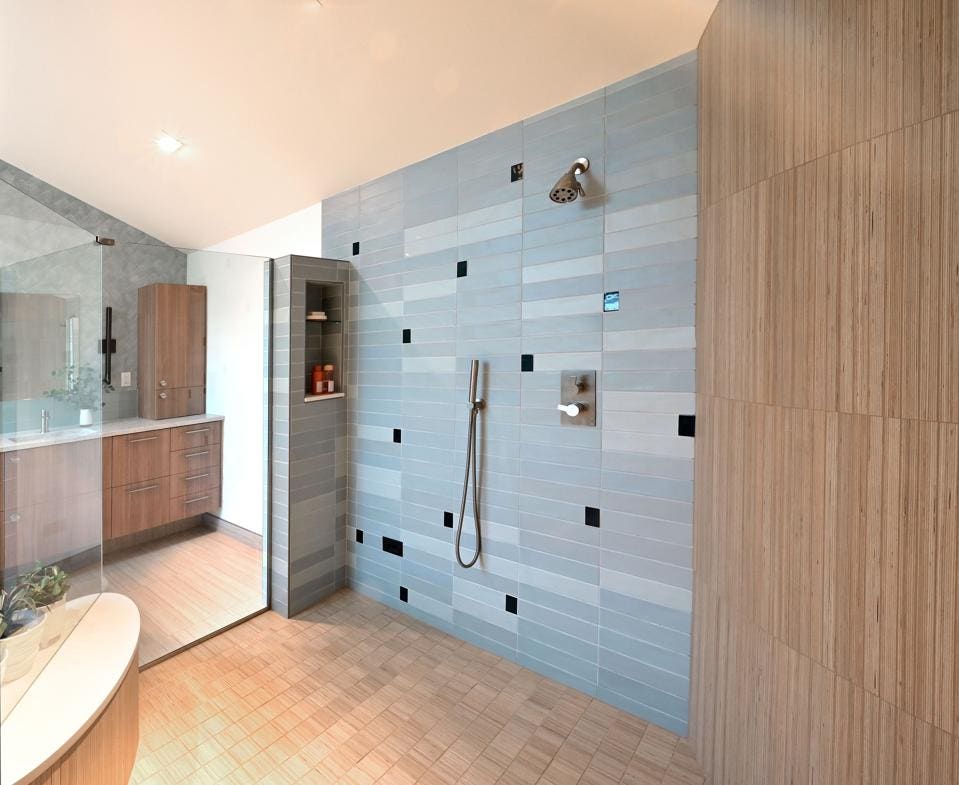
2026 Bathroom Design Trends: Top 6 Takeaways For Your Home