2024 Home Design Will Be All About Mixing Decades—Here's How to Nail the Look
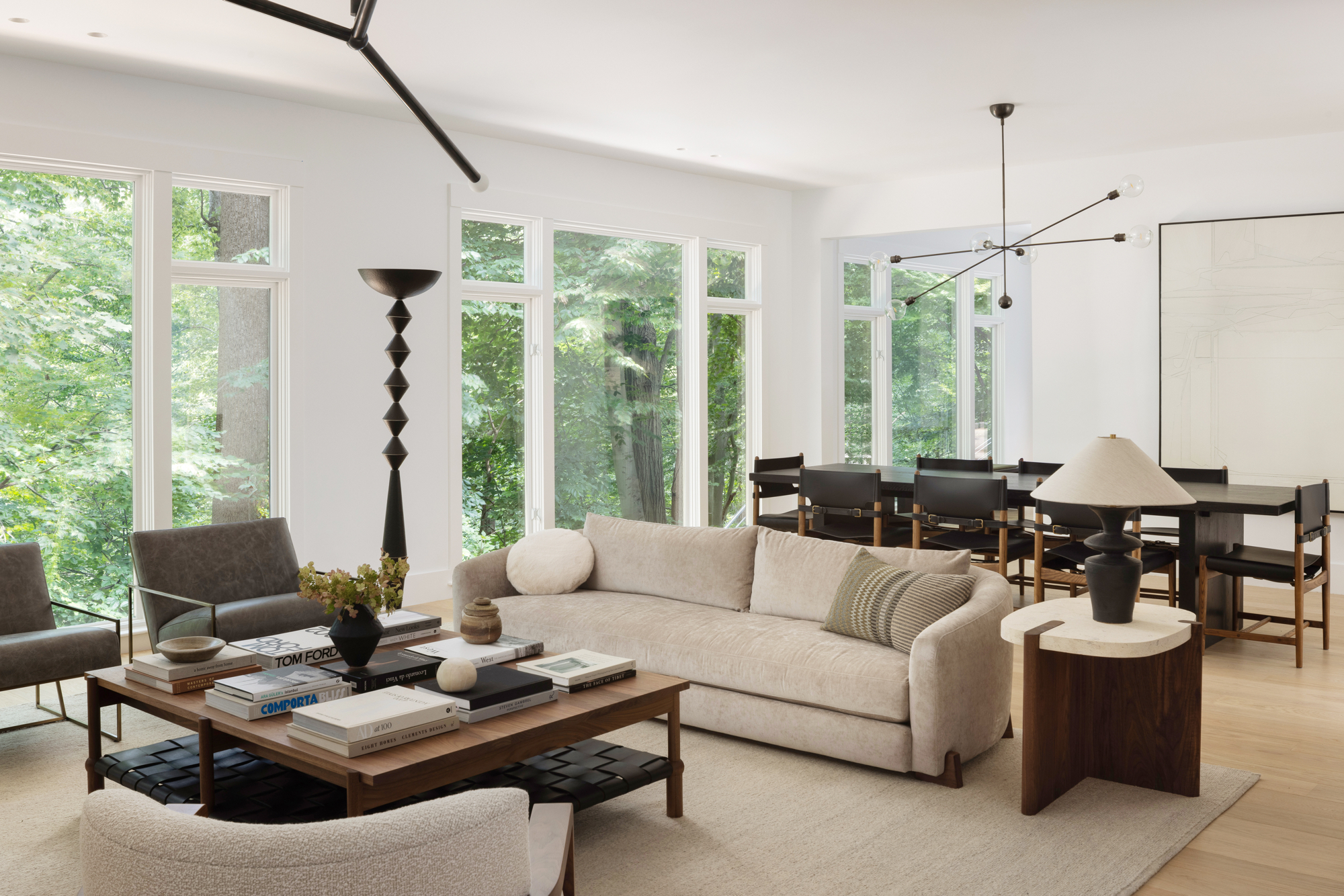
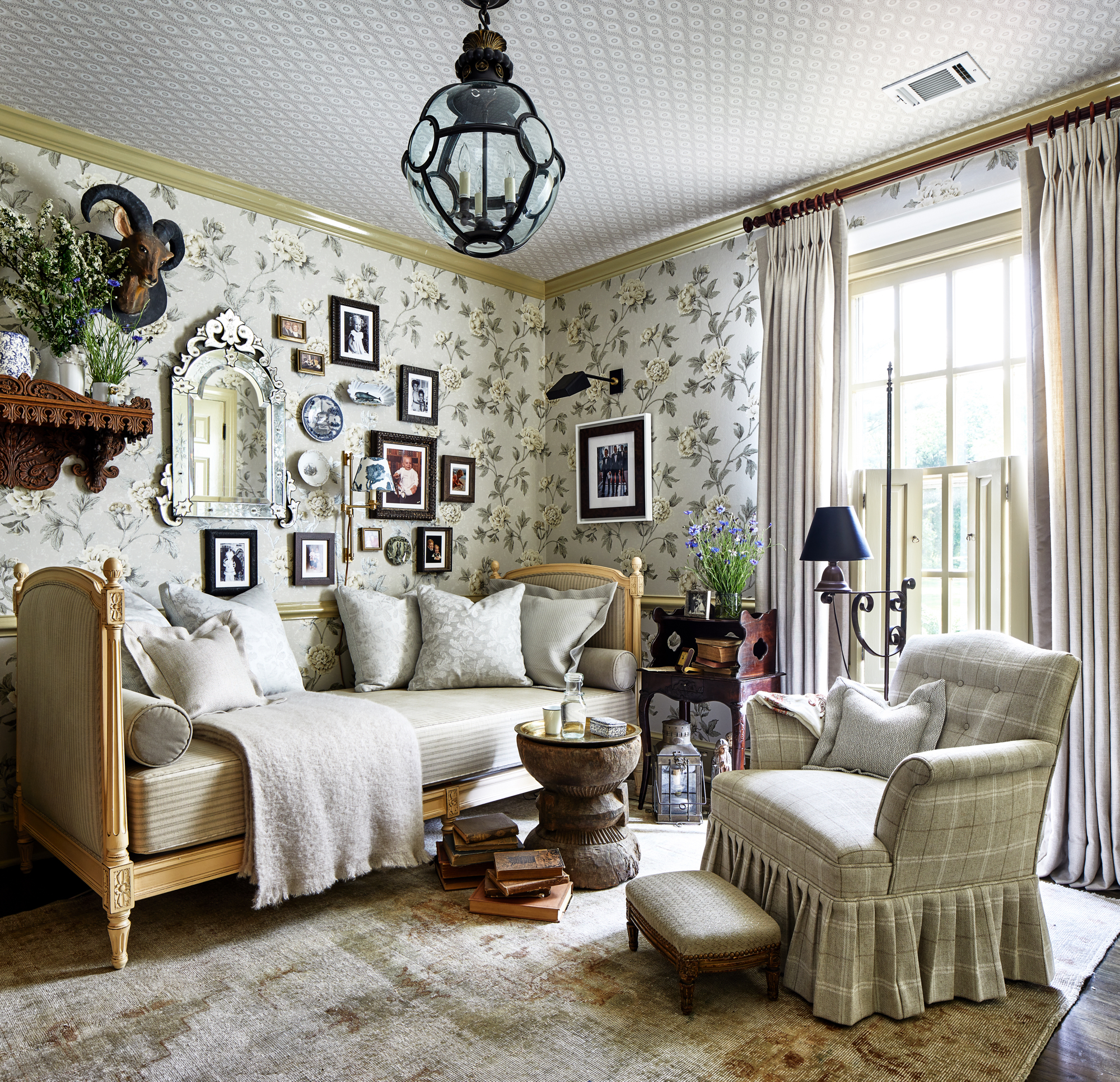
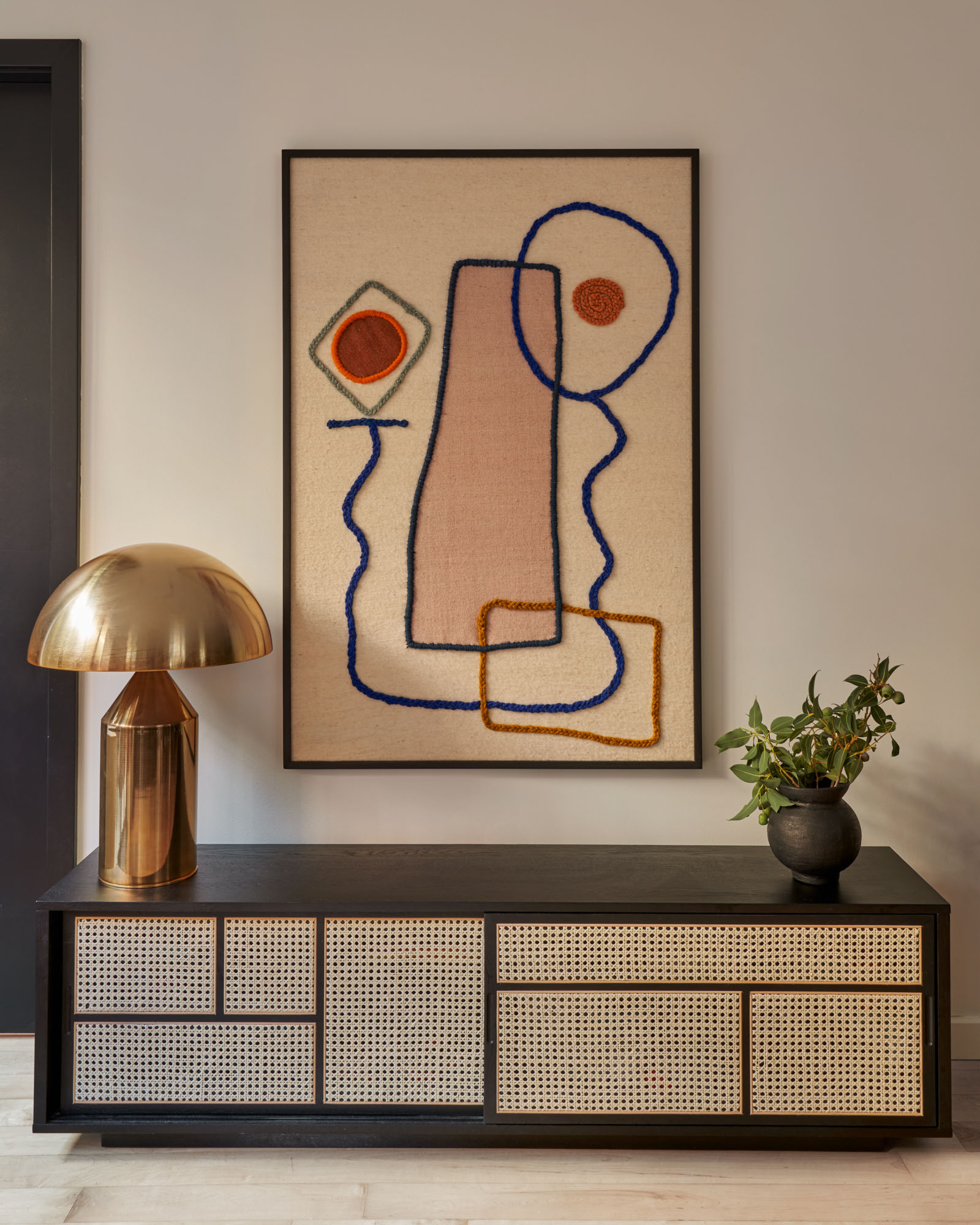
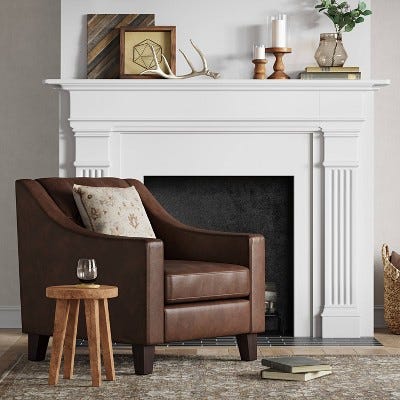
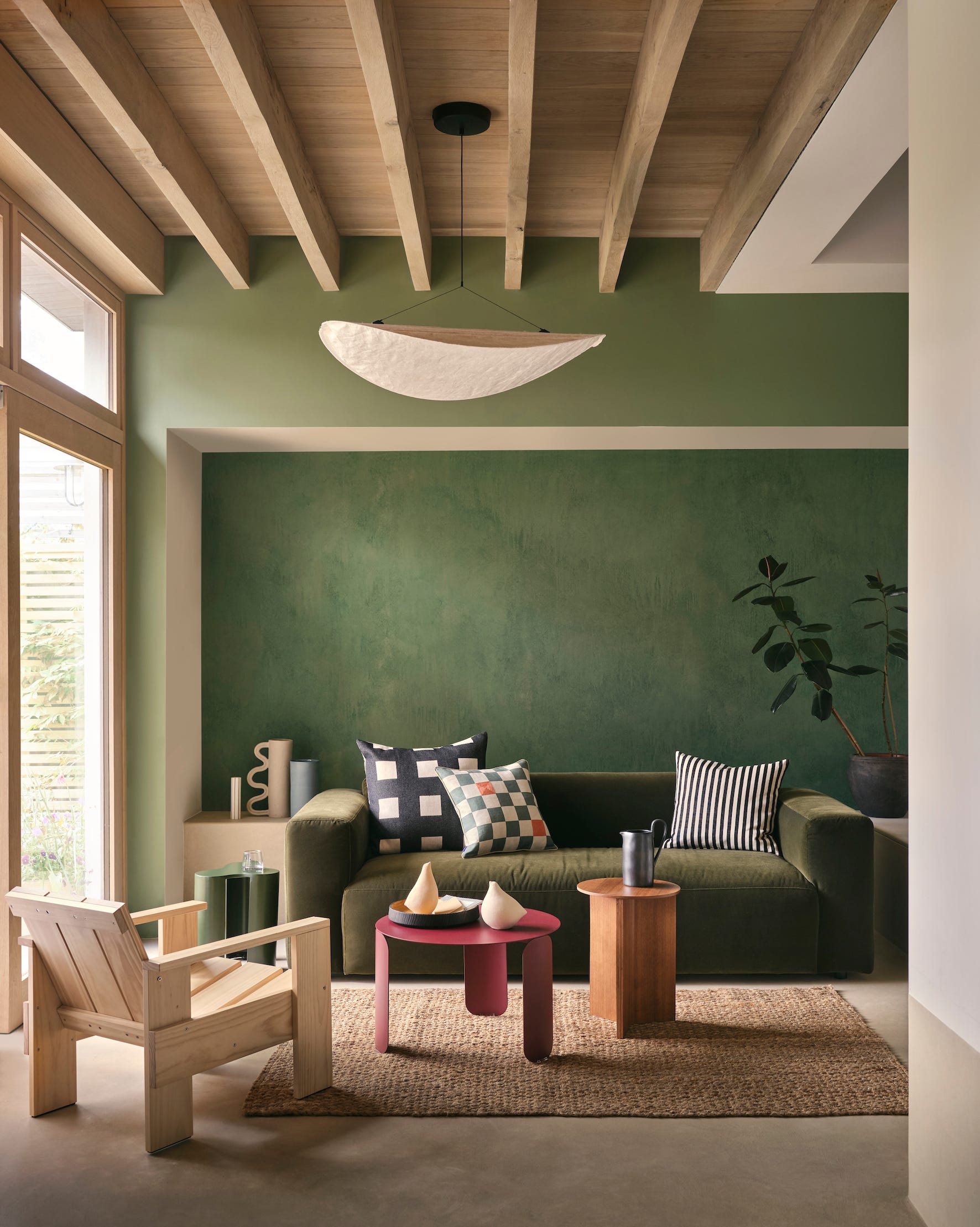
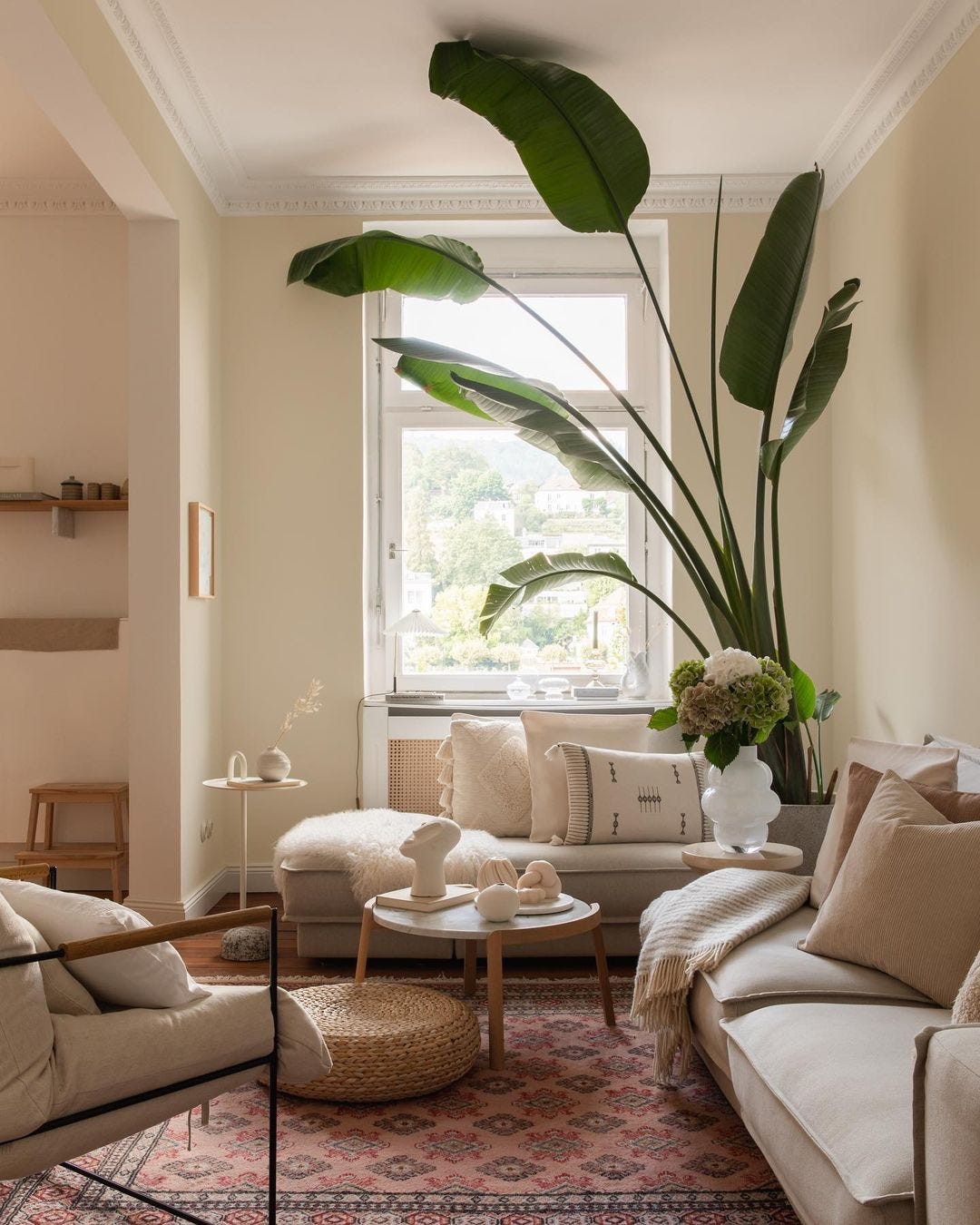
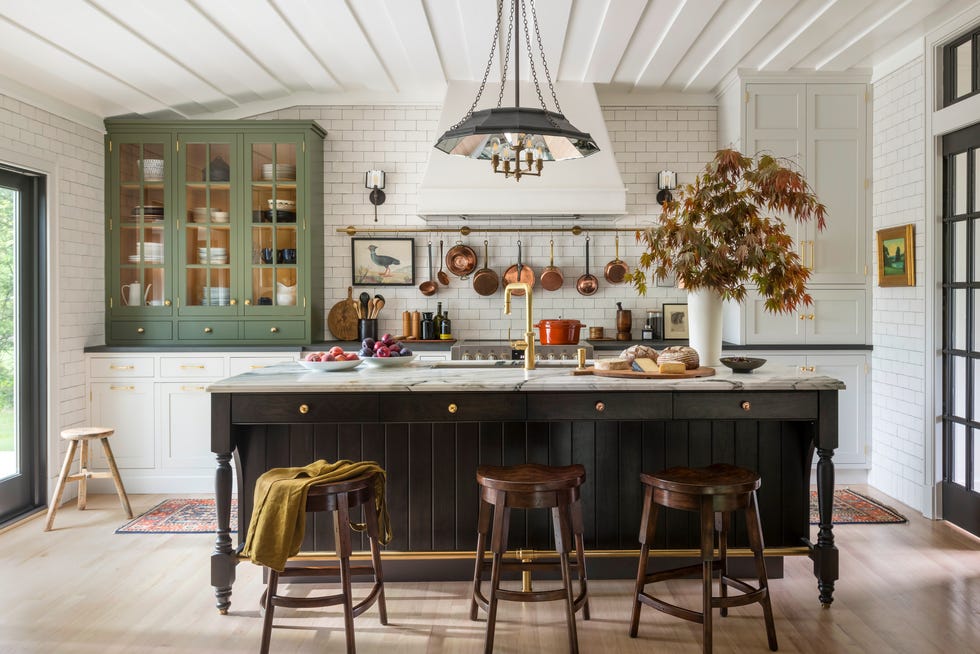
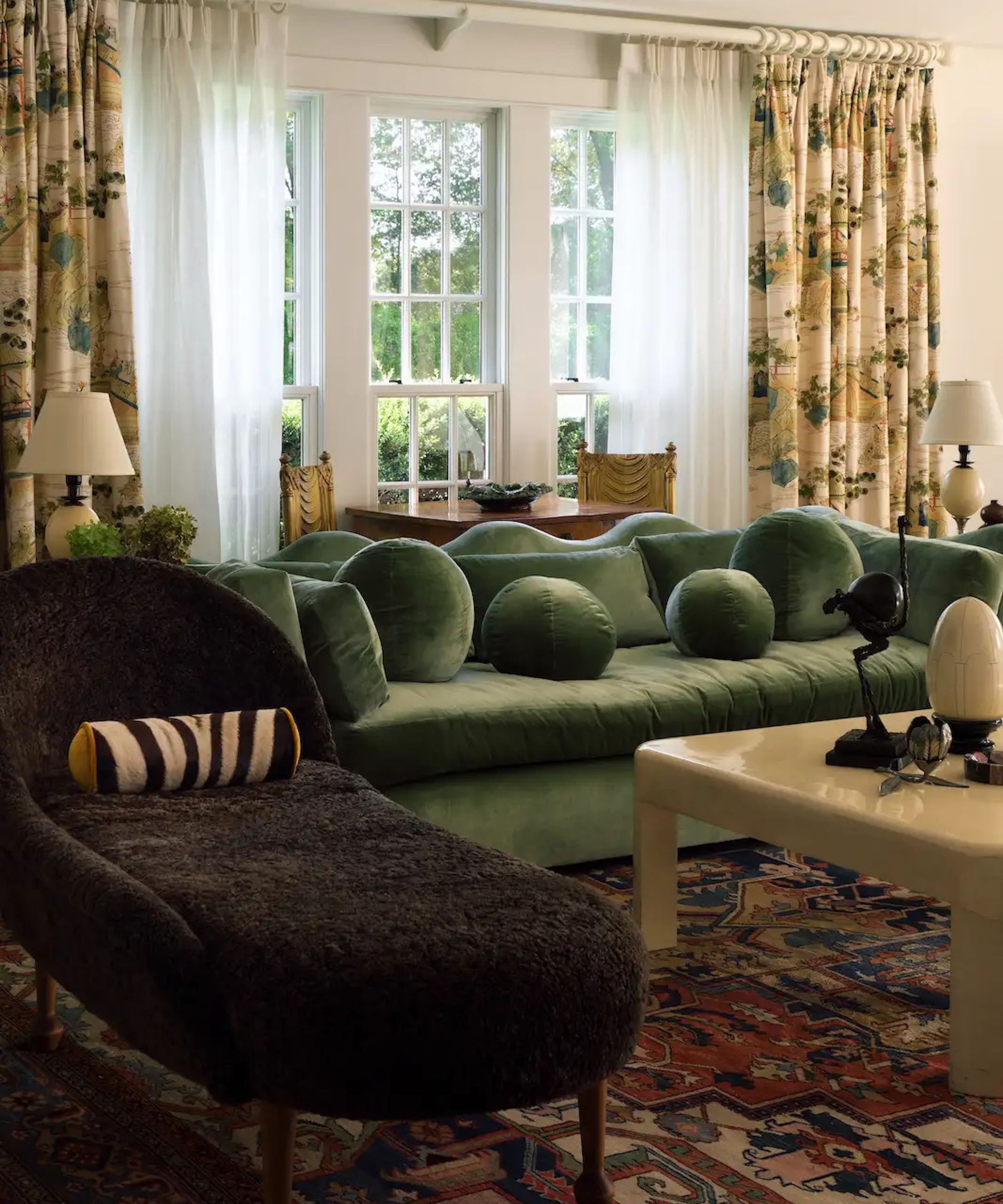
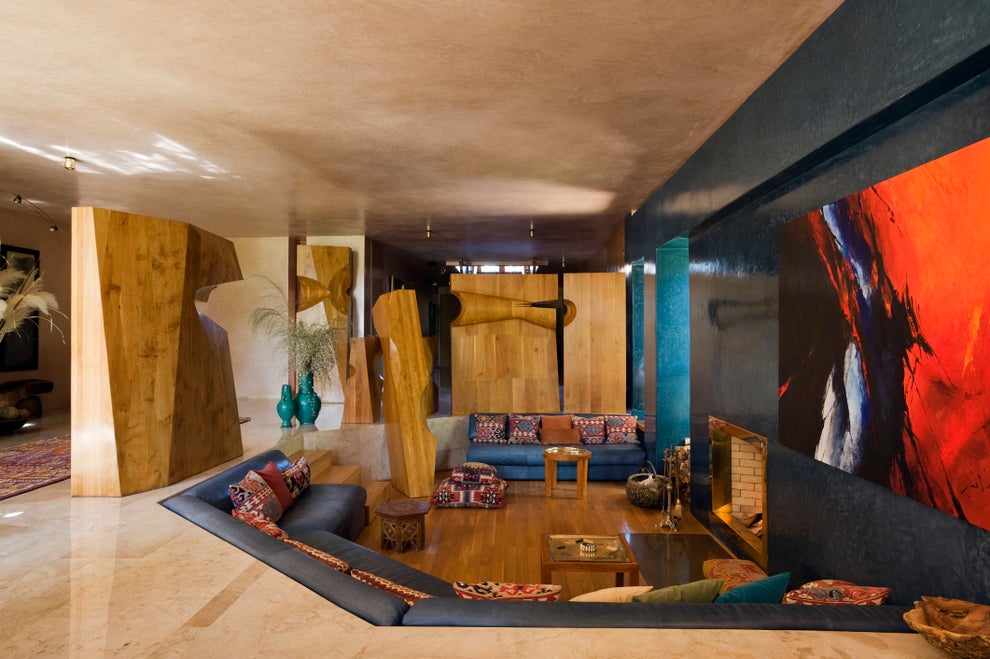
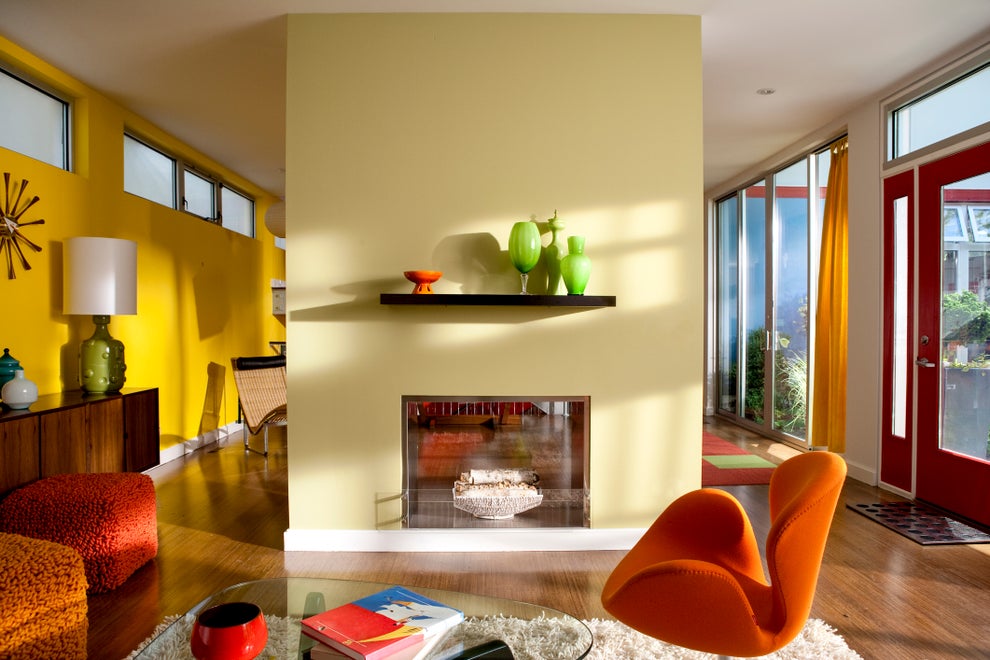
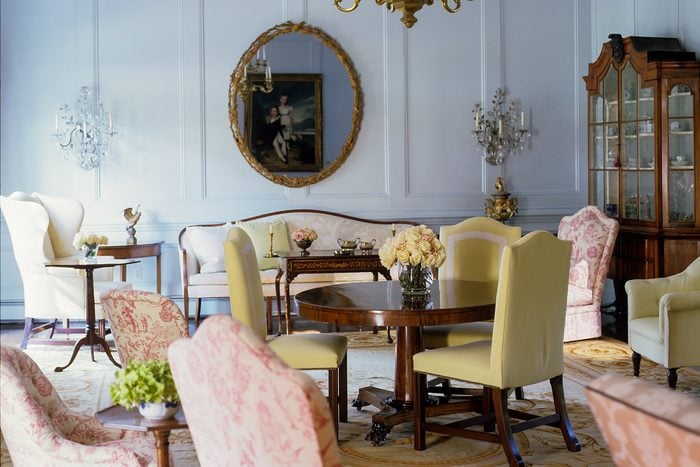
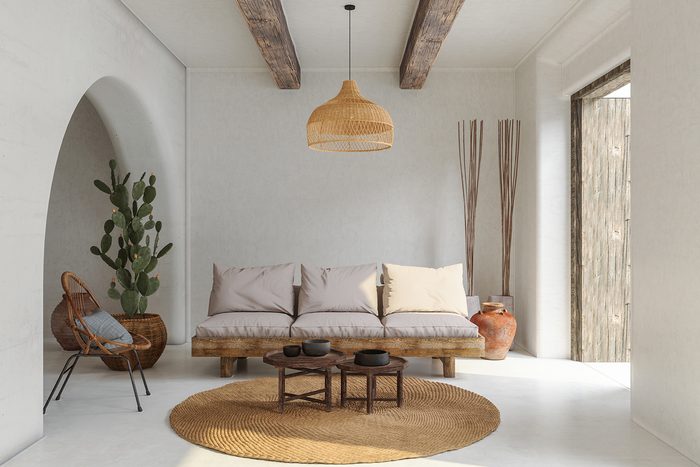
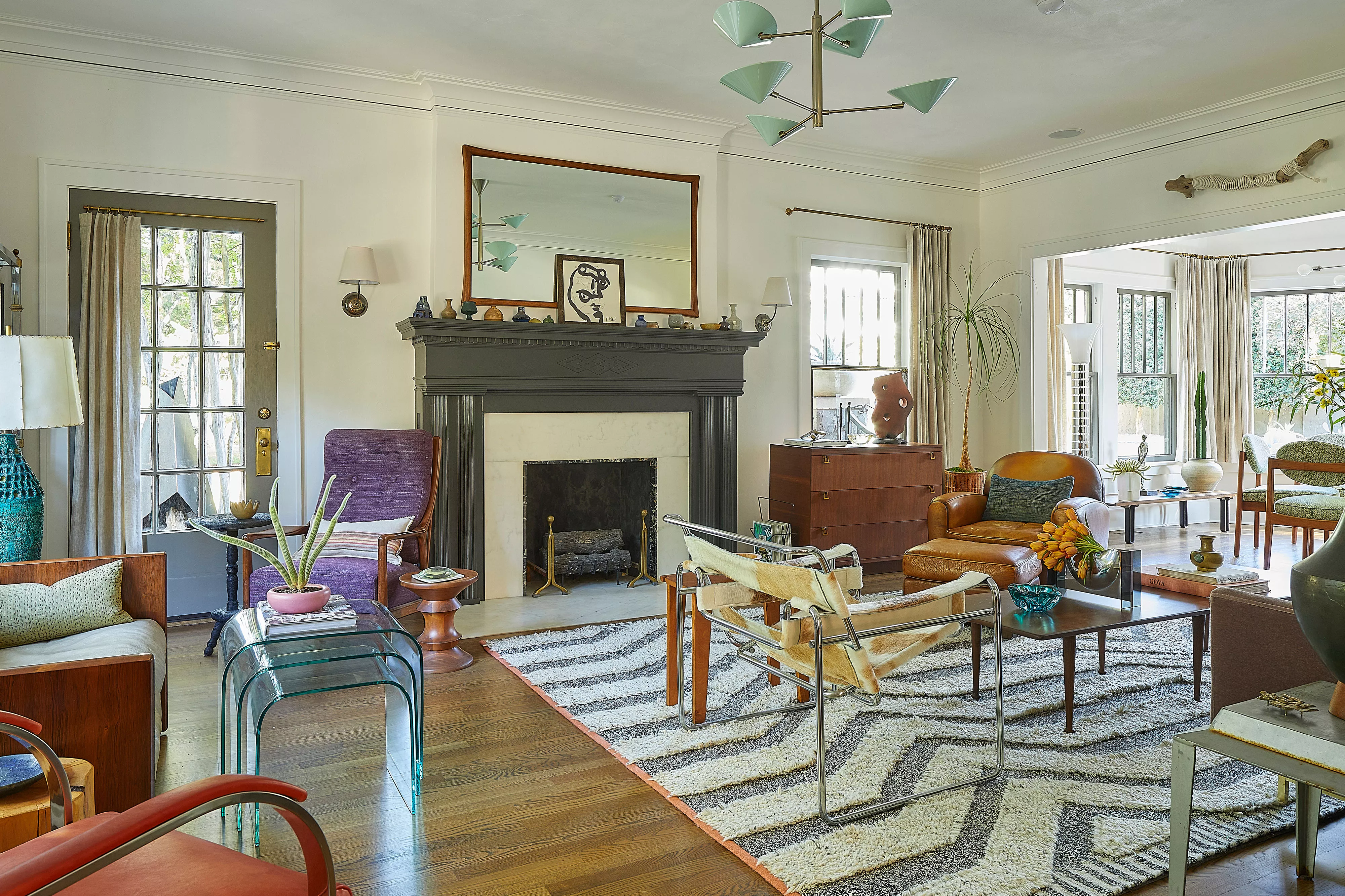
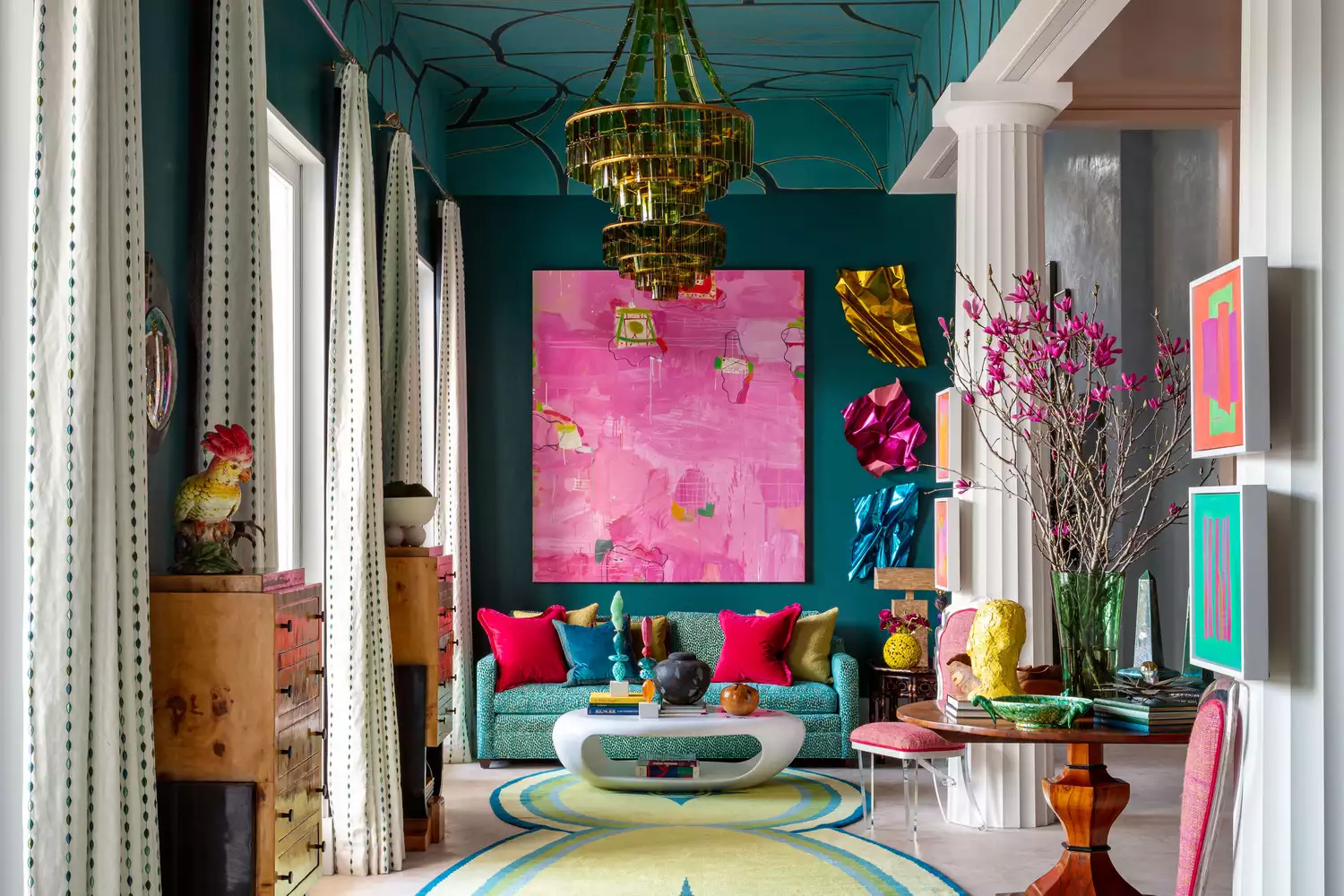
The home design landscape for 2024 is set to move away from uniform, minimalist aesthetics and embrace a more eclectic approach, characterized by the blending of various eras and styles. This shift reflects a growing preference among homeowners for spaces that feel curated over time rather than instantly furnished from a single source. Interior design experts, such as Gideon Mendelson of Mendelson Group, note the increasing popularity of vintage decor, leading to the incorporation of furniture from different decades into modern or traditional homes. This creates an eclectic and personalized aesthetic.
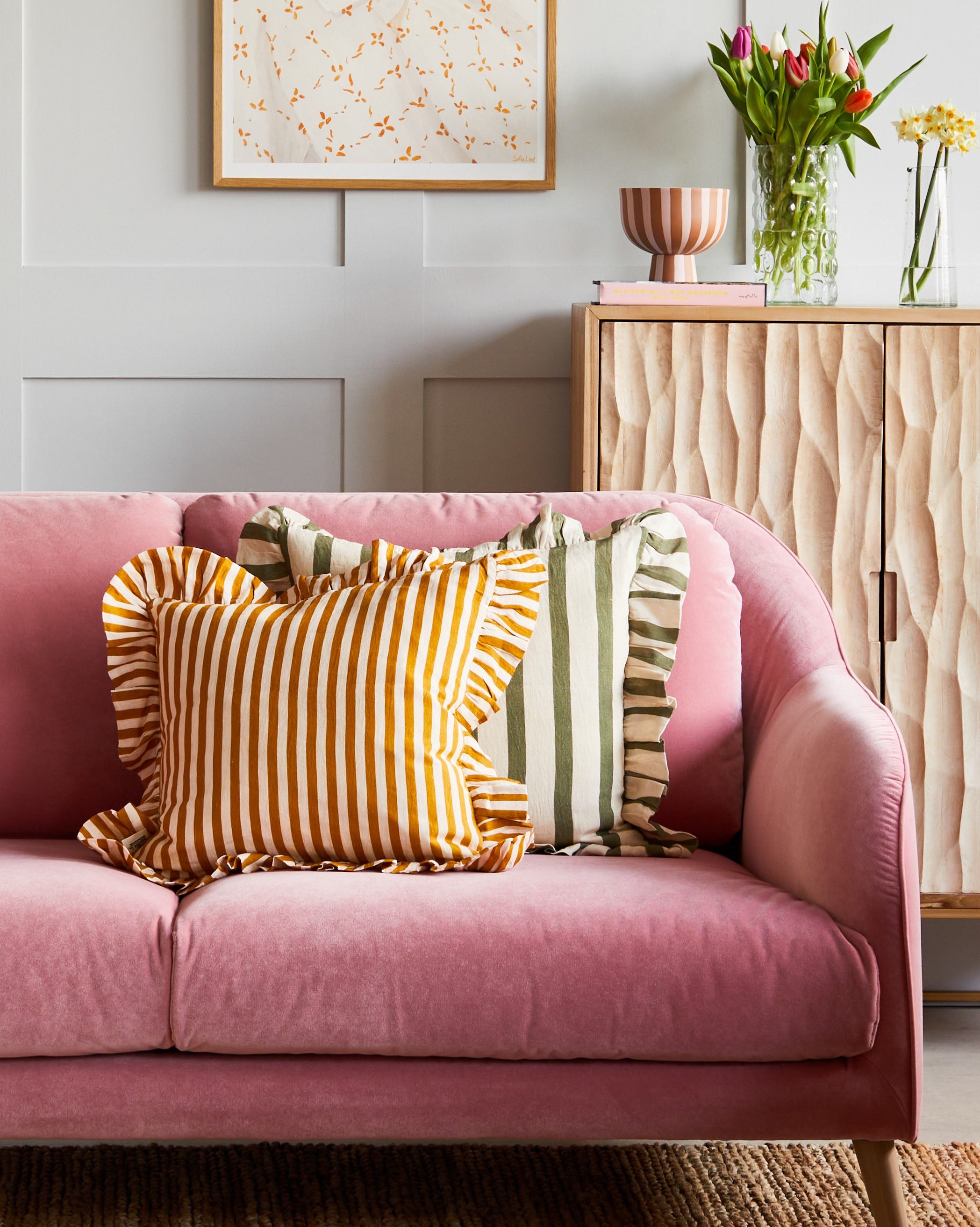
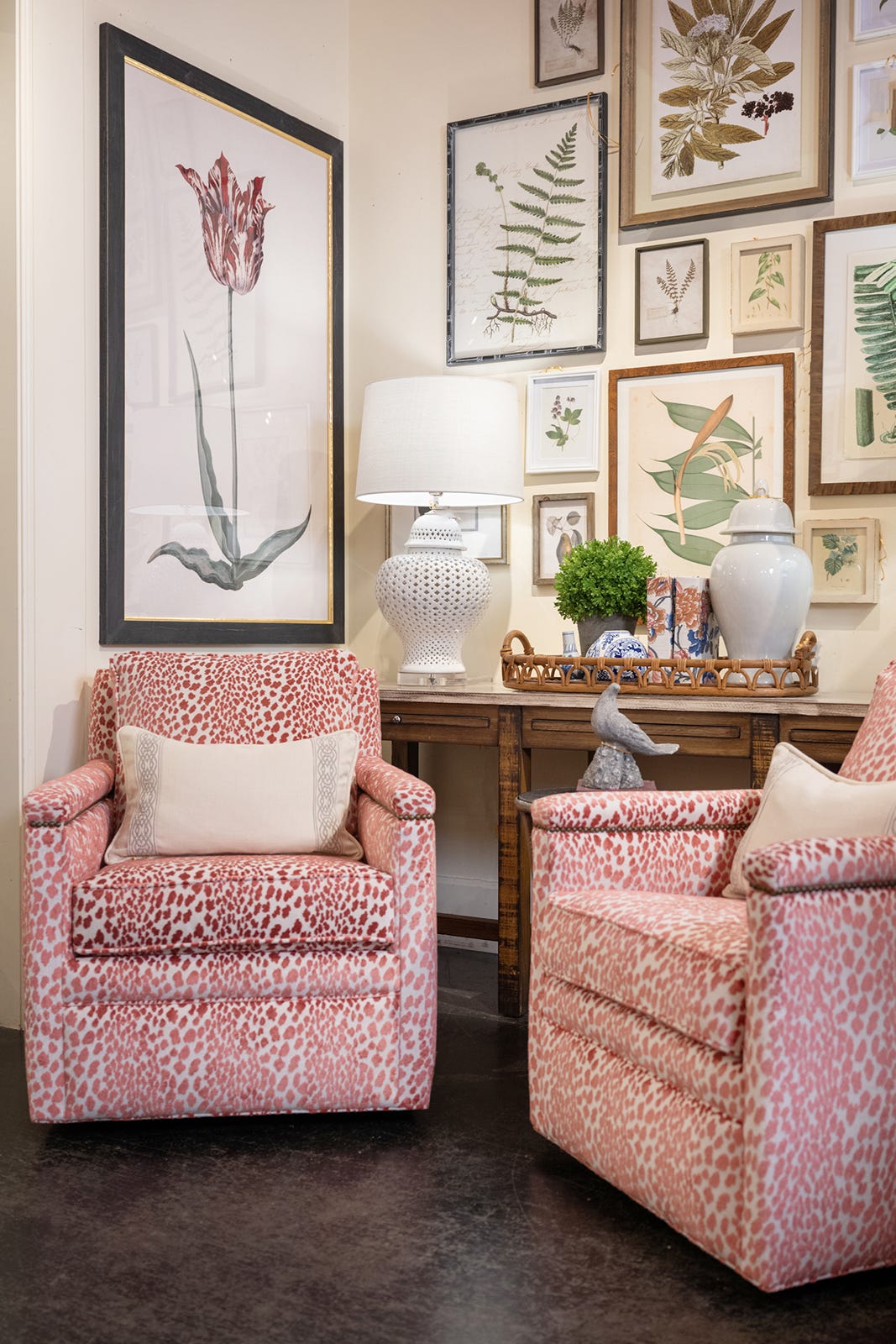
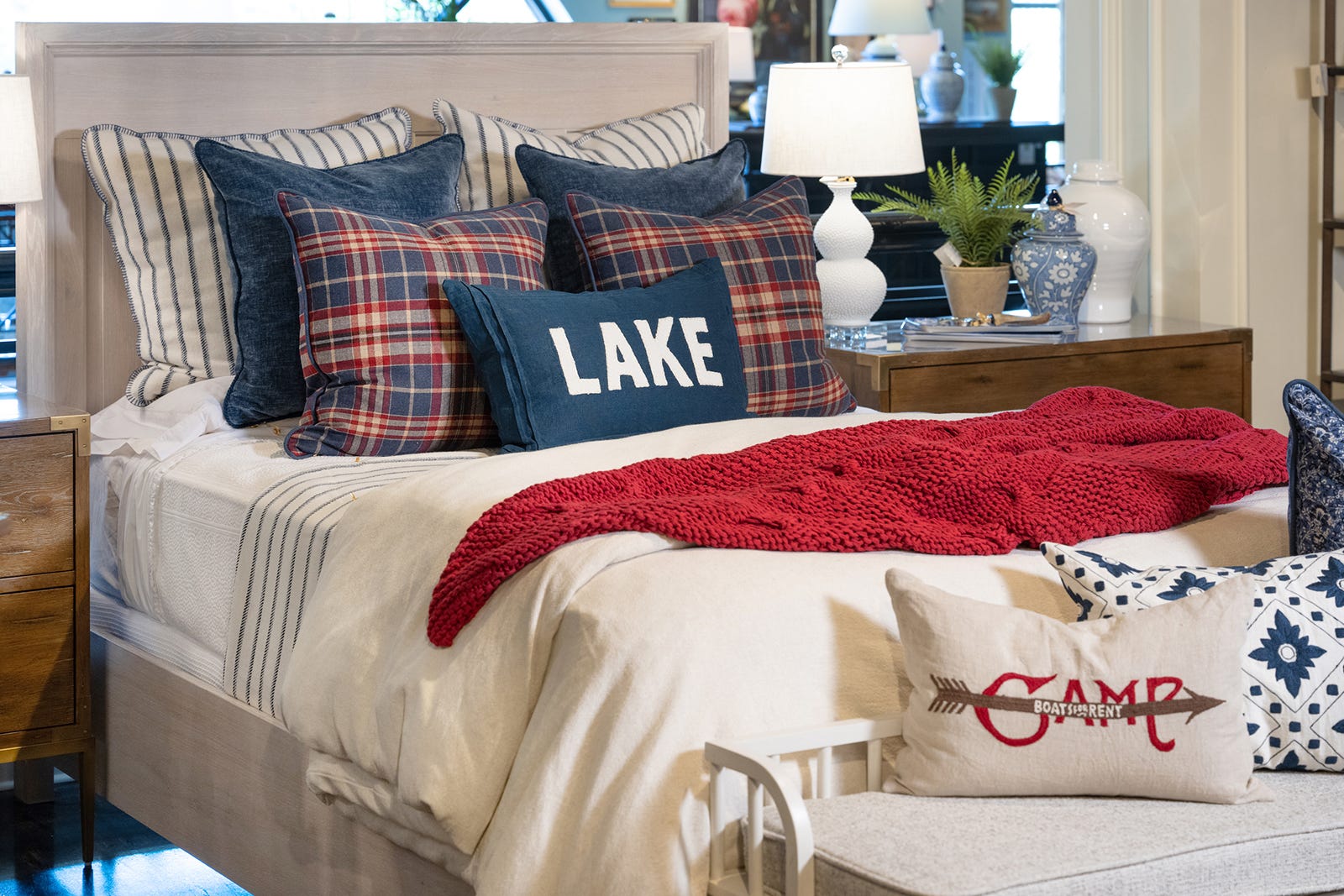
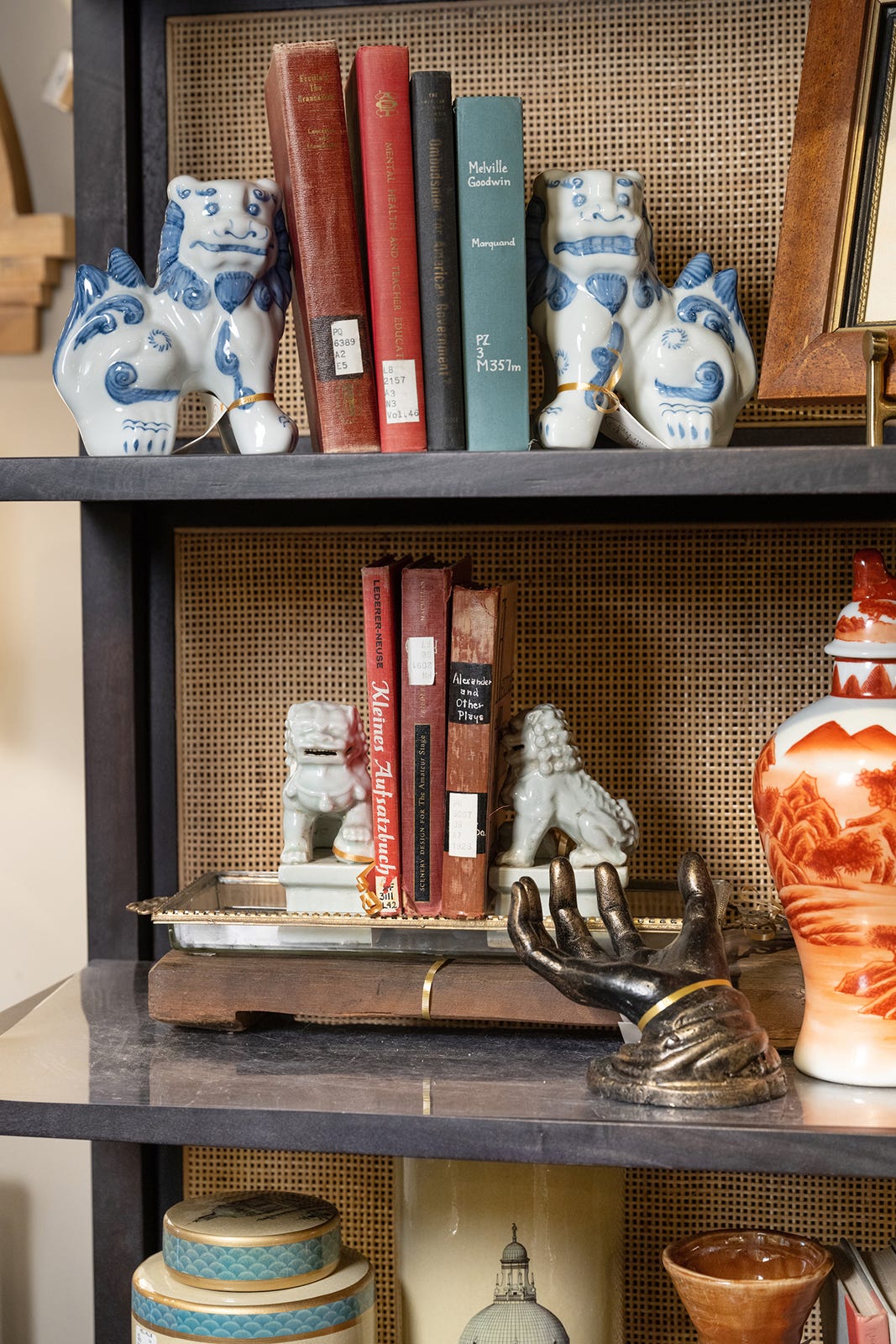
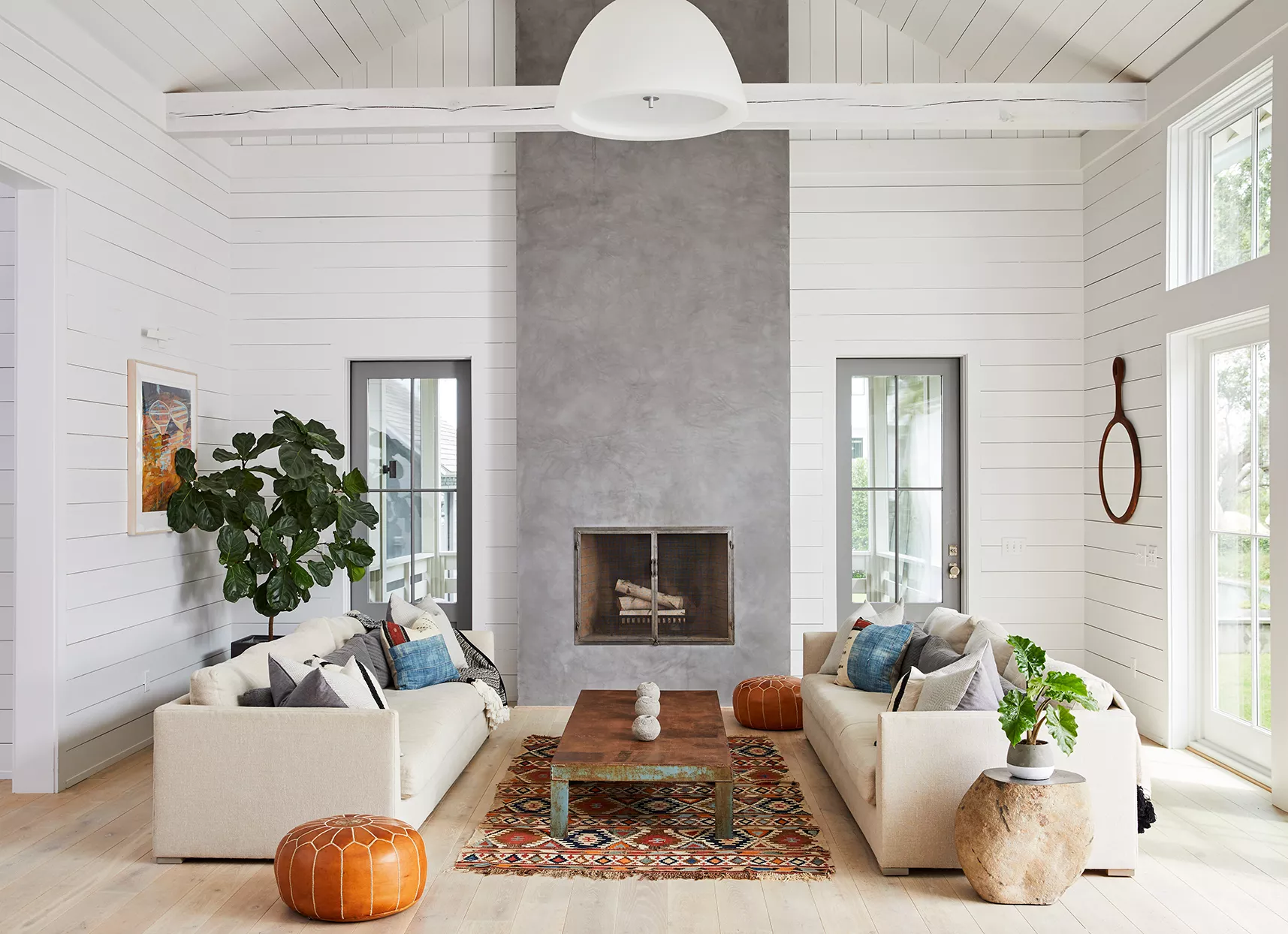
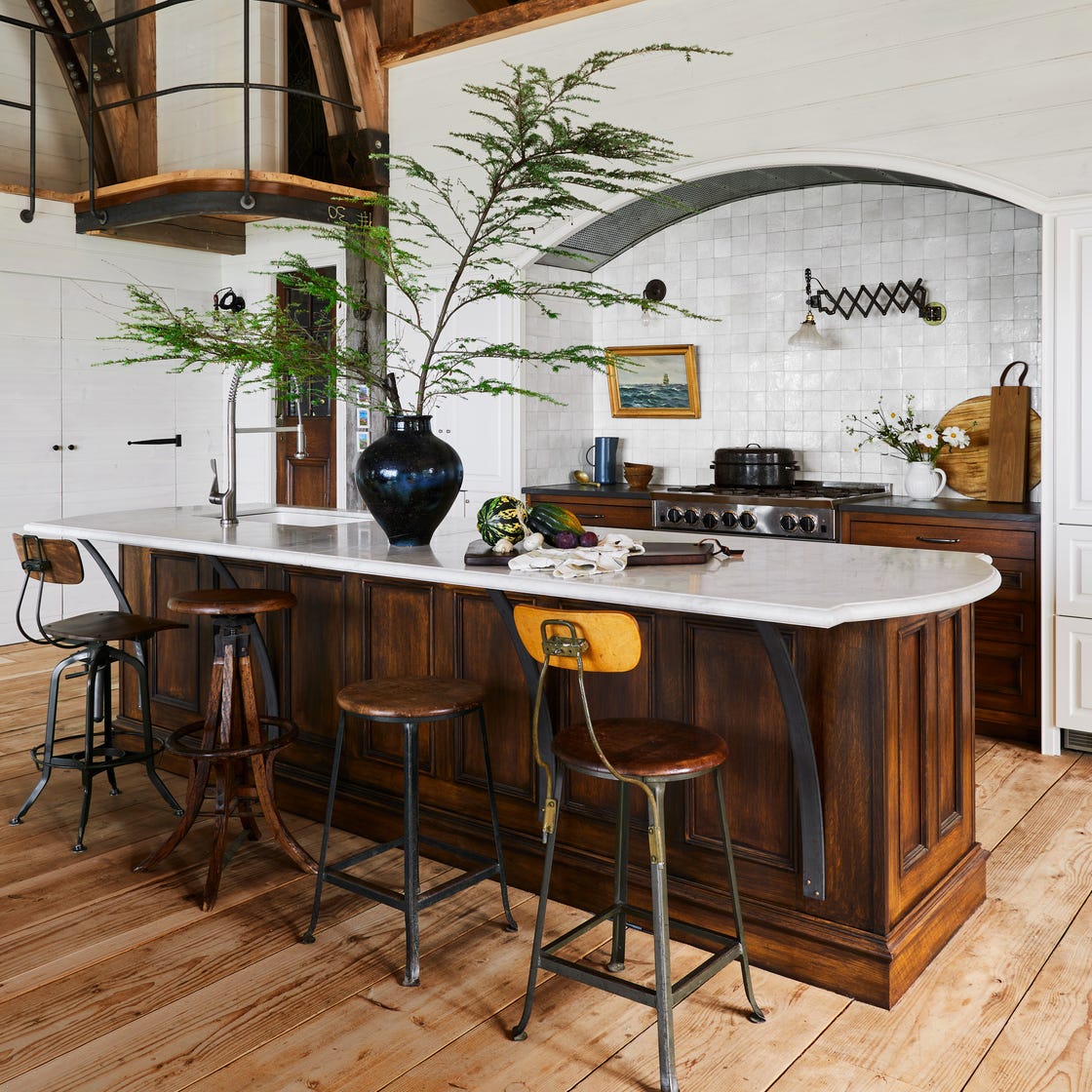
Peter Spalding, cofounder of Daniel House Club, highlights that mixing design decades offers a sense of permanence and comfort, contrasting with past trends where everything appeared new and coordinated. Jennifer Verruto, CEO of Blythe Interiors, emphasizes that this approach of combining collected items leads to authentic, timeless spaces. When integrating different design periods, it is crucial to avoid grouping similar styles together. Verruto advises against placing all antique pieces in one area, as this can make a space feel dated. Instead, existing pieces should be integrated, mixing old and new to achieve a curated look. This involves moving items around to find the right balance, such as pairing a shell-inlay sideboard with a 1920s Japanese tea card and a modern planter with an 1800s Inuit basket. Varying textures is also key, perhaps by combining modern furniture with vintage rugs or fabrics.
Another advantage of this trend is the ability to make simple swaps rather than overhauling an entire design scheme. Spalding suggests that if a particular piece falls out of favor, it can be relocated or replaced without necessitating a complete redecoration. This layered approach allows for the gradual evolution of a home’s aesthetic. Mixing refurbished or found items with new, modern pieces is a favored method for achieving a charming and unique home. However, designers caution against acquiring every available vintage item, instead encouraging homeowners to wait for pieces they genuinely love. Items from the 1970s, such as case goods, art, and upholstery, are highlighted as versatile additions to this mixed style.
A significant aspect of this trend is its inherent sustainability. By giving new life to old pieces or sourcing vintage finds, homeowners contribute to environmental consciousness by reducing the demand for new furniture production. Collaborating with local tradespeople to reimagine old items can transform them into unique treasures within a home. Despite the emphasis on mixing, designers advise against arbitrary combinations. Spalding recommends defining a clear vision for the desired feel of a space using adjectives or a short narrative. Each new piece should align with this overarching design story. Verruto suggests adhering to an 80-20 rule, where 80% of the decor adheres to a base style, and 20% comprises contrasting elements. For items that are harder to harmonize, Mendelson suggests subtle integration, such as layering them with other decor or placing them in less prominent corners.
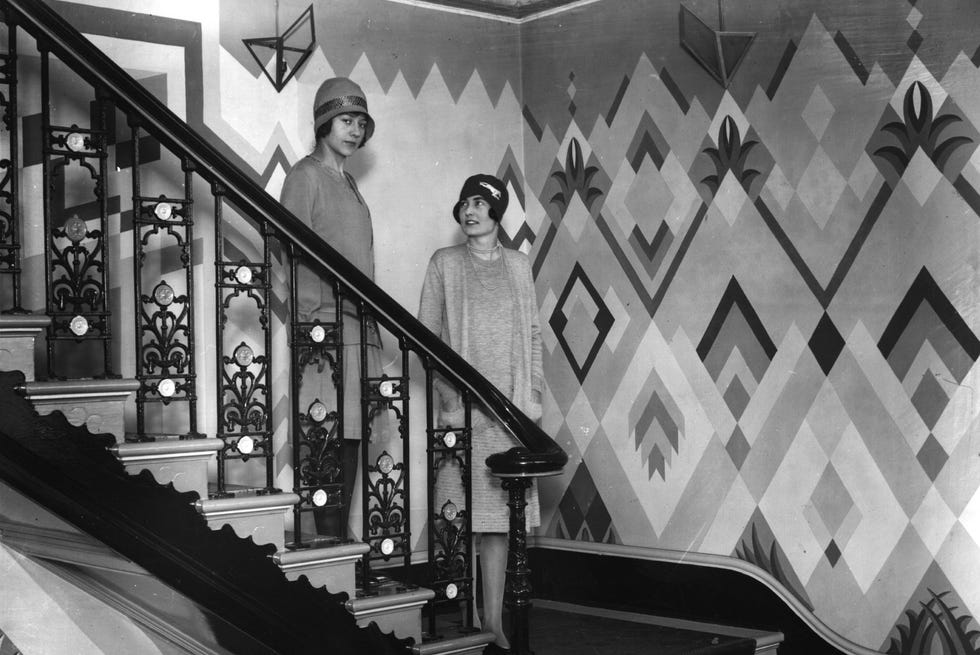
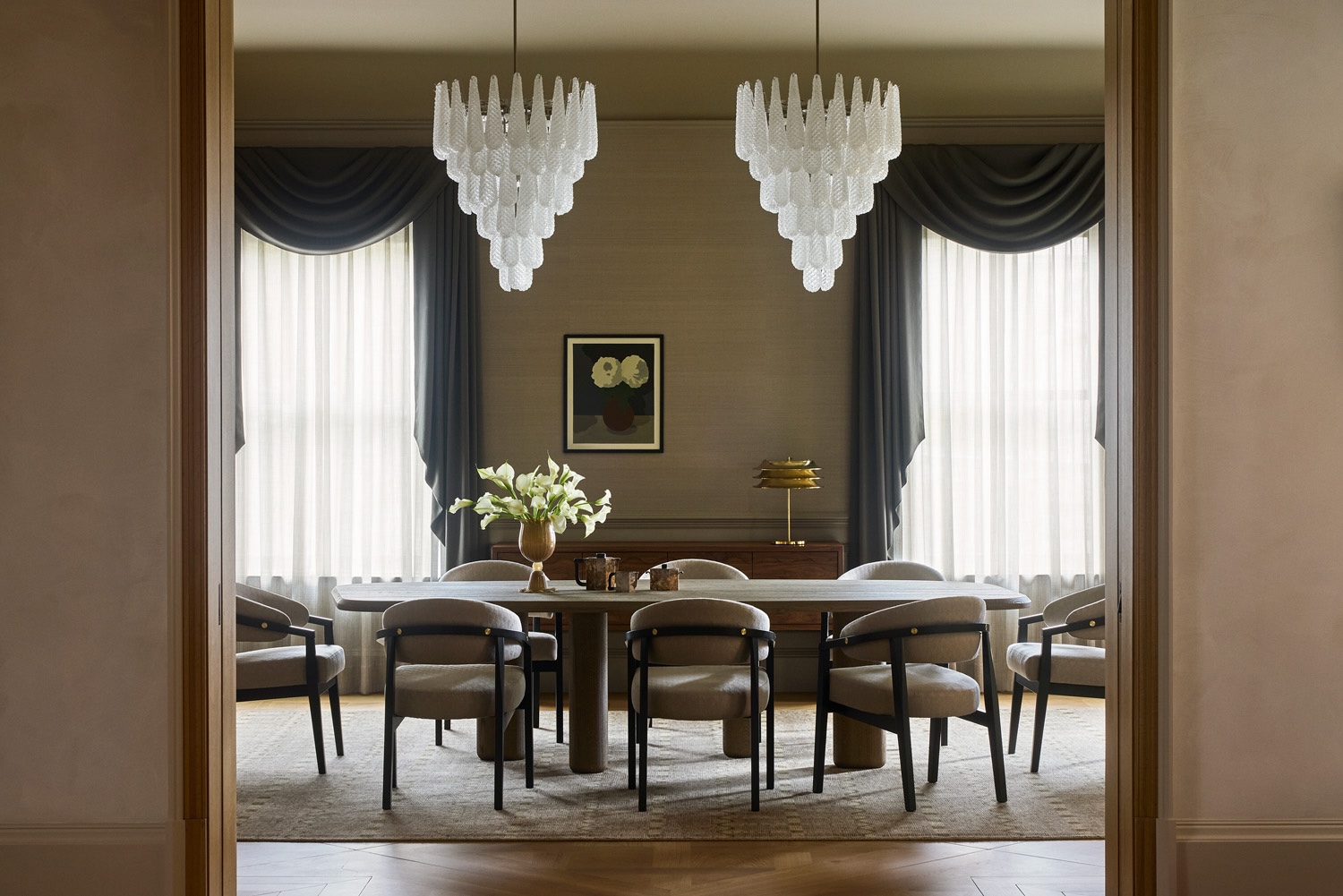
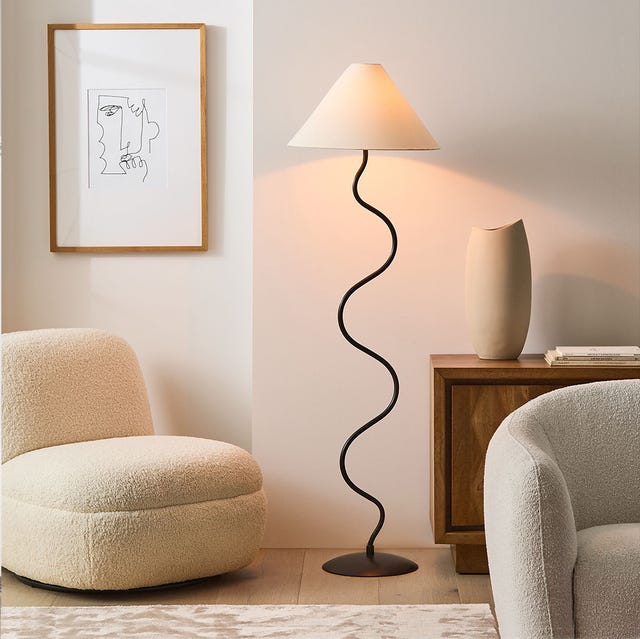
Contemporary elements, particularly art and lighting, still have a place within this multi-decade aesthetic. Spalding notes that new lighting can refresh older items, and art from various periods can coexist harmoniously. Understanding the historical context of design decades can further aid in successful mixing. For instance, the 1970s drew inspiration from the 1940s, and Victorian styles had global influences. Recognizing these connections helps in selecting pieces that naturally complement each other, moving beyond a narrow, decade-specific focus to appreciate broader historical and global style influences.
#HomeDesign #InteriorDecor #VintageDecor #EclecticStyle #SustainableDesign #DesignTrends2024 #MixingDecades #HomeStyling #HomeDesign #InteriorDecor #VintageDecor #EclecticStyle #SustainableDesign #DesignTrends2024 #MixingDecades #HomeStyling
0 comment in total
 No comments yet
You may also like
Home-Design Trends You’ll See Everywhere in 2024

The new interior design trends: 24 looks for 2024

The Vintage Interior Trends Designers Predict Will Define Homes in 2026

8 Home Design Trends the BHG Editors Actually Liked This Year
Interior Designers Say These Decor Trends Will Be Everywhere in 2024
This 1920s-Inspired Design Trend Is Taking Over Homes in Fall 2025
Designers Say These Trends Will Go Out of Style in 2025—Here Are Some to Try Instead

These Are the Home Design Trends You Need to Know About in 2025
10 Home Design Trends Your Clients Will Love in 2024
This Design Trend Is Riding Its Way Into 2024—How to Get the Look in Your Bedroom

2026 Home Design Trends to Watch
2024 home design: 9 gorgeous living room decor ideas the experts swear by
From grandmacore to maximalism — 2025 home decor trends to unite your styles

These Trendy Home Additions Will Look "Dated" in 2026, According to Designers
11 Home Design Trends That Need A Major Revival In 2024 To Infuse Some Personality Back Into Our Homes

Design Forward: 4 Must-Know Interior Trends for 2025

Interior Design Trends of 2024

"It Will Go Out As Quickly As It Came In": Interior Designers Are Sharing Their Honest Takes About 2024 Home Decor Trends
Style at Home: Top 2024 interior design trends making waves across the web
8 Home Design Trends We're Leaving in 2024 (And What to Do Instead)