1/3
Zen Table packs a Japanese rock garden and robotic Zen priest in a table
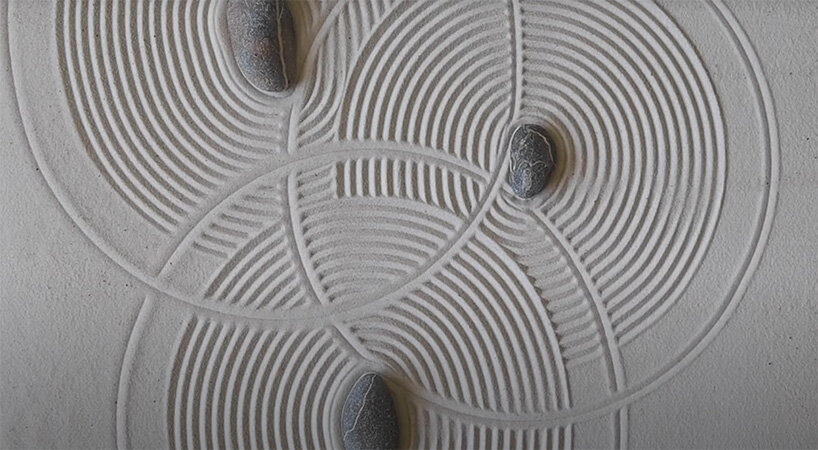
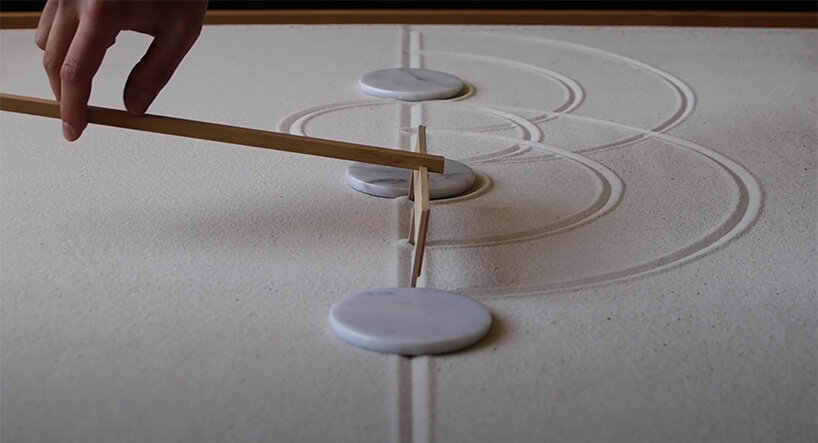
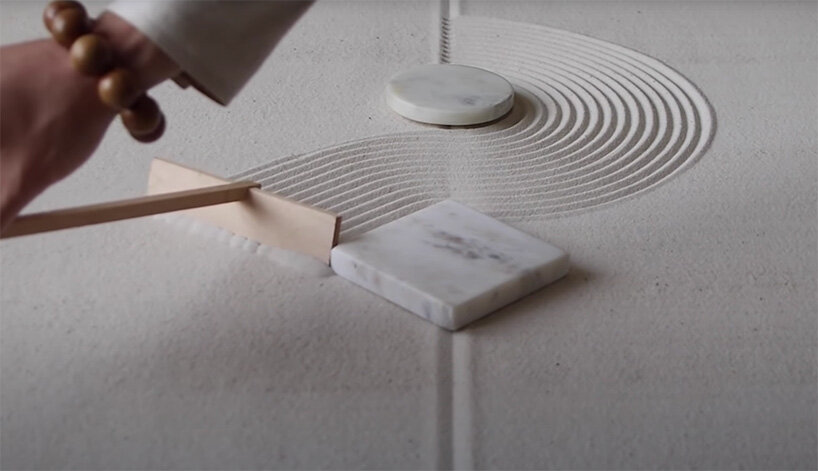
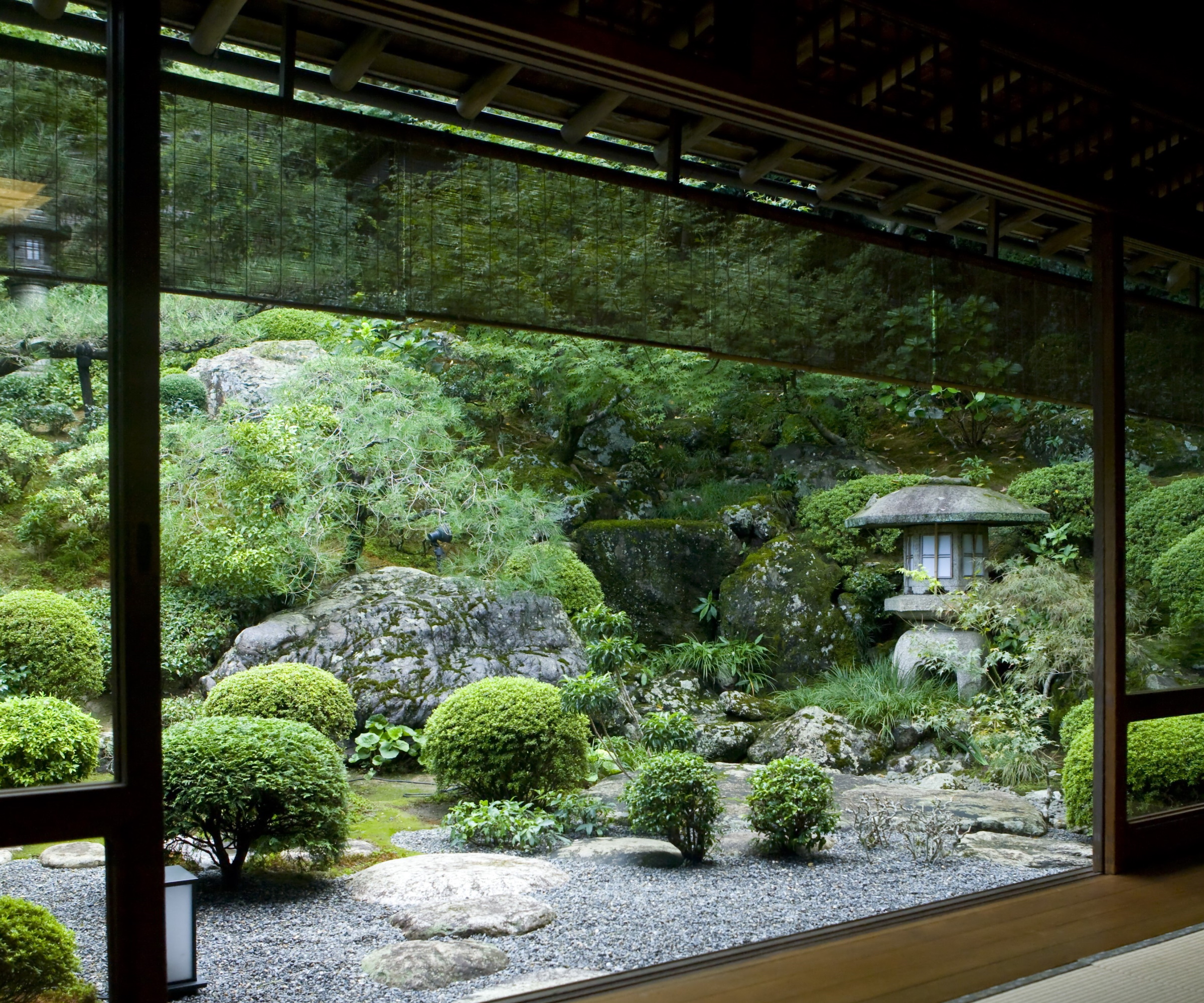
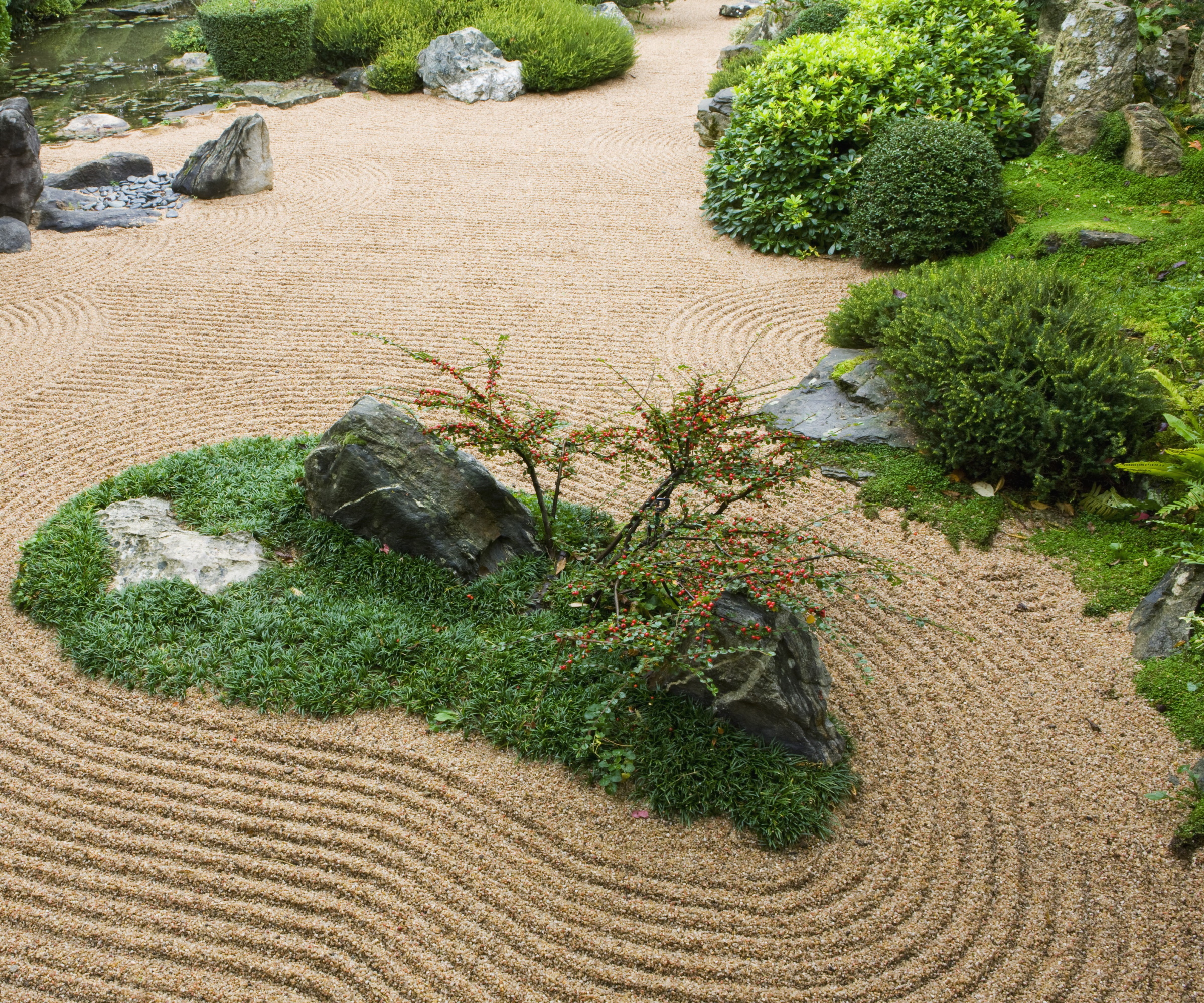
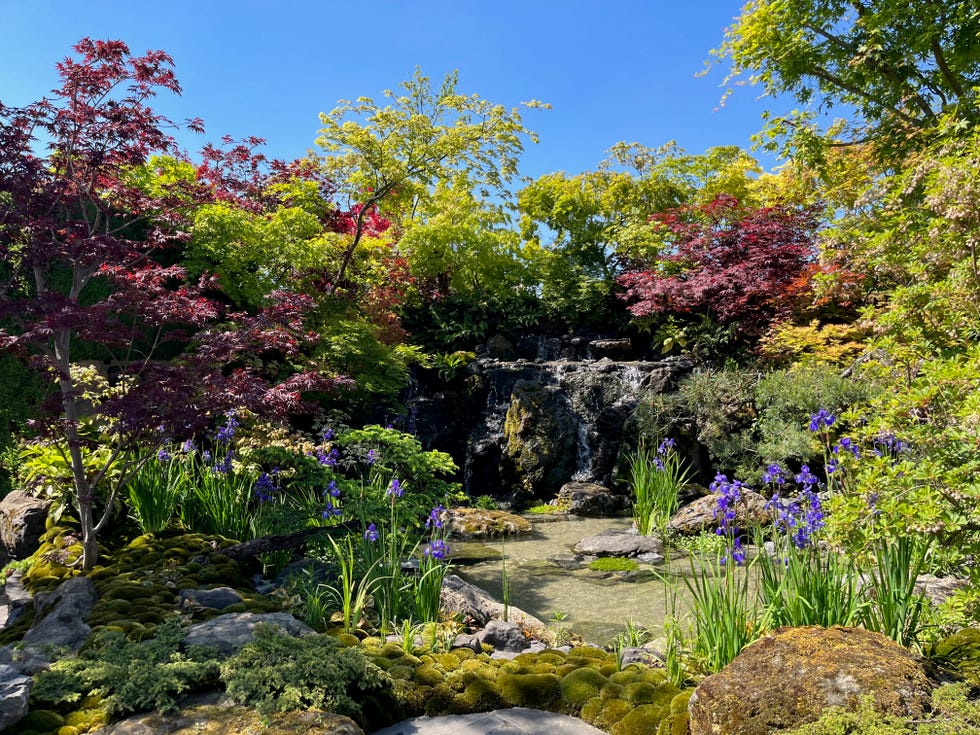
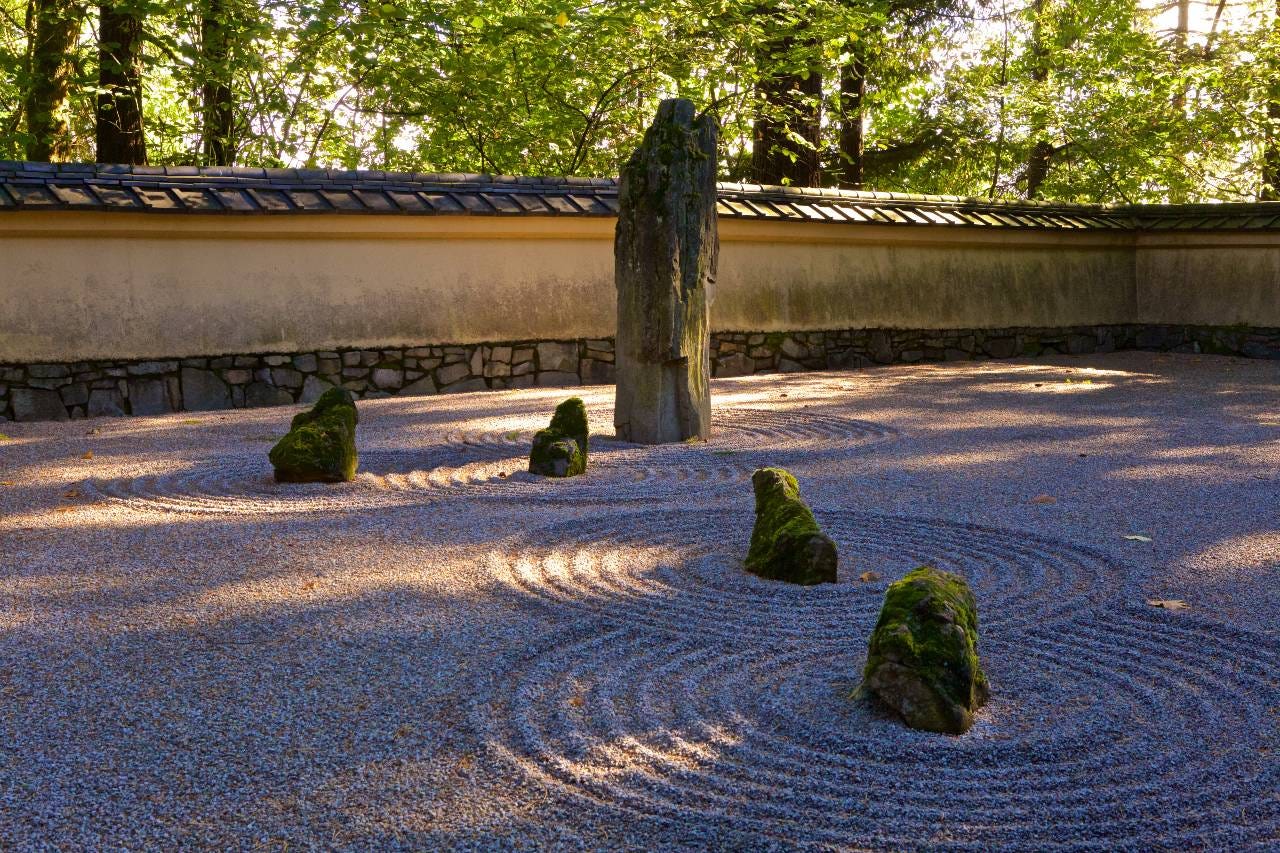
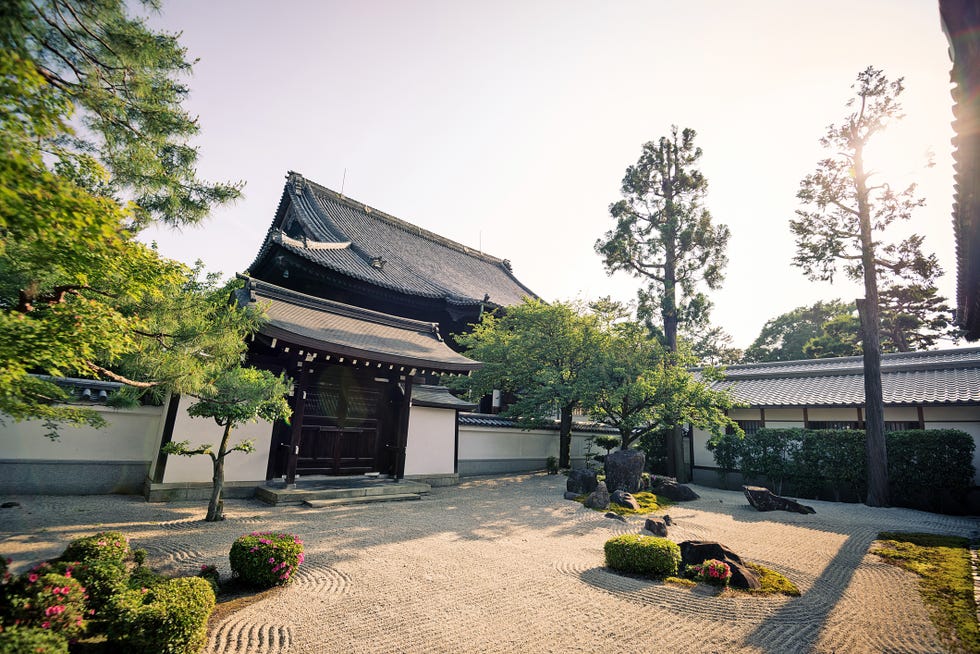
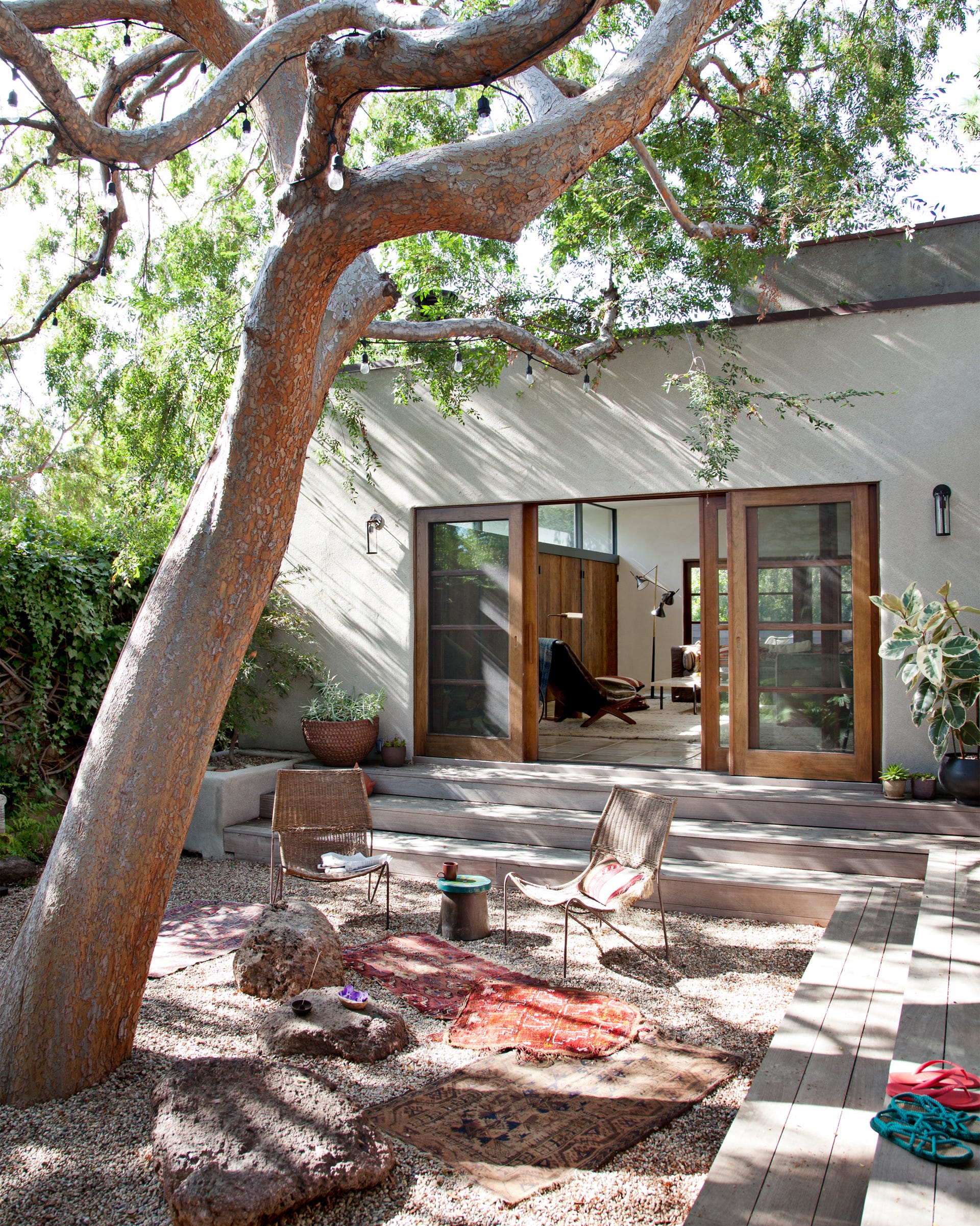
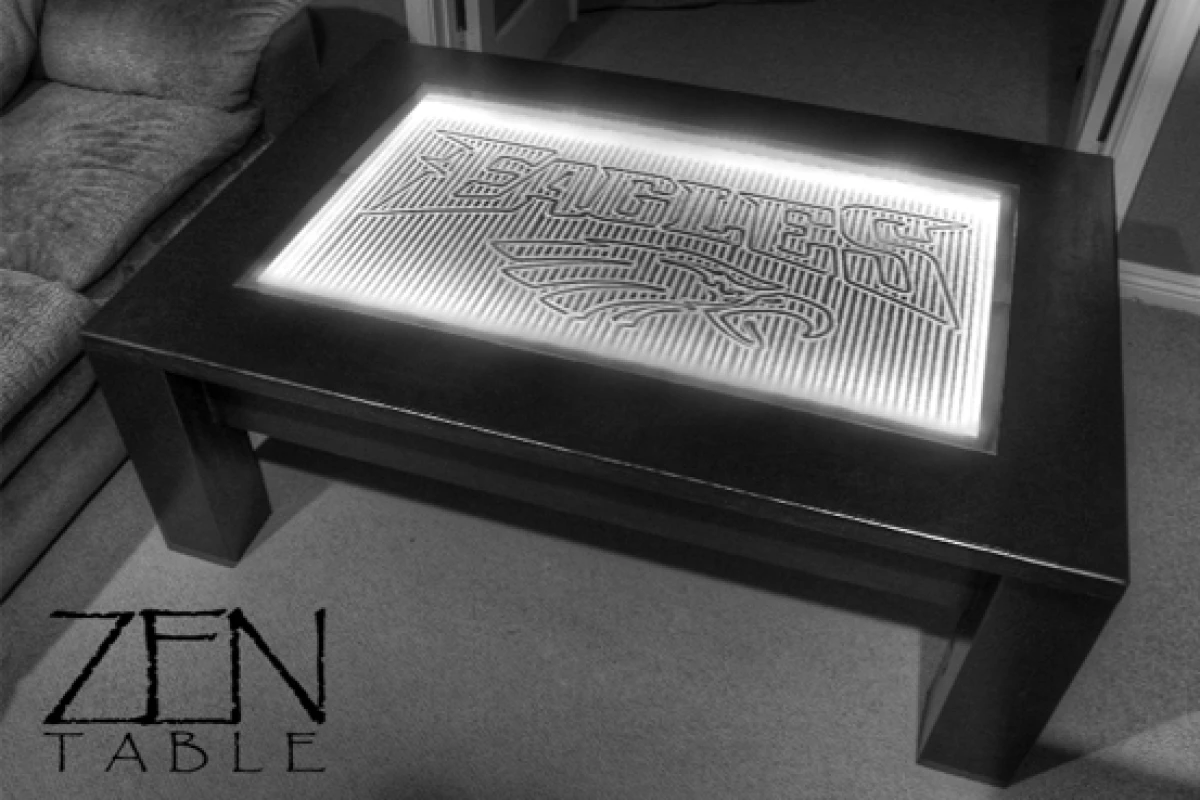
Japanese rock gardens, also known as "dry landscape" or "Zen" gardens, traditionally use gravel or sand to symbolize bodies of water. The practice of raking patterns into this material is a concentration aid for Zen priests, a concept that has been adapted into smaller desktop units for office workers seeking mental clarity. The Zen Table, developed by inventor Simon Hallam, offers a larger, more sophisticated interpretation of this concept, integrating a robotic mechanism to create intricate patterns.
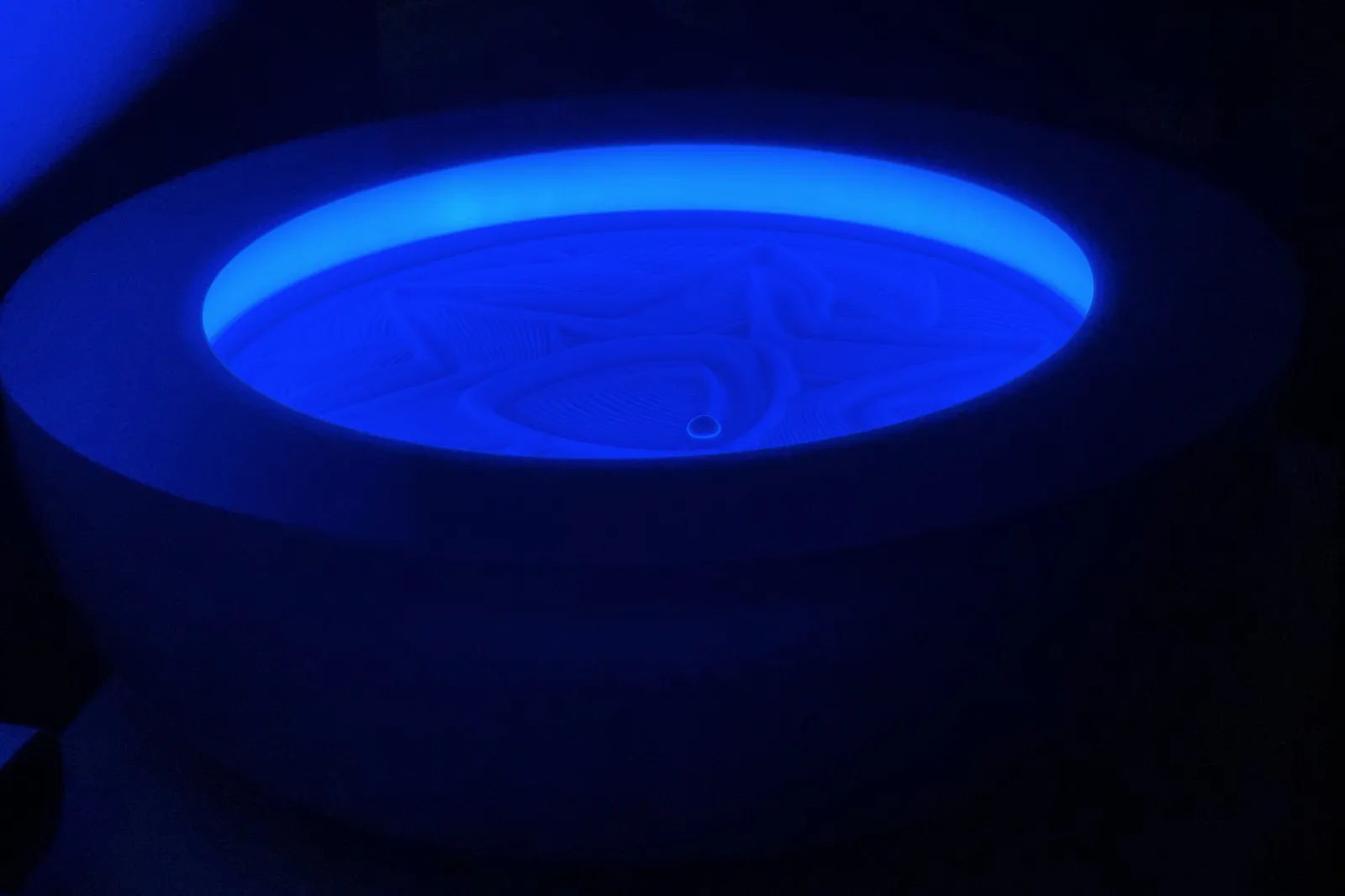
The Zen Table is essentially a table with a tempered glass top that encases a miniature rock garden. Instead of traditional sand or gravel, it utilizes a layer of microscopic silicone beads. Beneath these beads, a sculpting head is connected to a robotic system powered by electric motors. This system allows the sculpting head to move along X- and Y-axes, carving various grooves and patterns into the silicone beads to form diverse designs and images.
The product is planned to be available in two primary versions: a coffee table size and a desktop unit. Both iterations are constructed from FSC certified renewable bamboo, emphasizing a sustainable design approach. They are equipped with an SD card slot, enabling users to upload pre-programmed designs for the robotic system to sculpt. The coffee table variant includes additional features such as dimmable built-in lighting, enhancing its aesthetic appeal and functionality.
A more advanced option for the coffee table is an inbuilt 3G modem. This connectivity allows the table to receive new sculpting programs wirelessly, offering a continuous stream of fresh patterns and images. Furthermore, Hallam intends to release iPhone and Android applications that will enable users to interact with the 3G model, allowing them to play games or display text messages directly on the table's surface, expanding its utility beyond just a decorative item.
Both the coffee table and desktop units can also be controlled directly via a USB connection to a computer, providing an alternative method for managing the patterns. The project successfully secured its initial funding goal of US$25,000 through Kickstarter. Different pledge tiers offered various versions of the Zen Table, from a kit form of the desktop unit at $499 to a fully assembled desktop model at $749. The full-sized Zen Coffee Table was available for $4,999, with the 3G-enabled model priced at $7,499.
Hallam envisions broader applications for this technology, noting its scalability. He suggests that the underlying system could be integrated into other furniture pieces or environments, such as bars, or even desks in hotel lobbies and resorts, to provide a unique and calming aesthetic experience. This innovative approach combines traditional Zen practices with modern robotics and smart technology, offering a dynamic and interactive piece of furniture for contemporary spaces.
#ZenTable #RoboticFurniture #JapaneseRockGarden #HomeDecor #SmartFurniture #KickstarterProject #SustainableDesign #BambooFurniture #DesktopGadget #ZenTable #RoboticFurniture #JapaneseRockGarden #HomeDecor #SmartFurniture #KickstarterProject #SustainableDesign #BambooFurniture #DesktopGadget
0 comment in total
 No comments yet
You may also like

Zen out with a miniature Zen garden
These Meditation Rooms Will Encourage You to Find Inner Serenity

Zen garden ideas – 24 ways to transform your outdoor space into a Japanese-inspired sanctuary for relaxation
Zen-inspired incense cone 'cage' looks interesting even when not in use

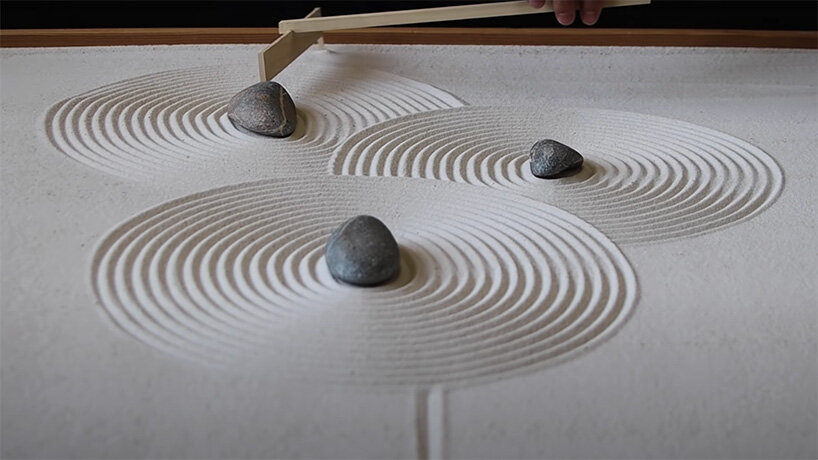
yuki kawae explores meditative patterns in zen garden series
The 8 best plants for an indoor zen garden – what to grow to add calm and tranquility to your home

Add a whole lotta zen to your living room with this table

An Expert Guide to Japanese Zen Gardens

Meditation Space at Home: 4 Ideal Spots to Block Out the World

Take your worries away: How Zen garden can become your daily dose of mindfulness | Hindustan Times

What is a zen garden? This Japanese approach to design can turn backyards into calming sanctuaries

5 homes that bring serene Japanese-inspired design to life

More than just rocks: Symbolic meanings behind common Zen garden elements | Hindustan Times
Automatic Zen Garden? This Connected Kinetic Sand Table Is Modern Relaxation

7 clever design tips to borrow from this zen retreat in California
wood and stone shape mushroom-like tables in batten and kamp x henry d'ath collaboration

Michigan’s Slice of Japan: Where Design Connects Humanity with Nature
Bonsai: Seating Inspired by Japanese Culture


Experts reveal how to plant a Japanese-inspired garden

20 Zen Garden Ideas to Transform Your Backyard Into a Peaceful Oasis