1/2
The Zen Must Flow From Arrakis Sand Table
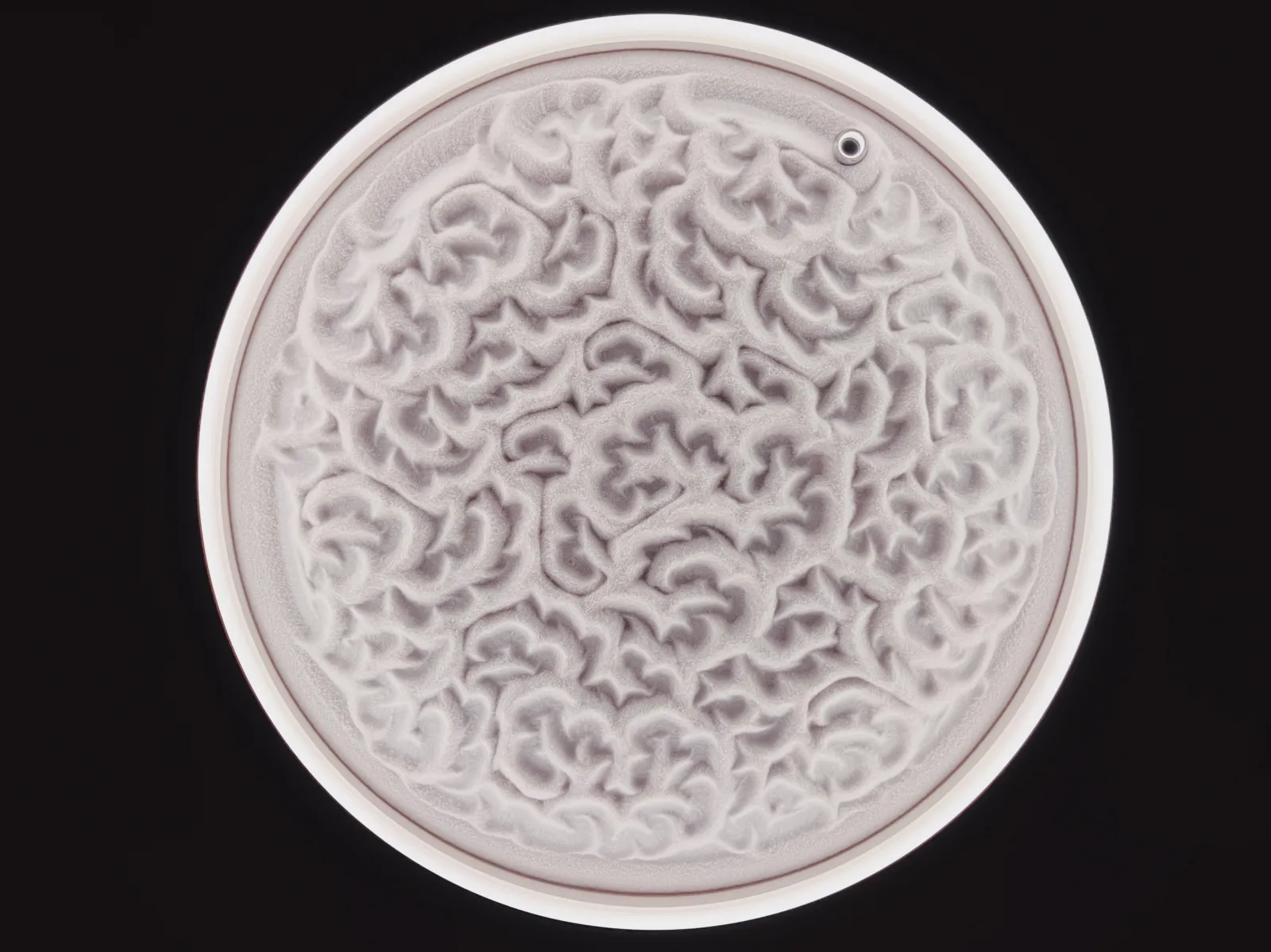

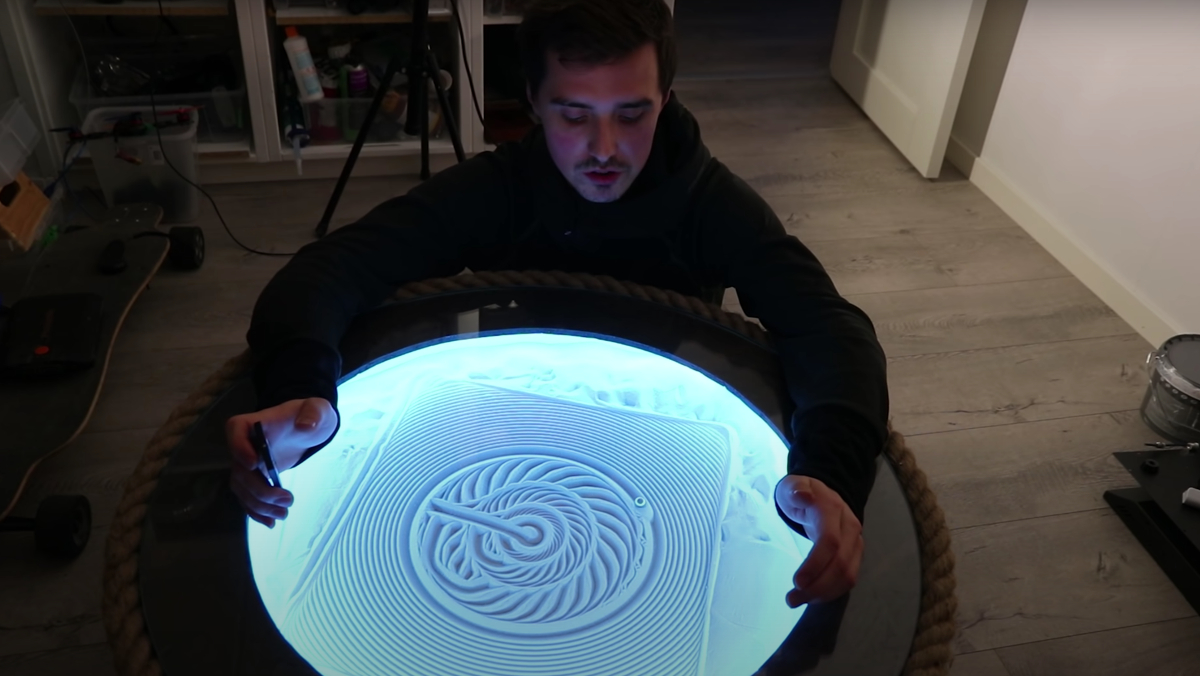
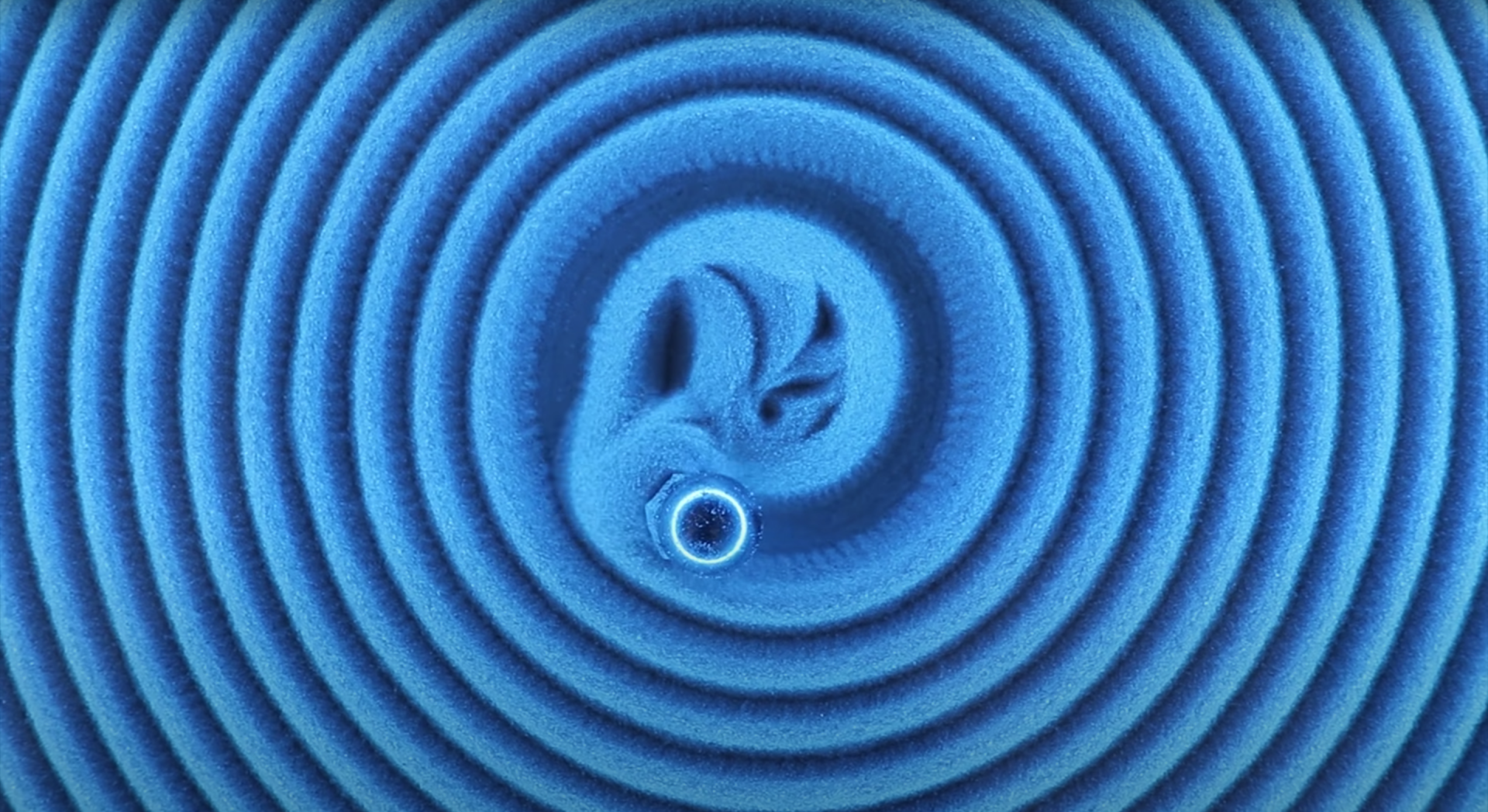
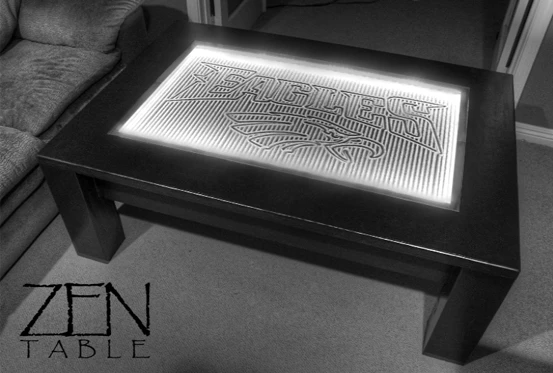
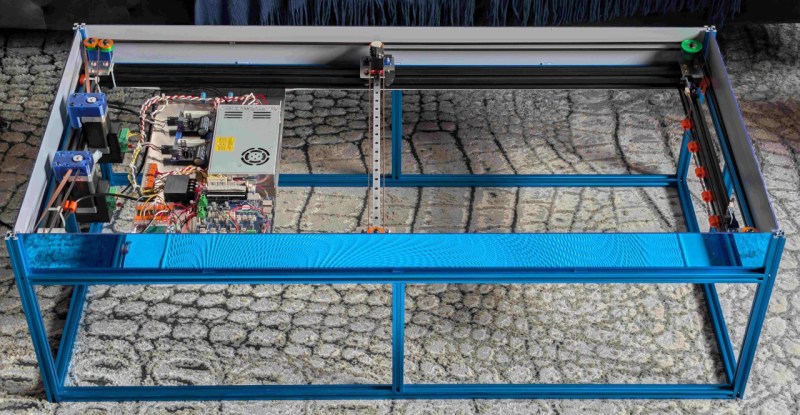
This article details the construction and evolution of Mark Rehorst's Arrakis 3.0 sand table, a robotic sand table inspired by Japanese Zen gardens and the fictional planet Arrakis from 'Dune.' The device creates intricate patterns in sand using a rolling metal ball, propelled by a powerful neodymium magnet hidden beneath the tabletop. This magnetic movement is controlled by a CoreXY motion system, which borrows heavily from modern 3D printer technology, utilizing G6 belts, a Duet3D mainboard, NEMA 17 steppers, and 3D-printed components to assemble its aluminum extrusions. This design allows for high-speed operation, with the ball capable of moving at 2000 mm/s, although Rehorst typically opts for slower speeds, around 1000 mm/s for general movement and 200 mm/s for detailed pattern drawing to prevent sand displacement.
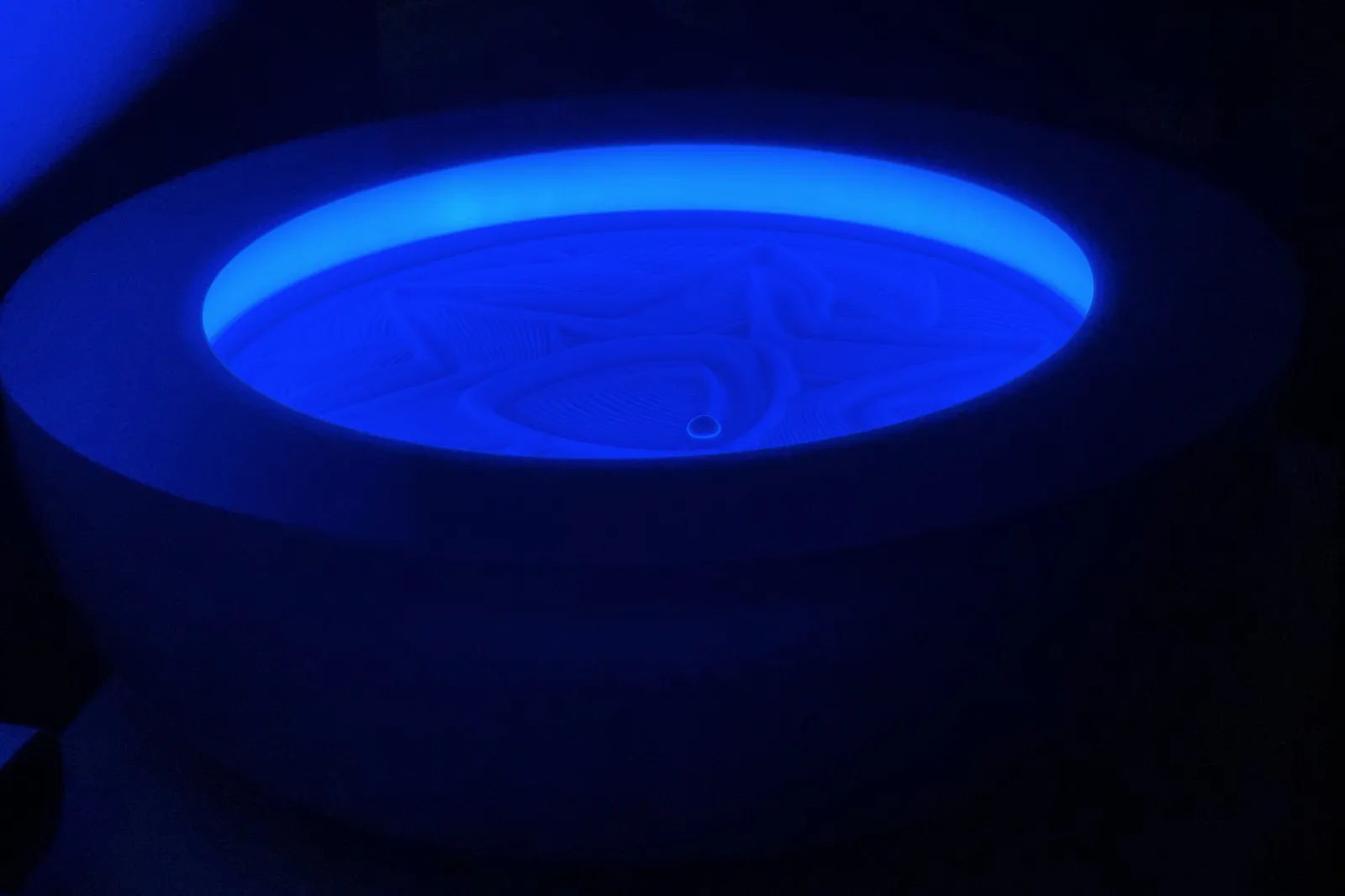
The Arrakis 3.0 represents a significant iteration in Rehorst's sand table projects, designed with improved construction and portability in mind. Measuring 2 feet by 4 feet (approximately 61 cm by 122 cm), the table is sized to easily fit through doors and accommodate an off-the-shelf coffee table glass slab, a practical consideration stemming from lessons learned in previous versions. This iterative design process highlights the benefits of learning from past projects, with the current model showing clear advancements from a 2020 version. While CoreXY is a popular choice for such projects due to its efficiency, the article also notes the existence of alternative motion systems in other sand tables, such as polar mechanisms and SCARA arms, demonstrating the diverse engineering approaches possible.
A key innovation in the Arrakis 3.0 is the integration of iHSV servomotors instead of traditional stepper motors. These servomotors, which are NEMA 17 steppers with built-in drivers and 1000-line optical encoders, operate in a closed-loop system. From the perspective of the Duet controller, they function like standard steppers, accepting step, direction, and enable signals. However, their ability to rotate at 3000 RPM with consistent torque allows the magnetic ball to achieve much higher speeds—up to 2000 mm/s—compared to the 500 mm/s limit of older NEMA 23 steppers. This technological upgrade also contributes to a quieter operation, as the servomotors handle higher speeds without the significant noise associated with conventional steppers. The patterns drawn by the table are generated using Sandify software, with a custom Perl post-processor developed by Rehorst to assign dual speeds for different parts of the pattern, optimizing both the efficiency of movement and the precision of the sand drawings.
#Robotics #SandTable #CoreXY #Duet3D #3DPrinting #ZenGarden #Servomotors #HomeDecor #DIYProjects #Robotics #SandTable #CoreXY #Duet3D #3DPrinting #ZenGarden #Servomotors #HomeDecor #DIYProjects
0 comment in total
 No comments yet
You may also like
Automatic Zen Garden? This Connected Kinetic Sand Table Is Modern Relaxation

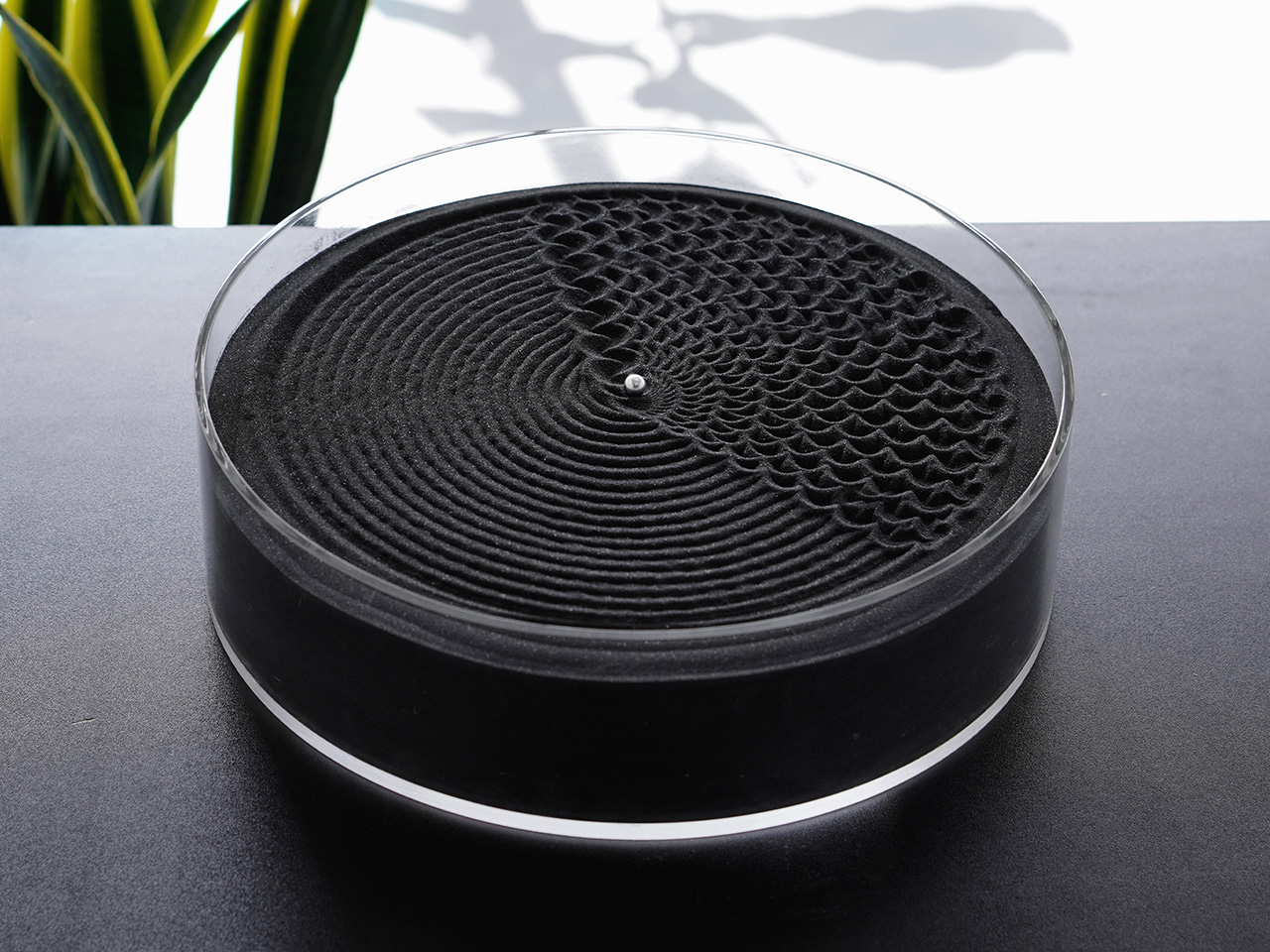
Portable Zen Garden: Crystal SANDSARA Perfectly Blends Meditation, Creation, and Automation

Turn Your Backyard (or Balcony) Into a Zen Oasis, Starting With This $15 Planter

Zen and Now

Kinetic Art Table Creates and Erases Endless Zen Patterns

Terrazzo enjoying a resurgence
Zen Table packs a Japanese rock garden and robotic Zen priest in a table