1/2
How to Create a Home Meditation Space
The article addresses the growing need for meditation amidst the challenges of being confined to homes, emphasizing the benefits of meditation for mental clarity and well-being. It highlights the diversity of meditation types, including Zen, Vipassana, Samatha, Transcendental, mindfulness, and guided meditation, noting their overlapping principles and the less dogmatic nature of mindfulness. The core focus is on establishing a personal and effective home meditation space, the configuration of which can be tailored to the specific type of meditation practiced.
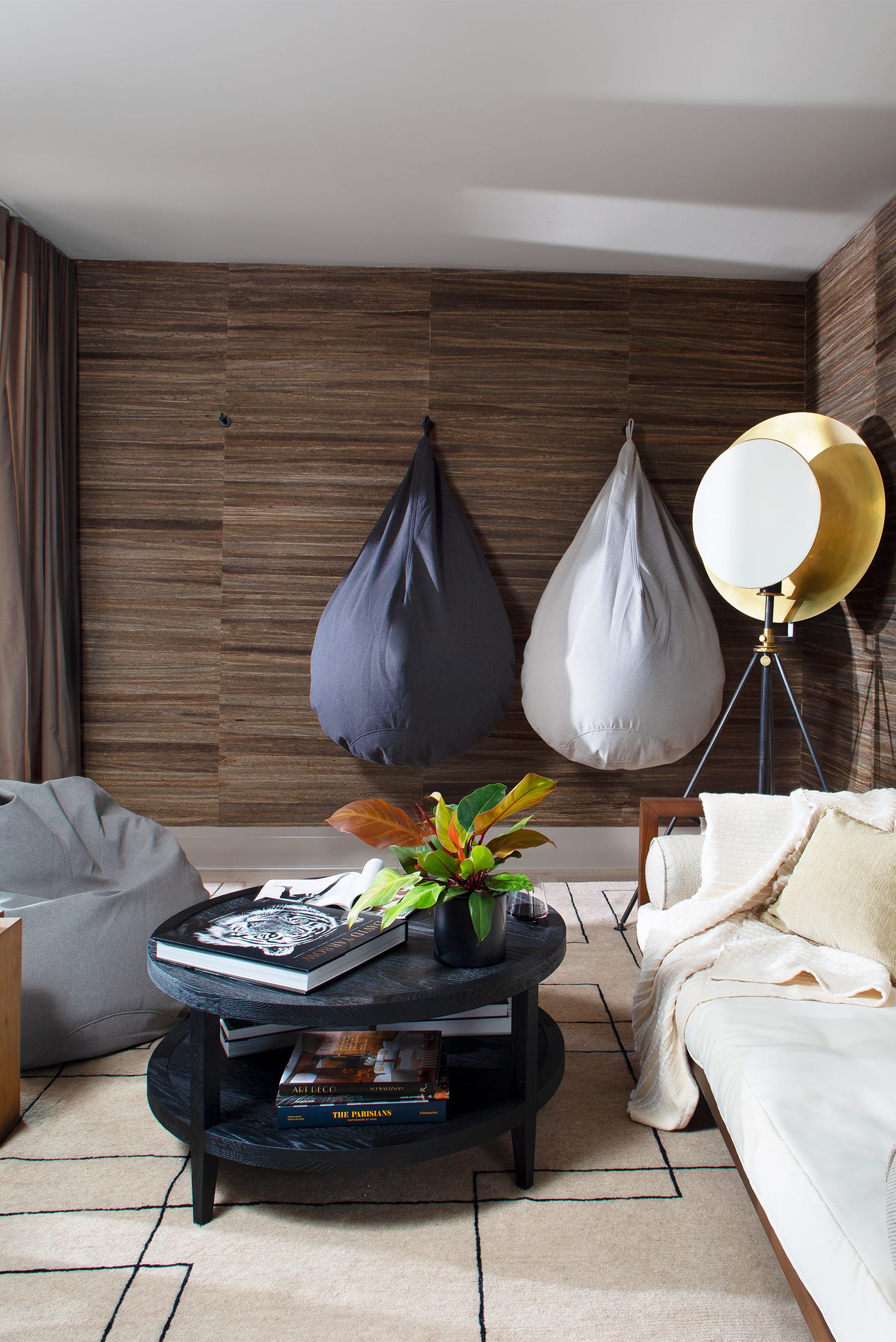
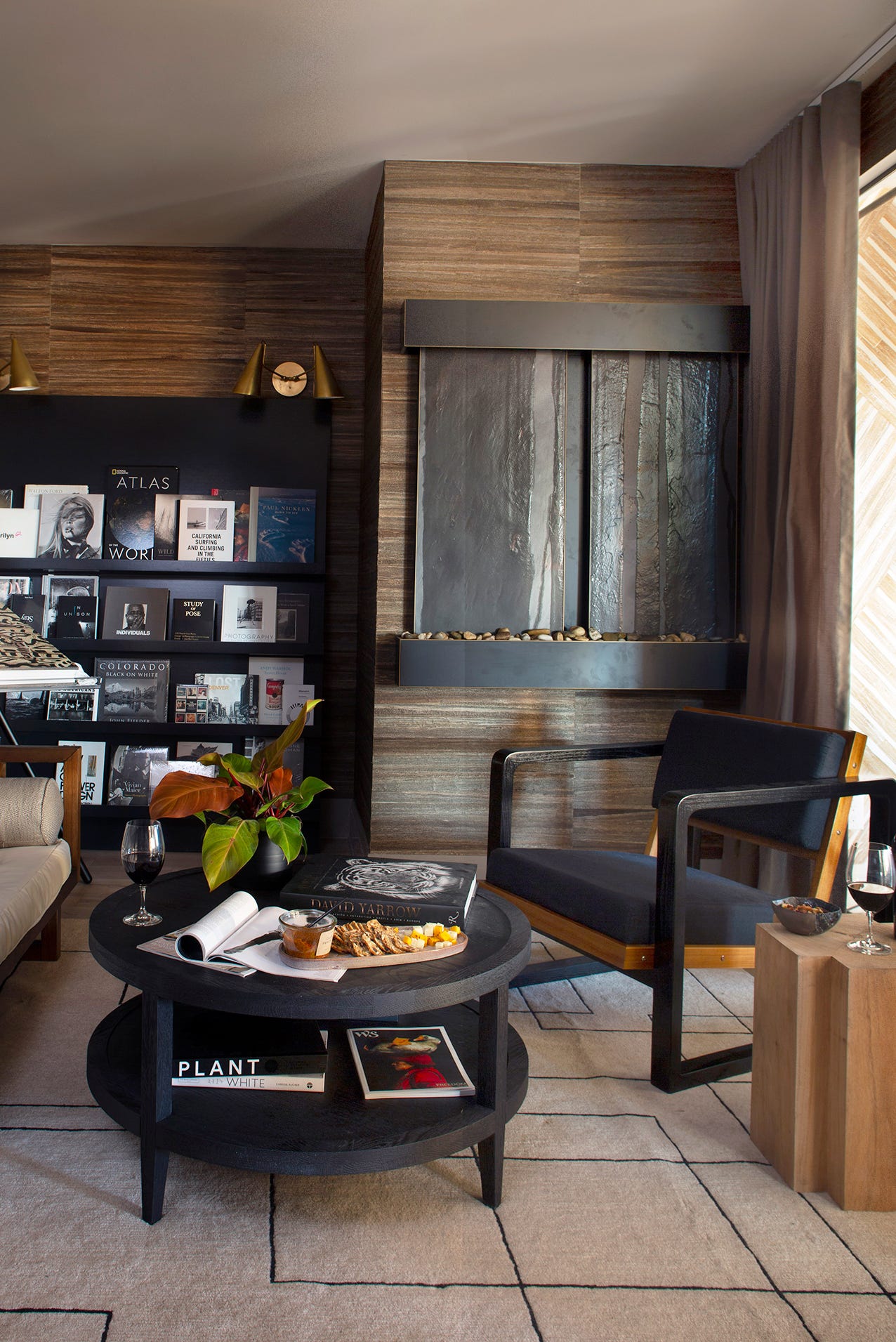
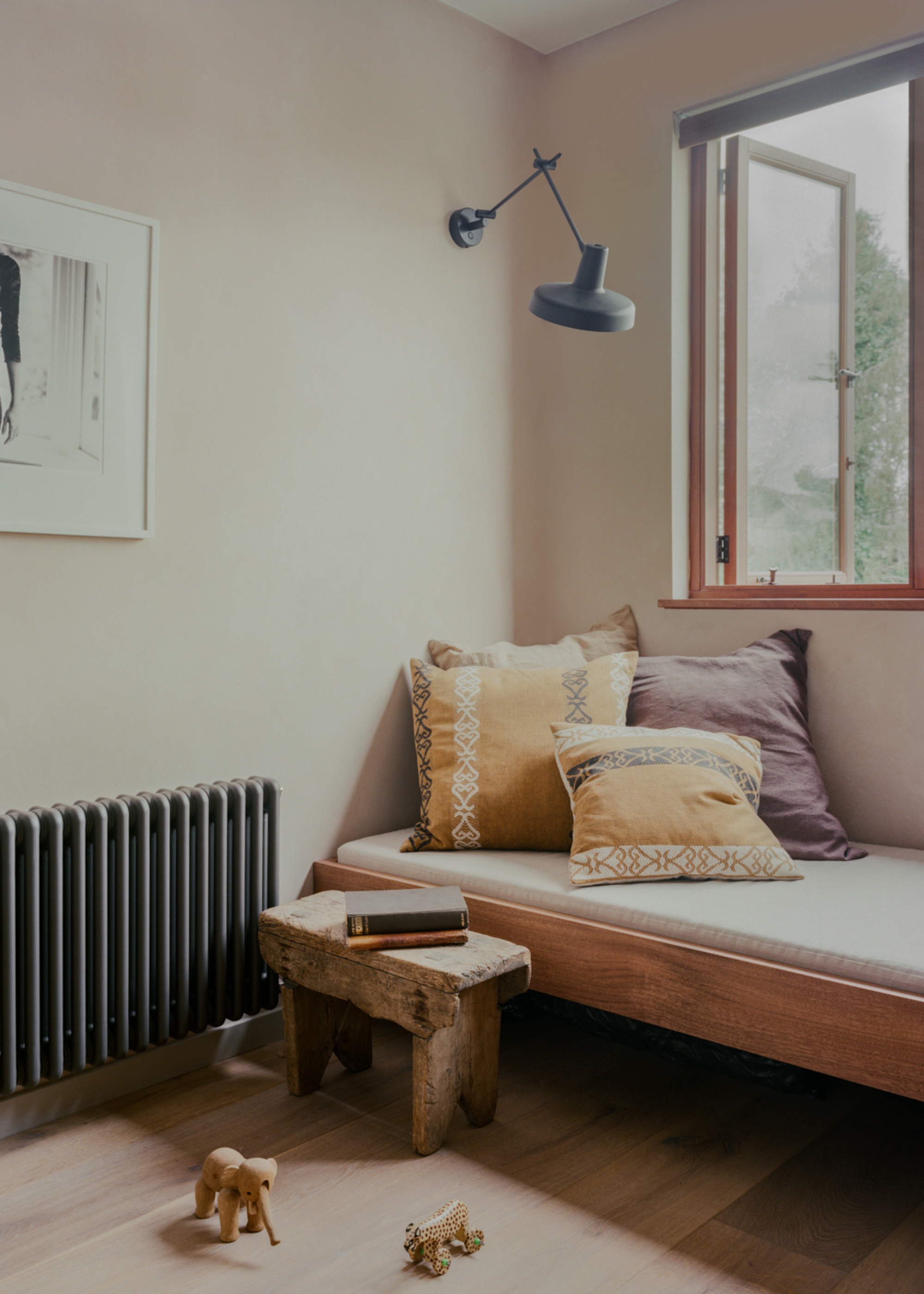
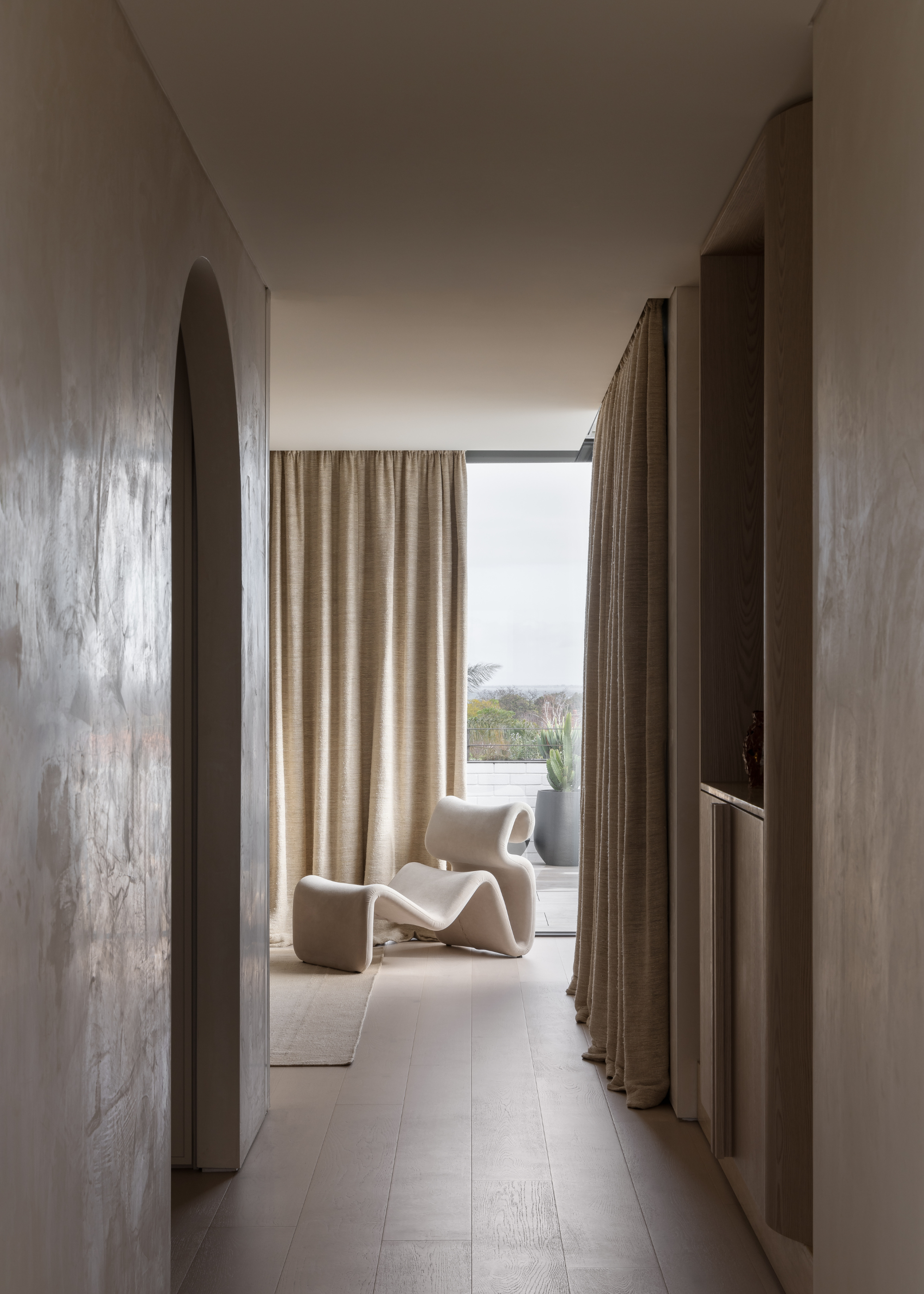
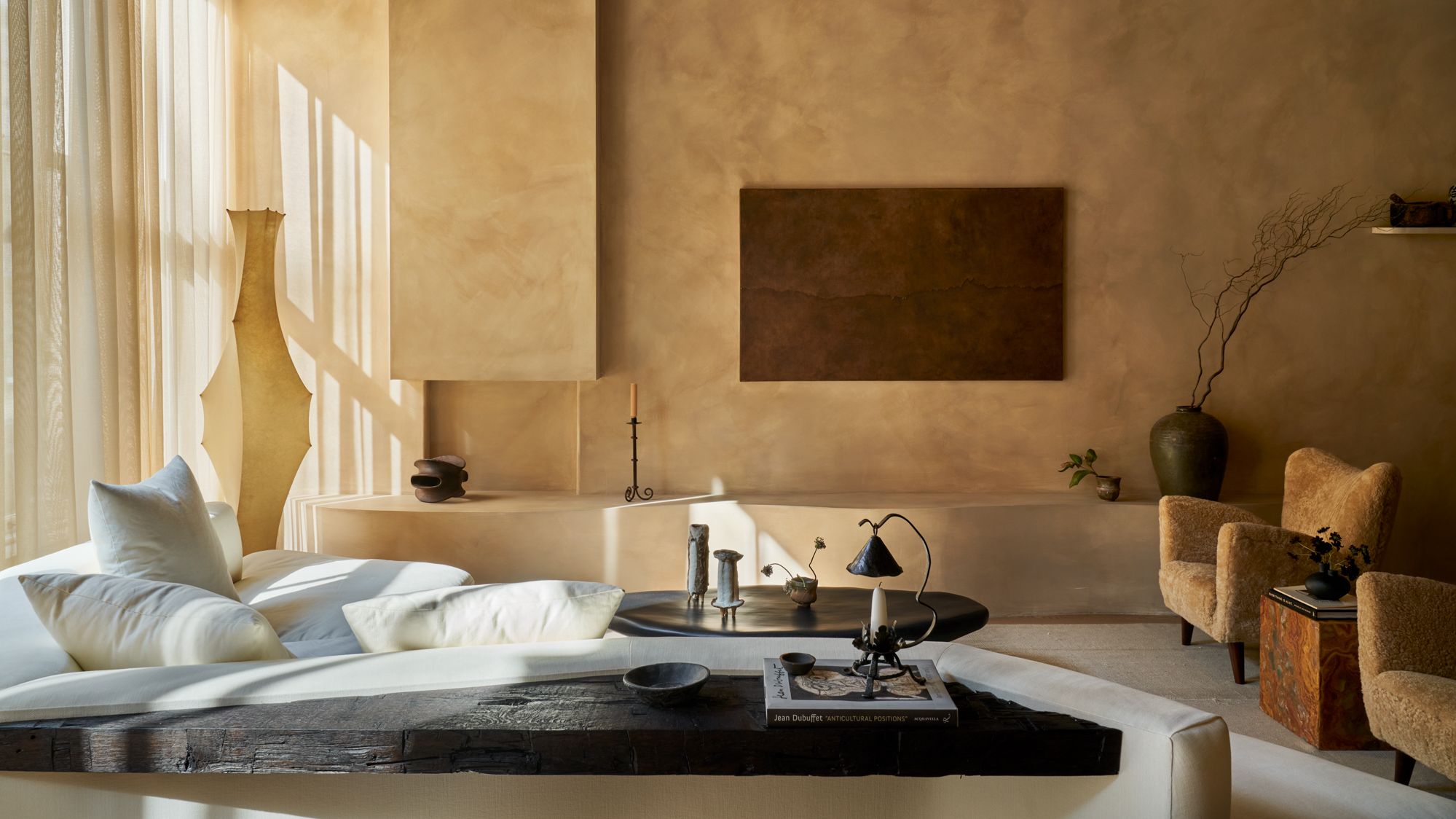
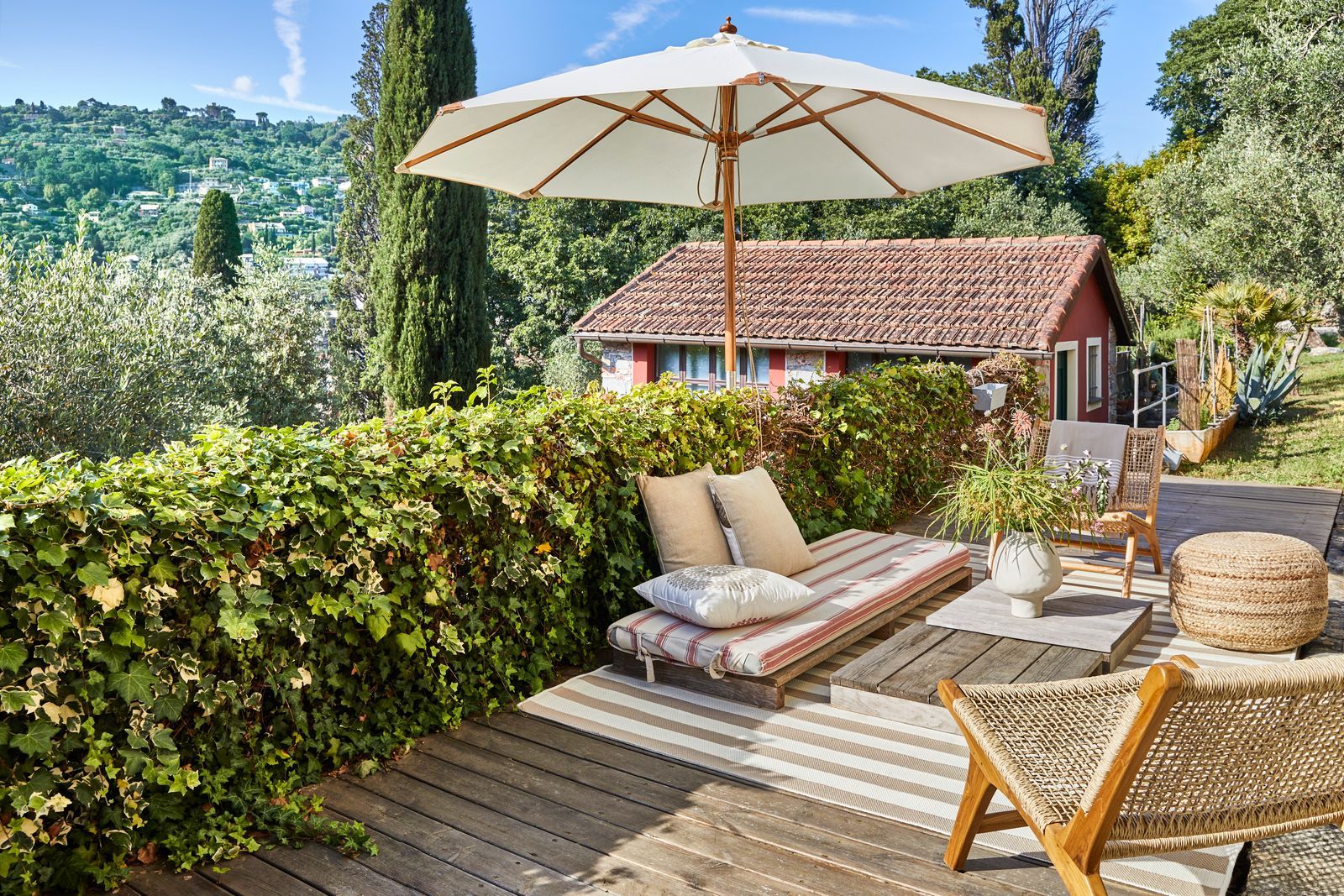
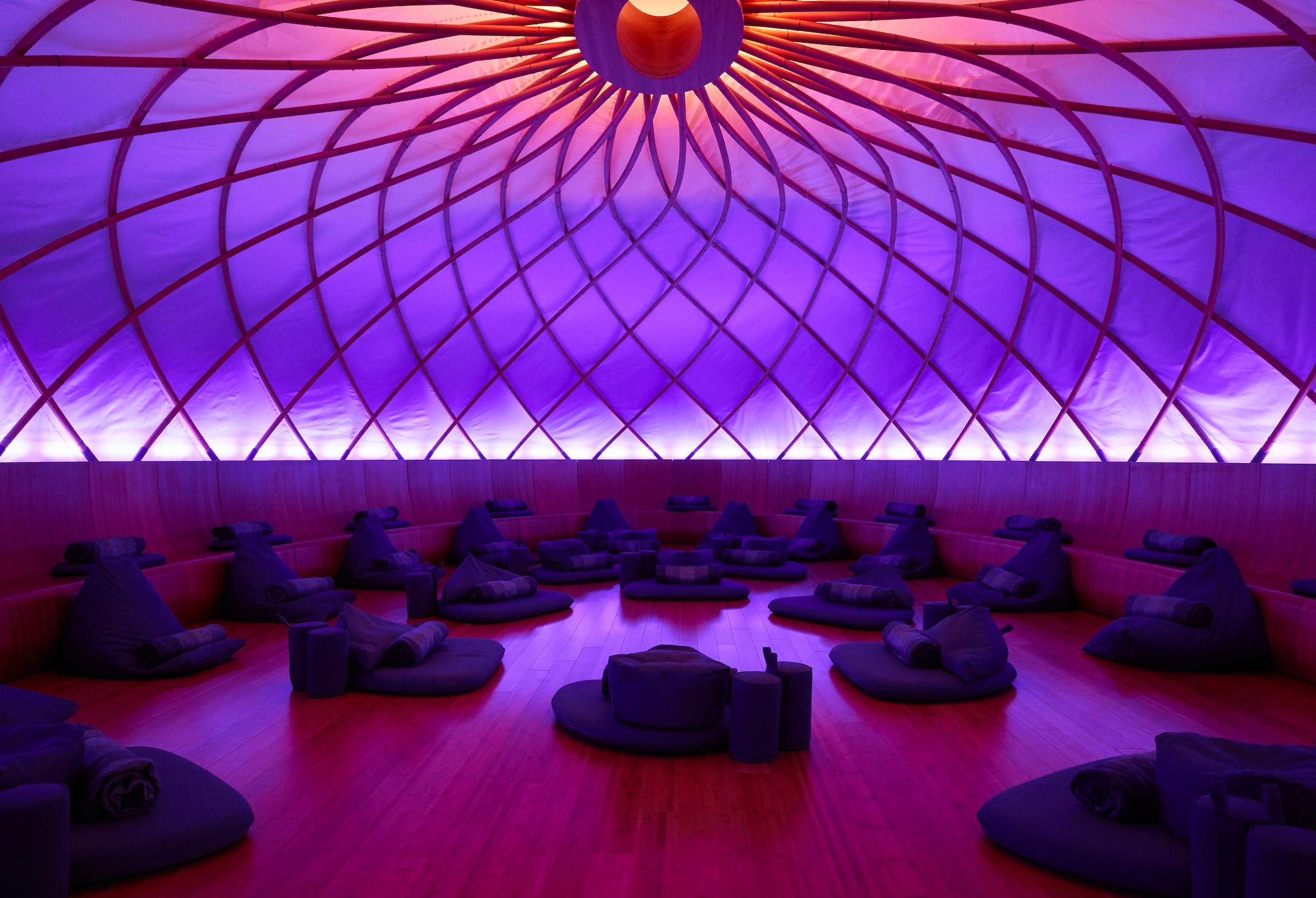
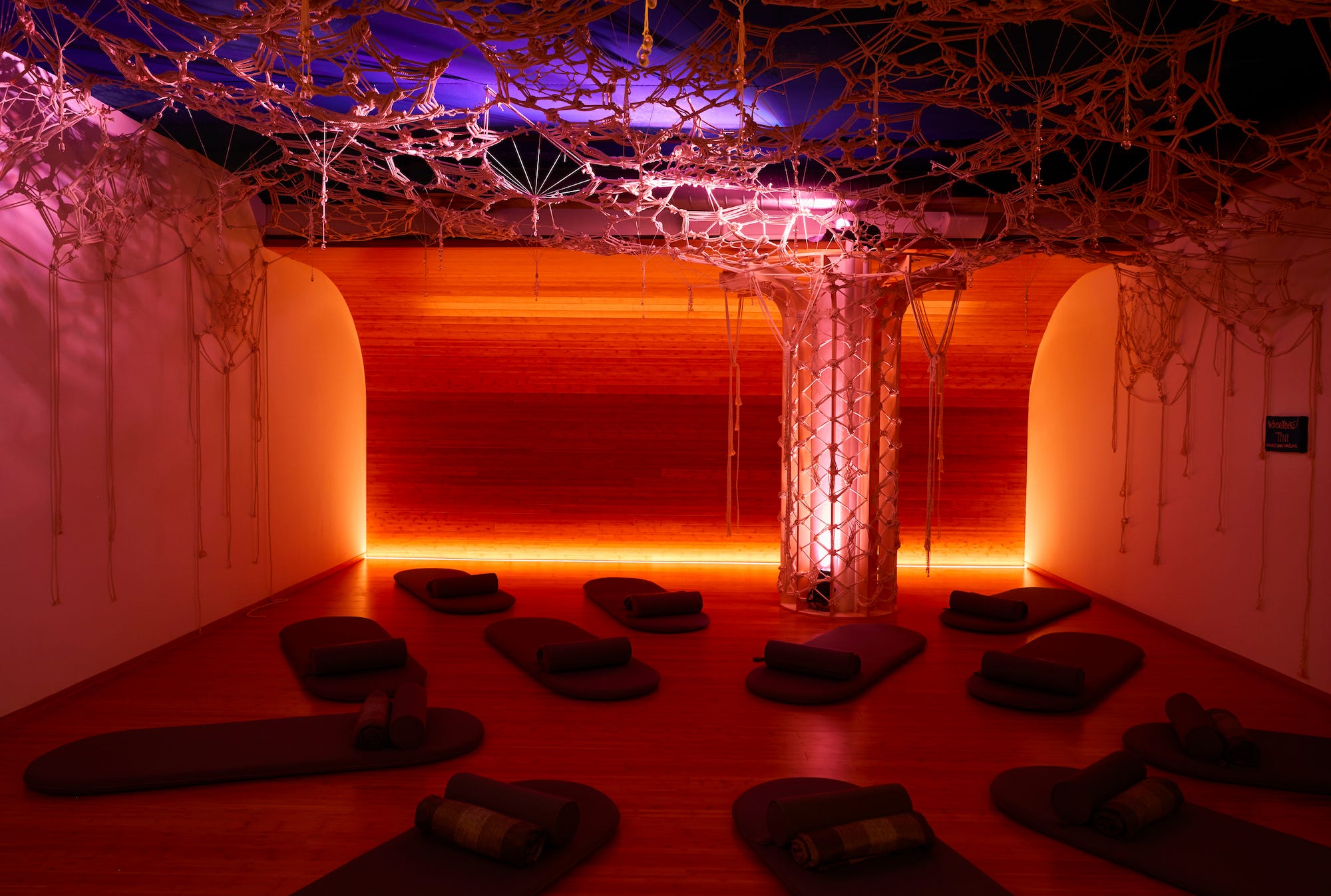
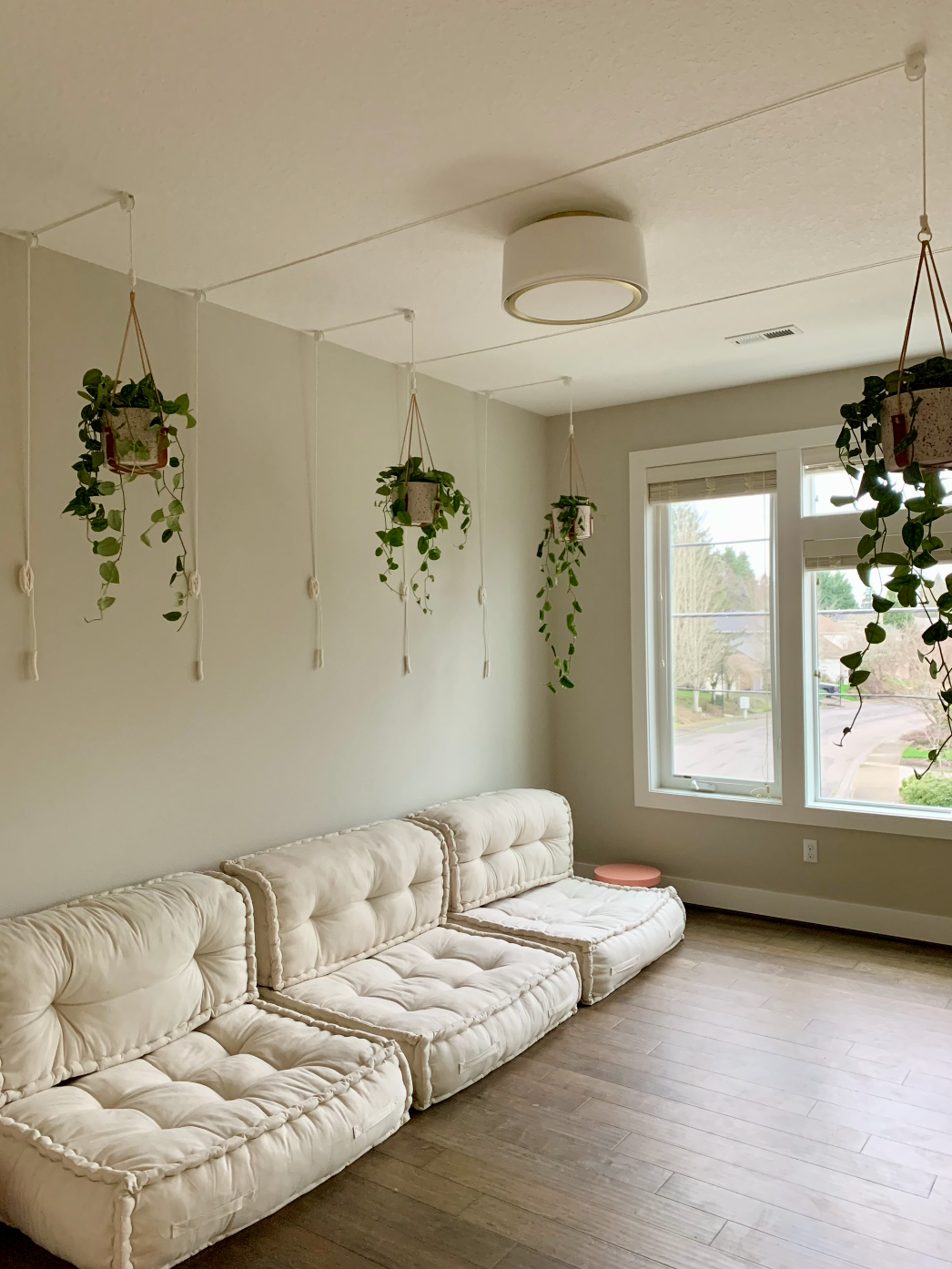
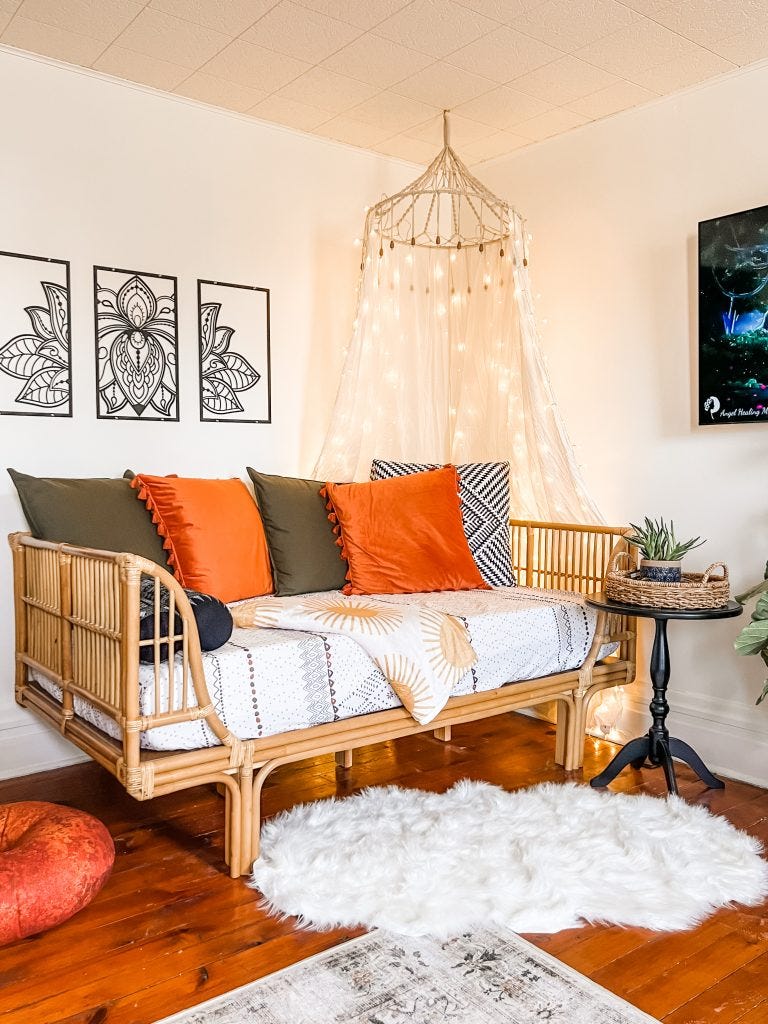
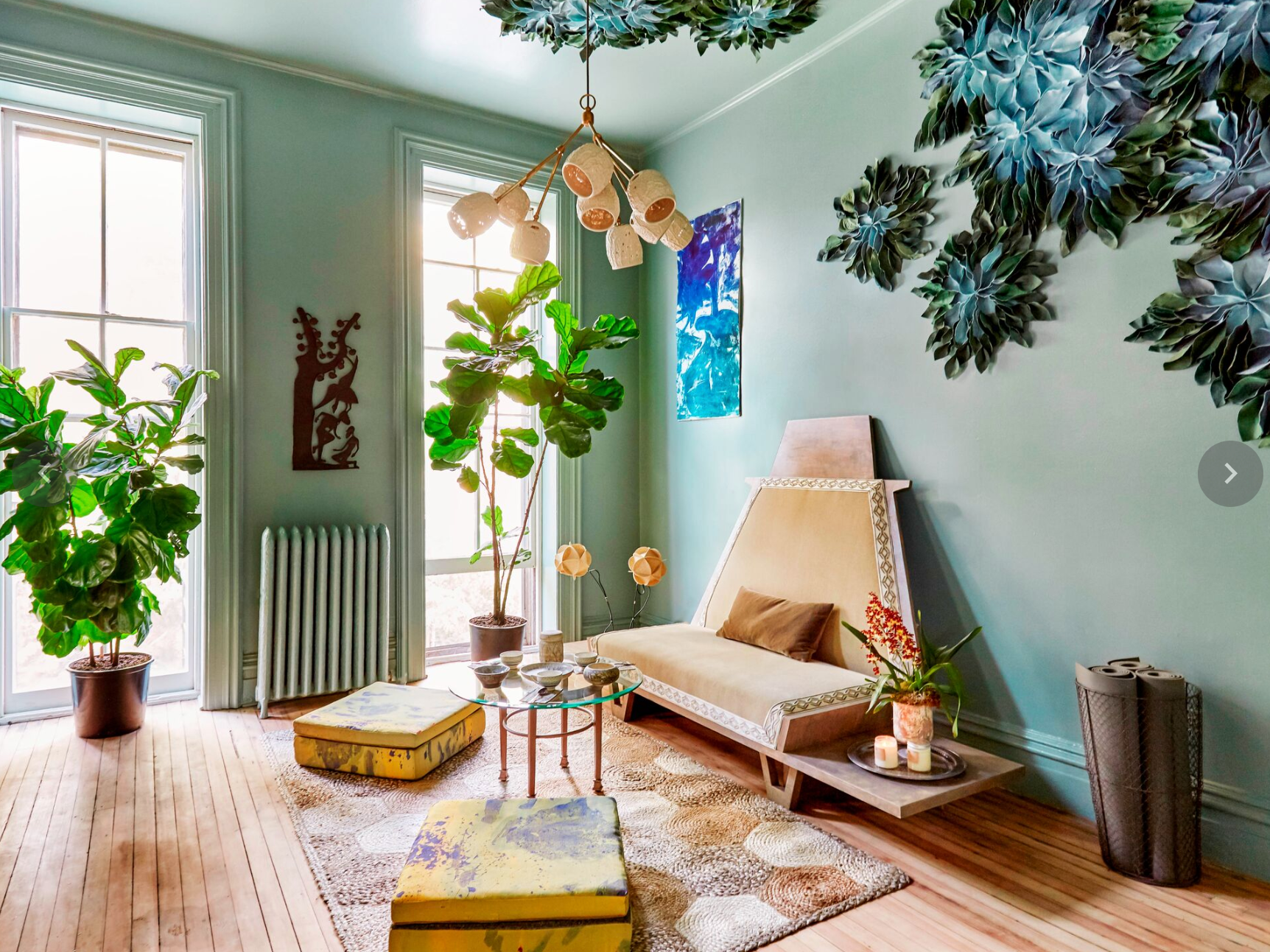
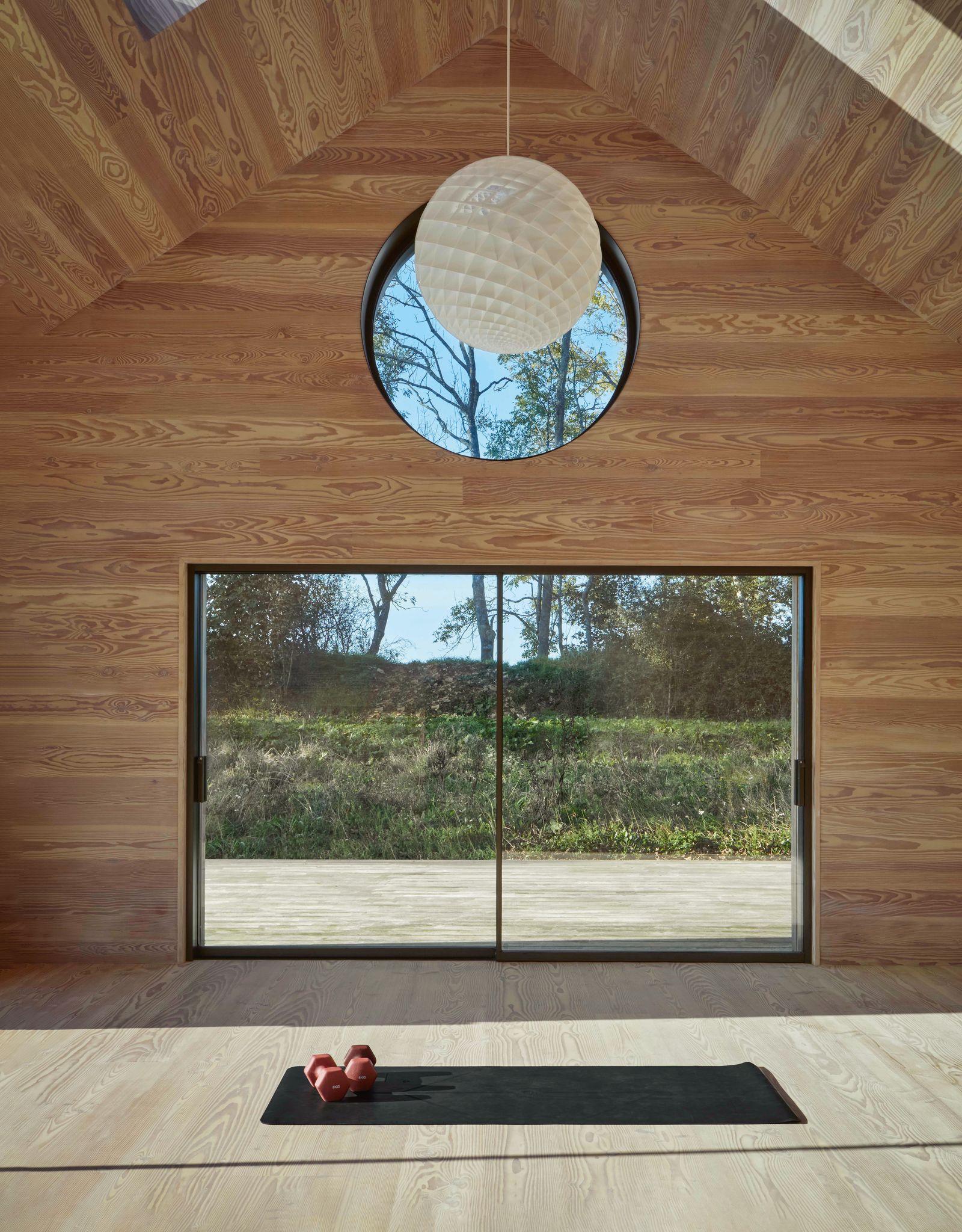
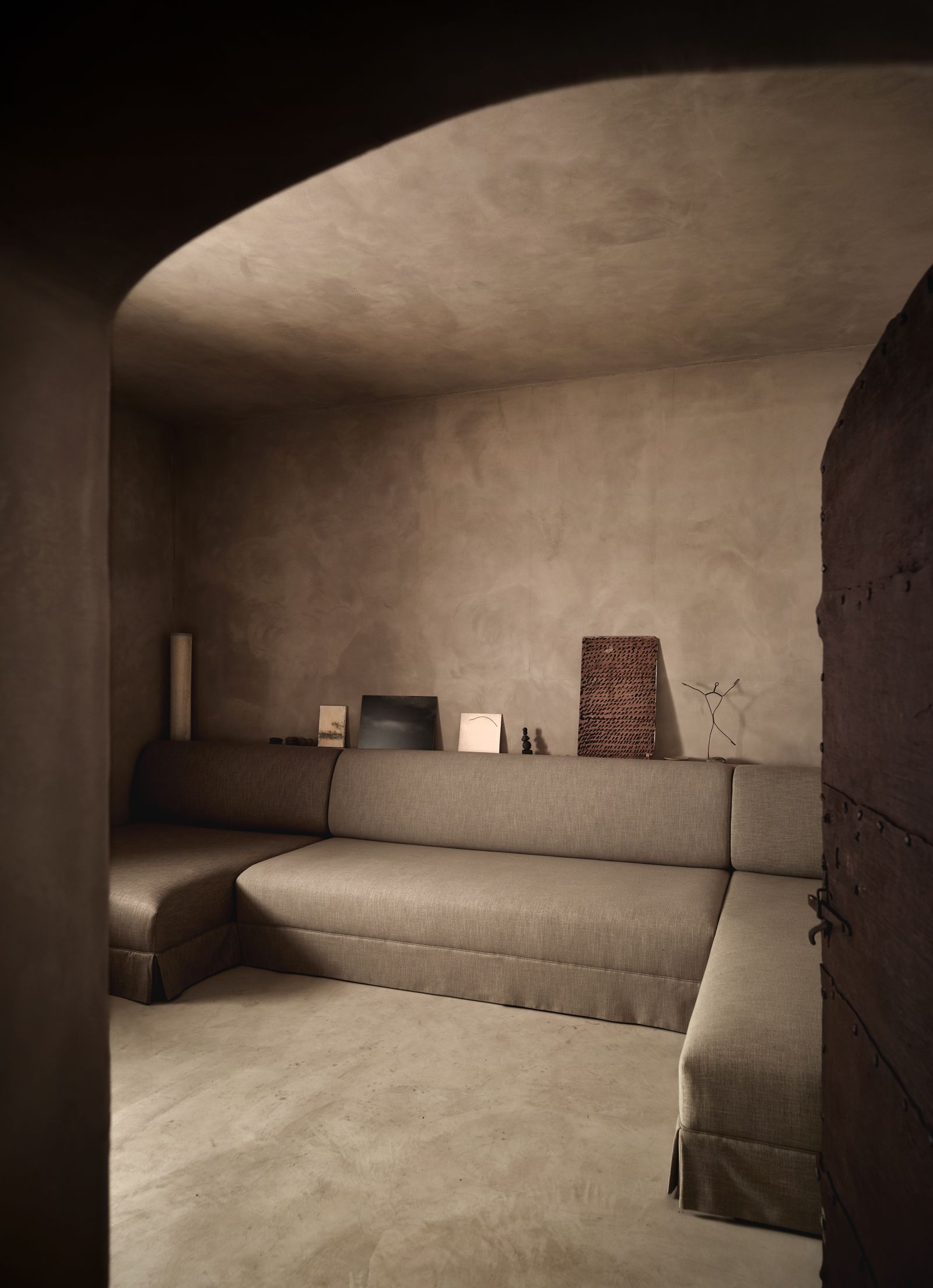
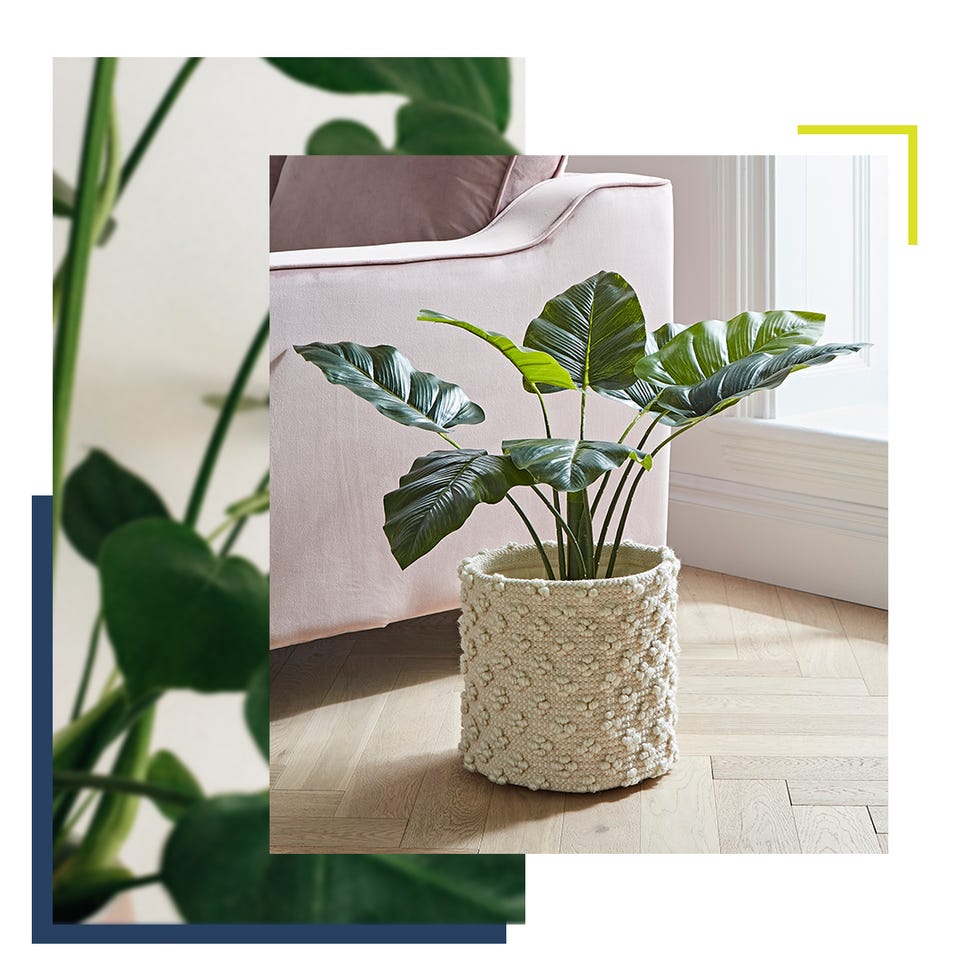
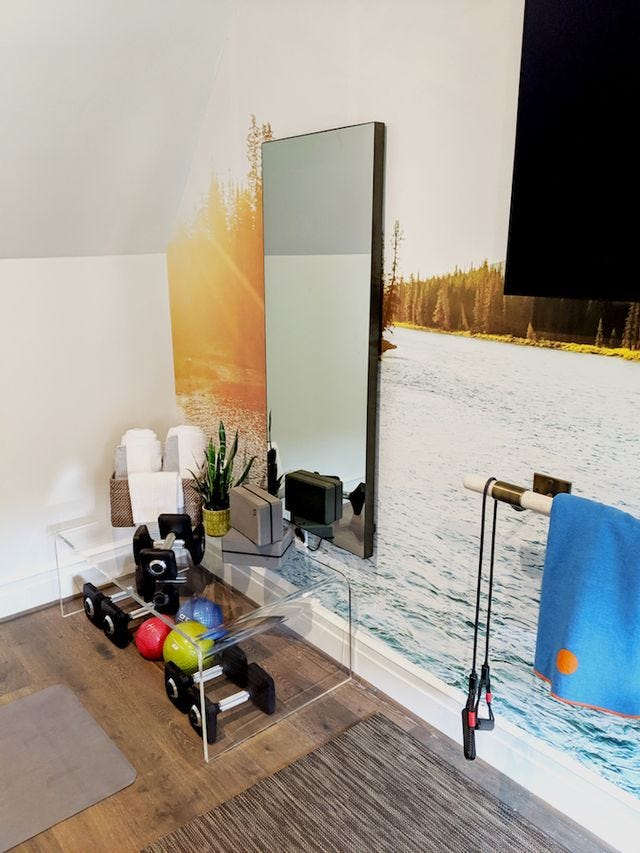
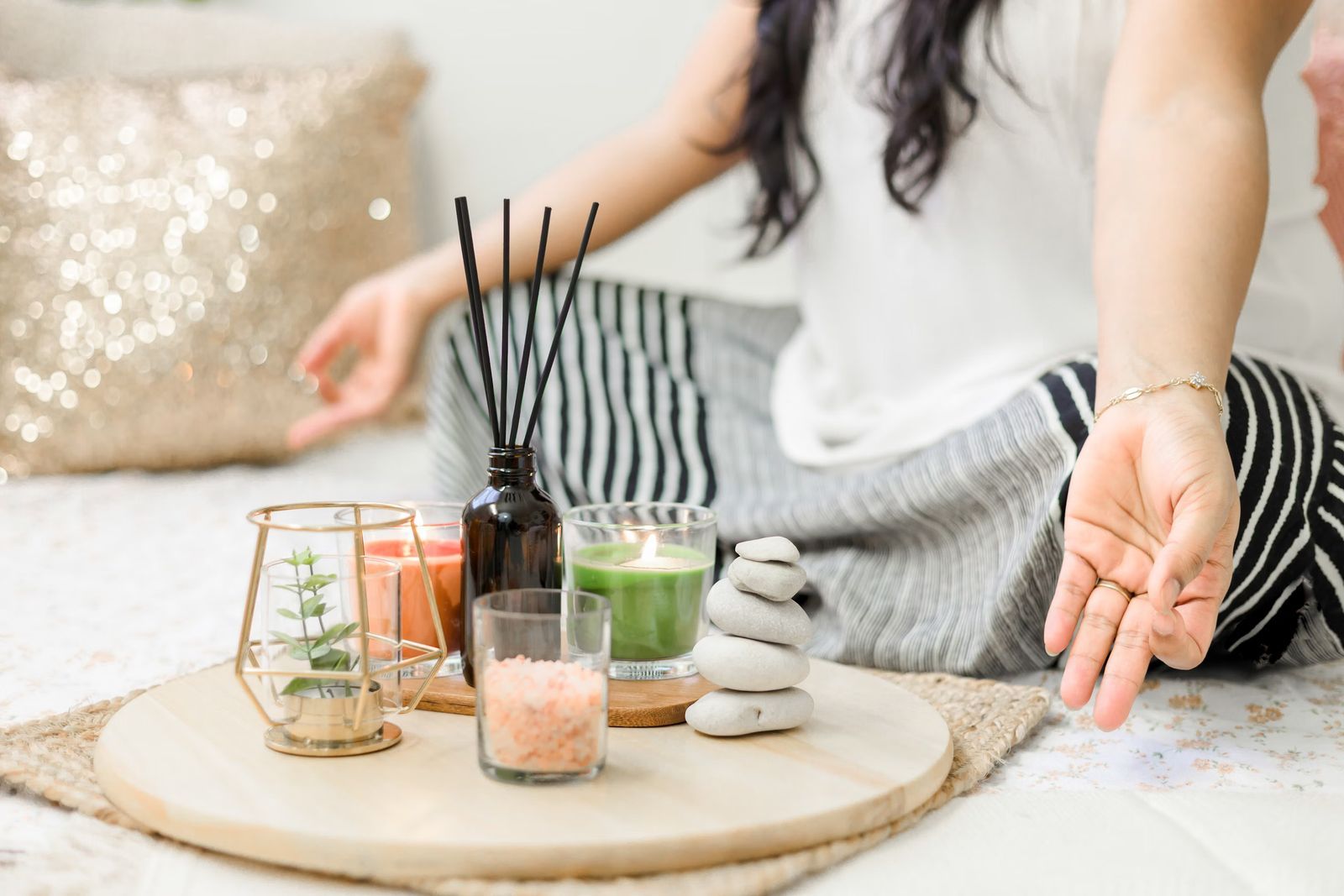
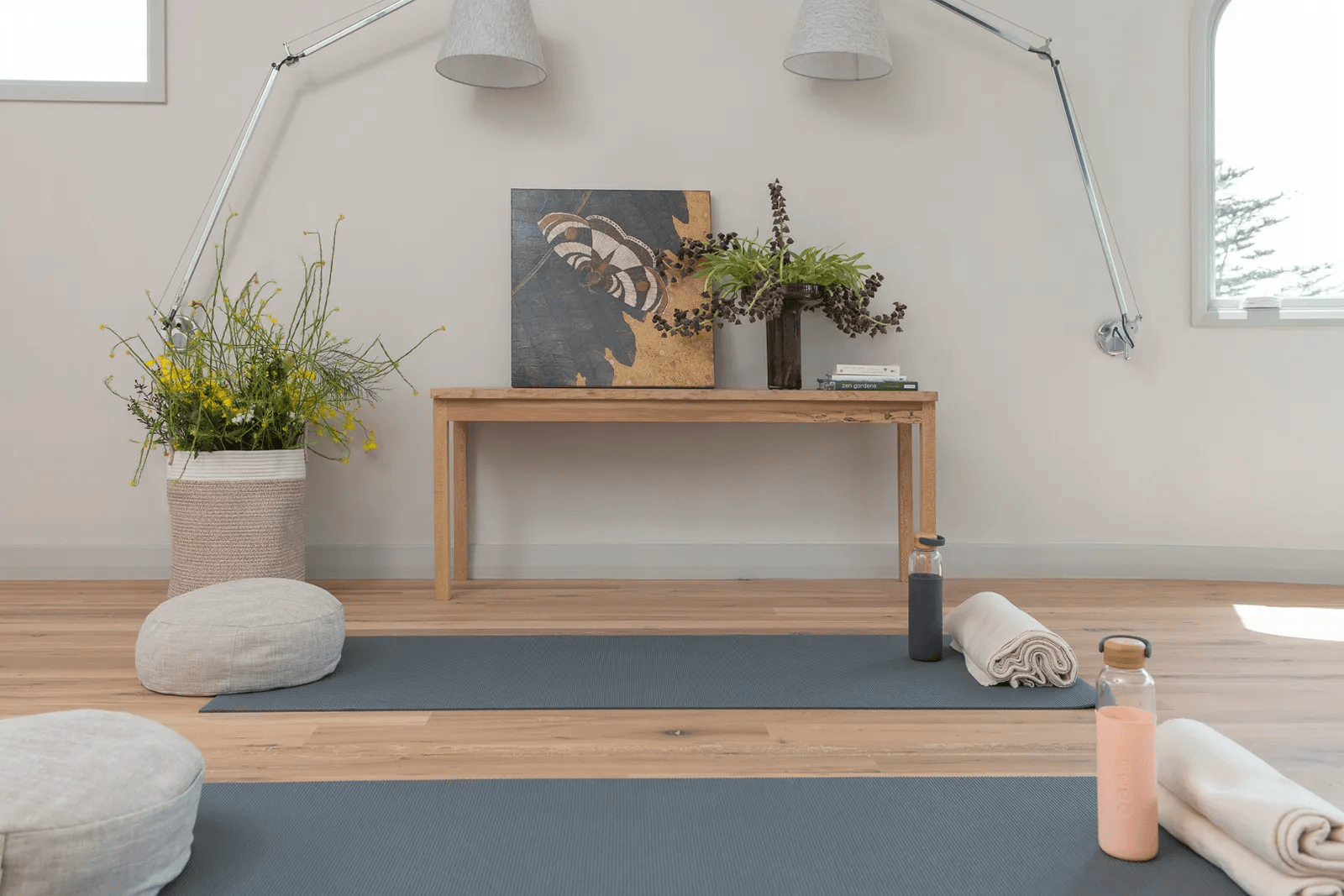
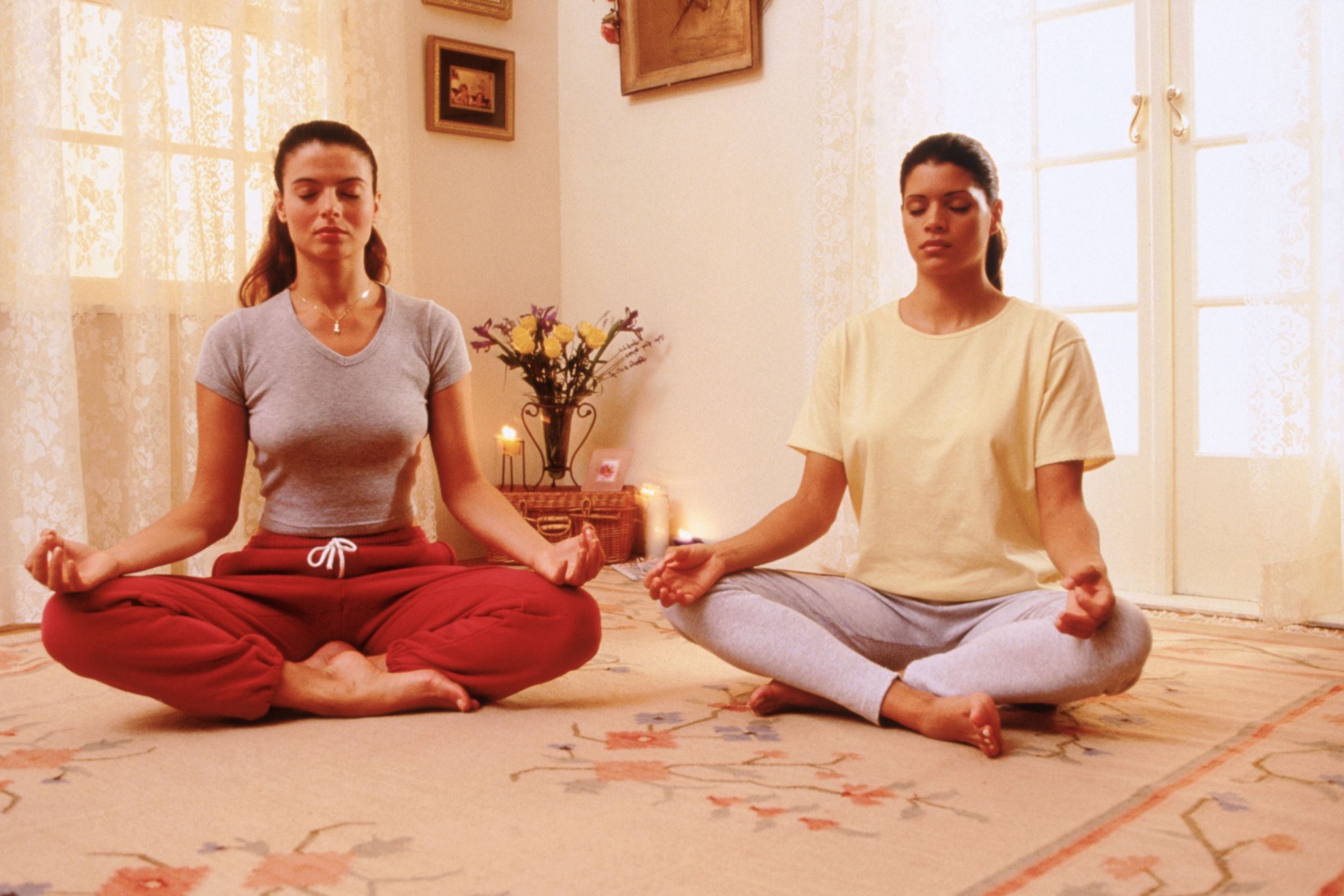
The initial recommendation for setting up a meditation space is to prioritize personal comfort and relaxation. This involves clearing clutter to create an open and inviting area, incorporating elements like plants, and optionally adding art that either enhances focus or is removed if it causes distraction. The article suggests using sensory aids such as candles, incense, or essential oil diffusers with relaxing scents like lavender, vanilla, sandalwood, rose, pine, or jasmine, while acknowledging that scent preferences are individual. It also points out that certain activities, such as tea ceremonies or Epsom salt baths, can complement the meditation routine by extending the state of calmness.
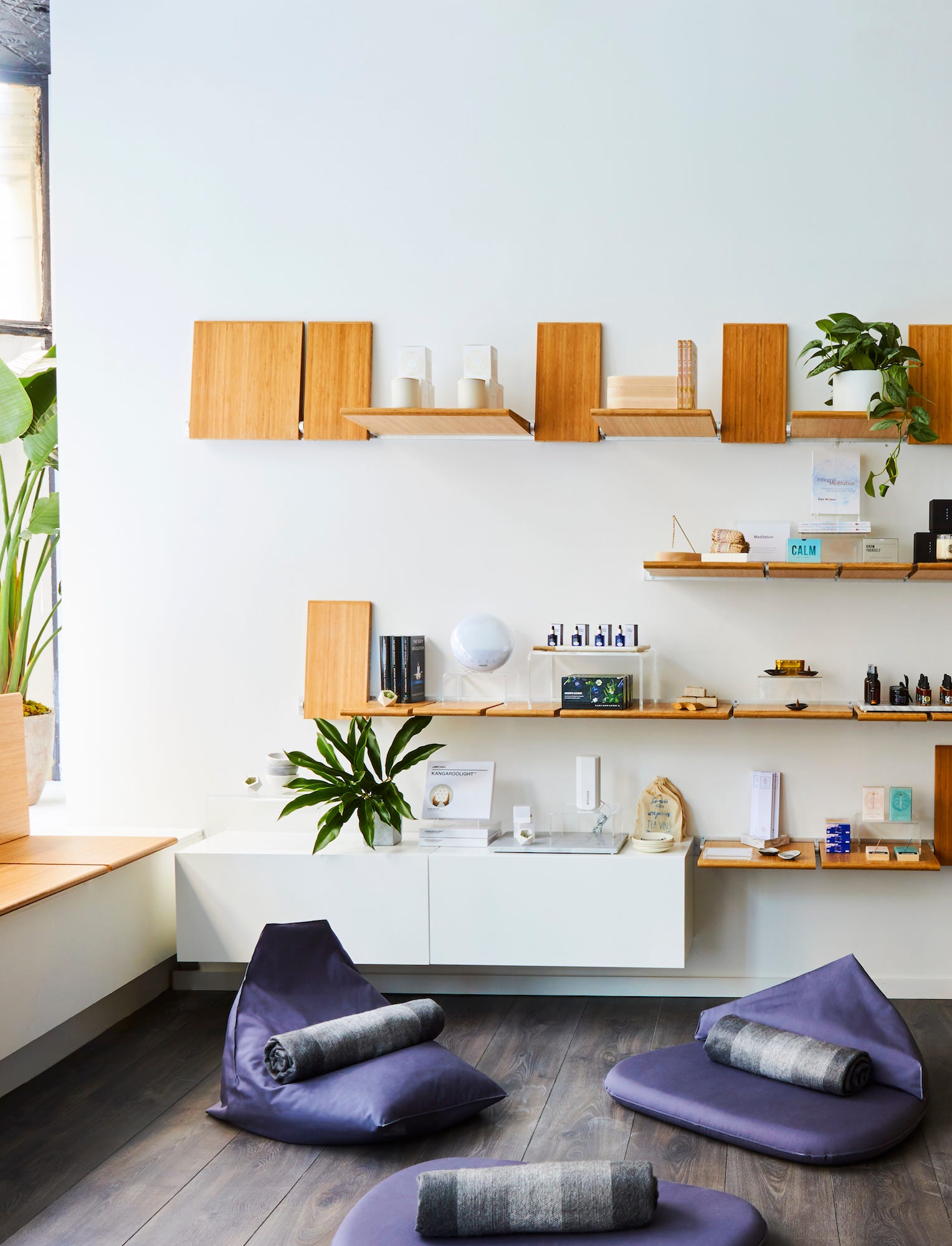
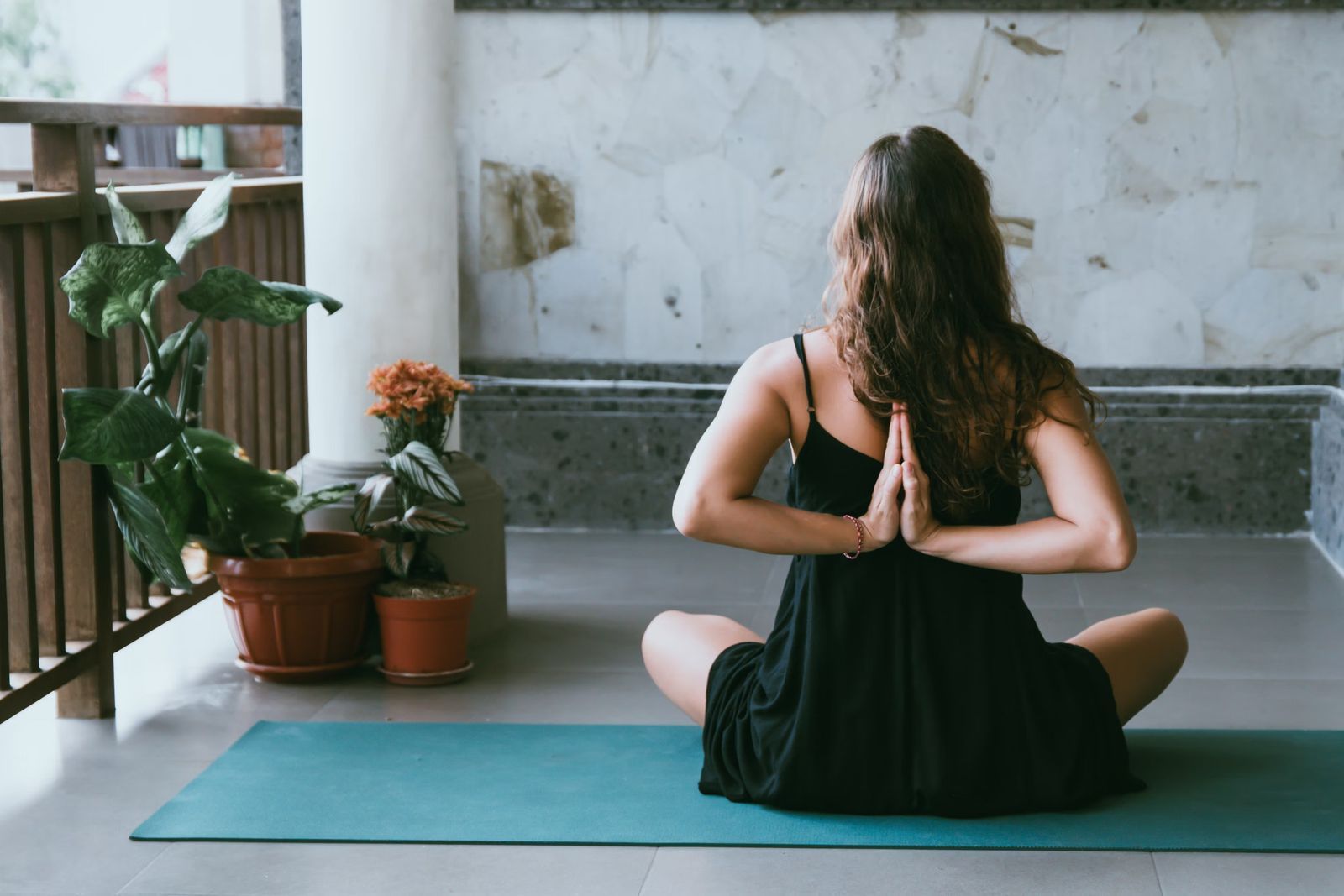
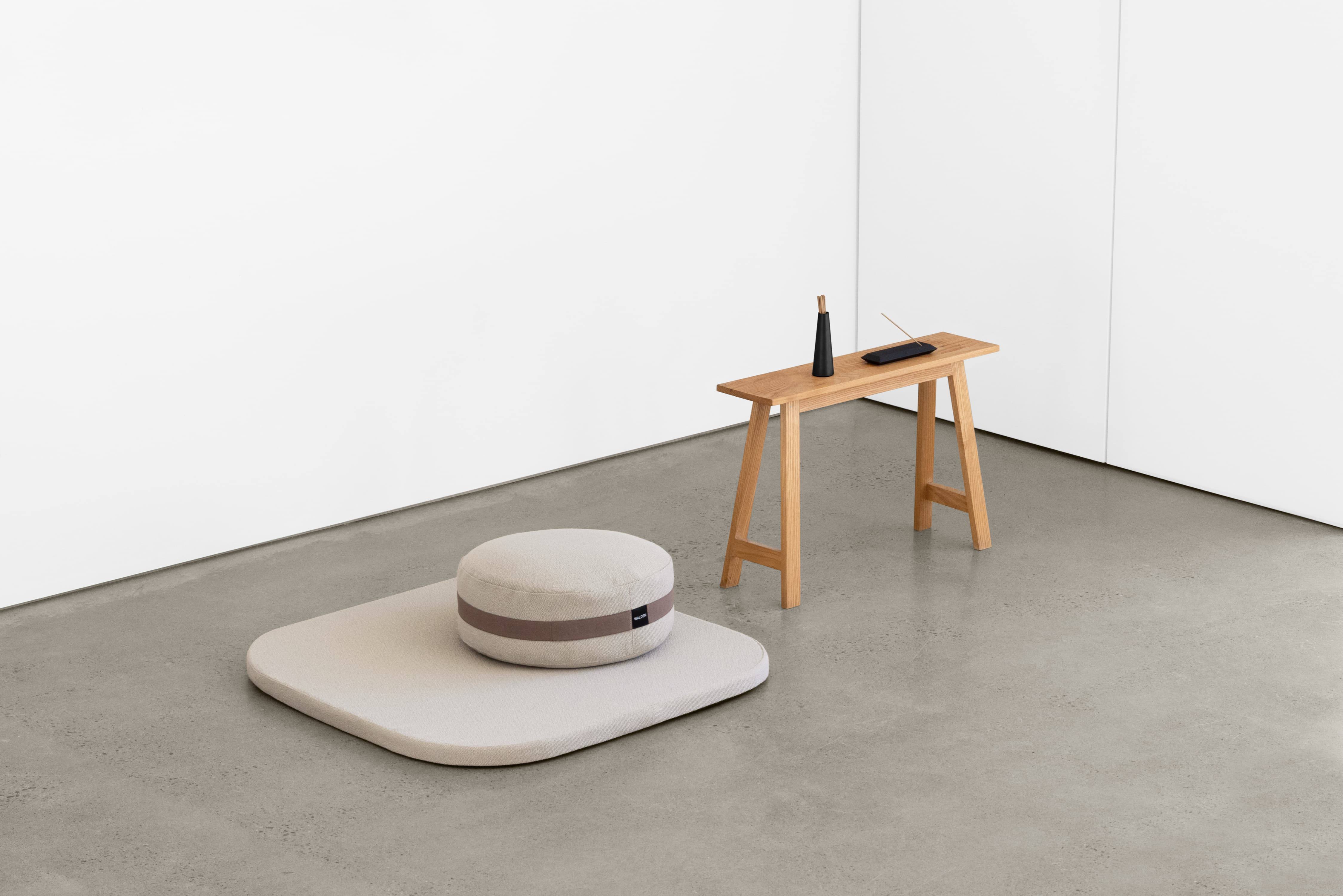
Regarding attire, the article debunks the myth that meditation requires specialized, expensive gear. It advocates for comfortable, stretchy clothing, such as yoga wear or even sweatpants, and advises against restrictive garments like denim. The primary gear recommendation is a meditation cushion (zafu), which can prevent discomfort like back pain and sore tailbones, especially when meditating on hard surfaces. The discussion delves into different cushion fillings: polyester, wool, or cotton fluff are deemed less supportive due to compression, while buckwheat offers firmness and stability, though it is heavy and can be allergenic. Kapok, a traditional Japanese fiber, is presented as a firmer yet lighter alternative to fluff, maintaining shape well.
The role of sound in meditation is explored, contrasting the author's positive experience with gentle background city noises during Zen practice, which served as a tool for mental discipline, with scenarios where external noise can be disruptive. For environments with distracting sounds, the article suggests using white-noise machines. It differentiates between cheaper machines or apps that play predictable loops, which can become distracting, and more advanced machines that introduce random variations to maintain effectiveness. For guided meditation, the article advises preparing electronic devices by silencing notifications and enabling 'Do Not Disturb' to prevent interruptions, whether listening through the device directly, a Bluetooth speaker, or headphones. Many meditation apps, like Calm, offer free trials, making it accessible to both new and experienced practitioners. The article concludes by positioning meditation as an almost free and highly accessible practice that can offer a valuable mental escape and promote sanity, even when physical escape from home is not possible.
#HomeMeditation #Mindfulness #MeditationSpace #Wellness #HomeDecor #StressRelief #ComfortableAttire #MeditationCushion #Soundscape #HomeMeditation #Mindfulness #MeditationSpace #Wellness #HomeDecor #StressRelief #ComfortableAttire #MeditationCushion #Soundscape
0 comment in total
 No comments yet
You may also like
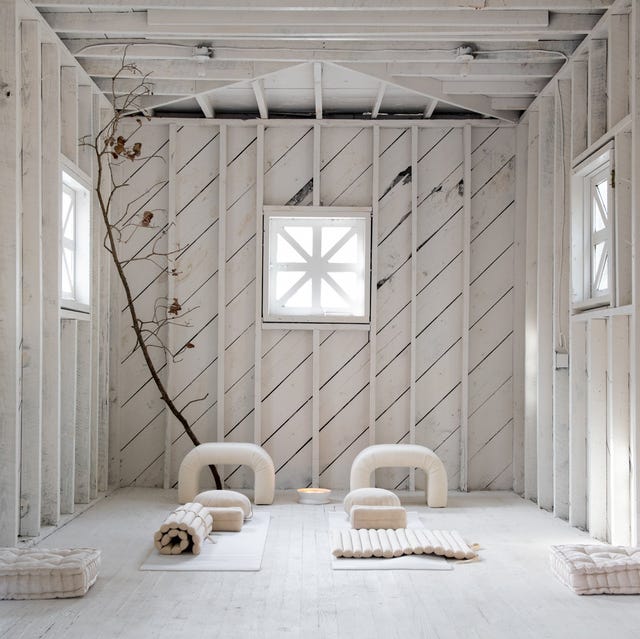
Say Ohm: Meditation Room Ideas for Instant Destressing
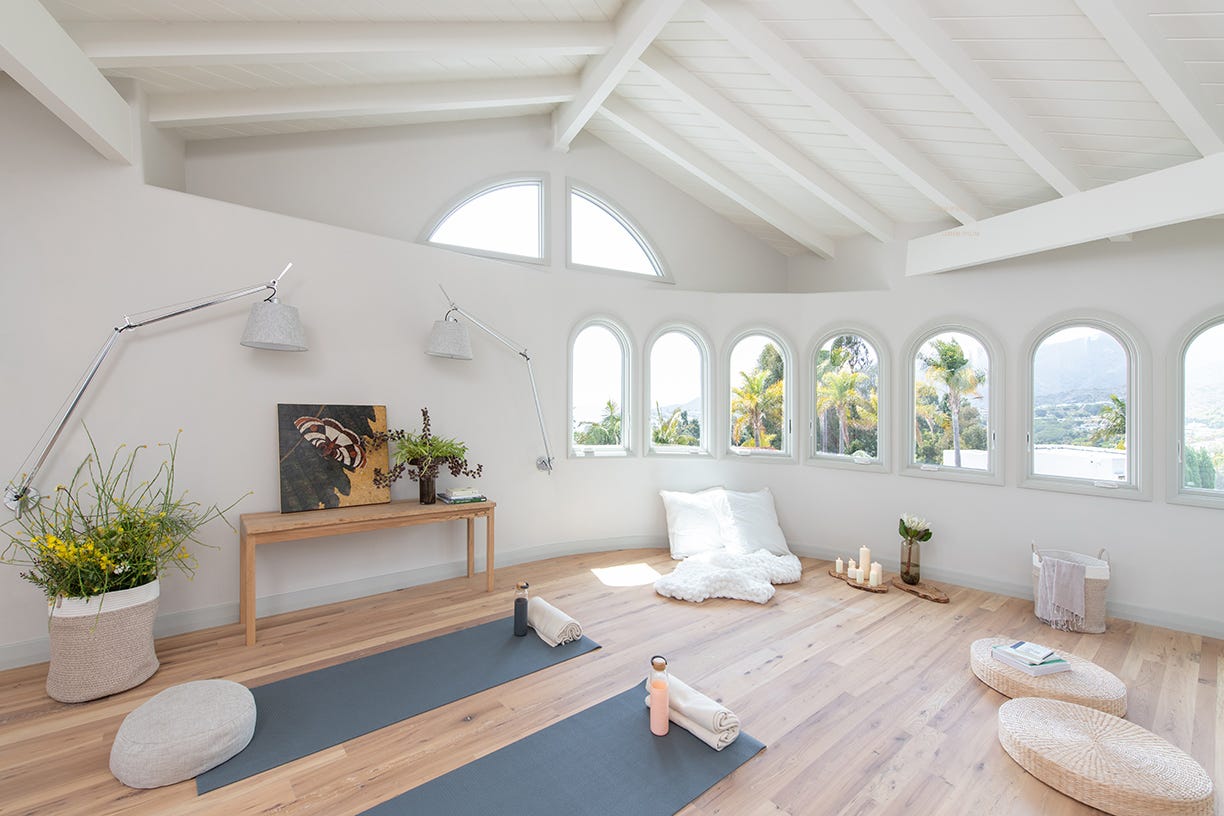
These Meditation Rooms Will Encourage You to Find Inner Serenity

How to transform your home into a zen oasis: 32 expert tips

How to Create a Yoga Studio in Your House
How to Design a Meditation Room for Moments of Zen

How to transform your bedroom into a wellbeing sanctuary, according to experts
15 Soothing Decor Ideas to Help You Relax and Unwind at Home

International Yoga Day: 5 Vastu tips for creating the perfect yoga and meditation room


Meditation Space at Home: 4 Ideal Spots to Block Out the World

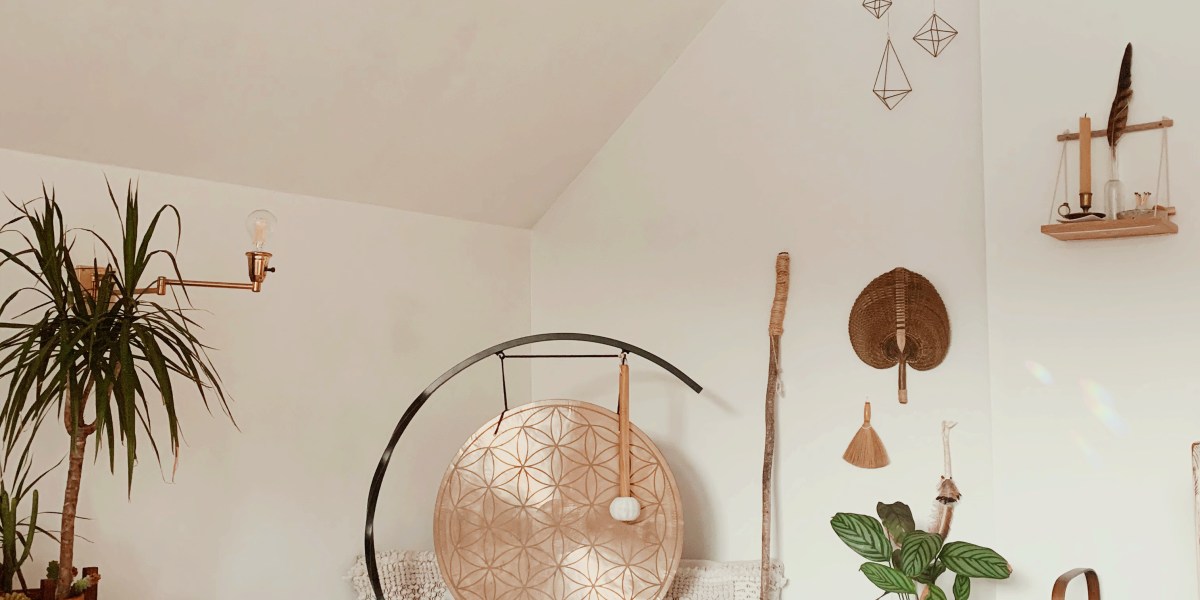
Why You Need a Meditation Corner in Your Home—and How to Create One

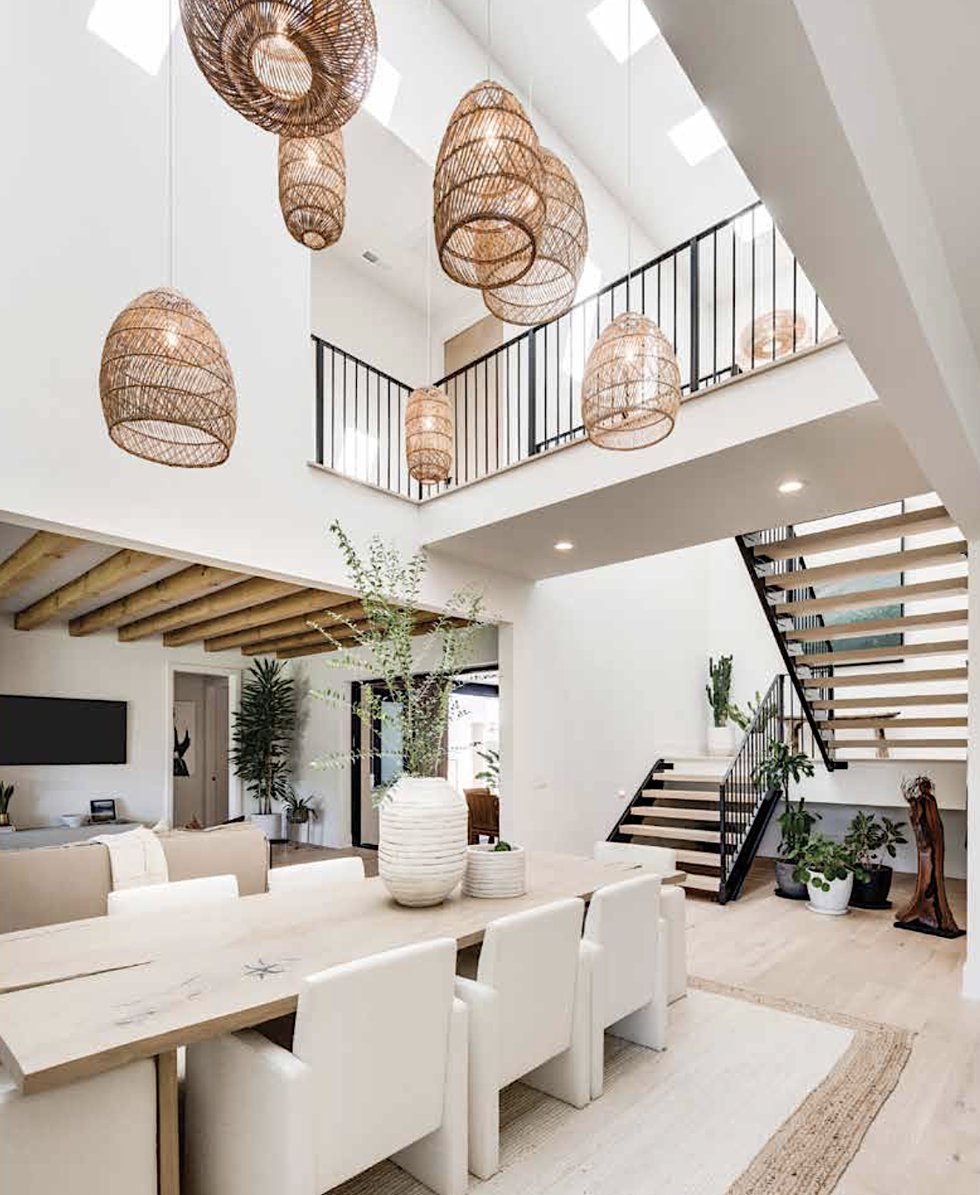
At Home: a Zen Abode

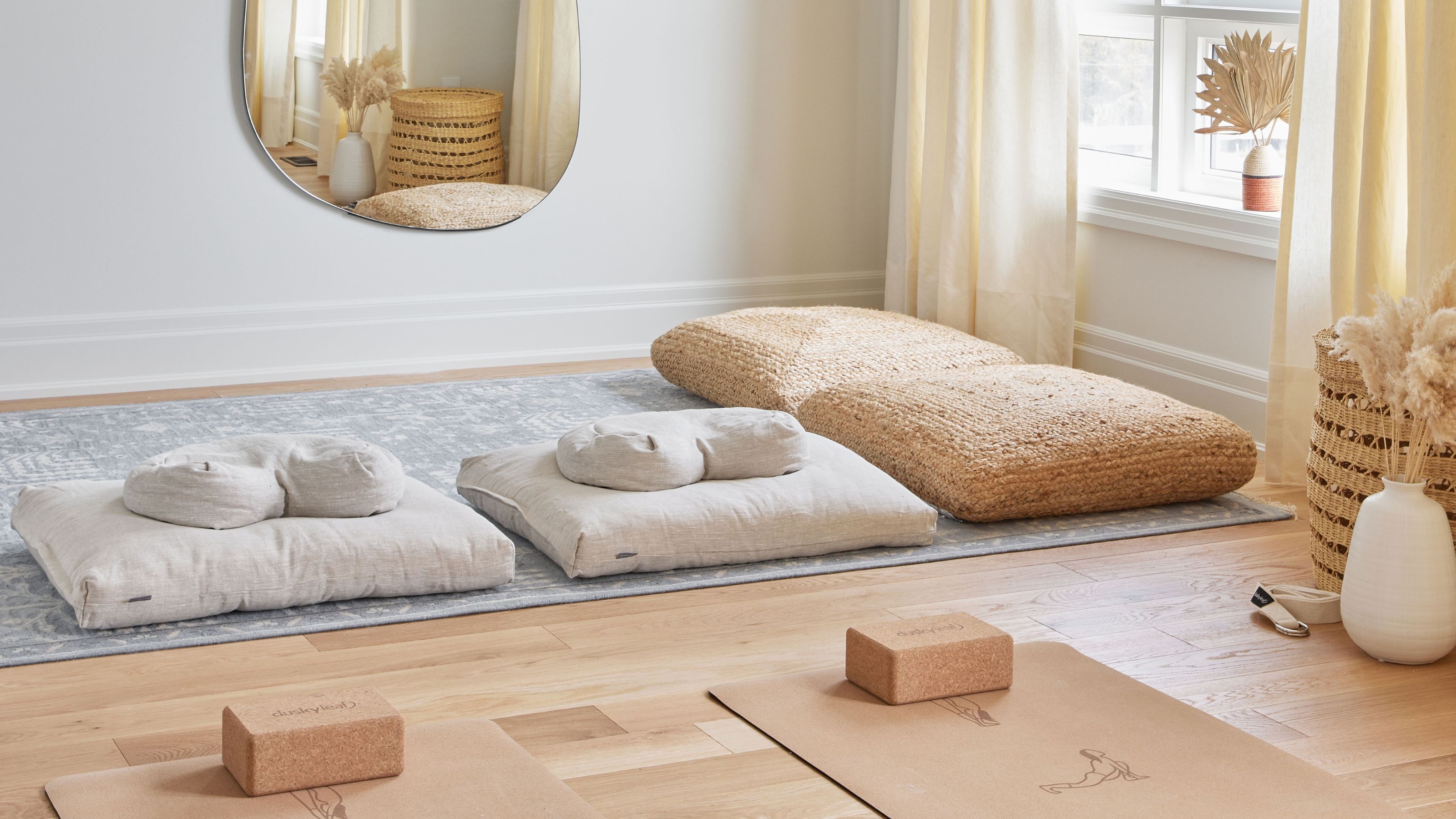
Forget a Home Gym, What You Need Is a "Wellness Room" — The Trend for Carving Out Space for Daily Rituals
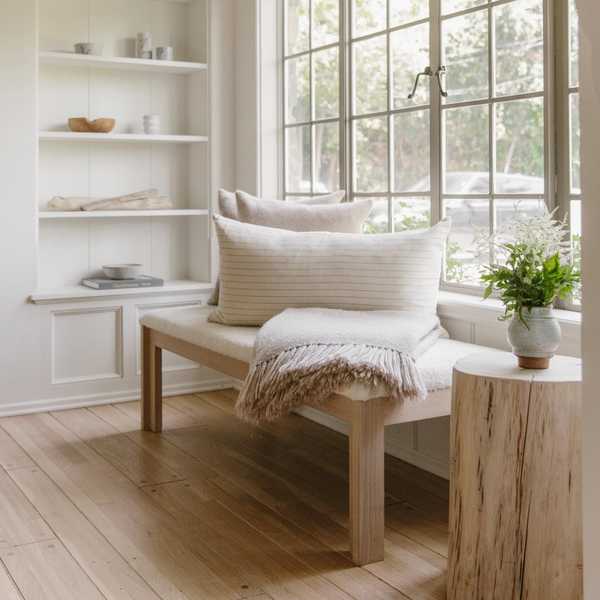
Design A Meditation Space To Zen Out At Home

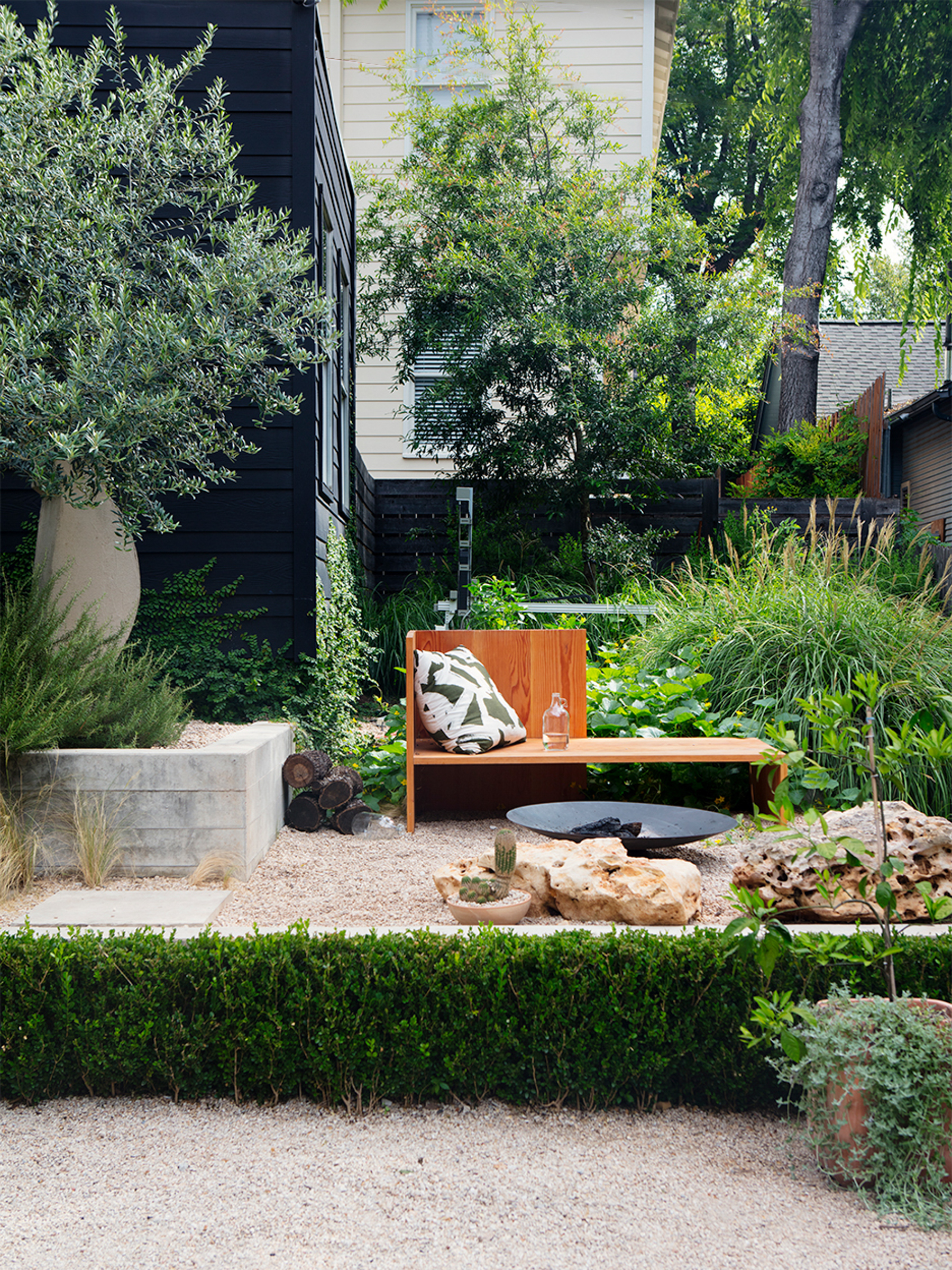
Turn Your Backyard (or Balcony) Into a Zen Oasis, Starting With This $15 Planter


Make Myself at Home: Wooded Zen Sanctuary
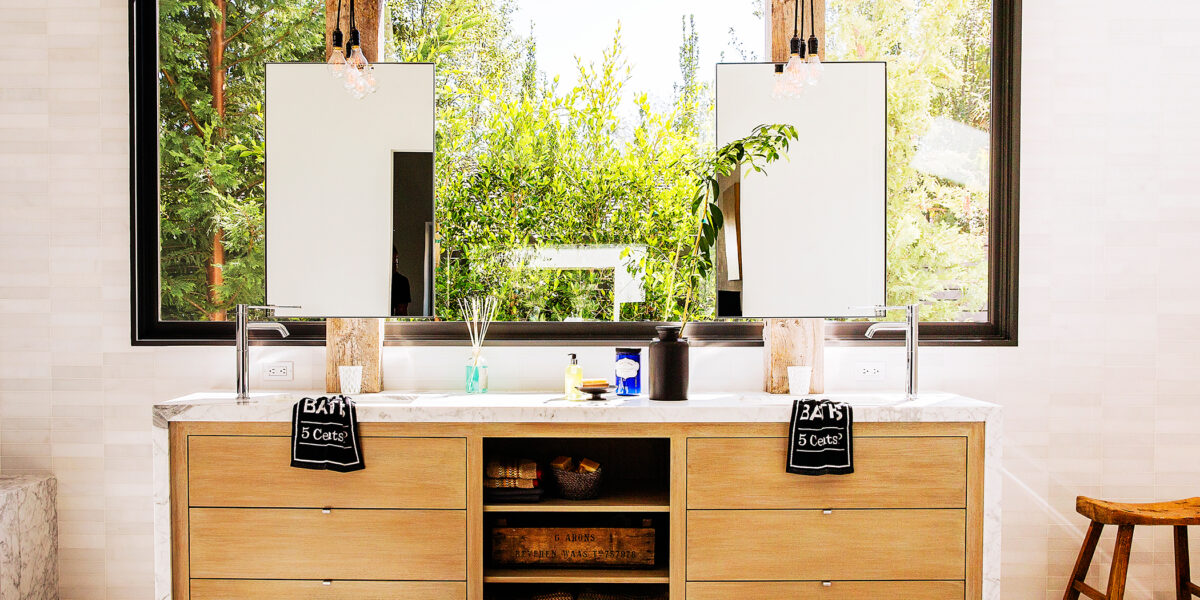
This Design Technique Is the Key to a Calm and Relaxing Home
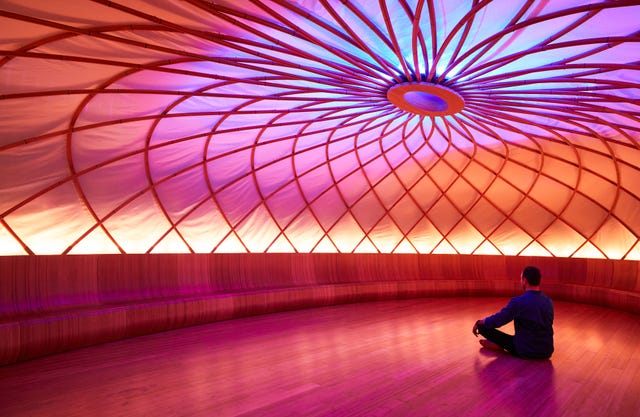
How To Create A Meditation Space That's Also Tech-Friendly

What is a meditation room and do you really need one?
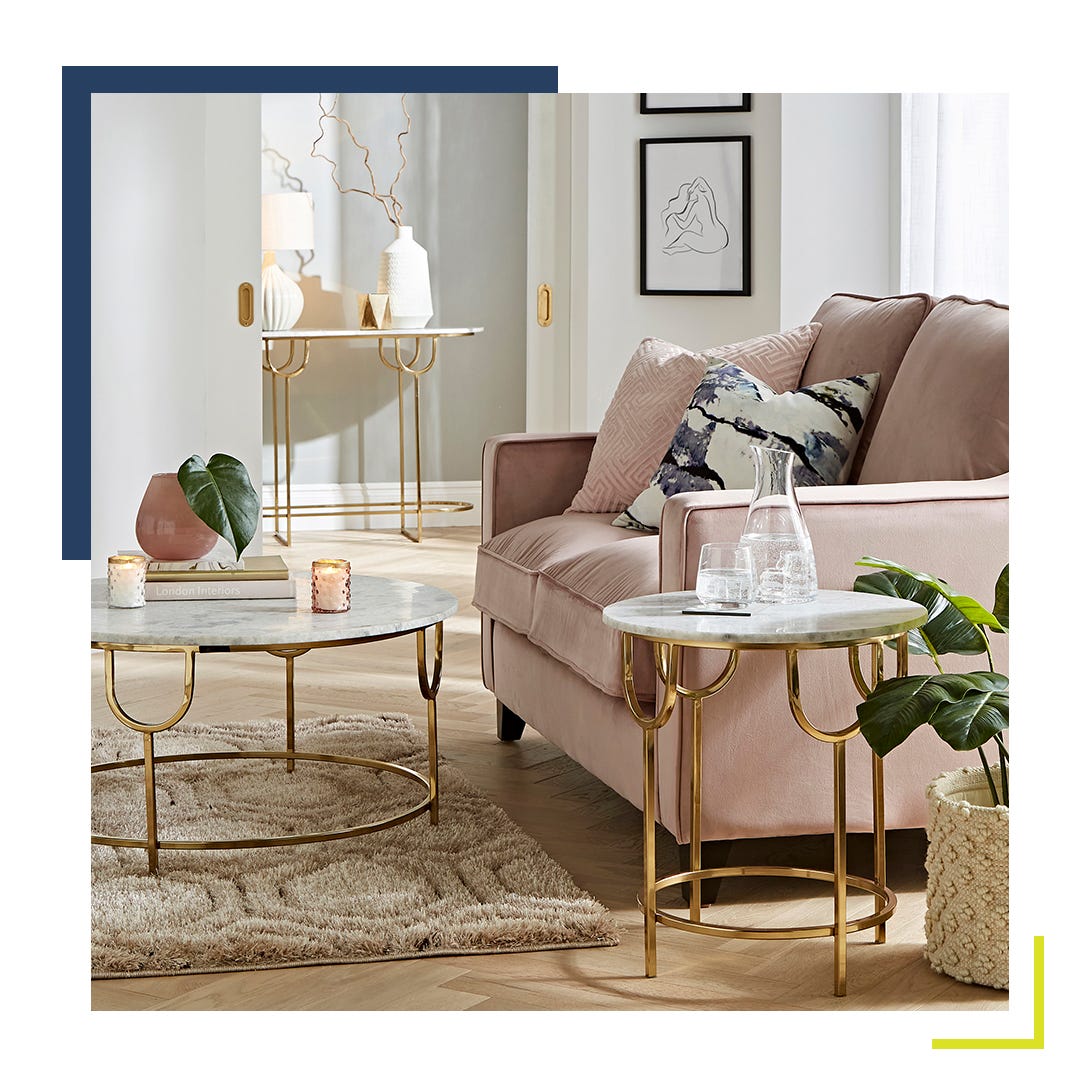
6 ways to create a calm living space, according to the experts


Discover serenity: 5 ways to create your zen corner at home | Hindustan Times