1/8
Strategic Hardscaping Can Make Your Outdoor Space More Sustainable—Here’s How
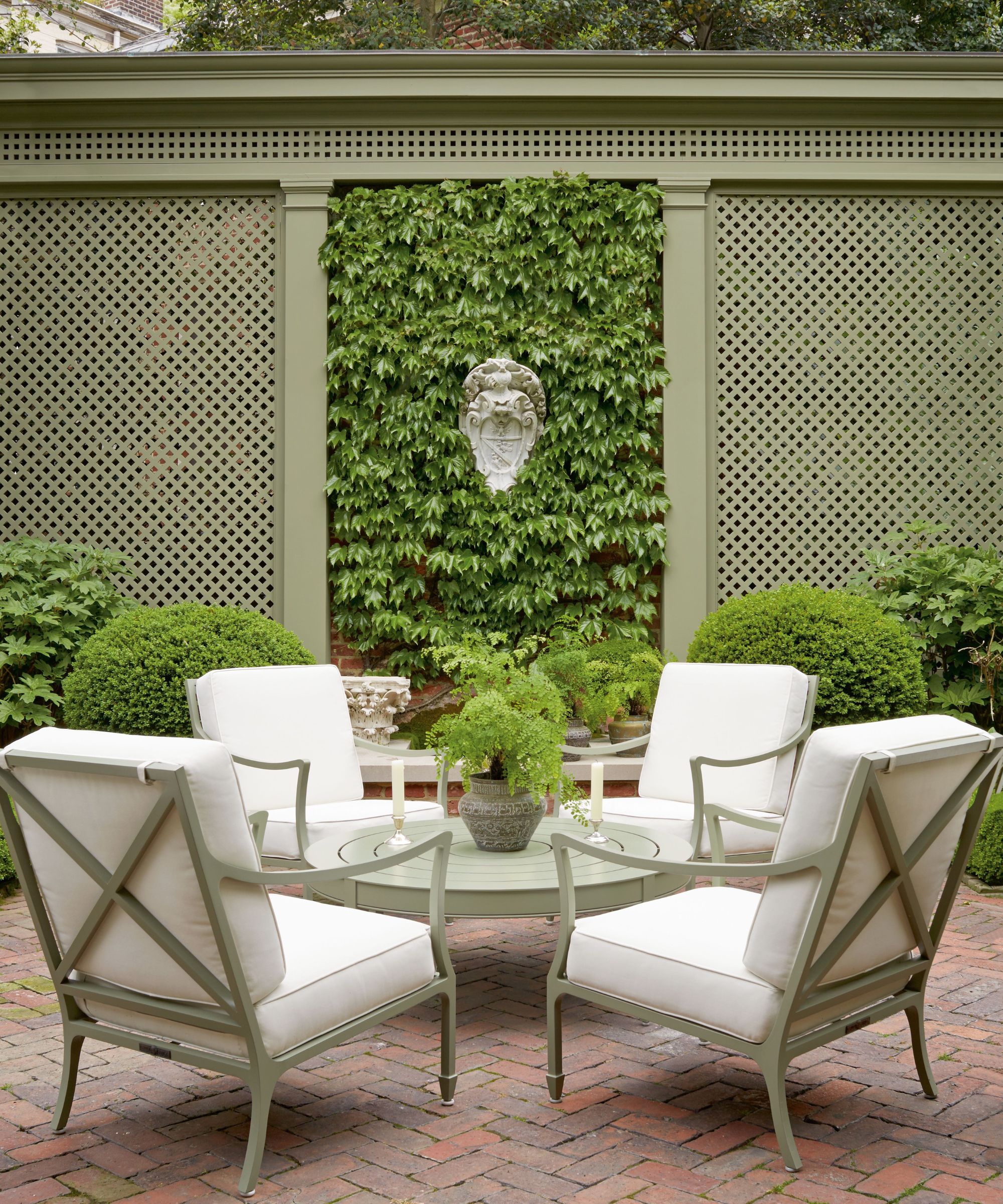
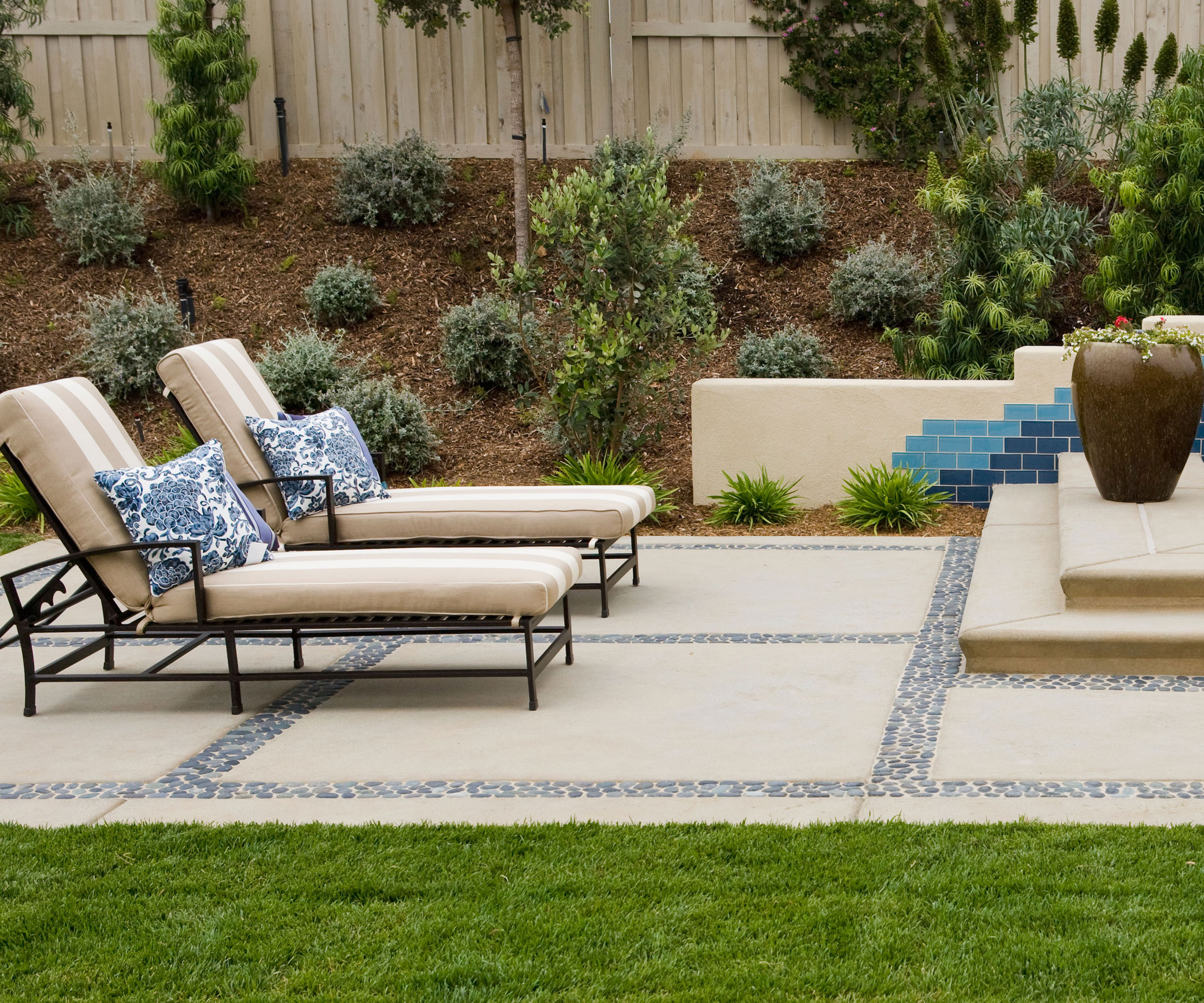
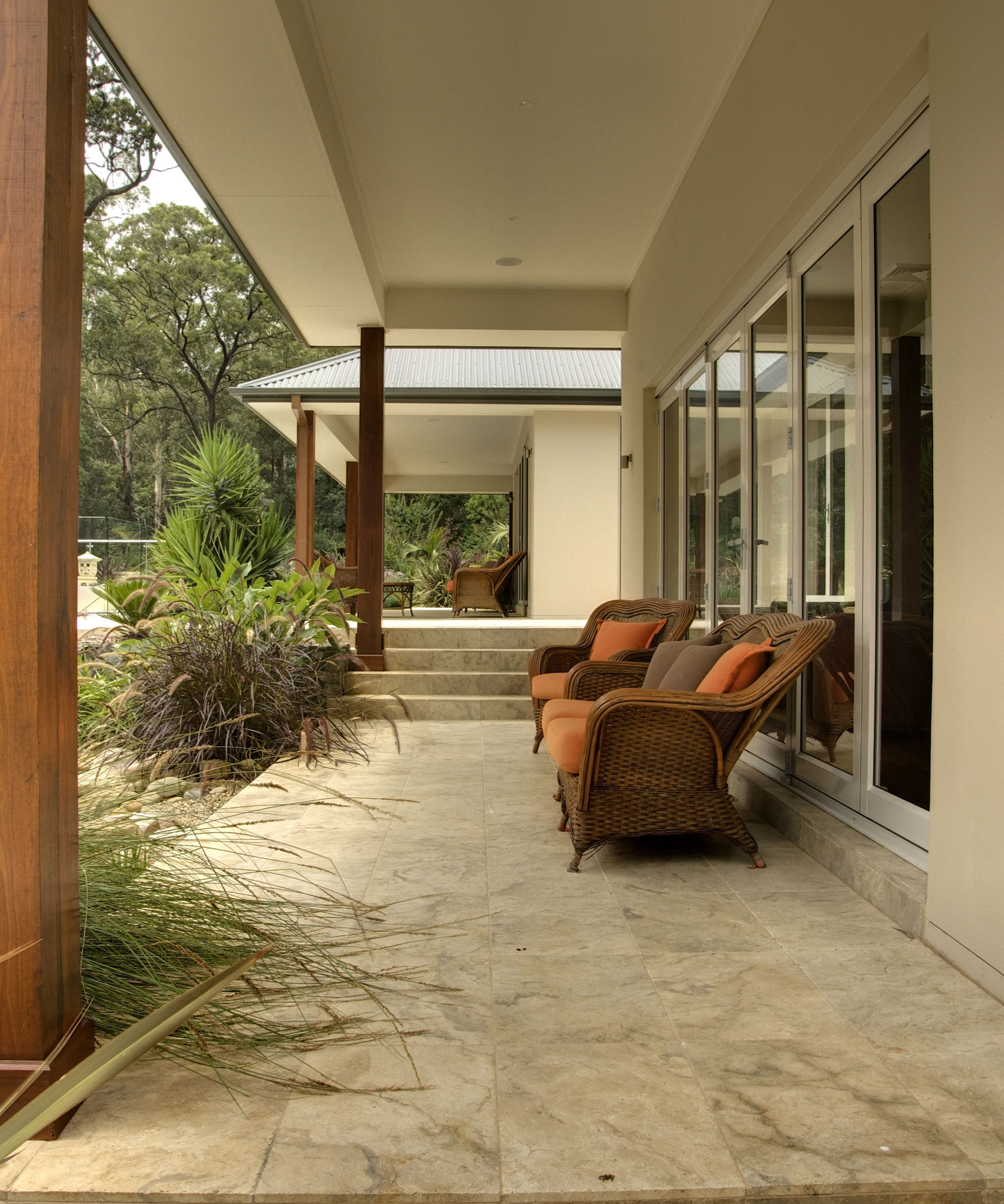
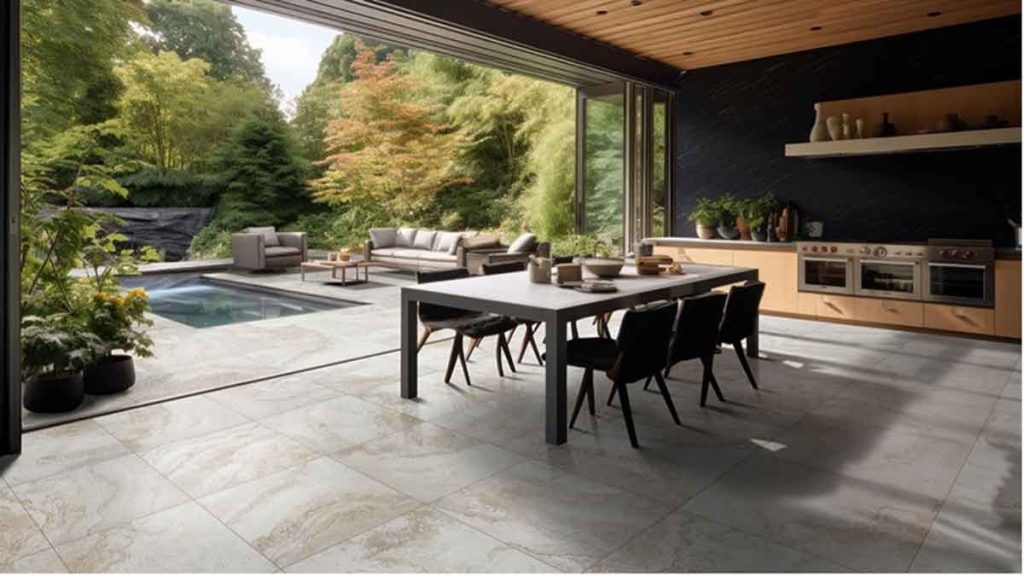
Hardscaping, which incorporates elements like stone, brick, concrete, gravel, and wood into outdoor spaces, is essential for both functionality and aesthetics. While traditional hardscaping can have environmental drawbacks such as increased energy and water consumption and potential harm to local ecosystems, sustainable hardscaping materials offer numerous environmental advantages. These benefits range from minimizing chemical use and reducing stormwater runoff to lowering carbon footprints and enhancing curb appeal, all while being durable and low maintenance.
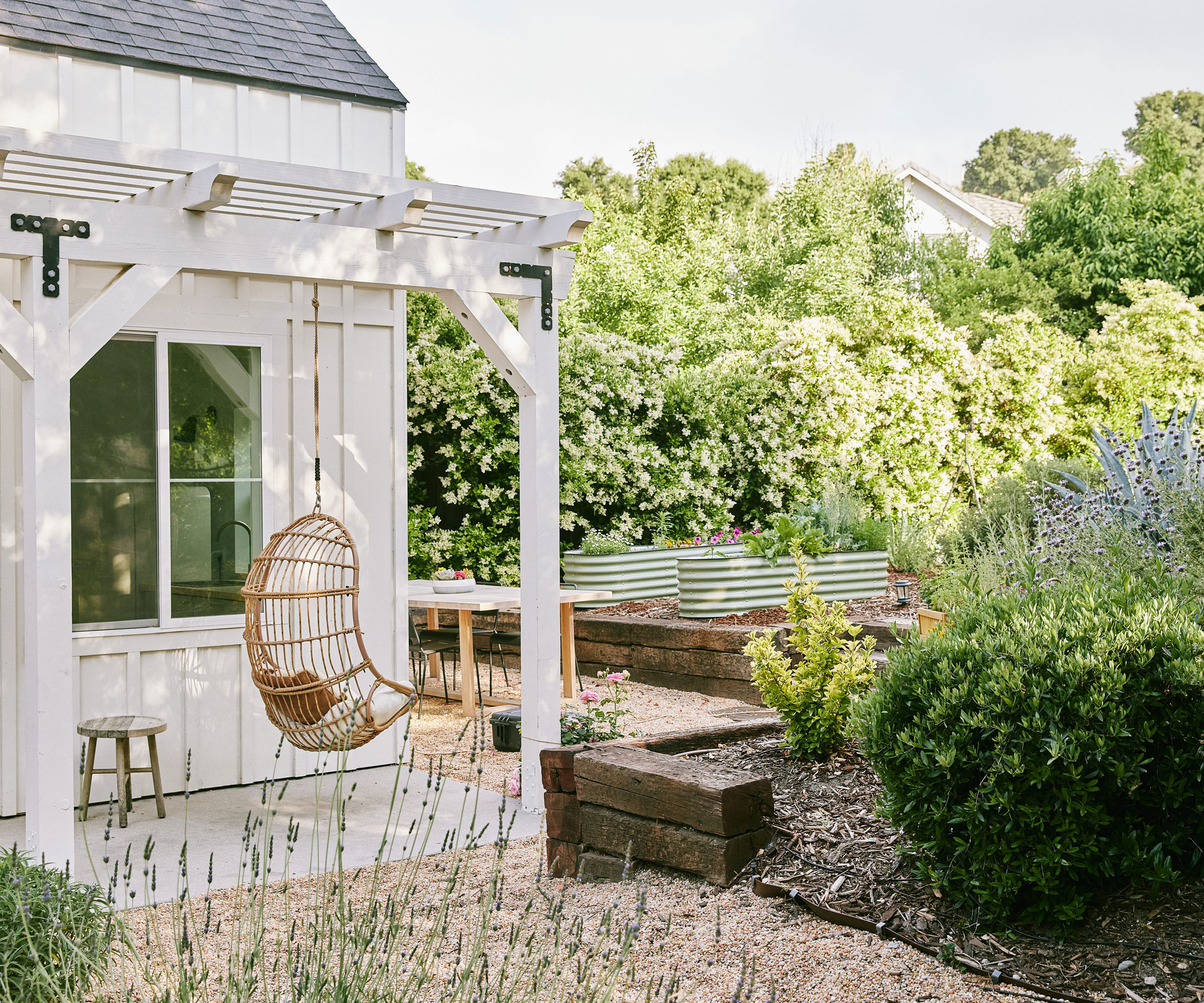
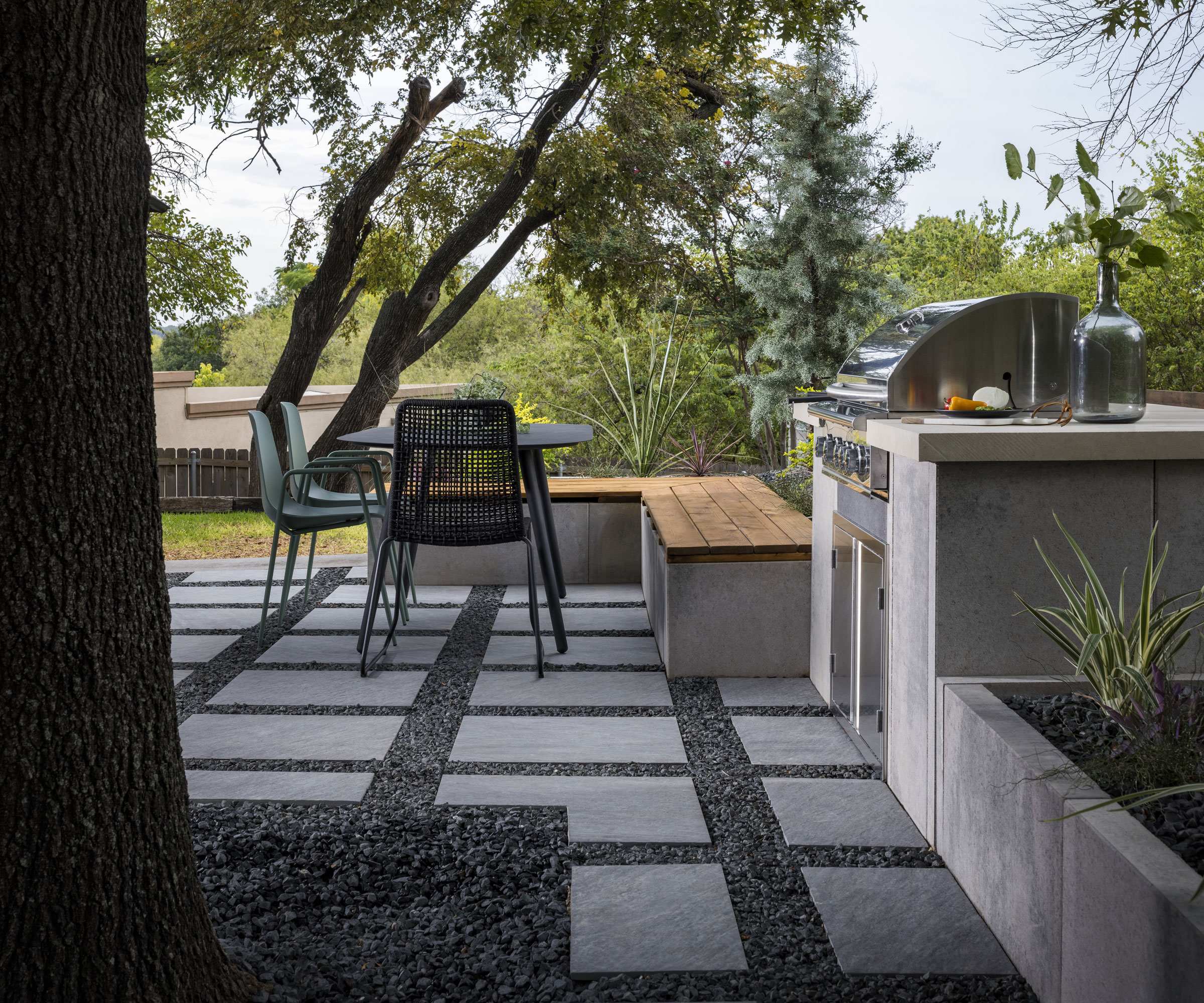
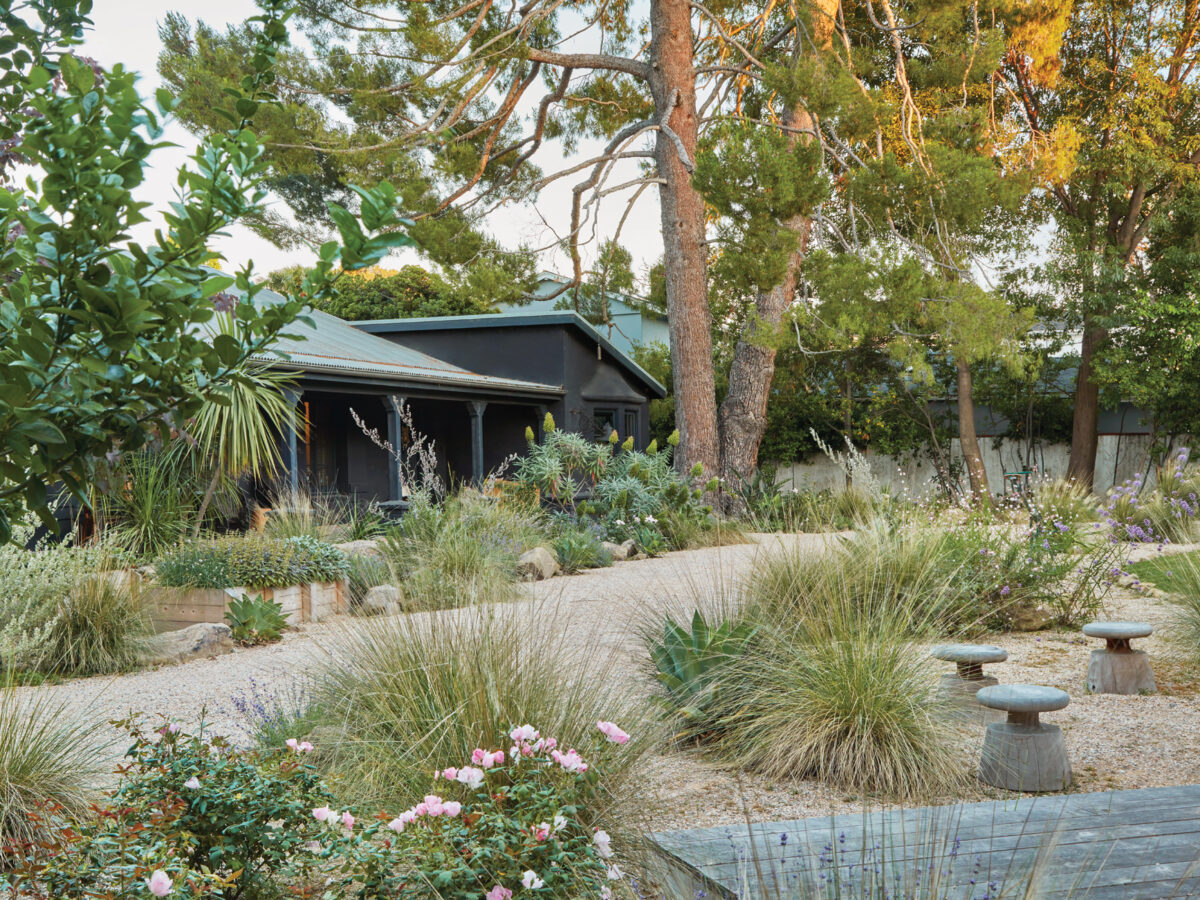
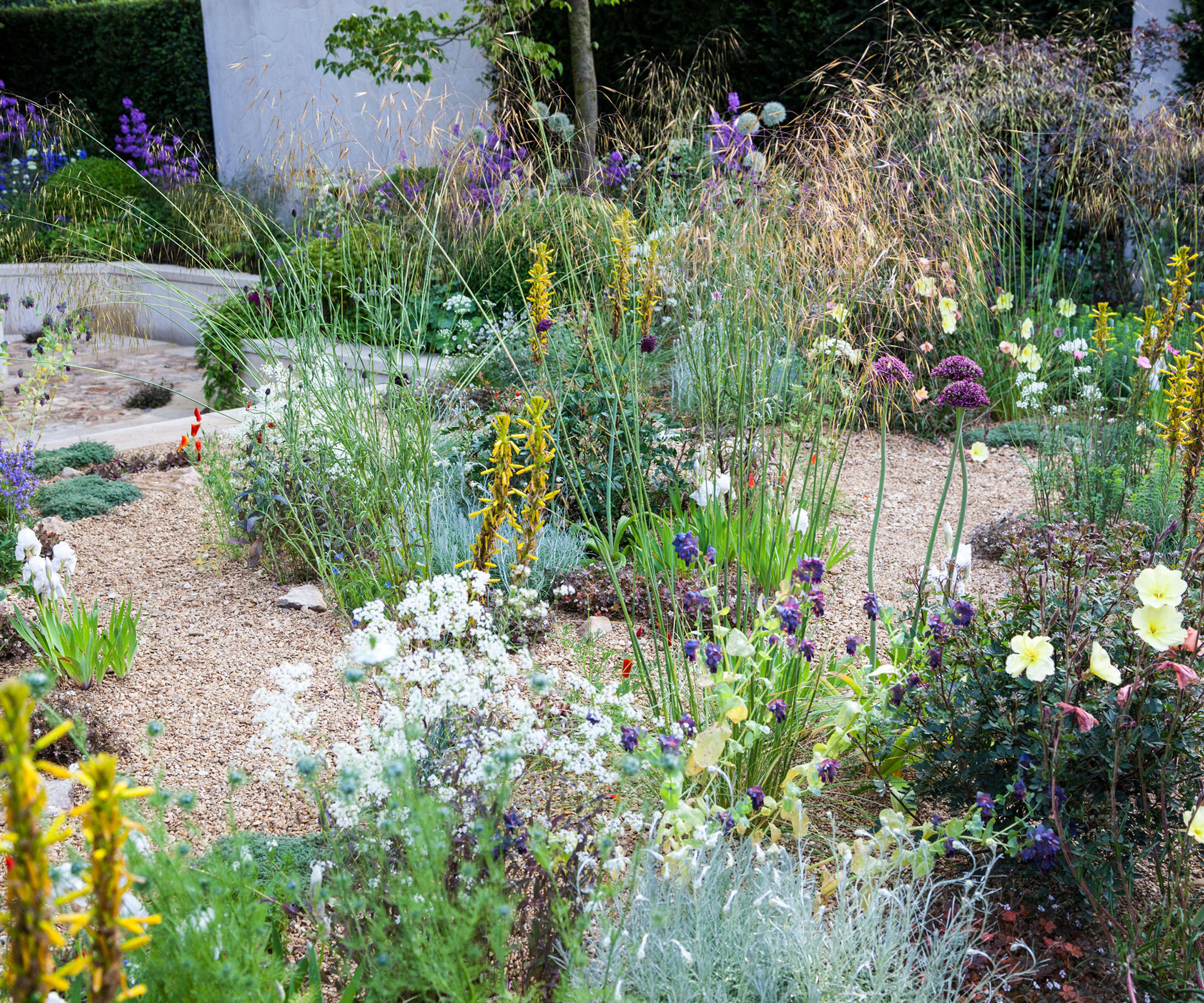
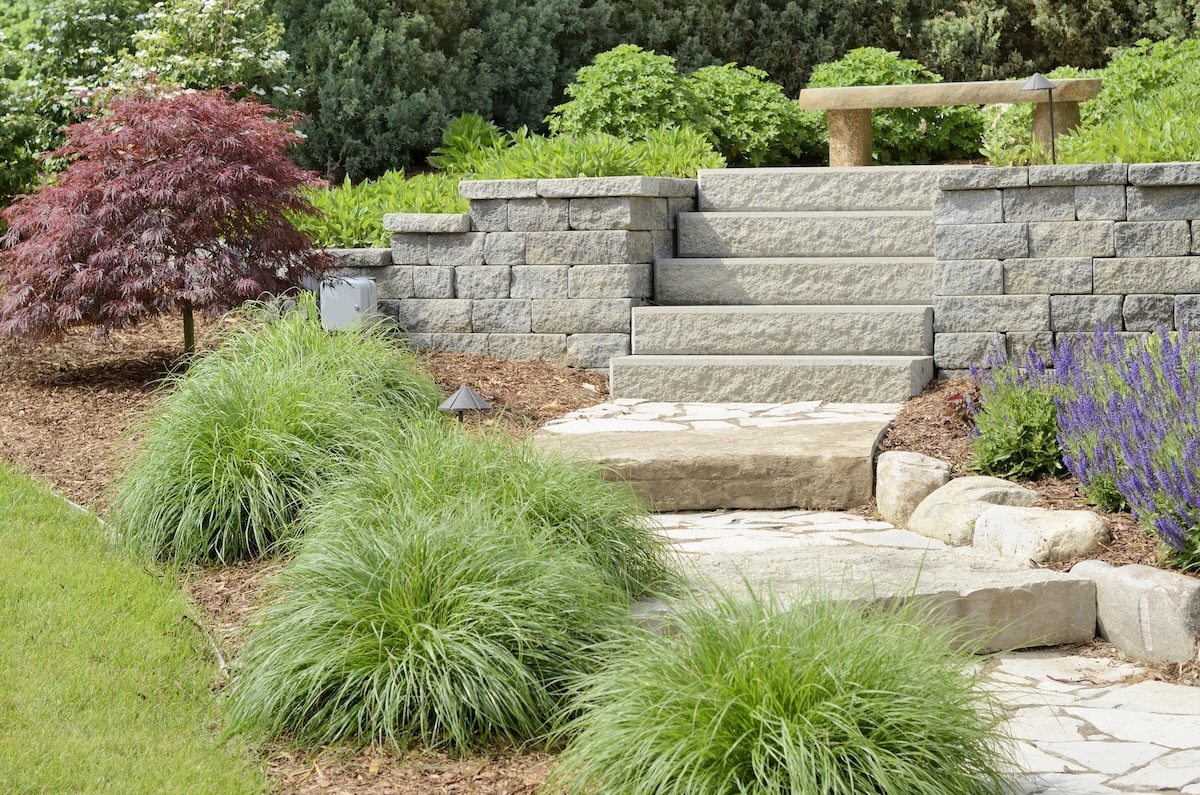
One significant benefit of sustainable hardscaping is water conservation. By choosing hardscape elements like pathways, patios, and retaining walls over grass, the need for irrigation is significantly reduced. Materials such as gravel and permeable pavers allow rainwater to be absorbed into the soil, preventing water wastage and recharging groundwater. This approach contributes to xeriscaping principles, which focus on drought-tolerant landscaping.
Sustainable hardscaping also plays a crucial role in minimizing chemical use. Replacing traditional lawns with hardscaping reduces the reliance on pesticides, fertilizers, and other harmful chemicals that can contaminate water sources and harm wildlife. Daniel Cornacchia, president of Dancor Landscapes, emphasizes that such chemicals negatively impact water quality. Permeable pavement further aids in filtering pollutants from water and allows stormwater to drain into the soil, reducing the need for rock salt for de-icing in colder regions, which can damage plants and pets.
Reducing stormwater runoff and erosion is another key advantage. As urban areas expand, impermeable surfaces exacerbate runoff issues. Sustainable alternatives like pervious asphalt, pervious concrete, interlocking pavers, and plastic grid pavers enable rain and snowmelt to infiltrate the soil rather than overwhelming sewer systems. Cornacchia notes that permeable pavers can also be used to manage and reuse stormwater for irrigation, mitigating pollution associated with traditional stormwater systems. Gravel and mulch are effective in reducing soil erosion and filtering contaminants, with mulch also enhancing soil health by providing organic matter.
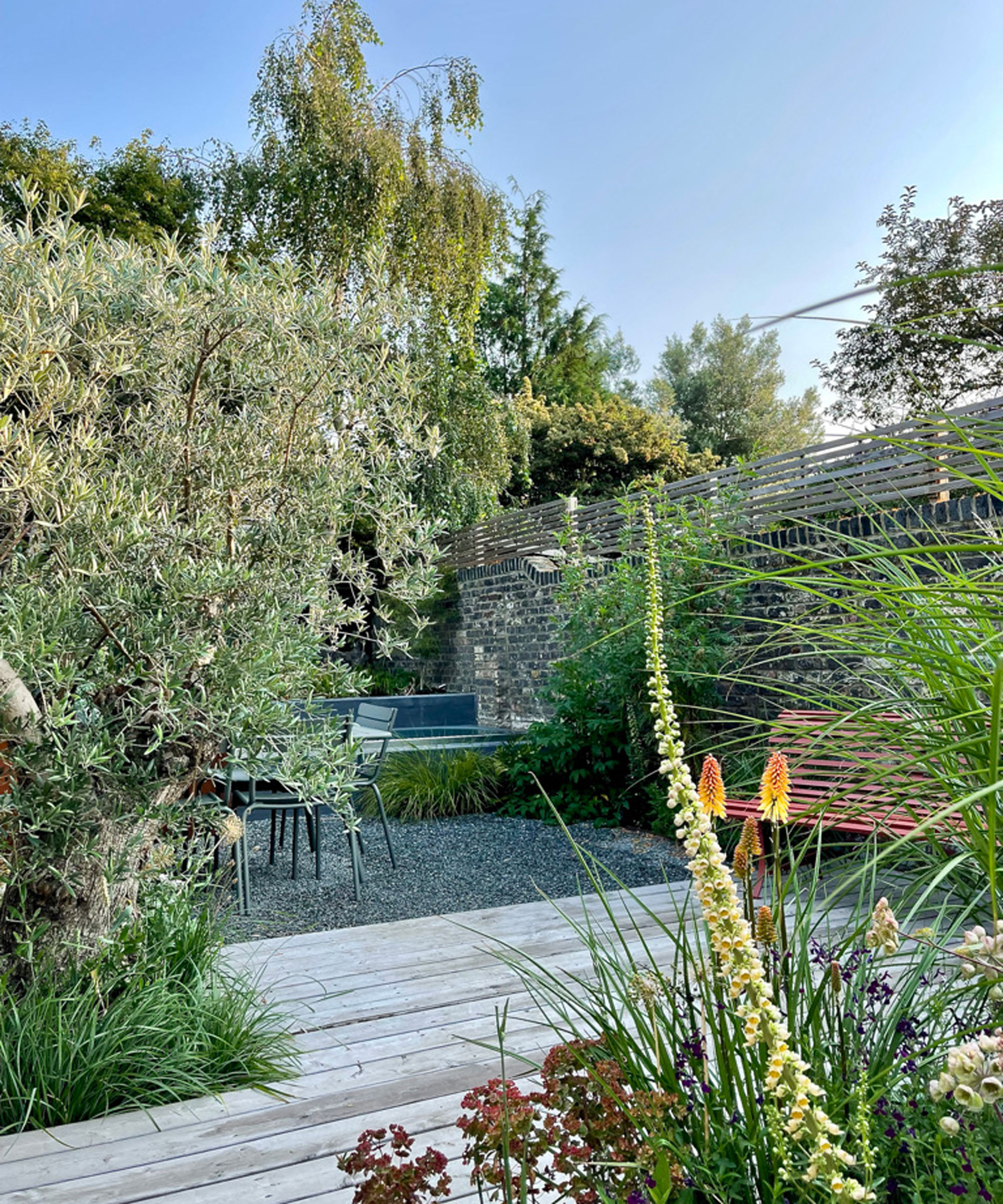
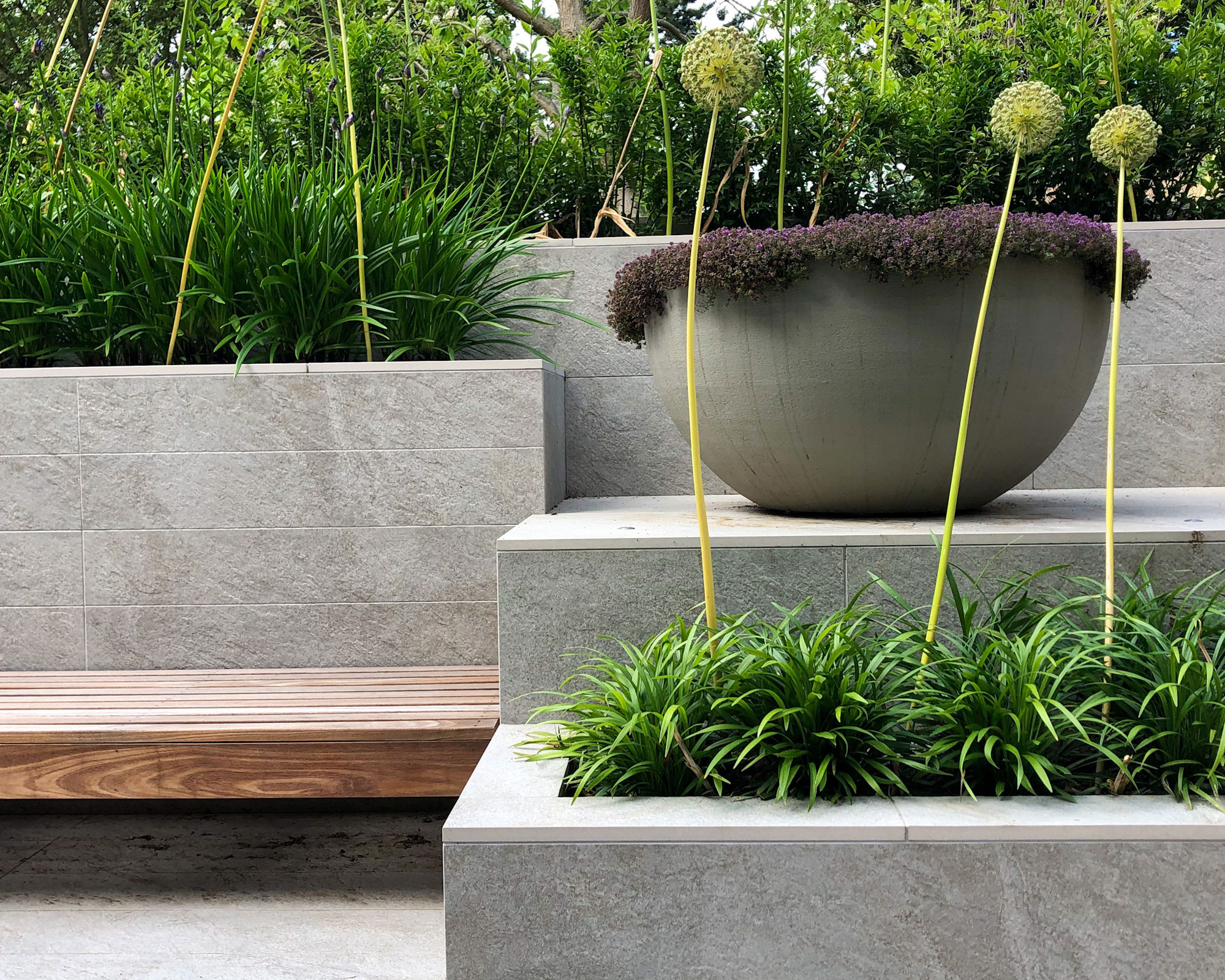
Sustainable hardscaping supports local wildlife by improving soil conditions for earthworms, insects, and microorganisms. Mulch, for instance, decomposes to enrich soil, mimicking natural forest processes. Incorporating native plants, shrubs, and perennial flowers between hardscaped areas creates habitats and attracts pollinators. Moreover, hardscaping can help preserve natural habitats by minimizing the disturbance of existing vegetation, unlike traditional landscaping that often requires extensive removal of native flora.
Improved drainage is a practical benefit, particularly with permeable pavers. Joe Raboine, VP of design for Oldcastle APG, explains that these porous materials allow water to flow through them into the ground, reducing the burden on storm drains and preventing localized flooding. Permeable paver systems can also be designed to harvest and recycle rainwater, adding to their eco-conscious attributes and preventing water pooling, which can deter pests like mosquitoes.
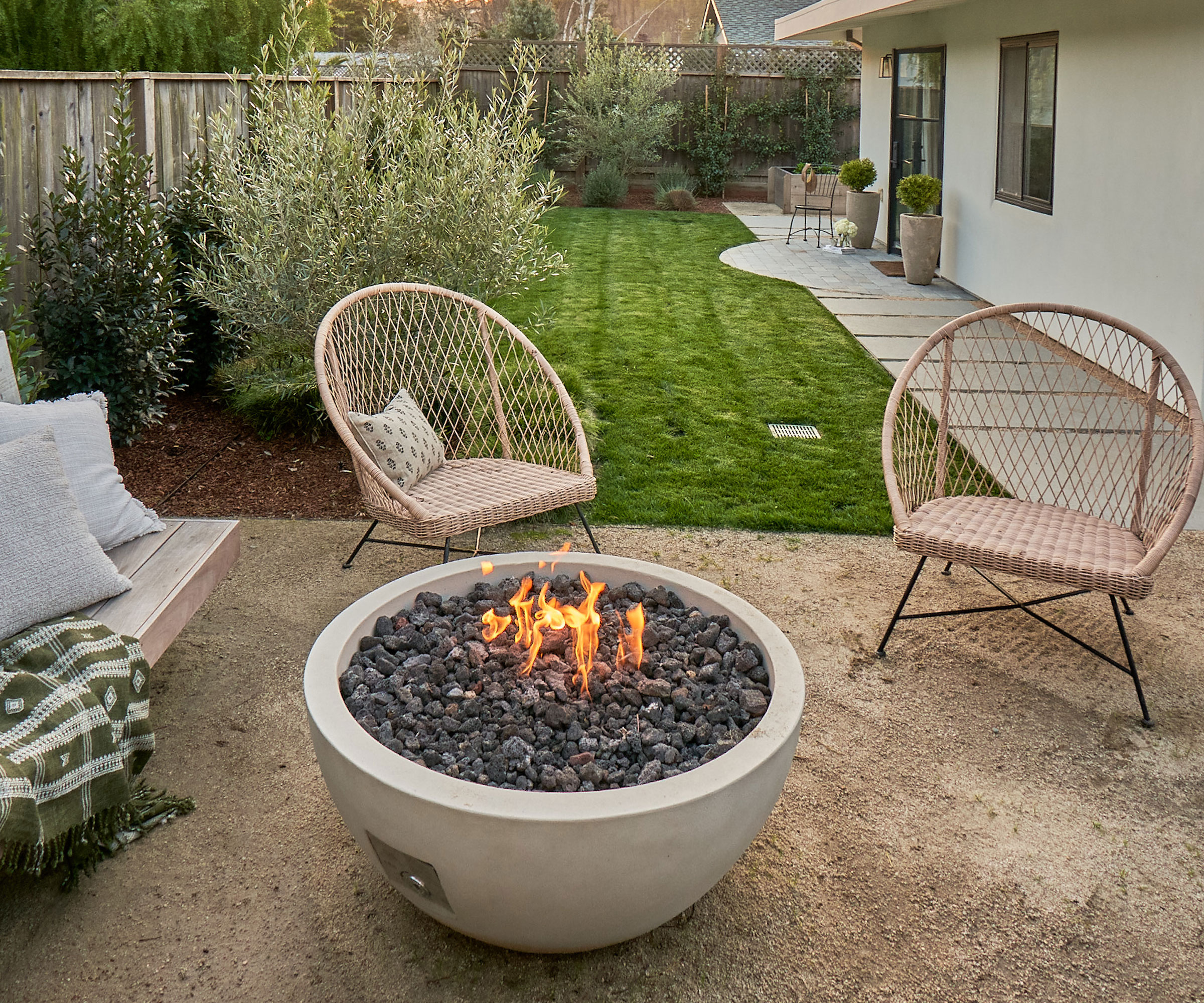
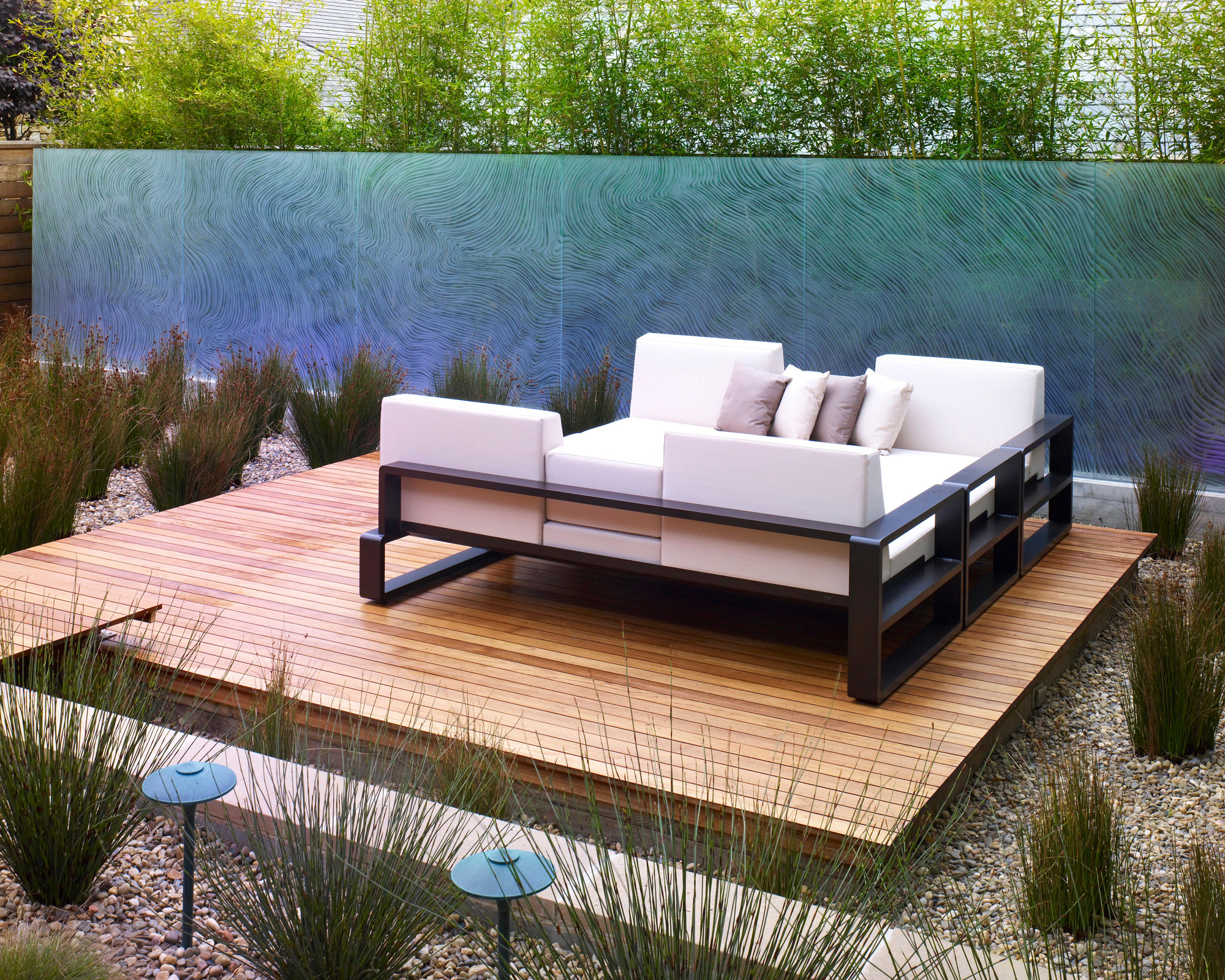
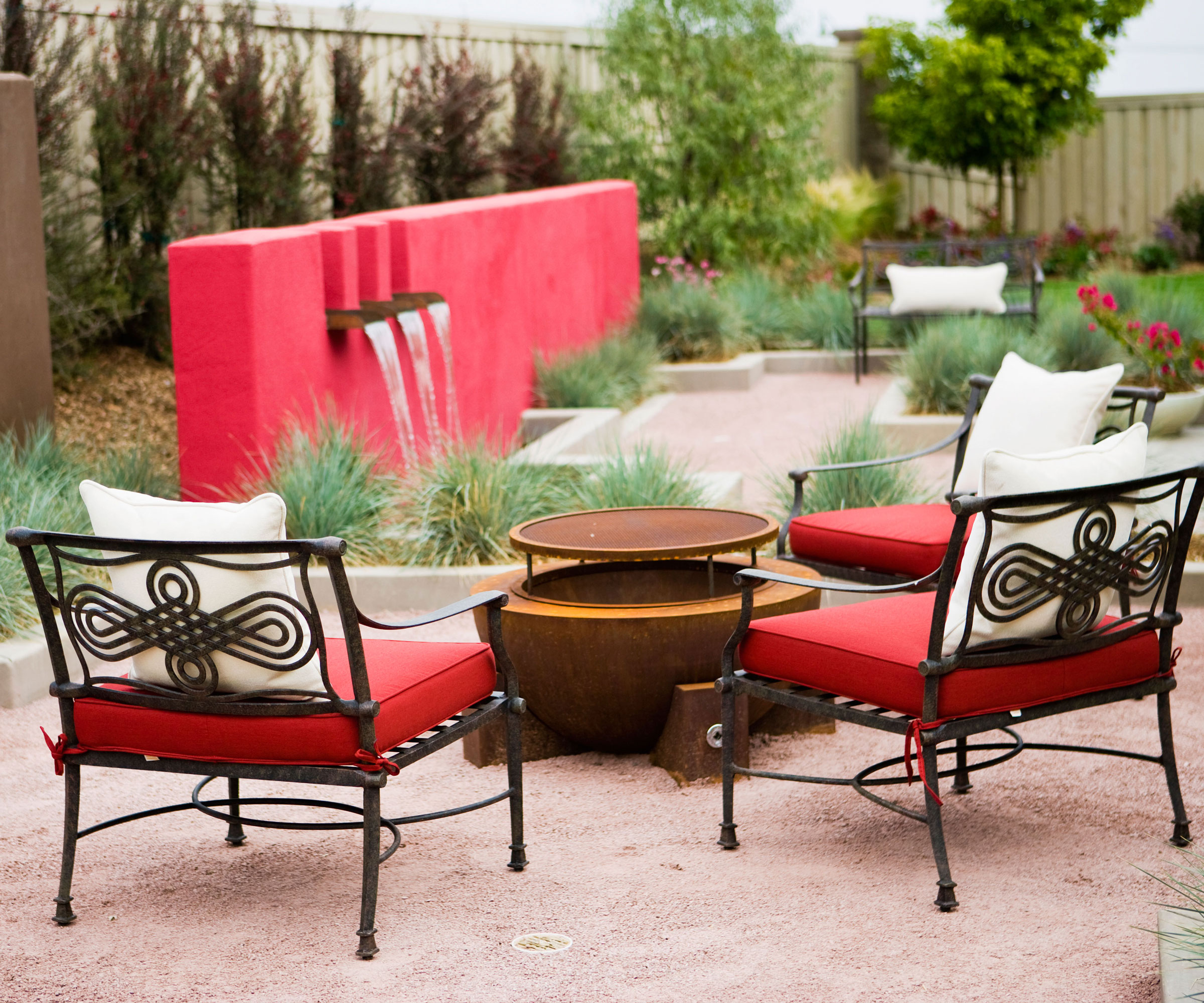
Finally, sustainable hardscaping contributes to a lower carbon footprint. Utilizing locally sourced materials reduces transportation-related emissions and supports local economies. Hardscaping also lessens the need for fossil fuel-dependent lawn maintenance equipment. Choosing recycled or upcycled materials such as reclaimed concrete, stone, wood, glass aggregates, or pavers made from old plastic further reduces carbon emissions by avoiding new construction. These materials can be integrated into various outdoor features, from walkways to fire pits, enhancing the overall aesthetics with their natural appearance while offering durability and longevity.
#sustainableHardscaping #outdoorSpace #waterConservation #stormwaterManagement #ecoFriendlyMaterials #carbonFootprint #wildlifeSupport #permeablePavers #landscapeDesign #sustainableHardscaping #outdoorSpace #waterConservation #stormwaterManagement #ecoFriendlyMaterials #carbonFootprint #wildlifeSupport #permeablePavers #landscapeDesign
0 comment in total
 No comments yet
You may also like
The Patio Construction Material This Landscape Designer Won’t Ever Work With

L-shaped garden ideas to help you create a visually pleasing space

Expert Tips for Making the Most of Your Property’s Curb Strip

Create an Eco-Friendly Outdoor Space with Expert Garden Design


These 10 Trends Will Define Outdoor Design in 2023

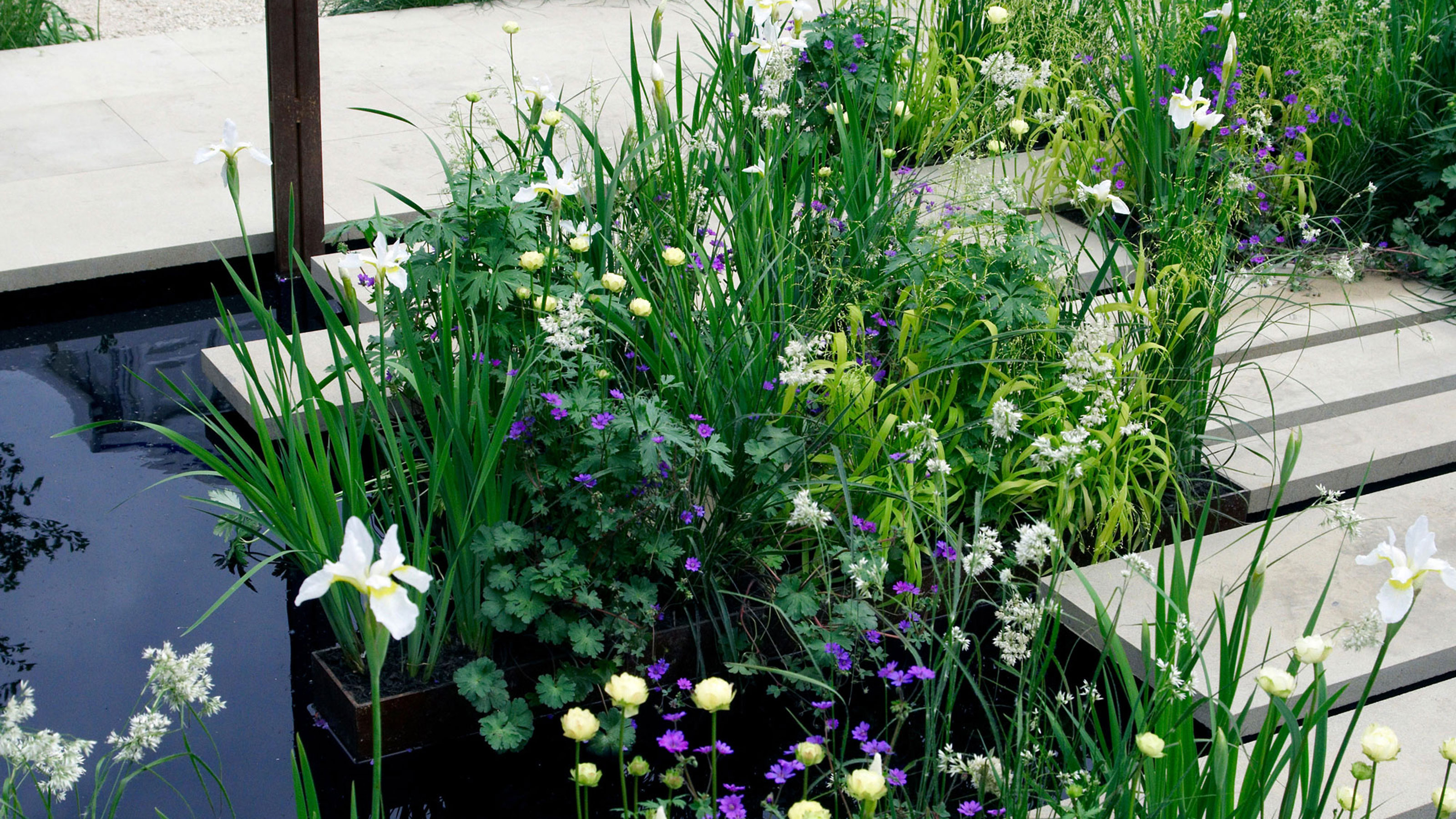
Landscaping ideas - 12 transformative ways the experts would enhance your urban outdoor space

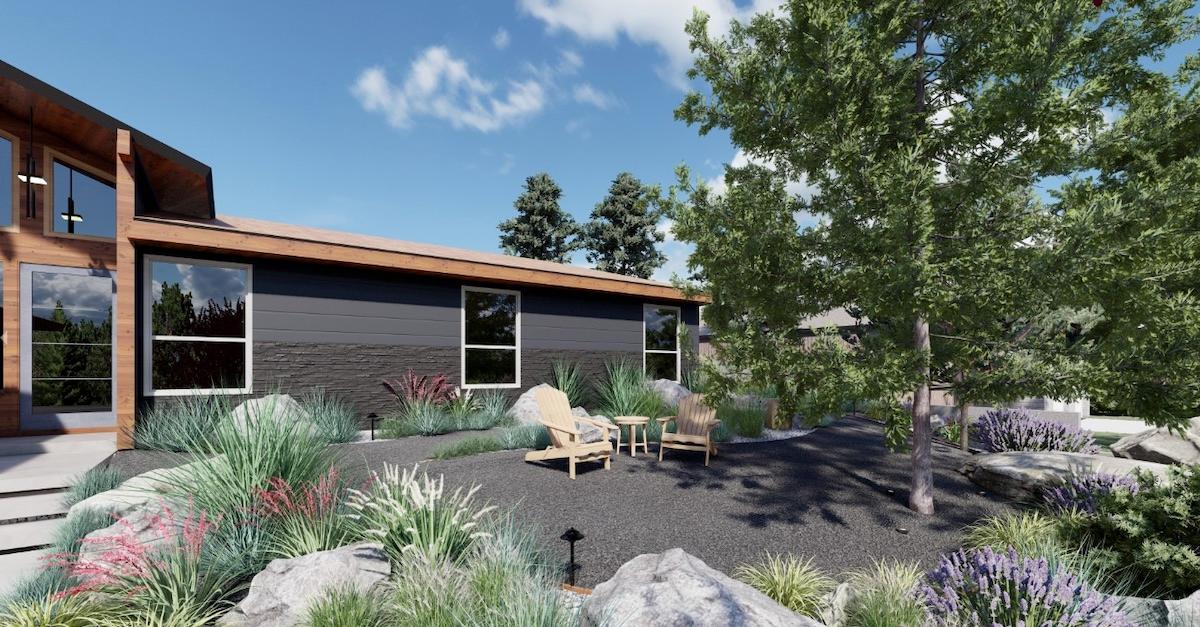
Sustainable Landscaping Tips From a Professional (Exclusive)
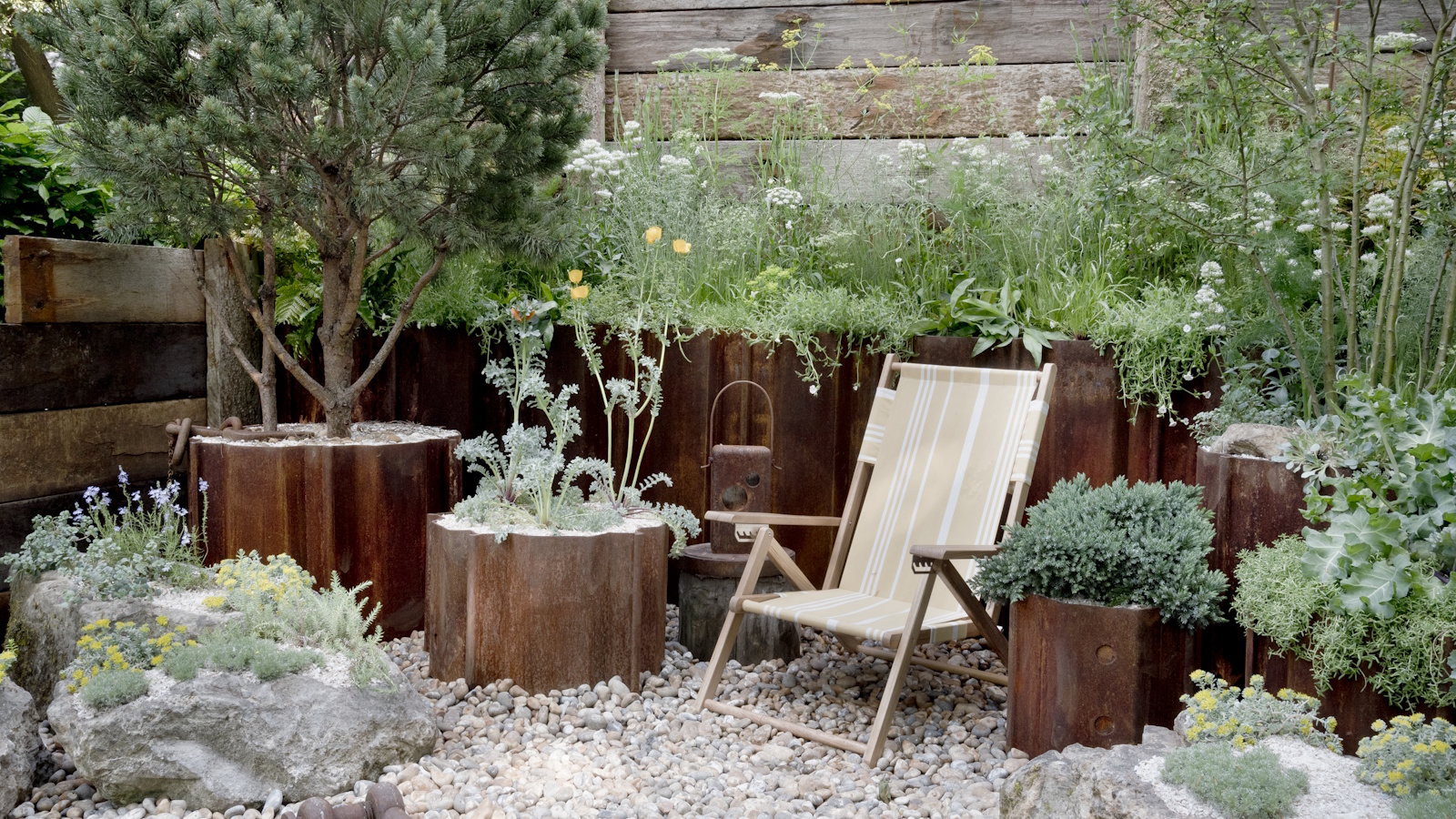
11 beautiful ideas for awkward-shaped gardens
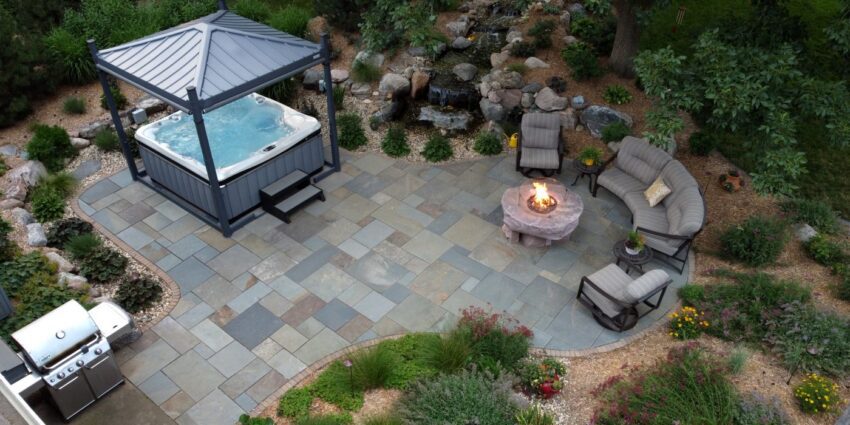
New products, trends create exciting time for outdoor living projects
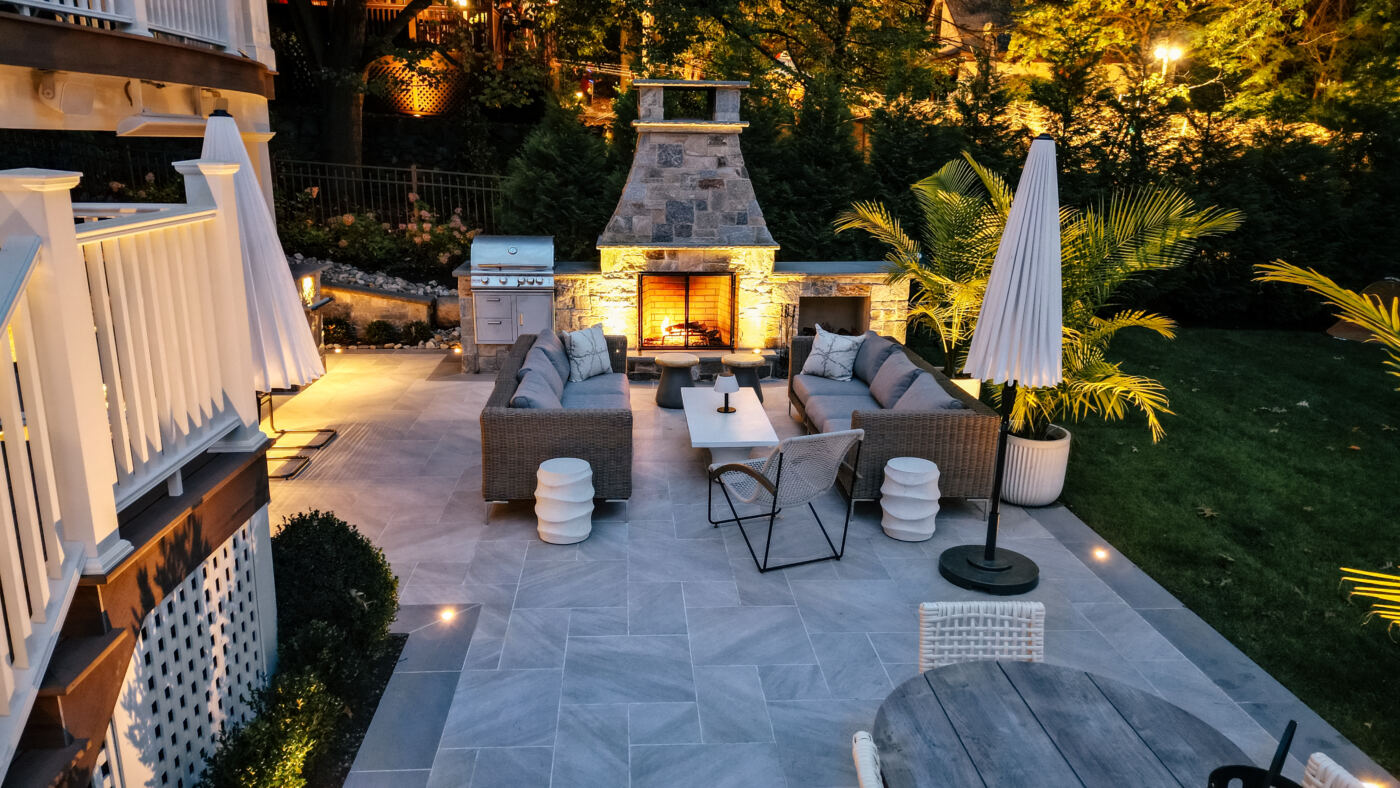
Backyard bliss: Tips for designing a dream outdoor oasis
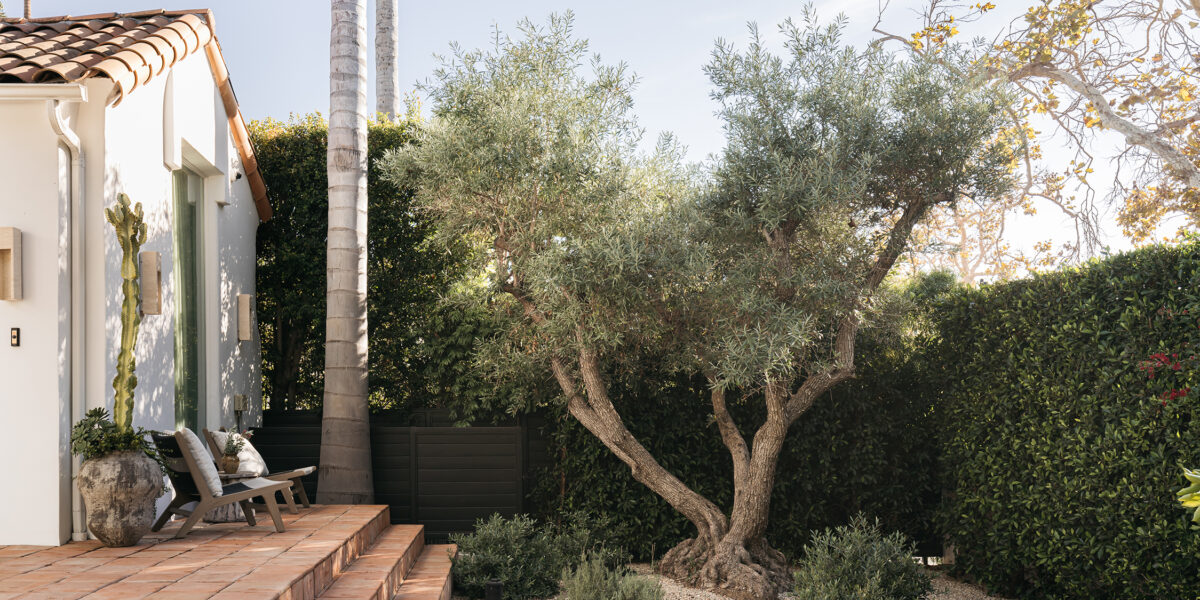
This Is Your Sign to Rip out Your Concrete Backyard and Turn It into a Lush Retreat
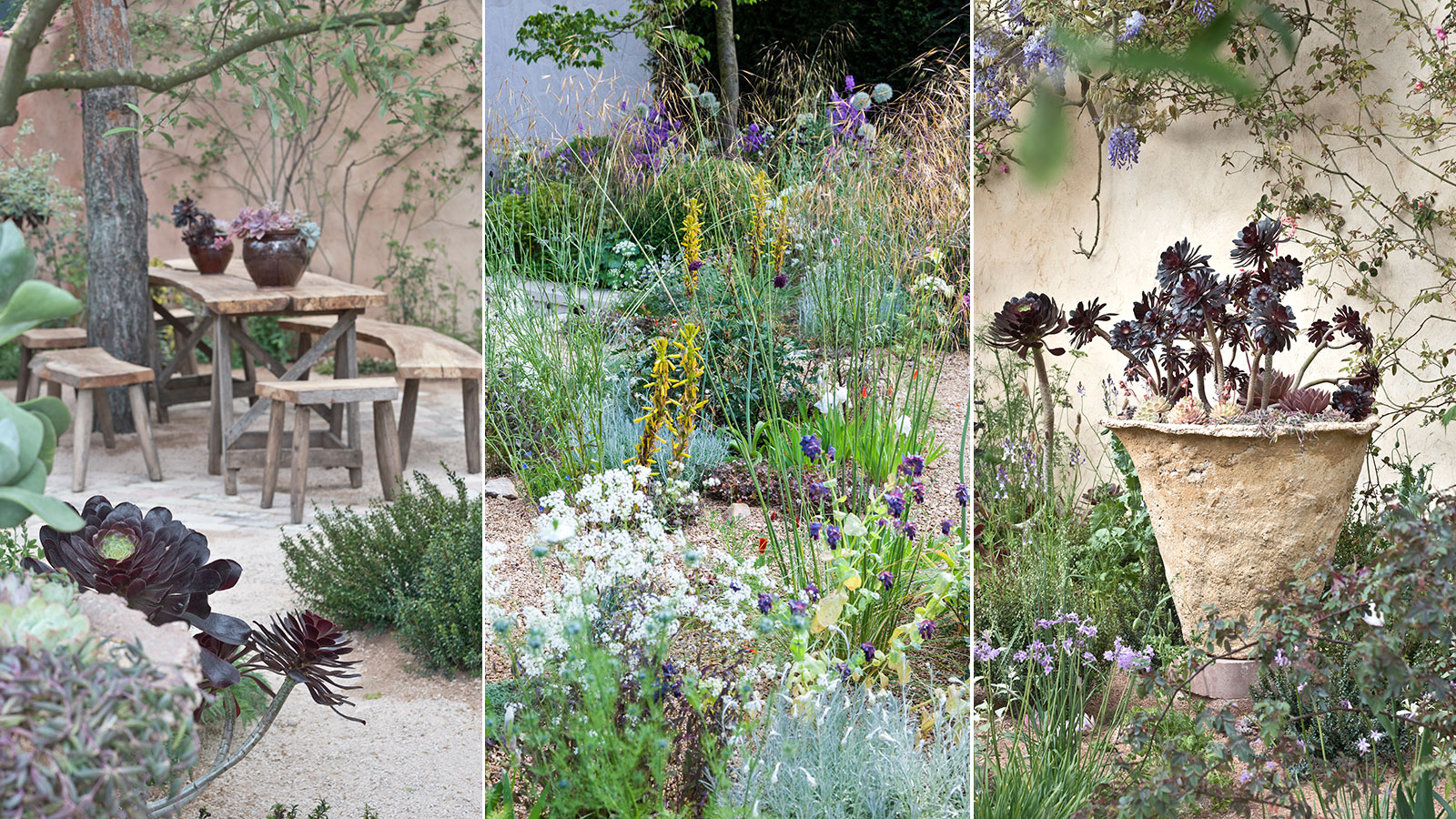
Drought-tolerant landscaping ideas – 8 solutions for a more sustainable backyard design
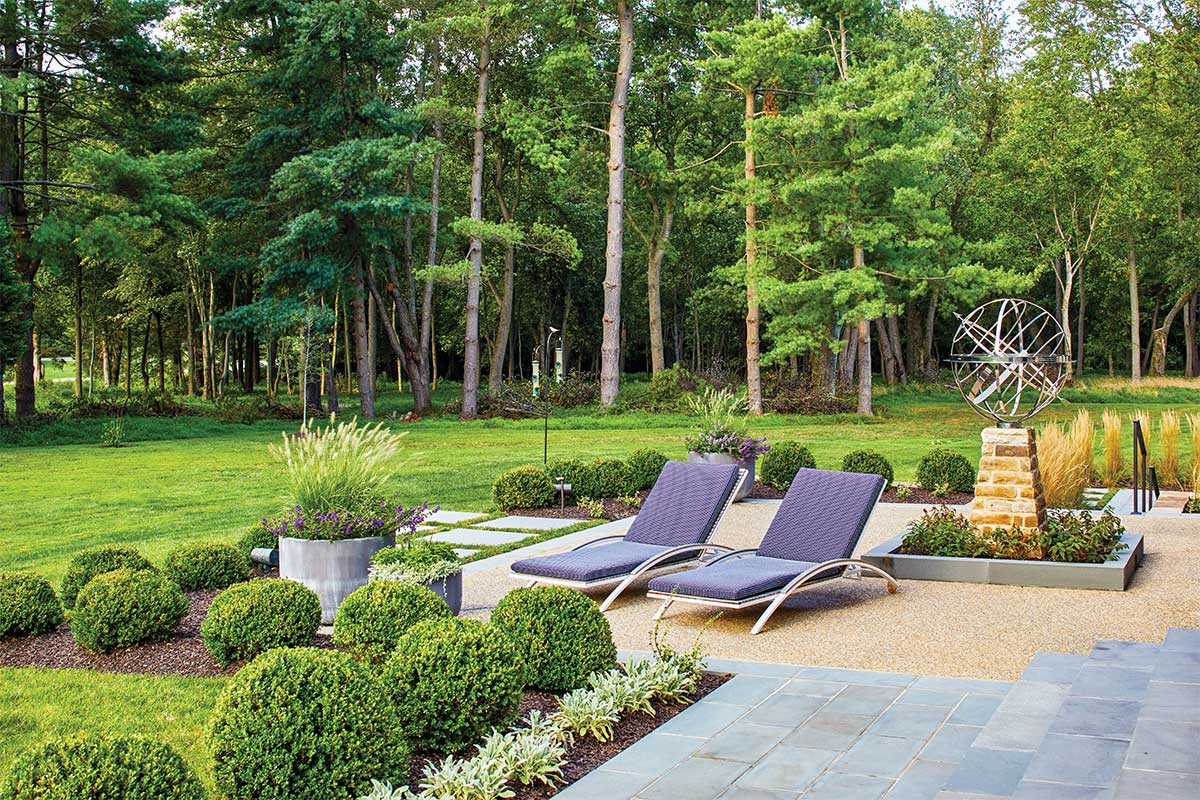
How to Add Hardscaping to Your Outdoor Living Space
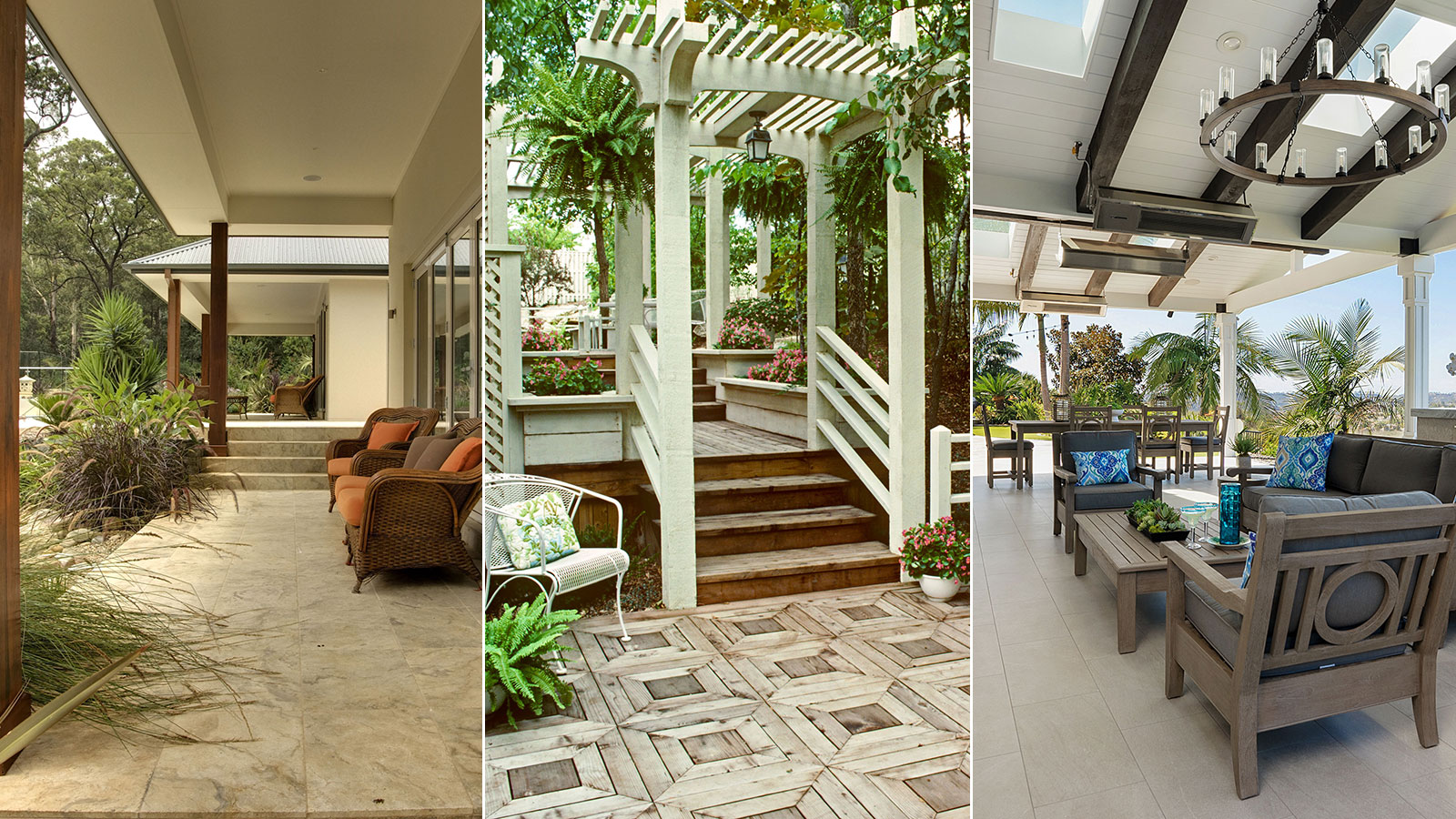
Patio flooring ideas – 10 smart looks to transform a paved outdoor space
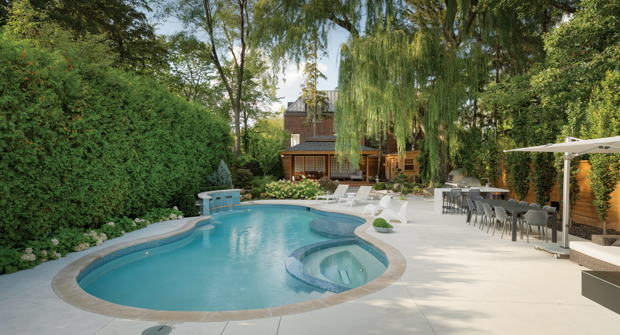
How a century-old willow anchored a Toronto backyard transformation
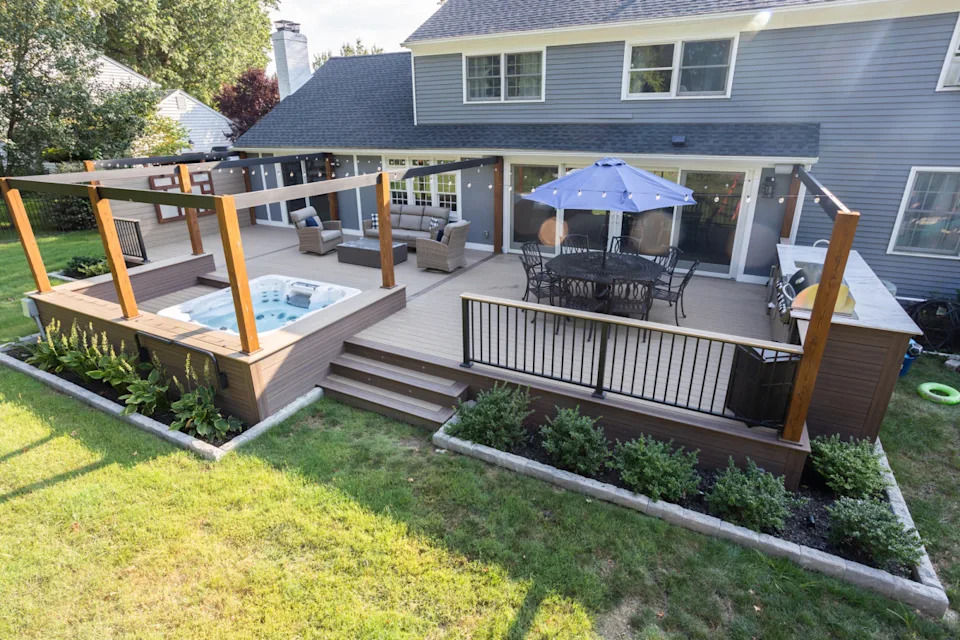
The Biggest Trends for Outdoor Spaces

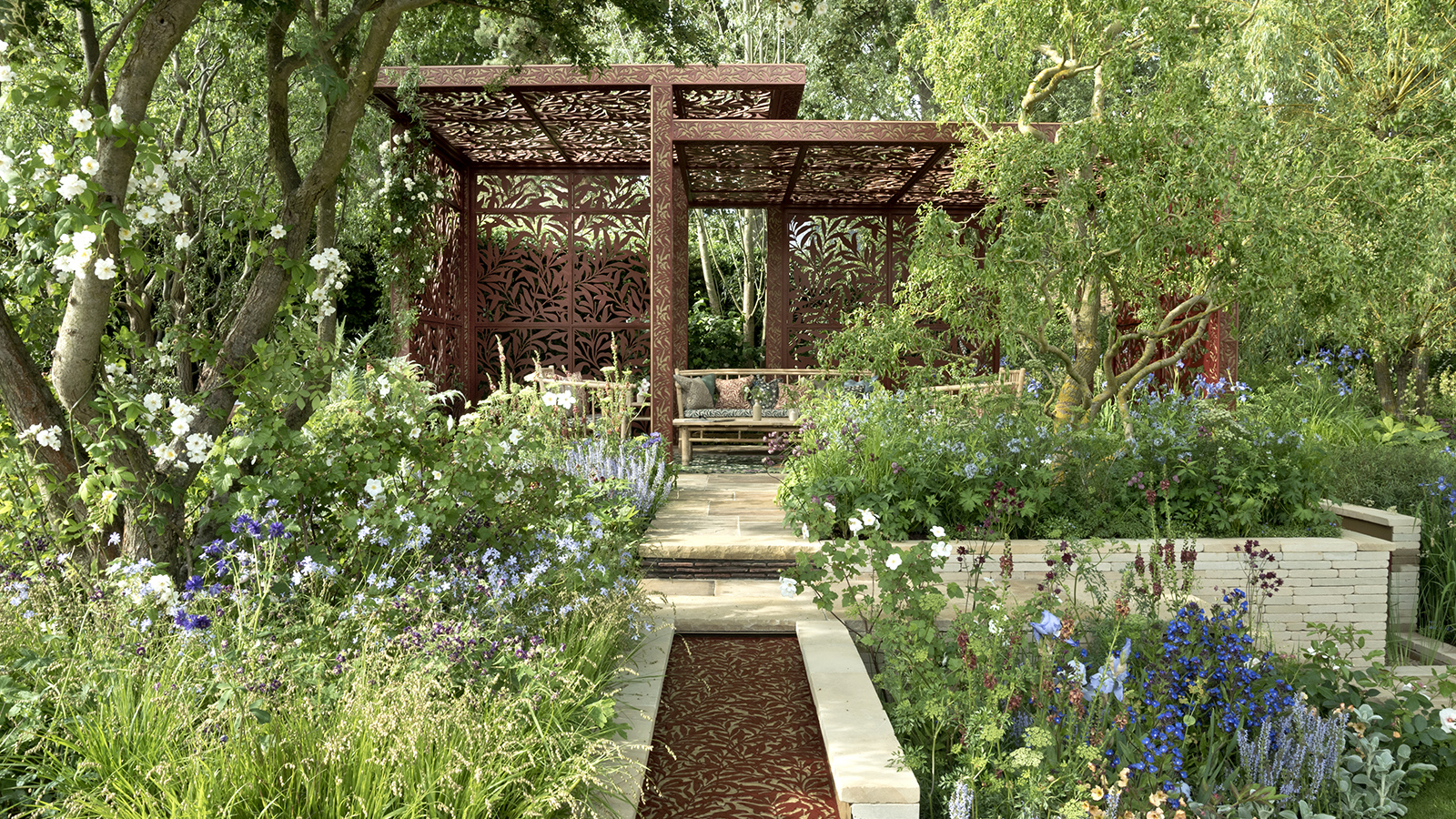
Outdated backyard trends and what's replacing them in 2025 – 8 expert suggestions to refresh your outdoor space
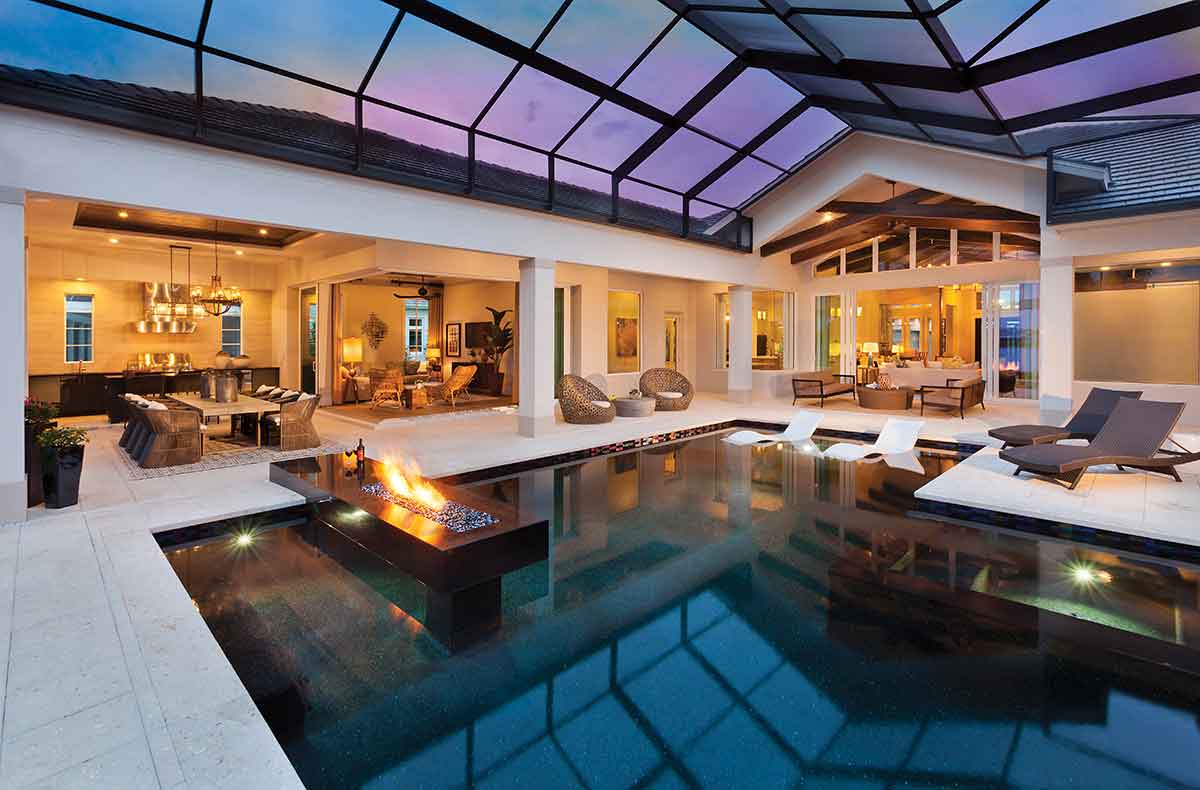
Embrace Seamless Transitions: The Key to Harmonious Outdoor Spaces

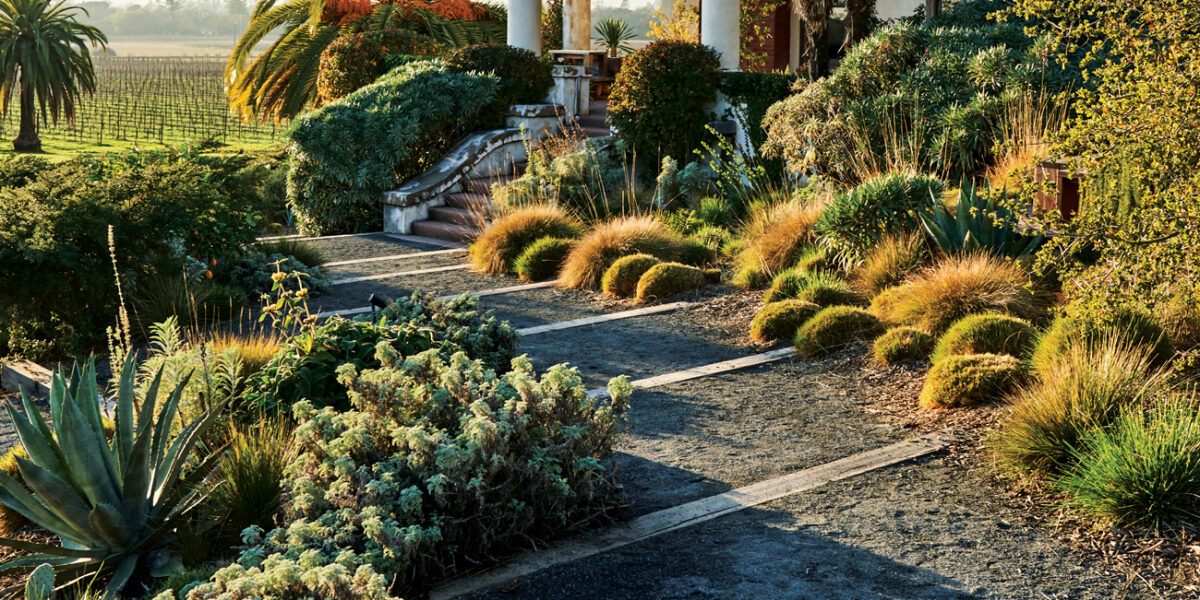
These Designers Make the Most Beautiful, Radical Gardens We’ve Seen
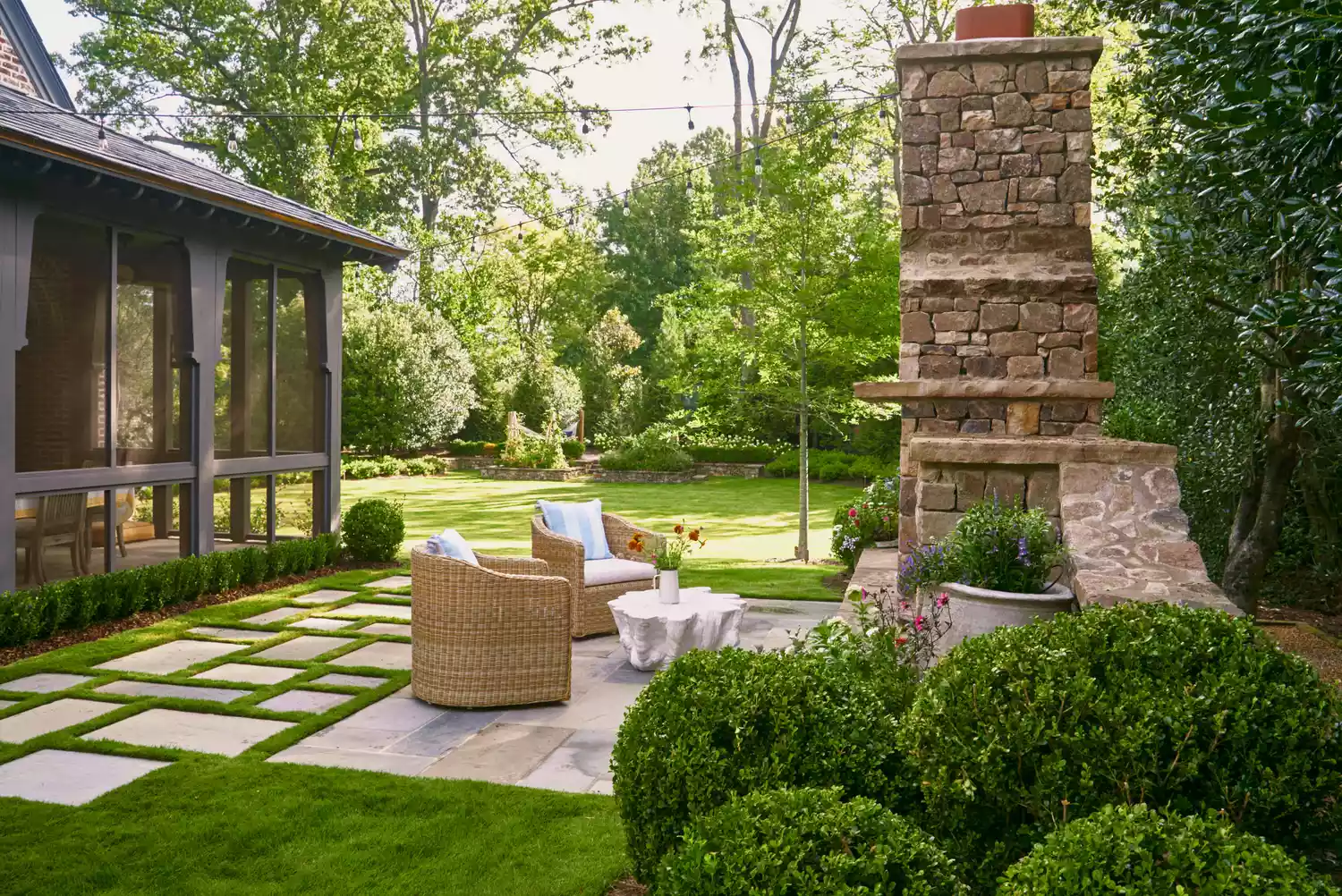
7 Secrets For Maximizing Your Outdoor Space, According To Designers