1/9
Drought-tolerant landscaping ideas – 8 solutions for a more sustainable backyard design
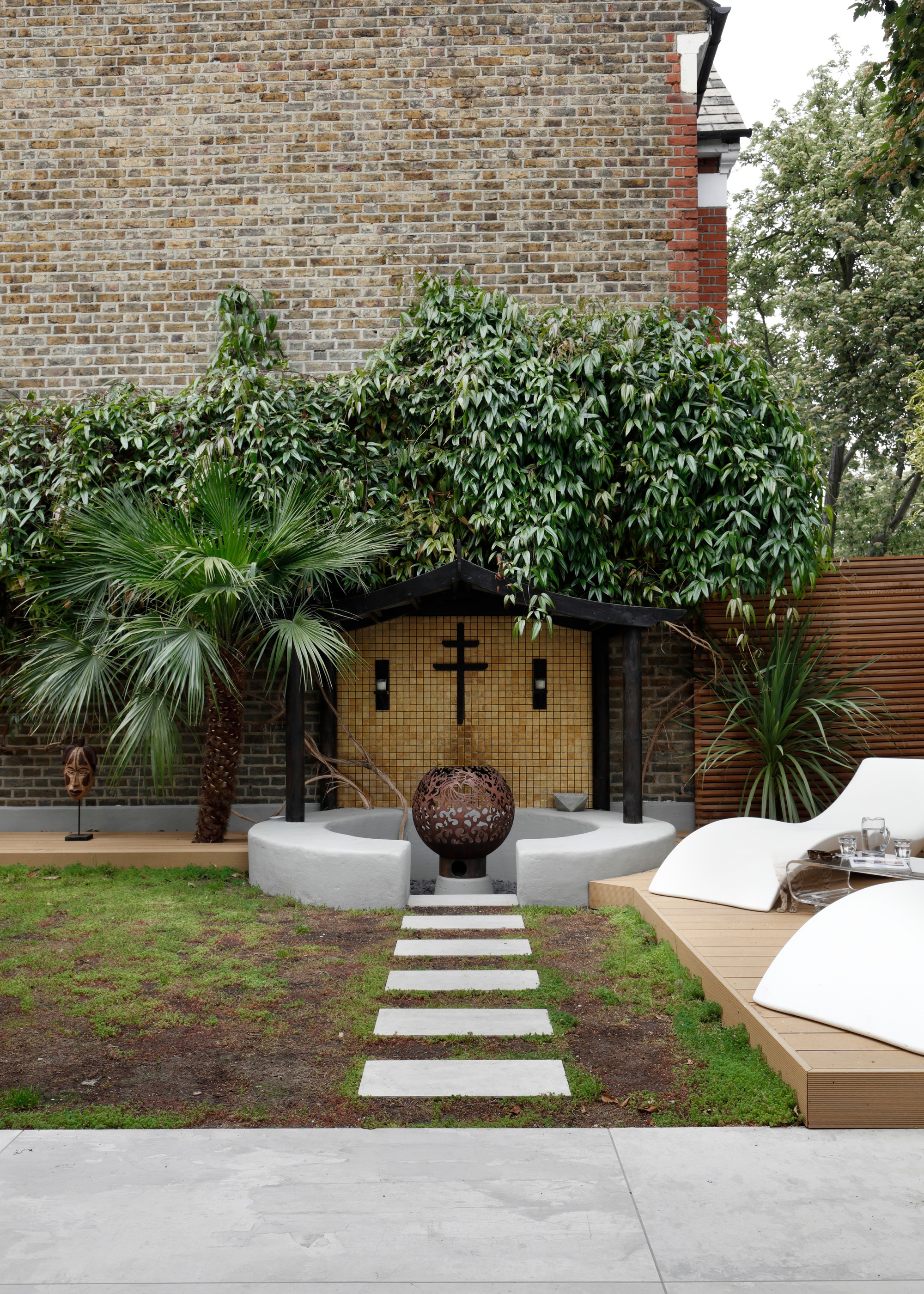
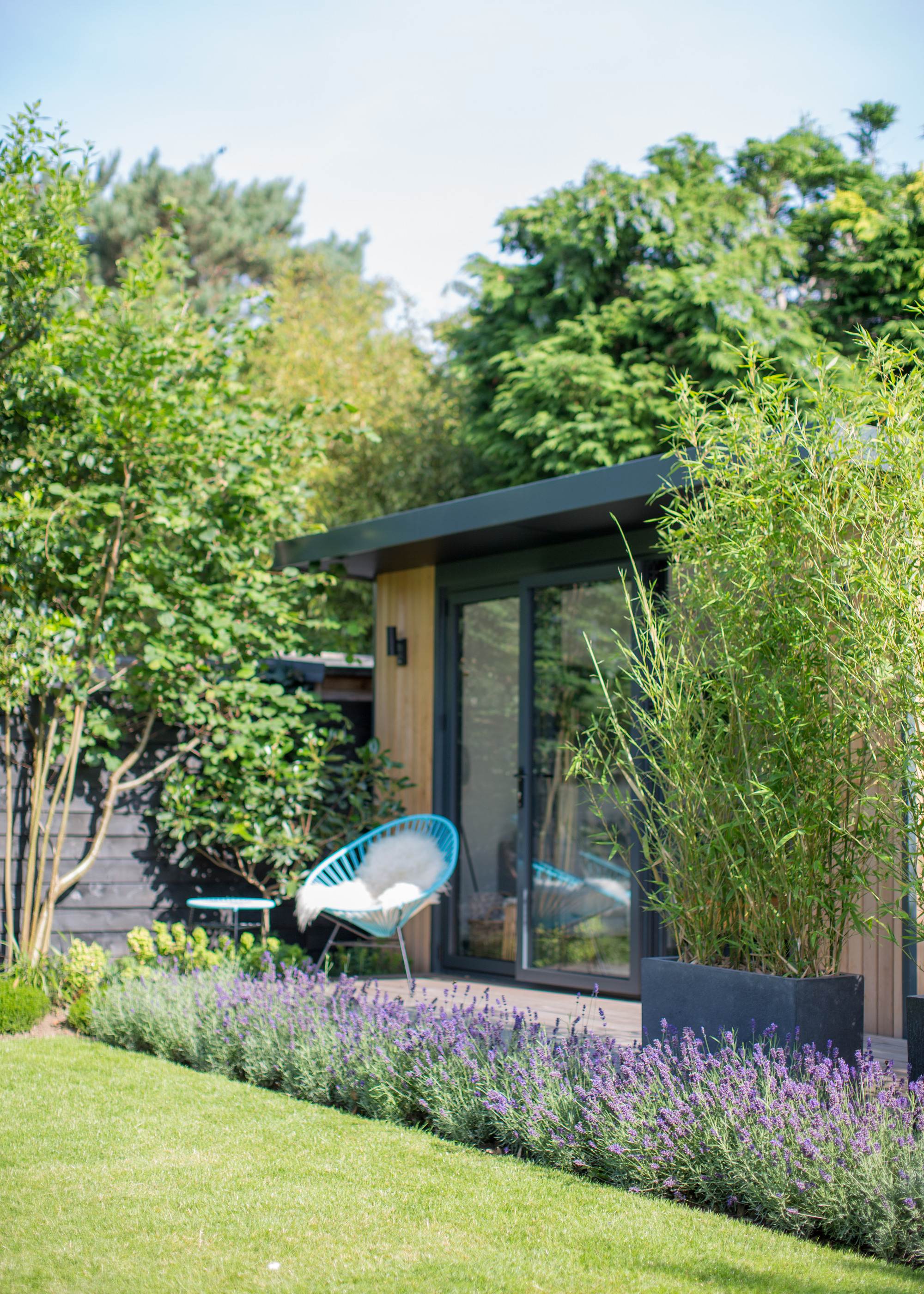
With increasing concerns about climate change and water scarcity, drought-tolerant landscaping has become a crucial topic for homeowners looking to create sustainable and resilient outdoor spaces. This approach involves replacing water-intensive elements like traditional lawns with a combination of hardscape materials and plants specifically adapted to local climates, which require minimal irrigation once established. The article highlights that various incentives, such as low-water landscaping rebates, lawn-to-garden conversion programs, and irrigation grants, are making it more accessible and appealing for individuals to adopt these sustainable practices.
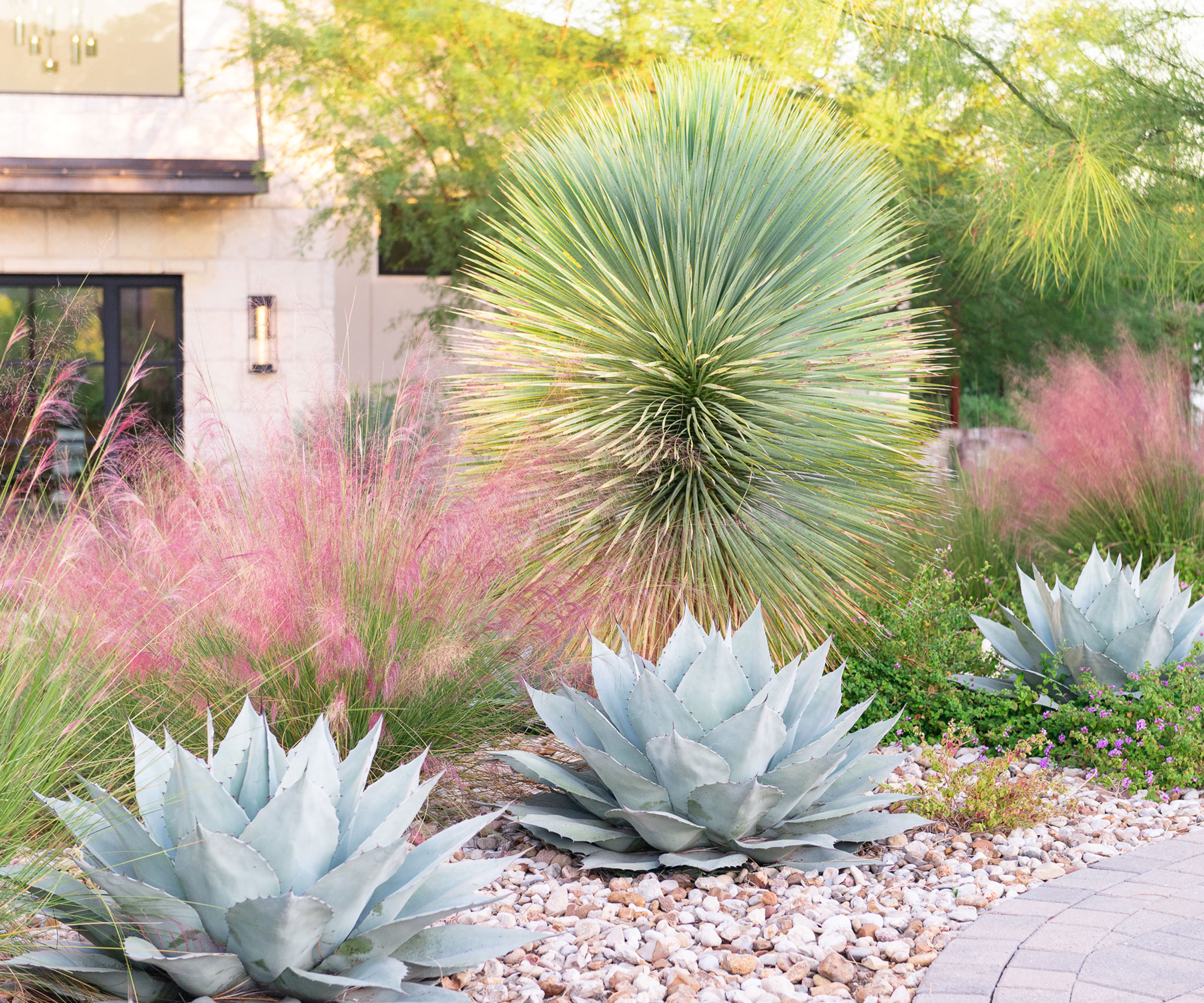
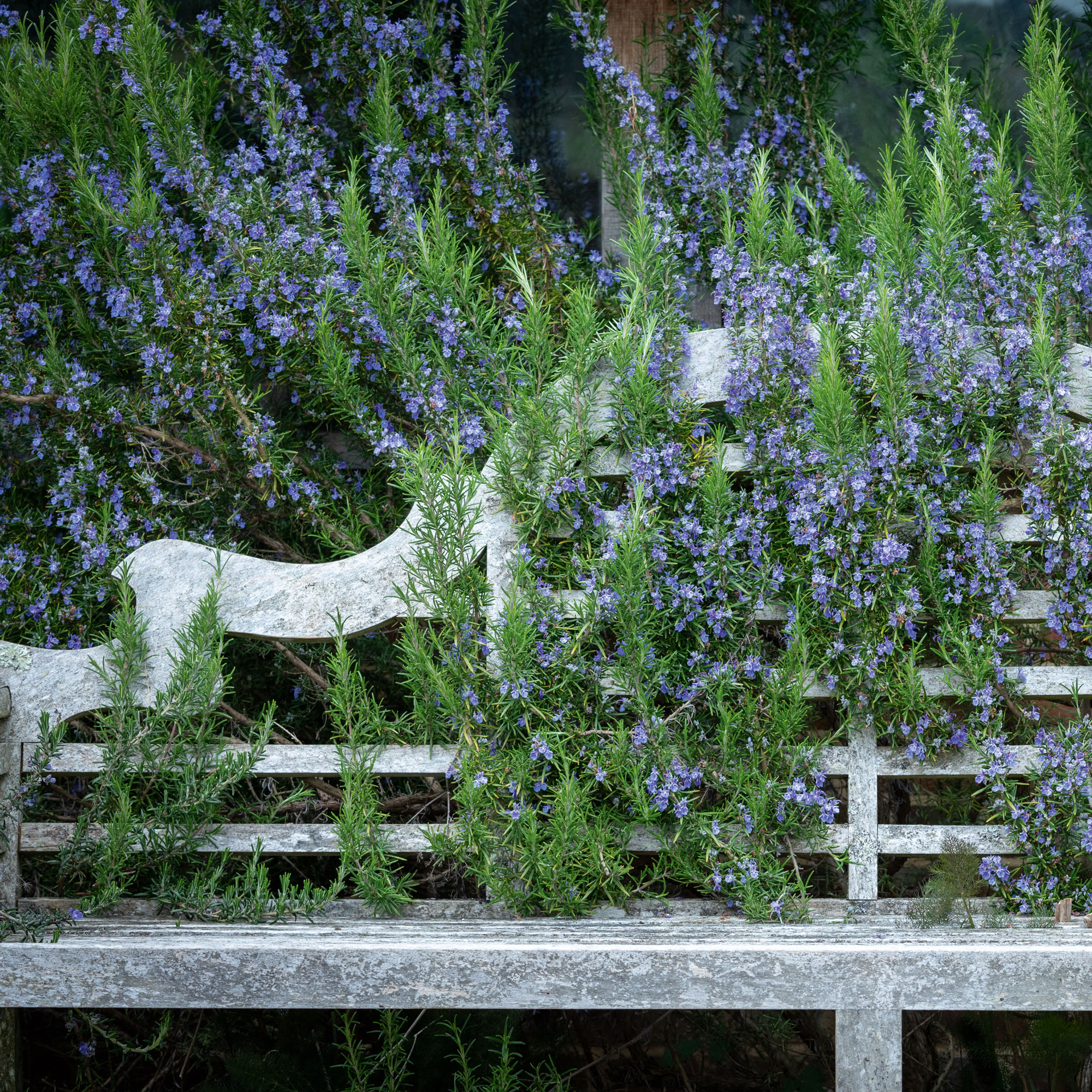
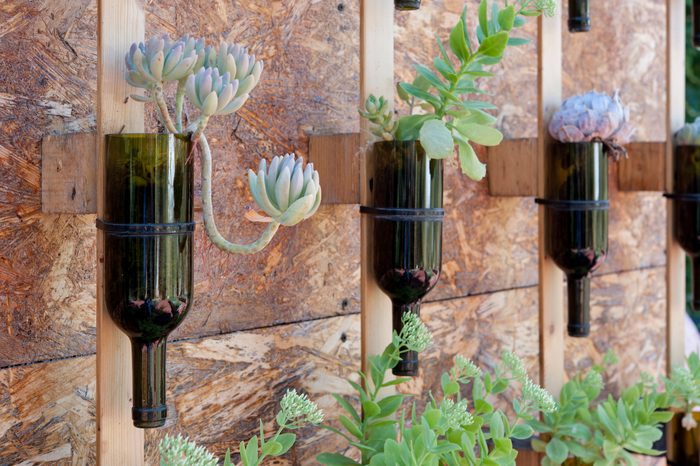
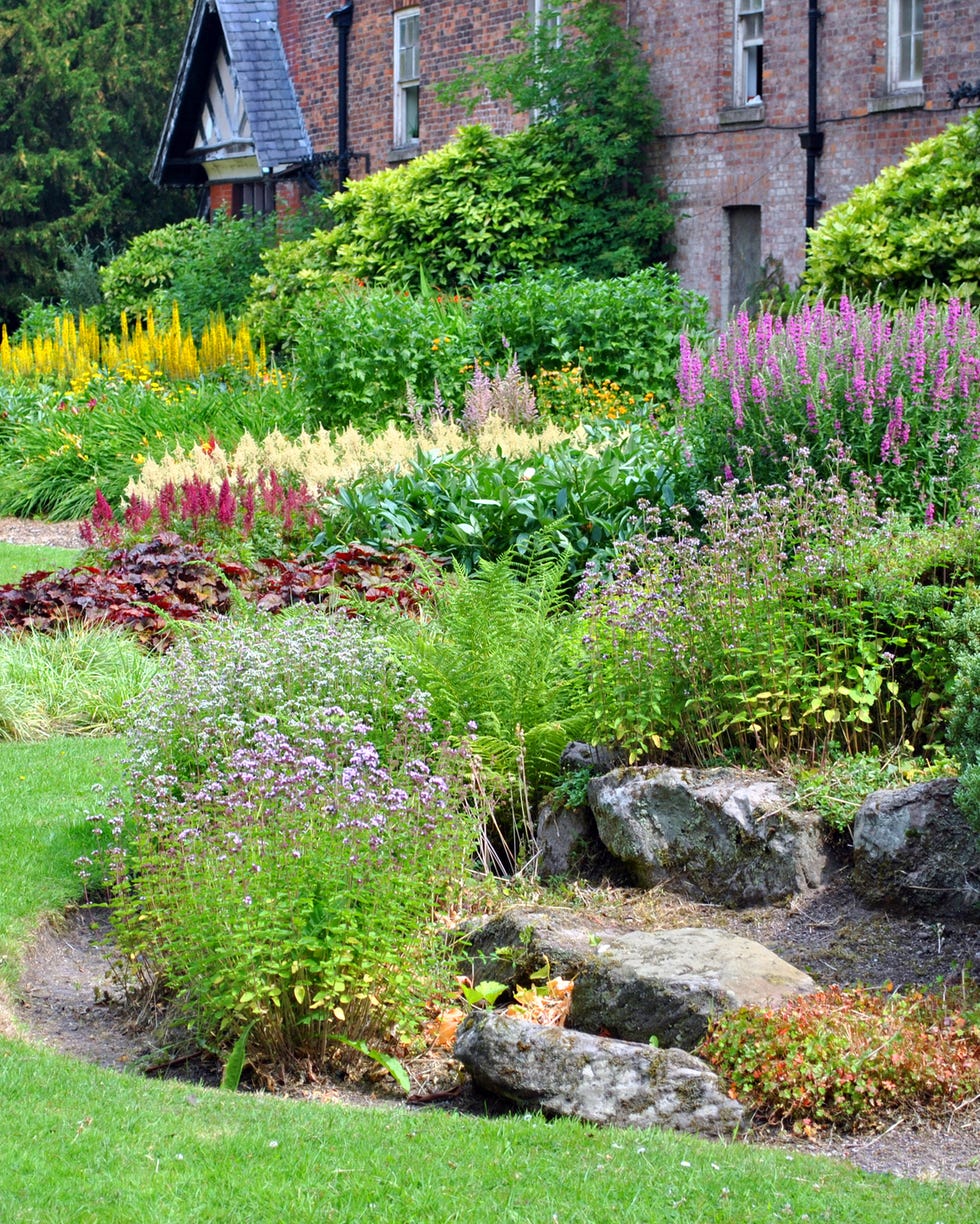
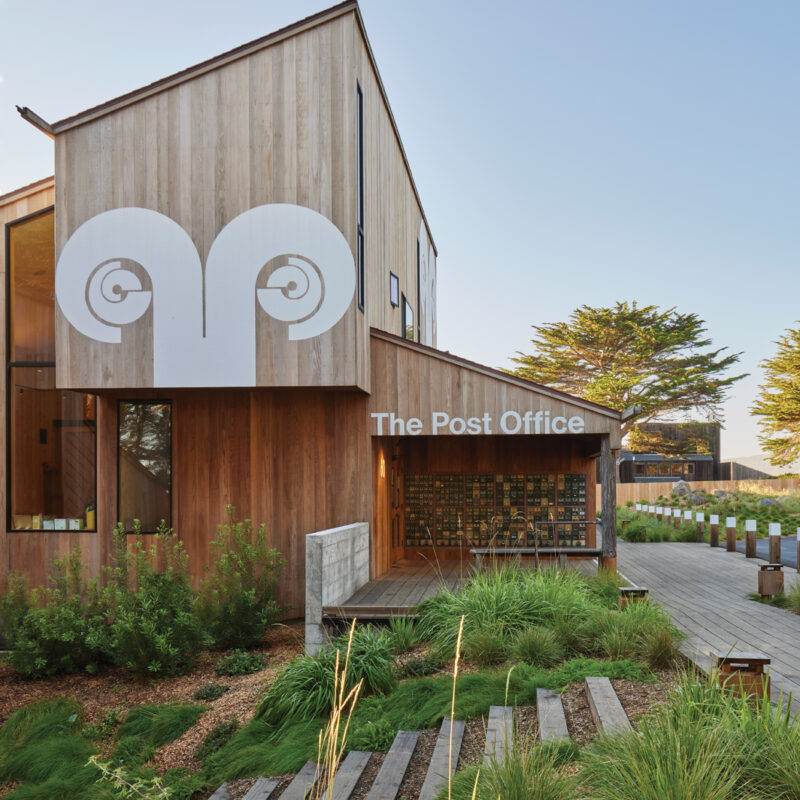
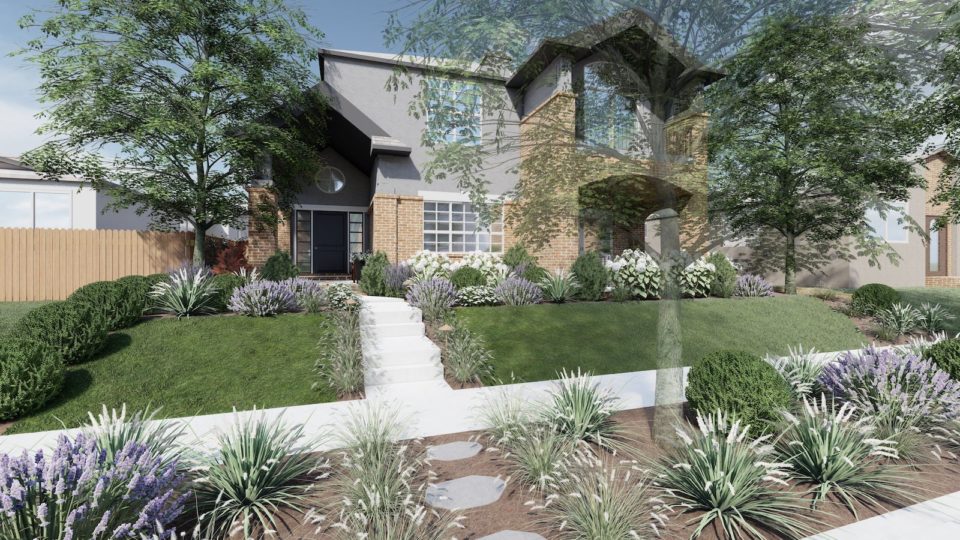
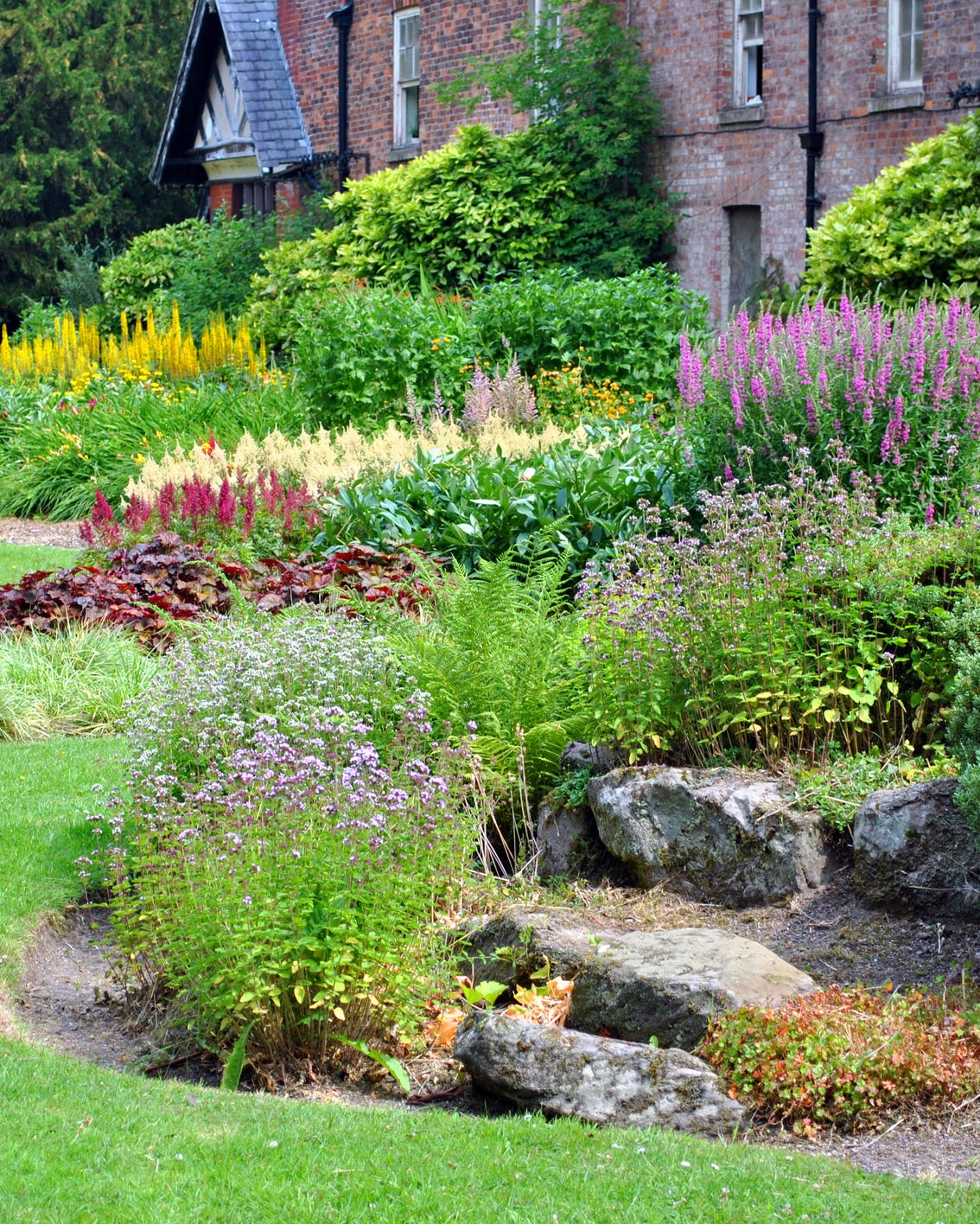
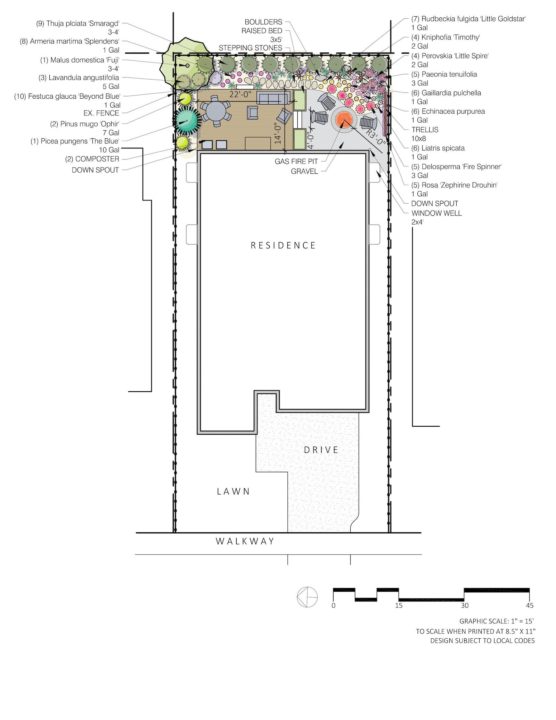
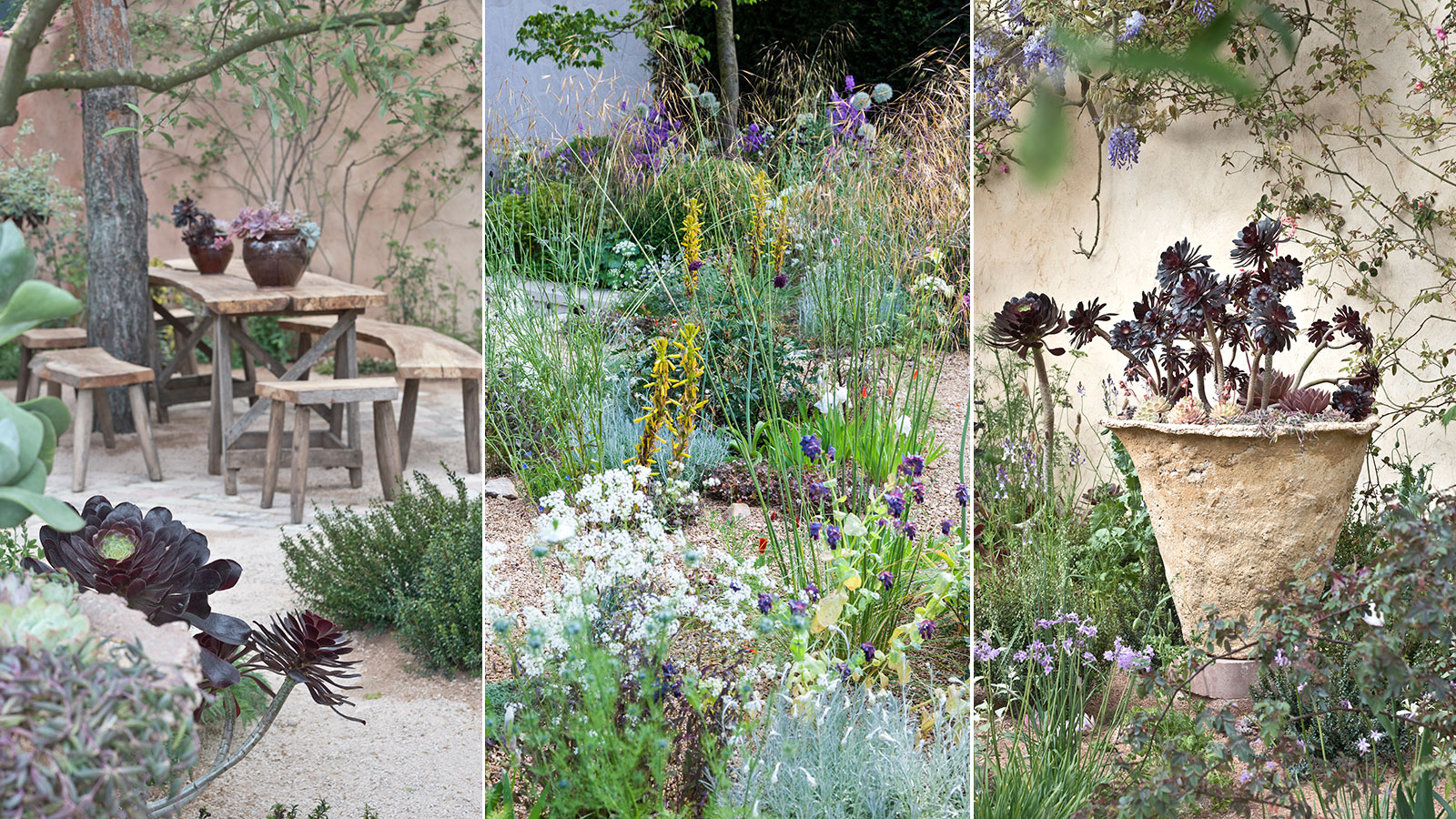
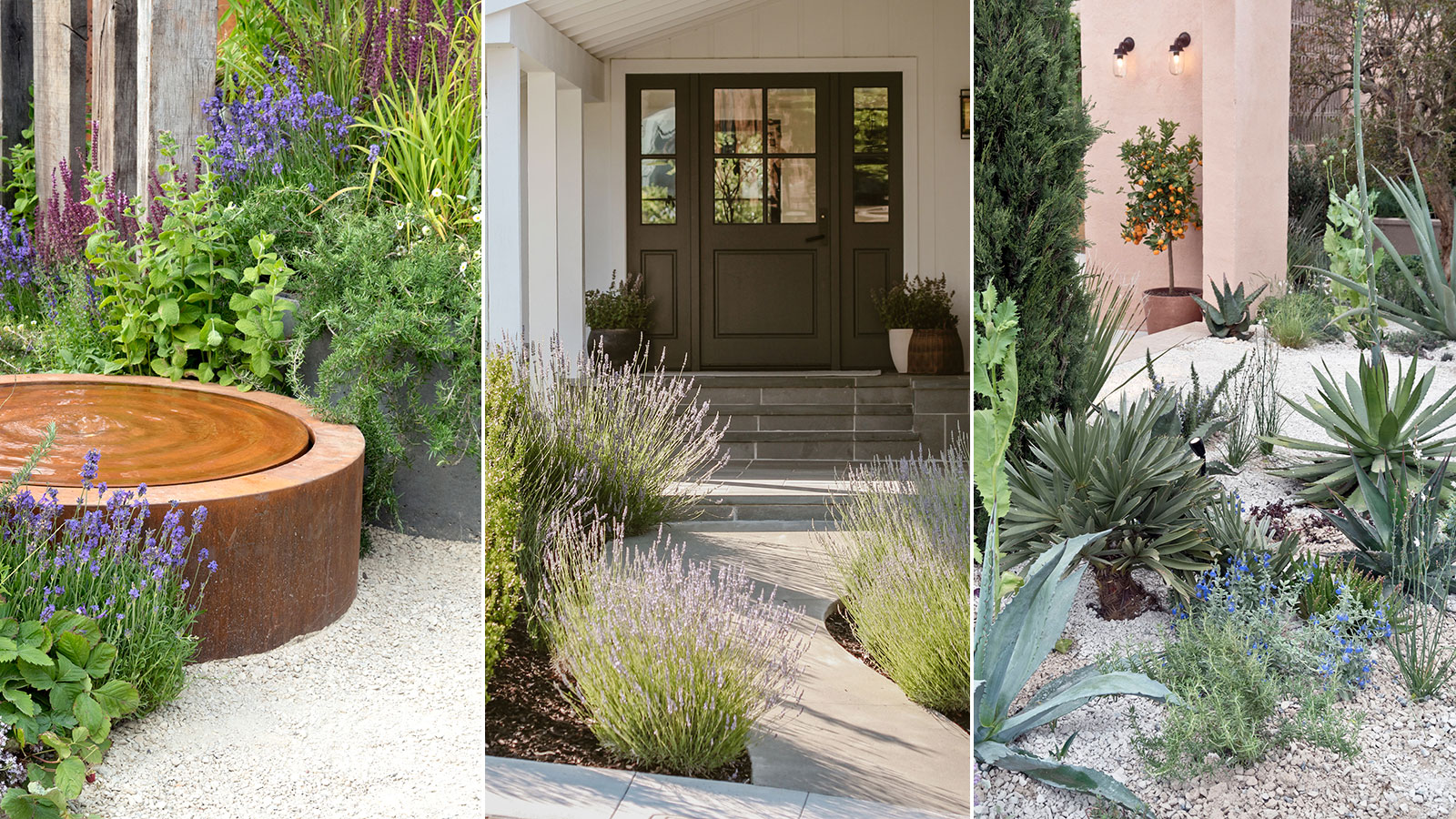
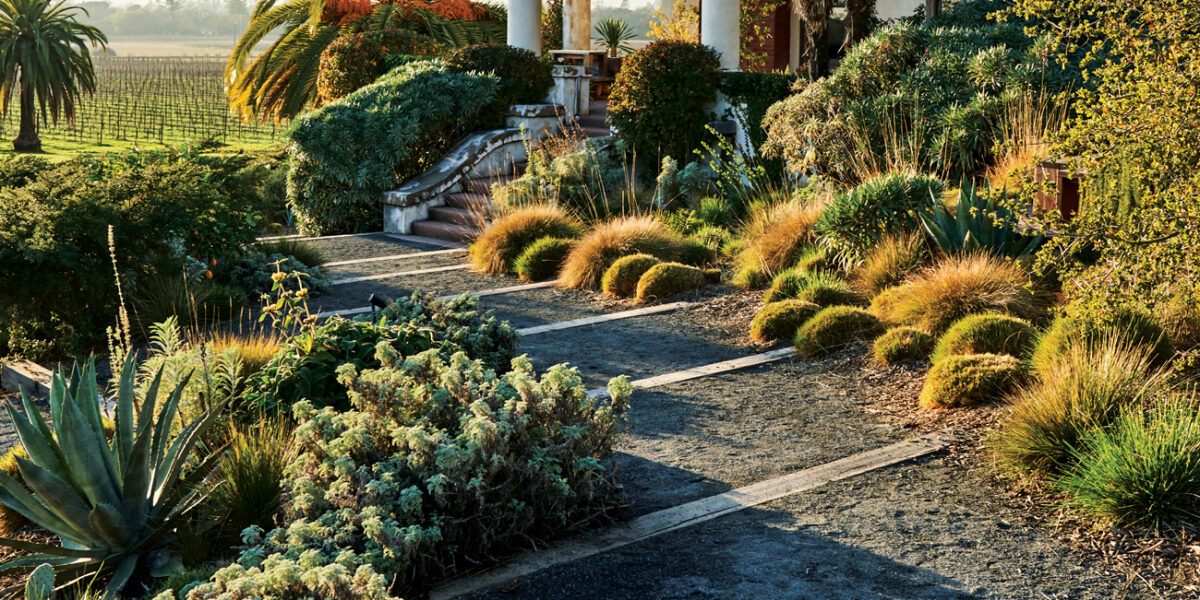
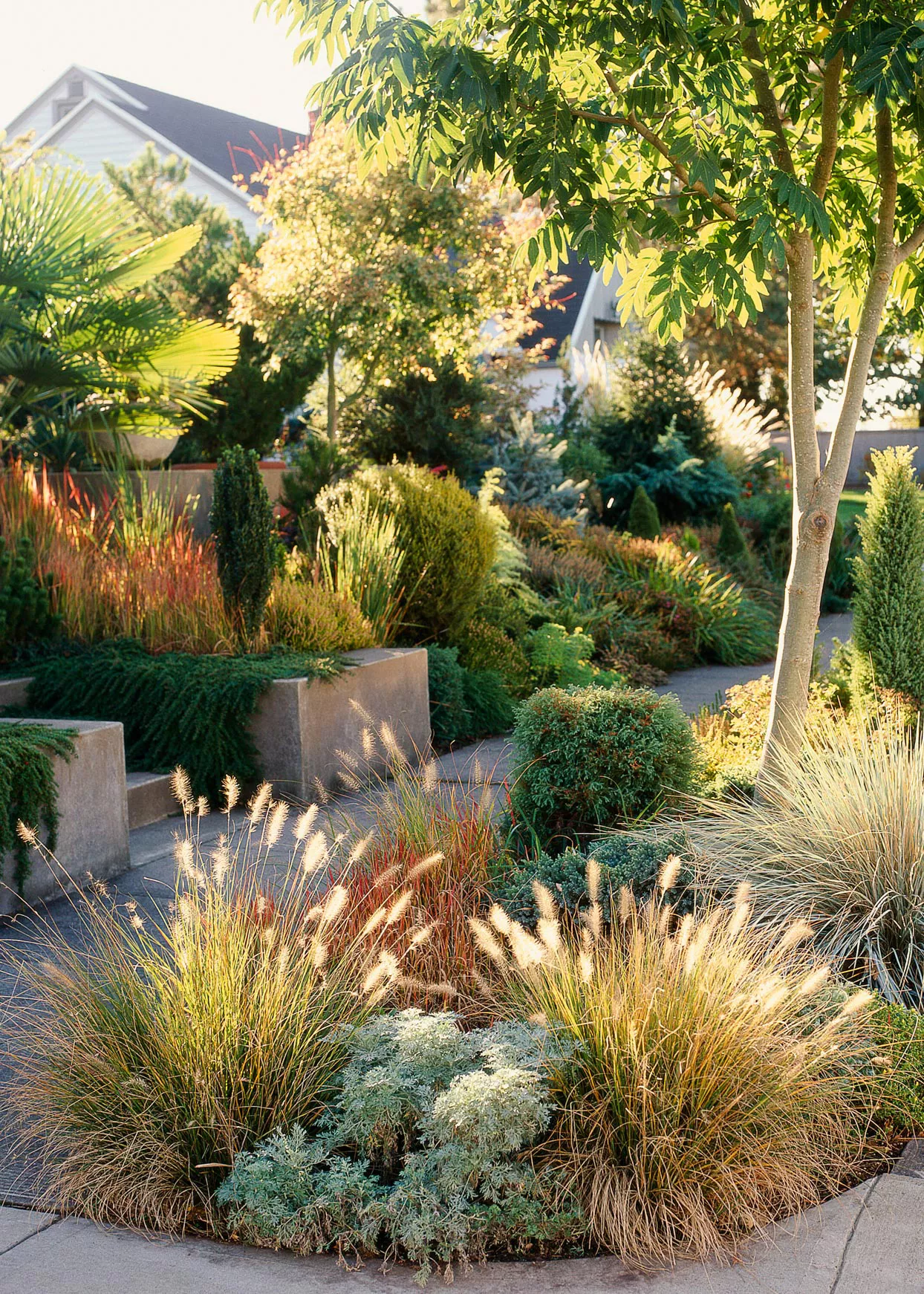
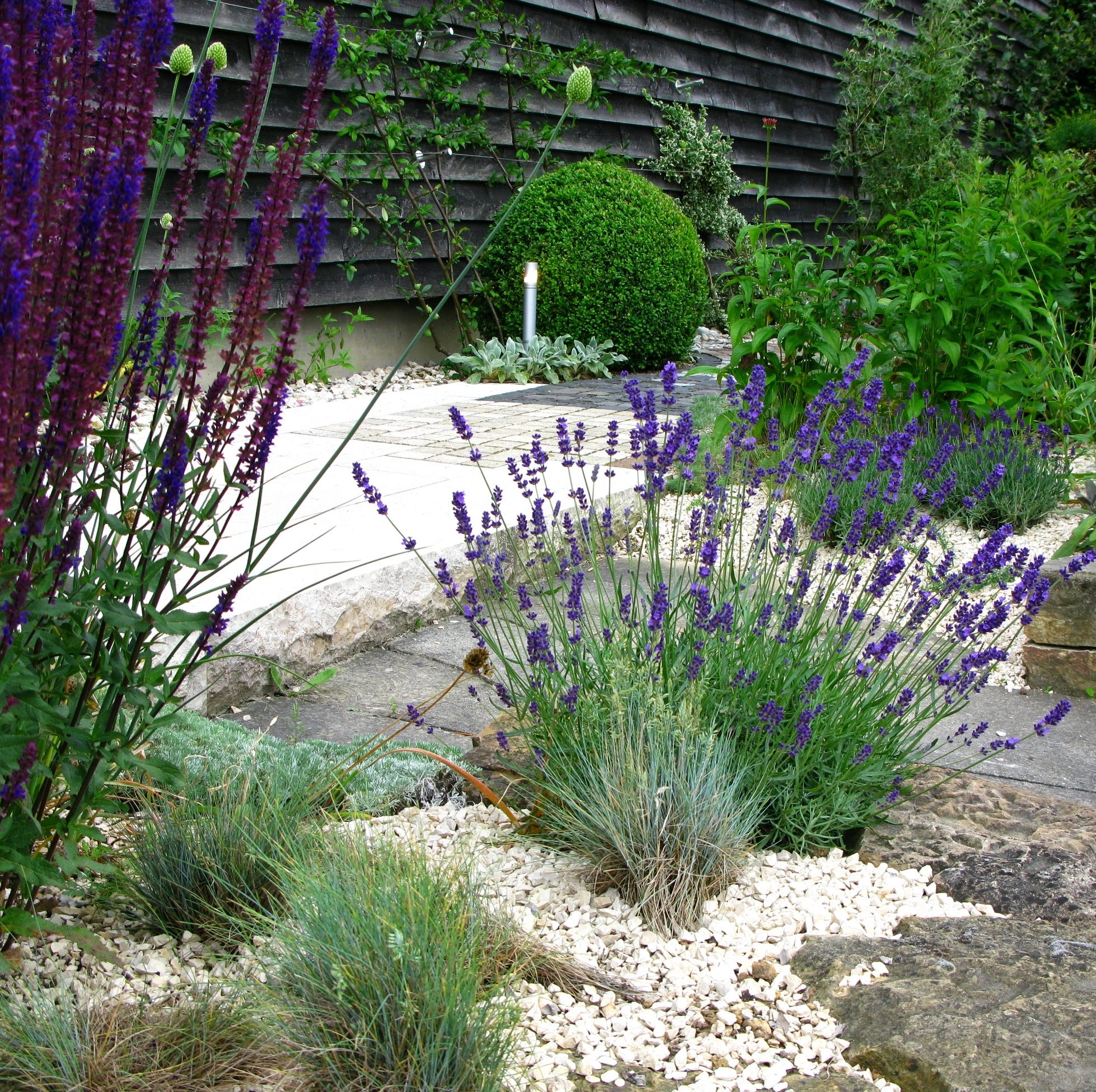
The core of drought-tolerant landscaping lies in selecting appropriate plant species. Native plants are highly recommended as they are naturally suited to the regional climate and, once established, demand less water. Examples include succulents like agave and yucca, ornamental grasses such as feather reed grass and blue fescue, and flowering perennials like lavender and coneflowers. Experts suggest observing local thriving vegetation, even considering what might typically be deemed 'weeds,' to identify resilient species. For specific guidance, consulting local nurseries, extension services, or landscape professionals is advised, as they possess invaluable knowledge of regional conditions.
Effective water management is another critical component. Mulching plays a significant role in retaining soil moisture and suppressing weeds. Applying a thick layer of coarse wood chips, which break down slowly and improve soil structure, acts like a sponge, soaking up rainwater and holding it in the soil. This practice helps reduce water evaporation and minimizes the need for frequent watering. Additionally, smart irrigation systems, including drip irrigation and rainwater harvesting, are essential. Collecting rainwater through rain barrels and rain chains maximizes water capture. It is also emphasized to water plants deeply but less frequently, directly at the roots, and to avoid watering during the hottest parts of the day to prevent evaporation.
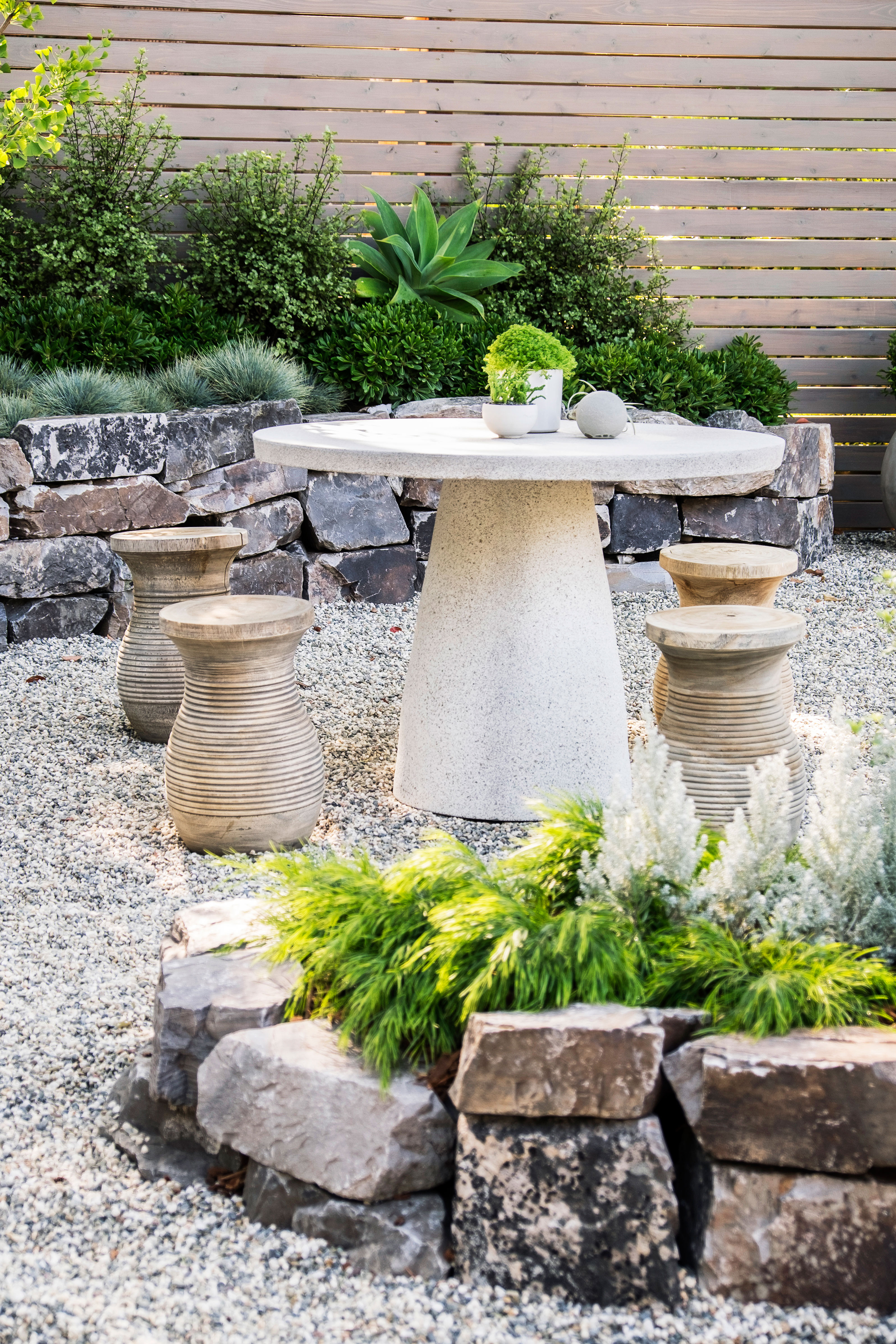
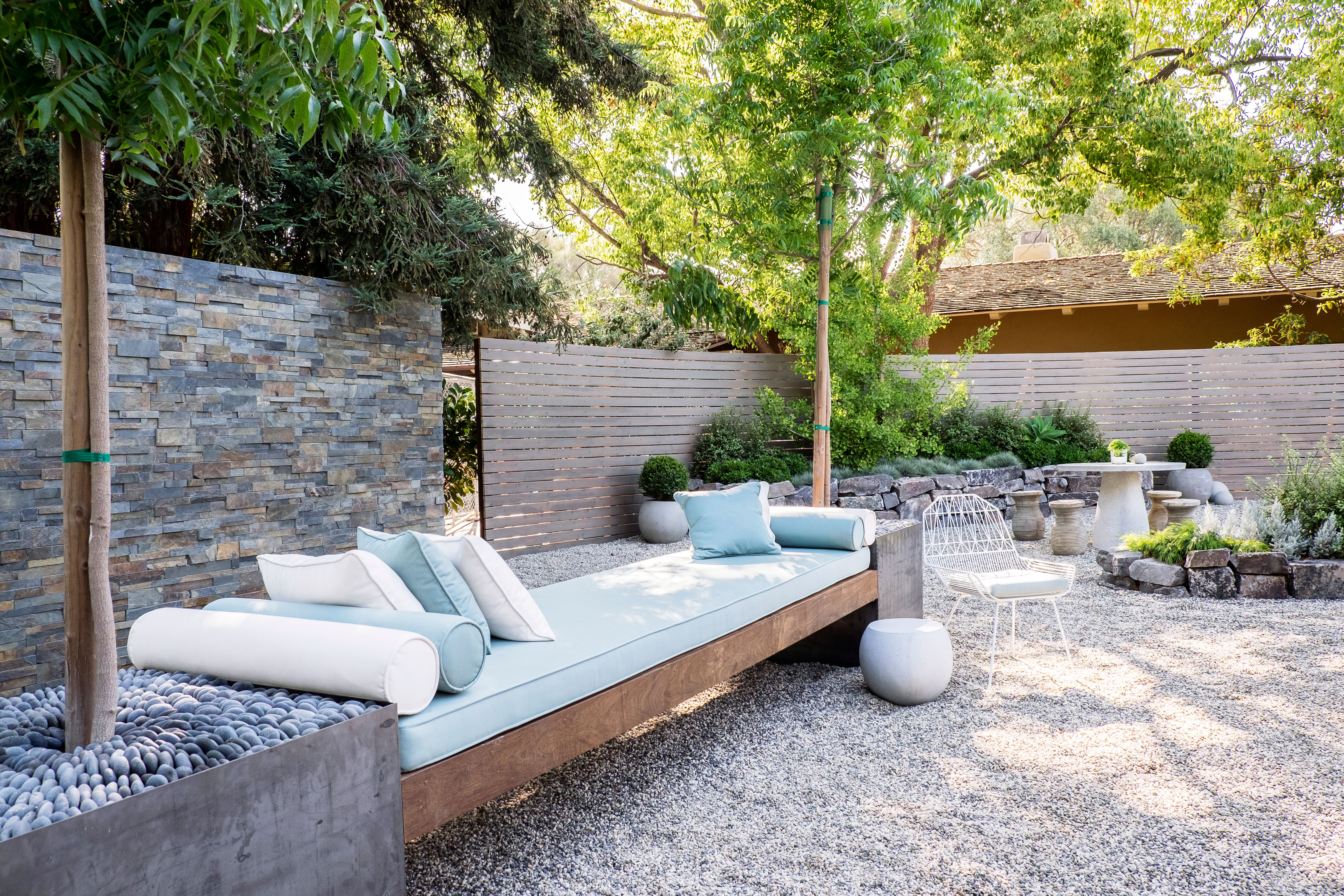
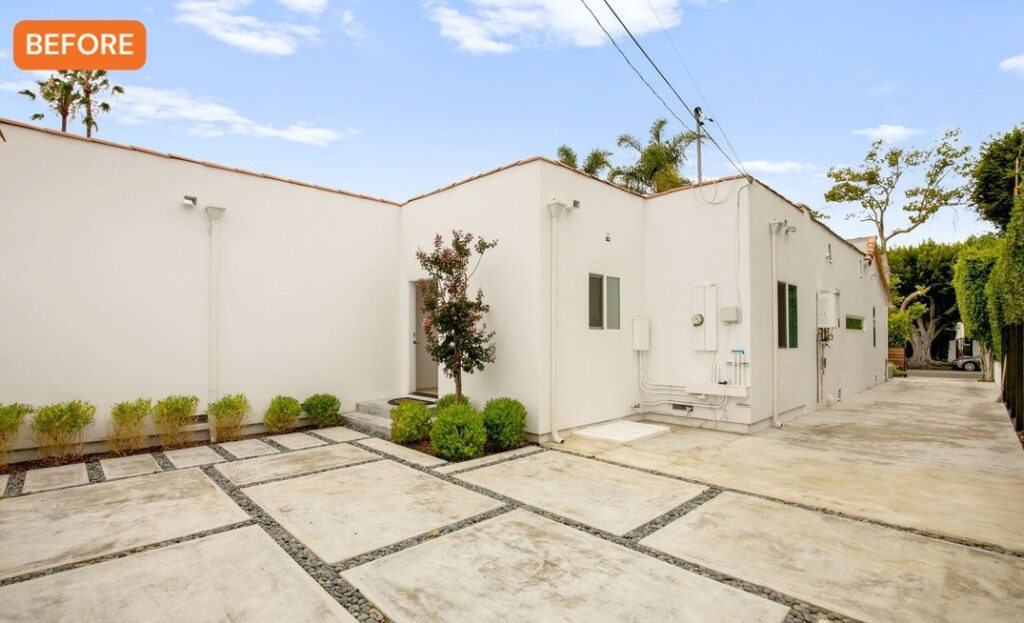
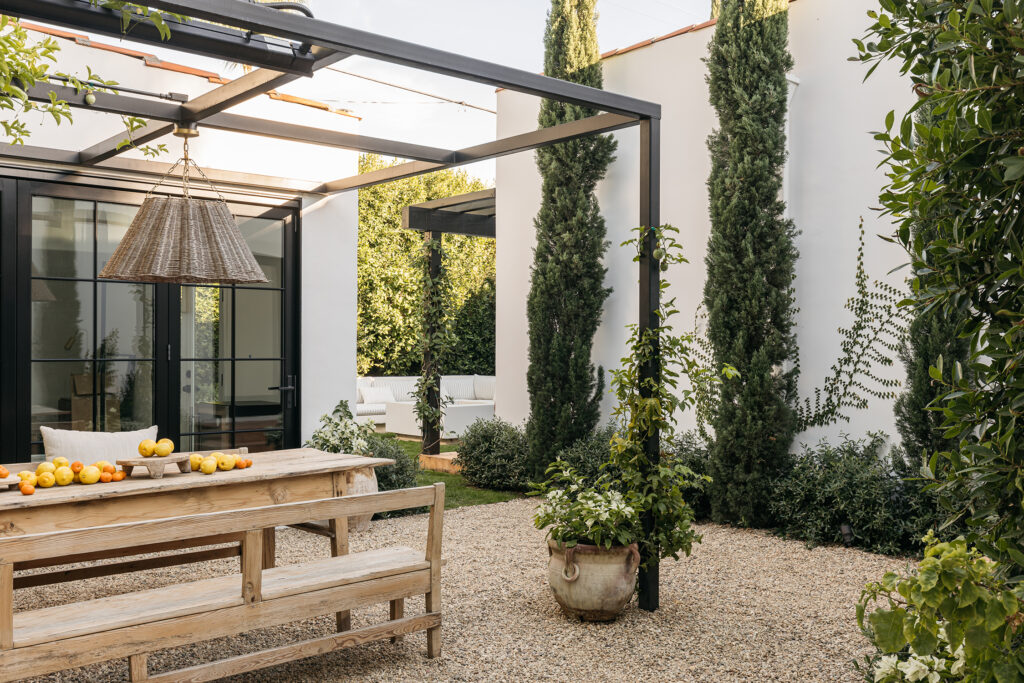
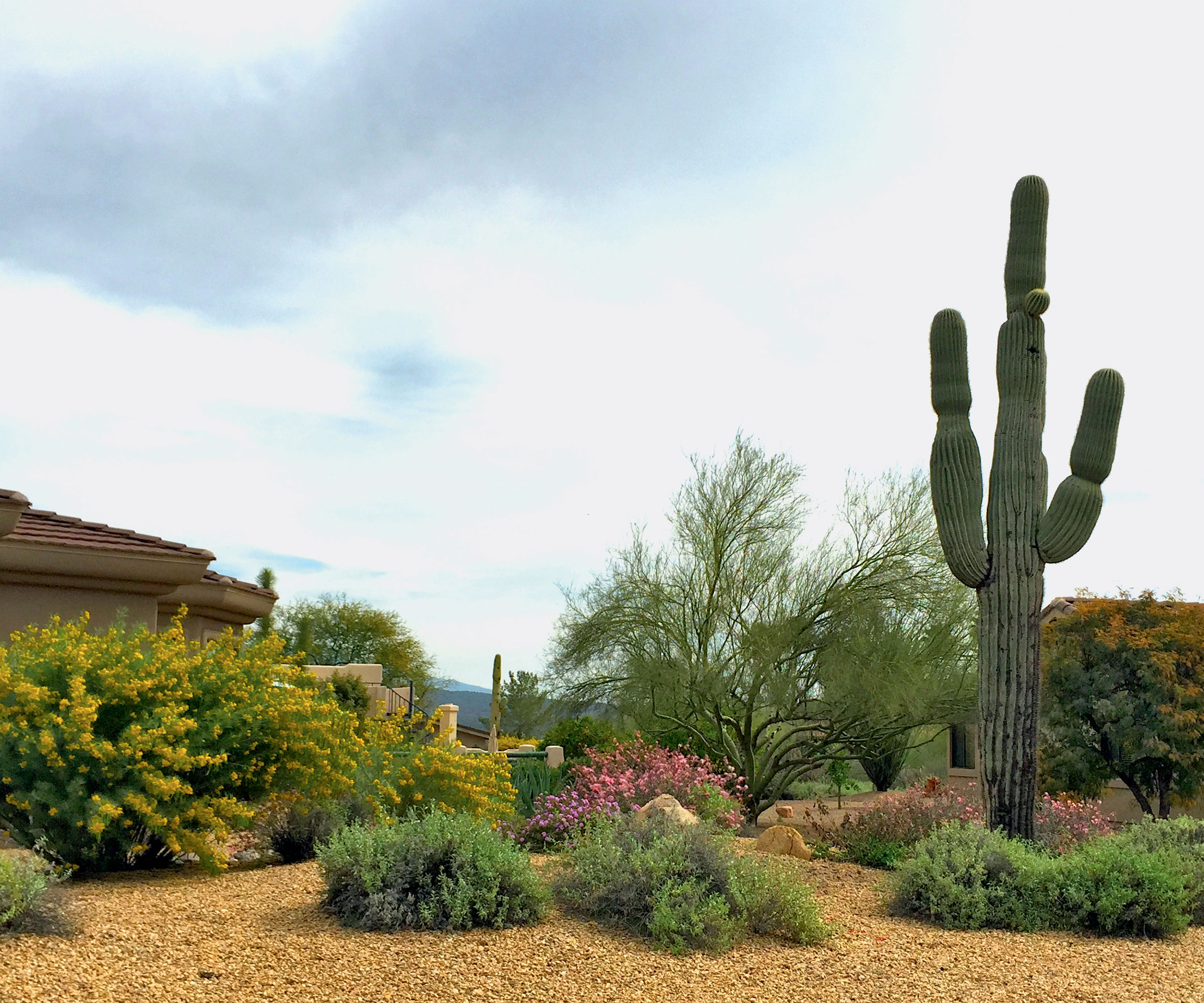
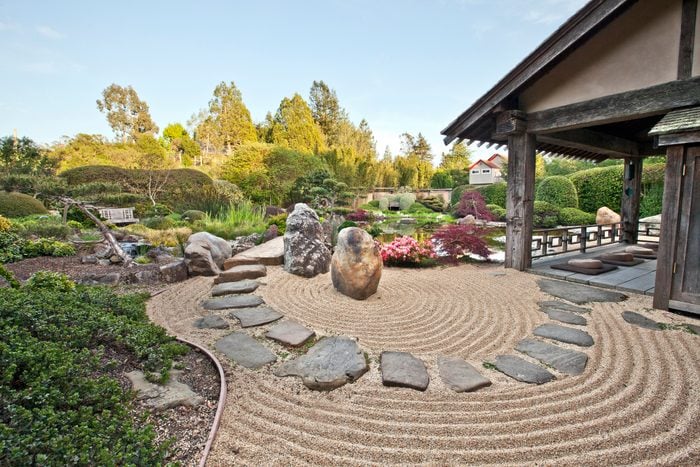
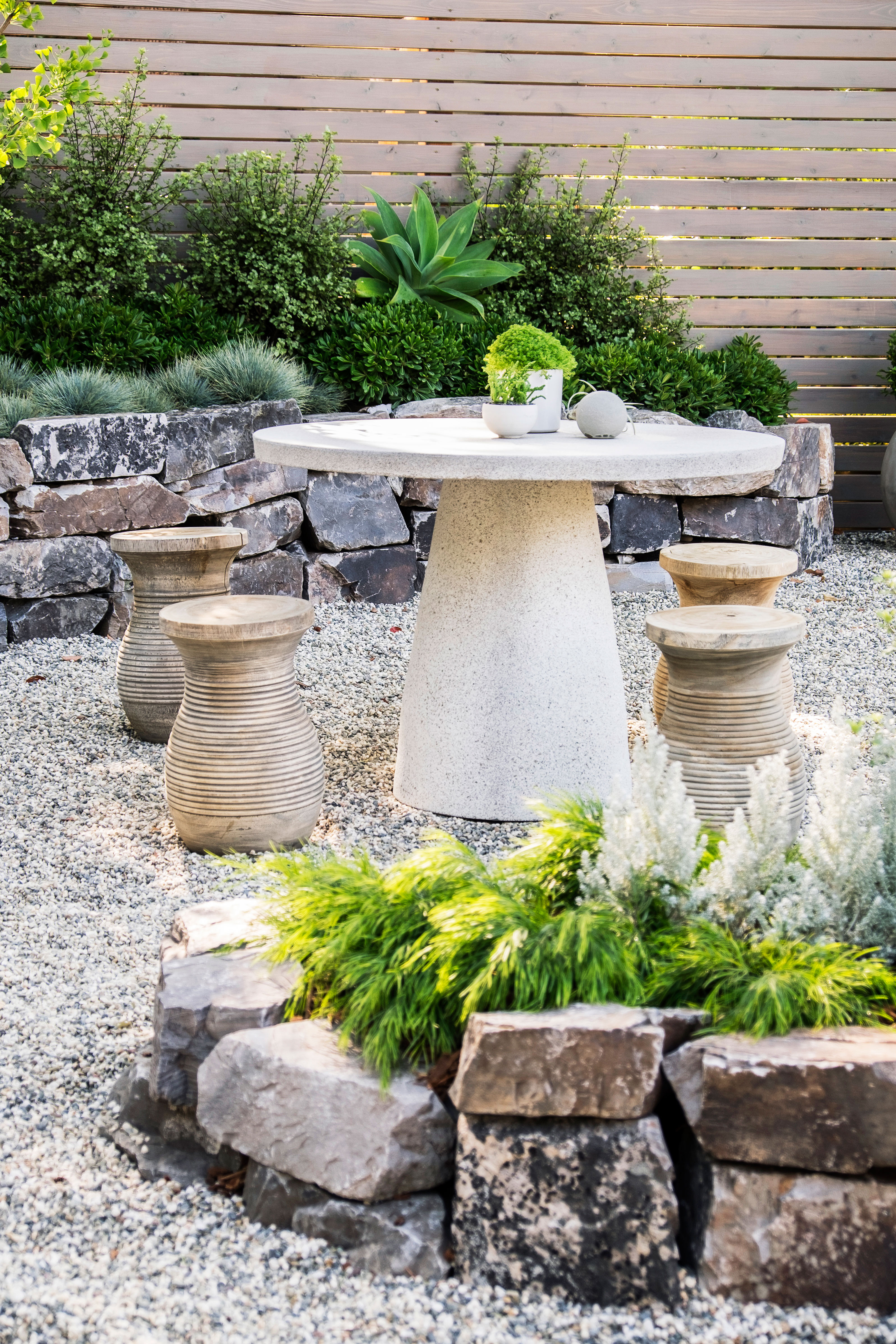
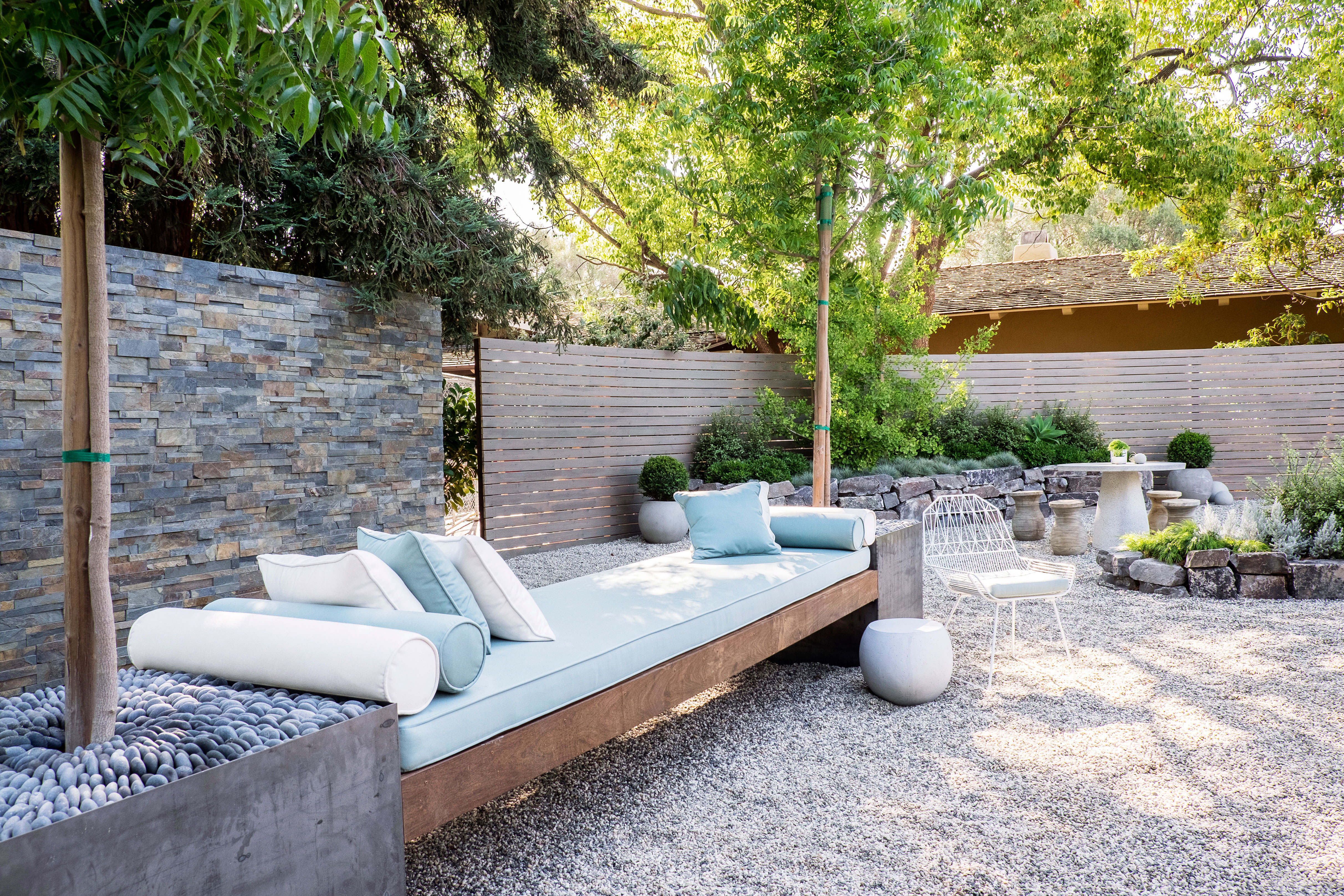
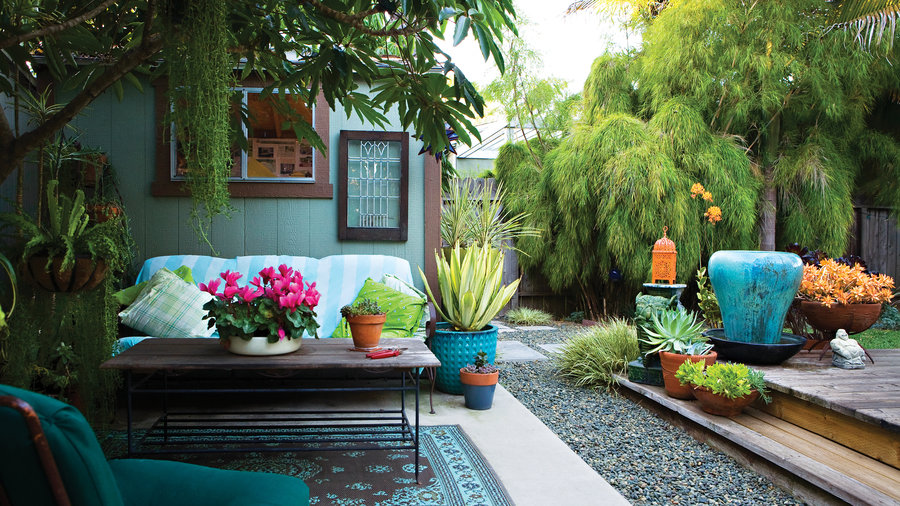
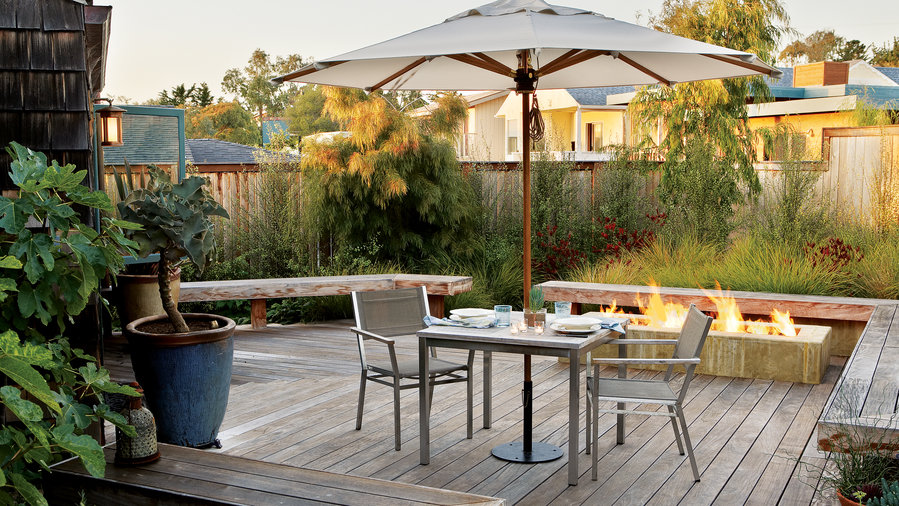
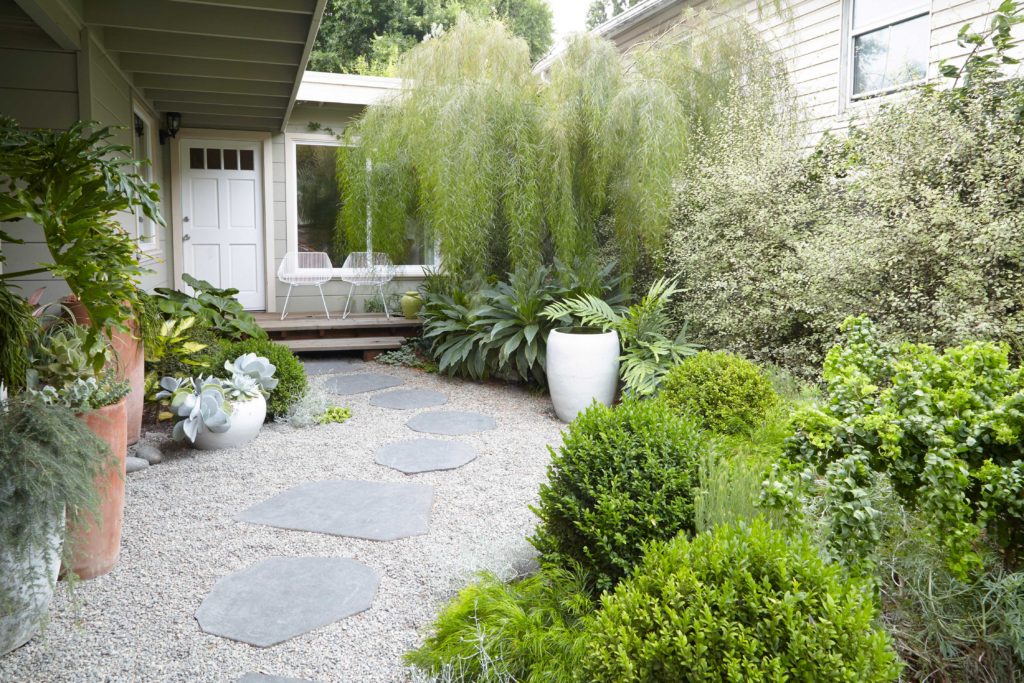
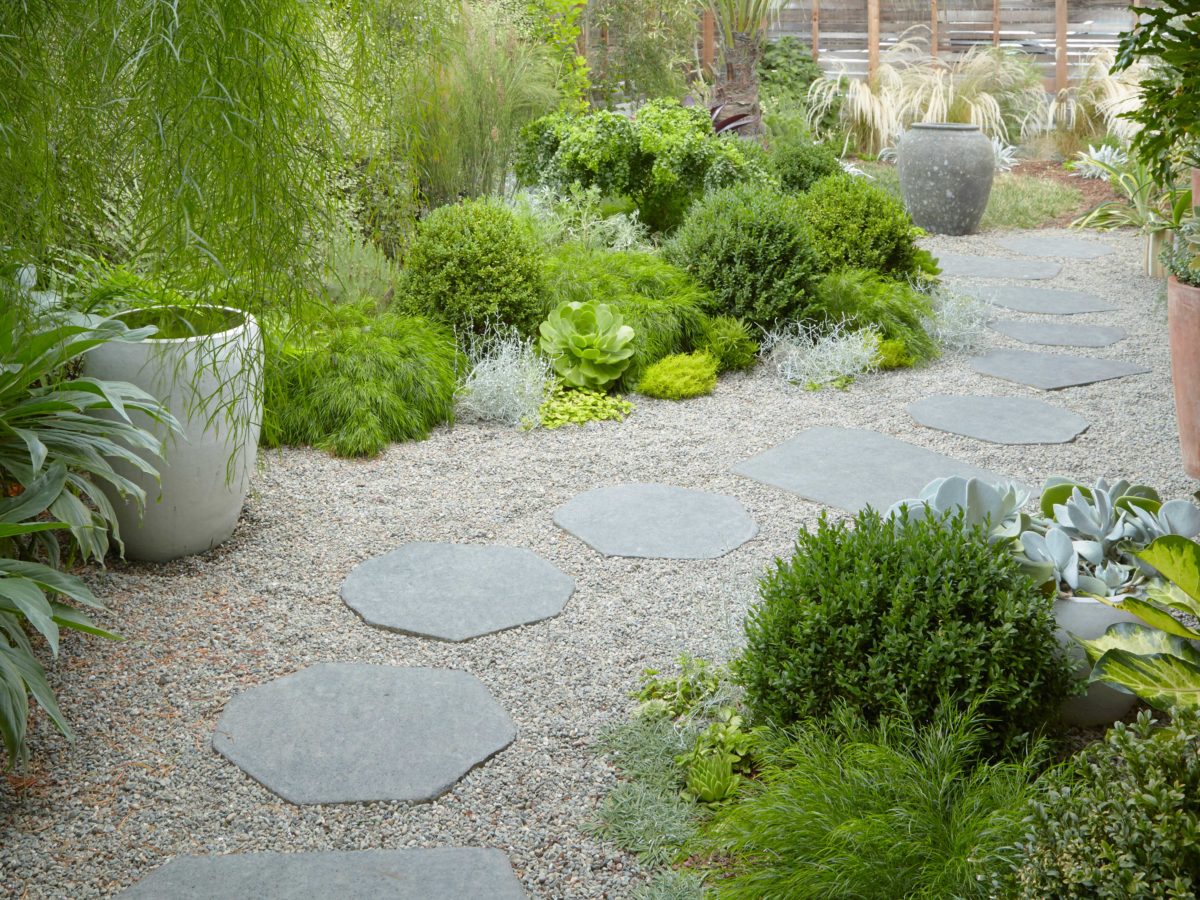
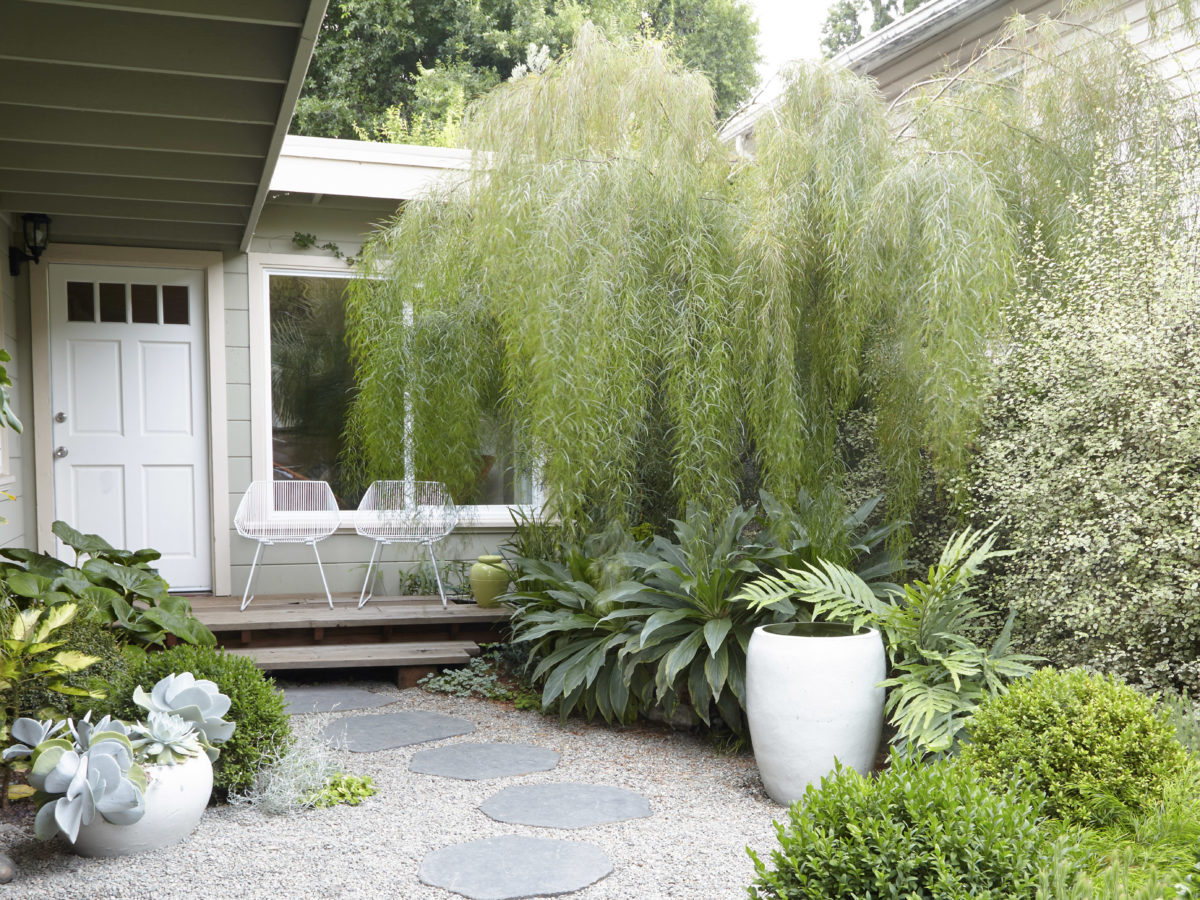
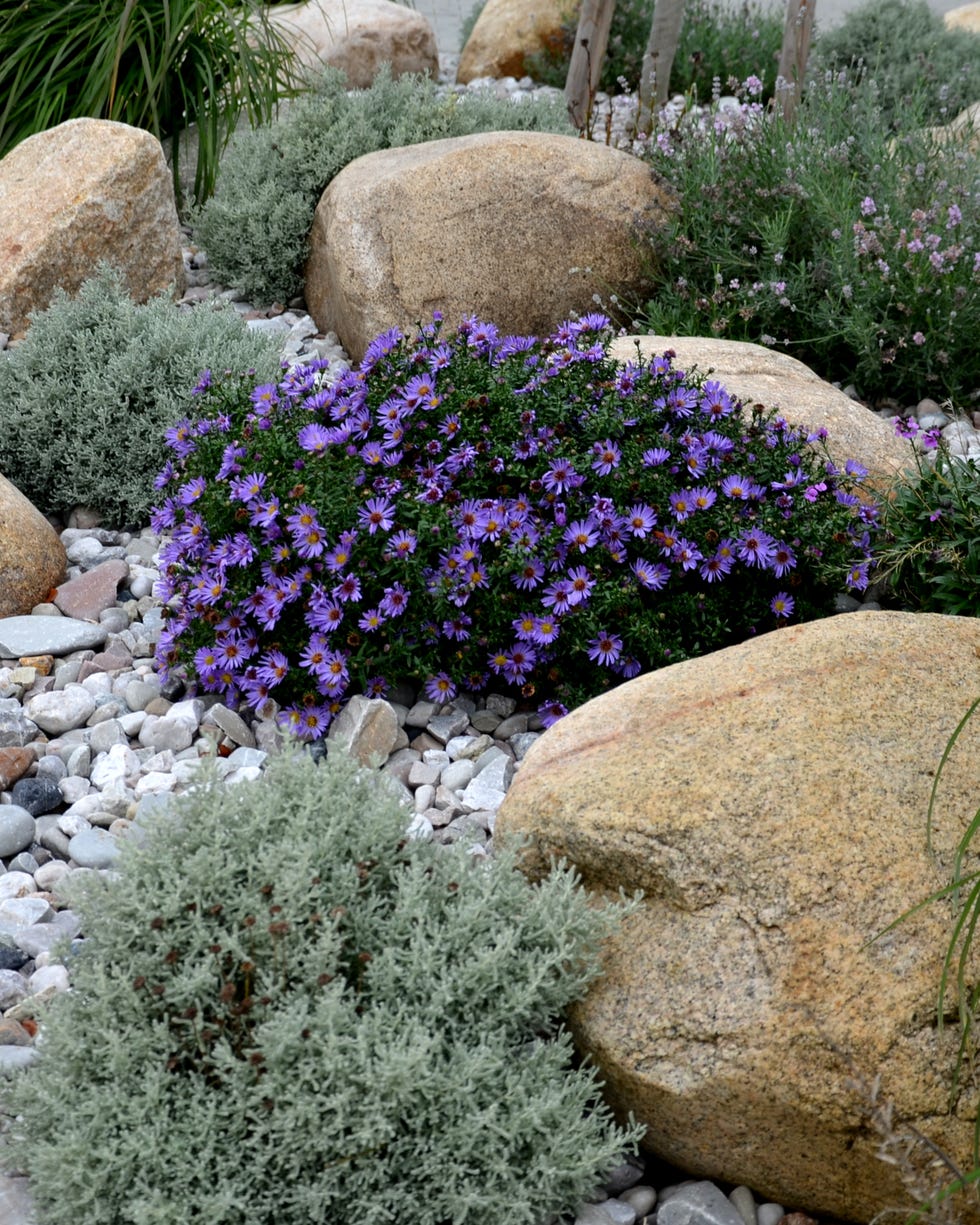
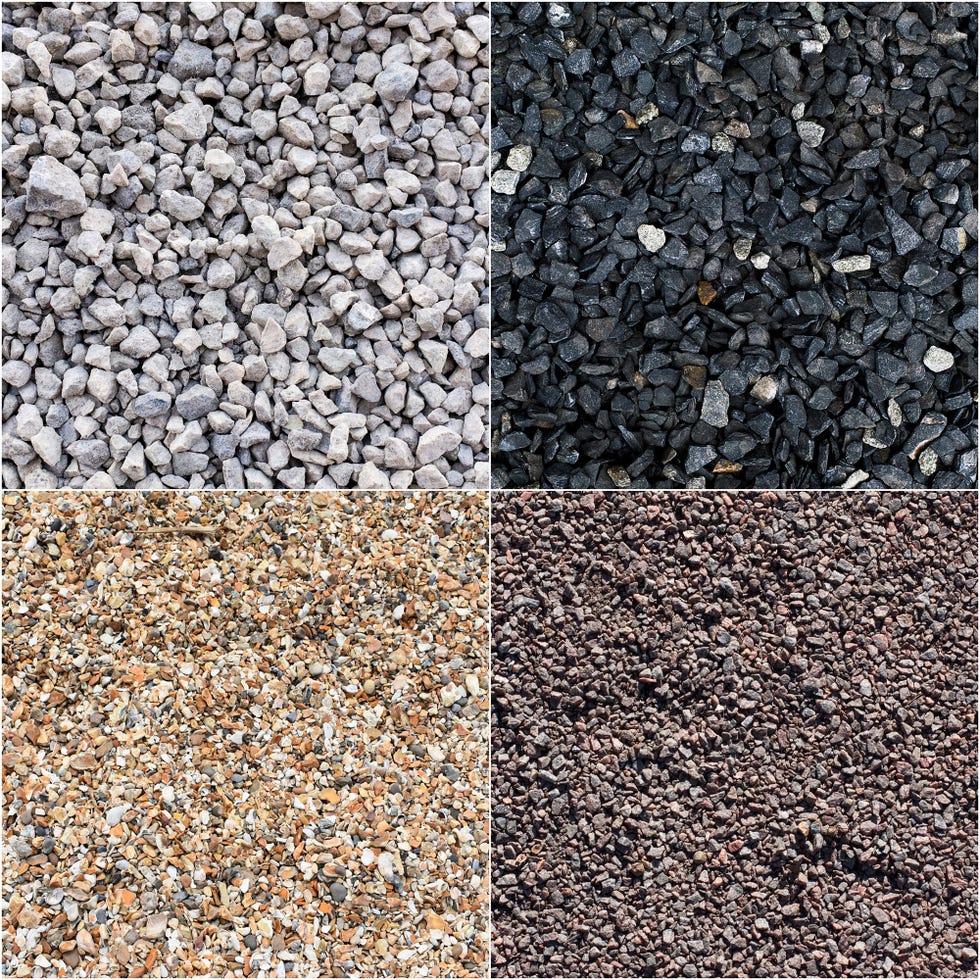
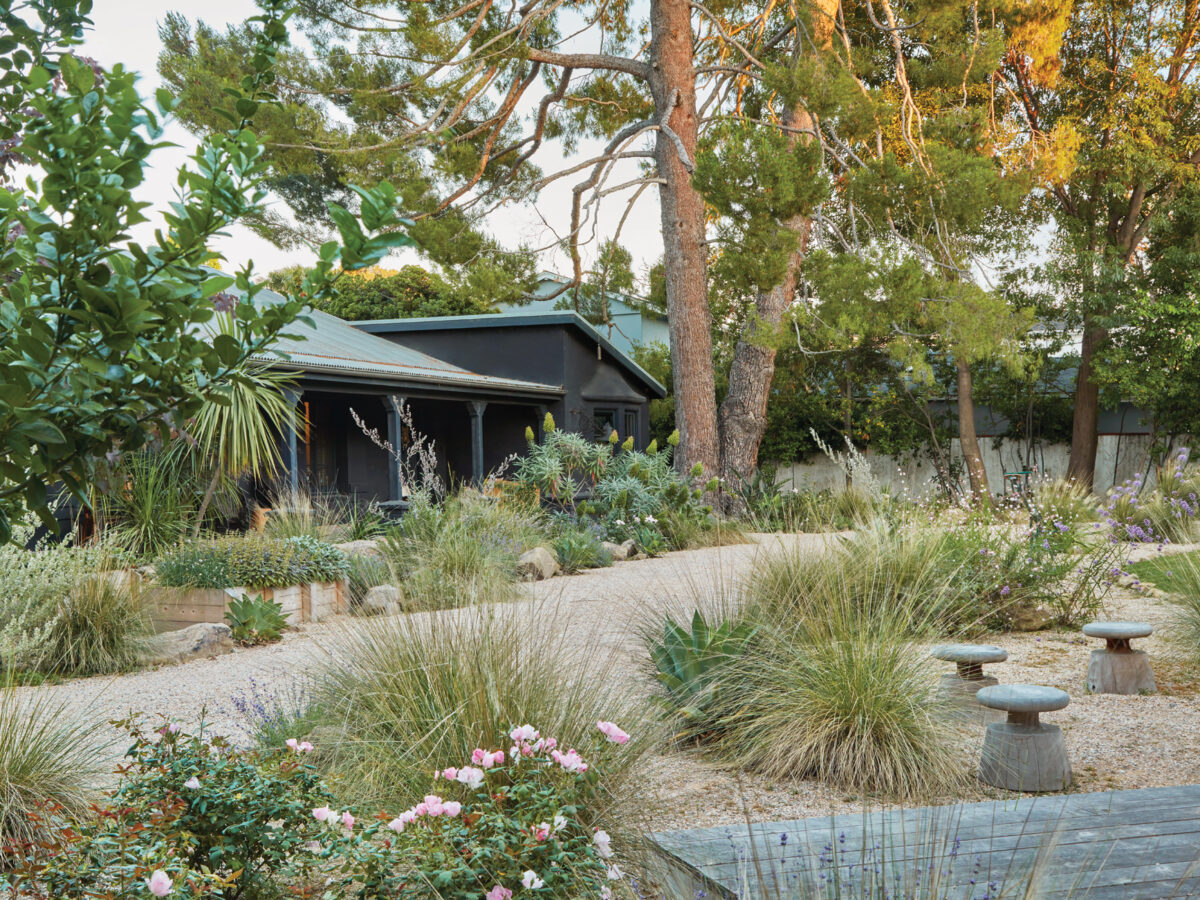
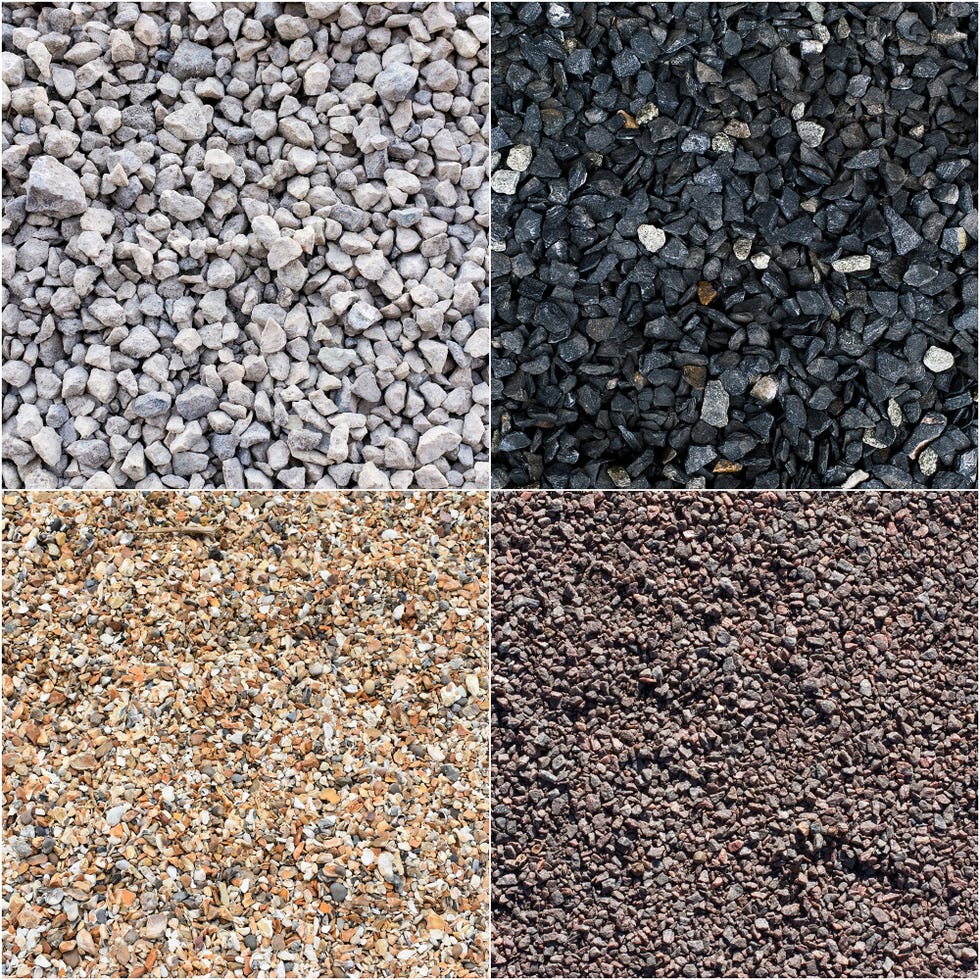
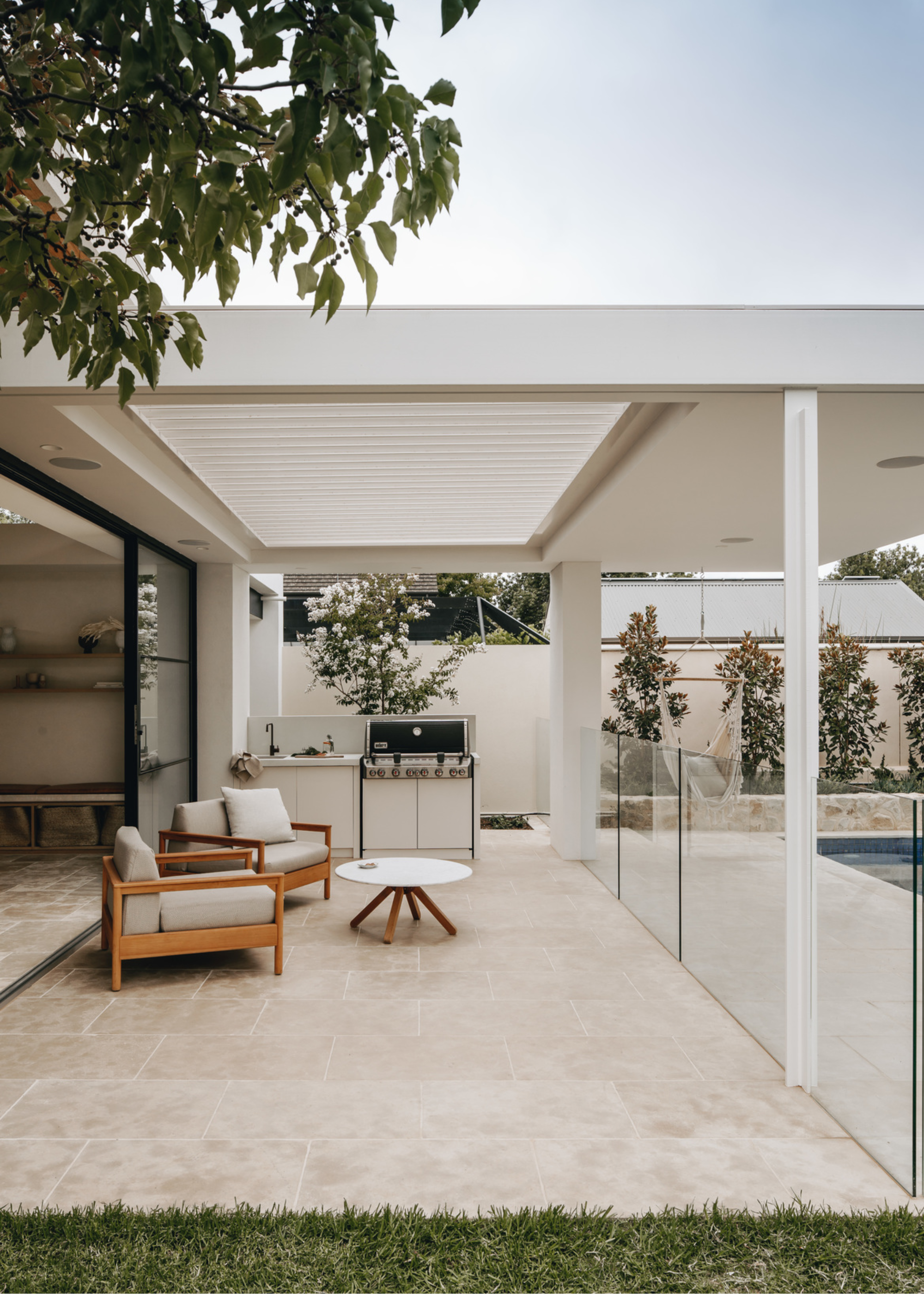
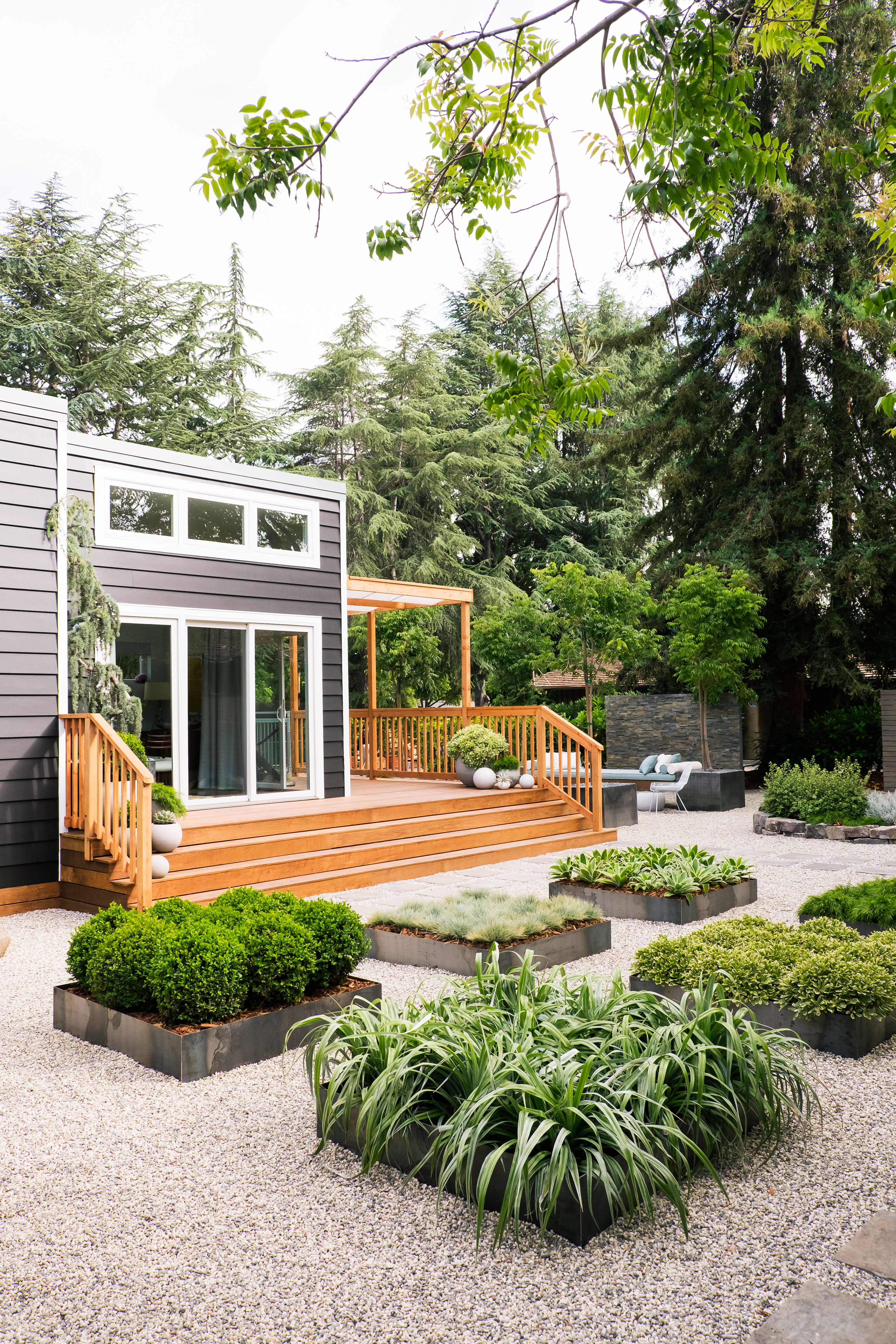
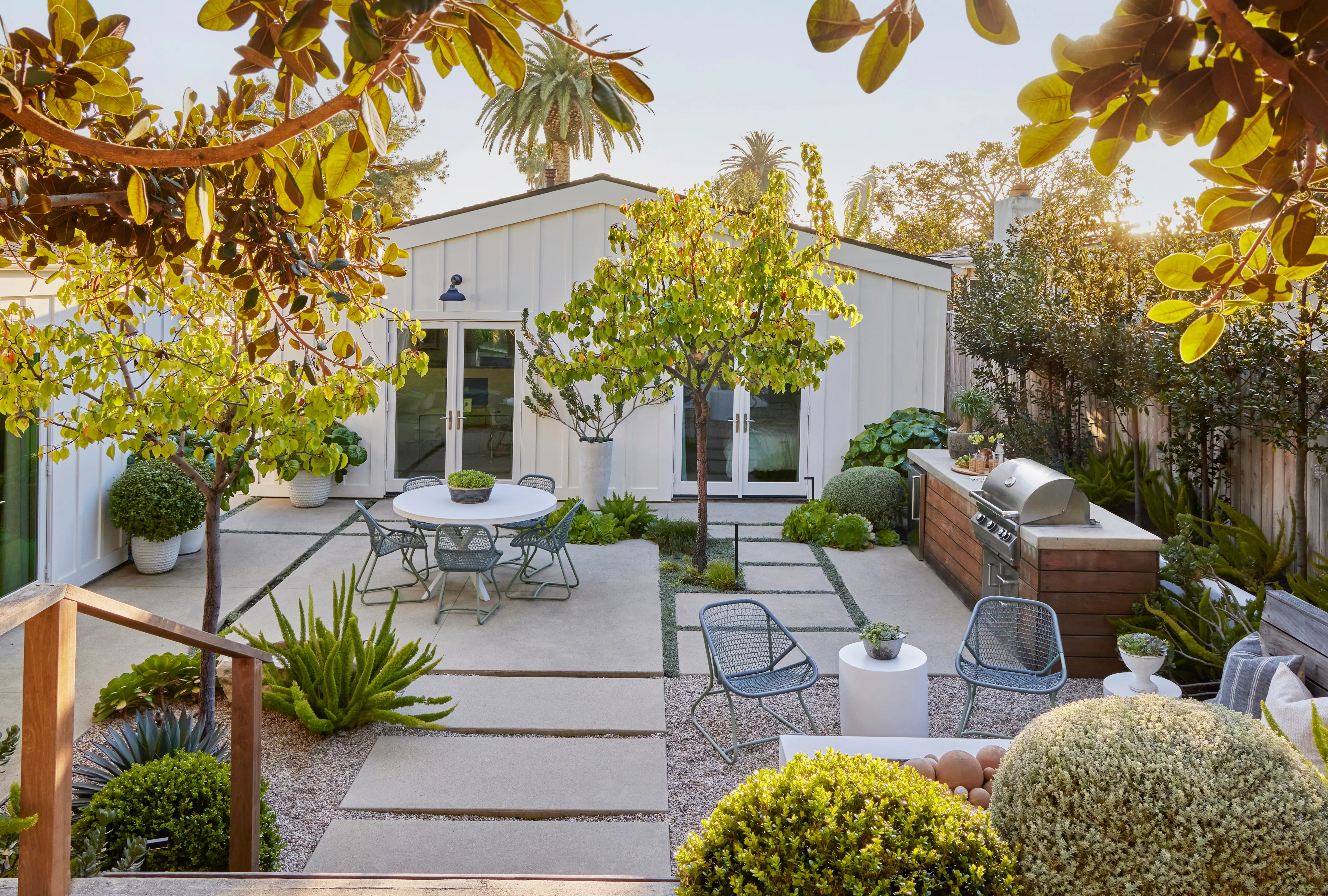
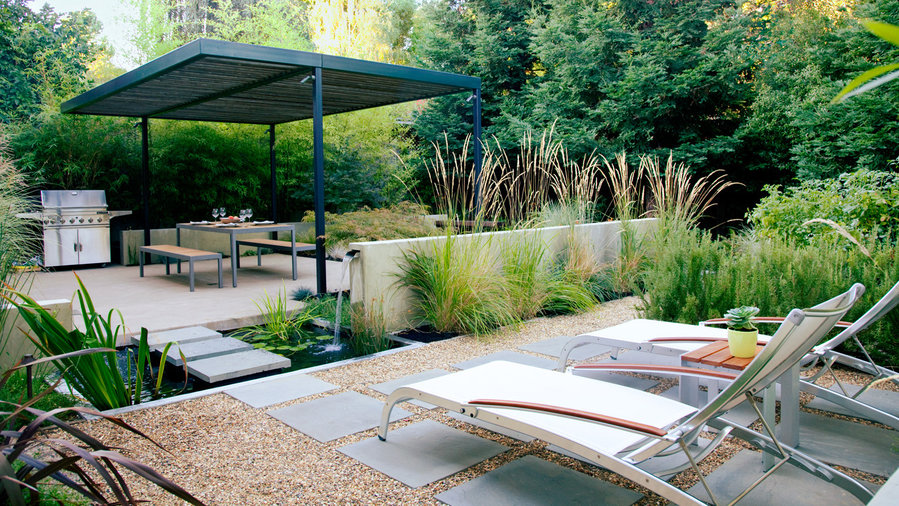
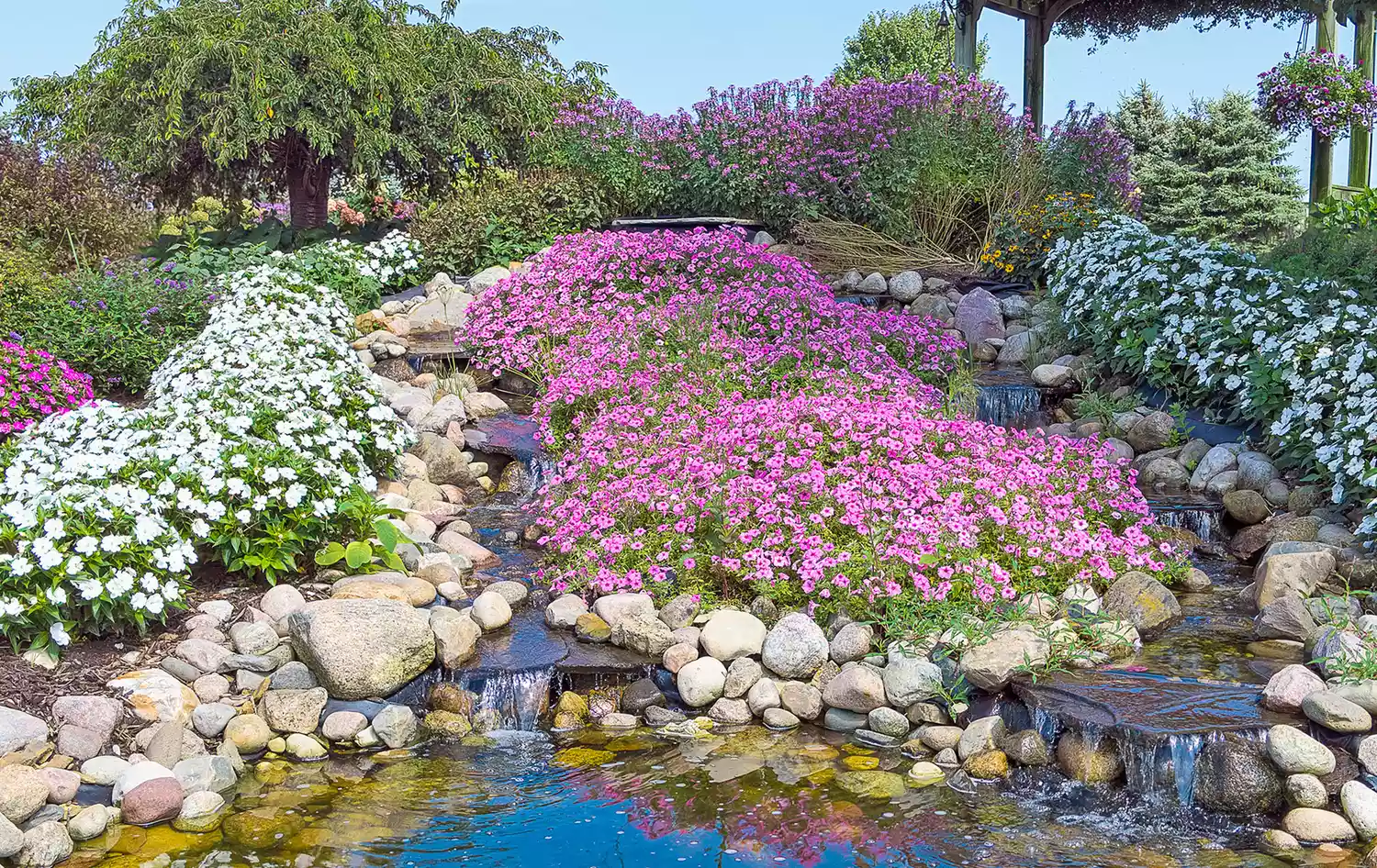
Integrating permeable hardscaping options is vital for drought-tolerant design. Materials like pea gravel, decomposed granite, river gravel, lava rocks, pumice, and crushed concrete allow water to infiltrate the soil rather than running off. These materials provide stable surfaces for paths and patios while also adding visual interest and eco-consciousness to the landscape. Reducing or eliminating traditional lawns is a significant step towards water conservation, as they are notoriously water-intensive. Converting lawn areas into spaces featuring drought-resistant plants and permeable hardscaping can create more interesting and sustainable outdoor environments, appealing to trends like rewilding.
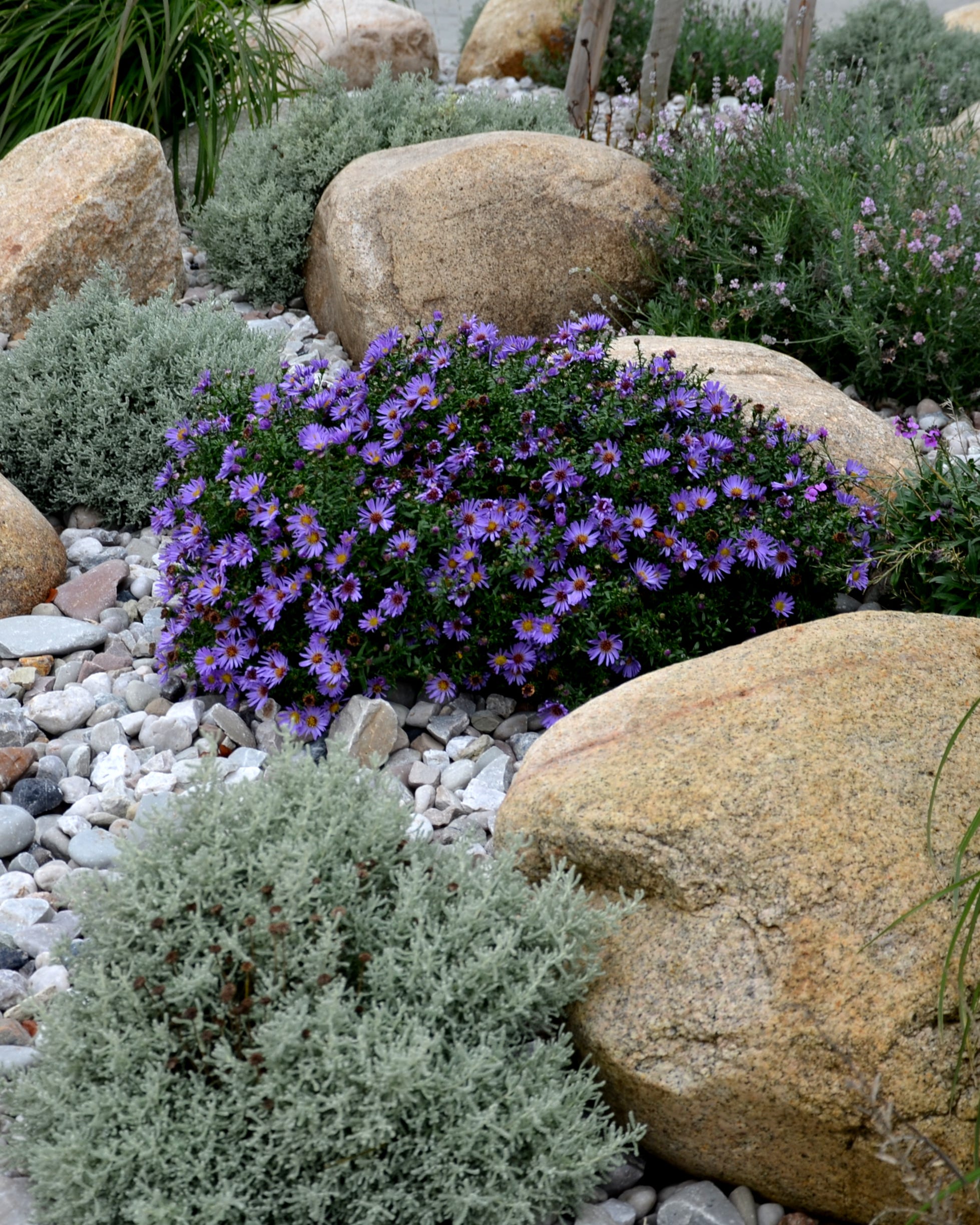
Planting drought-tolerant native trees offers multiple benefits, including providing shade in a warming climate, supporting local ecosystems, and attracting wildlife. Examples like serviceberry, American dogwood, Chickasaw plum, chokecherry, and the palo verde tree are highlighted for their resilience and ecological value. For ground cover, combining hardscaping with low-growing, drought-friendly plants like creeping thyme or sedum can create aesthetically pleasing and functional spaces. These plants can withstand foot traffic and enhance the visual appeal of rock gardens, especially when paired with varieties like ice plants or blue fescue.
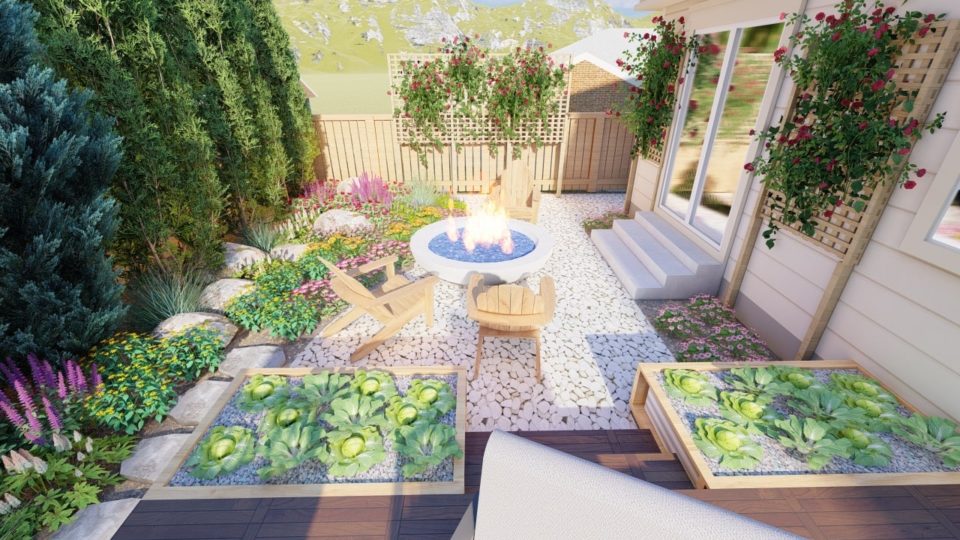
Finally, edible xeriscaping presents an opportunity to grow food using minimal water. While many edibles are water-intensive, certain plants like pole beans, garlic, onions, herbs, mustard greens, figs, grapes, and pomegranates can thrive with less irrigation once established. This approach, also known as dryland farming, leverages water stored in the soil from previous rainfall. Strategically identifying and utilizing moist spots and understanding sun exposure patterns for different areas of the garden are key to successful edible xeriscaping. Overall, covering exposed soil to help retain moisture and reduce the heat zone is a fundamental principle for any drought-tolerant landscaping endeavor.
#DroughtTolerantLandscaping #SustainableGardening #WaterConservation #NativePlants #PermeableHardscaping #RainwaterHarvesting #Mulching #Xeriscaping #GardenDesign #DroughtTolerantLandscaping #SustainableGardening #WaterConservation #NativePlants #PermeableHardscaping #RainwaterHarvesting #Mulching #Xeriscaping #GardenDesign
0 comment in total
 No comments yet
You may also like
This Stunning Garden with Zen Vibes Uses Shockingly Little Water

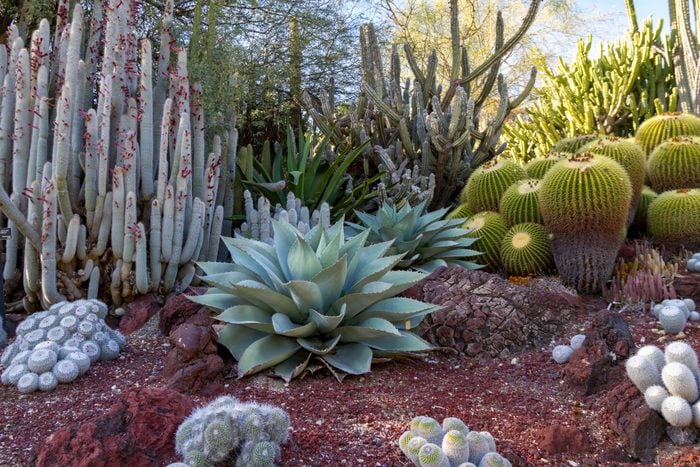
18 Unique and Unusual Gardens To Consider

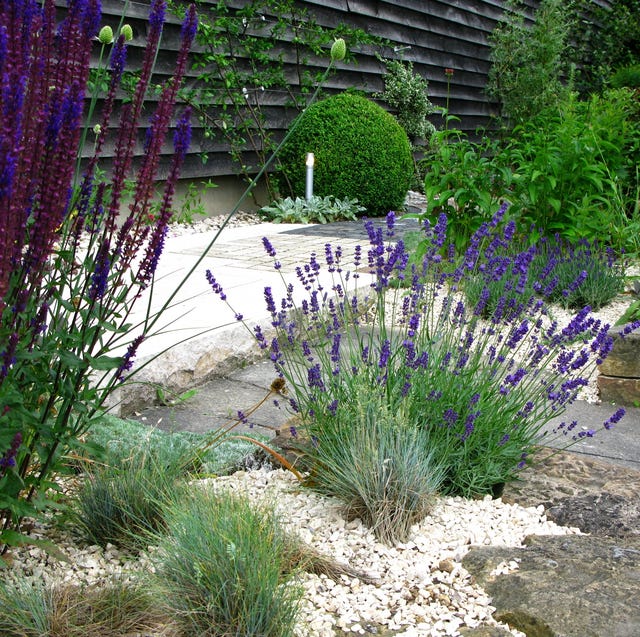
8 low-maintenance gravel garden ideas
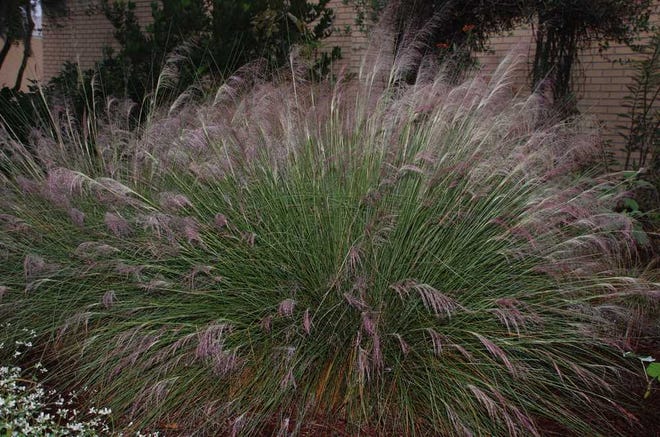
Garden column: Get some visual interest in your garden with ornamental grasses
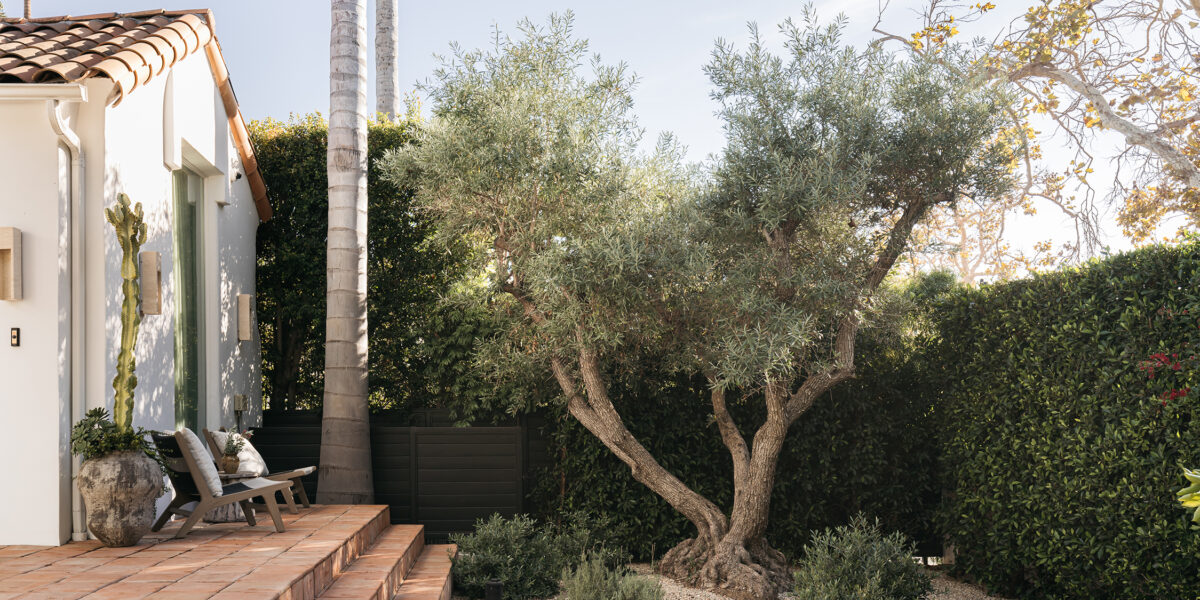
This Is Your Sign to Rip out Your Concrete Backyard and Turn It into a Lush Retreat
This Stunning Garden with Zen Vibes Uses Shockingly Little Water

9 Succulent Garden Ideas That Will Add Sculptural Dimension to Your Landscape


4 Water-Wise Landscape Designs Created Just for Denver-Area Homes
No-grass front yard ideas – 10 ways to say goodbye to that dry patch of lawn
7 Backyard Ideas to Steal from This Stylish, Low-Maintenance Beach House

These Designers Make the Most Beautiful, Radical Gardens We’ve Seen
8 Incredible Indoor Garden Ideas

12 Drought-Tolerant Landscaping Ideas for a Garden That Won’t Need Much Water
Smart Design Solutions to Give Even the Tiniest Yard Big Style
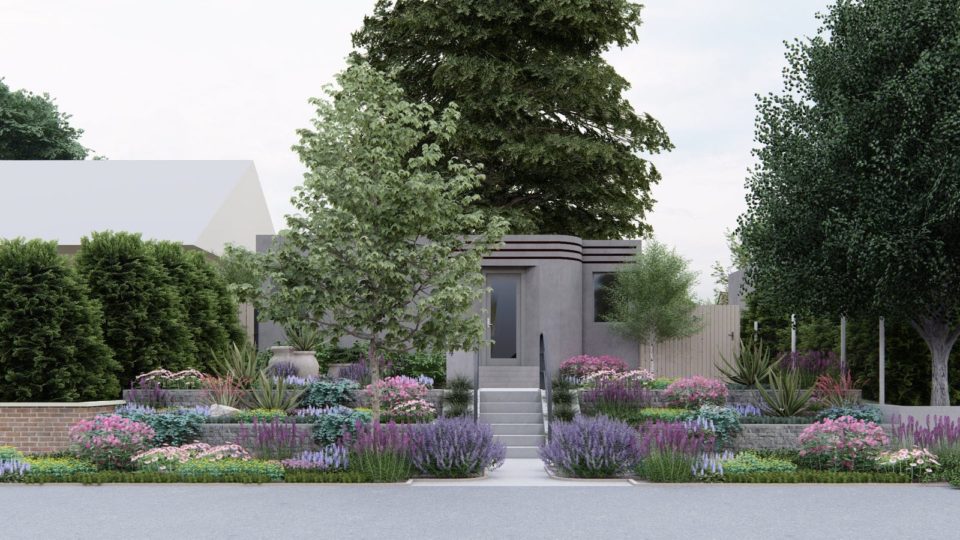
Expert Tips for Making the Most of Your Property’s Curb Strip

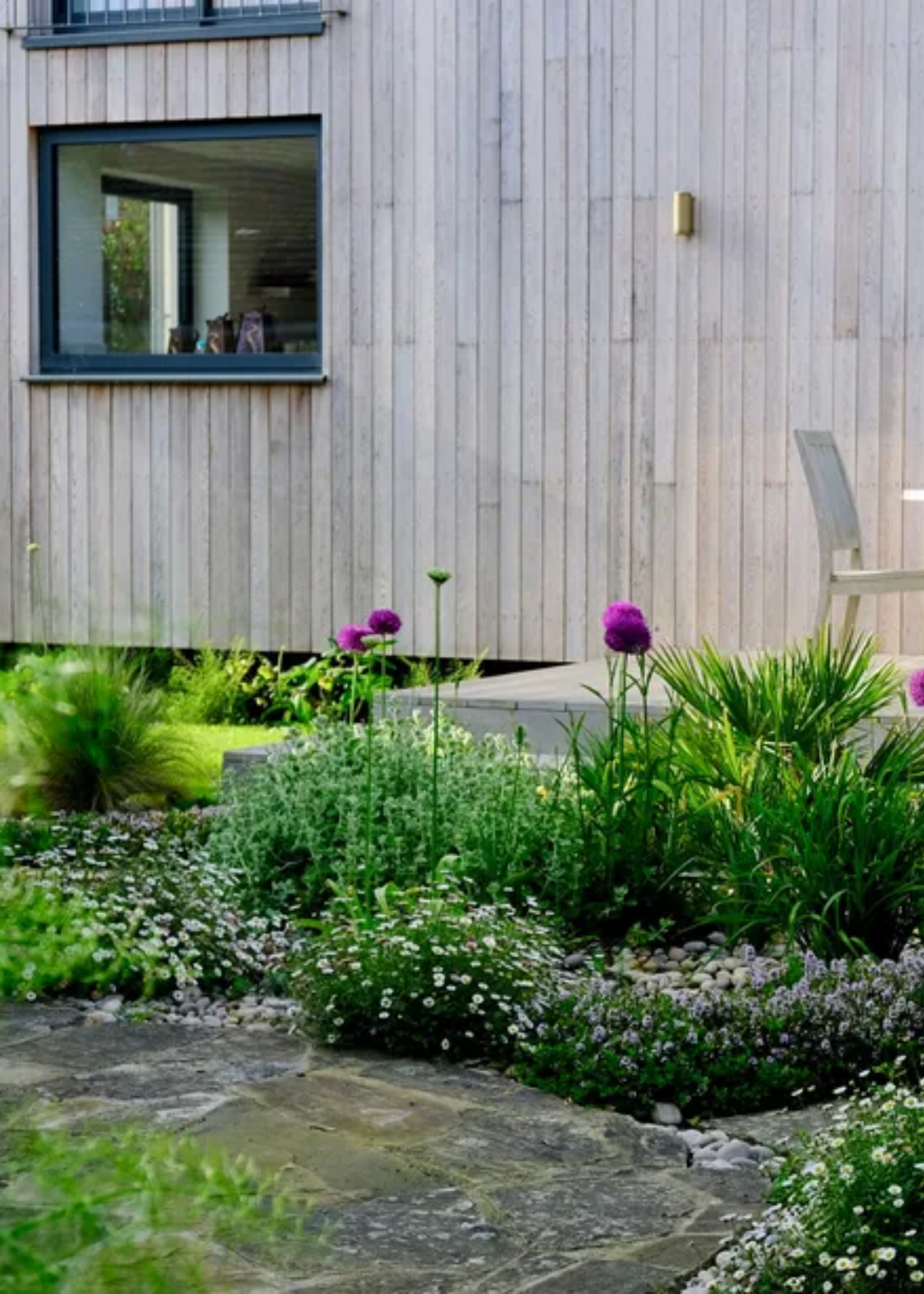
5 Mistakes in Your Garden's Design You'll Only Notice When Temperatures Soar in the Summer

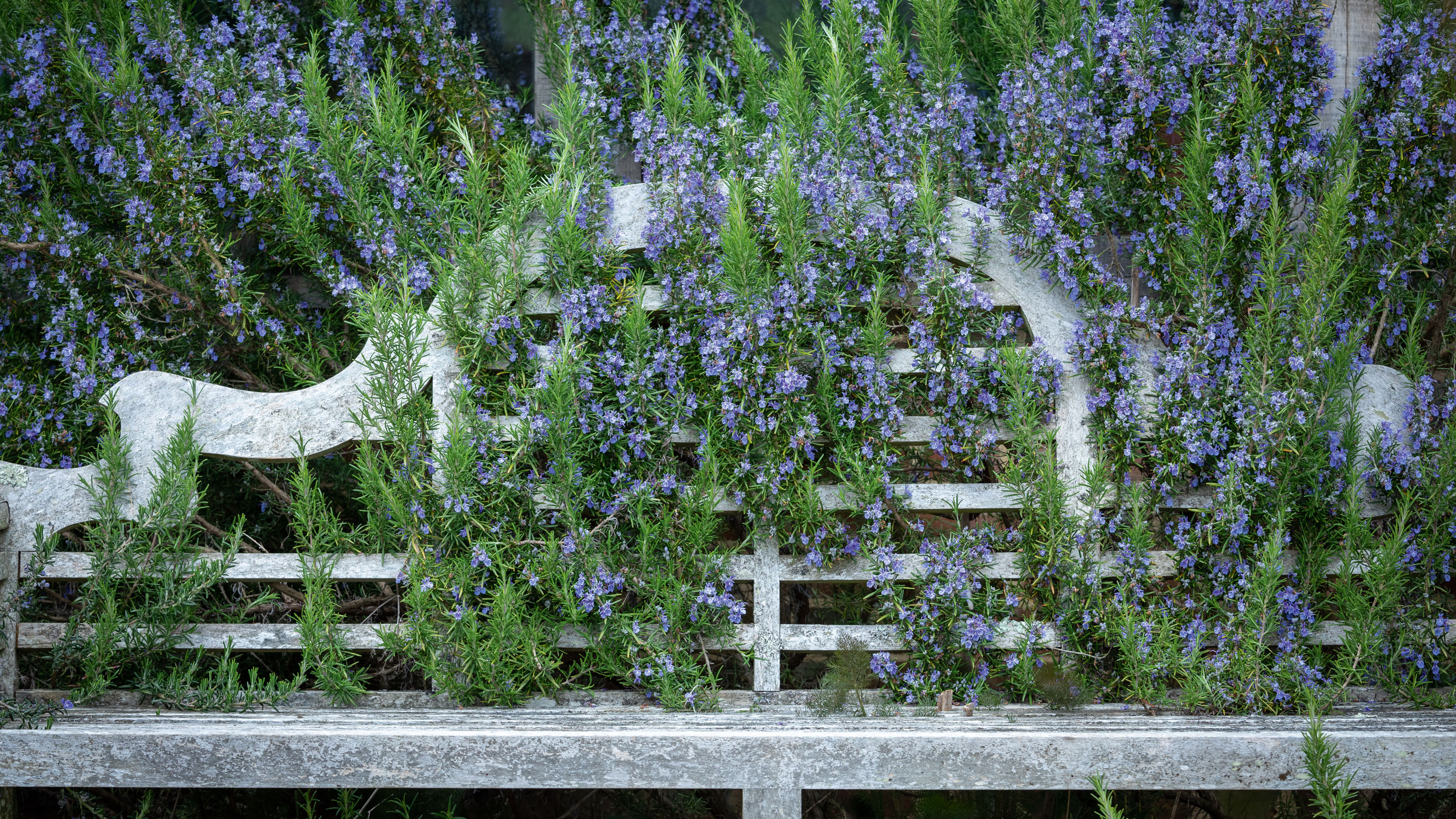
Drought tolerant plants - Sarah Raven's top tips for sunny spots
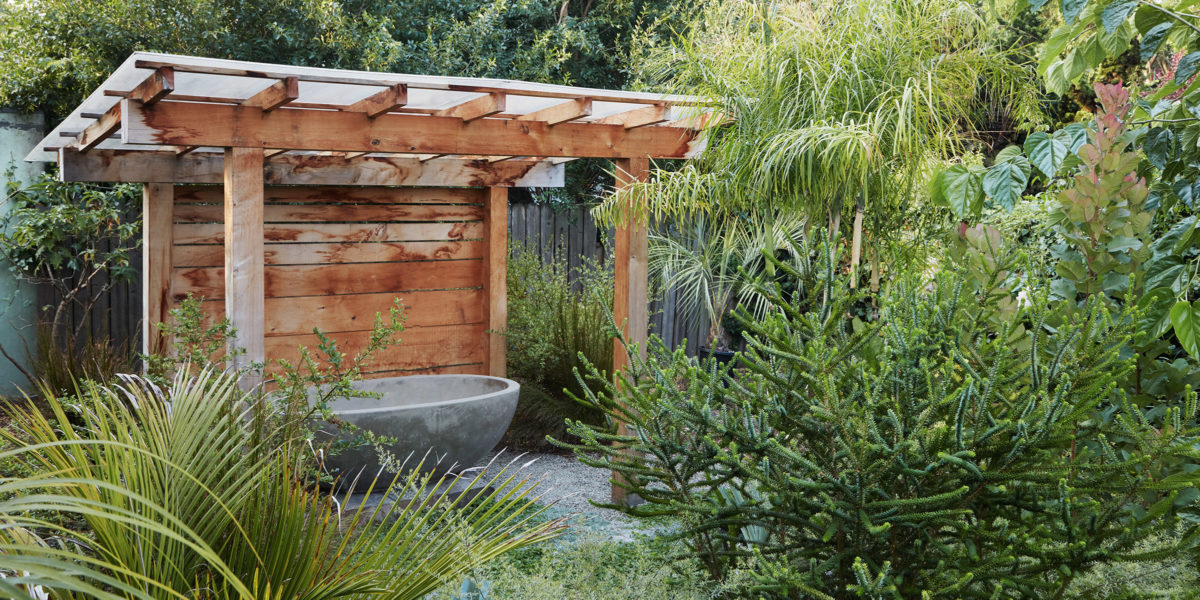
Wait, How Is This Green-on-Green Garden Low Water?

8 low-maintenance gravel garden ideas
16 Rock Garden Ideas for a Beautiful, Low-Maintenance Landscape