Jennifer Aniston's Japanese garden is the popular 2025 trend
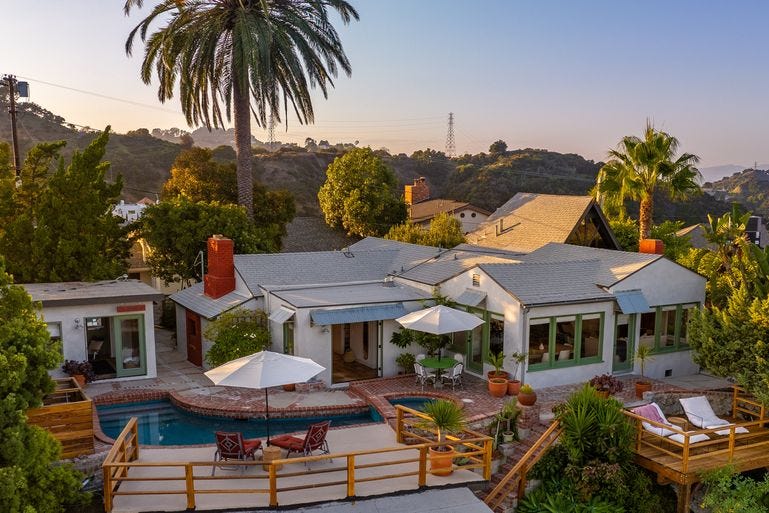
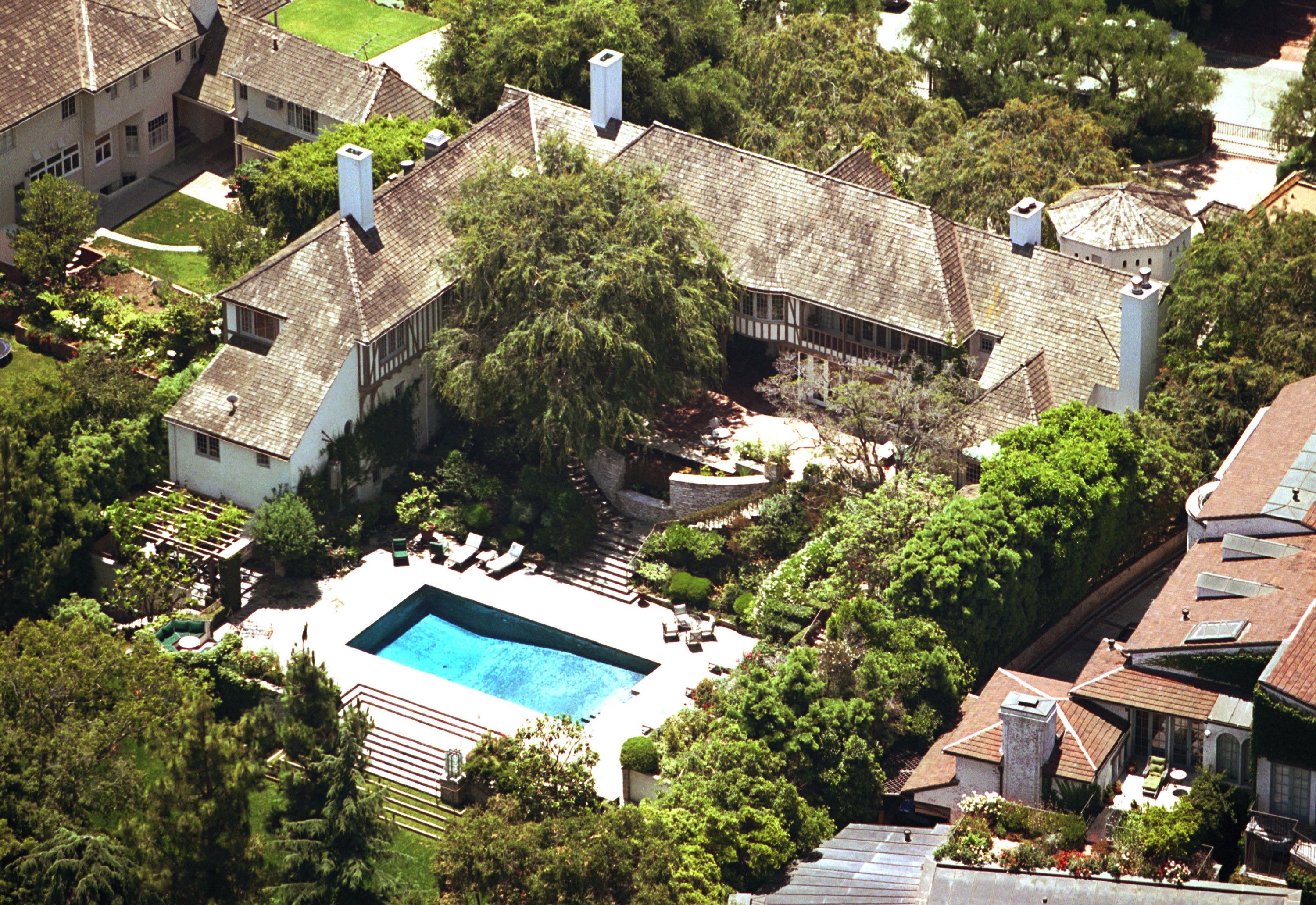
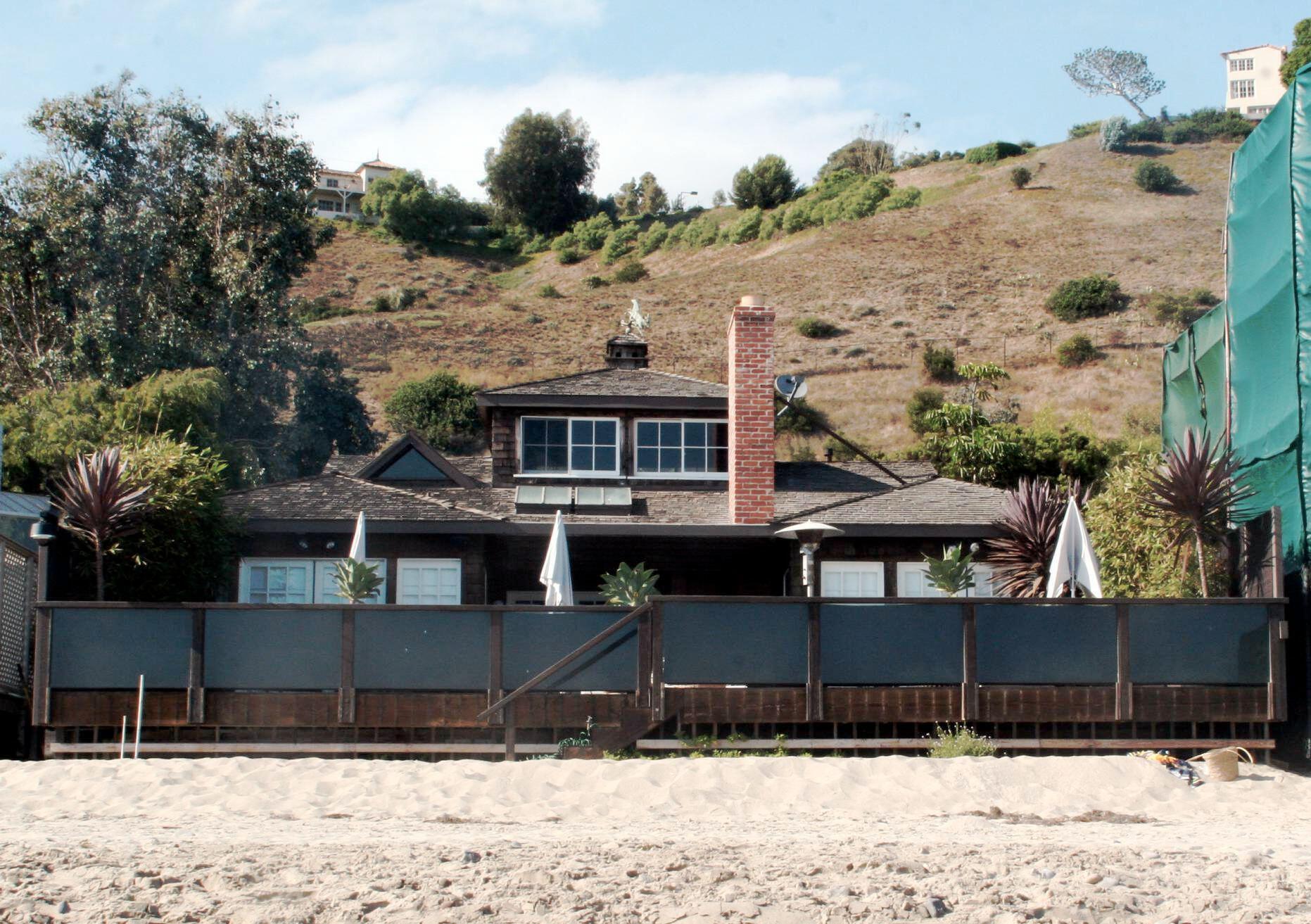
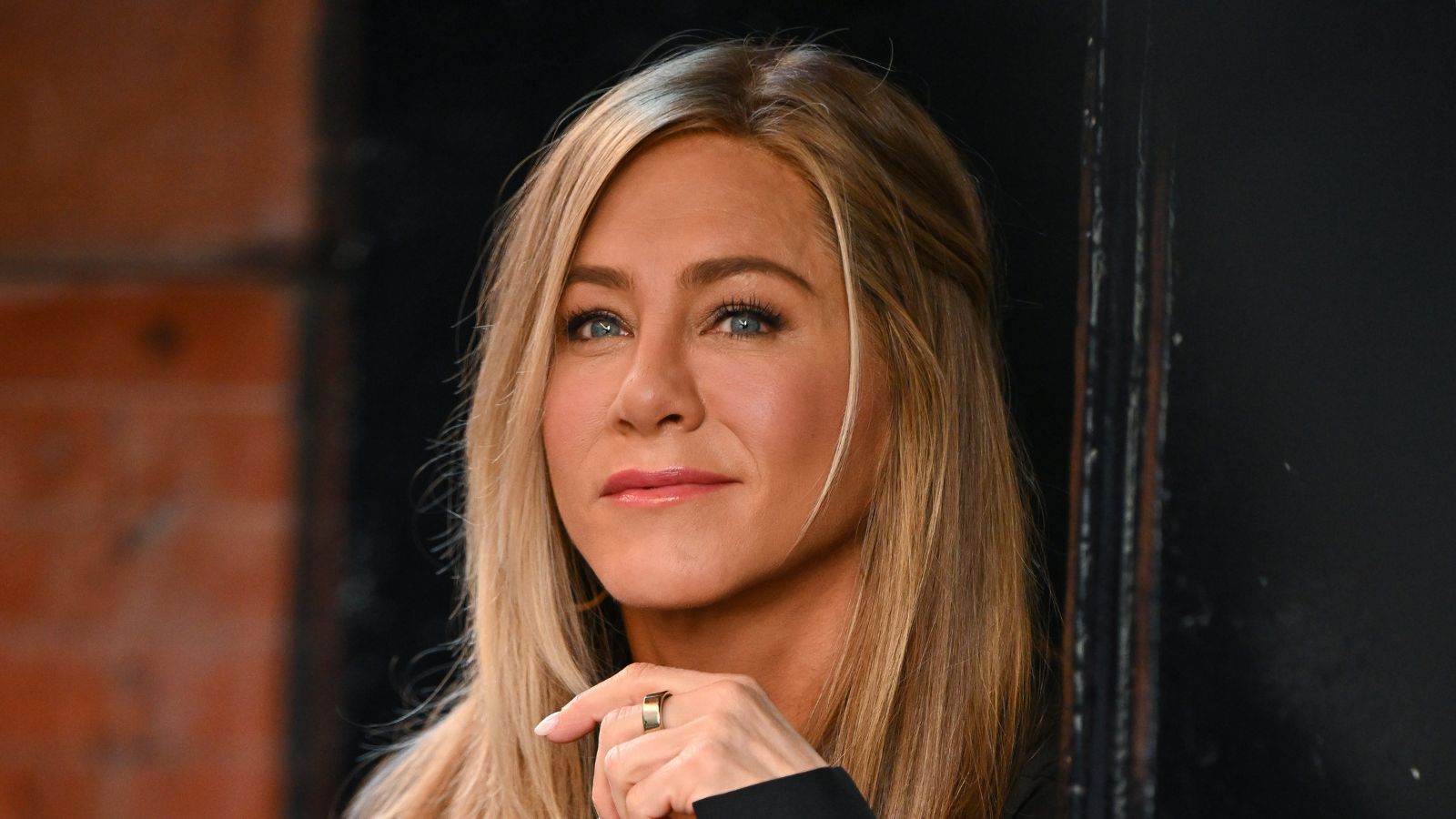
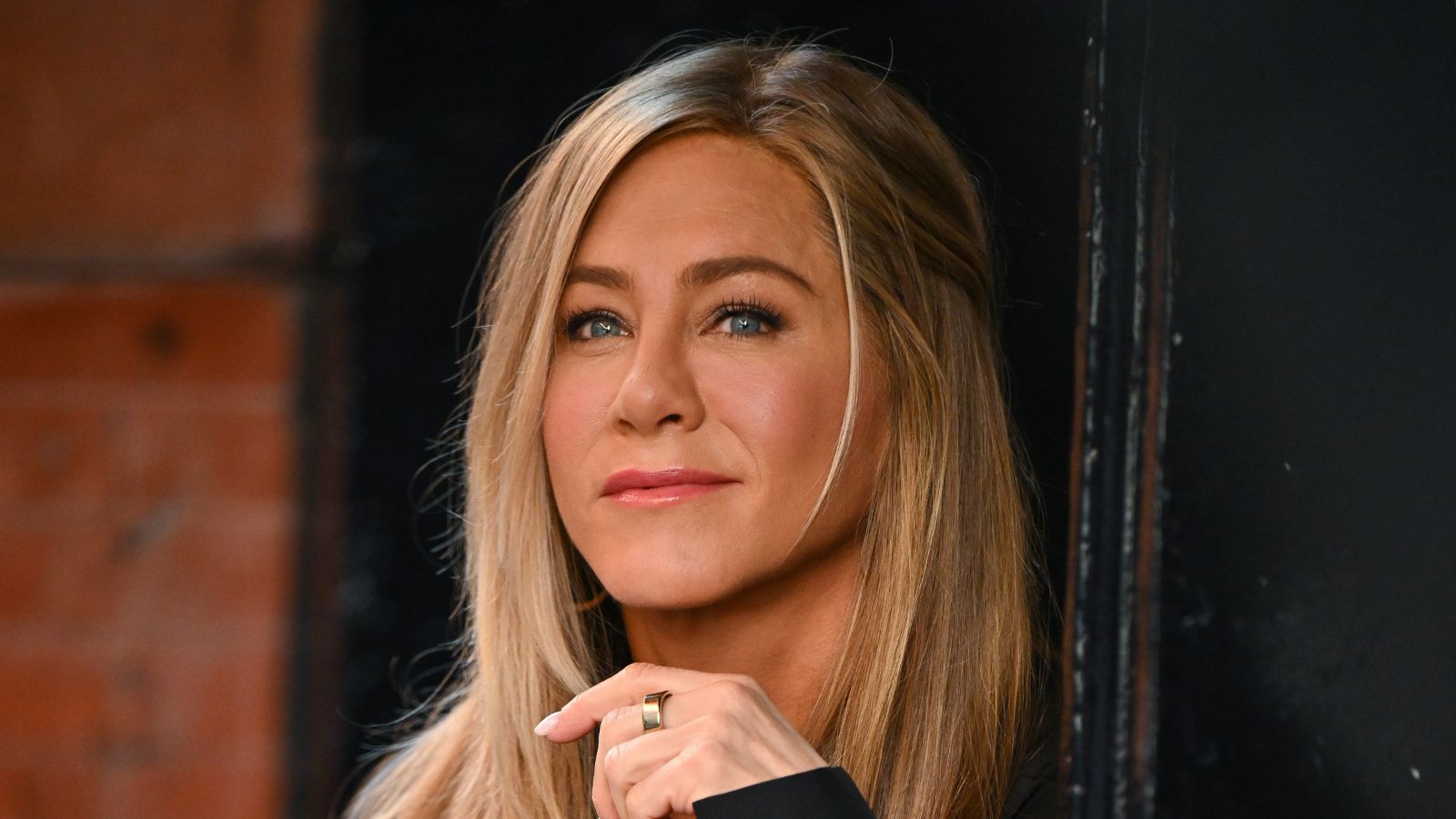
Jennifer Aniston’s garden, a blend of Japanese and mid-century modern aesthetics, continues to be a significant reference point in garden design, one year after its initial feature. The space is noted for its ability to captivate readers with its sense of calm, balance, and natural beauty. This garden's enduring relevance stems from its alignment with contemporary design conversations, particularly the growing emphasis on outdoor spaces as extensions of personal well-being rather than merely areas for entertainment.
The design philosophy behind Aniston's garden prioritizes emotional well-being and mindfulness. This is achieved through its Japanese-inspired layout, prominent water features, and a carefully curated, restrained color palette. These elements collectively contribute to a therapeutic environment, facilitating restoration, reflection, and stress relief. The garden exemplifies a shift towards creating outdoor sanctuaries that are deeply personal and conducive to mental calm.
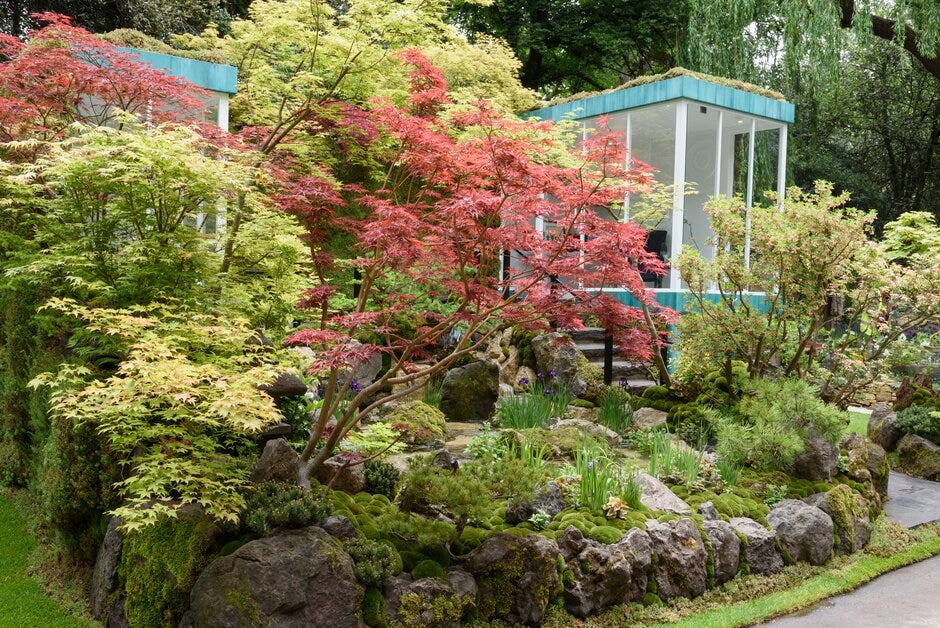
Despite being part of a larger estate, many of the garden’s design components are adaptable to smaller urban or suburban settings. Examples include the strategic placement of compact acers, the inclusion of meandering paths, and the thoughtful layering of textures. These elements allow for high-impact design within limited spaces, emphasizing intentionality over an abundance of plants. The garden serves as a masterclass in achieving a sophisticated look through selective planting and considered arrangement.
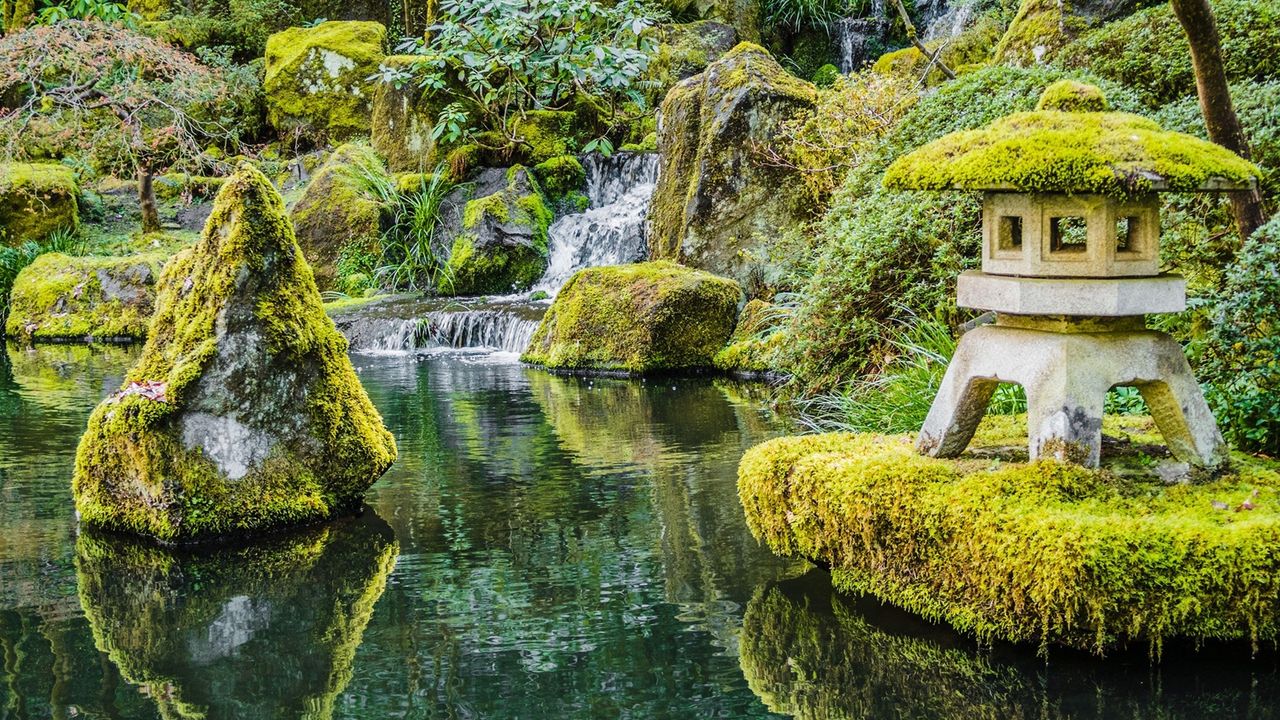
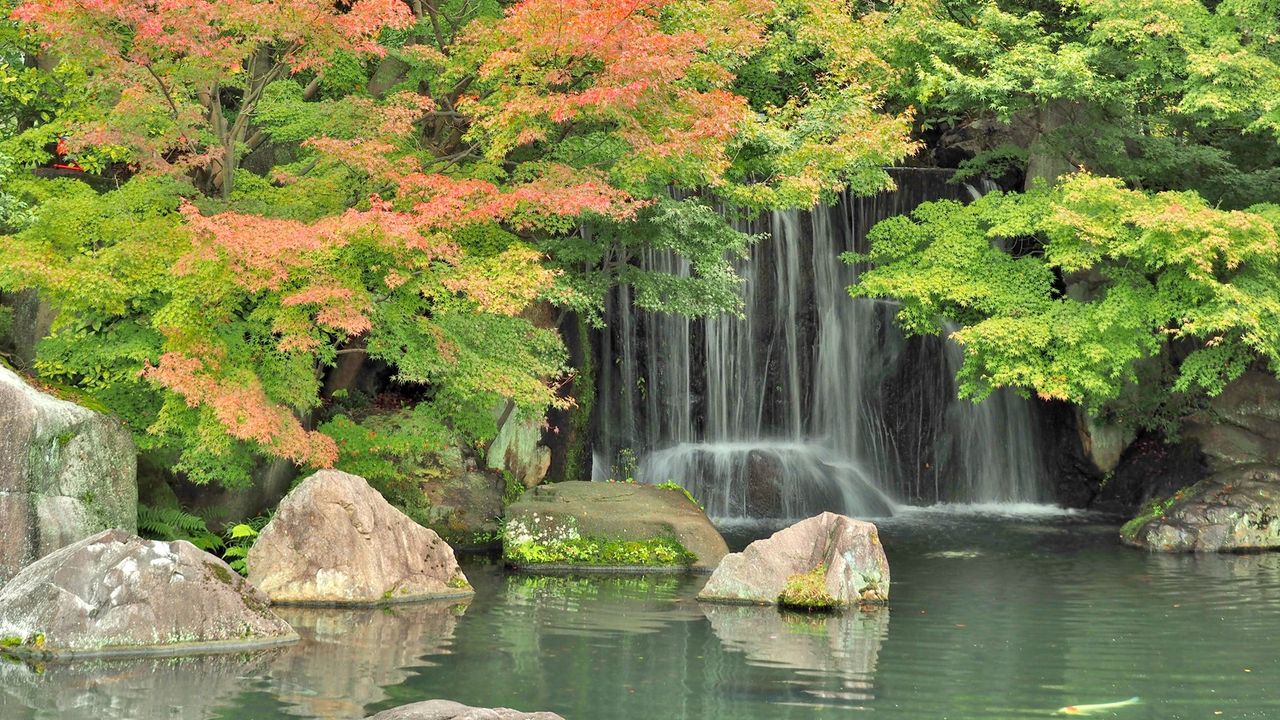
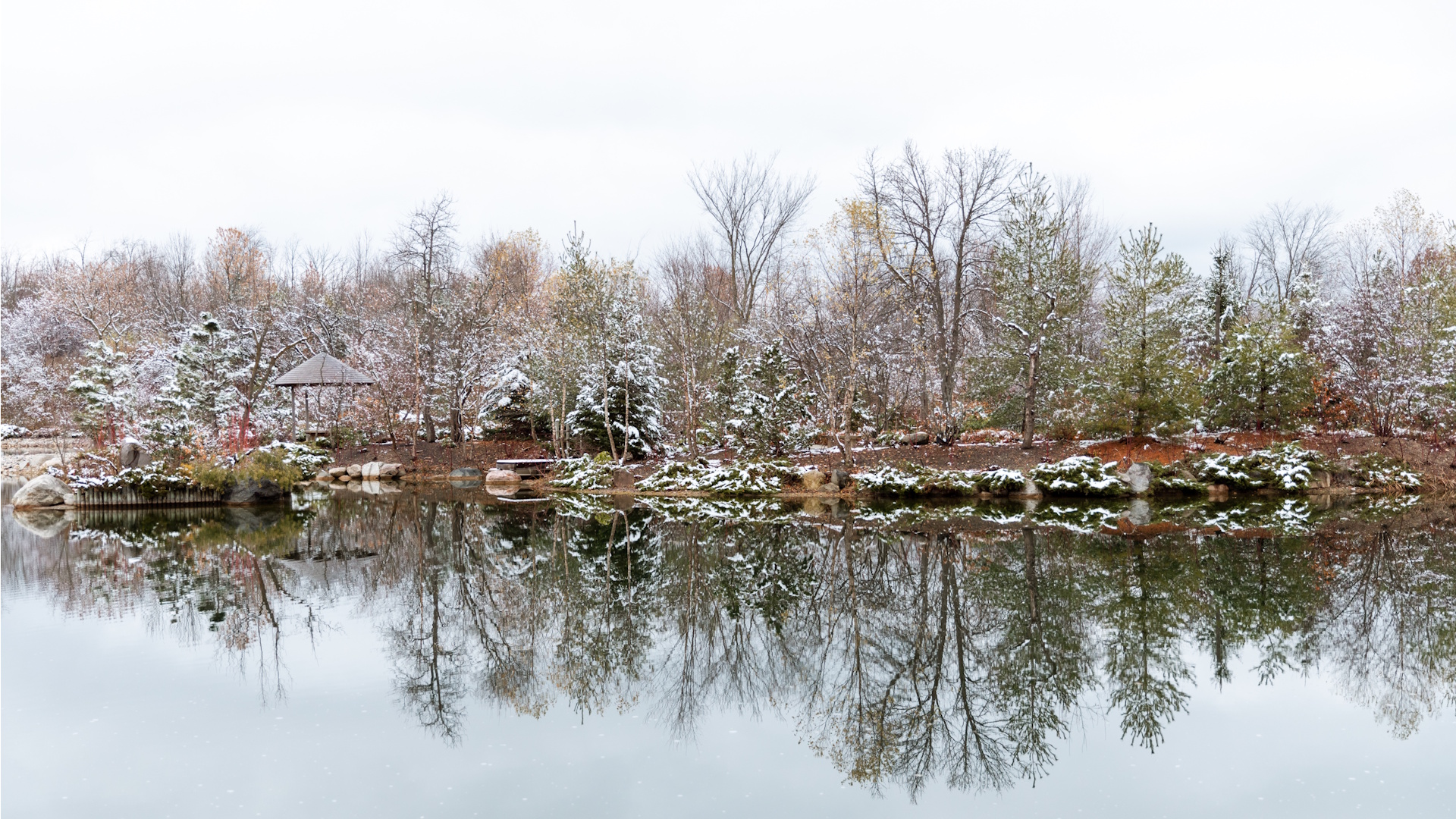
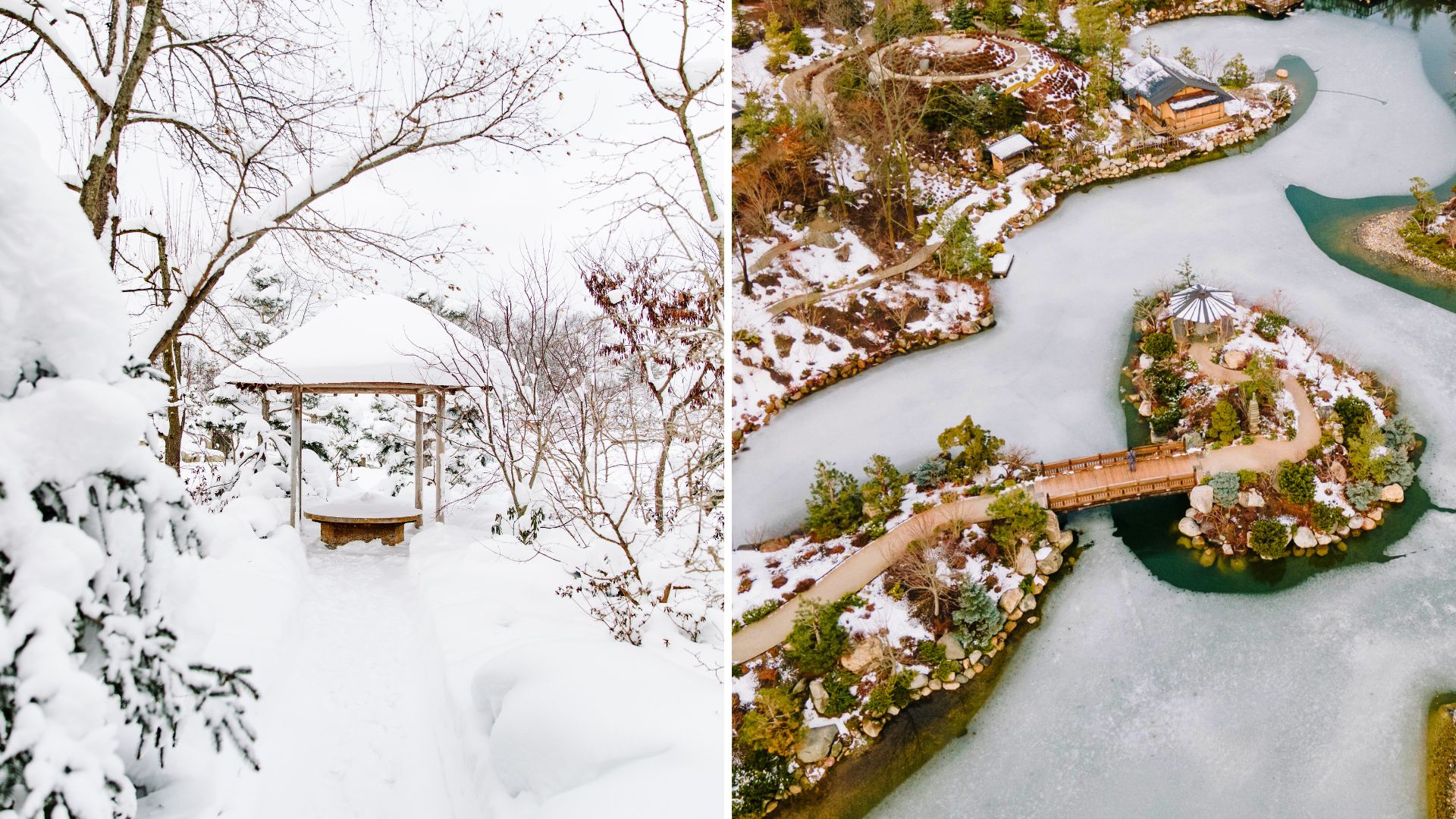
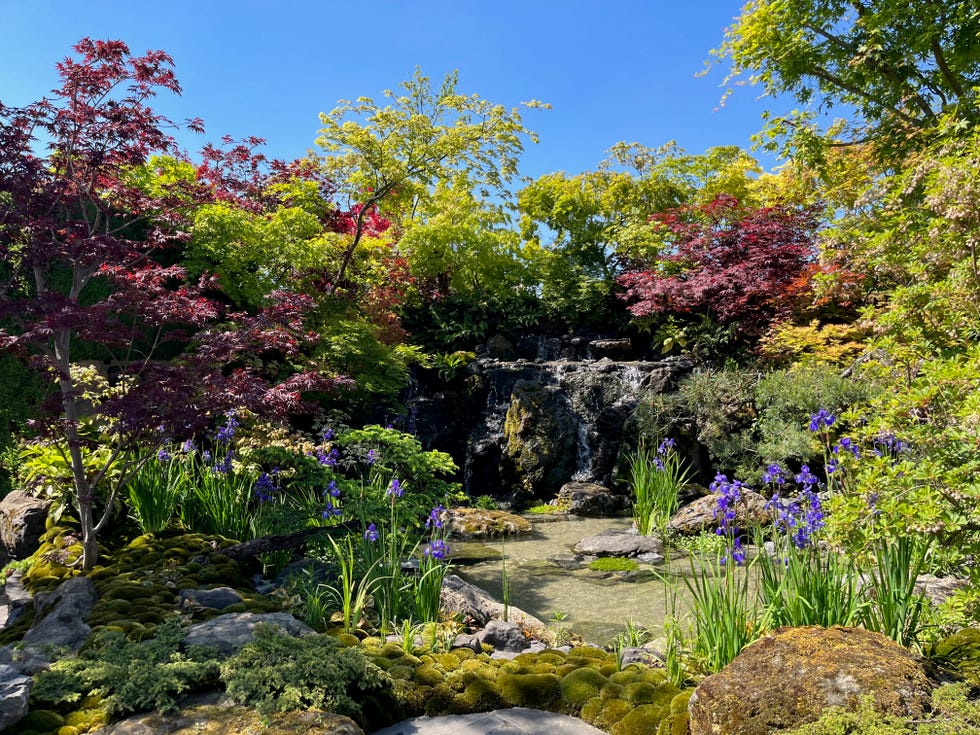
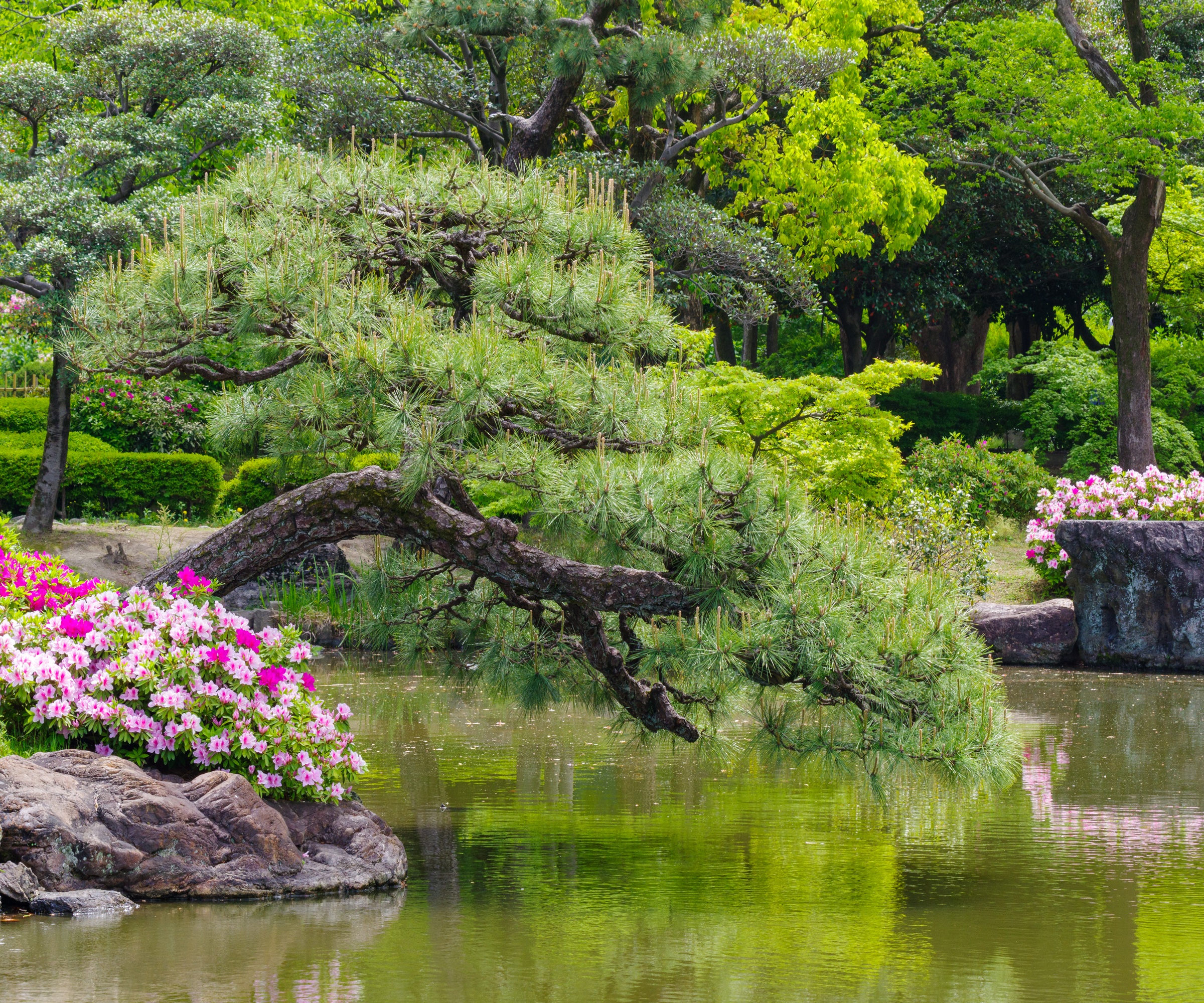
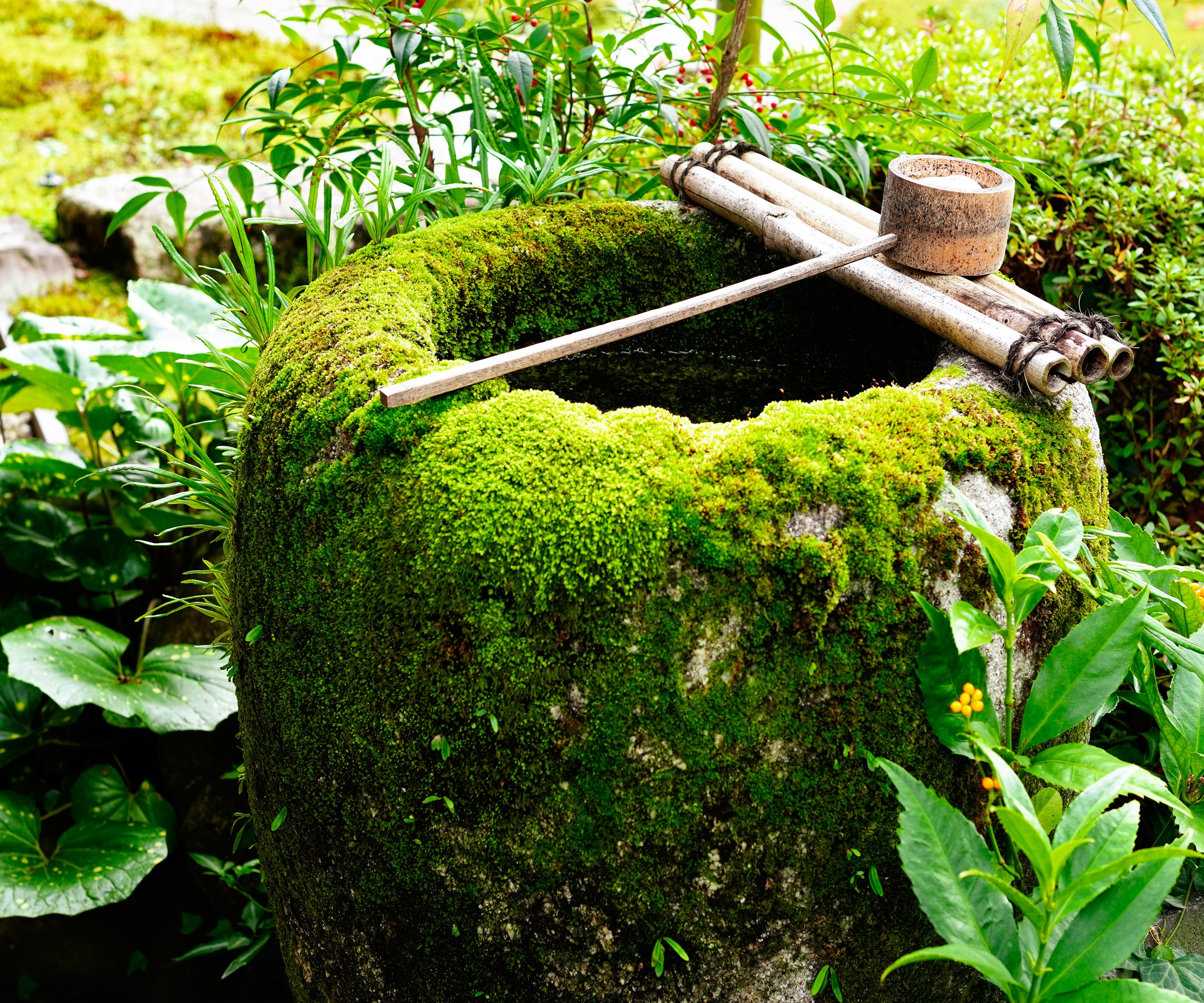
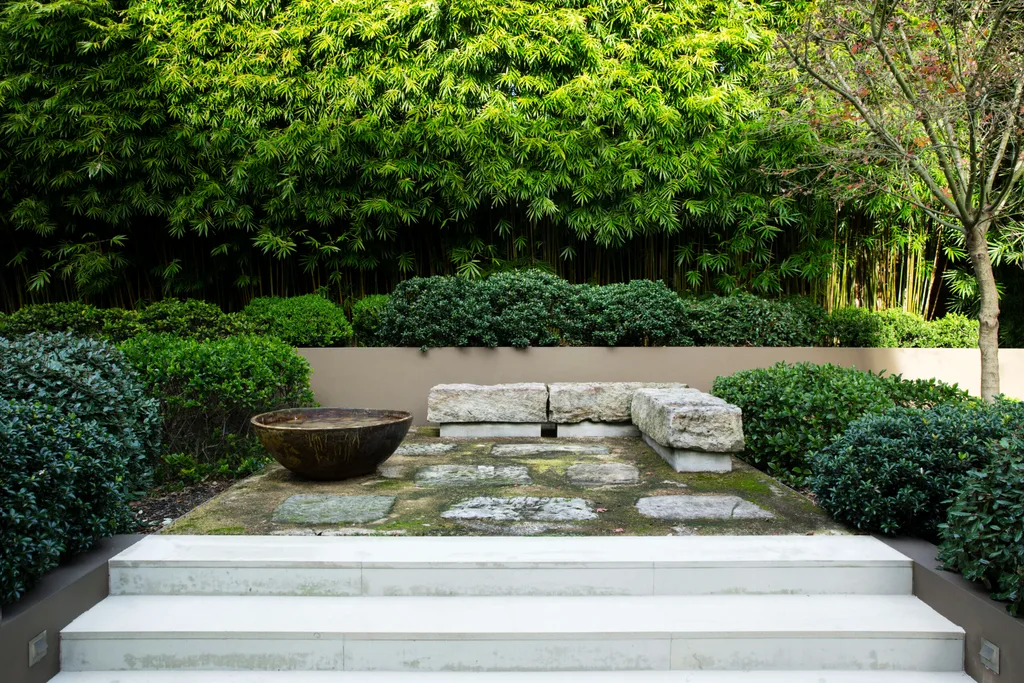
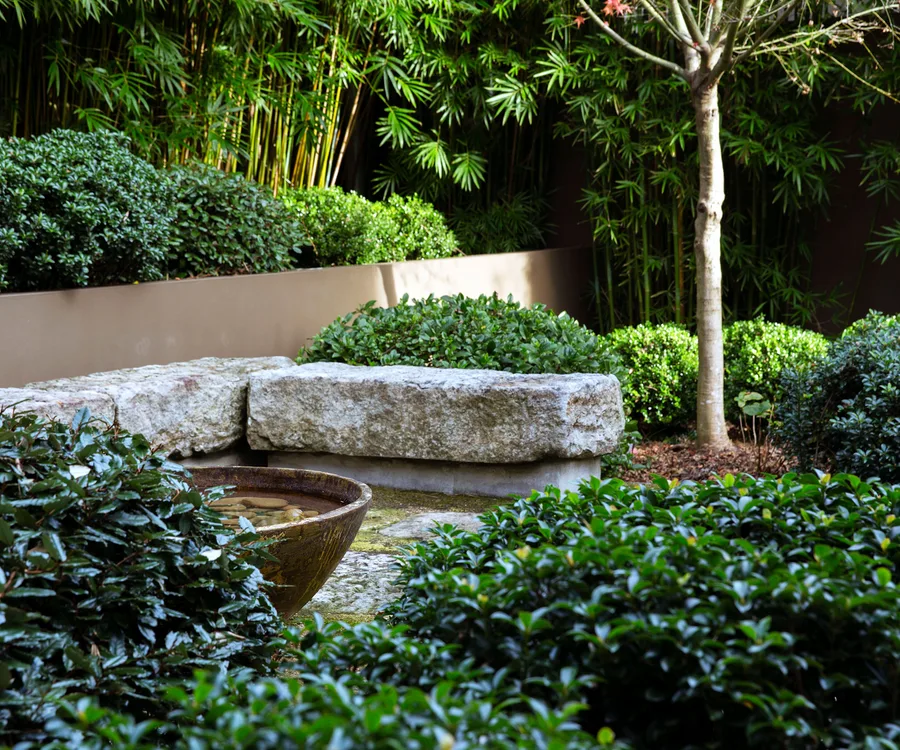
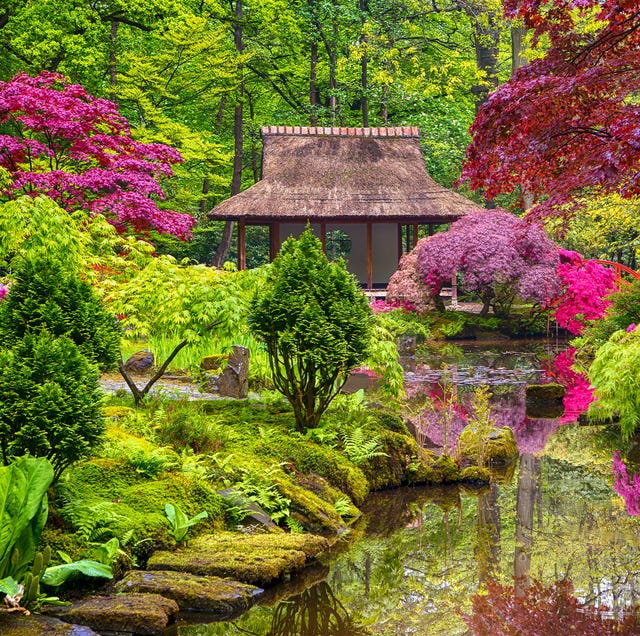
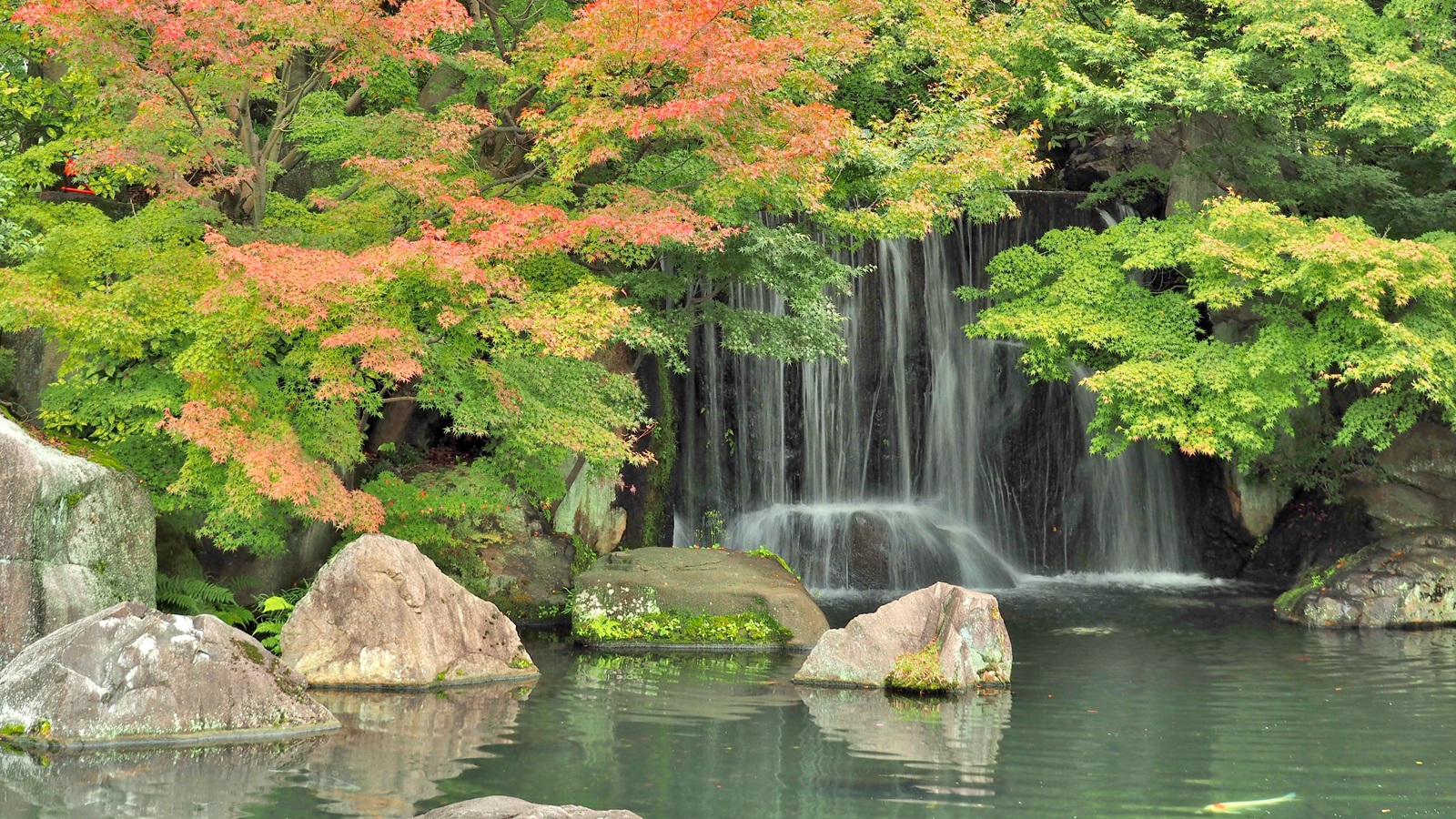
The garden, designed by Marcello Villano, meticulously incorporates key principles of Japanese garden design. Thoughtful planting and clean architectural lines are central to its aesthetic, fostering an atmosphere of peace and reflection. A significant feature is the central water element, which not only introduces movement and tranquility but also anchors the garden, providing a sense of quiet drama. This design choice highlights the importance of incorporating natural elements to enhance the sensory experience of the space.
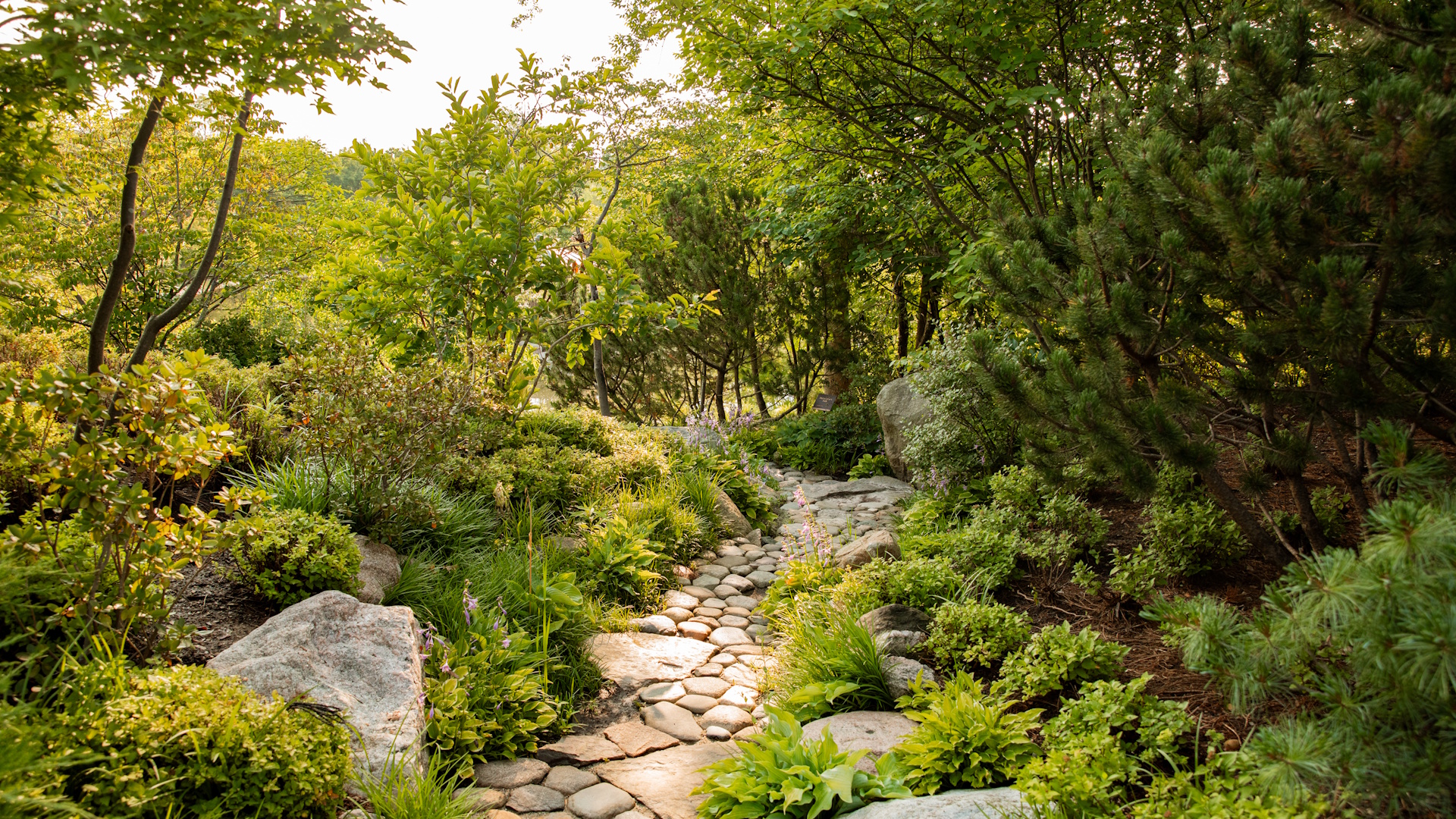
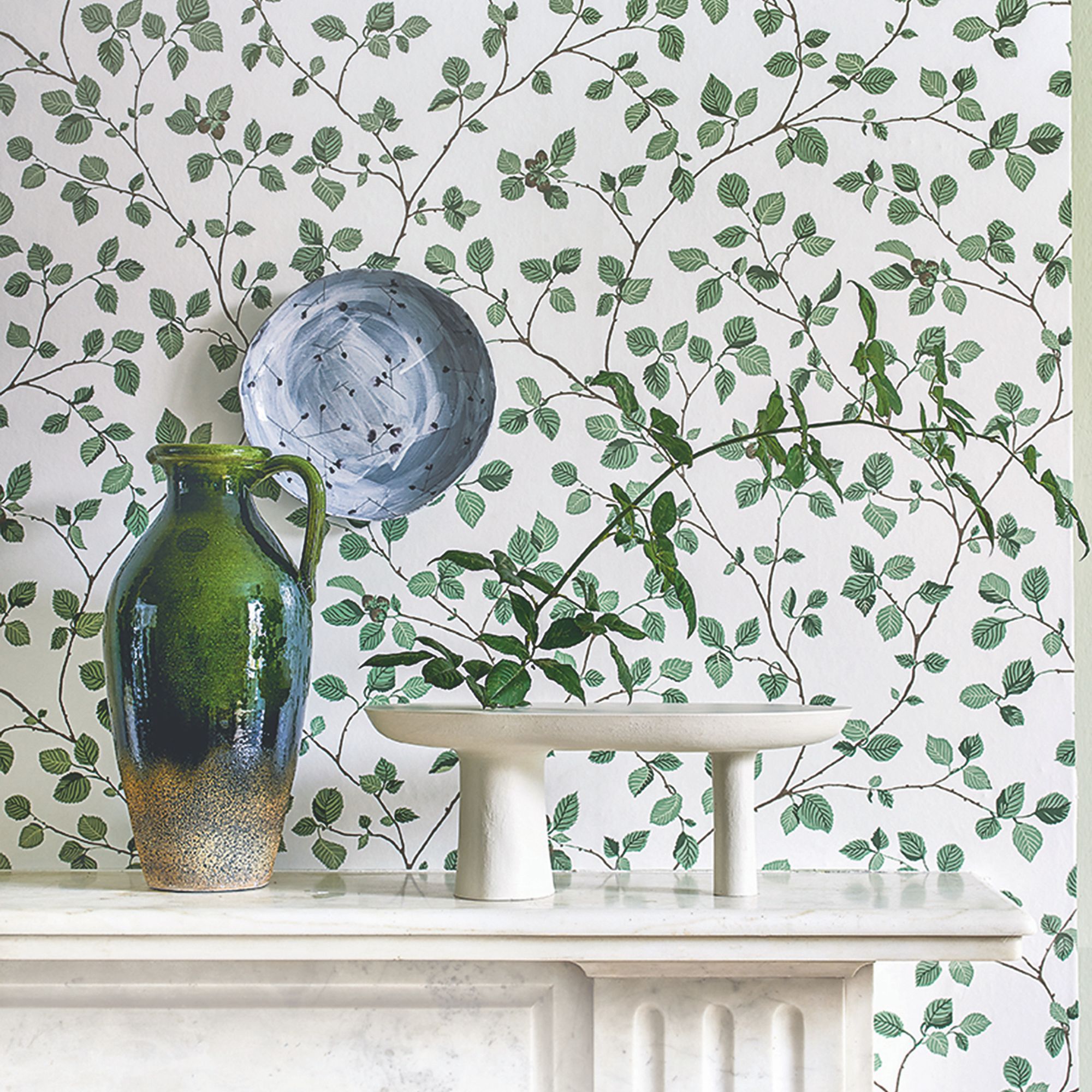
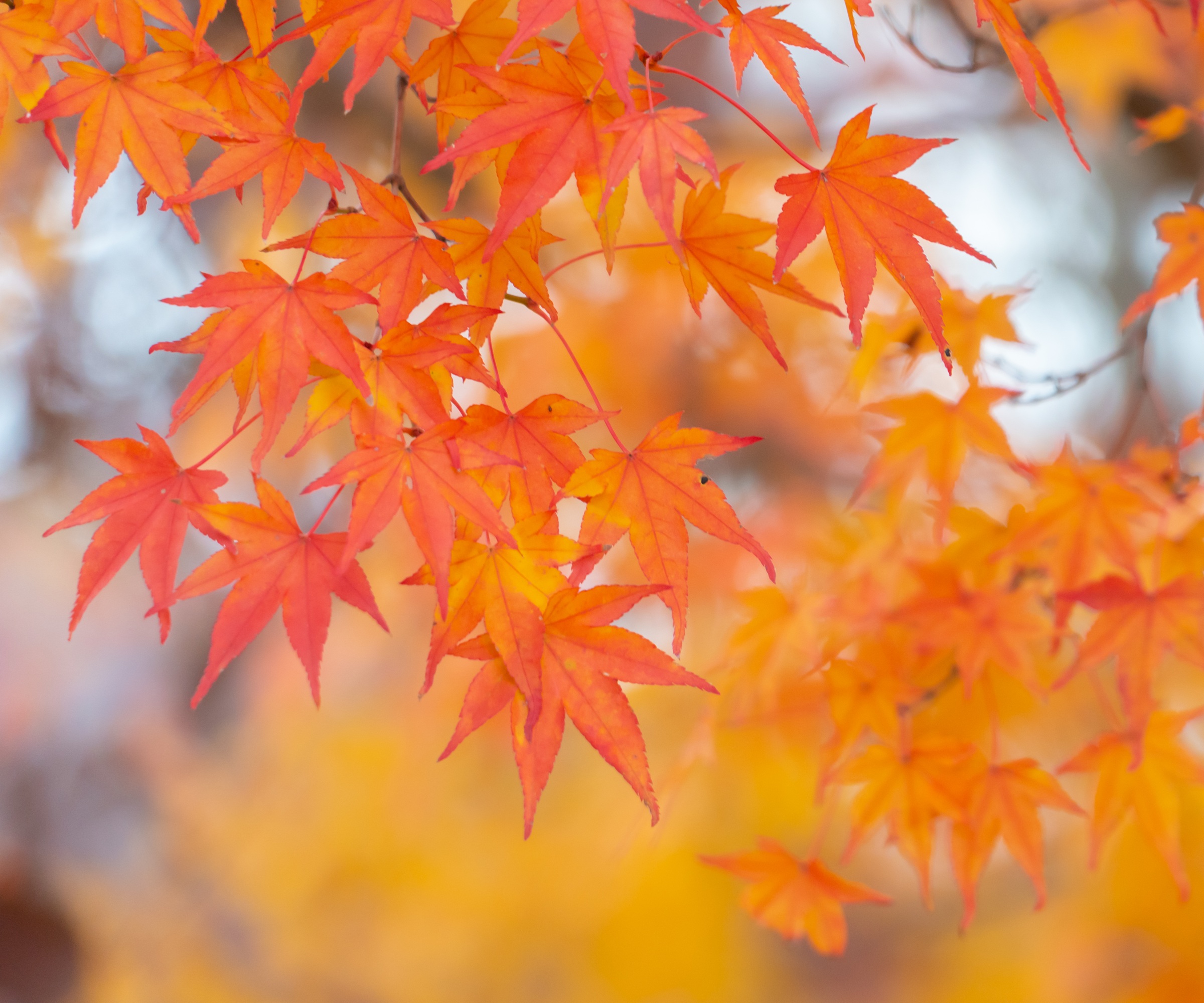
Foliage plays a crucial role in the garden's plant palette, with sculptural maples and various shades of green creating visual interest through texture and tone, rather than relying heavily on vibrant flowers. This approach results in a restrained yet expressive style that resonates with the modern rustic luxury trend, characterized by organic materials and understated elegance. The design favors subtle shifts in color and texture, promoting a serene visual experience.
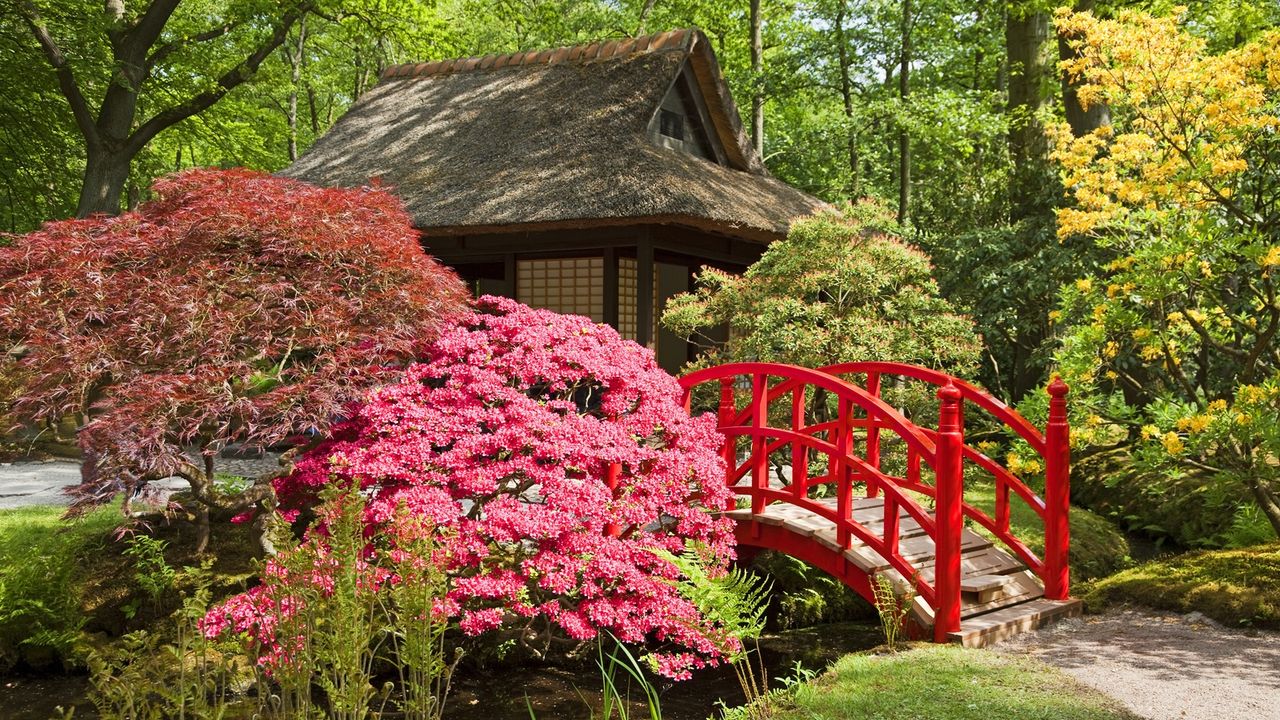
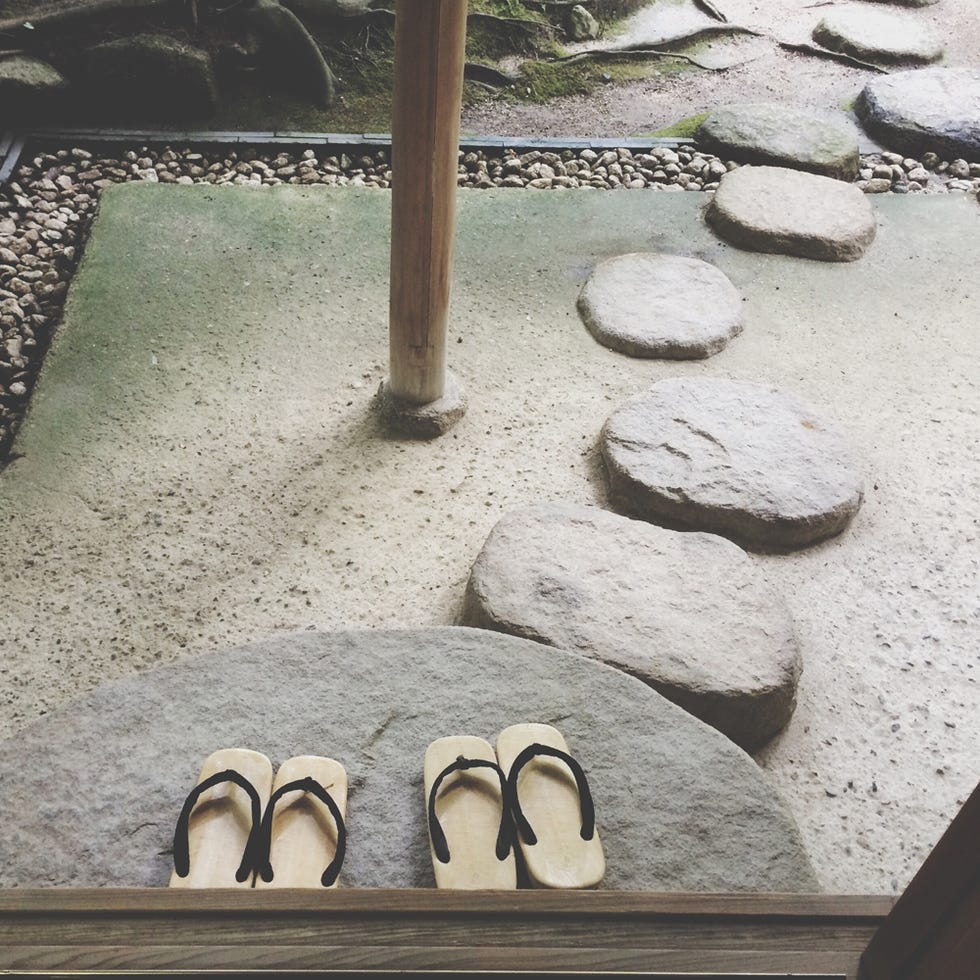
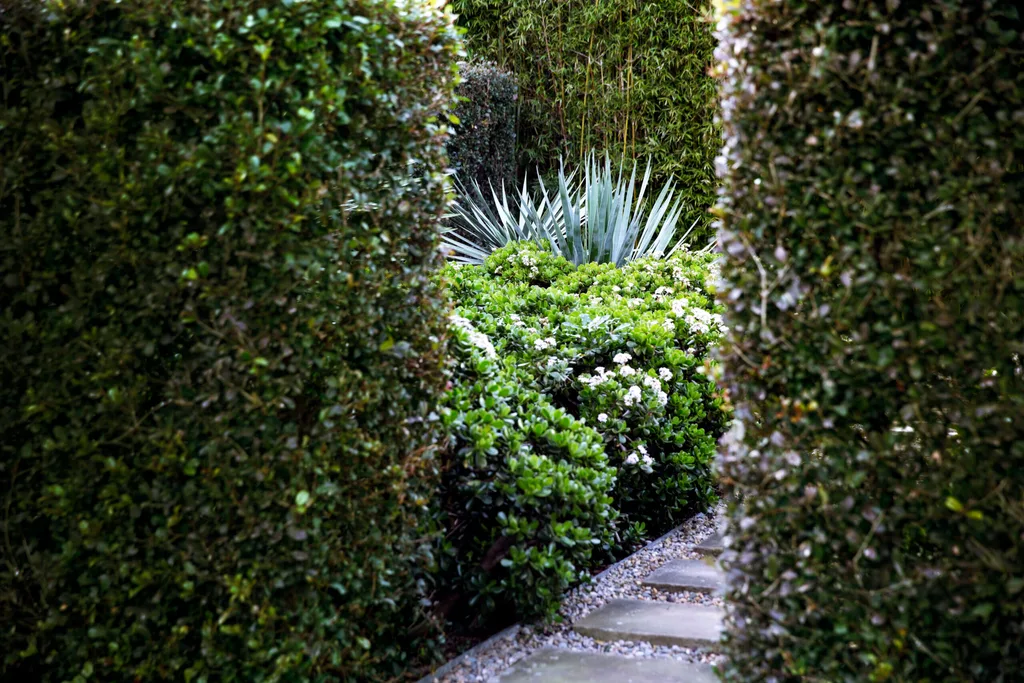
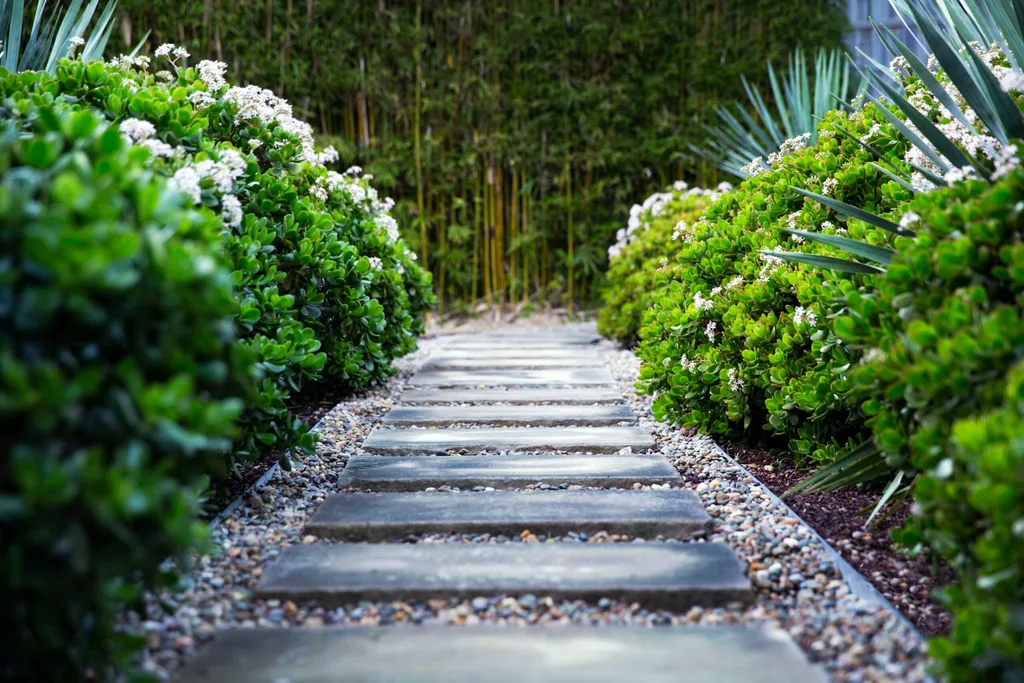
Transitions between different garden zones are artfully managed through garden gates and walkways. These features provide soft, inviting pathways that encourage discovery while maintaining a seamless flow throughout the space. This aspect is a classic element of Japanese landscaping, contributing to both visual intrigue and emotional calmness. The overall design harmonizes different areas, creating a cohesive and inviting outdoor environment.
Jennifer Aniston’s garden remains a significant blueprint for homeowners seeking to create outdoor sanctuaries. Its emphasis on sustainability, serenity, and thoughtful design positions it as a timeless model for those looking to develop deeply personal and enduring outdoor spaces. The garden's continued popularity underscores a broader trend towards integrating mindful design principles into residential landscapes.
#JenniferAnistonGarden #JapaneseGardenDesign #MidCenturyModern #OutdoorLivingSpaces #GardenTrends2025 #CelebrityHomes #SustainableDesign #TherapeuticGardens #LandscapeArchitecture #JenniferAnistonGarden #JapaneseGardenDesign #MidCenturyModern #OutdoorLivingSpaces #GardenTrends2025 #CelebrityHomes #SustainableDesign #TherapeuticGardens #LandscapeArchitecture
0 comment in total
 No comments yet
You may also like
Jennifer Aniston's Japanese-inspired garden is a work of art – experts say it will dominate trends in 2025
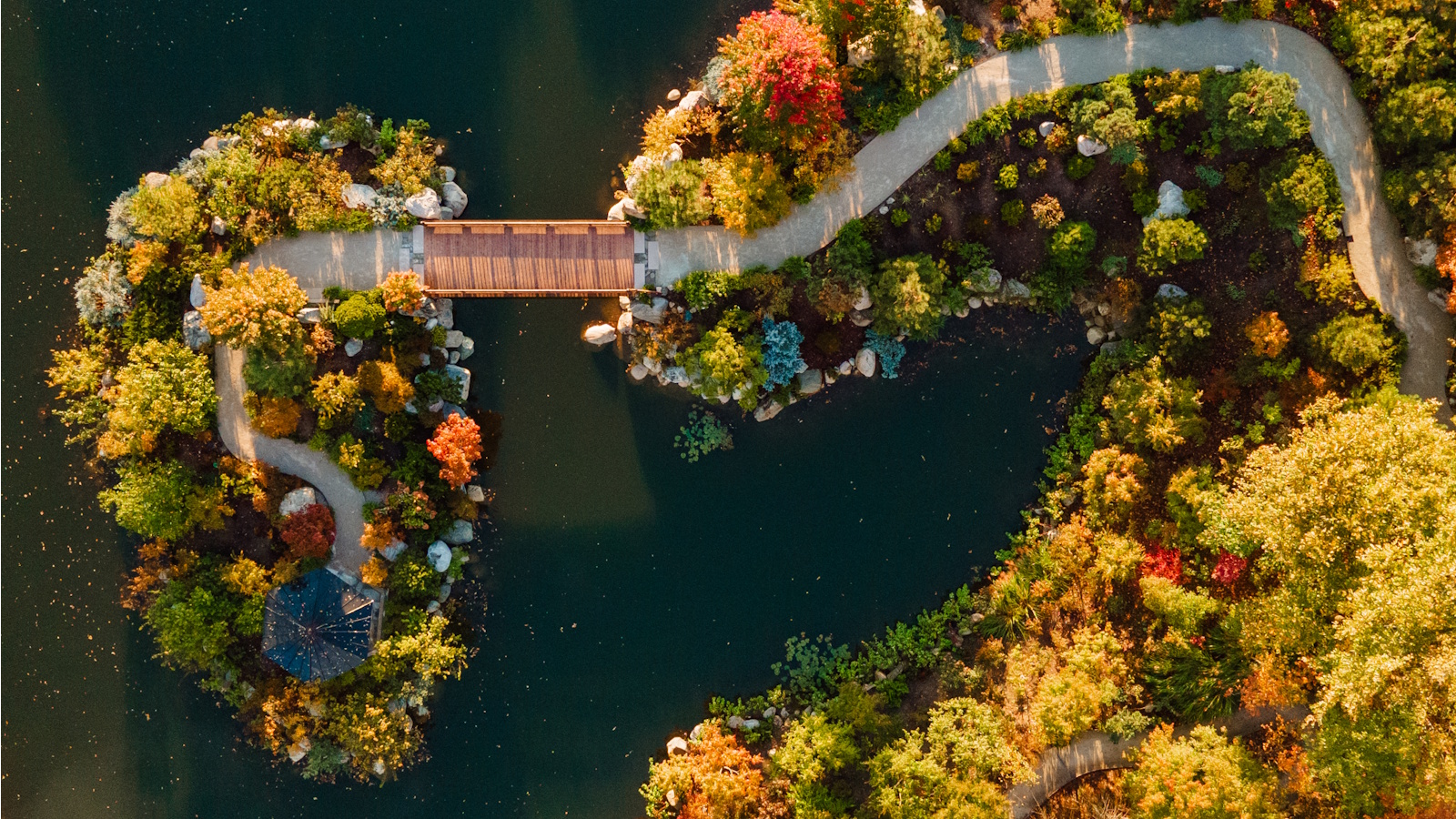
Michigan’s Slice of Japan: Where Design Connects Humanity with Nature
11 Plants We Predict Will Be Trending In Gardens For 2026

Joanna Gaines' Nature-Inspired Cabinet Color Is Setting A New Trend For 2024

Jennifer Aniston's Japanese winter garden beautifully lit for Christmas
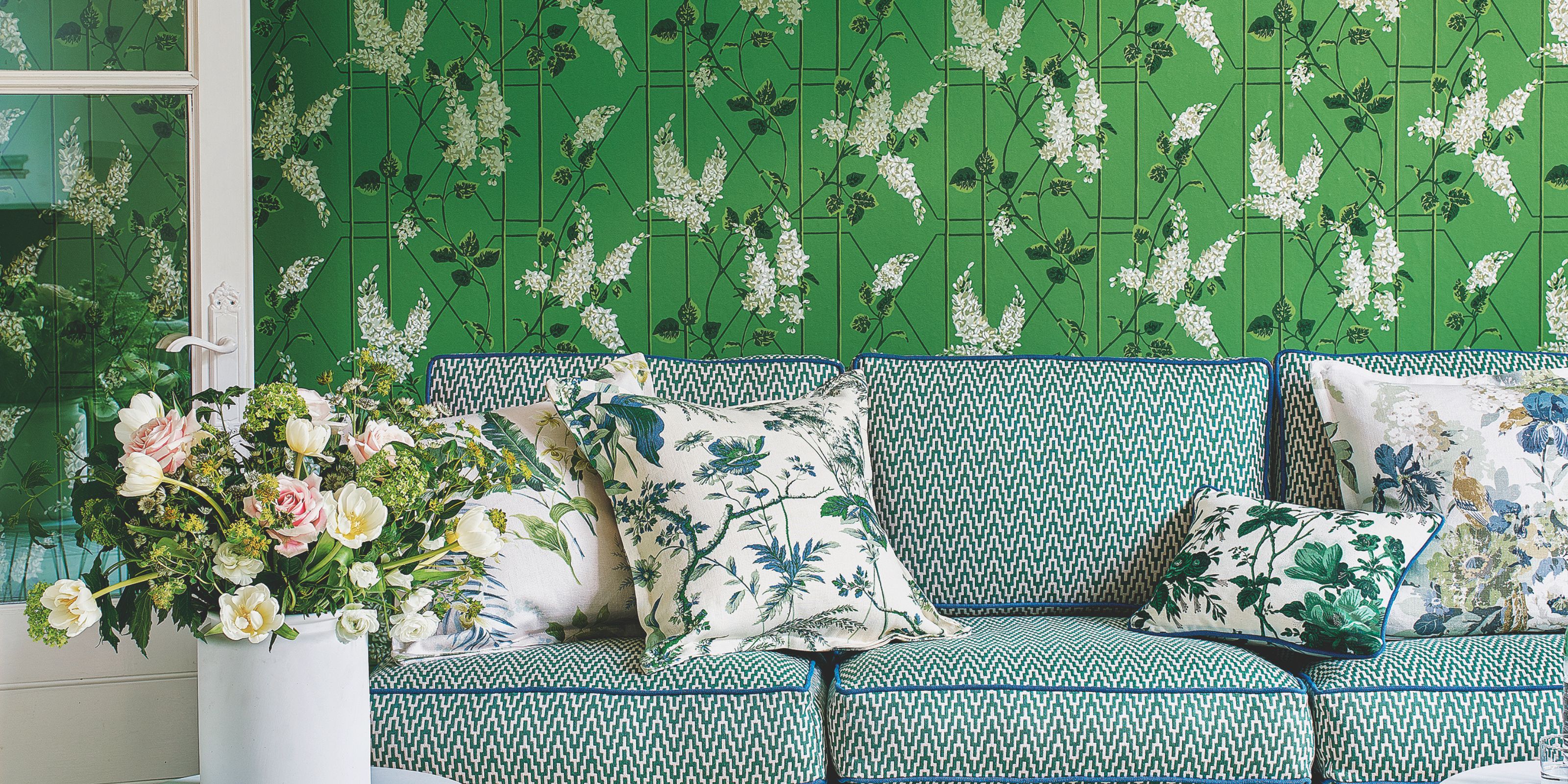
Sorry florals, botanical patterns are trending for 2025
Jennifer Aniston’s Mid-Century Kitchen Inspires 2026 Retro Revival
A Japanese-inspired garden on Sydney’s north shore

This Relaxing Garden Trend is Going to Rule 2025, According to a Garden Expert

Jennifer Aniston's modern rustic luxe kitchen is the trend of 2026
Experts reveal how to plant a Japanese-inspired garden

Dual native-filled courtyards form the centrepiece of this new Japanese-style build

One year later, Jennifer Aniston's 'Japanese meets mid-century modern garden' is still the best outdoor space I've seen – it's the most desired style for 2025, with over a million views

A Peek Inside All of Jennifer Aniston's Homes

Garden Pros Say This Japanese Design Idea Is the Secret to an Easy Yard
I just realized the secret to Jennifer Aniston's perfect pool area is in her classic furniture color – it makes all the difference
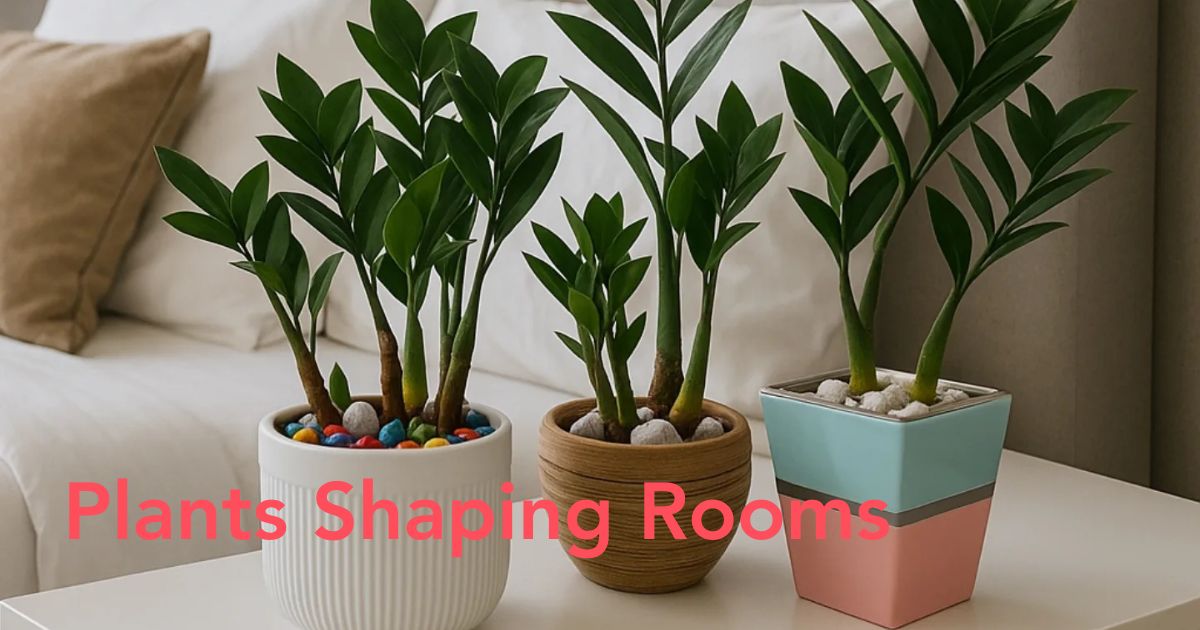
Trending Houseplants Shaping the Year Ahead

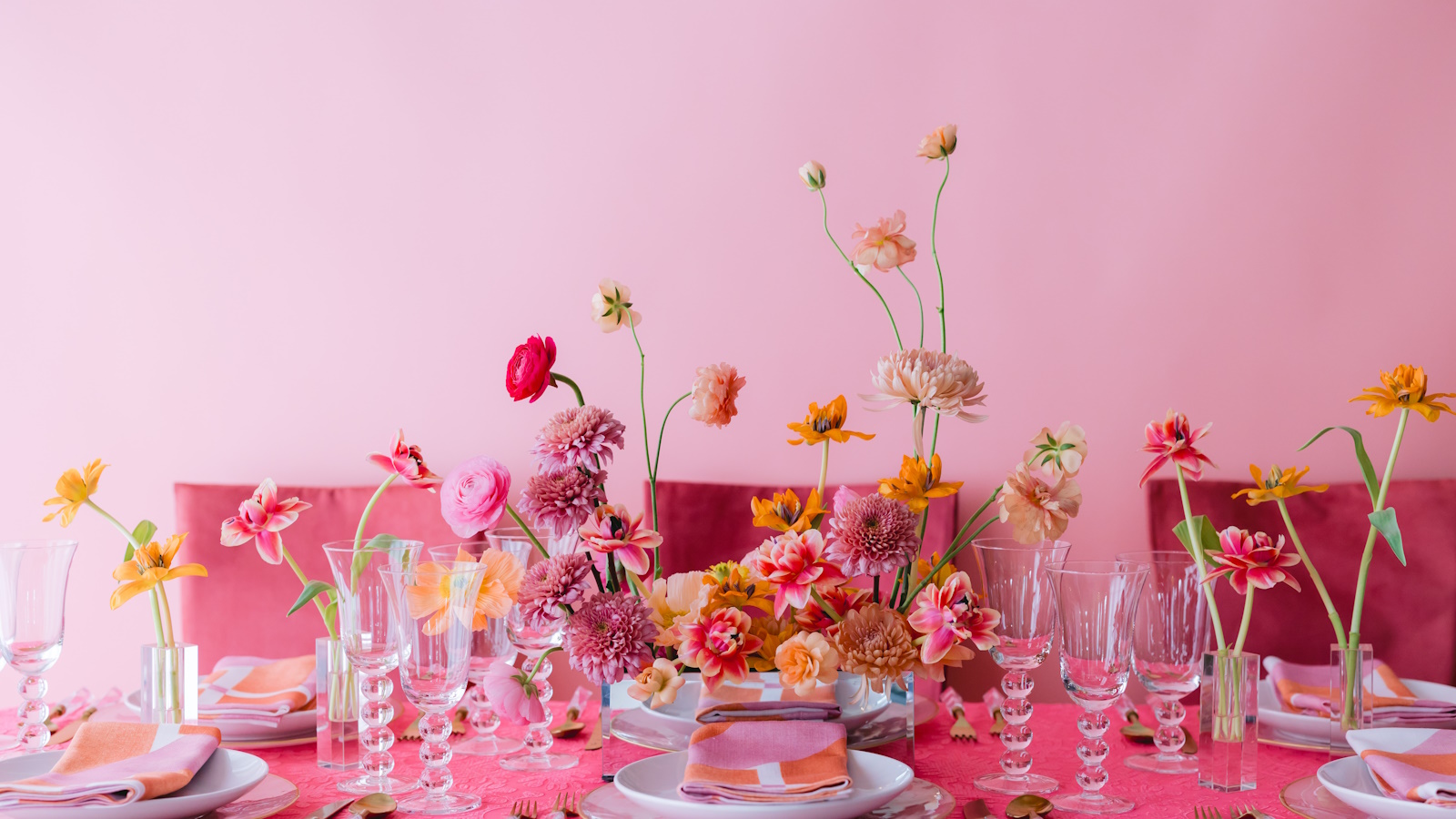
'A flower grown from seed is the perfect metaphor for our individual creativity' – why 2025 floral trends are about stepping back and letting nature ground us

Jennifer Aniston's luxury shower perfects a wellness trend

The Latest Decor Trend Might Replace The Indoor Plant Craze