1/10
Japanese garden lighting ideas – 6 subtle yet effective ways to illuminate your outdoor space
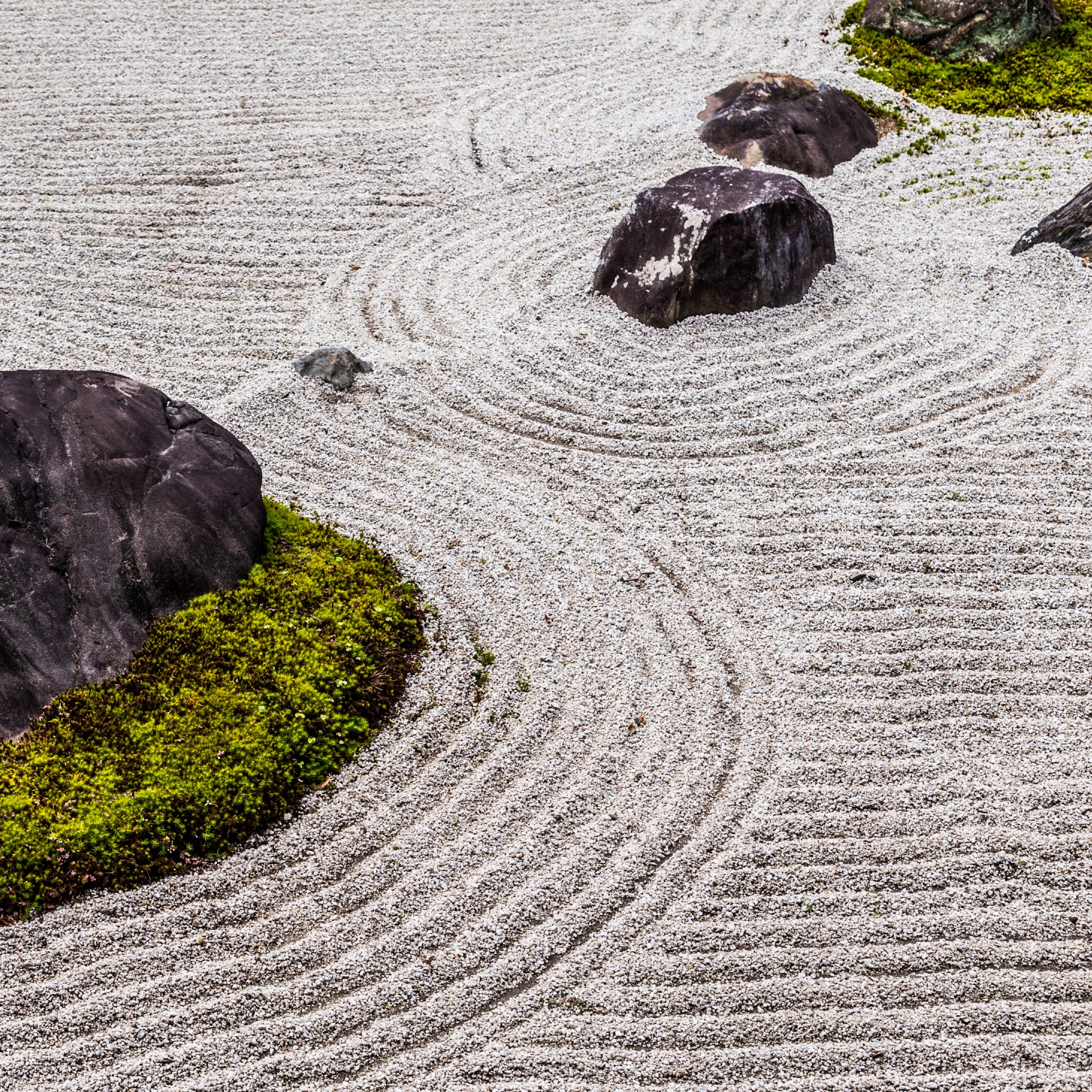
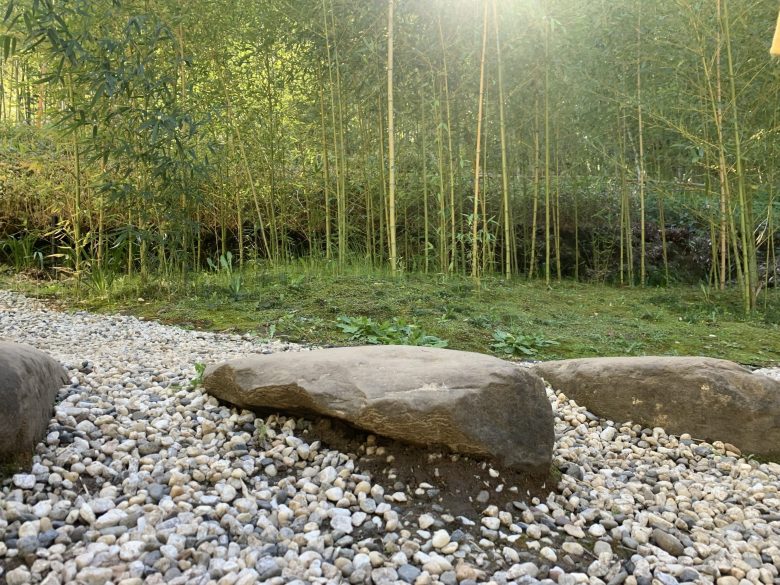
Japanese-style gardens are gaining popularity, and effective lighting plays a crucial role in enhancing their serene aesthetic. Unlike typical garden lighting, Japanese garden lighting emphasizes subtlety and shadow play, aligning with the philosophy of 'wabi-sabi'—the appreciation of imperfection, transience, and understated beauty. The goal is not to flood the space with light but to strategically reveal elements and create depth through shadows. This approach transforms the garden into a tranquil and contemplative outdoor area.
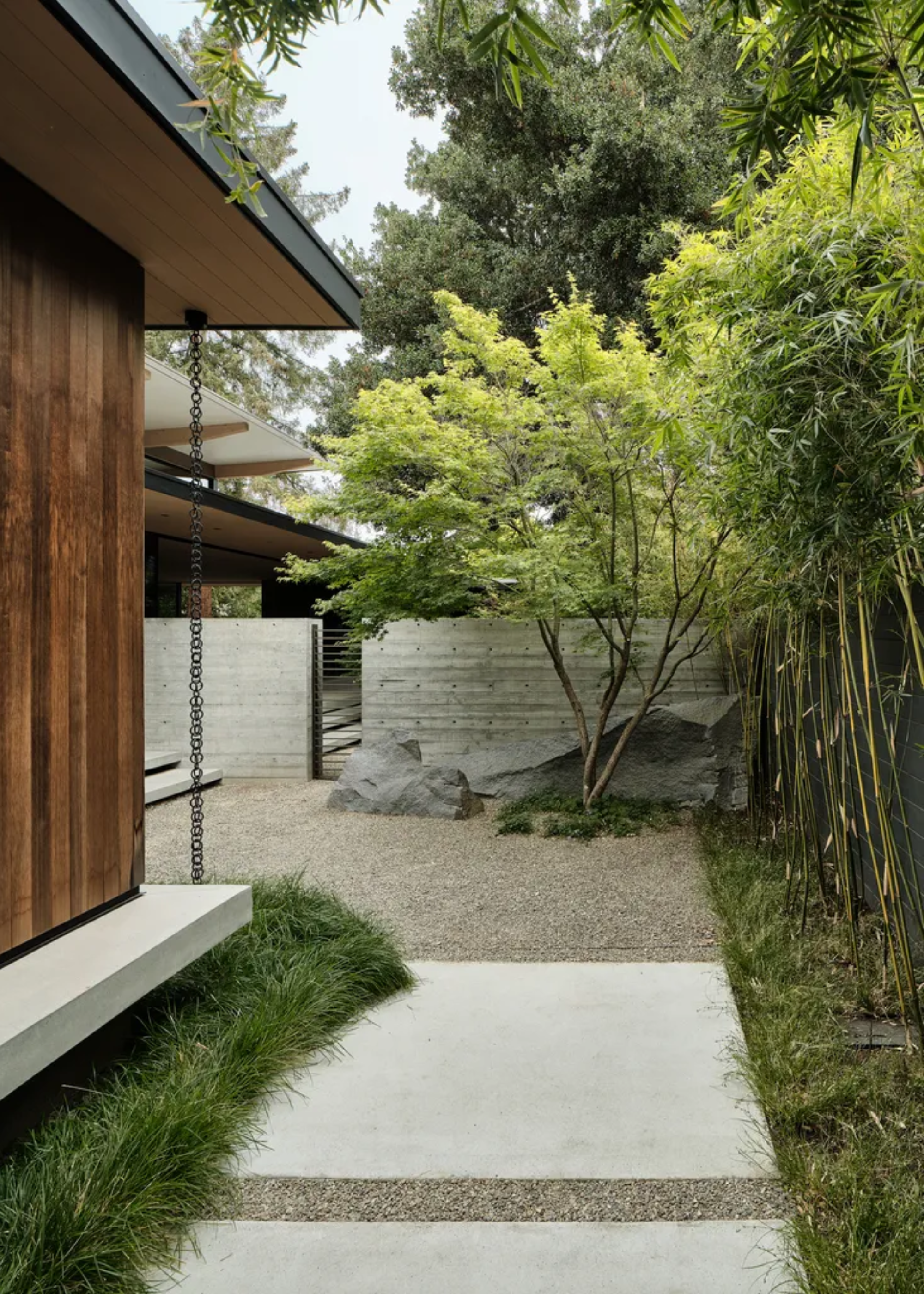
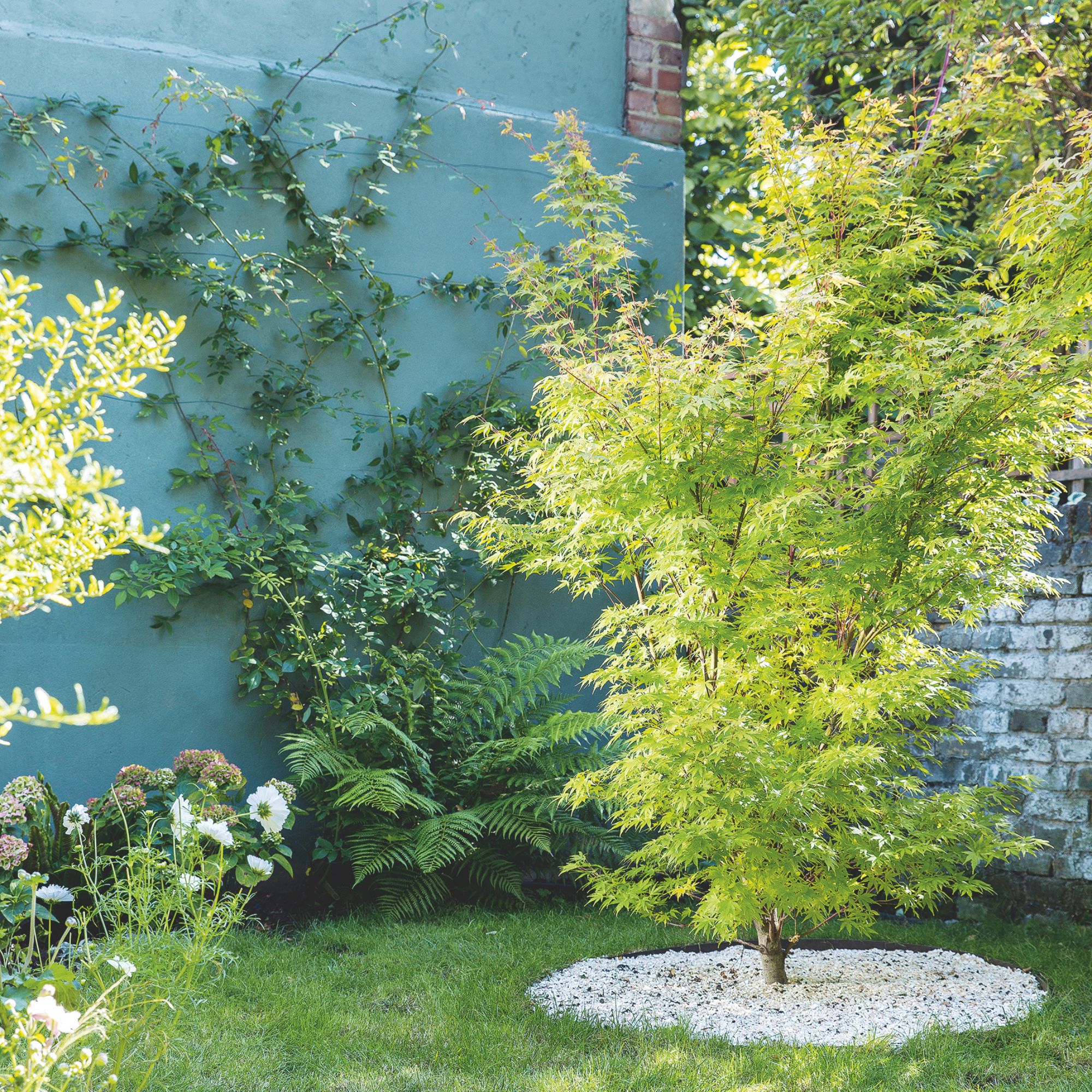
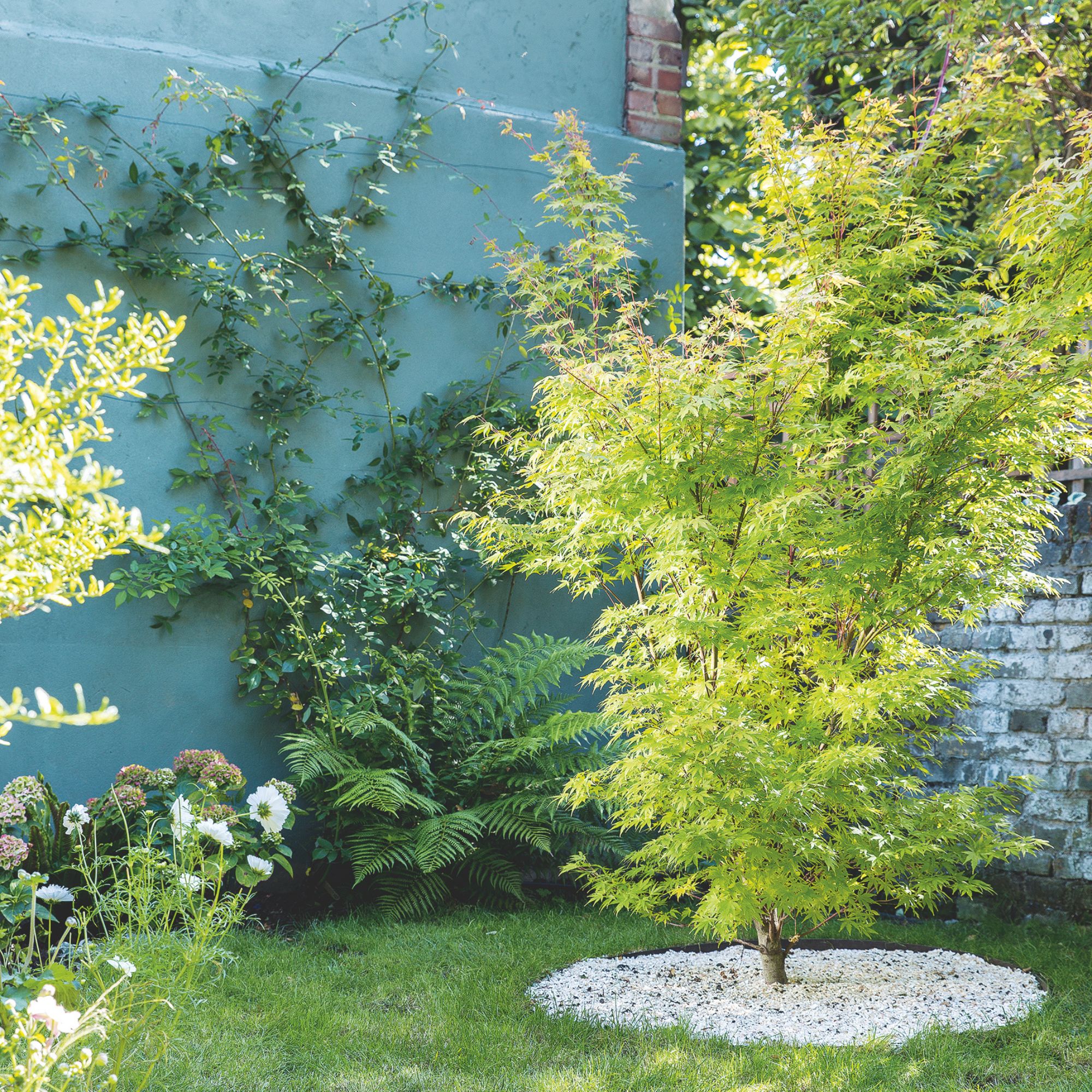
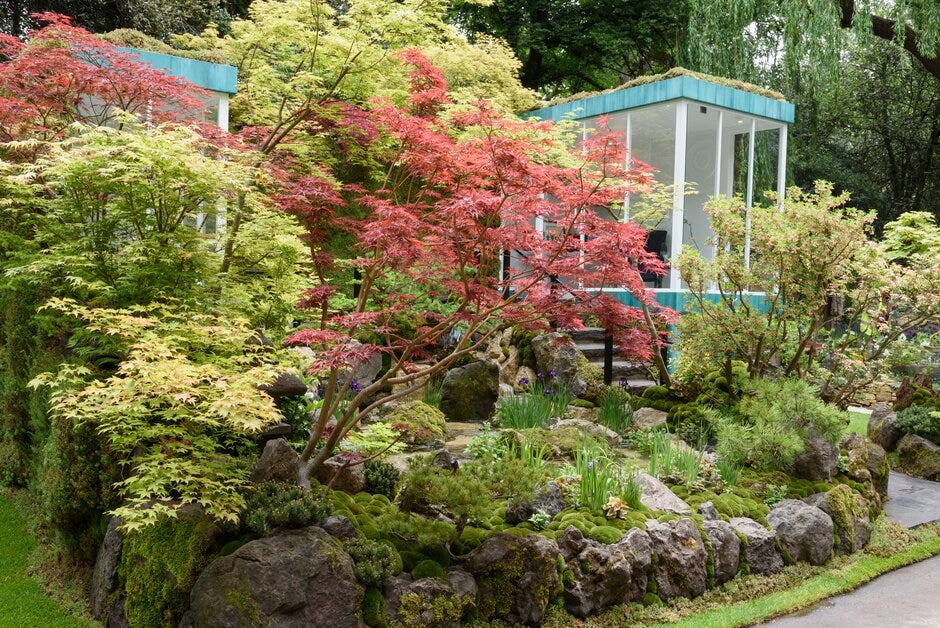
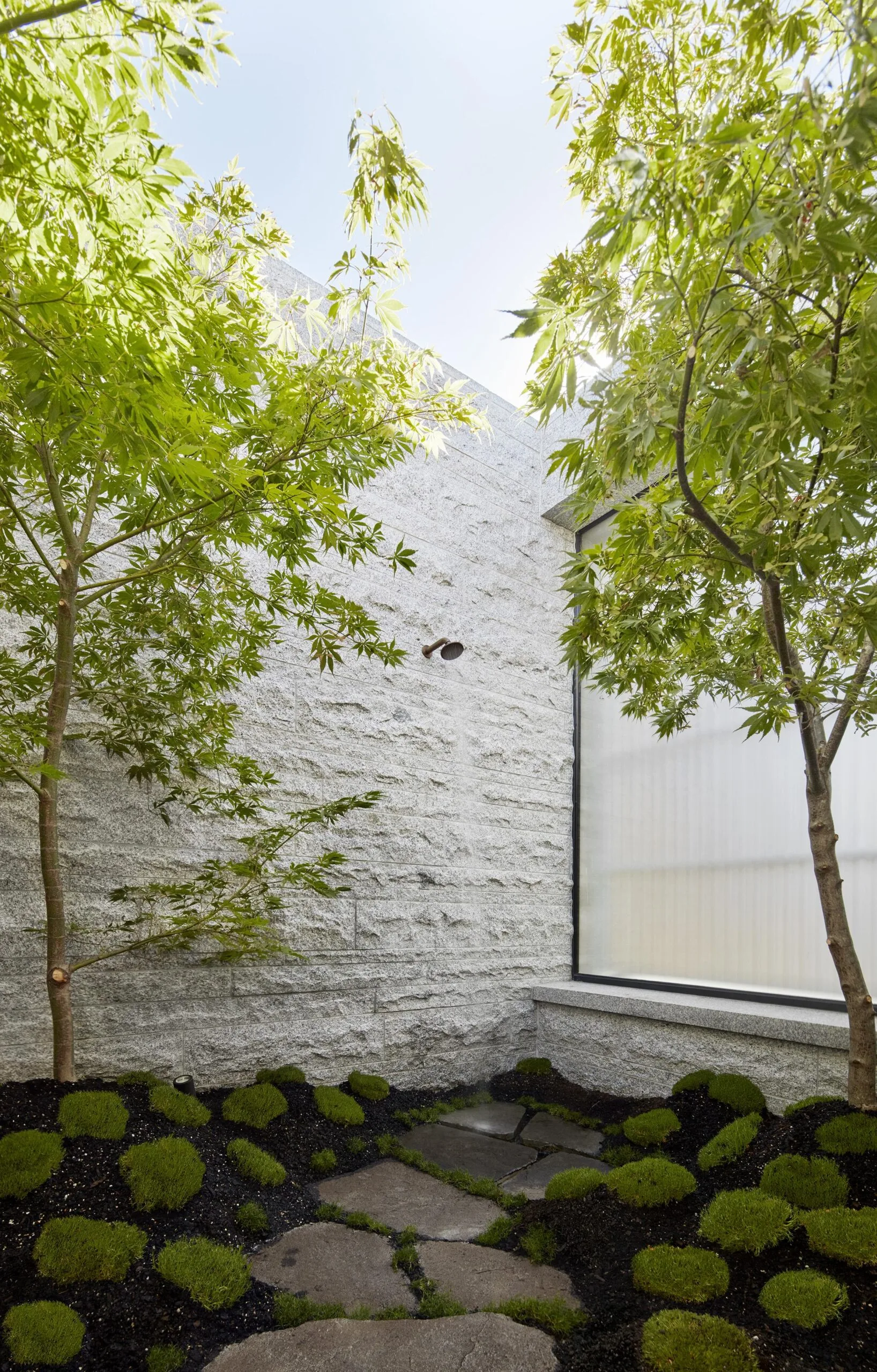
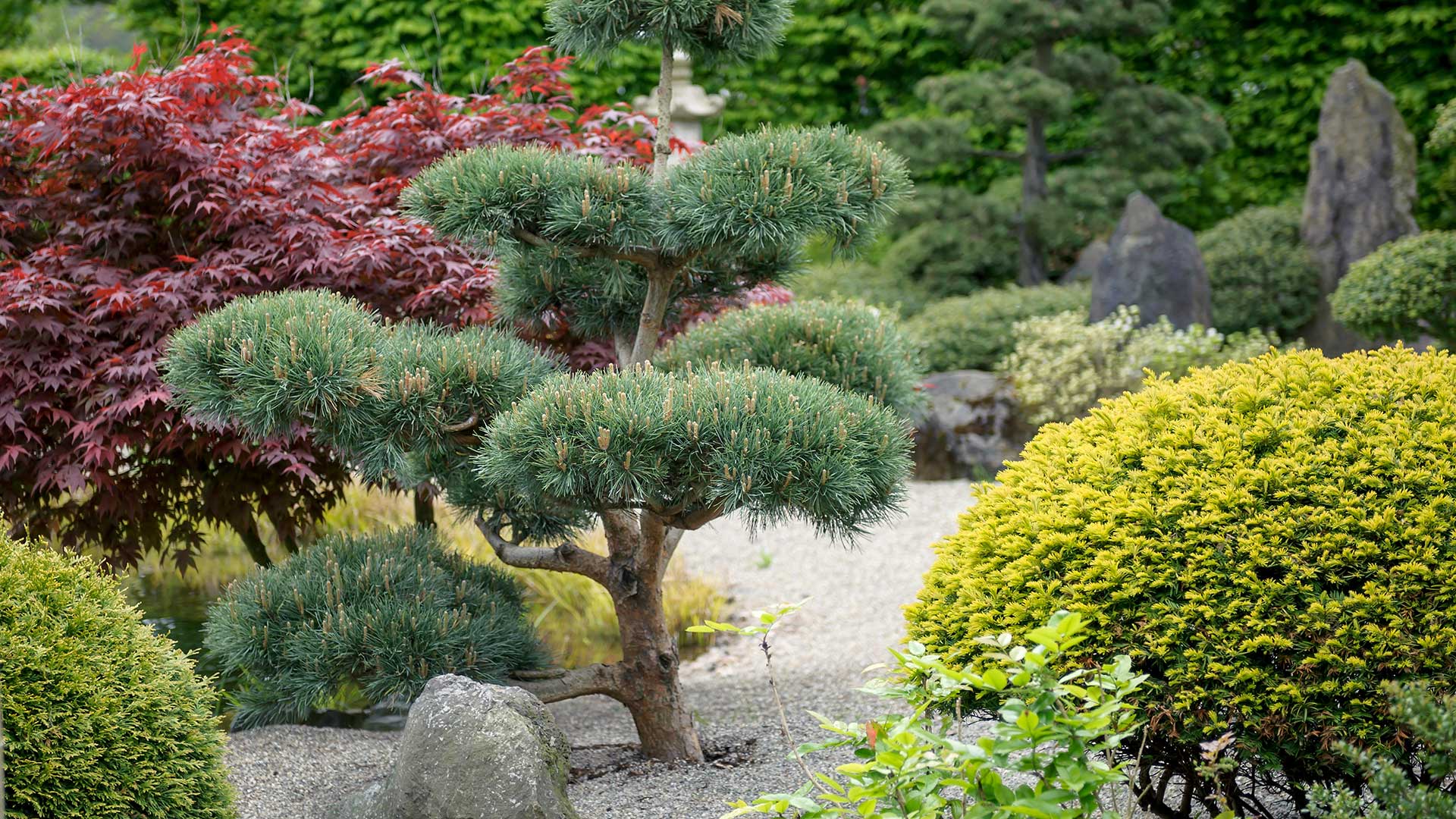
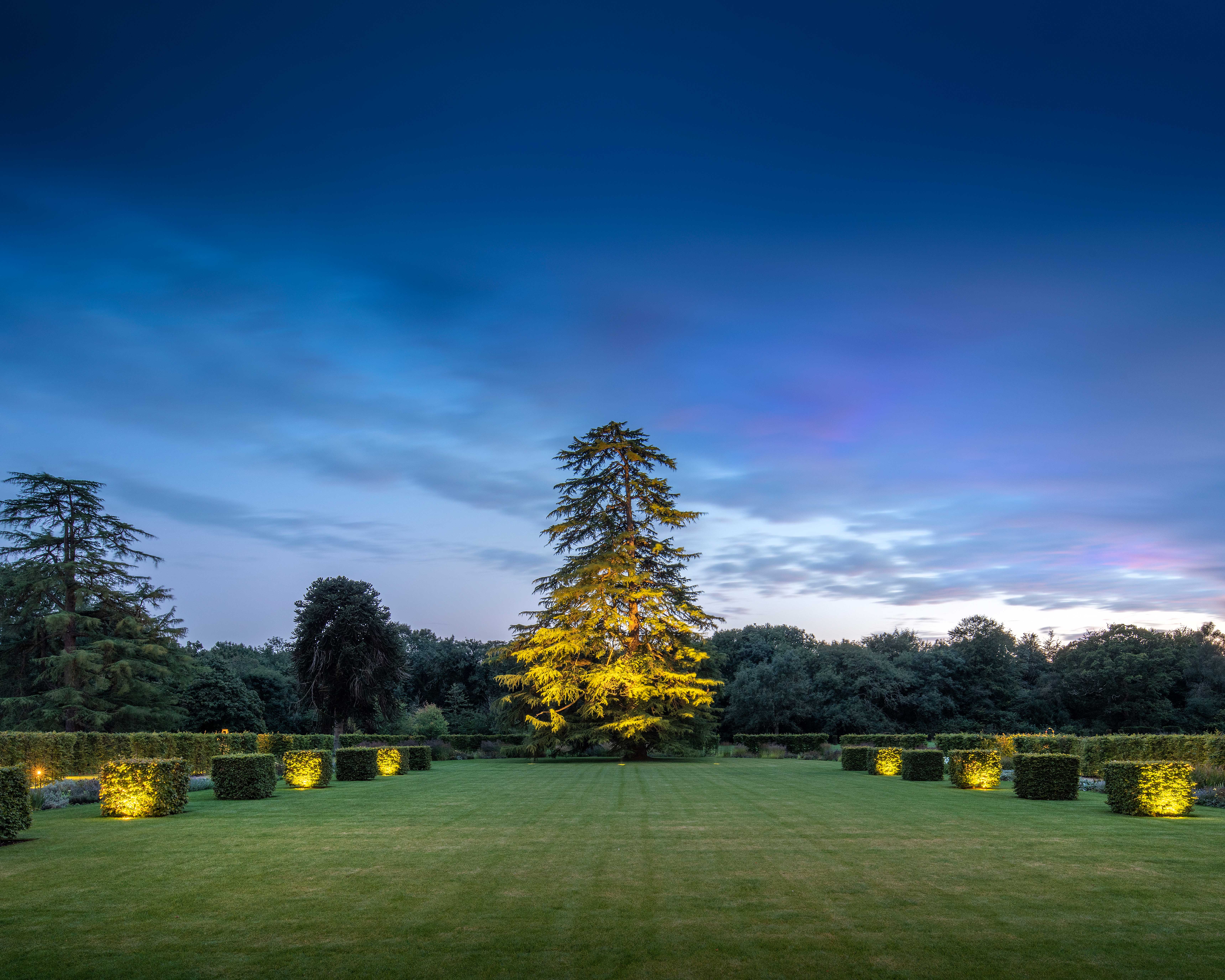
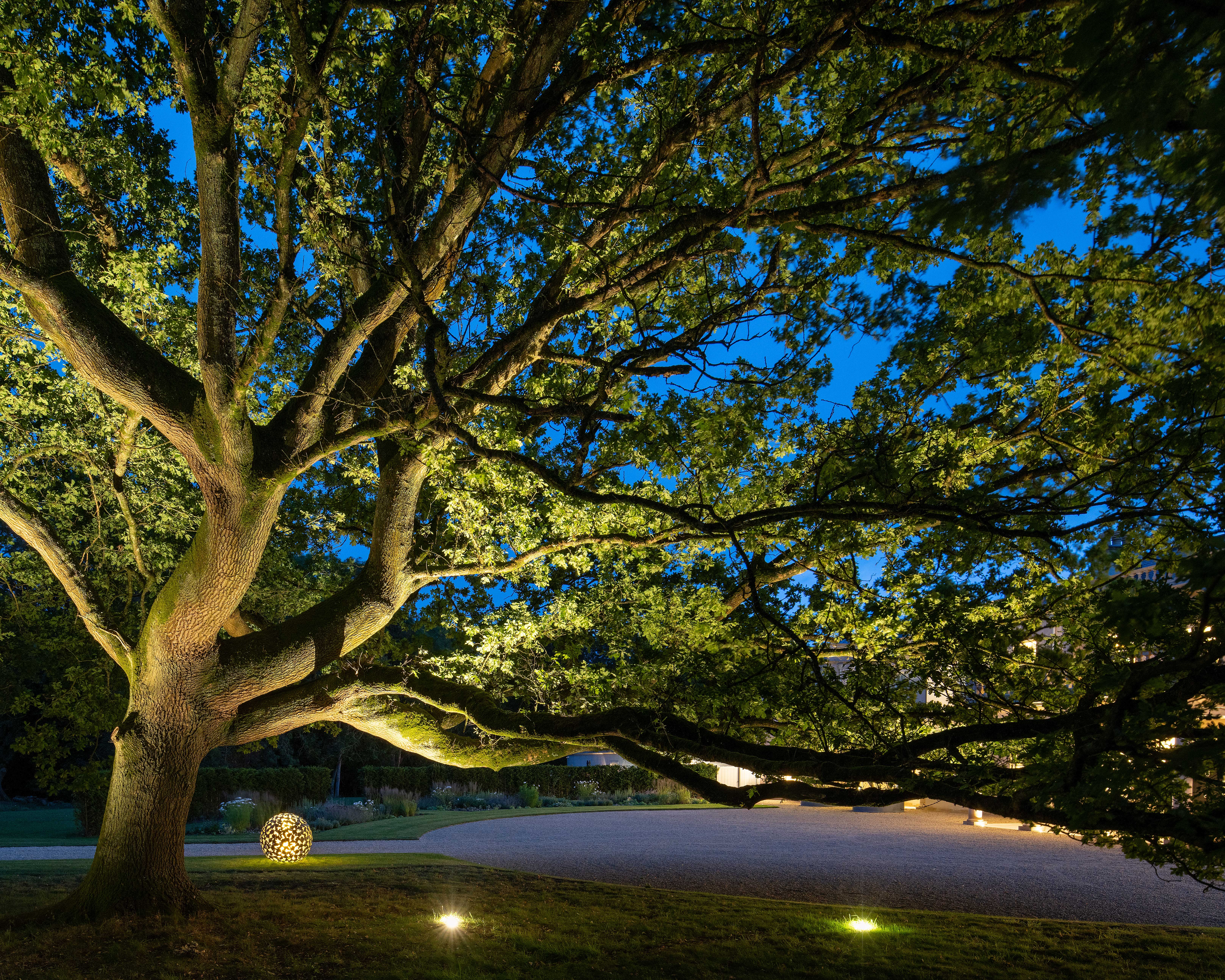
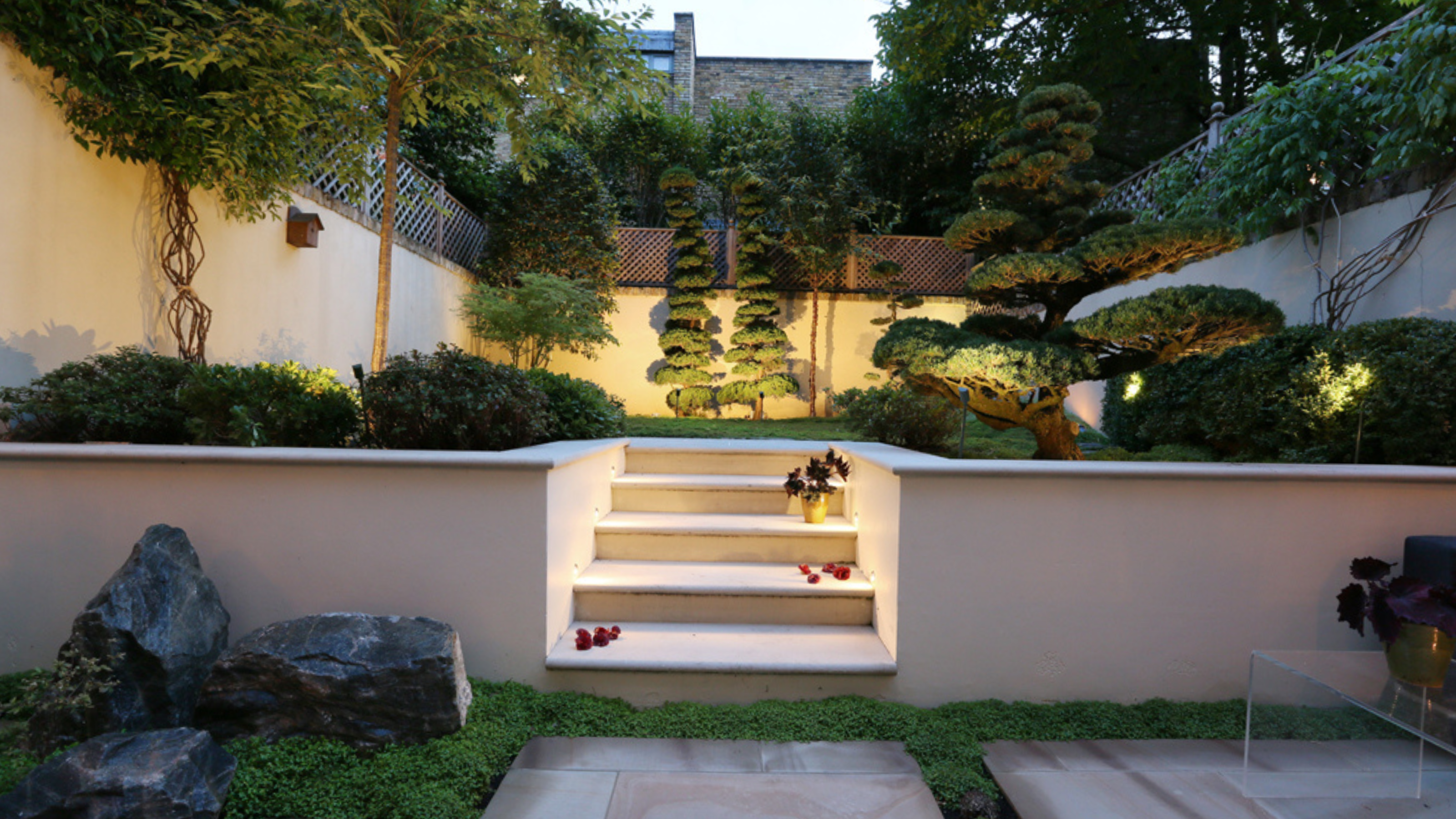
One key method involves using plants to cast dramatic shadows. Low-placed uplights beneath bamboo, maple, or pine trees can project elegant silhouettes onto fences or walls, emulating the brushwork of sumi-e painting. This technique is particularly effective with deciduous trees, which offer intricate, lacy forms that create captivating patterns. Garden spotlights, available affordably, can be utilized for this purpose, focusing on accentuating the natural shapes and textures of the foliage.
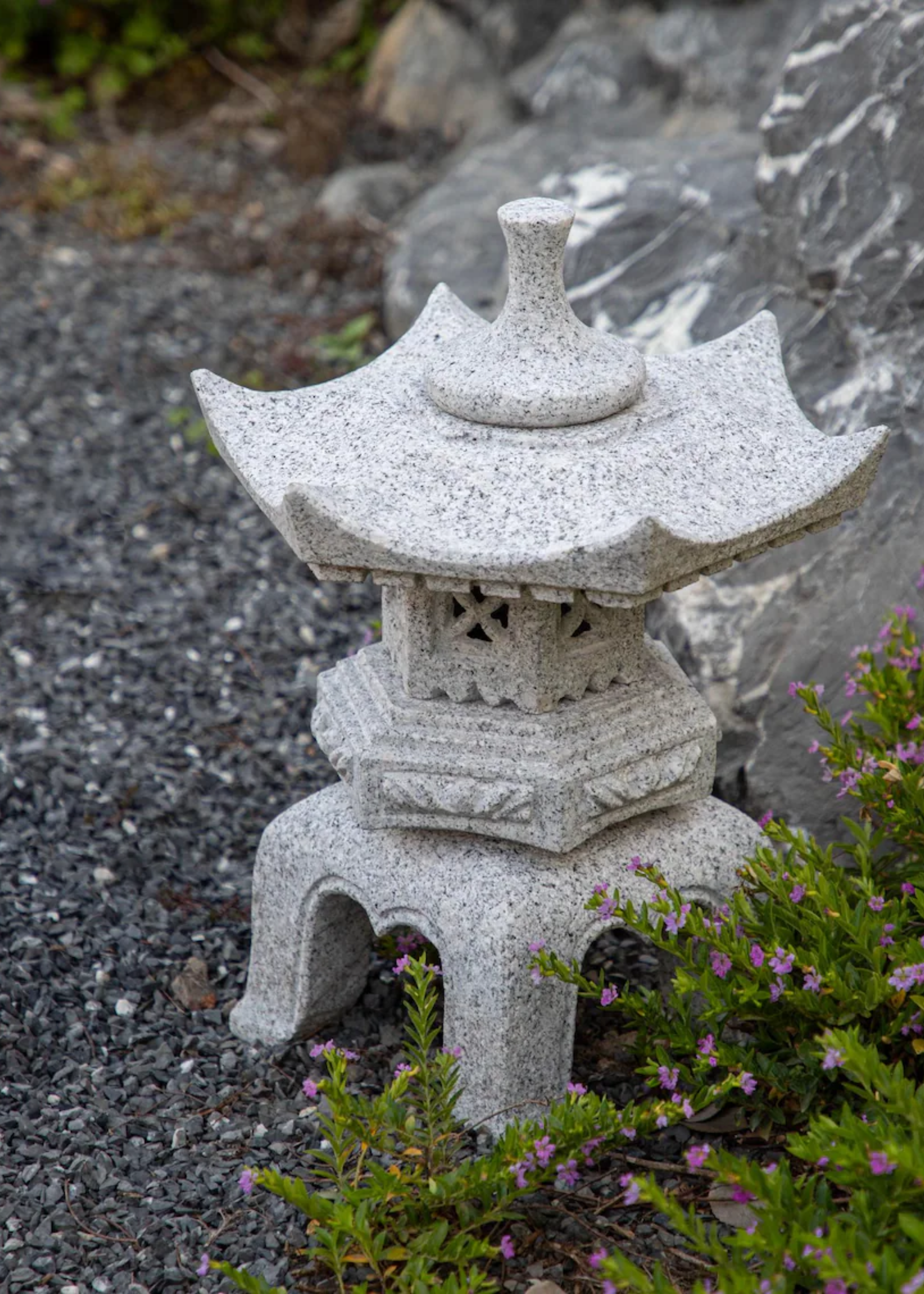
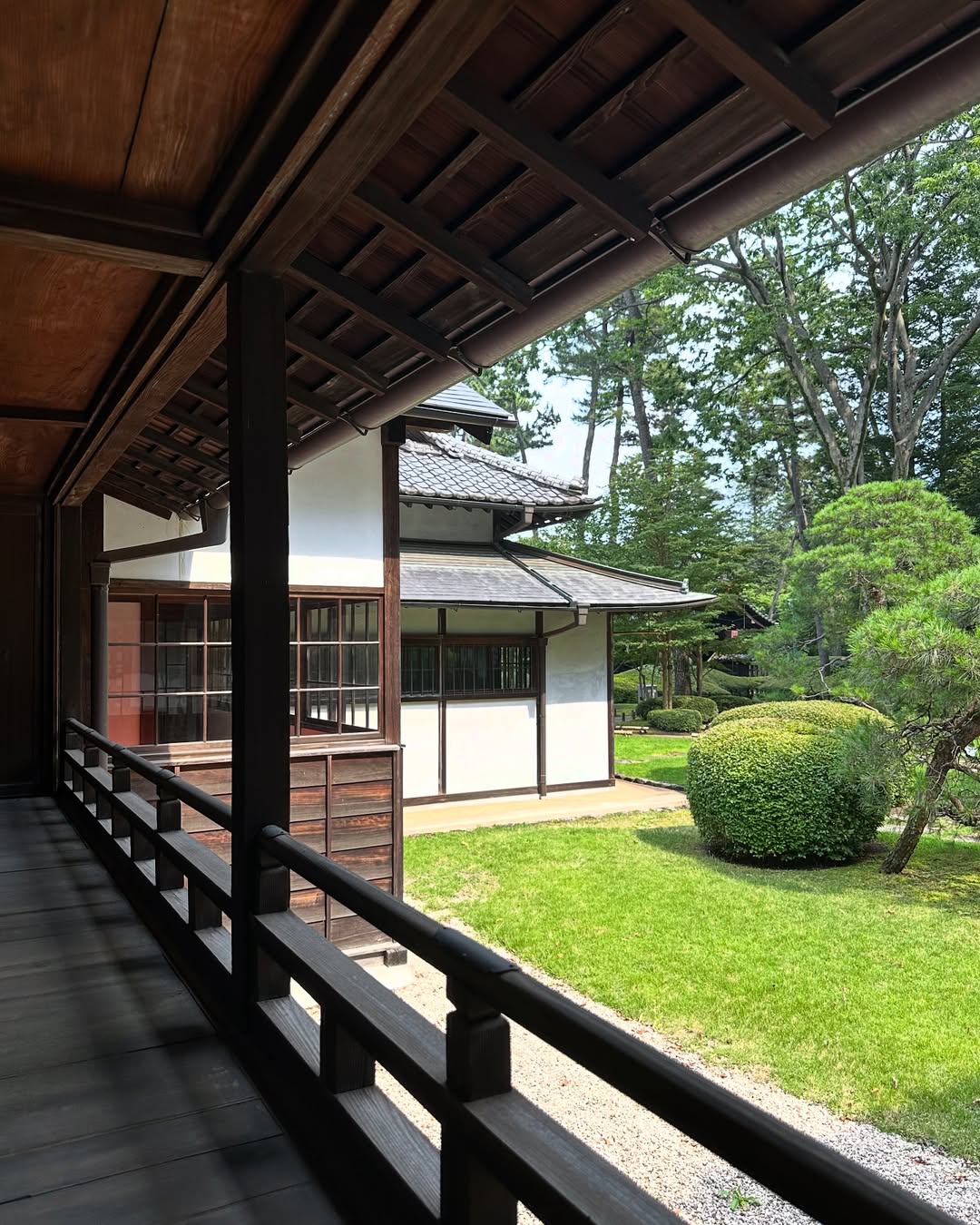
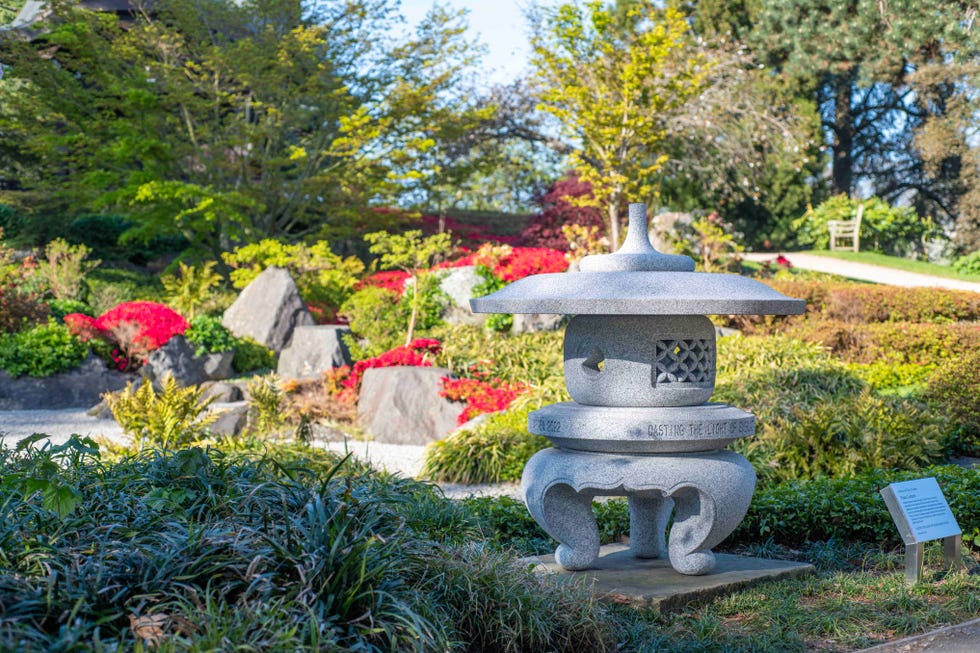
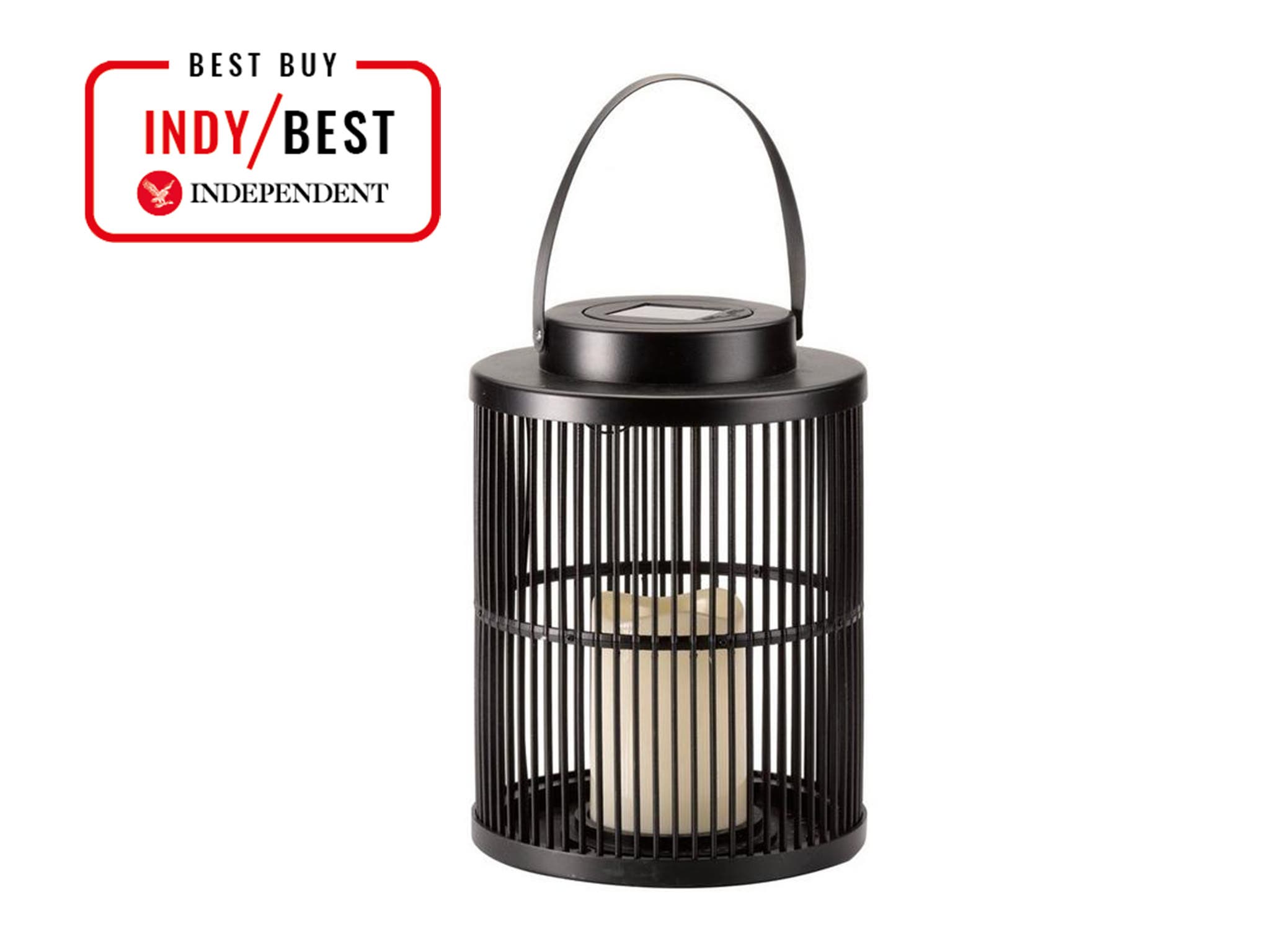
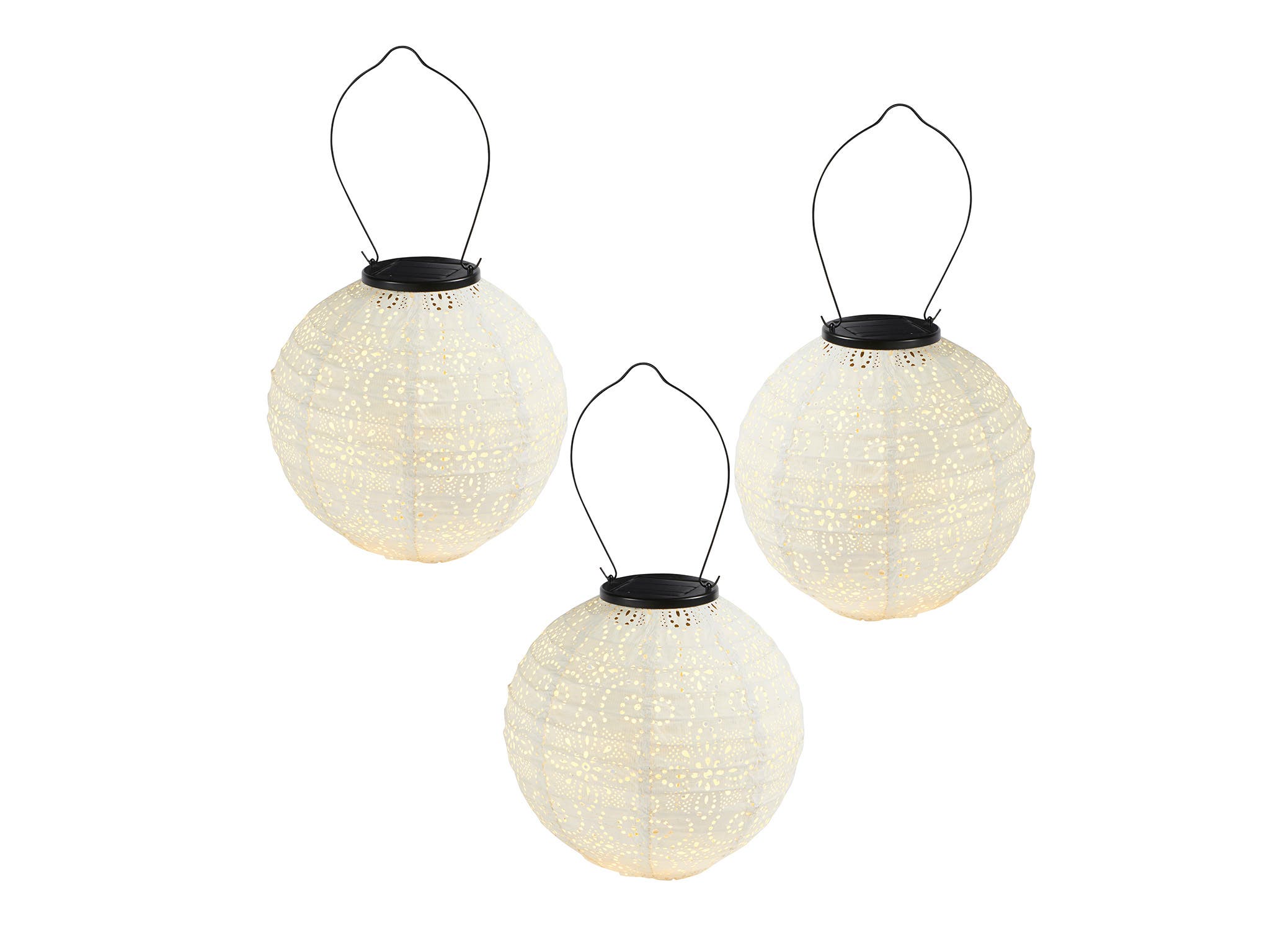
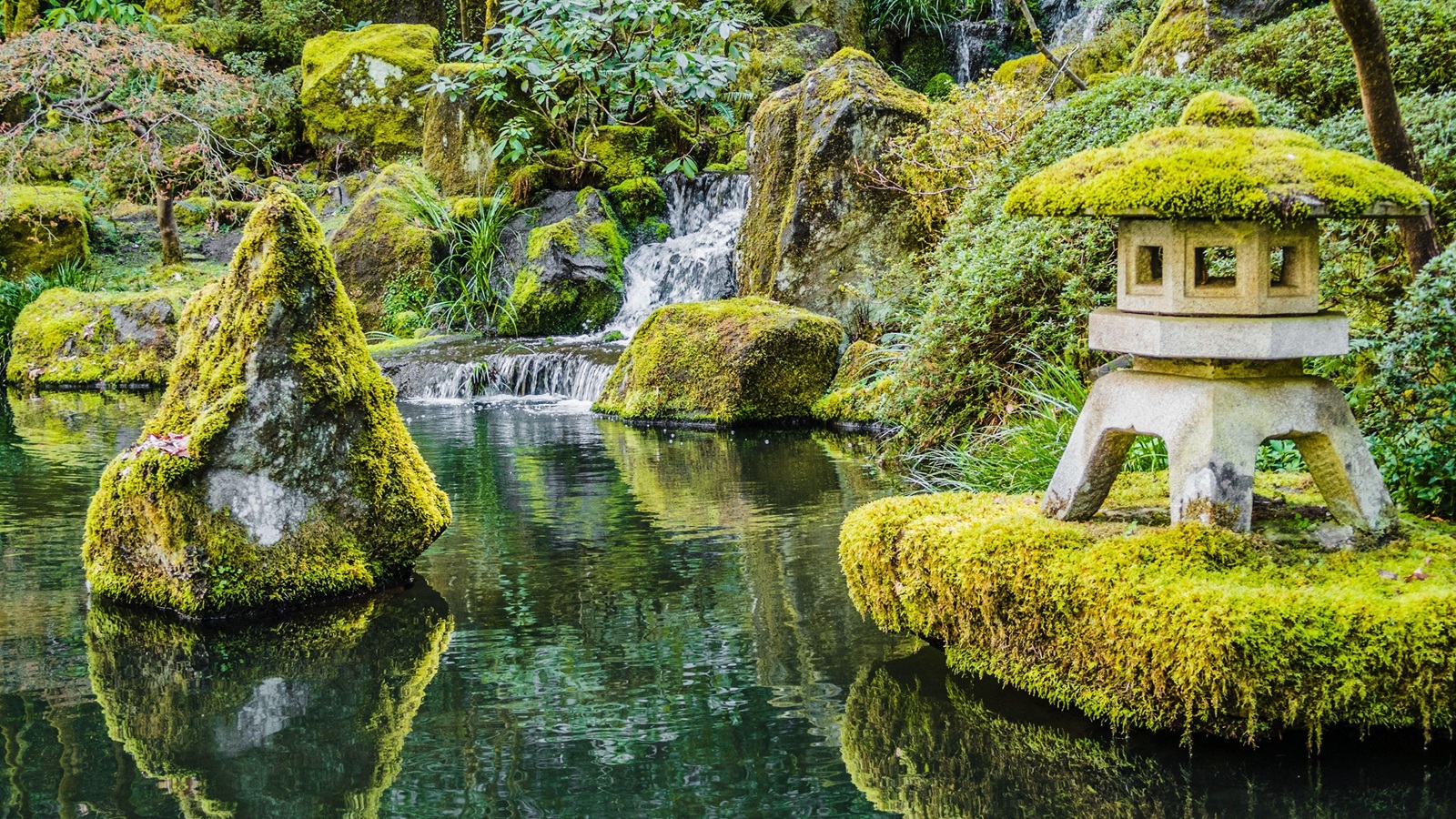
Traditional Japanese lanterns, such as andon and tōrō, are integral to this design. Andon, paper lanterns, are typically used near walkways or porches, while tōrō, stone lanterns, are often positioned near water features or amidst mossy beds. When incorporating these, modern LED versions should feature warm, dimmable bulbs to mimic the soft, flickering glow of candlelight. These lanterns are designed to be ornaments of atmosphere rather than bright floodlights, and should be placed sparingly to preserve their subtle effect.
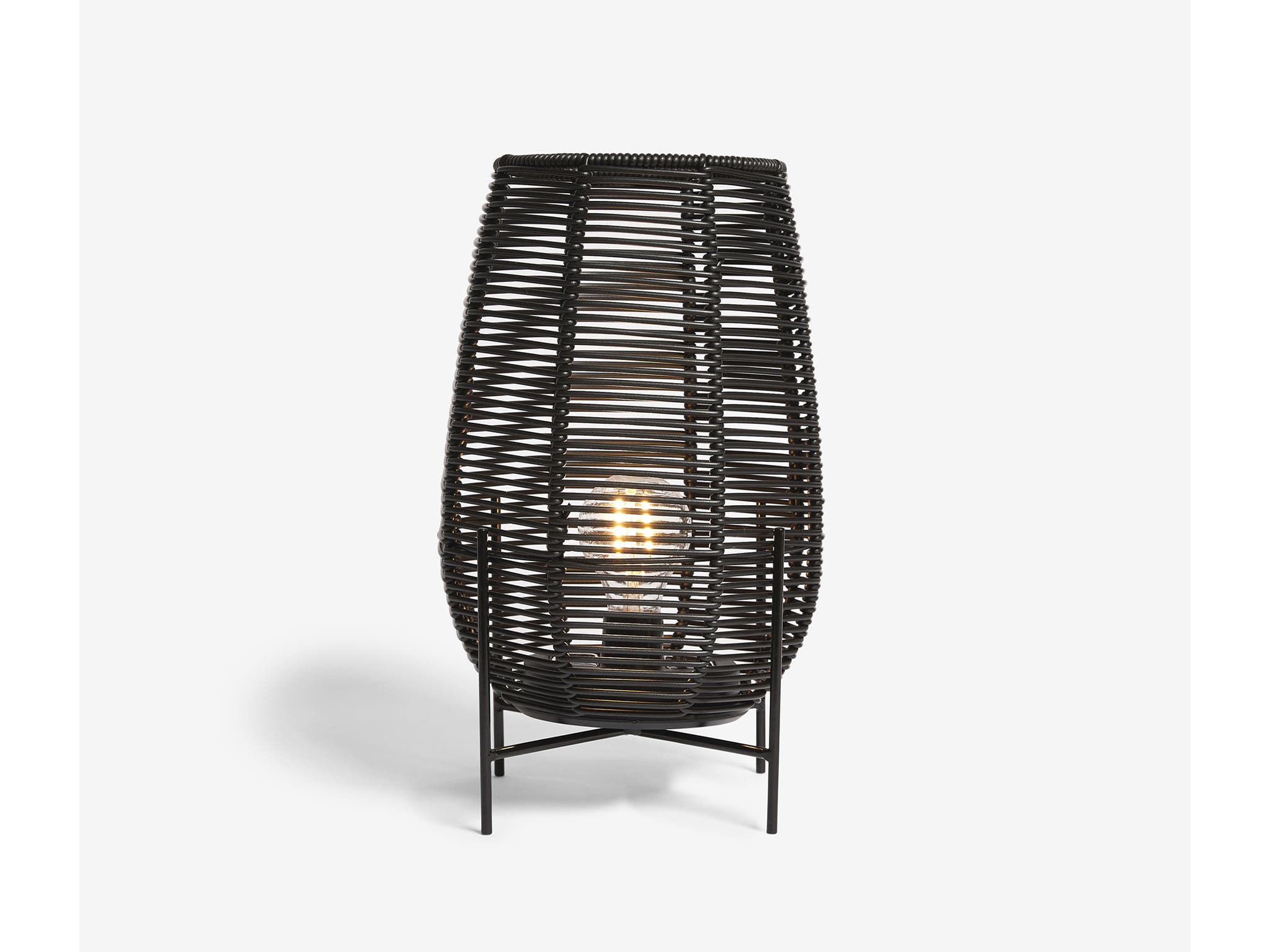
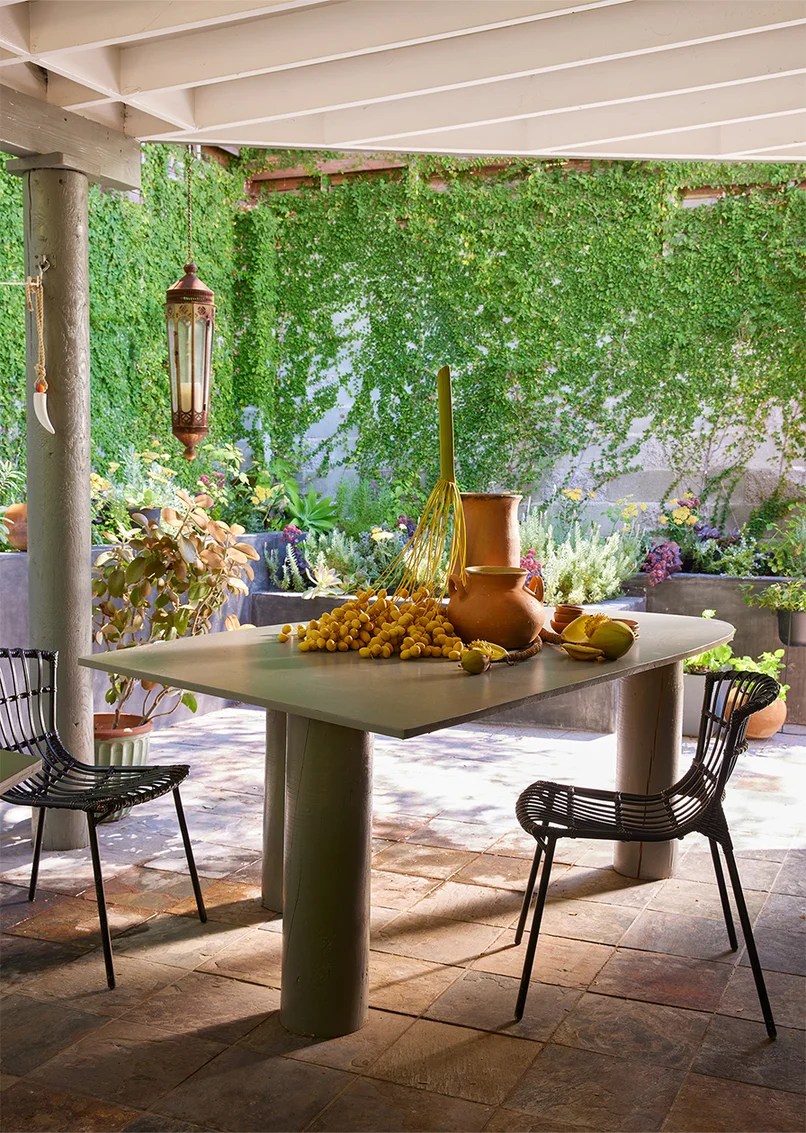
Lampshades can also be used to create interesting shadow patterns. Gardens based on organic shapes and flowing lines benefit from lighting fixtures that produce beautiful streams of light and shadow. For instance, an outdoor LED tapered rattan pendant can offer both aesthetic appeal and a grounding natural material, while generating appealing shadow play that enhances the garden's organic design.
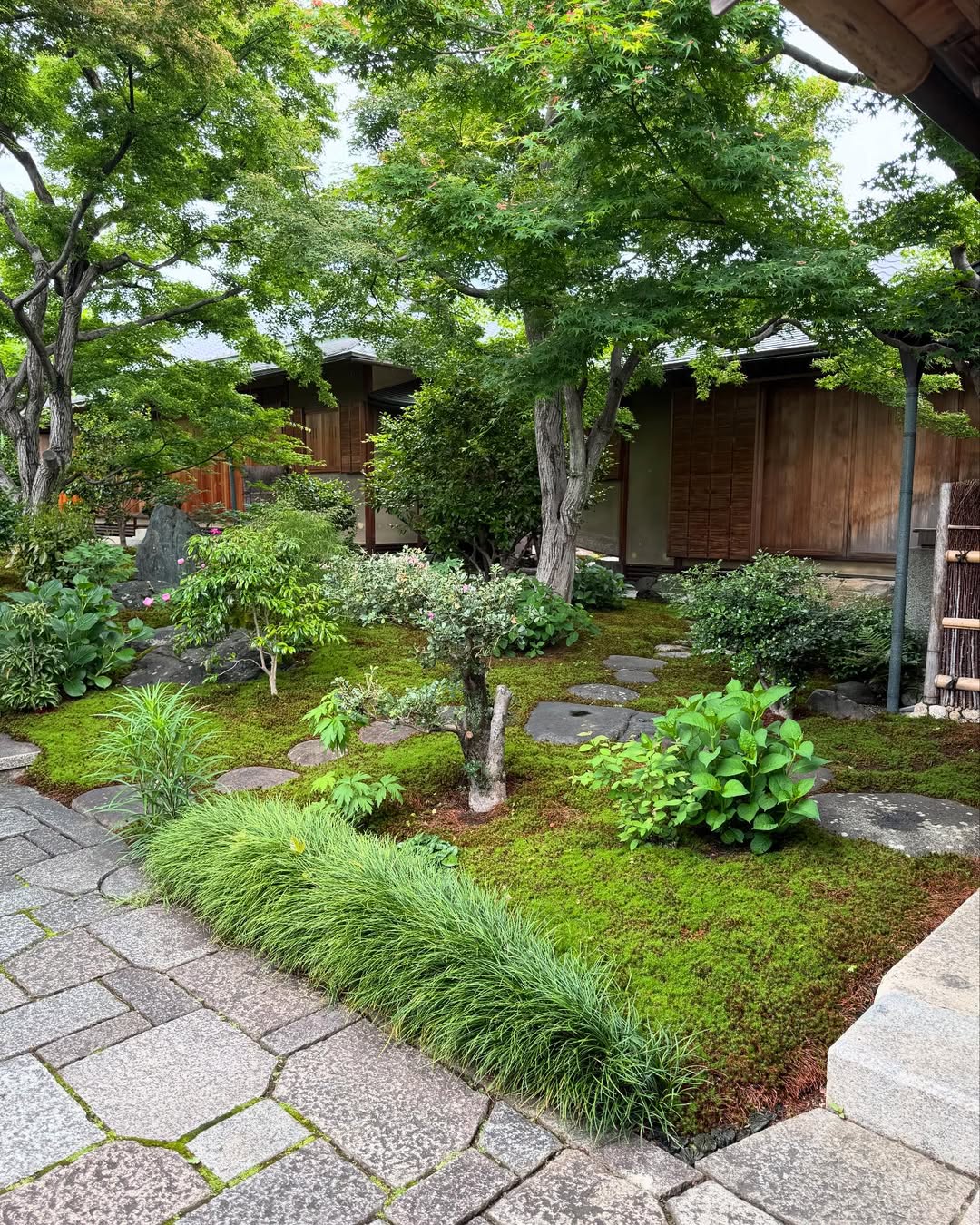
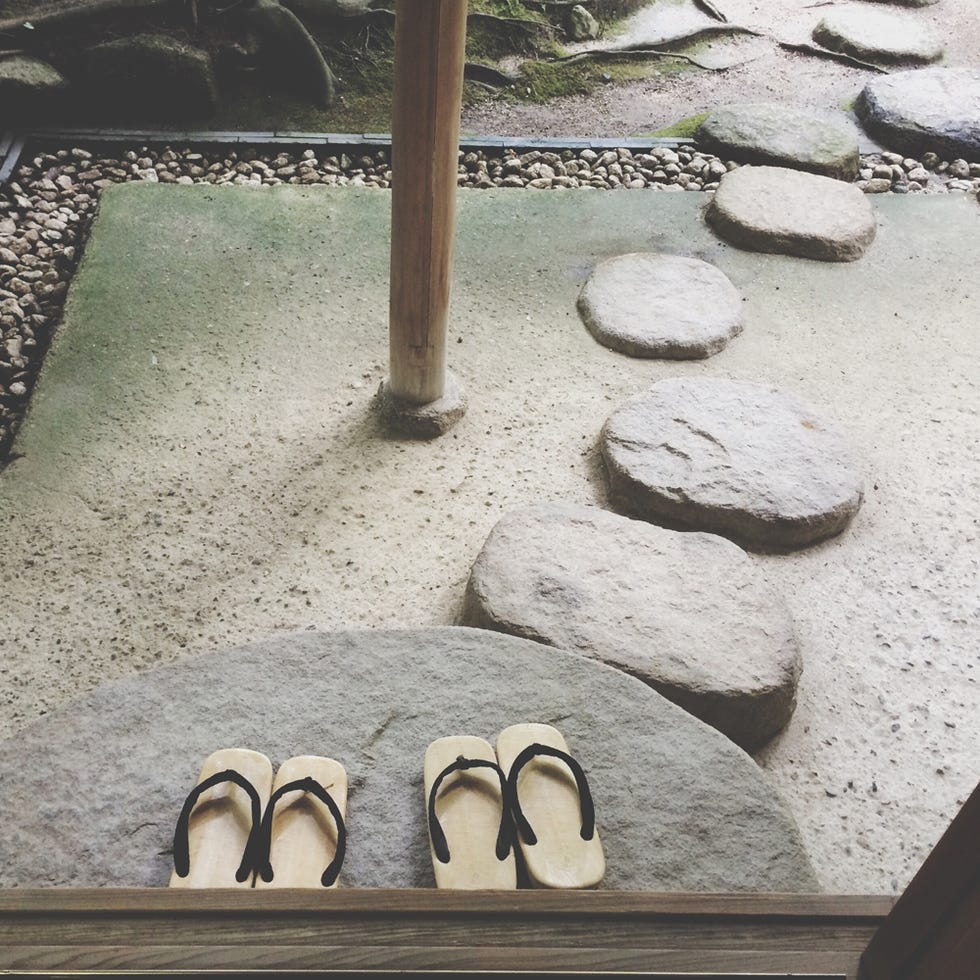
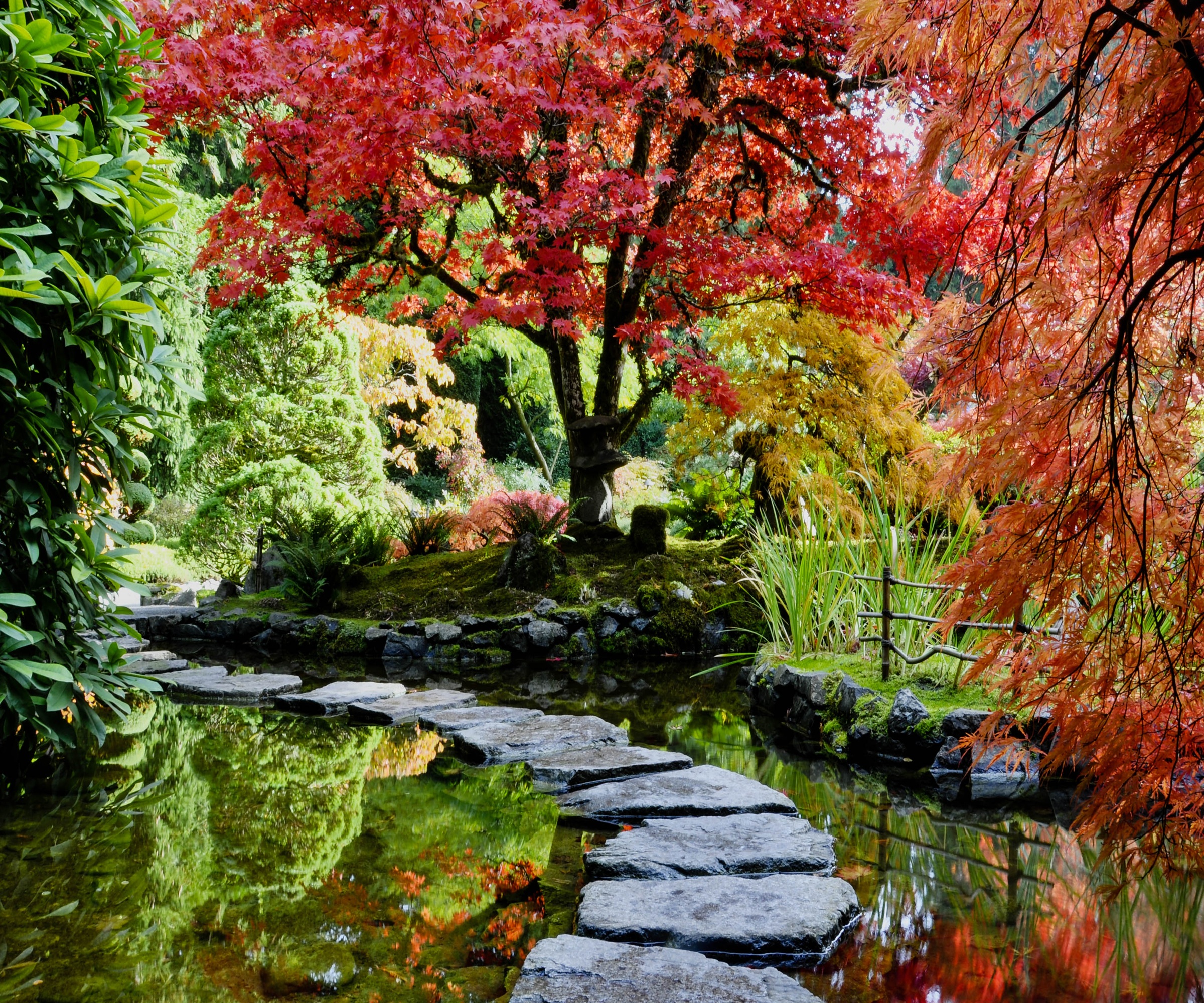
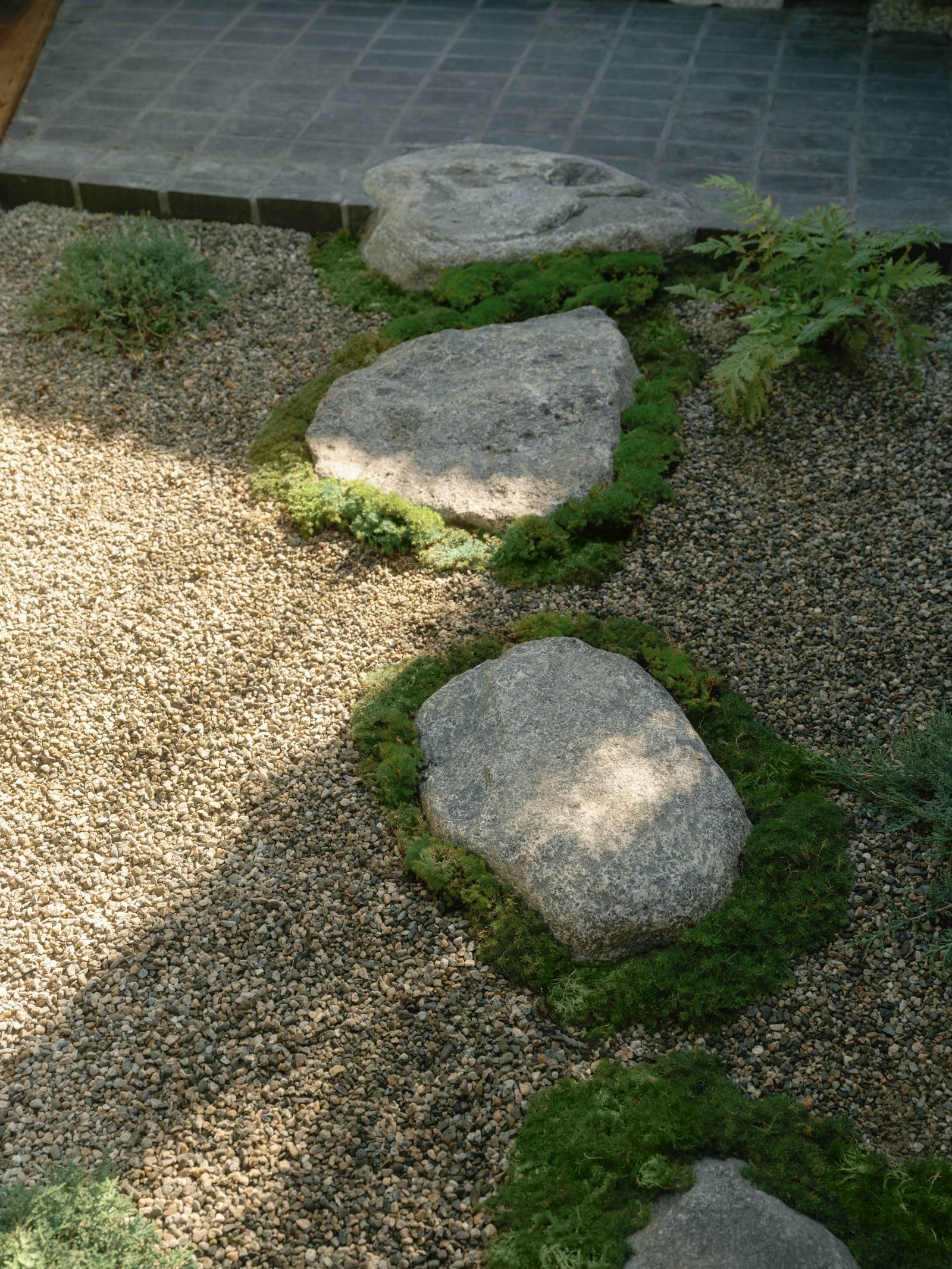
Another effective technique is to illuminate stepping stones to create a floating effect. Recessed ground lights installed discreetly along garden paths can subtly highlight individual stones, making them appear to hover above the ground. This not only guides movement through the garden but also adds an element of visual intrigue without disrupting the natural, serene aesthetic. This method focuses on lighting the journey rather than just the destination.
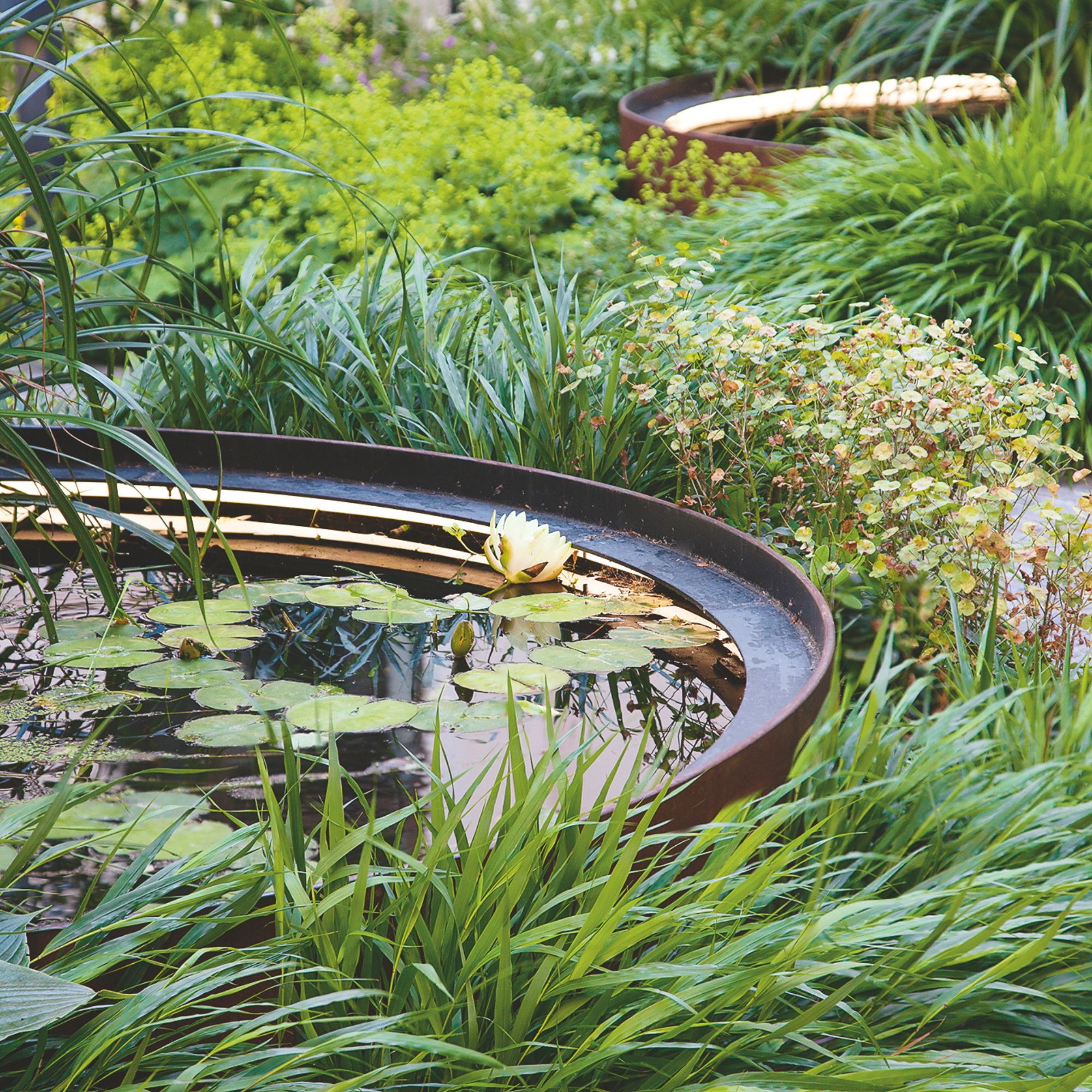
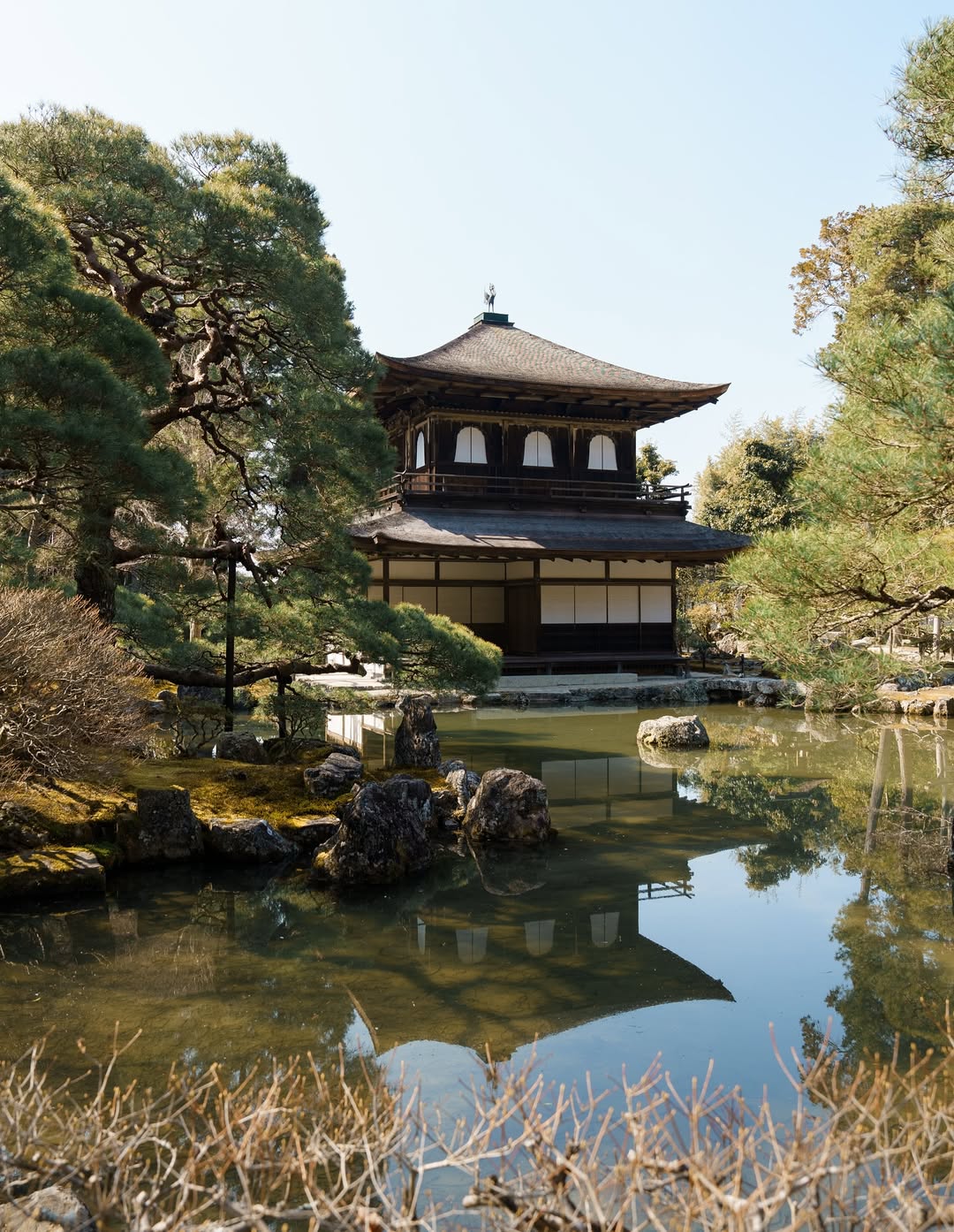
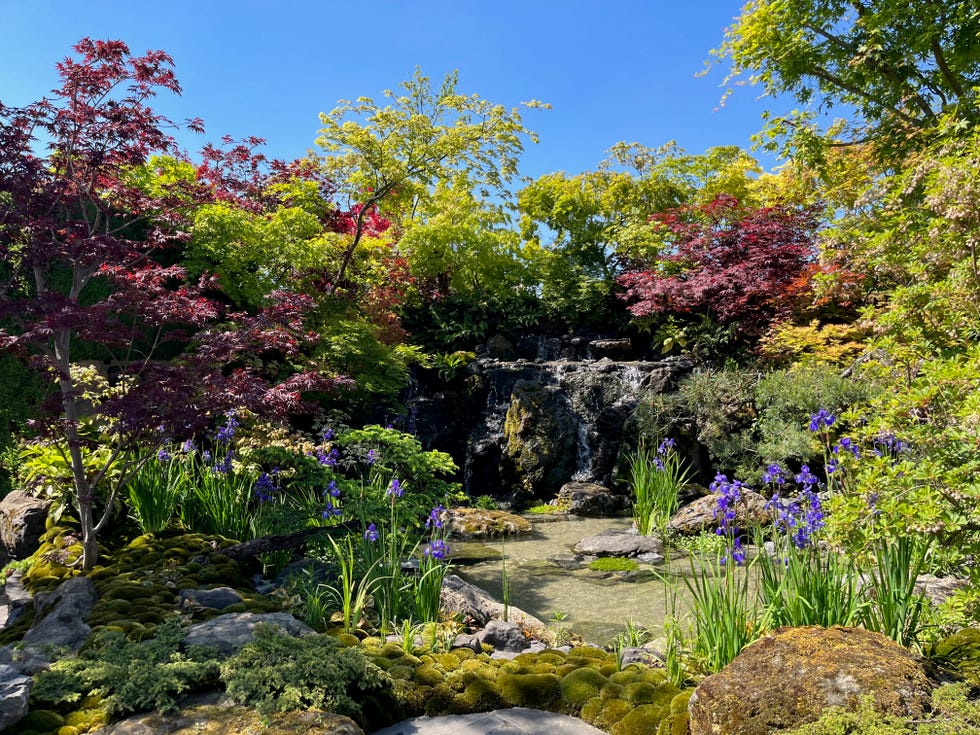
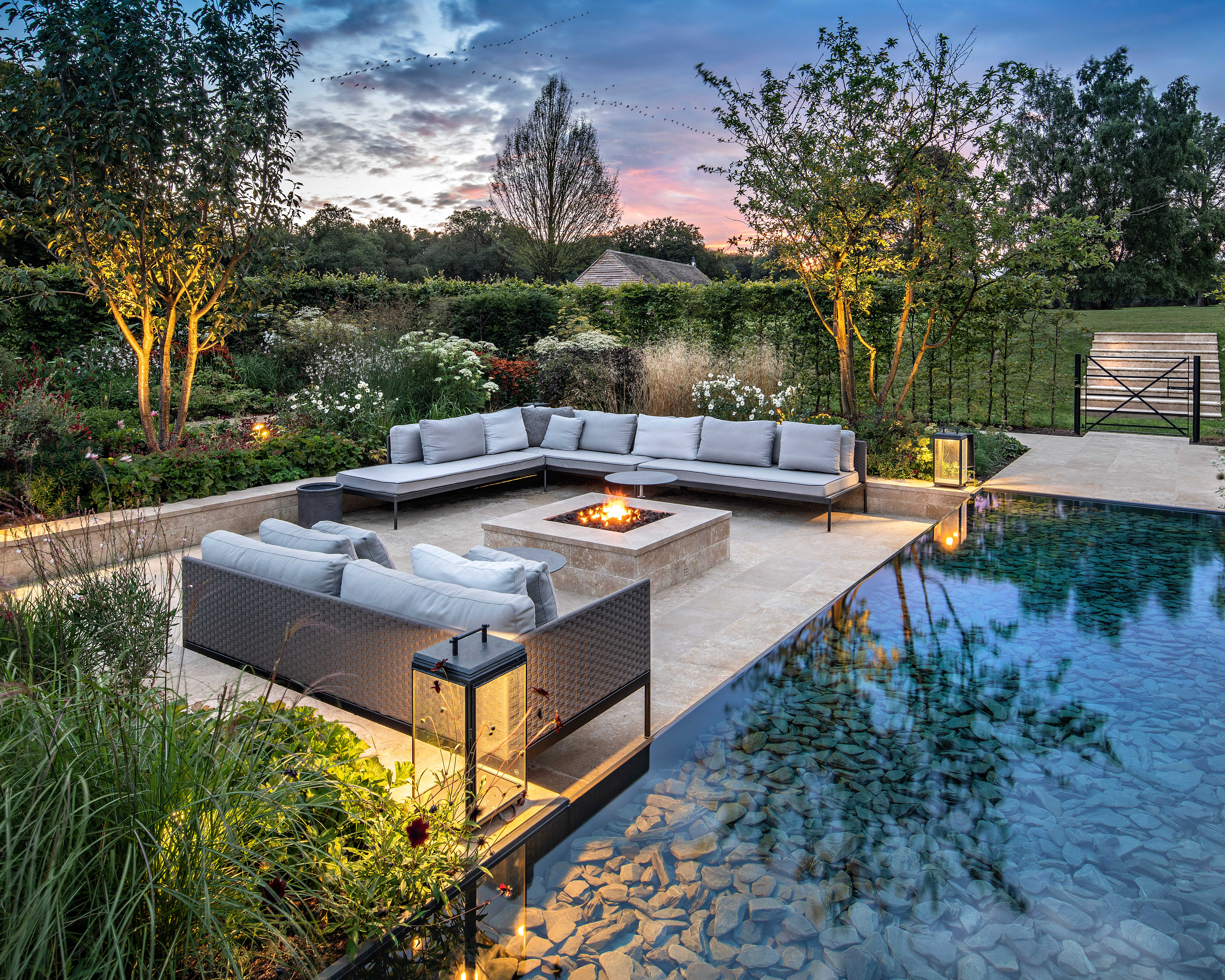
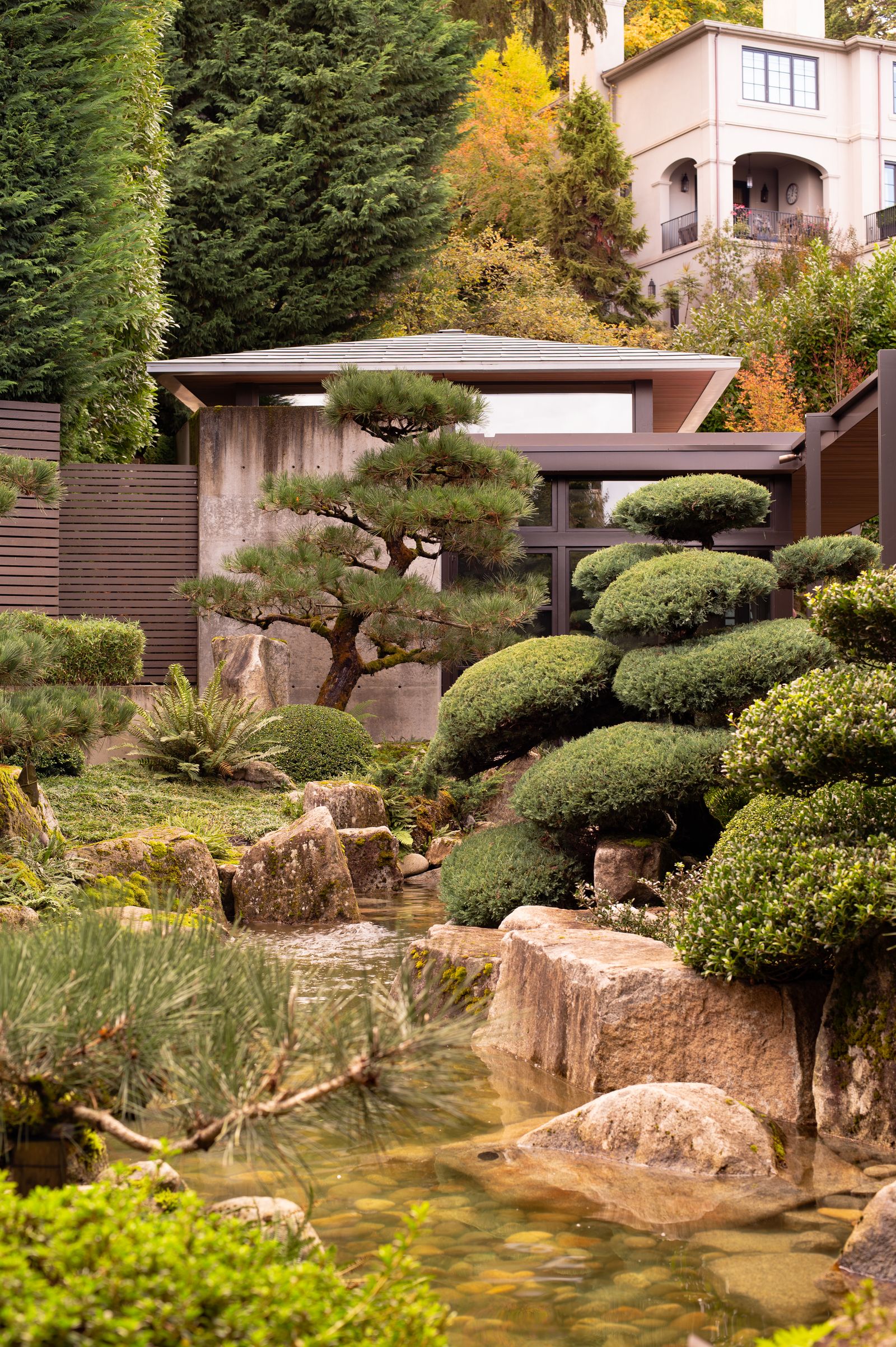
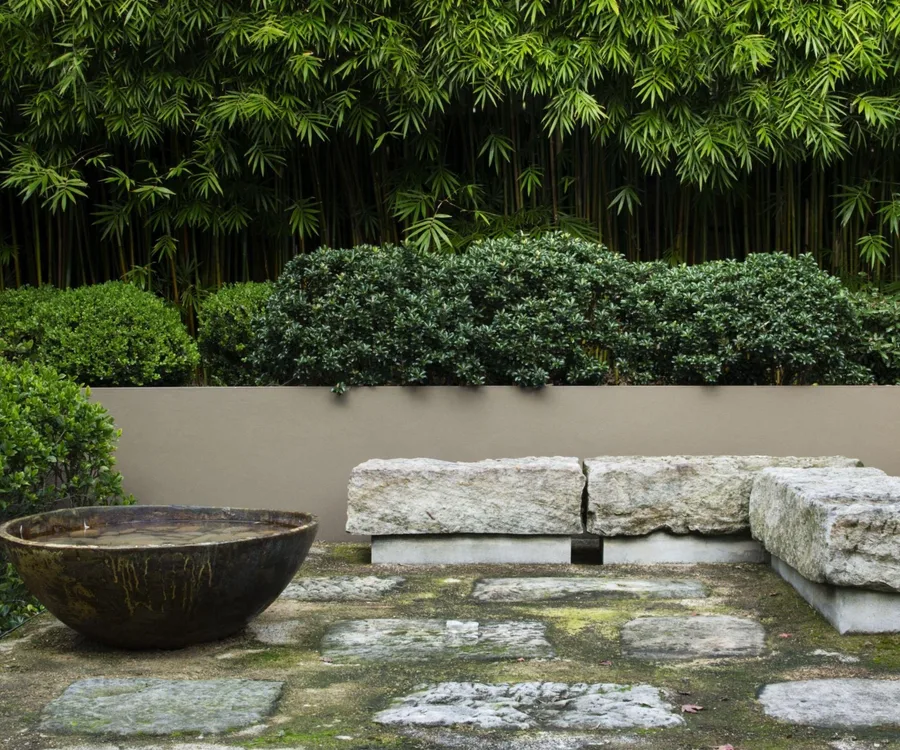
Water features, such as ponds, waterfalls, or tsukubai (stone water basins), can be dramatically enhanced with clever lighting. Recessed spotlights can be used to create shimmering reflections on the water's surface. It is crucial to keep this lighting indirect, placing fixtures slightly off-angle to the feature to avoid glare and emulate the soft glow of moonlight rather than harsh artificial beams. Some water features also come with built-in lights, offering a convenient way to draw attention to these focal points. The choice of light temperature is also vital; warm white LEDs (2400K–2700K) are preferred over cool white lighting, as they evoke the calming, golden hue of traditional lanterns or firelight. Brightness should be kept low, adhering to the principle that less light is often more impactful in creating a tranquil Japanese garden ambiance.
#JapaneseGarden #OutdoorLighting #GardenDesign #WabiSabi #ShadowPlay #LandscapeLighting #GardenLanterns #WaterFeatures #WarmHues #JapaneseGarden #OutdoorLighting #GardenDesign #WabiSabi #ShadowPlay #LandscapeLighting #GardenLanterns #WaterFeatures #WarmHues
0 comment in total
 No comments yet
You may also like
7 Japanese Garden Ideas That Channel the Elements of Nature to Make Your Outdoor Space Feel Serene

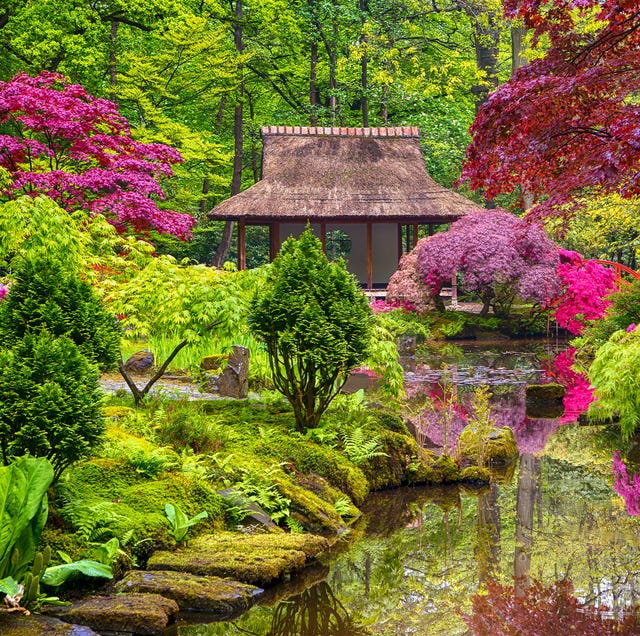
Experts reveal how to plant a Japanese-inspired garden

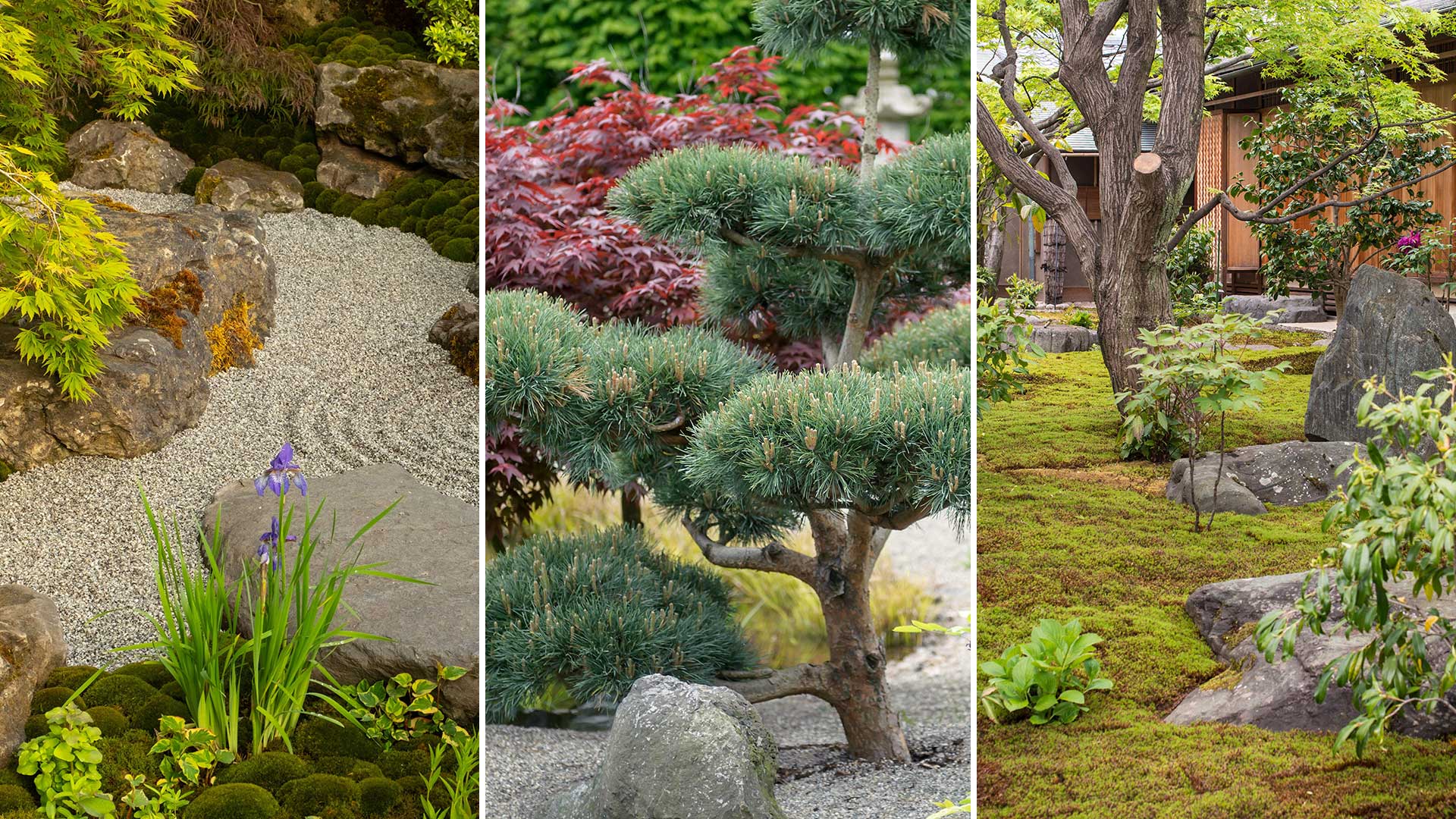
Japanese garden ideas – 10 ways to create a soothing space, with advice from the experts

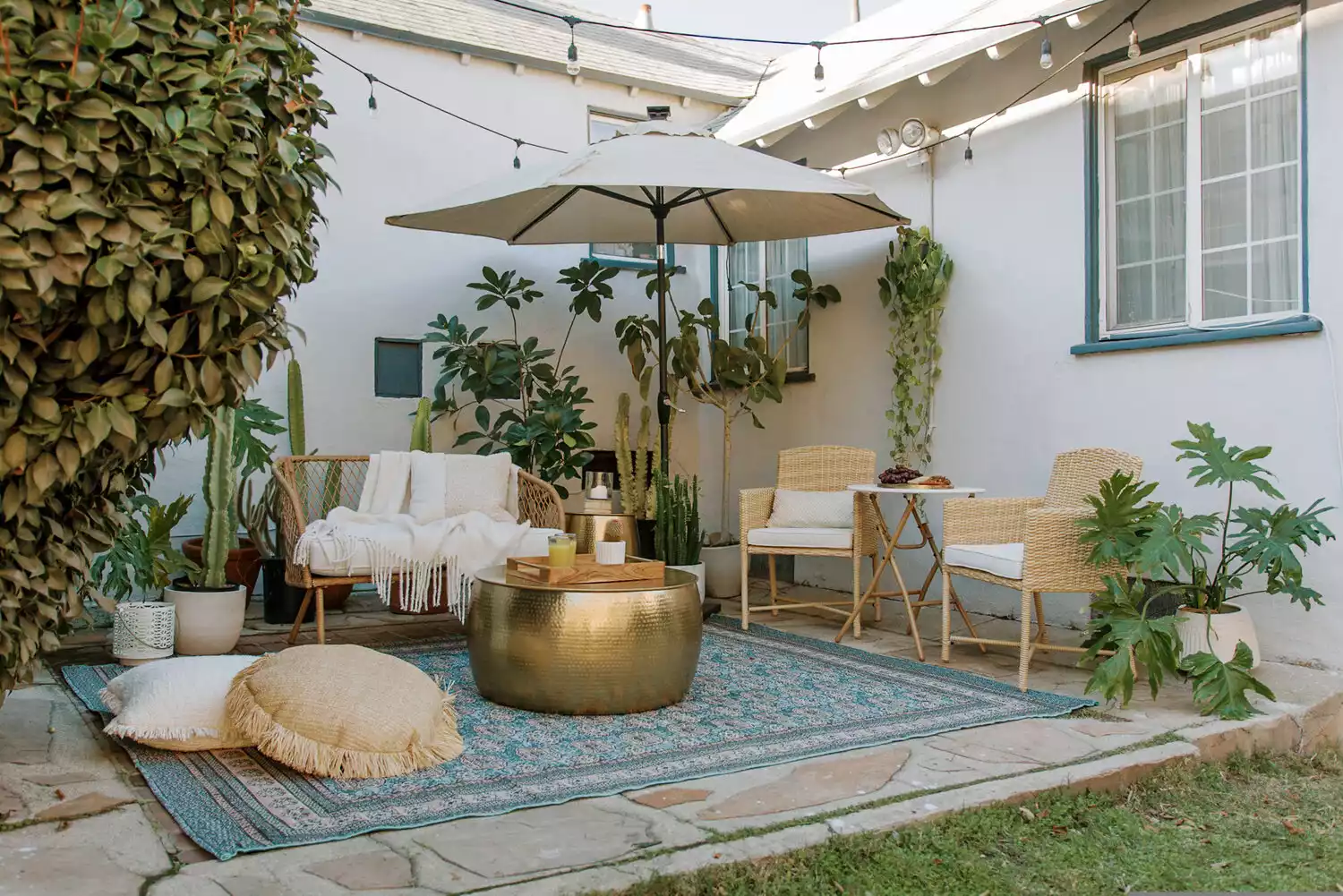
23 Small Backyard Ideas for a Dreamy Outdoor Oasis

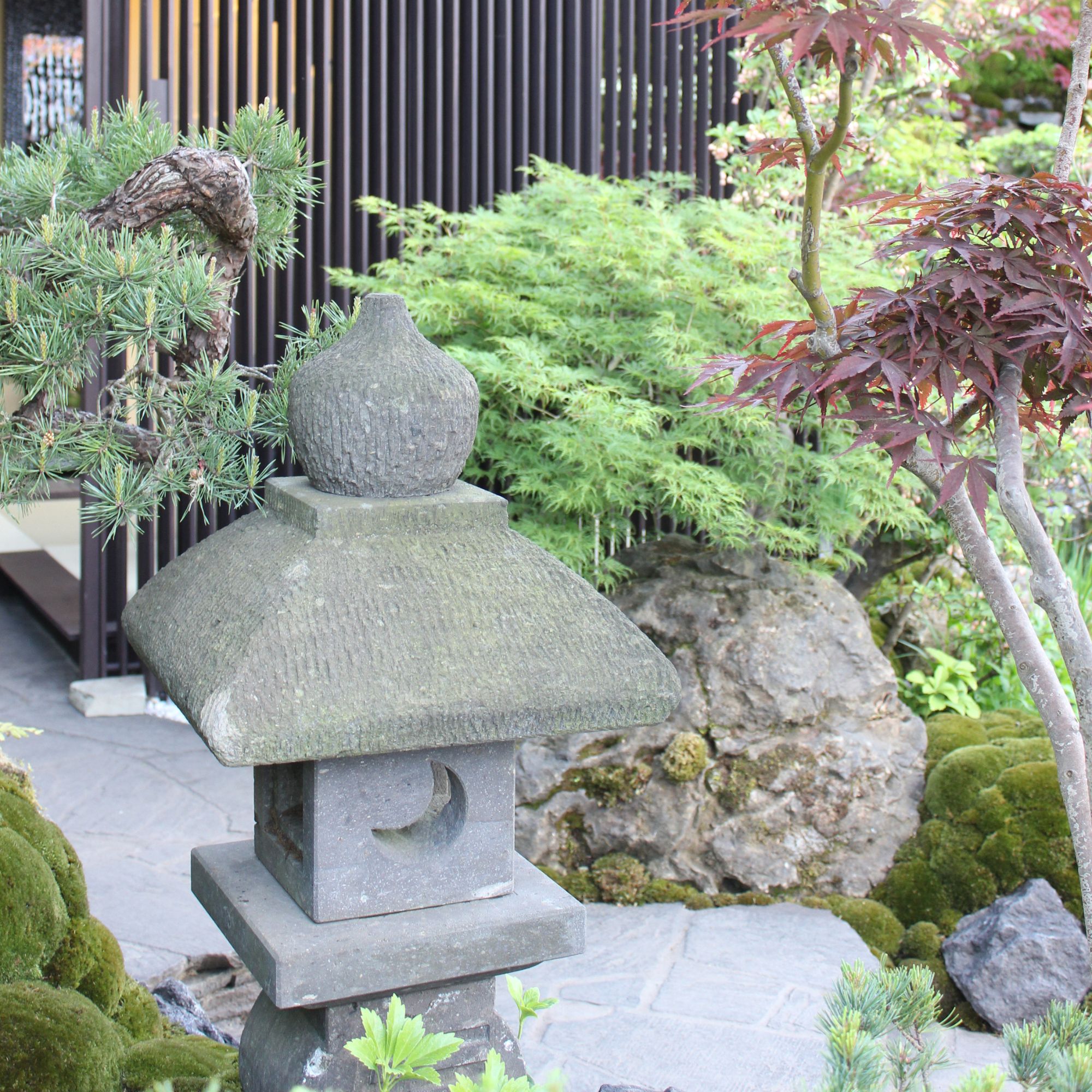
Small Japanese garden ideas – 7 ways to infuse a tiny outdoor space with Japanese-inspired planting and landscaping

Horticultural Experts Reveal 5 Defining Features of a Japanese Garden

41 Outdoor Lighting Ideas to Brighten Up Your Yard

How to Design a Japanese Garden in Any Climate, According to Landscape Experts

Small Japanese garden ideas – 7 ways to infuse a tiny outdoor space with Japanese-inspired planting and landscaping
7 Japanese-style gardens to inspire and delight

36 garden lighting ideas for a bright and beautiful outdoor space all year

Patio Lighting Ideas That Brighten Up Your Outdoor Space Without Blending In

Looking to add some Zen to your landscape? Visit these Japanese gardens for inspiration
4 Japanese garden ideas for a calm and tranquil outdoor space
11 best outdoor lights to bring ambience and style into your garden
Patio lighting ideas – 23 creative ways to light a patio
24 Japanese Garden Ideas That Encourage Slow Walks and a More Relaxed Outdoor Rhythm

Japanese garden ideas – 11 design tips for a zen backyard
Outdoor lighting ideas – 30 best ways to use garden lighting
5 Backyard Staples You Should Never Splurge on, According to Designers