1/12
8 low-maintenance gravel garden ideas
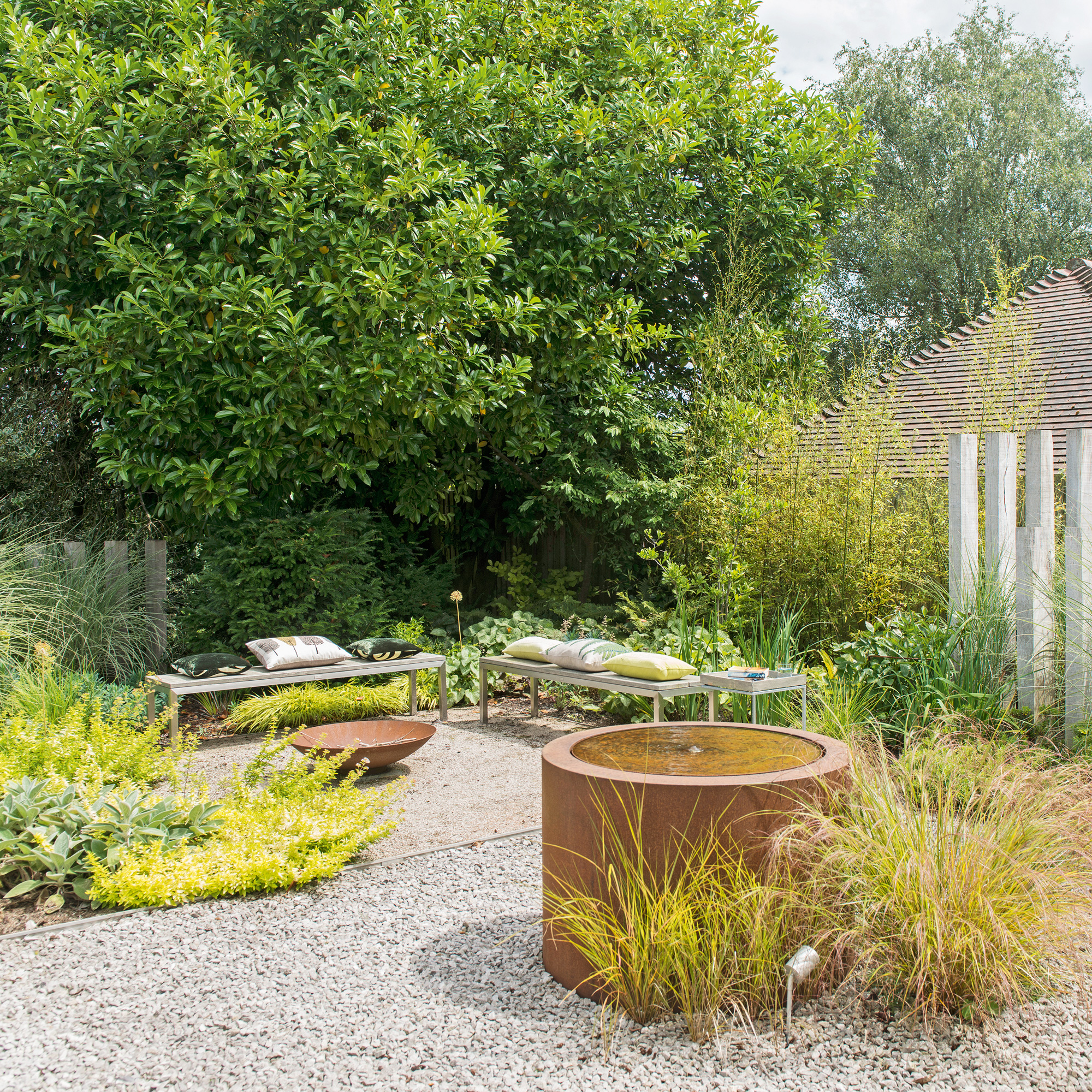
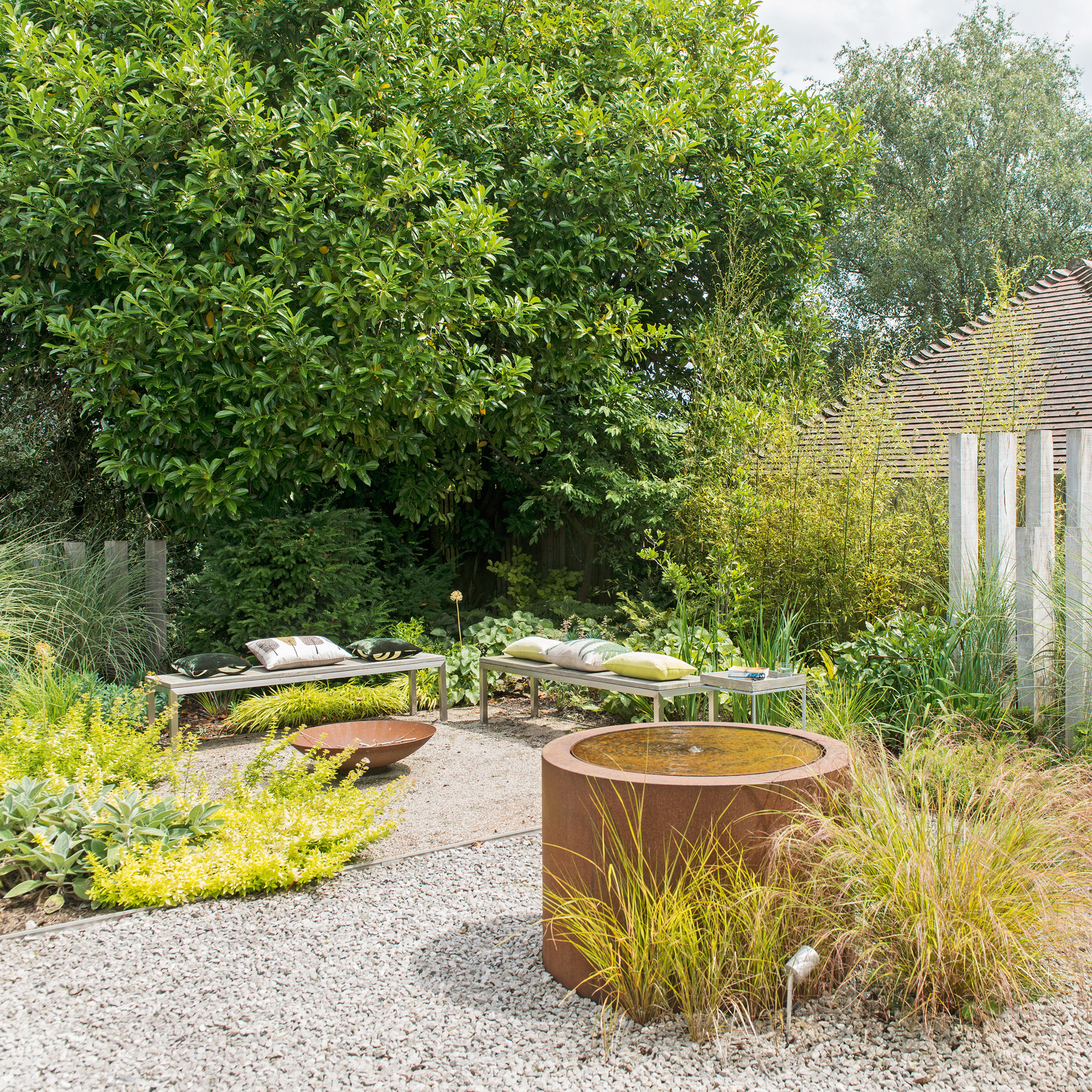
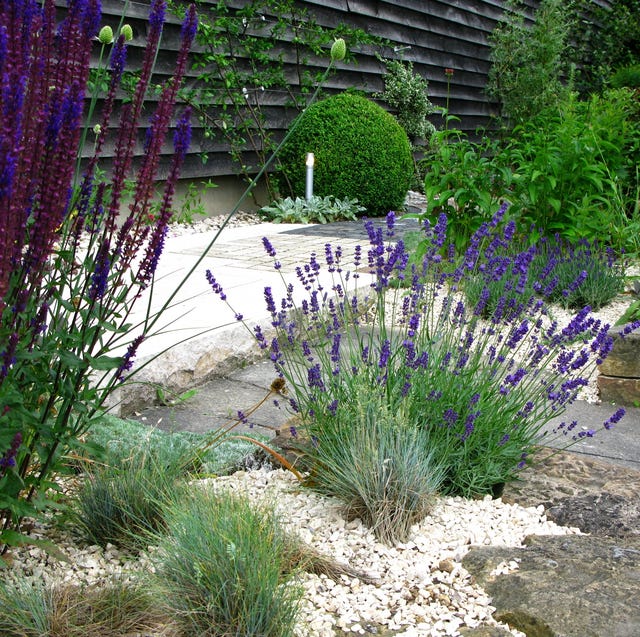
Gravel gardens are emerging as a significant gardening trend for 2025, driven by a 504% increase in searches for 'gravel garden ideas' recently. This surge in popularity is attributed to their low-maintenance nature, resilience, and aesthetic appeal, especially in sunny areas where they can evoke a Mediterranean style. Grace Thornton, a Content Specialist in Domestic Landscaping at Marshalls Plc, highlights that gravel gardens can range from small sections to entire landscape revamps, without compromising natural elements.
Several advantages underscore the appeal of gravel gardens. As droughts and hosepipe bans become more frequent, gravel gardens align with xeriscaping principles by reducing irrigation needs. They boast excellent drainage, making them suitable for various climates. Unlike lawns that may yellow without water, gravel reflects sunlight and moderates soil temperature, promoting plant flourishing. Once established, they require less weeding and pest control, freeing up time for enjoyment. Furthermore, permeable gravel helps mitigate erosion, reduce run-off, improve drainage, and enhance water retention, thereby lowering flood risks during wet weather.
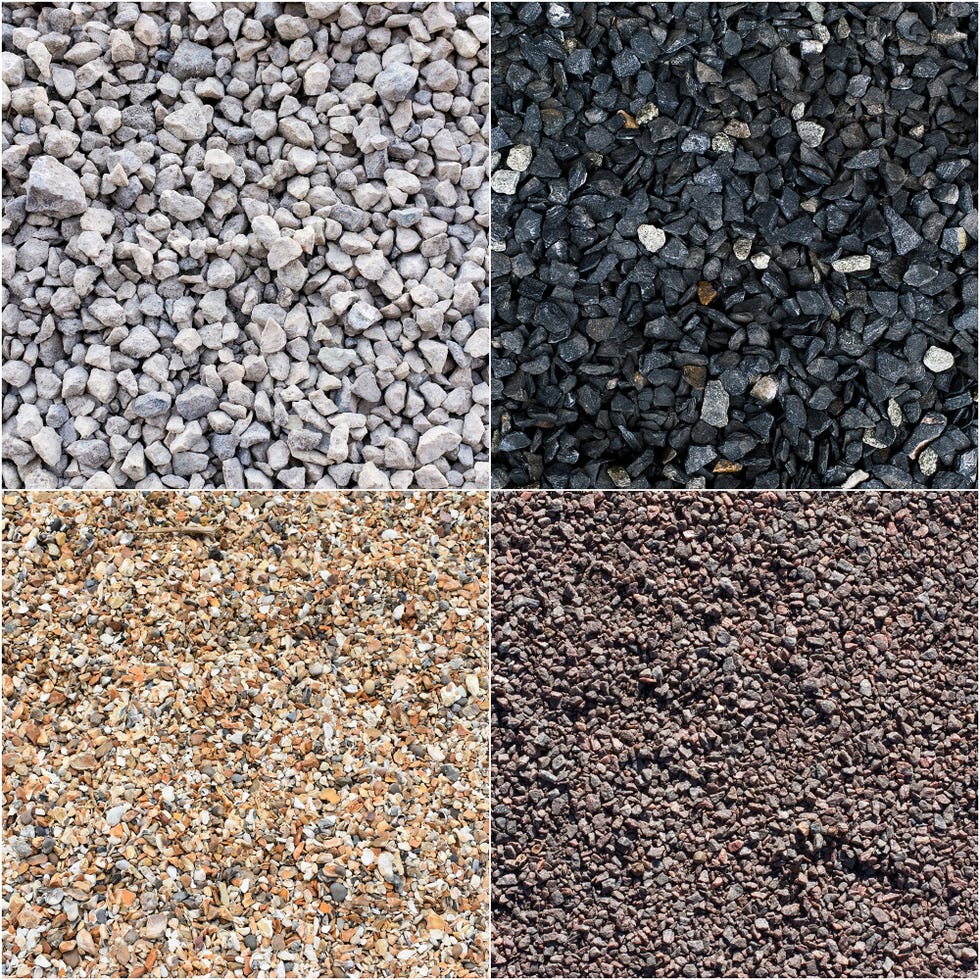
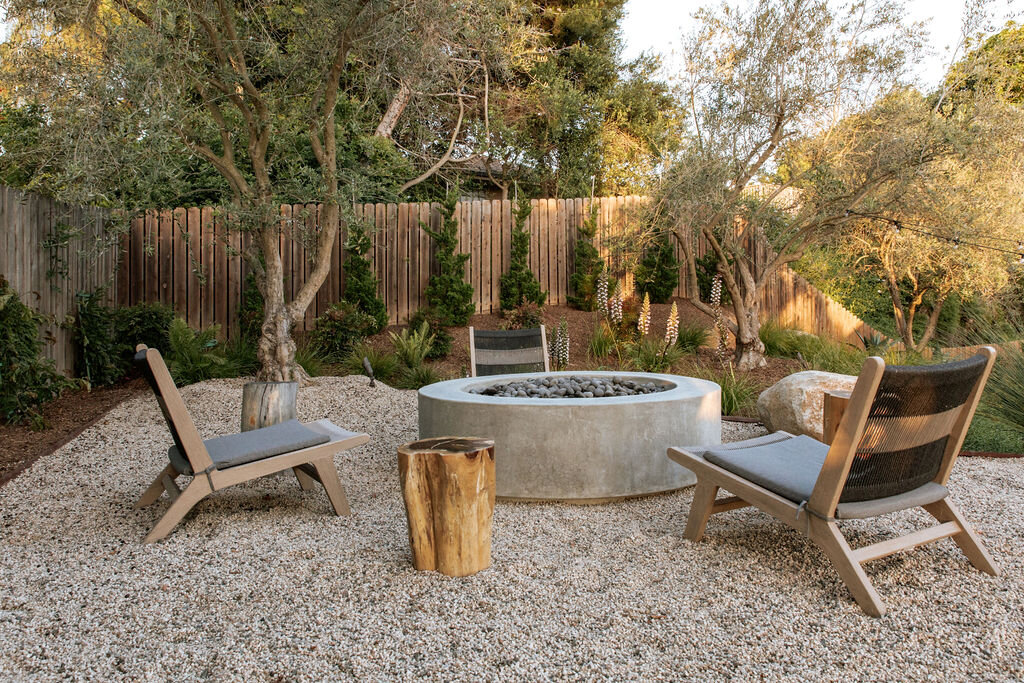
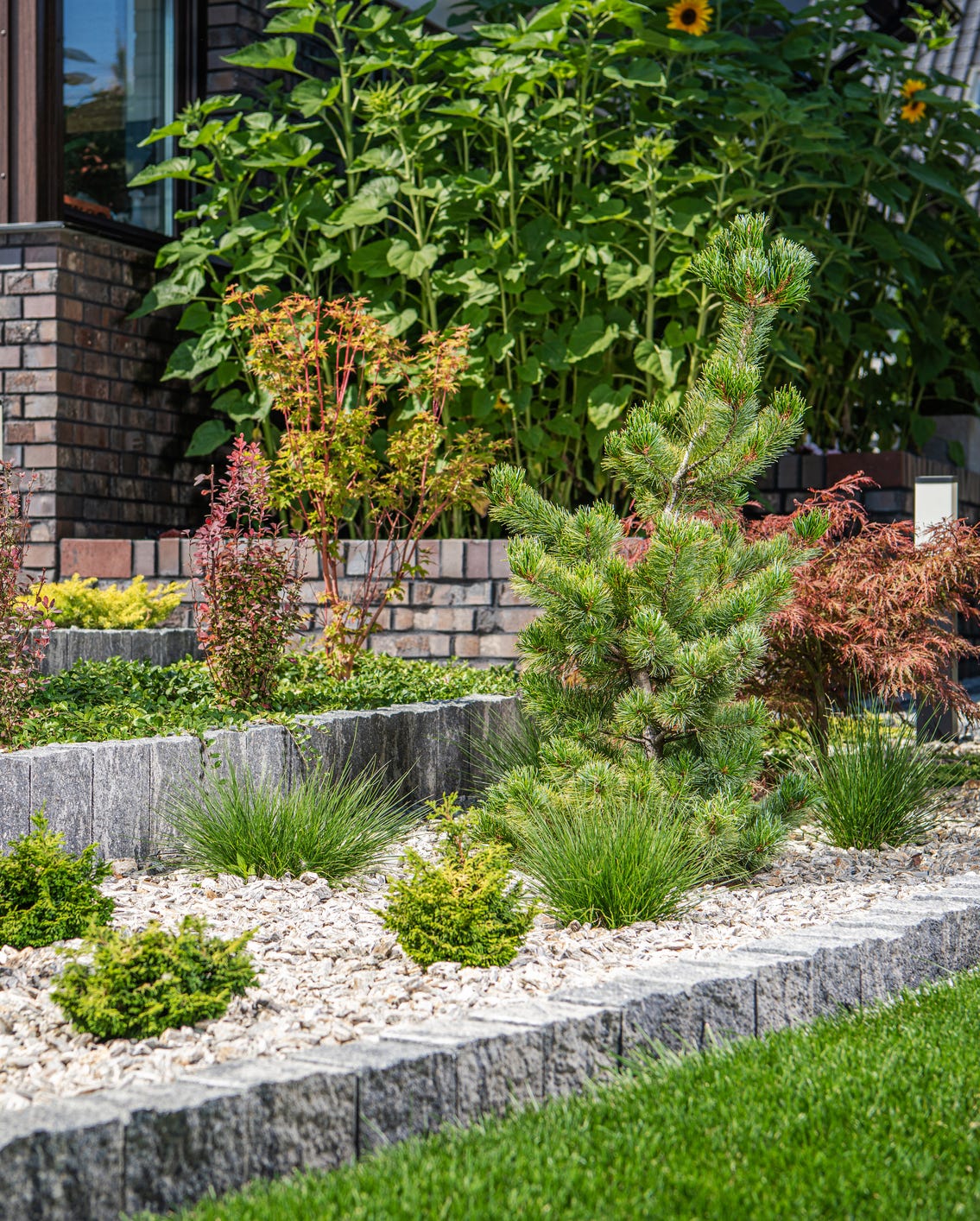
Selecting the appropriate gravel is crucial; a maximum size of 10mm is recommended, with larger gravel potentially suitable for specific areas like driveways. For extensive areas, a depth of four inches is advised to keep roots dry, with a general guideline of one tonne of gravel per 12 square metres. Pea gravel is often favored for its softer texture, making it safer for children and pets. Edging, using materials like reclaimed wood or pebbles, can prevent finer gravel from scattering.
While gravel is often seen as eco-friendly for its contributions to flood prevention and its avoidance of the urban heat island effect, its sustainability is debated. It is better for wildlife than plastic astroturf, but some experts, like garden designer Jack Wallington, suggest lawns are more vital for active carbon use and storage. Therefore, adapting to existing soil types rather than extensive alterations is recommended. For those with shady, heavy soil, a woodland garden might be a better alternative. Environmentally conscious choices include sourcing gravel from suppliers certified with the Ethical Stone Register, buying locally, and opting for recycled varieties made from construction materials, while avoiding seabed-dredged gravel due to its negative impact on coastal erosion and marine life.
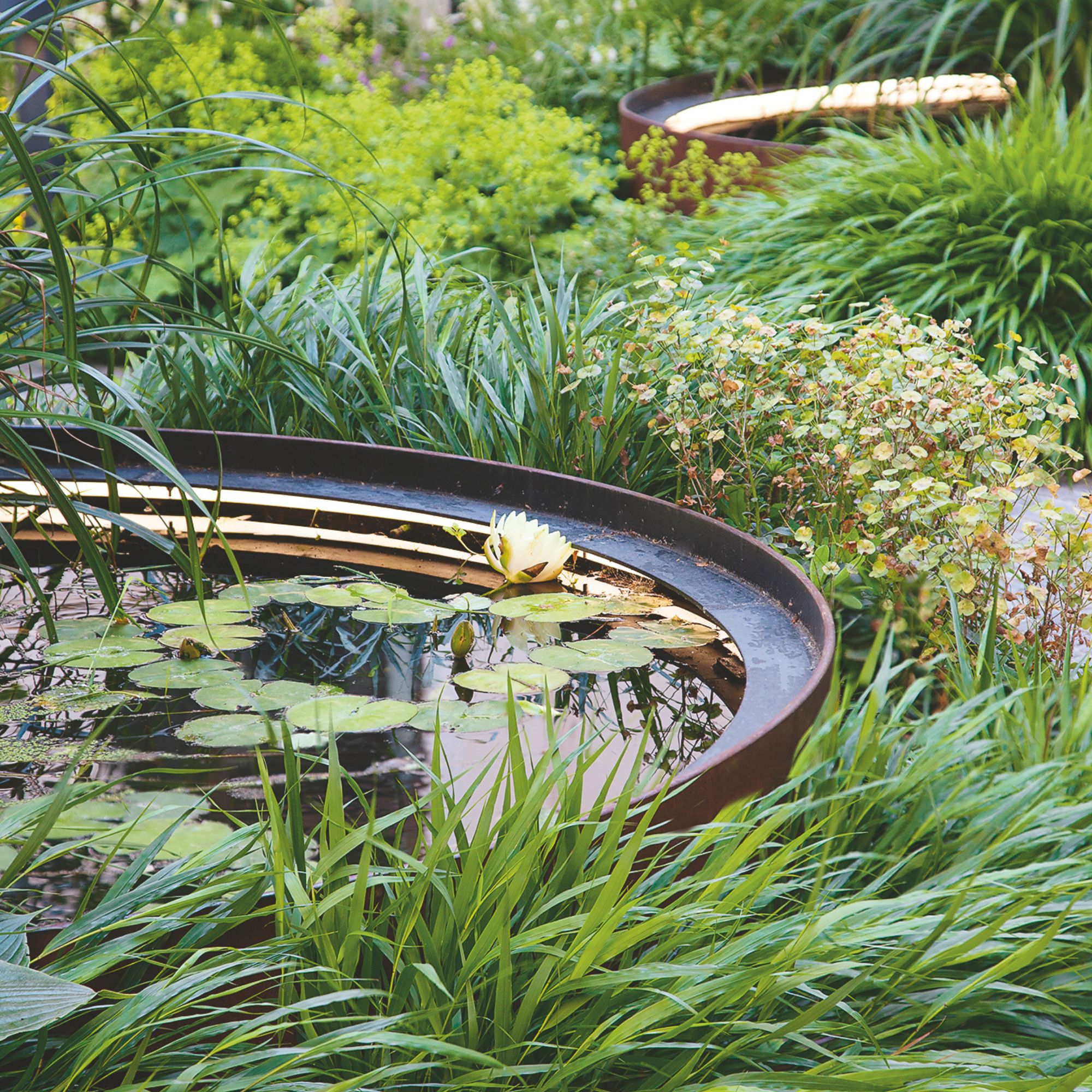
For beginners, creating a gravel garden involves four key steps: choosing a sunny location for drought-tolerant plants, marking out an informal and fluid shape that allows plants to spread, considering a gravel pool to attract wildlife, and planting Mediterranean-style, drought-tolerant species like lavender, rock rose, and phlomis, which also benefit insects. Before laying gravel, a permeable weed-resistant membrane is generally recommended, although some experiences suggest that vigorous plant growth can occur without it, prompting a reevaluation of its necessity. Plastic-free membrane options are also available.
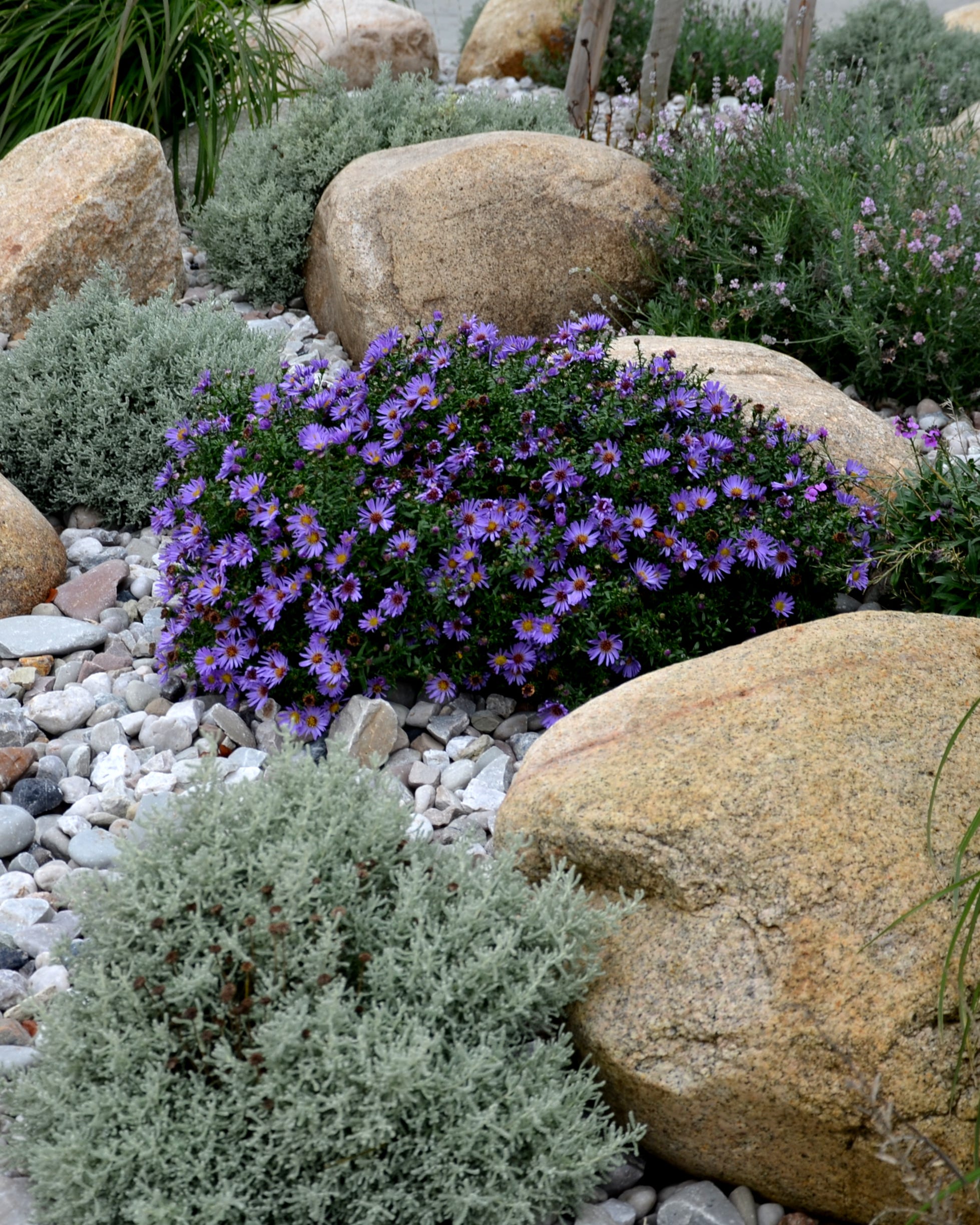
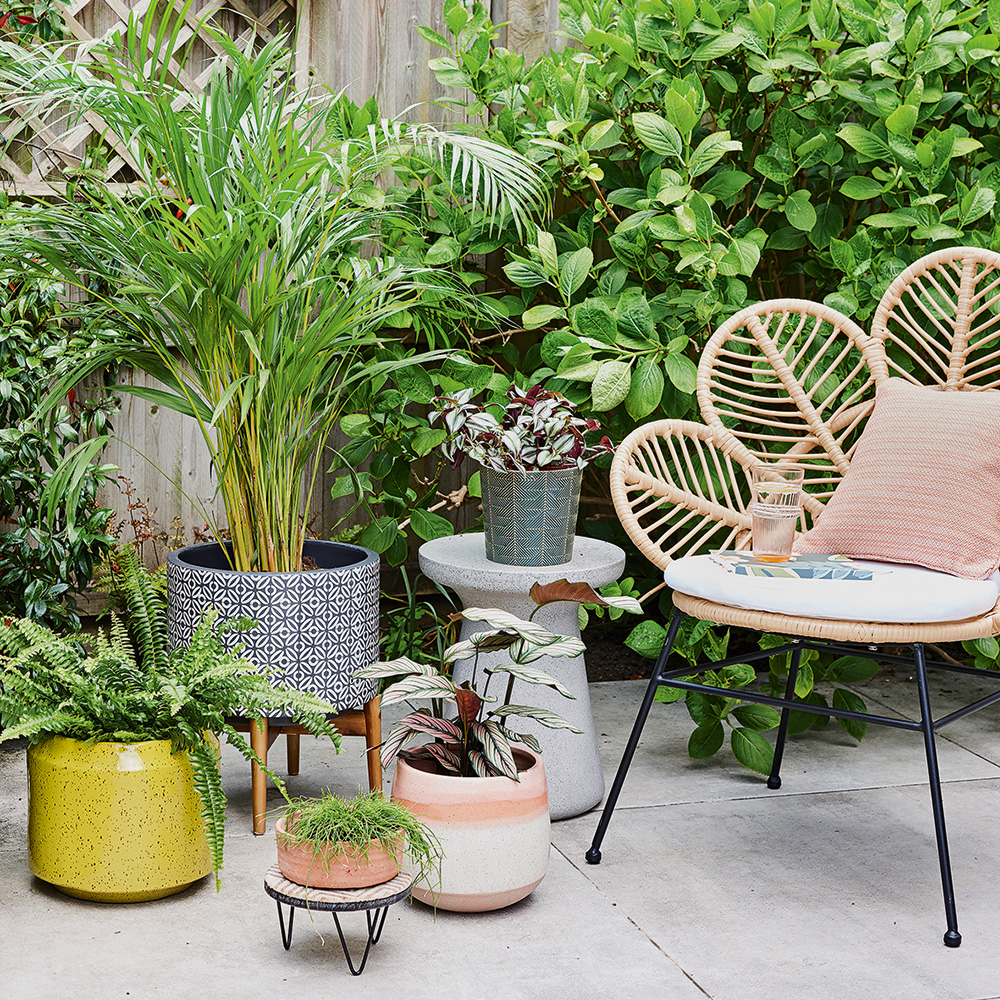
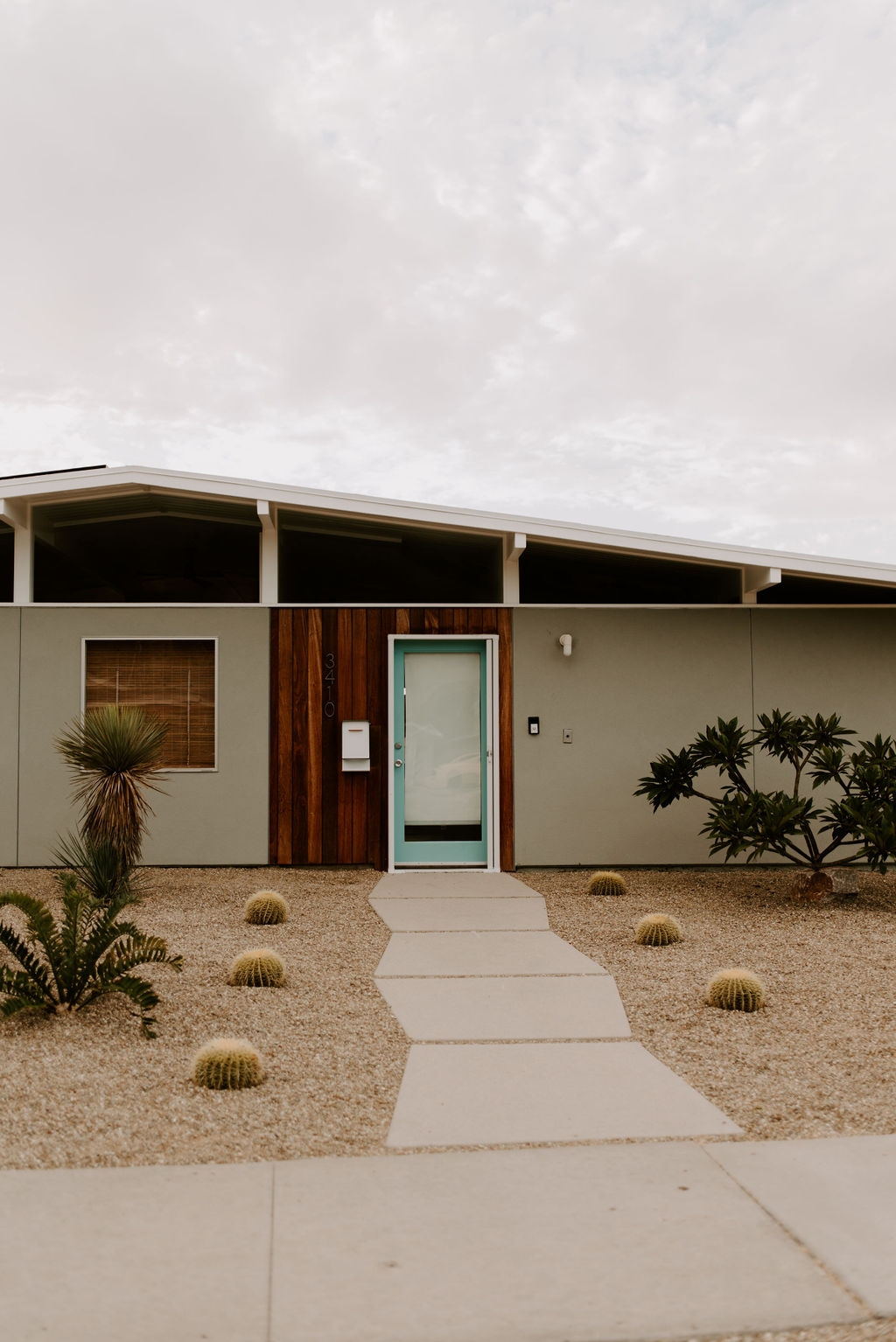
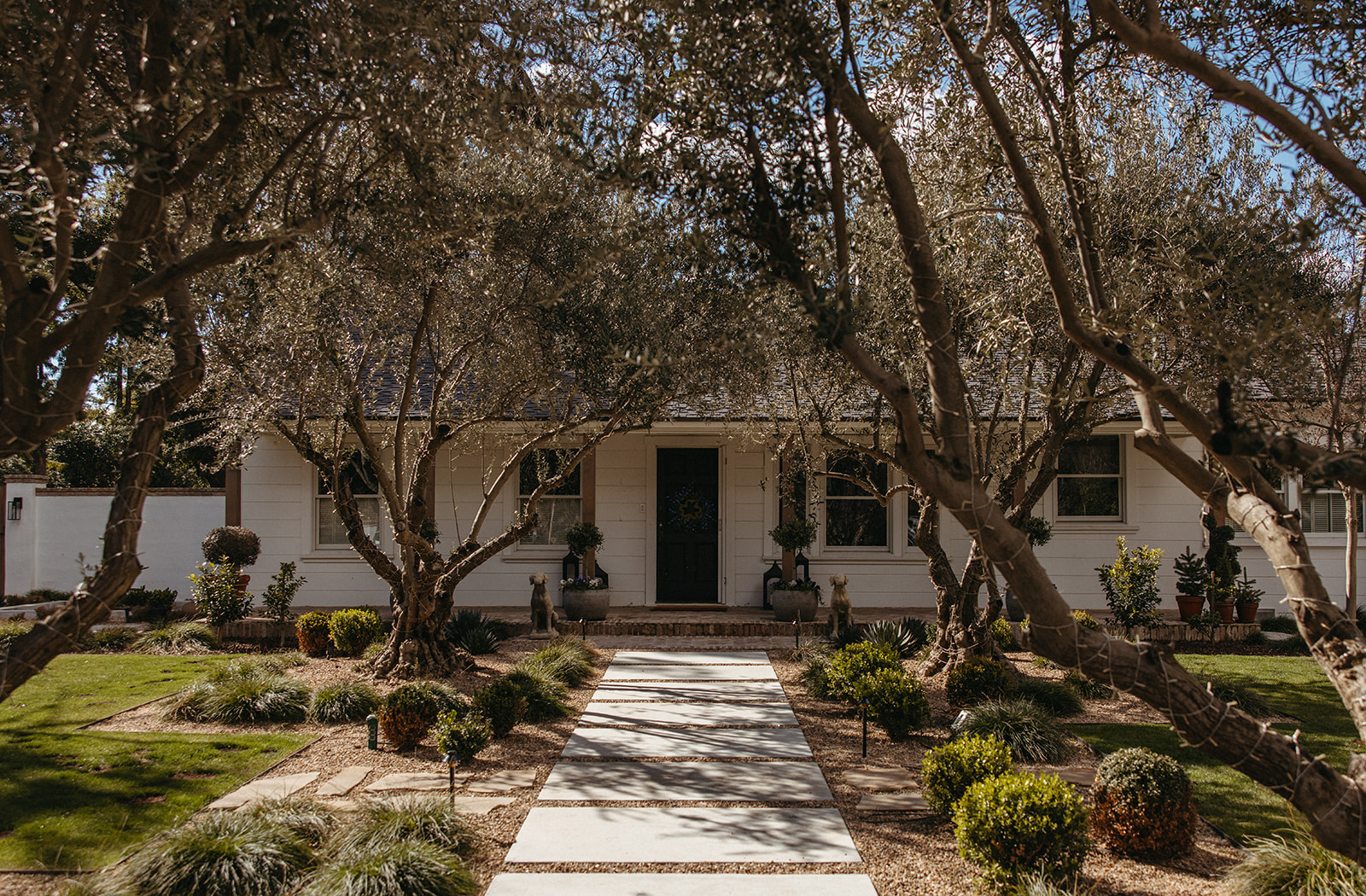
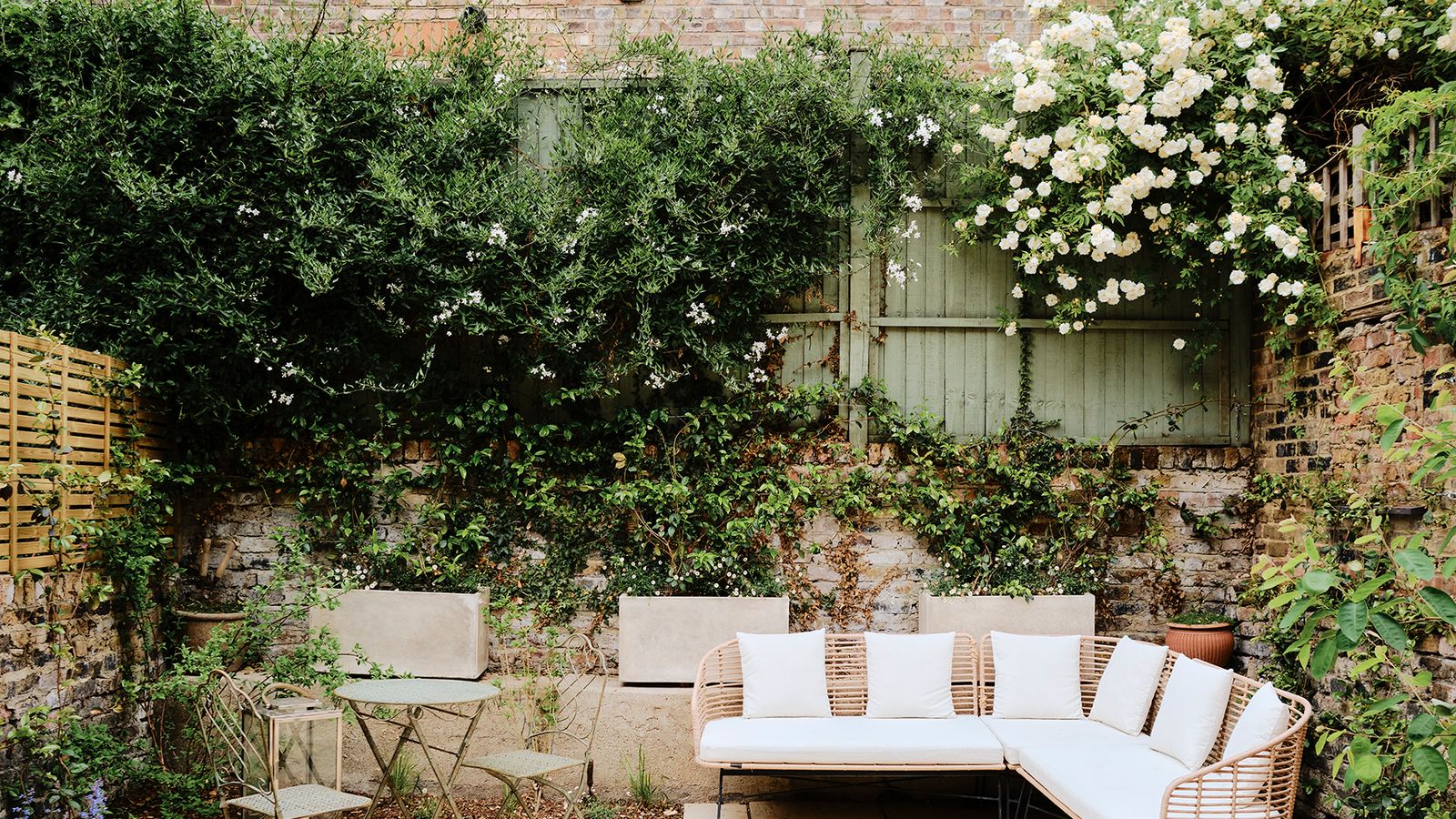
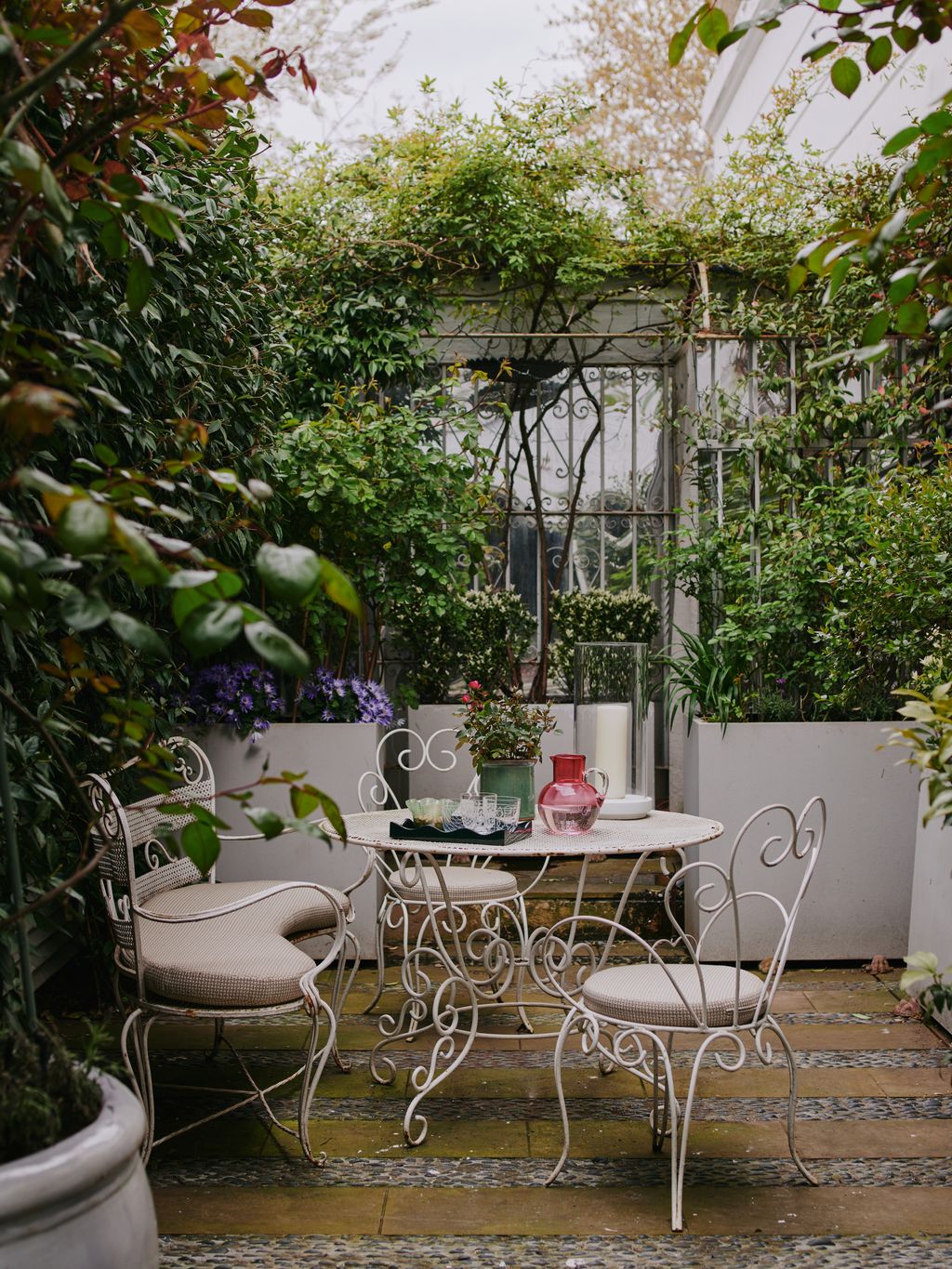
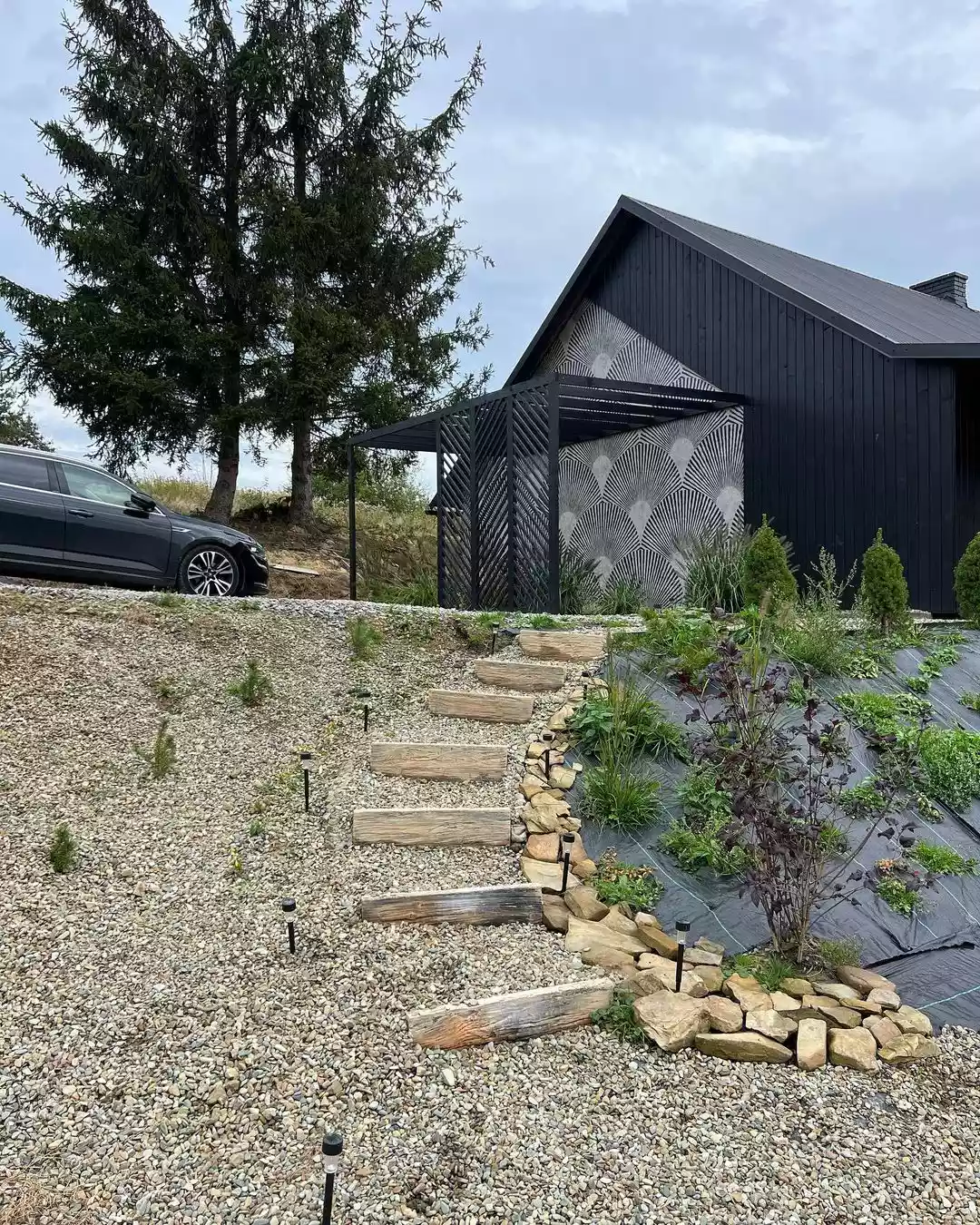
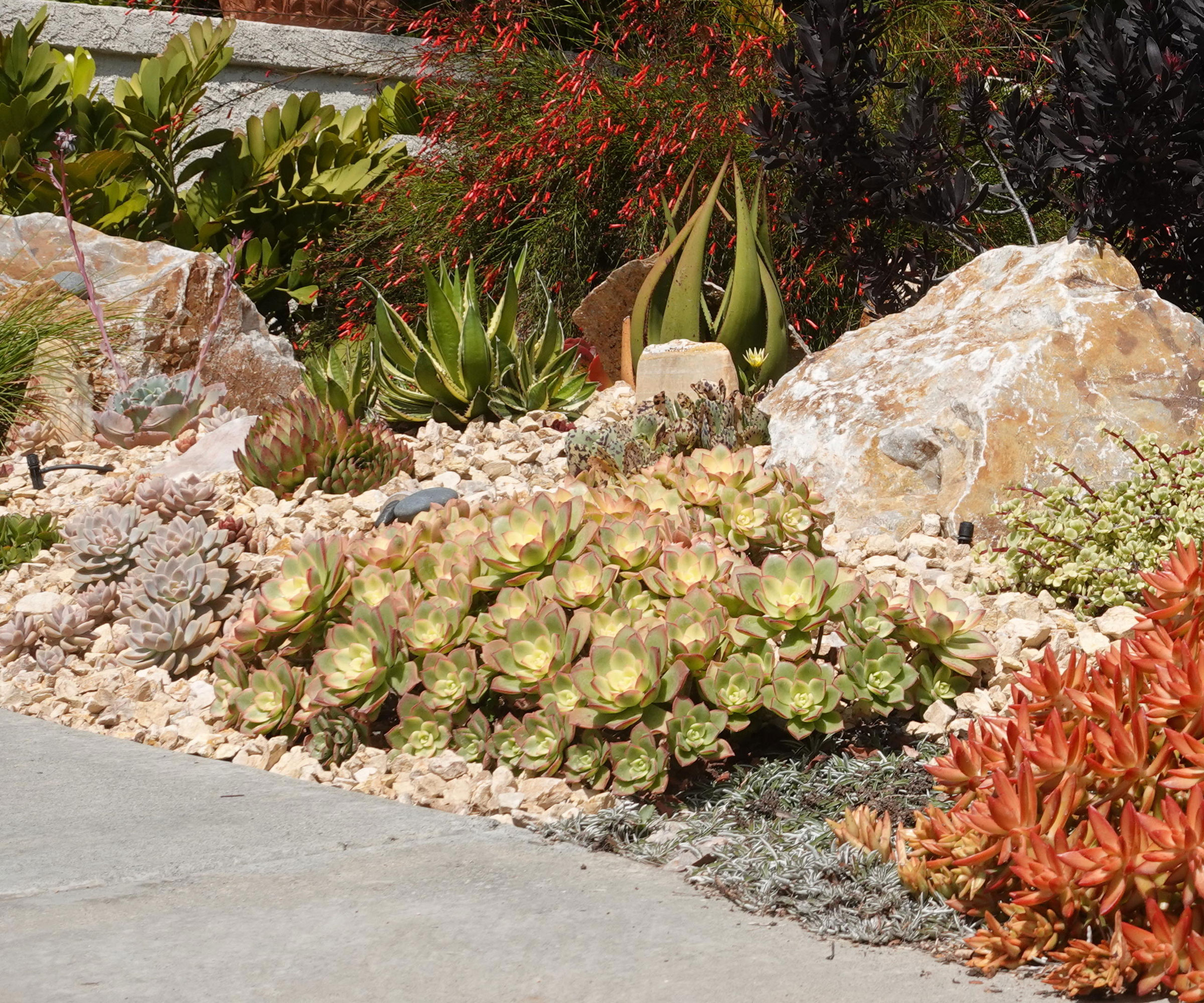
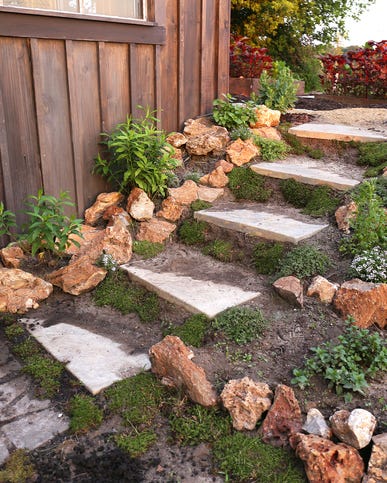
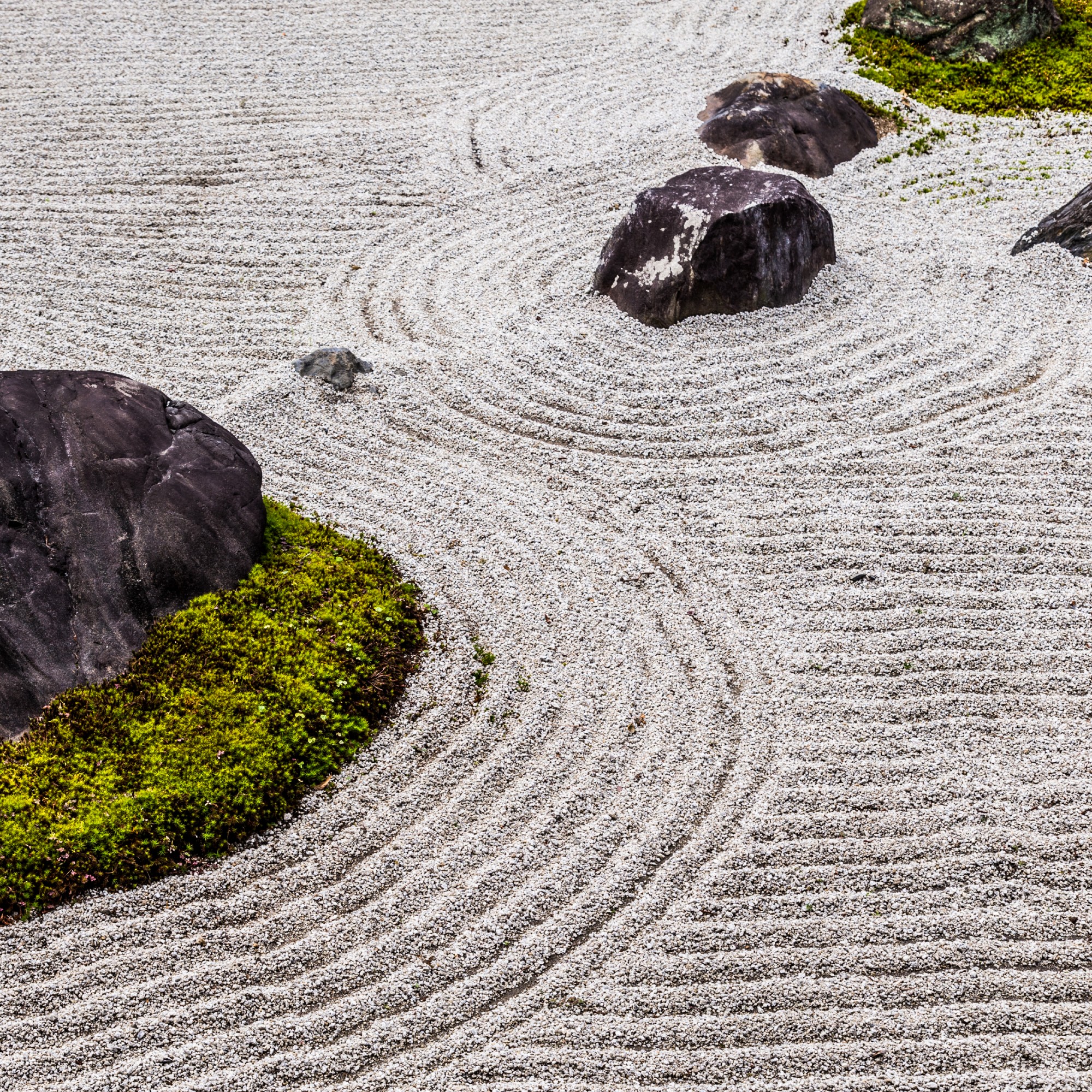
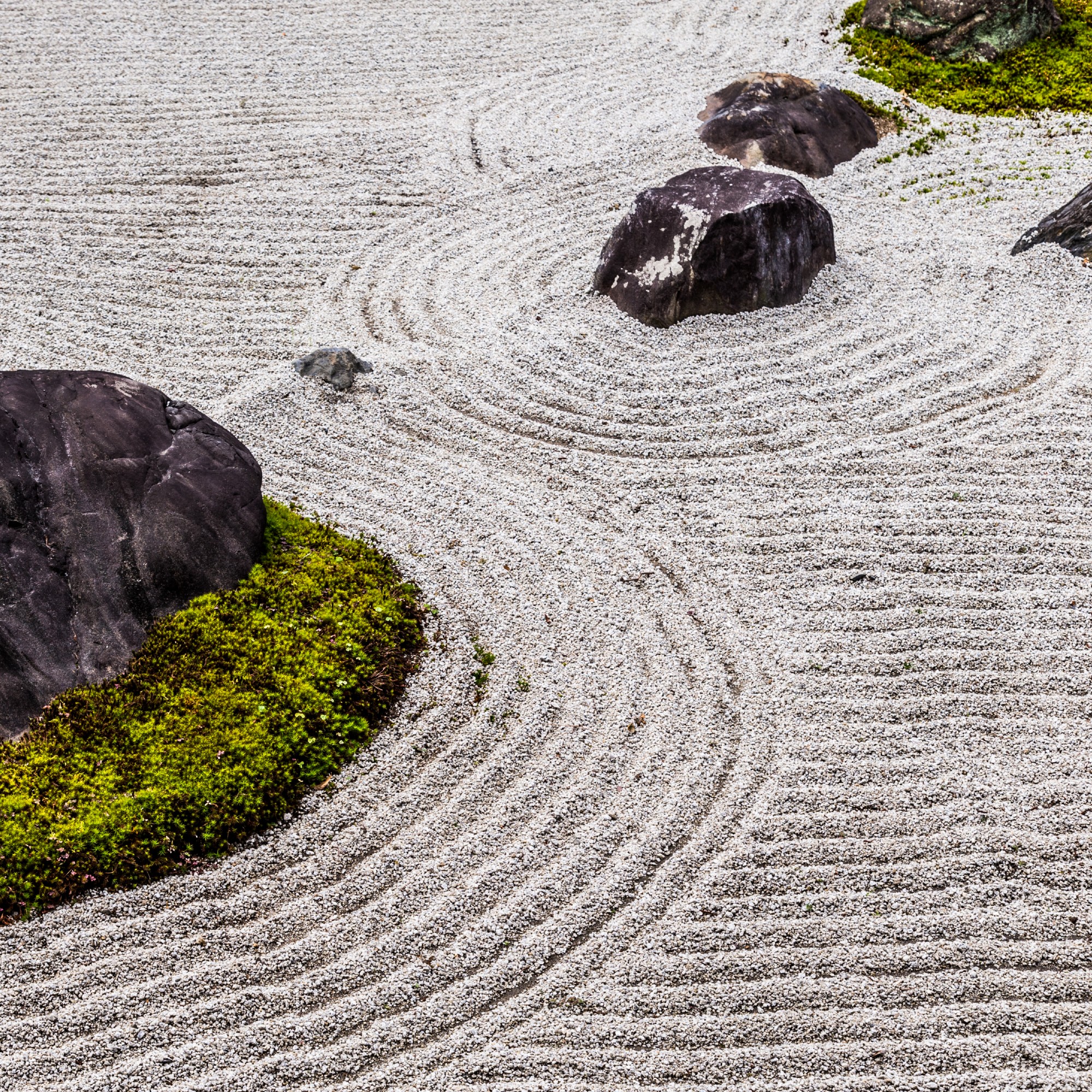
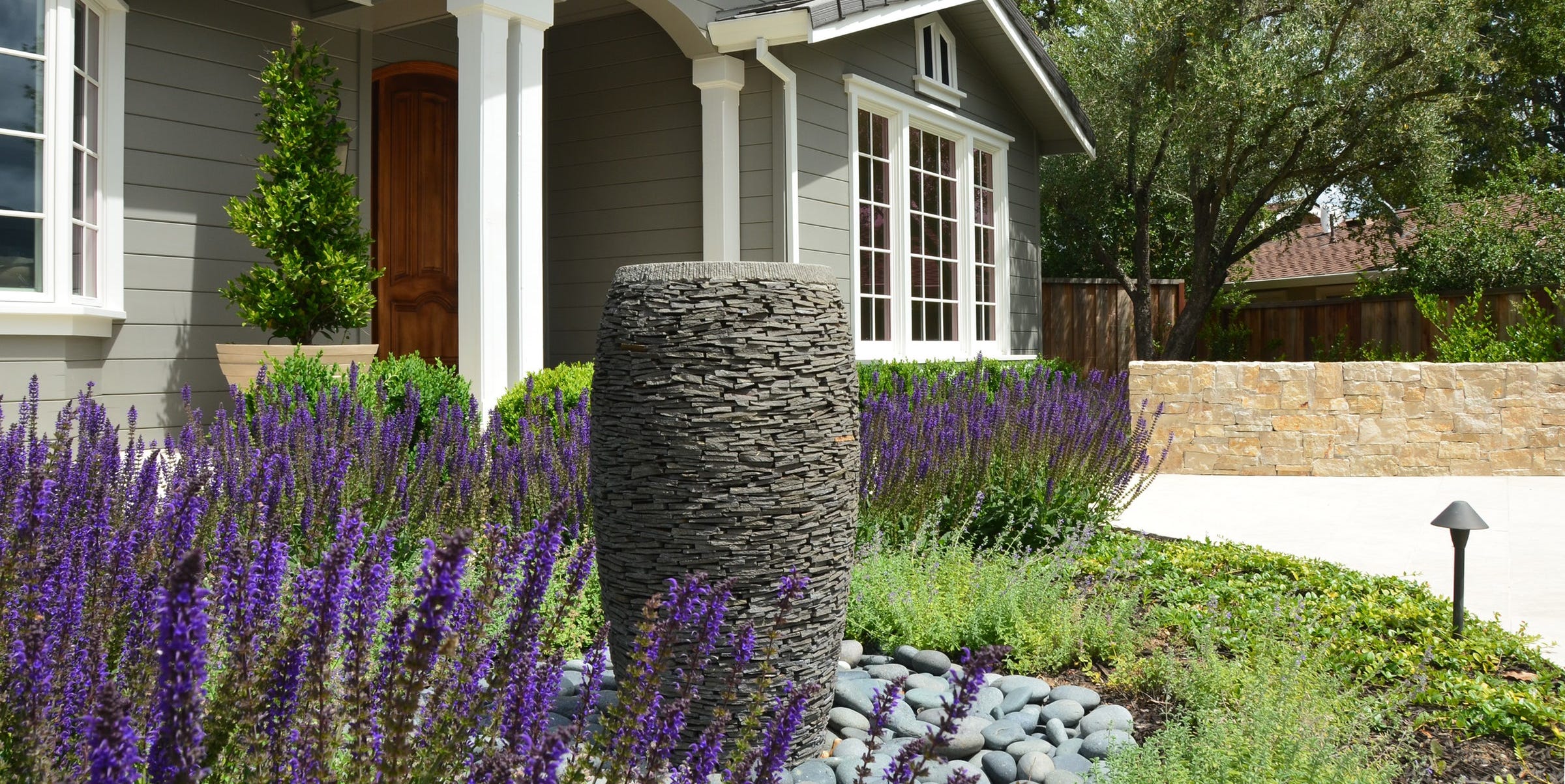
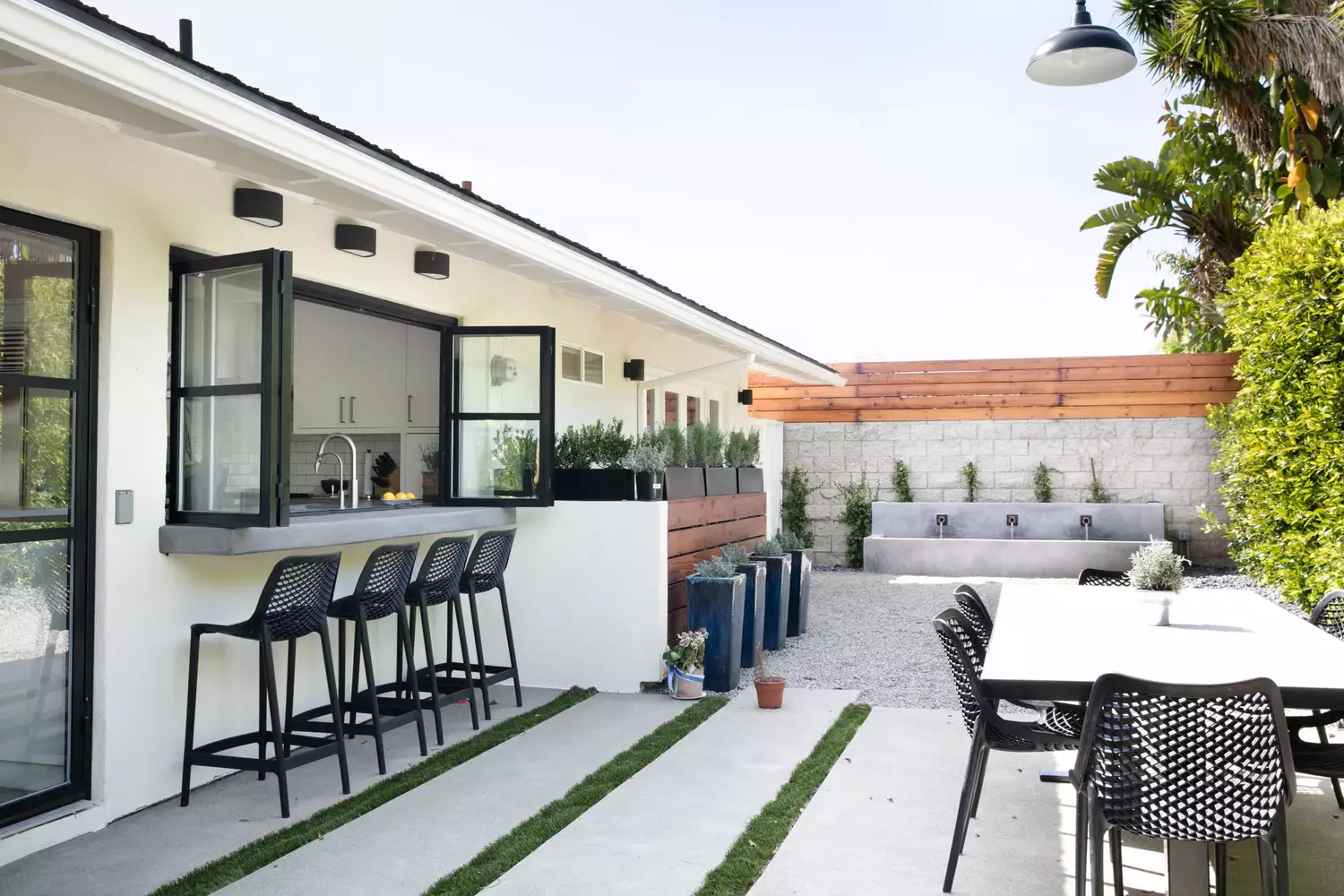
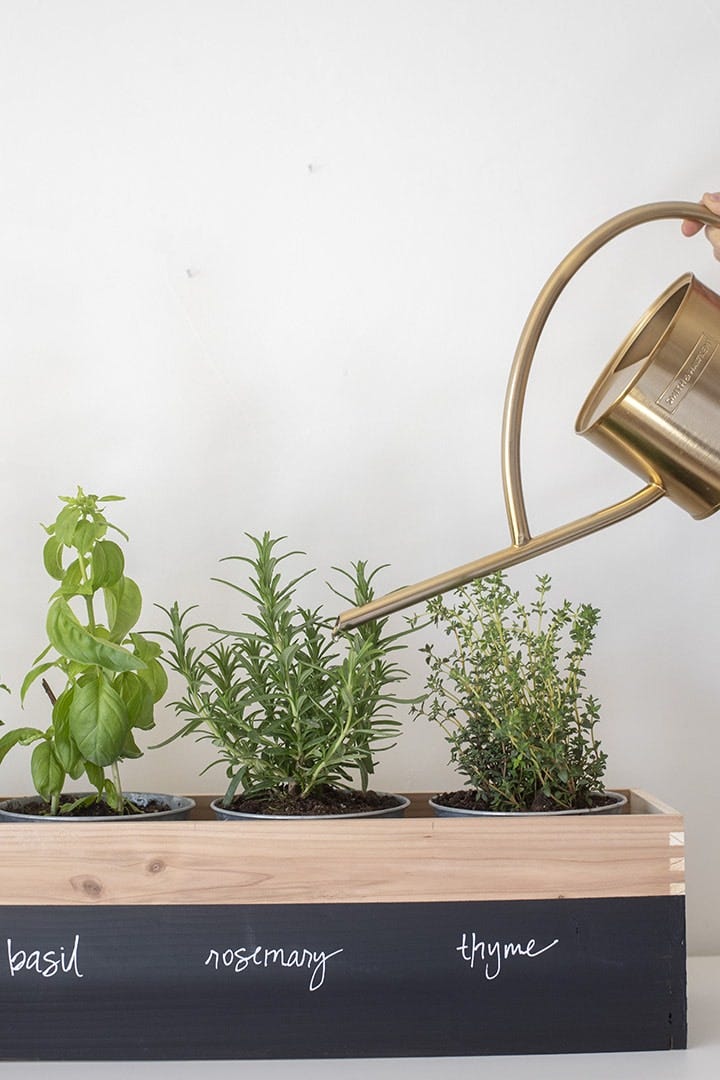
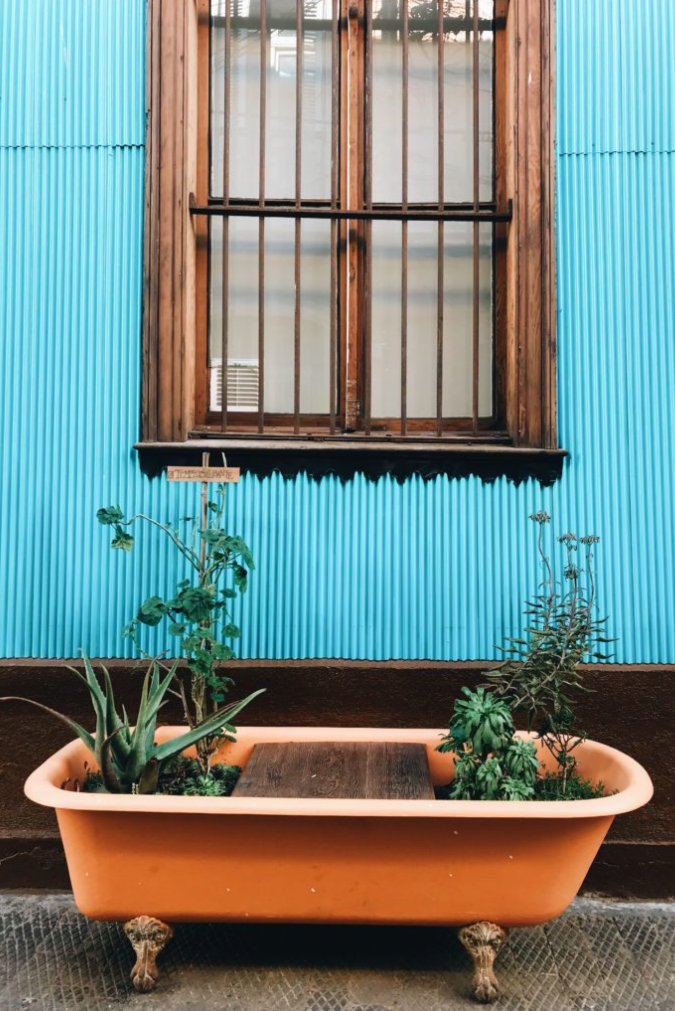
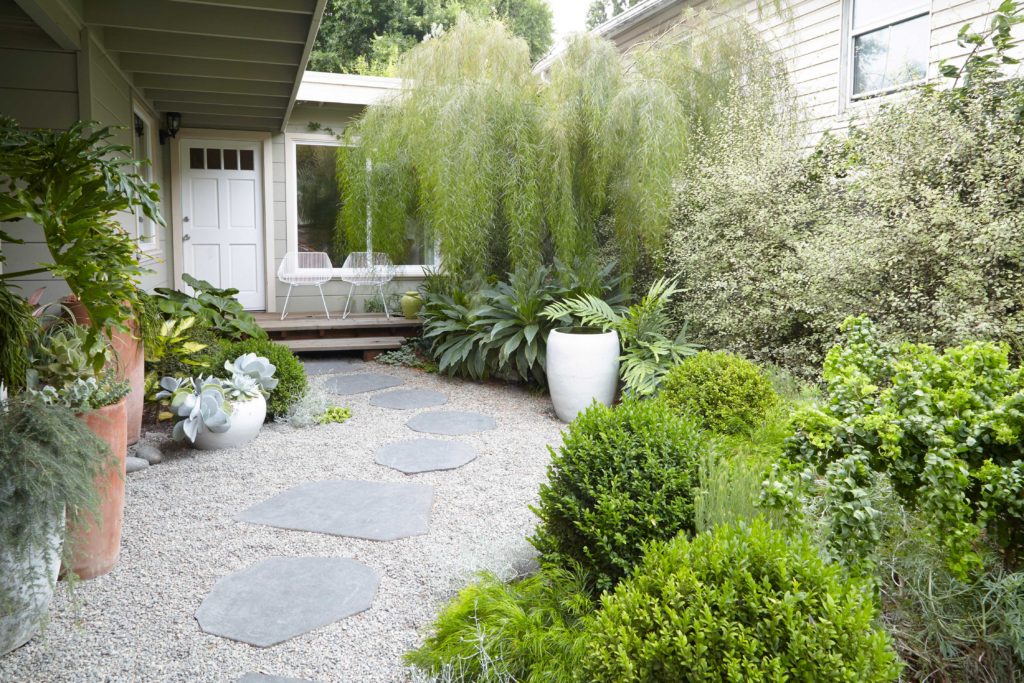
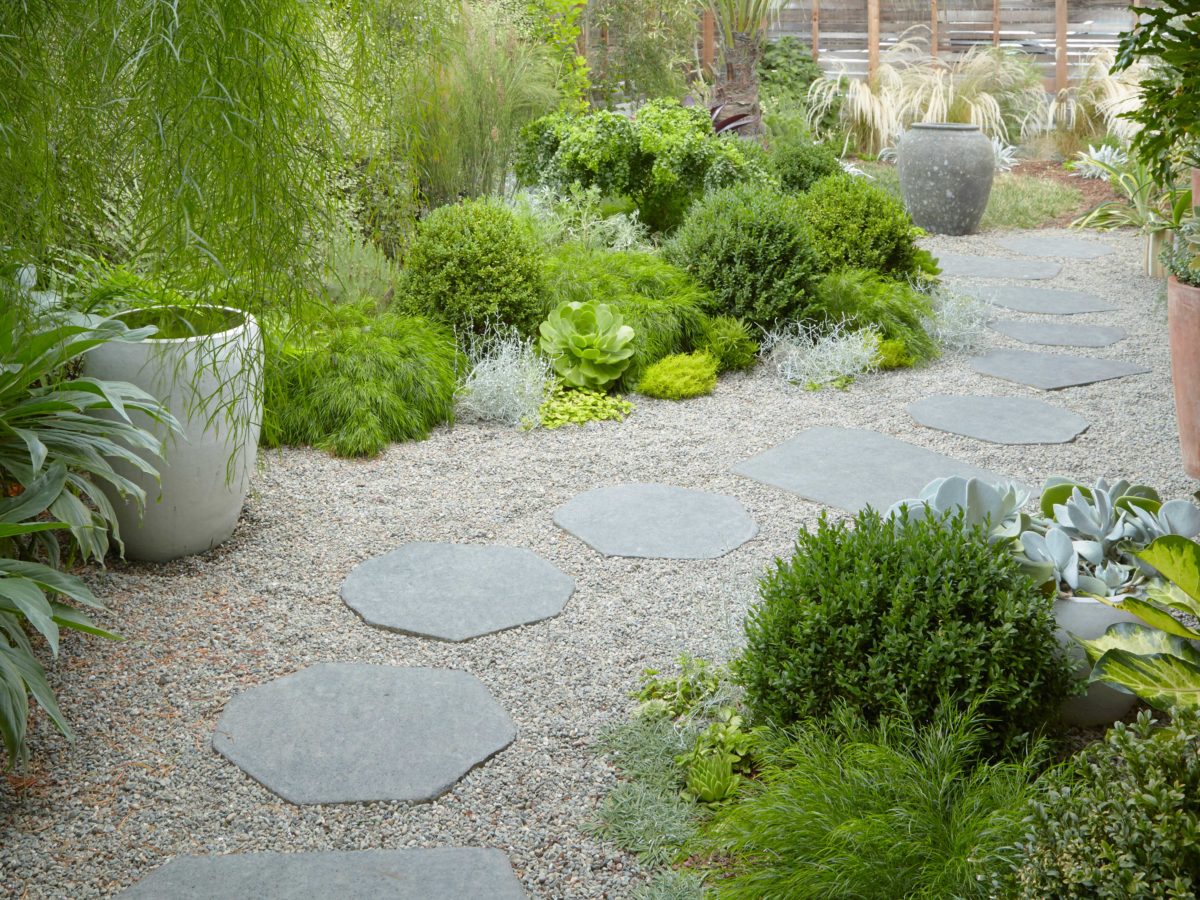
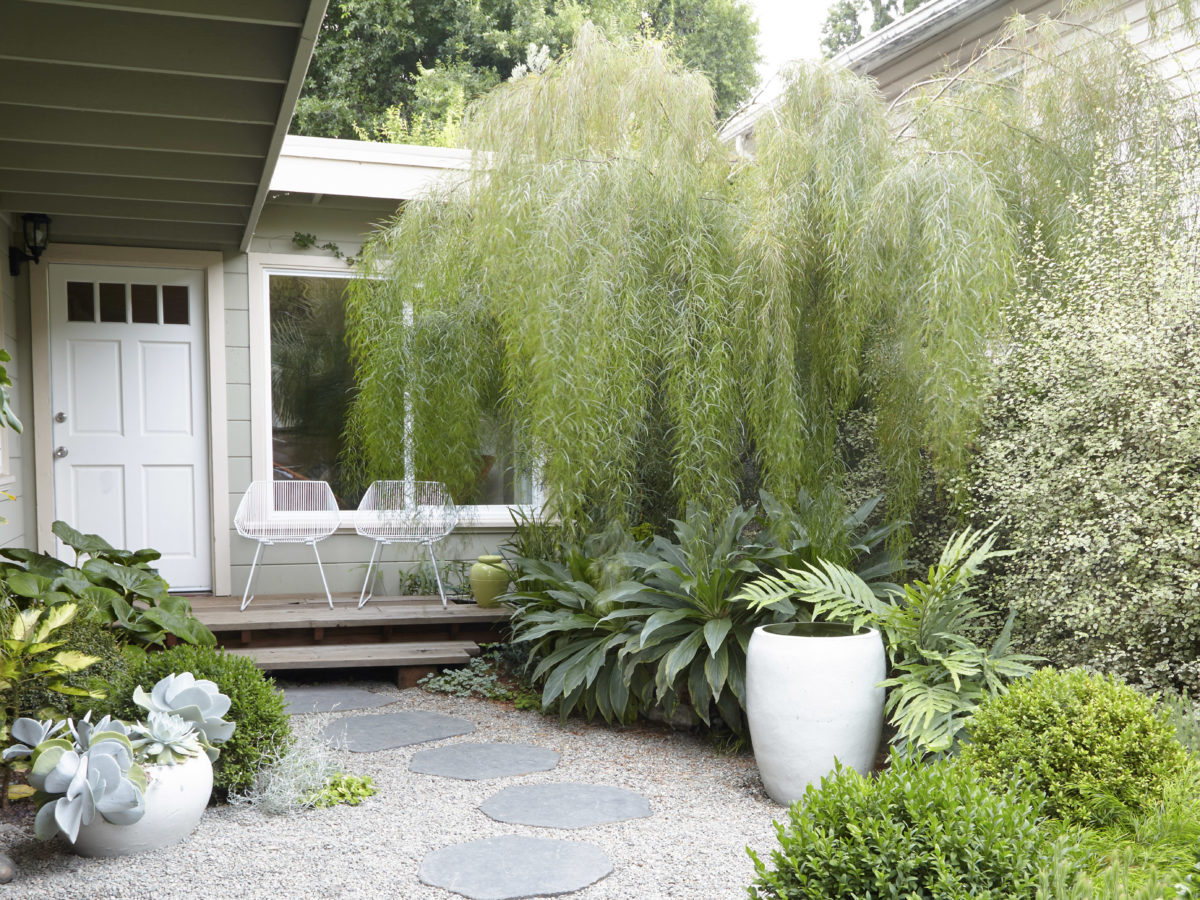
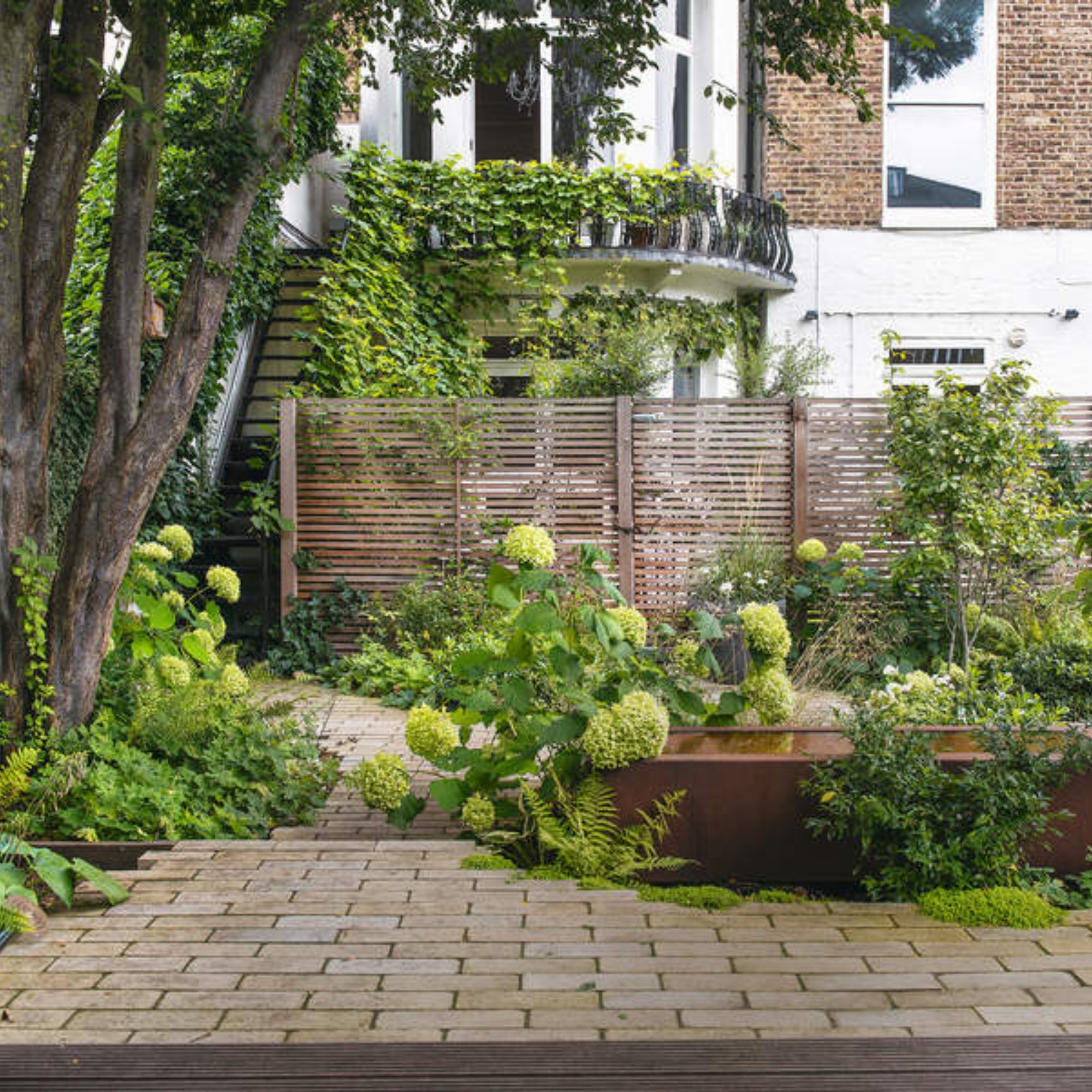
The article also presents various gravel garden ideas, including herb gardens that thrive in sun-drenched, poor soil, providing a Mediterranean feel with golden gravel and whitewashed walls. Zen gardens offer a minimalist space for relaxation with fine gravel, boulders, and specific plantings like pine trees and acers. Rockeries, ideal for sloping gardens, use larger boulders and alpine plants. Gravel paths enhance garden exploration, with advice on selecting gravel sizes based on foot or vehicle traffic and integrating stepping stones or various gravel types. Courtyard gardens can be transformed with white paint, light, sandy soils, and pollinator-attracting plants. Gravelled front gardens can combine parking with plant displays using appropriate gravel sizes for vehicle weight and plant choices like acaena. Finally, container gravel gardens and lawn edging/garden walling provide solutions for smaller spaces or integrating gravel into existing designs, emphasizing consistent material color schemes for cohesion.
#GravelGardens #GardenDesign #DroughtTolerantPlants #Xeriscaping #SustainableGardening #LowMaintenanceGardens #MediterraneanGarden #GardenLandscaping #EcoFriendlyGardening #GravelGardens #GardenDesign #DroughtTolerantPlants #Xeriscaping #SustainableGardening #LowMaintenanceGardens #MediterraneanGarden #GardenLandscaping #EcoFriendlyGardening
0 comment in total
 No comments yet
You may also like
8 low-maintenance gravel garden ideas
19 simple garden ideas for every style, size and budget
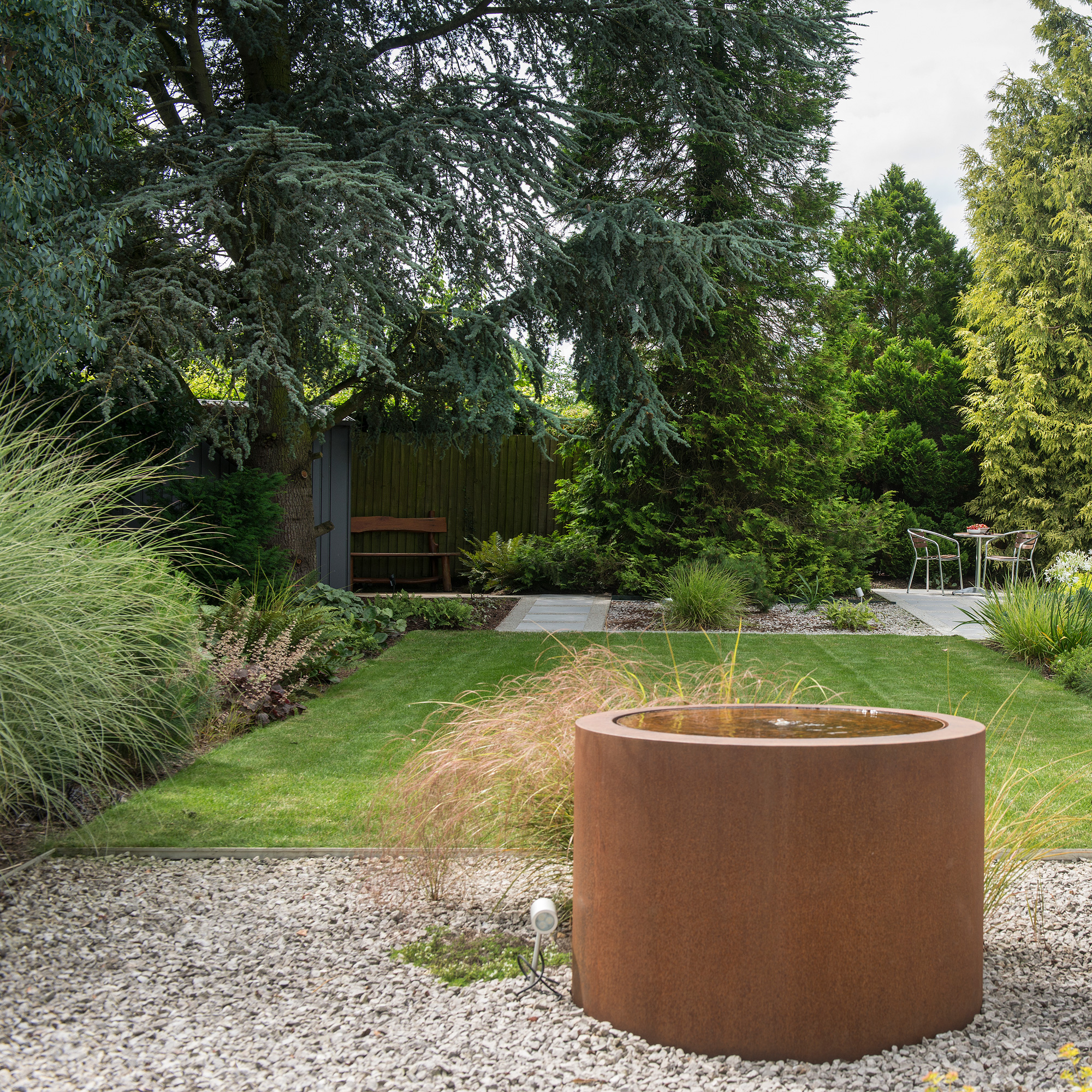
Zen garden ideas on a budget – 5 simple ways to introduce the minimalist concept to your outdoor space

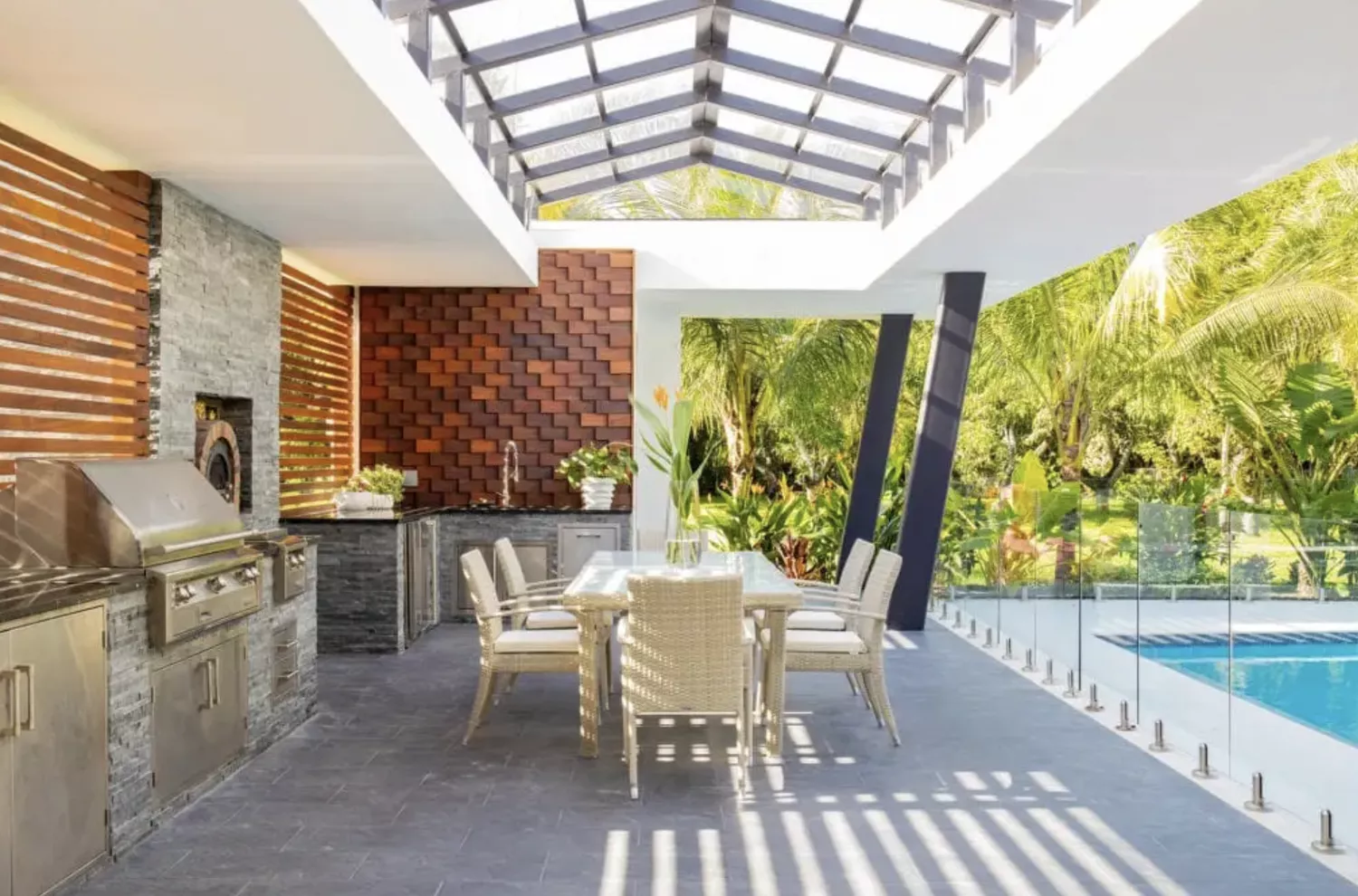
20 No-Grass Backyard Ideas That Are Still Lush

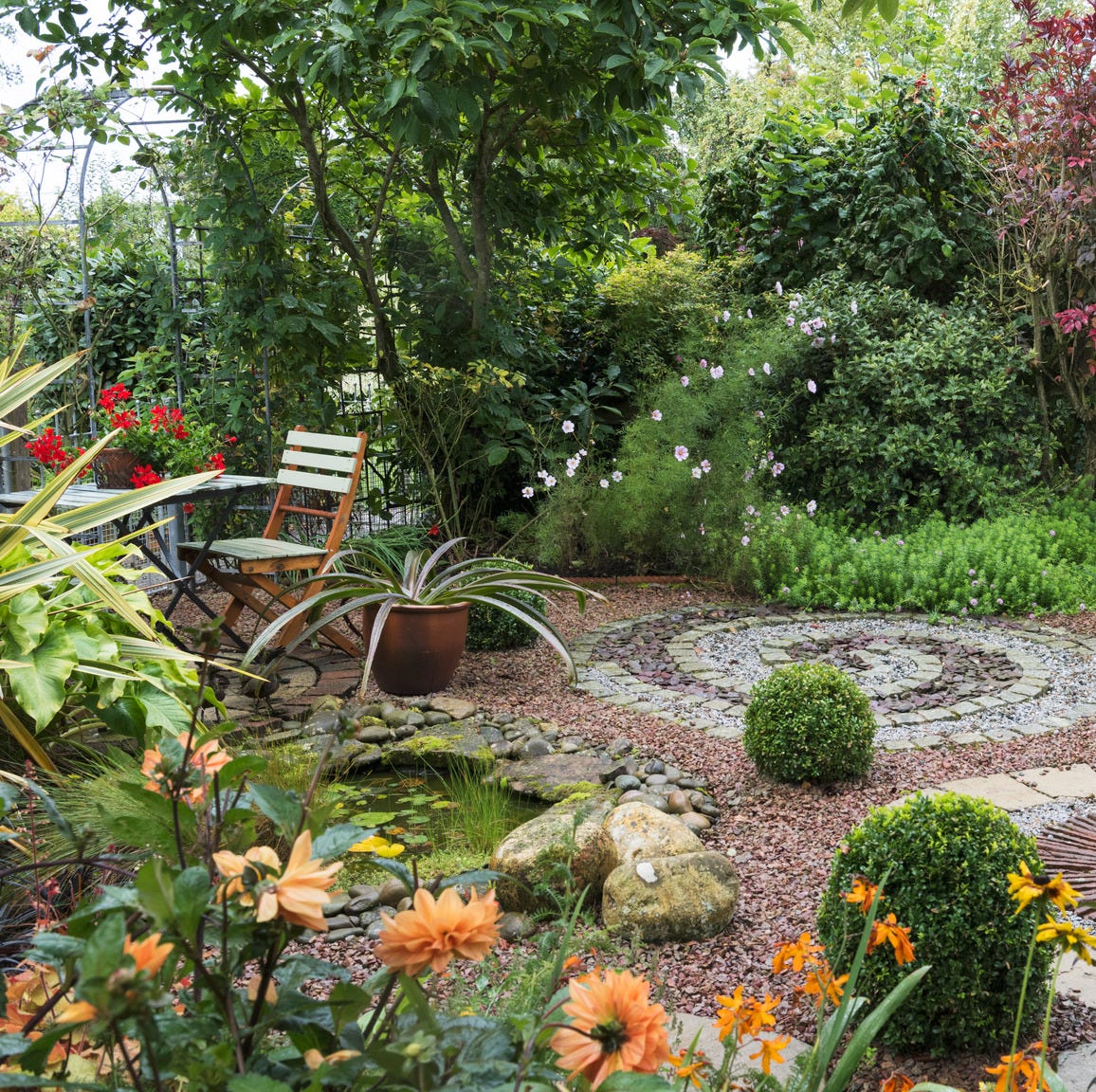
Rock Gardens Are the Ultimate Hack for a Low-Maintenance Lawn
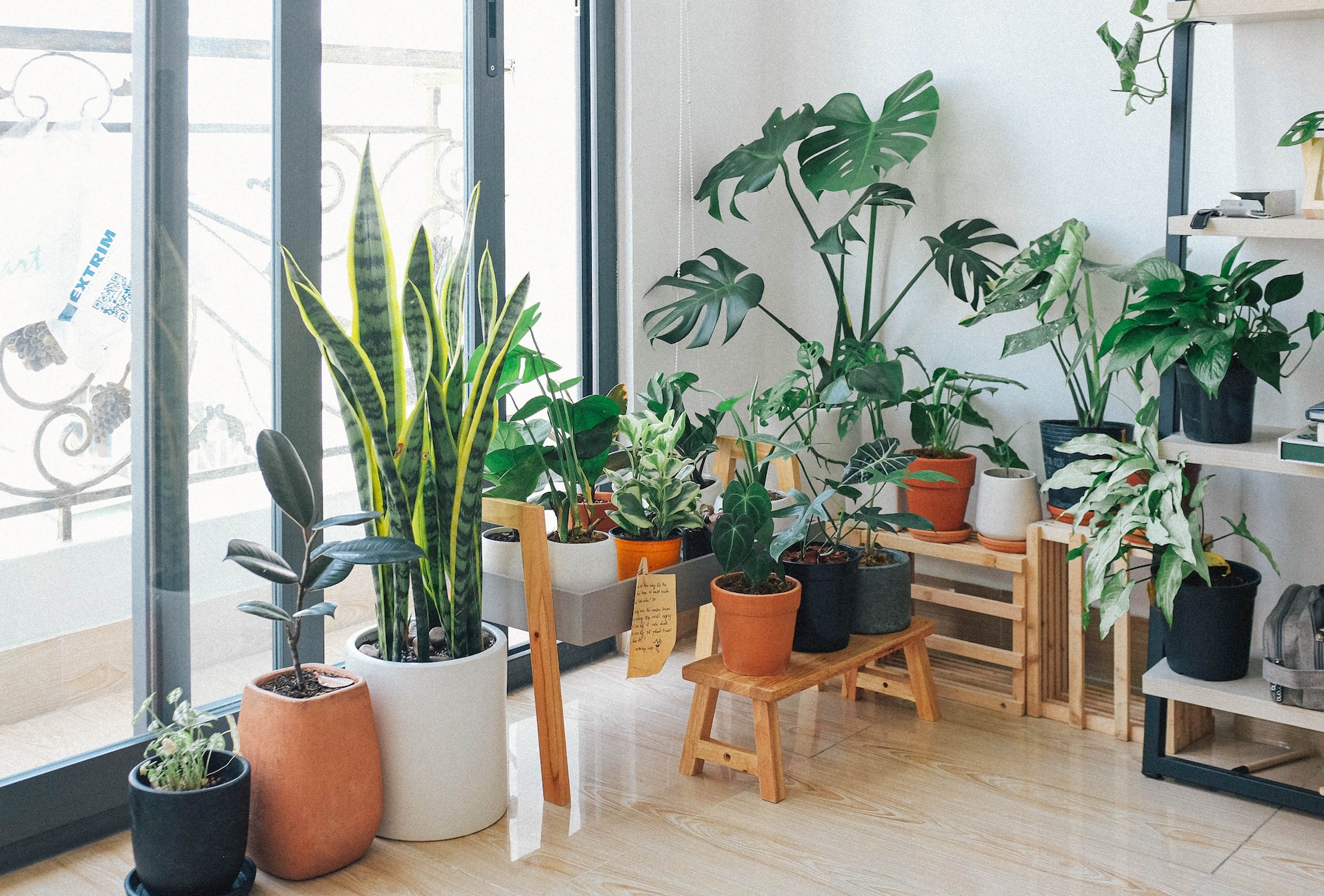
8 Incredible Indoor Garden Ideas

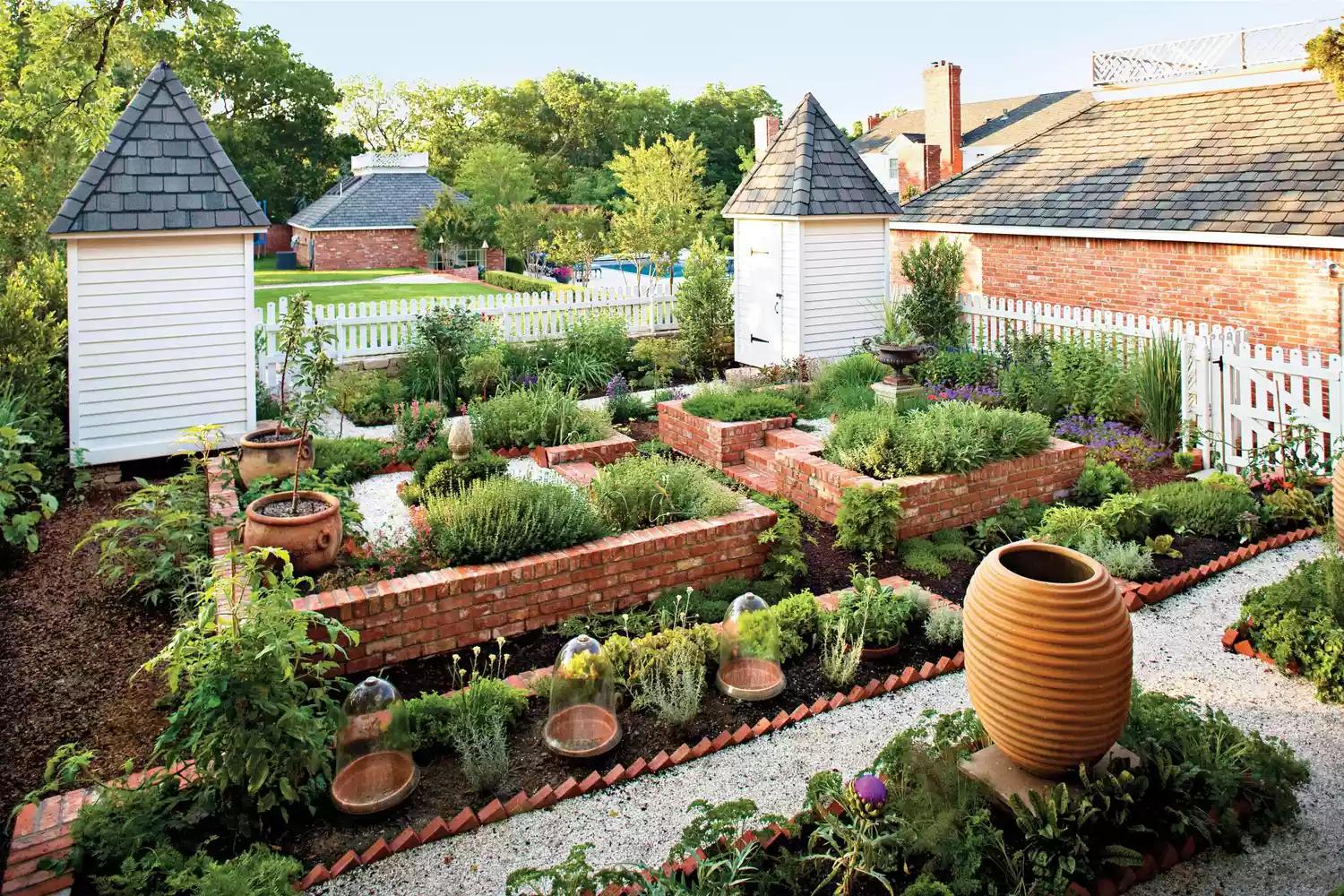
10 No-Grass Backyard Ideas For Easy Maintenance In Any Season
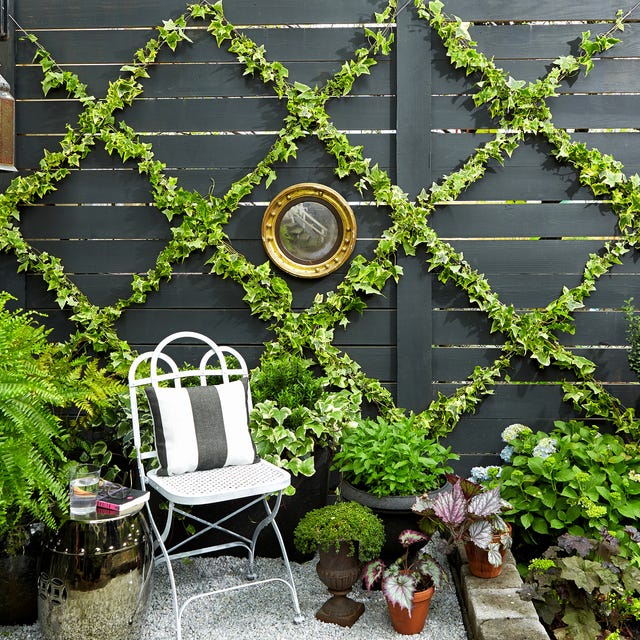
Budget-Friendly Ways to Transform Your Small Garden Into a Dreamy Oasis

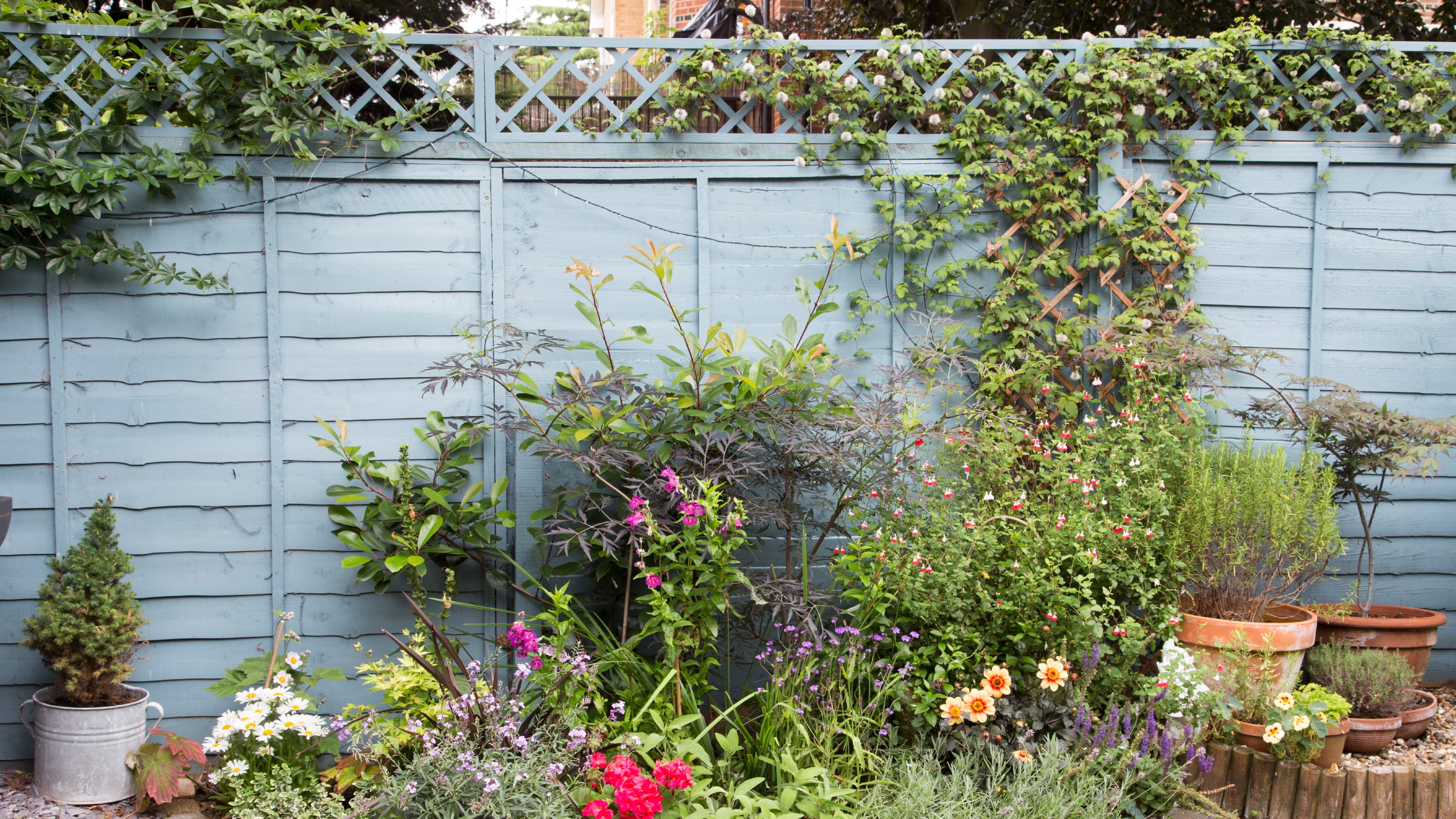
Easy garden ideas – 34 low-maintenance ways to enhance your outdoor space
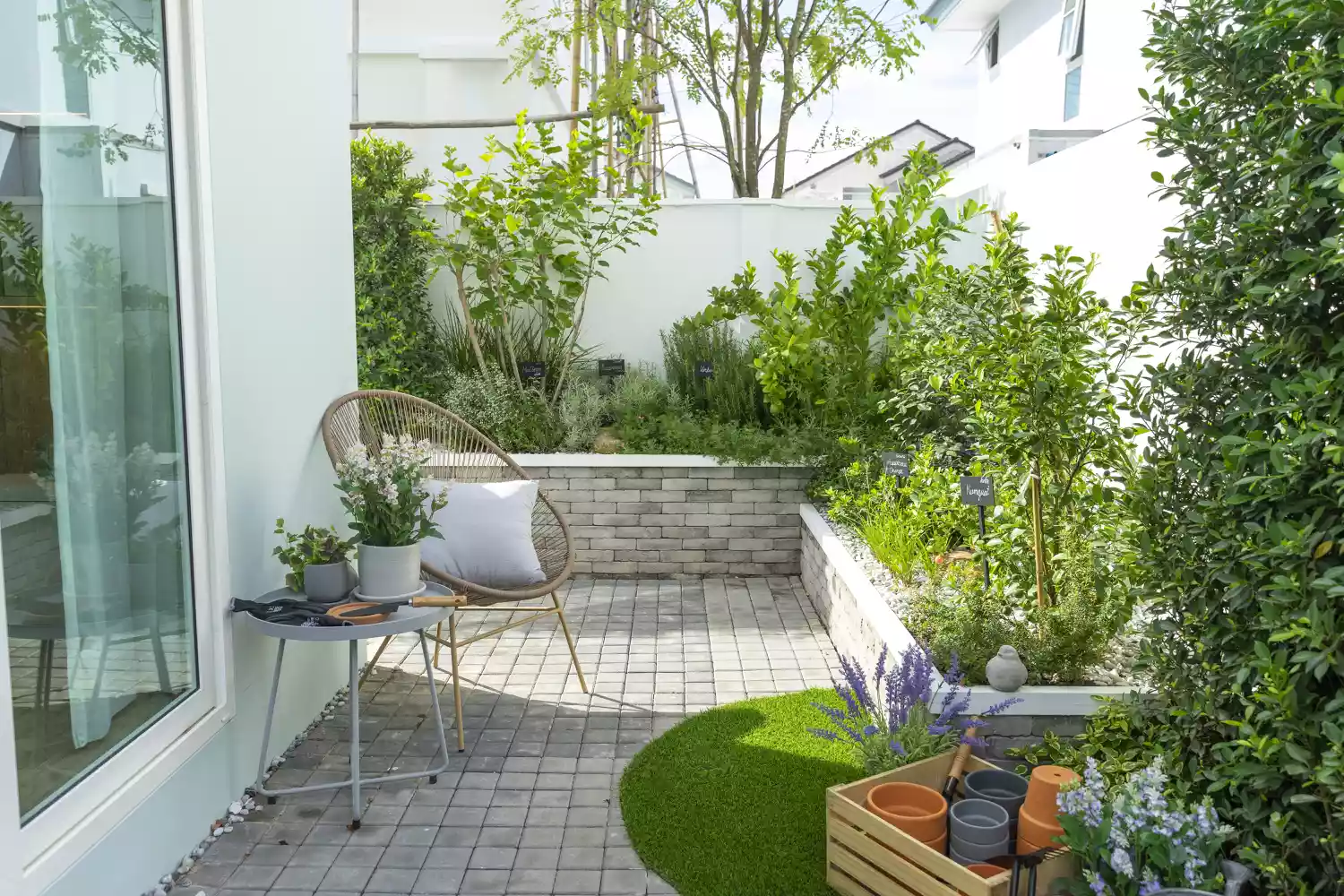
20 Affordable Backyard Lawn Ideas That Skip the Grass (and the Upkeep)
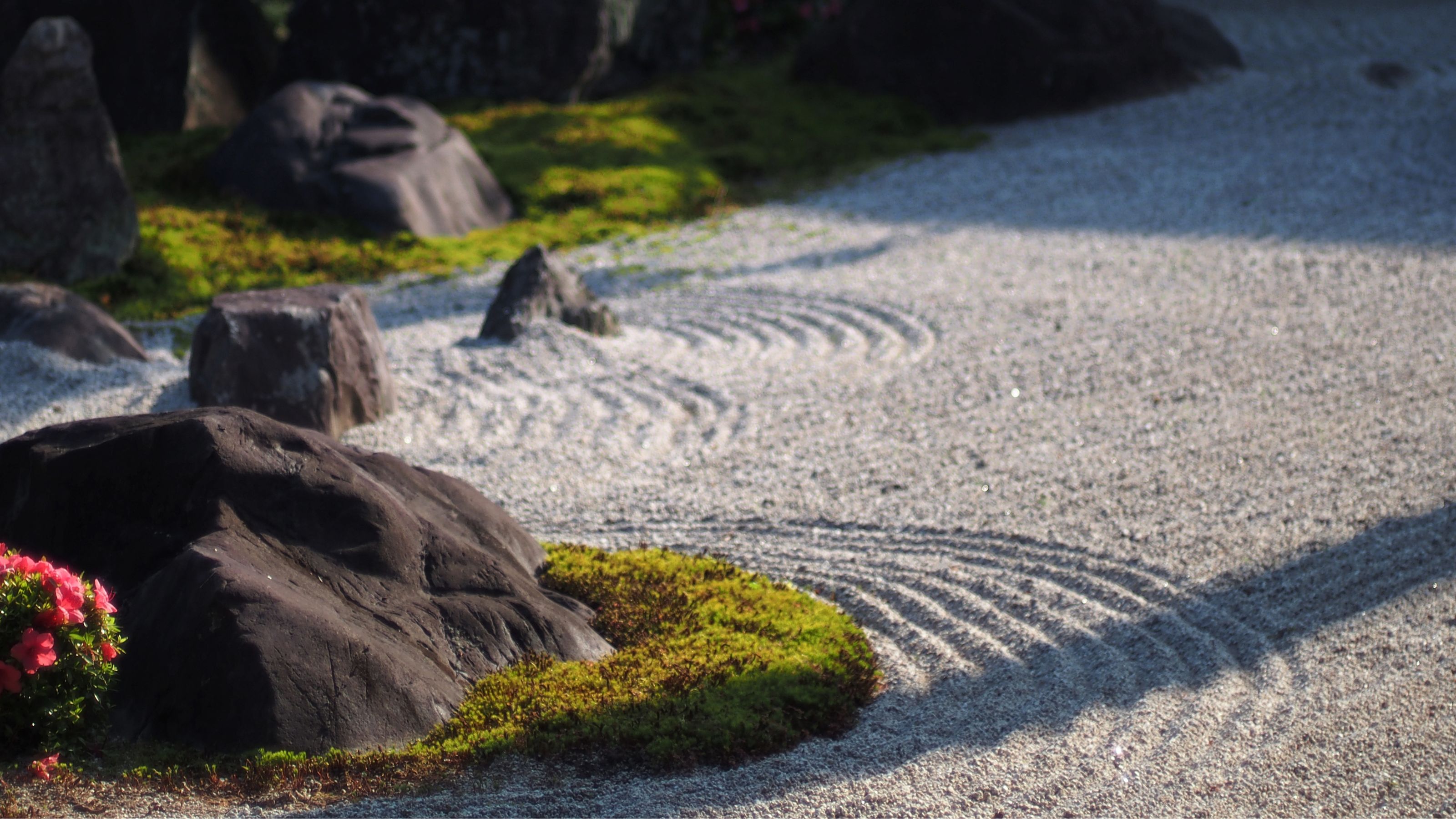
Zen garden ideas on a budget – 5 simple ways to introduce the minimalist concept to your outdoor space

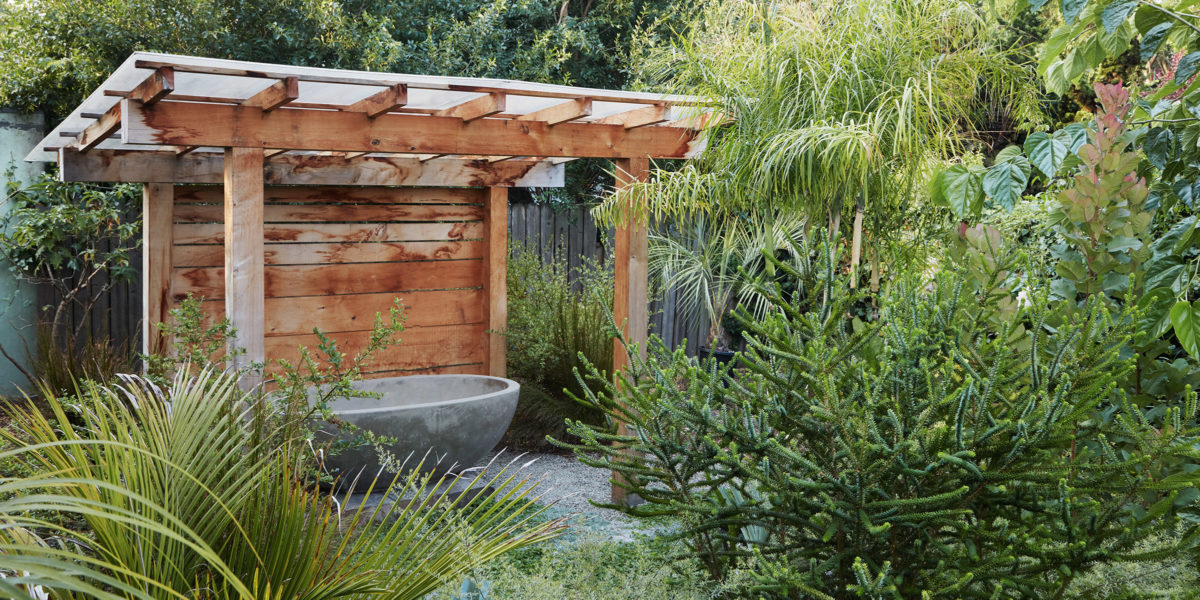
Wait, How Is This Green-on-Green Garden Low Water?

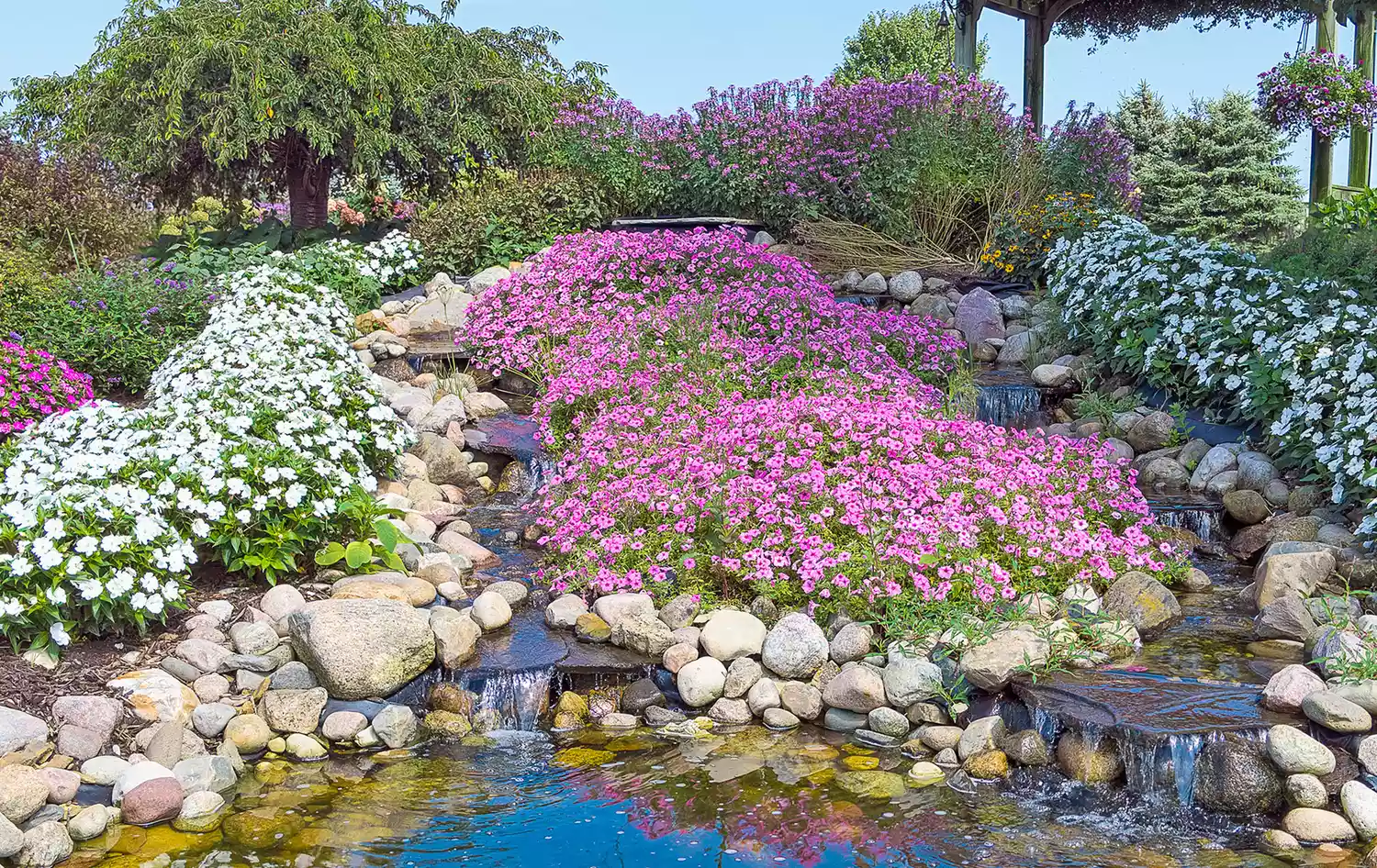
16 Rock Garden Ideas for a Beautiful, Low-Maintenance Landscape

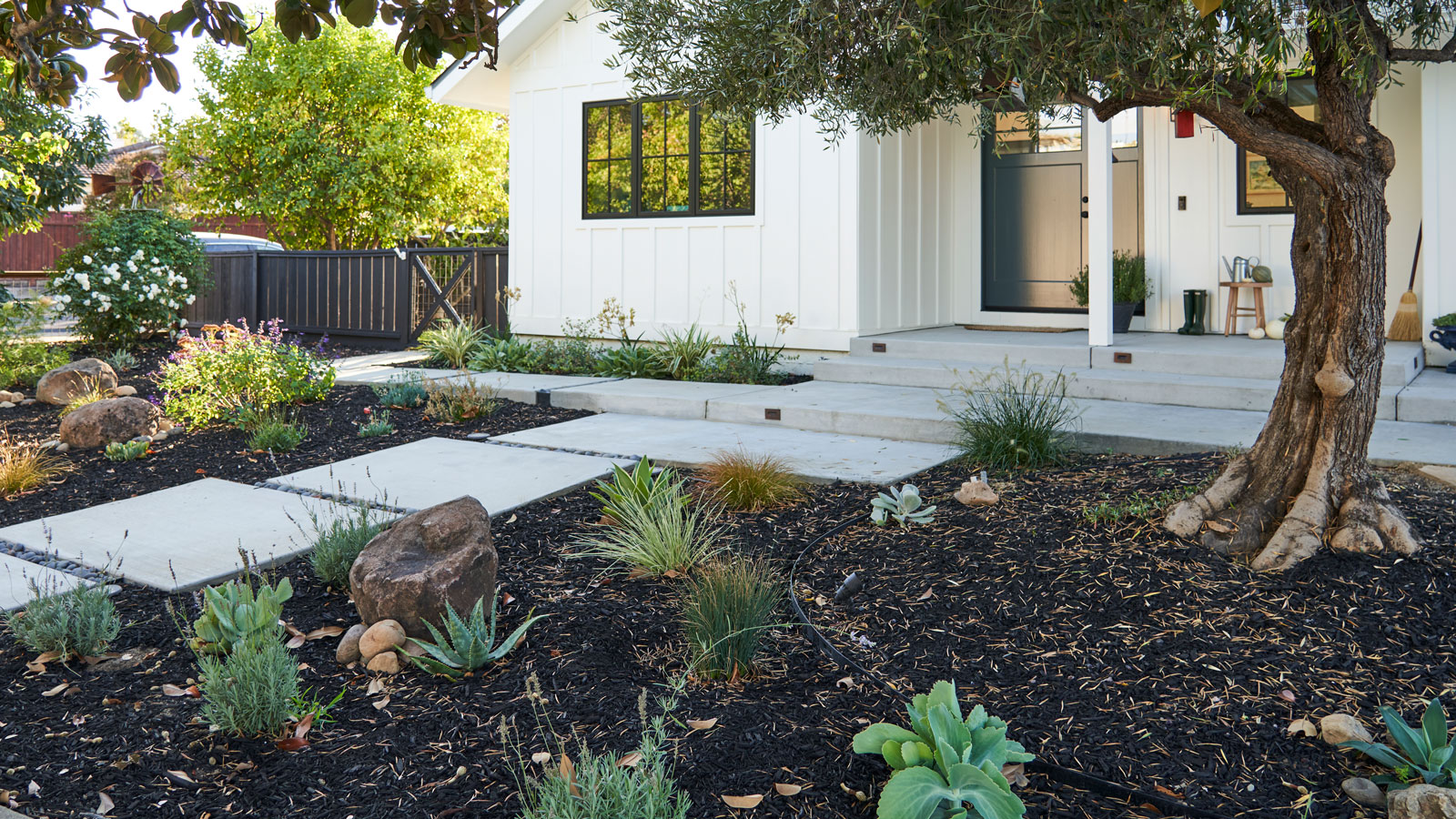
Front yard landscaping with rocks and mulch: 8 expert ideas

Budget garden ideas – 32 ways to create your dream space without breaking the bank
Rented garden ideas – 35 genius ways to revamp on a budget without upsetting your landlord
10 gravel landscaping ideas that have me convinced this is the lawn alternative to elevate modern backyards

Upgrade Your Backyard with These Creative Rock Garden Ideas

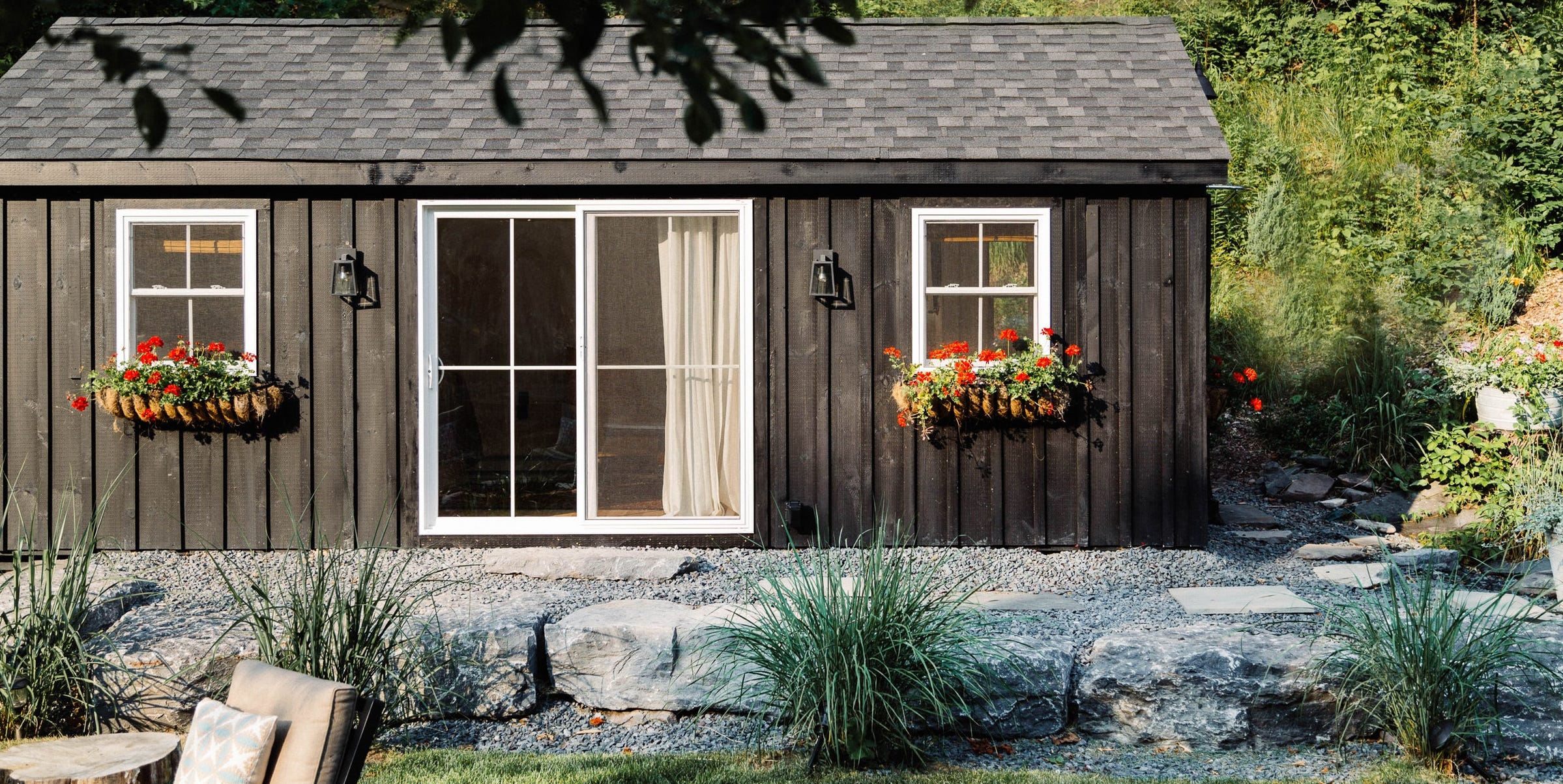
You Have to See These Rock Garden Ideas for Every Type of Landscape
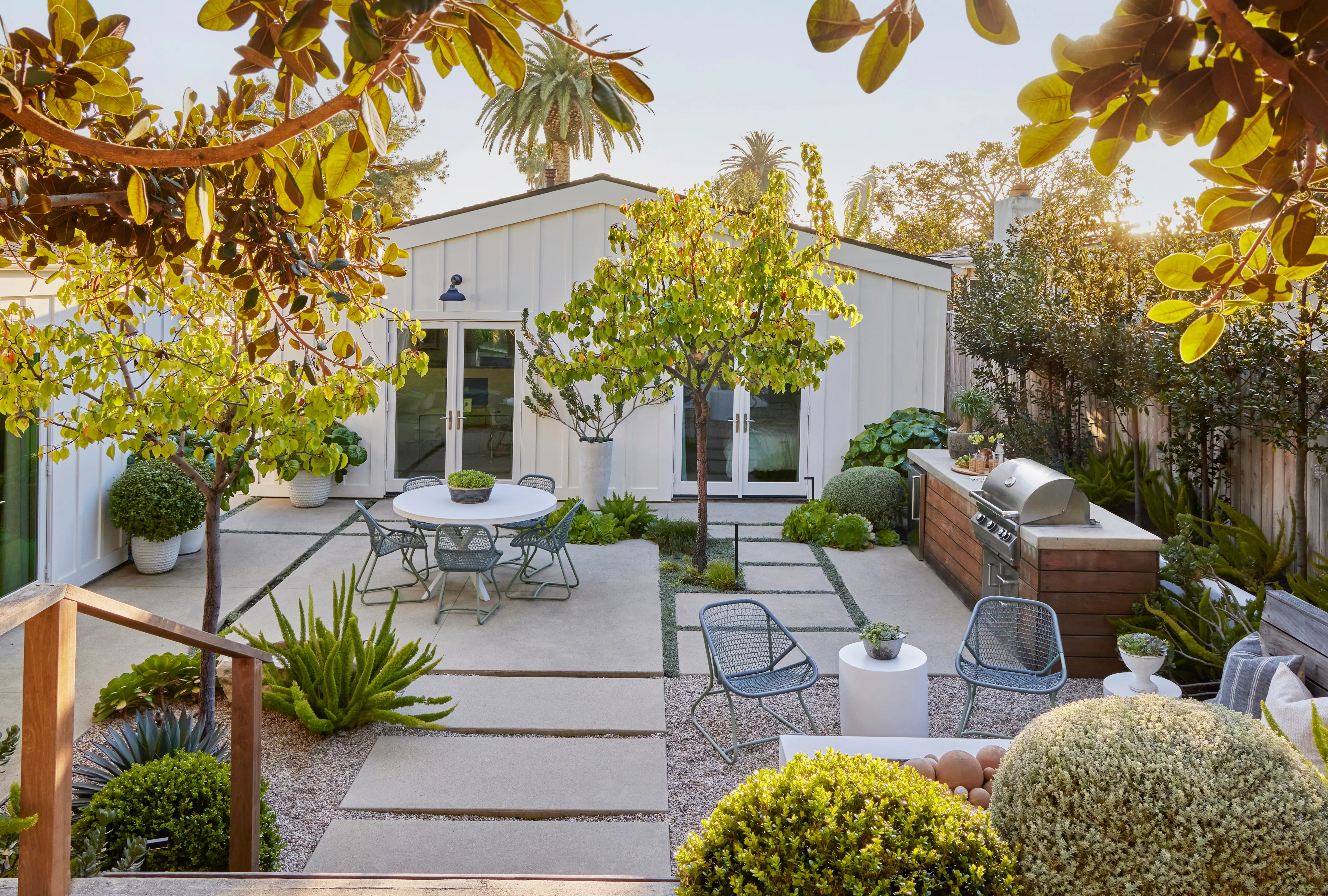
7 Backyard Ideas to Steal from This Stylish, Low-Maintenance Beach House