1/7
What is patina? Everything you need to know about this vintage, aged look, according to designers and antiques experts
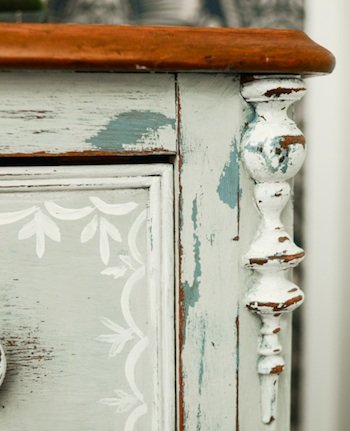
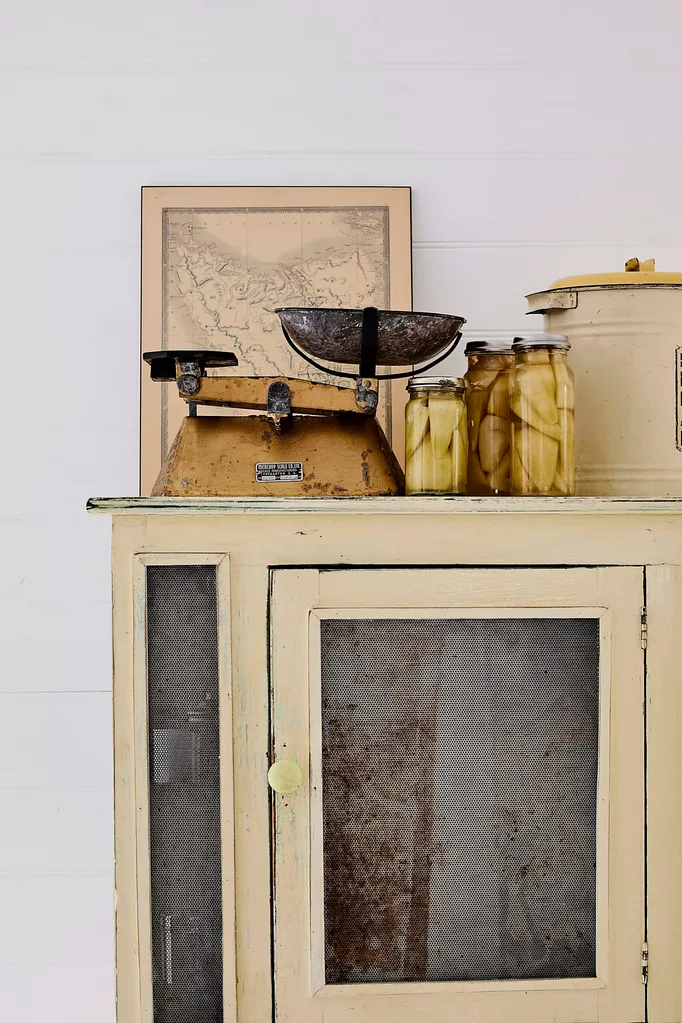
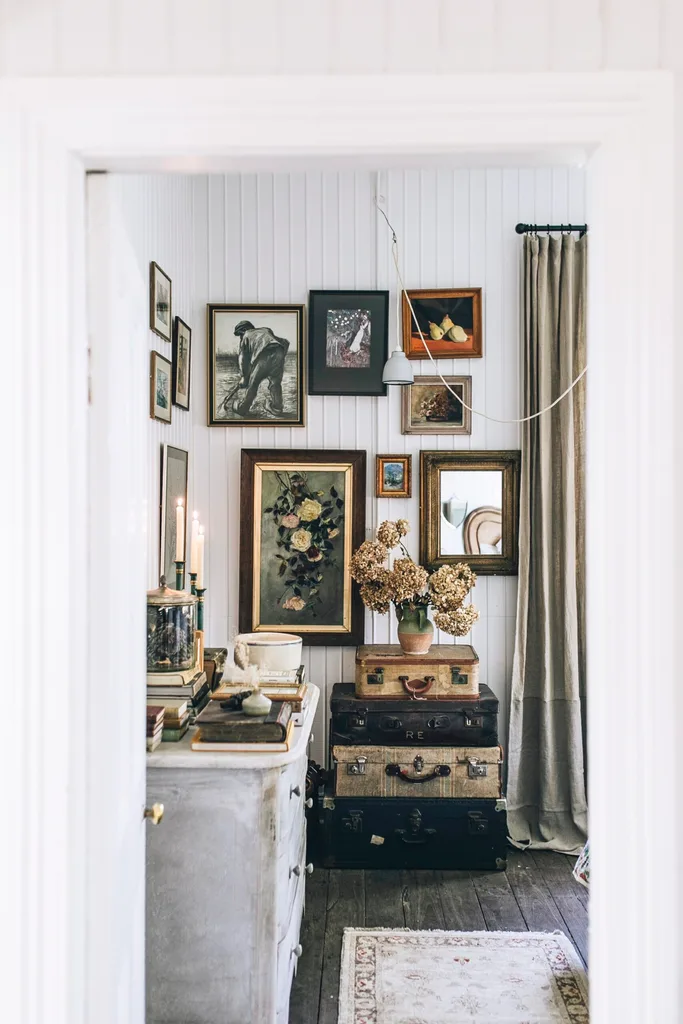
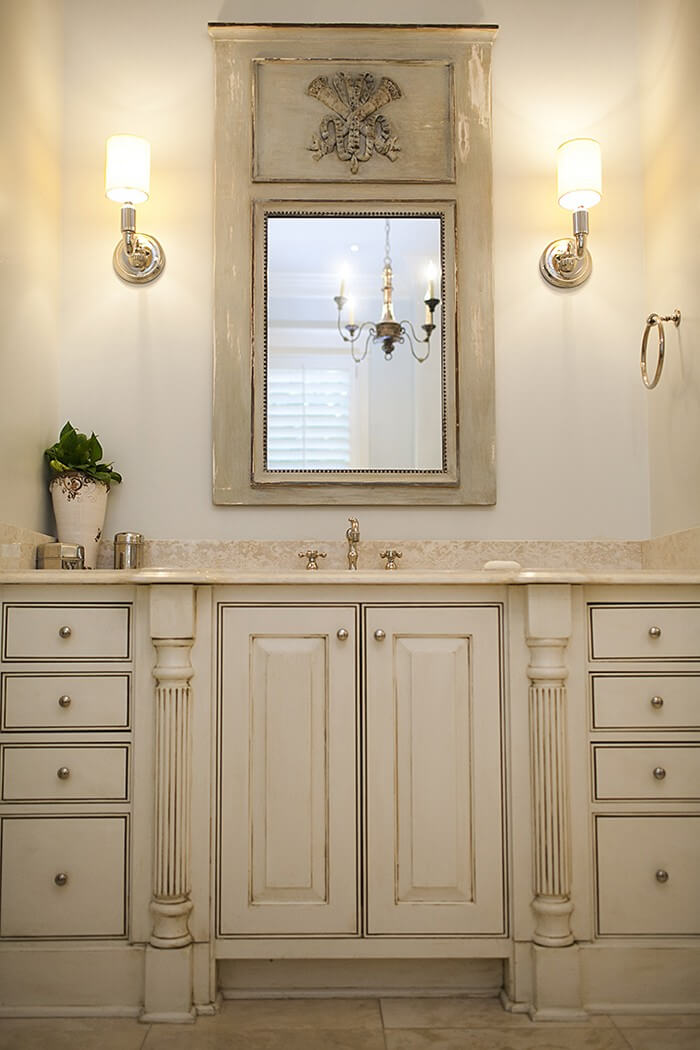
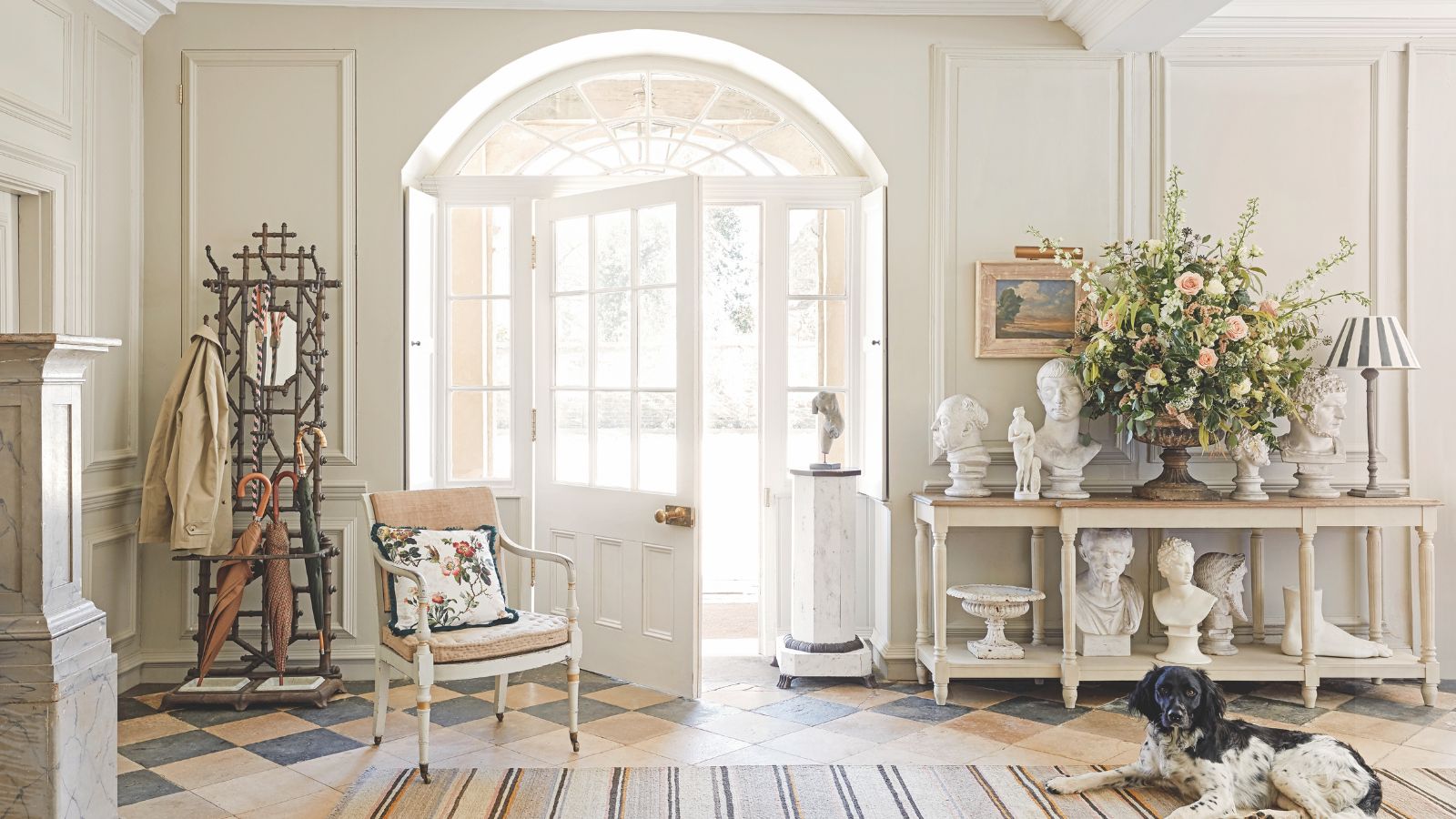
The concept of patina has emerged as a significant element in interior design, particularly for those aiming to create characterful and lived-in spaces with a sense of history. Patina refers to the natural surface layer that develops over time on items made from materials such as wood and metal, commonly found on antique and vintage pieces. It is distinctly different from dirt or grime; rather, it is a layer of age and wear that enhances the item's aesthetic appeal and narrative.
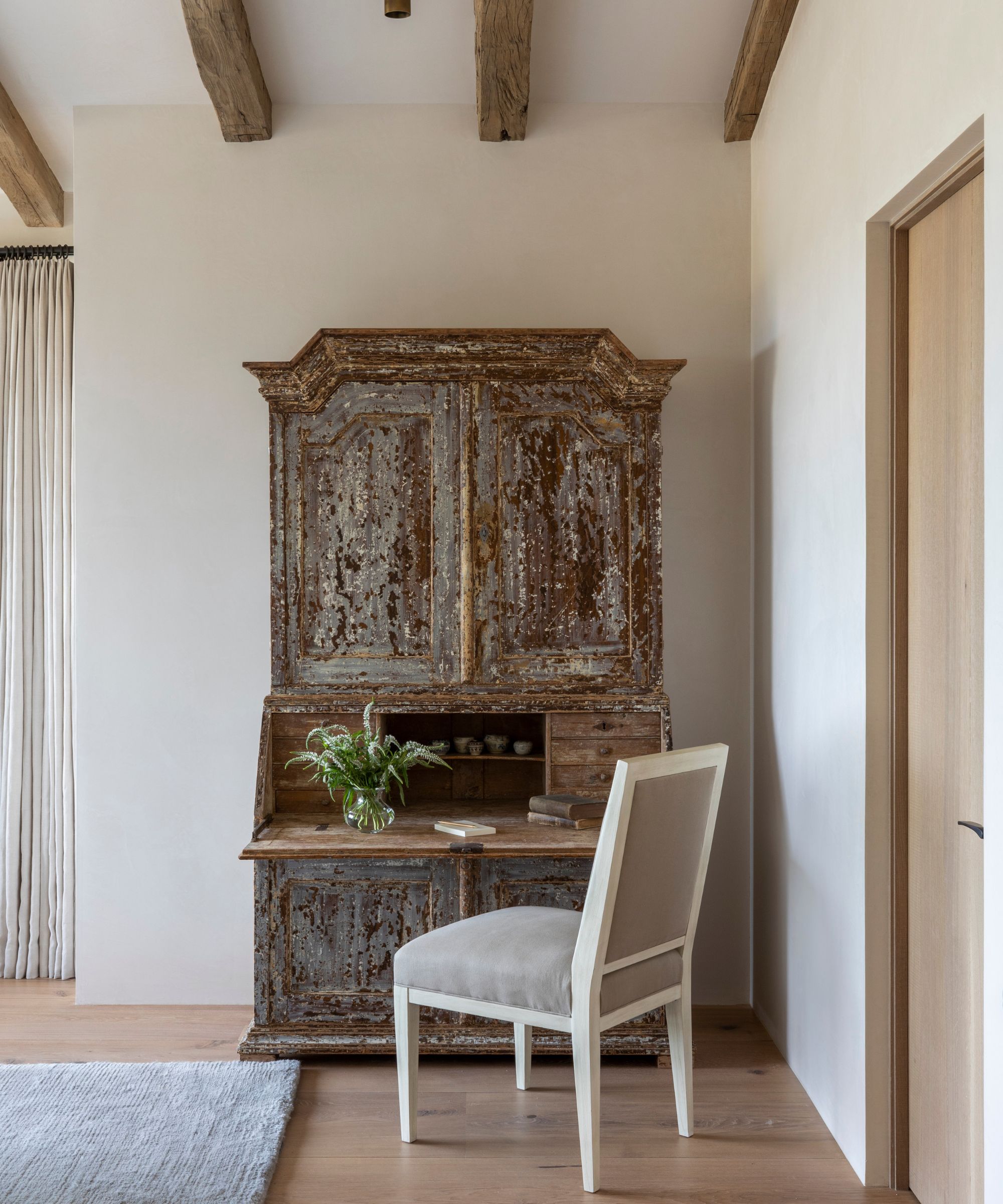
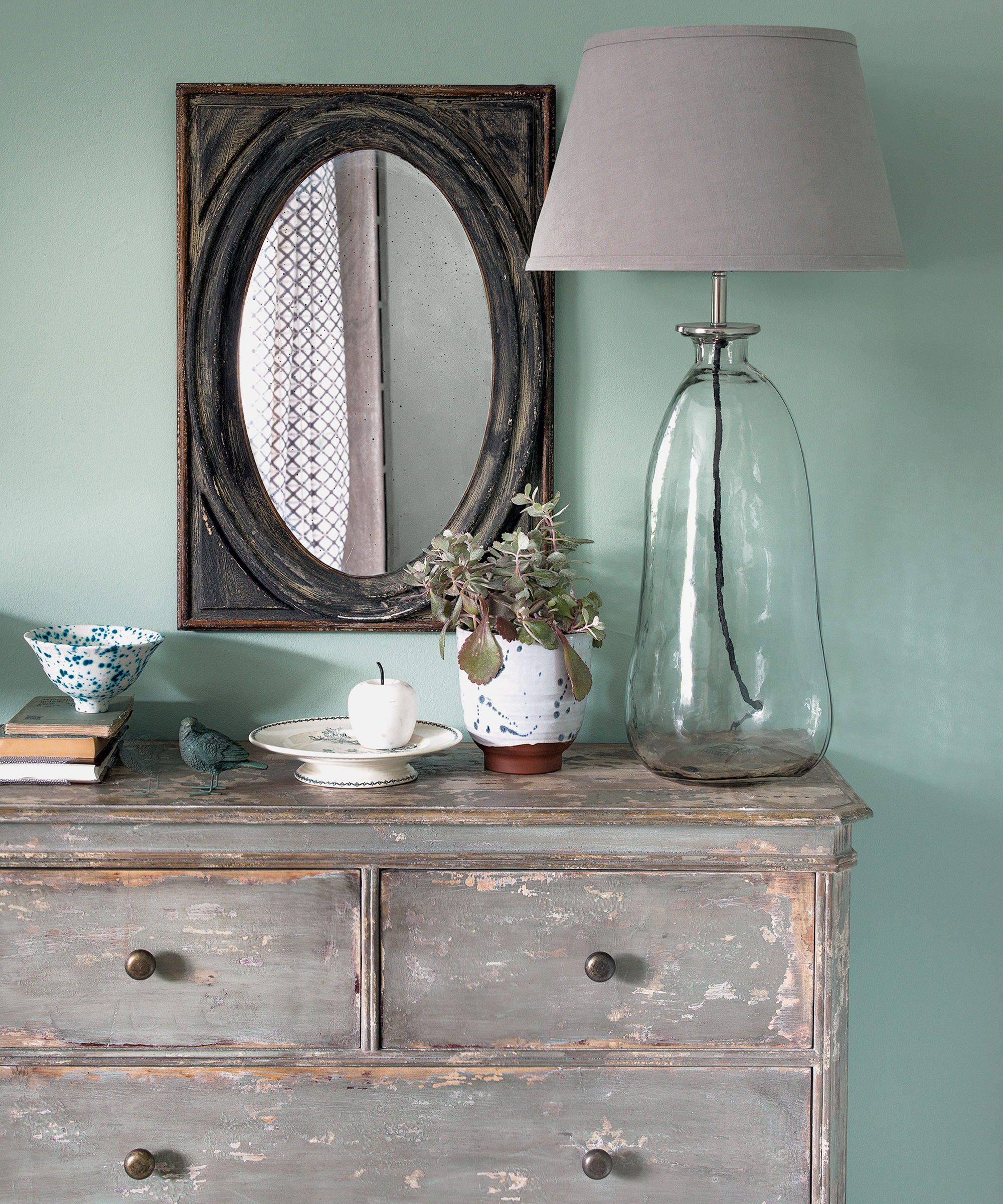
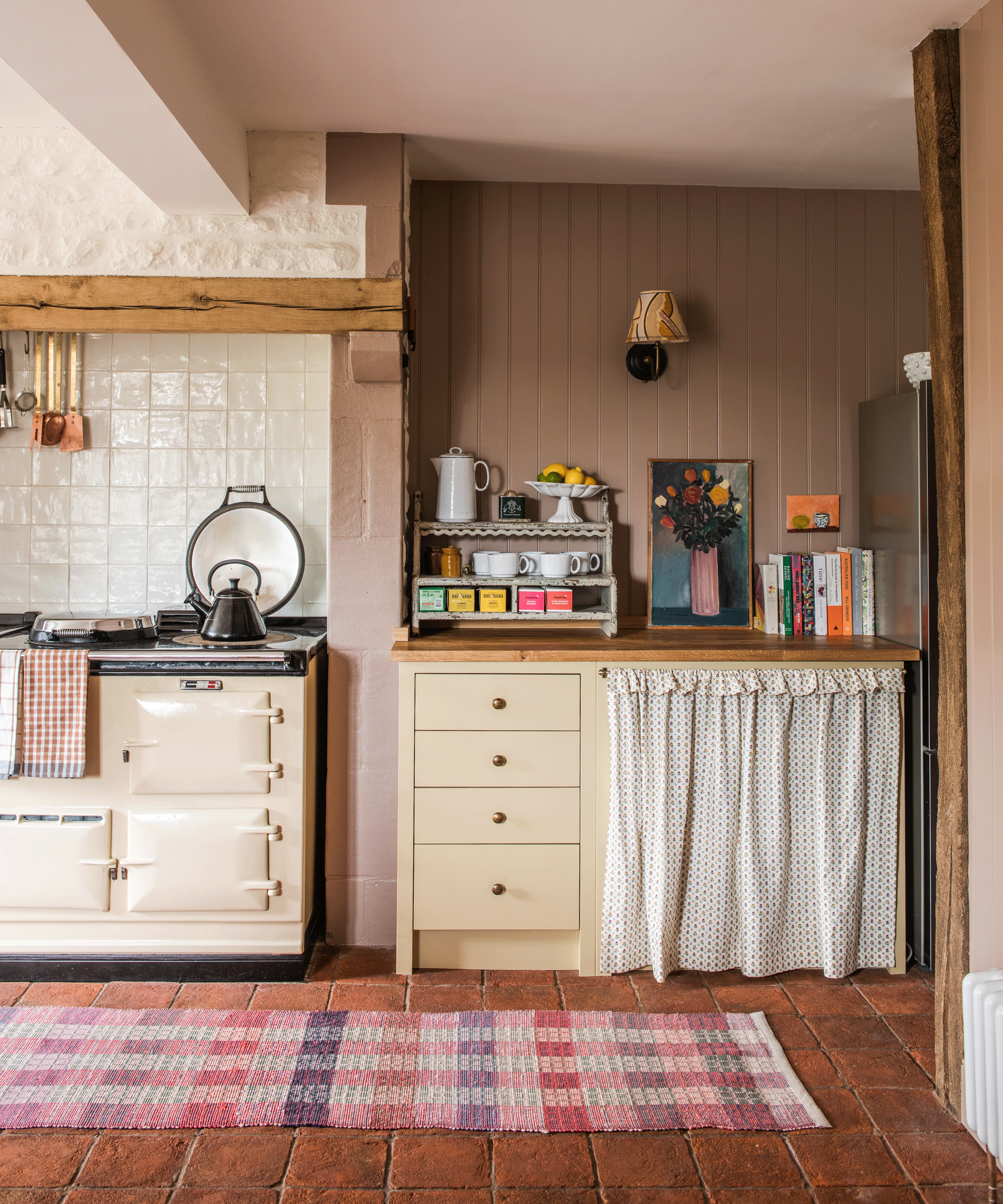
Patina forms through various environmental interactions, including oxidation, exposure to moisture, sunlight, and even airborne minerals and dust. Additionally, the oils from human hands and maintenance products like waxes and cleaners contribute to its development. As these materials absorb different elements, they acquire a surface with enhanced warmth and character, which is considered a key allure of many antique and vintage items. Patina can also encompass normal wear and tear, such as minor dings, scratches, and small stains, which are valued for the visual interest and history they impart, rather than being seen as imperfections.
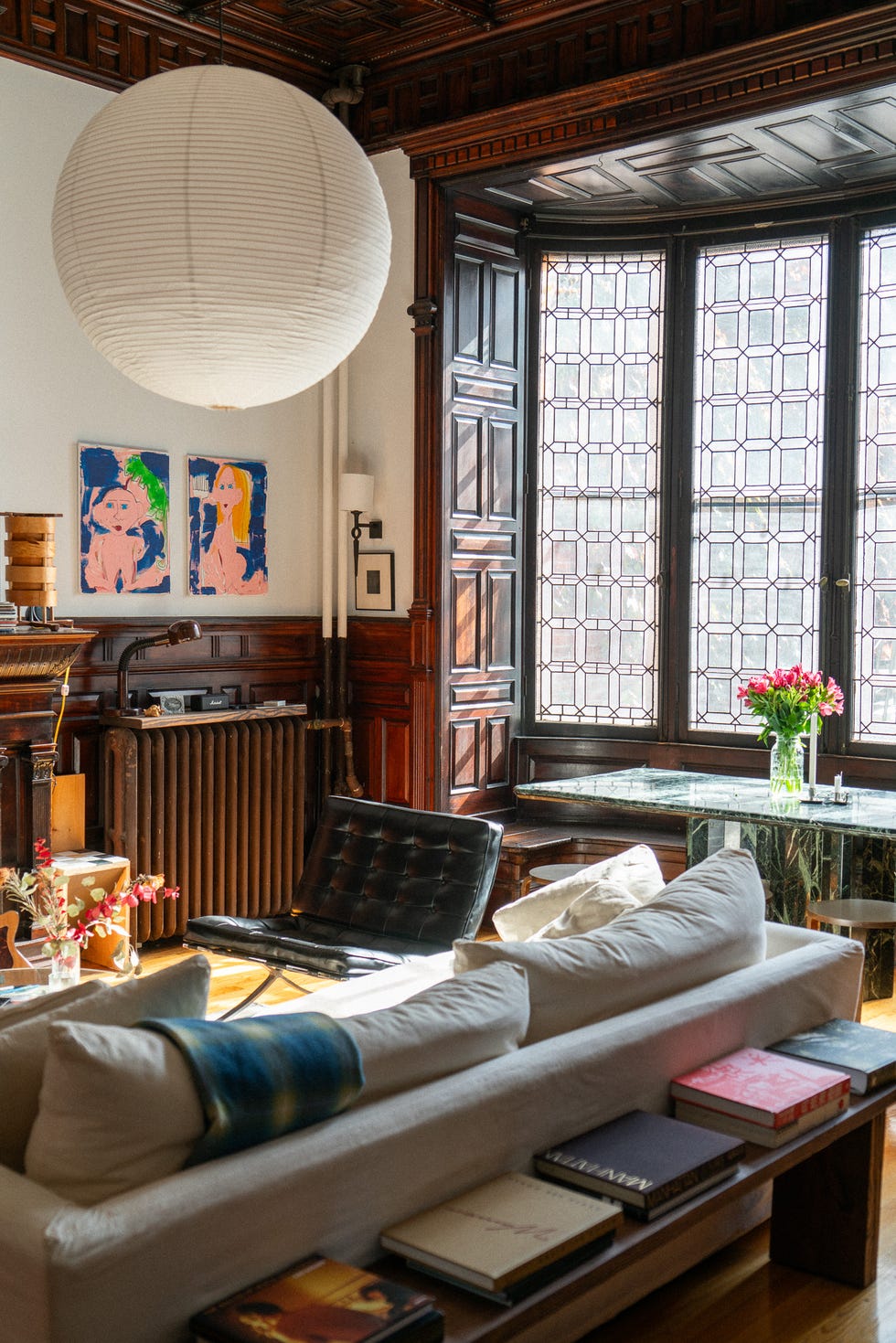
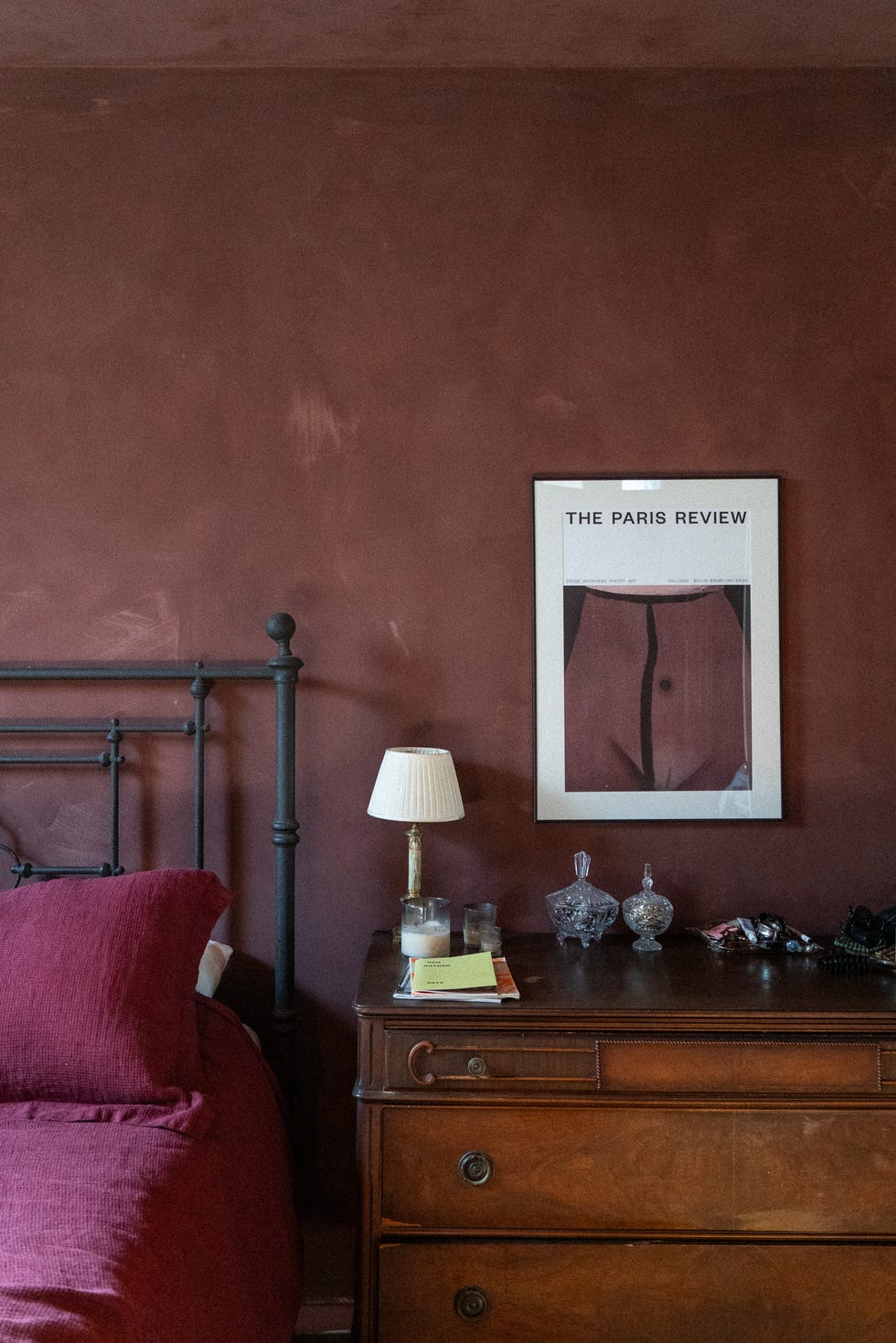
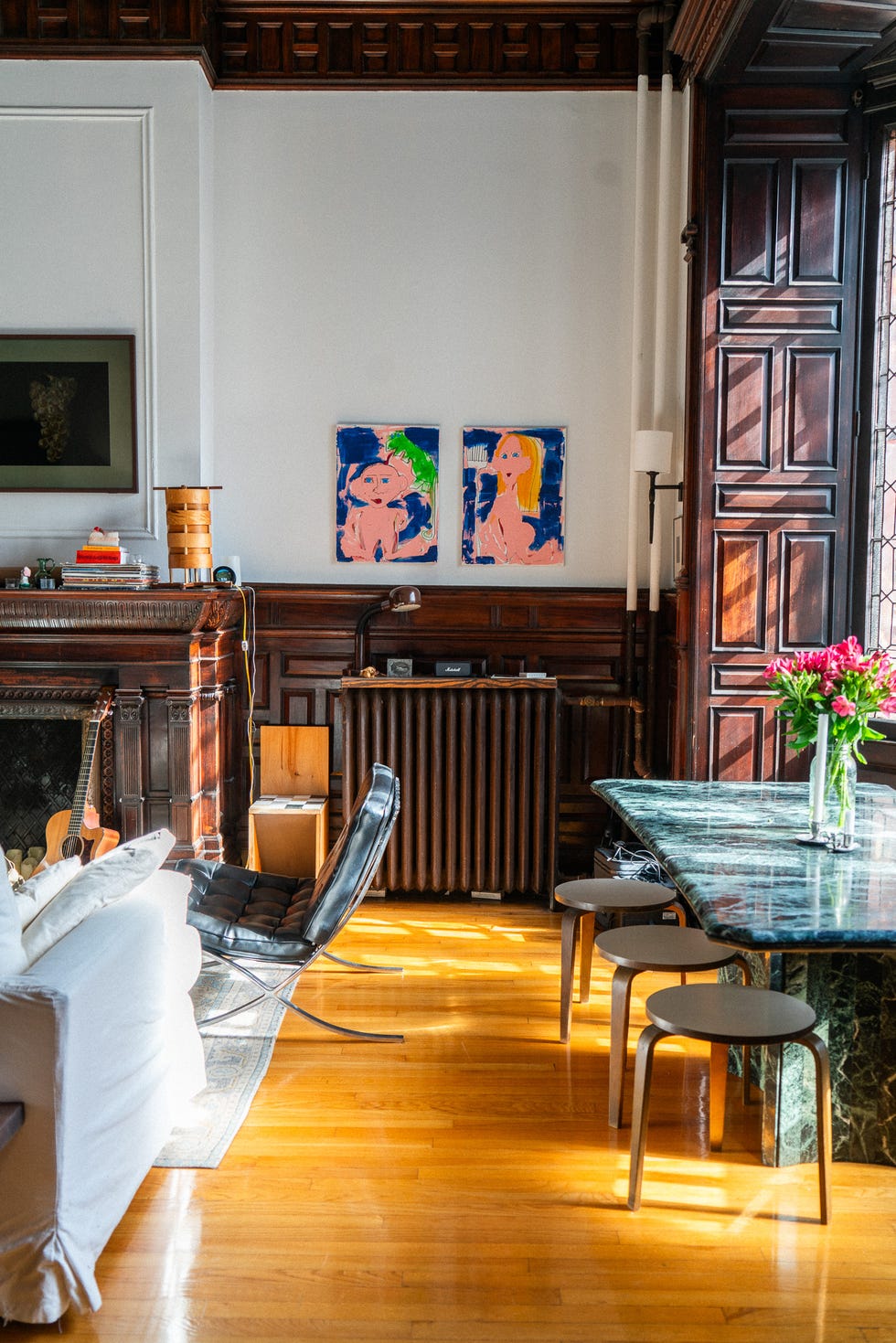
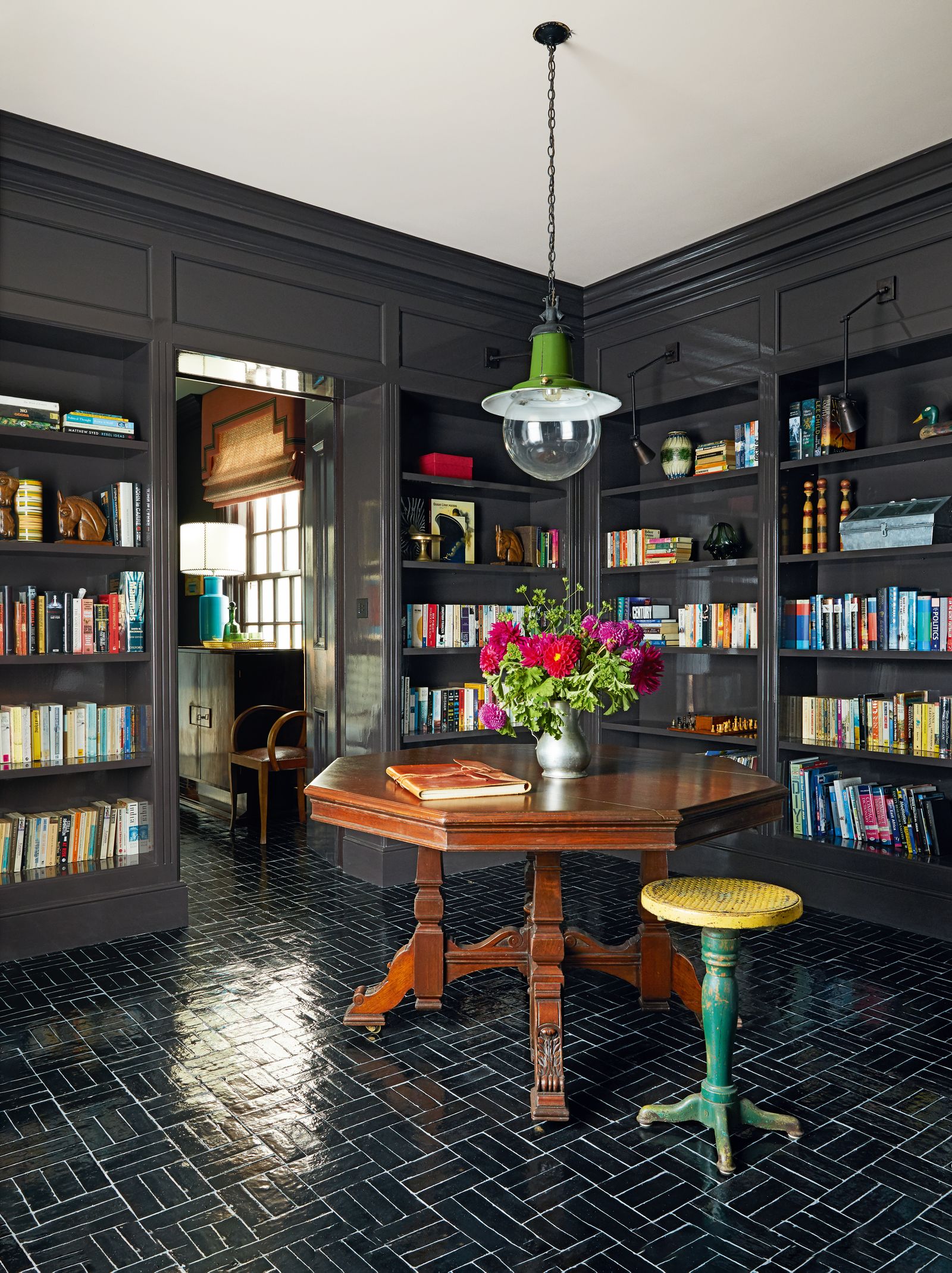
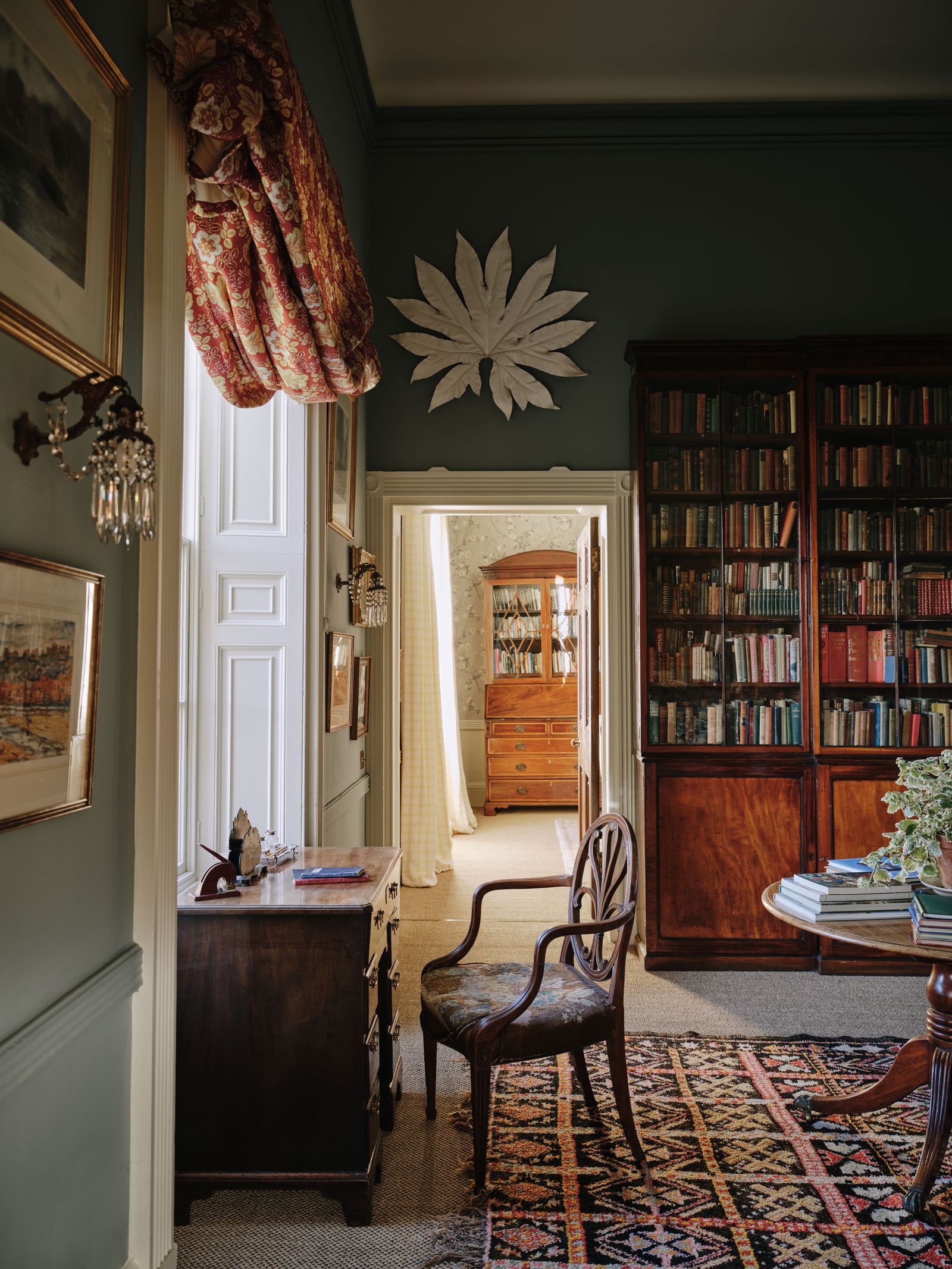
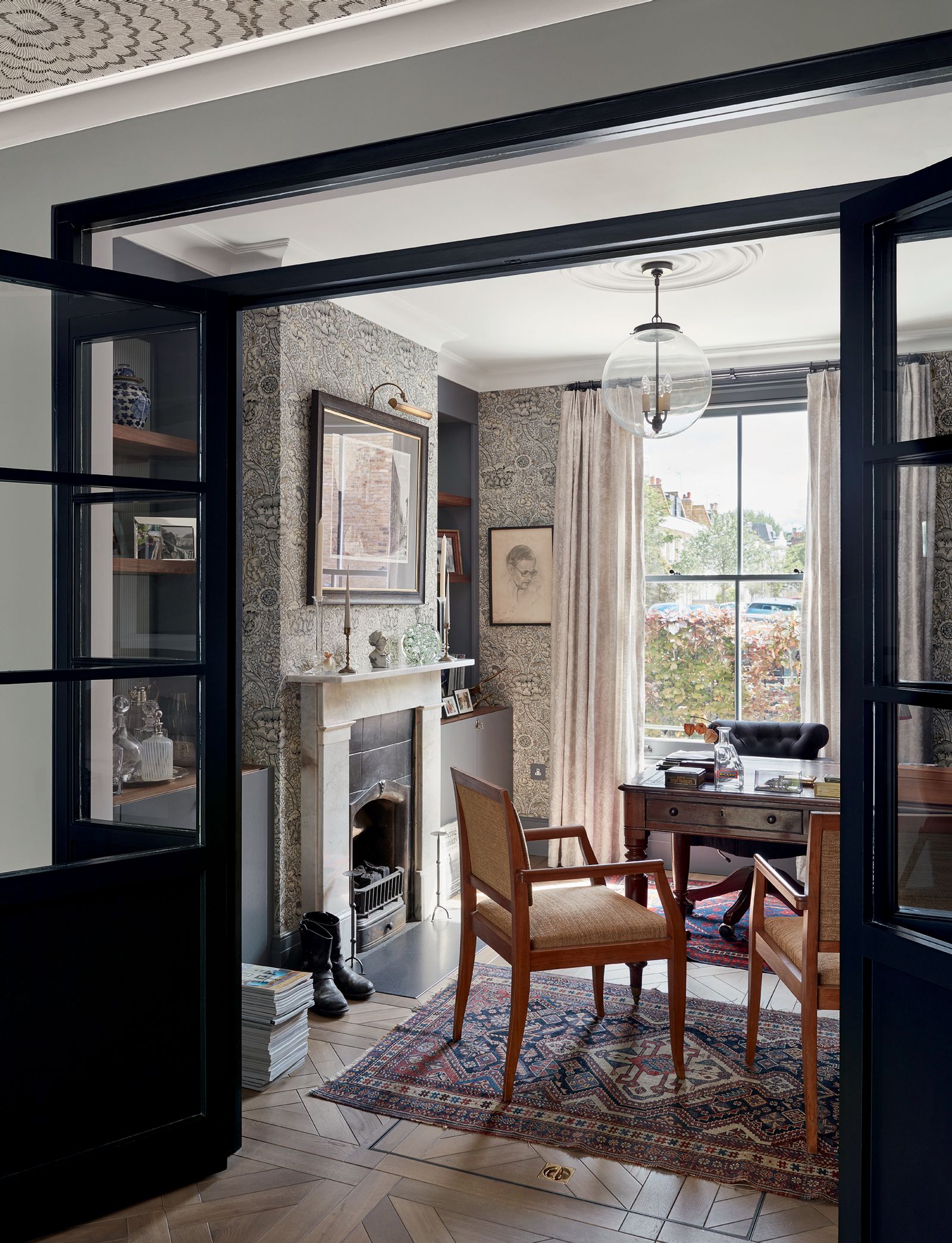
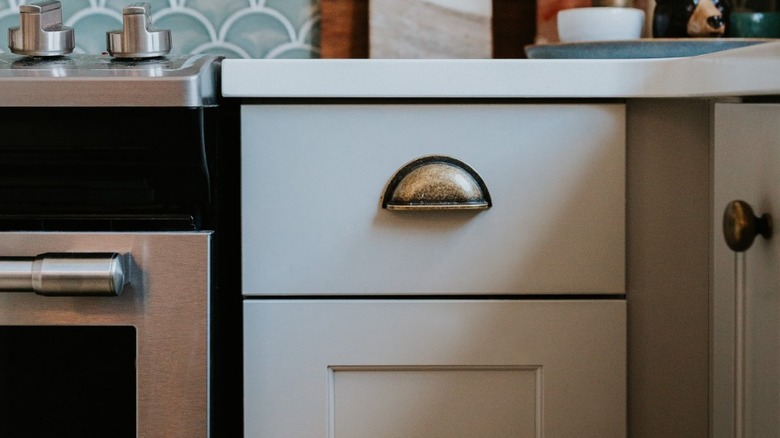
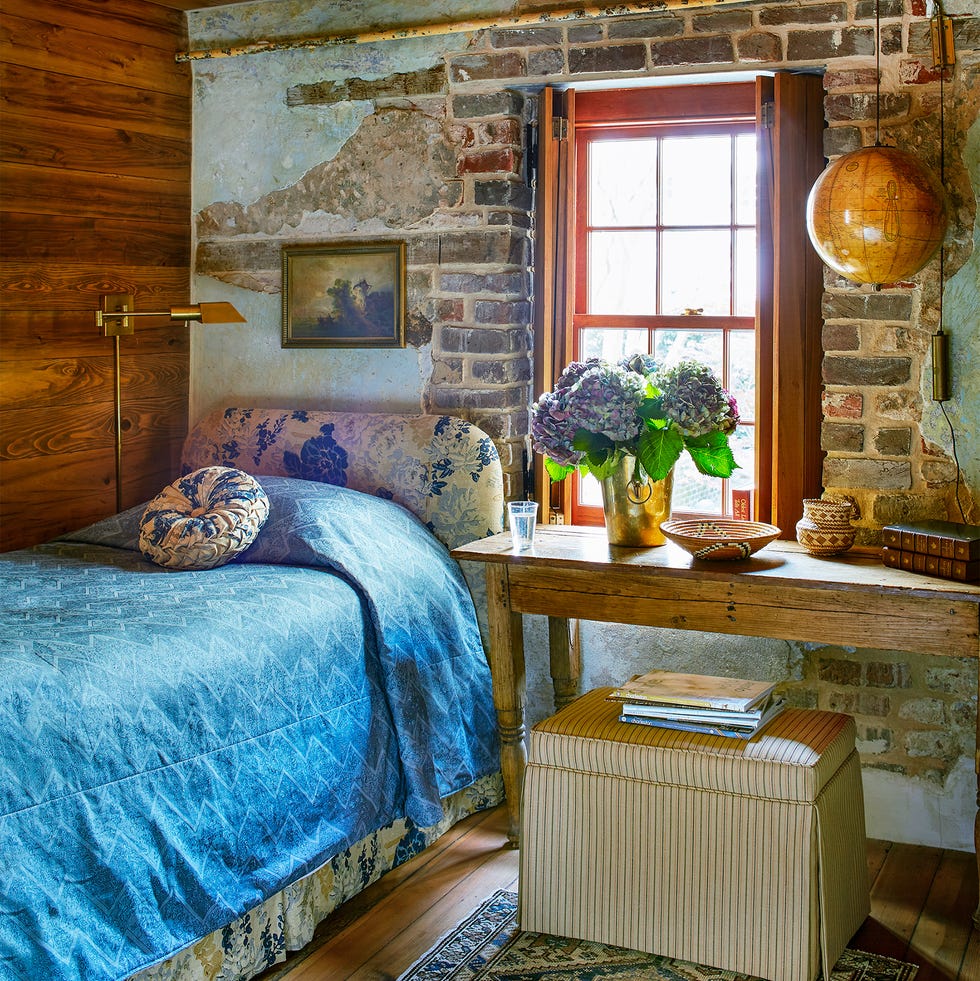
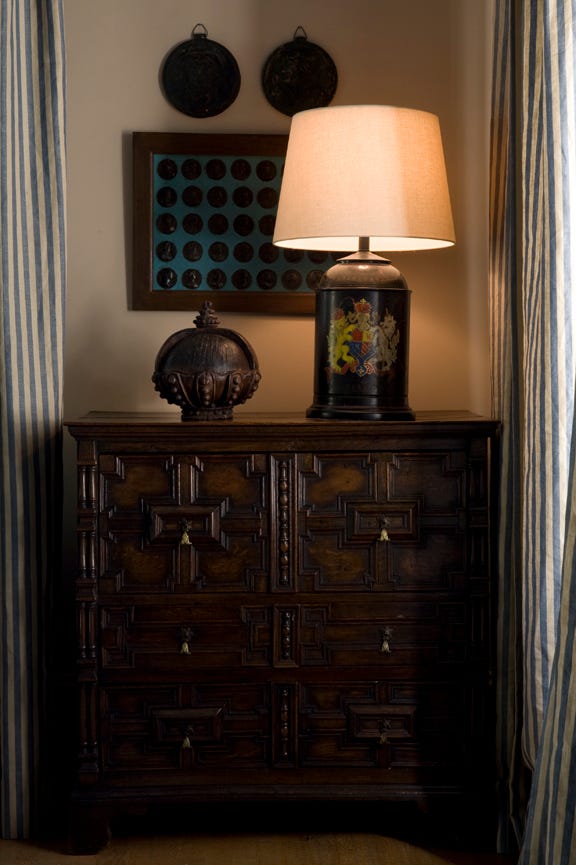
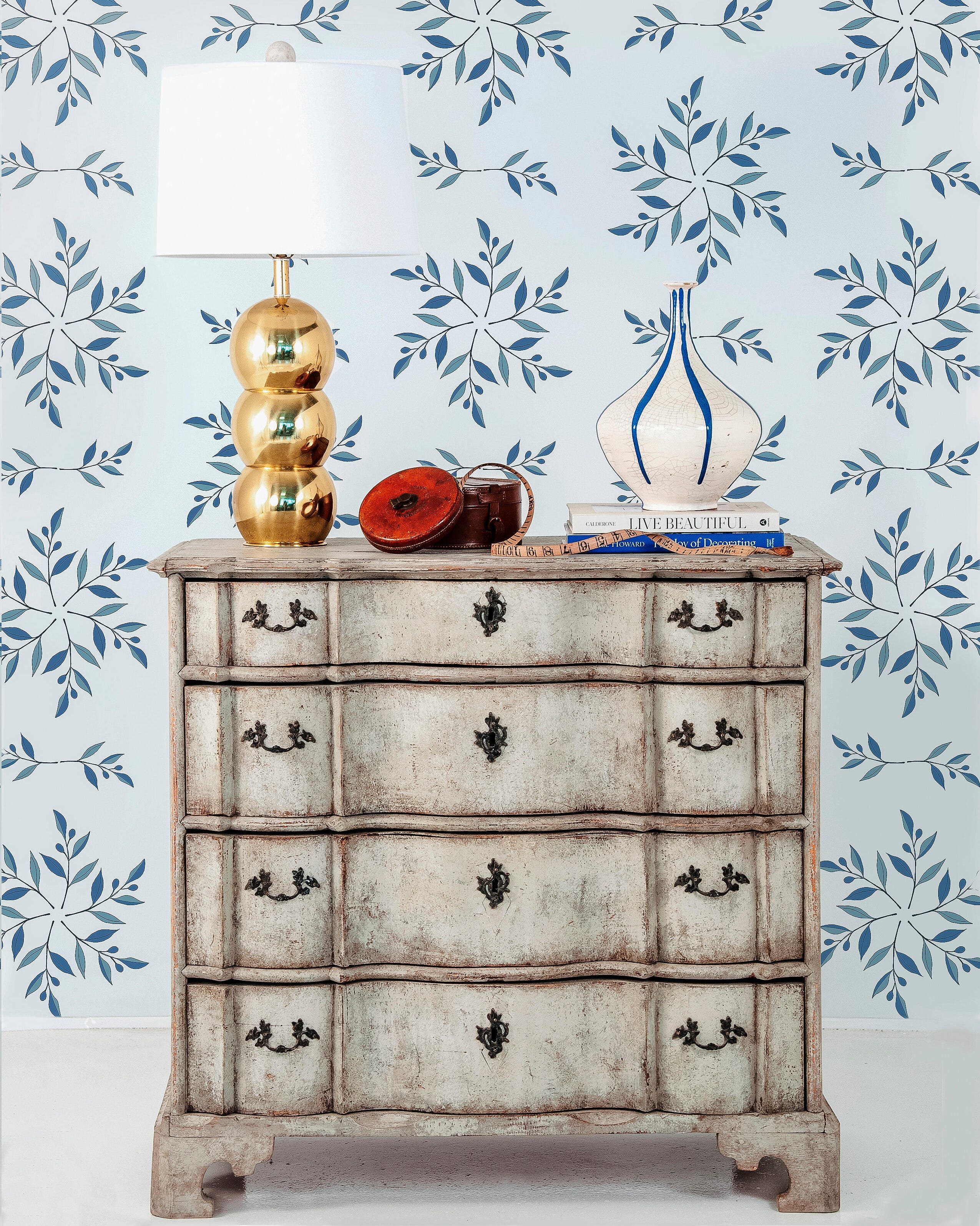
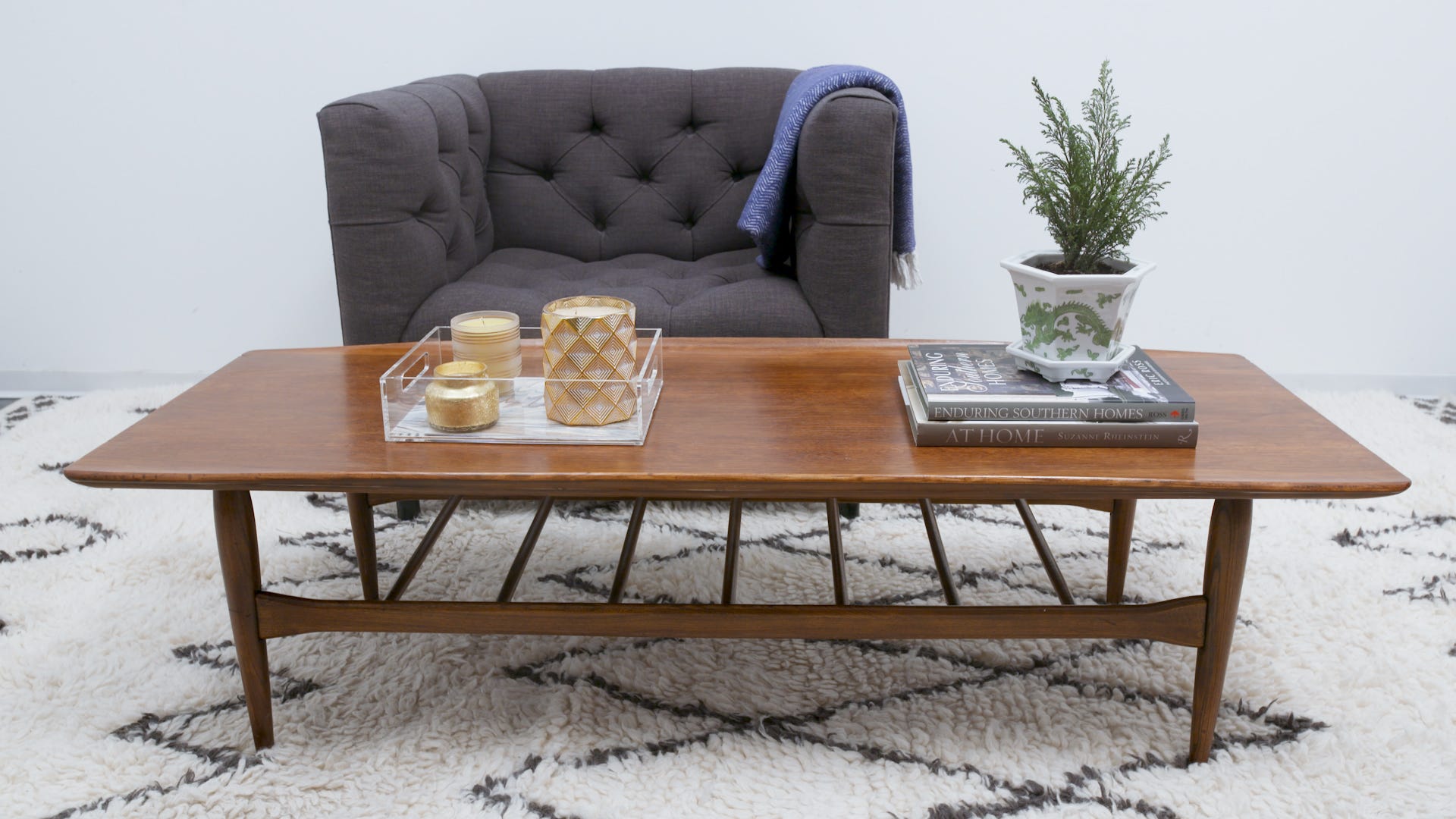
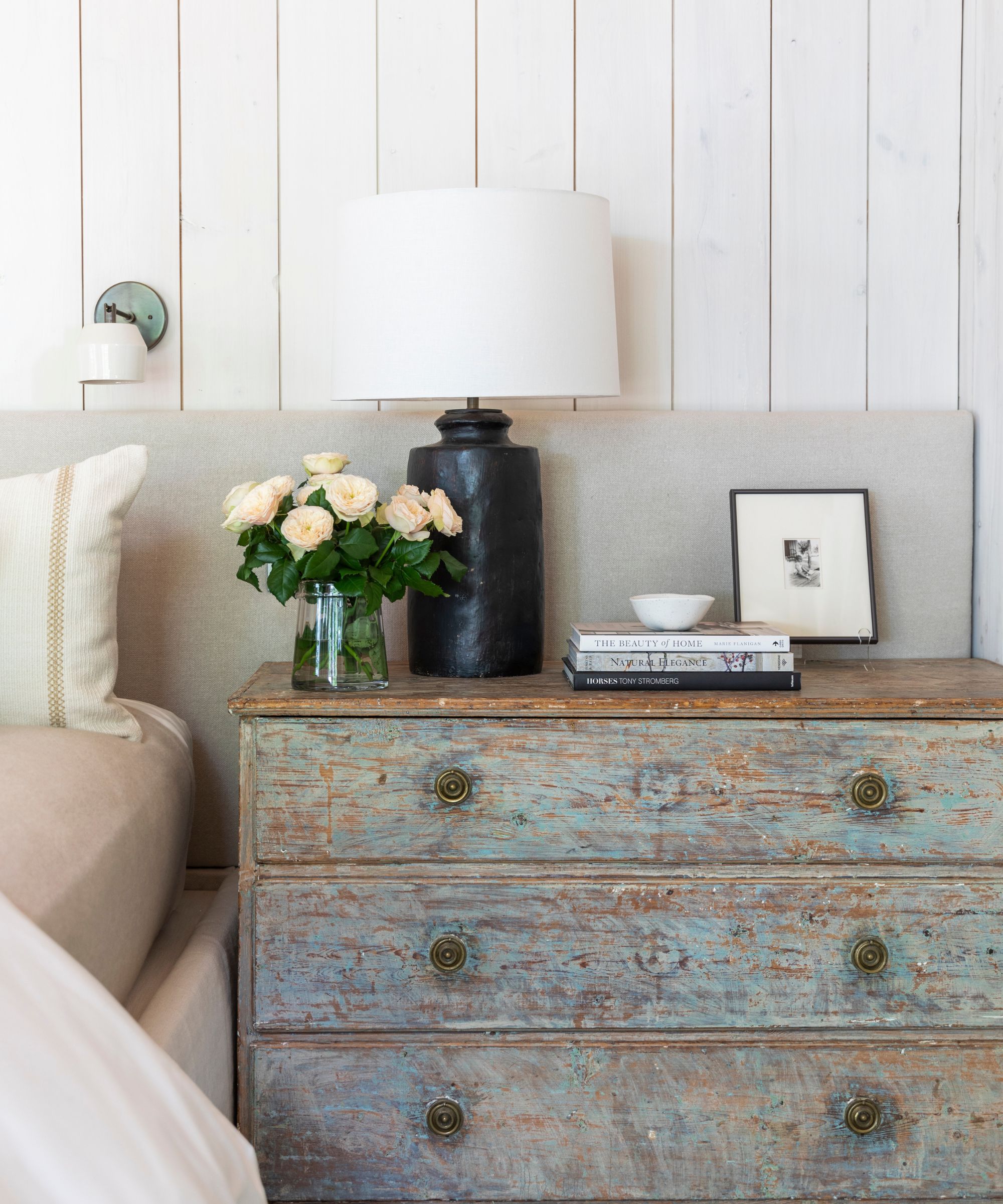
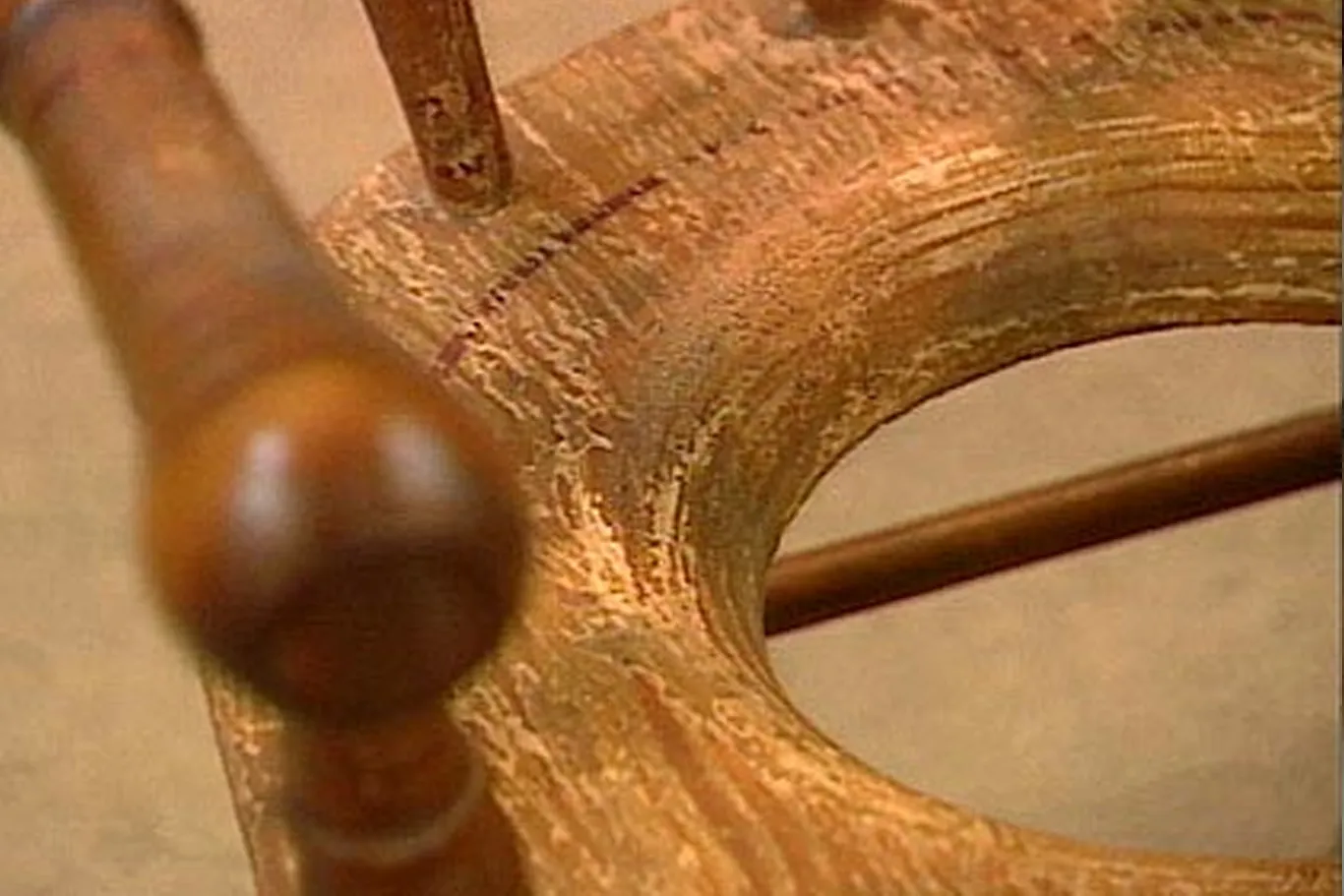
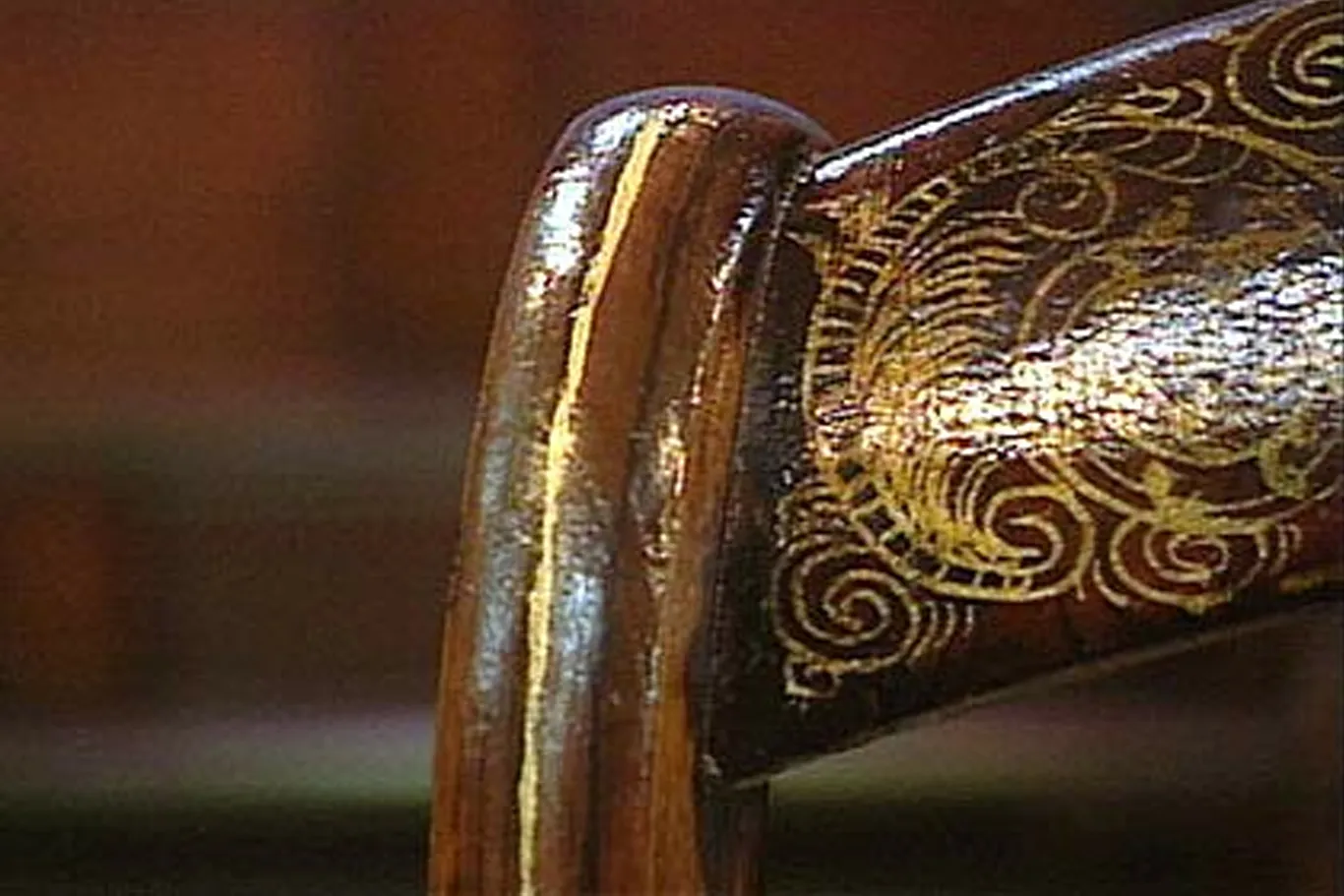
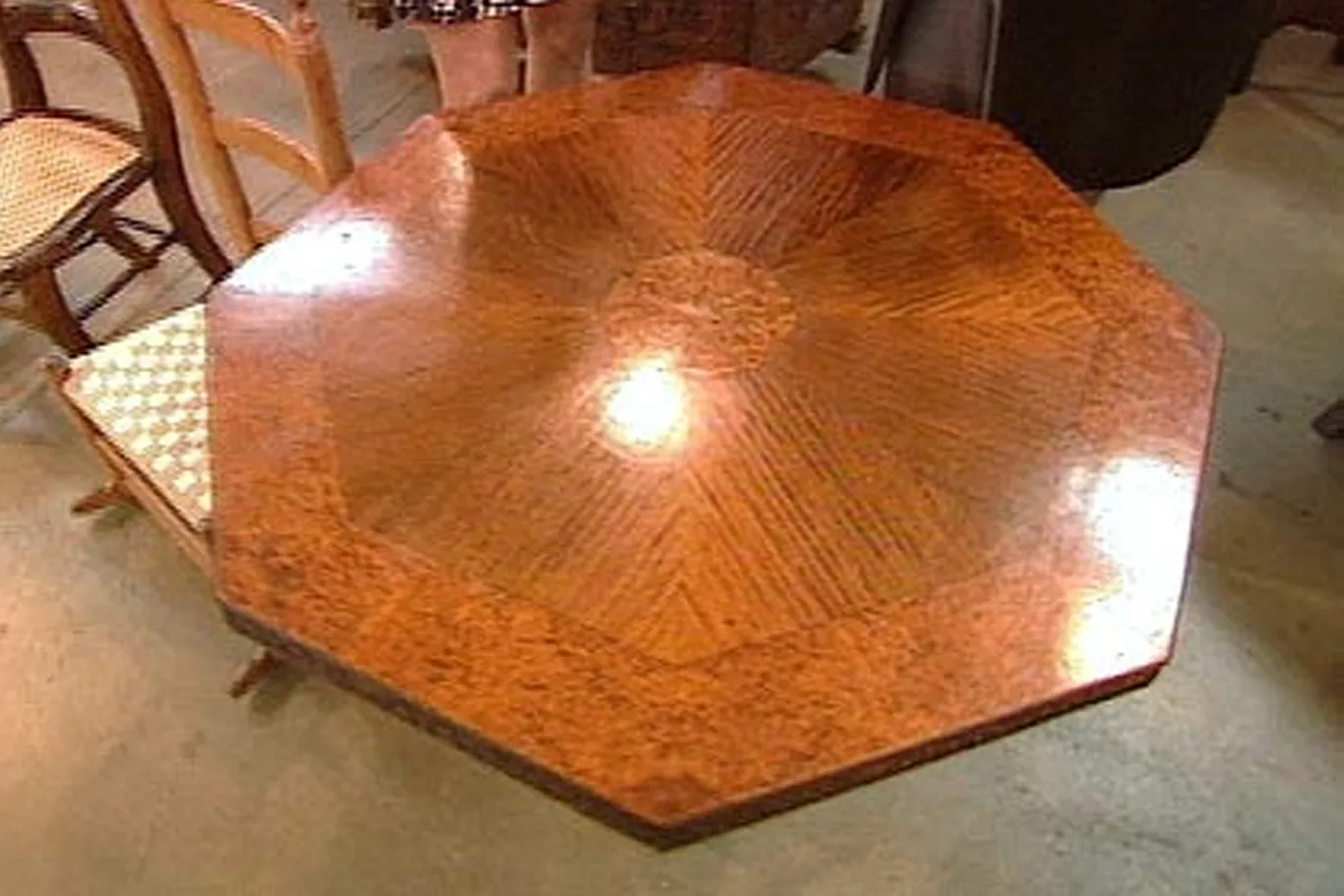

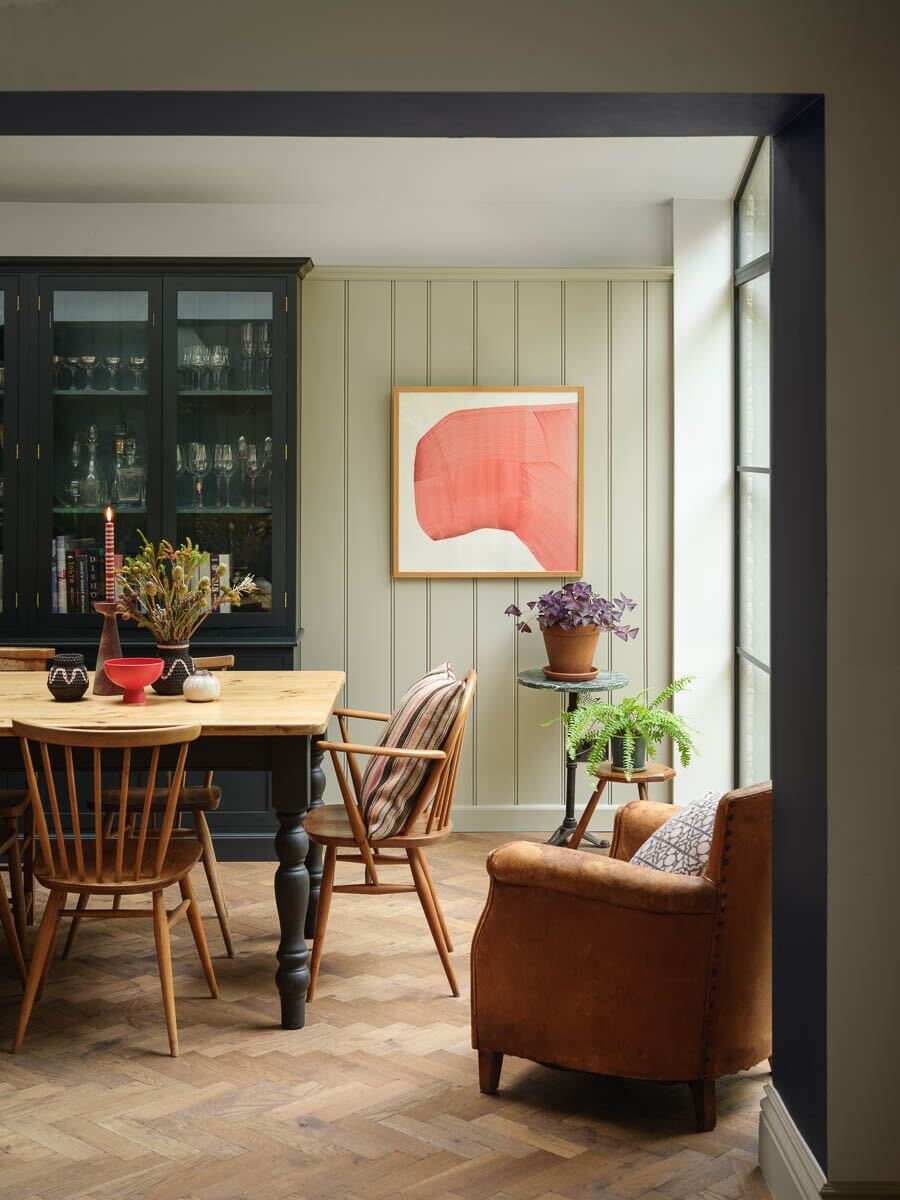
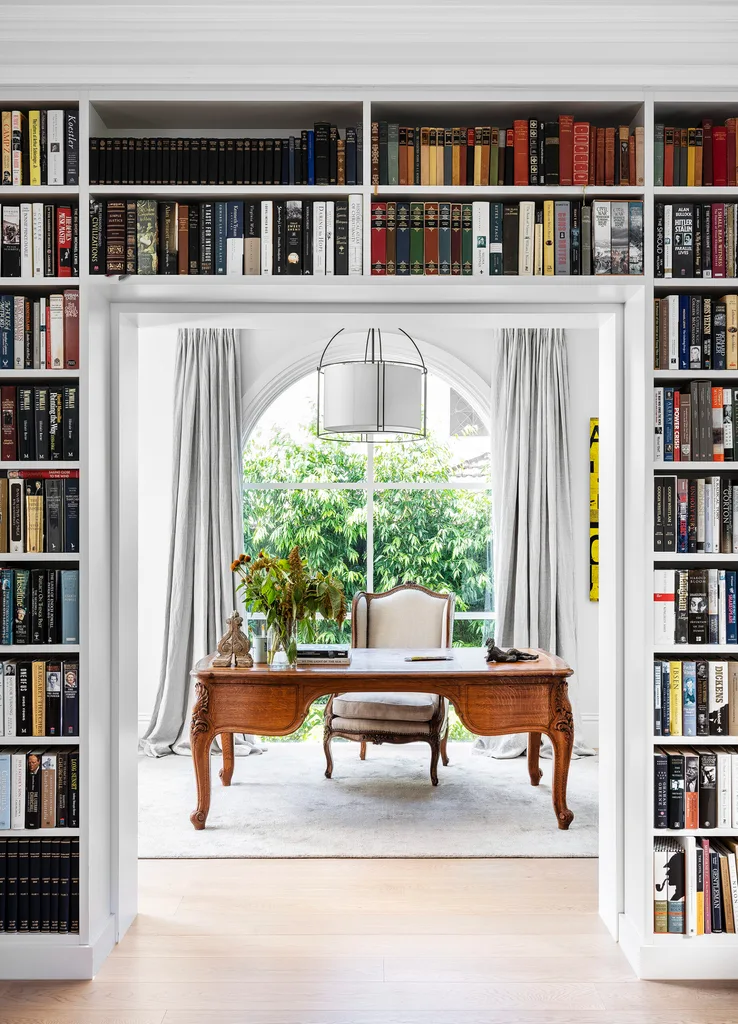
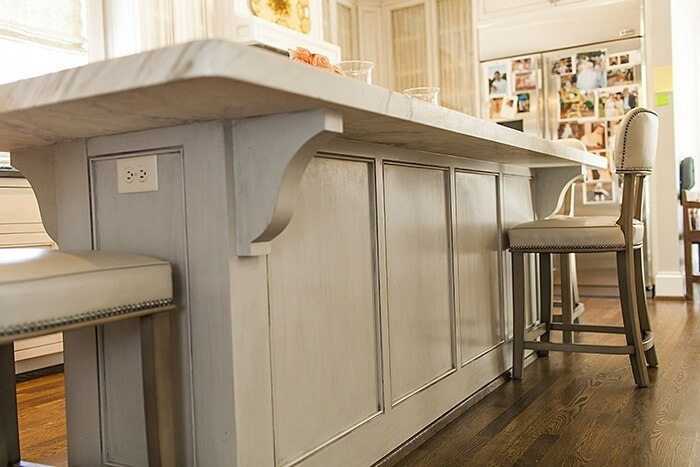
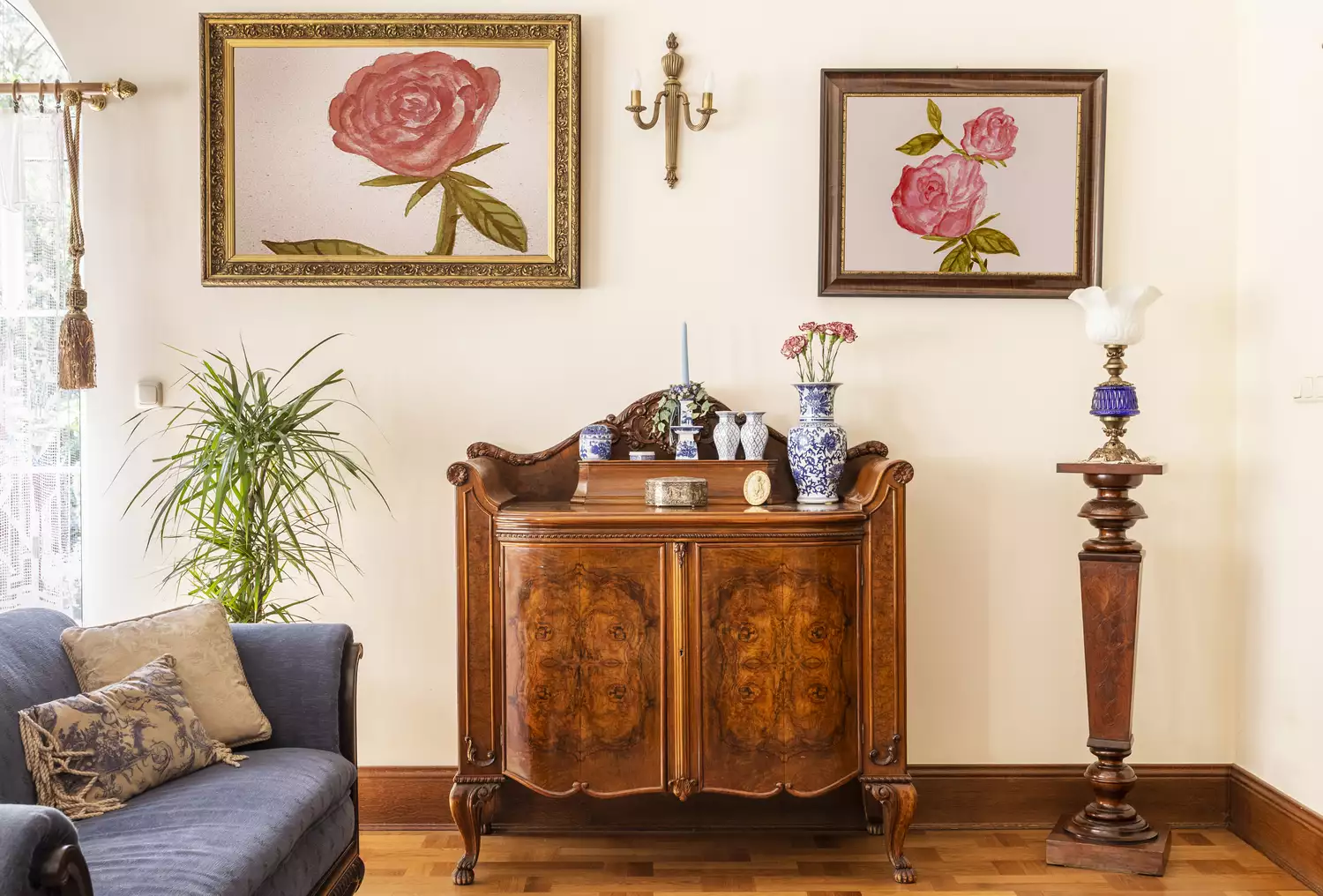
The appearance of patina varies depending on the material. On wood furniture, it manifests as a rich surface with natural variations in tone and expected signs of age and wear, often appearing darker or grayish with natural wood tones subtly showing through, especially in frequently used areas like drawer pulls or tabletops. On metals, patina is more easily recognizable; bronze typically develops a rich, varied surface that shines golden in frequently rubbed areas, while copper forms a distinct verdigris, or green, surface.
Experts strongly advocate for preserving patina, as it contributes significantly to the character and, in many cases, the value of period antiques. It is crucial to distinguish patina from surface grime or non-original finishes that may require removal or restoration. Attempting to remove patina can strip an antique of its unique appeal and historical context. Therefore, individuals who do not appreciate the patinated, time-worn aesthetic might find modern or new pieces more suitable for their preferences.
Patina differs fundamentally from rust or tarnish. While patina is a desirable surface development, rust and tarnish are undesirable forms of corrosion caused by oxidation, which can lead to structural damage and diminish an item's luster. Rust is typically orange and indicates metal deterioration, whereas tarnish often appears duller and lacks the rich finish of true patina. When in doubt, consulting an expert is recommended to differentiate these conditions.
Preserving patina involves diligent care and proper storage. Keeping items clean from dirt and dust, protecting them from direct sunlight, and maintaining stable temperature and humidity levels are essential. For silver, storing items in acid-free paper or anti-tarnish cloth minimizes air exposure. Regular, gentle cleaning with soft cloths and mild solutions is advisable, avoiding harsh chemicals that could damage the patina. For more stubborn issues, professional restoration is recommended over amateur intervention.
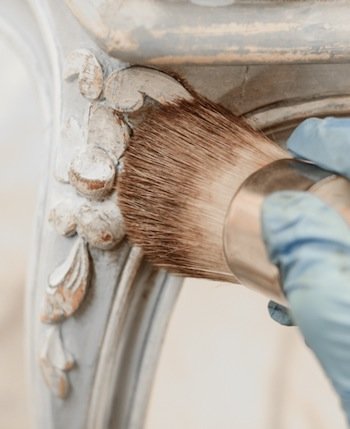
The practice of faking or accelerating patina is generally discouraged by experts. Such artificial processes often fail to replicate the subtle, natural development of genuine patina and can even harm antiques. The consensus among professionals is to allow patina to form naturally over time, ensuring authenticity and preserving the item's inherent character. This patient approach is integral to maintaining the charm and historical integrity of antique and vintage pieces within interior design.
#Patina #AntiqueDecor #VintageFurniture #InteriorDesign #HomeDecor #FurnitureRestoration #MetalPatina #WoodPatina #HomeStyling #Patina #AntiqueDecor #VintageFurniture #InteriorDesign #HomeDecor #FurnitureRestoration #MetalPatina #WoodPatina #HomeStyling
0 comment in total
 No comments yet
You may also like
No Room Is Complete Without THIS One Feature, According to a Designer

Understanding paint finishes

Renovation of the Year: Perfect Patina

What To Know About Textured Paint

Antiquing vs. Distressing: 8 Tips on Creating the Look and Patina of a Genuine Antique

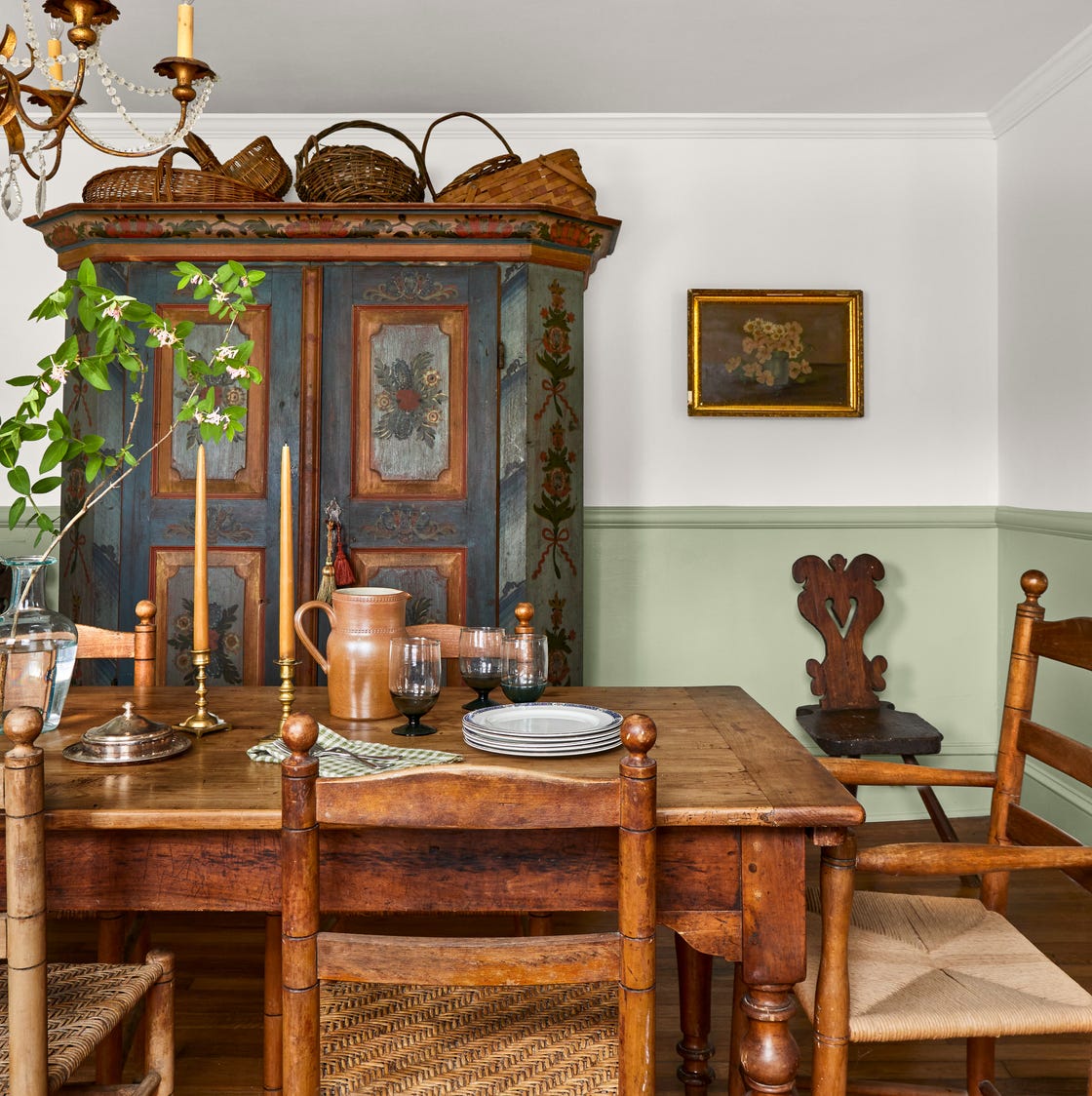
We Asked 6 Interior Designers for the One Antique They Use in Every Home
The man they call 'the paint detective' shares his 10 tips for choosing the right colours for your house
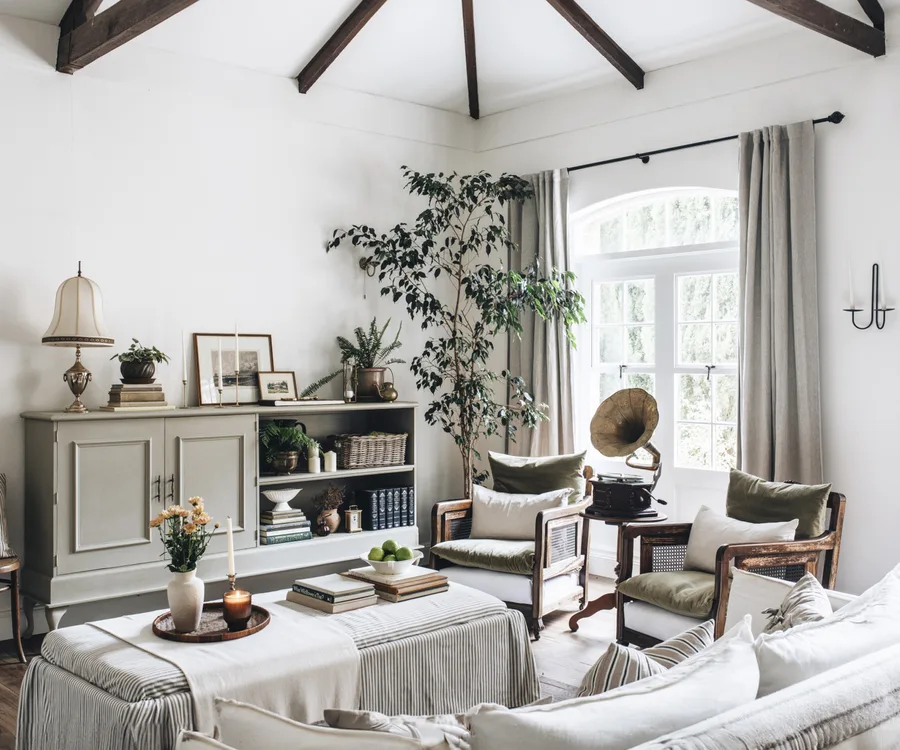
A designer’s guide to decorating with antiques

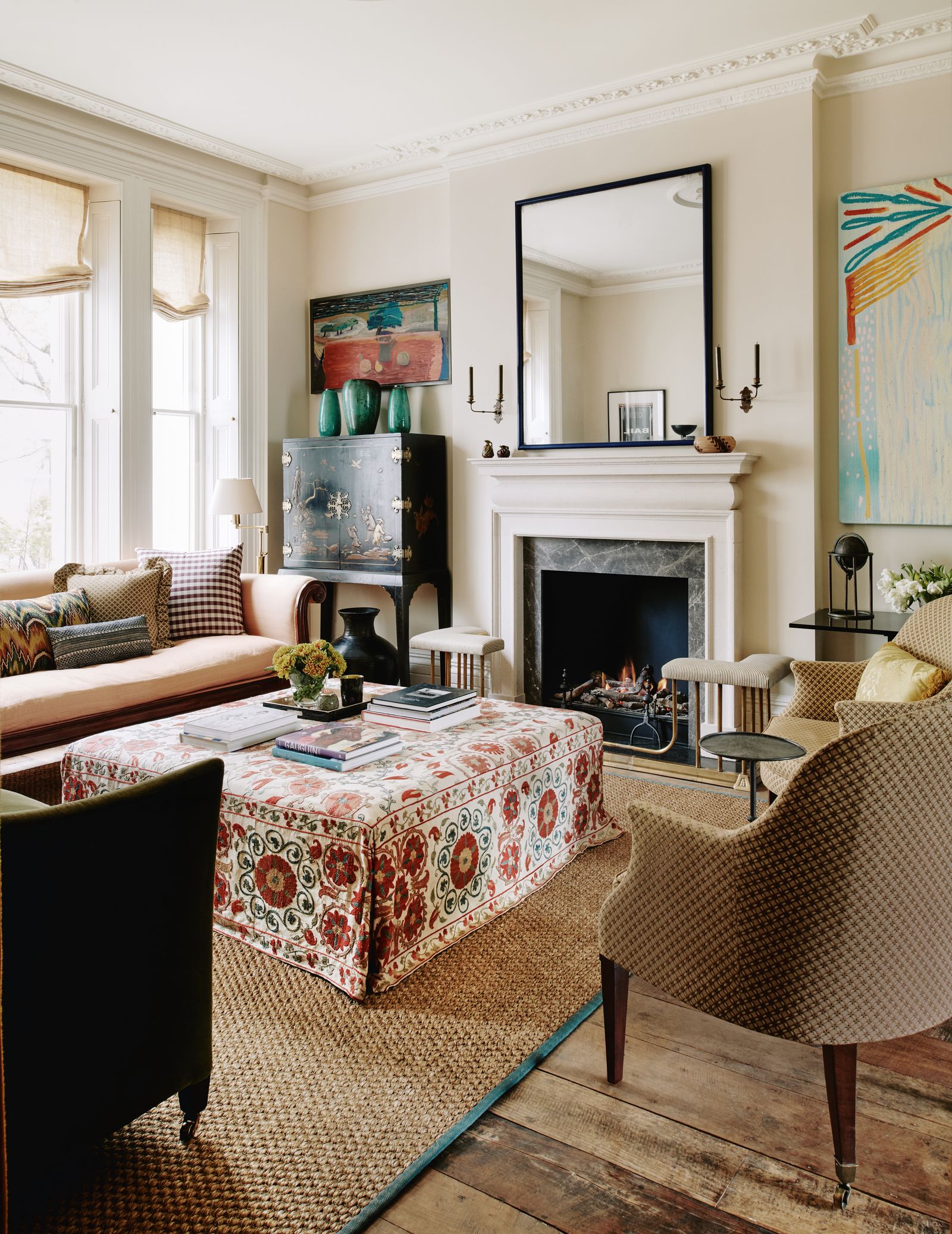
How to use antique furniture in a contemporary scheme
How To Clean And Care For Antiques, According To An Expert
Tip: Leave the Finish Alone
Vintage paint colors making a comeback this year – experts reveal their top shades for adding a touch of nostalgia
Say Goodbye To High-Shine Finishes—this Is The Better Choice For Bathrooms & Kitchens

Is It a Crime to Paint Antique Furniture?

Paint finishes explained – an expert guide to choosing the perfect type of paint for your projects

Faux Painting Revisited

This Texture-Rich Finish Is Designers' Go-To for Instant Patina
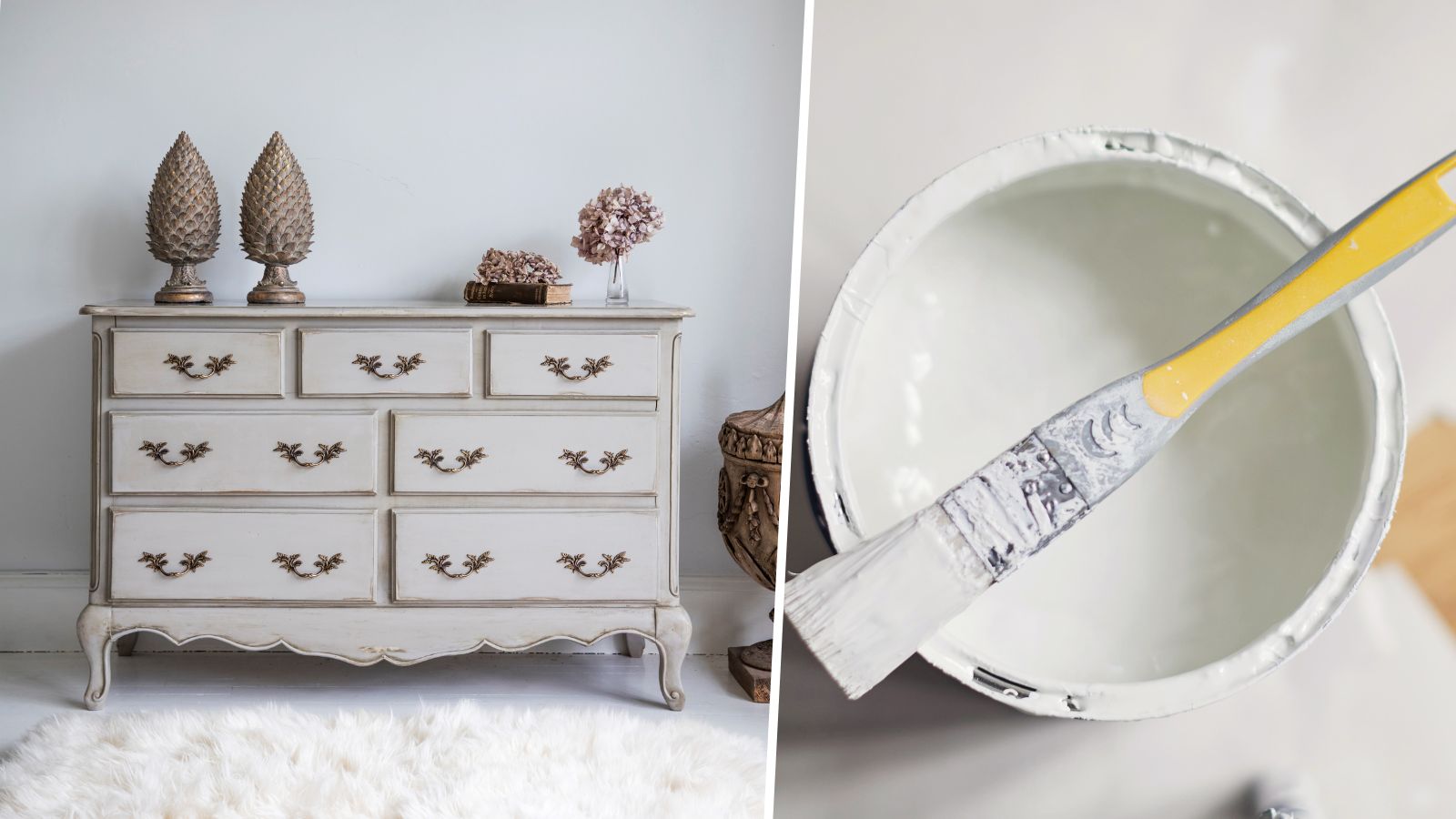
How to achieve an antique finish with paint– 4 crafting tips to fake a well-loved piece
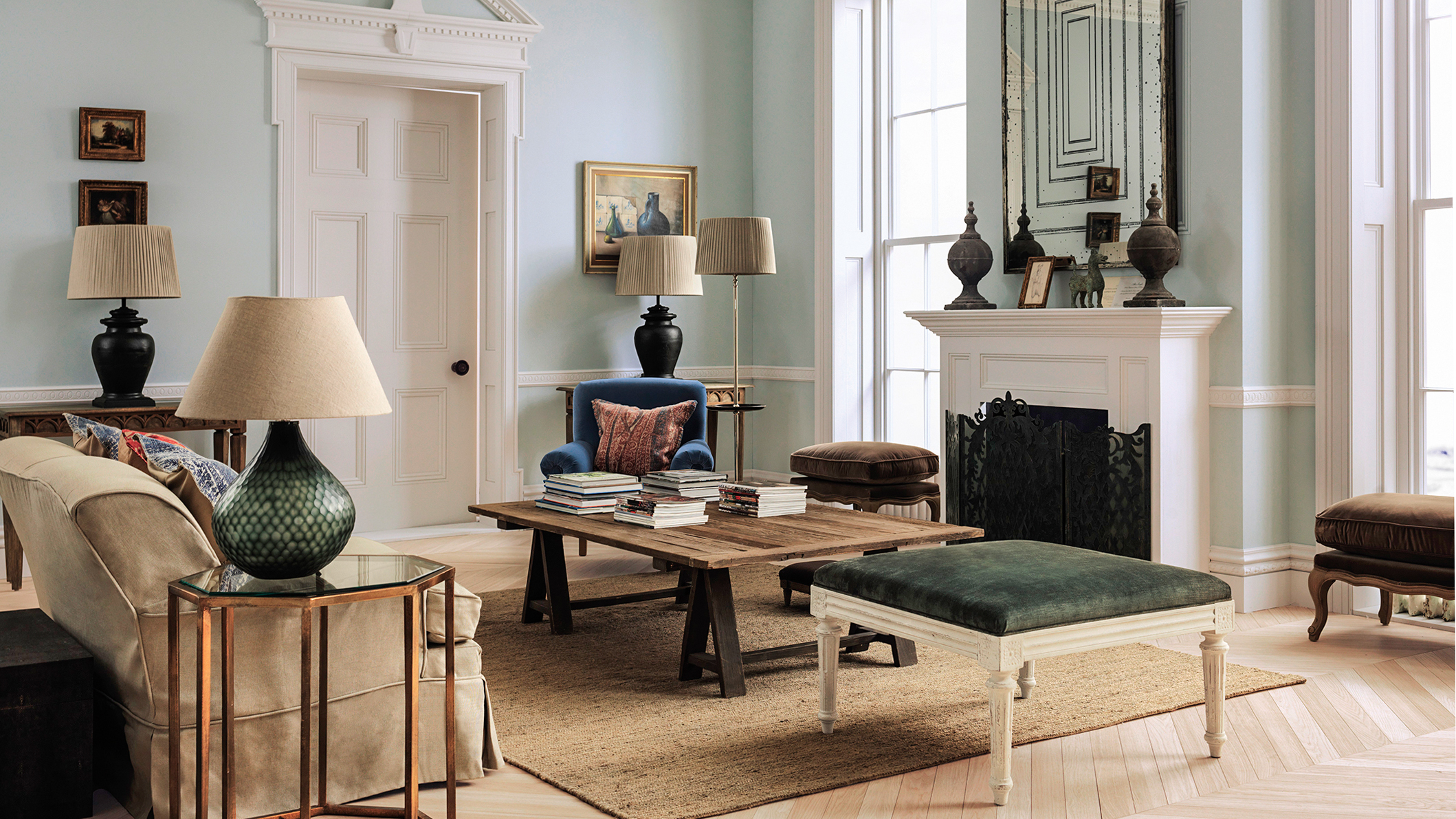
The Best Vintage-Inspired Paint Colors — 6 Expert-Approved Shades for a Touch of Chic Nostalgia
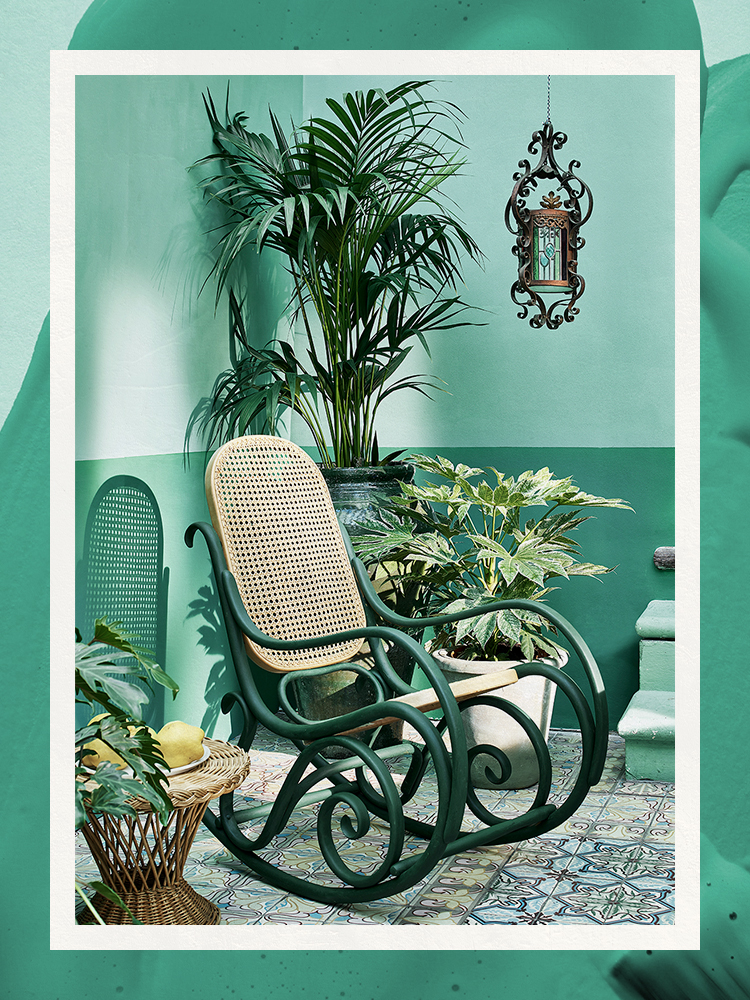
The Best Paint for Furniture Makeovers, According to Expert DIYers