1/18
How to add colour to an all-white kitchen – from earthy tones to bold brights
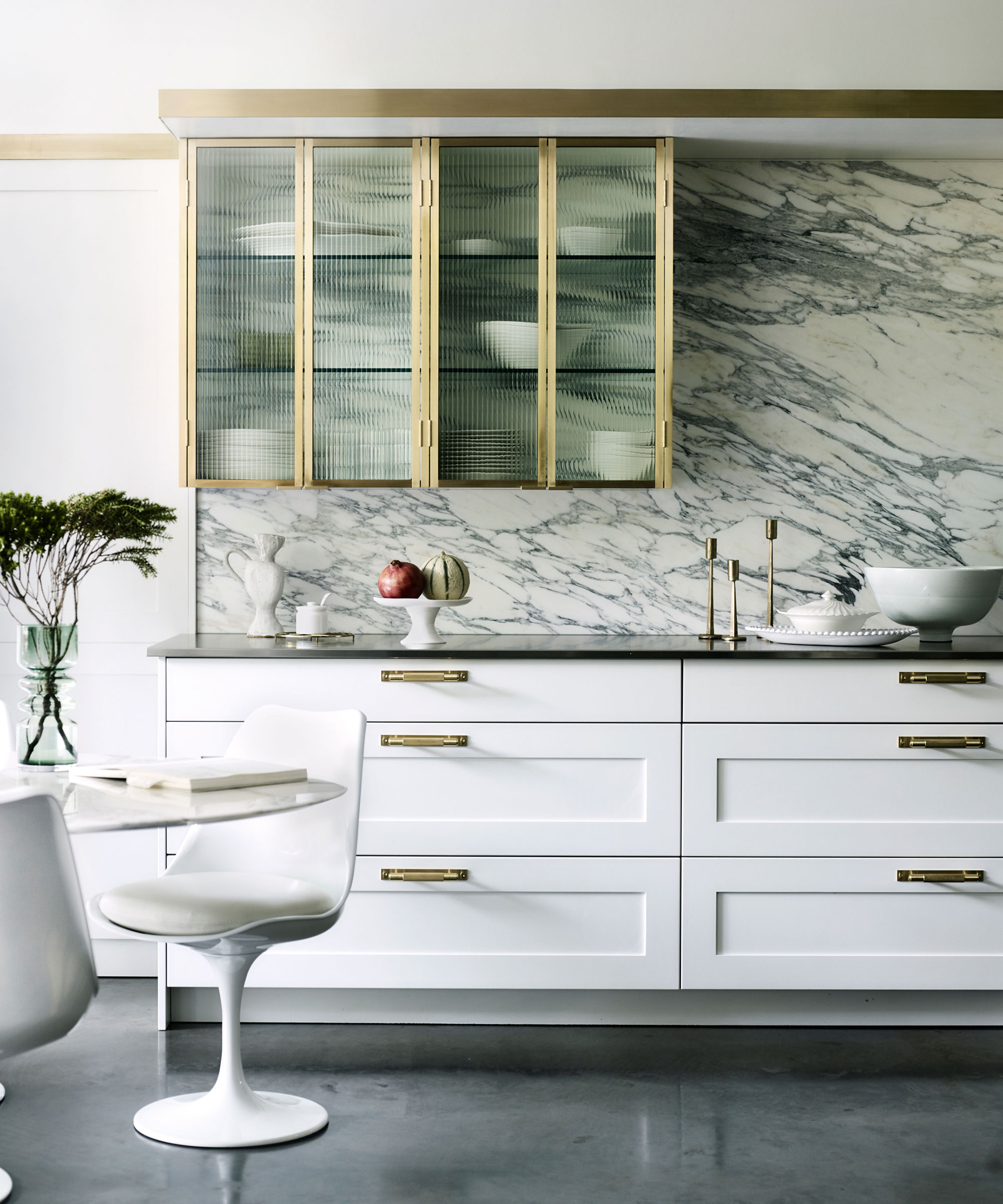
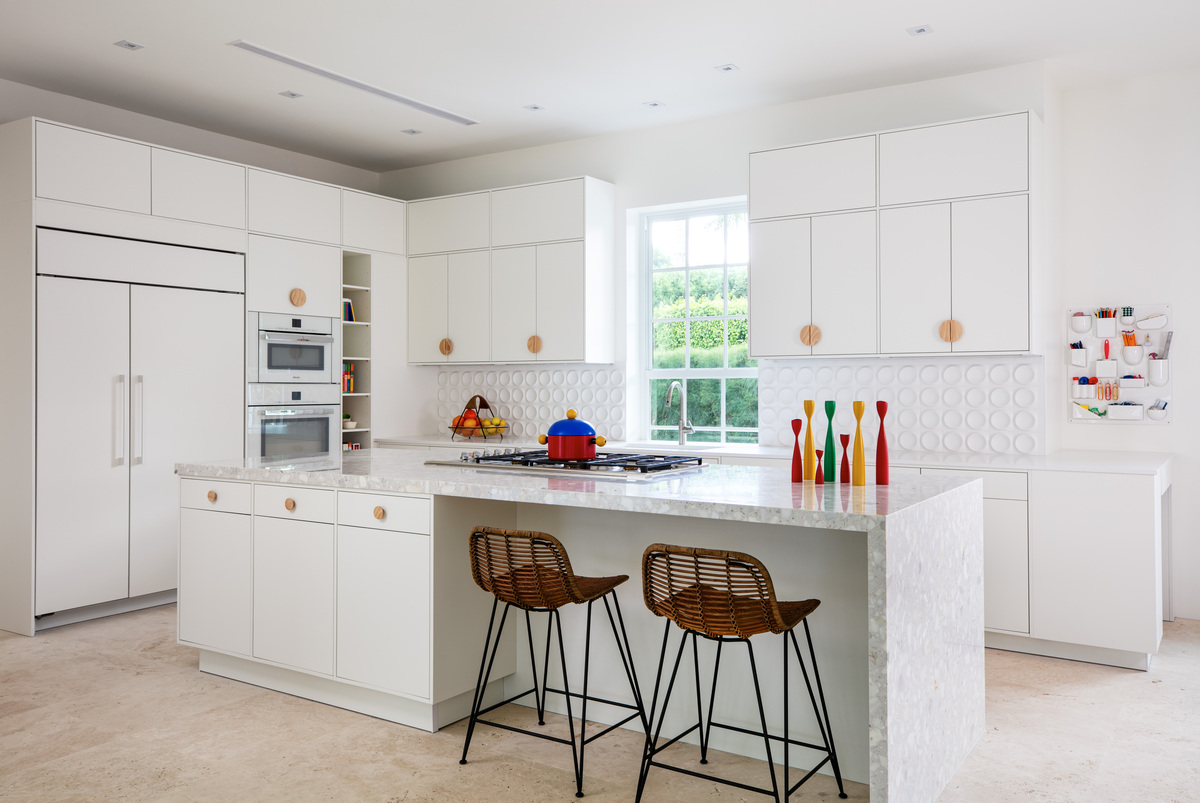
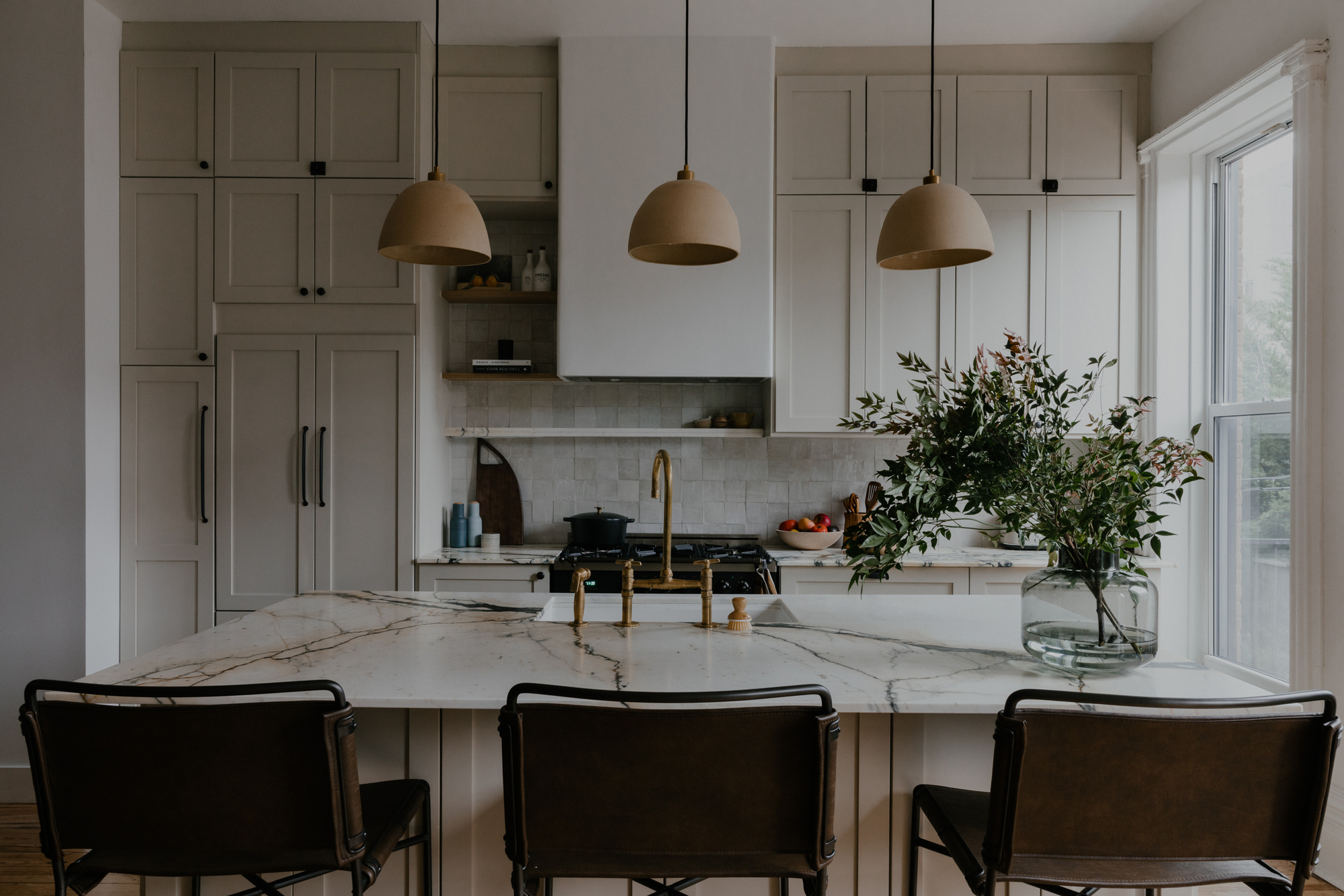
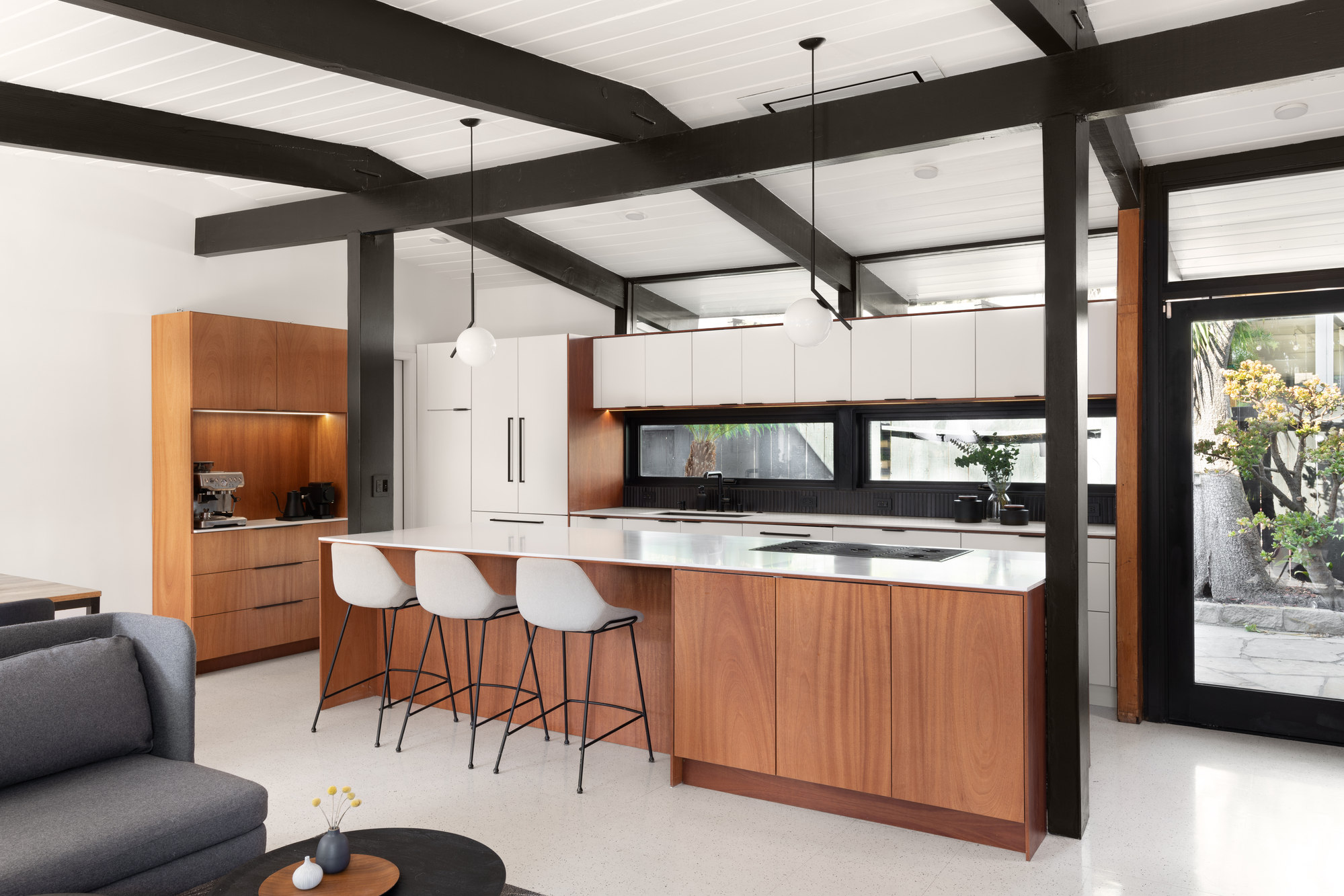
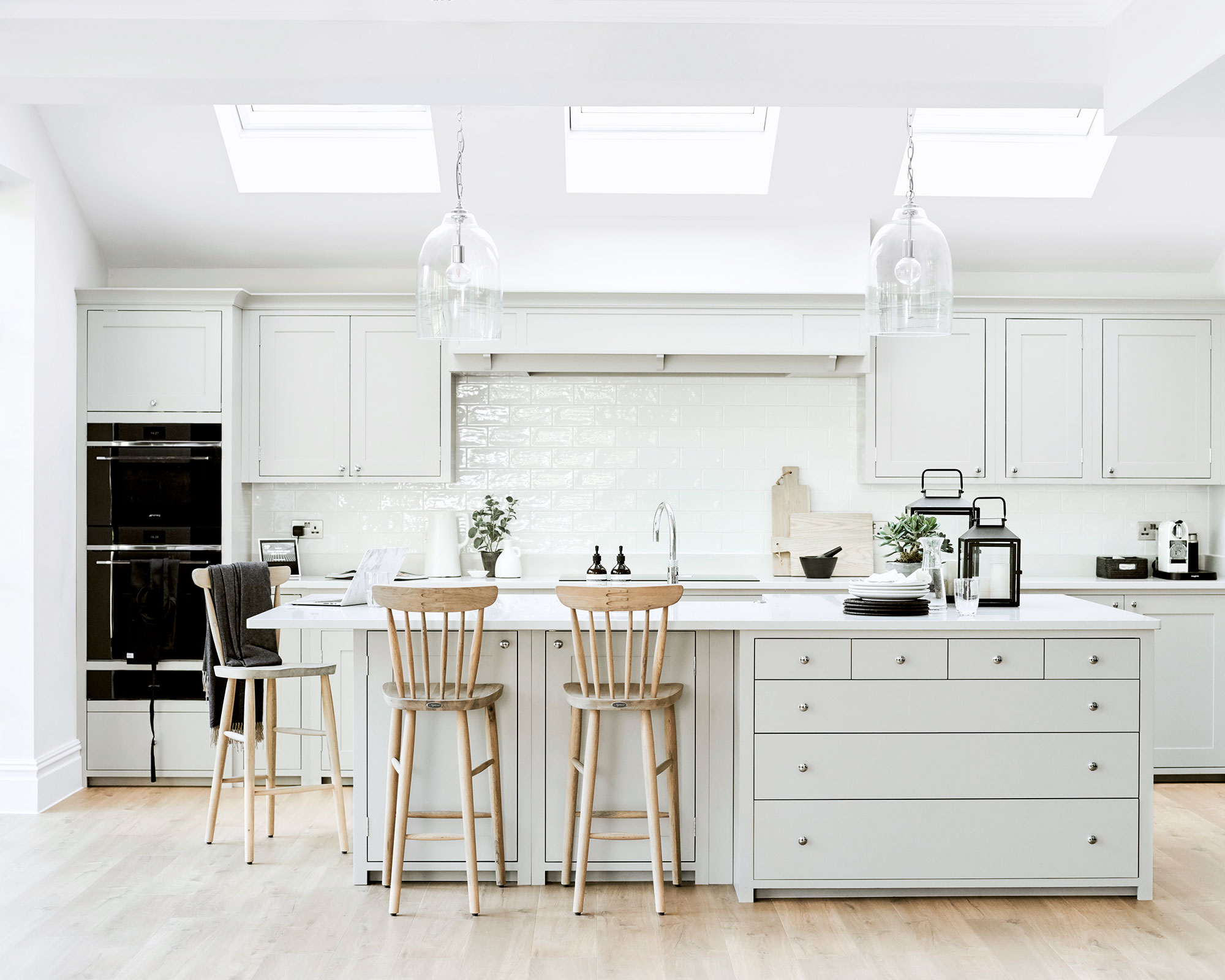
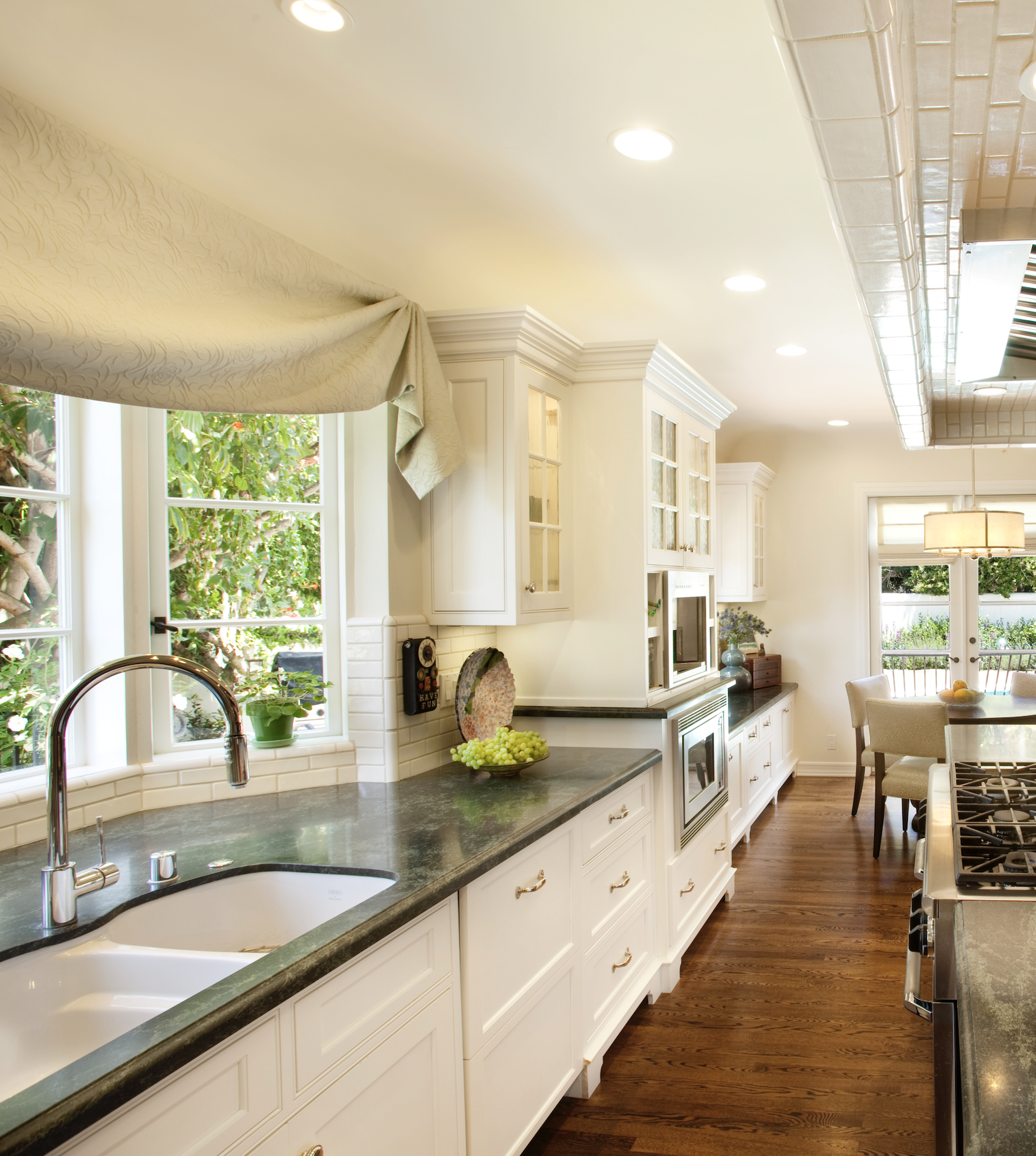
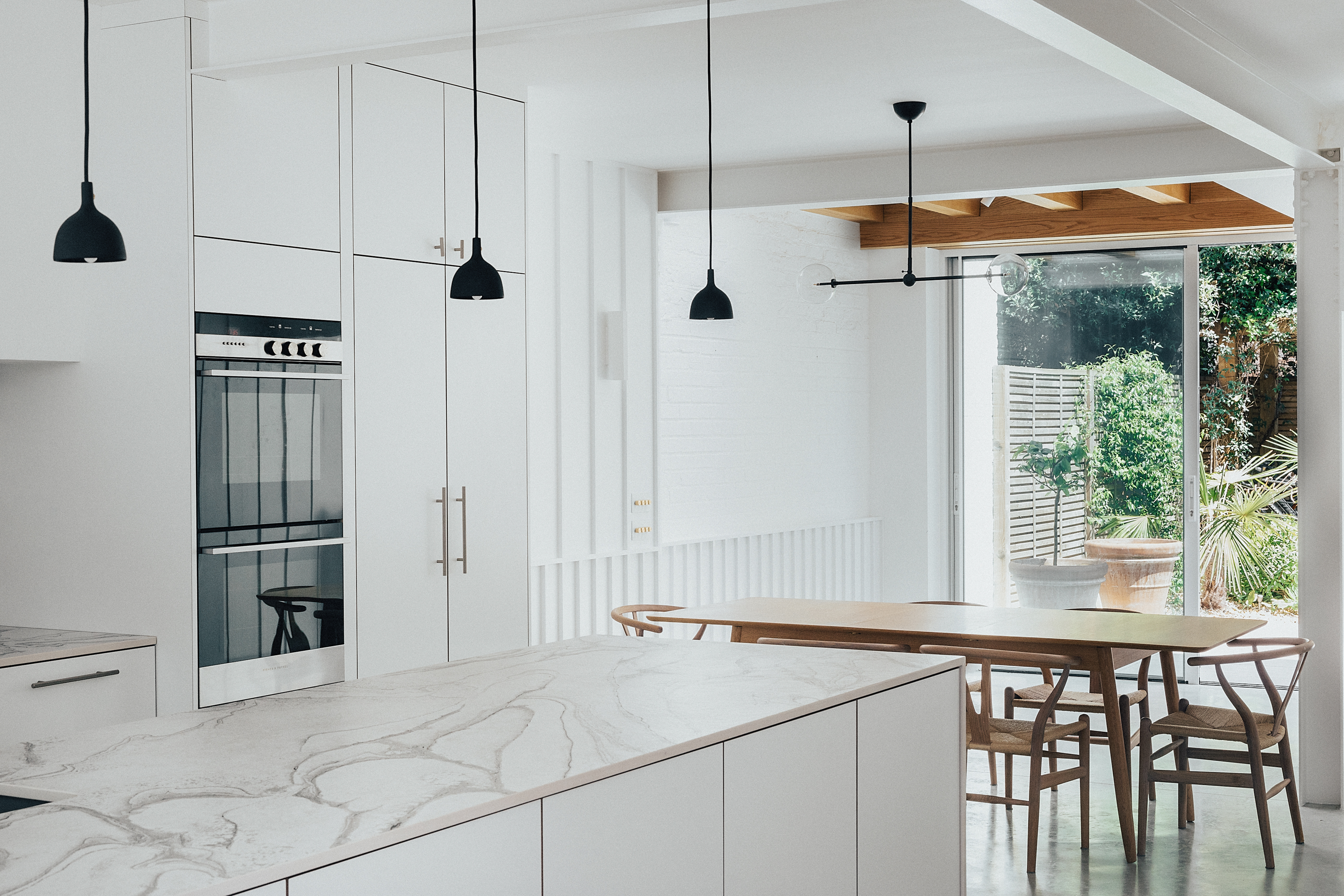
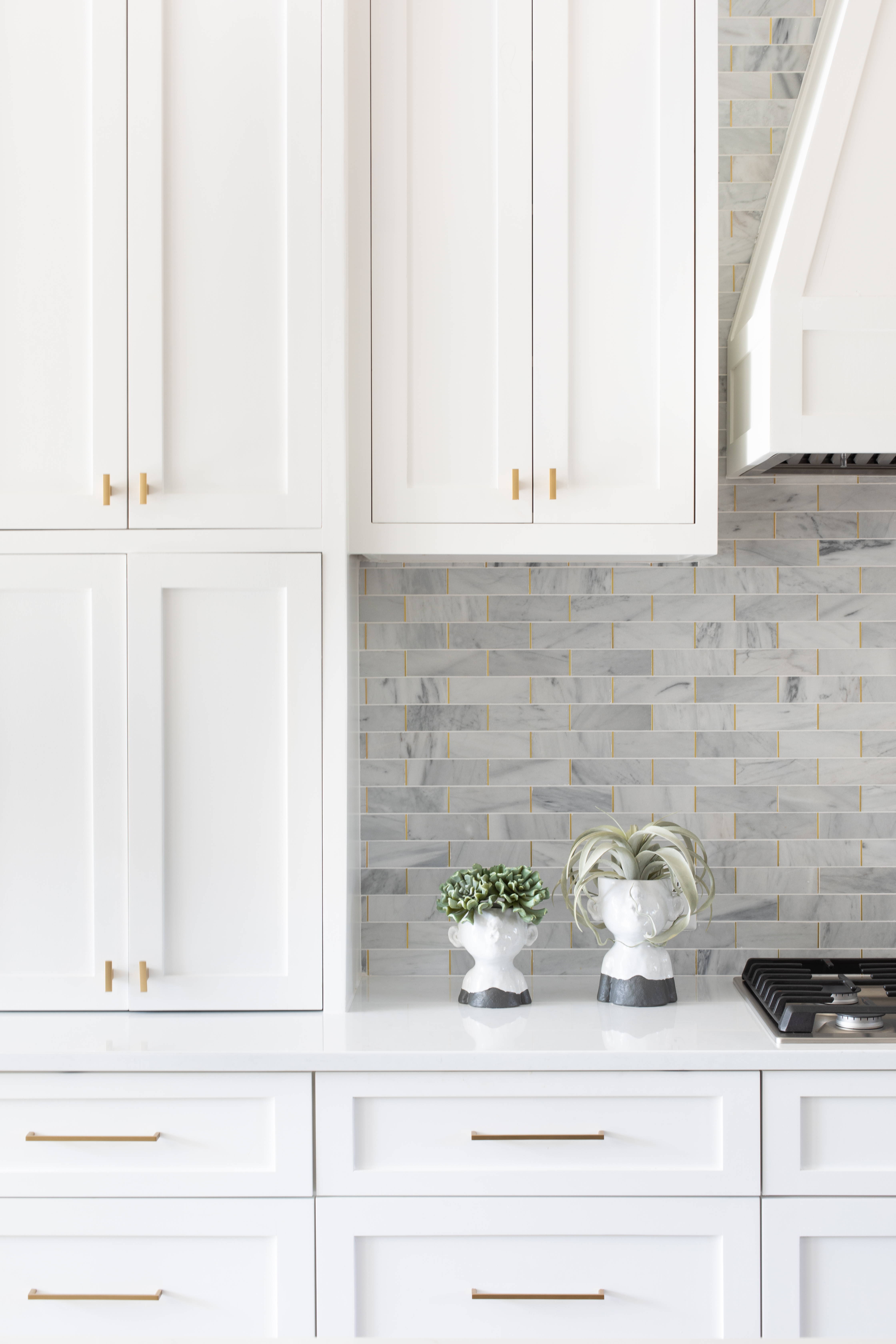
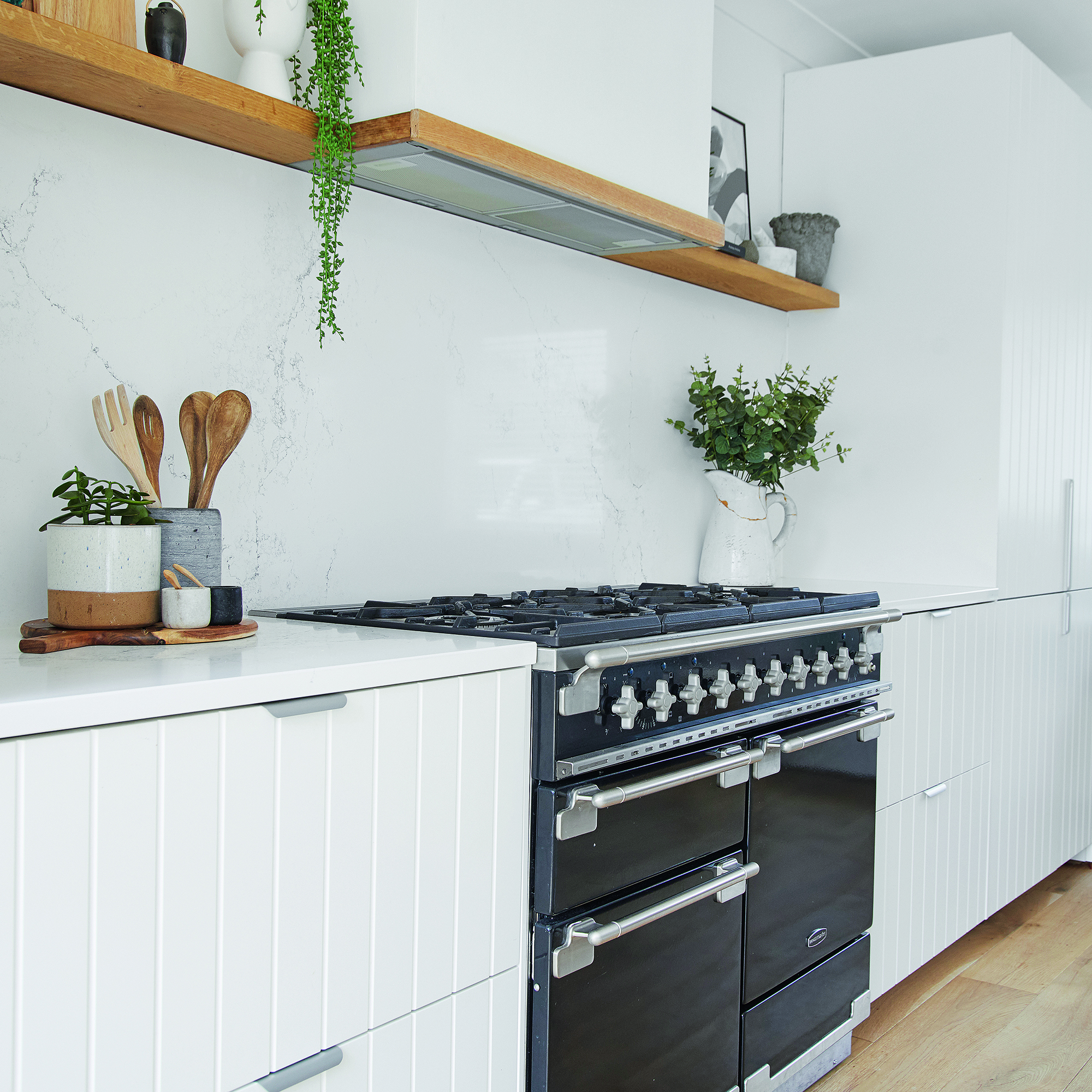
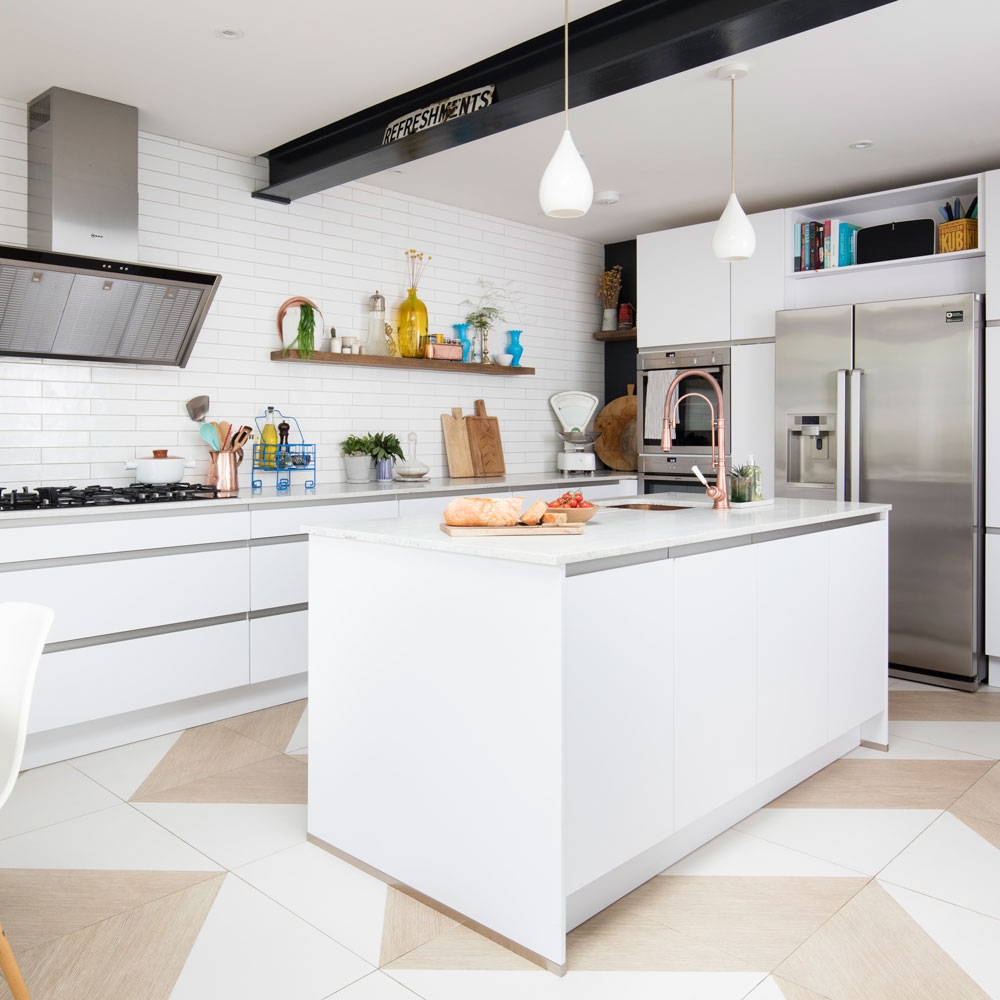
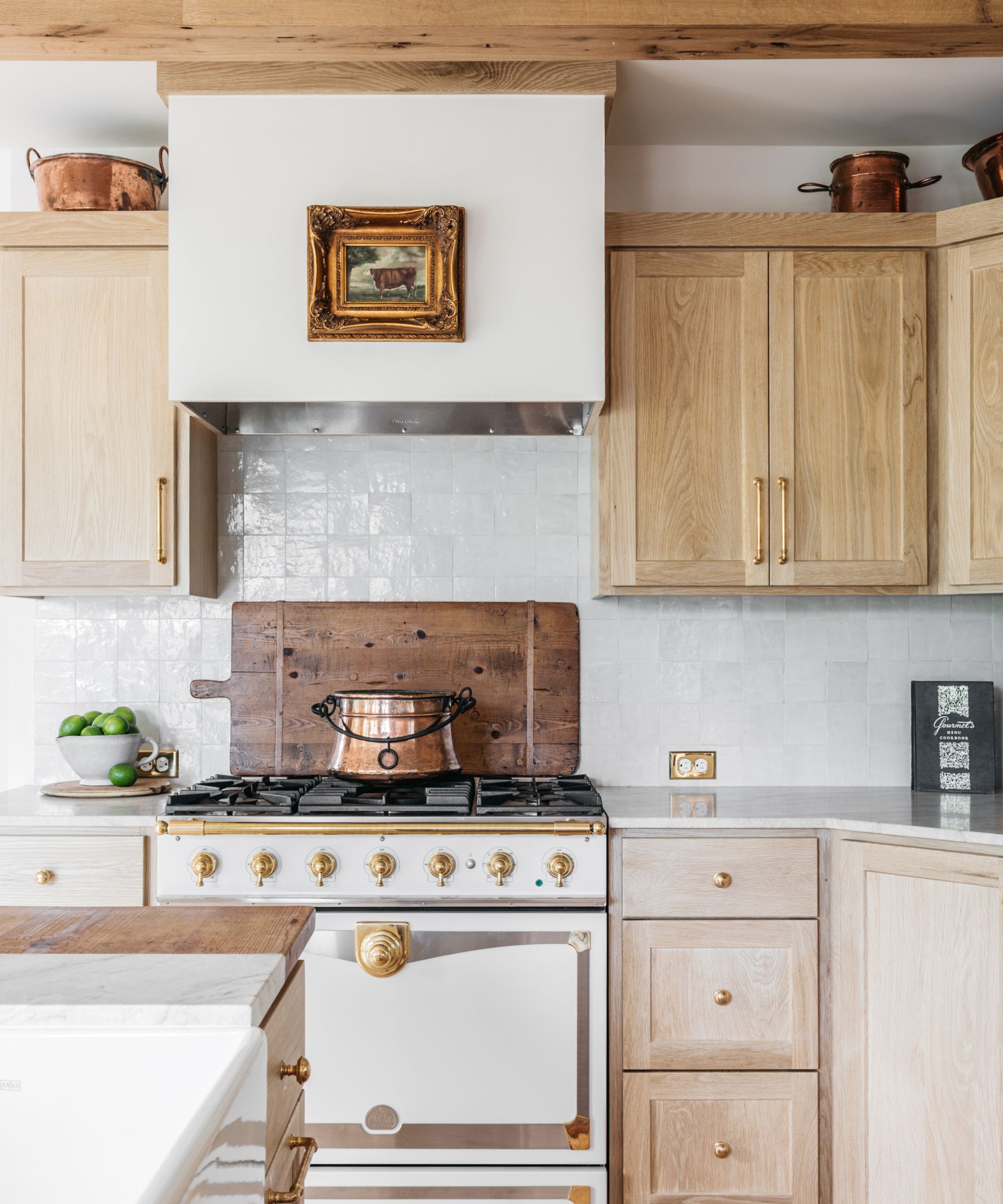
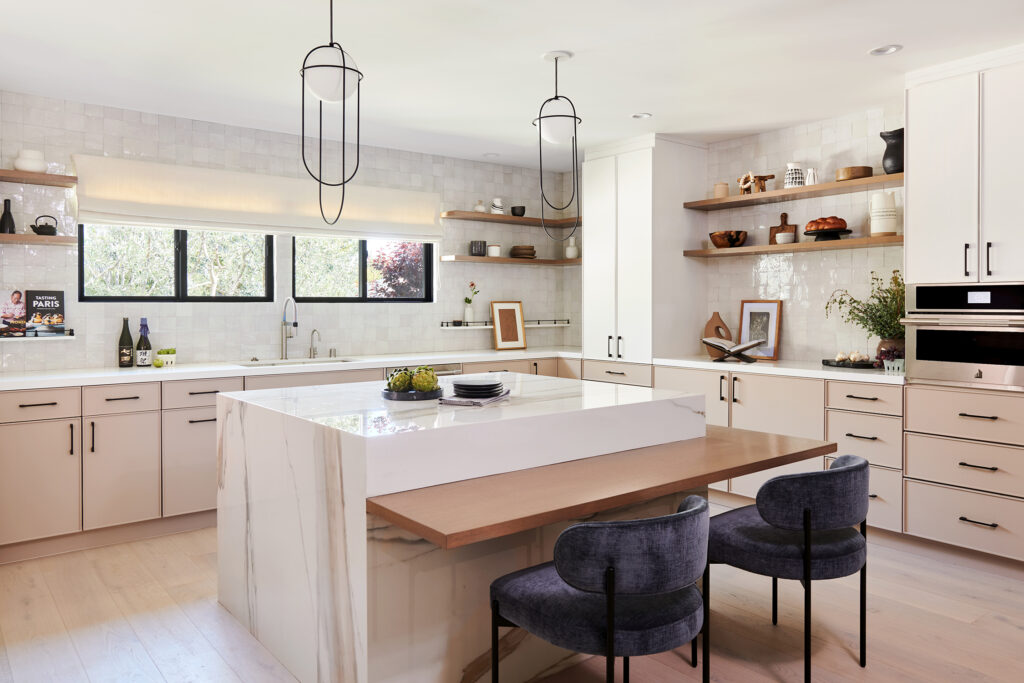
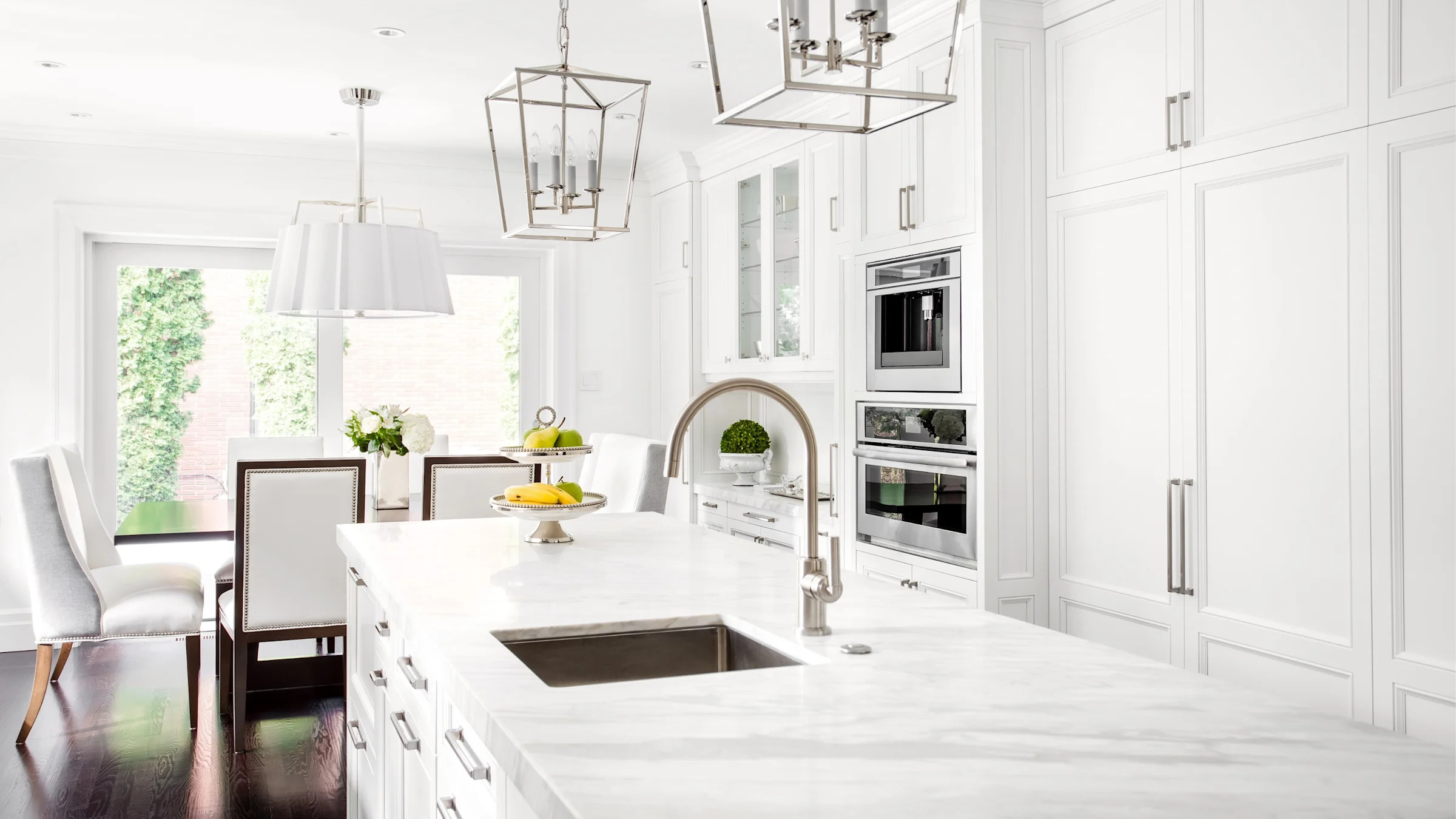
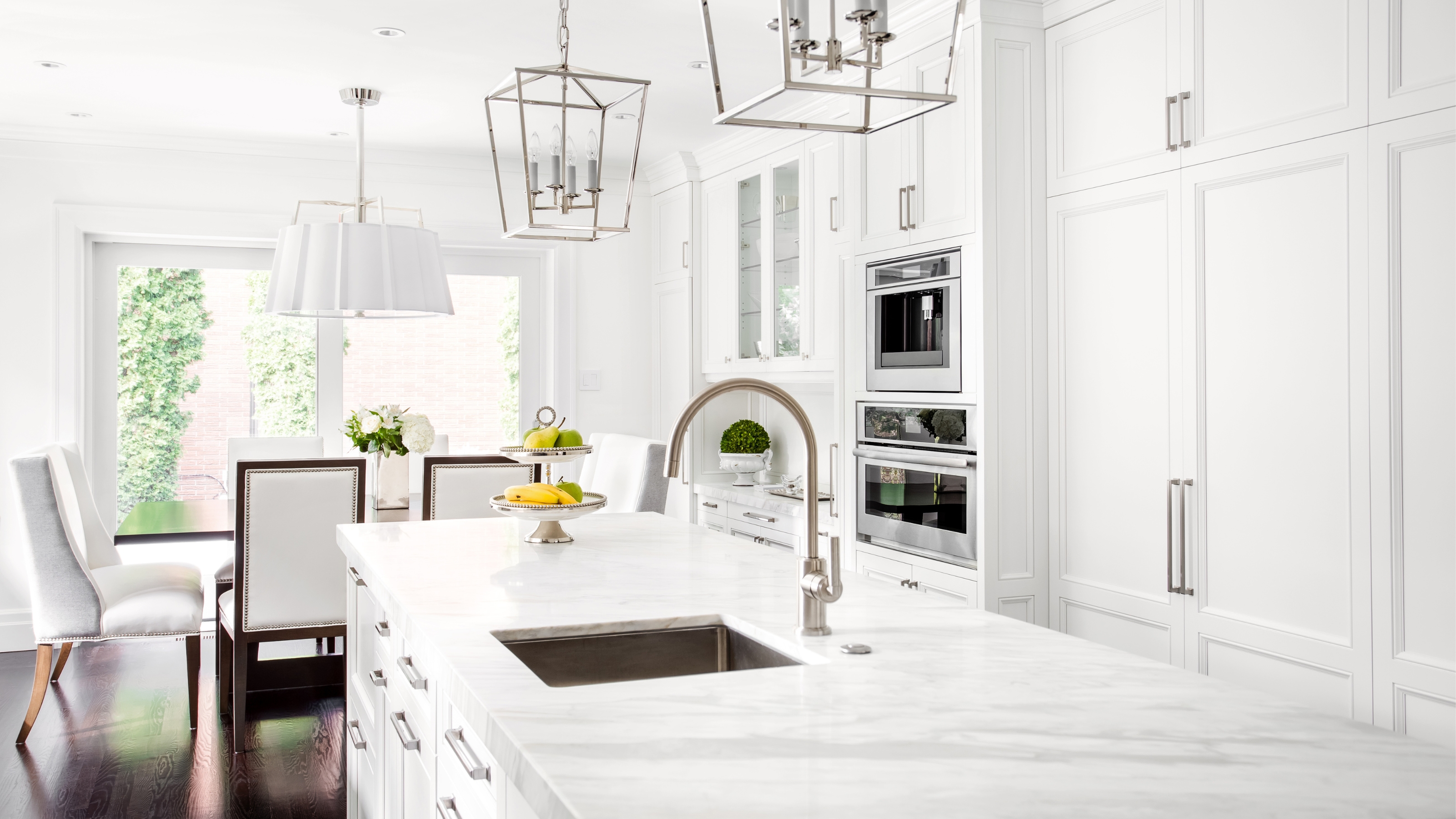
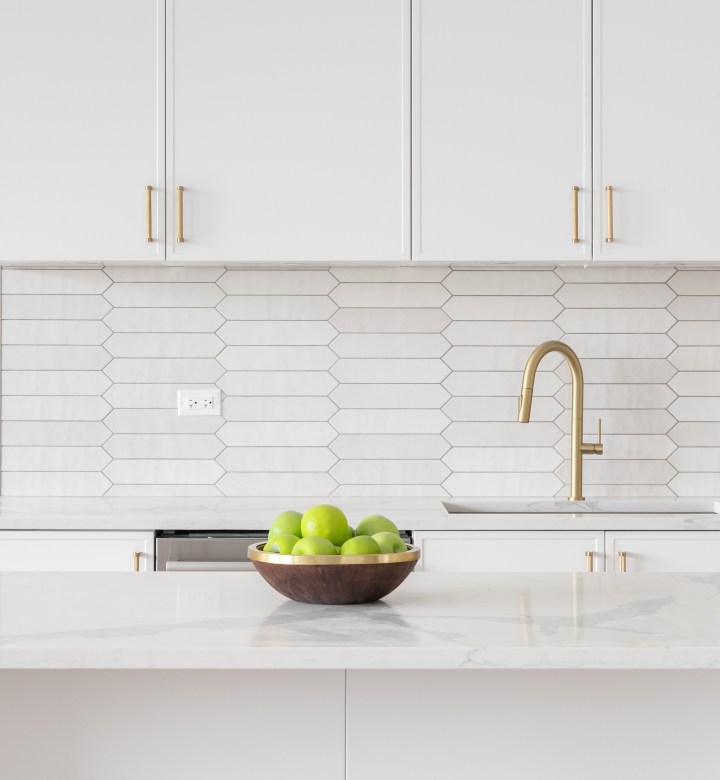
White kitchens, while offering a clean, crisp, and spacious aesthetic, can sometimes appear sterile or uninspired without thoughtful integration of color. This article provides various strategies to infuse personality and warmth into an all-white kitchen, catering to different styles and preferences. The objective is to demonstrate how even a small touch of color can elevate the design, making the space more inviting and reflective of individual taste. The article highlights that white kitchens excel at creating an illusion of larger, brighter spaces, a key benefit, especially for smaller areas. Incorporating metallic accents, such as gold or brass handles, is presented as an elegant and timeless method to enhance the white backdrop.
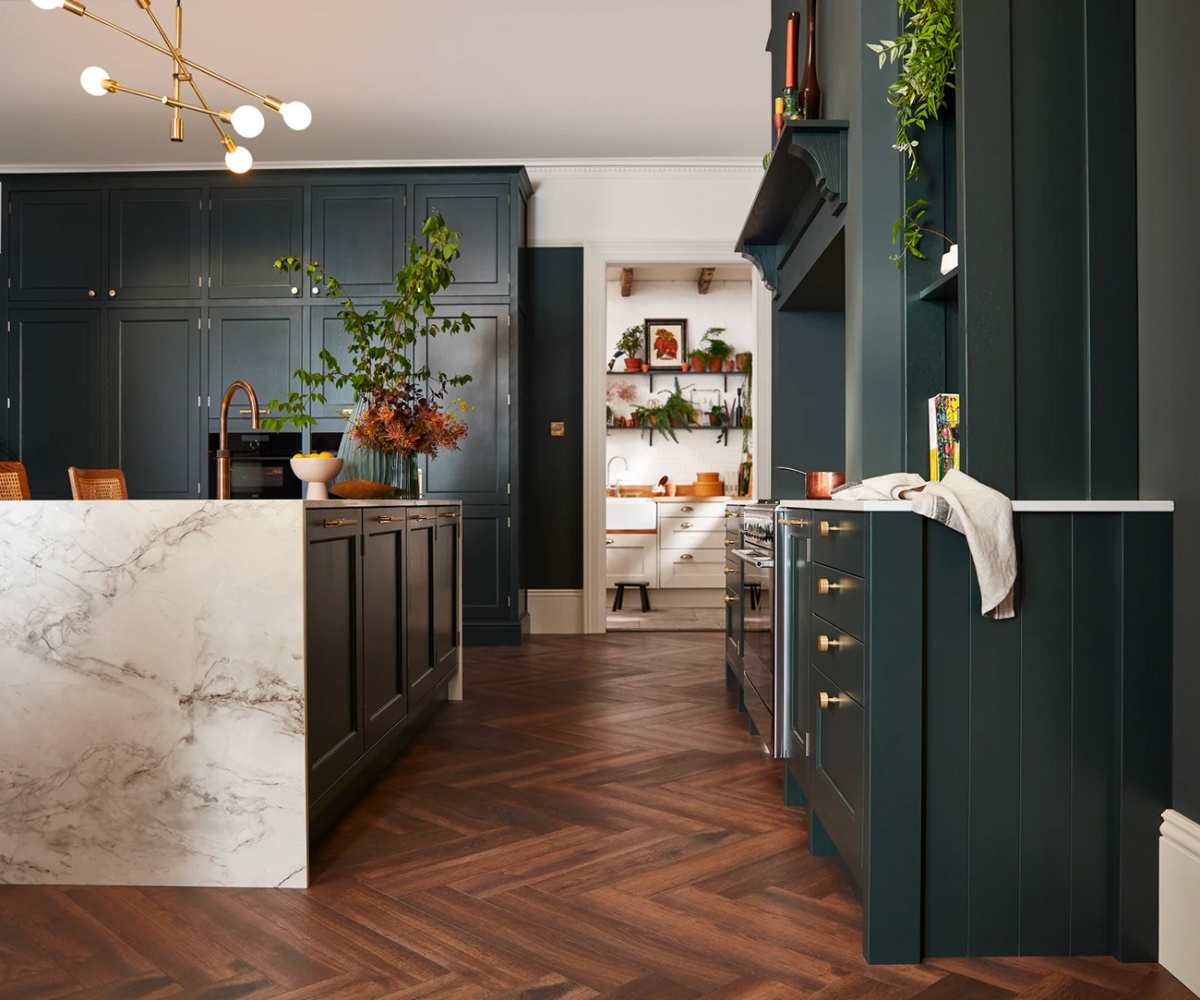
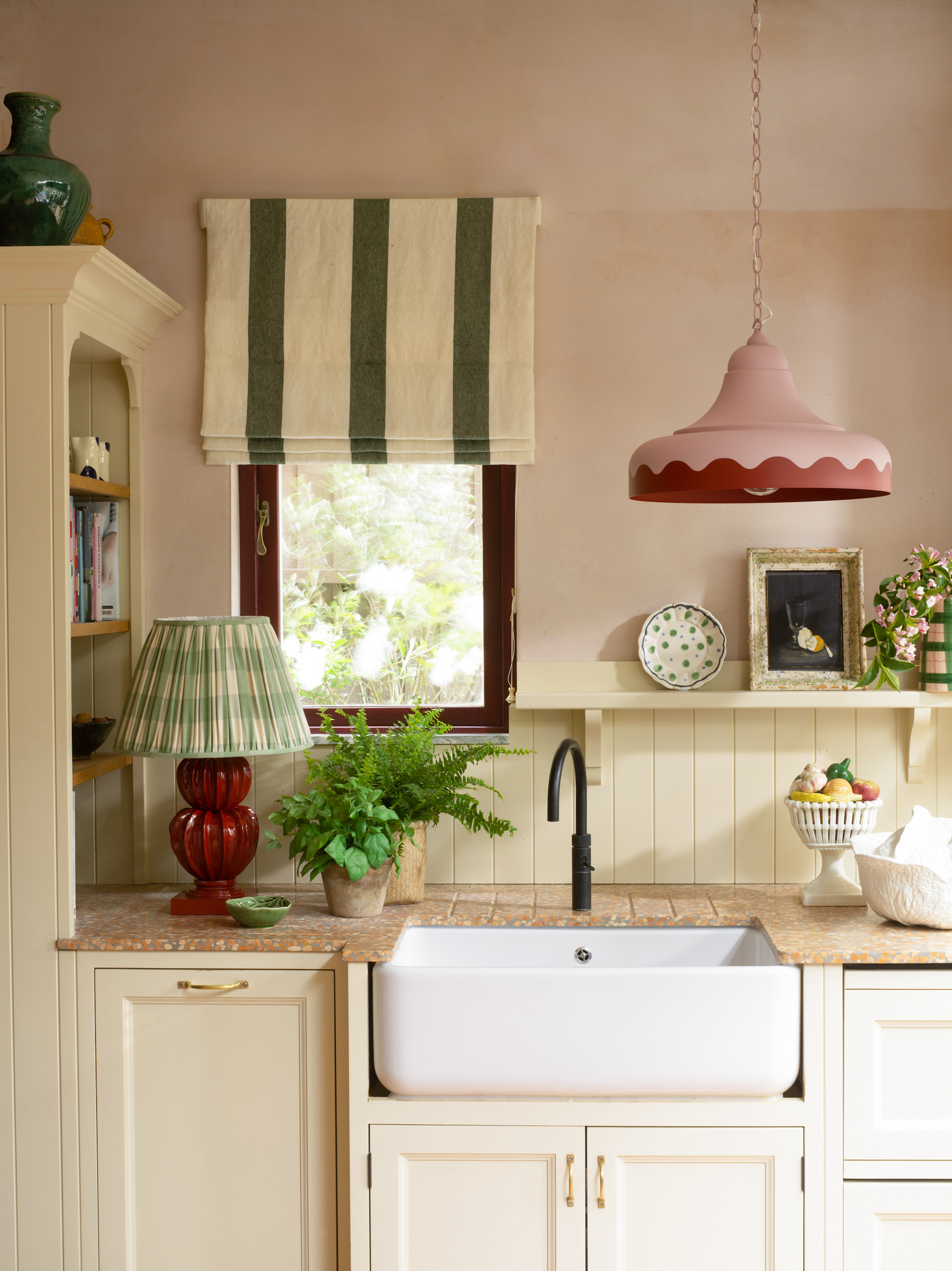
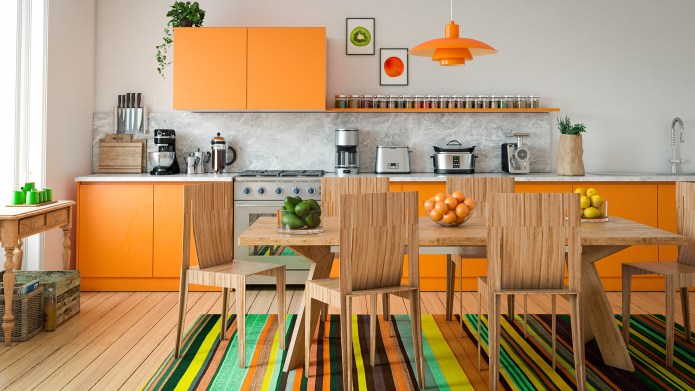
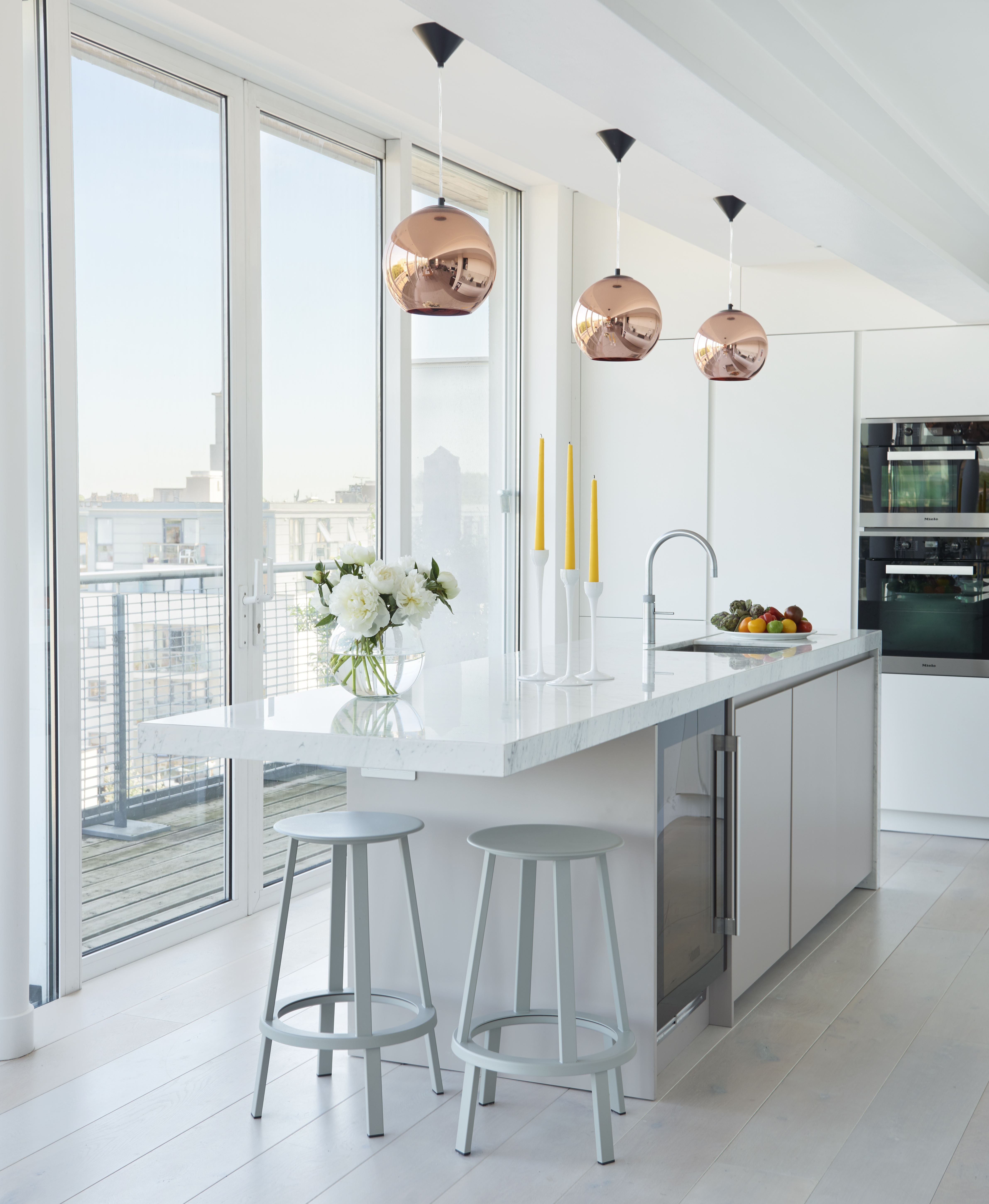
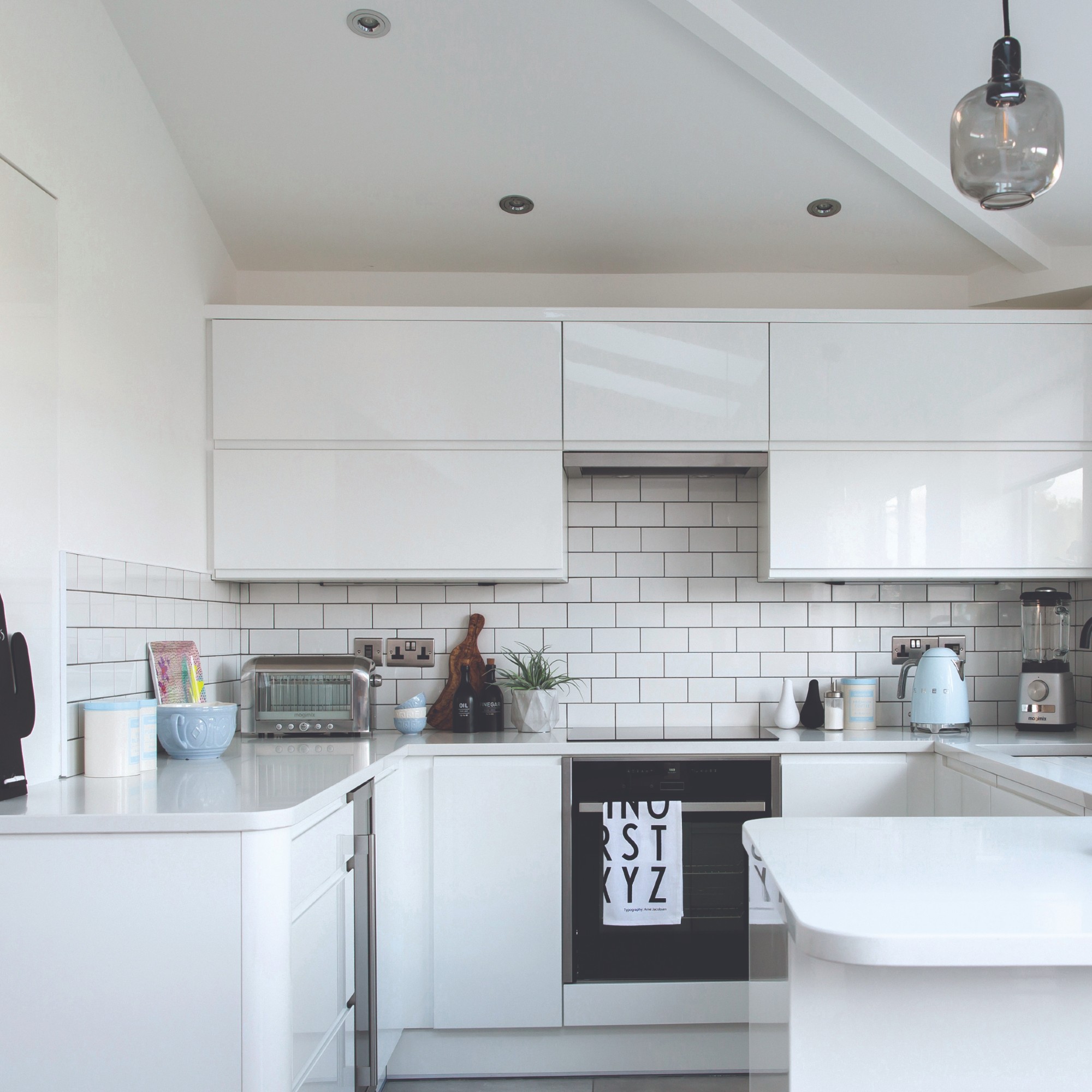
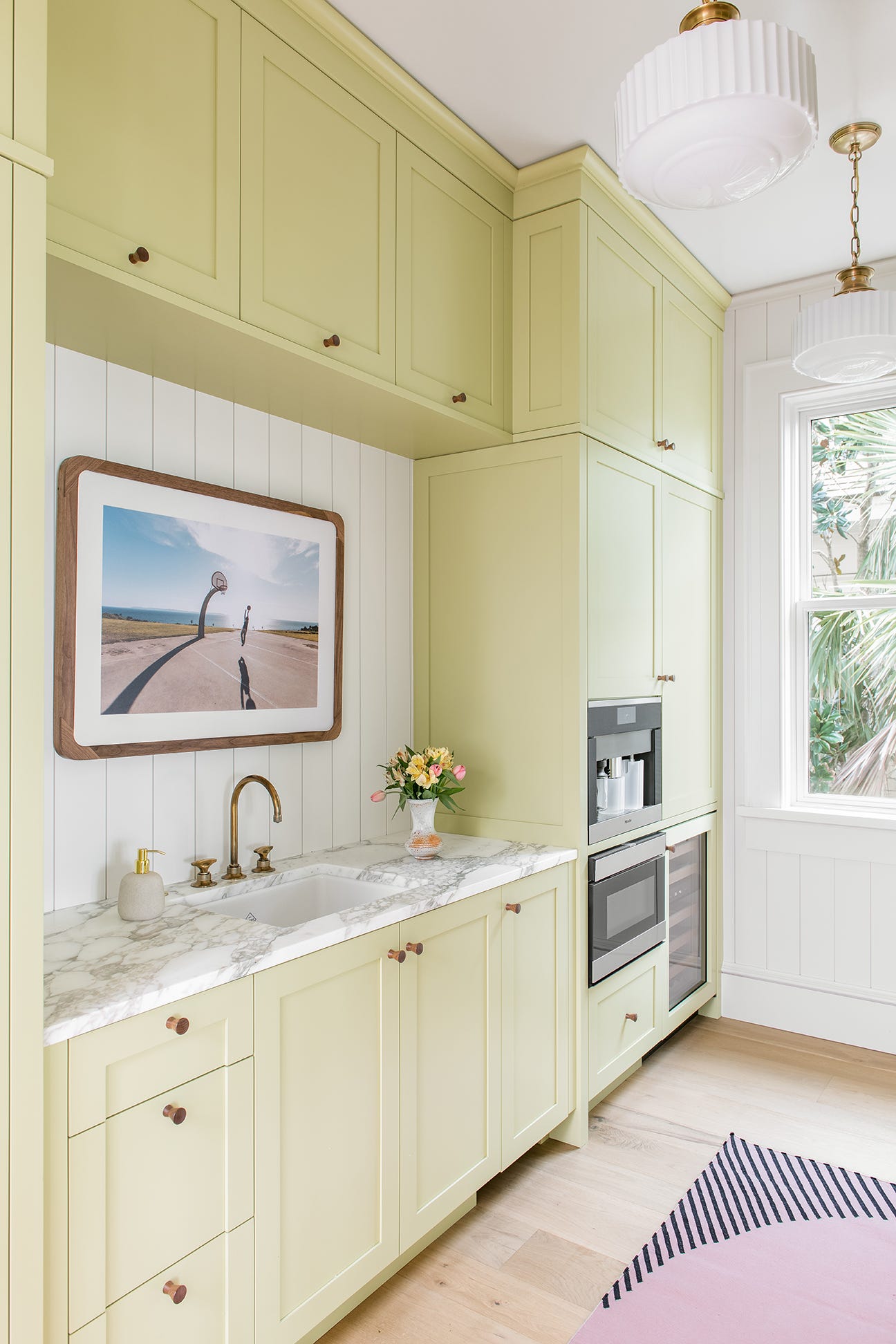
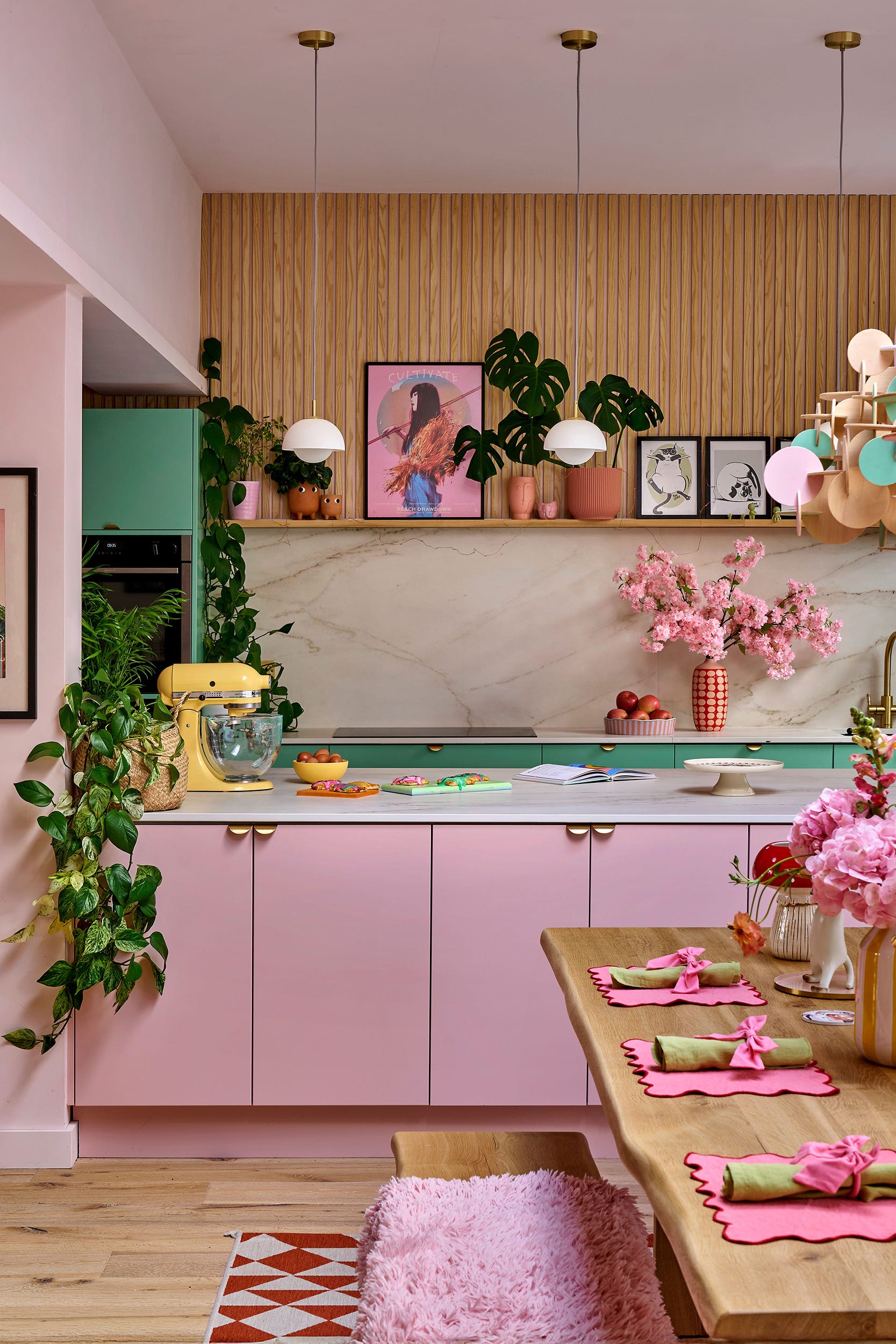
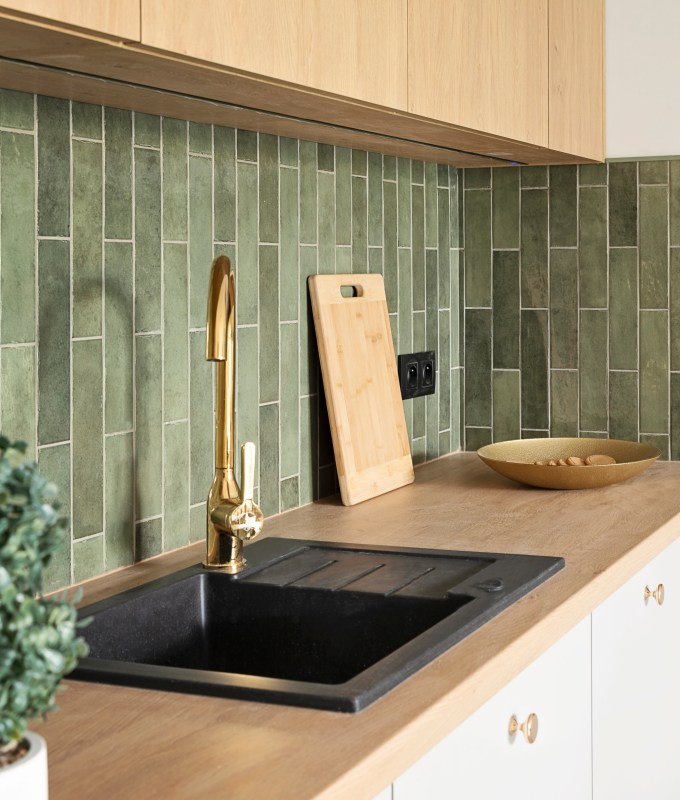
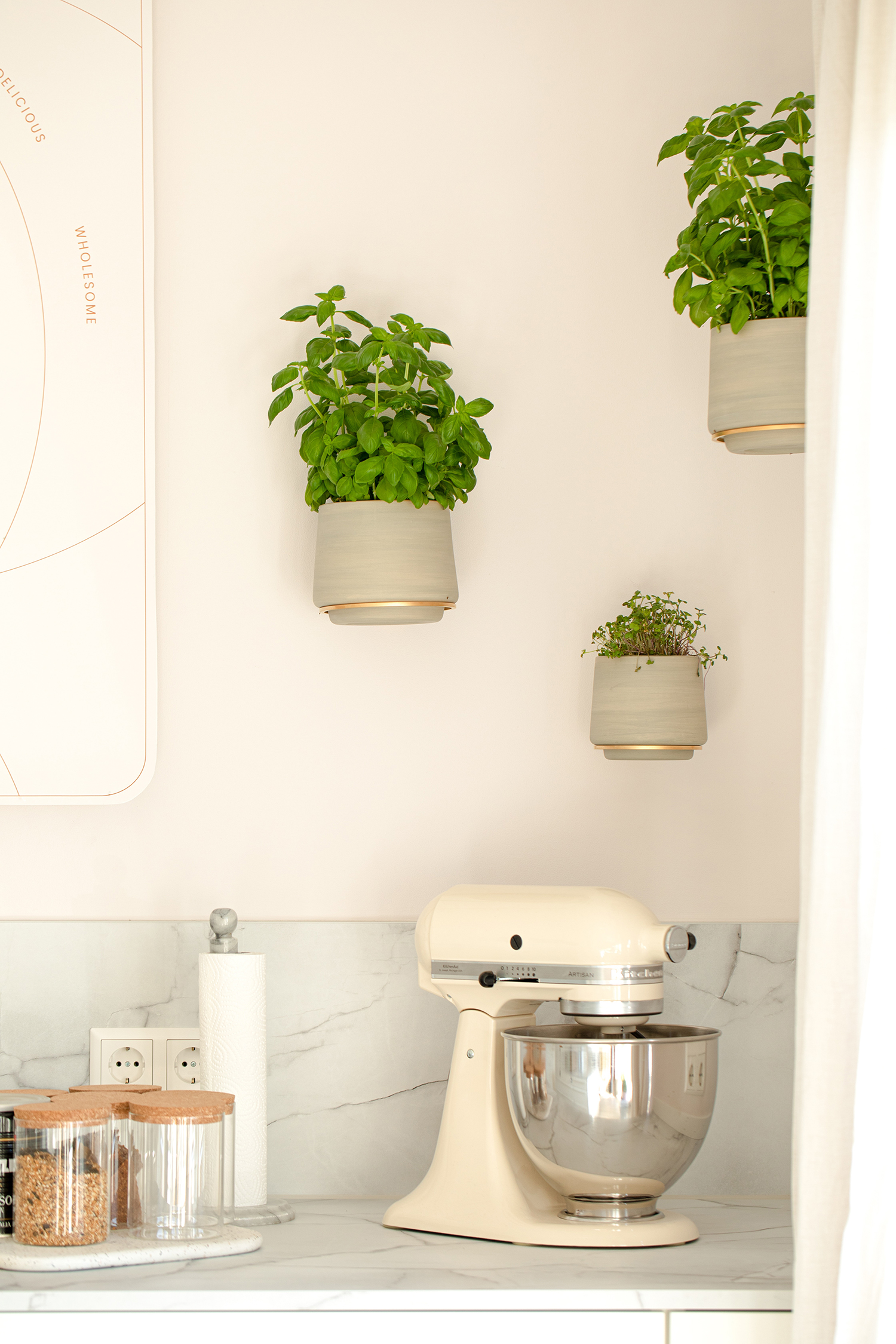
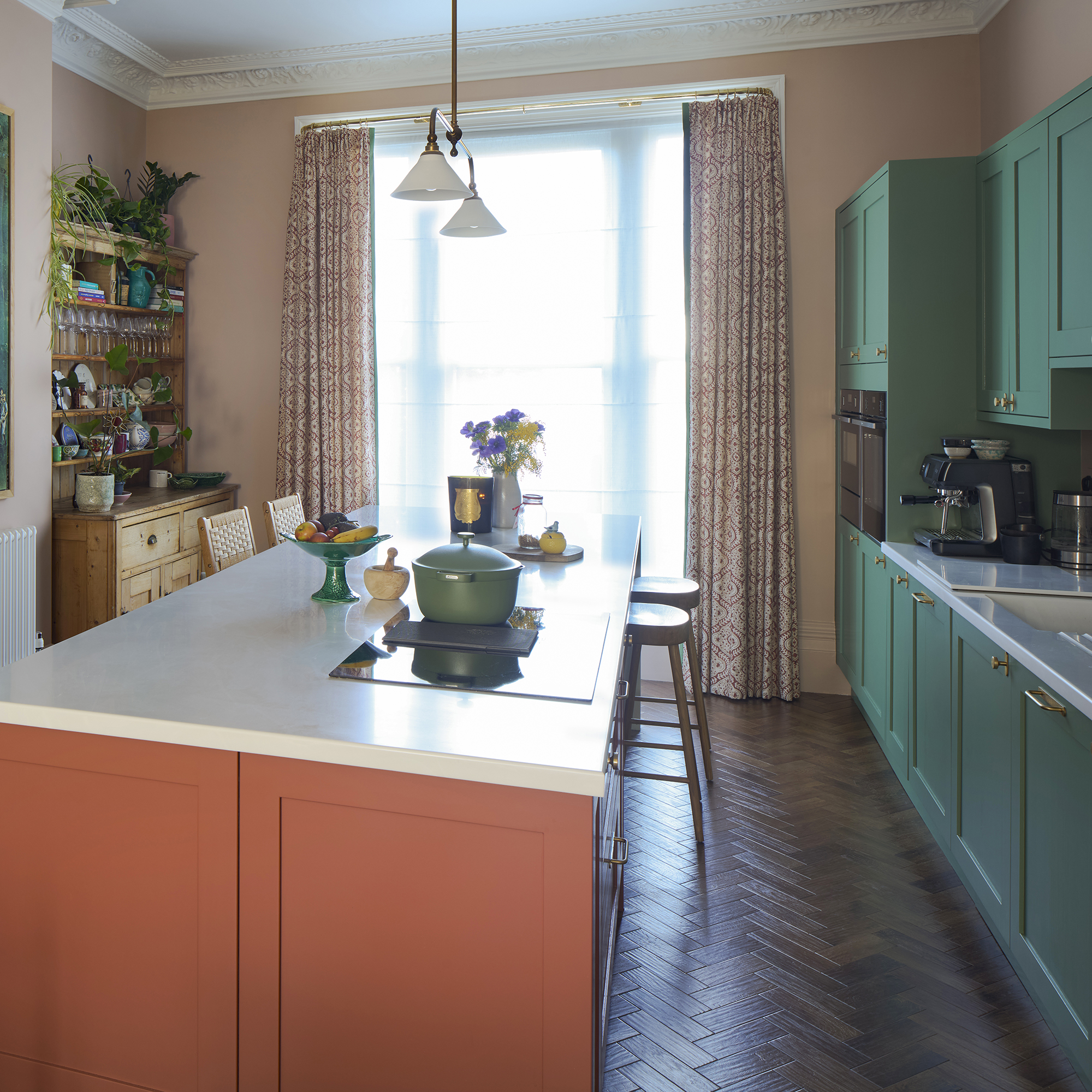
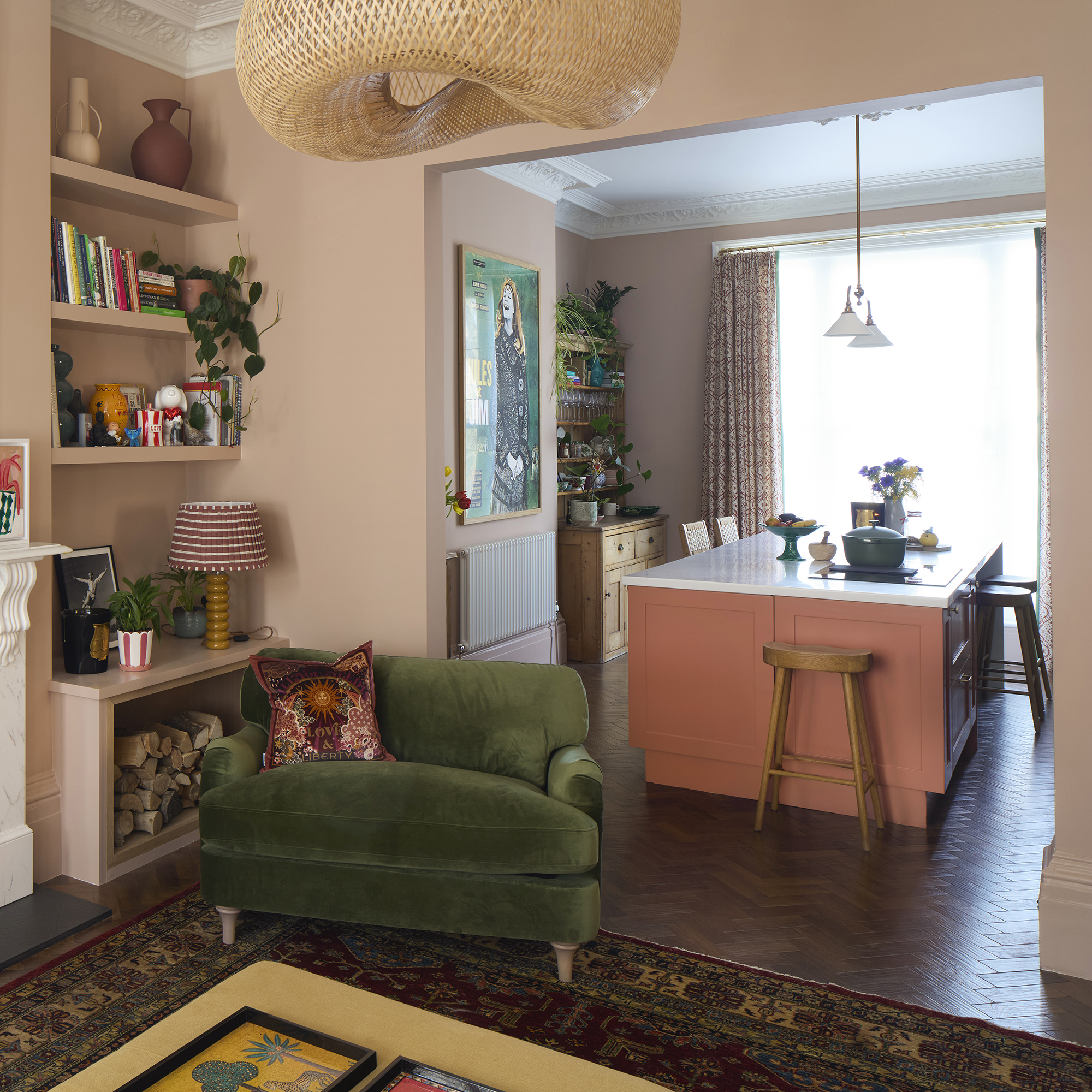
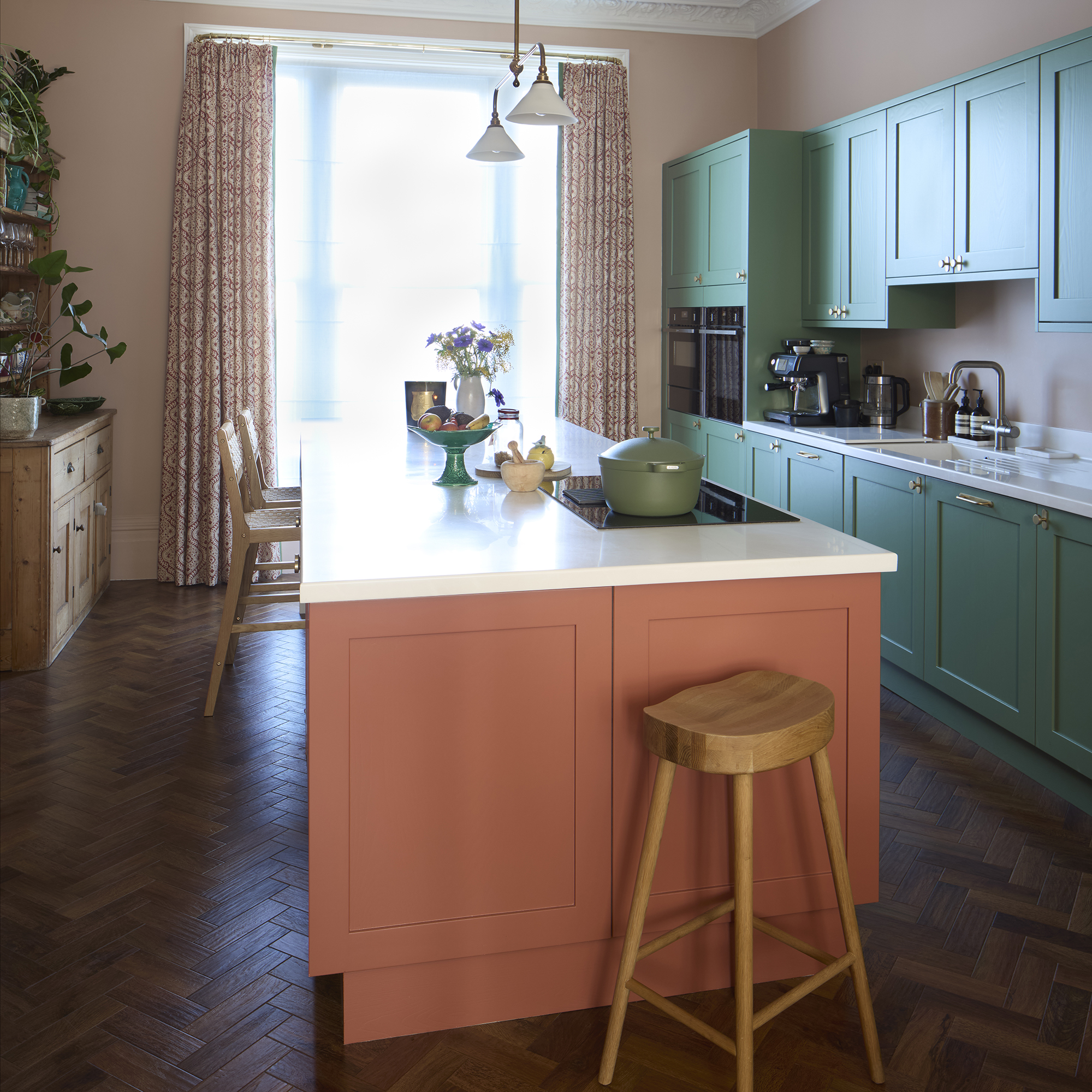
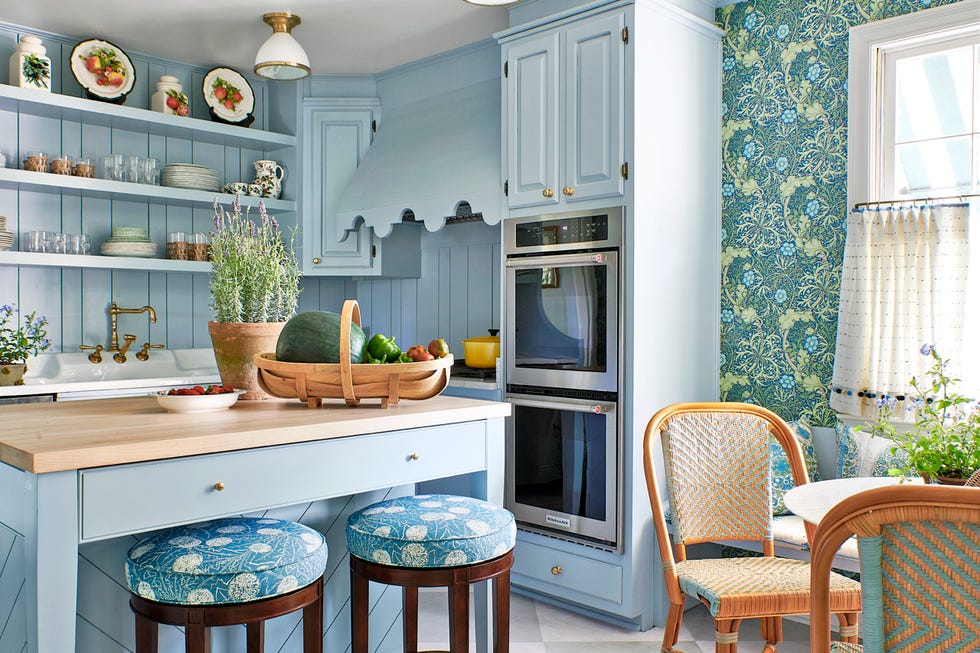
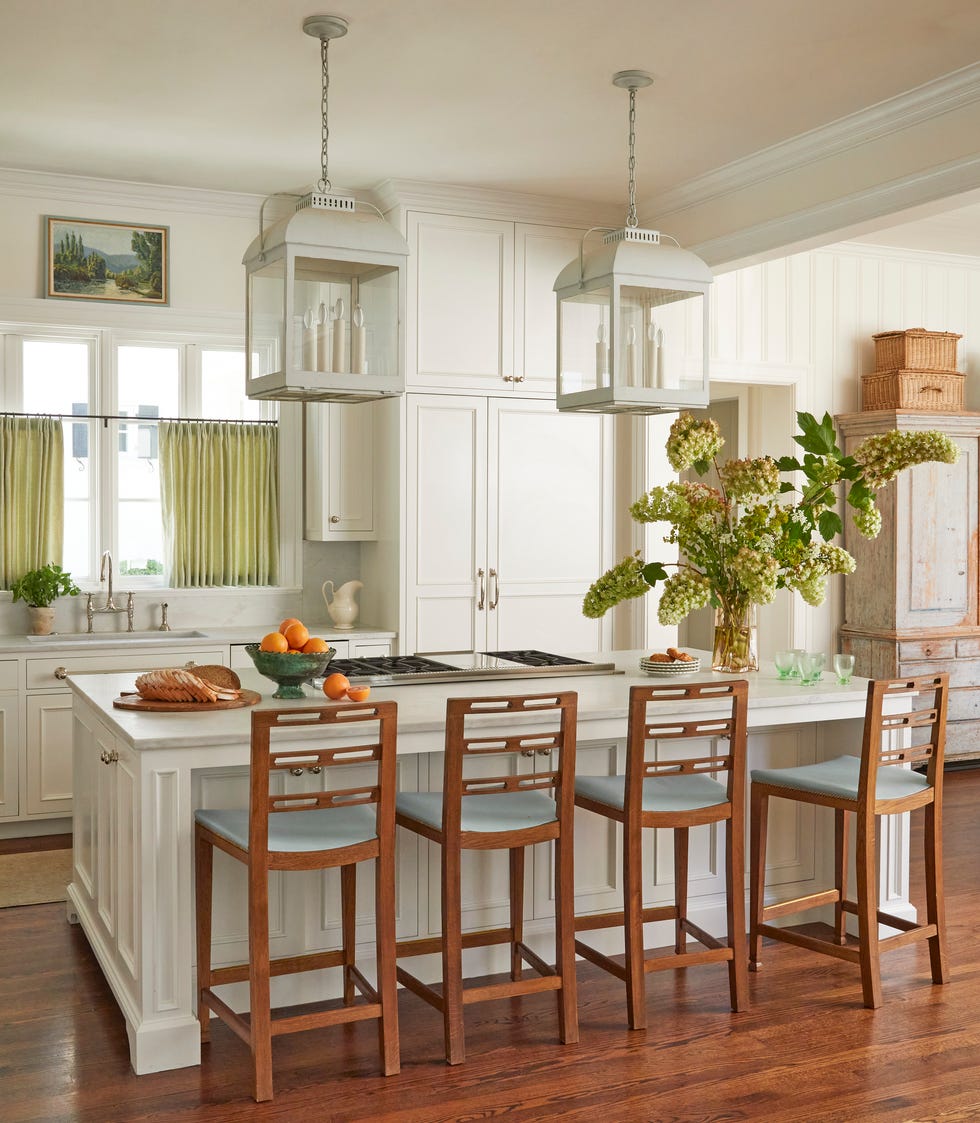
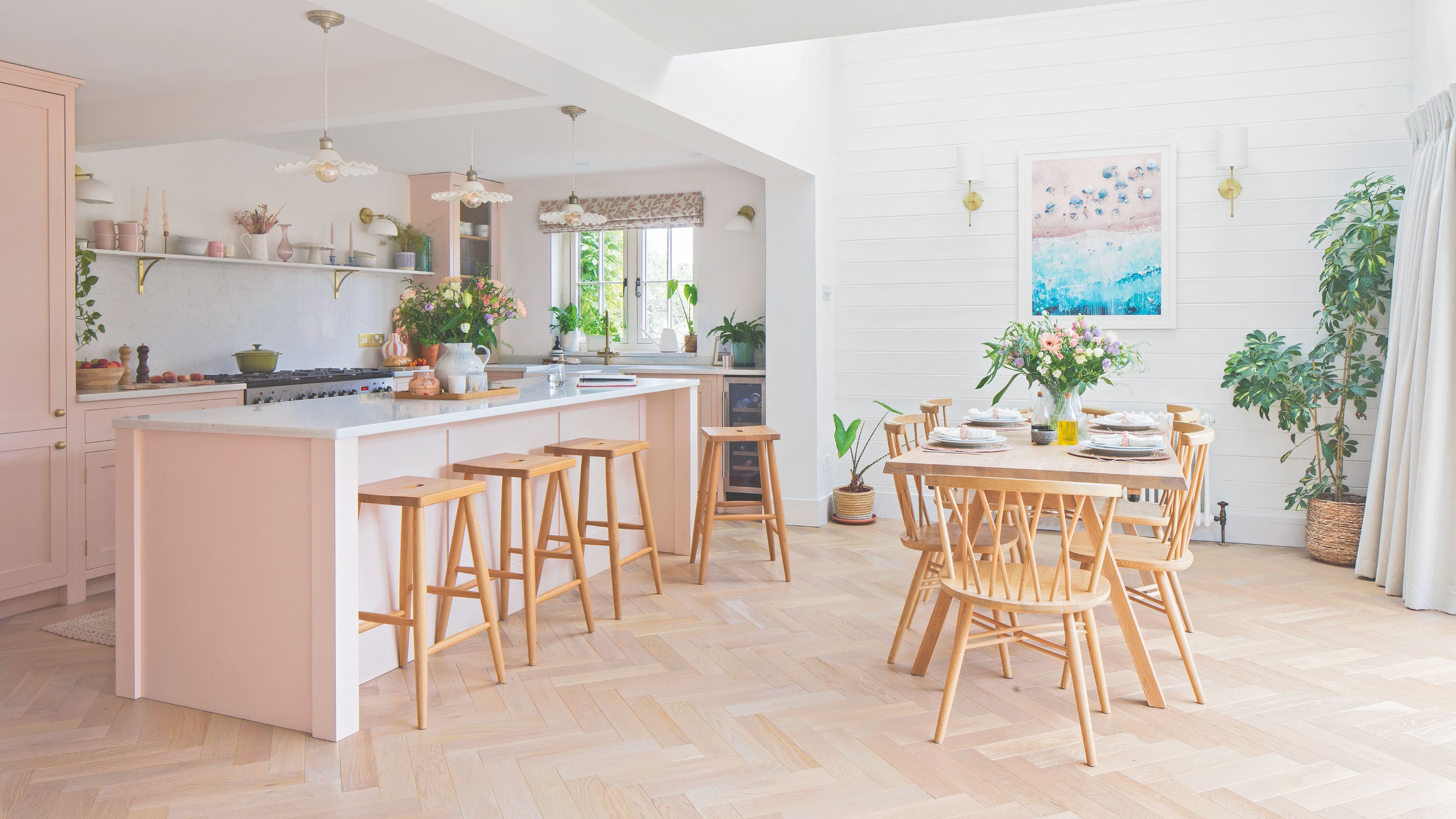
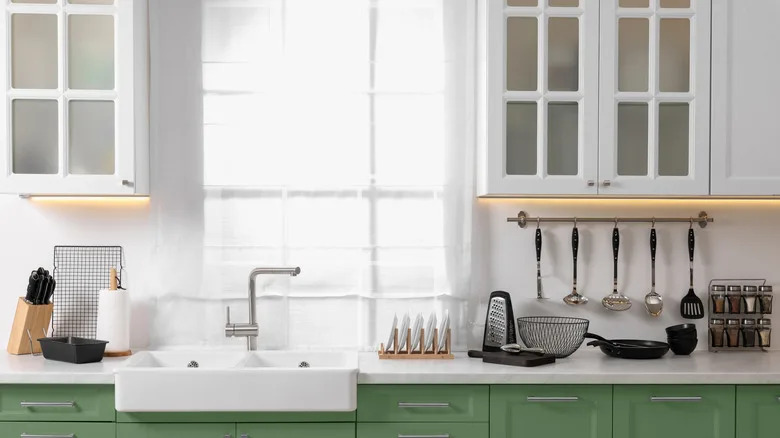
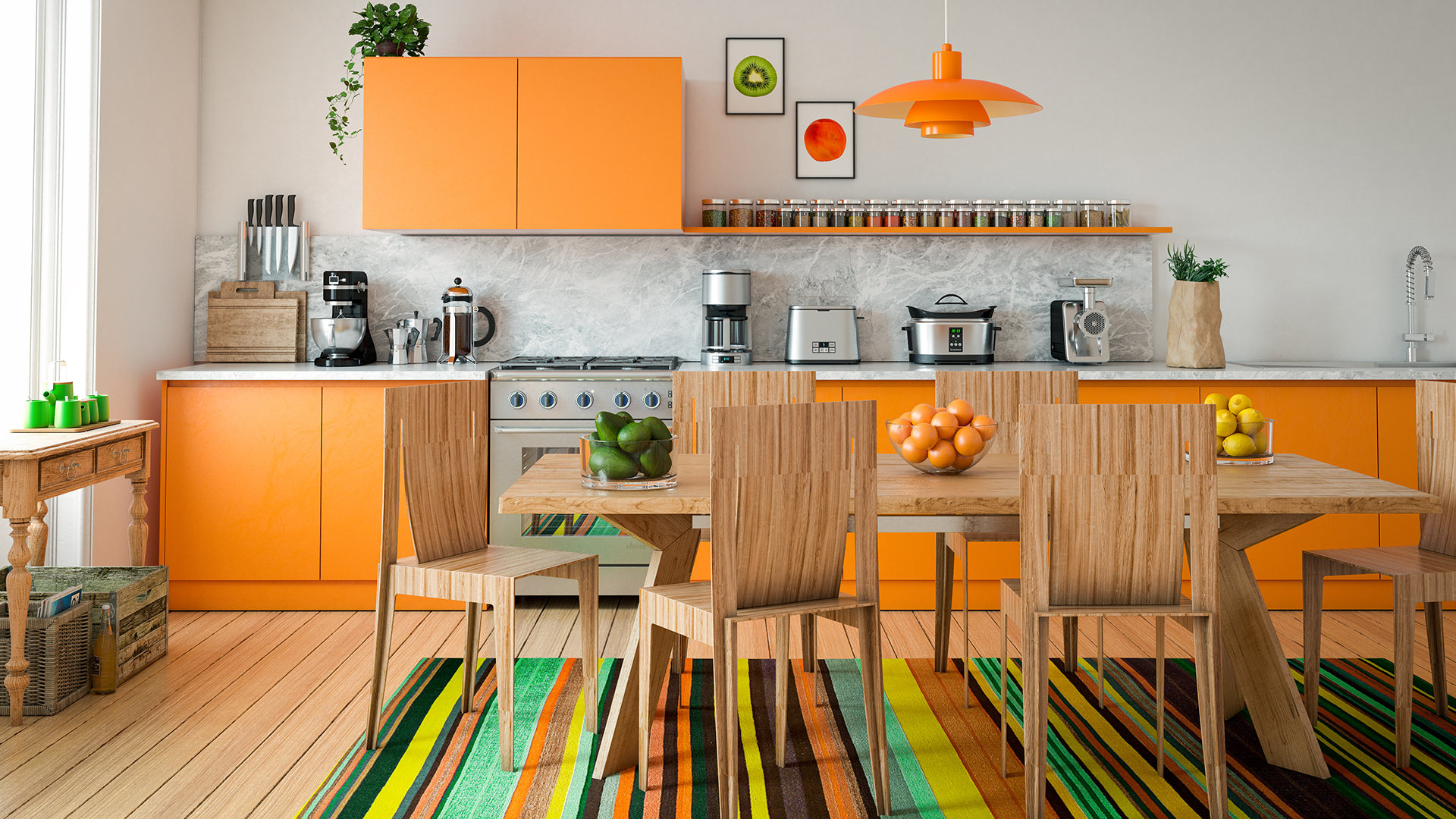
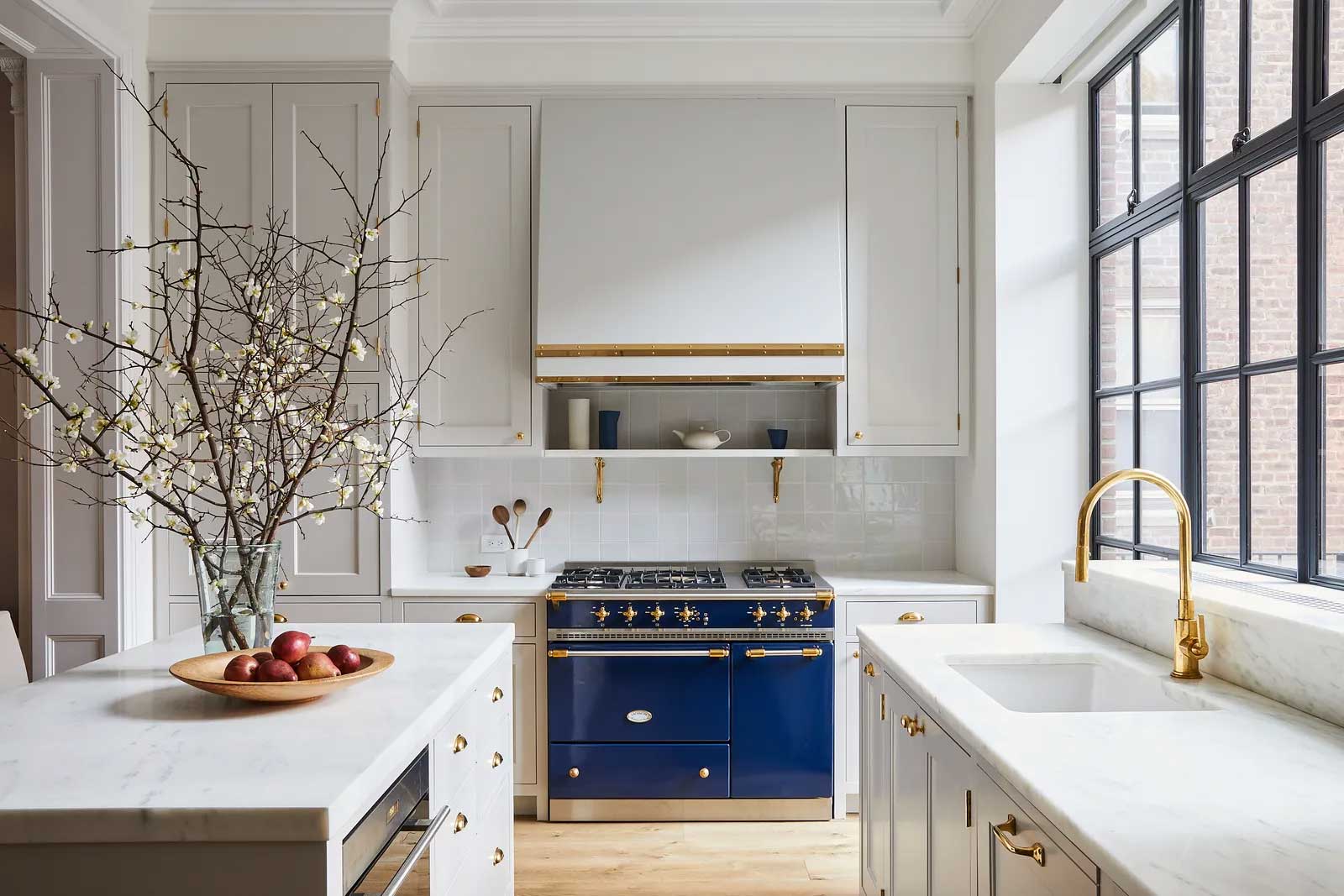
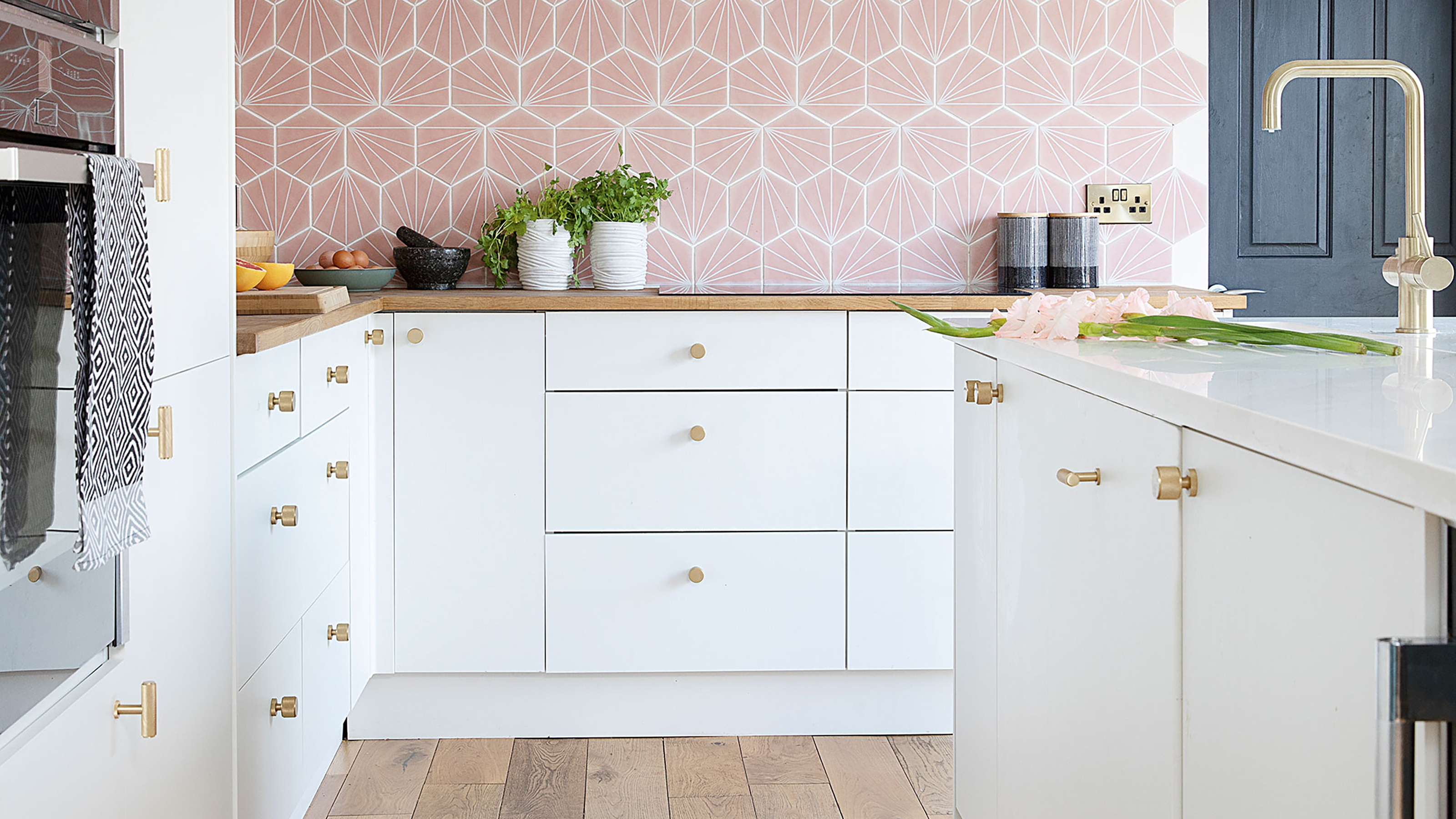
Several practical approaches are outlined for introducing color. For kitchens with low ceilings, the recommendation is to maintain white in the upper third of the space to maximize brightness, then introduce paler shades below the wall cabinets to prevent a stark look. This can be achieved with painted splashbacks or colored worktops, with blush pink or similar tones suggested for main units to ensure cohesion. Terrazzo tiles are also proposed for flooring, offering speckled colors for visual interest. In larger kitchens, consistent color application across the space is possible, favoring pale 'ice cream' shades like pink, green, or sky blue, which pair well with crisp white. Warming up these spaces can involve brass bar stools, plants, and fresh flowers, while herringbone wooden flooring adds depth and color. Investing in brightly colored appliances is another method, with advice to choose colors that align with the kitchen's overall style, whether country, contemporary, retro, or traditional.
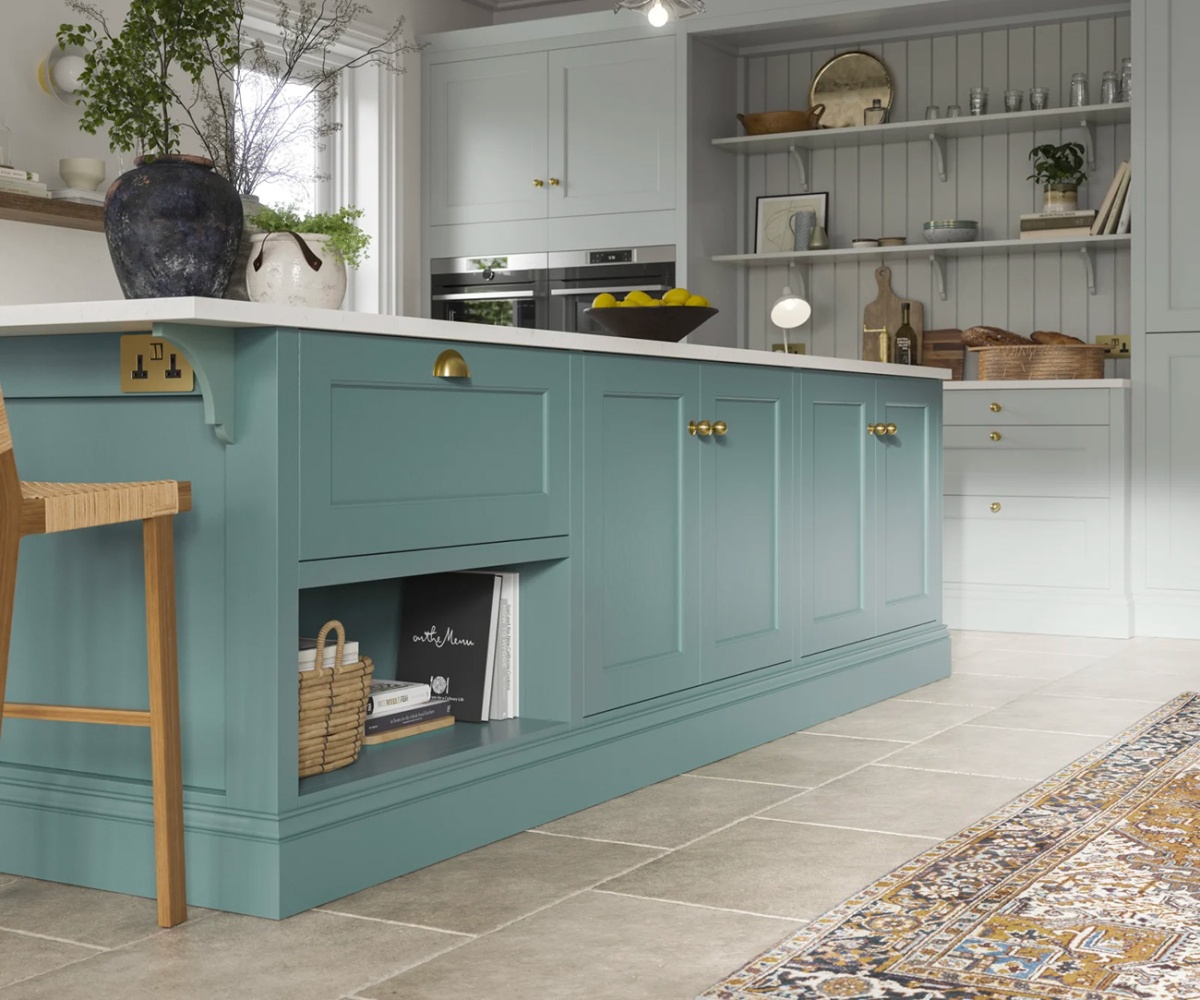
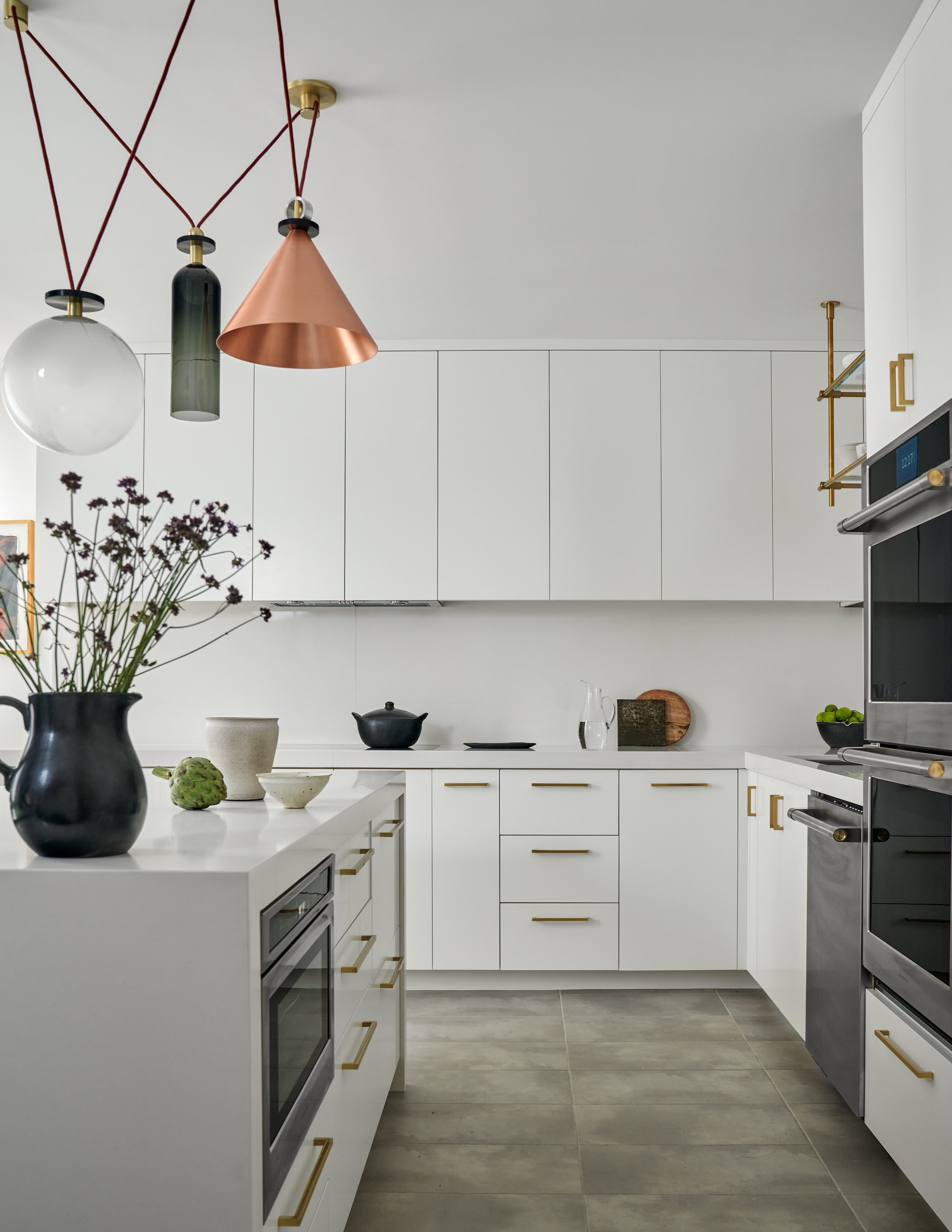
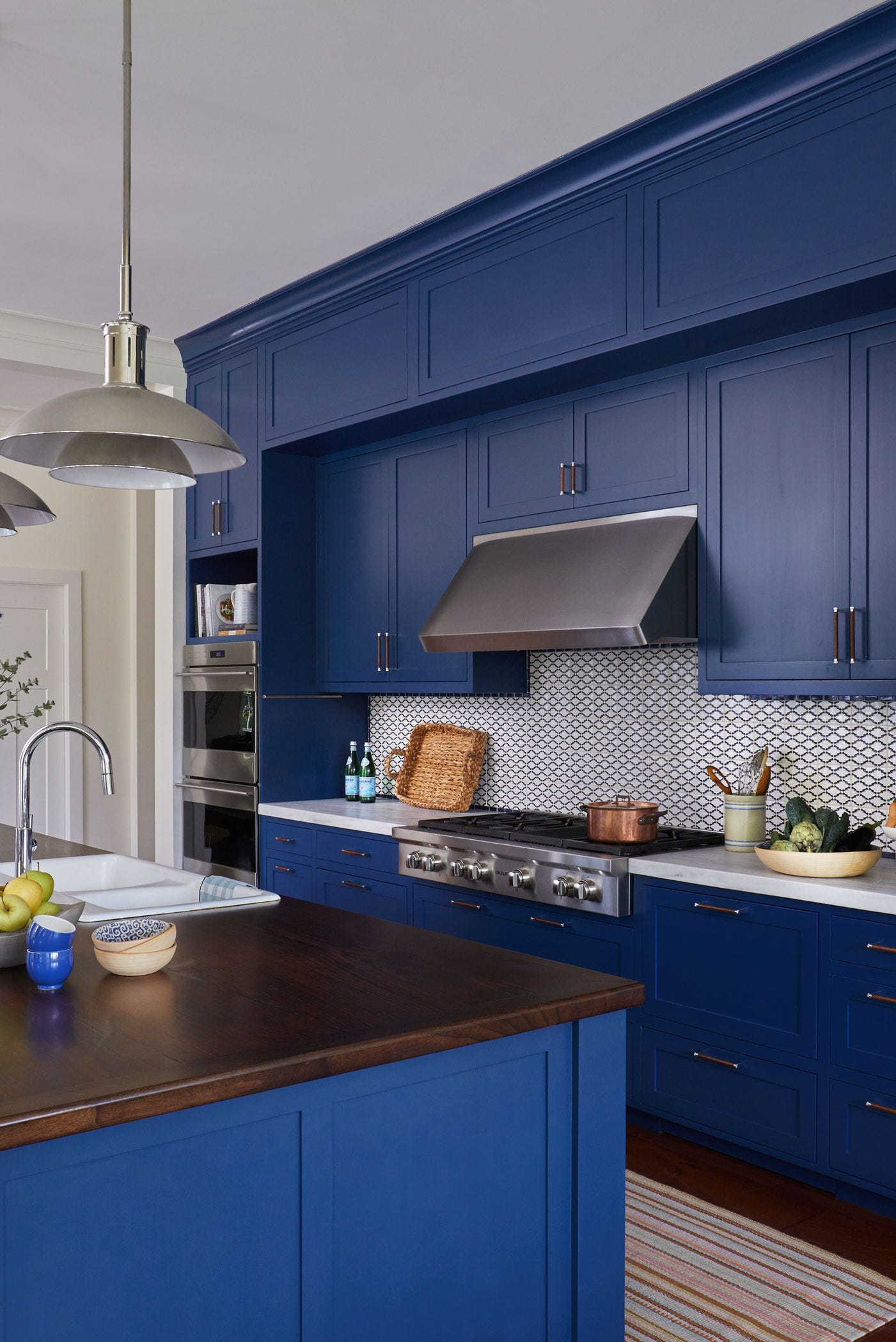
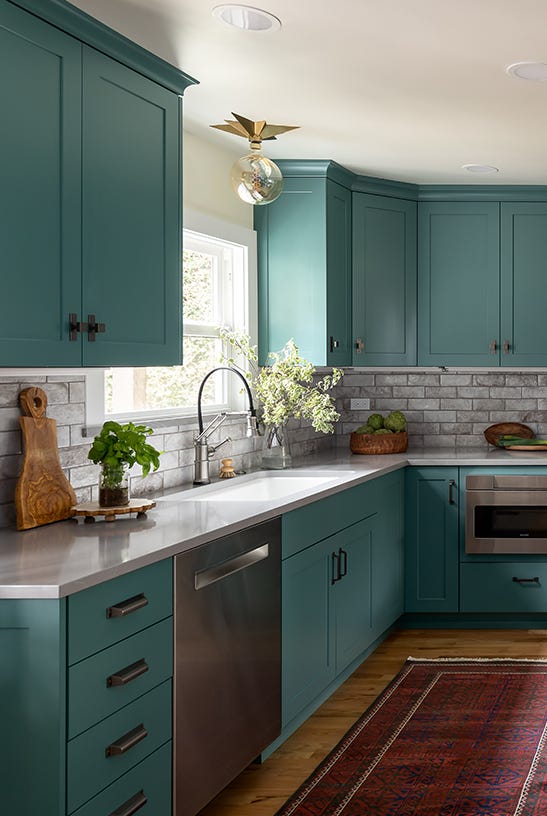
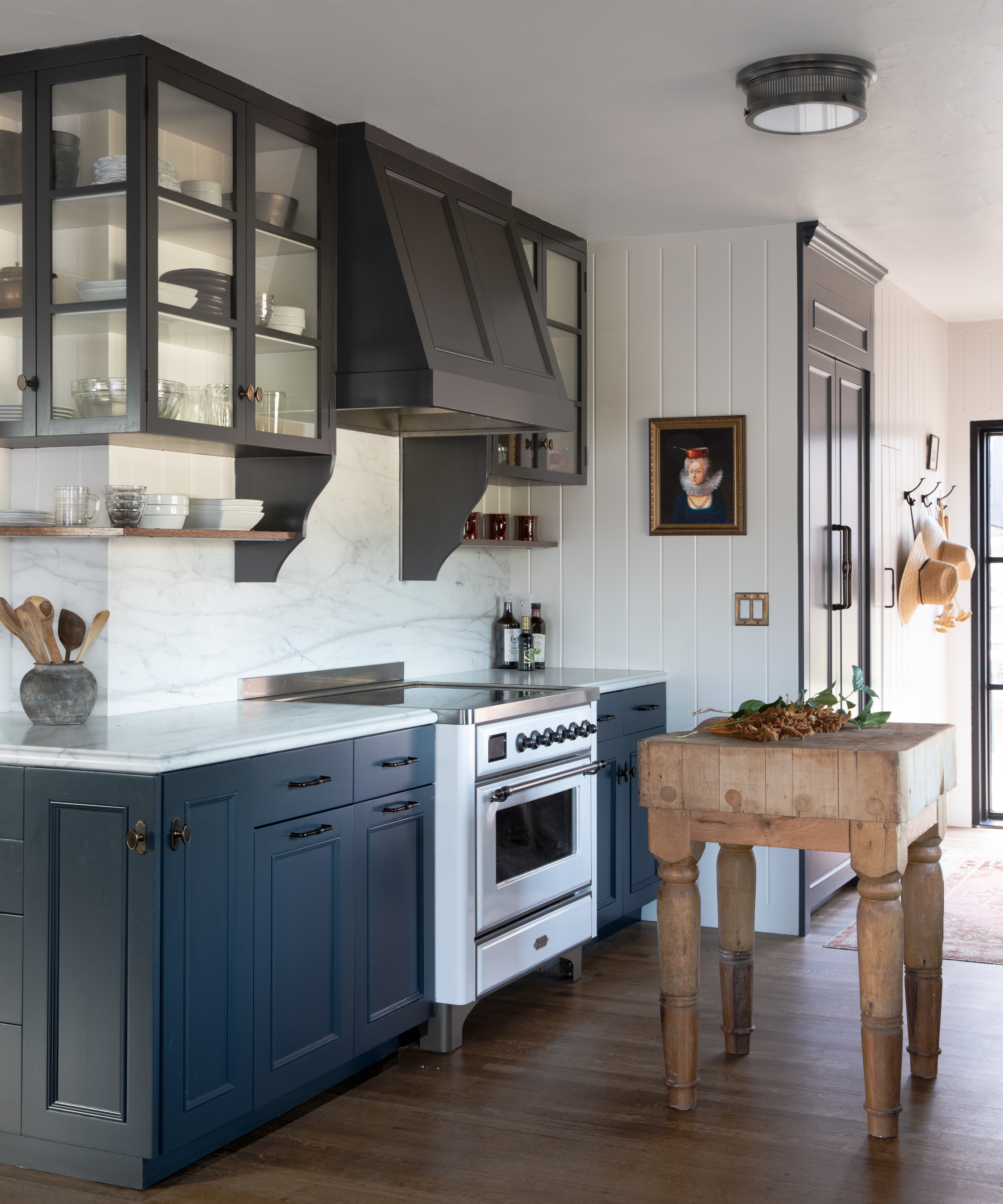
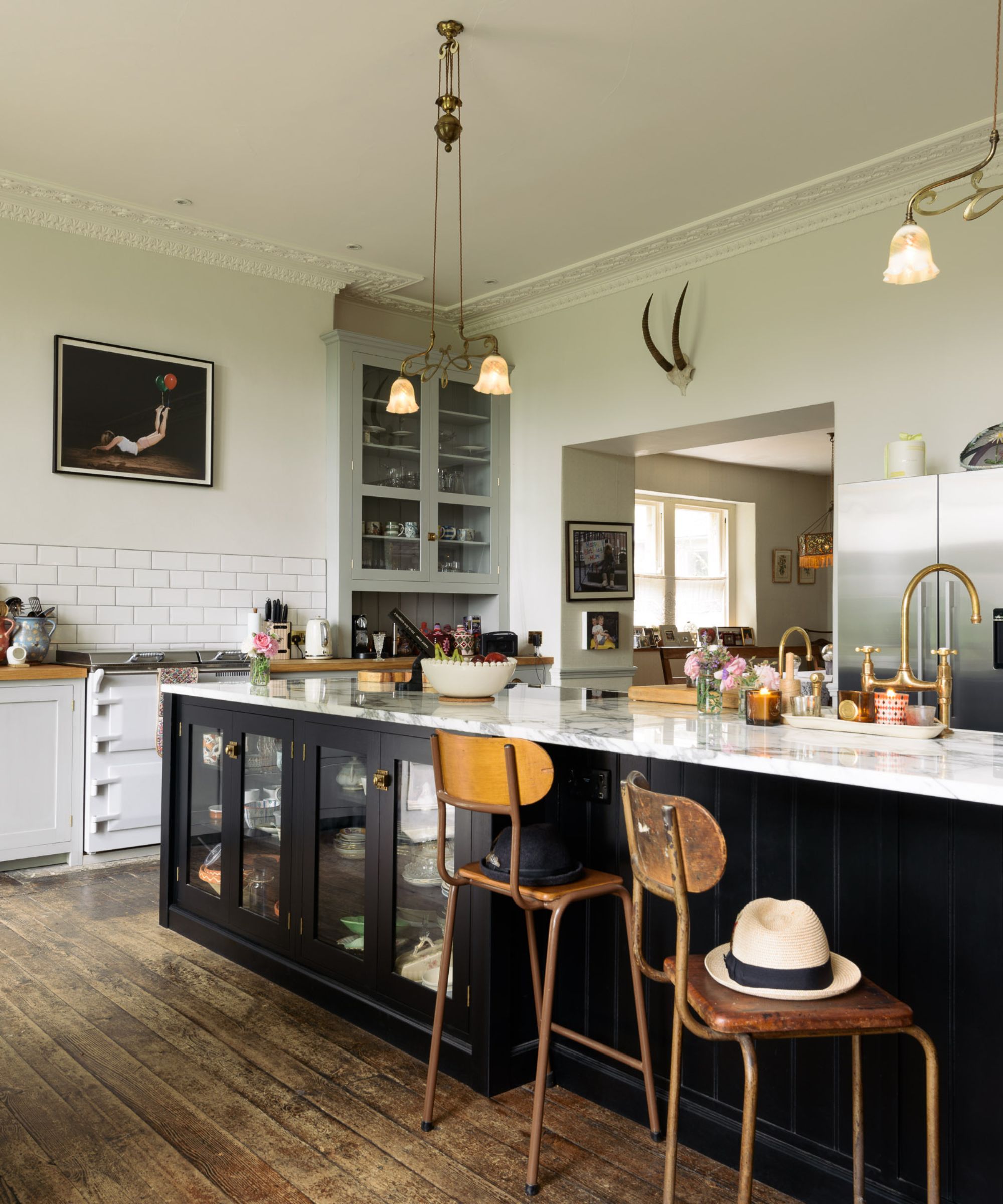
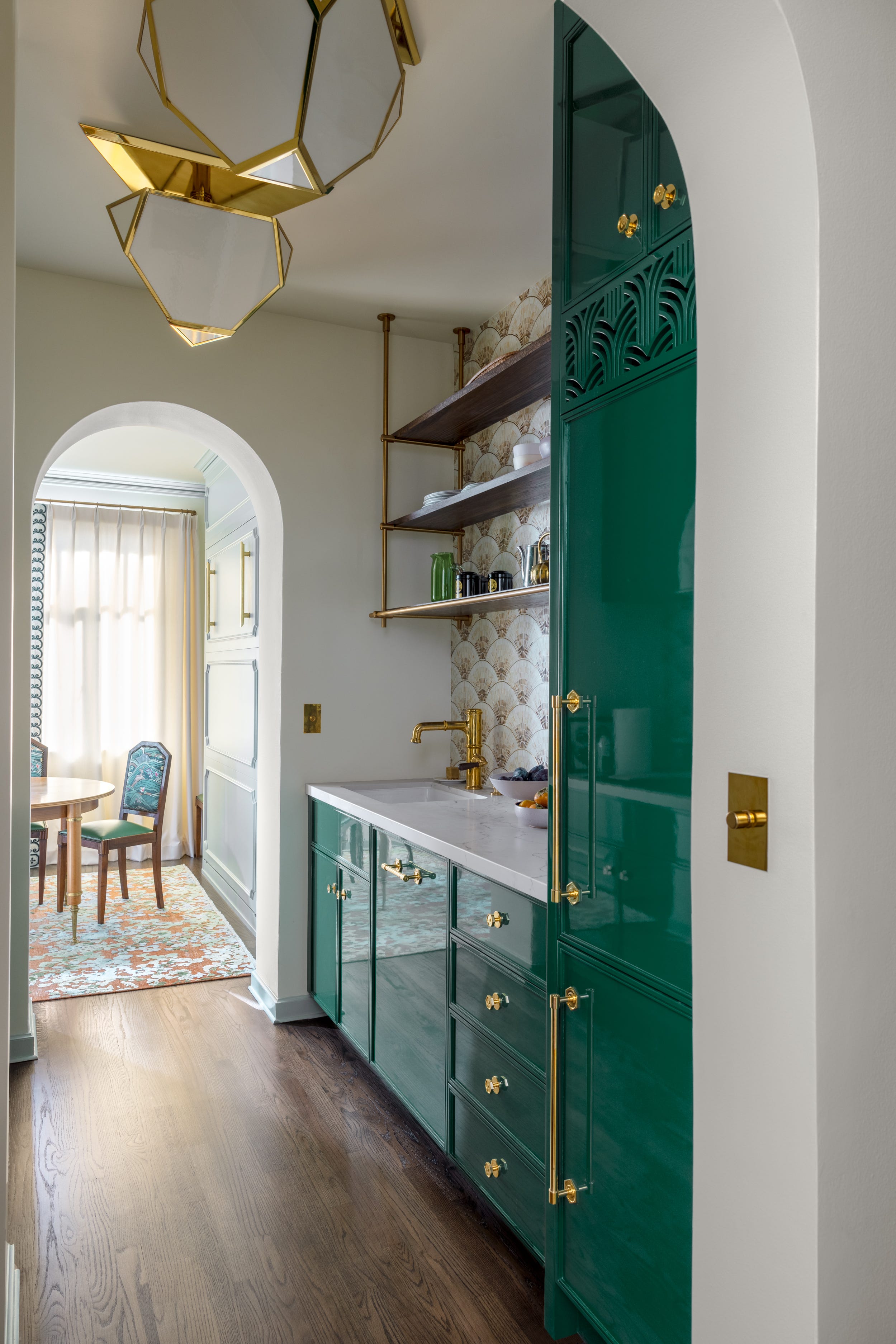
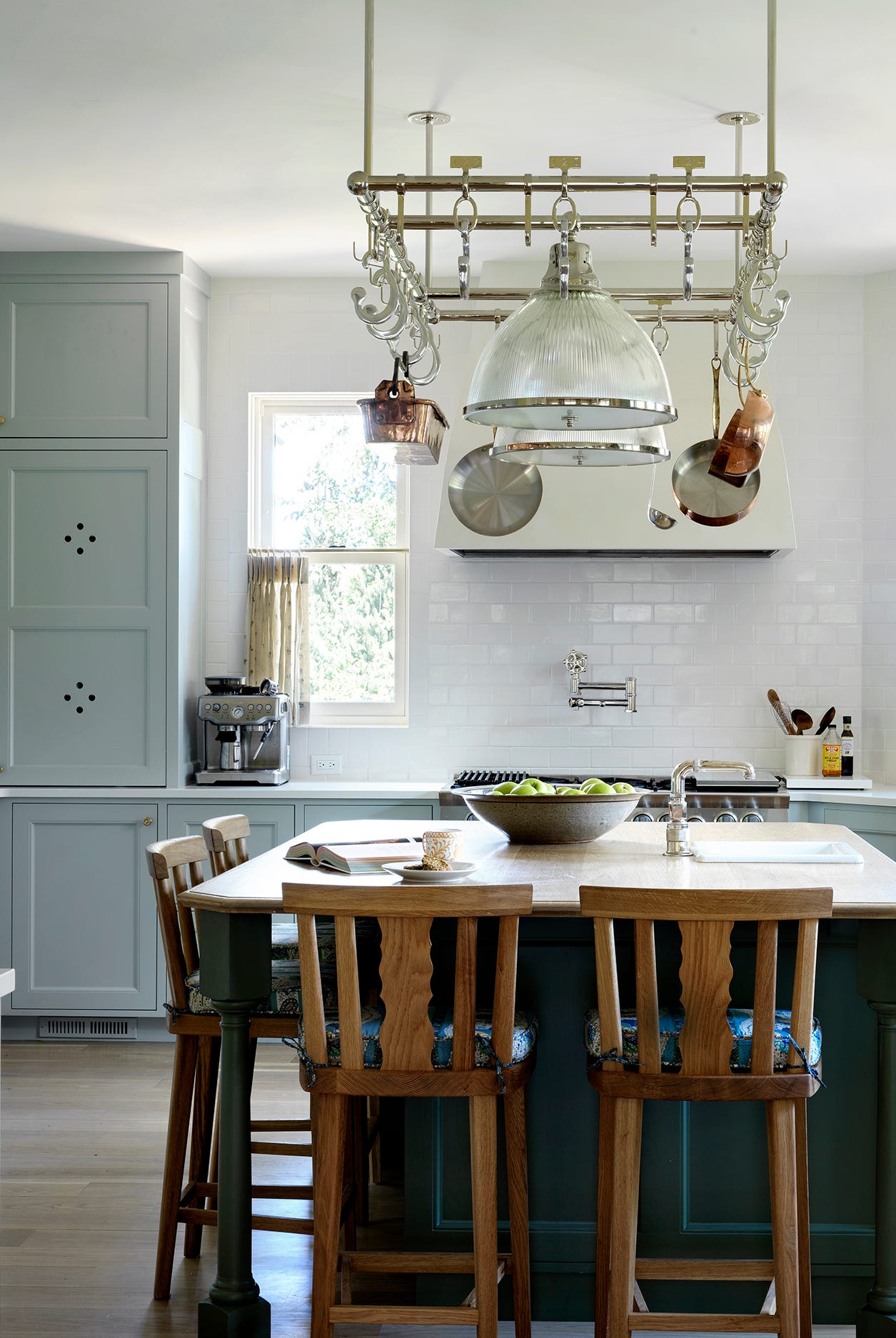
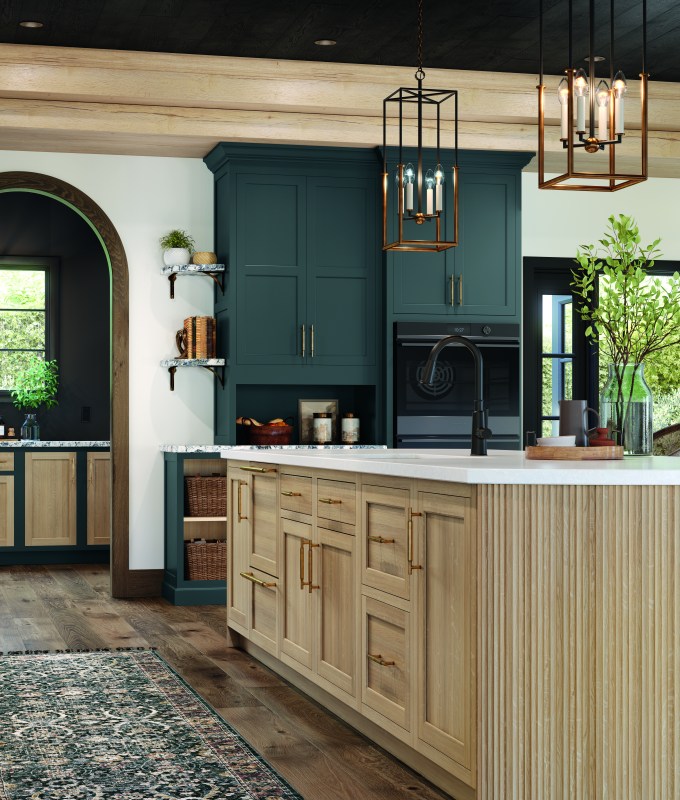
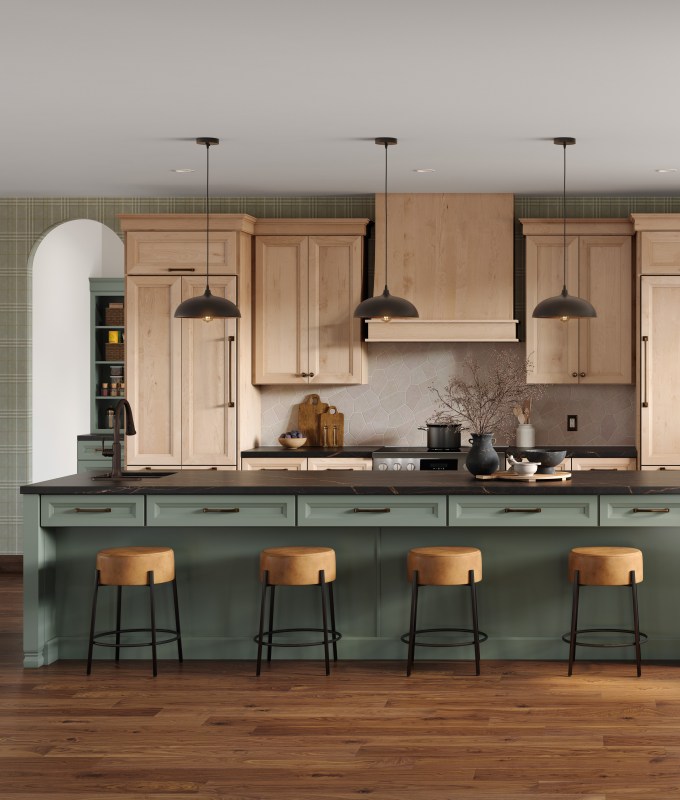

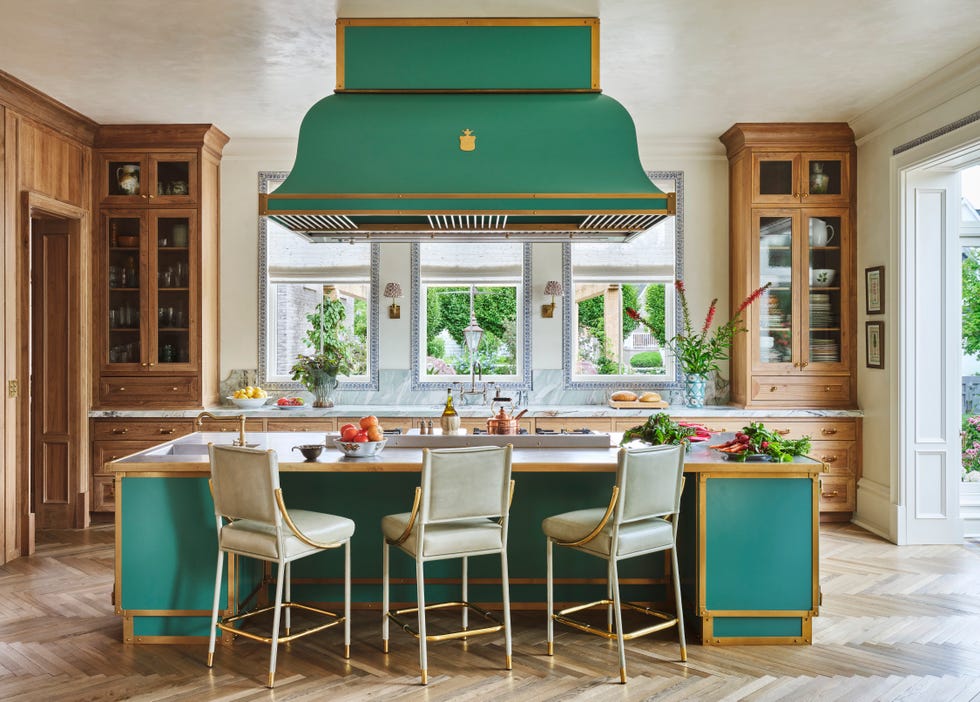
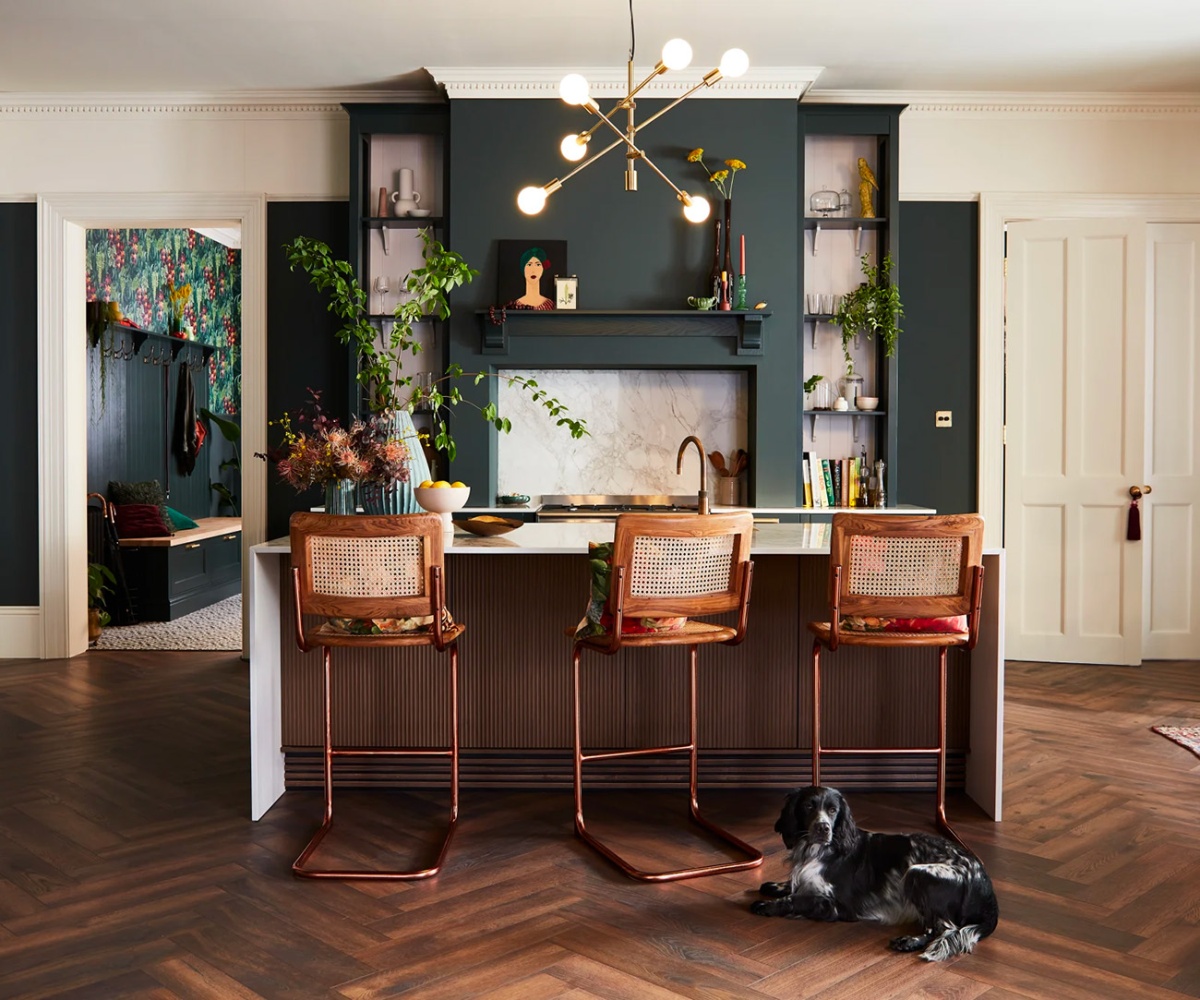
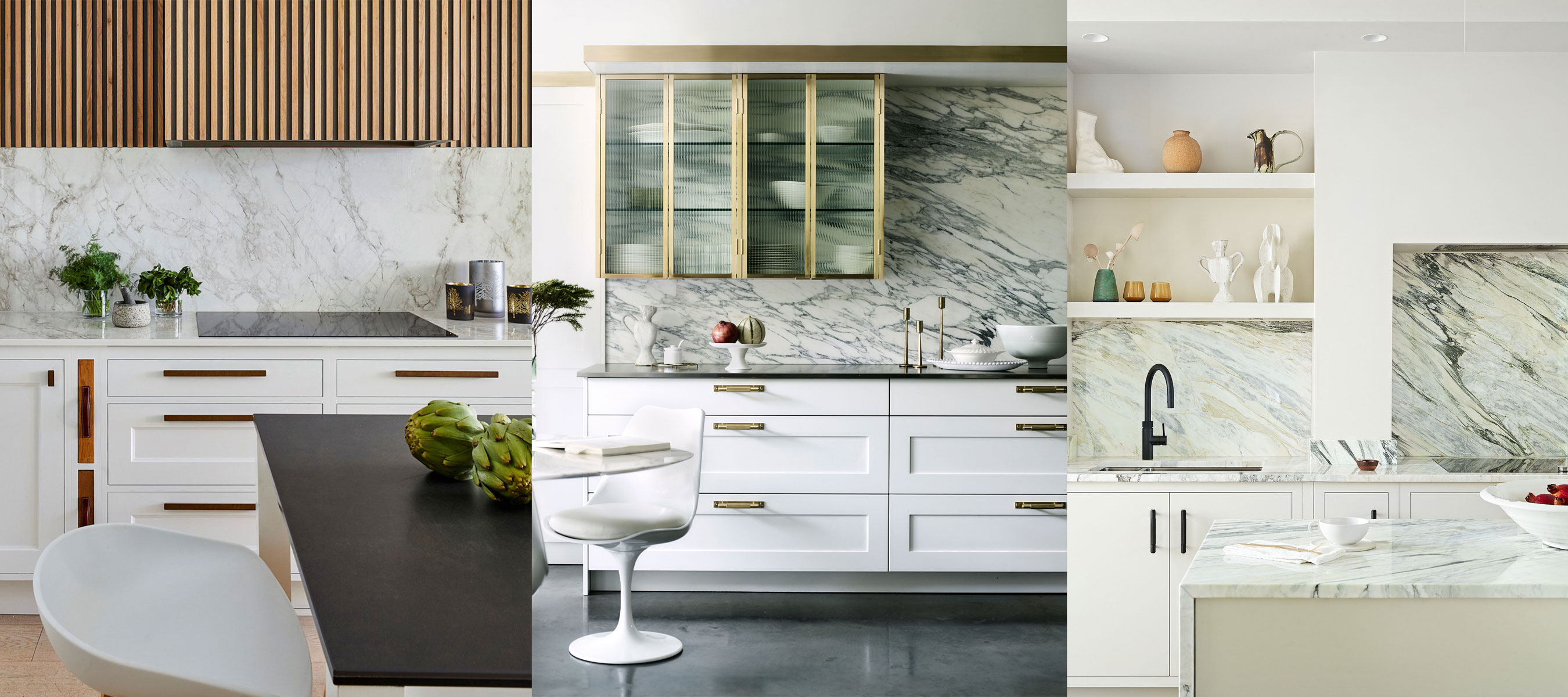
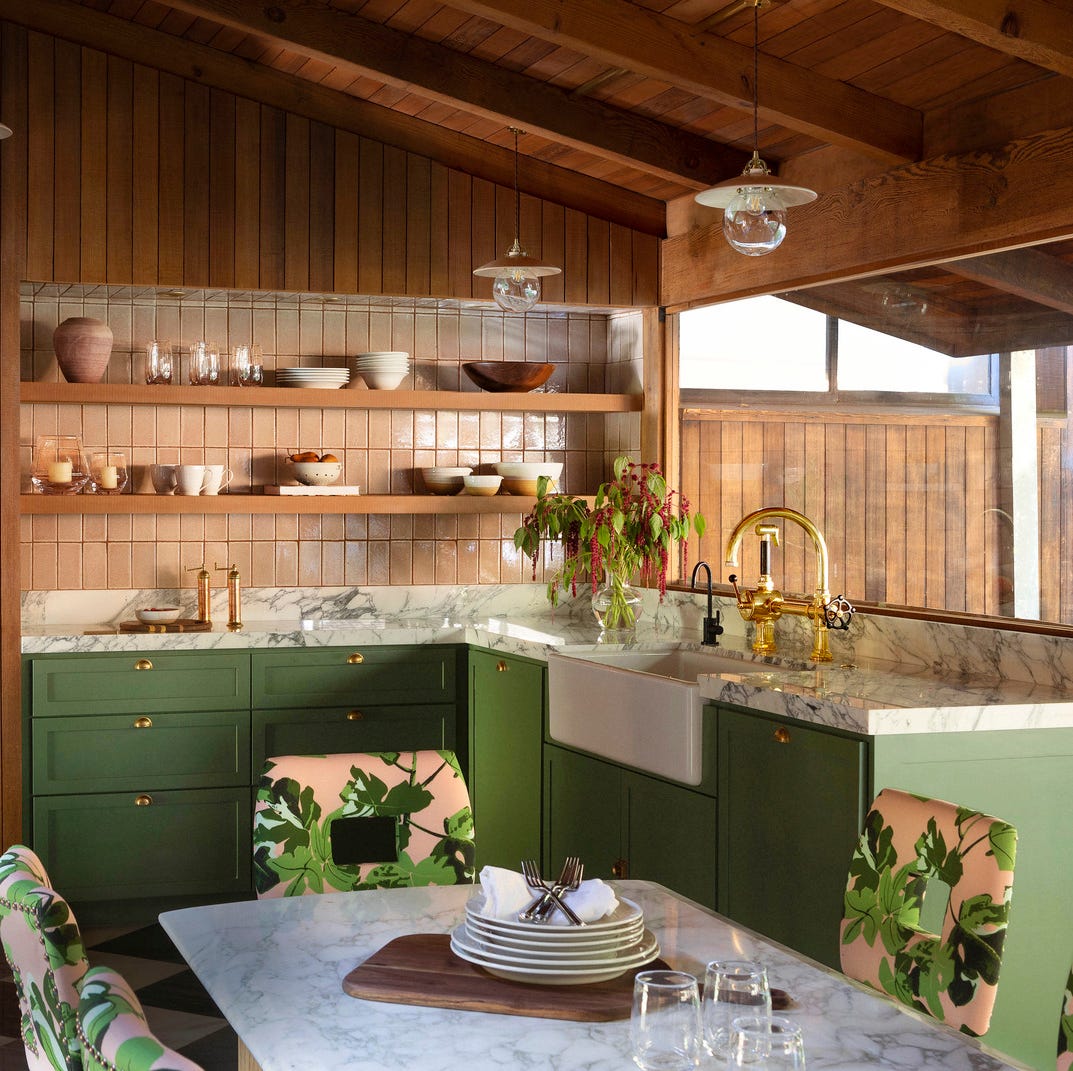
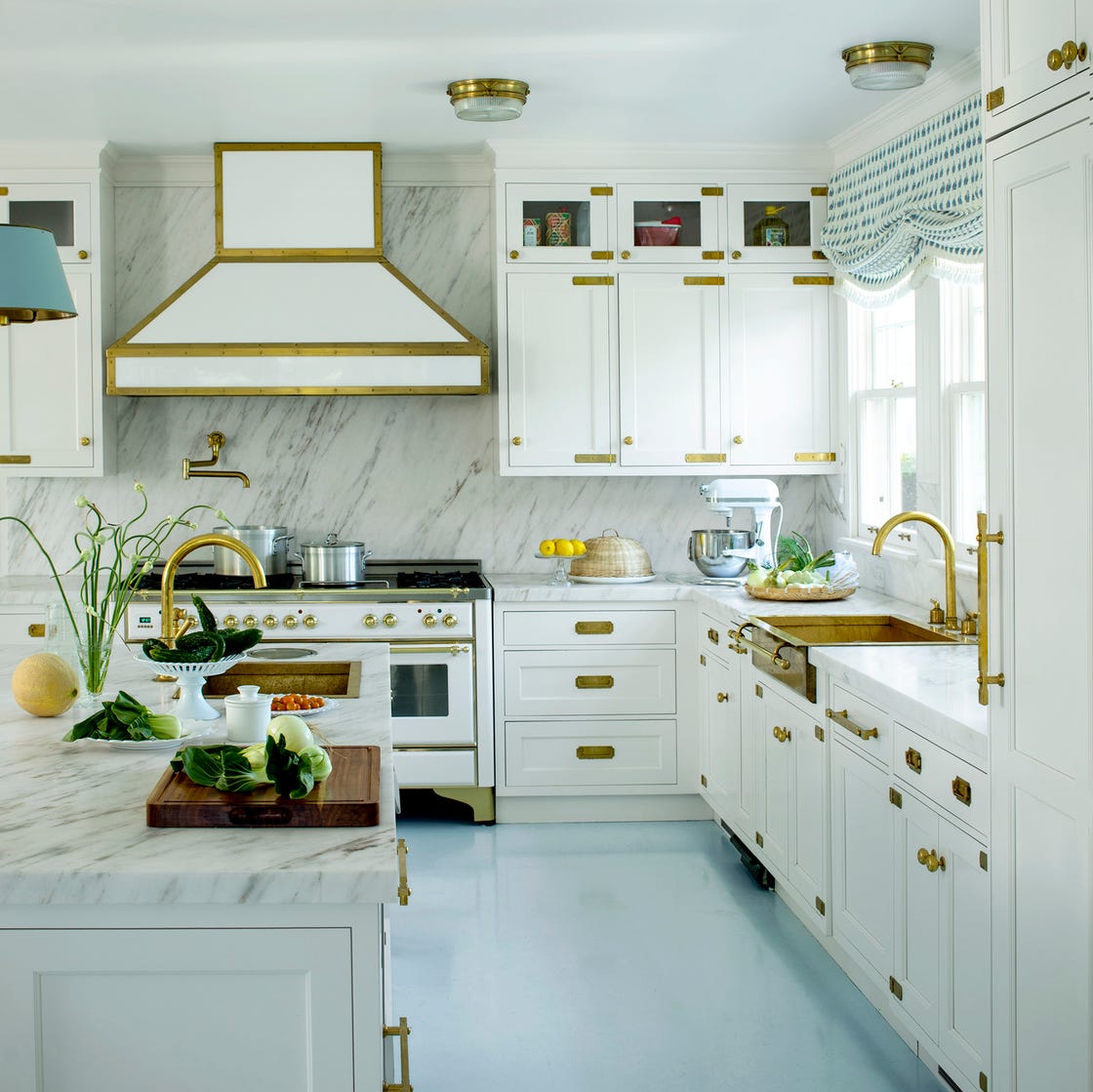
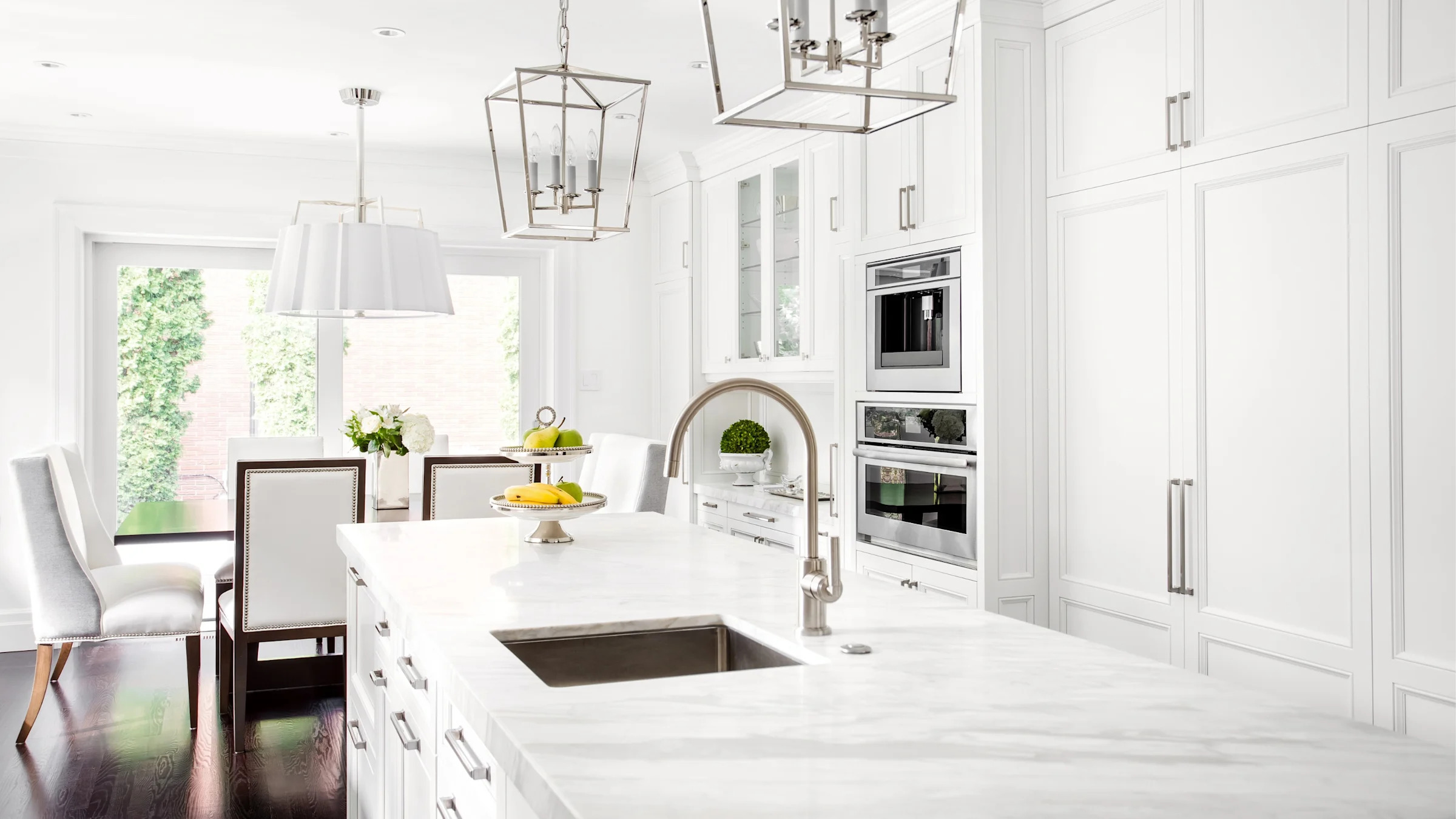
Warm metallics like brass are highlighted as a stylish way to add color, recommended for pendant lights, door knobs, handles, accessories, and bar stools. The article suggests that a mix of brass, bronze, and silver can create a sophisticated look, with statement chandeliers serving as a dramatic focal point. For those who appreciate darker hues, balancing them with white is suggested by confining darker colors to base and wall cabinets while maintaining white worktops and marble-style splashbacks to preserve the brightness of the white. Painting the kitchen island is presented as a subtle yet impactful way to introduce color, providing a focal point without overwhelming the entire space. Examples include rich green tones complemented by neutral wall cabinetry and metallic finishes.
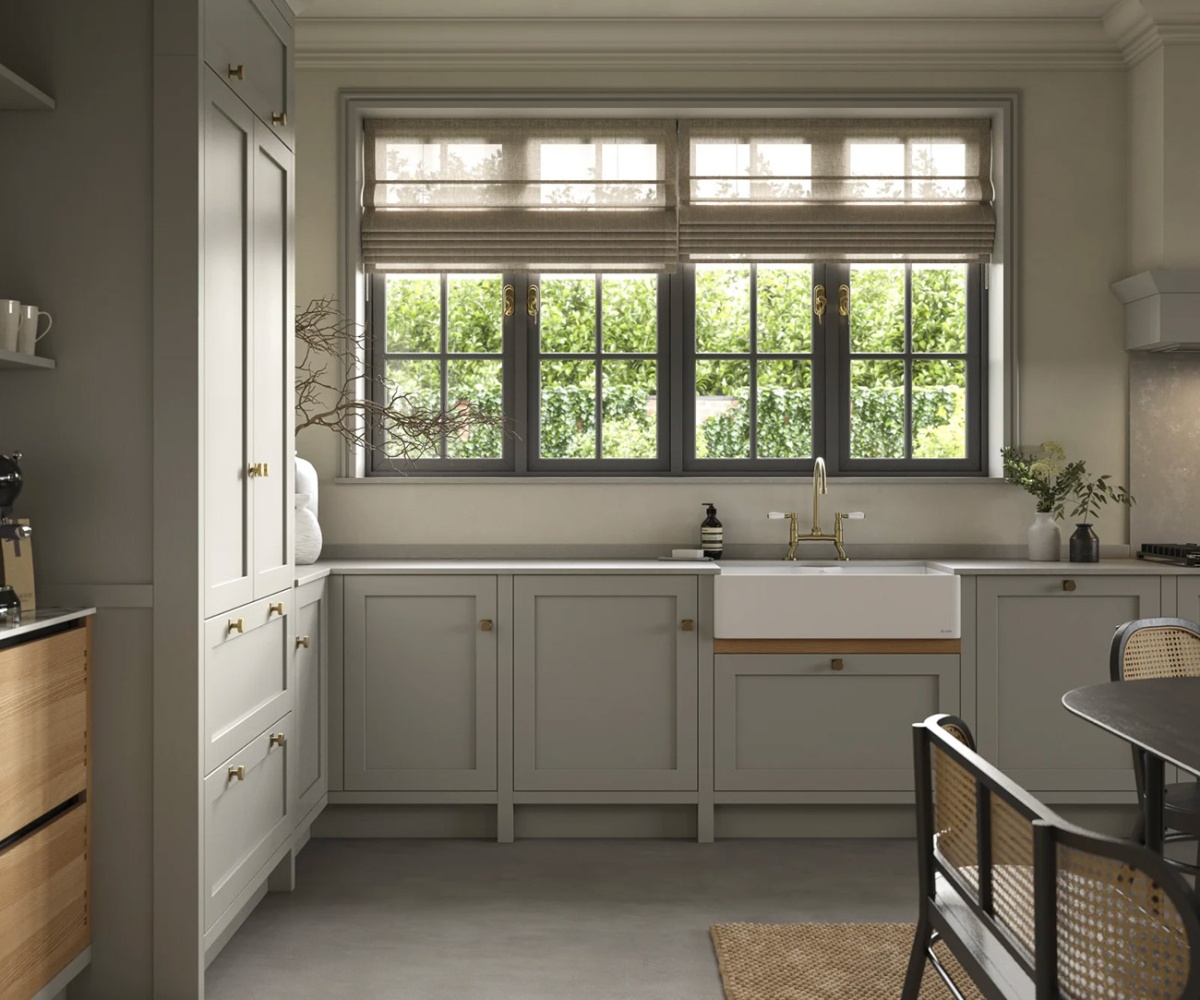
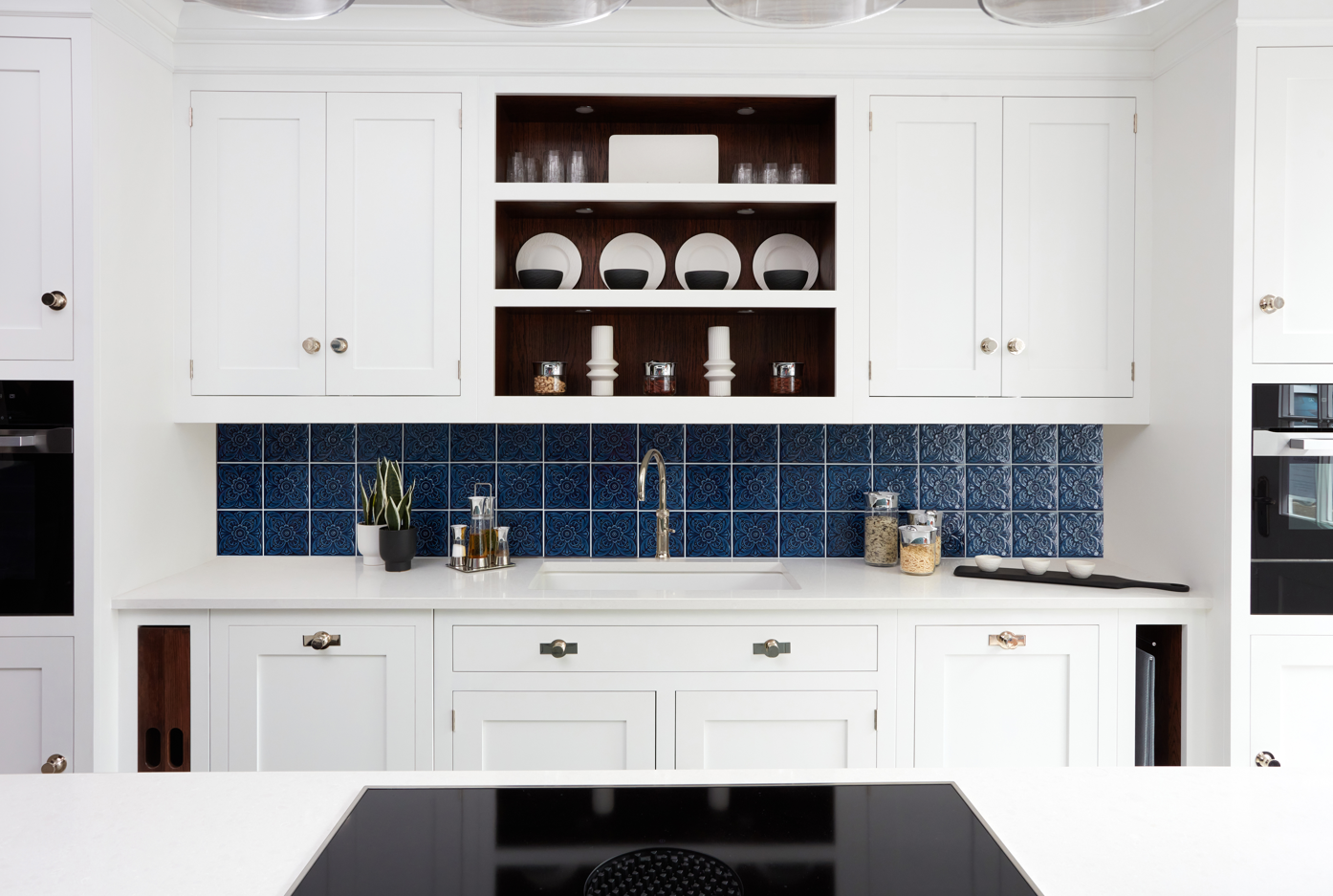
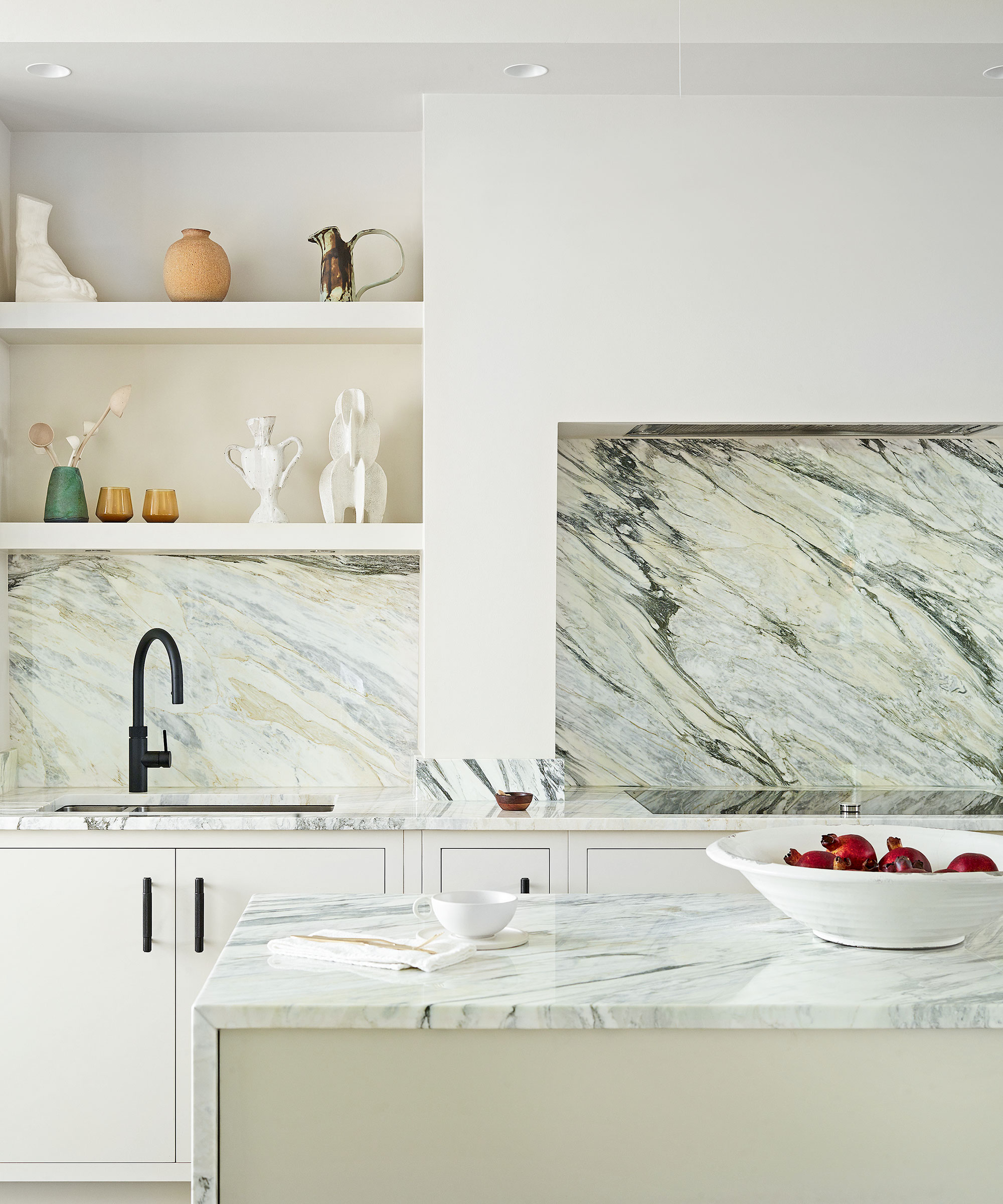
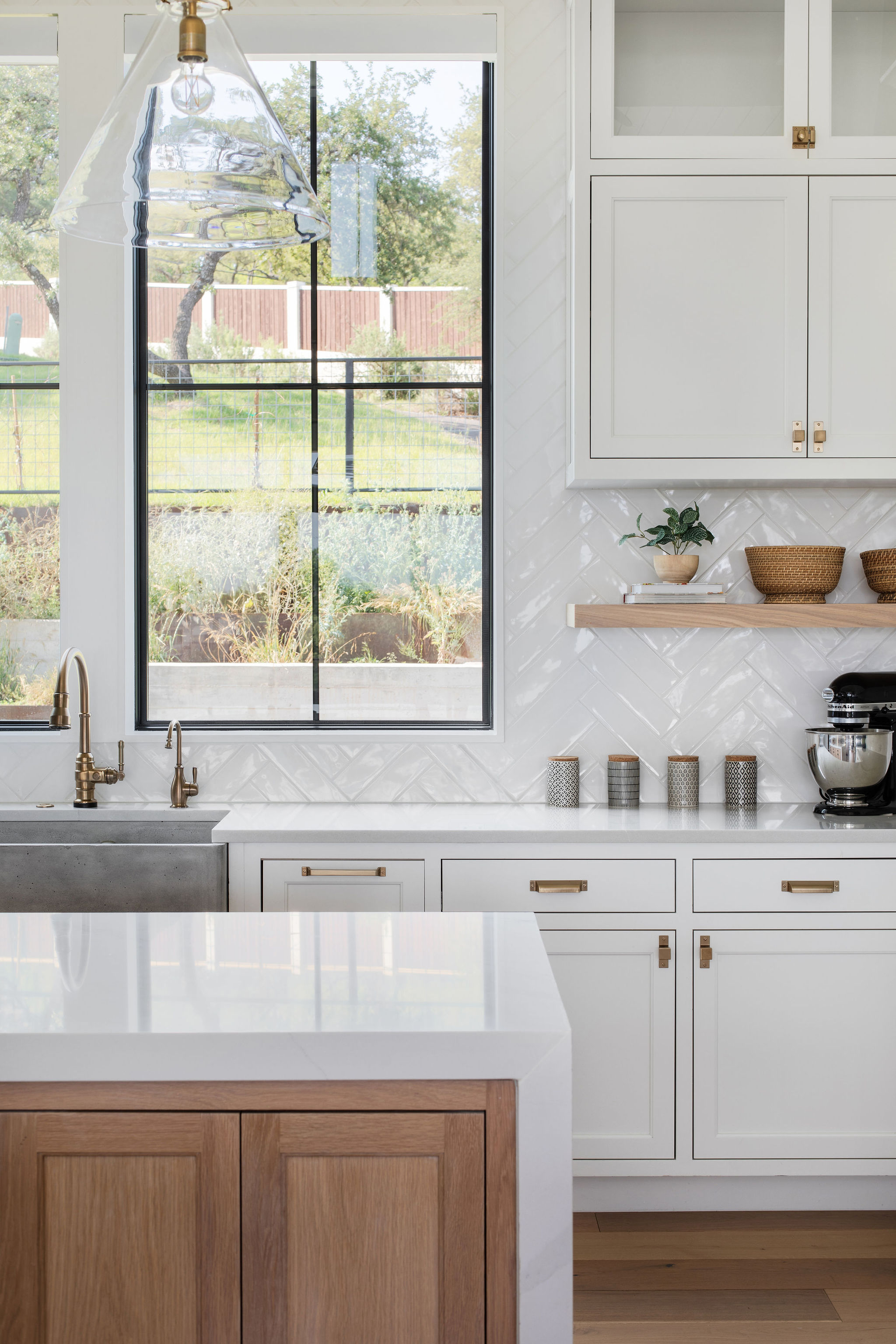
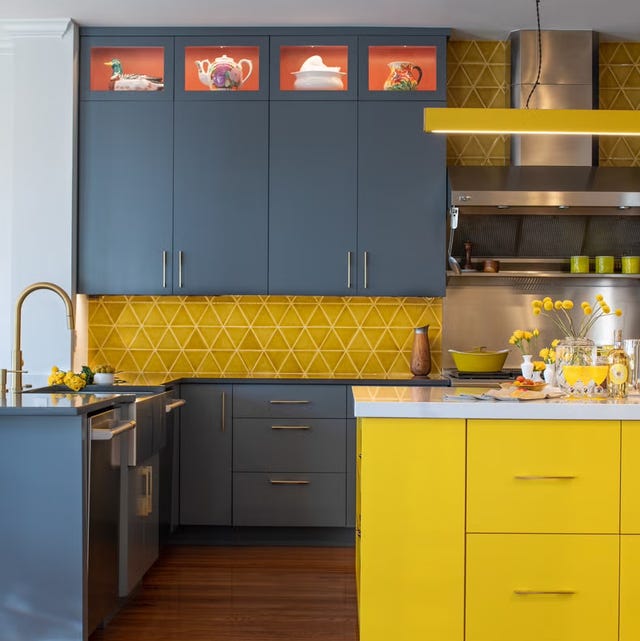
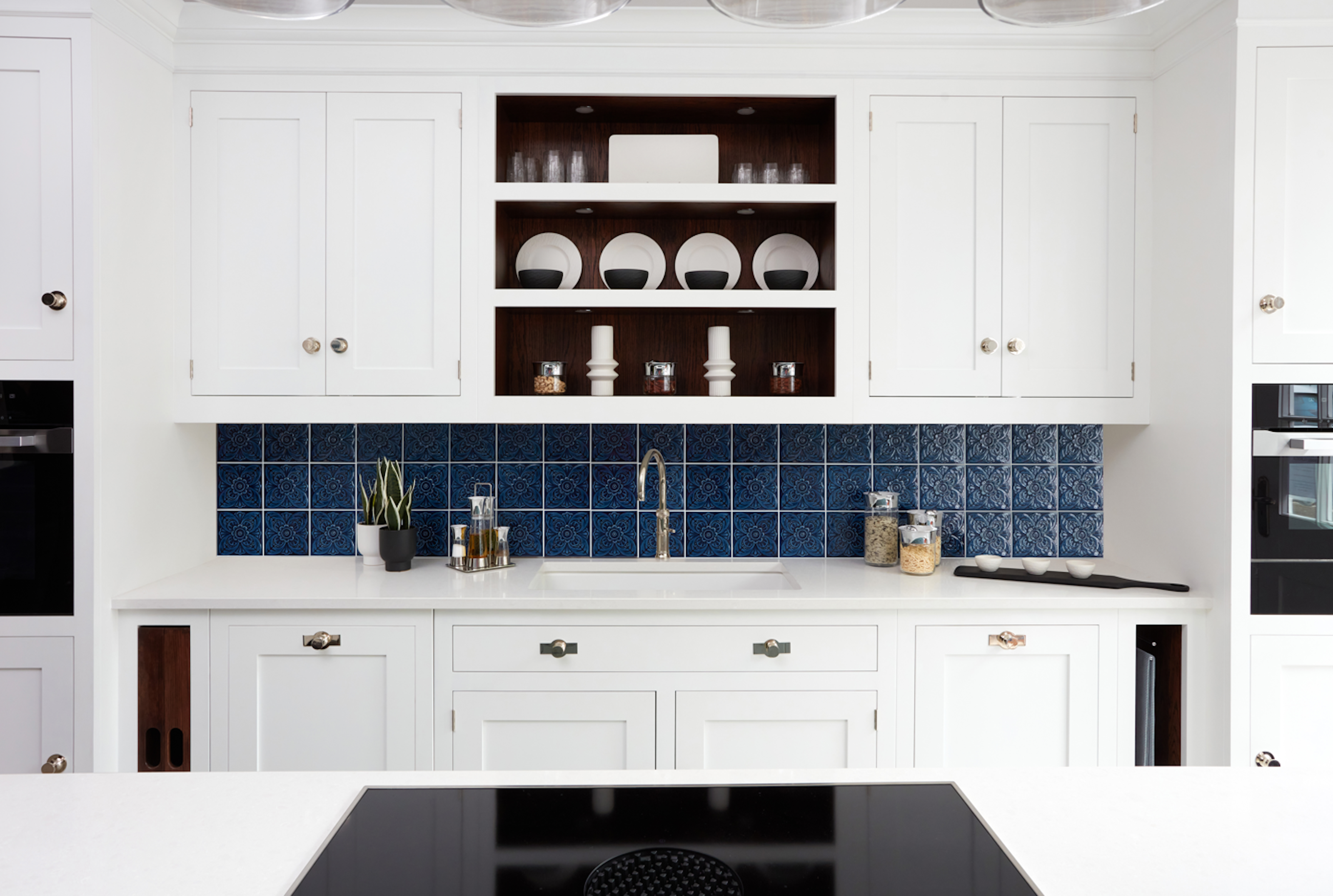
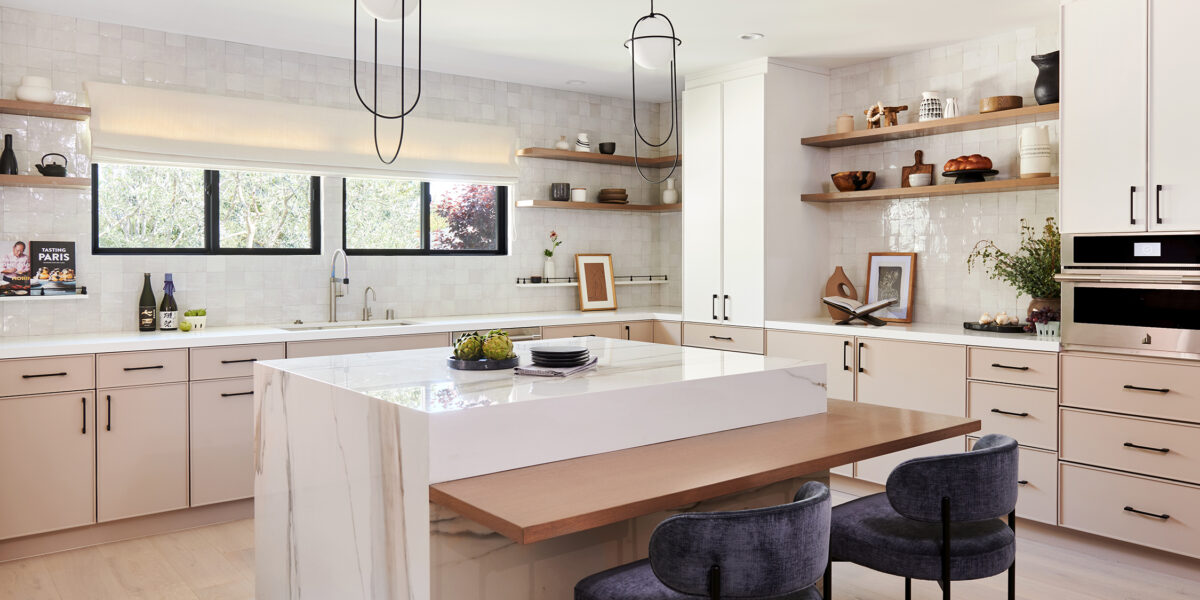
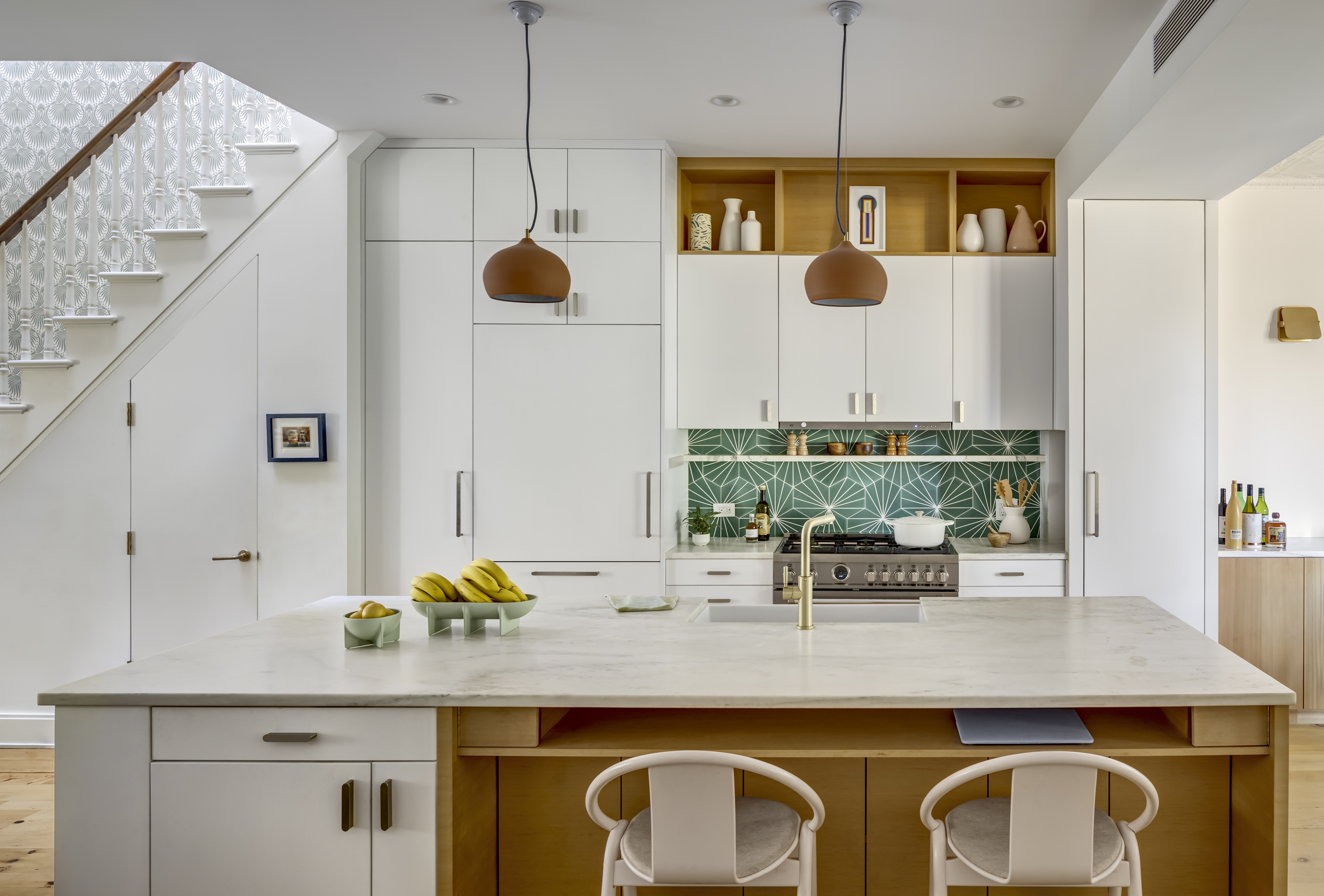
Beyond conventional areas, painting unexpected features like furniture or window frames in soft earth tones or bold yellows can add interest. Wallpaper is also proposed as a means to introduce both color and pattern, with a recommendation to use it minimally on one wall to keep white as the dominant color. Layering earthy textures through deep-veined marble, metallic wall lights, earthenware, and wooden accessories can add subtle color and depth. Painting only the lower kitchen units allows for a splash of color without it being too dominant. Finally, choosing colorful splashbacks, selecting stand-alone cabinetry in bright colors, and incorporating natural tones and textures like wood, raffia, and colored metals are all effective ways to add warmth and personality to an all-white kitchen. The article also addresses how to make white kitchens feel more expensive through the use of high-quality materials and strategic accessorizing.
#WhiteKitchen #KitchenDesign #ColorSchemes #InteriorDesign #HomeDecor #KitchenIdeas #MetallicAccents #Appliances #Splashback #WhiteKitchen #KitchenDesign #ColorSchemes #InteriorDesign #HomeDecor #KitchenIdeas #MetallicAccents #Appliances #Splashback
0 comment in total
 No comments yet
You may also like
Beat the All-White Kitchen Blahs With More Colorful Options
White kitchen ideas – 40 ways to use this favorite shade

Ditch the White! Try One of These Designer-Approved Kitchen Colors

White kitchen cabinet ideas - 8 stylish ways to embrace a light-colored kitchen
What color goes with a white kitchen? 10 top picks from design experts
White kitchen cabinet ideas - 8 stylish ways to embrace a light-colored kitchen

Transform The Area Above Your Kitchen Cabinets With These Color Tips

The 6 Paint Colors for Your Kitchen That Will Never Go out of Style
10 Colorful Kitchens That Buck The All-White Trend

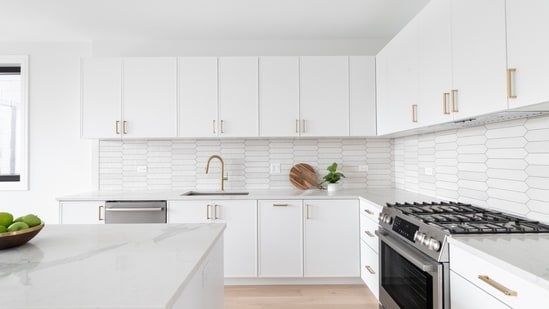
Too cool for colours? 5 design and decor tips to ace the all-white aesthetic for your kitchen | Hindustan Times

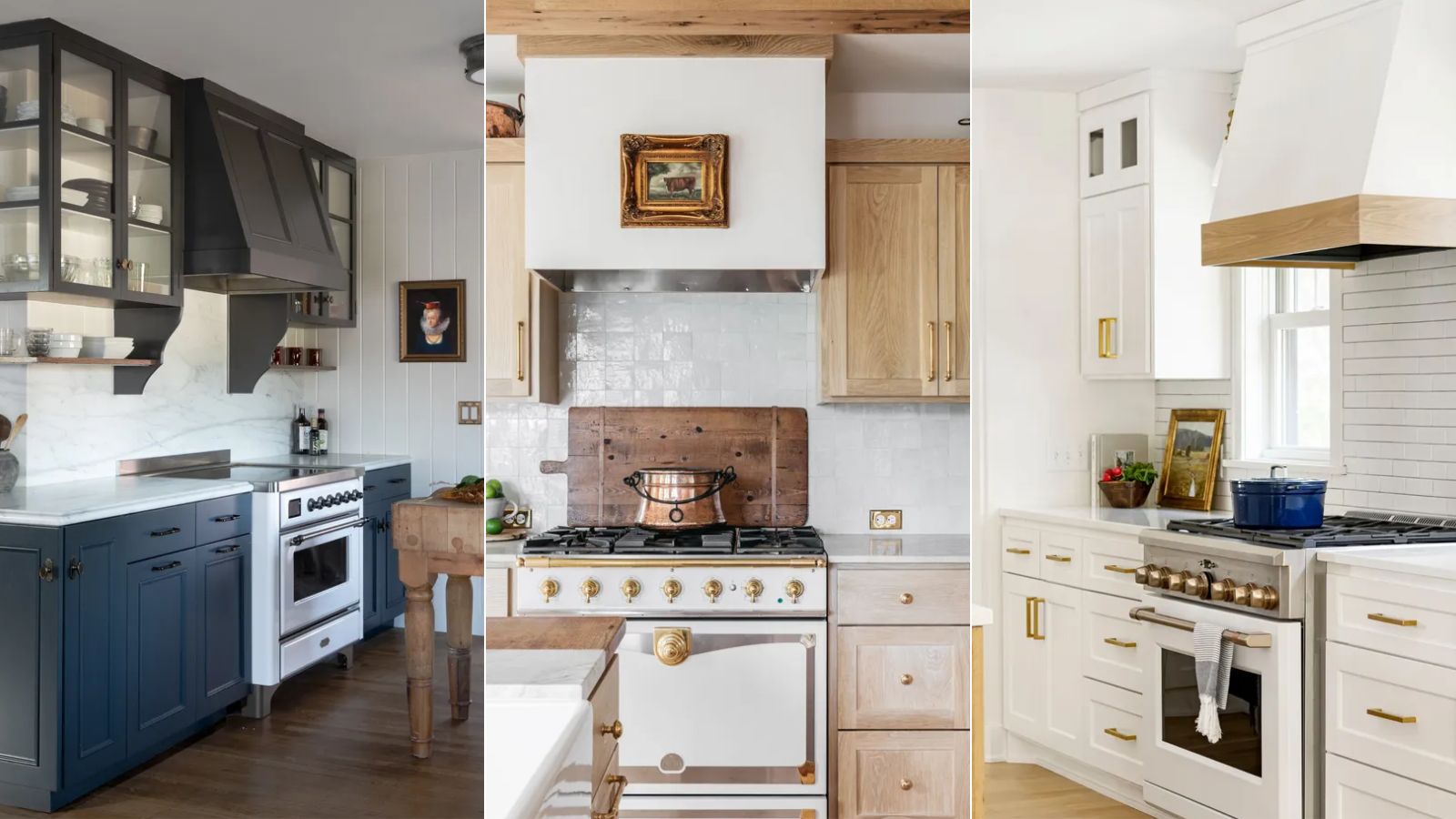
What colors work best in a kitchen with white appliances? Interior designers suggest the most timeless schemes
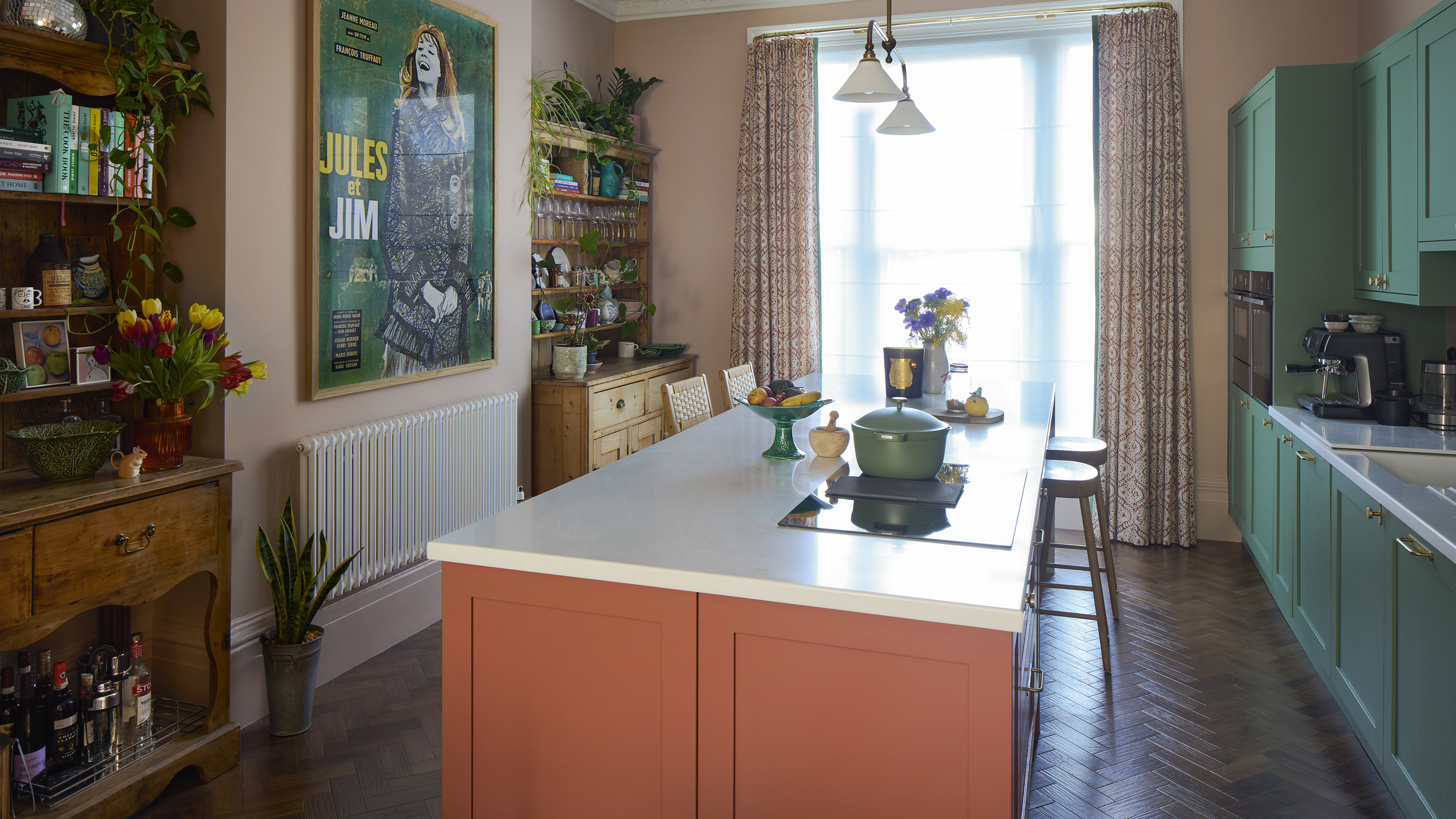
Zoe Ball's colourful kitchen island shows how easy it is to create a characterful cooking space - here's how she did it
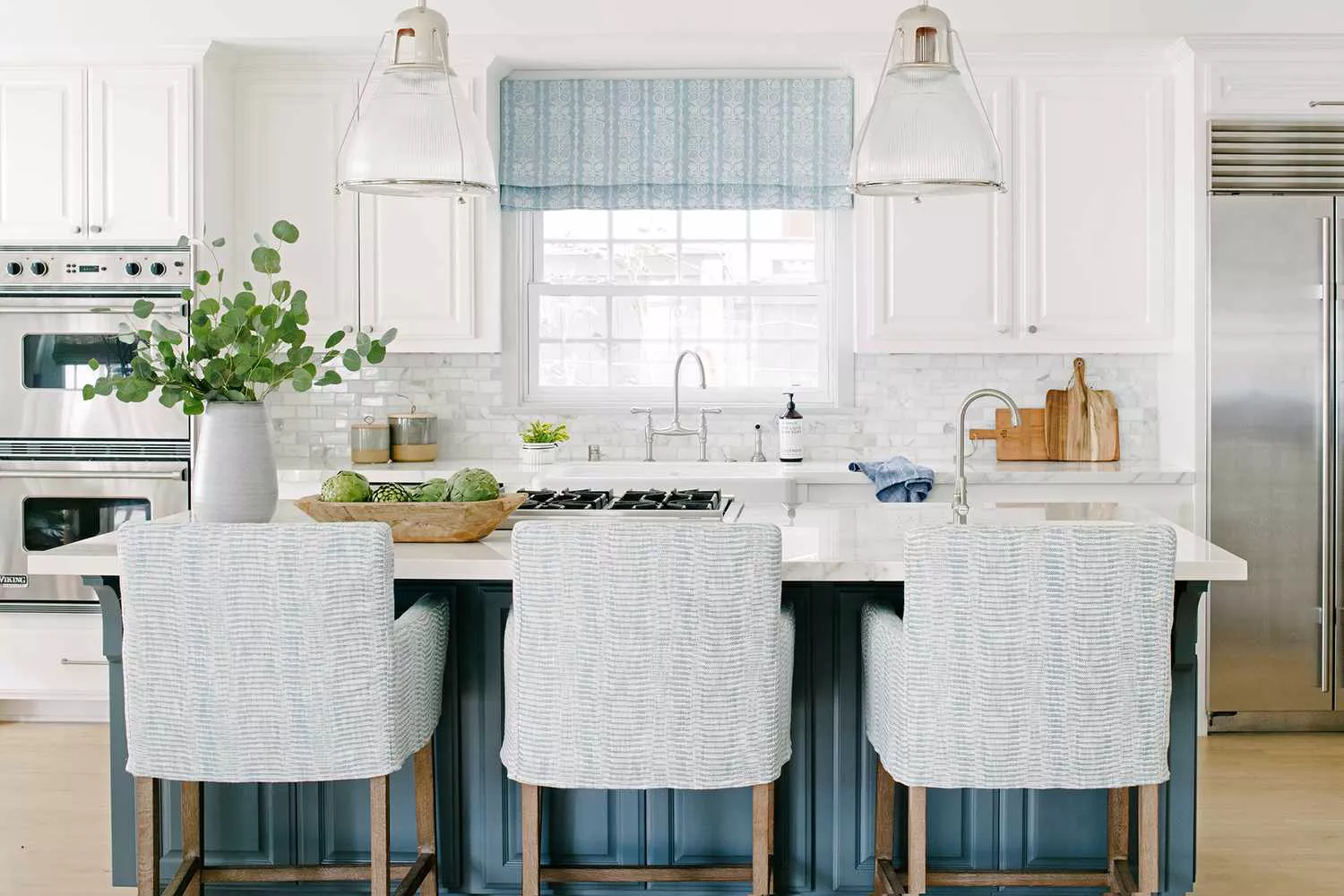
8 Ways to Bring Color Into Your All-White Kitchen Without Renovating
I Just Painted my Kitchen White (Again) — Here are 7 Reasons to Consider this Pure Neutral on Your Walls

The Kitchen Colors Designers Call “Forever Favorites”

Are White Kitchens Officially Over? Here's What Designers Are Saying

What are the best accent colors for a white kitchen? These five shades will bring life to a stark space
White kitchen ideas – 22 sensational schemes that are clean, bright and won't ever date
Are White Kitchens Over? Yes, It Seems
White kitchen cabinet ideas - 8 stylish ways to embrace a light-colored kitchen