1/5
The 'micro mosaic' at Holkham Hall that uses a fascinating, unusual technique pioneered by the Vatican
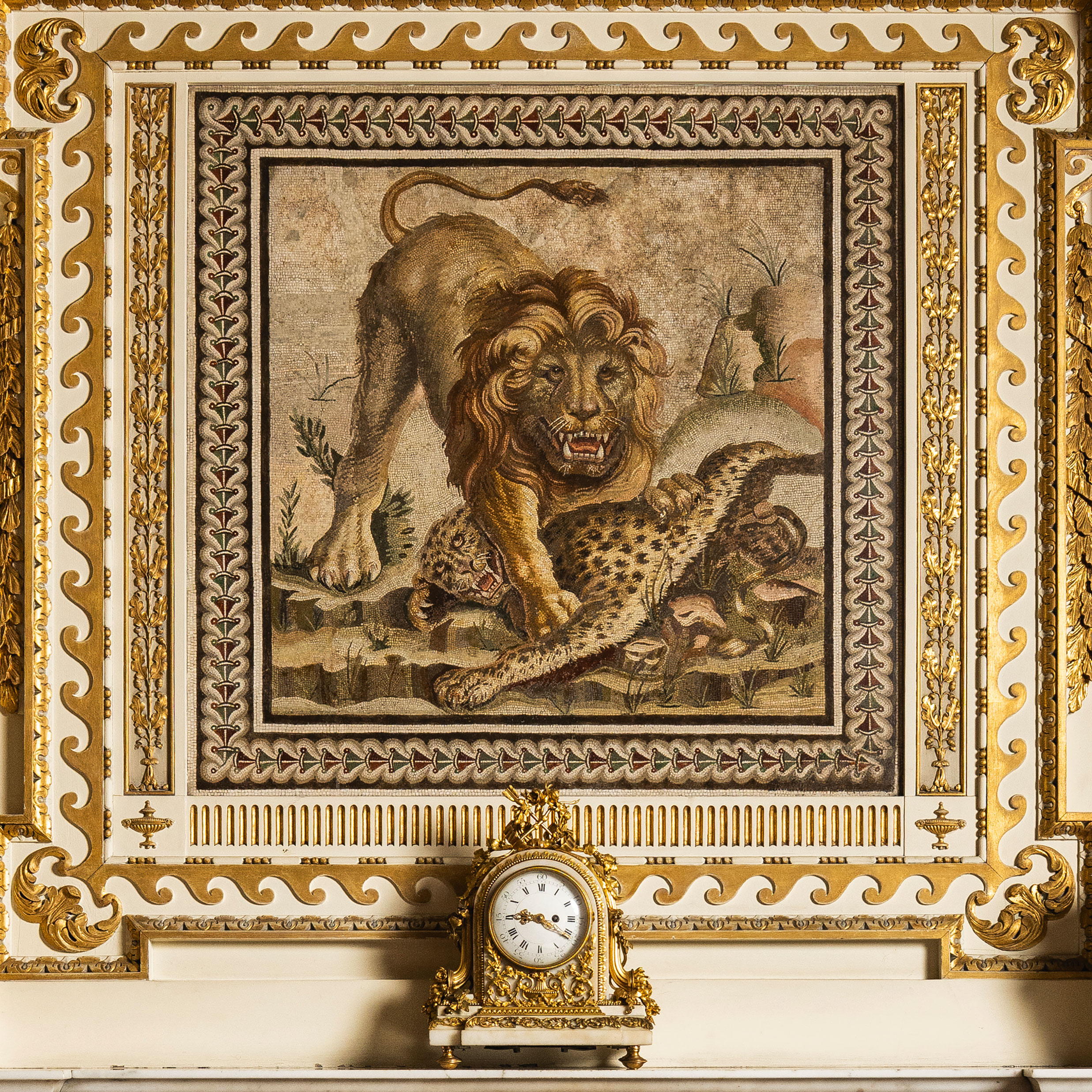
In the Long Library at Holkham Hall, a remarkable micro mosaic is integrated into the overmantle of the Earl of Leicester's fireplace. This 1730s interior, part of the family wing, was designed by William Kent. The micro mosaic, initially appearing as a painted image of a lion triumphing over a leopard within a gilt frame, actually replaces a 17th-century seascape by Claude Lorrain. This art form, while having ancient roots, represents a more recent development in mosaic art.
Micro mosaics are characterized by the use of extremely small pieces of glass, known as tesserae. Some of these intricate artworks can contain over 3,000 tesserae per square inch, allowing for an extraordinary level of detail. The earliest known examples of micro mosaics originated in the Byzantine Empire. However, the significant advancement and popularization of this technique are largely attributed to the 16th-century decorative efforts at St. Peter's Basilica in Rome. The Vatican actively commissioned artisans to create micro mosaics for the Basilica, recognizing their superior durability and resilience compared to traditional paint. Visitors to St. Peter's can observe countless examples of this art form, with approximately 10,000 square meters of the vast church adorned with micromosaic work.
Over time, artists further refined the techniques used in creating micro mosaics, leading to even more intricate designs from the late 18th century onwards. The micro mosaic currently residing at Holkham Hall falls chronologically within this historical development. It was acquired by Thomas William Coke, the great-nephew of the house's builder, during his Grand Tour between 1771 and 1774. Coke purchased the piece from the collection of the Palazzo Mignanelli in Rome. The mosaic's original provenance traces back to the theatre at Gubbio, from which it was removed in the early 17th century, suggesting its creation around that period.
The inspiration behind the Holkham micro mosaic is considerably older. A coarser mosaic depicting the same subject—a lion triumphing over a leopard—dates back to the 1st century BC and was discovered during excavations in Pompeii. This ancient precursor is now housed in the Naples Museum, highlighting a continuity of artistic themes across millennia.
The Earl of Leicester expressed his appreciation for the mosaic, noting its beauty and the legacy of its collector, Thomas William Coke, who later became a renowned agriculturist. The mosaic serves as a prominent country house treasure, documented in an 1817 guidebook. Its presence at Holkham Hall not only showcases a unique artistic technique but also connects the house to a broader history of art collecting and cultural exchange.
#HolkhamHall #MicroMosaic #VaticanArt #WilliamKent #ThomasWilliamCoke #GrandTour #ArtHistory #HistoricHomes #InteriorDesign #HolkhamHall #MicroMosaic #VaticanArt #WilliamKent #ThomasWilliamCoke #GrandTour #ArtHistory #HistoricHomes #InteriorDesign
0 comment in total
 No comments yet
You may also like

Heath Ceramics Launches Mural, A Multidimensional Pattern
Genius Optical Illusion On This Floor Stops People From Running In The Hallway

ZNAK Mosaic Wall

Mosaic Backsplash Words Are the Next Quote Signs, You Heard it Here First

Tile company installs confusing optical illusion floor


This New Collection Puts a Graphic Spin on Tile
Building an Ornate Cornice


3D-Printed Ceramic Vases That Mimic Nature’s Patterns


A Completely Level Floor Made from 400 Individual Ceramic Tiles


MOSA scenes wall + floor color gradations bring depth to interiors

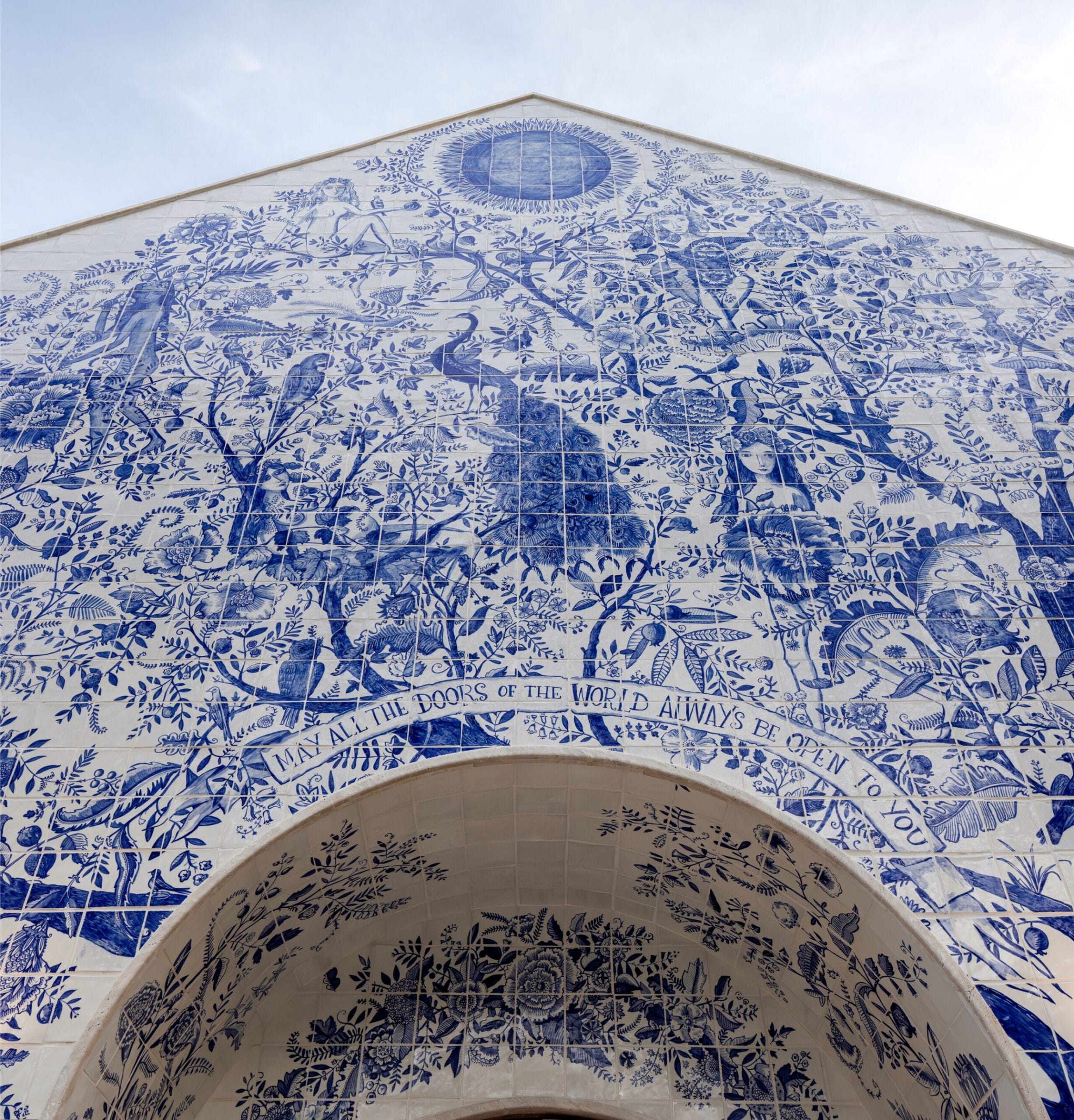
A Life-Giving Tree in Blue Sprawls Across a Mosaic Tile Facade by Michael Chandler


Animal Prints and 16th-Century Columns Are a Surprise Power Couple in This London Workspace


A Work of Art


Top Places to Buy Mosaic Supplies for Your Art Projects
Designers Are Ditching Gallery Walls for This Gorgeous Antique Item

Plastered In Style

Inside Italy's secret mosaic school

Archaeologists Discover an Extraordinary 2,100-Year-Old Mosaic Near the Colosseum
In an Eldridge Street mosaic, a reminder of a great Jewish artist


Hanging A Stunning Gallery Wall, Demystified