Wood Innovation: Sustainability Becomes More Important, Companies Seek to Develop Wood-Based, Eco-Friendly Products
For millennia, forest products have been integral to human civilization, with the earliest timber constructions dating back to the Neolithic Period. Historically, innovation has been central to wood utilization, adapting to changing consumer and business landscapes. In recent decades, as paper's market share has declined, the forest products industry has focused on identifying the next significant application for wood. Technological advancements are now enabling researchers to harness the fundamental components of wood fiber to create innovative, eco-friendly products.
A collaborative effort among companies with diverse specializations is underway, driven by the shared objective of developing sustainable products that reduce carbon footprints. Wood is emerging as a critical resource for achieving these product development goals due to its inherent versatility. Various initiatives are exploring new ways to utilize wood's properties and forms.
In clothing design, the Finnish company Spinnova is partnering with apparel brands like Adidas and The North Face to produce textiles from wood-based fibers. Spinnova's technology processes wood, wood waste, leather, textiles, or food waste into fibers without harmful chemicals, resulting in zero waste, minimal CO2 emissions, and reduced water consumption. Adidas has launched a hoodie made with 30% wood-based fiber and 70% organic cotton, retaining a natural color due to the absence of dyes and chemicals. This method mechanically grinds wood-based fibers into a paste with water, then spins them into textile fibers, avoiding chemical use. The North Face is also integrating Spinnova's technology into its outdoor gear to create more circular products and reduce environmental impact.
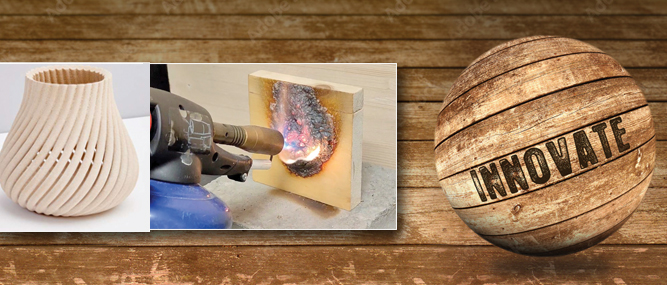
In building construction, researchers at Singapore's Nanyang Technological University have developed a transparent, ultra-thin coating (0.075mm) that significantly enhances the flame resistance of wood. Unlike traditional fire-retardant paints or panels that conceal wood, this coating chemically reacts with the wood's resin to form a heat-resistant char, preserving the wood's aesthetic. This innovation addresses the challenge of making timber more fire-resistant while allowing its natural beauty to remain visible, potentially meeting stringent fire codes.
For energy storage, the Swedish battery manufacturer Northvolt is collaborating with the Finnish paper company Stora Enso to develop batteries using lignin, a plant-derived polymer and a significant renewable carbon source found in trees. This partnership aims to produce the world's first industrial battery with an anode entirely sourced from European raw materials, reducing both carbon footprint and cost. Separately, Brown University researchers are exploring wood-derived materials for next-generation batteries, creating a tree-based solid ion conductor from cellulose nanofibrils combined with copper, offering higher ion conductivity than existing polymer counterparts.
In the packaging sector, Carlsberg Group and Paboco have developed a wood fiber beer bottle lined with plant-based polyethylene furanoate (PEF), a sustainable and biodegradable material. Currently in a pilot phase across Europe, this bottle has insulating properties to keep beverages colder longer and boasts a carbon footprint approximately one-fifth that of glass. The bottle is almost entirely bio-based, excluding the cap, and is fully recyclable, offering a more sustainable alternative to traditional packaging.
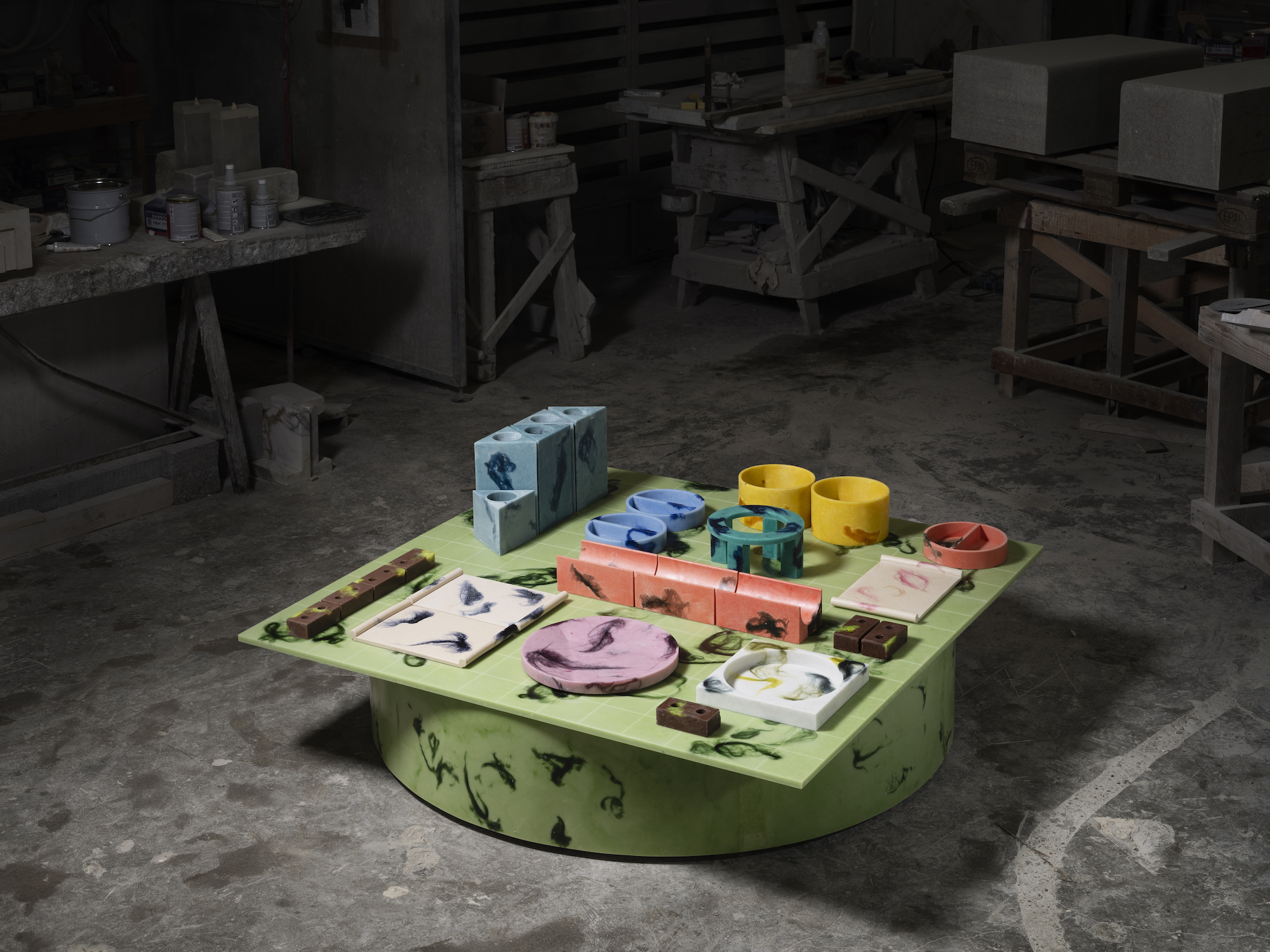
Furthermore, Burlington, Massachusetts-based Forust is utilizing sawdust waste for 3D printing various objects, from consumer goods to luxury interiors. Annually, billions of trees are felled, generating vast amounts of sawdust, much of which is burned or landfilled, contributing to pollution. By processing sawdust for 3D printing, Forust transforms this waste into strong, carbon-friendly wood products. The company can replicate wood grains like oak and walnut for finishes in vehicles, decor, architecture, and furniture. While currently limited by scale, Forust plans to integrate robotic arms to produce larger 3D-printed wooden structures, such as intricate structural columns.
These innovations highlight the transformative potential of wood fiber and nanotechnology in addressing environmental challenges. While many products are still in developmental stages, they demonstrate how wood waste can be repurposed to reduce chemical use, water consumption, and carbon footprints across various industries, from textiles and construction to energy and packaging. Wood, an ancient material, is re-emerging as a versatile resource for future innovations.
#WoodInnovation #Sustainability #EcoFriendlyProducts #CircularEconomy #WoodFiber #TextileInnovation #FireResistantWood #WoodBasedBatteries #SustainablePackaging #3DPrintedWood #WoodInnovation #Sustainability #EcoFriendlyProducts #CircularEconomy #WoodFiber #TextileInnovation #FireResistantWood #WoodBasedBatteries #SustainablePackaging #3DPrintedWood
0 comment in total
 No comments yet
You may also like

econitWood™ turns timber scraps into new material resources

Ten projects that seamlessly integrate wood into the design

Redecorating? Get Some Gorgeous Pieces From These Sustainable Furniture Brands


Sustainable Material Spotlight: Reclaimed Wood

The Wood Innovation and Design Centre

Wood flooring was just a start, introducing Italian hardwood excellence ITLAS
Sustainable Carpentry

Amorim Cork Composites spotlights the versatility of cork

Carving out a niche in the timber-furniture industry

Wood Coating Market Sees Strong Growth Driven by Demand for Sustainable and Durable Finishes

6 Sustainable Material Trends That Prove It's No Longer Just a Buzzword, but an Exciting Design Opportunity

Long bamboo fibers for high-performance composite applications

wood and timber architecture and design Archives

Meet the designers using revolutionary eco materials

A next-generation material for sustainable padding applications

From oil diver to exotic timber craftsman


In Depth: Engineered wood products


26 Profitable CNC Projects To Sell in 2025


Wood Furniture Is Cool Again, Thanks to This Upcoming Group of Designers

Are wooden furniture still popular?