1/9
On the beauty of vases: Birkhoff’s aesthetic measure versus Hogarth’s line of beauty
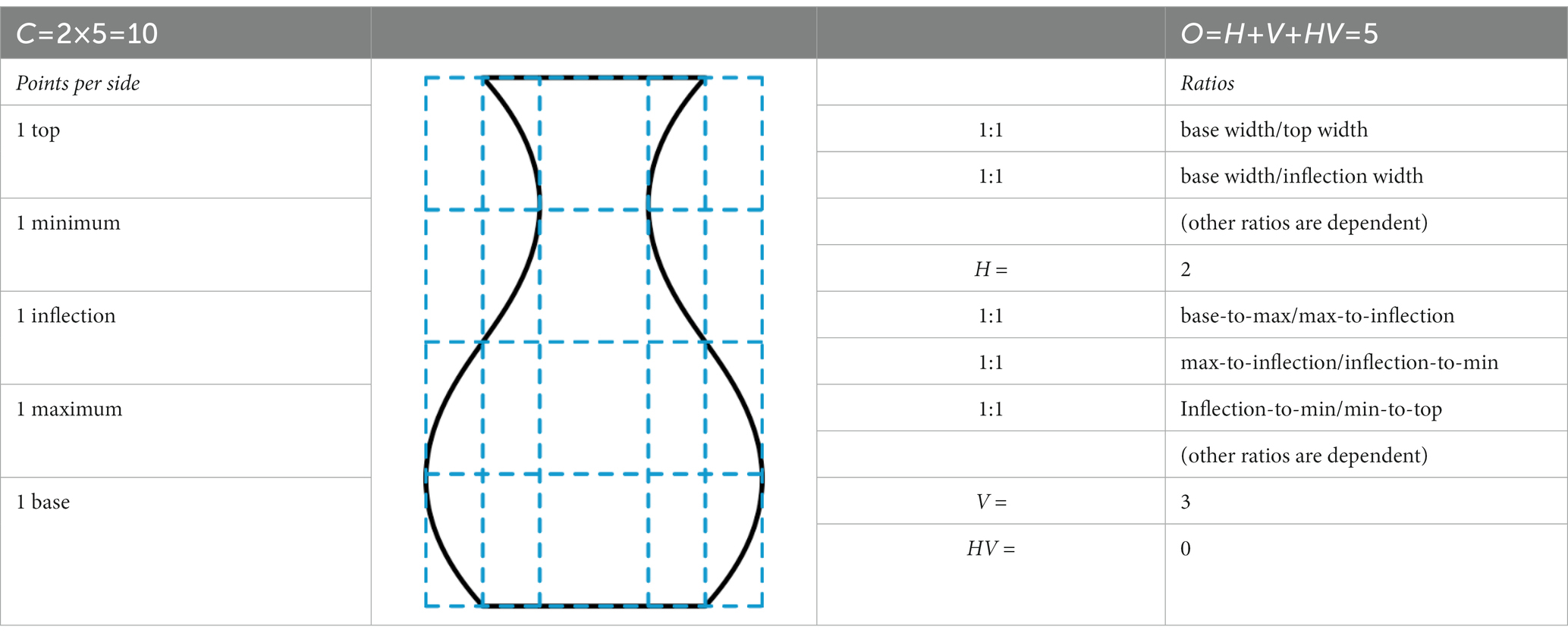
The aesthetic evaluation of vases, prevalent across cultures, has historically lacked systematic research into the shape characteristics that determine their beauty. This study investigates the contributions of geometric ratios, as proposed by George David Birkhoff in his 1933 work "Aesthetic Measure," and outline curvature, emphasized by William Hogarth's 1753 concept of the "Line of Beauty," to the aesthetic appreciation of vases. Birkhoff's aesthetic measure (M) operationalizes beauty as the ratio of an object's order (O) to its complexity (C), focusing on geometric relationships and characteristic points along a contour. However, previous empirical studies have found limited support for M, partly because it neglects other crucial features like curvature.
The experiment systematically varied the outline curvature and width of symbolic vases, creating a set of 25 stimuli, and asked participants to rate their beauty. Each vase was constructed from five S-shaped lines of varying curvature, defined by cubic Bézier curves, and five different base and top widths. The study also calculated Birkhoff’s original measure (M) and Staudek’s extended version (Me), which incorporates a tolerance margin for geometric ratios, for each stimulus.
Results indicated a high level of agreement among participants regarding their aesthetic preferences, with an MM1 score of 0.64. Multiple regression models were used to analyze the beauty ratings. The first model, using quadratic polynomials of curvature and width as predictors, accounted for 96% of the variance, confirming an inverted U-shaped relationship with beauty for both variables and revealing significant interactions between them. These interactions were found to reflect the effect of the Minimum-to-Maximum-Ratio (MMR), as a second regression model replacing interaction terms with MMR also explained 96% of the variance. This suggests that the MMR is a crucial factor modulating the relationship between curvature, width, and beauty.
The study found that Birkhoff's original measure (M) had poor predictive power, correlating with beauty ratings at only r = 0.20, primarily because it produced only two distinct values for the stimuli. Staudek's extended measure (Me), with its introduced tolerance margin, showed improved predictive power (r = 0.48), explaining 23% of the variance, but still fell short of capturing the full range of aesthetic judgments. This suggests that beauty is continuously affected by geometric variables over a large range, and optimal values are context-dependent.
Crucially, curvature was found to have a significant, albeit relatively small, direct effect on beauty ratings independent of its contribution to MMR. This independent effect accounted for approximately 6% of the variance. The isolated lines' mean ratings also exhibited an inverted U-shaped relationship with curvature, with line 3 (numerically similar to Hogarth's Line of Beauty) being the most preferred. The preferred curvature for vase outlines was also found to be similar to Hogarth’s Line of Beauty.
In conclusion, both geometric ratios (represented by MMR) and outline curvature significantly contribute to the beauty of vases. While Birkhoff’s general idea of geometric importance holds, his specific measure M is insufficient. Curvature, particularly resembling Hogarth's Line of Beauty, plays a direct role in aesthetic appeal. The optimal MMR was not a fixed 0.5, as Birkhoff assumed, but varied with vase width, indicating the complexity and continuous nature of aesthetic judgment.
#VaseAesthetics #BirkhoffAestheticMeasure #HogarthLineOfBeauty #CurvaturePerception #GeometricRatios #AestheticPsychology #VisualPreference #DesignPrinciples #VaseAesthetics #BirkhoffAestheticMeasure #HogarthLineOfBeauty #CurvaturePerception #GeometricRatios #AestheticPsychology #VisualPreference #DesignPrinciples
0 comment in total
 No comments yet
You may also like
These Chic, Affordable Vases Are Delivering All the Vibes
18 best stylish vases and statement jugs
Vessel to vessel: cutting-edge contemporary vases that transcend their function

ronan & erwan bouroullec capture 'sfumato effect' in 'losanges' enameled ceramic vases

Vibrant Geometric Vases That Speak the Language of Painting

Bud Vases Are in Full Bloom

pulpo + hermann august weizenenger finish ceramic vases with an iridescent sheen
John Booth hand paints abstract faces for Tributes ceramics collection
These Glassware Pieces Are Mind-Blowing
Shopping for Vases (Published 2017)

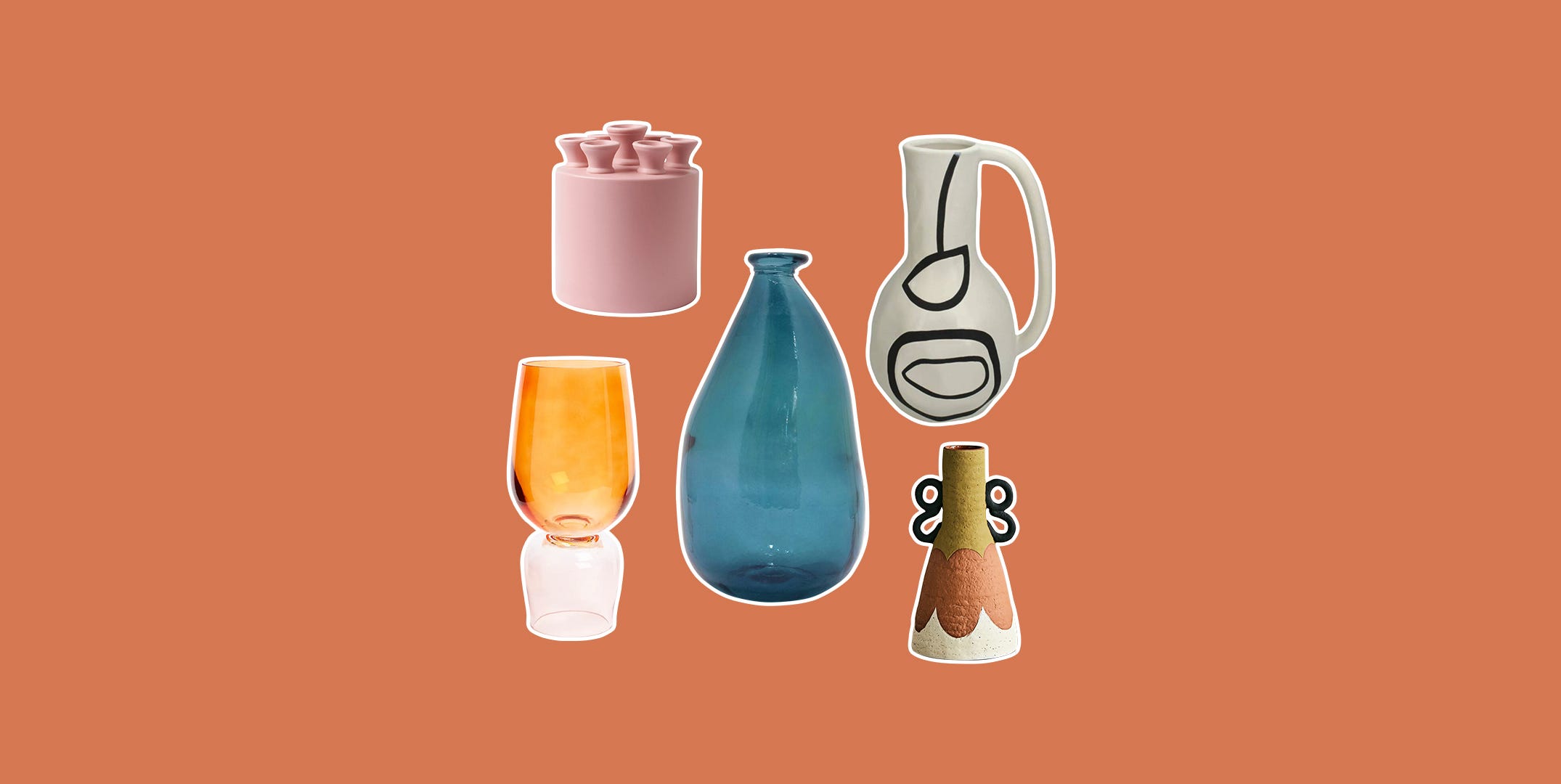
11 vases that will be the star of the shelf
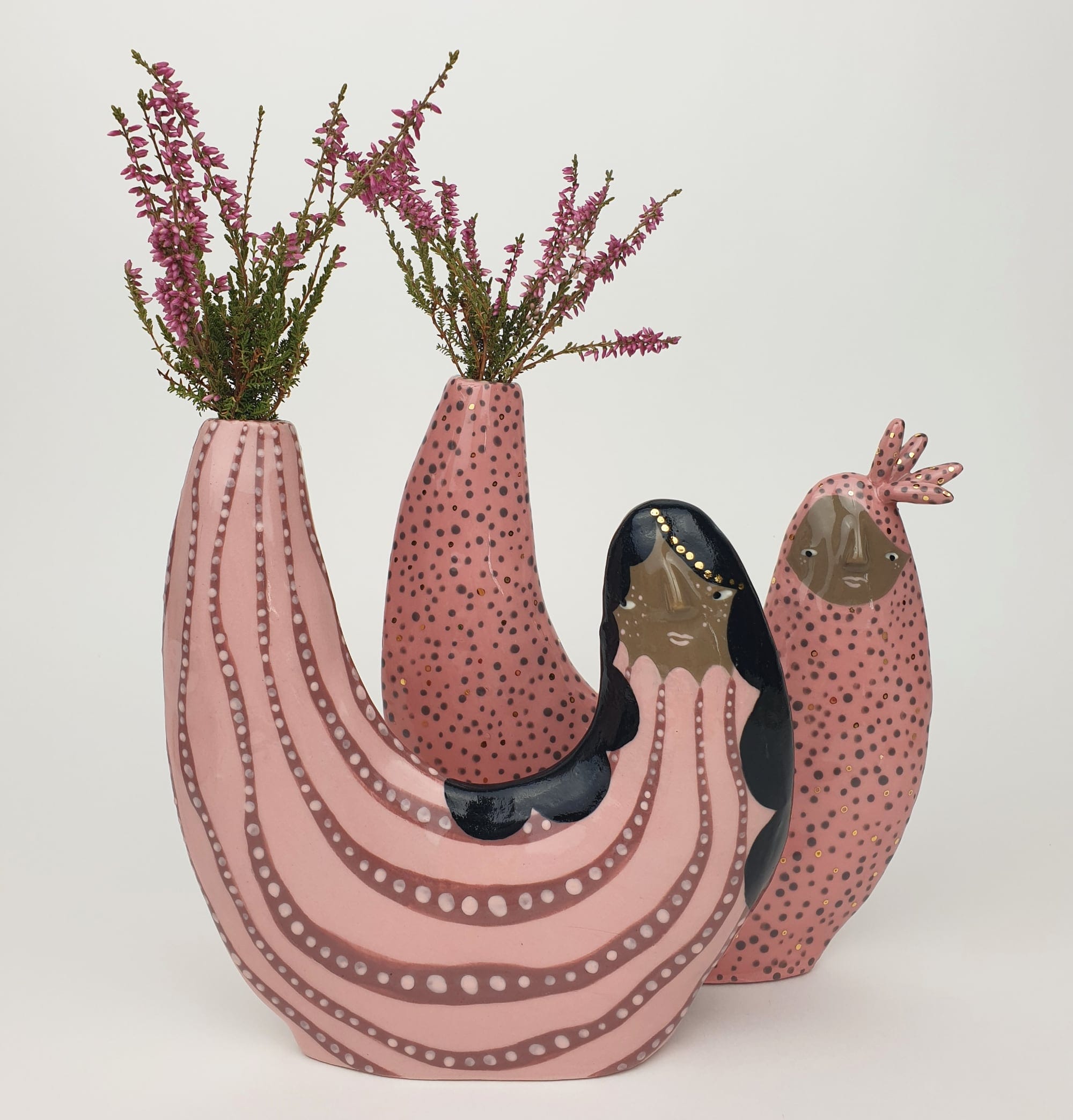
Minimal Faces Emerge From Sandra Apperloo’s Lanky Patterned Bud Vases


8 Highly Giftable Vases | Reviews by Wirecutter
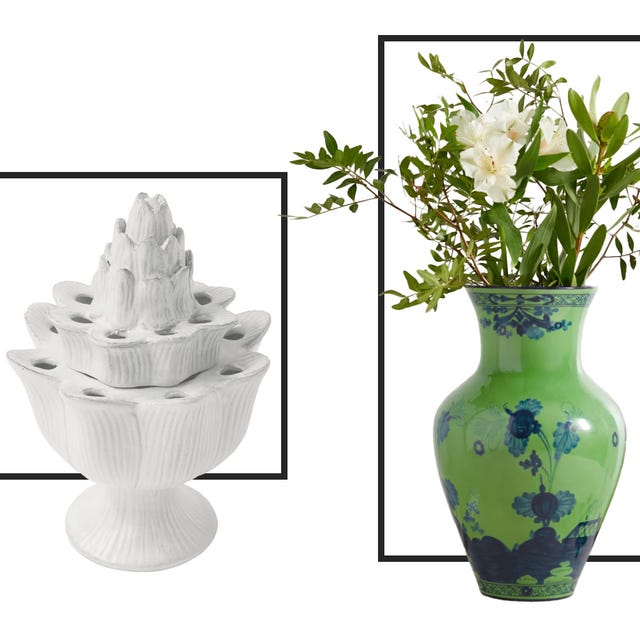
Elevate your living space this spring with these designer vases

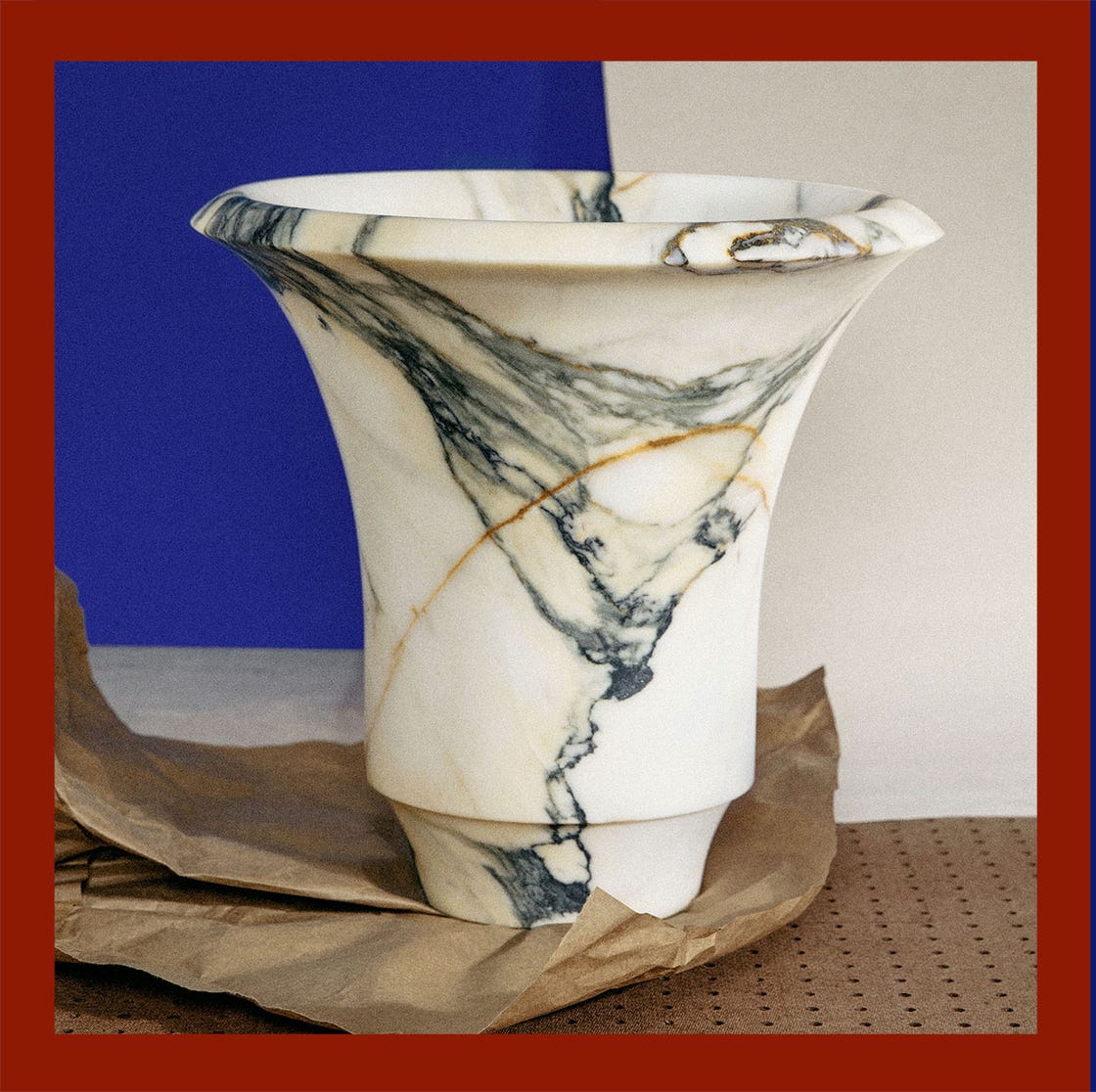
Expand Your Art Collection with These Gallery-Worthy Vessels
Glass Vases - Our Pick of the Best

8 Beautiful Vases That Are True Works of Art, and Are Just As Investment-Worthy
30 Funky/Statement Vases To Elevate Your Home
A Tale of Two Materials: Innesti Vases
ronan and erwan bouroullec celebrate henri matisse with ceramic fenêtre vases