Why these colourful yet divisive ceramics are back in fashion
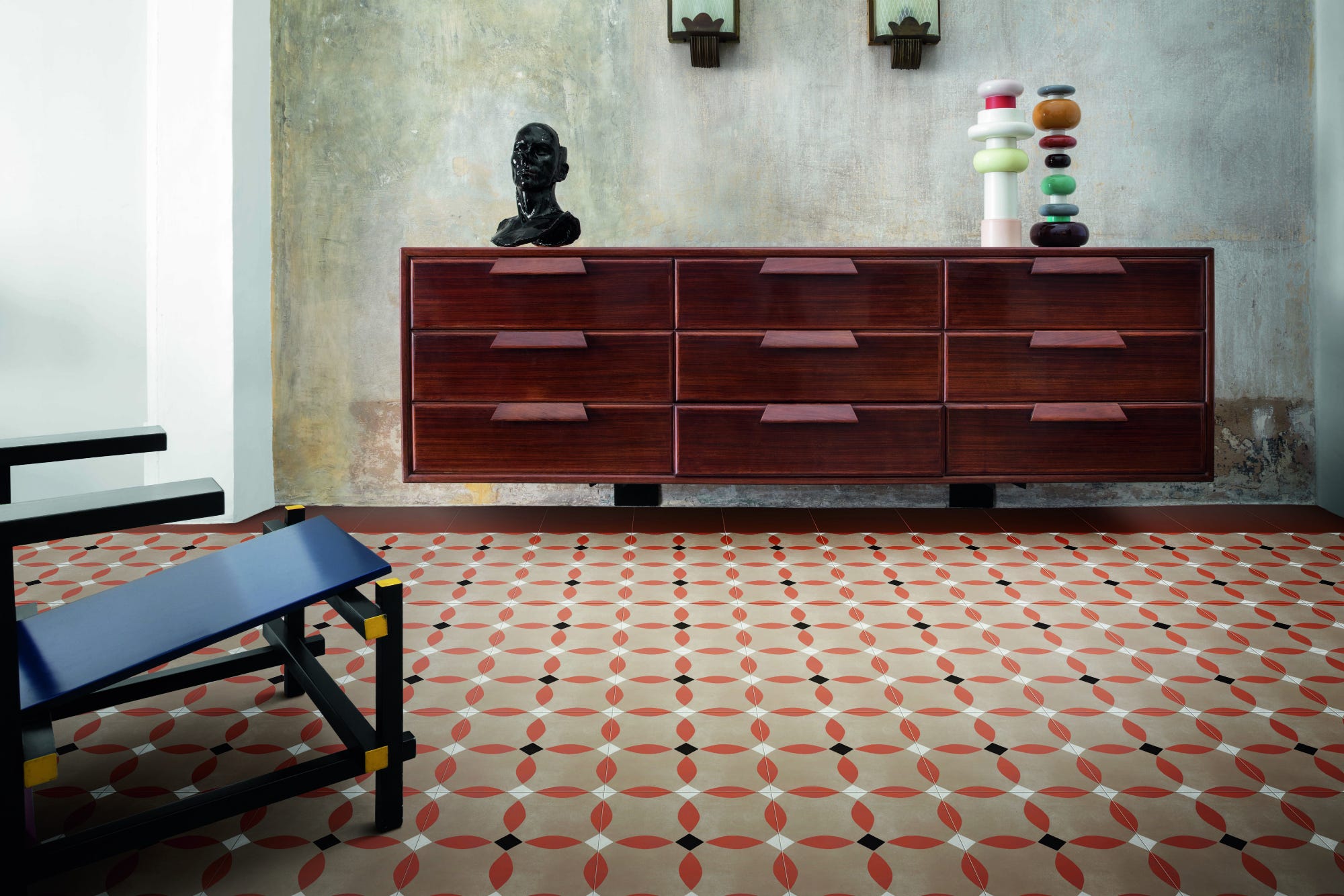
The Memphis design movement, characterized by bold patterns and bright colors, has seen a resurgence in popularity and value, attracting attention from fashion houses like Dior and Missoni. Founded in the early 1980s by Italian architect Ettore Sottsass, the movement was named after a Bob Dylan song and was a deliberate departure from the minimalist design trends of the late 1970s. Its divisive nature means that while some enthusiastically embrace its aesthetic, others who experienced the 1980s are less keen to revisit it.
Architect John Henry, a dedicated collector of 20th-century design, has amassed a significant collection that includes Memphis ceramics. His collection features pieces by prominent American architects such as Robert Venturi and Michael Graves. Graves's 1980s Disney plates, cups, and saucers, adorned with Mickey Mouse silhouettes, and his graphic, ionic column-shaped vases are notable examples. These Graves vases, once overlooked, now command prices up to $5000, reflecting the increasing value of Memphis objects.
Henry's collection also boasts several ceramics by Ettore Sottsass, known for their clashing primary colors and unique forms. These pieces often feature combinations of yellow, blue, grey, black, and red. Henry notes that the shift from minimalist lines to more expressive designs was influenced by works like Graves’s 1982 Portland Building in Oregon, which served as a focal point for the movement's architectural ethos.
For those interested in exploring Memphis design, Mobilia, a retailer specializing in the period, offers an extensive collection of furniture, lighting, objects, and rugs in its showrooms. Salvatore Fazzari, the owner of Mobilia, highlights the versatility of Memphis ceramics. He appreciates how pieces like Sottsass's 'Carlton' bookshelves can display these ceramics and how the ceramics themselves can inject vibrant color and character into otherwise neutral spaces.
Mobilia’s inventory includes iconic pieces such as the Clesitera vase (1986) and the Euphrates vase (circa 1983), both designed by Sottsass, with prices reaching around $2600. More accessible options include the Carrot vase, designed by Nathalie Du Pasquier, one of the few female designers involved in the movement, priced at $722. Fazzari observes that many Memphis pieces lean more towards sculpture than pure functionality, emphasizing their artistic merit. He points out that these designs, some in stark black and white, exaggerate their silhouettes and draw inspiration from radical 1960s art movements. The innovative use of mixed materials, such as glass, ceramic, and laminates within a single piece, evokes emotional responses from viewers.
Rebecca Stormont, a Modern Design Specialist at Leonard Joel Auctioneers, corroborates the growing market for Memphis pieces, noting a consistent increase in prices over the past eight to ten years. She cites examples like a Martine Bedin Cucumber vase selling for $1900 and an Ettore Sottsass vase for $1200, both at auction in recent years. Stormont indicates that while collectors have diverse preferences within the Memphis movement, many are drawn to Sottsass's work. She attributes the rising popularity to a broader cultural embrace of 1980s fashion and a shift away from subdued interiors. People are increasingly seeking color and personality in their living spaces, often incorporating graphic Memphis ceramics against minimalist backdrops to achieve a vibrant effect.
#MemphisDesign #CeramicArt #EttoreSottsass #JohnHenryCollection #MichaelGraves #MobiliaShowroom #InteriorDesign #CollectableDesign #1980sFashion #MemphisDesign #CeramicArt #EttoreSottsass #JohnHenryCollection #MichaelGraves #MobiliaShowroom #InteriorDesign #CollectableDesign #1980sFashion
0 comment in total
 No comments yet
You may also like
This surprising color trend is having a comeback

The New Horizons of Decorated Ceramic Tiles

This Outdated Paint Trend is now Predicted to Return — Designers Love its "Fun, Eye-Catching Glamor"
Goodbye, Marble—This Moody Counter Trend Is Taking Over

Why a 111-Year-Old Kitchen Countertop Material Is Suddenly Popular with Gen Z

The Countertop Material That We Loved 25 Years Ago Is Coming Back

This Throwback Trend Is Coming Back in Style—and Designers Have Mixed Opinions

Surprising ways interior designers are using tiles
Vintage ceramics make a big comeback in the bathroom for 2019
Rediscover Limewash Paint, the Old-World Finish That's Trending Again

Why glamorous glassware is booming

Ornament is no longer a crime. And the new trims on the coatings confirm it
The Decades Old Tile Trend That Is Popping Back Up In Bathrooms

Time to rethink ceramic plates as wall decoration
5 ‘Overlooked’ Antiques That Are About to Become Cool Again, According to Designers

Ceramics of Italy predicts tile trends for 2019
The Extraordinary History of Blue-and-White Ceramics

The Most DIVISIVE Wood Stain From the '90s Is Back in a Big Way

Designers Say These Vintage Paint Colors Are Back

Elevate your home decor with these ceramic items