1/14
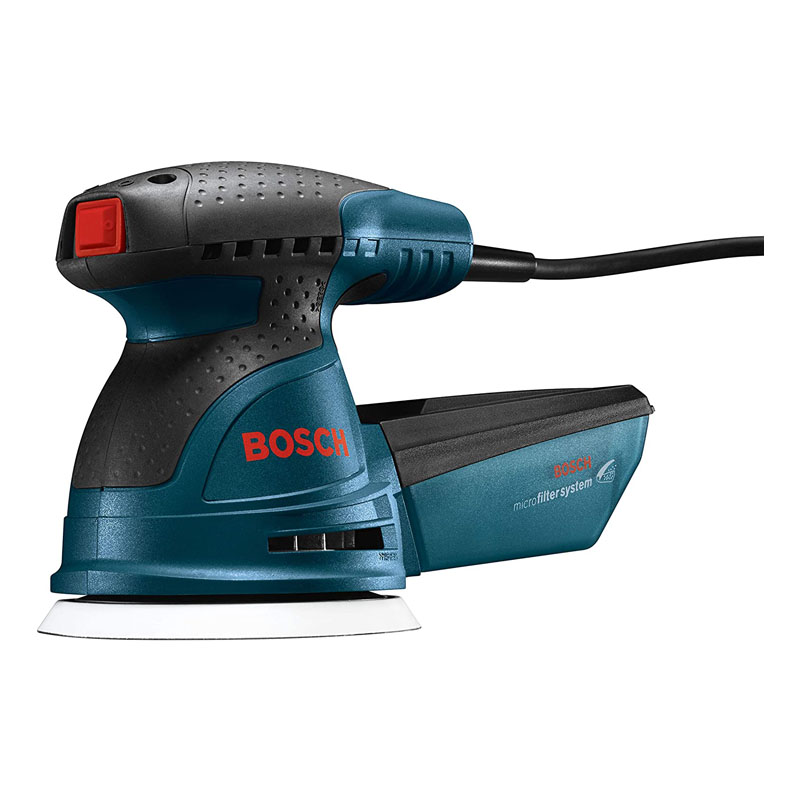
The Best Sanders for Furniture
Sanding is a crucial step in refinishing and rejuvenating furniture, allowing for the removal of old paint, lacquer, and rough patches to prepare wood for new finishes. While chemical stripping is an alternative, it can be messy, involves strong chemicals requiring ventilation and protective gear, and can lead to uneven results if not executed patiently. Sanding, though potentially more labor-intensive, offers better control and a more consistent finish, especially when using the right tools.
Several types of sanders are available, each suited for different tasks and furniture types. Belt sanders are powerful tools designed for rapid material removal on large, flat surfaces like dining tables and wardrobes. Their aggressive action makes them less suitable for intricate or smaller pieces. Random orbital sanders feature circular pads that rotate and oscillate, preventing swirl marks and making them versatile for medium to large furniture projects, though they can be challenging in tight corners. Rotary sanders, also known as orbital sanders, have square pads that move in small circles, effective for medium to large projects and able to reach obtuse or right-angle corners, but not acute angles or rounded edges. Detail sanders are specialized for precision, with triangular pads perfect for acute angles, narrow spaces, and contoured surfaces, often with attachments for very tight spots. Palm sanders are compact and ideal for small projects or detailed work on larger pieces, offering more control for softer woods without excessive material removal.
When selecting a sander, consider its power source, speed, and sanding pad size. Sanders can be corded, offering continuous power, or cordless, powered by rechargeable batteries for greater mobility but with limited runtime. Pneumatic sanders, while powerful, are less common due to the high cost and power requirements of air compressors. Sander speed, measured in OPM (oscillations or orbits per minute) or RPM (revolutions per minute for belt sanders), dictates how quickly material is removed and the smoothness of the finish; higher speeds remove more material but can leave a rougher surface, while lower speeds provide a finer finish.
Sanding pad size and shape are critical for compatibility with sandpaper. Rotary sanders typically use standard sheet sandpaper, while palm and random orbital sanders require circular sanding discs. Belt sanders use specific sanding belts, and detail sanders often need custom-shaped sandpaper due to their unique triangular pads. Ease of use is influenced by the tool's weight, vibration, and control features. Lighter sanders and those with vibration-dampening handles reduce user fatigue. Additional features like dust collection systems, pressure detection, trigger-lock systems, and included accessories such as extra sandpaper or carrying cases enhance functionality and user experience. Ultimately, the best sander for furniture depends on the project's scale, the intricacy of the piece, and the desired finish, often requiring a combination of sander types for comprehensive furniture refinishing.
#FurnitureRefinishing #WoodworkingTools #PowerSanders #DIYFurniture #HomeImprovement #WoodSanding #ToolReviews #FurnitureRefinishing #WoodworkingTools #PowerSanders #DIYFurniture #HomeImprovement #WoodSanding #ToolReviews
0 comment in total
 No comments yet
You may also like

Best indoor furniture stores – 15 of the best places to shop indoor furniture
Attention: Here's Where You Should Be Shopping for Furniture Online

The 16 Very Best Couches | The Strategist

5 Things You Should Never Do When Buying New Furniture, Designers Spill

Celia Rufey answers your furniture questions

I Tried Washable Furniture, and It's an Absolute Game Changer
Furniture Stores That Make Your Pinterest Dream Board Totally Doable

My Hunt For a Deep (But Not Too Deep) Sofa
The 35 best online furniture stores our editors shopped from in 2025
The 37 Best Places to Buy Furniture to Create Your Dream Space

The Best Online Furniture Stores


Jil Sander Wants You to Match Your Furniture to the Floors

Take This Chair & Stuff It
Yes, interior designers shop at Wayfair too – and I've asked them to share the exact products they would recommend

Entry Level Elevated: The Best Affordable Furniture Brands

Shop Sustainably at These Eco-Friendly Home Decor and Furniture Brands


Where do interior designers shop for furniture? 23 designers share their favorite stores

Interior Designers Reviewed the Best Furniture Brands, So You Don't Have to

A Professional Organizer Spills on the Best Storage Furniture to Streamline Your Space
designer hanne willmann details the expanded freifrau nana collection