1/12
The floral fabric that was banned
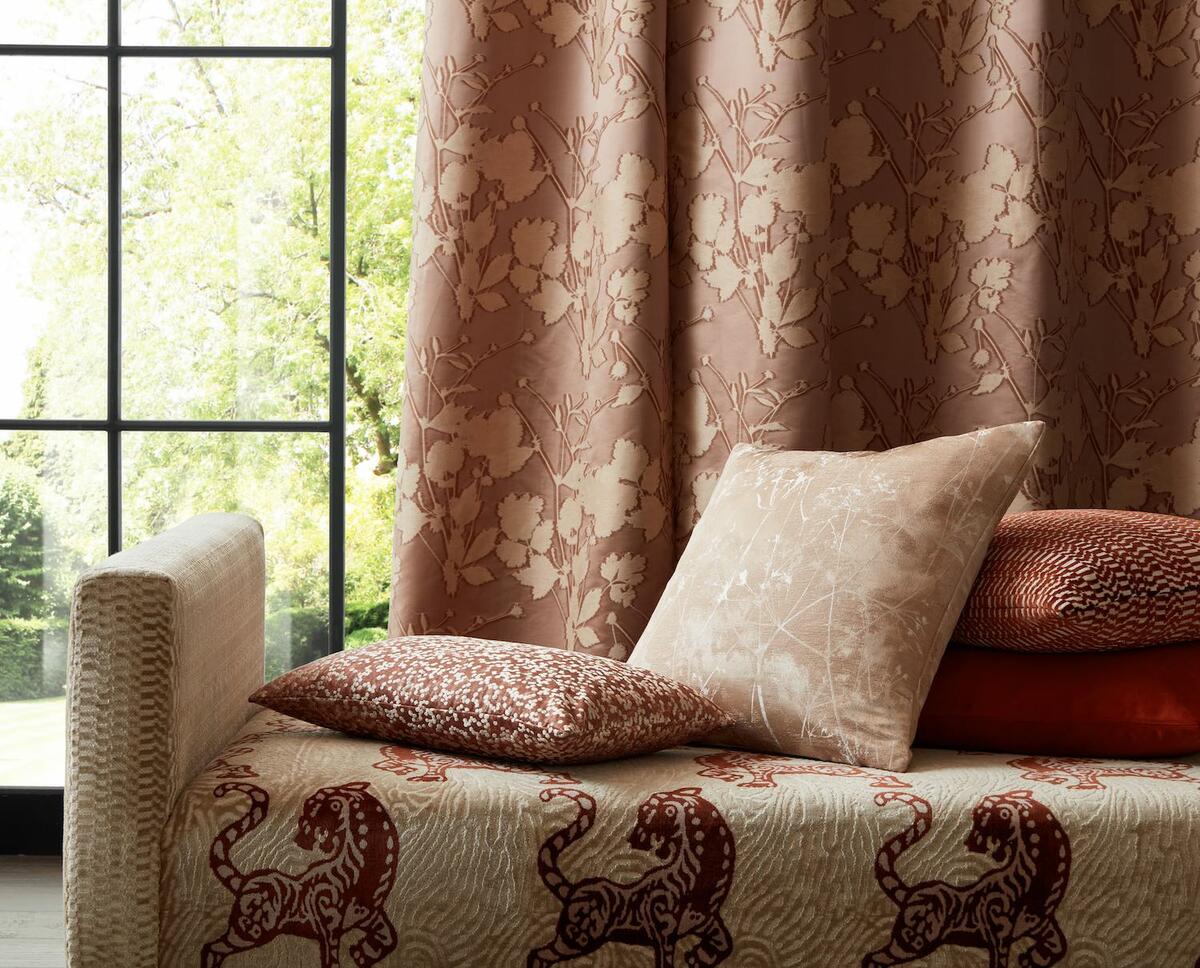
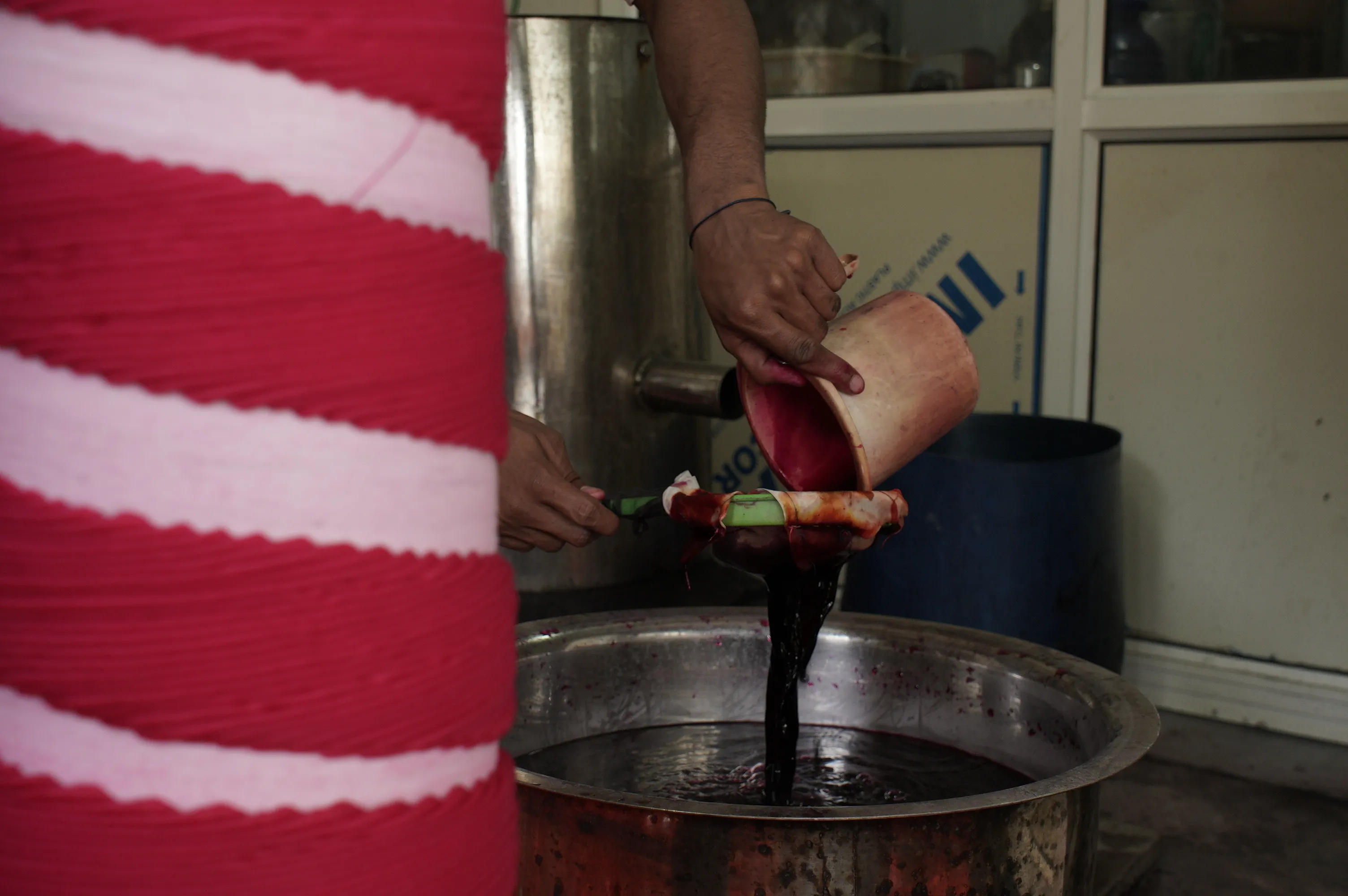
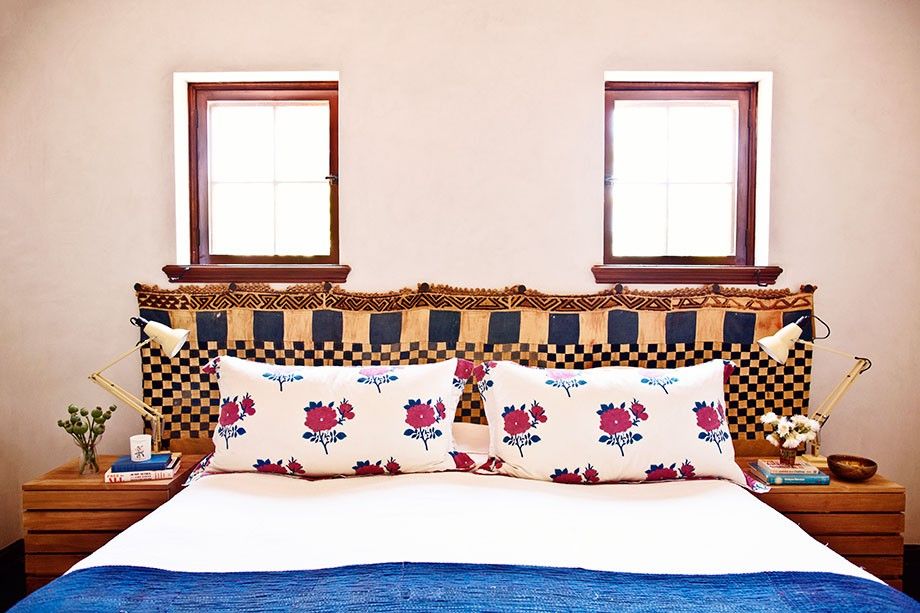
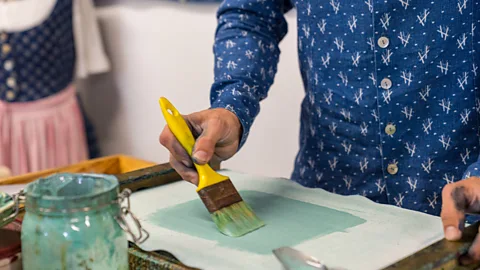
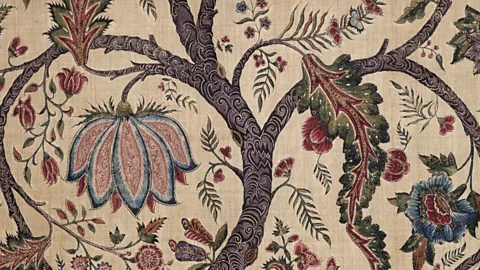
The term 'chintzy' is often associated with outdated or gaudy floral patterns, a connotation that originated from George Eliot's 1851 letter, where she likely referenced inferior imitations rather than authentic chintz. Historically, true chintz, a vivid and luxurious fabric, is defined by its method of production using mordants and resists to set dyes on cotton, a process that continues to mystify modern science. Originating thousands of years ago in India and Pakistan, the word 'chint' means 'spotted' or 'variegated'. Over time, especially in the 18th century, the English-speaking world adopted 'chintz' to refer to industrially printed cottons, linking it with floral designs and glazing. This glazing, often seen in more expensive Indian chintz, provided a stiff, luxurious feel.
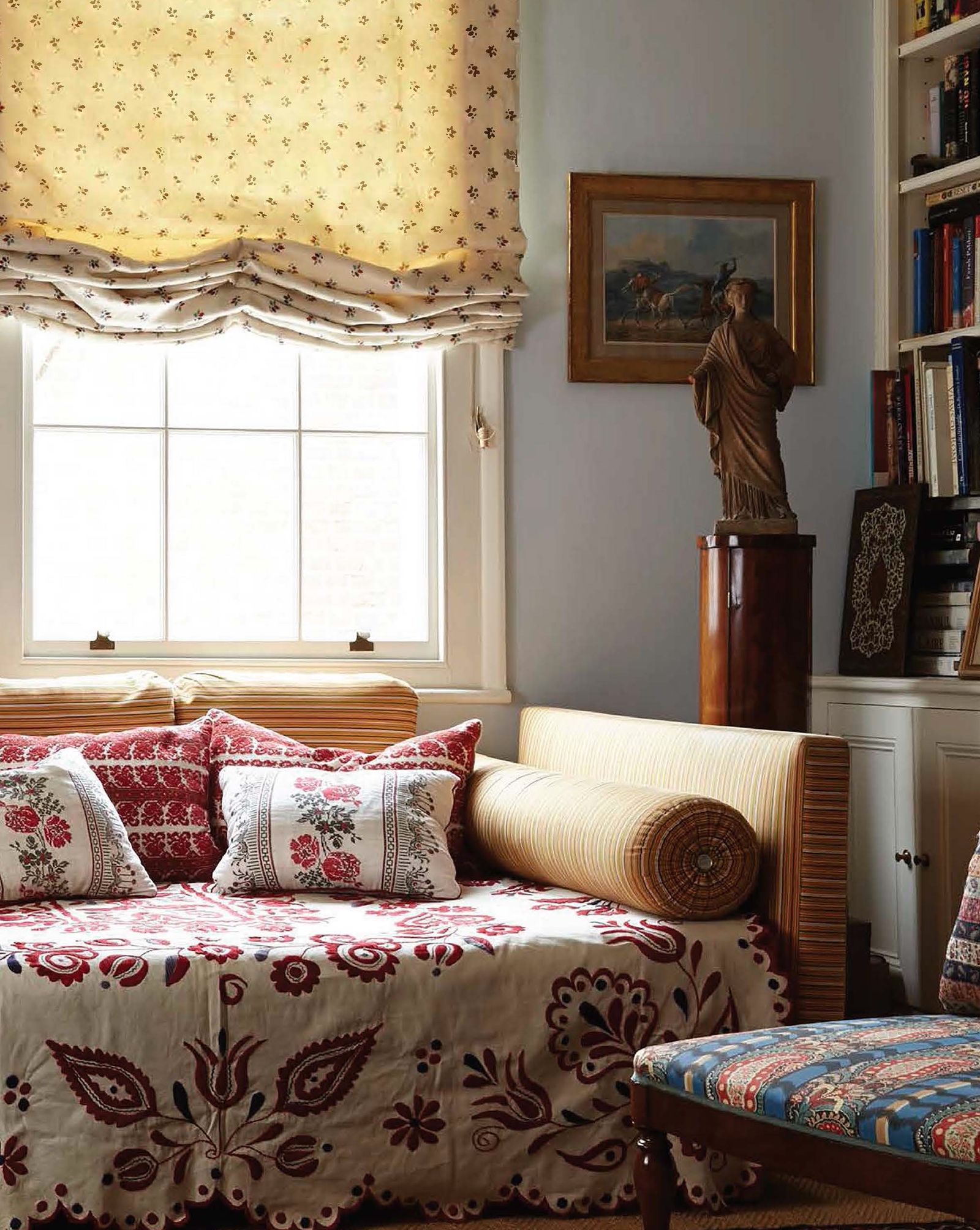
Indian chintz, known for its intricate hand-produced patterns, either block-printed or through _kalamkari_ (pen-work), gained global prominence after Vasco da Gama's voyage to Calicut in 1498. European traders, initially trading Indian chintz within the Indian Ocean region due to lack of demand for their own textiles, soon recognized its profit potential in Europe. This led to the 'calico craze' by the late 17th century. Initially, chintz was used for elite home furnishings, such as wallcoverings and bedcovers, reflecting an informal and feminine aesthetic.
Around the mid-17th century, chintz transitioned into fashion. While some demand for traditional Indian designs remained, European traders started influencing patterns to align with Western aesthetics. Indian chintz became the first mass fashion, adopted by various social classes across Europe, with working women using cast-off furnishing fabrics for clothing. This widespread popularity, however, sparked protests and riots from European textile manufacturers who felt threatened. Consequently, chintz was banned in France from 1686 to 1759 and partially in Britain from 1700 to 1774, alongside restrictions in other European nations and the Ottoman Empire. Despite these bans and threats of execution, smuggling ensured its continued use.
European manufacturers eventually began imitating chintz, leading to technological innovations that made Britain a leading textile printer. However, Britain remained reliant on India for raw cotton. To circumvent intermediaries and secure cotton supply, British traders resorted to unethical practices, including using enslaved Africans in the Americas to cultivate cotton, contributing to the Industrial Revolution. Following the US Declaration of Independence in 1776, chintz's appeal in the West diminished due to changing minimalist fashion trends and the British Arts and Crafts movement's rejection of industrial production in favor of handicrafts. Despite this, chintz remained in demand for interior design and chinaware, particularly among British expatriates in colonial India, and saw growing popularity for clothing in markets like Iran.
Chintz has experienced several comebacks in Western fashion and interior design, notably in the 1960s and 1980s, championed by designers like Mario Buatta and brands like Laura Ashley. However, Ikea's 1996 'Chuck Out Your Chintz' campaign aimed to end this resurgence. Despite its often 'chintzy' reputation, contemporary designers in India, such as Sufiyan Khatri and Rajesh Pratap Singh, continue to utilize indigenous textiles like chintz. In the West, designers like Sarah Burton for Alexander McQueen, Richard Quinn, Erdem Moralıoğlu, and Betsey Johnson have embraced or been inspired by chintz. Betsey Johnson and Cath Kidston express a lasting fascination with its versatility and garden-like aesthetic, underscoring its enduring appeal in both fashion and home decor, ensuring it will periodically resurface in style.
#ChintzHistory #TextileIndustry #FashionEvolution #ColonialismImpact #FabricDesign #HomeDecorTrends #IndustrialRevolution #CulturalExchange #ChintzHistory #TextileIndustry #FashionEvolution #ColonialismImpact #FabricDesign #HomeDecorTrends #IndustrialRevolution #CulturalExchange
0 comment in total
 No comments yet
You may also like

Bouclé Fabric Is Back

Get Your Scissors Ready! Here are 5 Fabric Trends You Need to Know Now
Rifle Paper Co. Just Dropped a Floral-Filled Furniture Collection
Step Aside, Florals—Shells Are the "It" Decor Motif of This Spring


With bright color palettes, Pita and Bloom's work embraces ornament
The Dye Is Cast


KnollTextiles Revives Three of Its Original Textile Colors

16 Spring Decorating Ideas to Give Your Home the Refresh It Deserves

8 fabulous frond-filled designs to pick this spring


7 Fabric Trends Taking Over Interior Design in 2024
These Are the New Floral Prints Designers Are Loving

Flower power: Botanical designs can make any room radiant

Beyond tie-dye

PSA: There's No Bamboo in Your Bamboo Bedding


How to upholster with antique textiles without going too Miss Havisham

Europe's secret dyeing formula

This Chair Got Its Candy-Colored Speckles From None Other Than Flowers—Here’s How

Decorative trim is back—and a little Georgia factory is leading the trend
The Best Ways to Show Off a Textile in Your Home
Which Block Print Fabric Designs are Trending Now?