Are prefab homes killing the construction industry?
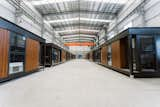
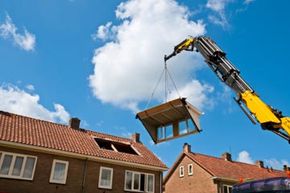
The article explores the concept of prefabricated (prefab) homes and their impact on the construction industry, addressing whether they pose a threat to traditional construction methods. Prefab homes are defined as residences manufactured either partially or entirely in a factory, often located away from the final assembly site. These homes are then transported and assembled on-site, a process that can significantly reduce construction time compared to conventional building. The article highlights that while the idea of factory-produced homes might seem modern, it dates back to the 17th century, gaining more traction in the early 1900s with the introduction of 'house kits' by companies like The Aladdin Company.
Despite their long history, prefab homes constitute a small percentage of the housing market in the United States. As of 2011, only about 0.03 percent of homes in the U.S. were prefabricated, contrasting sharply with countries like Sweden, where 70 percent of housing was prefabricated in 2008. The popularity of prefab in countries like Sweden is partly attributed to companies like IKEA, which even offers its own line of prefab homes (BoKlok).
Compared to conventional custom-built homes, prefab homes offer several advantages. They are generally more cost-effective, with prices ranging from $150 to $200 per square foot, potentially making them 45 to 50 percent cheaper than traditional homes which can cost around $300 per square foot. The factory-controlled environment allows for construction regardless of weather conditions, leading to more efficient production and quicker turnaround times. Modern prefab designs also emphasize customization, luxury, and environmental friendliness, often incorporating sustainable materials and practices.
However, prefab homes also come with drawbacks. Their design to align with local building codes can limit their market reach. Repair and maintenance can be challenging due to the need for specialized parts. While the homes themselves are cheaper, buyers may face substantial additional costs such as assembly permits, large equipment rental, and shipping fees, which can range from $5,000 to $30,000. Furthermore, prefab homes are not DIY projects and require professional installation. A persistent stigma also exists, with some contractors and consumers viewing factory-made homes as inferior.
The article also examines the economic context, noting that the 2007 global recession severely impacted the construction industry. Despite the cost-effectiveness of prefab homes, this economic downturn did not translate into increased sales for them. Instead, people simply stopped buying homes altogether. Data indicates a significant drop in prefab home shipments in the U.S. following the housing crisis. Industry insiders largely do not perceive prefab homes as a significant threat to the traditional construction industry due to the existing stigma and the desire among many homebuyers for custom-built residences.
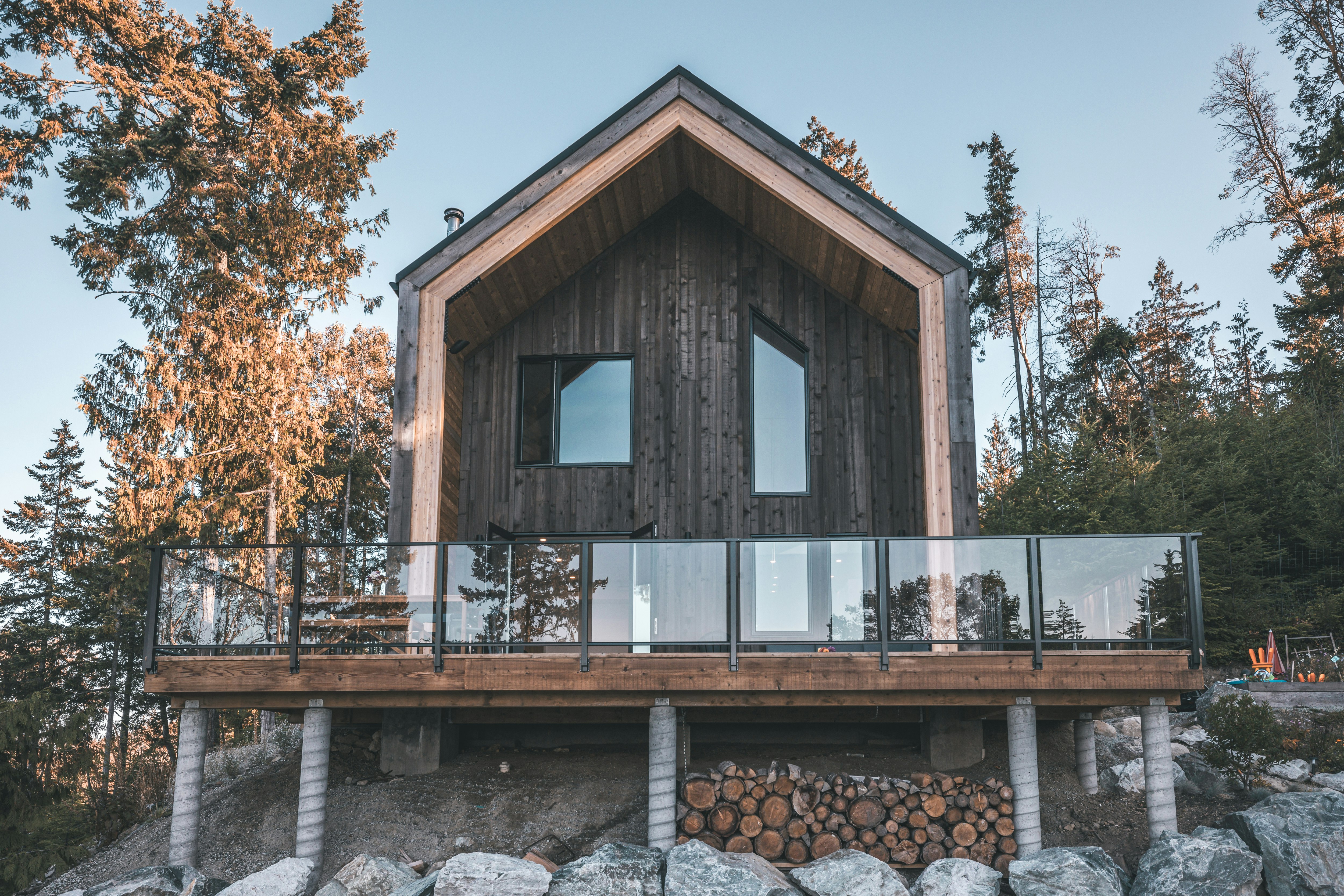
Nevertheless, prefab homes are carving out niche markets, including in the luxury sector, and remain a viable alternative for those prioritizing frugality or environmental benefits. Their eco-friendly aspects, such as reduced waste and use of recycled materials, appeal to green-minded consumers. Prefab housing has also played a crucial role in disaster relief, as seen in the resurgence of prefab in areas affected by Hurricane Katrina. The article concludes that while prefab homes are not poised to dismantle the traditional construction industry, they are steadily gaining recognition and, with advancements in green technology and luxury designs, may eventually overcome existing prejudices in the American market.
#PrefabHomes #ConstructionIndustry #HomeBuilding #HousingMarket #CostEffectiveness #SustainableHousing #FactoryBuiltHomes #HousingCrisis #ModernConstruction #PrefabHomes #ConstructionIndustry #HomeBuilding #HousingMarket #CostEffectiveness #SustainableHousing #FactoryBuiltHomes #HousingCrisis #ModernConstruction
0 comment in total
 No comments yet
You may also like

In Depth: Engineered wood products

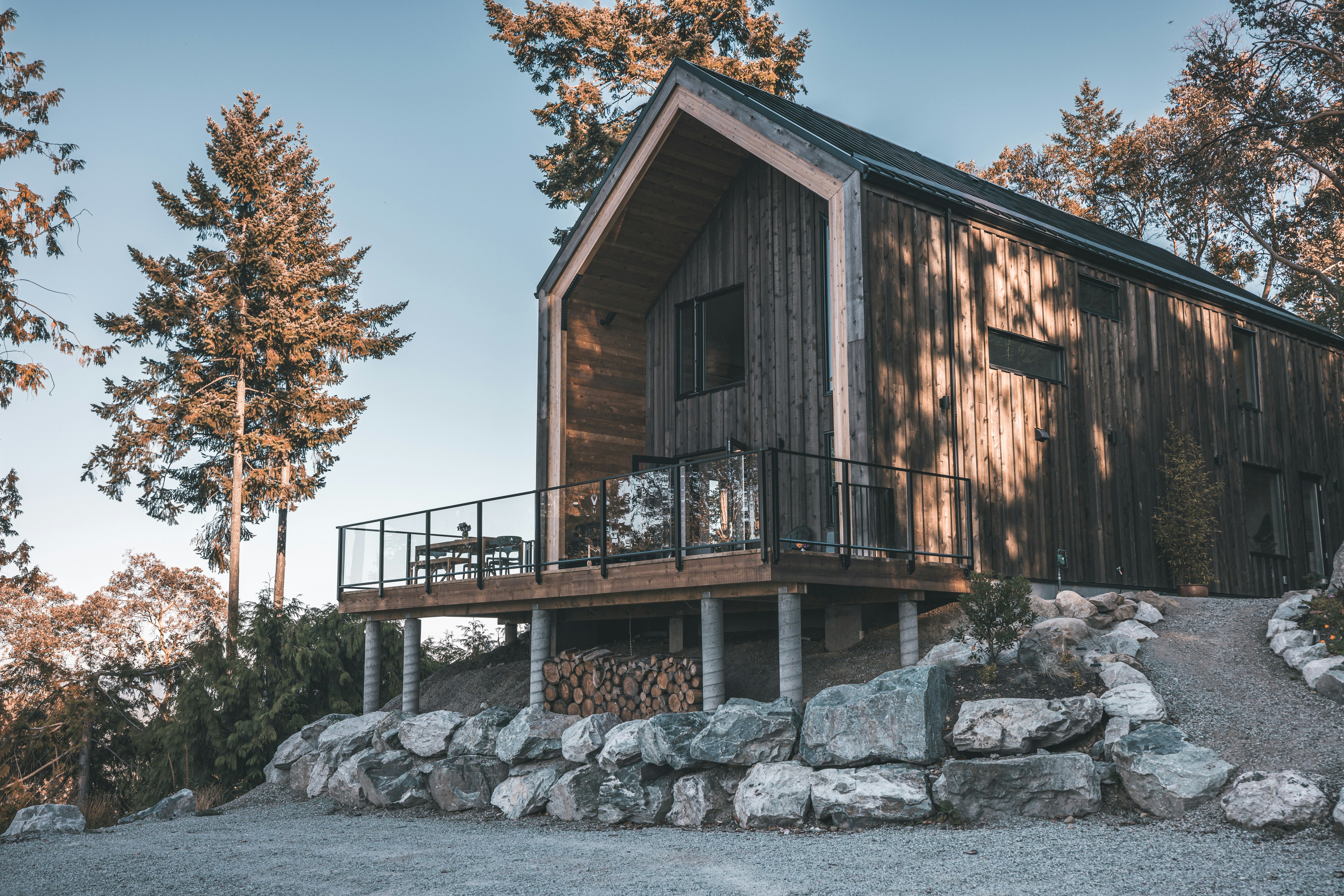
Prefab Builder Blend Projects Makes Tiny Cabins and Full-Blown Homes Made of Healthy Materials

![Doors Market, Industry Size Growth Forecast Report, [Latest]](https://gstatic.ideal.house/news/images/49bdcee660bd4d108750313d21923184.webp)
Doors Market, Industry Size Growth Forecast Report, [Latest]

Five Ways a Concrete Contractor Can Benefit with Temporary Concrete Workers

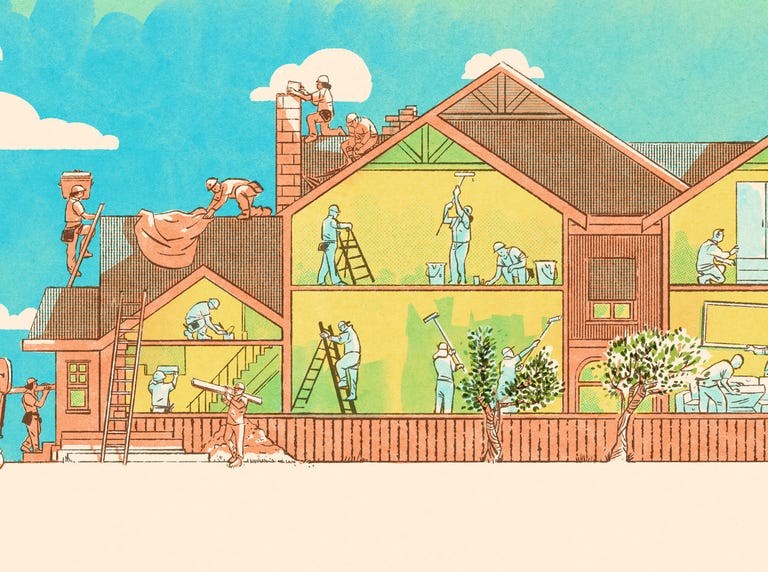
Did Covid Ruin Home Renovations?

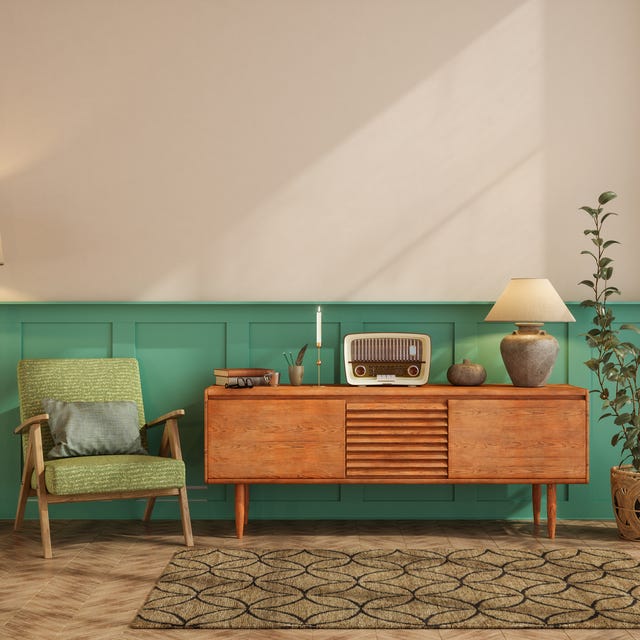
8 Home Trends That Are Tragically DEAD to the Design World

Now is the worst possible time to renovate your home. Here's why.
The 10 Biggest Concrete Contractors in the U.S. in 2023
In Depth: Deck Fasteners
An Outlook on 2025 - Is 2025 Looking Good For Concrete Contractors?
Rebuilding Homebuilding

Home Design Projects Face Challenges As De Minimis Exemption Ends

One Thing at a Time | Concrete Contractor July/August/September 2022 Editor's Log
8 "Tacky" Home Trends That Are Tragically Dead to Designers in 2026


20 Years of Concrete Contractor Magazine

Nestron’s Plug-and-Play Prefabs Start at $40K and Don’t Require a Foundation

Rising Home Equity Keeps People In Place, Exploding Remodeling Tech

North America Doors Market Size, Share & Growth, 2033