Are Porcelain Countertops Worth It? Here's What to Know Before Your Next Kitchen Reno
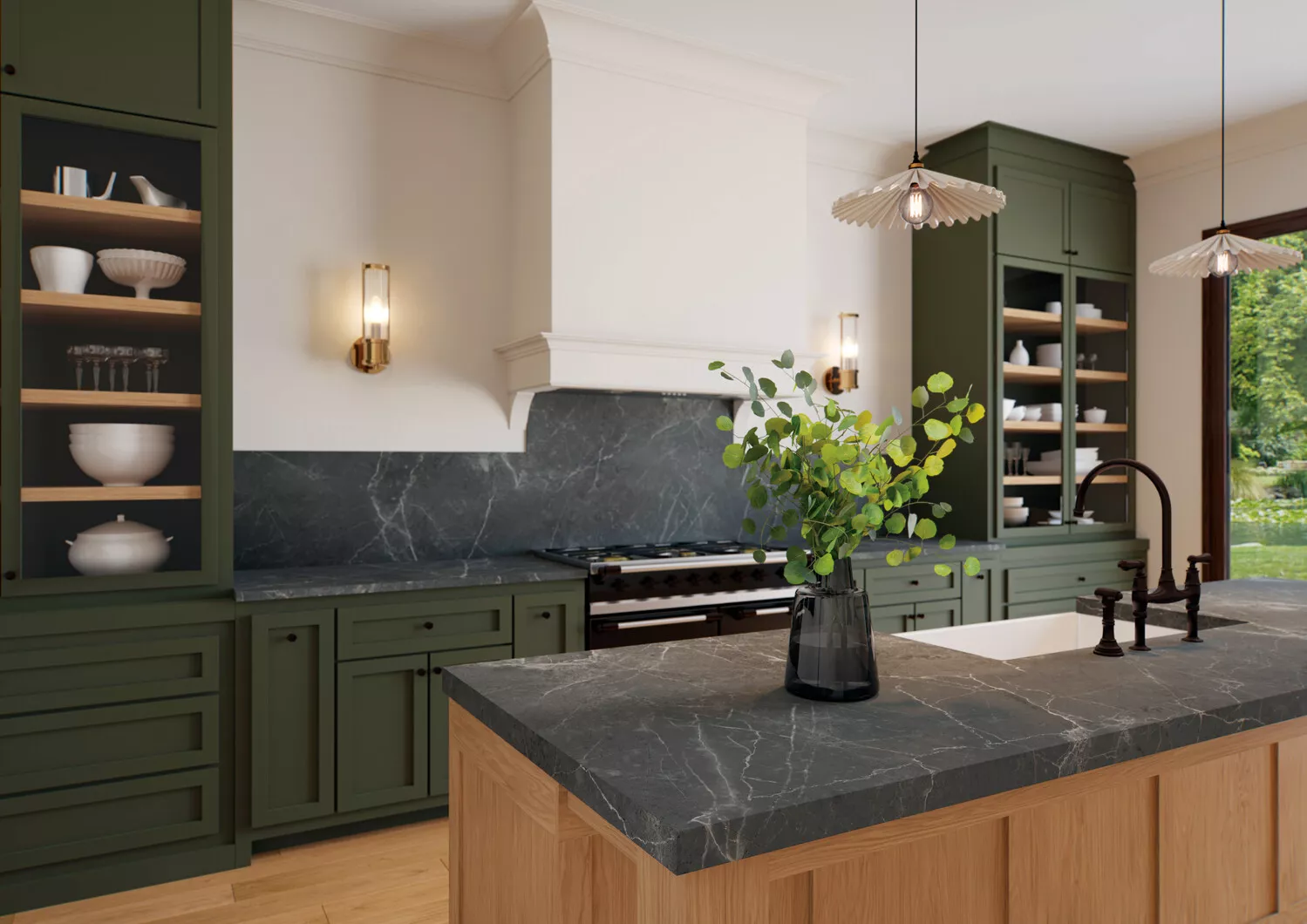
Porcelain, traditionally associated with delicate dinnerware, is increasingly gaining traction as a robust building material for kitchen and bathroom countertops. This engineered material, made from a blend of raw minerals fired at extremely high temperatures (over 2,650 degrees Fahrenheit), offers impressive durability, stain resistance, and low maintenance. Its popularity has steadily risen over the past seven years, with searches for porcelain countertops more than doubling, indicating a growing interest in this relatively new countertop option in the U.S., a trend already established in Europe.
Porcelain countertops are considered stronger than natural granite due to their manufacturing process, which involves high heat and a homogenized mix of raw materials. They exhibit excellent scratch resistance, comparable to quartz and granite, although sharp ceramic knives can potentially cause nicks. A significant advantage is their exceptional heat resistance; the high-temperature firing process means they can withstand hot pots and pans without the need for trivets. Furthermore, porcelain is UV-resistant, preventing fading when exposed to sunlight, making it suitable for outdoor kitchen applications.
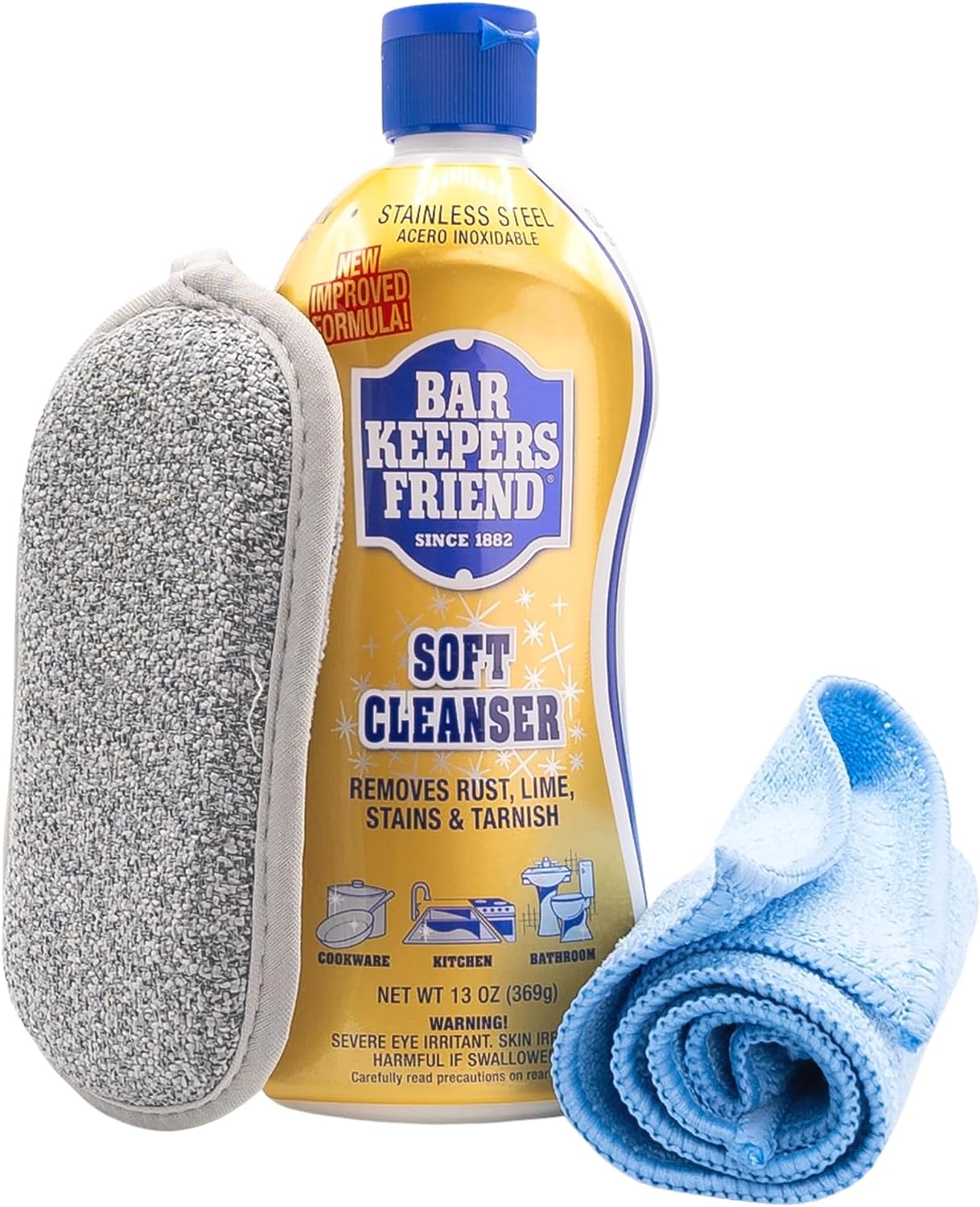
Maintenance for porcelain countertops is straightforward. They are non-porous and highly impervious to water, virtually eliminating concerns about staining. Cleaning can be done with simple soap and water, and for tougher messes, a soft cleanser like Bar Keeper’s Friend is recommended. Unlike natural stone, porcelain does not require sealing, which simplifies long-term care.
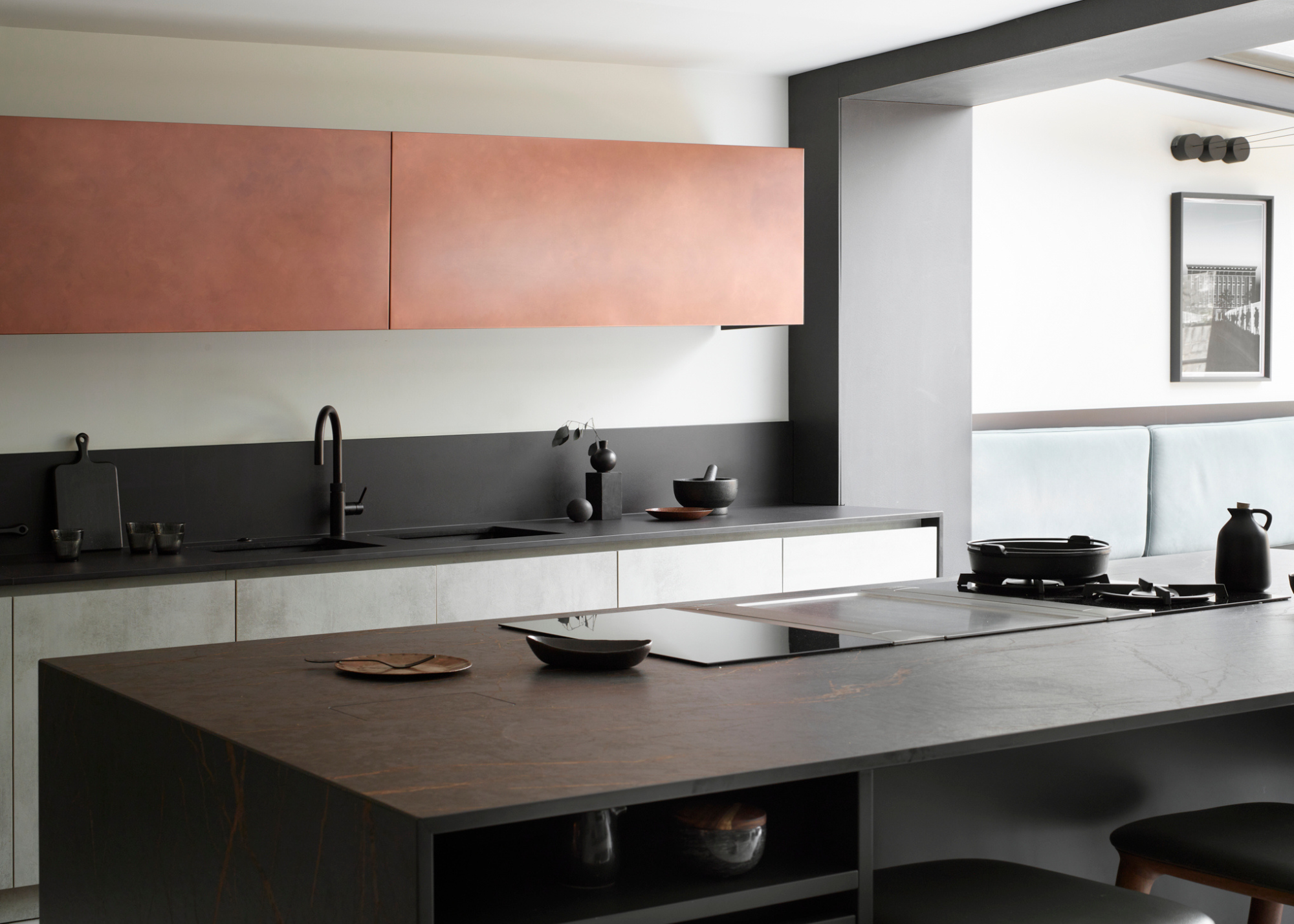
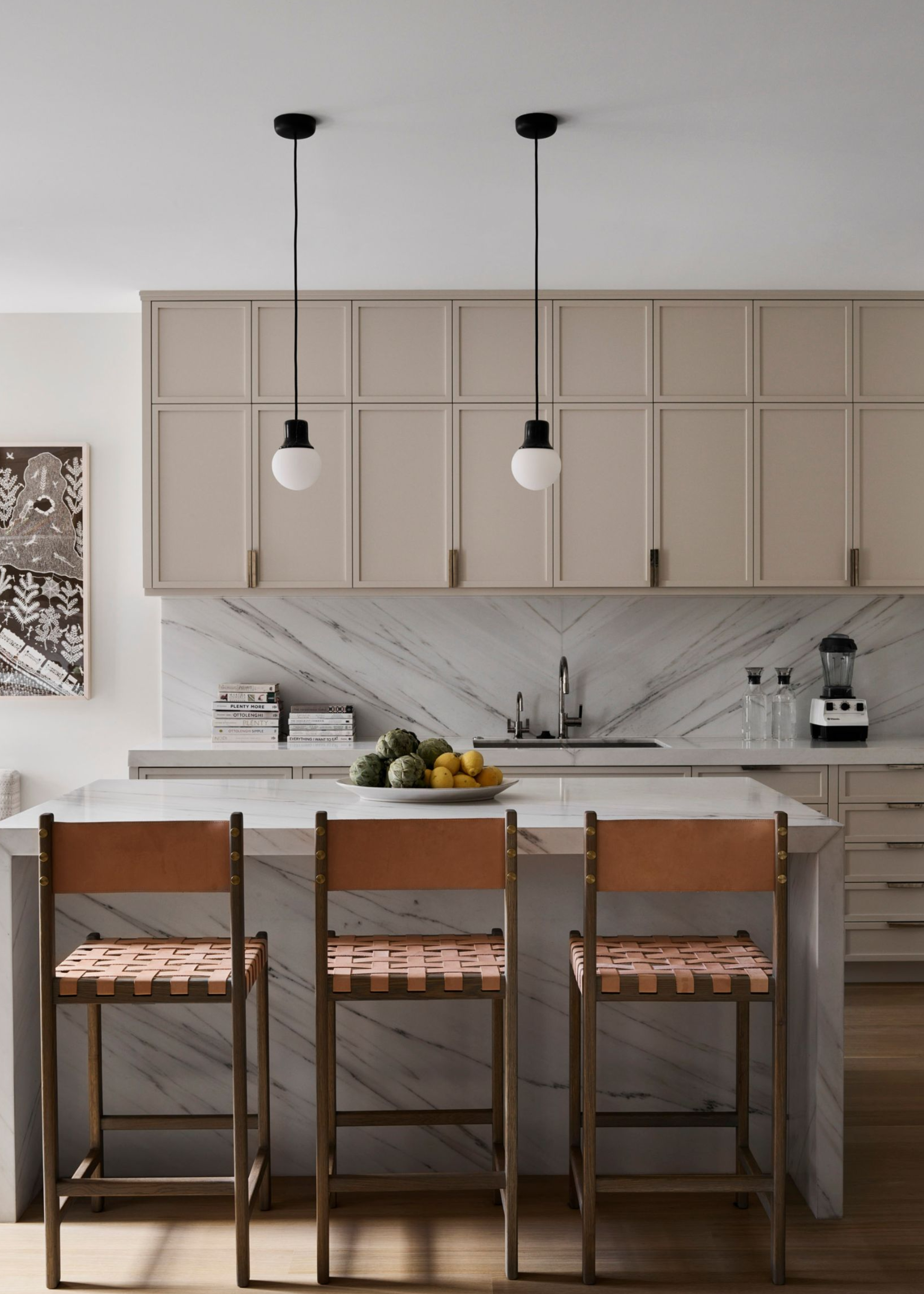
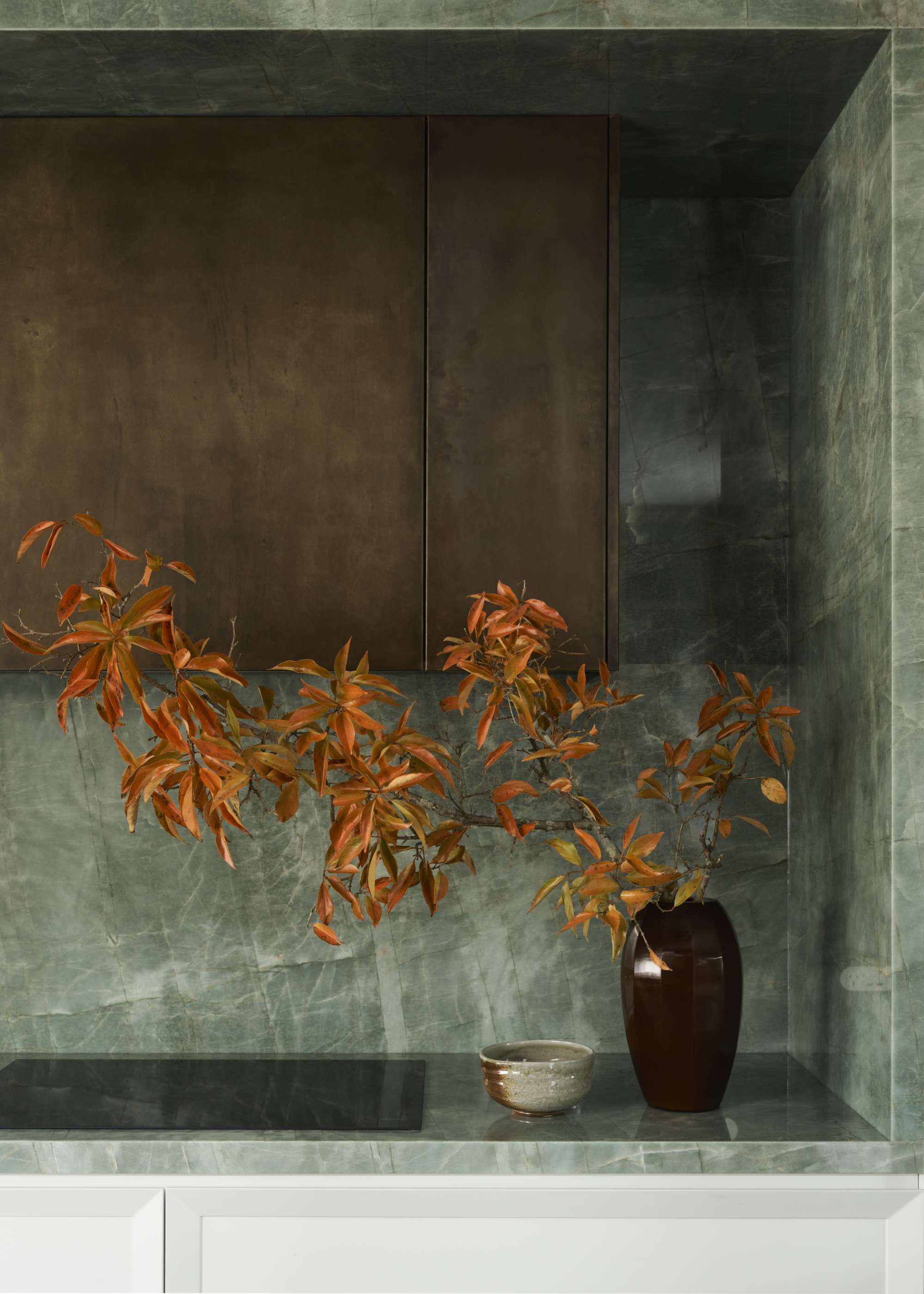
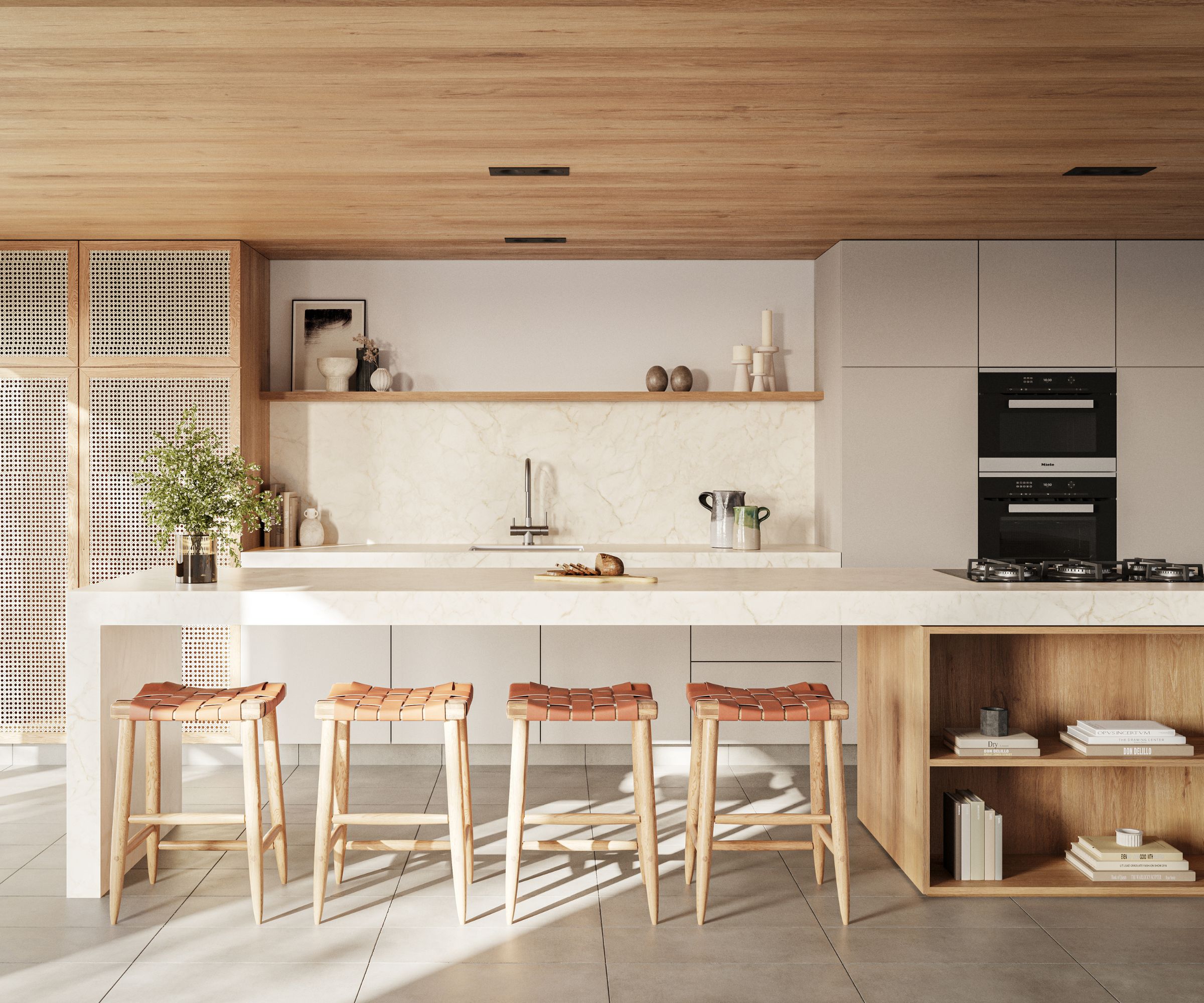
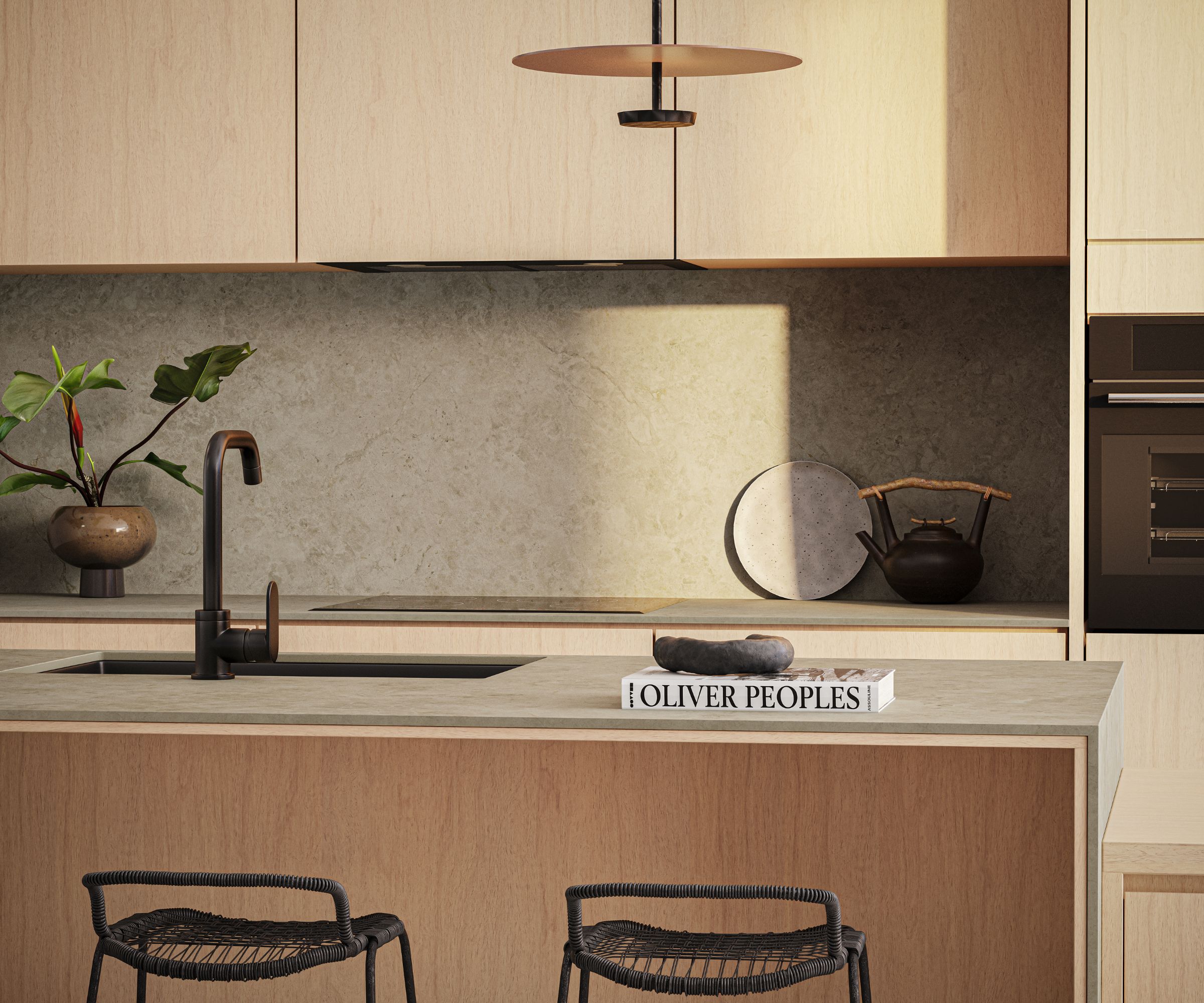
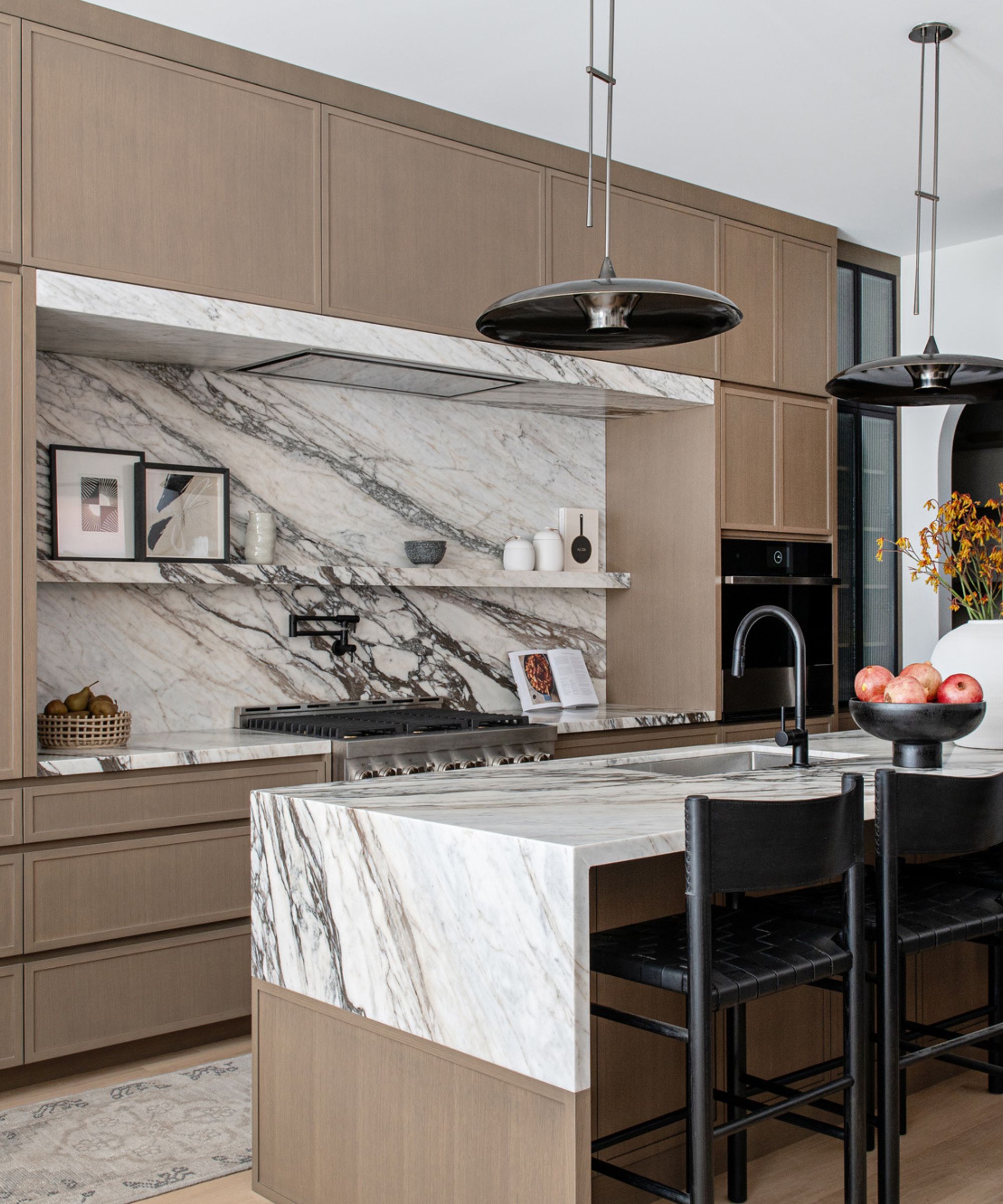
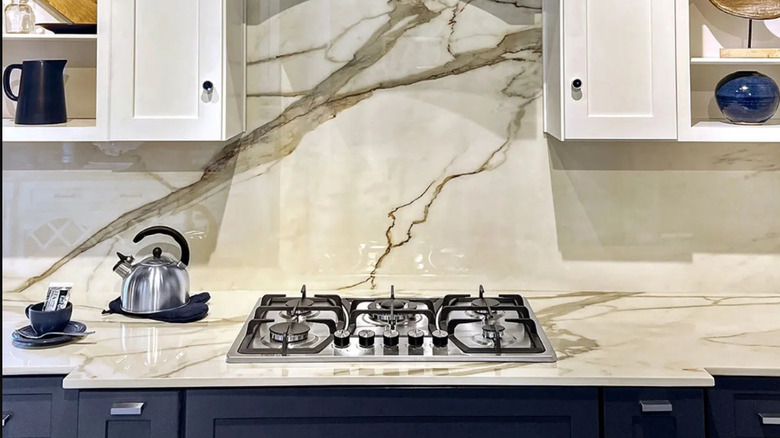
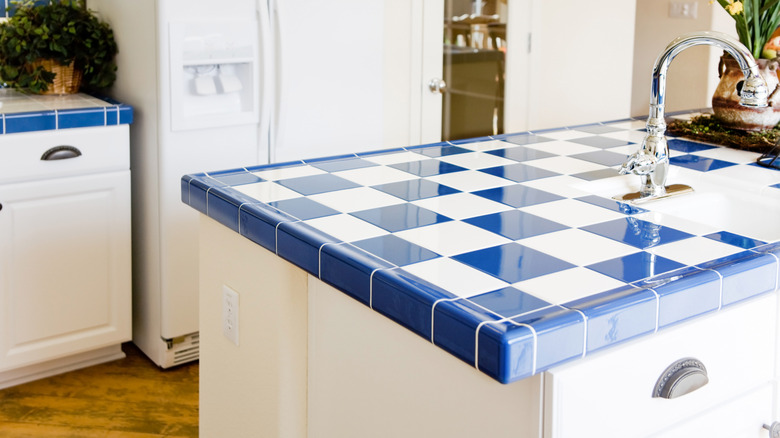
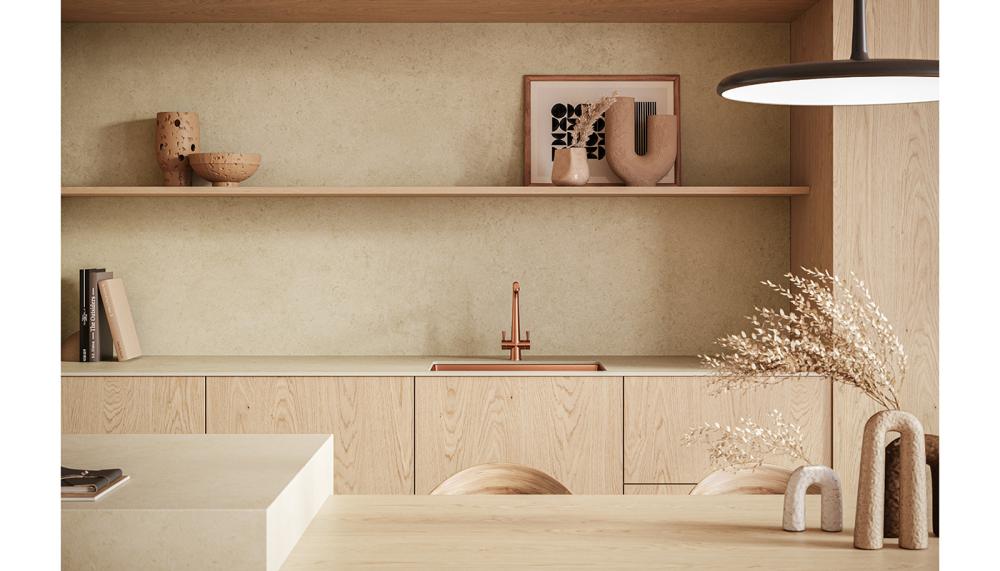
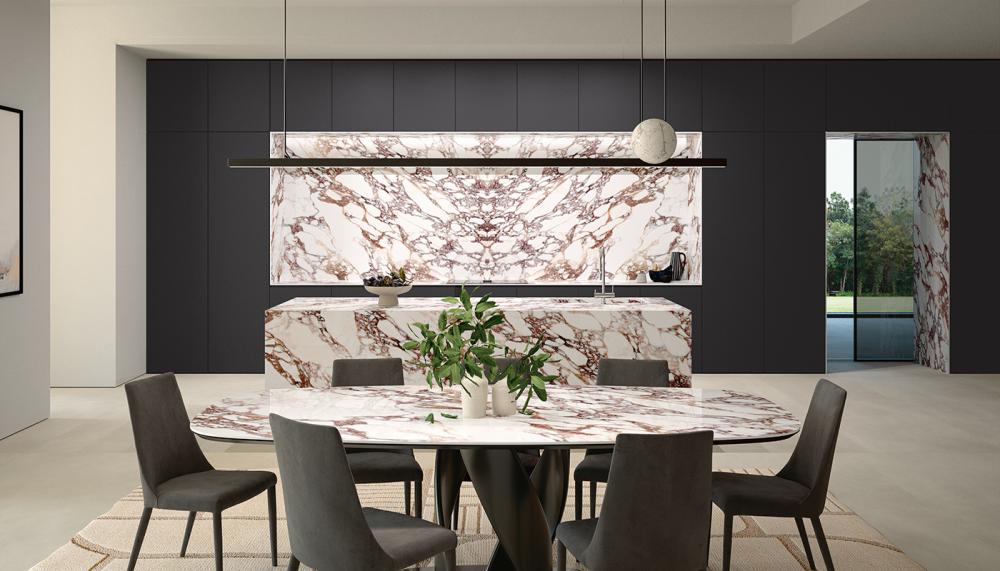
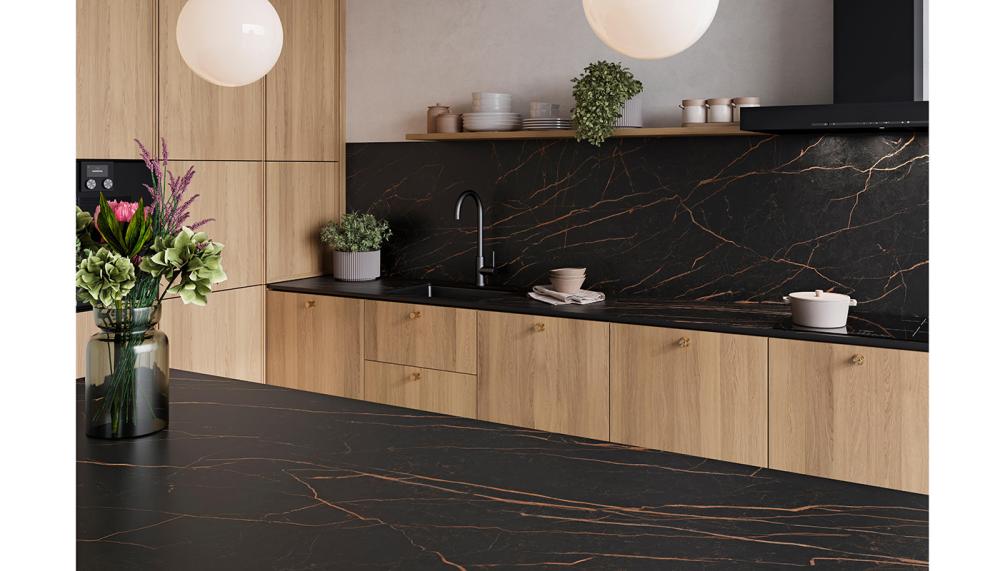
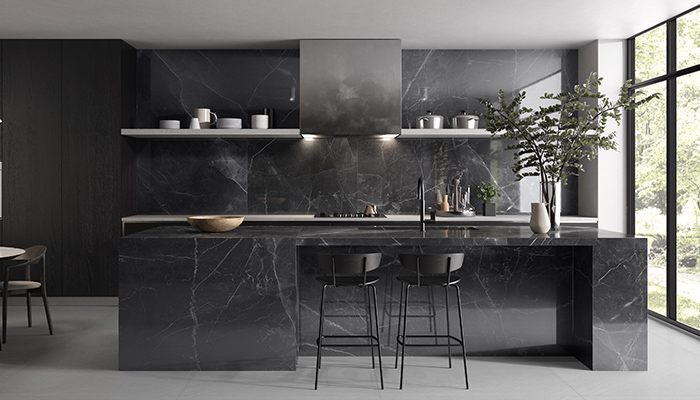
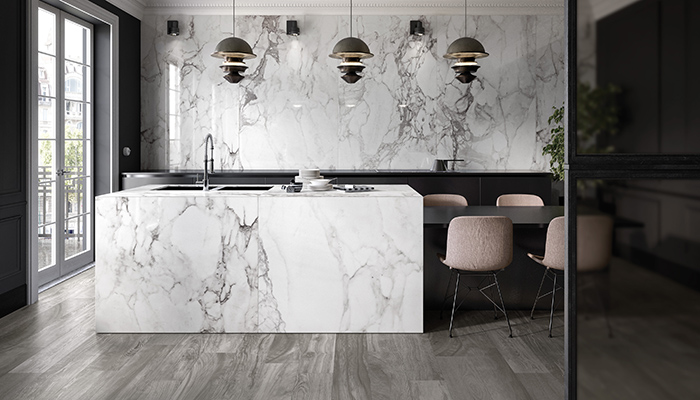
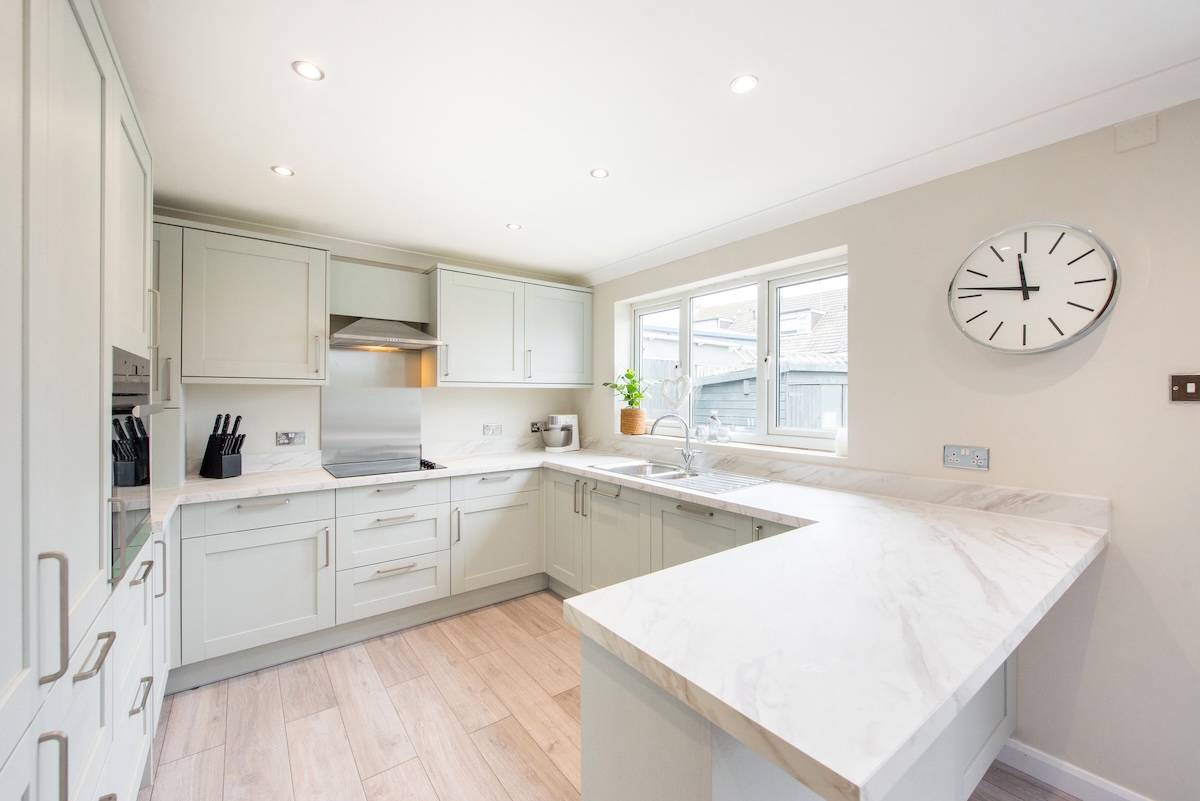
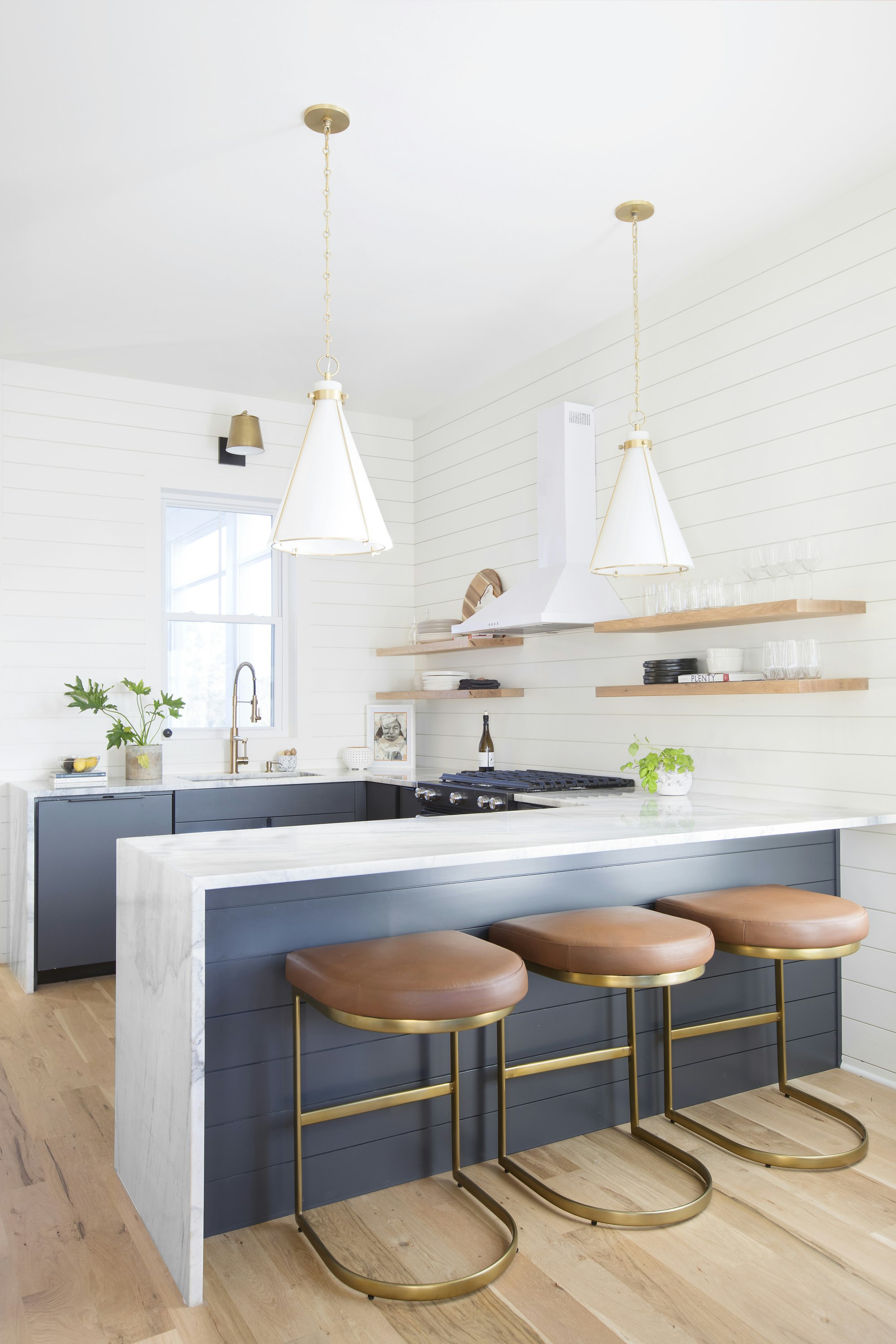
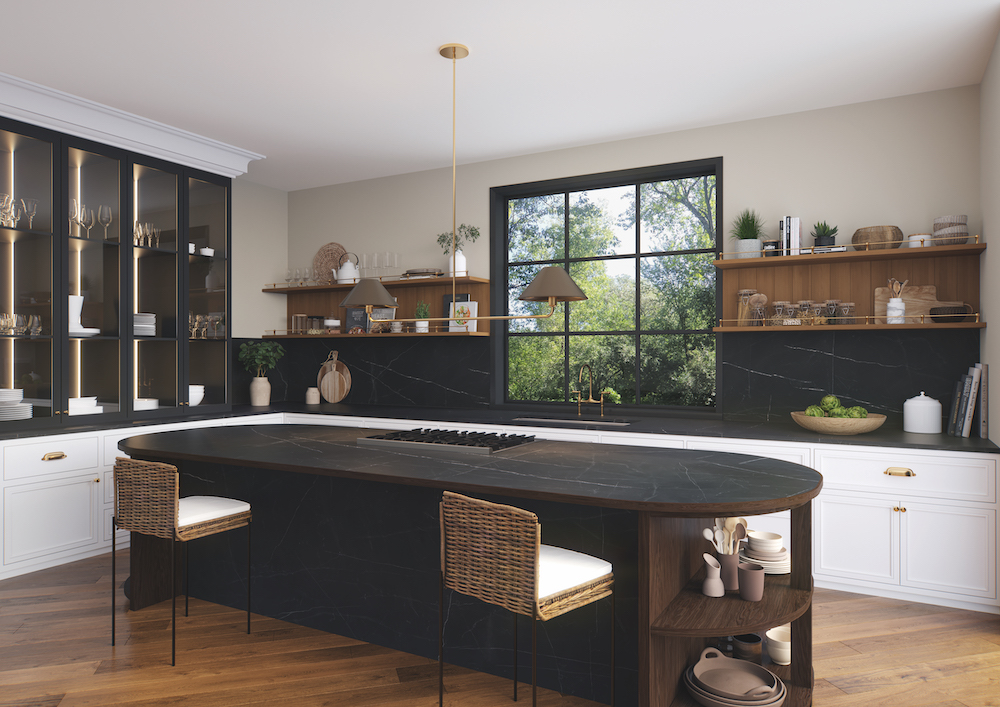
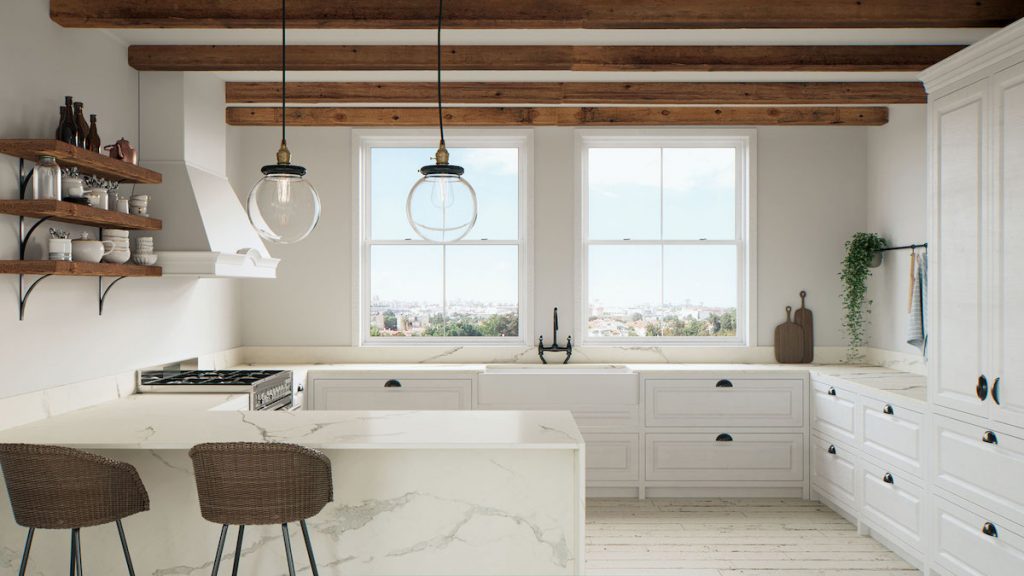
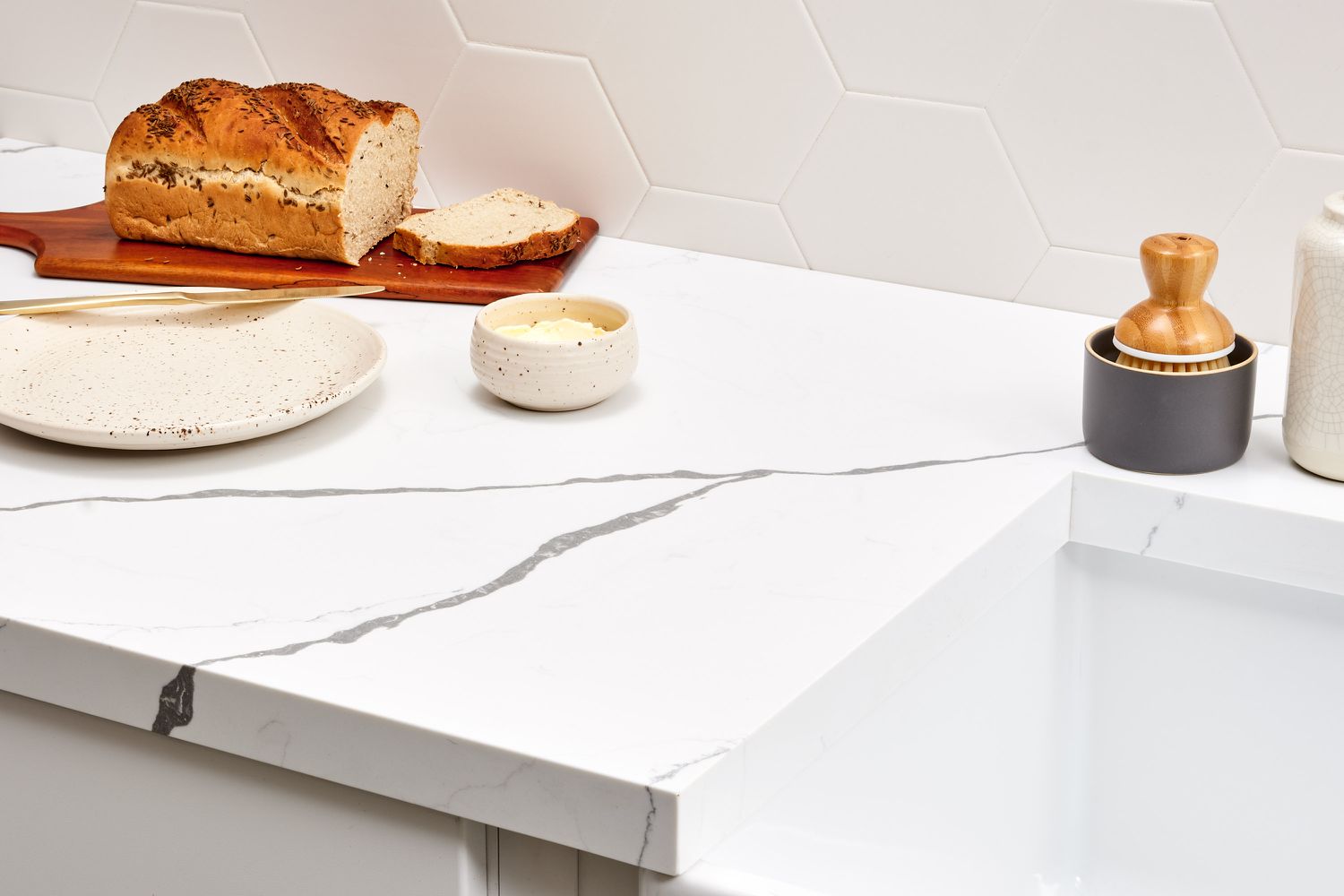
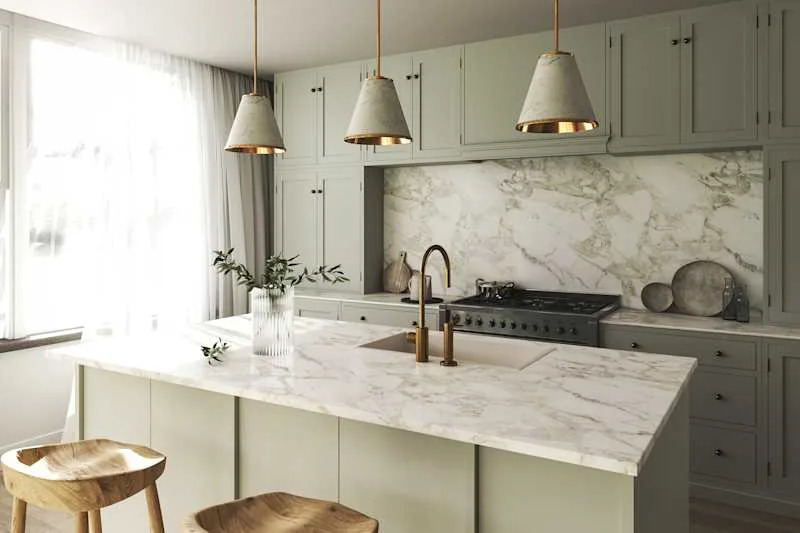
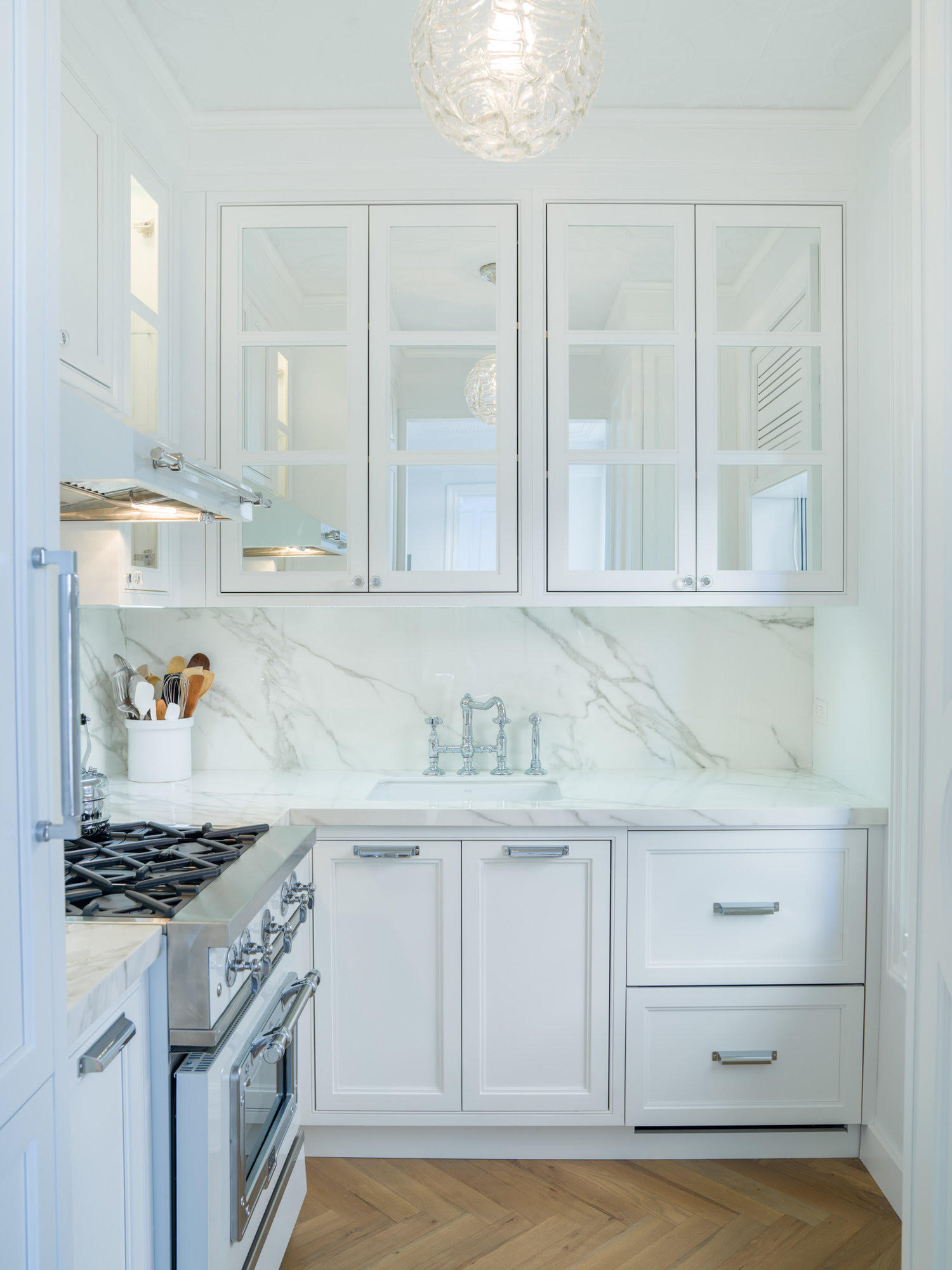
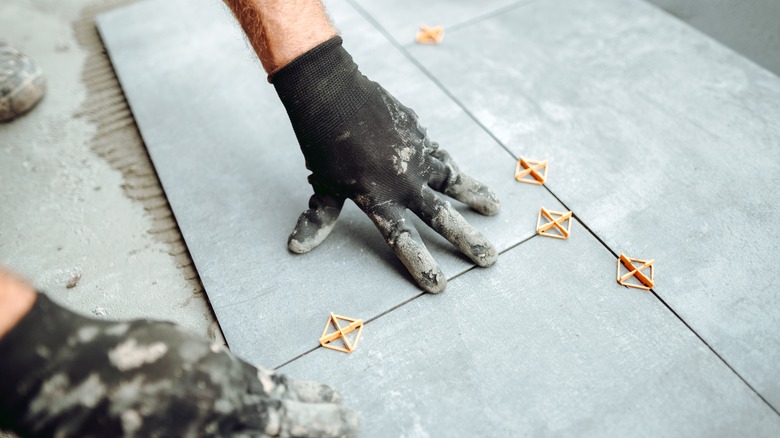
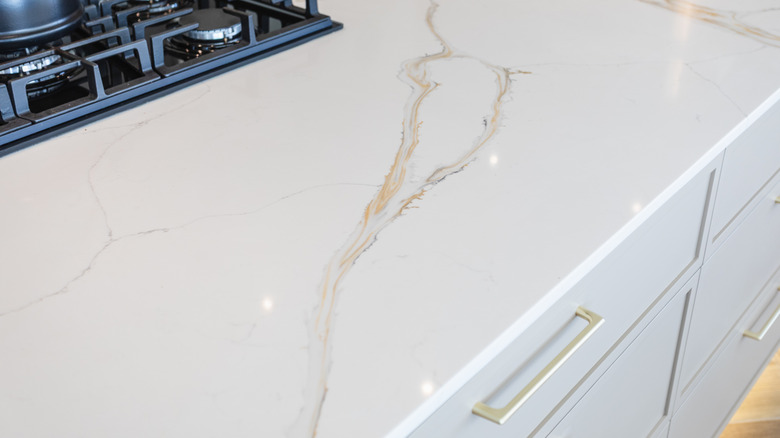
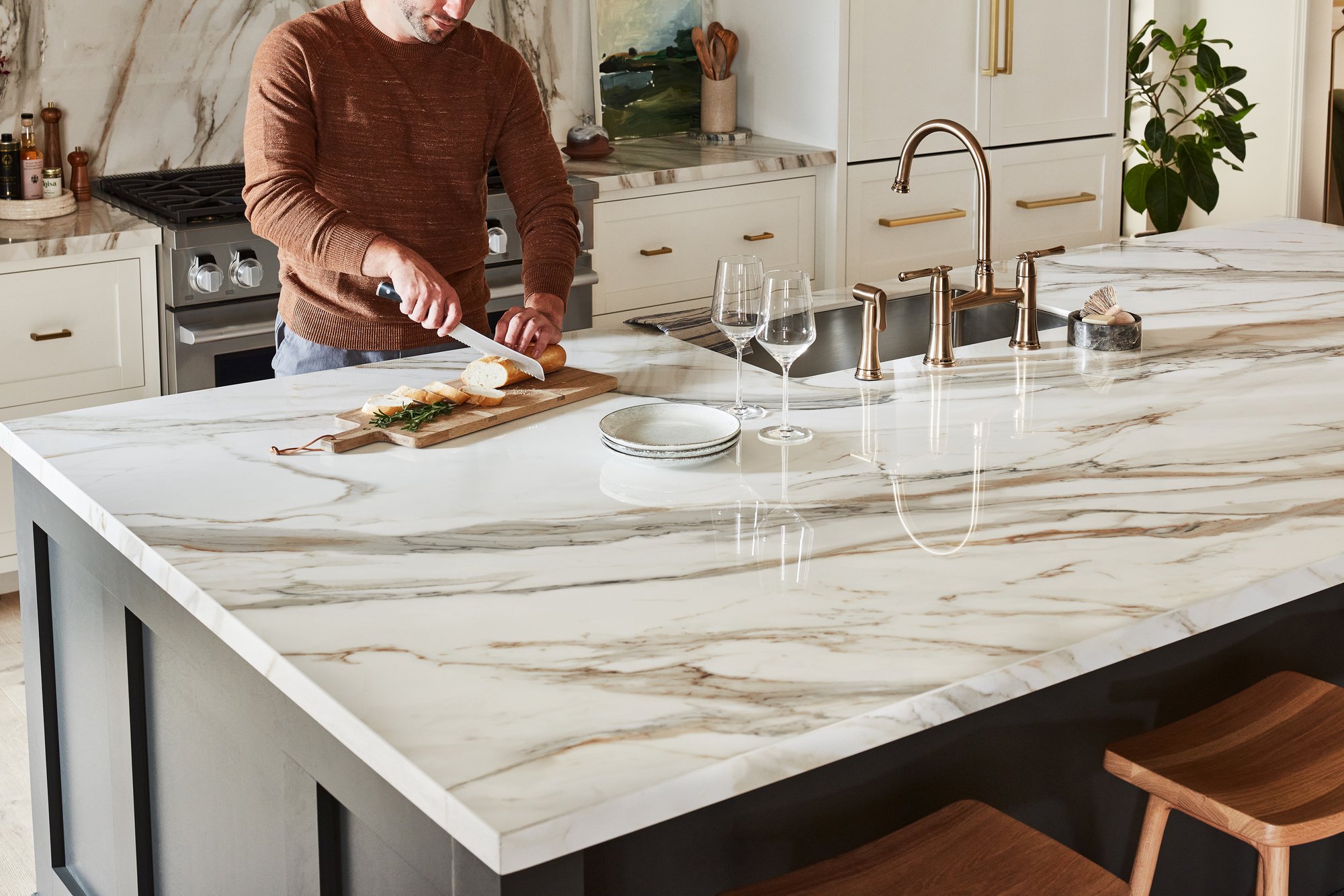
In terms of installation, porcelain is notably lighter than other countertop materials, making it easier to handle. Its typical thin profile allows for installation directly over existing countertops. However, due to its thinness and potential for cracking during handling, professional installation is strongly advised over DIY attempts. Aesthetically, porcelain offers immense versatility. As a man-made product, it can be manufactured to mimic the appearance of various natural stones, such as marble, at a lower cost and with superior durability.
Regarding cost, porcelain countertop installation ranges from $1,500 to $3,800. Slabs typically cost $50 to $120 per square foot, while porcelain tiles are more economical at $10 to $50 per square foot. When compared to other popular countertop materials, porcelain is highly stain and heat-resistant, very durable, and largely easy to maintain. It often matches or surpasses quartz in these aspects, particularly in heat resistance, and generally outperforms granite in durability and ease of care, while being a more budget-friendly option than both quartz and granite. Marble, in contrast, offers less stain resistance, durability, and ease of maintenance than porcelain.
#PorcelainCountertops #KitchenRenovation #CountertopMaterials #HomeImprovement #KitchenDesign #DurableCountertops #LowMaintenance #HeatResistant #StainResistant #PorcelainCountertops #KitchenRenovation #CountertopMaterials #HomeImprovement #KitchenDesign #DurableCountertops #LowMaintenance #HeatResistant #StainResistant
0 comment in total
 No comments yet
You may also like
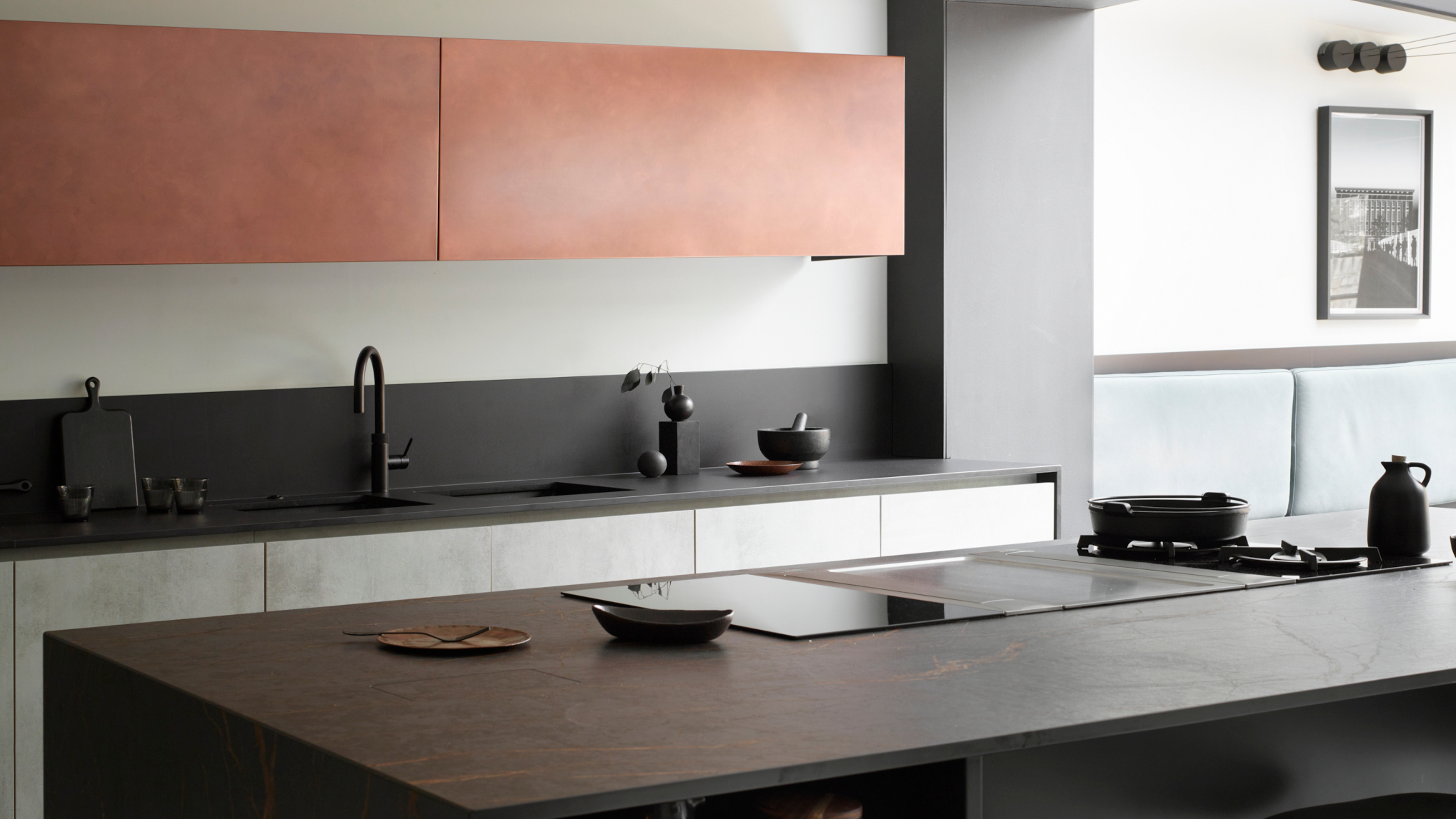
I'm Calling It, Porcelain Is the Most Underrated Material for Countertops — These Are the Pros and Cons to Know

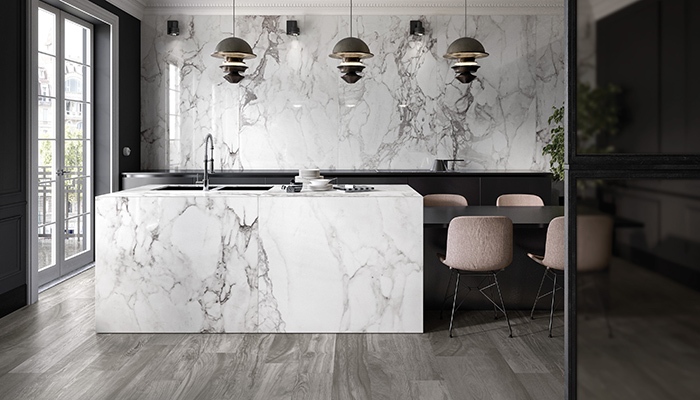
How the latest porcelain surfaces offer both form and functionality
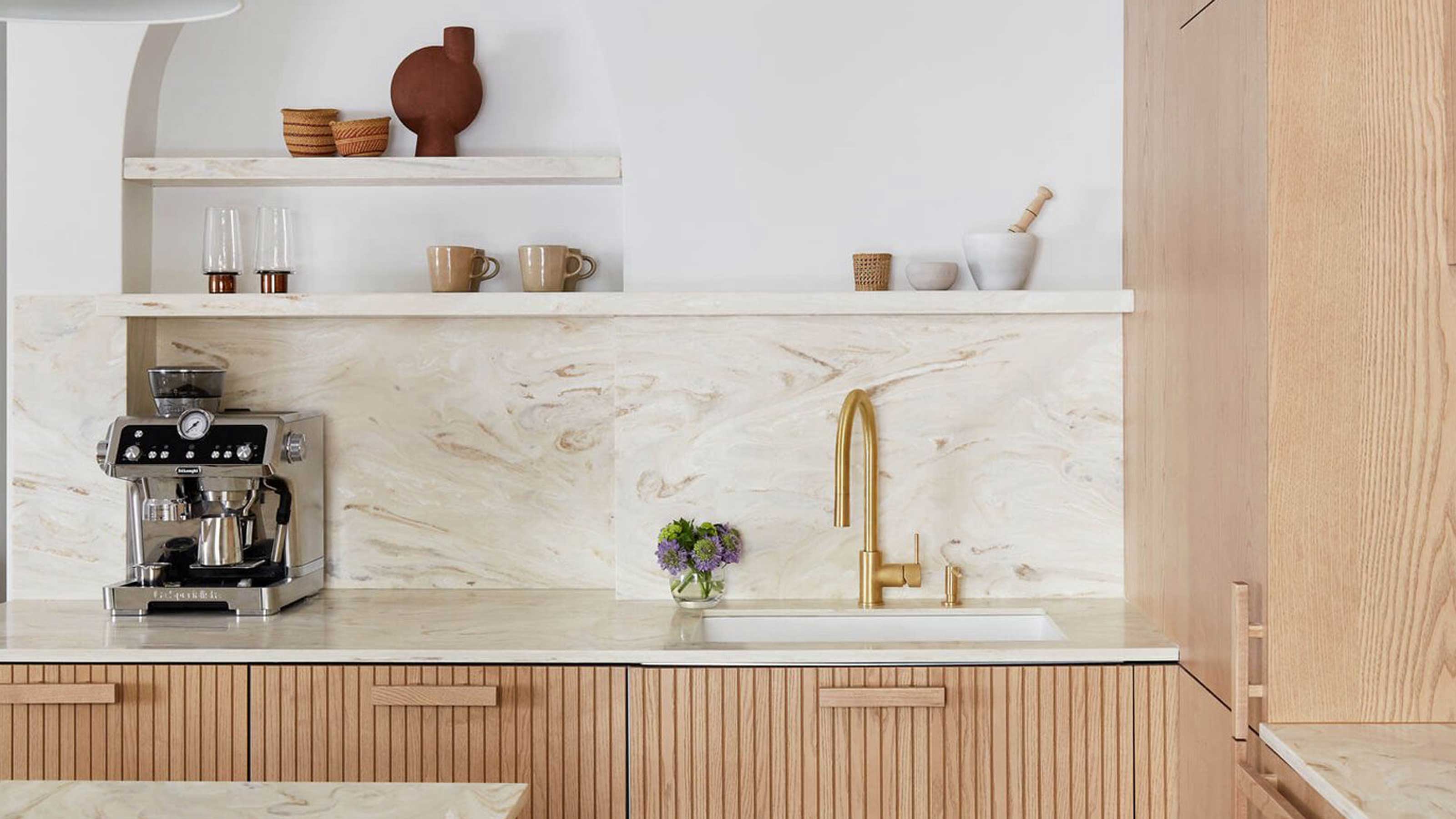
5 things you need to know about Corian countertops (from someone who has them in their own kitchen)

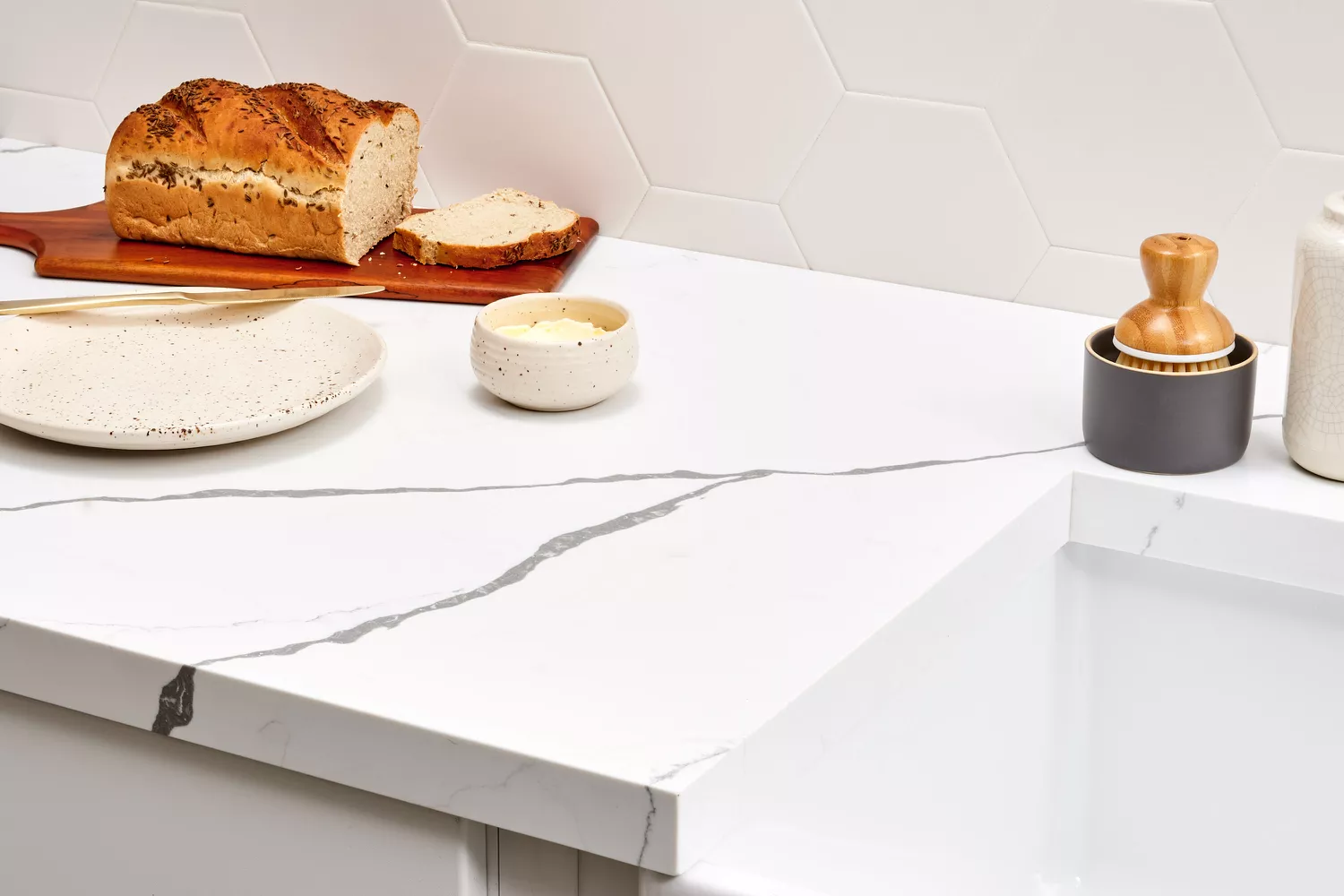
Are Marble Countertops Worth the Price? We Break Down Every Cost Before You Buy

Is porcelain the most practical countertop material? Interior designers weigh in on its appeal

The Best Types of Kitchen Countertops

Porcelain Surfaces

The Worst Thing About Every Popular Kitchen Countertop Designers Don’t Tell You
Countertop Trends That Will Be Huge In 2025 (And Ones We'd Recommend Avoiding)
Why You Might Want Porcelain Slab Countertops

How Much Should You Spend on Kitchen Countertops?

6 great alternatives to marble and granite for your NYC kitchen renovation: quartz, quartzite, porcelain, soapstone & more
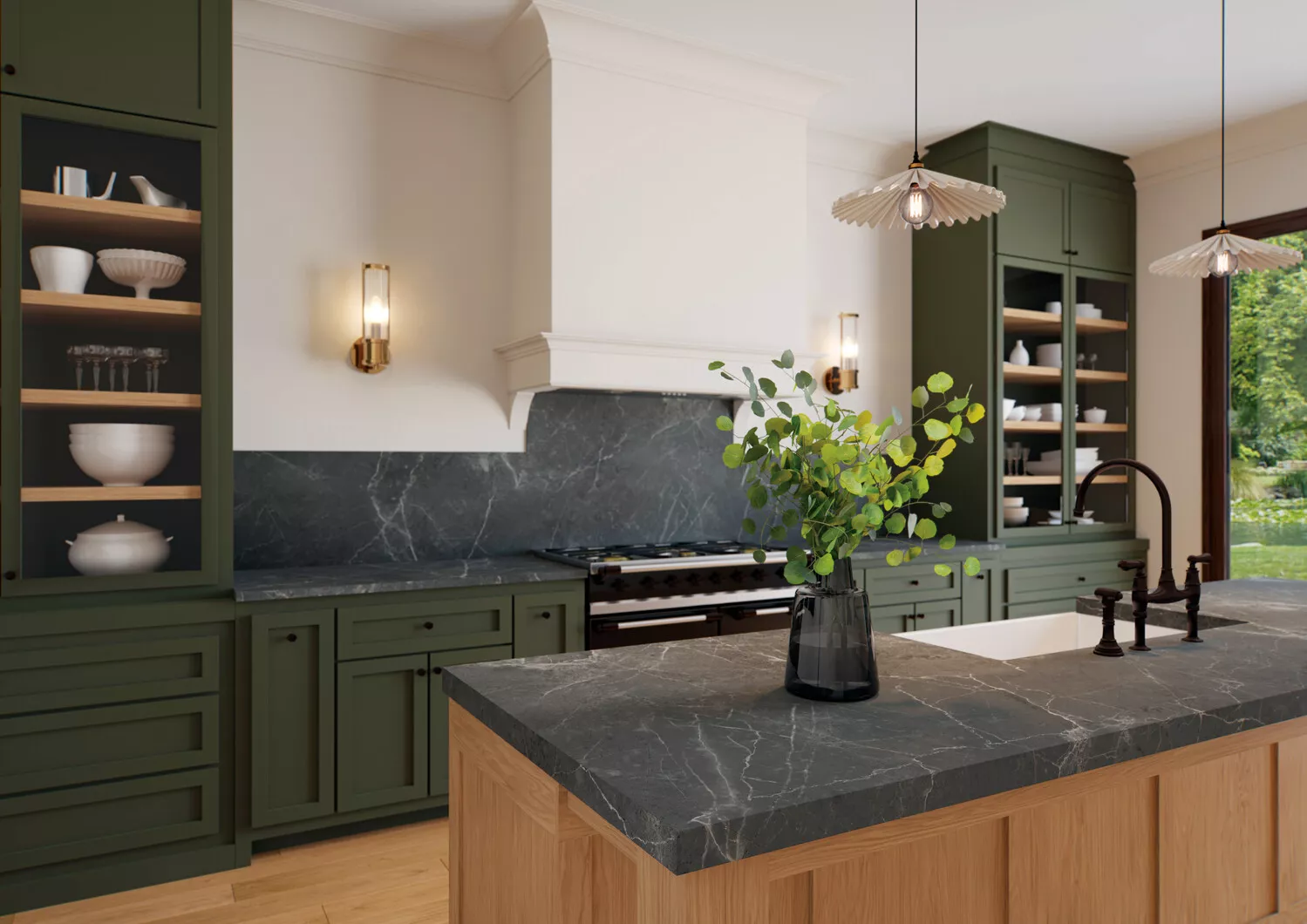
Pros and Cons of Porcelain Countertops to Consider Before Your Next Reno, According to Experts

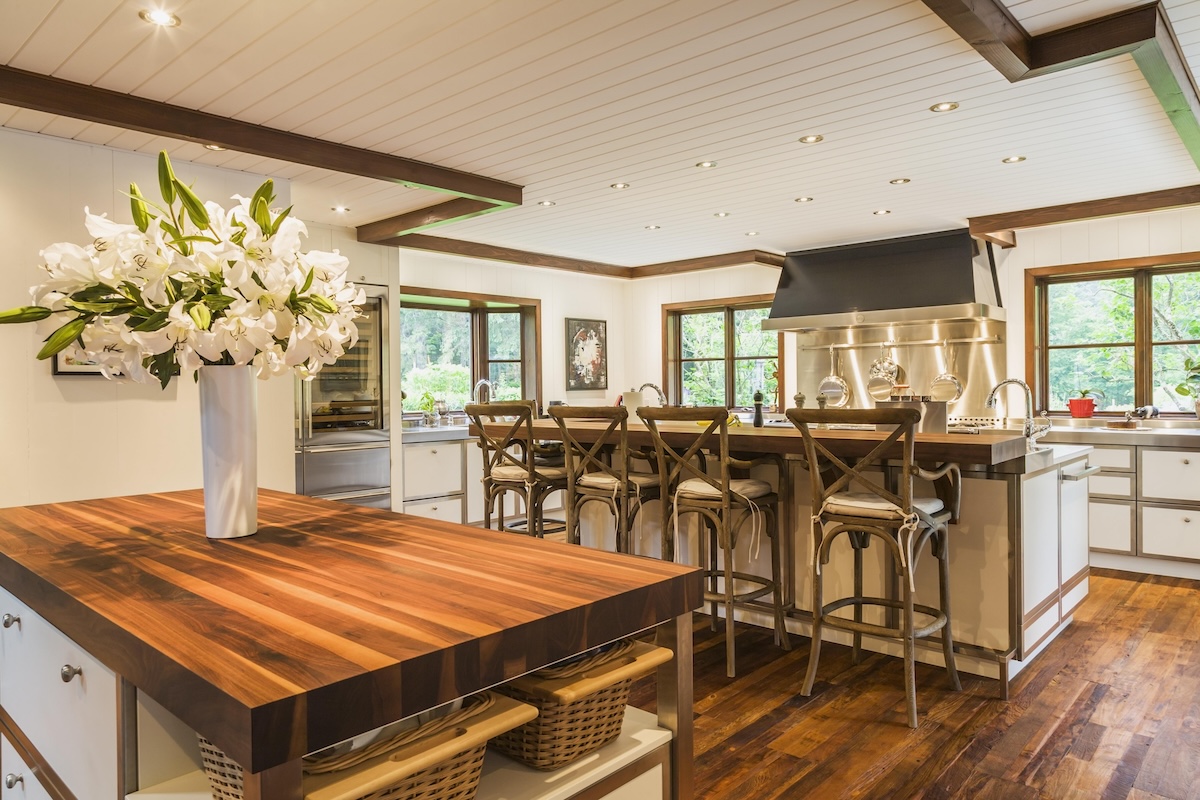
The Best Countertop Materials for Every Type of Kitchen

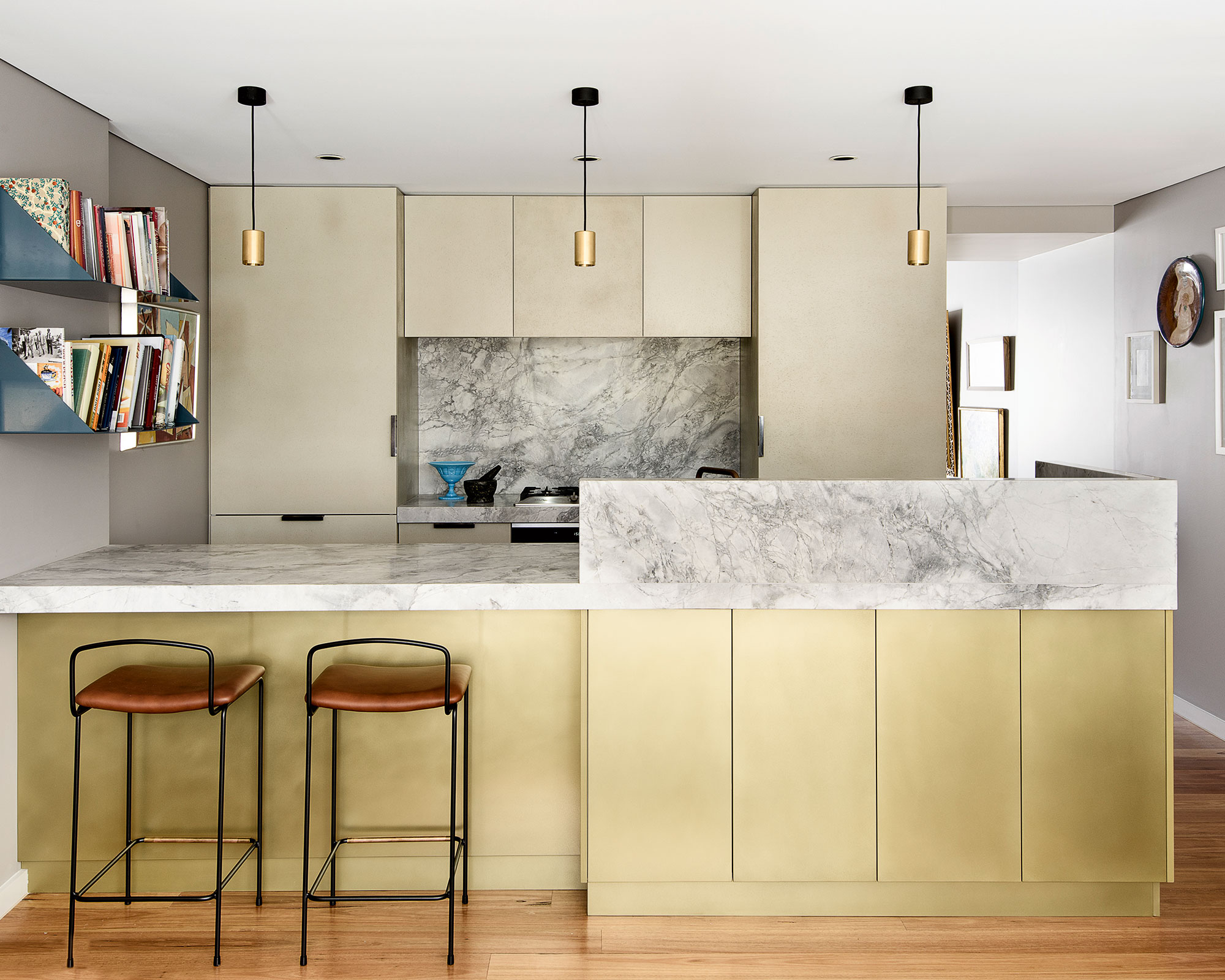
Kitchen countertop ideas – 21 worktops in marble, granite and composite materials
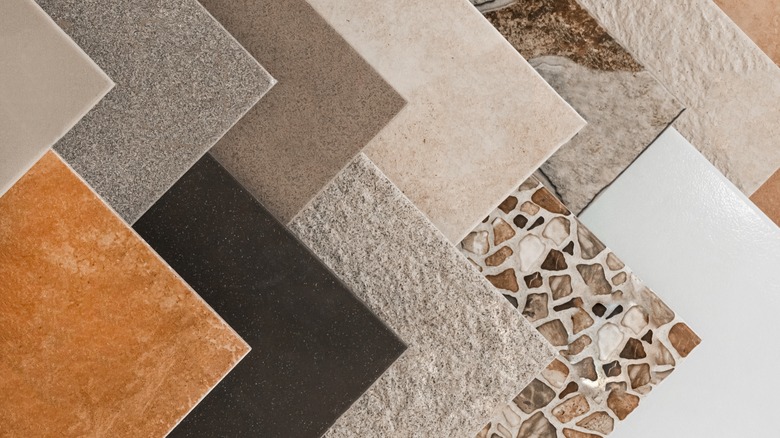
The Best Shower Tile To Use In Your Bathroom, According To A Design Expert
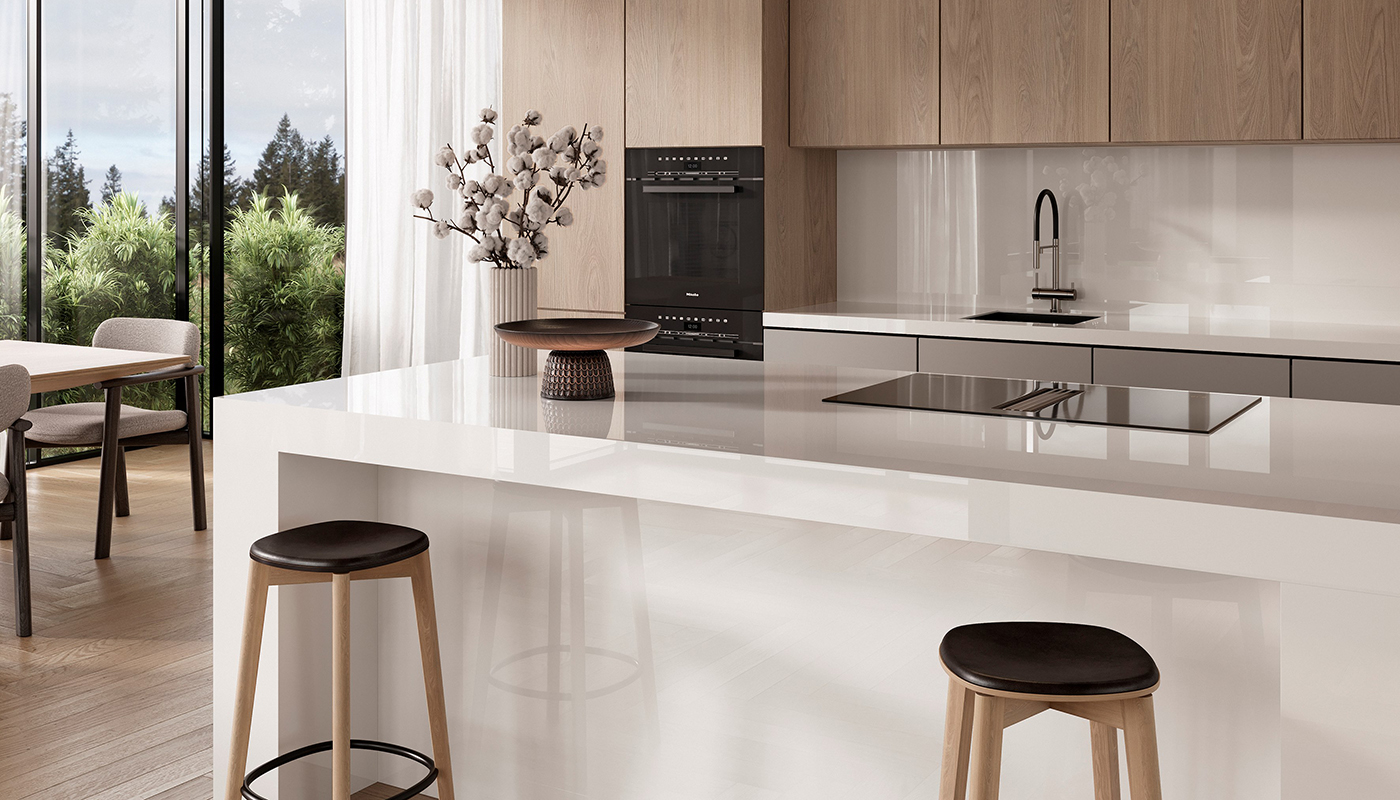
Why top designers are turning to porcelain for contemporary surface solutions
Are wooden countertops right for your home – we explore the pros and cons
Countertops Can Set the Tone for Your Whole Kitchen—Here’s How to Choose the Right One

Tile Countertops Have An Impact On Your Home's Value And It's Not What You'd Think