The One Design Feature You're Overlooking That Will Instantly Elevate Any Room
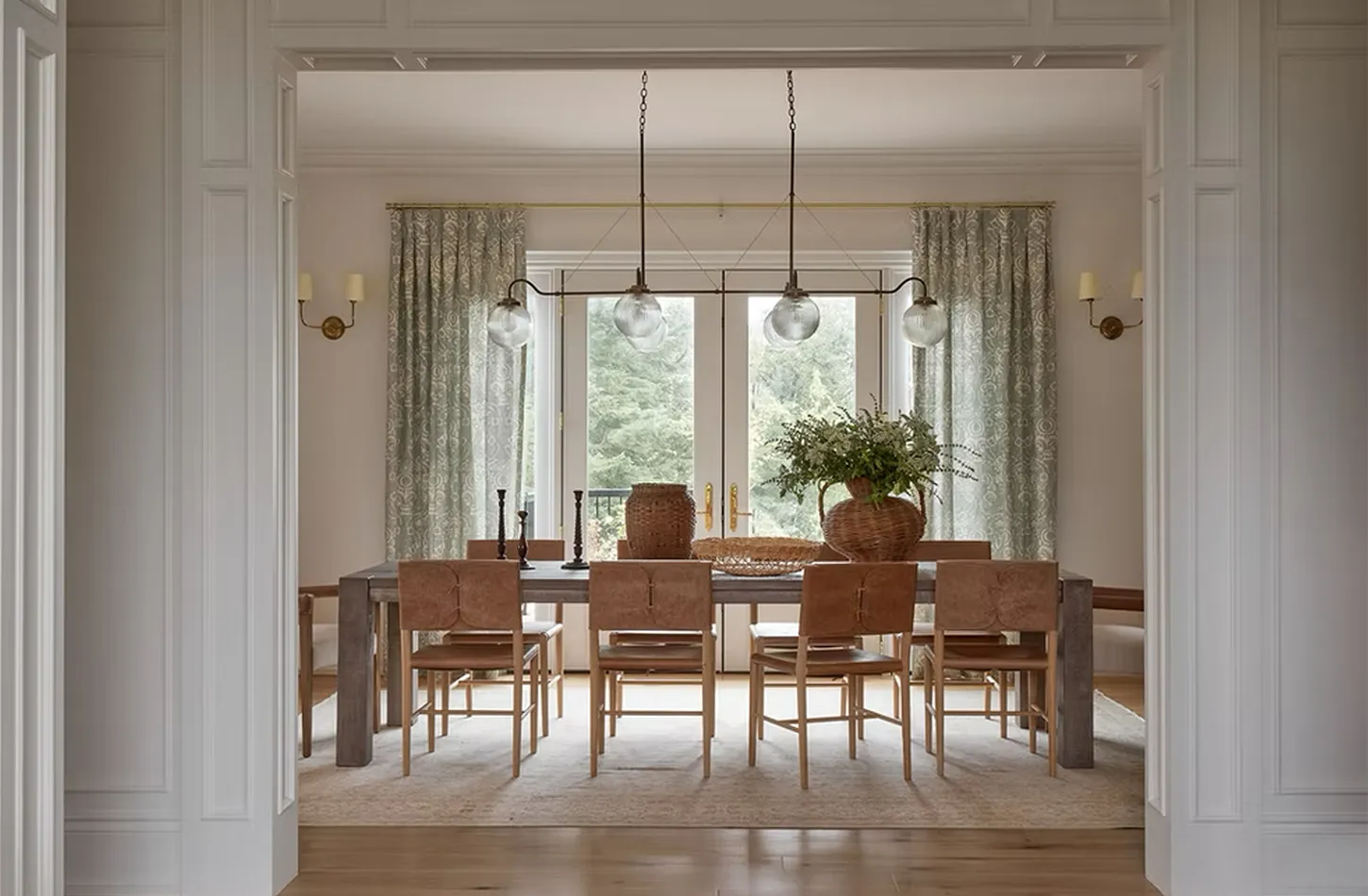
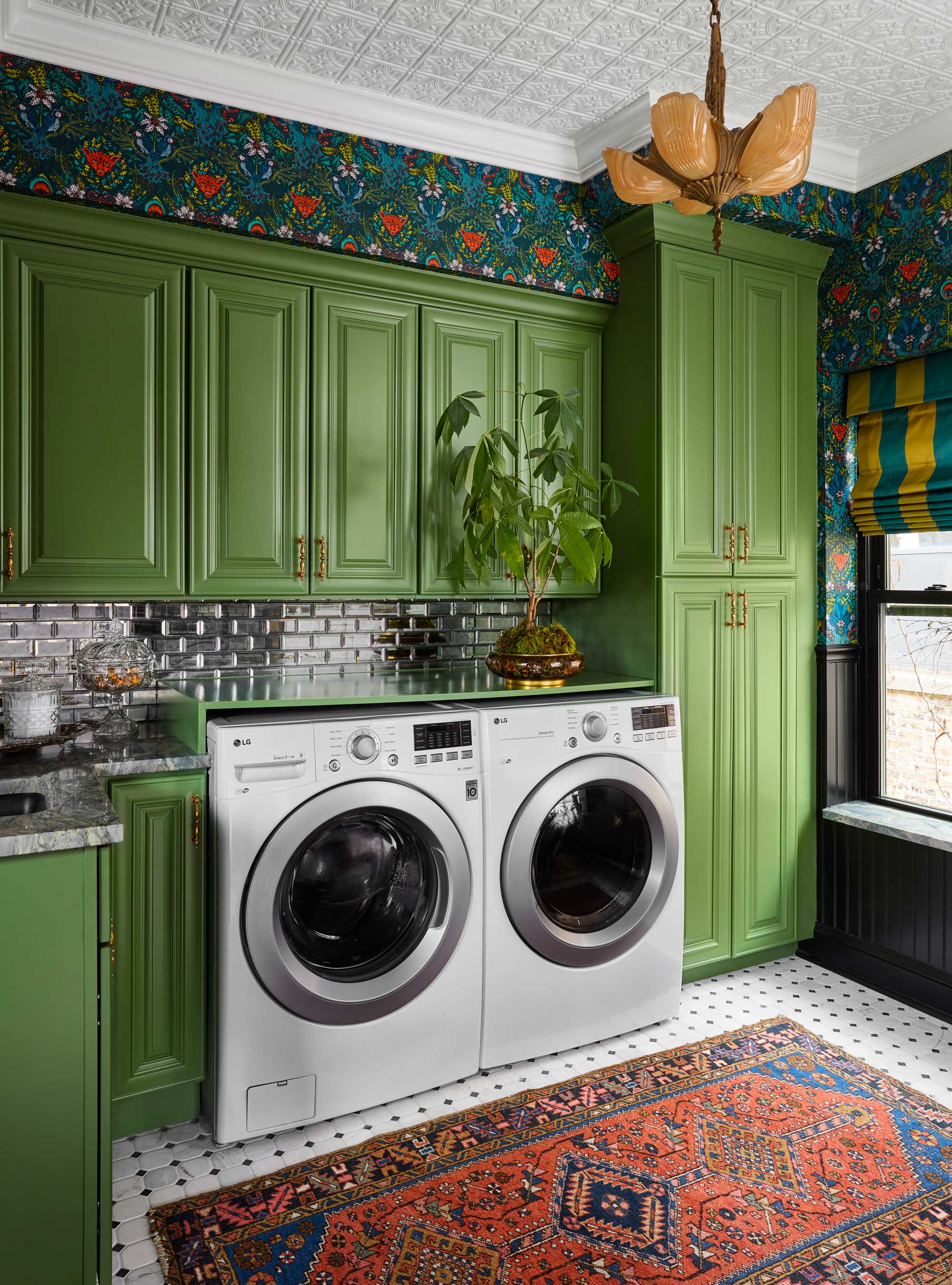
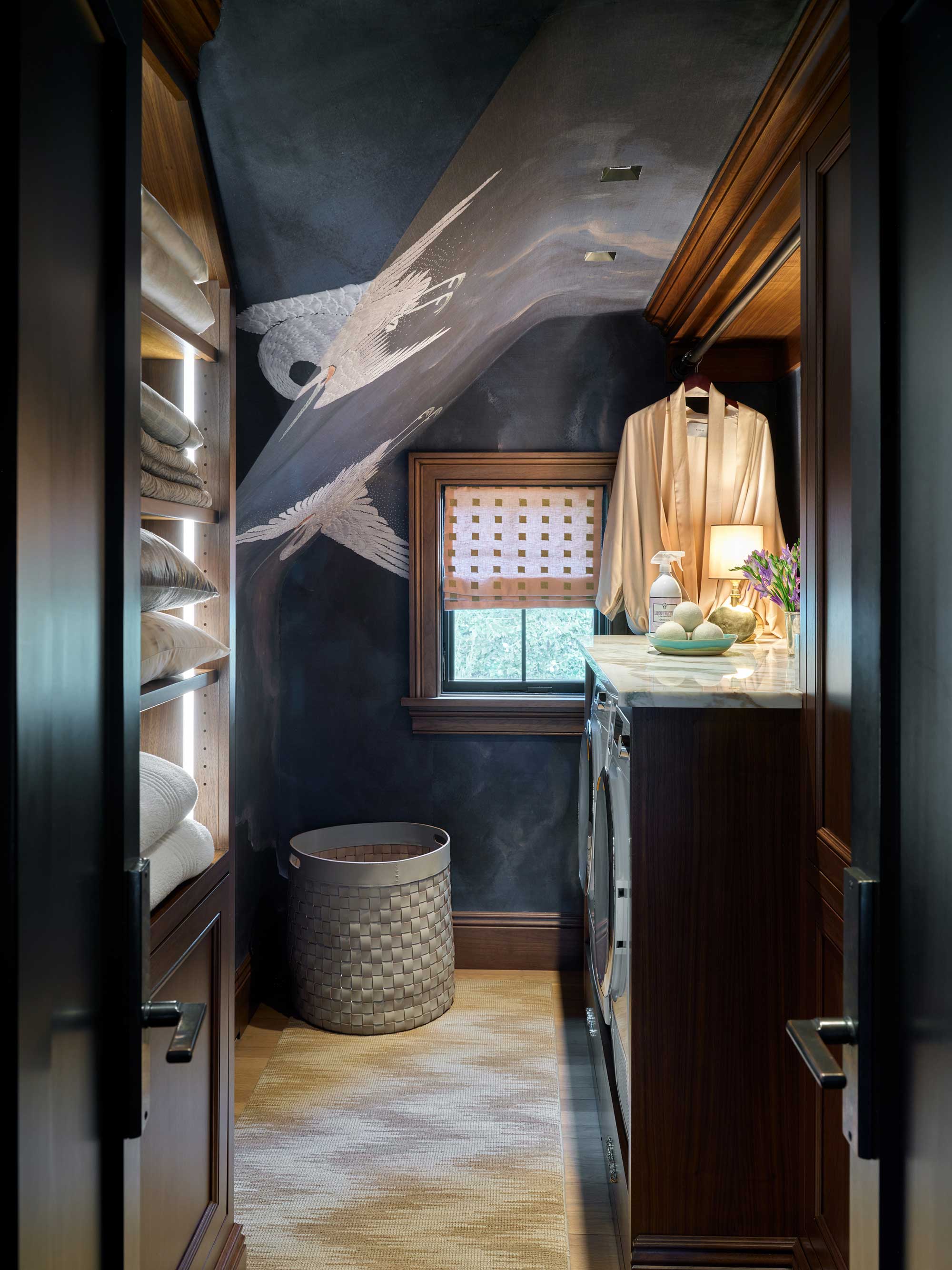
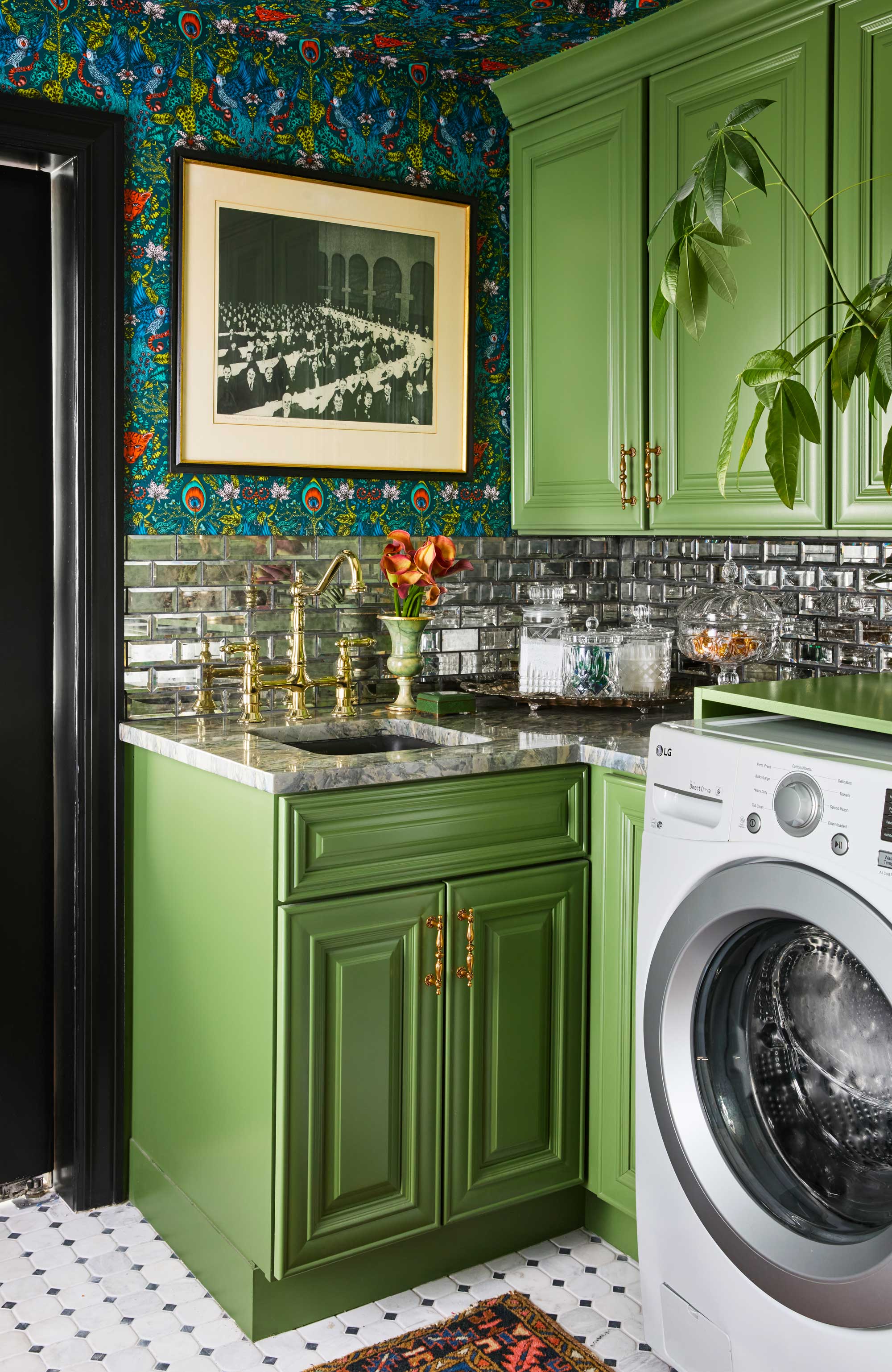
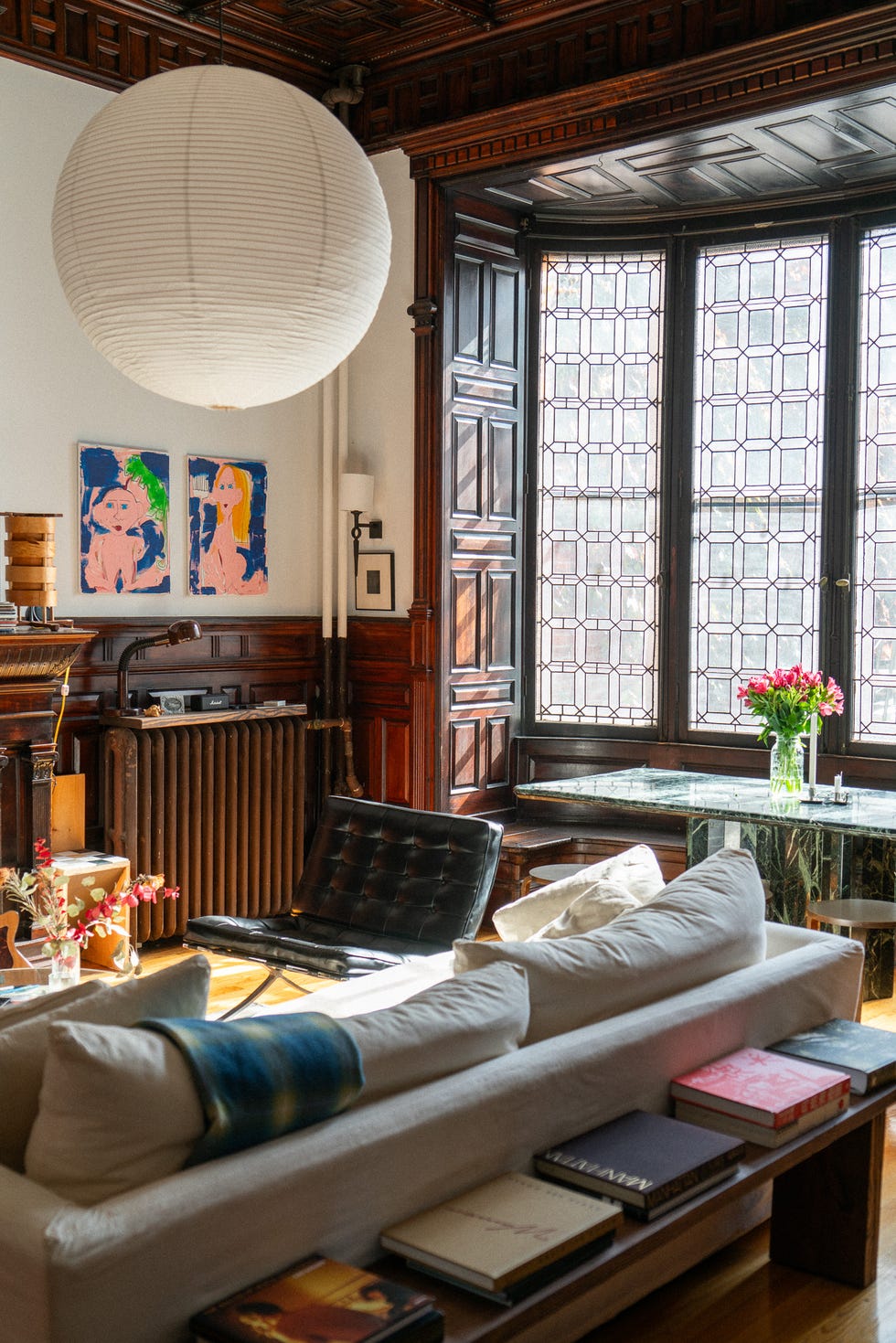
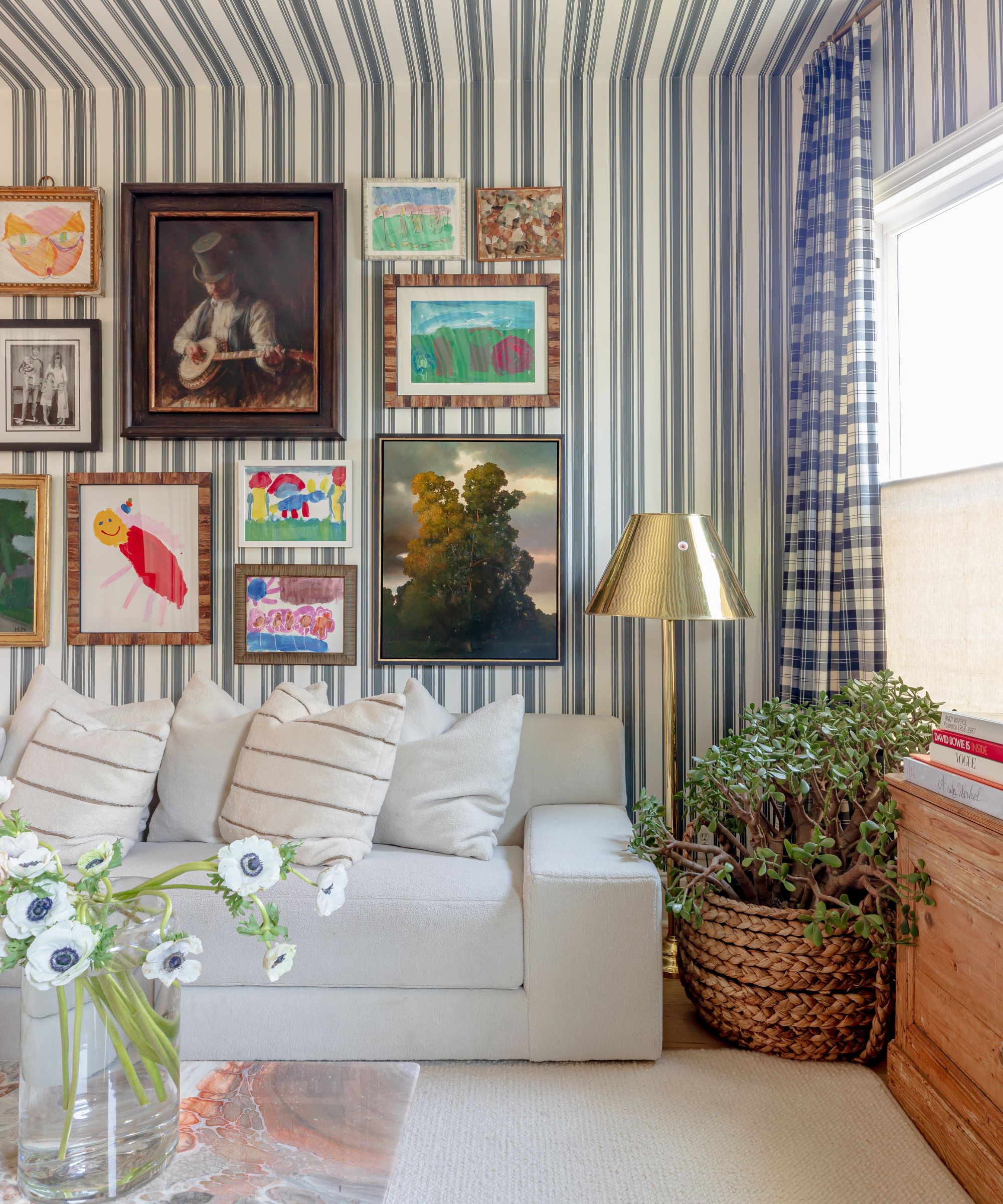
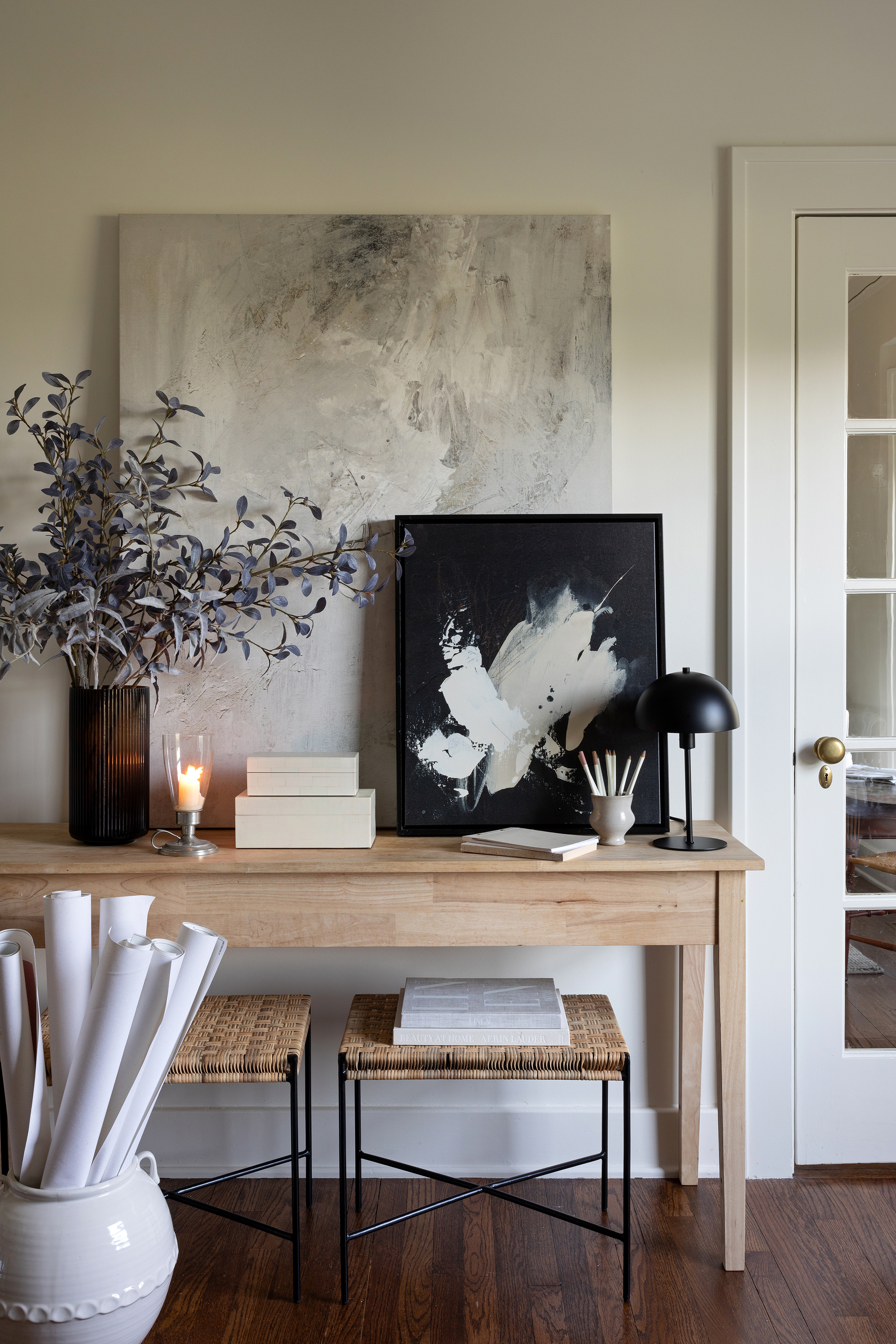
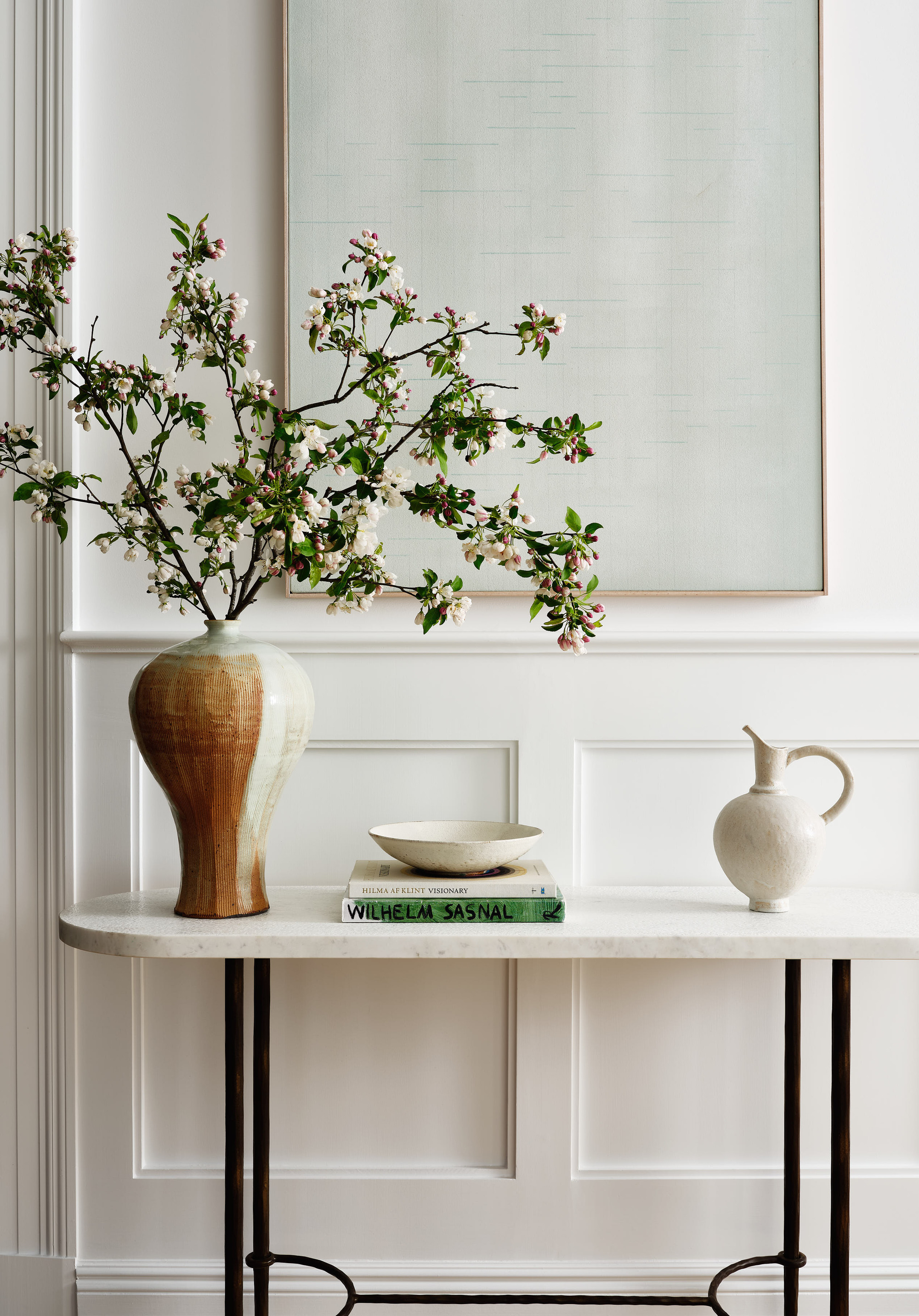
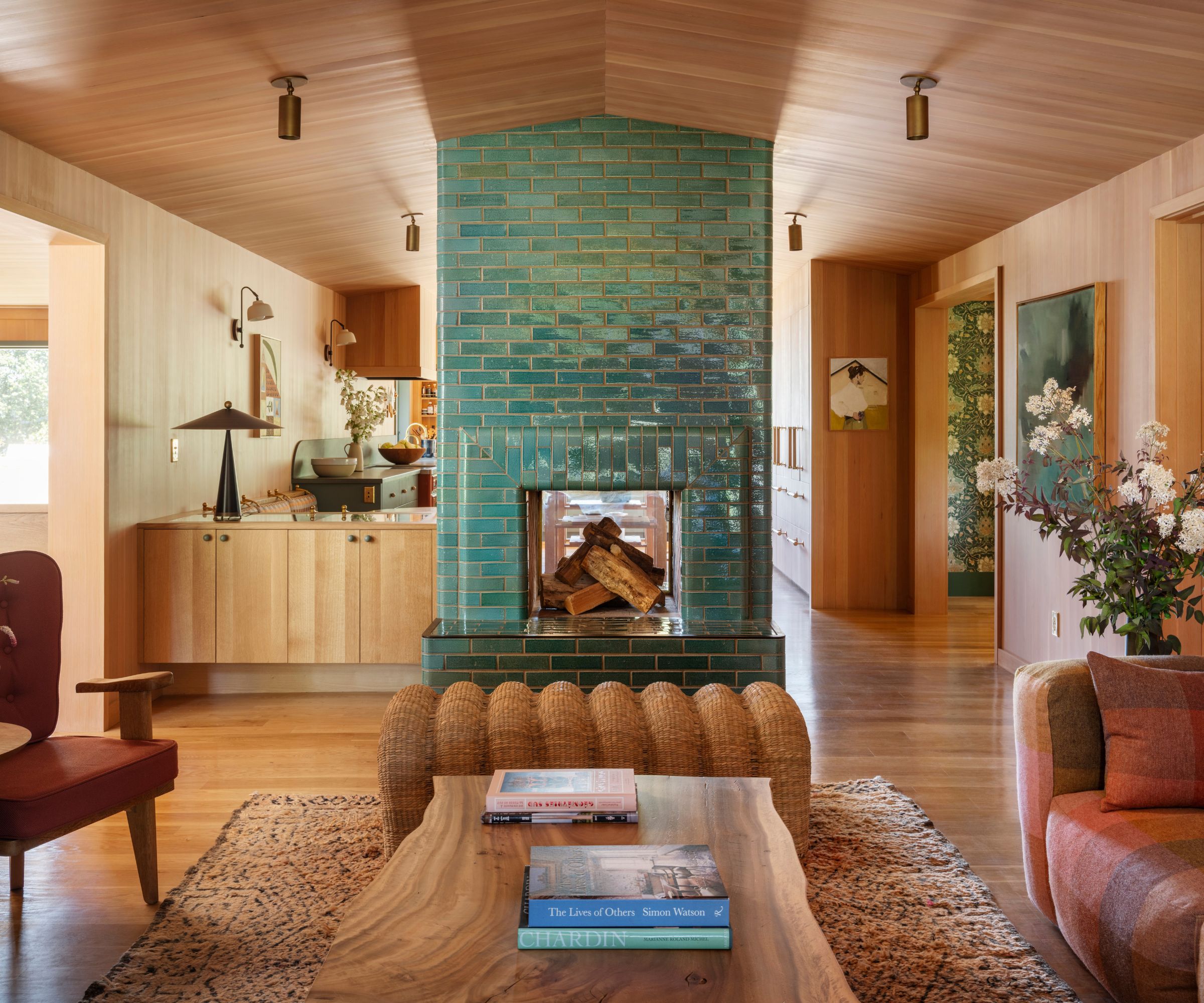
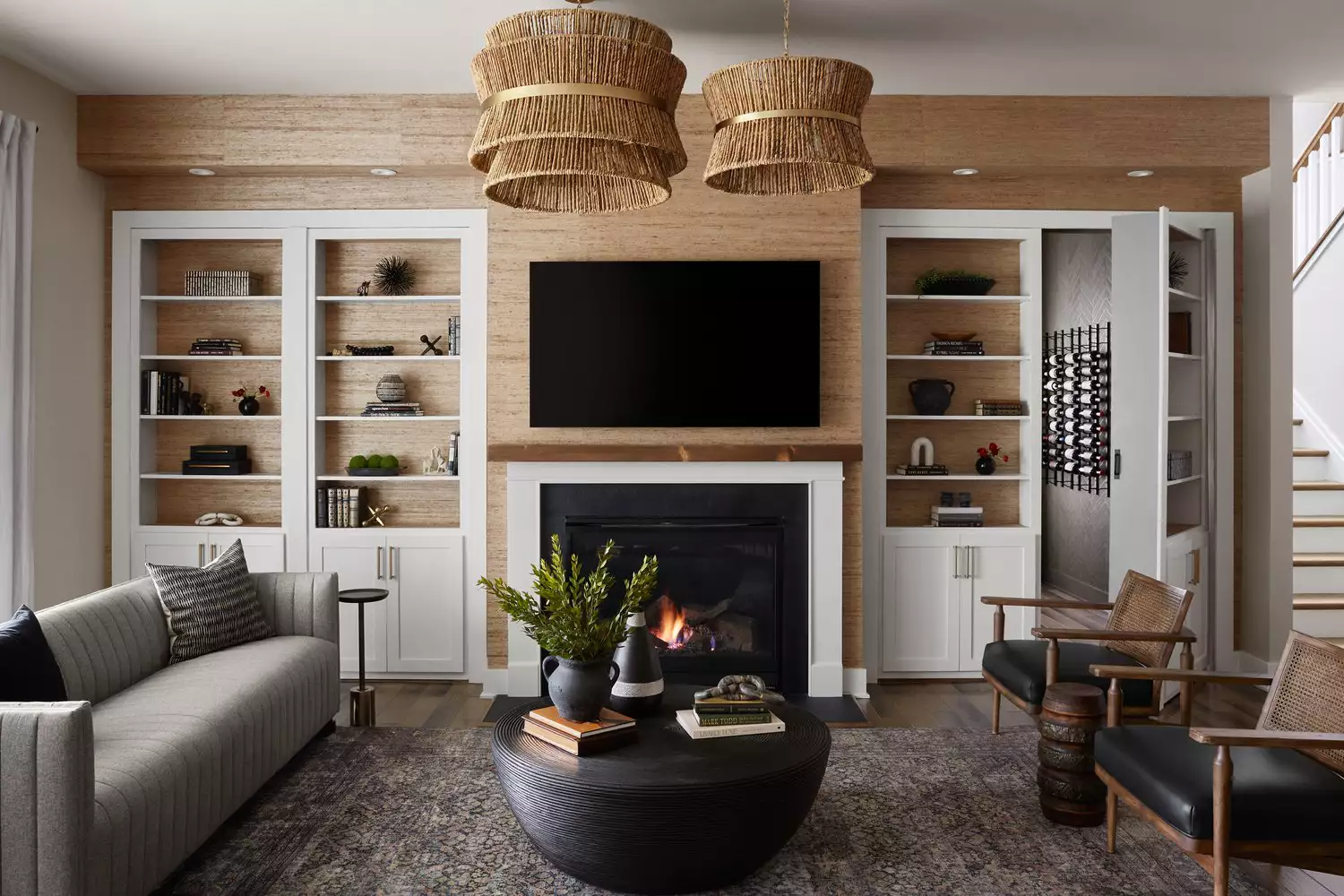
Even after meticulously selecting every design element for a room, it can still feel as though something is missing. This often stems from the absence of one crucial feature: the deliberate incorporation of various textures. The myriad ways to layer a room with texture can be overwhelming, but understanding its importance and application is key to achieving a more vibrant and inviting space. Designers Steven Graffam and John Stivale emphasize that texture is akin to the seasoning in a recipe; a room without it can feel flat or lifeless, much like a cake without frosting. They assert that varying textures are paramount to bringing a room to life, even more so than color or furniture, as they introduce depth, warmth, and personality. However, texture is often overlooked due to its subtle nature and the difficulty in visualizing its impact initially.
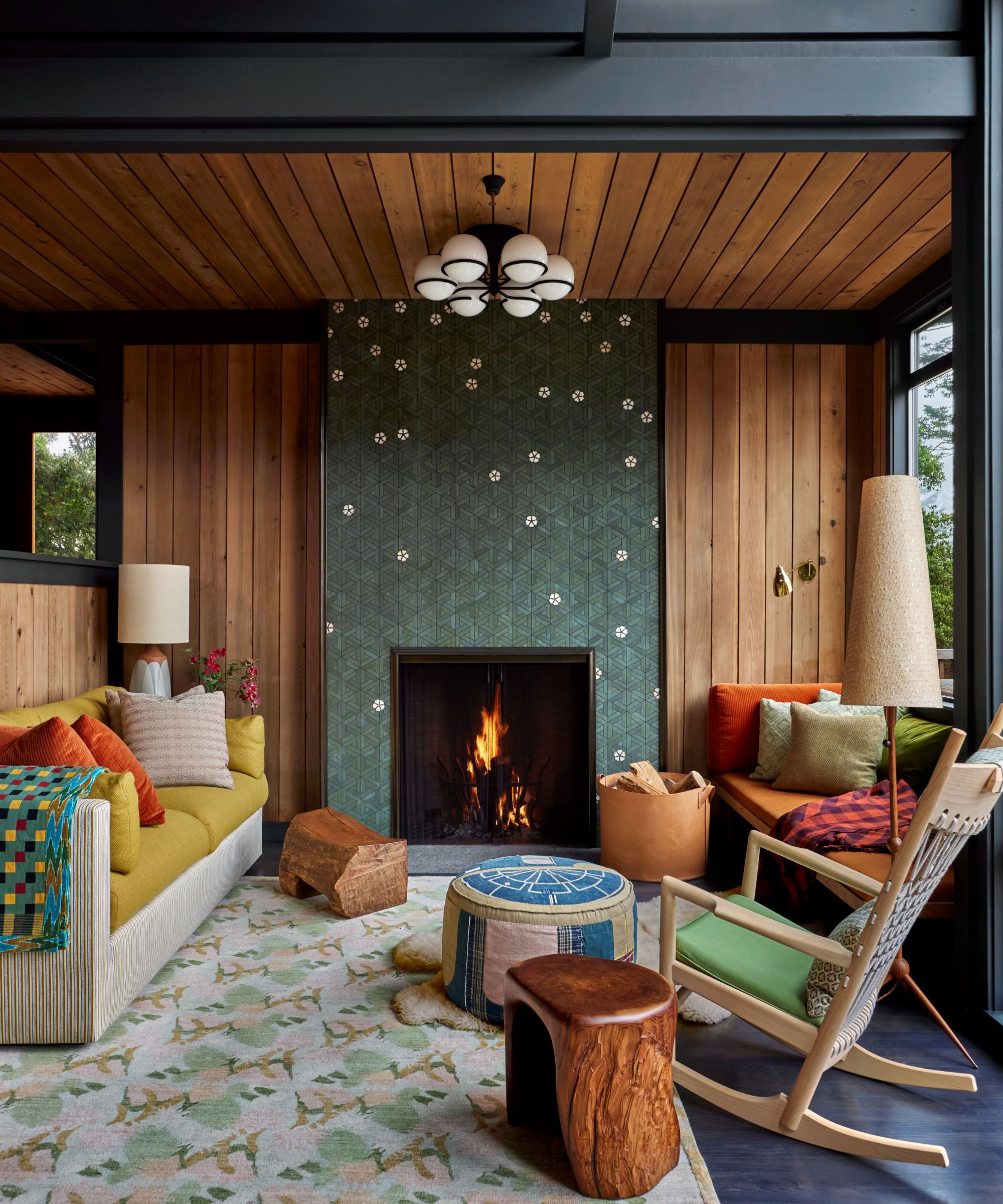
To begin integrating texture, one should assess the current space for areas that appear dull or one-dimensional. These spots are ideal for textural additions, which instantly enhance depth, warmth, and personality. The process is similar to layering an outfit or adding seasoning to a dish. For instance, pairing a soft velvet pillow with a leather chair can immediately make the space more inviting. Stivale notes that texture not only improves comfort but also helps balance design elements, transforming an ordinary room into a rich and engaging environment.
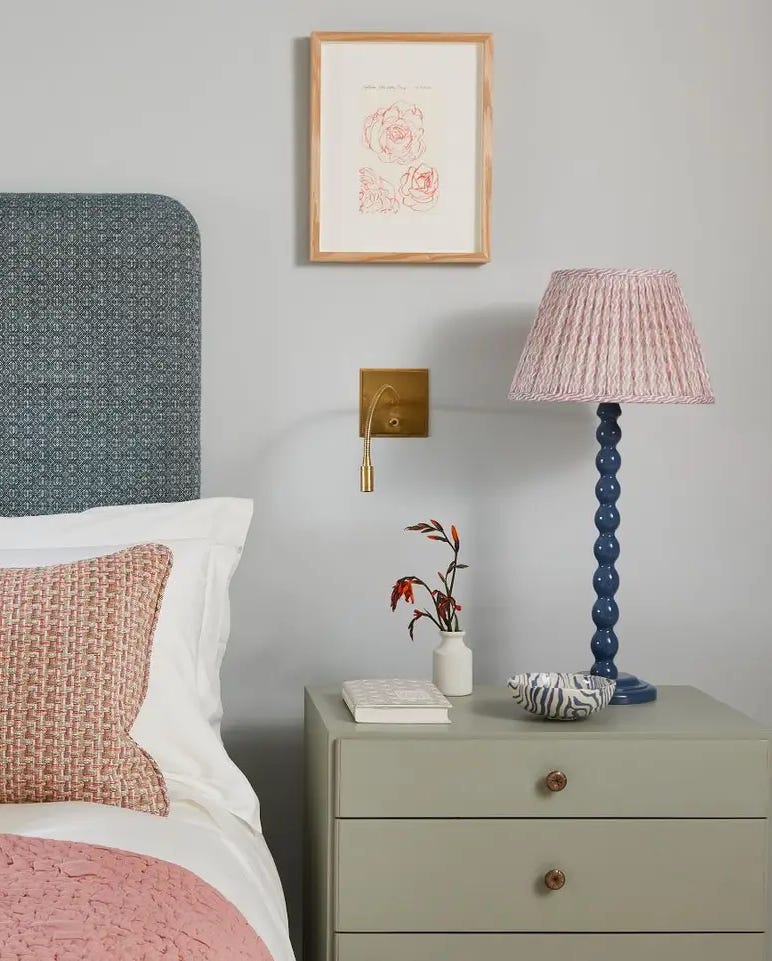
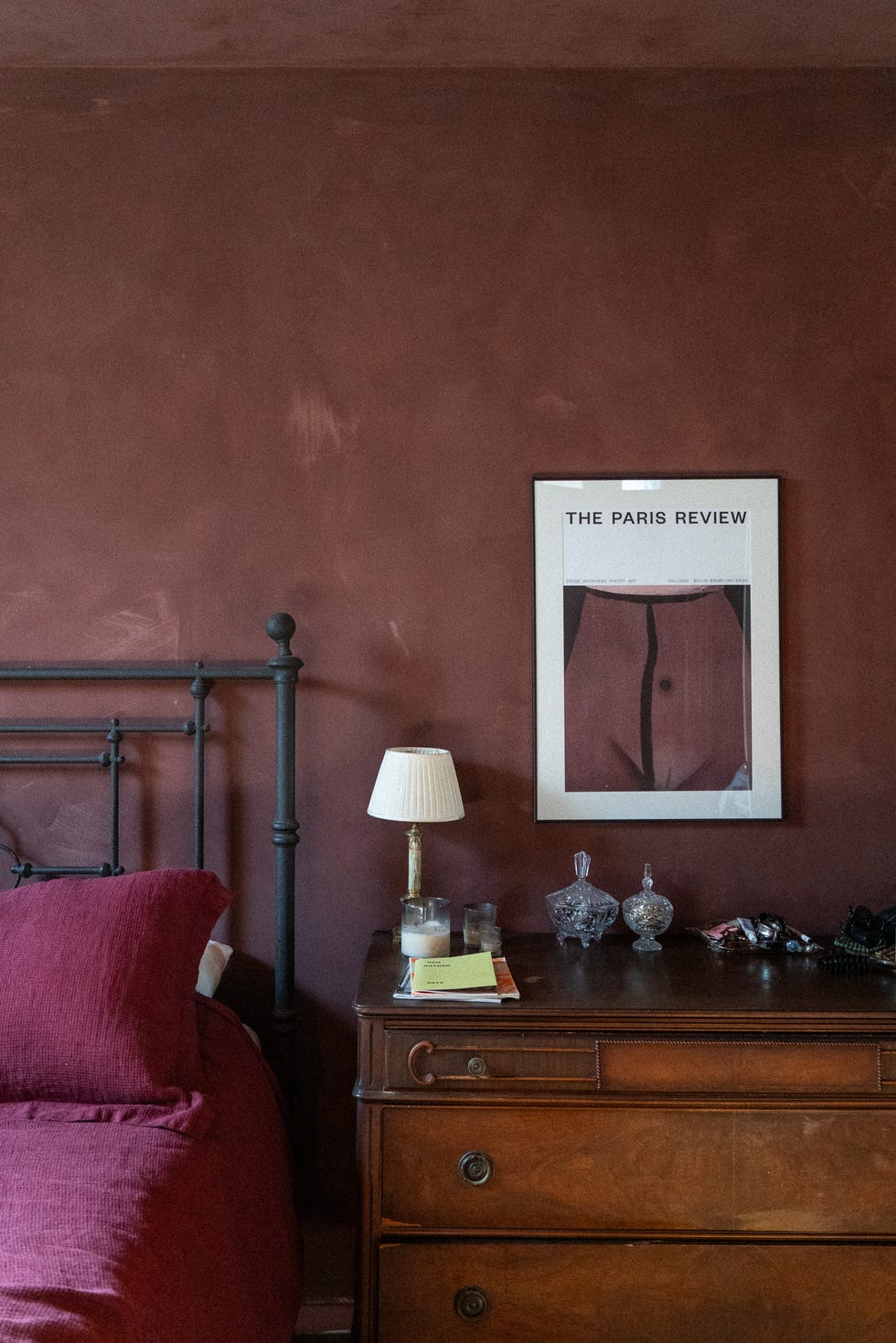
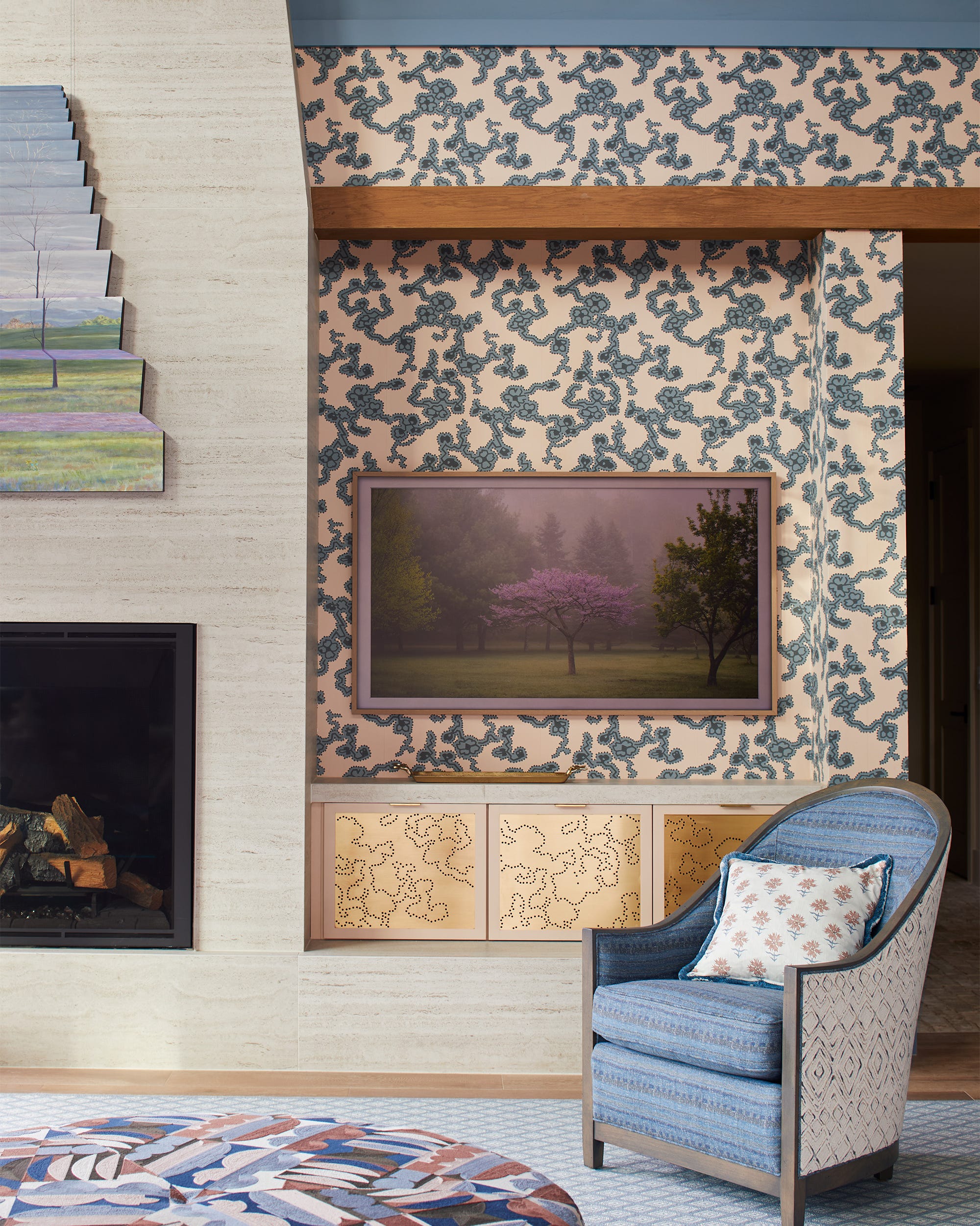
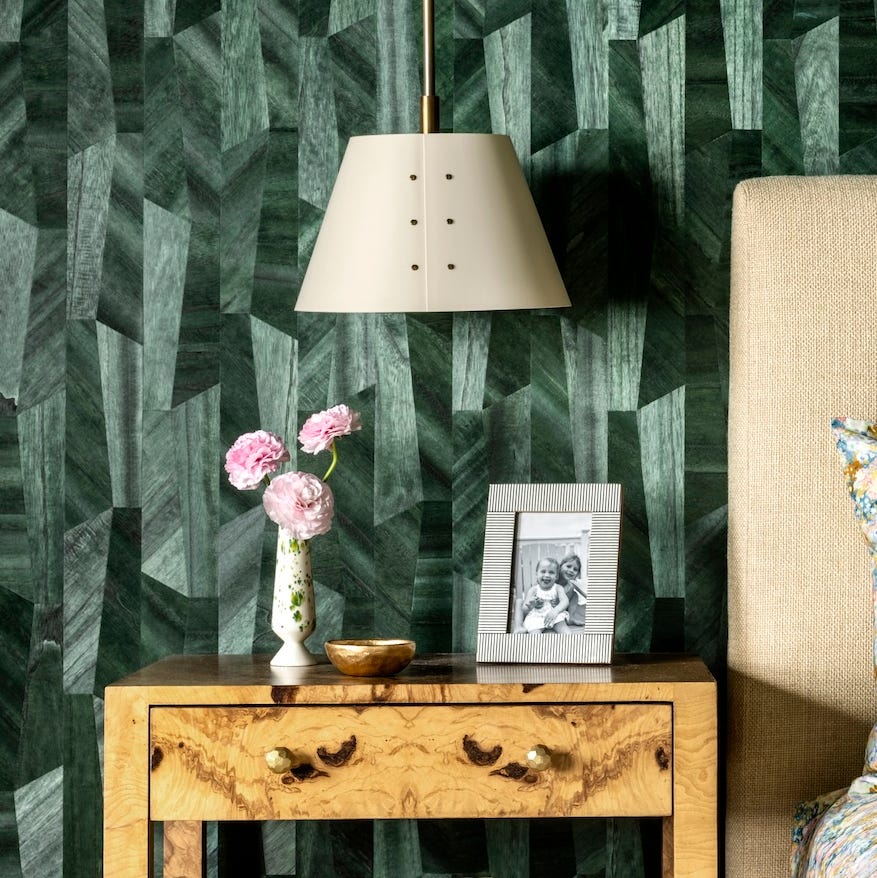
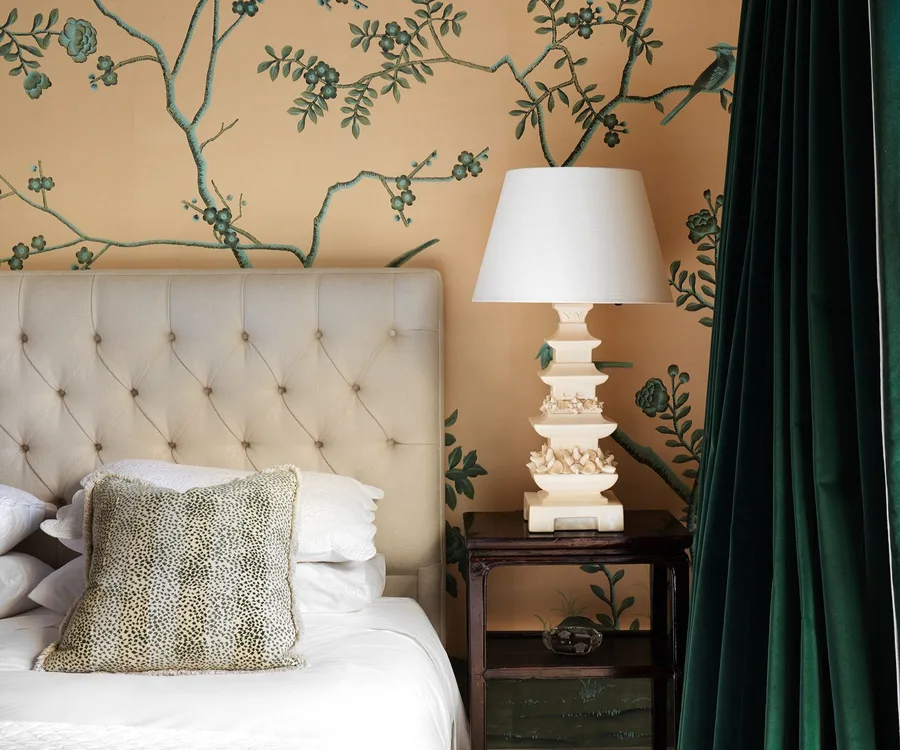
In the bedroom, layering luxurious fabrics is an effective way to elevate the space. Suggestions include velvet throw pillows, chunky knit blankets, or plush rugs, which create a sense of comfort and indulgence. Beyond small accessories, incorporating larger textural elements like textured wallpaper or woven/rattan headboards can further enhance the tactile experience, making the room both inviting and stylish.
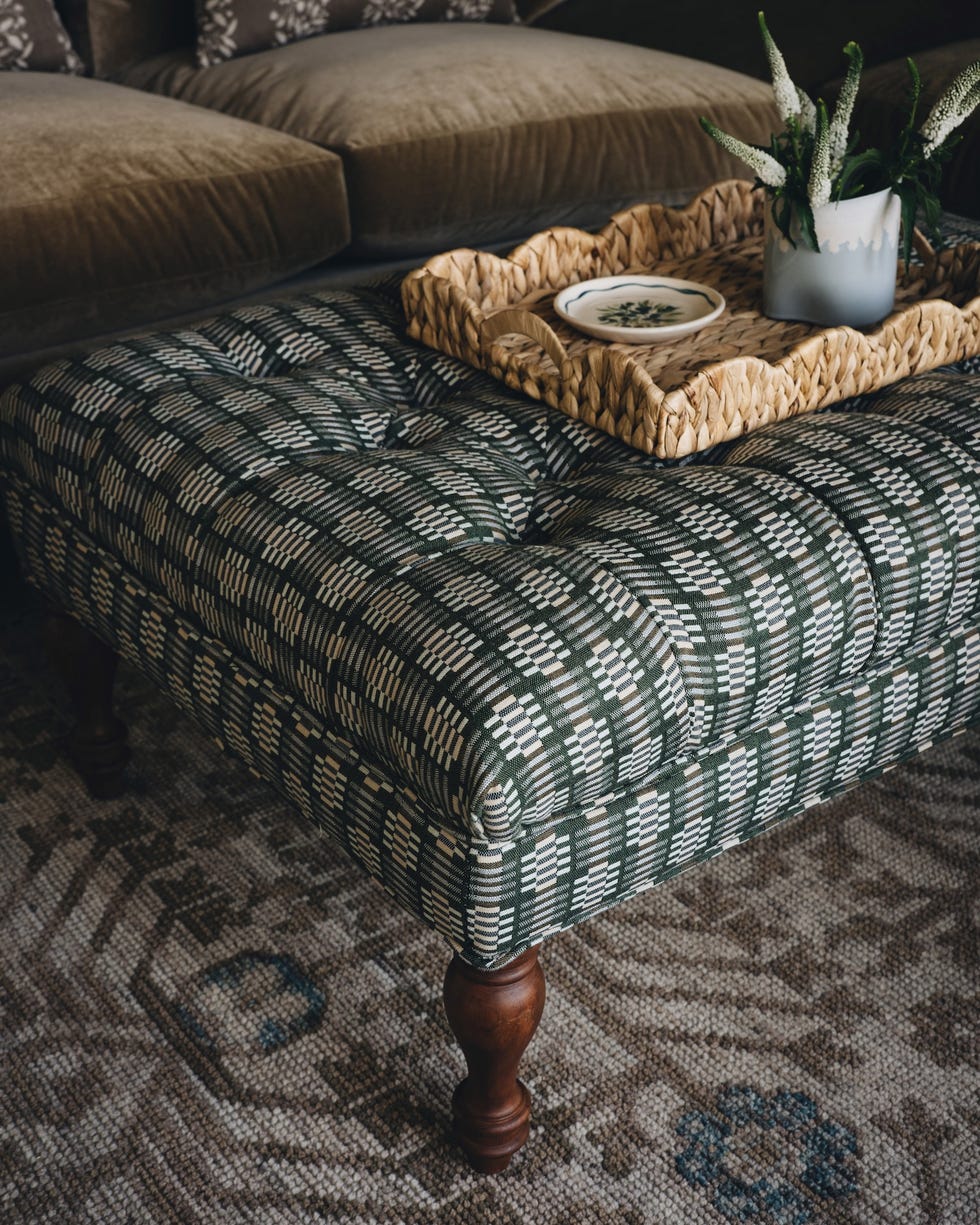
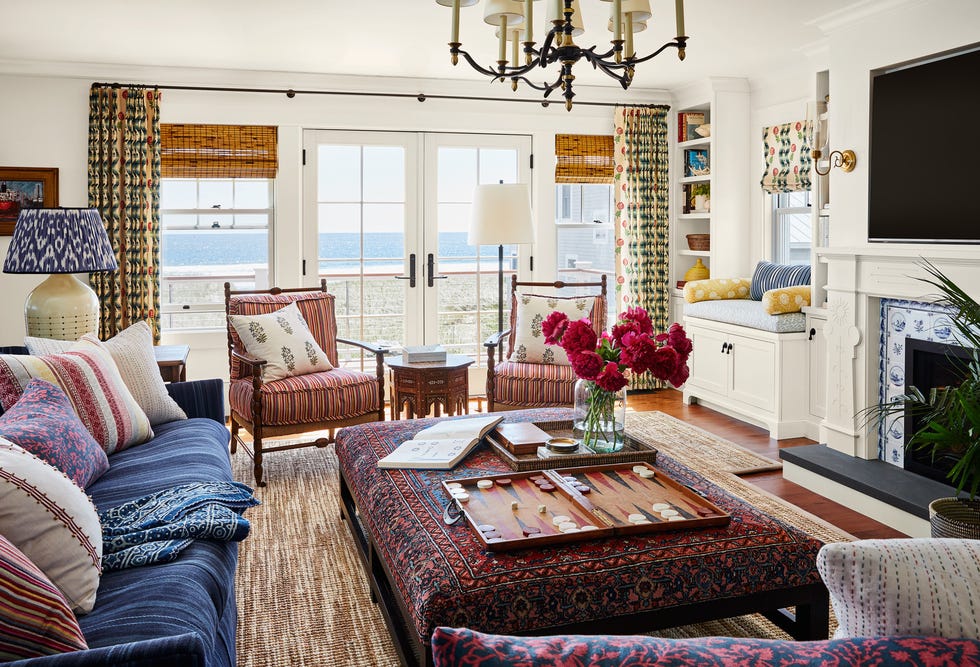
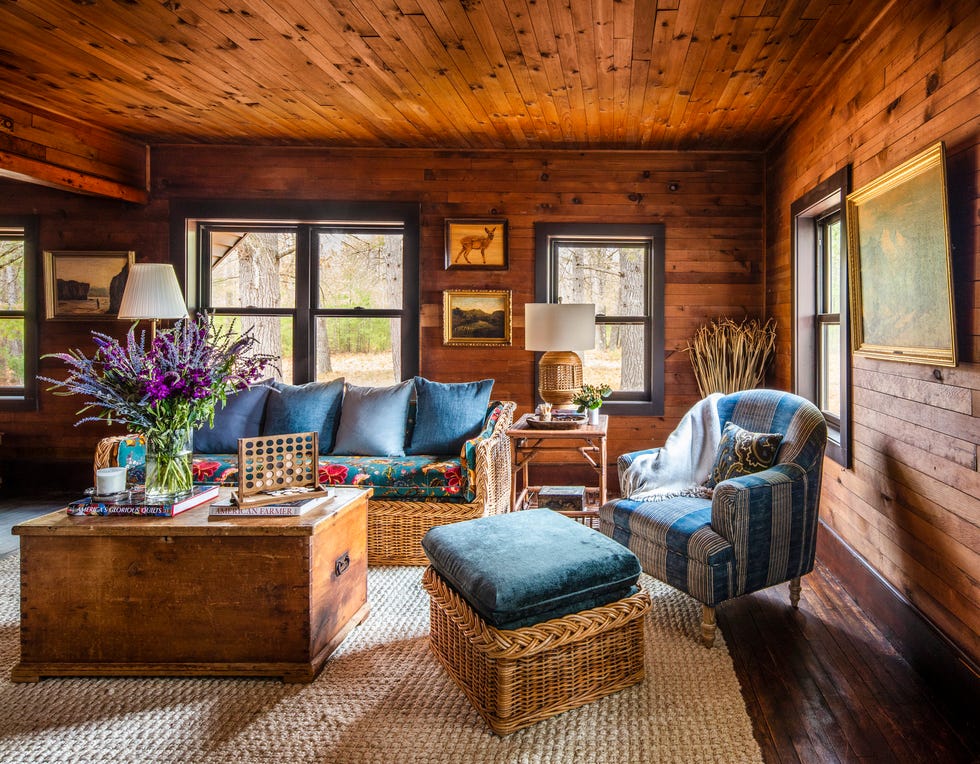
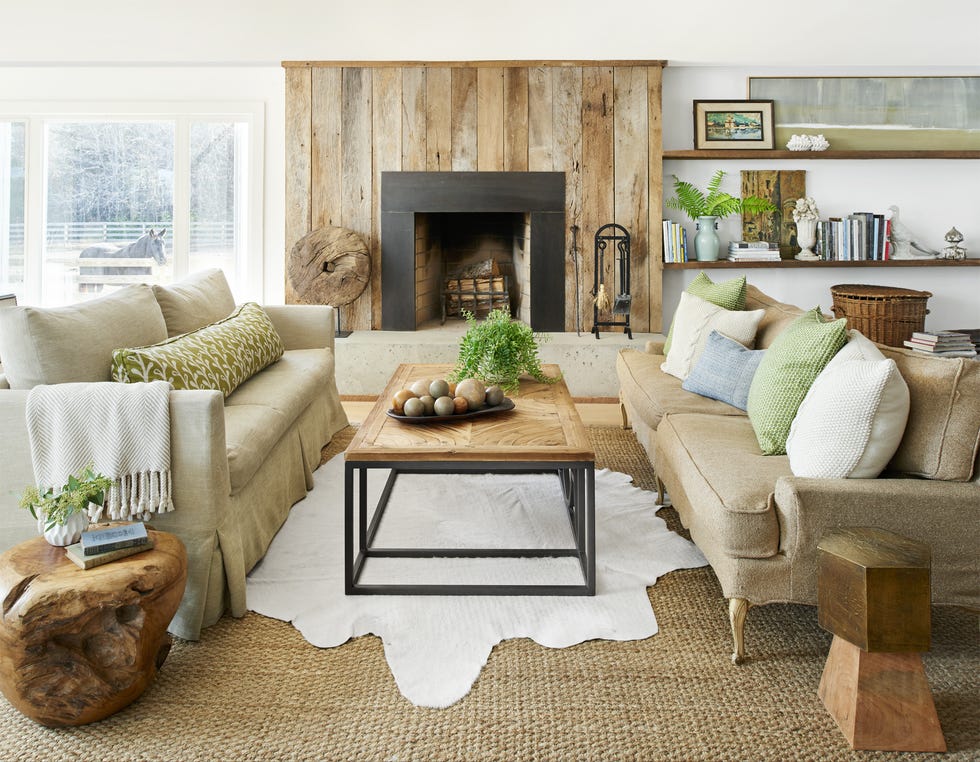
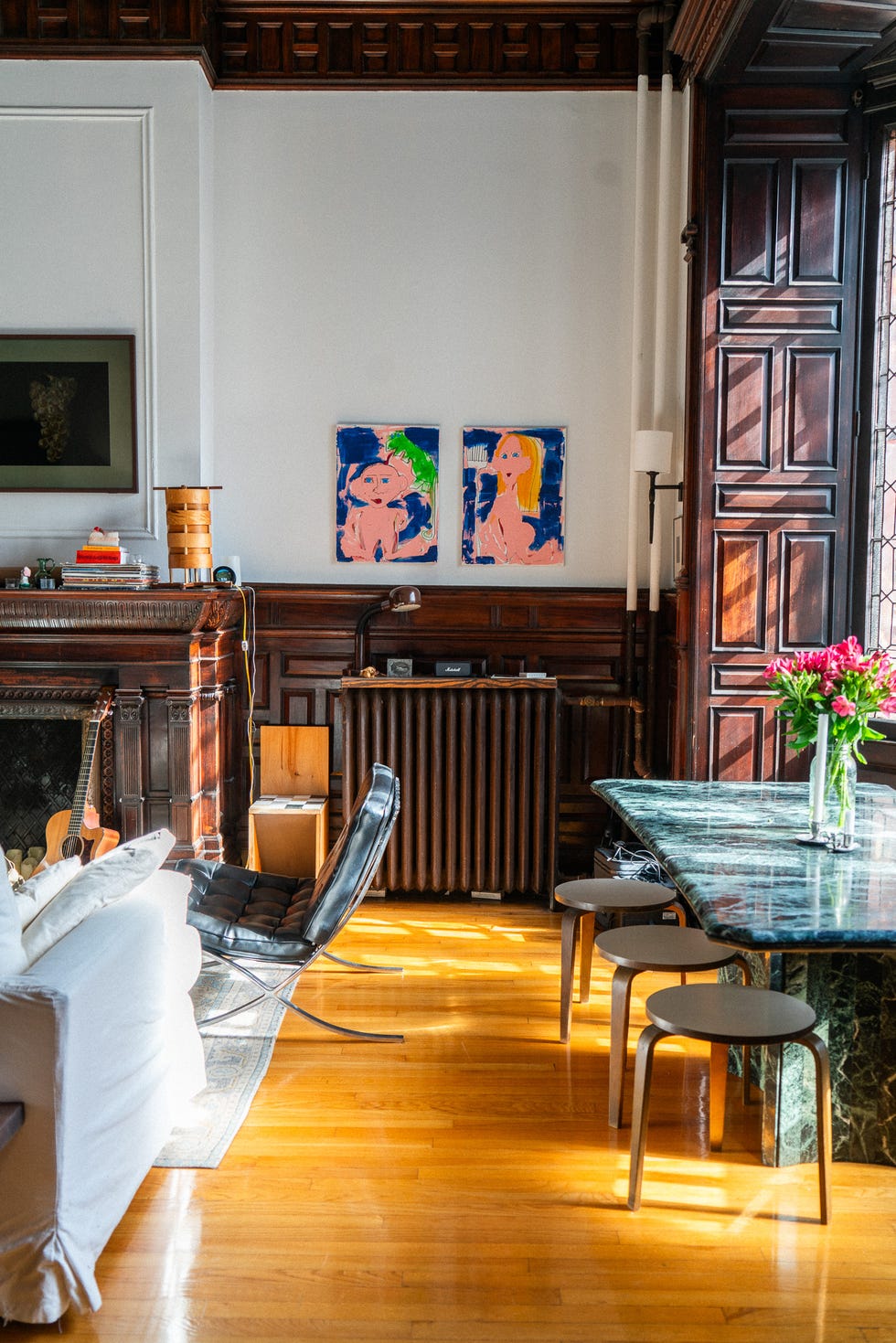
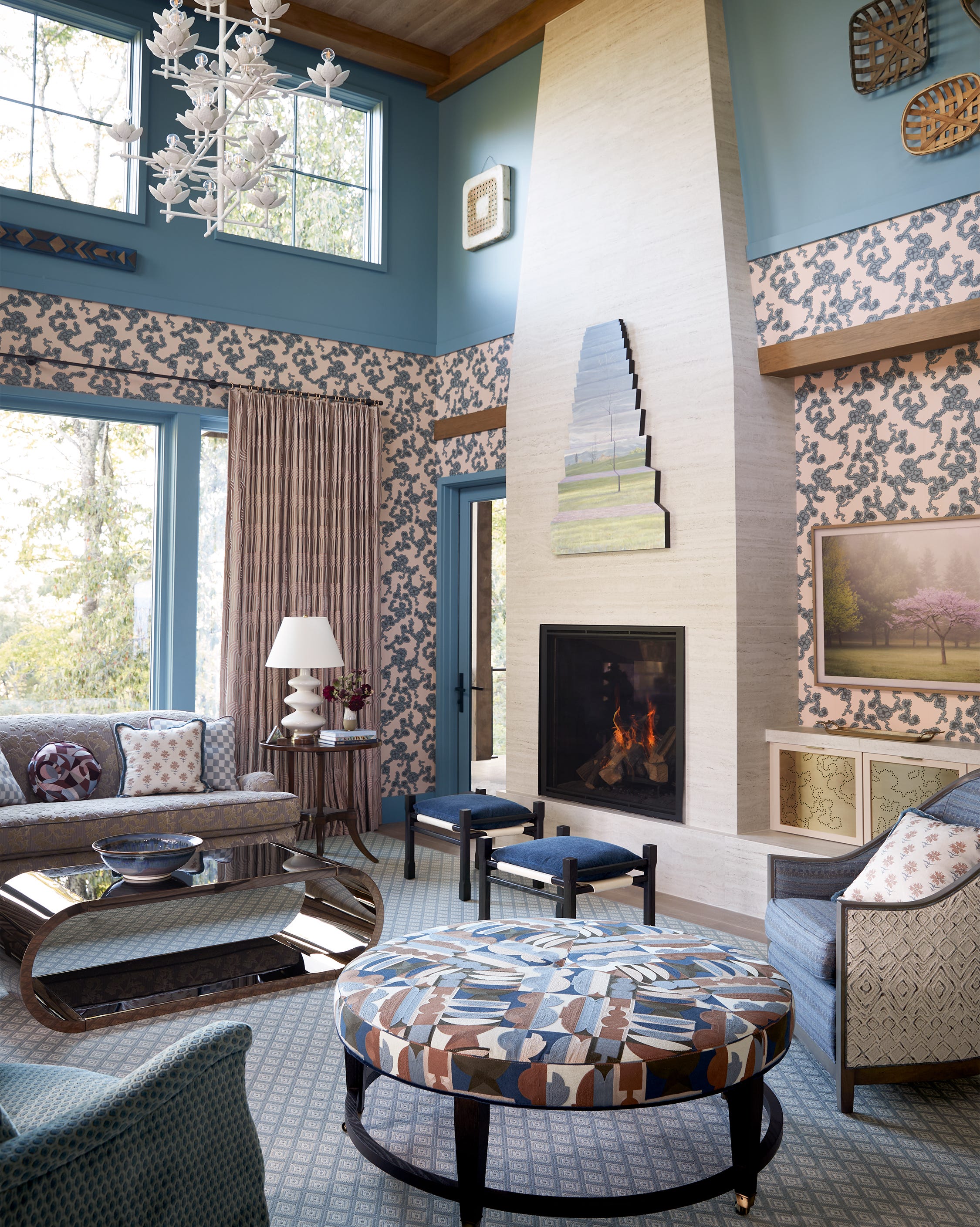
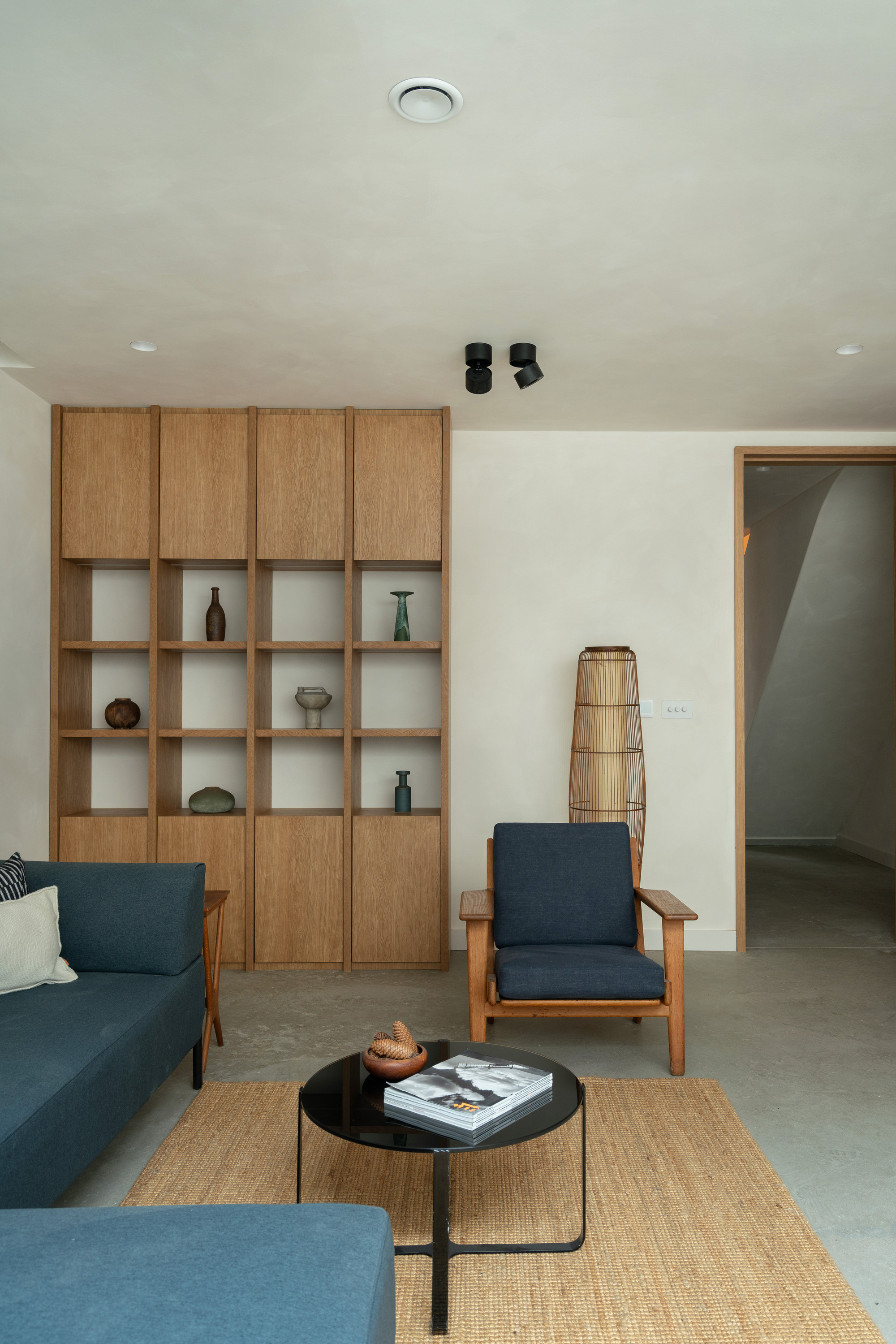
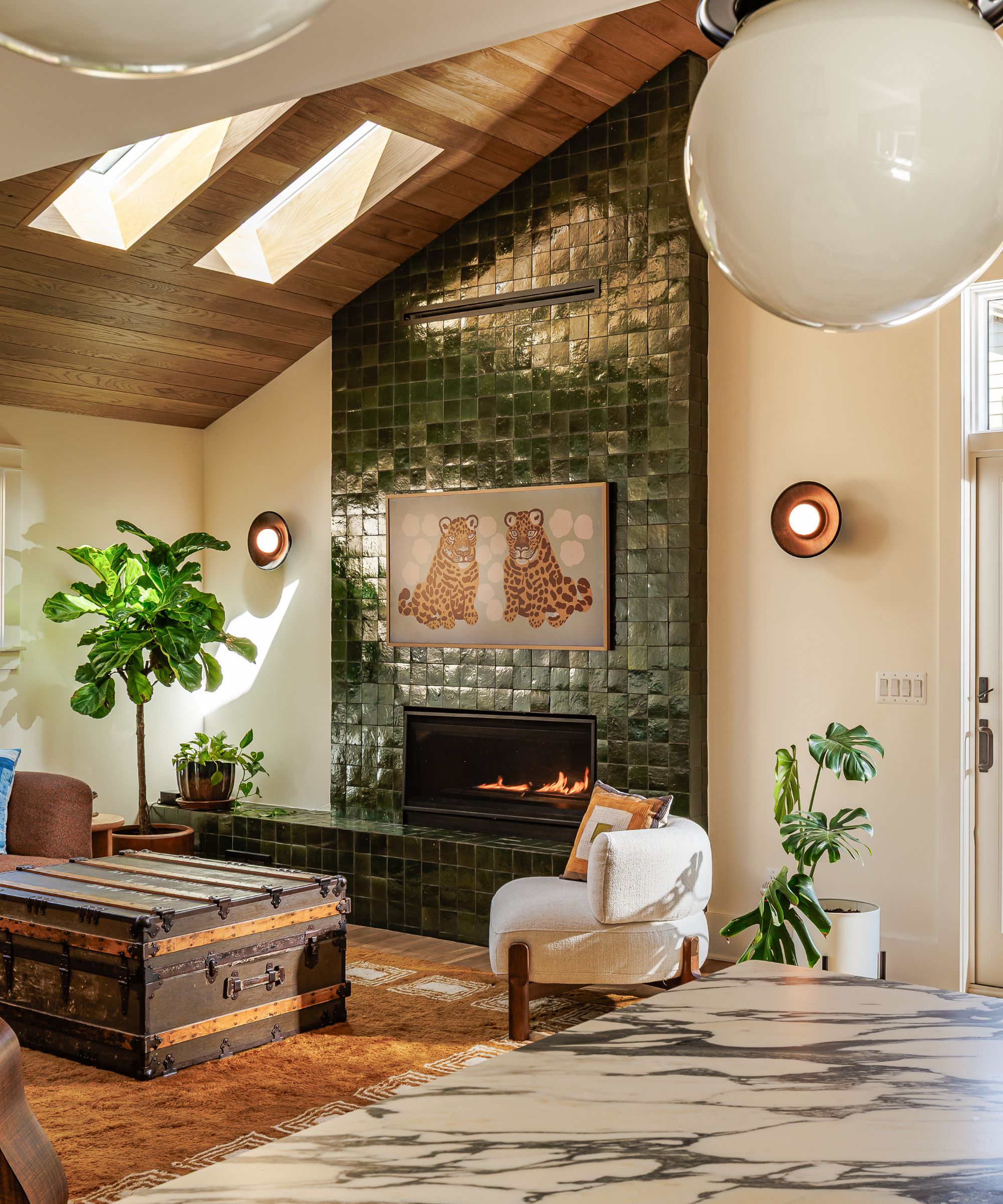
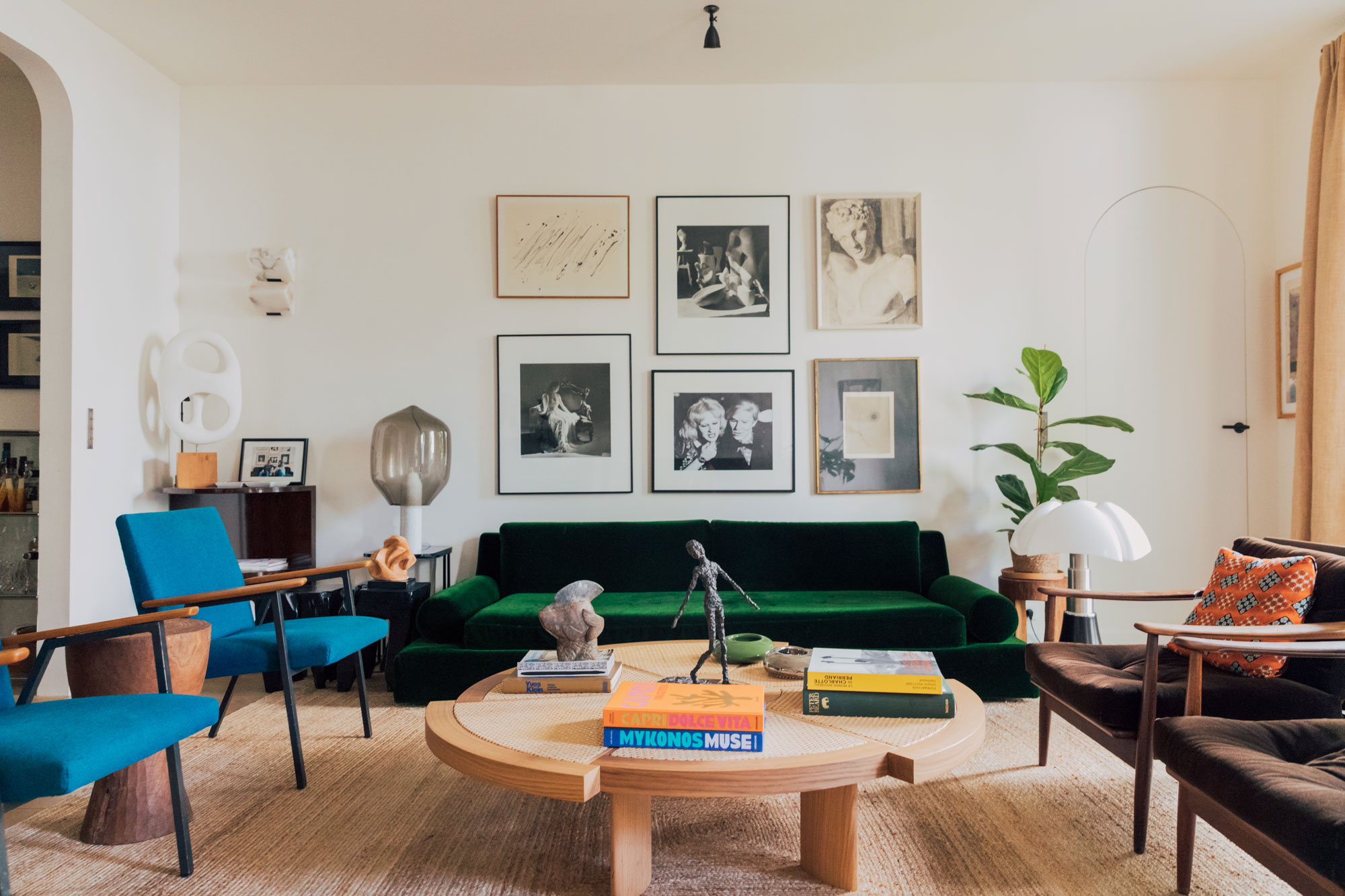
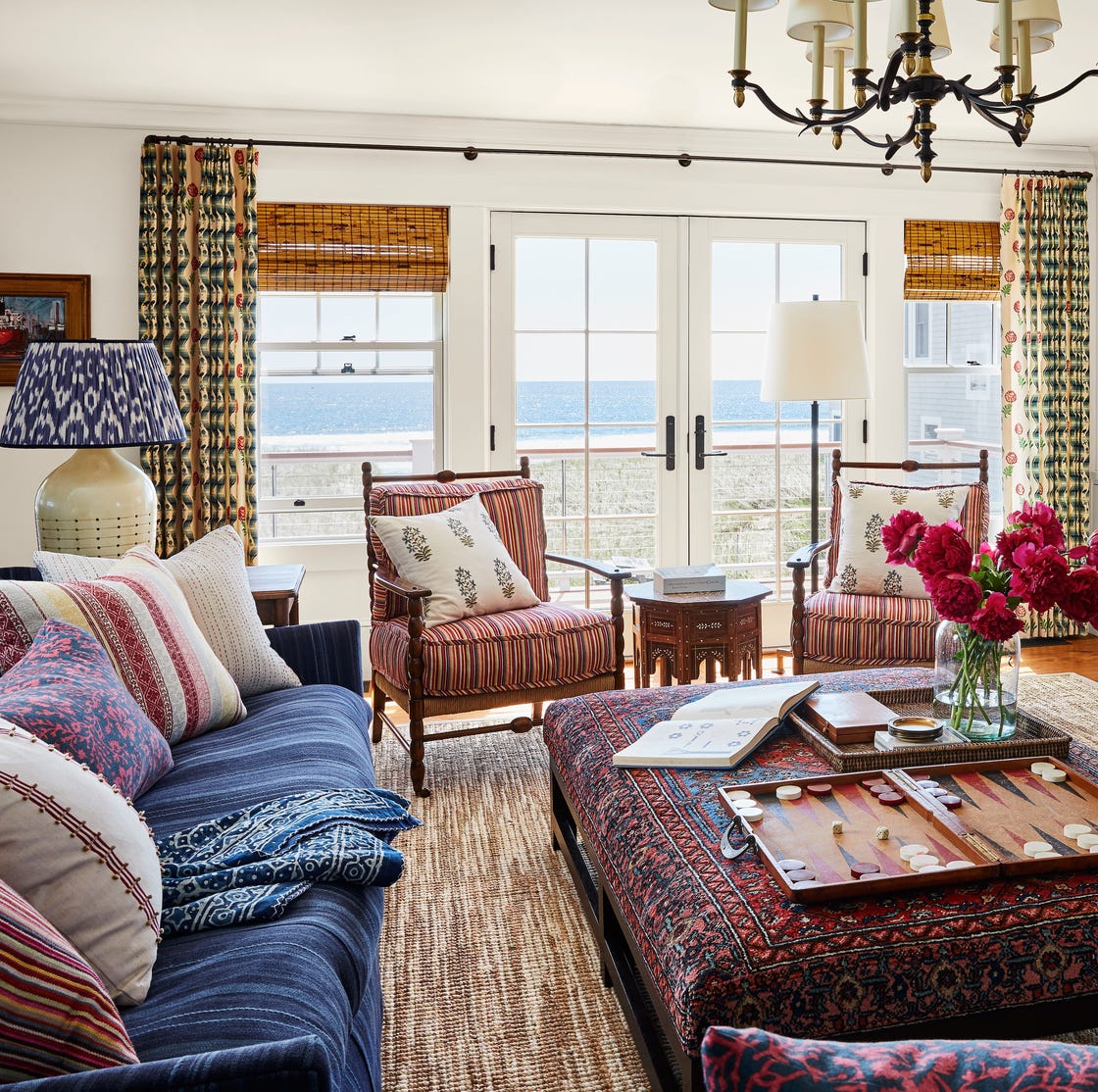
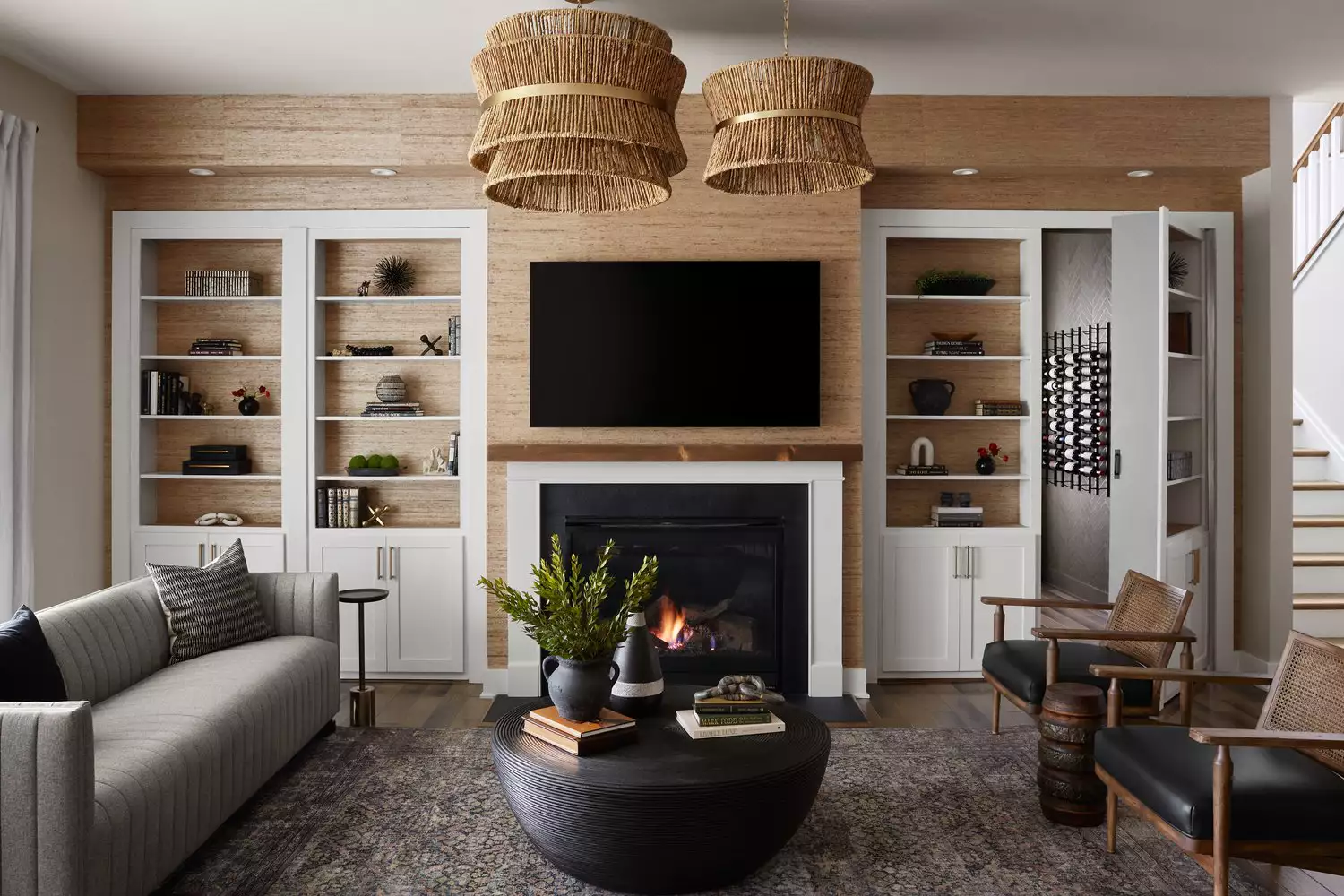
For the living room, Graffam advises playing with the contrast between soft and bold textures. This could involve combining a velvet sofa with a sleek leather ottoman for a contemporary edge, or adding a jute or sisal rug to introduce earthy, grounded textures. Statement throw pillows in materials like silk, linen, wool, or faux fur are also excellent for adding inviting and tactile qualities.
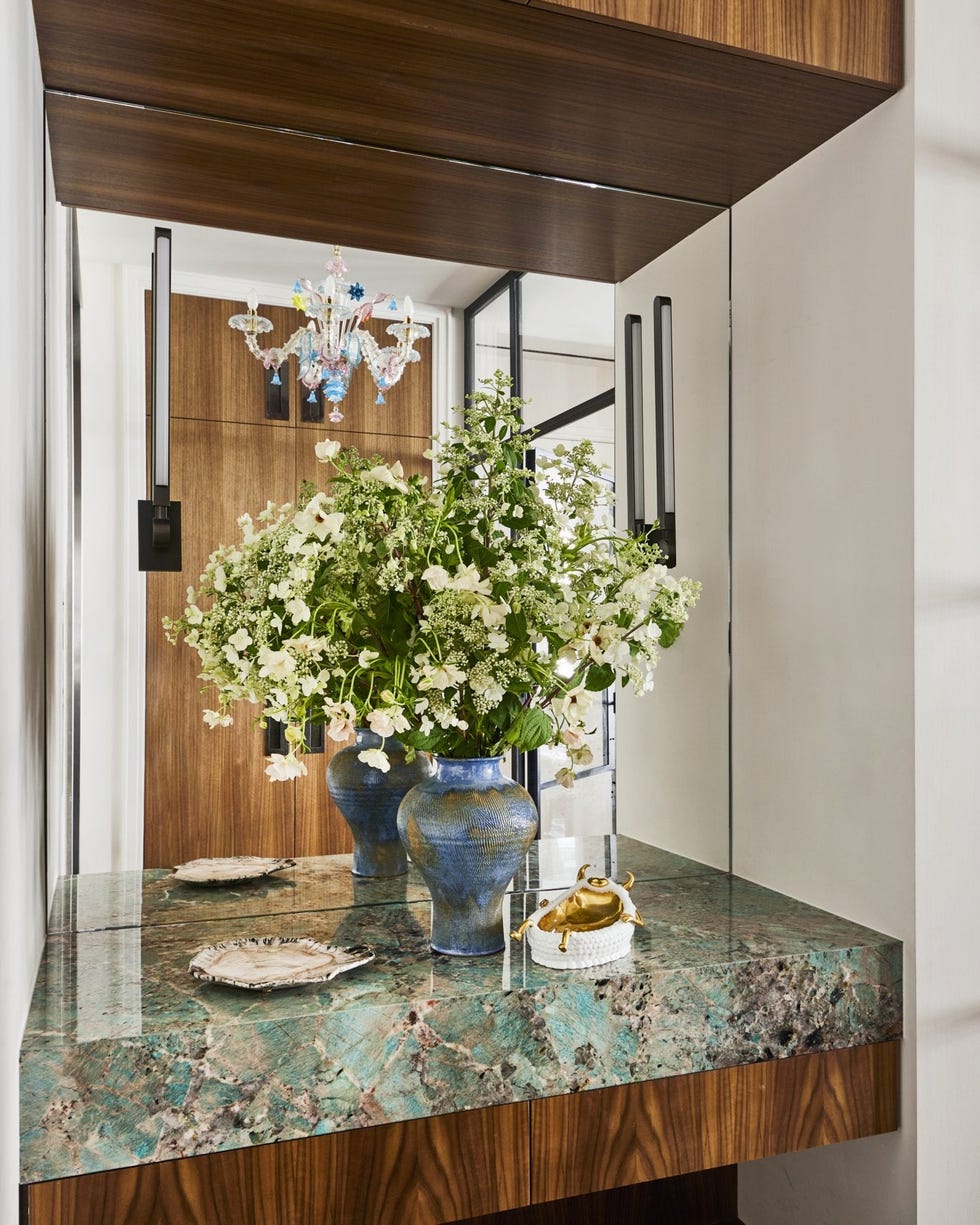
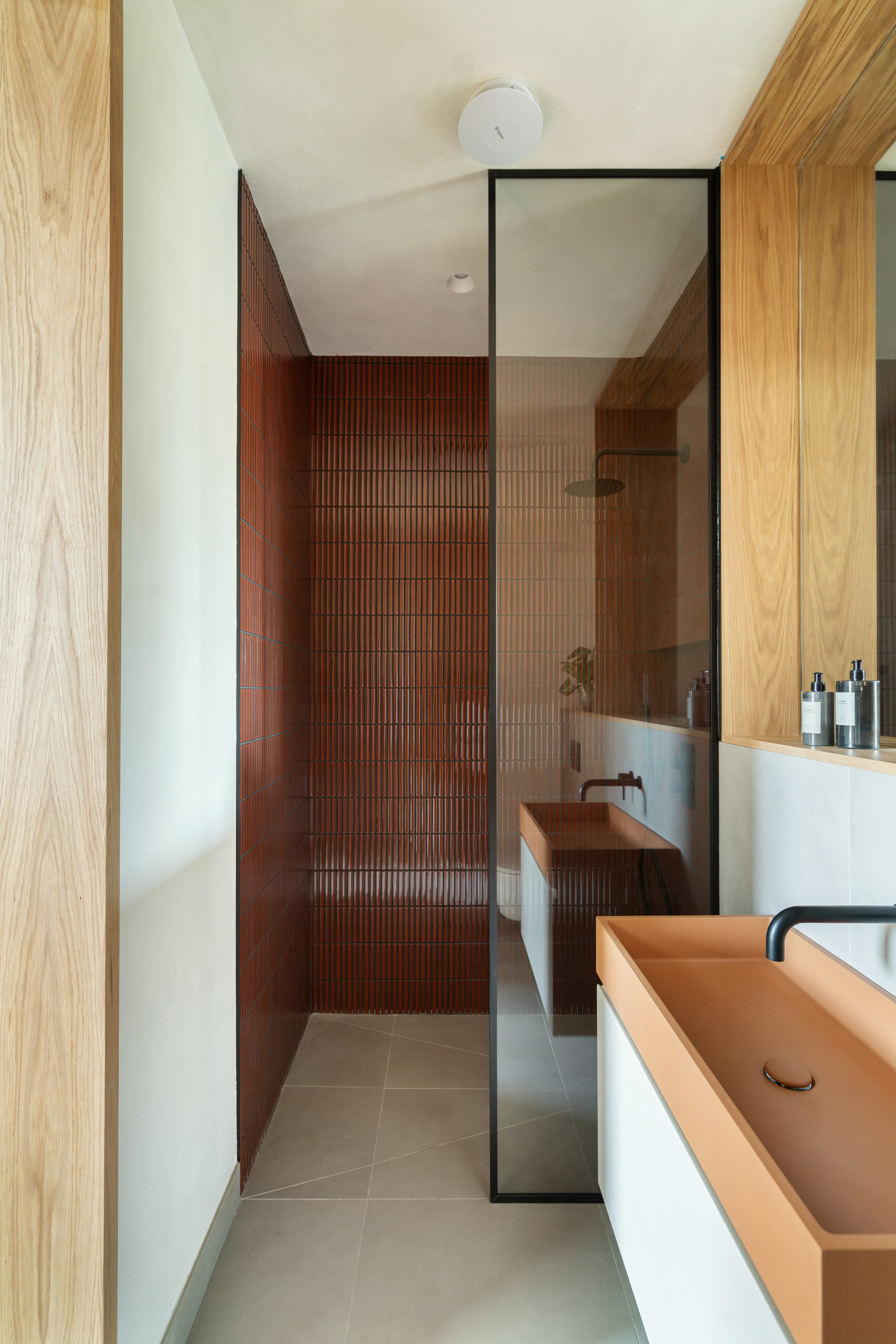
Bathrooms, without adequate texture, risk feeling sterile. Stivale recommends focusing on organic textures to cultivate a zen, spa-like atmosphere. Materials such as stone, wood, and linen, integrated through woven baskets, unique countertop accessories, bath mats, or area rugs, can instantly elevate the space. For more extensive renovations, considerations like marble countertops or teak shower benches can further enhance the textural richness.
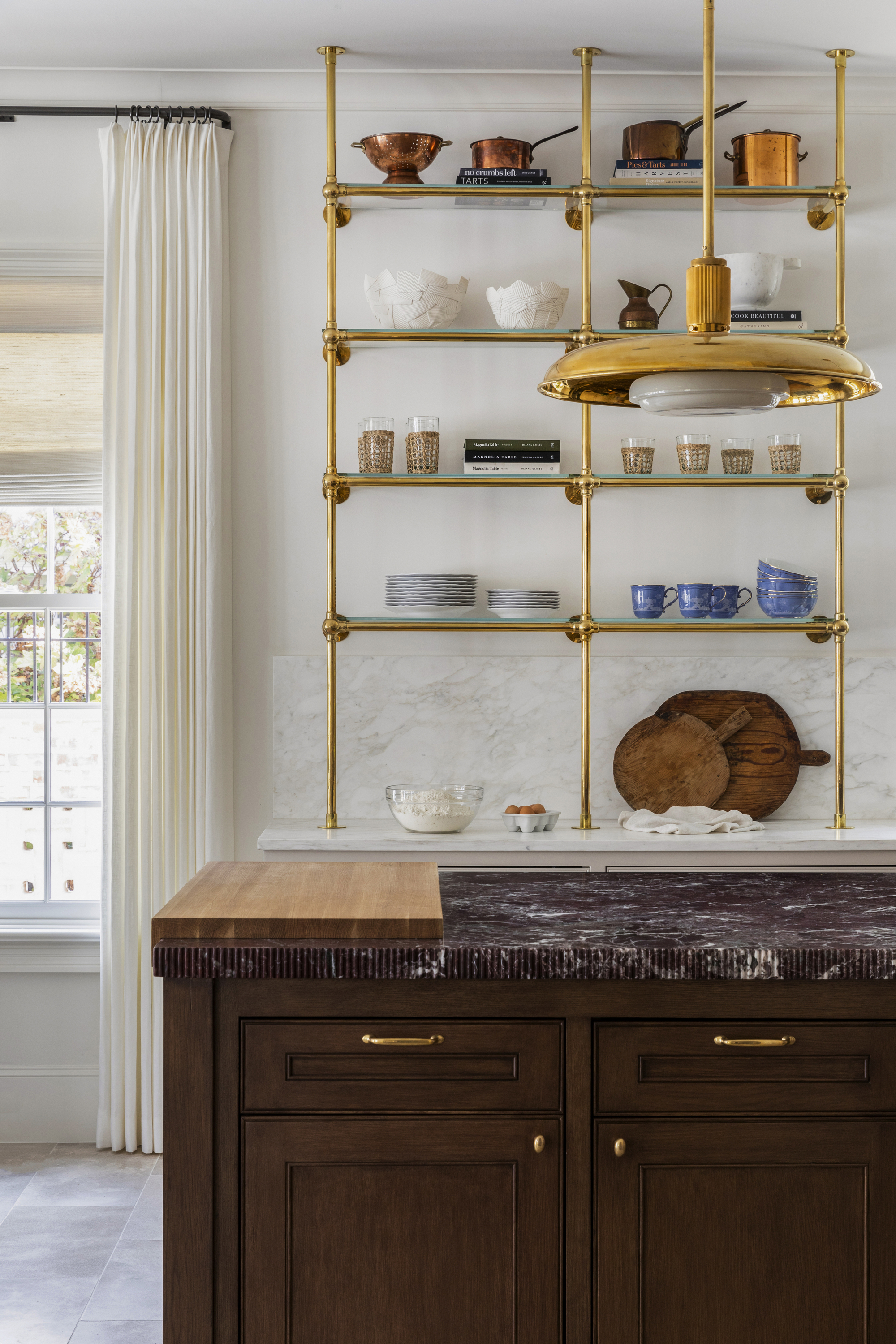
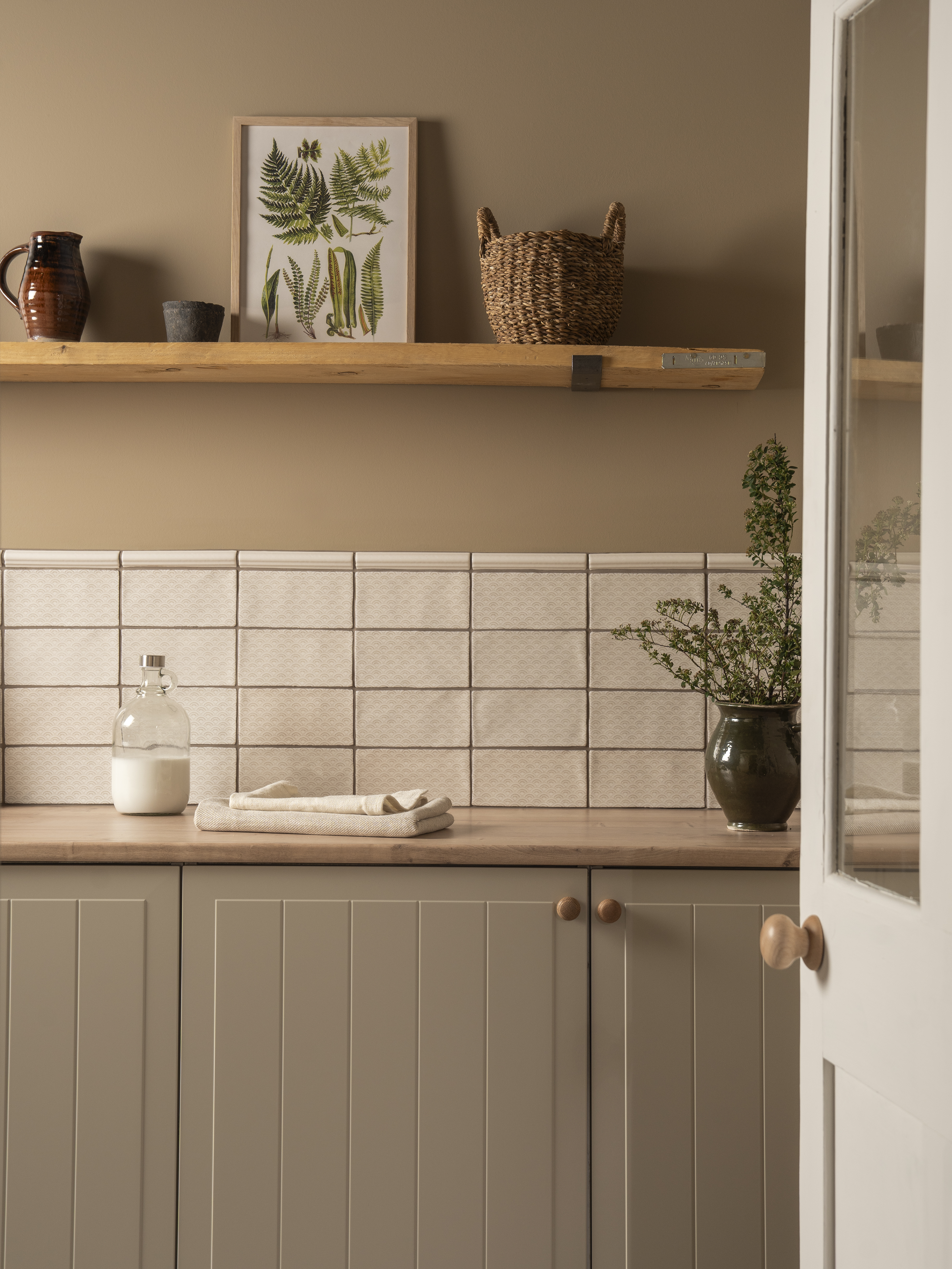
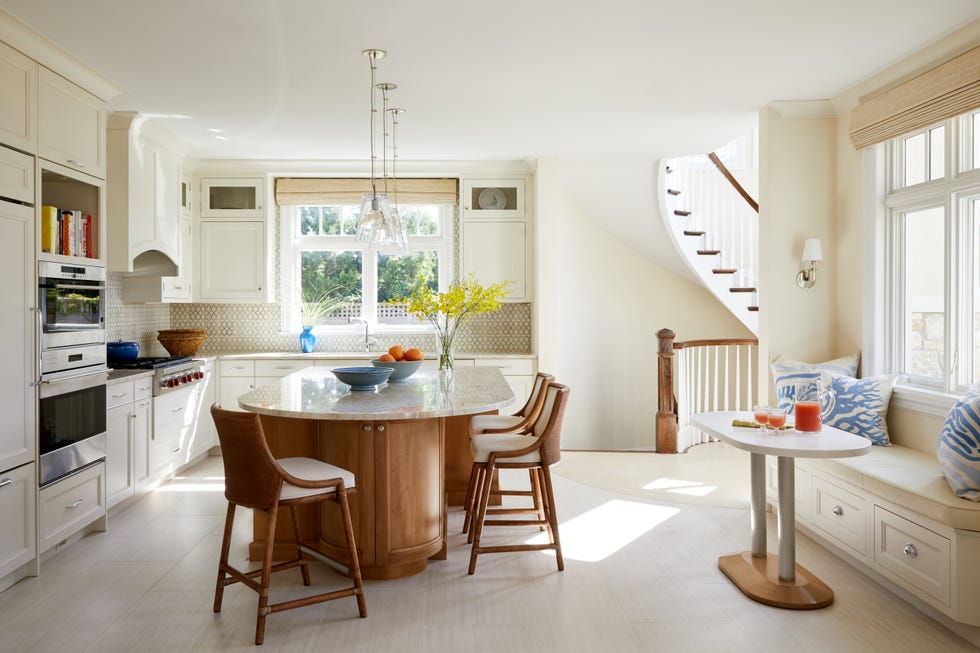
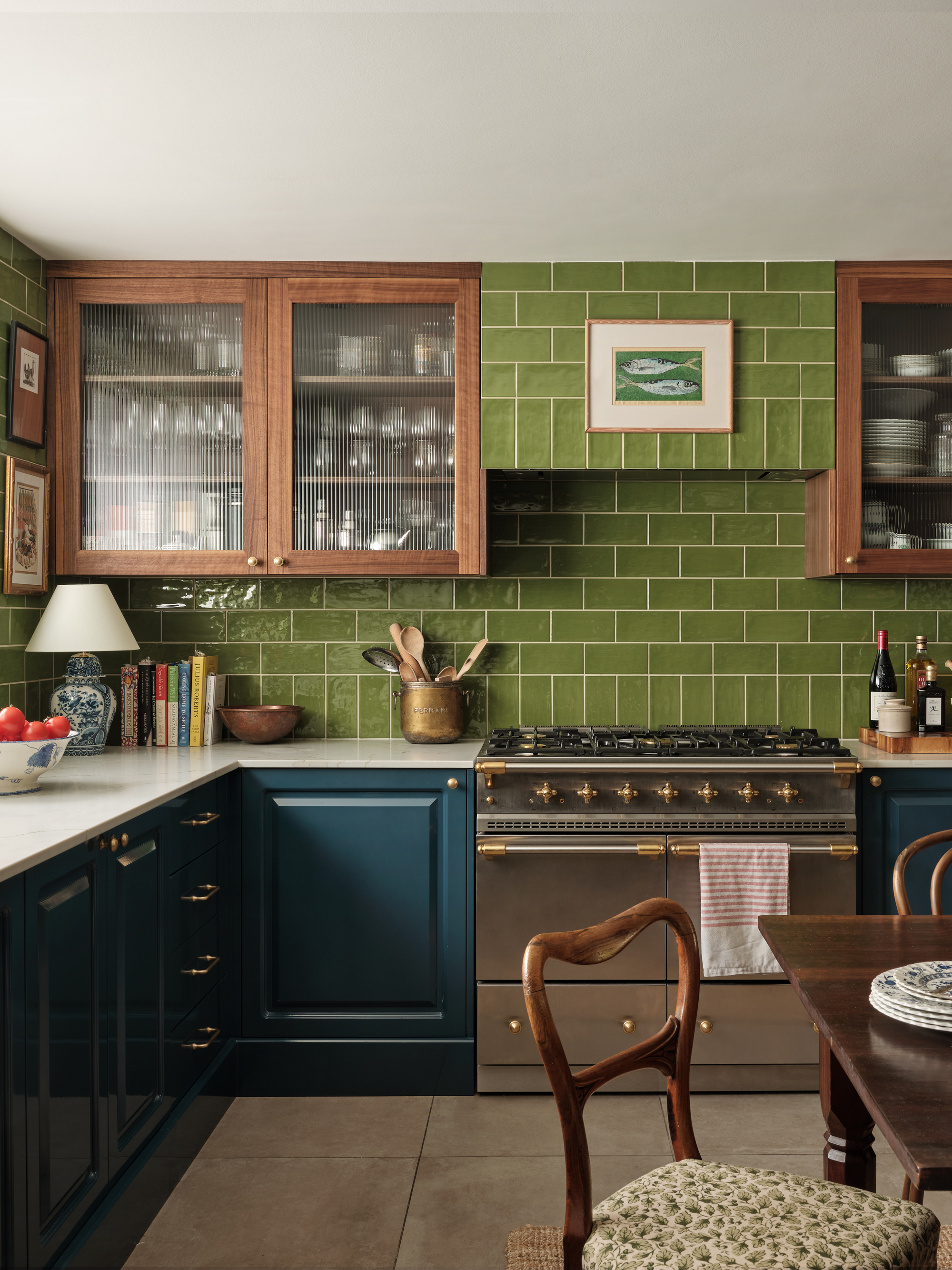
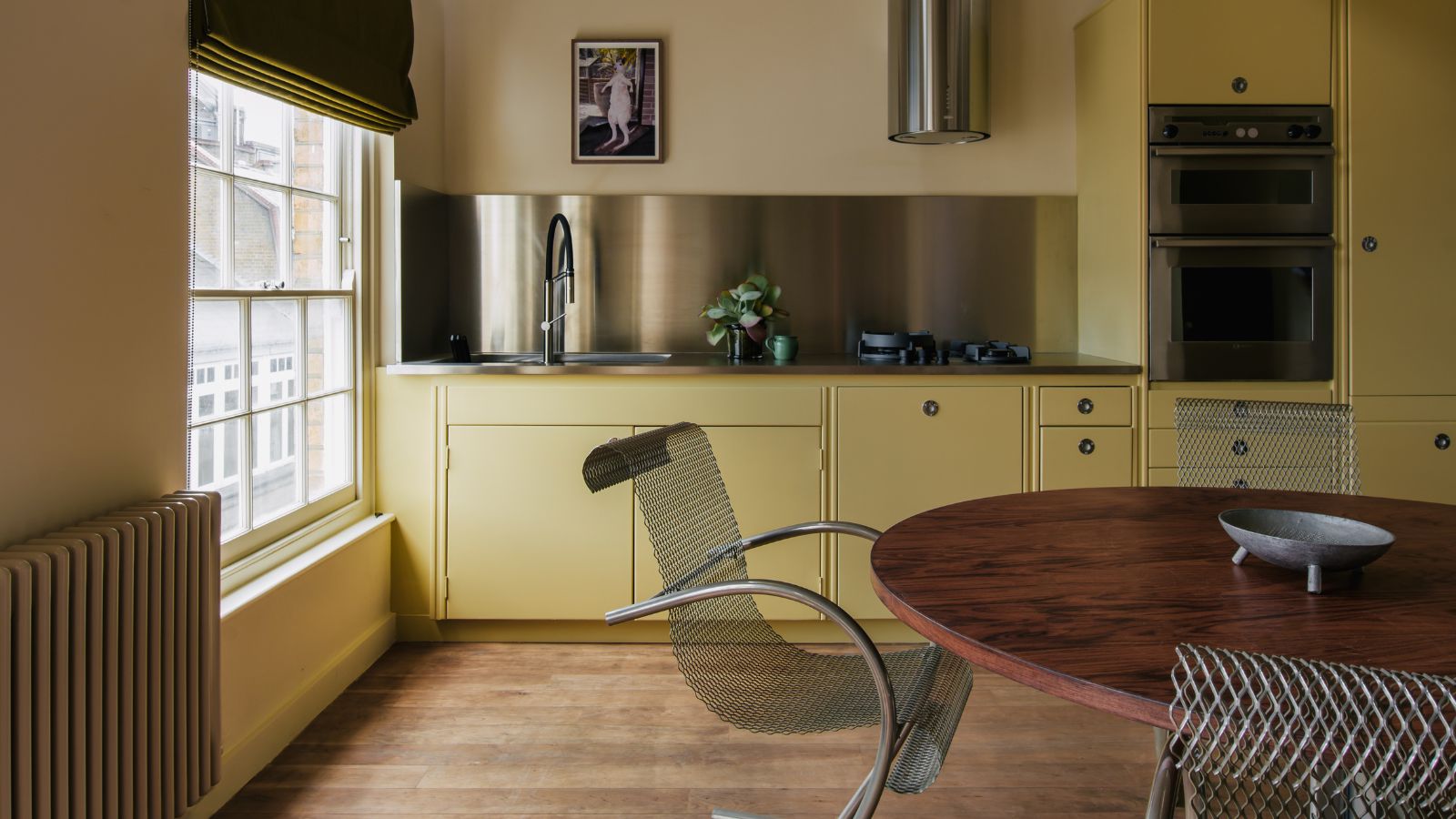
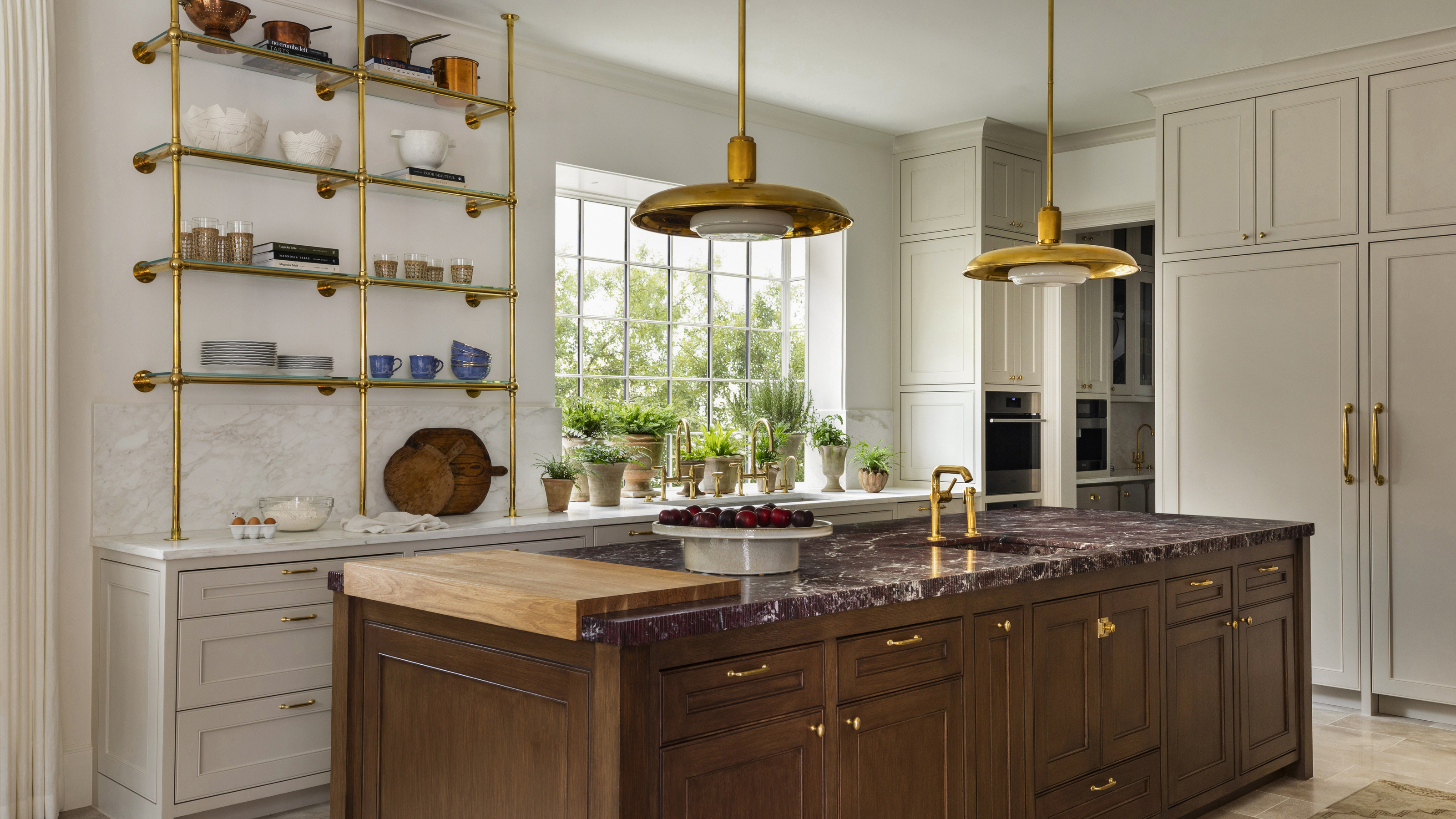
Similarly, the kitchen benefits significantly from mixed materials to introduce texture. Graffam suggests combining smooth marble countertops with rustic wood shelves or a subway tile backsplash. For comprehensive redesigns, textured cabinetry or a prominent stone island can serve as focal points. For those seeking simpler textural additions, woven fruit baskets, chunky wooden cutting boards, and textured dish towels are perfect for imparting warmth and depth to the kitchen environment.
#InteriorDesign #HomeDecor #TexturalLayering #RoomElevation #DesignTips #BedroomDesign #LivingRoomDecor #BathroomStyling #KitchenDesign #InteriorDesign #HomeDecor #TexturalLayering #RoomElevation #DesignTips #BedroomDesign #LivingRoomDecor #BathroomStyling #KitchenDesign
0 comment in total
 No comments yet
You may also like
This ONE Tiny Detail Makes the Biggest Impact in Any Room, According to Designers

Designers Say This One Trick Will Make Your Living Room Look More Luxe
'This elevates any room and works every time' – these chic finds prove the unexpected chrome theory is the design trick every room needs

Designers Reveal the TINY Detail That Instantly Adds Character to Any Home
8 tiny design details you are definitely overlooking in your home that can completely elevate a space
This Design Element Instantly Brightens a Dark Room

Designers Agree: This One Upgrade Instantly Elevates Any Room—And It’s Worth Every Penny

This Is the Genius, Space-Saving Living Room Piece You Never Knew You Needed

6 Underrated Designer Secrets That Instantly Make Any Room Look Better
Focus on This Overlooked Decor Element To Instantly Transform a Room

This Designer's Clever Trick Will Transform Any Open-Concept Living Space
Designers definitely approve of this statement trend that elevates a cozy room
The One Design Feature You're Overlooking That Can Instantly Elevate Any Room

This simple lighting addition will make a world of difference in any bedroom

This 'Invisible' Design Rule Is What Makes a Good Room Just Click — Psychologists and Designers Swear By It

This Lighting Trick for Your Living Room is the Secret Designers Use to Elevate Their Decorating Schemes
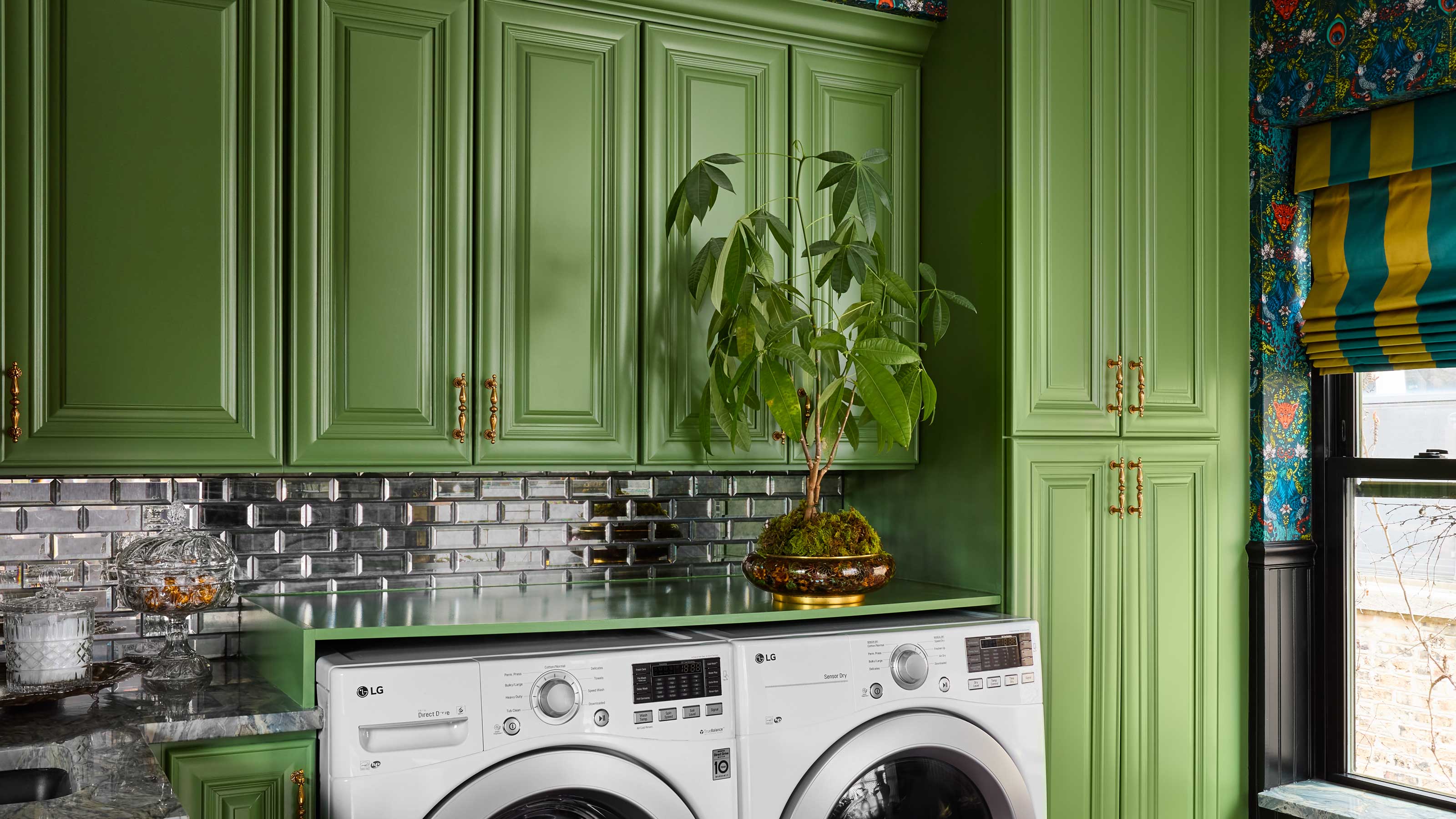
This often-overlooked room is having a design moment – I think it's the secret to making your home much more cheerful
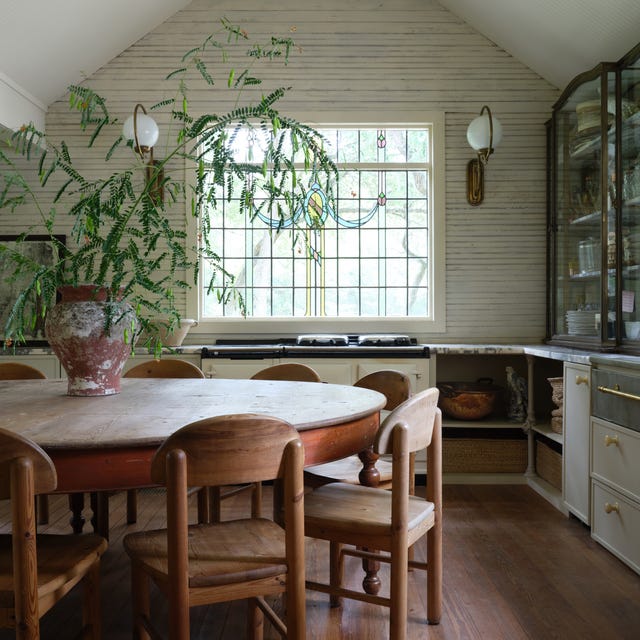
No Room Is Complete Without THIS One Feature, According to a Designer
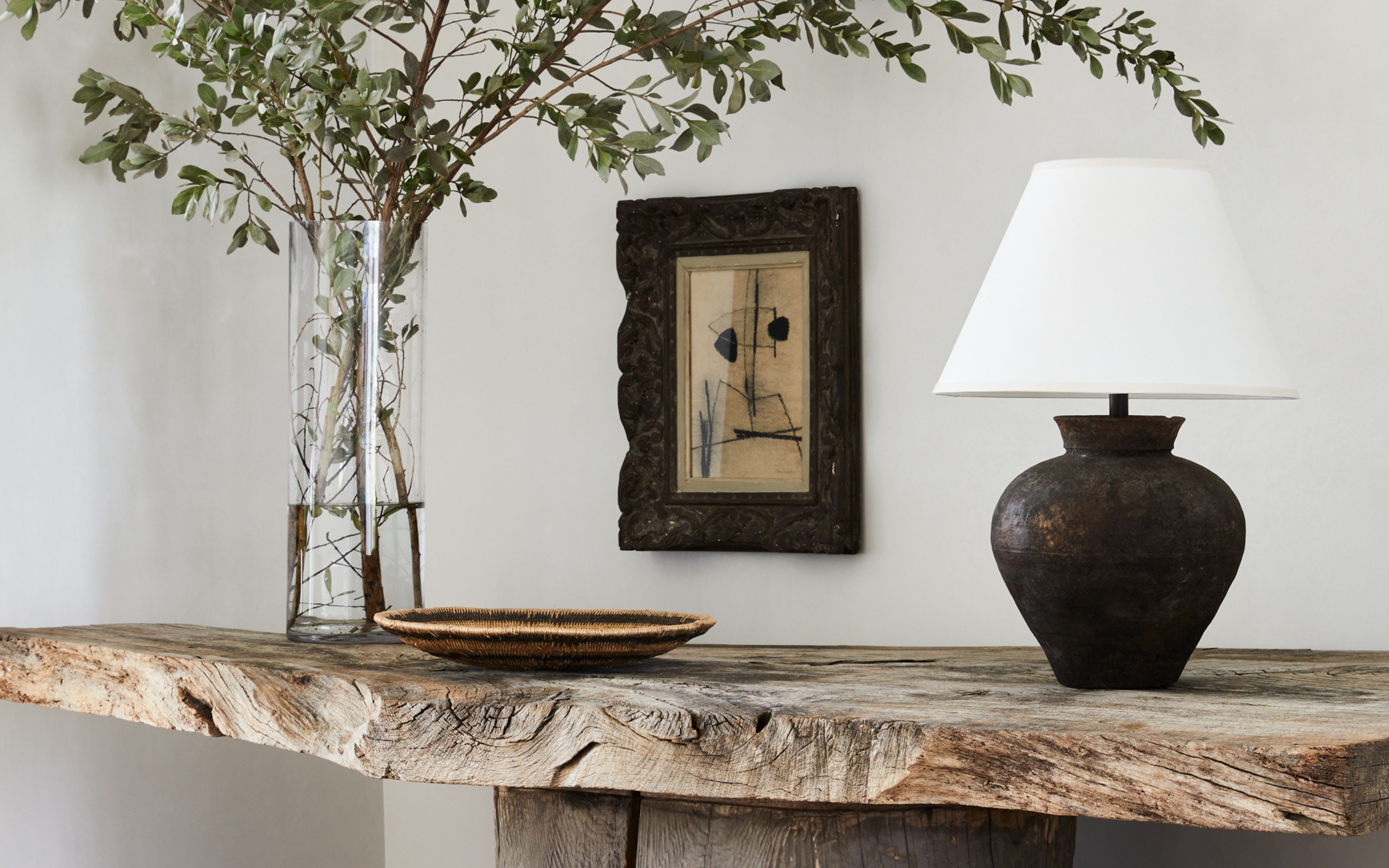
5 finishing touches interior designers never forget to instantly elevate your entryway
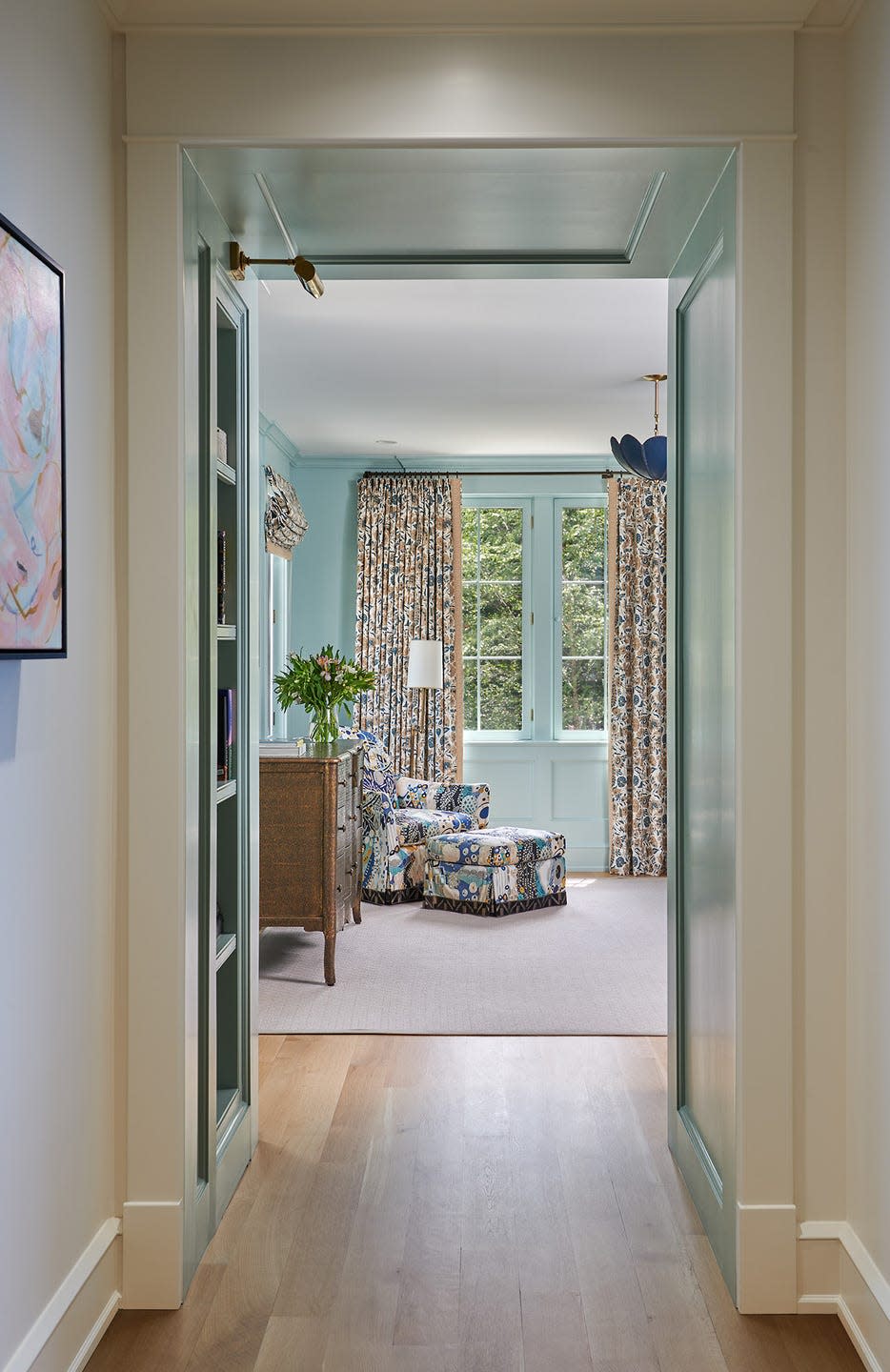
Interior Designers NEVER Overlook This Surprising Space