1/21
The Contemporary Remodelling of Traditional Materials in Chinese Vernacular Architecture
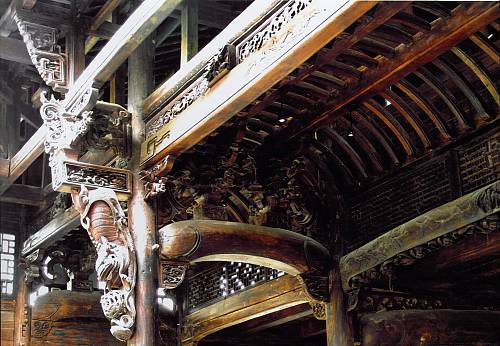
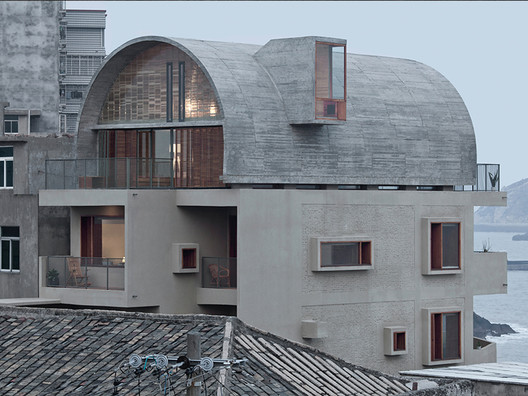
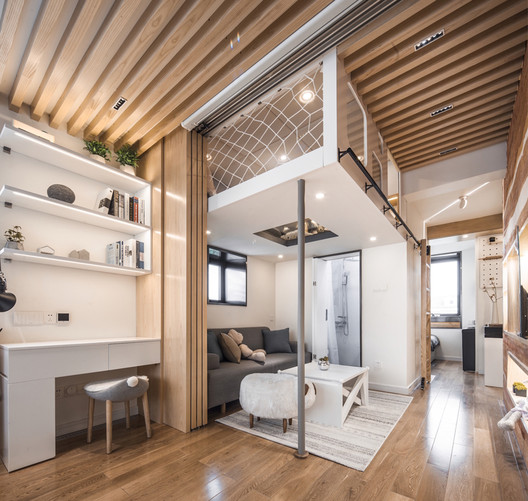
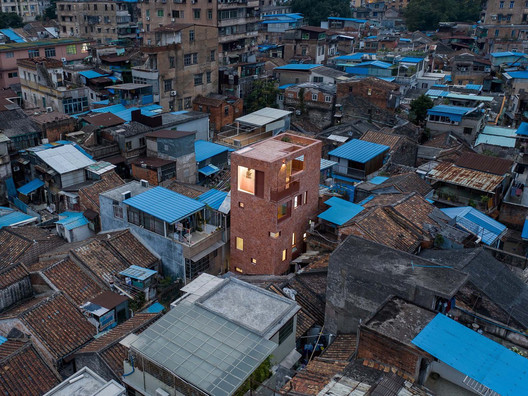
The article explores the contemporary reinterpretation and use of traditional materials in Chinese vernacular architecture, emphasizing how these materials connect with local contexts, histories, and communities while addressing modern challenges. Due to constraints in transportation and resources, vernacular architecture inherently adopts a strategy of utilizing local materials. This approach is demonstrated through various projects that showcase innovative applications of traditional Chinese building materials.
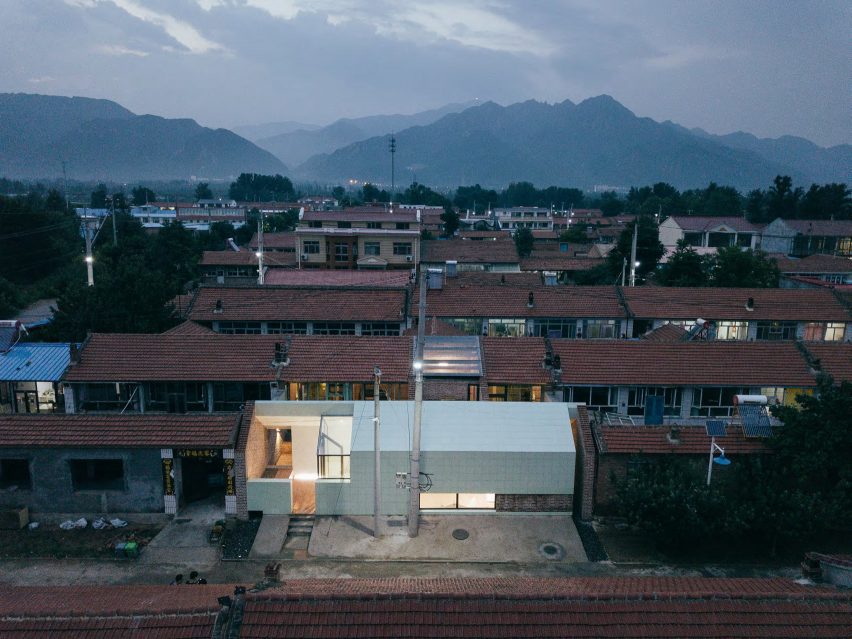
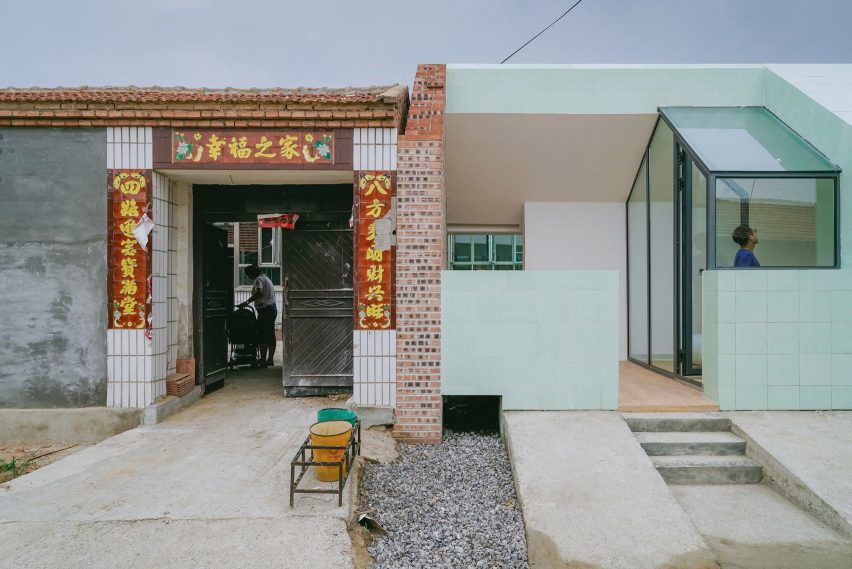
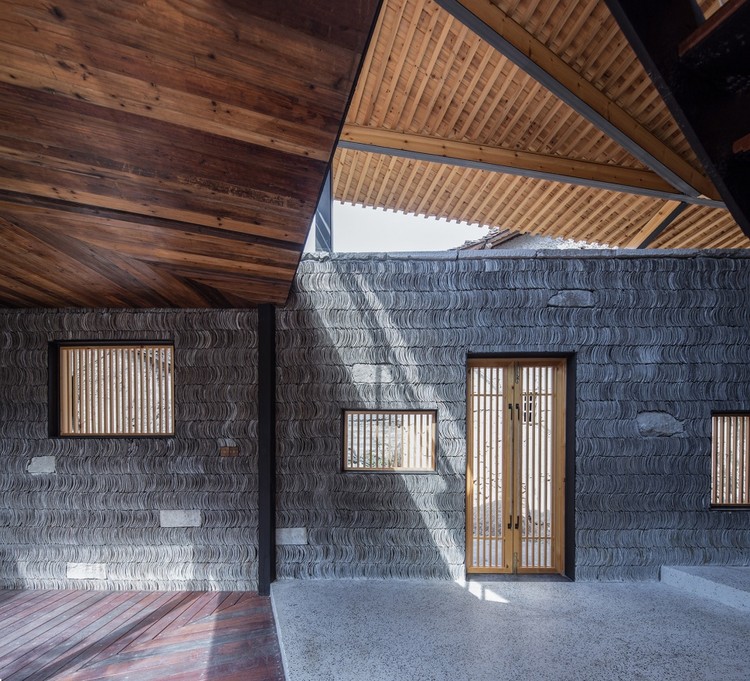
One significant example is the Qingxiao Residence in Liangjiashan Village, designed by Shulin Architectural Design. This project creatively recycles green tiles, rammed earth, masonry blocks, bamboo, old stone slabs, rubble, and terrazzo from demolished villages. The architects not only recycled these materials but also integrated traditional construction techniques, meticulously planning the use of old tiles to form new walls structurally and aesthetically. This method significantly reduces costs associated with material purchase and transport, and fosters a connection between the present and the past for local residents by incorporating familiar elements and honoring local craftsmanship.
The article also addresses industrial waste through the innovative reuse of abandoned shared bicycles by LUO studio. Facing the widespread issue of discarded bicycles in urban environments, LUO studio transformed them, along with iron car sheets and eco-friendly board leftovers, into a mobile children's library called the "Shared Lady Beetle." This project exemplifies a playful and sustainable solution to waste, proving that industrial waste can be reimagined for new purposes.
Another industrial material, metal scaffolding, is recontextualized by Fu Yingbin Studio in a temporary gallery for the 2019 Chinese farmers’ harvest festival. Due to tight budget and schedule, scaffolding was selected for its rapid construction and low cost. The structure, painted orange and adorned with safety mesh, blended into the village landscape like ribbons, transforming a conventional construction material into an art piece that facilitated new community memories. Similarly, modular plugin panels, as seen in People's Architecture Office's Lakeside Plugin Tower, offer efficiency and flexibility. These panels, easily installed by unskilled labor, allow for the building's adaptability over time, enabling sections to be extended or removed without affecting the entire structure, thereby reducing future renovation needs.
Natural materials like rocks, bamboo, wooden sticks, timber, and rammed earth are also creatively utilized. ZAO/standardarchitecture + Embaixada's Yaluntzangpu River Terminal and He Wei Studio's Stone Nest Amphitheater both use local rocks. The former employs rocks collected on-site and built by local Tibetan masons, instilling a sense of belonging for both locals and travelers. The latter transforms an abandoned stone pit into an open-air amphitheater, preserving the natural cliff and using its acoustic properties to create a public space that revitalizes the community.
DnA Architects’ Bamboo Theatre in Hengkeng village uses bamboo to create a stage that evokes ancient Chinese cultural symbols and intellectual traditions, offering a serene and organic setting. Li Xiaodong Studio's library in rural Beijing uses locally sourced wooden sticks to filter natural light, creating a meditative reading environment that harmonizes with the landscape and local practices. SUP Atelier's History Museum of Qifeng Village reuses timber from an old commune's house, preserving the historical essence of the village through careful renovation and transformation.
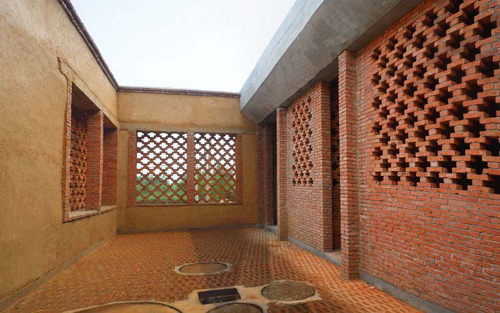
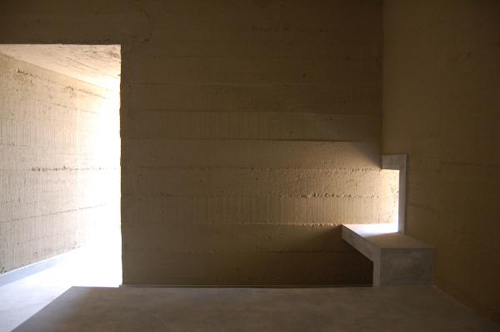
Finally, Onearth Architect's Macha Community Centre in Gansu Province employs rammed earth, sourced directly from the site, to construct courtyard-shaped houses. This not only utilizes local materials but also aids in preventing soil erosion, allowing the structures to appear as if they organically emerged from the land, deeply connecting with local memories and identities. Fu Yingbin Studio's Temple for God Wealth uses hollow bricks to create a blessing wall where villagers can insert red paper with wishes, linking the building with evolving human activity and fostering a sense of growth and unity. These examples collectively demonstrate how contemporary architectural interventions in China leverage traditional and local materials to preserve cultural heritage, promote sustainability, and create meaningful spaces that resonate with their environments and communities.
#VernacularArchitecture #TraditionalMaterials #RecycledMaterials #ChineseArchitecture #SustainableDesign #CommunityIdentity #ArchitecturalInnovation #MaterialReuse #CulturalHeritage #VernacularArchitecture #TraditionalMaterials #RecycledMaterials #ChineseArchitecture #SustainableDesign #CommunityIdentity #ArchitecturalInnovation #MaterialReuse #CulturalHeritage
0 comment in total
 No comments yet
You may also like
Evolution of the vernacular Chinese house, by John Lin / The University of Hong Kong
The ancient flooring transforming modern homes


These home decor brands are weaving Indian traditions into modern living

far workshop revives chinese lodge as wine cellar marked by black concrete columns

Chinese traditional architectural craftsmanship for timber-framed structures
Asian Paints introduces Archi Concrete to the world | AD India
Decorative China Is Trending—Here's How to Display and Care for Your Collection

curved brickwork reinterprets chinese vernacular architecture in hong kong residence by via.
12 Chinese Home Remodeling Ideas: Solutions to Housing Problems

Chinoiserie has its roots in 17th-century Europe but is still gracing rooms around the world

Traditional living room ideas – 20 classic decor looks for walls, floors and furniture

Traditional Meets Modern Interior Design

M.O.D.E.S constructs chinese ancestral hall based on digitized brick patterns
This old-school wallpaper trend is everywhere—here's how to use it

8 Antique Pieces That'll Increase in Value in 2025, According to Experts

How to Modernize Antique Furniture for a Characterful and Cohesive Look
Why It’s Time to Think Differently About Chinoiserie
Green ceramic tiles cover extension of a house in rural China
brick and cement furniture collection by nexus
this traditional taiwanese compound has been transformed into a home for a family of five