1/10
5 telltale signs your home needs a vapor barrier this winter and beyond
This article discusses the crucial role of vapor barriers in maintaining a healthy and energy-efficient home, particularly during winter and in humid climates. Professional contractors highlight five key indicators that suggest a home would benefit from this installation, emphasizing its protective qualities against moisture-related damage.
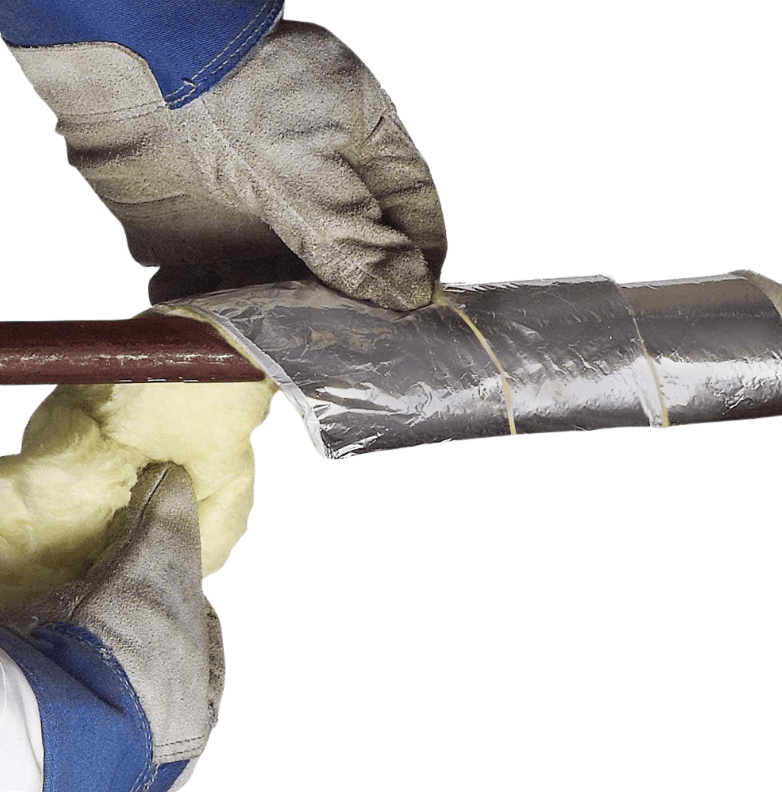
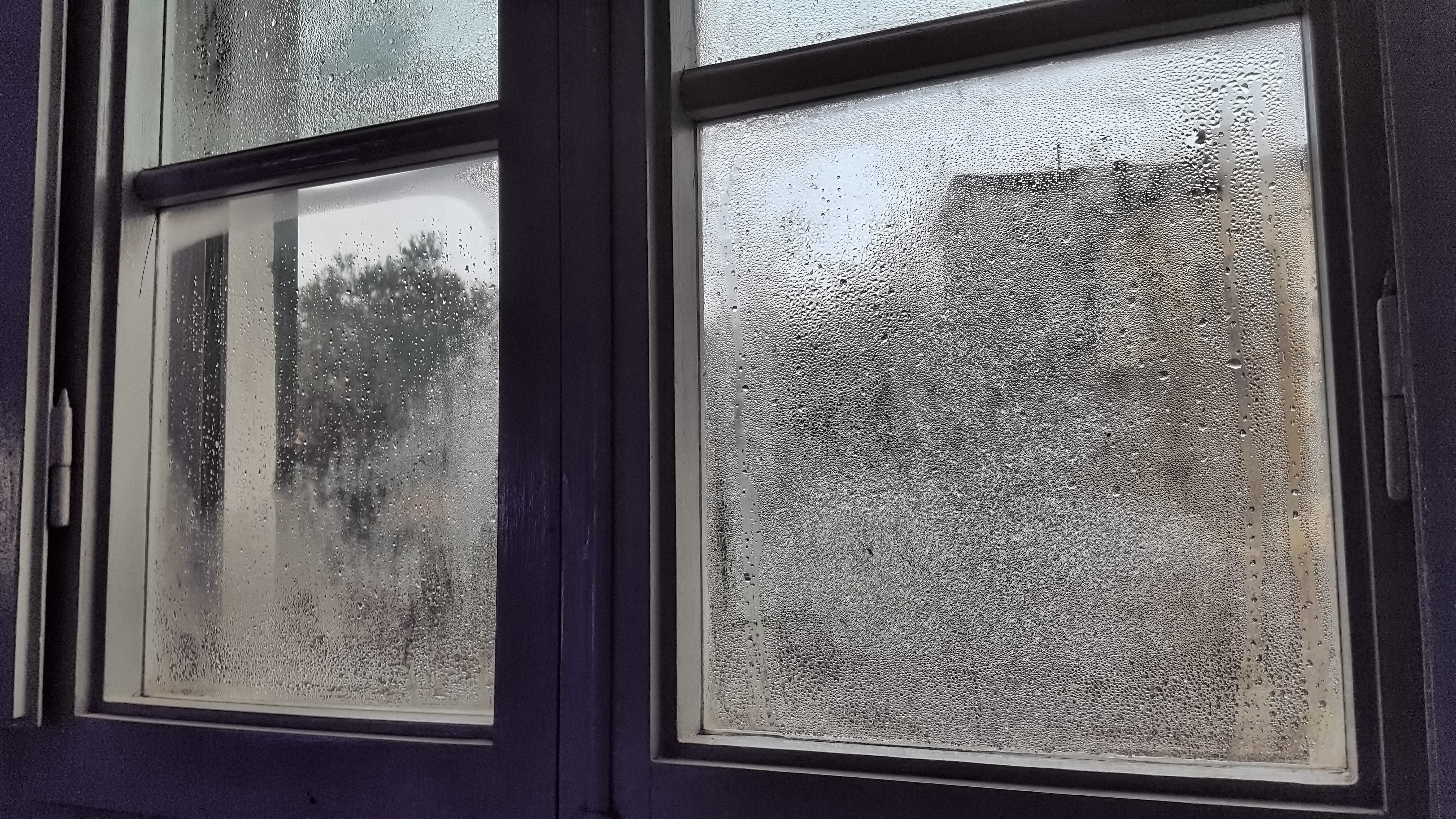
One significant sign is the presence of musty smells and consistently high humidity levels. Aaron Lipman, a professional contractor, explains that these issues often stem from moisture buildup. Vapor barriers act as an inexpensive safeguard, preventing costly problems like weakened wood framing, mold growth, and compromised indoor air quality due to circulating allergens. High humidity, if left unaddressed, can lead to widespread issues beyond mere discomfort.
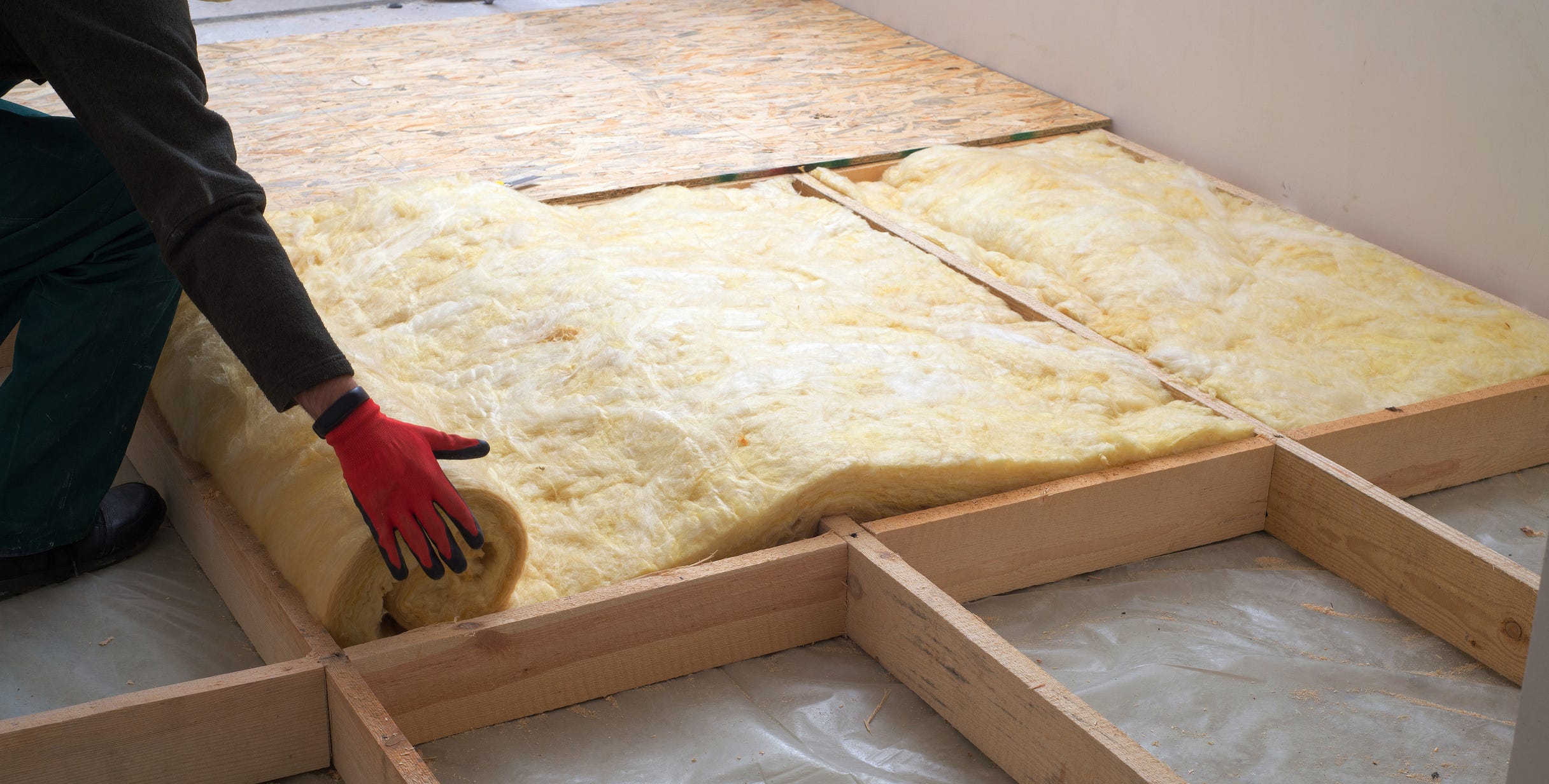
The second indicator is warping floors or insulation. Lipman points out that wet or drooping floors and insulation are serious warning signs of uncontrolled moisture. Such conditions can cause significant damage, including warped hardwood floors and expensive foundation repairs. Even after installing a vapor barrier, homeowners might need to replace damaged insulation to prevent further issues and ensure efficient heating. Jimmy Hertilien, a senior project manager, adds that peeling paint and warped siding also signify trapped moisture, and vapor barrier installation can resolve these problems while improving energy efficiency by stabilizing internal temperatures.
Mold is another critical sign that necessitates a vapor barrier. Frequent high humidity and condensation on walls create an ideal environment for mold growth. While cleaning mold is necessary, Lipman advises that treating the underlying cause, which often involves installing a vapor barrier, is essential to prevent recurrence. Dehumidifiers can offer temporary relief, but they cannot solve the root problem of continuous moisture infiltration without a proper vapor barrier.
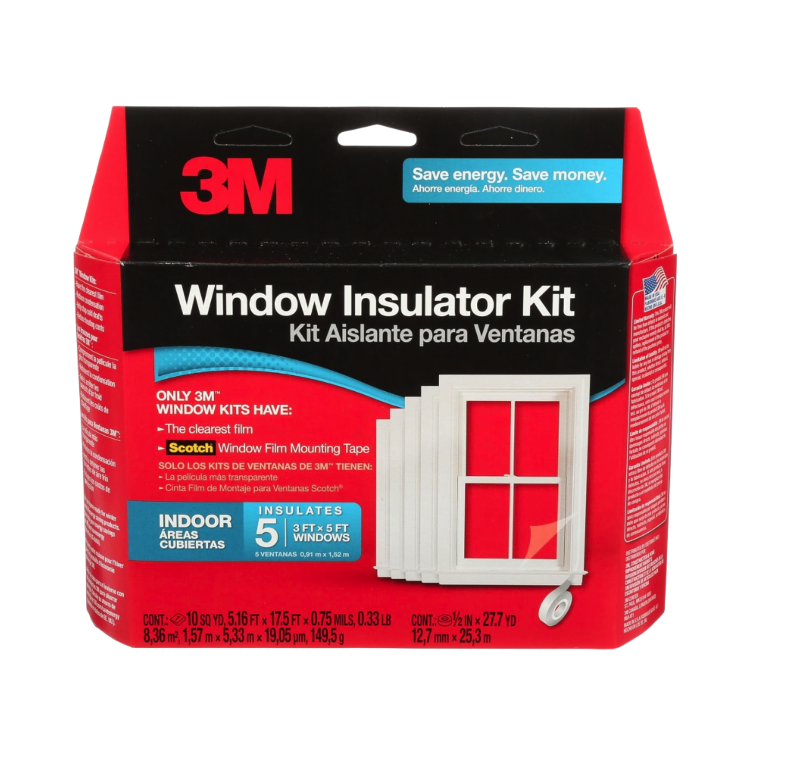
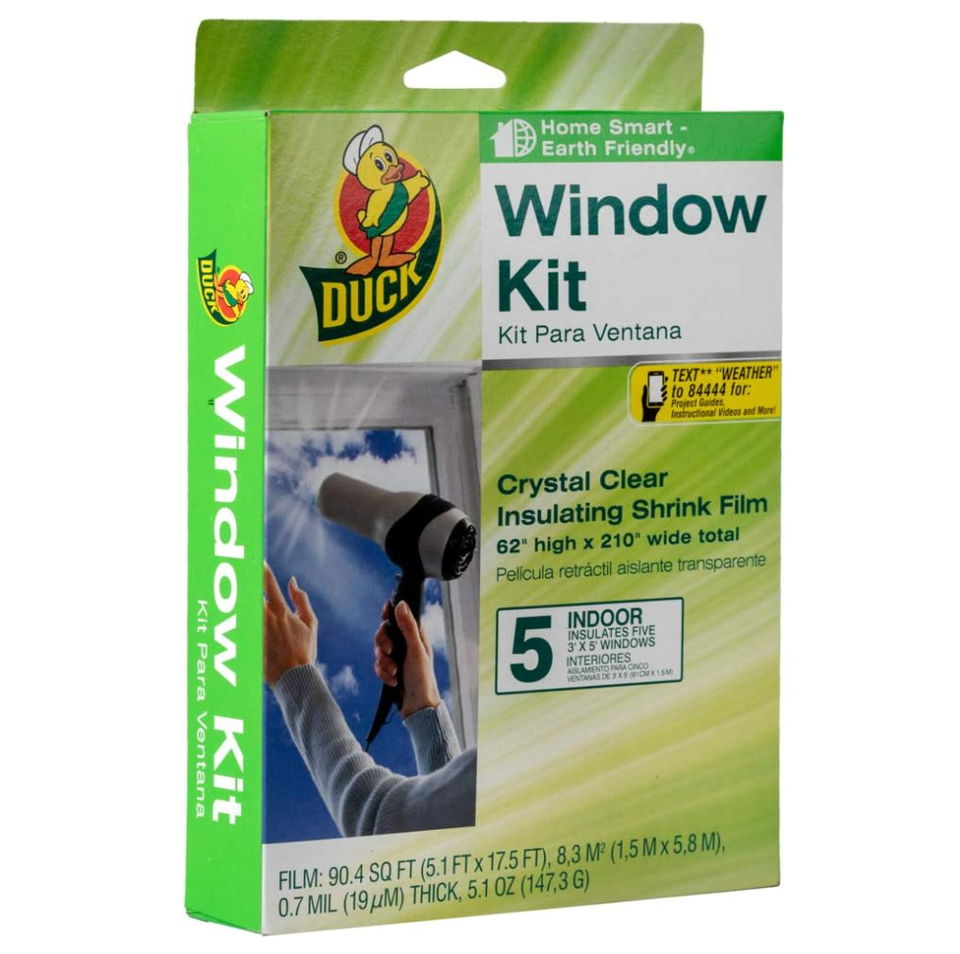
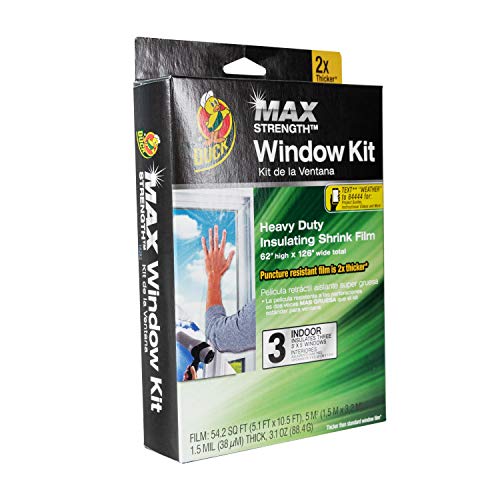
High energy bills can also suggest the need for a vapor barrier. Poor moisture control can negatively impact the efficiency of a home's HVAC system, leading to increased energy consumption. A vapor barrier enhances a home's energy performance certificate (EPC) rating, making heating more efficient and potentially boosting the property's value. Insulating windows with film can further reduce energy loss and prevent mold, complementing the vapor barrier's effects.
Finally, living in a humid climate makes a vapor barrier almost indispensable. Lipman warns that neglecting this installation in such regions can be an expensive mistake. Vapor barriers help maintain consistent moisture levels under the house or within walls, protecting insulation from saturation and preserving its effectiveness. This leads to lower energy bills and reduced wear on heating and cooling systems. While dehumidifiers offer some assistance, a vapor barrier provides a more comprehensive and permanent solution to combat persistent moisture.
The cost of installing vapor barriers typically ranges from $0.50 to $2.00 per square foot, depending on the material. Experts consider this a worthwhile investment, as it prevents costly repairs from water intrusion and adds resale value to the home by mitigating moisture damage and improving indoor air quality, ultimately making the living environment healthier and more comfortable for current and future occupants.
#VaporBarrier #HomeMaintenance #MoistureControl #EnergyEfficiency #MoldPrevention #HomeRenovation #HumidClimate #PropertyValue #VaporBarrier #HomeMaintenance #MoistureControl #EnergyEfficiency #MoldPrevention #HomeRenovation #HumidClimate #PropertyValue
0 comment in total
 No comments yet
You may also like
Is Your Home Ready for Another Cleveland Winter? How to Winterize in Northeast Ohio

It's Time to Prepare Your Home for Winter With These 10 Quick, Easy Ways

Winter Deep-Clean: 5 Things Pros Never Forget in December

HVAC Pros Say This One Fall Task Can Make Your Home Feel So Much Warmer (and It's So Easy!)

The 8 Must-Have Products to Winterize Your Home


How to draft proof your kitchen, cook in comfort and reduce your energy bills
Prep for Winter Weather with These 8 Window Insulation Kits


The 4 areas of your home pros say to always insulate to keep it toasty in colder weather – plus, where to never insulate
10 Expert-Recommended Products For Keeping Drafts Out

6 Expert-Backed Ways to Keep Cold Air—and High Energy Bills—Out of Your House This Winter


Should you leave an attic open during a freeze? HVAC technicians weigh in

6 types of attic insulation and how to pick one for your home
Homeowner shares crucial tip to avoid costly repairs this winter: 'I need these reminders'

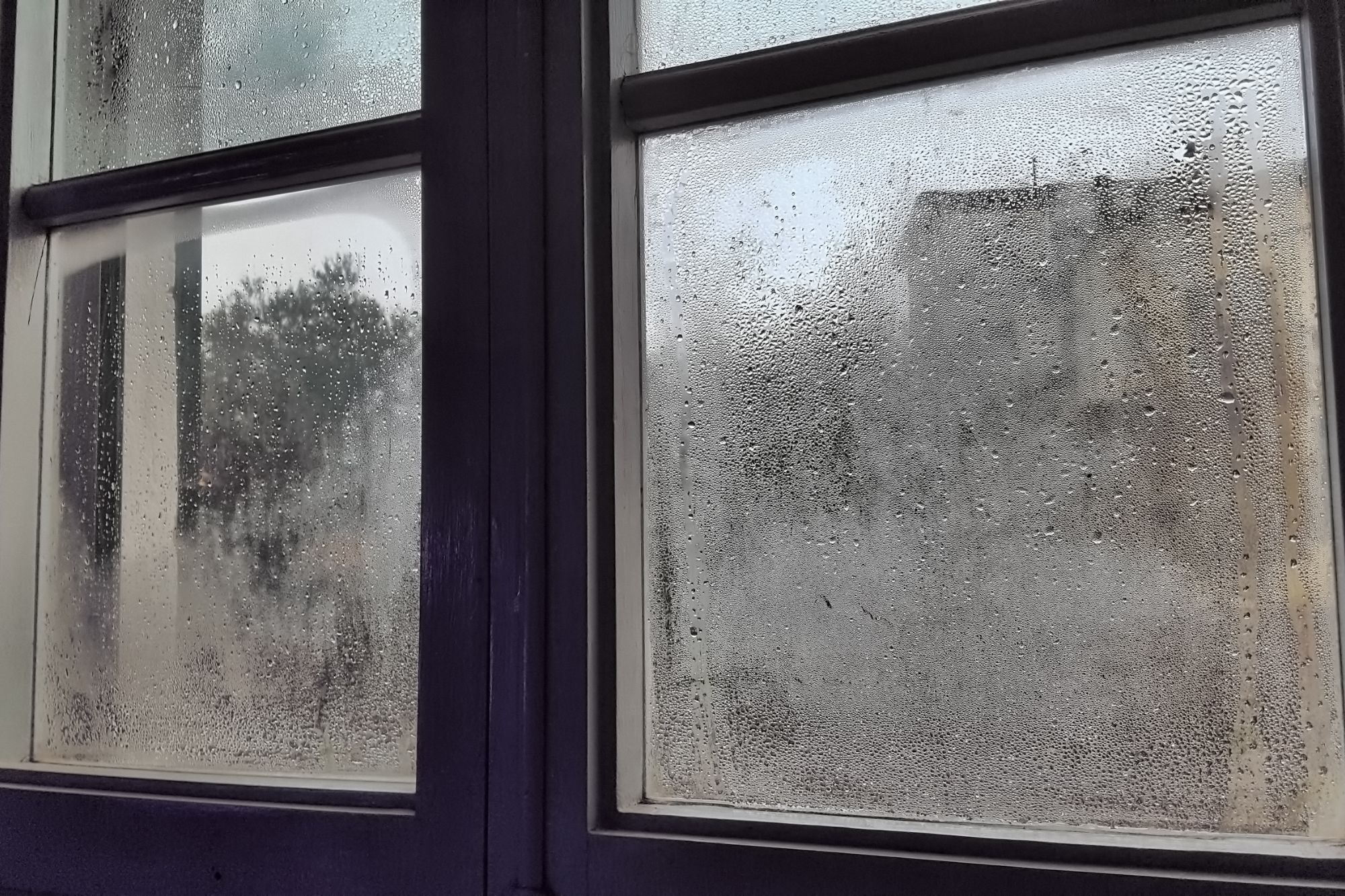
Eight top tips to banish condensation this winter - starting with sleeping with your curtains open


7 Sneaky Ways Drafts Hide in Your Home – And How to Fix Them So Holiday Guests Feel Cozy and Welcome

From Burning to Fading Your Upholstery — Here Are 4 Ways Your Winter Heating Is Damaging Your Sofa


How to Winterize Your House And Save Yourself Thousands in Repairs Later

This home heating habit could be ruining your sofa

6 areas of your home you should never insulate – and why it's a hazard that can do more harm than good
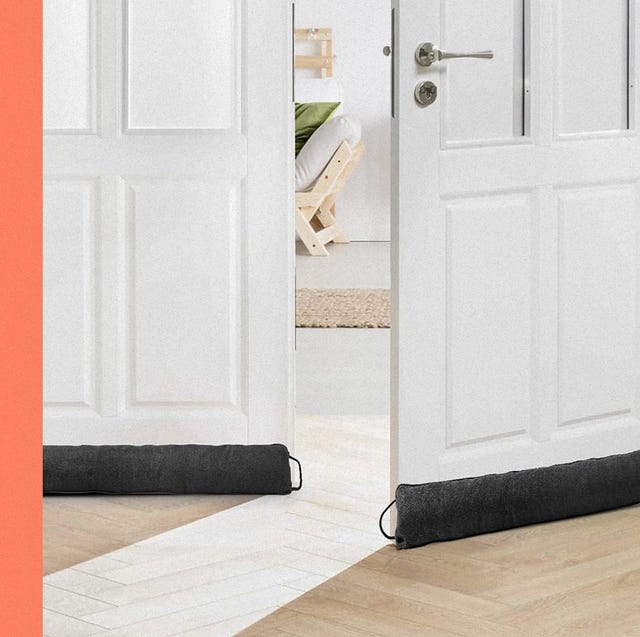
The 8 Best Door Draft Stoppers for Winter-Proofing Your Home