10 Household Items You Didn't Know You Could Clean with Fabric Softener
Fabric softener, traditionally used to soften clothes, add fragrance, and reduce static cling in the laundry room, possesses unexpected cleaning properties that extend its utility throughout the home. Its effectiveness as a cleaning agent stems from several key ingredients: fragrances that impart a pleasant scent to various surfaces, anti-static components that not only remove existing dust but also prevent its future accumulation, and a mild cleansing agent capable of lifting residue and dissolving dirt. When diluted and used judiciously, it can also leave a polished sheen on certain surfaces.
One surprising application is cleaning walls and baseboards. A mixture of one part fabric softener to three parts warm water, applied with a damp sponge, effectively removes dust and debris. The anti-static properties of the fabric softener then work to repel new dust, extending the time between cleaning sessions. This method is particularly useful for areas prone to dust and hair buildup, though it's important to avoid using it on walls with significant scuff marks or stains that require more aggressive cleaning.
Fabric softener can also be cautiously used on certain types of flooring. A single capful added to a bucket of water can be used to mop tile, laminate, and hardwood floors, providing a glossy finish and helping to deter dirt and dust. However, excessive use can lead to visible residue and slippery surfaces, posing a safety hazard. Therefore, moderation is crucial to achieve desired results without adverse effects.
Glass shower doors, often plagued by soap scum, can benefit from fabric softener. Applying a small amount to a damp sponge and wiping in a circular motion helps break down and remove soap scum. Regular showering will rinse away any residue. It is important to note that fabric softener should not be used on other glass or mirrored surfaces, as it can leave them cloudy. Stainless steel appliances, notorious for smudges and fingerprints, can also be cleaned with fabric softener. A small amount buffed onto the surface with a soft cloth, following the grain, effectively removes fingerprints and imparts a subtle sheen, although it will not remove scratches.
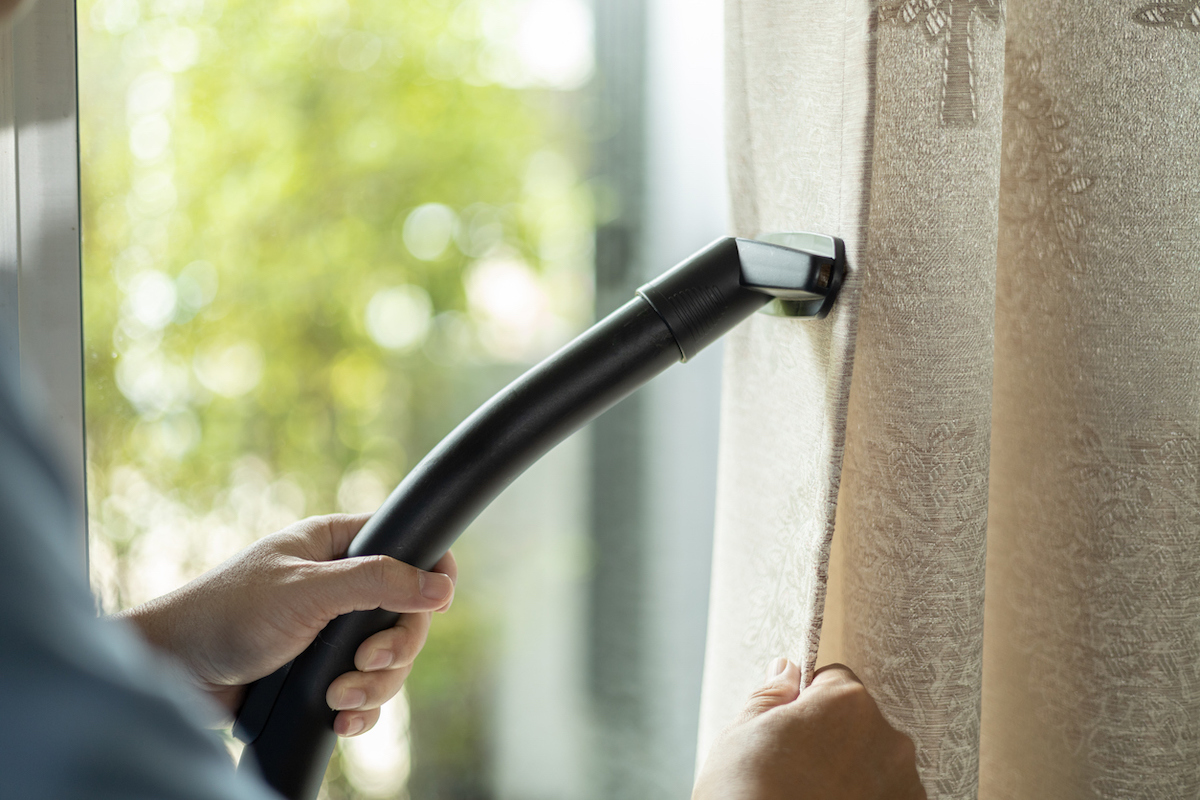
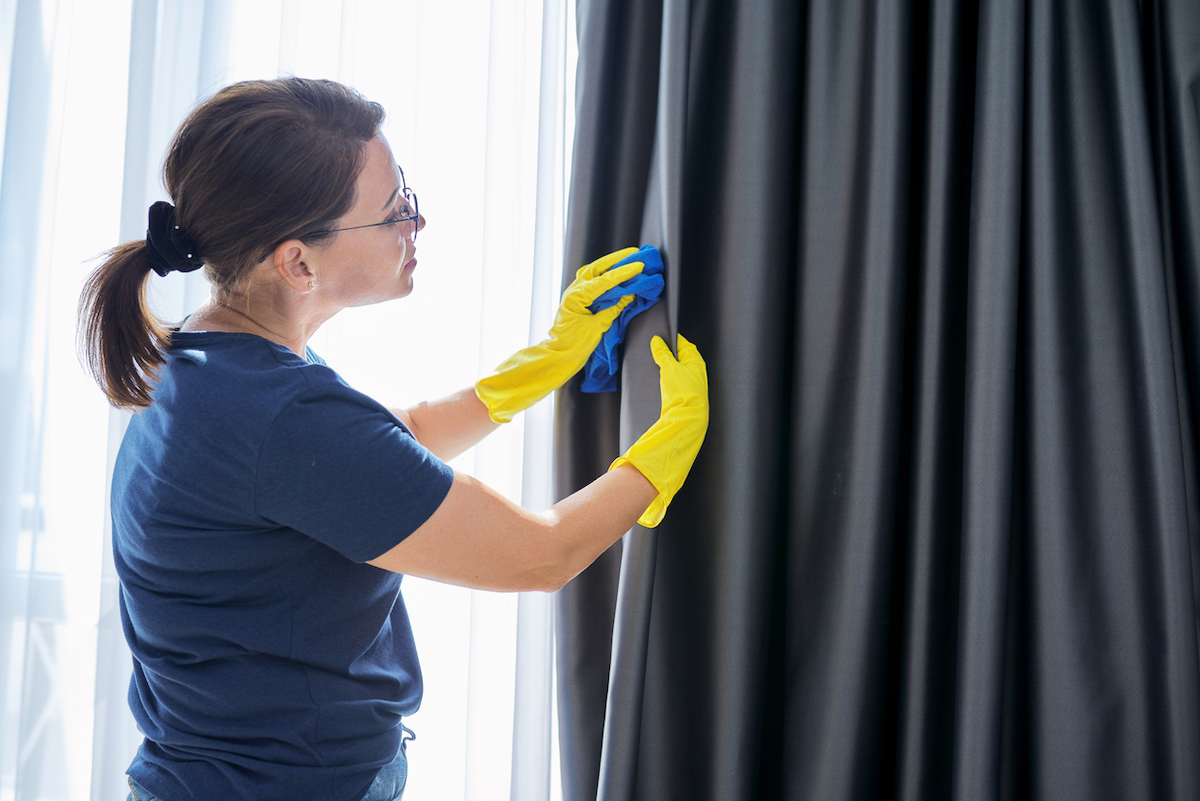
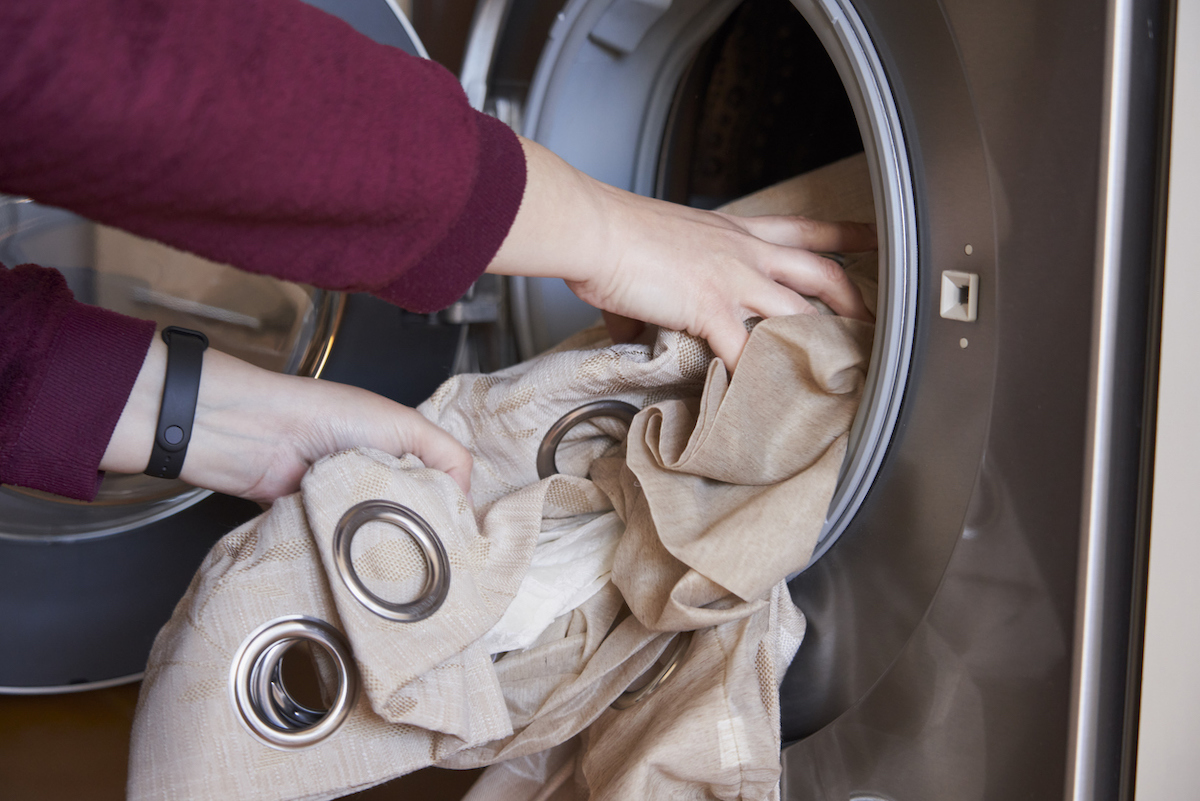
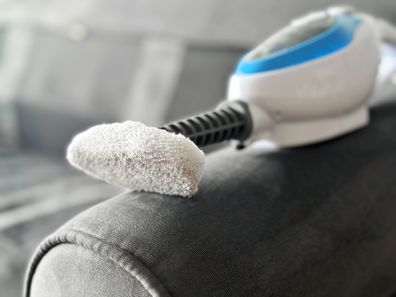
For household fabrics such as upholstered furniture, curtains, mattresses, pillows, and carpets, a diluted solution of one part fabric softener to two parts water can be sprayed to minimize static and odors, leaving a pleasant scent once dry. This provides a quick refresh between deeper cleanings. The interior of a car, including leather and vinyl surfaces, dashboard, console, and cup holders, can also be cleaned with a diluted fabric softener solution applied with a soft cloth. This helps condition materials, repel dust, and leave a clean scent. Finally, electronics like computer, phone, tablet, and TV screens can be gently wiped with a diluted solution to reduce static electricity and repel dust, and artificial plants can be revitalized by spritzing them with a diluted fabric softener mixture to remove dirt and dust from faux leaves and petals.
However, there are specific items and surfaces where fabric softener should be avoided. Mirrors and general glass surfaces, unlike shower doors, are prone to streaking and cloudiness. Wood furniture should also not be cleaned with fabric softener, as it can lead to a waxy buildup over time. Crucially, fabric softener should never be used on kitchen items, dishes, countertops, or any food preparation surfaces due to the potential for chemical residue ingestion, which can be dangerous.
#FabricSoftener #HouseholdCleaning #CleaningHacks #HomeMaintenance #DIYCleaning #LaundryTips #DustRepellent #SurfaceCleaning #FabricSoftener #HouseholdCleaning #CleaningHacks #HomeMaintenance #DIYCleaning #LaundryTips #DustRepellent #SurfaceCleaning
0 comment in total
 No comments yet
You may also like
Best Cleaning Advice & Tips

15 Random-But-Useful Home Items That Will Make Spring Cleaning Less Painful
The 22 Best Cleaning Products for Your Home That Basically Do the Work for You

18 Wirecutter-Approved Cleaning Supplies to Tackle Almost Any Mess

9 surprising things you can clean brilliantly with Dawn Powerwash – including garden tools, barbecues, shoes and more

10 Kitchen Organization Products You Didn't Know You Needed

14 Ways to Make Your Laundry Smell Better

From a quirky TikTok hack and a $99 sell-out Kmart buy, here are five ways to clean your sofa

This Is the Right Way to Wash Your Curtains, According to Experts


The Right Way to Clean Every Type of Couch, From Fabric to Leather

Hate cleaning? These 11 workhorse products will save you time and simplify everyday chores

I use a laundry item to clean my fan - it works so much better than a cloth, and the coating repels dust for weeks

How Long Should You Really Leave Laundry in the Washer? The Answer Might Gross You Out
This Genius Organizer From Amazon Will Make Sure You NEVER Lose Socks Again

13 Makita Home Improvement Products You Didn't Realize Existed

How to Clean Lampshades in Less Than 10 Minutes

Yes, You Can Dry-Clean at Home: And These 5 Furnishings and Decor Pieces Need TLC
7 unexpected things you can clean in the dishwasher to easily refresh the hardest-working micro-elements of your home
How to wash towels that smell – expert tips to banish damp and musty odours for good
6 Things You Should Never Clean With All-Purpose Cleaner