1/7
Scholten & Baijings design fabric with nine-metre pattern repeat
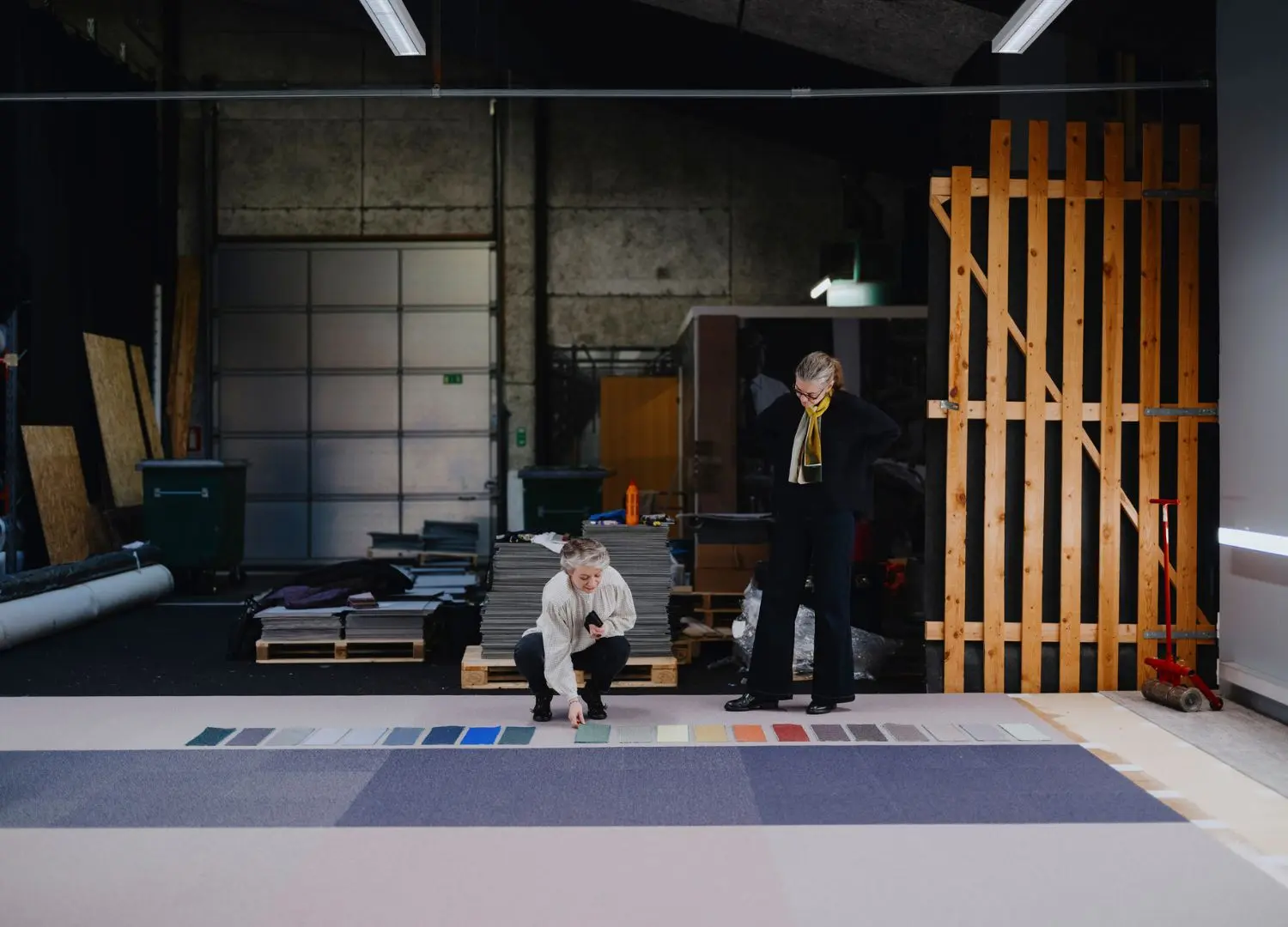
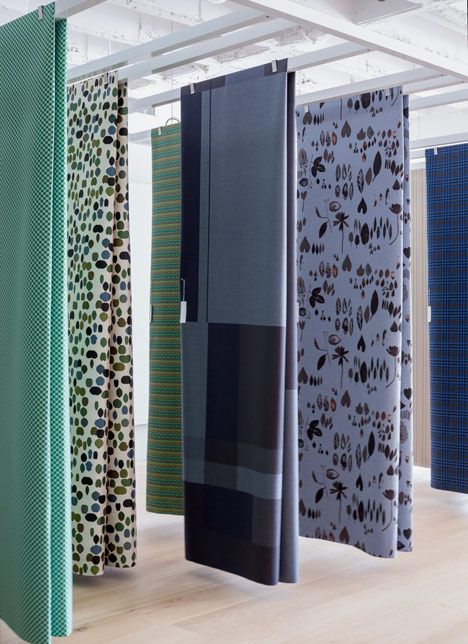
The Dutch design studio Scholten & Baijings has collaborated with New York textiles brand Maharam to create a unique collection of interior fabrics, distinguished by a large-scale pattern repeat designed to upholster an entire sofa without visual repetition. This innovative approach addresses a common challenge in textile design for large furniture pieces, where patterns often repeat noticeably. The first two designs in this series are named Blocks and Grid, and they are part of an ongoing partnership between Scholten & Baijings and Maharam Design Studio.
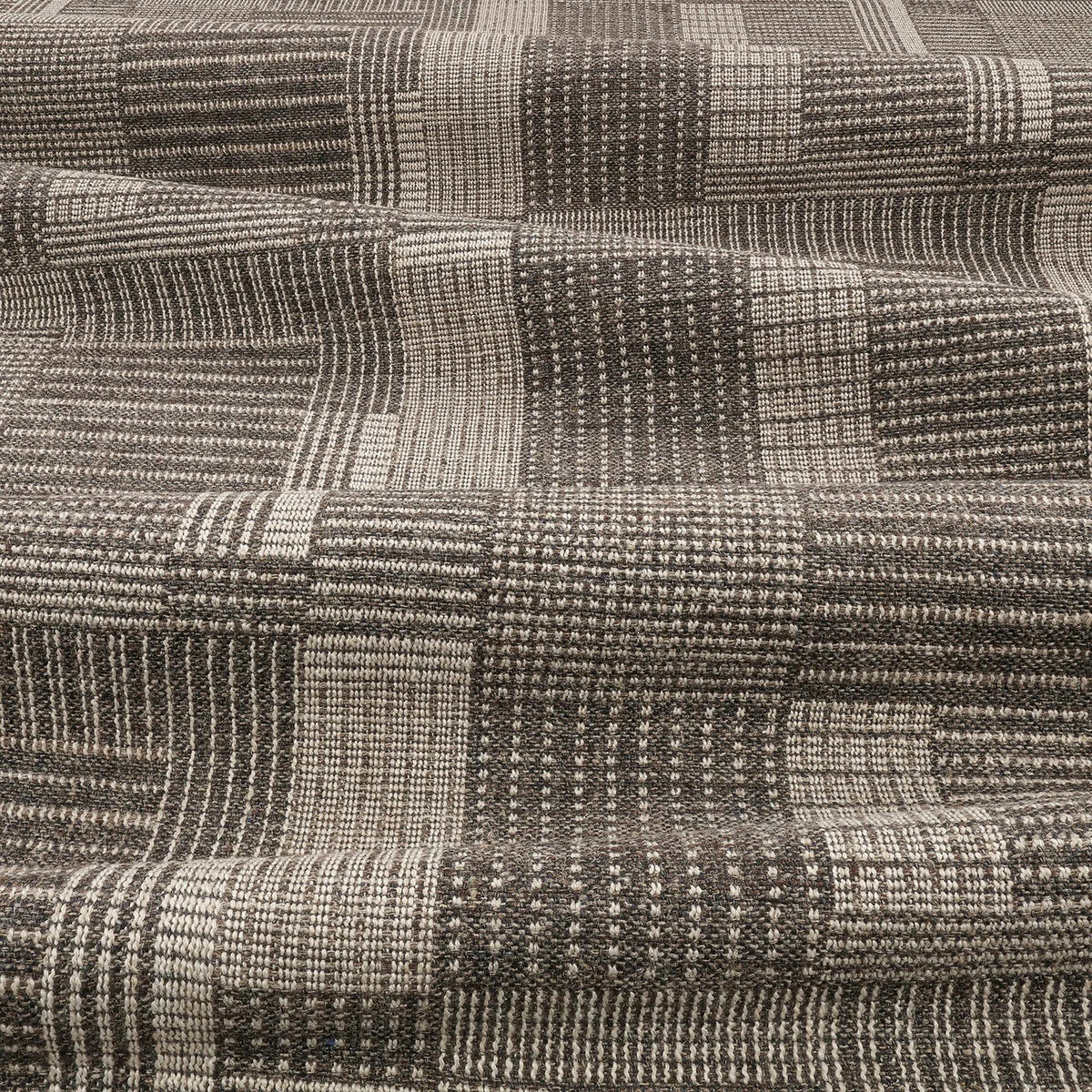
The genesis of this project involved a detailed exploration into modern color blocking by Stefan Scholten and Carole Baijings. Their research led them to conceptualize and develop two extensive compositions, specifically scaled to accommodate the typical amount of fabric needed for a full sofa upholstery. Both Blocks and Grid textiles feature an impressive nine-meter pattern repeat, ensuring a seamless and non-repetitive aesthetic across large surfaces. Despite this extensive repeat, the fabrics maintain a standard width of 142 centimeters.
A key aspect of the design process was ensuring that the textiles would be equally compelling both as standalone patterns and when applied to furniture. Scholten emphasized the importance of a nine-meter piece of fabric being as visually engaging as a single meter, highlighting the careful consideration given to the overall composition. Baijings drew a parallel to Mondrian paintings, noting that while Mondrian's compositions are contained within the canvas, upholstery fabric design demands a different methodology to maintain interest across an expansive surface.
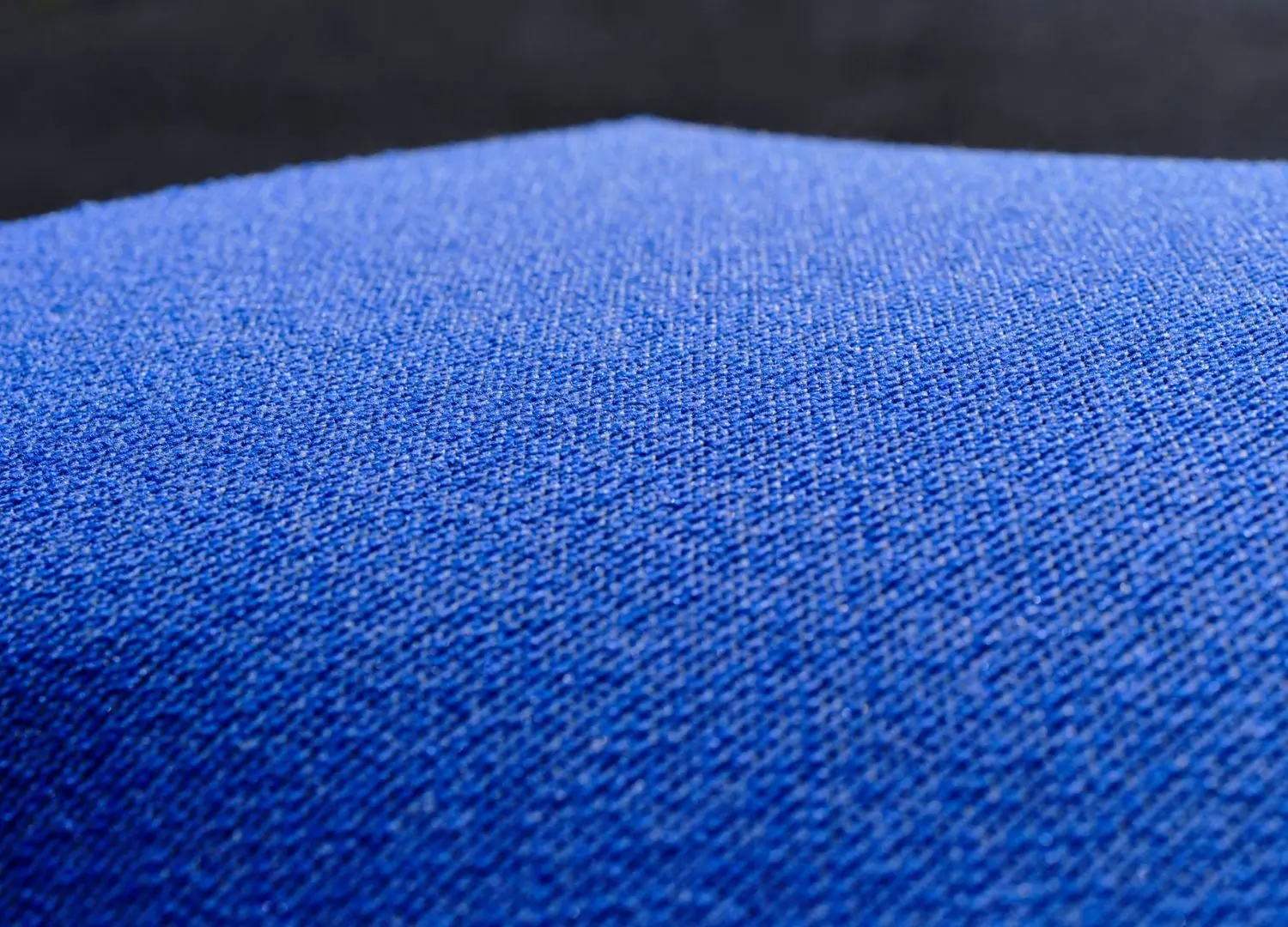
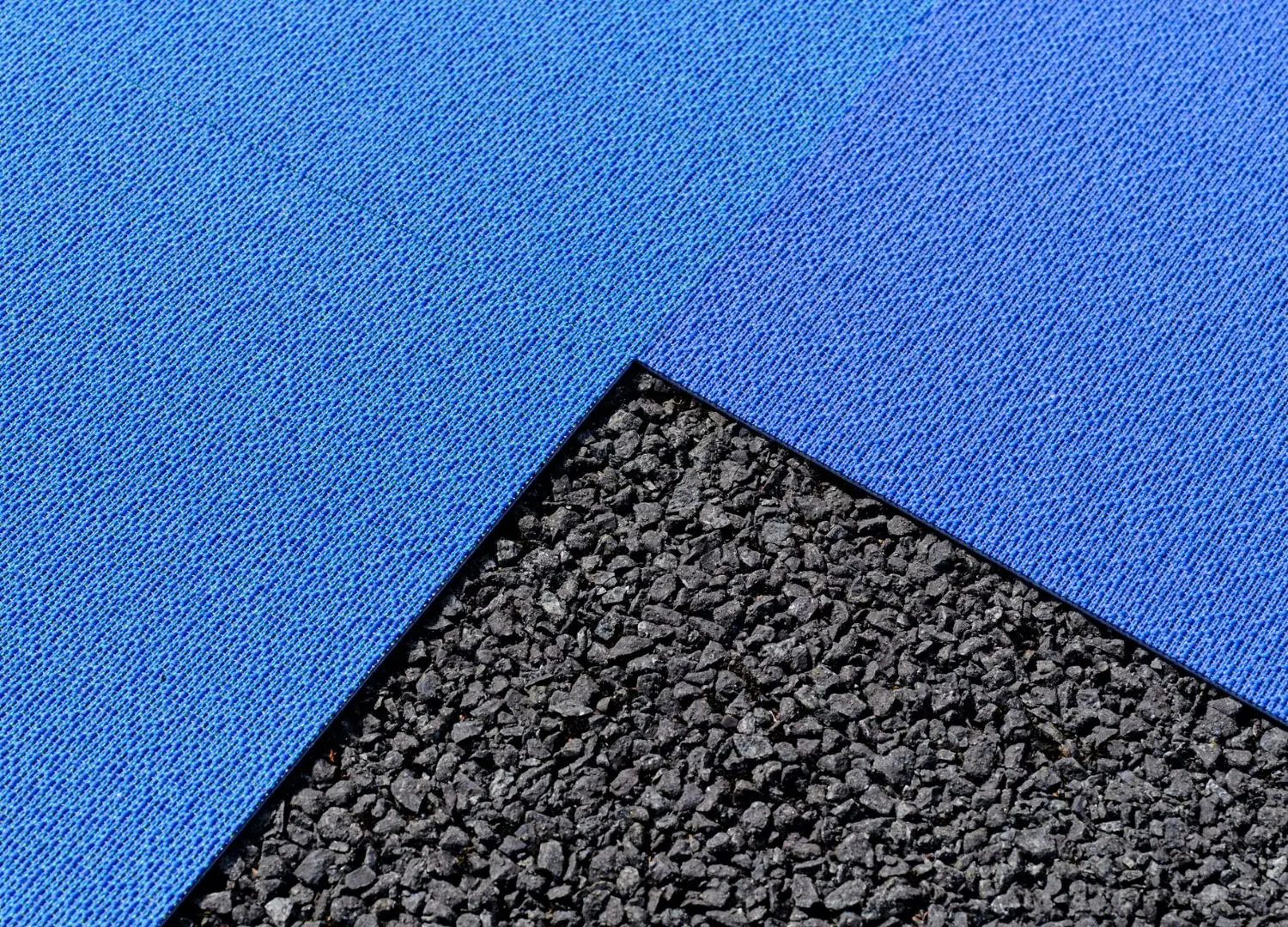
To overcome these design complexities, Scholten & Baijings employed their characteristic method of using multiple scale models during development. This allowed them to meticulously refine the patterns and test their visual impact at various scales. The textiles primarily consist of 92 percent wool and 8 percent nylon, and the design duo focused on how color perception translates when woven into wool. The fabrics are also designed to complement each other, allowing for cohesive integration within interior schemes.
Blocks showcases Scholten & Baijings' signature color juxtapositions, creating vibrant and dynamic visual effects. Grid, on the other hand, builds color densities through the interplay of parallel and perpendicular lines. Scholten explained that the density of the grid influences the perception of color, lending a lighter, more ethereal appearance compared to a solid monochromatic plane. This nuanced approach to color and pattern ensures depth and visual interest.
Blocks and Grid first premiered in "The Dinner Party," an installation at the V&A museum during the 2013 London Design Festival, and were also featured in the Art Institute of Chicago’s "3 in 1: Contemporary Explorations in Architecture and Design" exhibition. These designs are slated to appear in another exhibition of Scholten & Baijings' work at the Villa Noailles in Hyères, France, over the summer. Furthermore, both textiles have been acquired for the permanent collection of the Cooper-Hewitt National Design Museum, recognizing their significant contribution to textile design. A third textile, Tones, is anticipated to be unveiled at NeoCon 2014 and launched by Maharam in Spring 2015, further expanding this innovative collection.
#TextileDesign #FabricInnovation #ScholtenBaijings #Maharam #InteriorDesign #ColorBlocking #UpholsteryFabric #DesignCollaboration #WoolNylonBlend #TextileDesign #FabricInnovation #ScholtenBaijings #Maharam #InteriorDesign #ColorBlocking #UpholsteryFabric #DesignCollaboration #WoolNylonBlend
0 comment in total
 No comments yet
You may also like
8 Swoon-Worthy New Fabric Collections
The New Fabric Launches Worth Knowing About
Snøhetta and Ege Carpets’ radical approach to textile design

Sylvie Johnson Is the Textile Designer Top Architects Trust
8 modern medallion motifs for a dash of symmetry
Make Your Home a Work of Art with the Scalamandré x Met Collaboration

Brittany Ellis

6 splendid stippled patterns for a textural touch

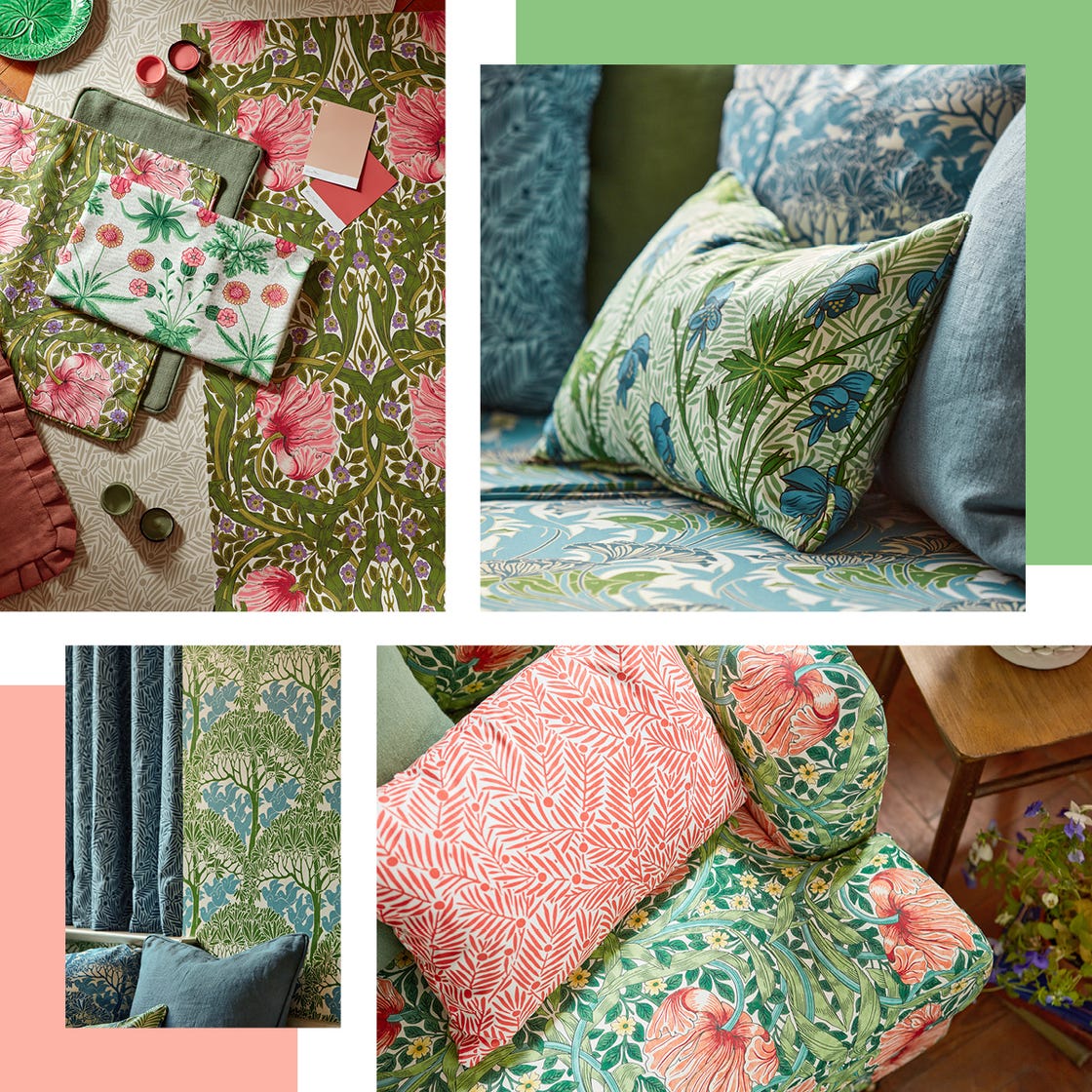
This Textile Line Pairs Timeless Patterns With Trippy Color Combinations

Kobe brings back the retro trend of colour blocking

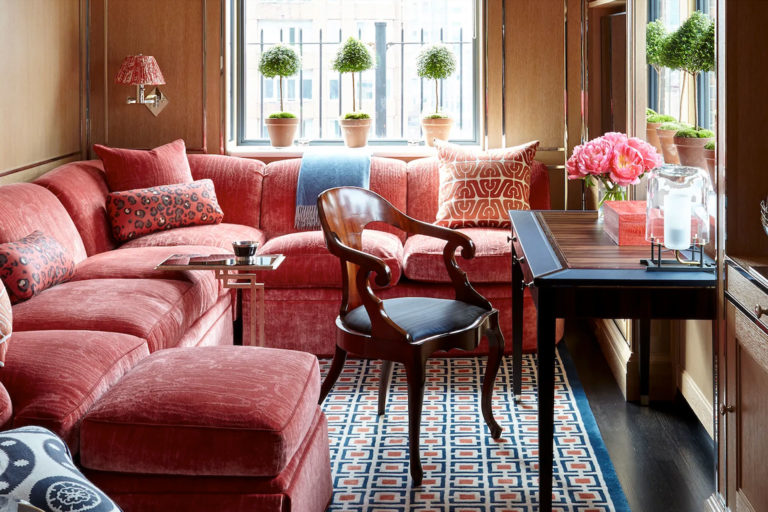
The Best British Textile Designers - Interiors 2023
Suzanne Tick: 2023 Interior Design Hall of Fame Inductee

The Best British Textile Designers

Meet Josniel Fiallo | President
This Textile Brand Is Blurring the Lines Between Runways and Interiors
The evolution of The Textile Company and its family-led legacy

scholten & baijings present a family of etched + printed glass gradient patterns for skyline design
Knowing the Ropes Explores the Textile Through a New Lens

Let’s Talk Pattern Design With Shadé Akanbi
Cape grad designs for high-end NYC firm