1/14
5 Italian-origin architectural styles for which we ought to be thankful
Italy has significantly influenced global architecture, contributing a diverse range of styles that have shaped modern cities and homes. These architectural movements extend beyond religious and political structures, impacting interior design, home furnishing, educational, and social institutions worldwide, particularly from the 18th century onwards. The country's rich history and design ethos have ensured that Italian style has permeated diverse cultures and residential spaces globally.
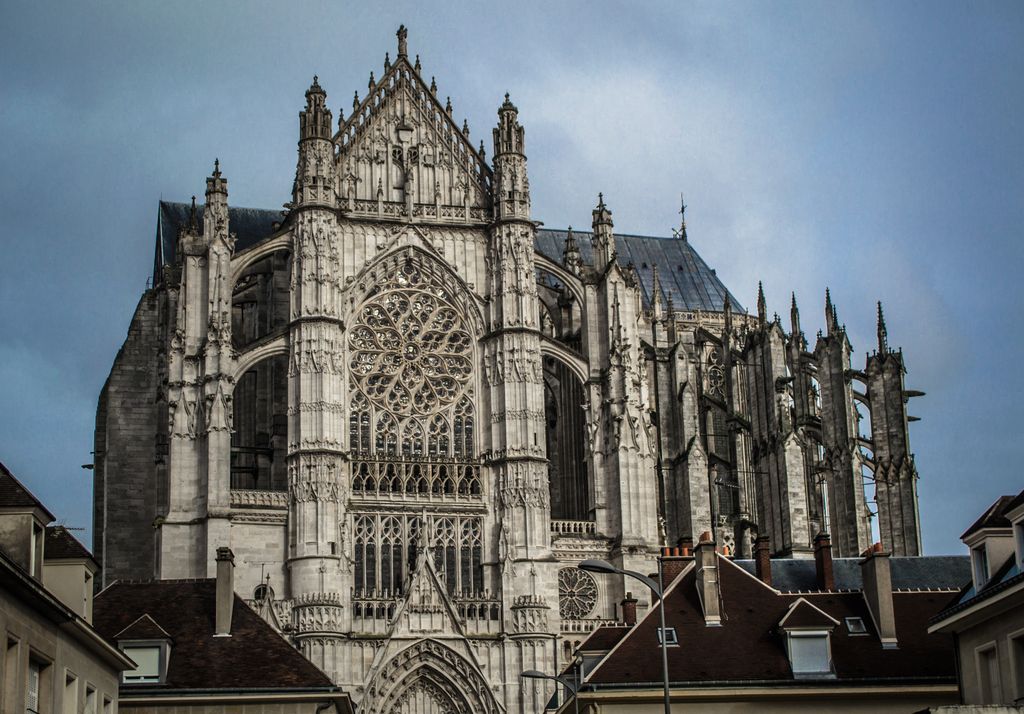
One foundational style is Gothic architecture, introduced to Italy in the 12th century by monastic orders. Characterized by religious motifs and intricate detailing, Gothic structures tell stories through their impressive craftsmanship. Key elements include large stained-glass windows, pointed arches, ribbed vaults, flying buttresses, and elaborate ornamentation. This style rapidly became prevalent in Italian churches and cathedrals, and its influence continues to inspire religious architecture globally. The Italian contribution to the Gothic movement elevated it from a potentially subdued style to a grand, widely recognized aesthetic, enriching urban landscapes with historical and literary connections.
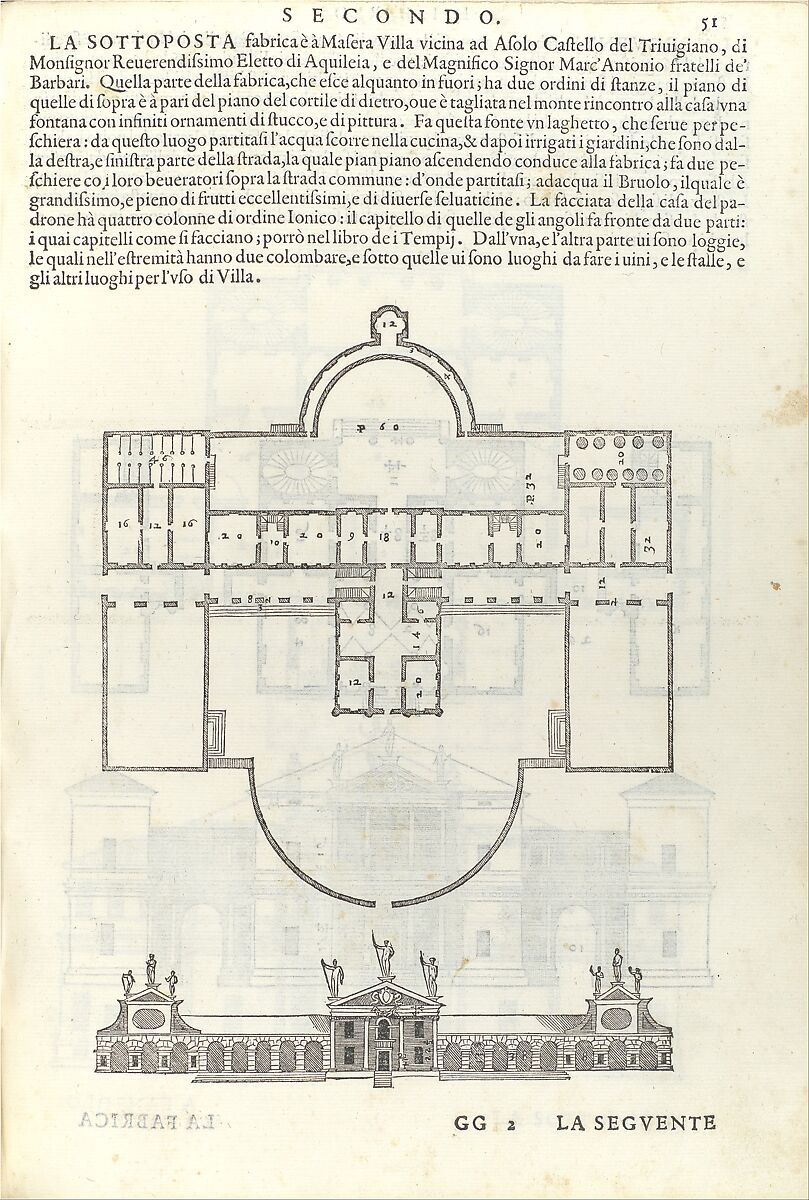
The Renaissance, emerging in the 15th century in northern Italy, marked a revolutionary period in art, philosophy, science, and architecture. This movement arose as a response to and challenge against the preceding Gothic style. Renaissance architecture reinterpreted classical orders, focusing on square building plans, Roman and Greek columns and pilasters, arcade arches, grand domes, coffered ceilings, tall windows paired with arches, and layered walls. These innovations ushered in novel styles that aimed to define a new future in architectural design.
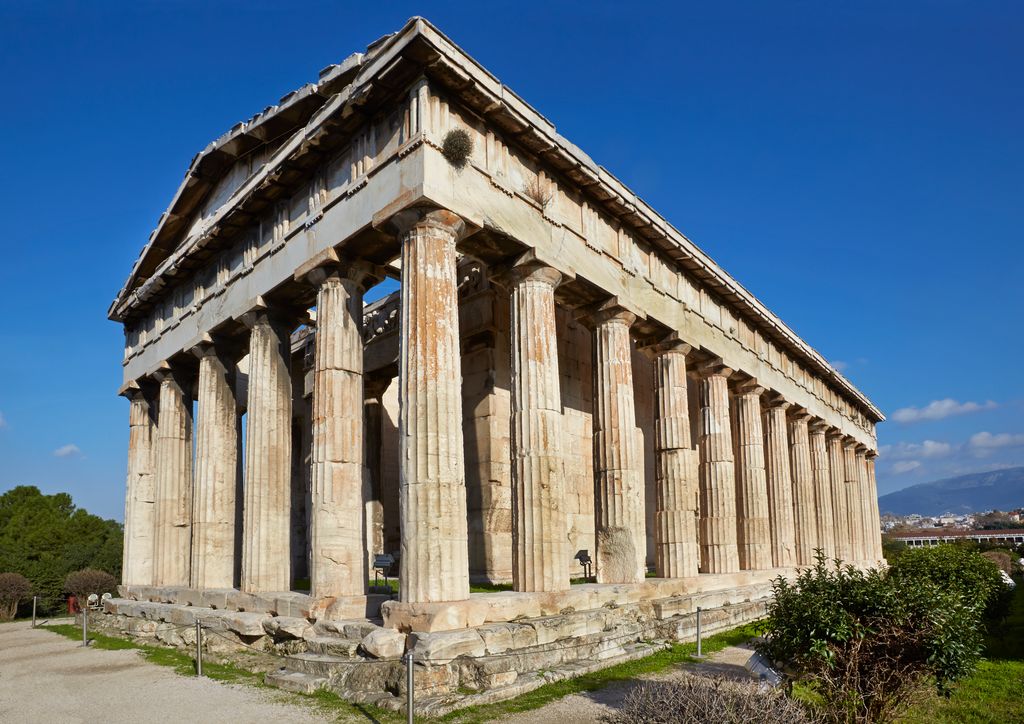
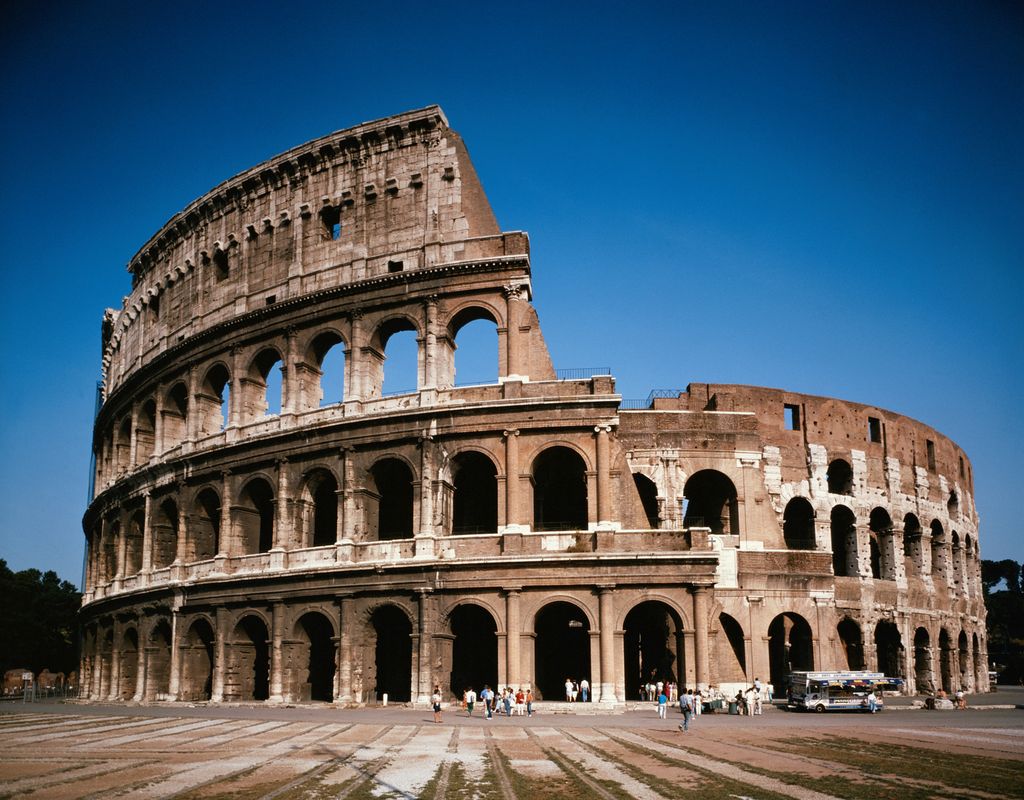
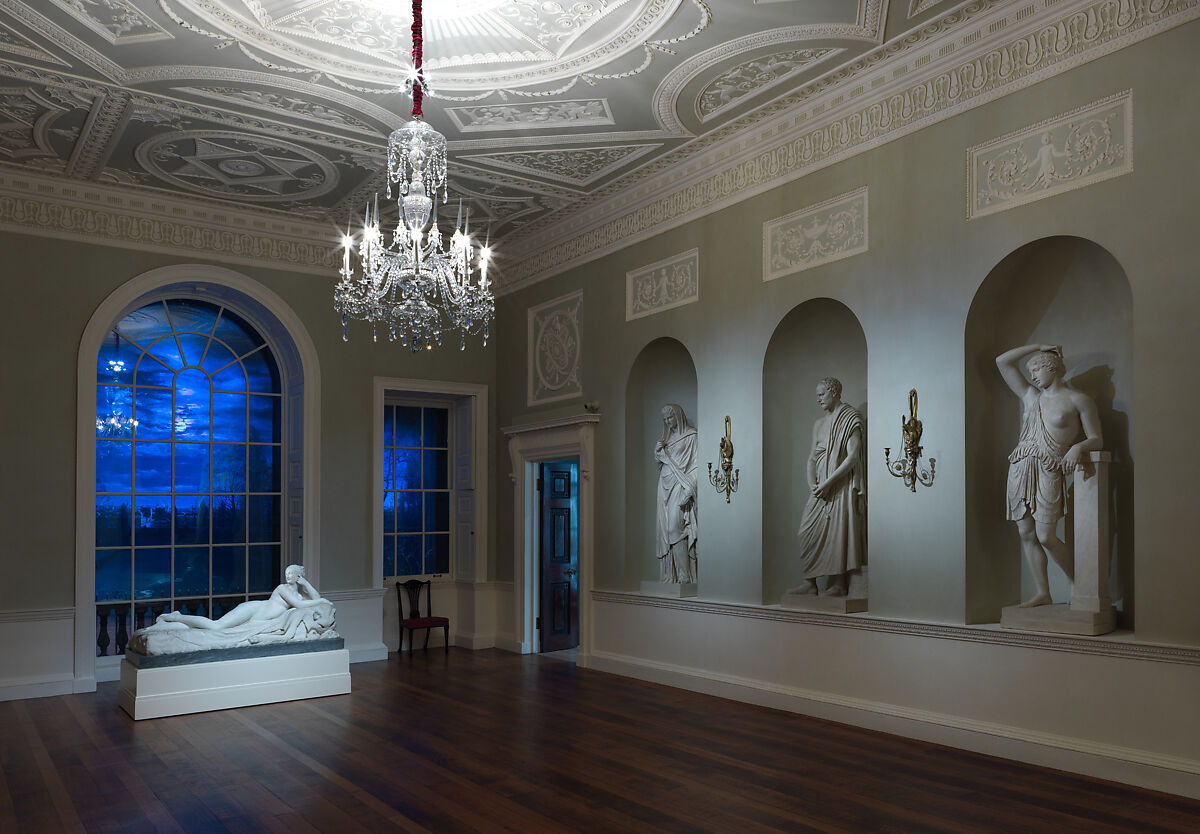
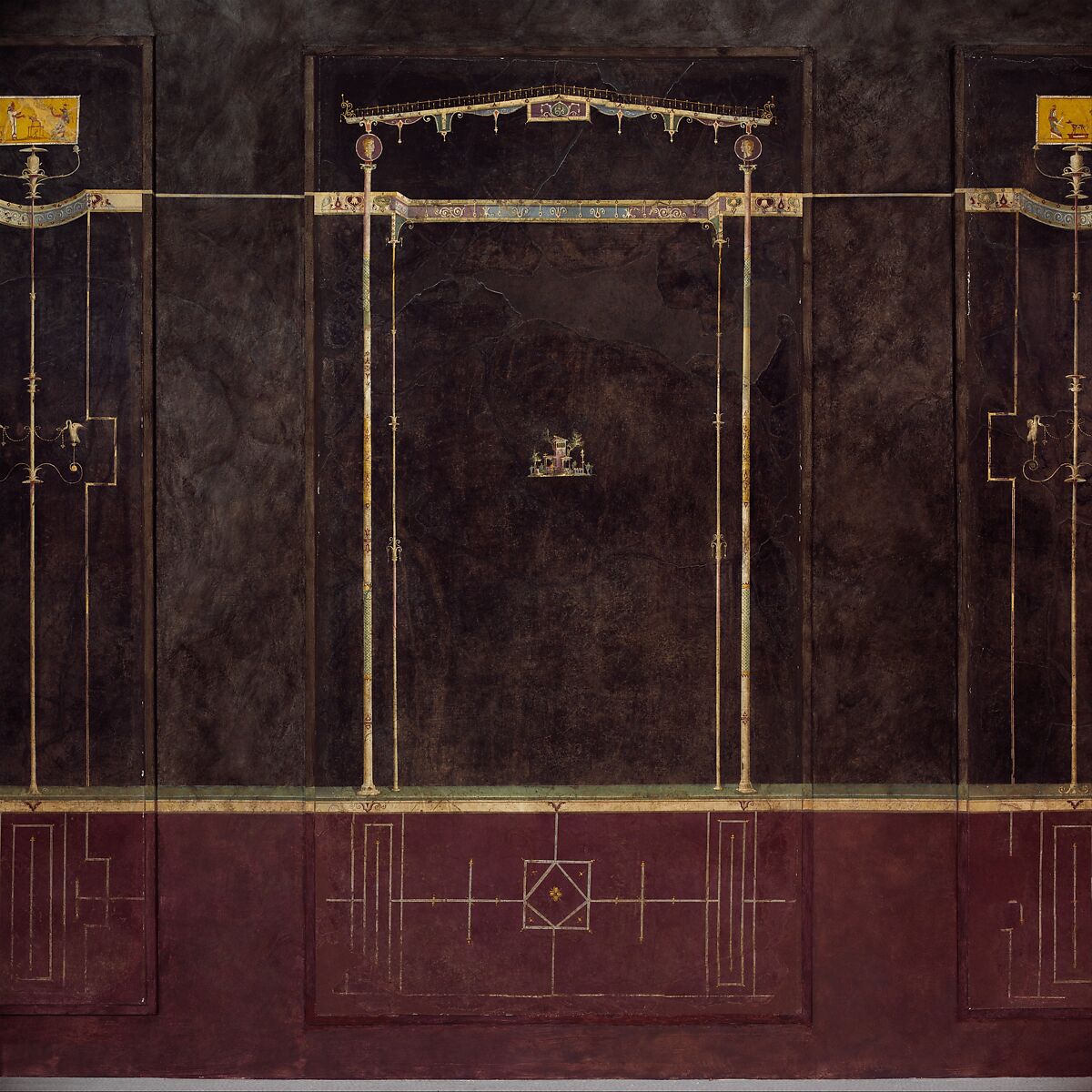
Neoclassical architecture, which gained prominence from the mid-18th century through the 19th century, drew inspiration from the Renaissance and Italy's classical heritage. This period saw a literal return to classical aesthetics, influenced by the turbulence of the era and discoveries like the excavations of Pompeii in 1748. Italian artists and architects sought to connect the contemporary with the historical, resulting in structures defined by a grandeur of scale, geometric simplicity, Greek (especially Doric) or Roman details, dramatic use of columns, and a preference for blank walls. Neoclassical buildings present a sleeker, simpler, and more polished appearance compared to earlier styles, serving as a hybrid between historical and modern design principles.
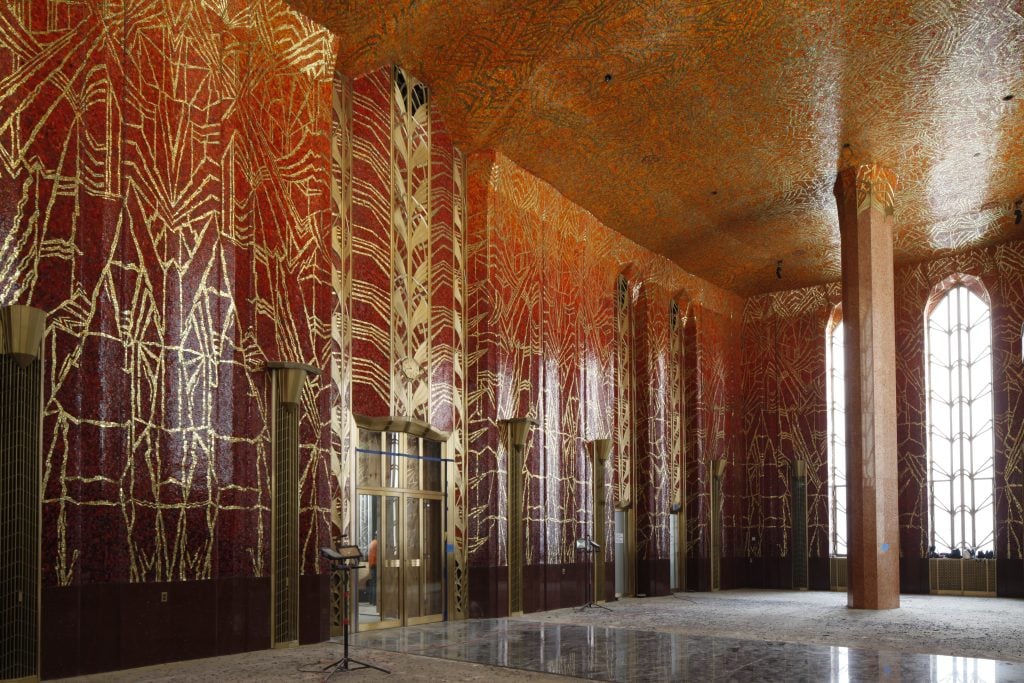
The Liberty style, Italy's variant of Art Nouveau, dominated Italian architecture in the first two decades of the 20th century, particularly flourishing in cities like Milan, Palermo, and Turin. This movement emphasized transforming everyday objects into individual works of art, influencing everything from furniture and textiles to interior decoration and architectural frameworks. Characterized by lavish ornamentation and vibrant colors, the Liberty style infused life with a sense of panache and sensual indulgence, drawing inspiration from the Baroque school of art. Many contemporary grand buildings and royal artifacts continue to reflect the artistic principles of Italy's Liberty movement.
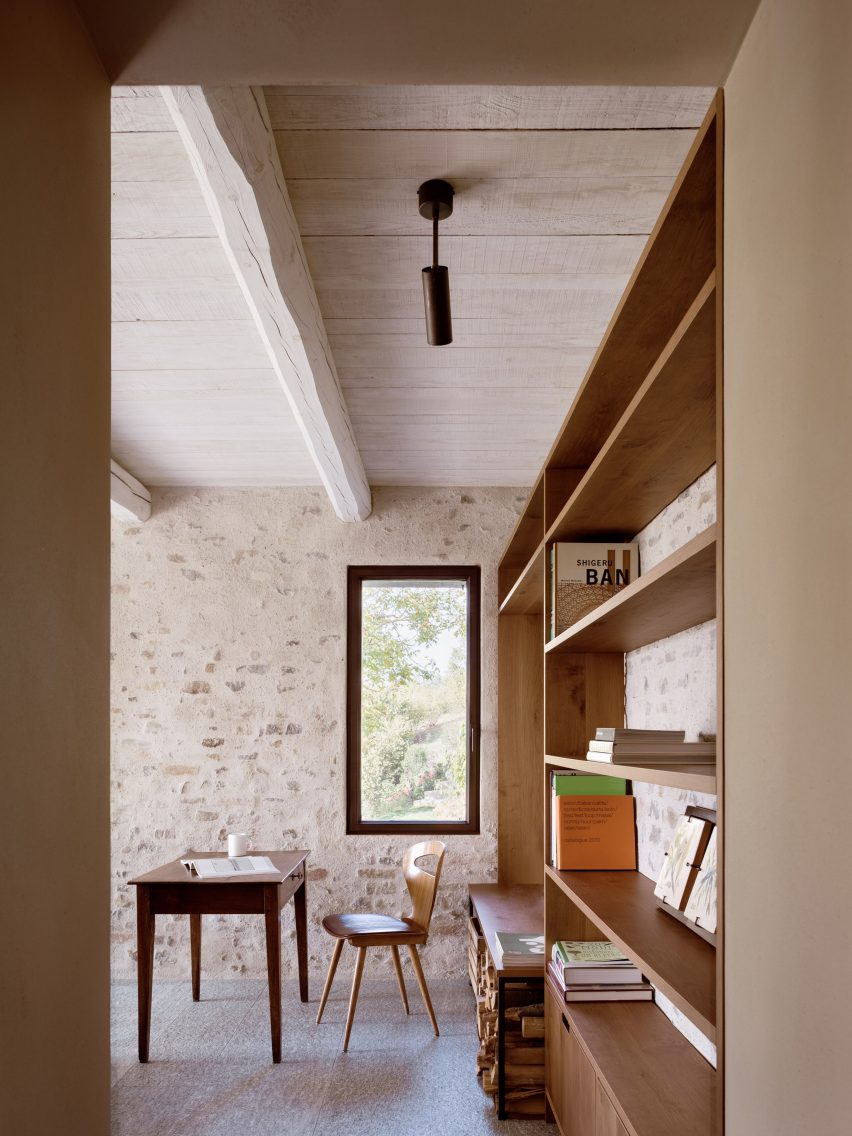
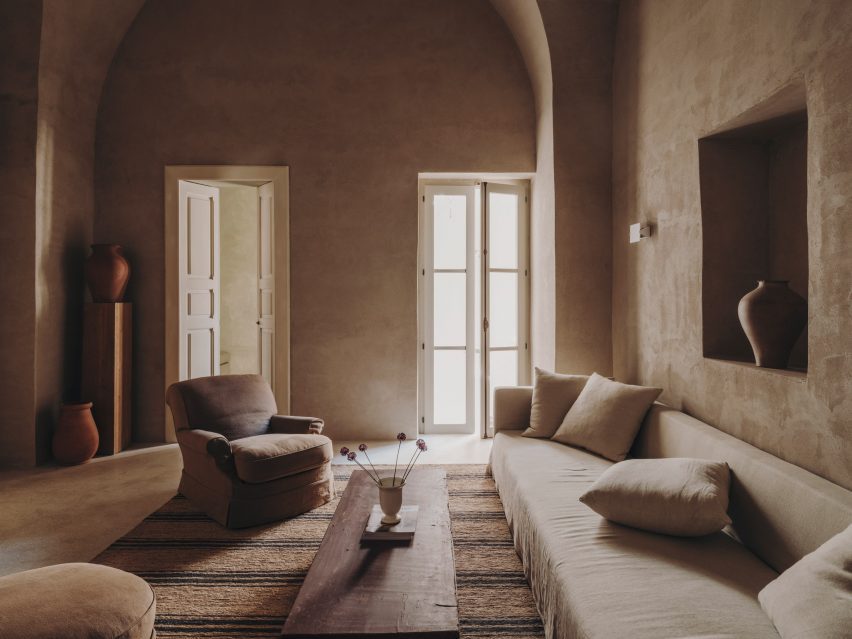
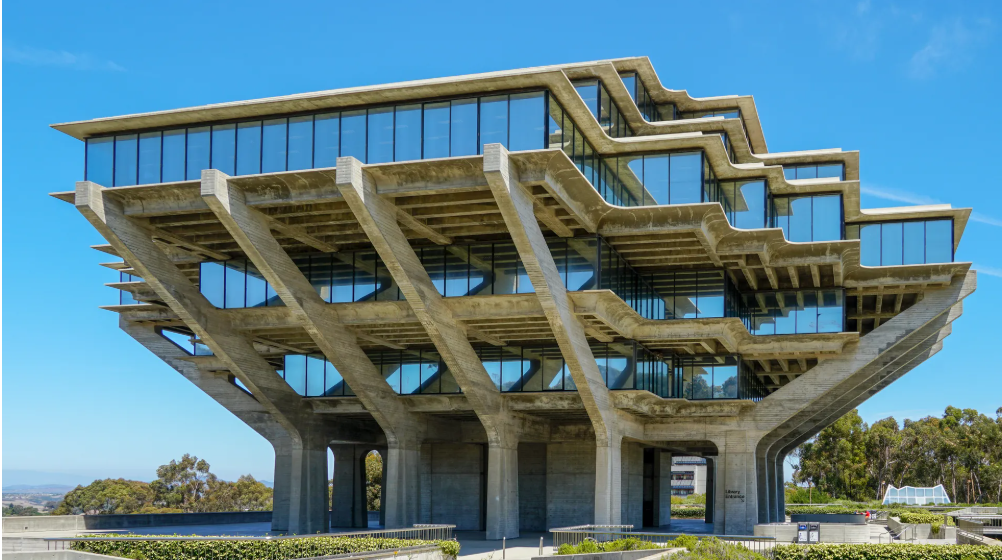
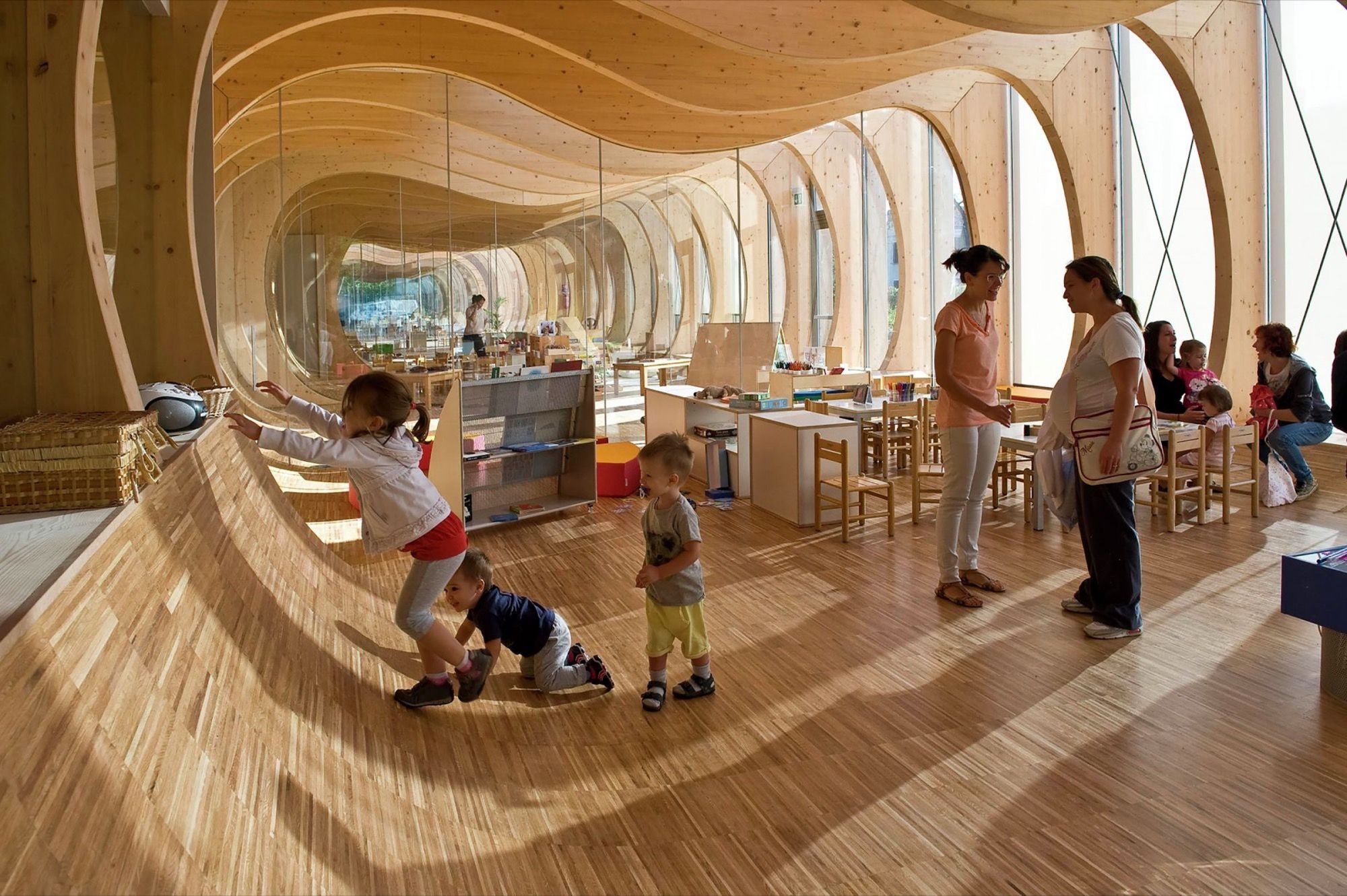
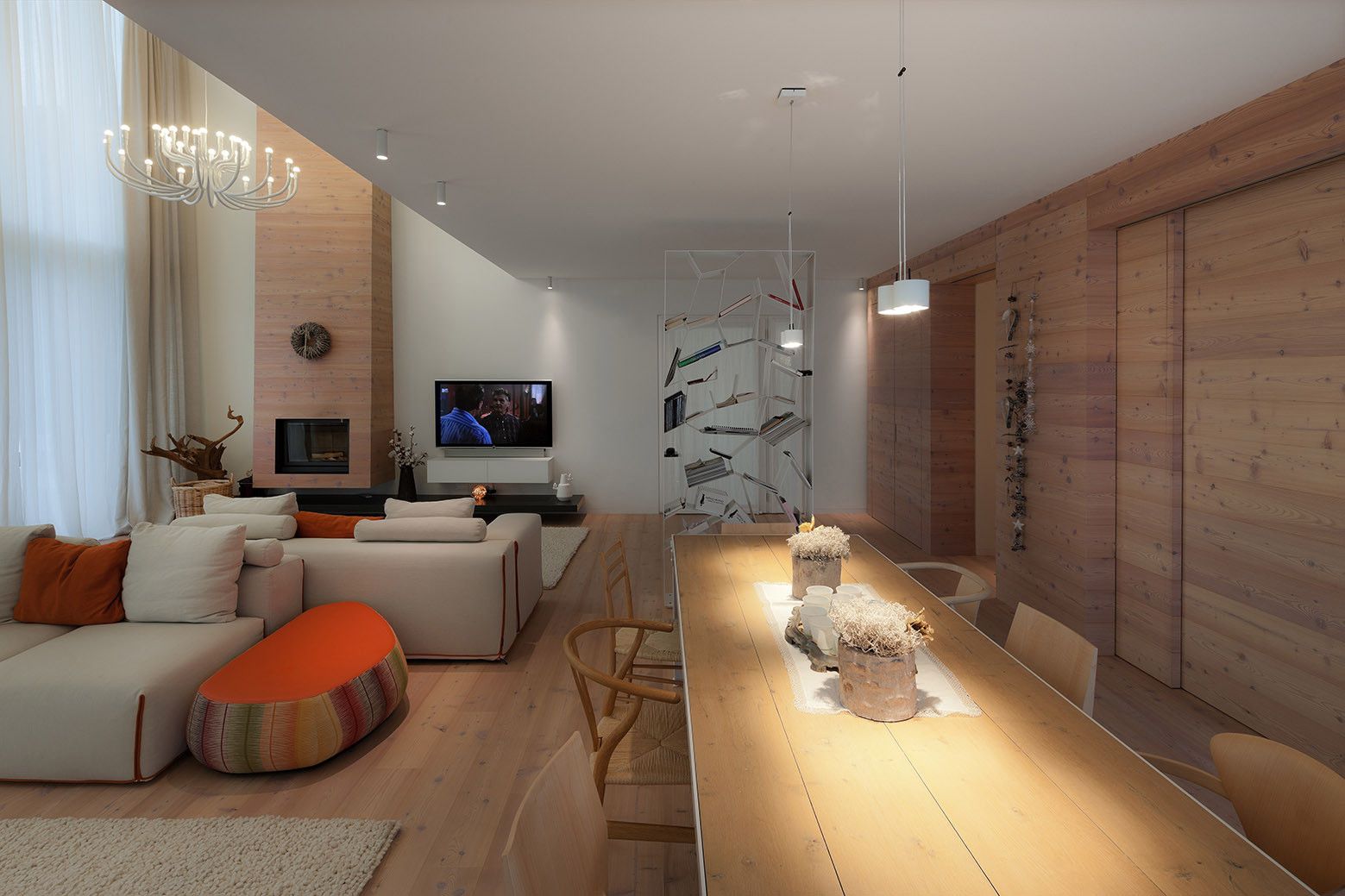
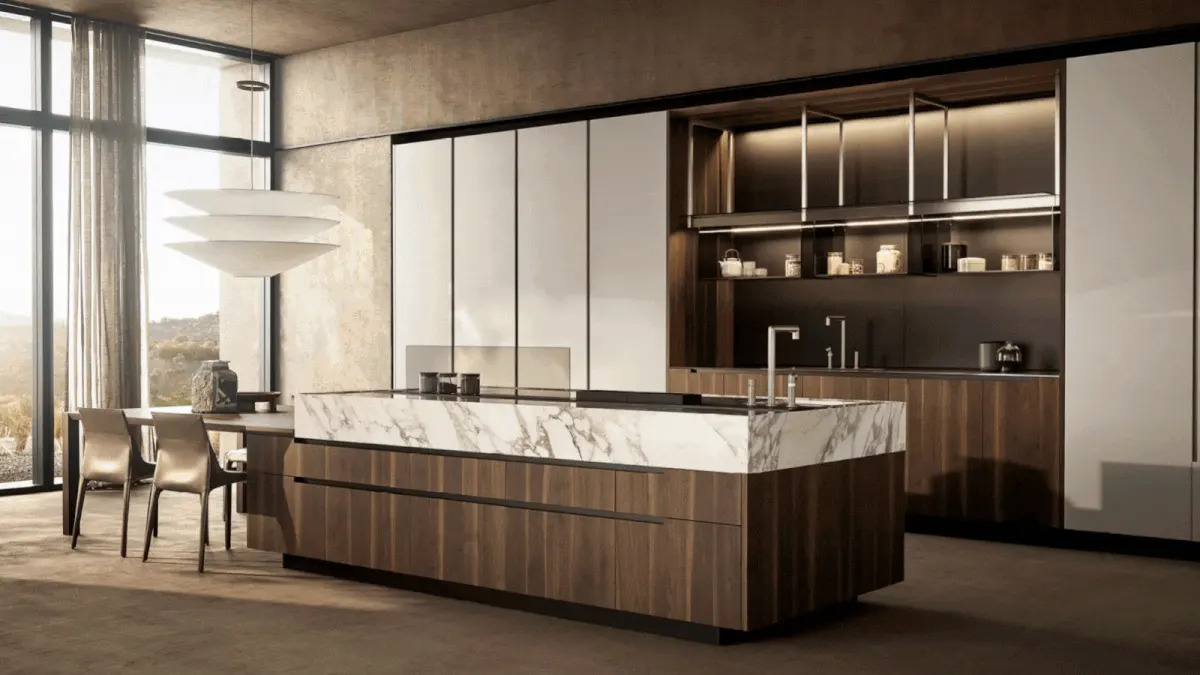
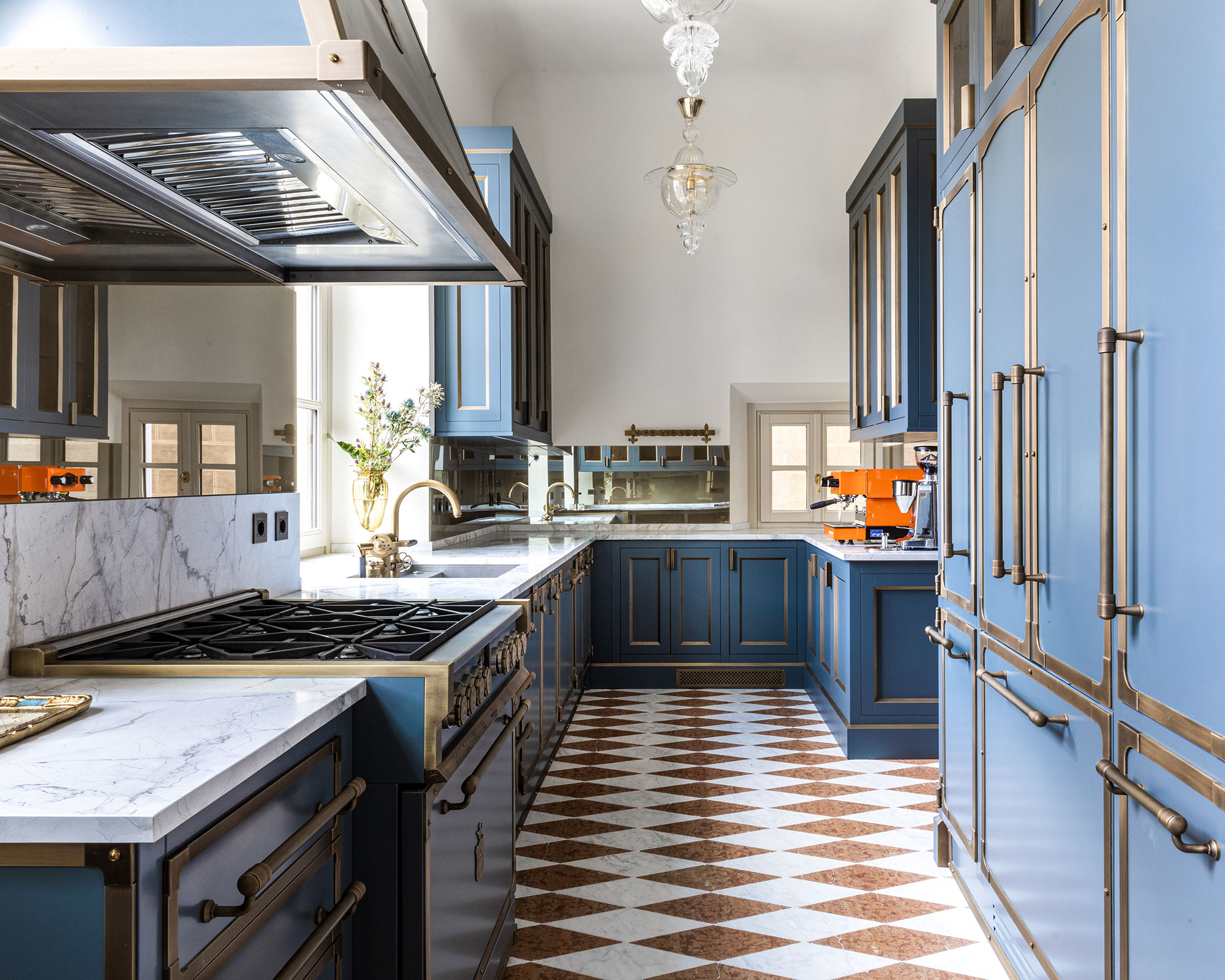
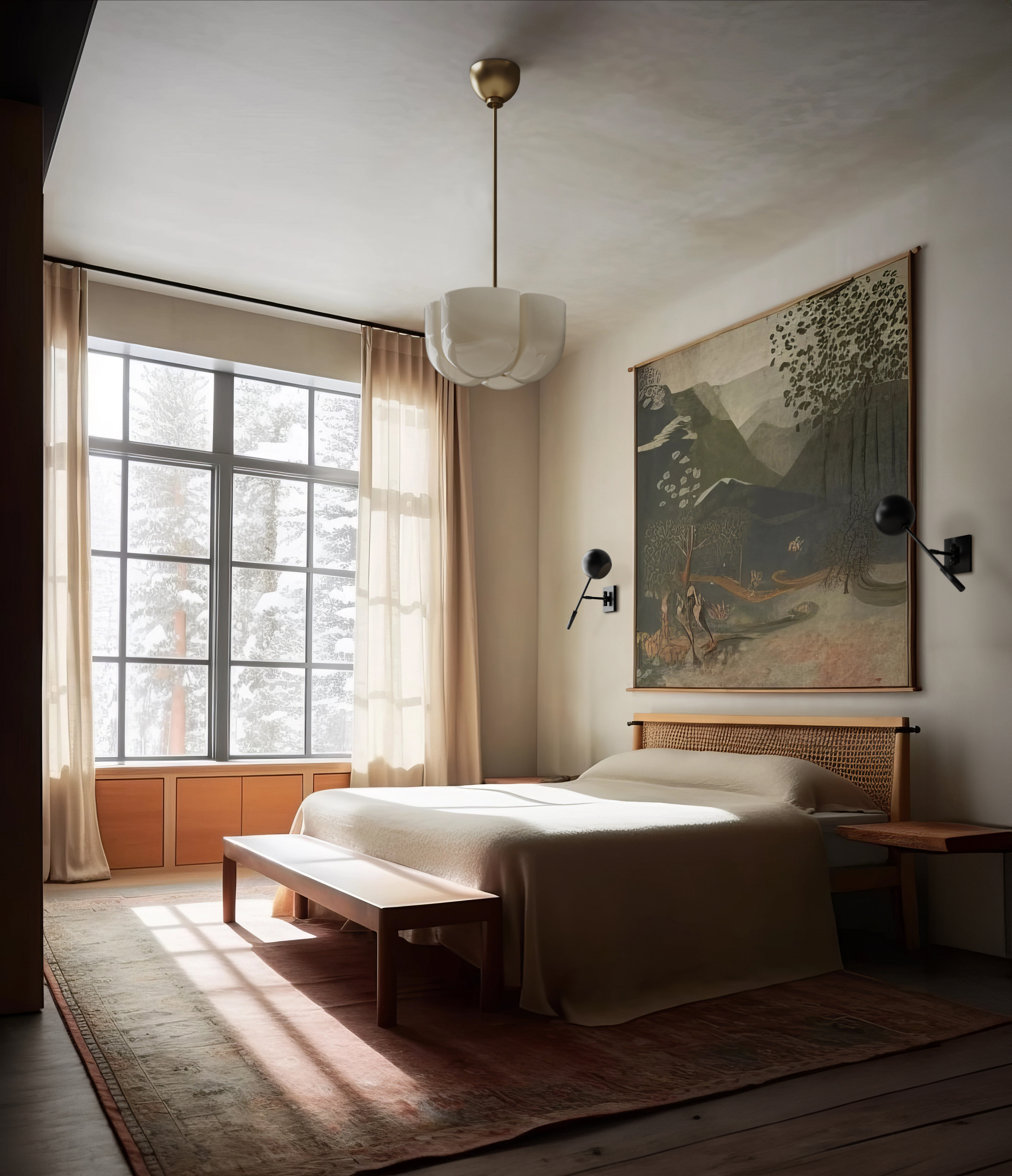
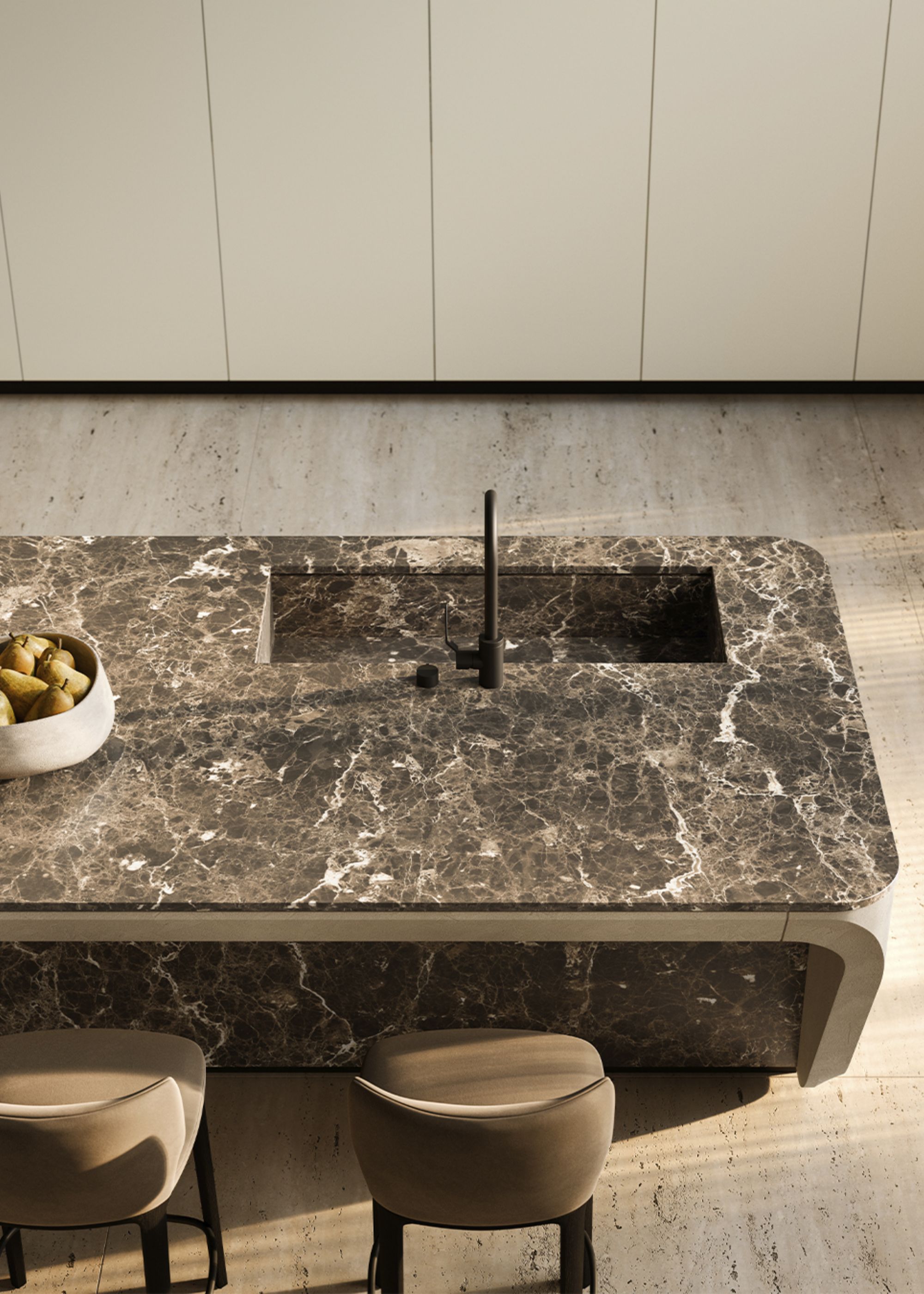
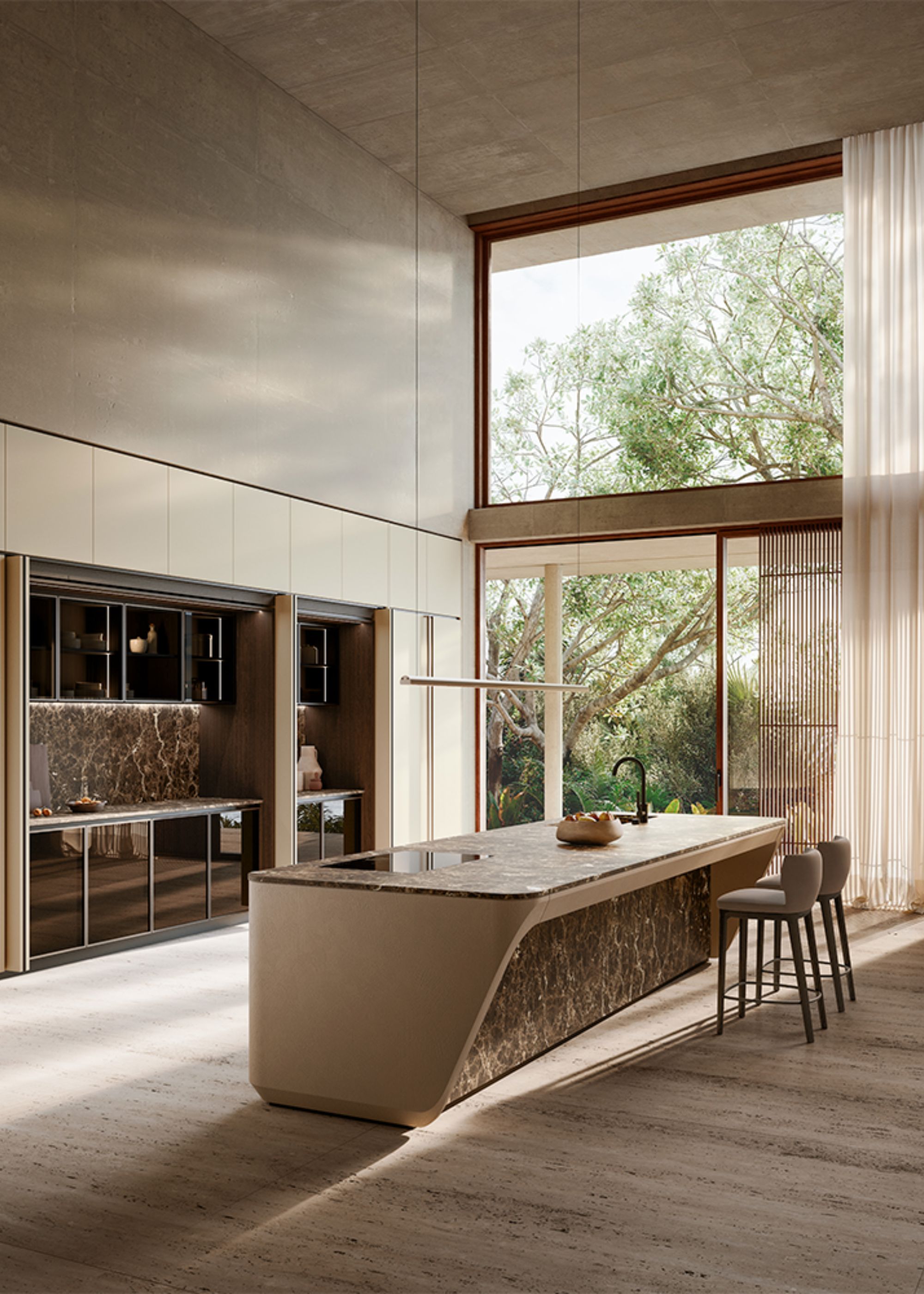
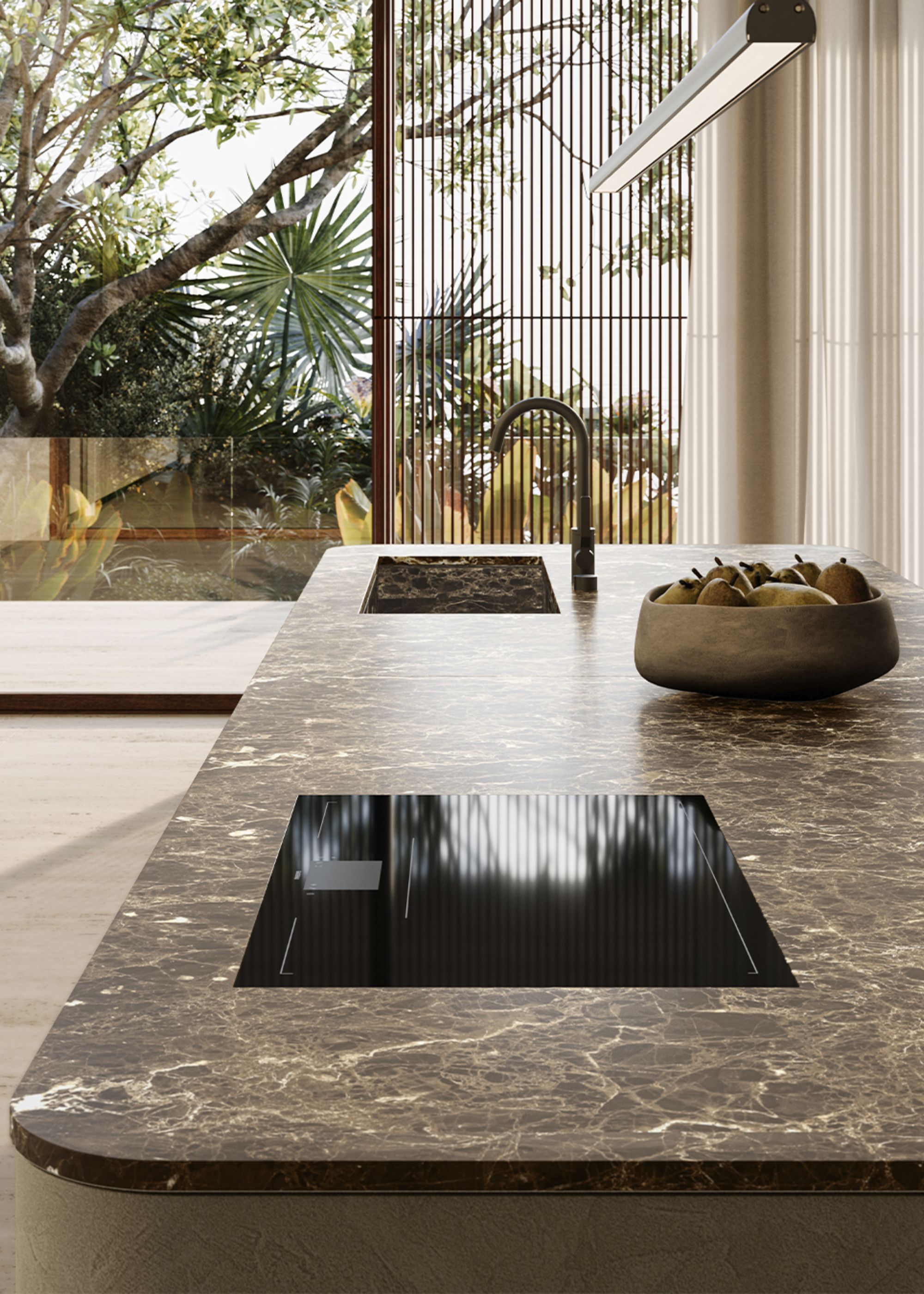
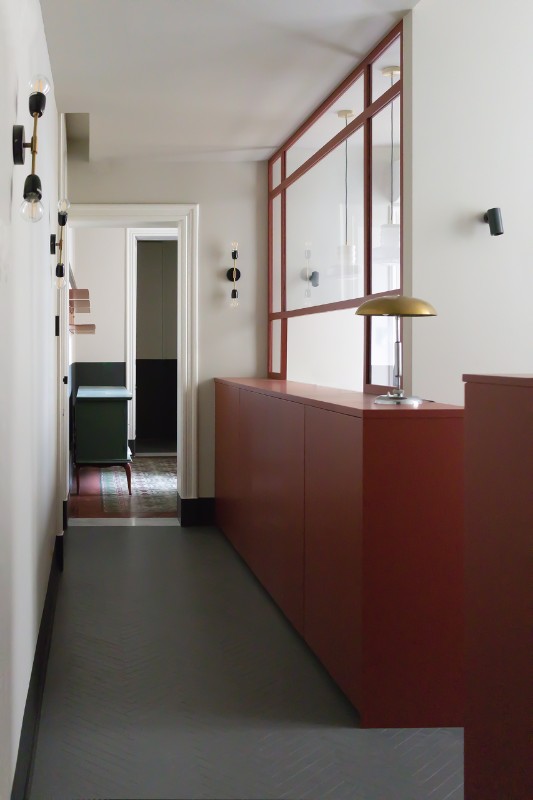
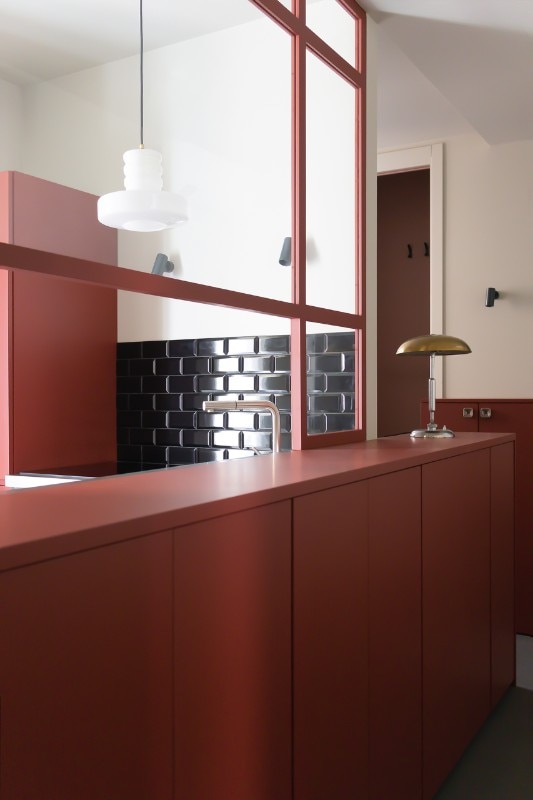
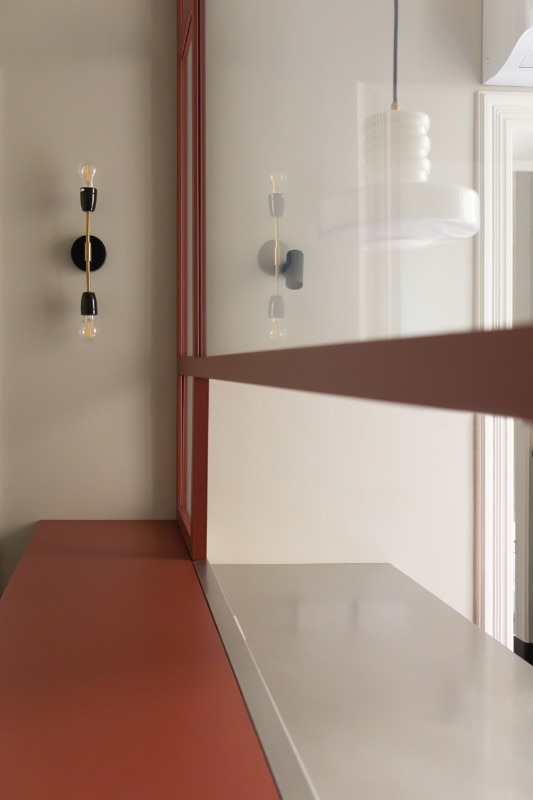
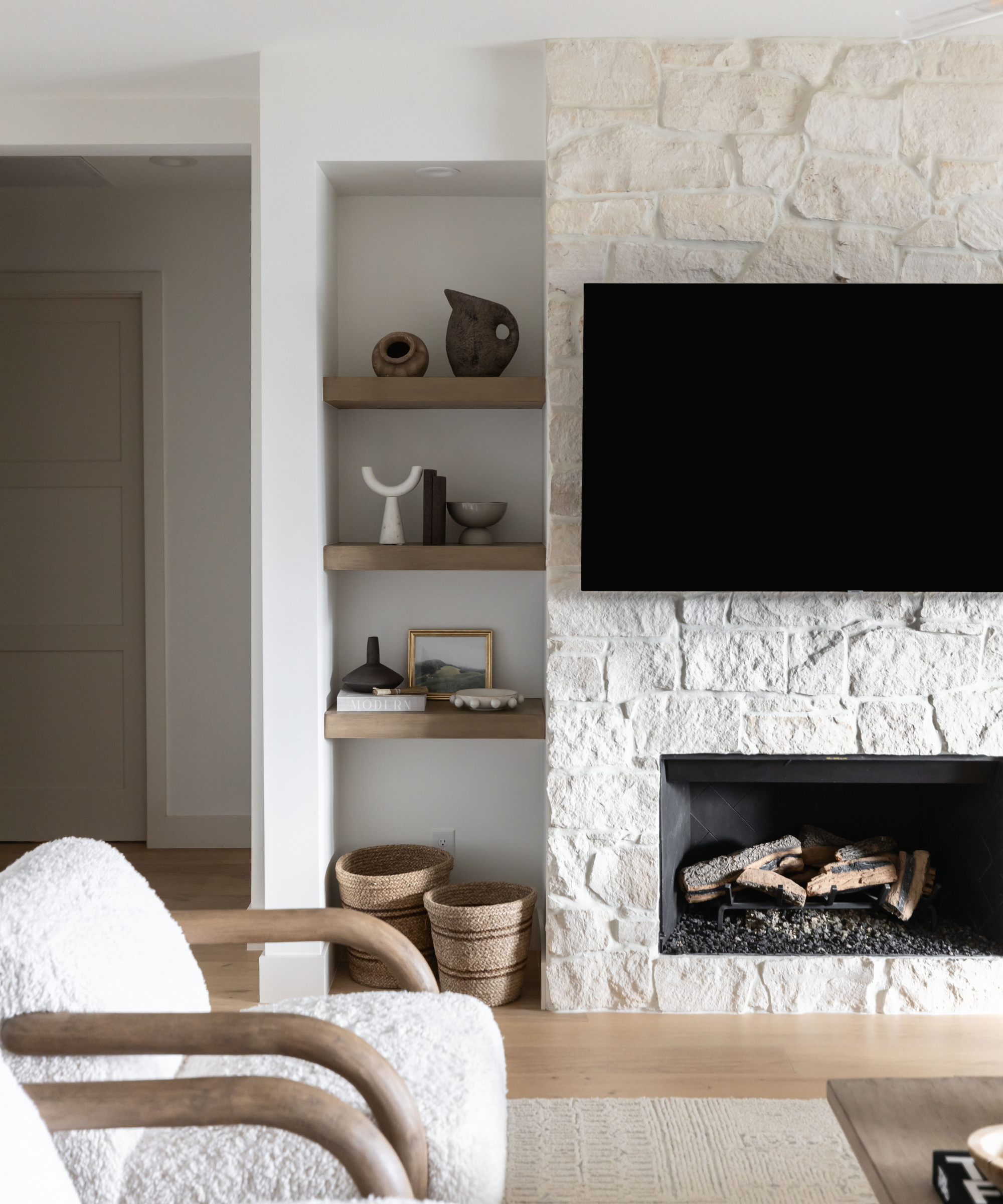
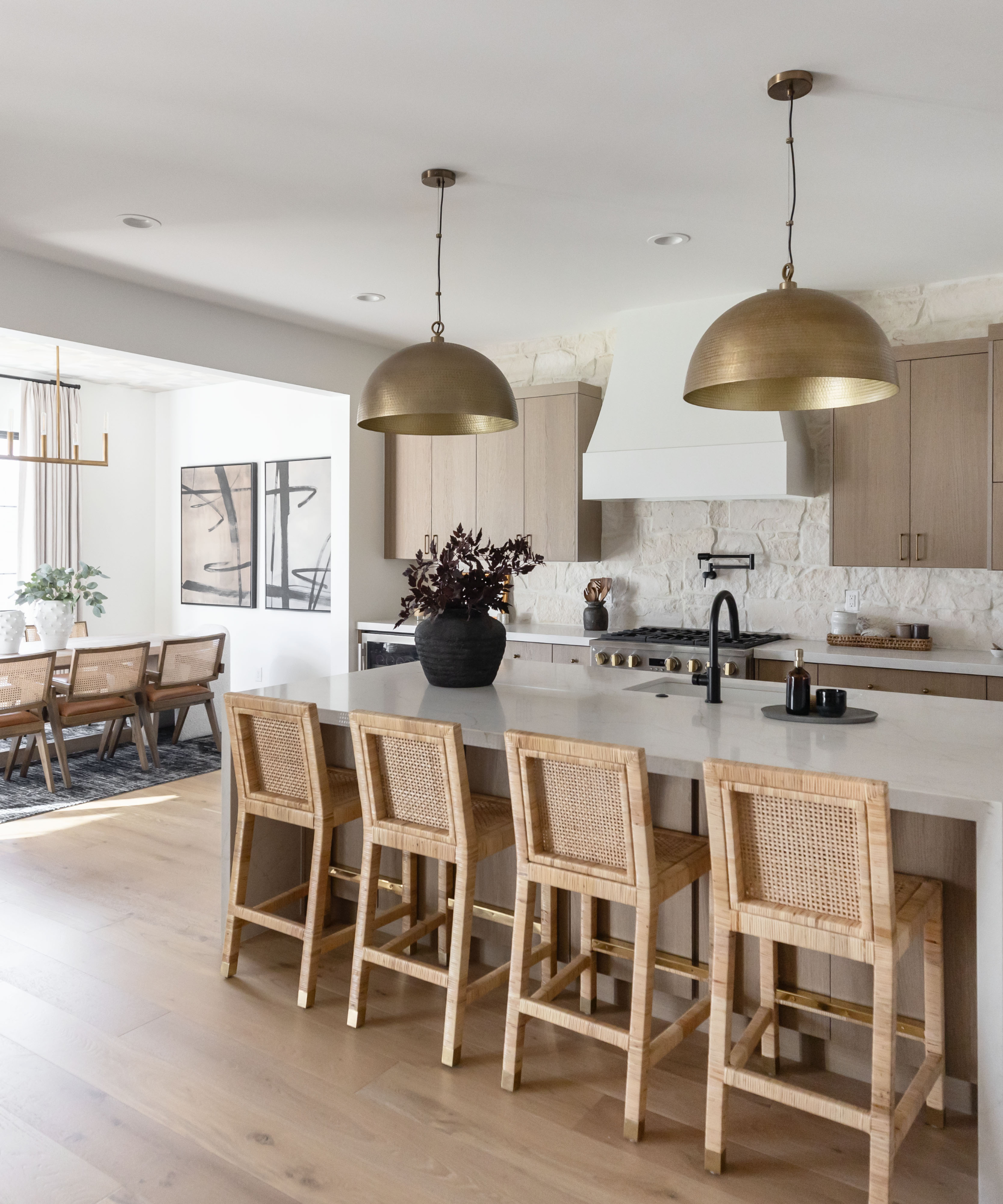
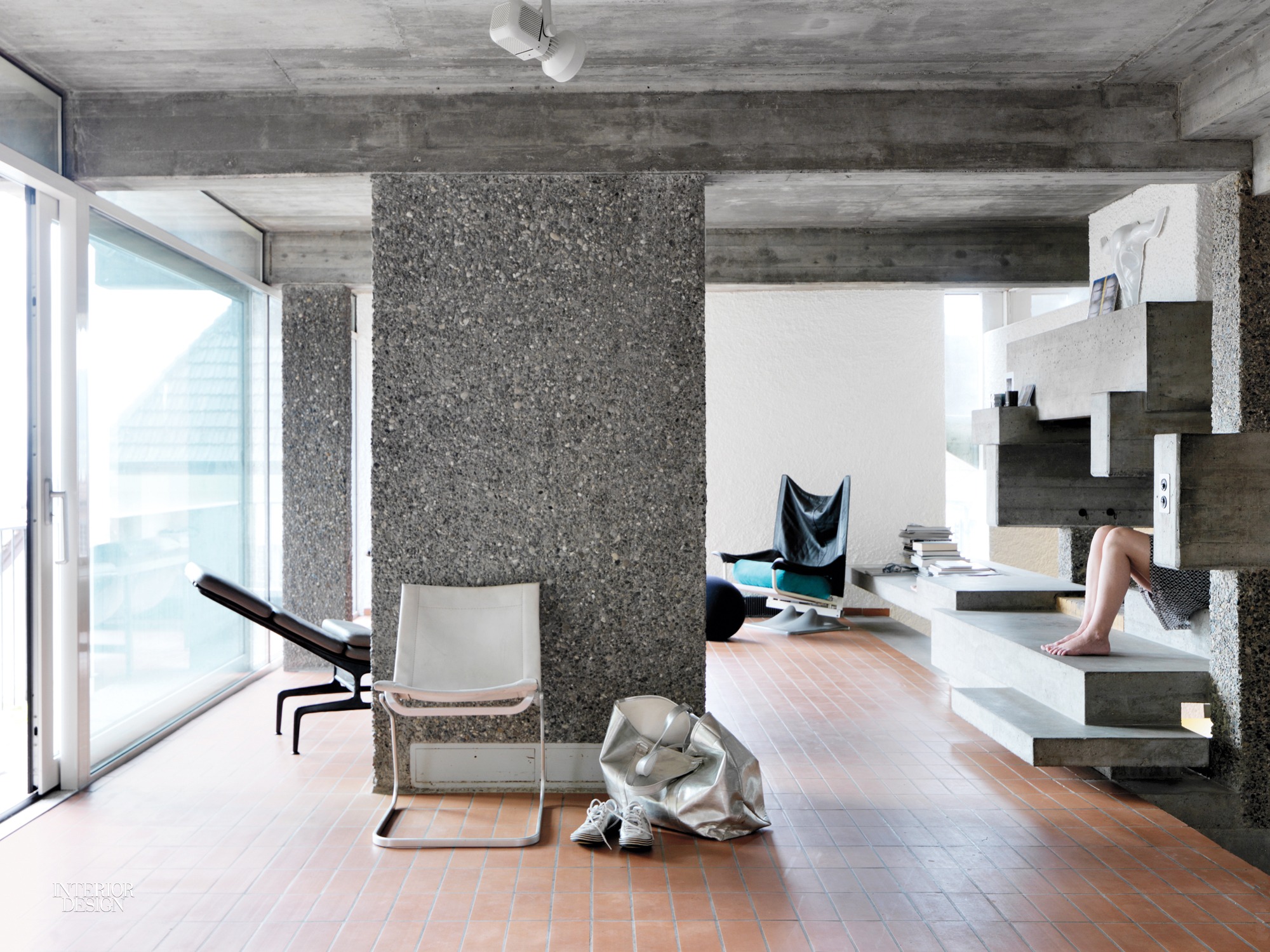
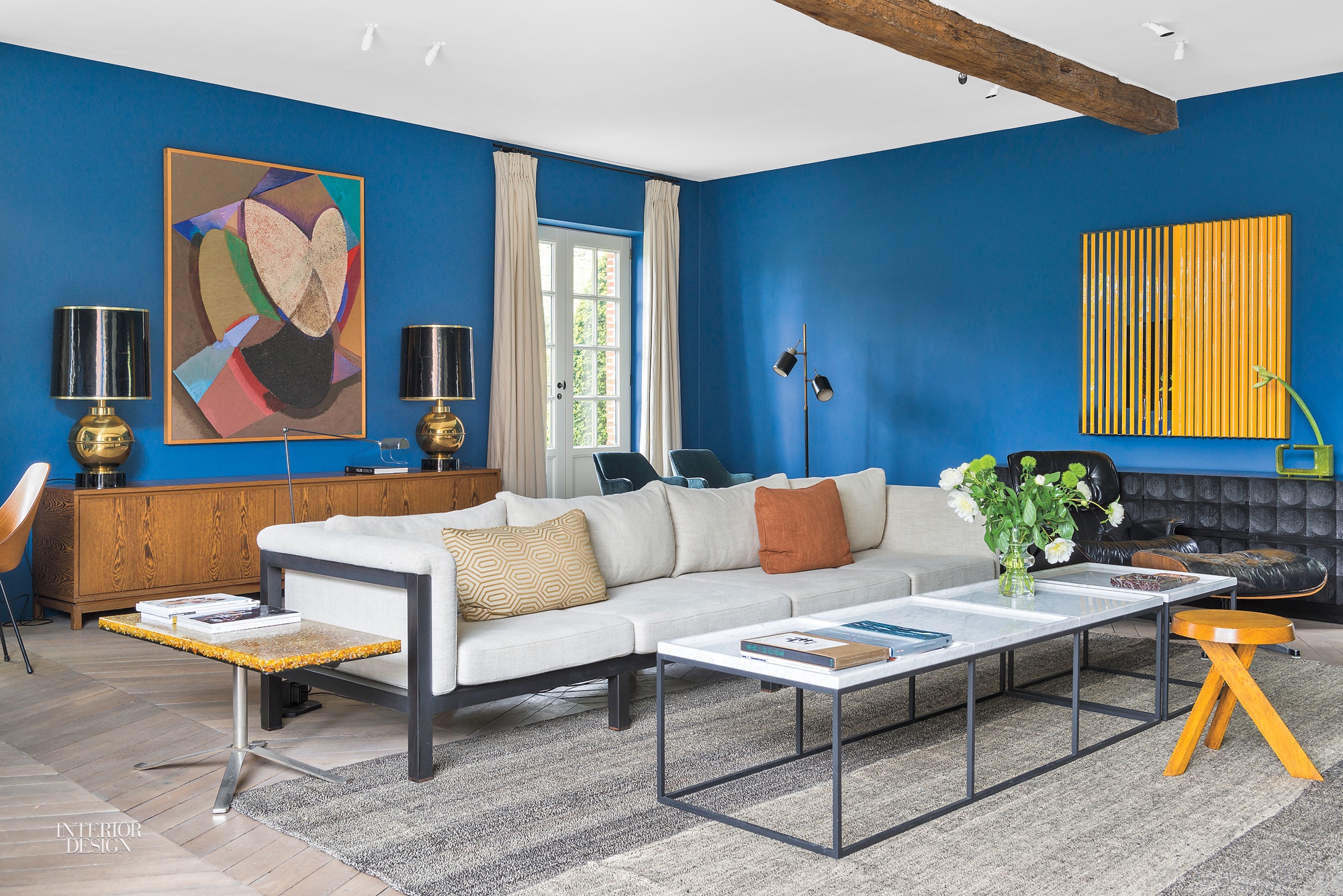
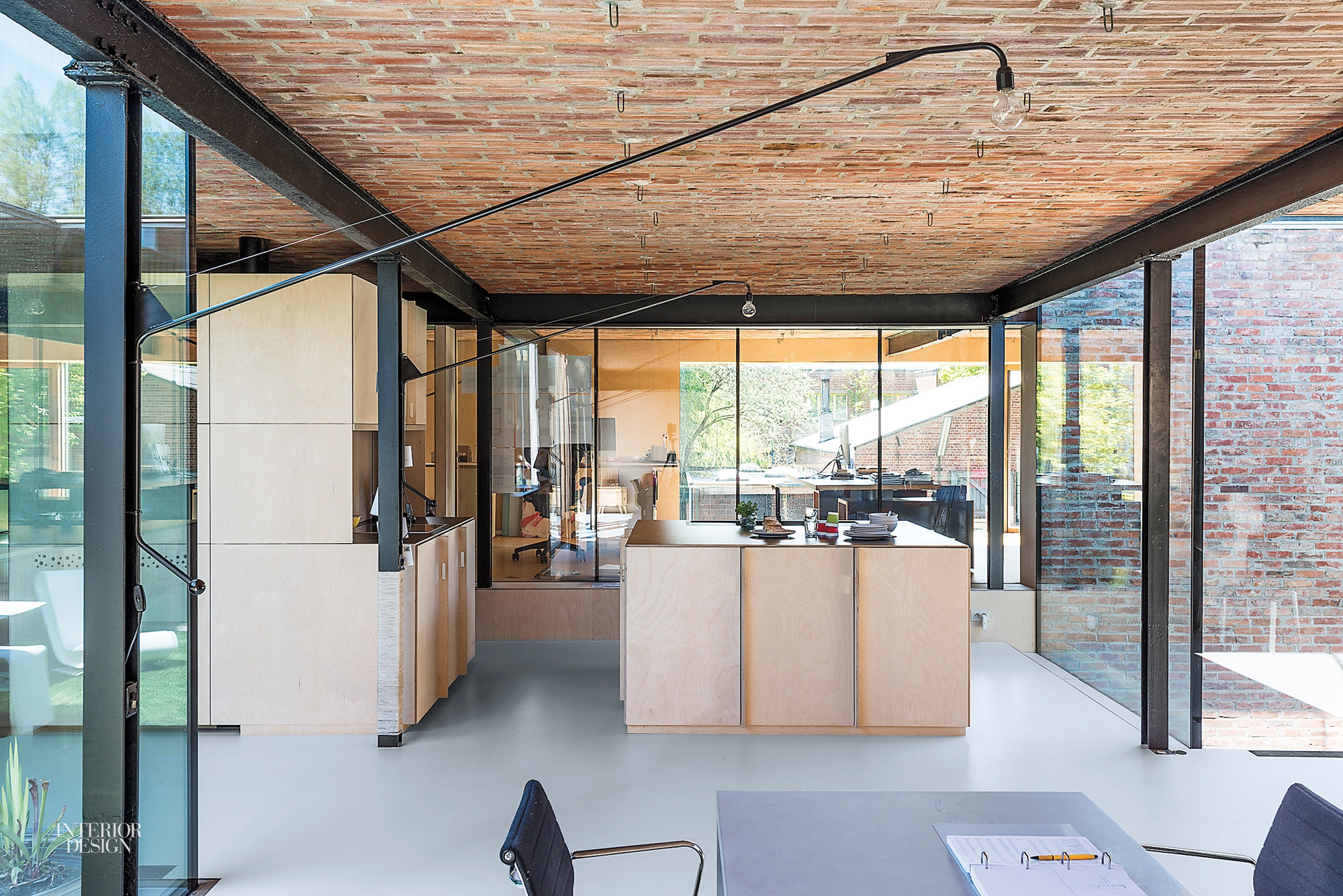
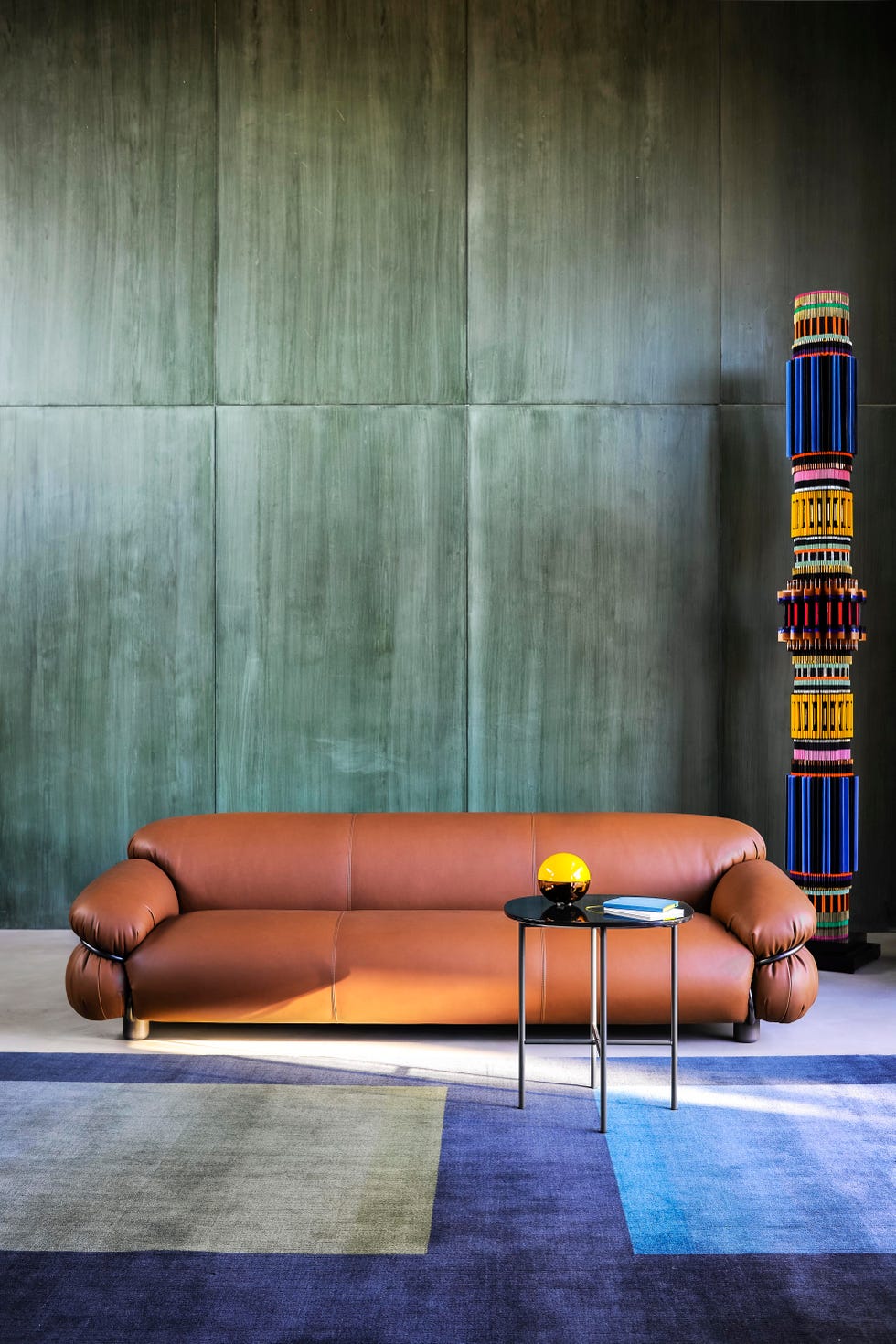
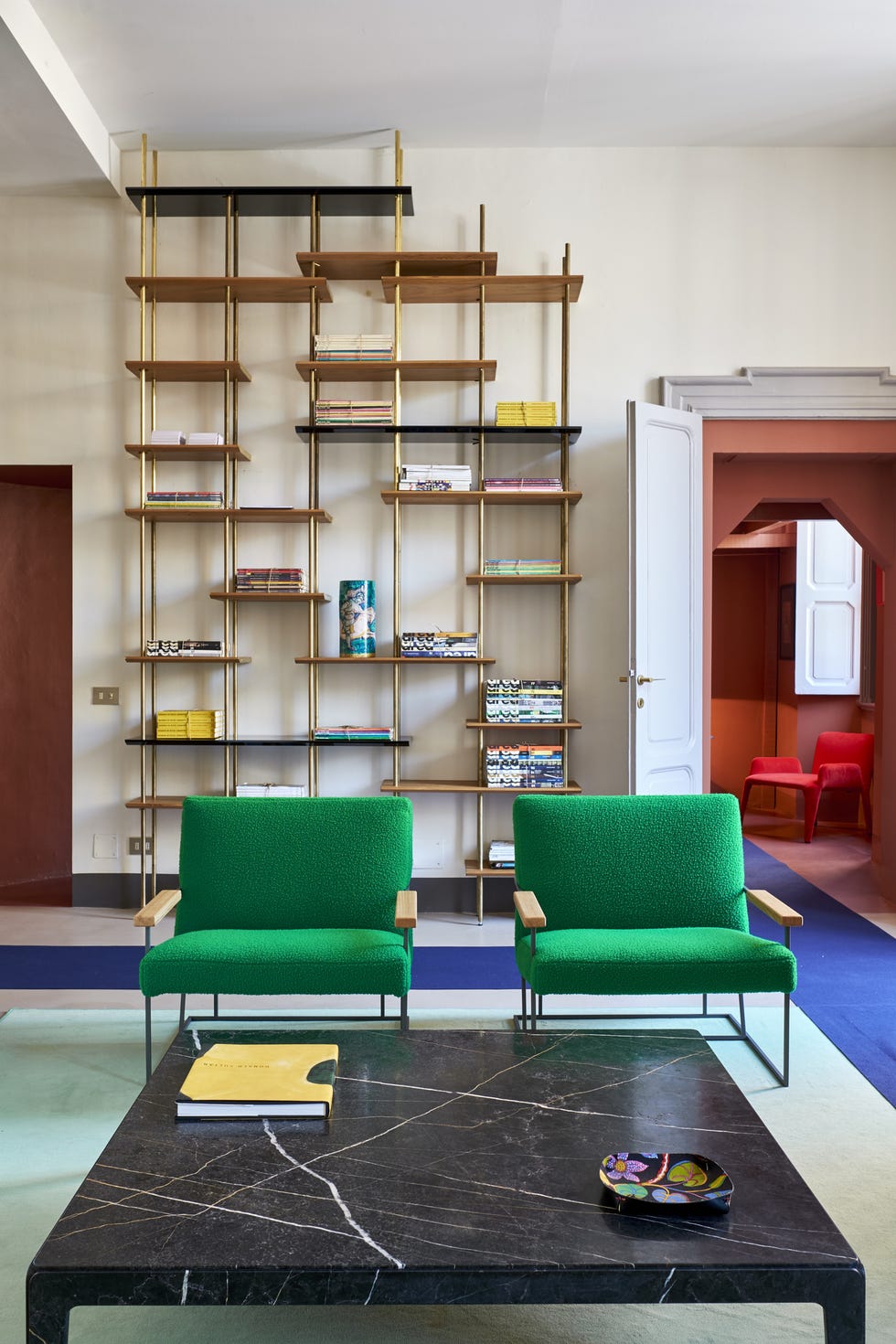
Modern and Contemporary Italian architecture, spanning the late 20th and 21st centuries, represents a significant departure from ornamental styles, aligning with modernist and postmodernist movements. Groups like "La Tendenza," including architects such as Carlo Aymonino, Giorgio Grassi, and Aldo Rossi, challenged traditional Italian architectural glory, using design to critique urbanism. This has led to innovative buildings with unique exteriors and expansive interiors that inspire global urban planning. Contemporary Italian designs are characterized by monotones, sleek lines, unexpected pops of color, and a strong sense of personality. They blend suave and lustrous aesthetics with colors and textures inspired by natural surroundings, featuring cool blue finishes, radiant wooden frames, glassy exteriors, and polished interiors. This multi-faceted, sharp design philosophy seamlessly integrates into diverse homes worldwide, offering minimalist features like dark wooden paneling and subtle effects. ICA, an Italian company, aims to bring these elements of Italian architectural history and contemporary minimalist styles, including Venice's color, Tuscany's classicism, Rome's historical beauty, Capri's watery effects, and Milan's design standards, into homes through its wooden finishings, which exemplify exquisite Italian taste.
#ItalianArchitecture #GothicArchitecture #RenaissanceArchitecture #NeoclassicalArchitecture #LibertyStyle #ArtNouveau #ModernItalianDesign #HomeDesign #InteriorDesign #ItalianArchitecture #GothicArchitecture #RenaissanceArchitecture #NeoclassicalArchitecture #LibertyStyle #ArtNouveau #ModernItalianDesign #HomeDesign #InteriorDesign
0 comment in total
 No comments yet
You may also like
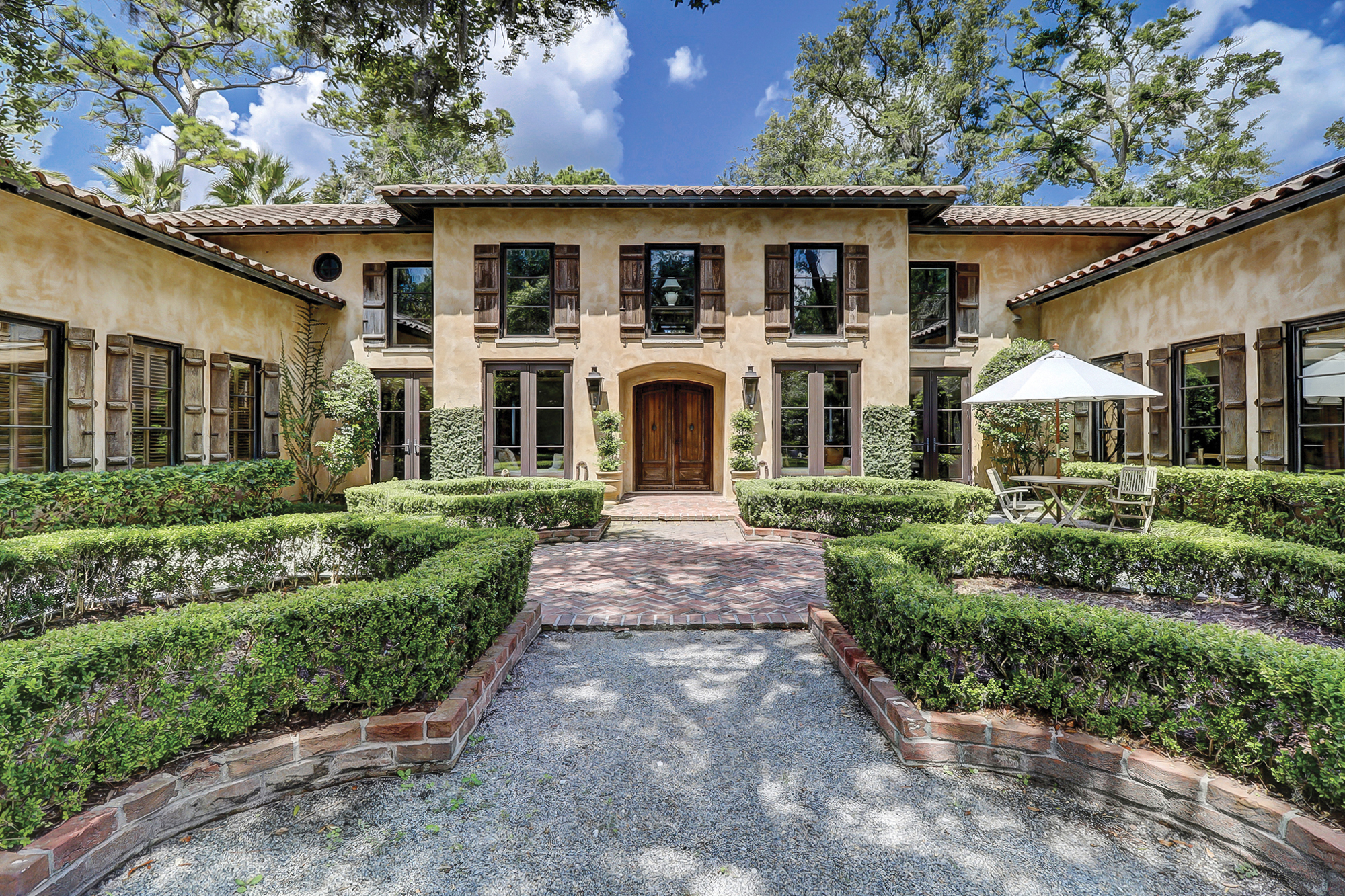
6 beautiful homes with Italian influences

These 20 Architectural Styles Were Once Popular But Suddenly Disappeared

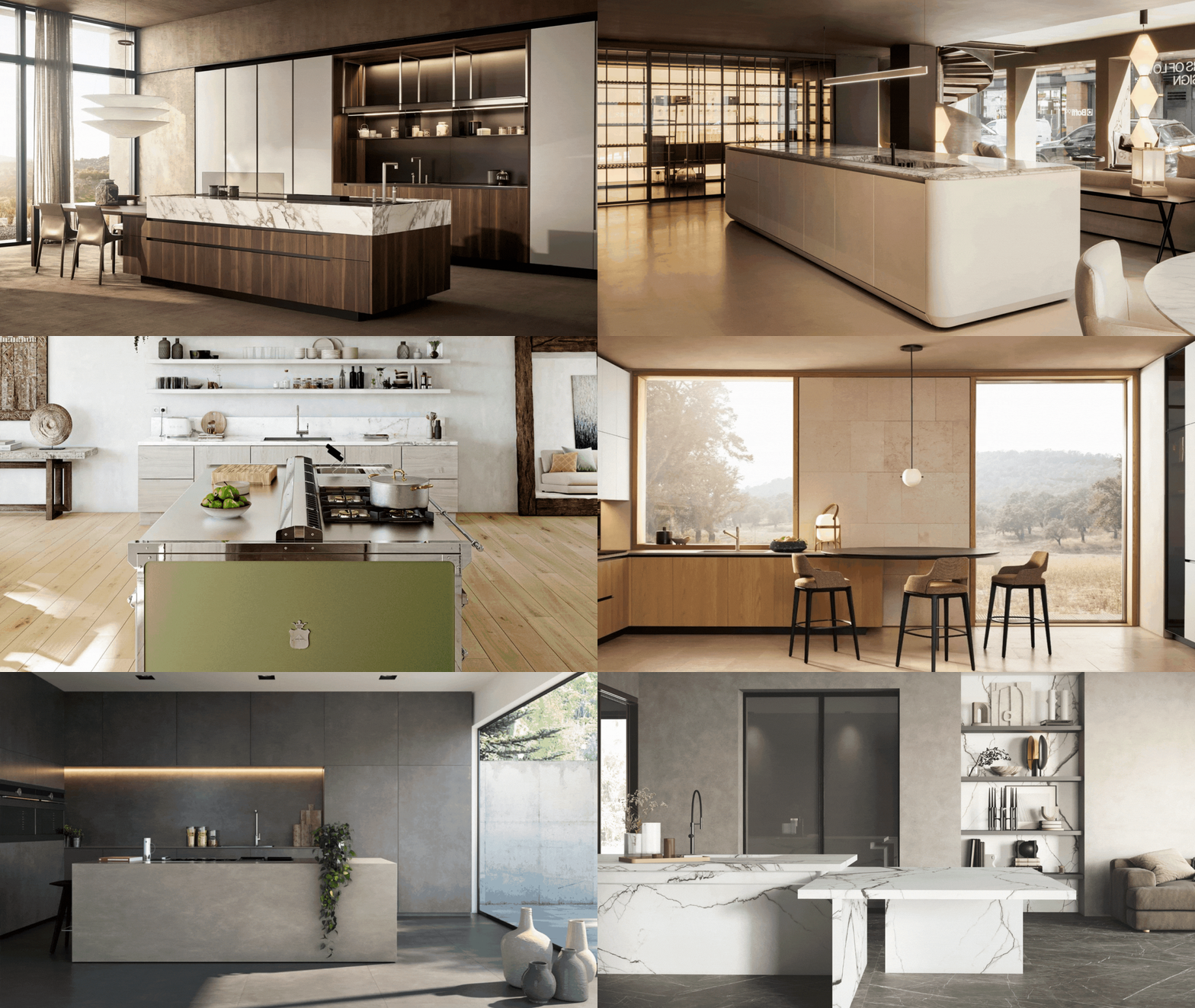
Italian Kitchen Trends — 5 Emerging Ideas From the Chicest Italian Designers That I Predict Will Go Global in 2025

Design Rediscovered: Maritz & Young, A Local Tale of Talent

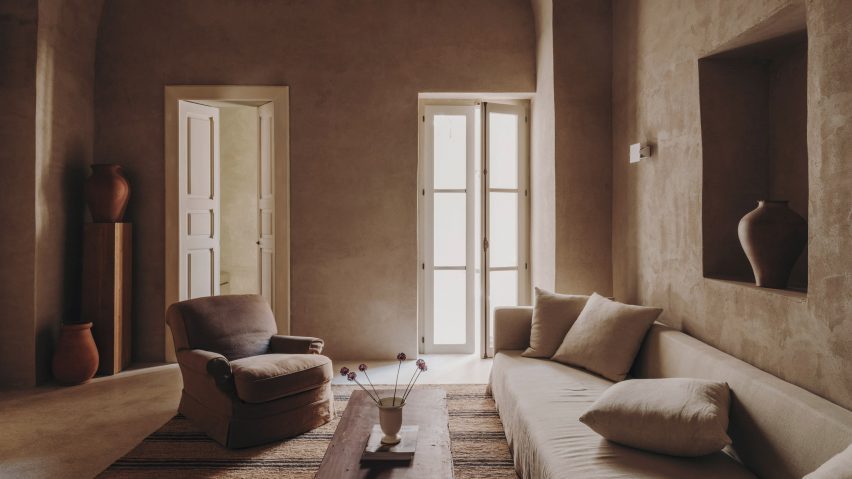
Ten rustic Italian interiors that evoke the history of the Mediterranean
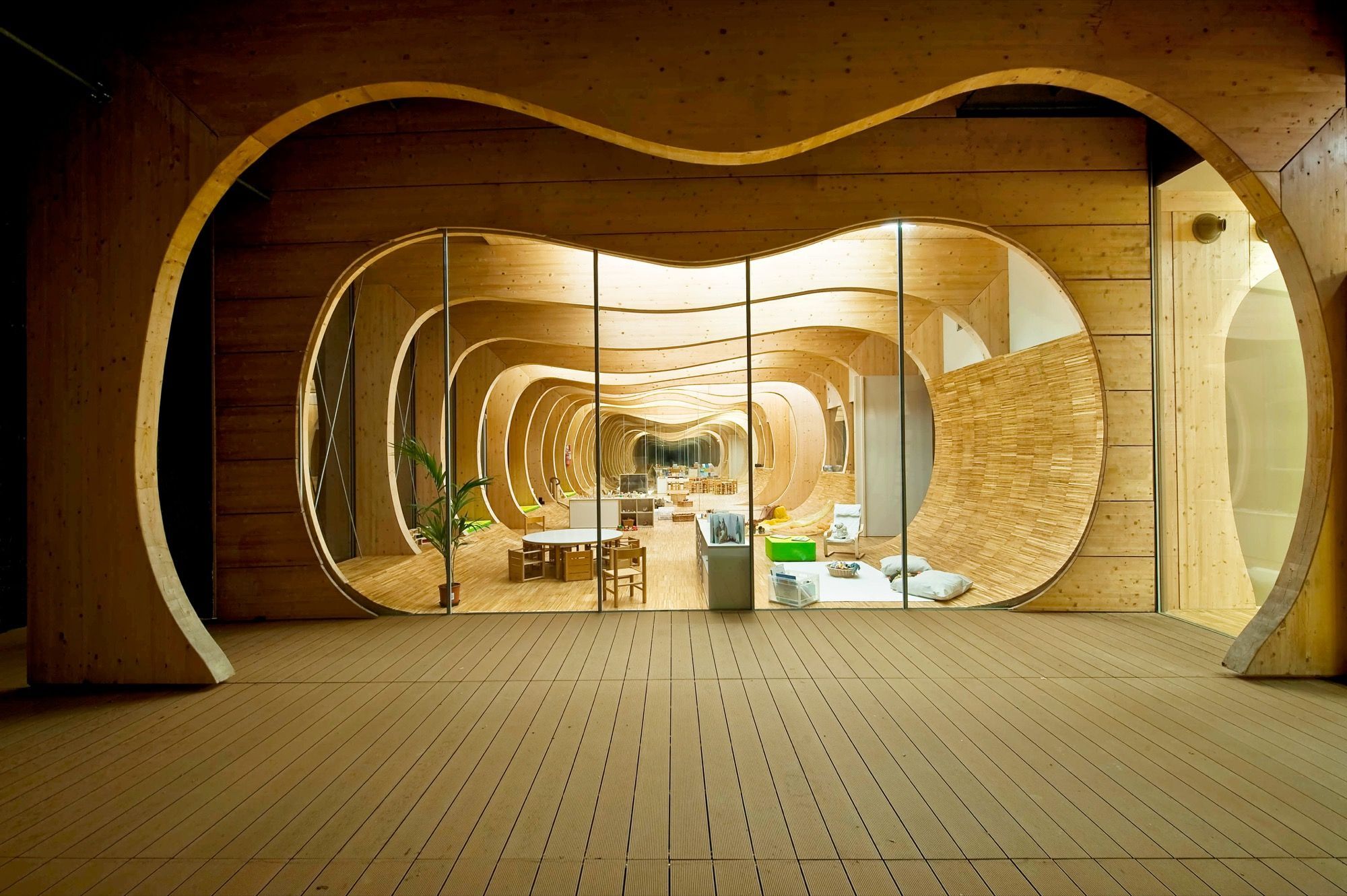
7 sustainable buildings in Italy

From pastels to botanicals, these 4 Italian tile designs are worth copying in your kitchen

Milwaukee Architecture: 10 Examples of The Classical Style

41 famous buildings you should visit before you die

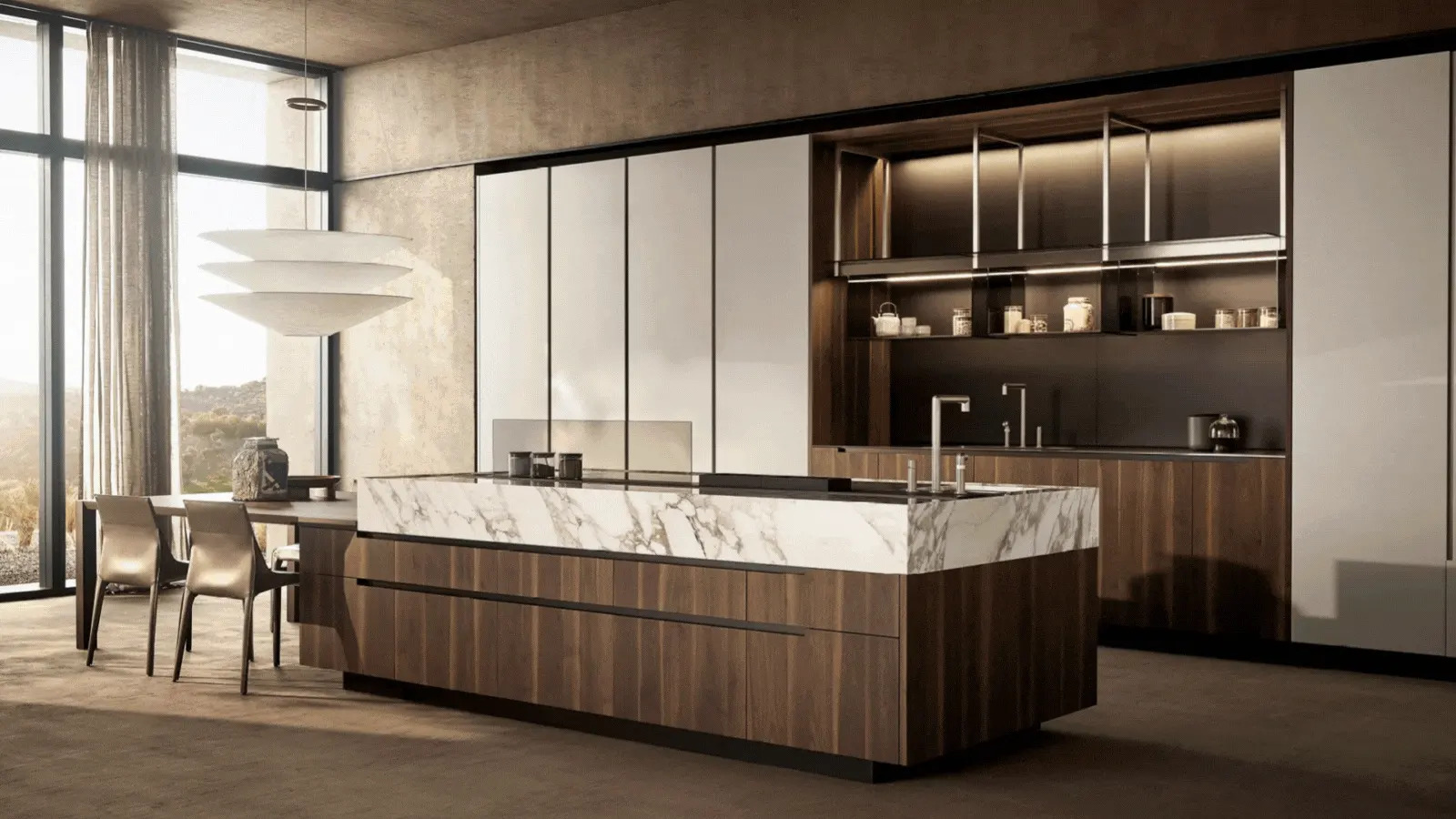
Italian Kitchen Trends — 5 Emerging Ideas From the Chicest Italian Designers That I Predict Will Go Global in 2025

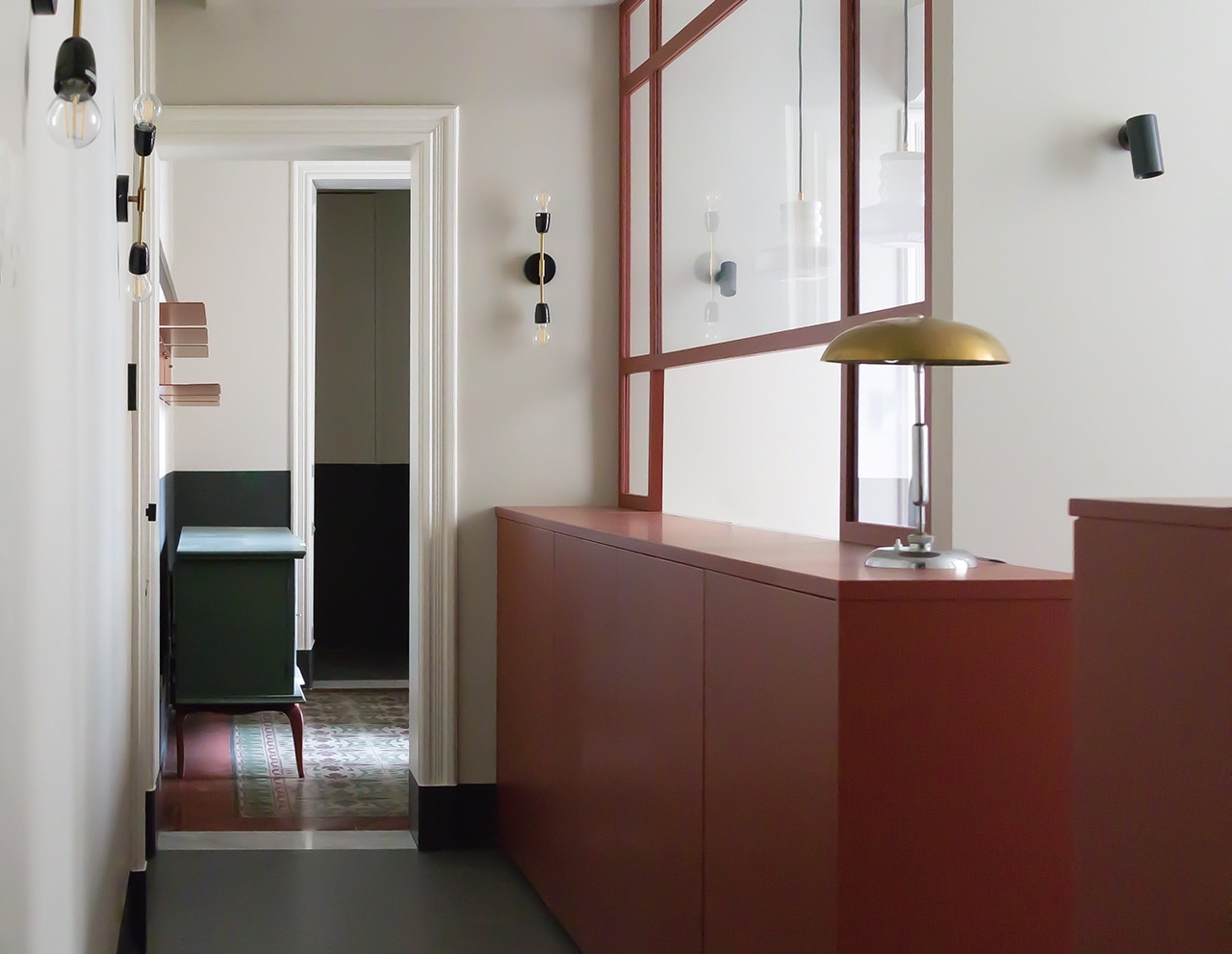
An Art Nouveau apartment in Catania converted to hospitality

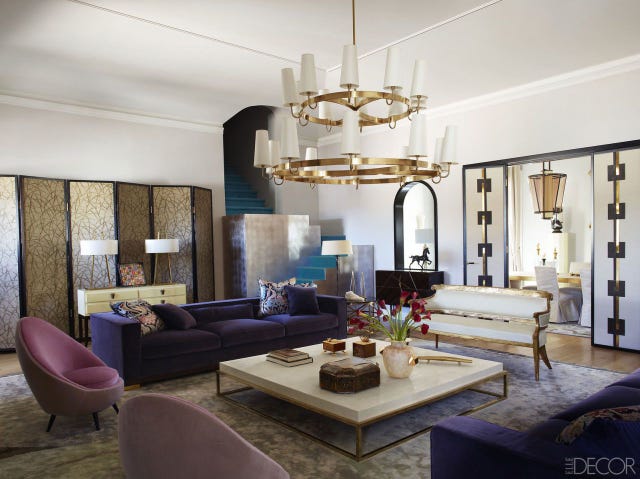
How to Master a Modern Italian Look at Home
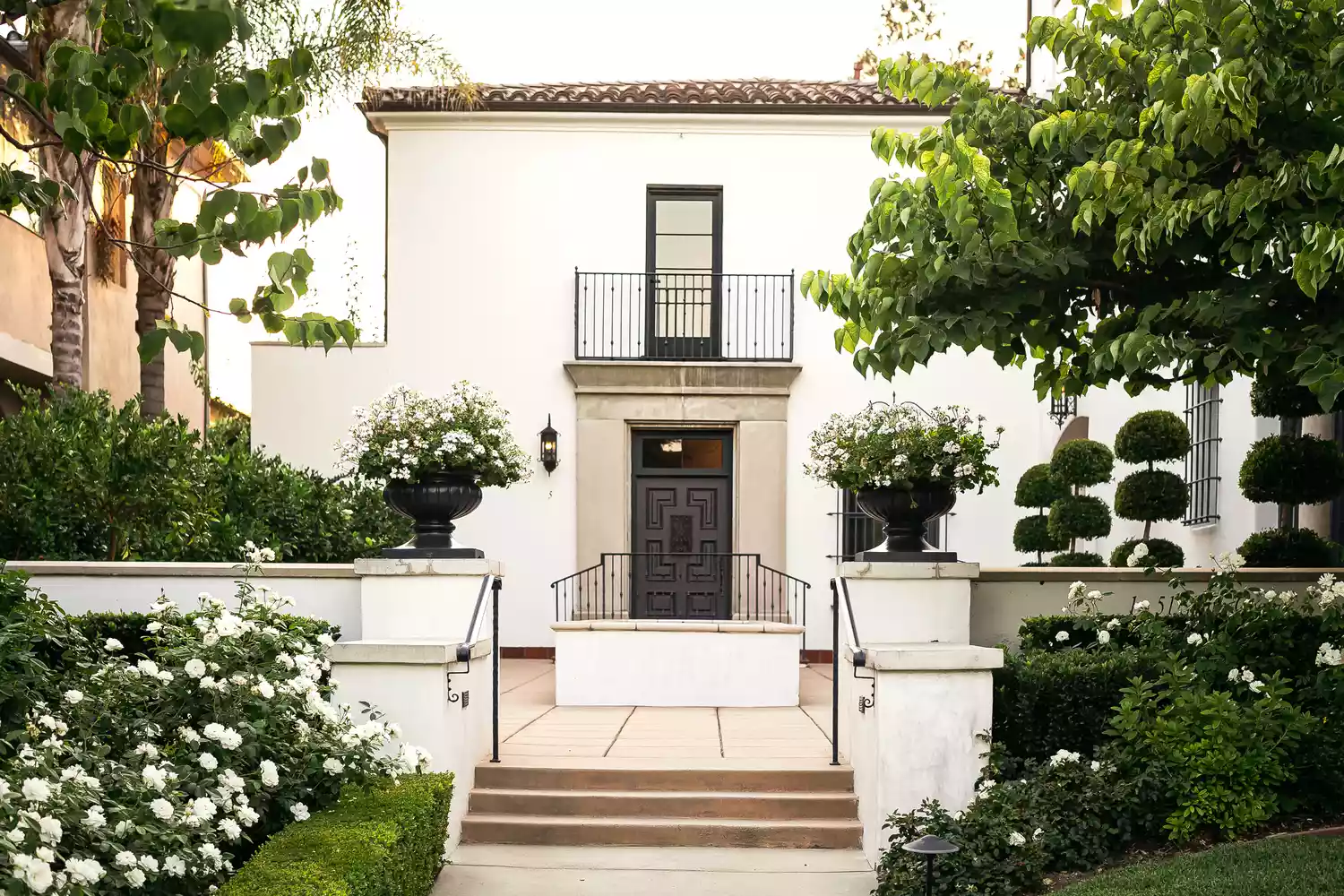
17 Breathtaking Mediterranean Homes We Want to Live In

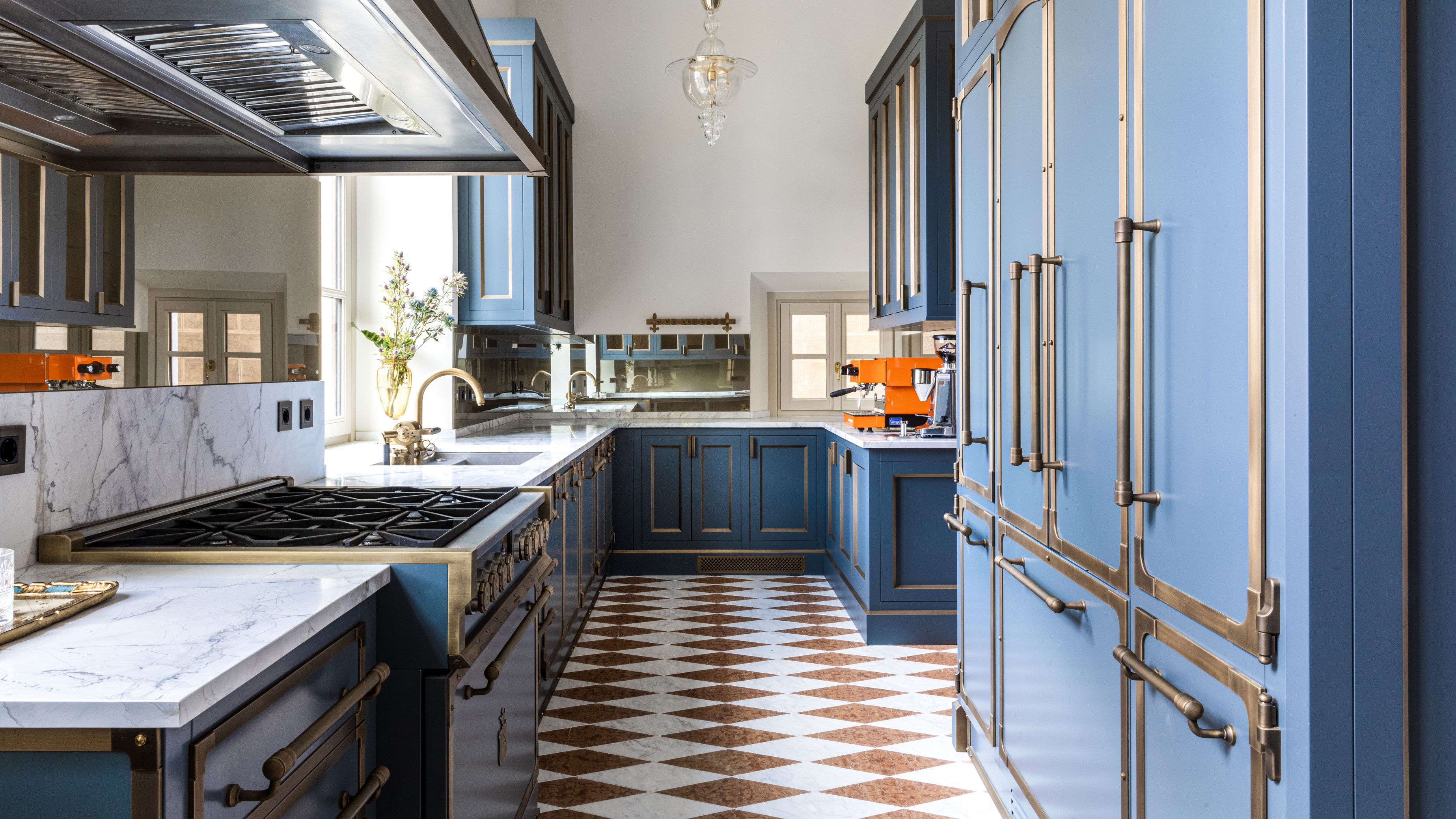
I've just come back from summer in Italy – these are the 5 must-have decor trends I need

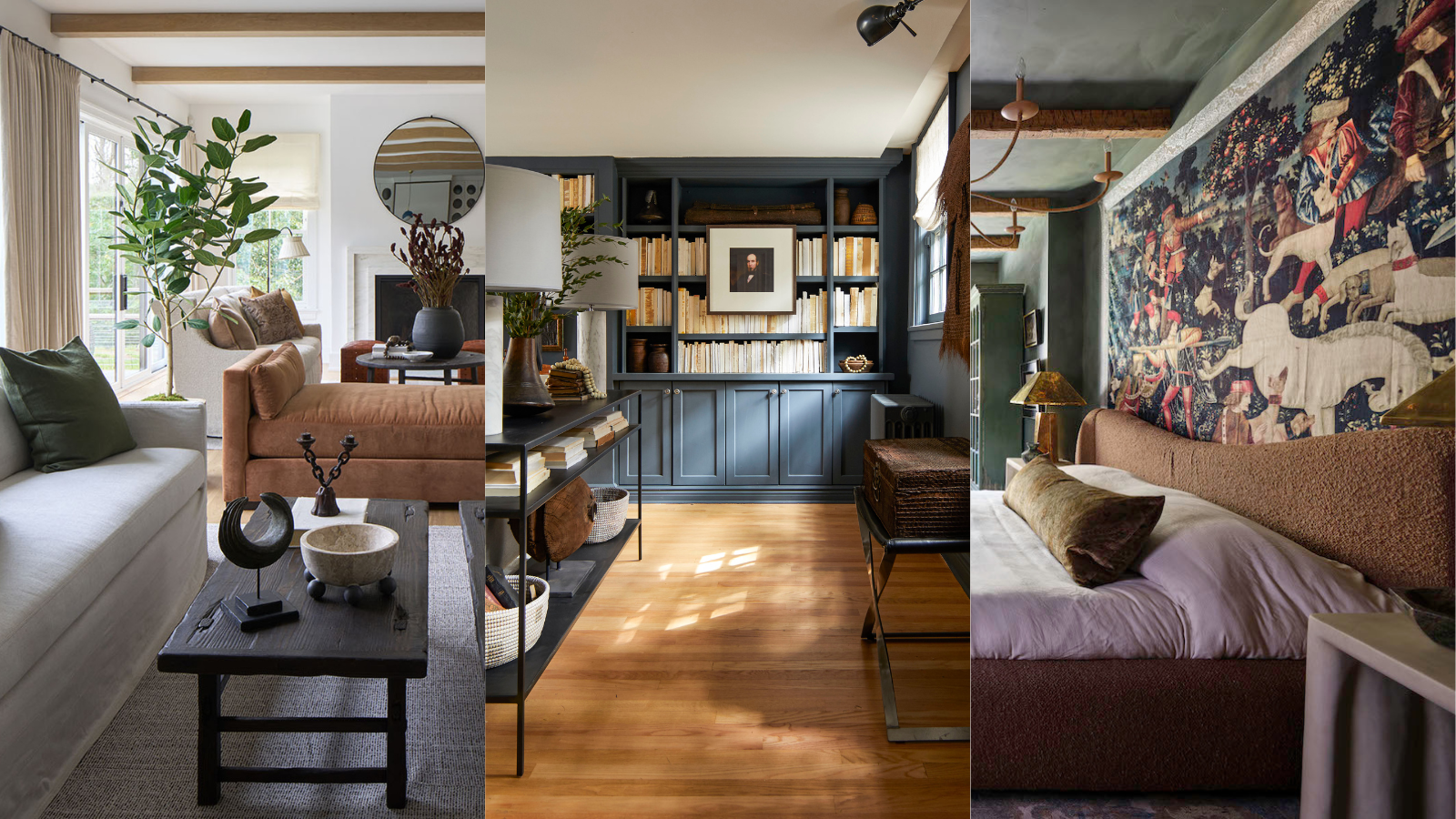
5 interior designers on the styles they will love forever
The Idea and Invention of the Villa
17 Essential Architectural Styles Everyone Should Know

This 600-Year-Old Wall Decor is Having a Renaissance in our Homes — and These 5 Examples Look Seriously Modern

5 Historic Houses With Enviable Vintage Style

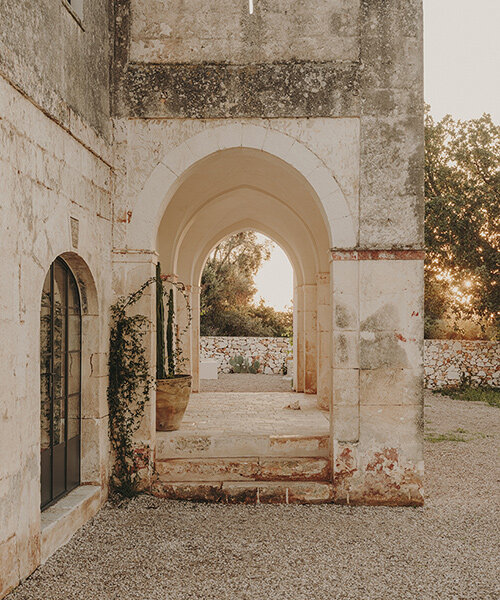
historic farmhouse in idyllic italian countryside revitalized by andrew trotter