20 Small Trees for Front Yards That Add Tons of Colorful Curb Appeal
Small trees can significantly enhance a landscape by providing vibrant flowers, appealing fall foliage, colorful fruits, or distinctive bark without occupying excessive space. When selecting a small tree, it is crucial to consider its mature size and planting location; trees expected to reach 30 feet or less should be positioned at least 10 feet from a home's foundation or power lines, while larger varieties require a minimum of 15 feet. This guide presents 20 small tree varieties, each offering unique aesthetic and practical benefits.
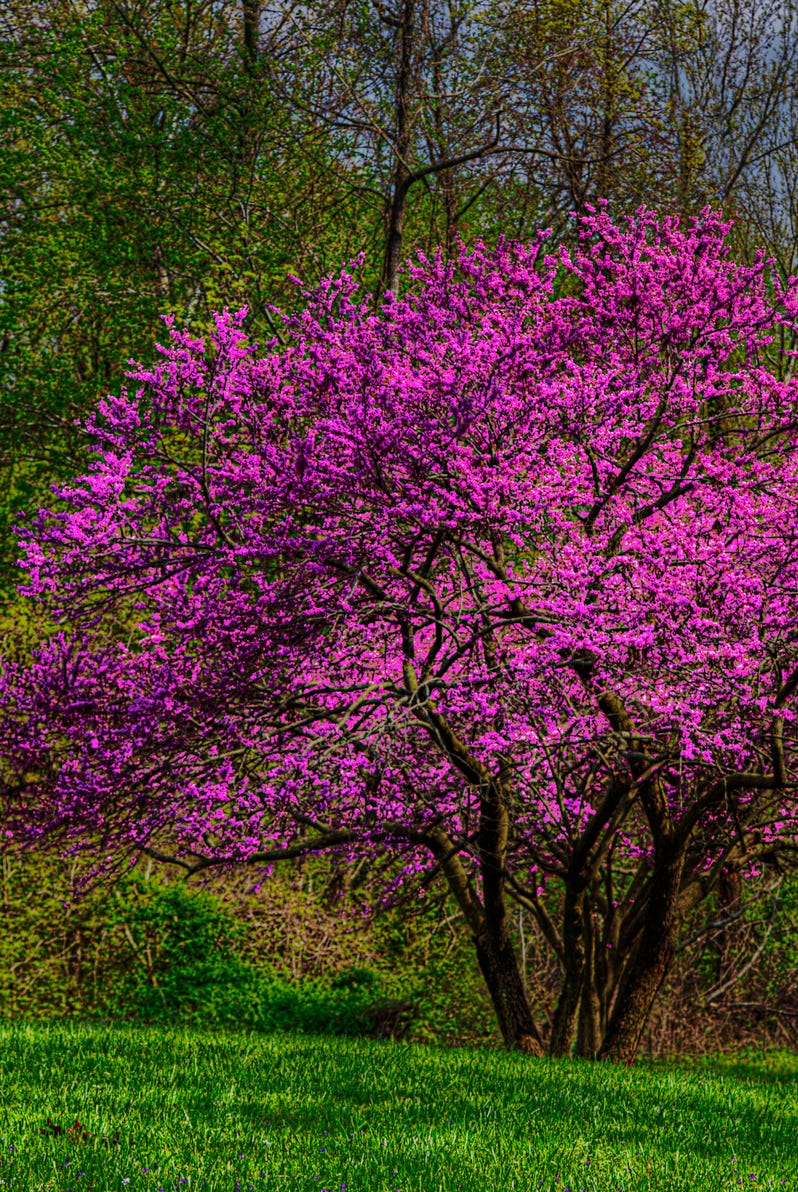
Crabapples (Malus spp.) are recognized for their seasonal displays, featuring white, pink, or red flowers, diverse growth habits, and attractive orange, gold, red, or burgundy fruits. 'Prairifire' is noted for its dark pink blooms, reddish-purple leaves, and disease resistance. Eastern redbud (Cercis canadensis) provides an impressive spring show of pink or white flowers and heart-shaped leaves that turn golden-yellow in autumn. 'Forest Pansy' is a popular cultivar with purple foliage. Crape myrtle (Lagerstroemia spp.), common in Southern gardens, displays frilly flowers in various shades during summer and fall, alongside striking autumn foliage and peeling bark, though some species are considered invasive. Flowering dogwood (Cornus florida), a North American native, boasts pink or white spring flowers, bright red summer fruits, and purple-red fall foliage.
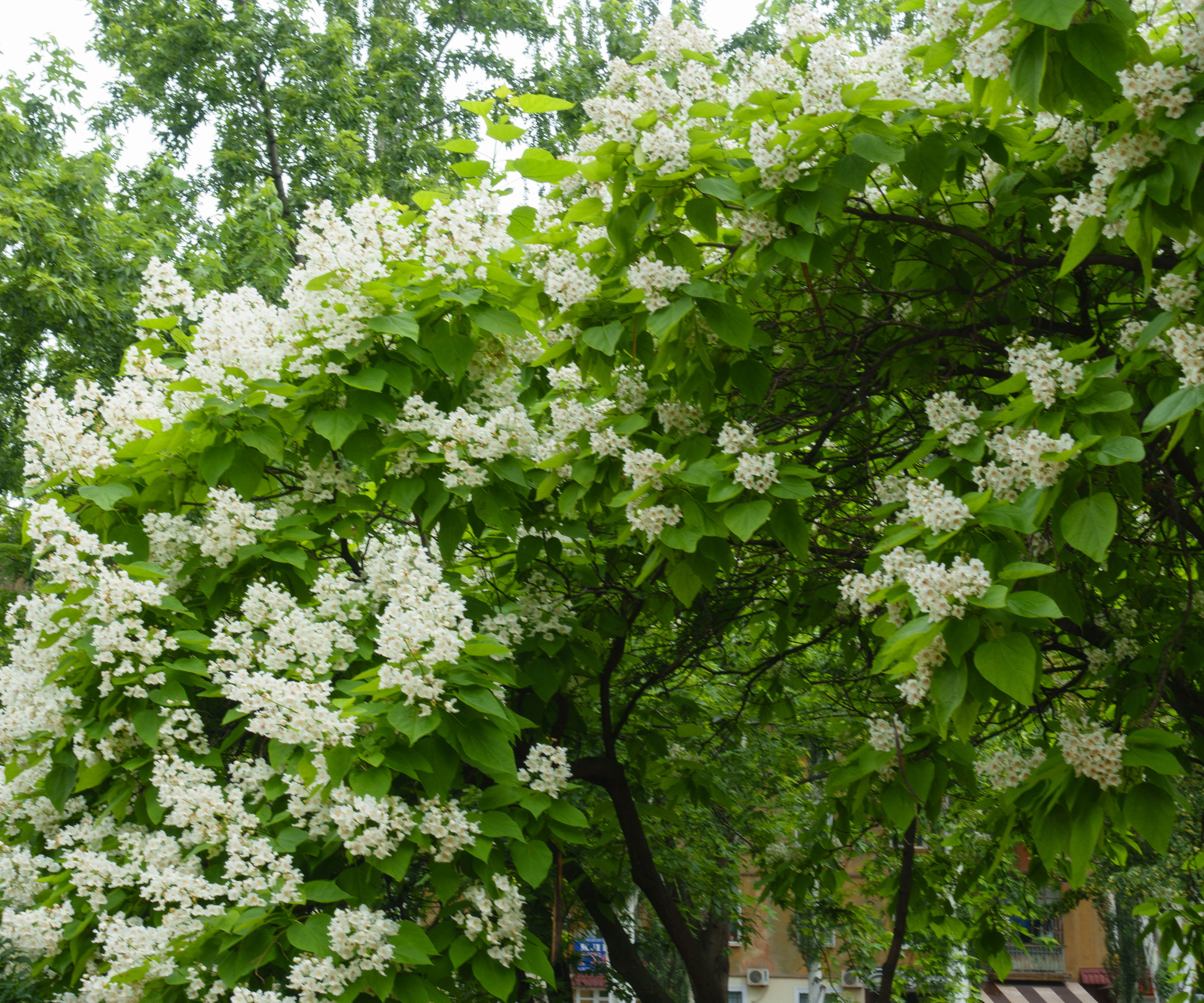
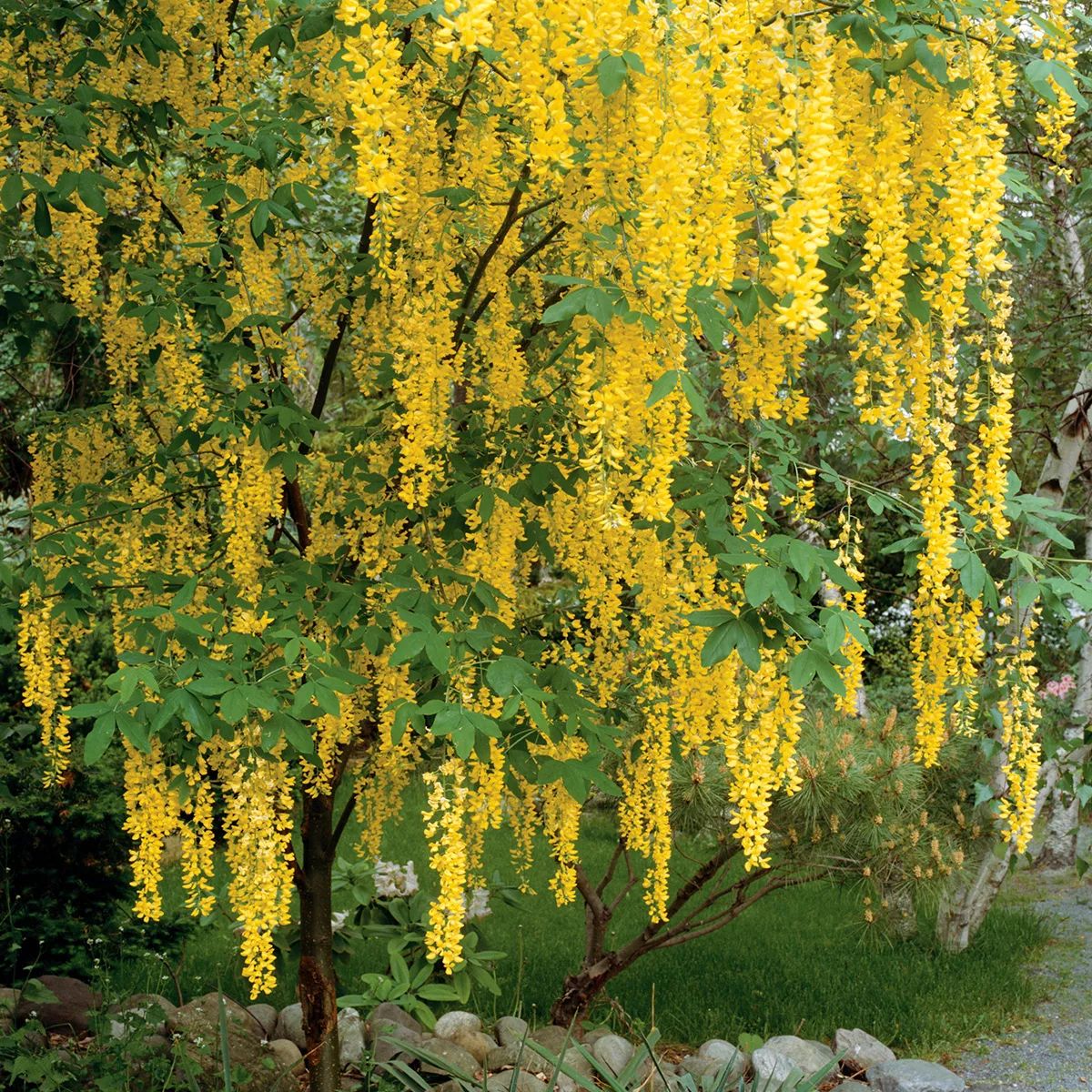
Kousa dogwood (Cornus kousa), an Asian native, offers attractive pink or white spring blooms, red summer fruits, and reddish-purple autumn leaves, often demonstrating greater disease resistance than the flowering dogwood. Pagoda dogwood (Cornus alternifolia) is a native species that attracts wildlife with its blue-purple berries and early-summer flowers, also providing excellent fall color. Saucer magnolia (Magnolia x soulangeana) presents some of the most beautiful flowers, with large white, pink, and purple blooms in mid to late spring. White fringe tree (Chionanthus virginicus), native to Eastern North America, produces fragrant white flowers in late spring, followed by blue-purple fruits that attract birds. Golden chain tree (Laburnum x watereri) is admired for its hanging clusters of yellow flowers in late spring and early summer.
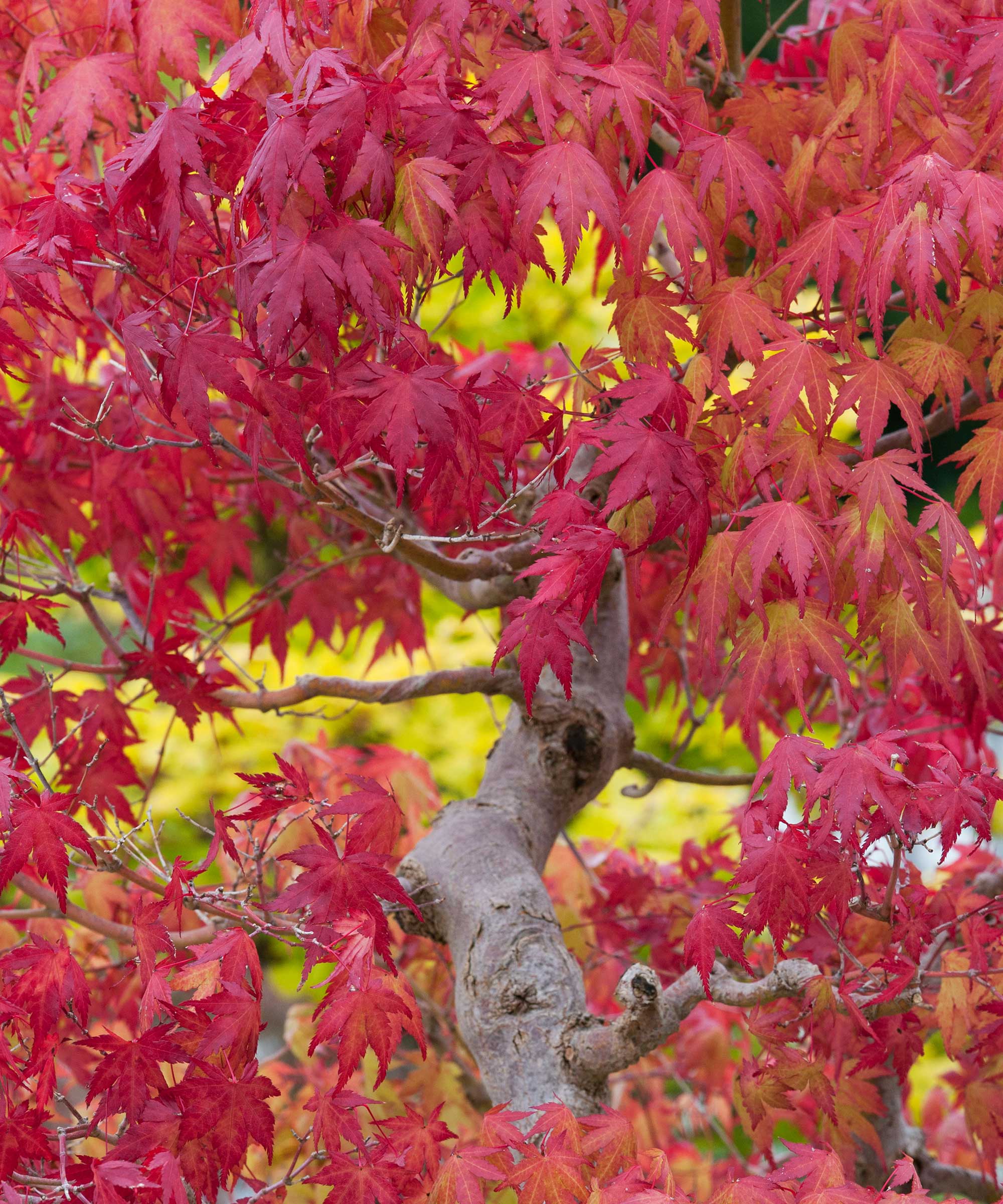
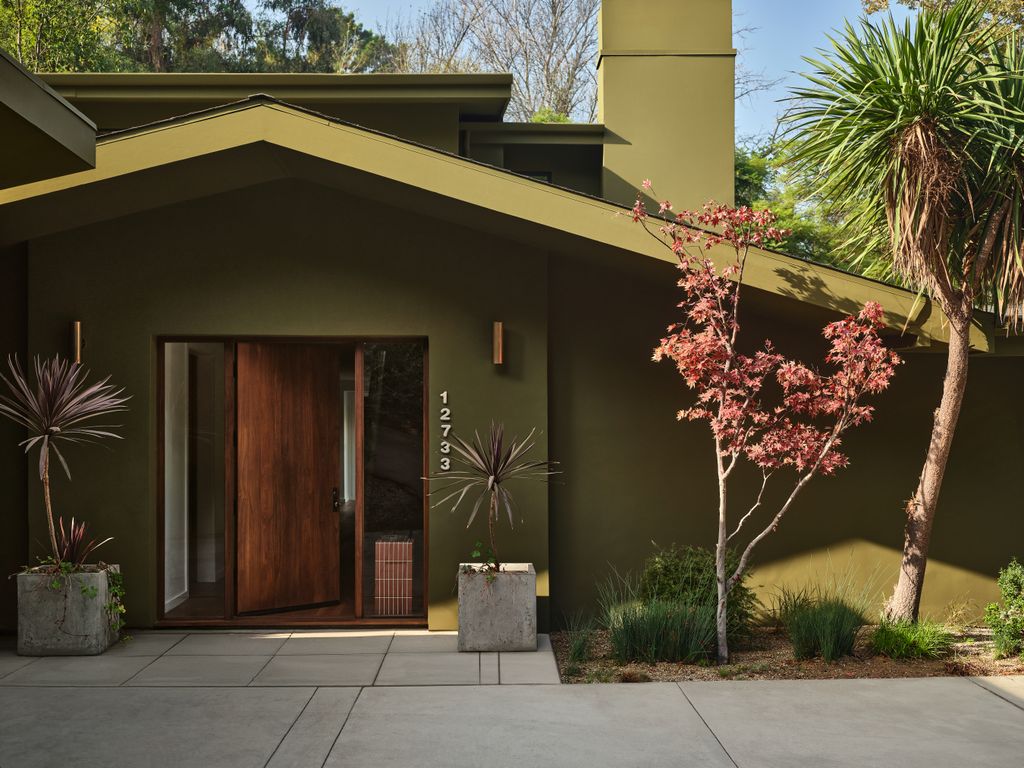
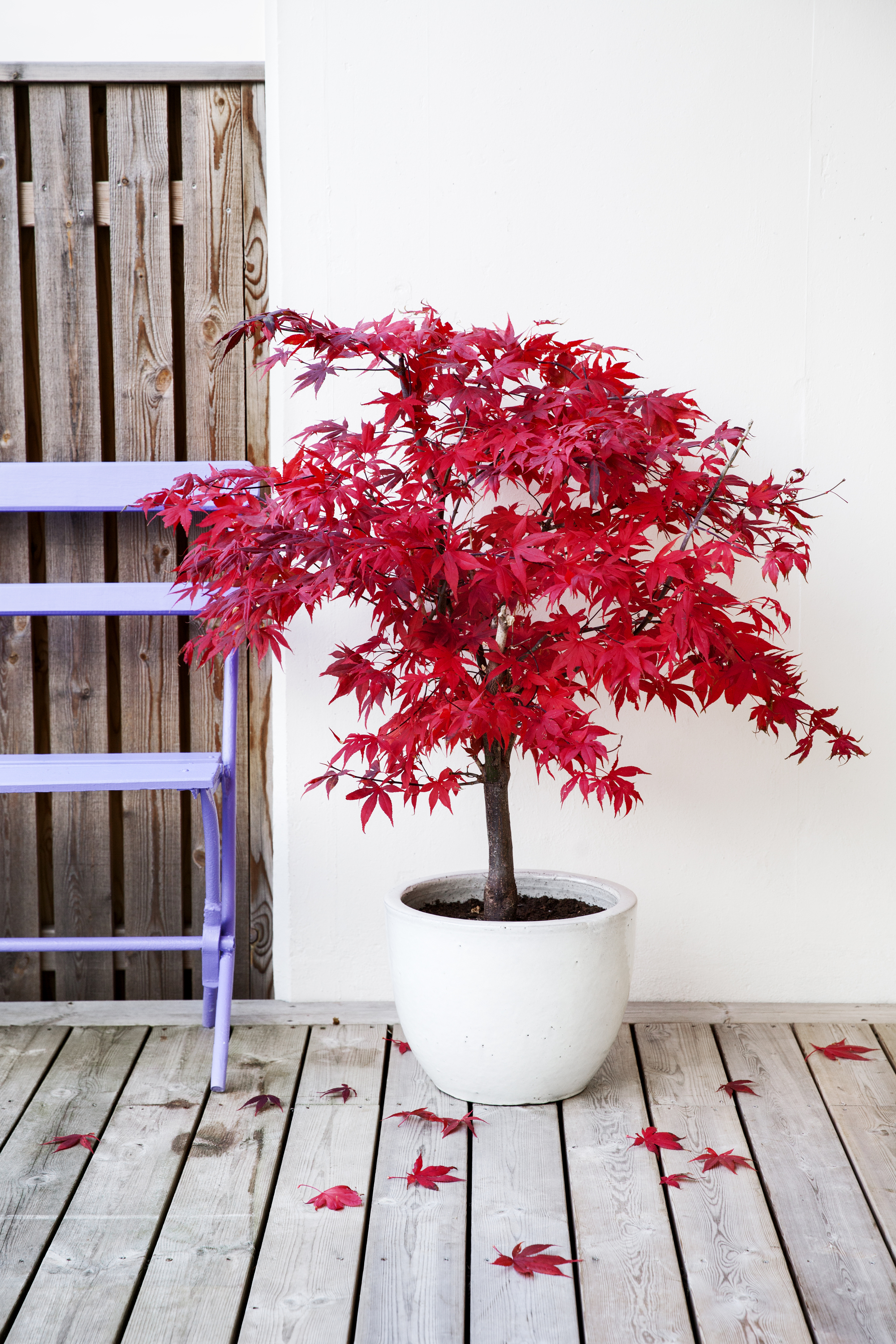
Carolina silverbell (Halesia tetraptera), native to the southeastern United States, features dangling white bell-shaped flowers in early spring and bright yellow fall foliage. Hawthorn (Crataegus crus-galli), a native tree, attracts pollinators with white flowers and birds with small red fruits, also offering orange-red autumn color. Japanese maple (Acer palmatum) is a versatile choice for partially shaded areas, with cultivars like 'Bloodgood' known for burgundy foliage and 'Sango-kaku' for red branches; however, some varieties are invasive. Paperbark maple (Acer griseum), from Central China, is valued for its reddish-yellow fall leaves and distinctive peeling red-brown bark. Serviceberry (Amelanchier spp.) provides year-round interest with white flowers, edible berries, outstanding orange-red fall color, and silvery-gray bark.
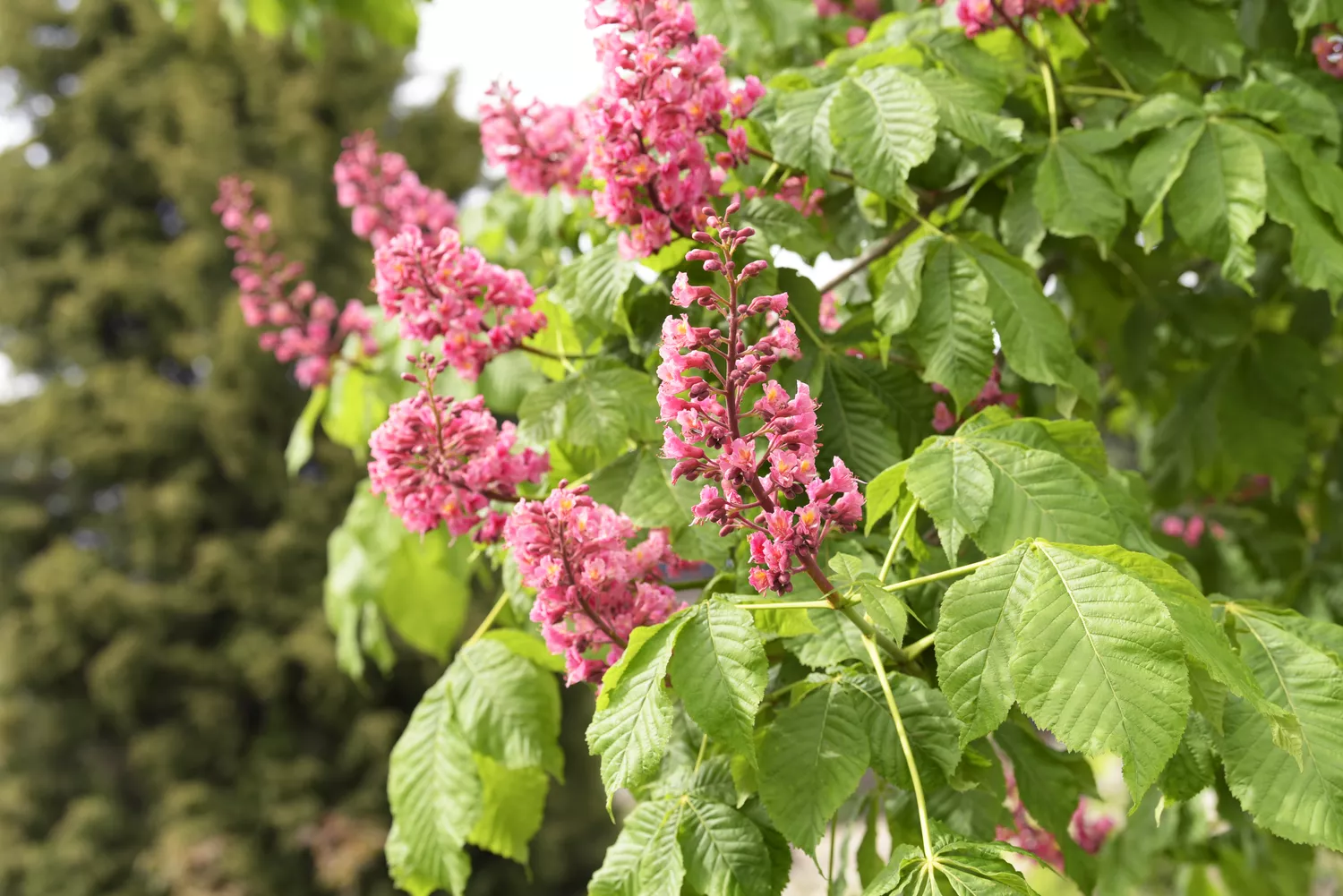
Mountain stewartia (Stewartia ovata), native to Southeastern North America, offers white camellia-like flowers in mid-summer and orange and red fall foliage. Snowbell (Styrax japonicus), or Japanese snowbell, displays dangling white bell-shaped flowers in late spring to early summer, with blue-gray fruits and reddish-yellow fall leaves. Japanese tree lilac (Syringa reticulata) features fragrant creamy-white flowers in early summer and shiny copper-colored bark in winter. Chaste tree (Vitex agnus-castus), a Mediterranean native, produces lavender, blue, or white flowers in early to mid-autumn and is drought-tolerant, though some varieties are invasive. Powder puff (Calliandra haematocephala), from Bolivia, offers fluffy red, pink, or white summertime flowers and is suitable for warm, dry climates. Red buckeye (Aesculus pavia), native to the southeastern United States, showcases panicles of deep red flowers in spring and early summer, with large, shiny, dark brown seeds and red fall leaves. Choosing the right small tree involves considering factors such as climate, desired aesthetic features, growth rate, and potential invasiveness to ensure a successful and appealing landscape.
#SmallTrees #FrontYardLandscaping #CurbAppeal #FloweringTrees #FallFoliage #GardenDesign #NativePlants #DroughtTolerant #SeasonalInterest #SmallTrees #FrontYardLandscaping #CurbAppeal #FloweringTrees #FallFoliage #GardenDesign #NativePlants #DroughtTolerant #SeasonalInterest
0 comment in total
 No comments yet
You may also like
Front garden path ideas to up your kerb appeal
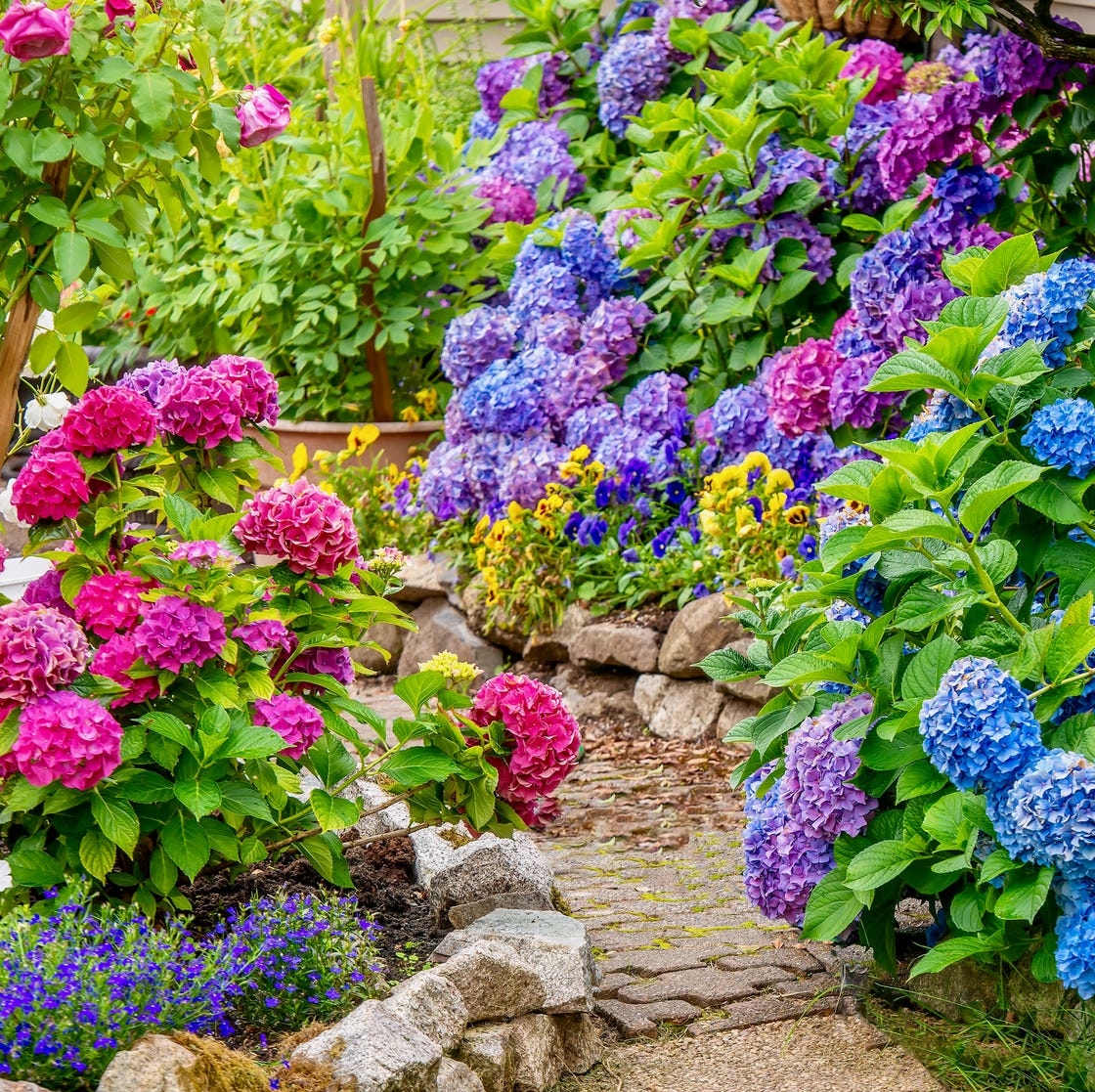
These Beautiful Flowering Shrubs Will Add Major Color to Your Garden

10 Beautiful Privacy Shrubs You'll Want To Grow Right Next To Your Windows

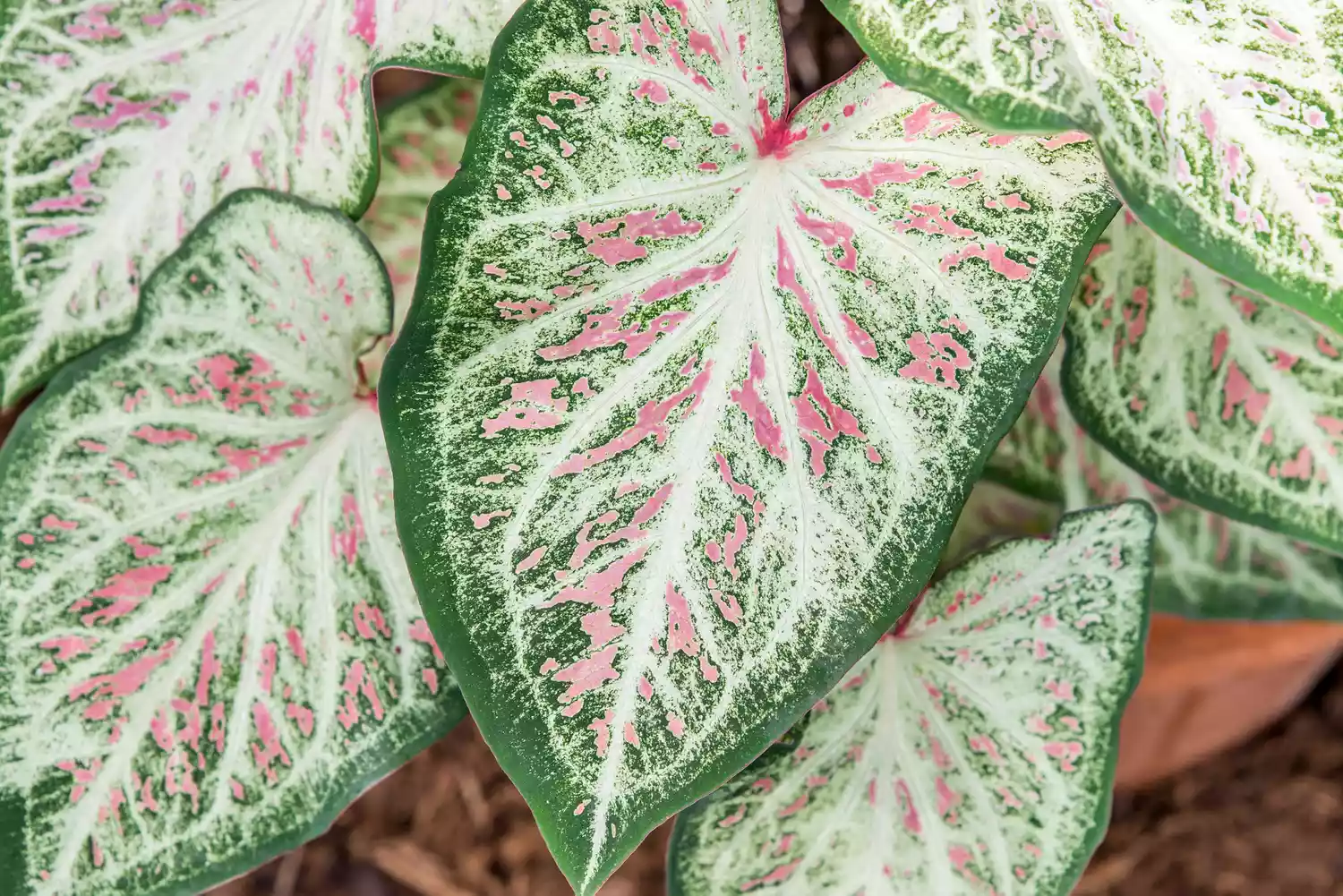
8 Beautiful Plants We Love to Add Color and Texture to Your Yard

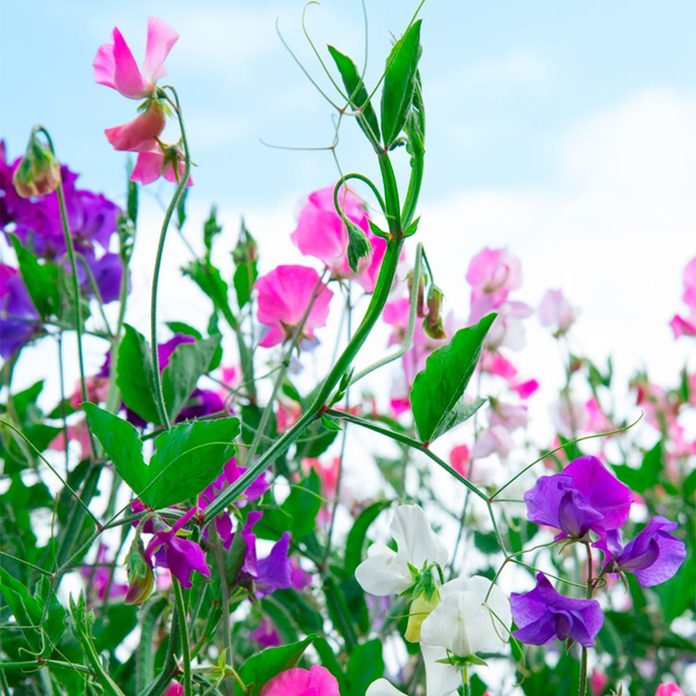
15 Colorful Plants to Brighten Up Your Landscape

Big Bows, Faux Fur, and Florals — The Best Christmas Tree Decorations You’ve Never Heard Of Are Under $20

12 Plants with Colorful Leaves for Brightening Up Your Garden

24 Exterior House Colors That Add Major Curb Appeal

We Found the BEST Pink Flowering Trees to Boost Your Curb Appeal

20 Small Backyard Ideas That Pack a Lot of Punch
10 Tall Outdoor Plants for Landscaping
Try These Small Patio Decorating Ideas to Refresh Your Space

18 Best Medium-Sized Trees for Your Yard
Best plants for a courtyard garden – 8 favorites to grow for maximum impact in a small space

20 Fences That Instantly Add Charm to Any Backyard
What type of privacy trees can I grow in pots? 5 container gardening picks that can help screen your backyard
8 of the best low-maintenance trees to make a backyard look expensive
37 Best Small Christmas Tree Ideas With Big Holiday Spirit
Spruce Up Your Patio, Porch, or Deck With These Attractive Outdoor Plant Stands

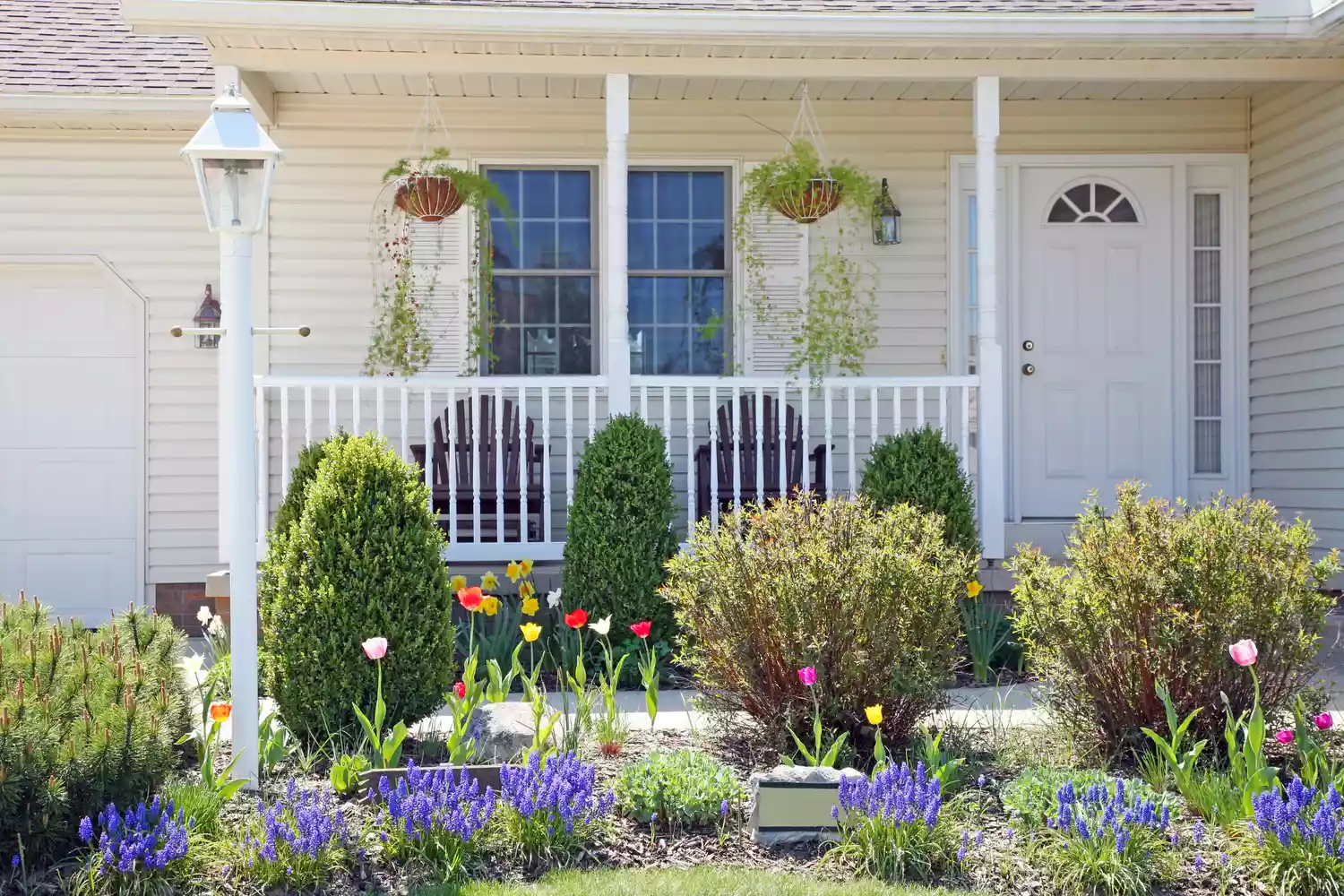
10 Small Front Yard Landscaping Ideas That Make a Big Impact, According to Designers