1/2
25 of the Prettiest Ornamental Grasses for Your Garden
Ornamental grasses are a diverse group of plants offering a wide range of sizes, colors, and textures suitable for various landscape applications. These versatile plants can provide visual interest throughout all four seasons, with some varieties reaching impressive heights while others remain compact. Their adaptability extends to light requirements, with options available for both full sun and partial shade. A notable characteristic of ornamental grasses is their aesthetic appeal, particularly as they rustle gently in the wind, adding dynamic movement and sound to a garden.
However, gardeners must exercise caution, as many ornamental grasses can become invasive, outcompeting native species. It is crucial to consult local invasive plant lists before selecting and planting any variety. The article highlights 25 specific types of ornamental grasses, detailing their unique features, growing conditions, mature size, and hardiness zones. For instance, Blue Fescue (Festuca glauca) is a compact grass ideal for edging or groundcover, offering powder-blue foliage and growing to about 1 foot tall in Zones 4-8. Fountain Grass (Pennisetum alopecuroides) provides texture and color with soft, feathery plumes, reaching up to 5 feet tall in Zones 5-9.
Prairie natives like Little Bluestem (Schizachyrium scoparium) and Switchgrass (Panicum virgatum) are highlighted for their seasonal color changes and ecological benefits. Little Bluestem, for example, features lavender-blue stem bases and foliage that shifts to bronze-orange in fall, growing up to 4 feet tall in Zones 3-9. Switchgrass, growing up to 6 feet tall in Zones 4-9, is suitable for privacy screens or large containers, with many varieties exhibiting blue-gray foliage that turns gold or red in autumn. Reed Grass (Calamagrostis x acutiflora 'Karl Foerster') offers a strong vertical accent with buff-colored plumes that persist through winter, reaching 6 feet tall in Zones 5-9.
Shade-tolerant options include Hakone Grass (Hakonechloa macra), also known as Japanese forest grass, which forms low-growing mounds, with variegated selections brightening shady areas, typically growing to 1 foot tall in Zones 5-9. Northern Sea Oats (Chasmanthium latifolium) also thrives in shade, showcasing interesting oat-like seed heads that flutter in the breeze and turn vibrant gold in autumn, reaching 5 feet tall in Zones 3-8, though it is noted for its fast-spreading nature.
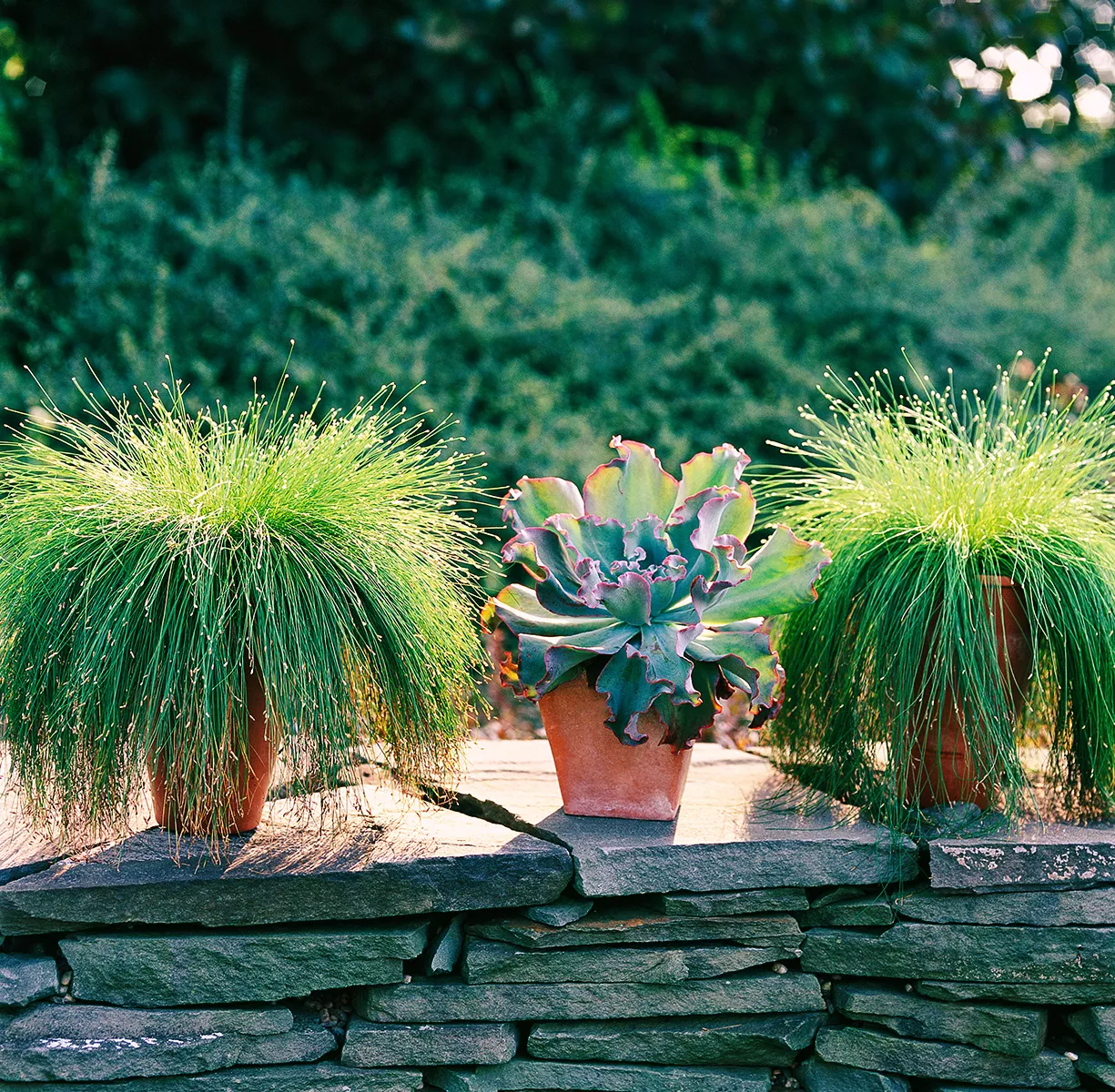
The list also includes annual grasses like Purple Millet (Pennisetum glaucum), known for its burgundy foliage and purple flower heads, growing to 5 feet tall and treated as an annual in colder climates. Unique choices such as Fiber Optic Grass (Isolepis cernua), with its fine, mop-like tufts, are presented as excellent options for container gardens and small spaces, growing only 6 inches tall and typically cultivated as an annual.
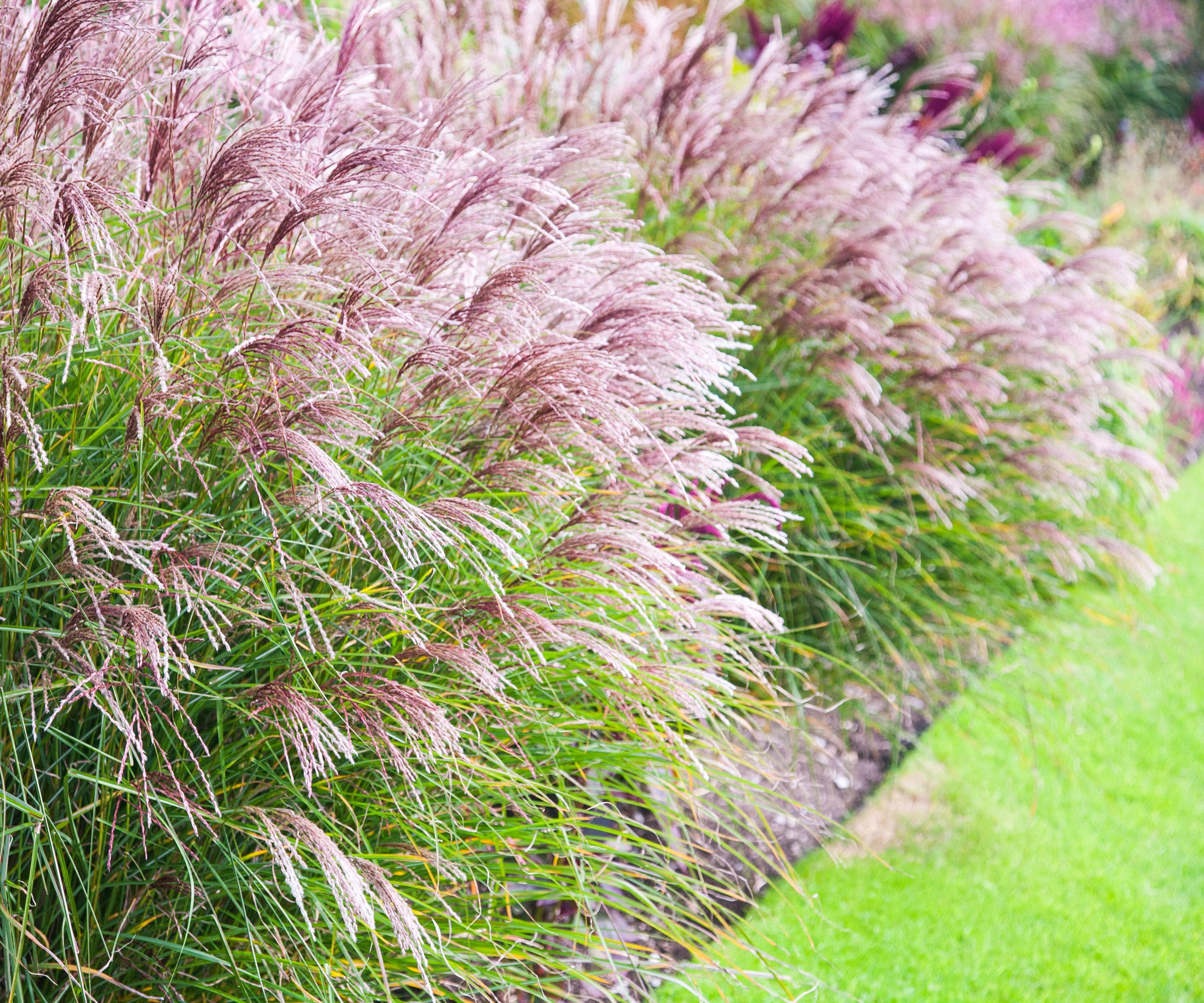
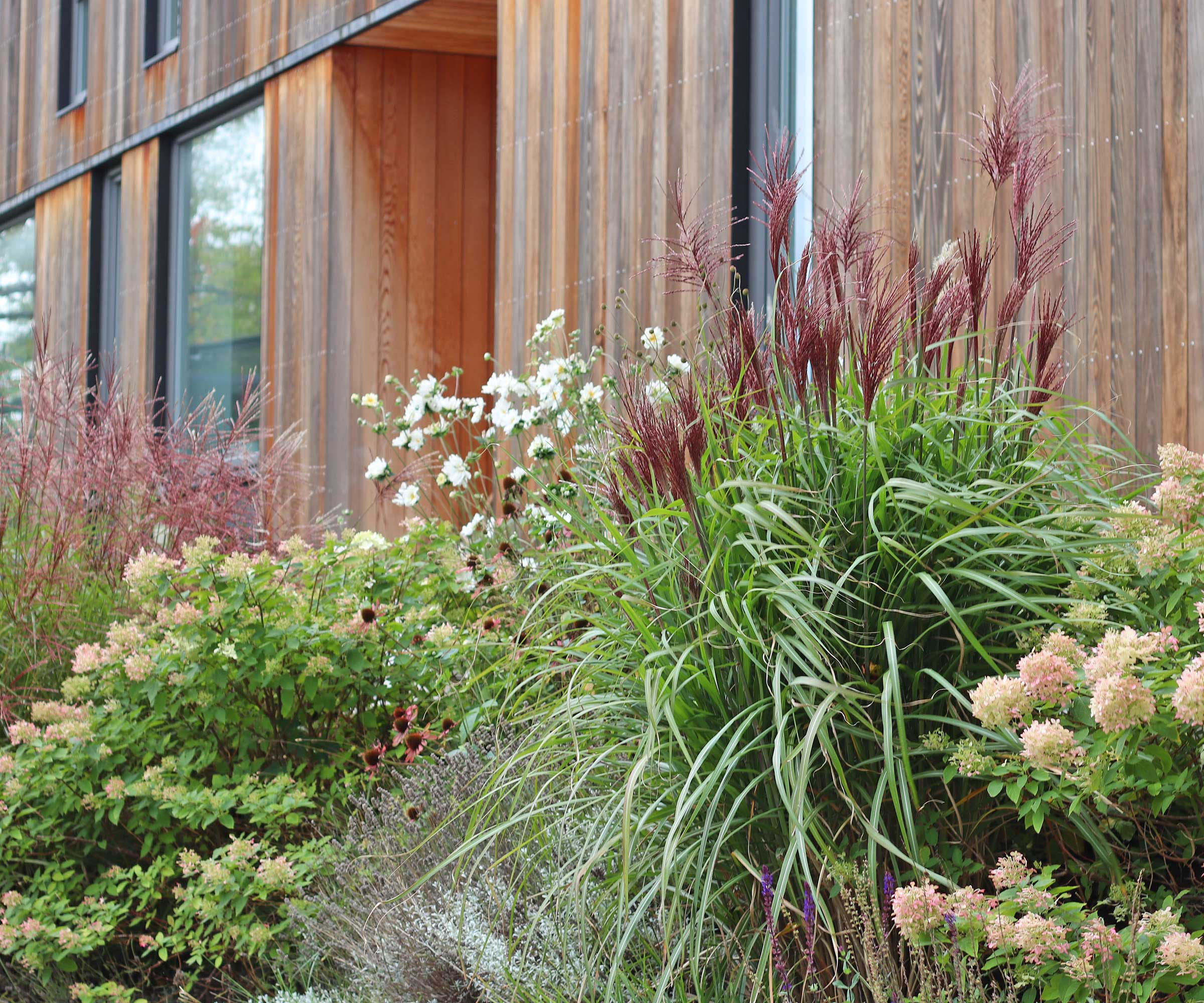
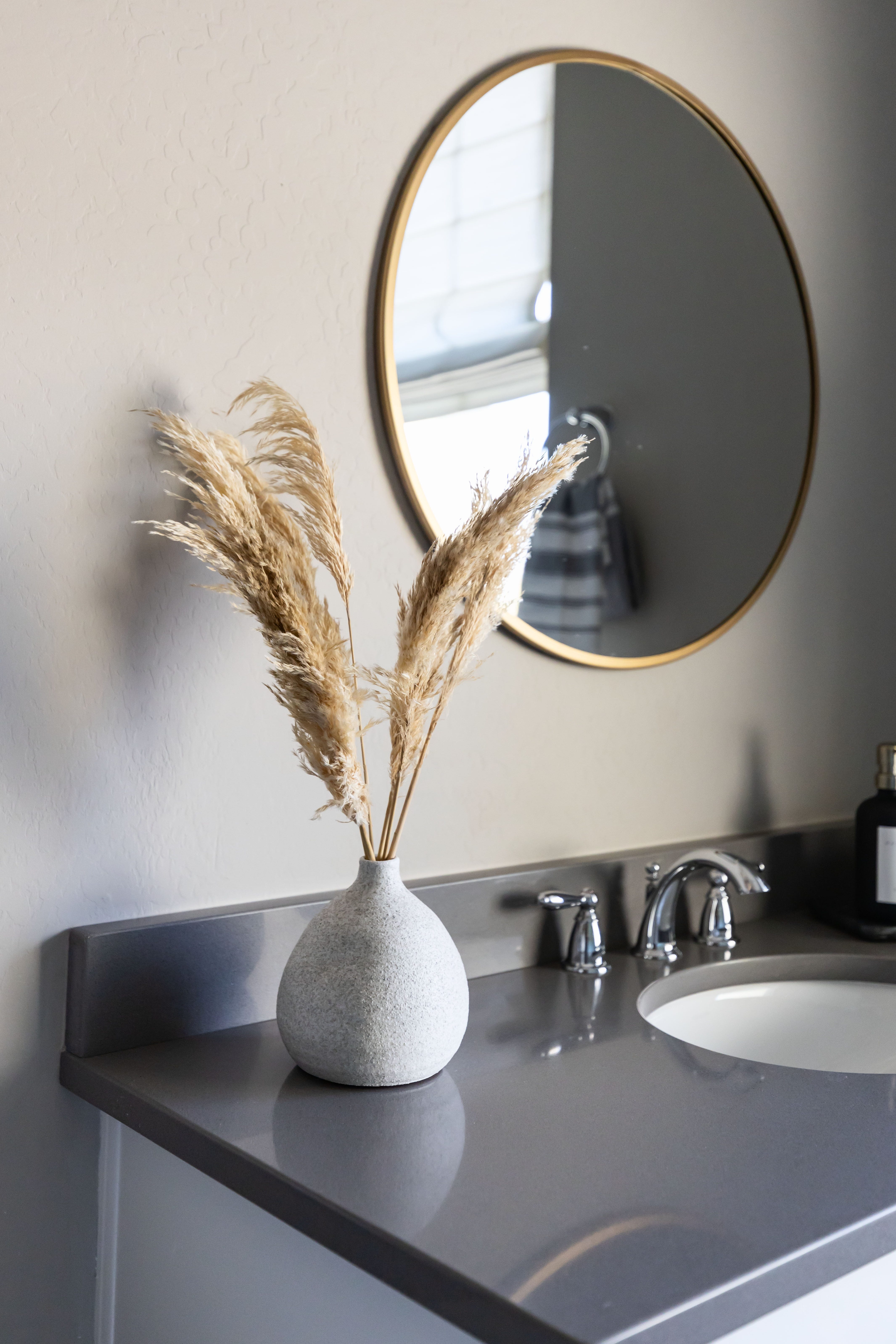
Several grasses are identified with invasive tendencies, including Maiden Grass (Miscanthus sinensis), Ravenna Grass (Saccharum ravennae), and Pampas Grass (Cortaderia selloana). For each of these, the article emphasizes the importance of checking state invasive plant lists, as they can outcompete native species and, in some cases, increase fire risk. The article also touches upon Liriope (Liriope spicata), clarifying that while it resembles grass and offers similar landscape effects, it is botanically a member of the lily family and serves as an effective groundcover.
Practical advice is provided regarding the optimal planting time for ornamental grasses, recommending spring or early fall to allow for strong root establishment before winter. Additionally, guidance on maintenance suggests cutting back most ornamental grasses in late winter or early spring before new shoots emerge. This practice not only maintains plant health but also allows the grasses to provide winter interest and offer food and shelter for birds, showcasing the multi-seasonal benefits of incorporating these plants into garden designs.
#OrnamentalGrasses #GardenDesign #LandscapeArchitecture #PerennialPlants #PlantSelection #InvasiveSpecies #Horticulture #GardeningTips #OrnamentalGrasses #GardenDesign #LandscapeArchitecture #PerennialPlants #PlantSelection #InvasiveSpecies #Horticulture #GardeningTips
0 comment in total
 No comments yet
You may also like
Landscaping with ornamental grasses – 6 inspirational ideas to add height and movement to your yard

15 Colorful Plants to Brighten Up Your Landscape

Best flowering ground cover plants – 5 expert-approved species to fill your borders with vibrant color
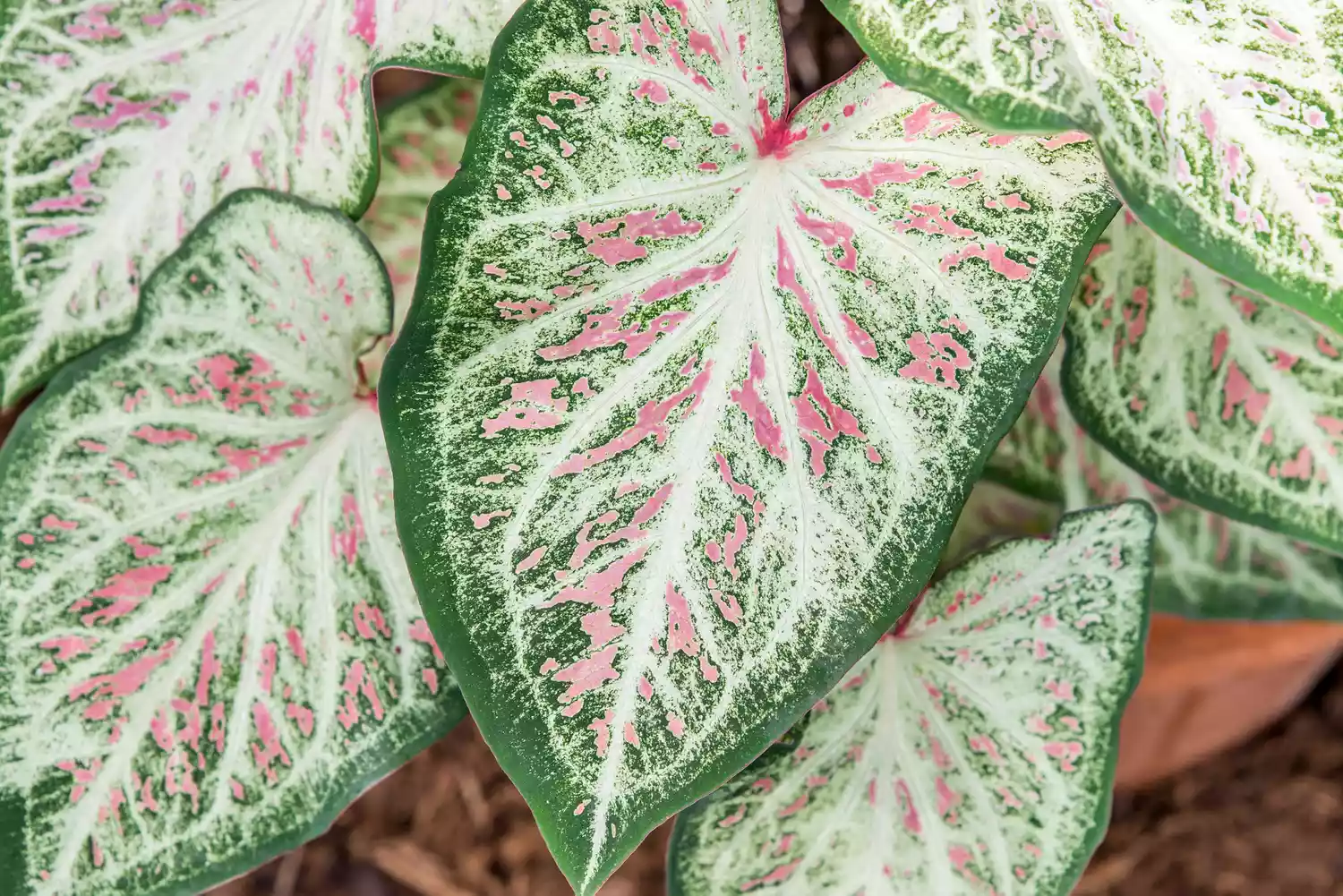
8 Beautiful Plants We Love to Add Color and Texture to Your Yard

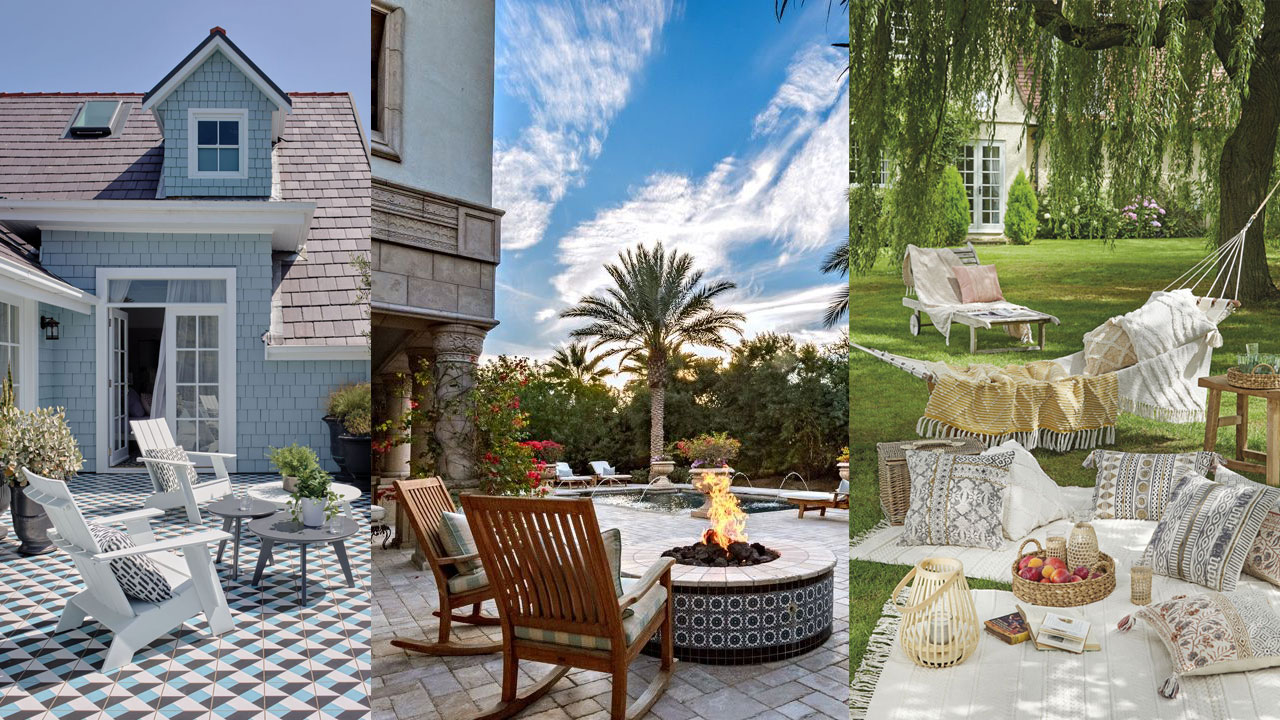
Garden decorating ideas – 24 ways to update your backyard

25 Flower Vases For Your Next Cheerful Arrangement Of Flowers

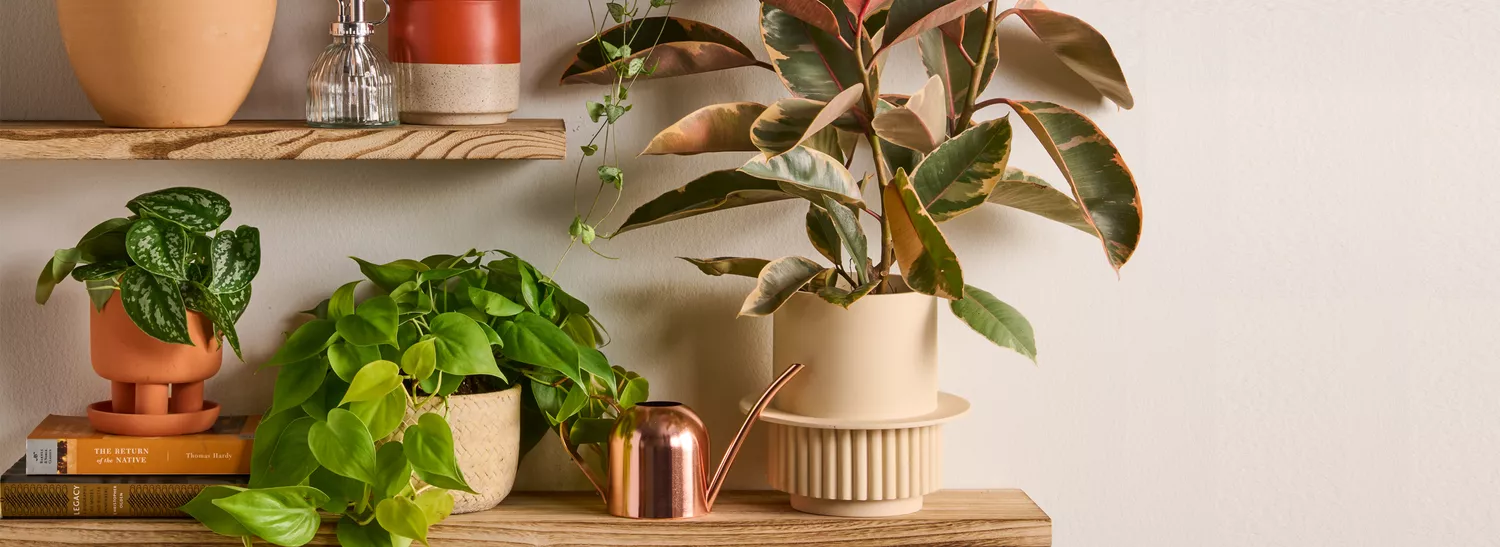
These 25 Colorful Houseplants Secretly Double as Decor
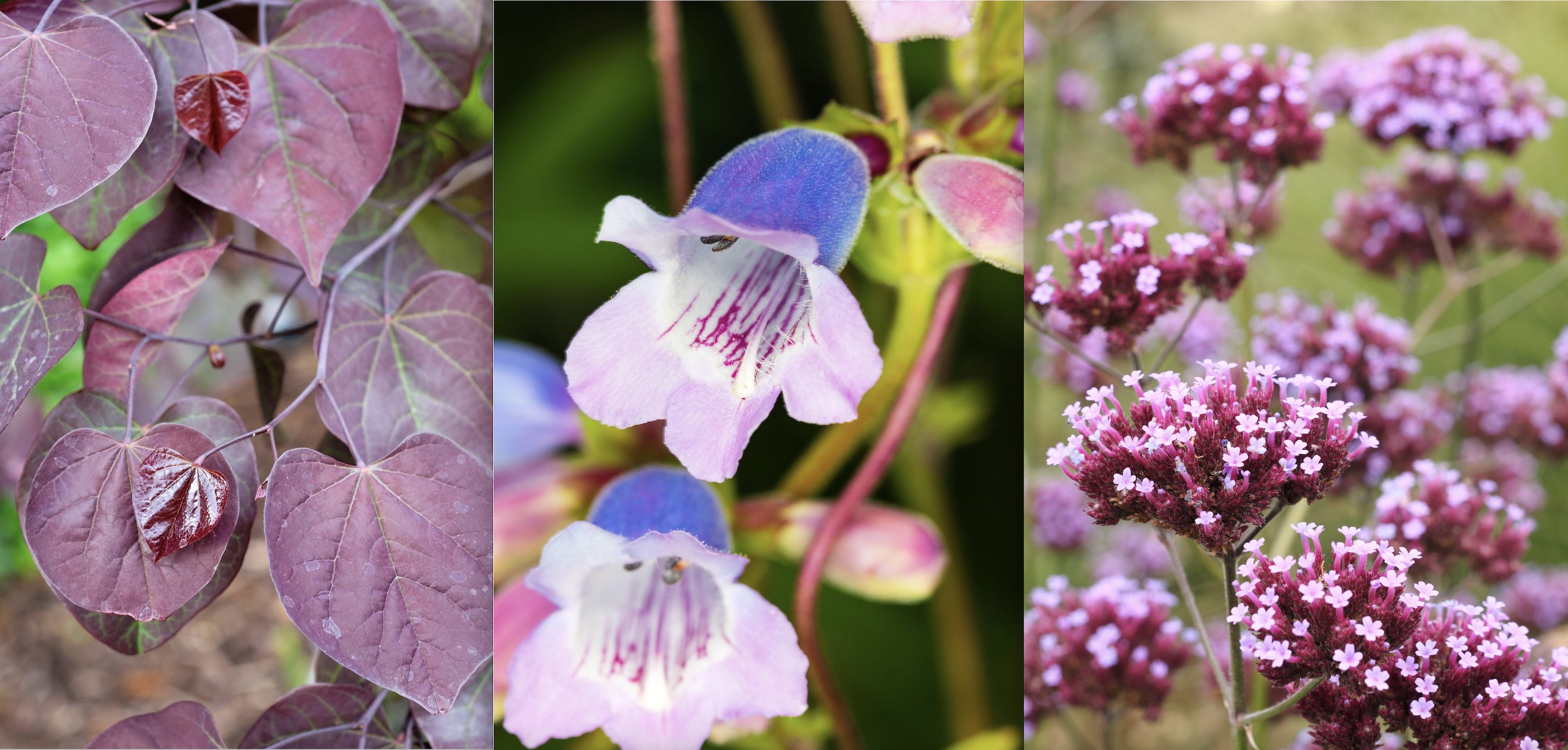
Purple plants – 5 best to choose for the perfect purple border
35 Outdoor Decor Pieces That’ll Make Your Neighbors Green With Envy
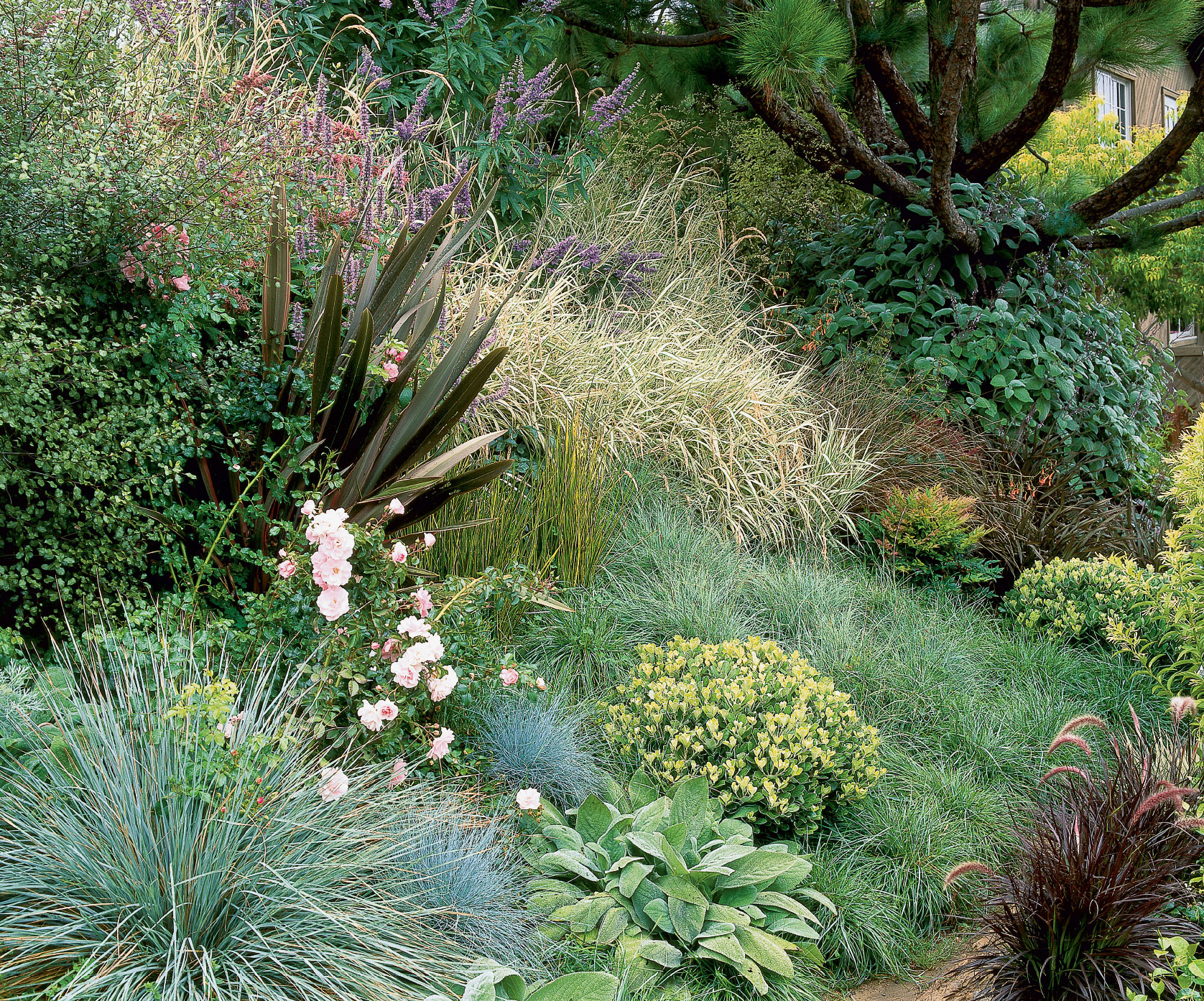
Gorgeous Grasses

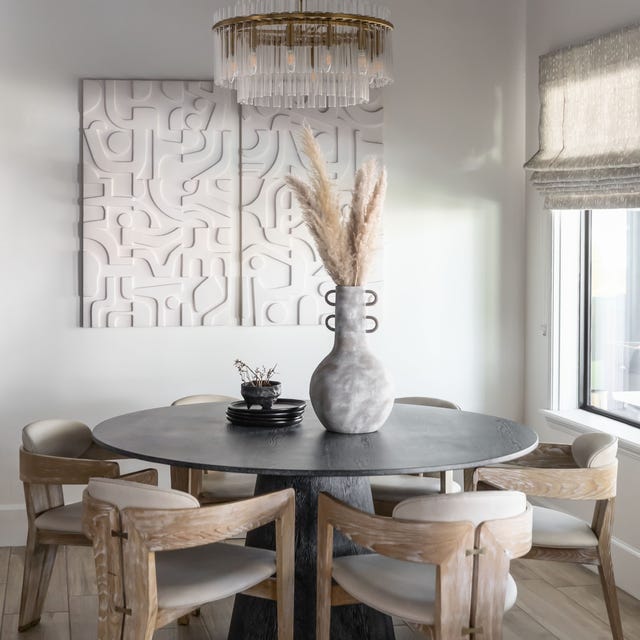
Pampas Grass Decor Is All the Rage Now — Here's How to Test the Trend

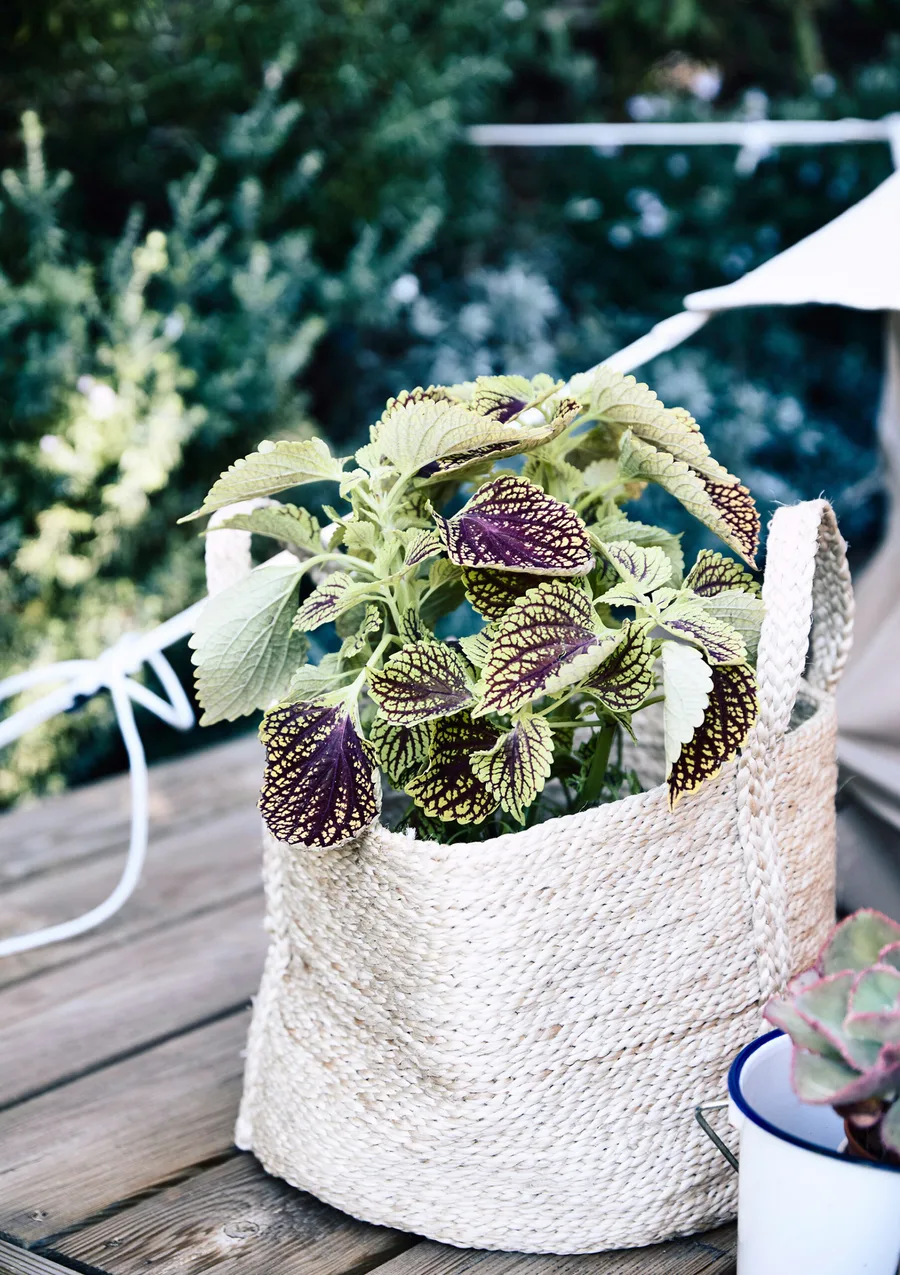
8 of the best indoor plants with patterned leaves

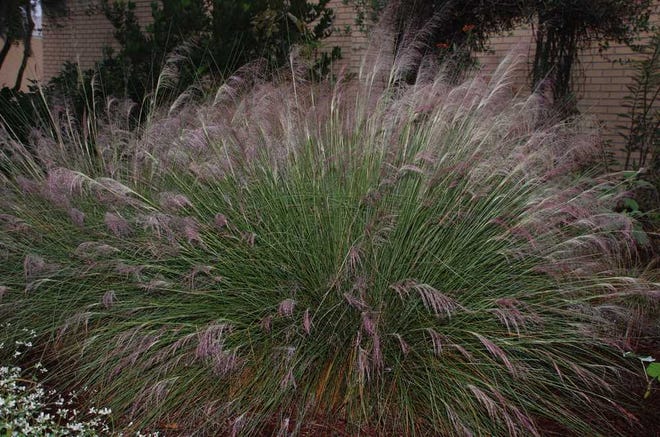
Garden column: Get some visual interest in your garden with ornamental grasses
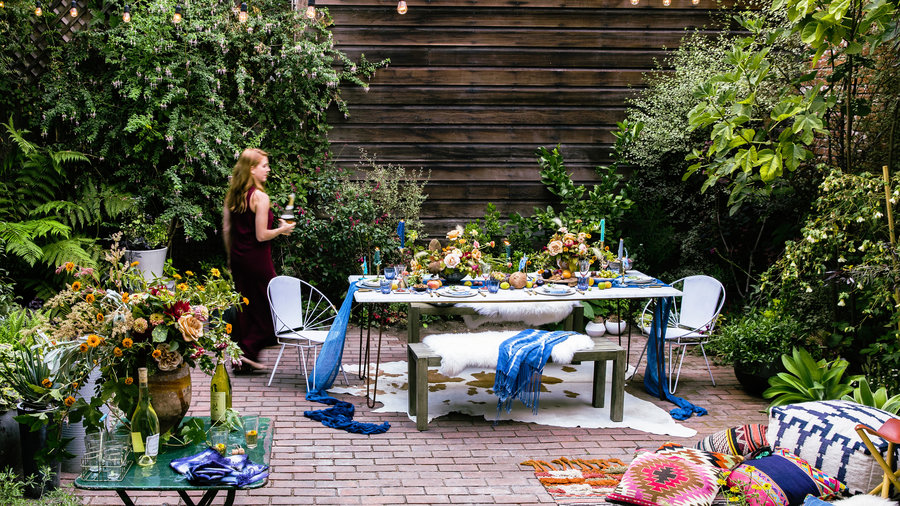
Stunning Floral Decor for Your Next Outdoor Party
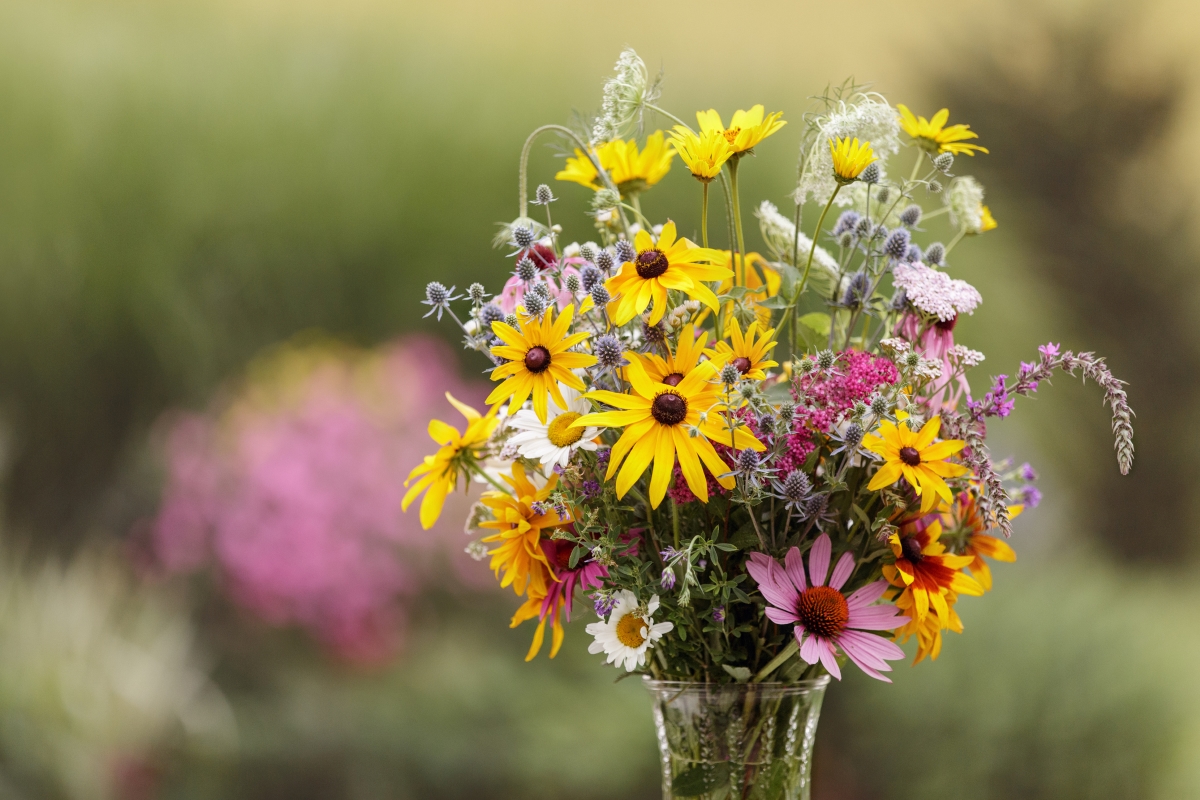
15 Cut Flowers to Grow for Stunning Homemade Bouquets

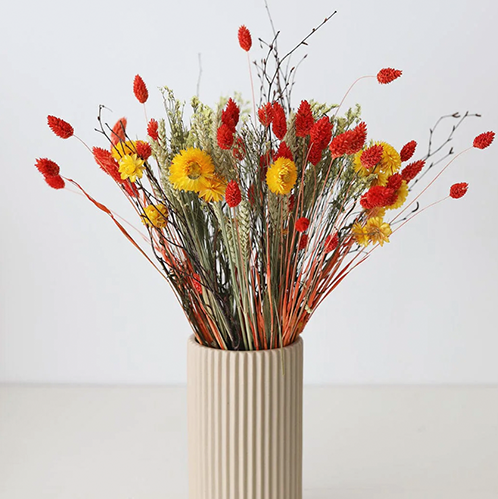
This Vibrant Dried Flower Bouquet Is Only $20


Fix Your Yard's Problems with These Ground Cover Flowers + Plants
These Beautiful Flowering Shrubs Will Add Major Color to Your Garden

18 Genius Garden Landscaping Ideas From the AD Archive

25 Breathtaking Blue Flowers For Your Garden