Gorgeous Grasses
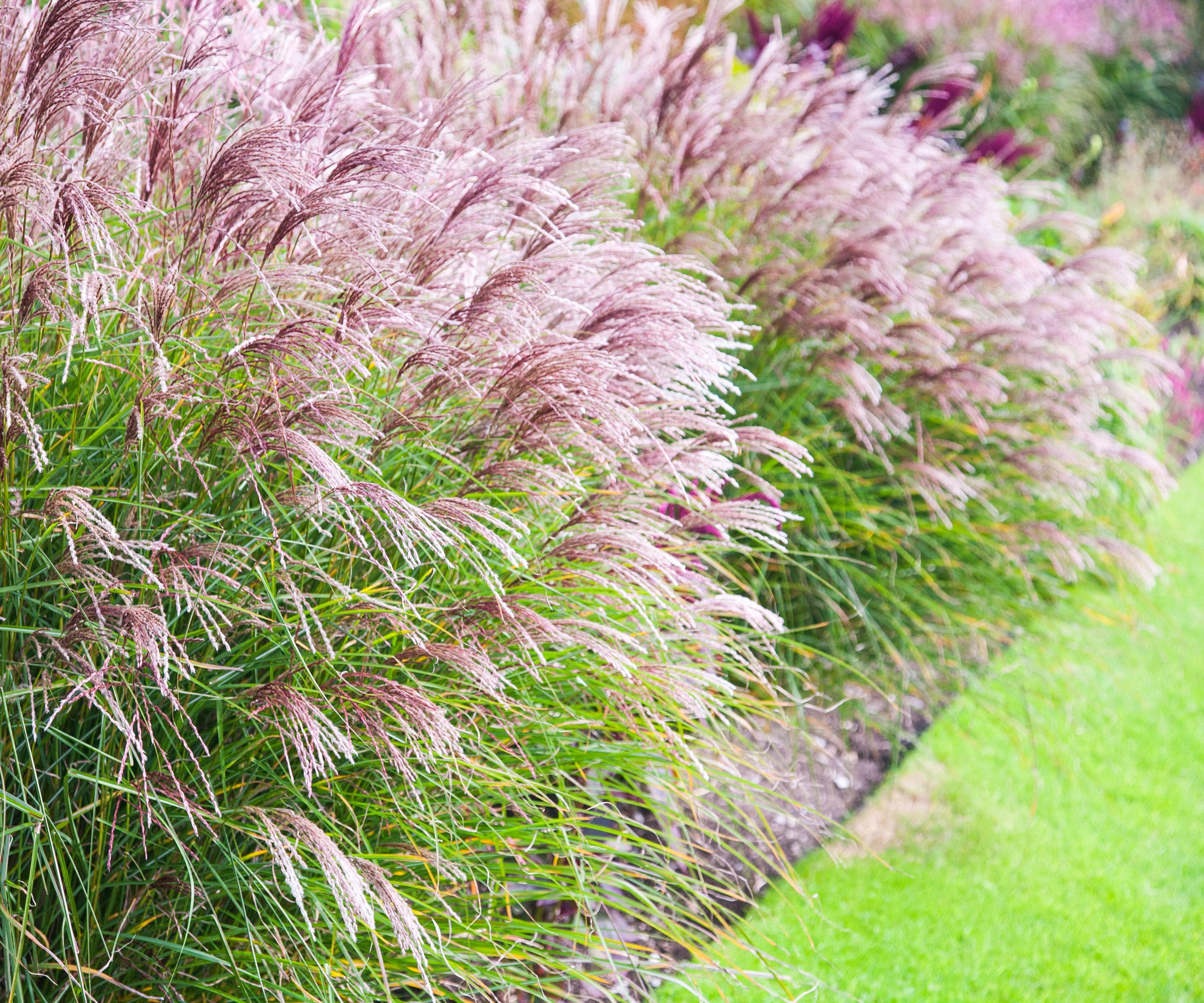
Ornamental grasses are versatile plants that can significantly enhance garden design by adding texture, motion, light, and sound. Rick Darke, an expert on ornamental grasses and author of "The Color Encyclopedia of Ornamental Grasses," advocates for integrating these plants throughout the garden rather than isolating them. He suggests that grasses act as cohesive elements, blending diverse plants into a harmonious landscape. Unlike flower-centric borders, incorporating grasses introduces a dynamic quality, making the garden feel more unified and less like a collection of disparate elements.
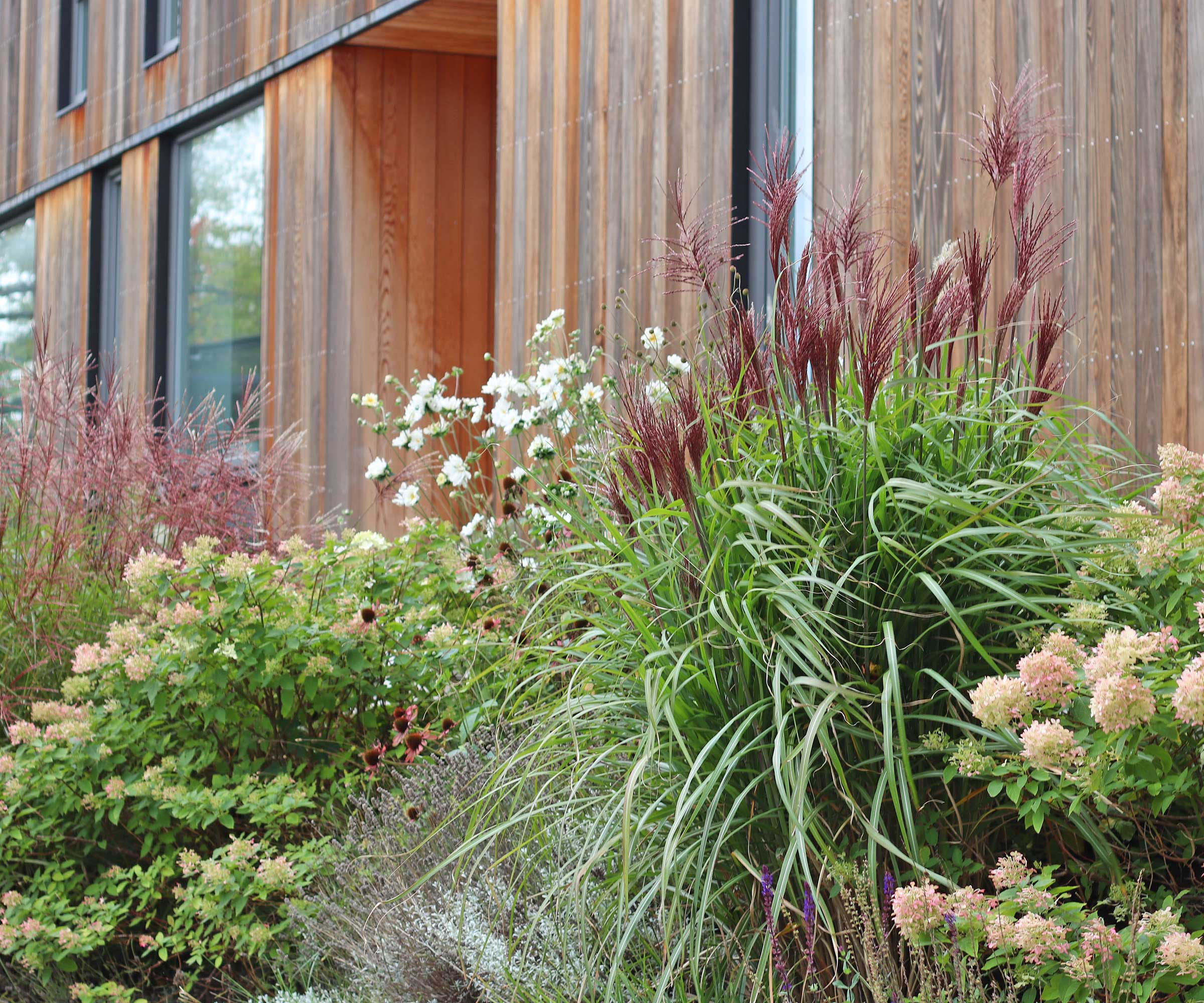
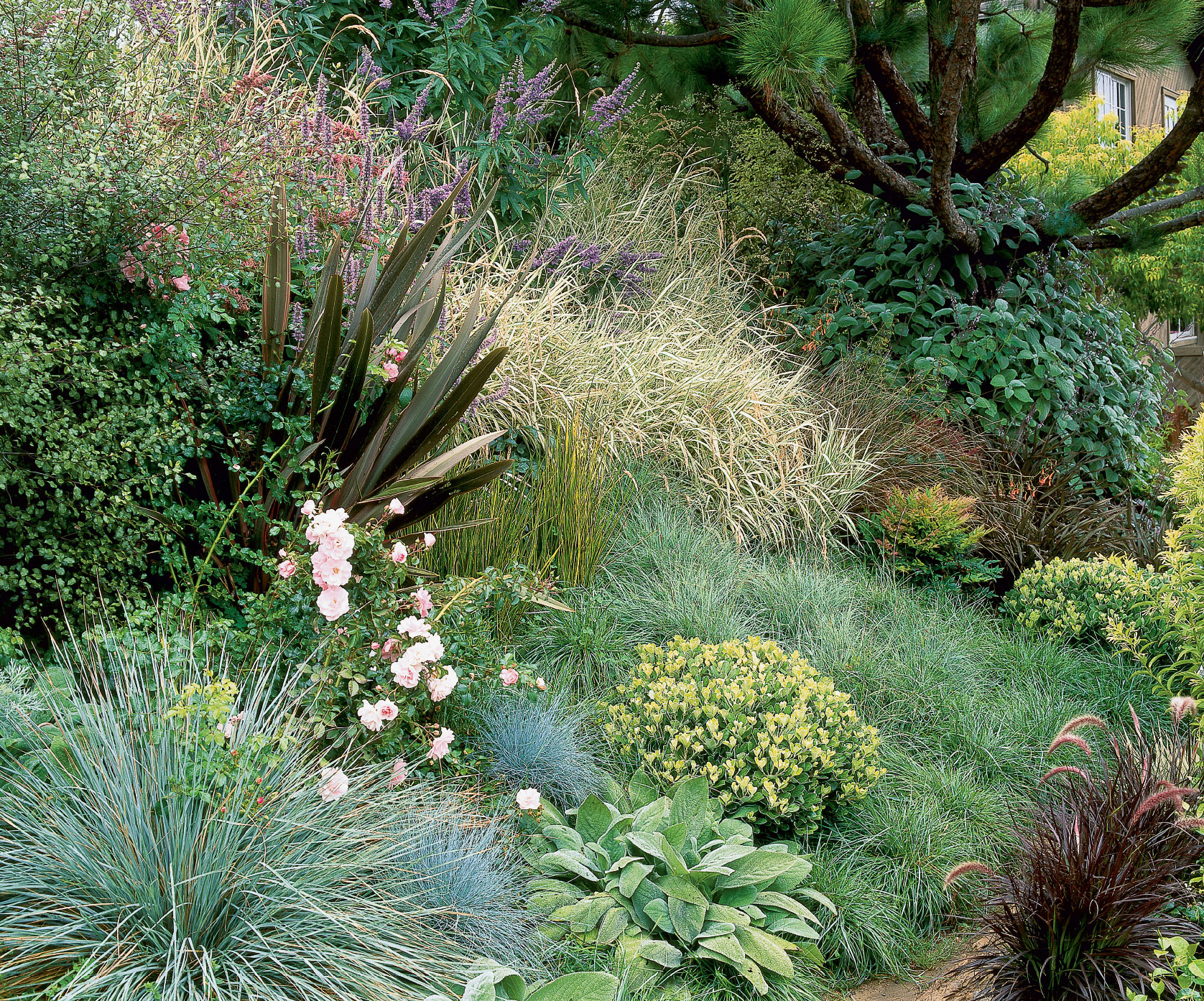
Western designers are adopting innovative methods to integrate grasses into garden schemes. For instance, Lew Whitney from Roger’s Gardens in Corona del Mar, California, uses grasses alongside shrubs in foundation plantings. These designs prioritize foliage over flowers, creating visually engaging, low-maintenance displays. Examples include pairing vertical grasses like blue oat grass (Helictotrichon sempervirens) and pheasant’s tail (Stipa arundinacea) with dense, rounded shrubs such as apple green Pittosporum crassifolium ‘Compactum’. Additional texture and color come from plants like ribbon grass (Phalaris arundinacea) and autumn moor grass (Sesleria autumnalis). While colorful varieties like burgundy fountain grasses and bronze carexes are popular, some designers, such as Laguna Beach landscape architect Jana Ruzicka, prefer unvariegated greens like maiden grass and sheep fescue (Festuca ovina) for a calmer aesthetic, especially in gardens near natural wilderness.
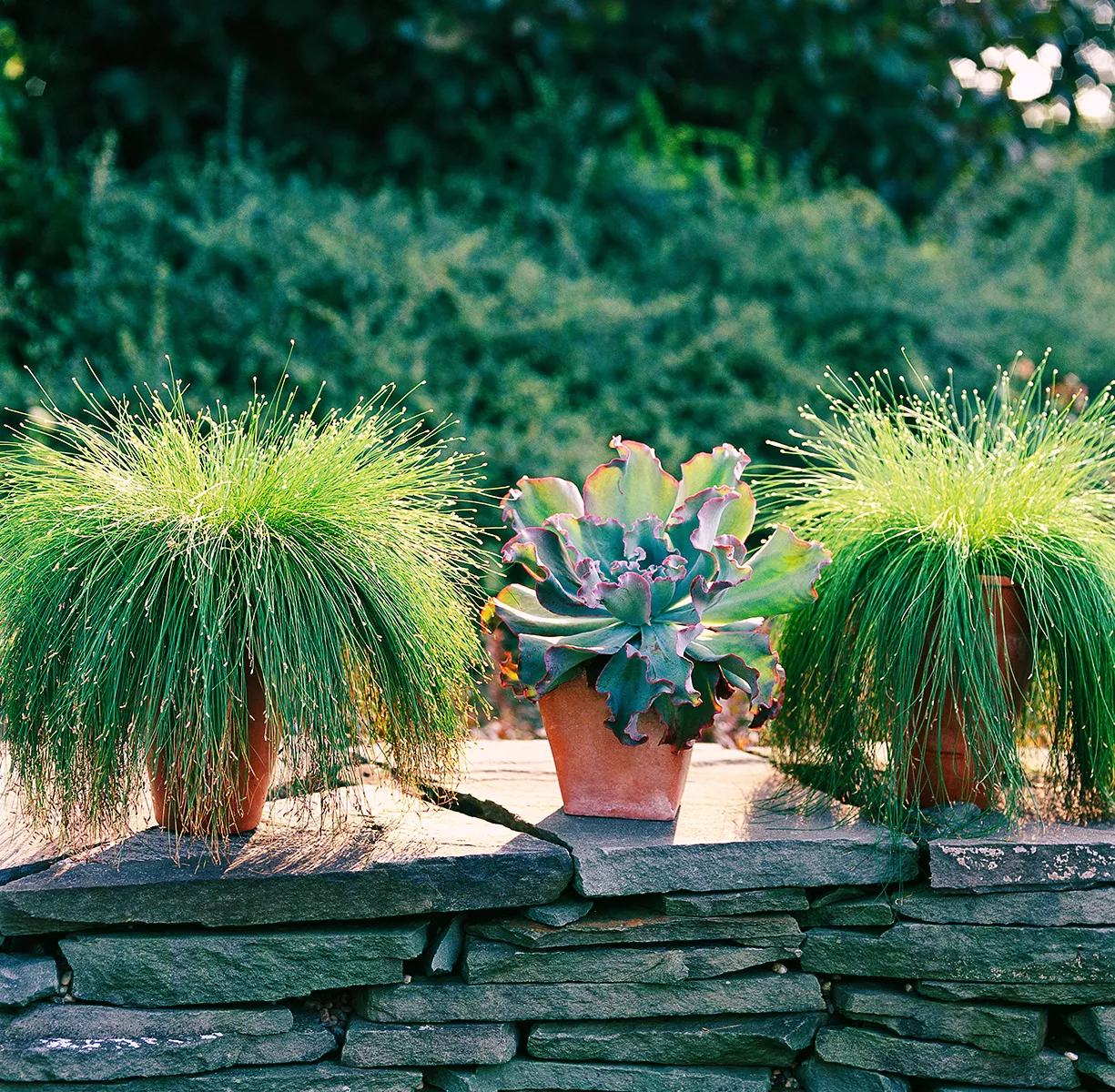
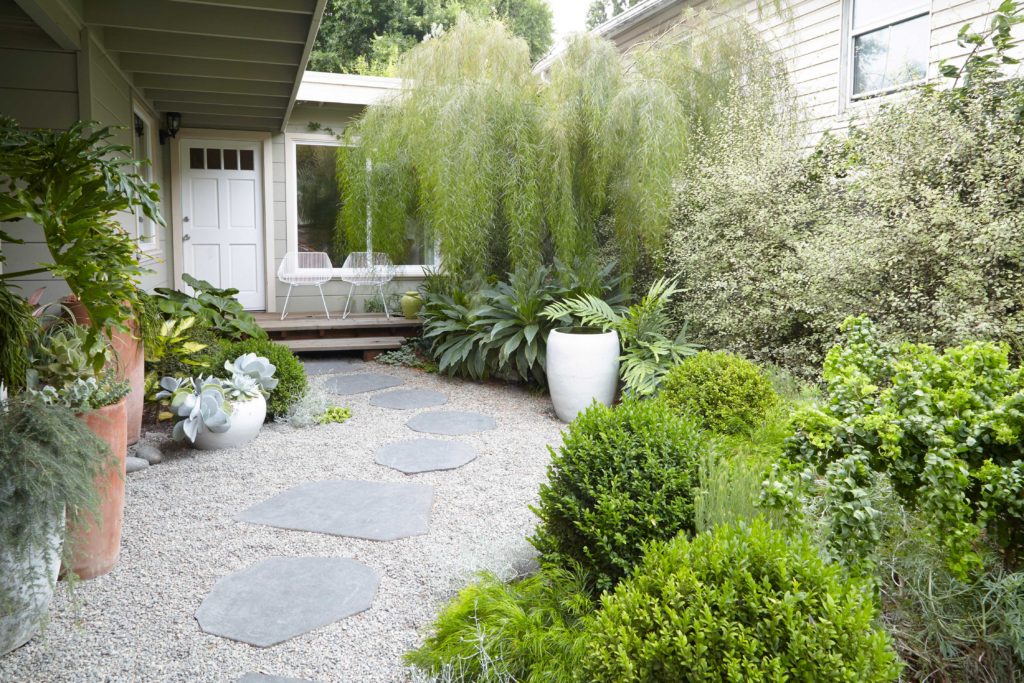
Ornamental grasses serve multiple functions in garden design. For container gardening, they make excellent companions for annuals, perennials, herbs, succulents, and broad-leafed plants. They can also stand alone in striking containers, complementing the pot rather than competing with it. Blue lyme grass (Elymus arenarius ‘Glaucus’) in a weathered copper pot or eulalia grass (Miscanthus sinensis) mimicking the shape of an urn are examples. As ground covers, small tuft grasses like carex and festuca pair well with various plants. Ruzicka uses green Carex texensis with woodland plants, while Susanne Jett creates meadows with blue fescue, yarrow, and snow-in-summer, or Mediterranean-inspired mixes with fescue and succulents. For natural appearance, these grasses should be planted in clusters.
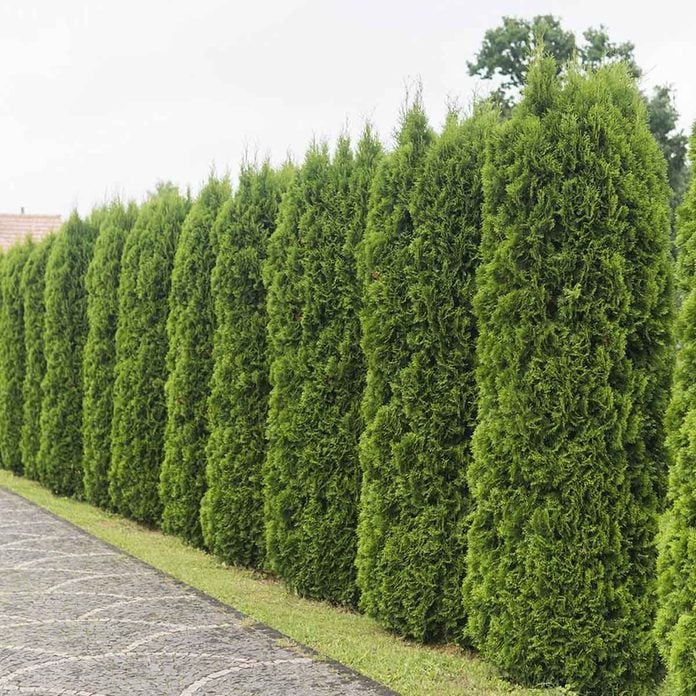
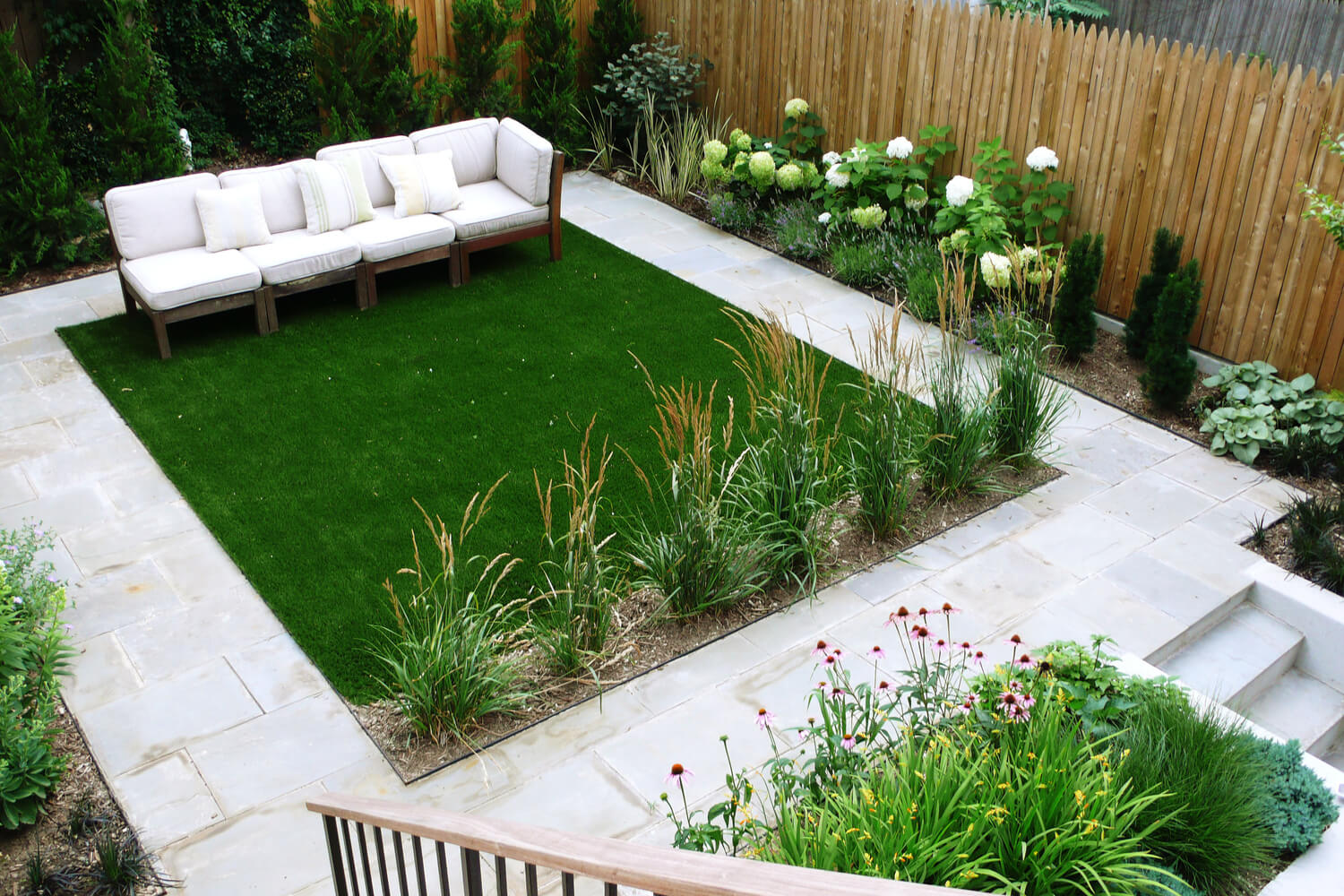
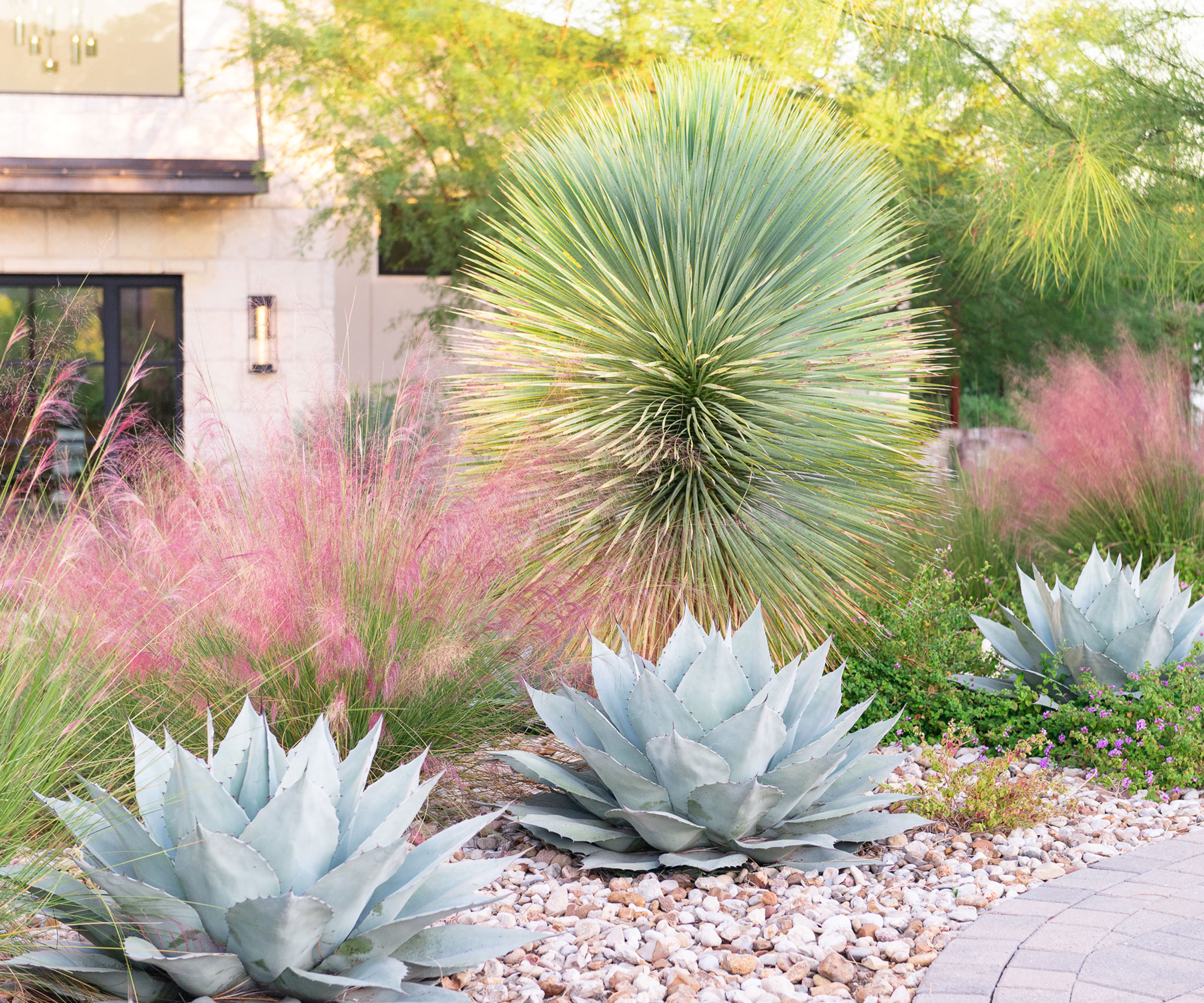
Tall grasses, such as eulalia grass, serve as effective hedges and screens, providing boundaries and privacy while catching light and moving gracefully. Other suitable options include Calamagrostis acutifolia ‘Stricta’ and Molinia caerulea. Medium-stature grasses (3 to 6 feet) and low clumping grasses with tall flower spikes complement perennials and flowering shrubs. Recommended combinations include blue oat grass with yellow Mexican tulip poppy or true blue Salvia patens, feather reed grass with Russian sage or rudbeckia, Mexican feather grass with Santa Barbara daisy or lavender, and Oriental fountain grass with ‘Autumn Joy’ sedum or pink shrub roses. Pink muhly (Muhlenbergia capillaris) can be paired with asters or smoke tree.
Caring for ornamental grasses is relatively simple. Most established grasses require weekly irrigation or less, and fertilization is generally unnecessary. They are also largely resistant to pests and diseases. Annual pruning in late winter or early spring, cutting them back to a few inches above the base when new growth appears, helps maintain their appearance. Division is required when clumps become too large or develop bare centers. While many nurseries carry local varieties, mail-order sources like Forestfarm, Digging Dog Nursery, Heronswood Nursery, and Plants of the Southwest offer a wider selection. Rick Darke’s "The Color Encyclopedia of Ornamental Grasses" provides further detailed information.
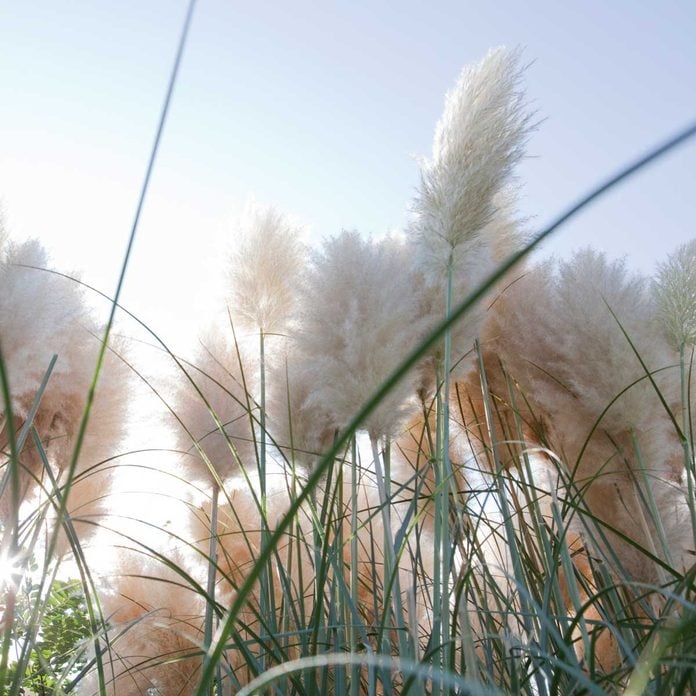
It is important to be aware of the invasive potential of certain grasses. Due to their prolific seed production and wind dispersal, some species can pose a threat to fragile wilderness areas. Gardeners are advised to choose native grasses or consult local extension offices to identify potentially invasive ornamental grasses in their region. Specifically, Arundo donax (giant reed) should be avoided in California and the Southwest, Cortaderia jubata (jubata grass) and C. selloana (pampas grass) in coastal California, and Pennisetum setaceum (green fountain grass) in Southern California and the Southwest.
#OrnamentalGrasses #GardenDesign #Landscaping #PlantCombinations #ContainerGardening #GroundCovers #HedgesAndScreens #GardenCare #InvasiveSpecies #OrnamentalGrasses #GardenDesign #Landscaping #PlantCombinations #ContainerGardening #GroundCovers #HedgesAndScreens #GardenCare #InvasiveSpecies
0 comment in total
 No comments yet
You may also like
Landscaping with ornamental grasses – 6 inspirational ideas to add height and movement to your yard

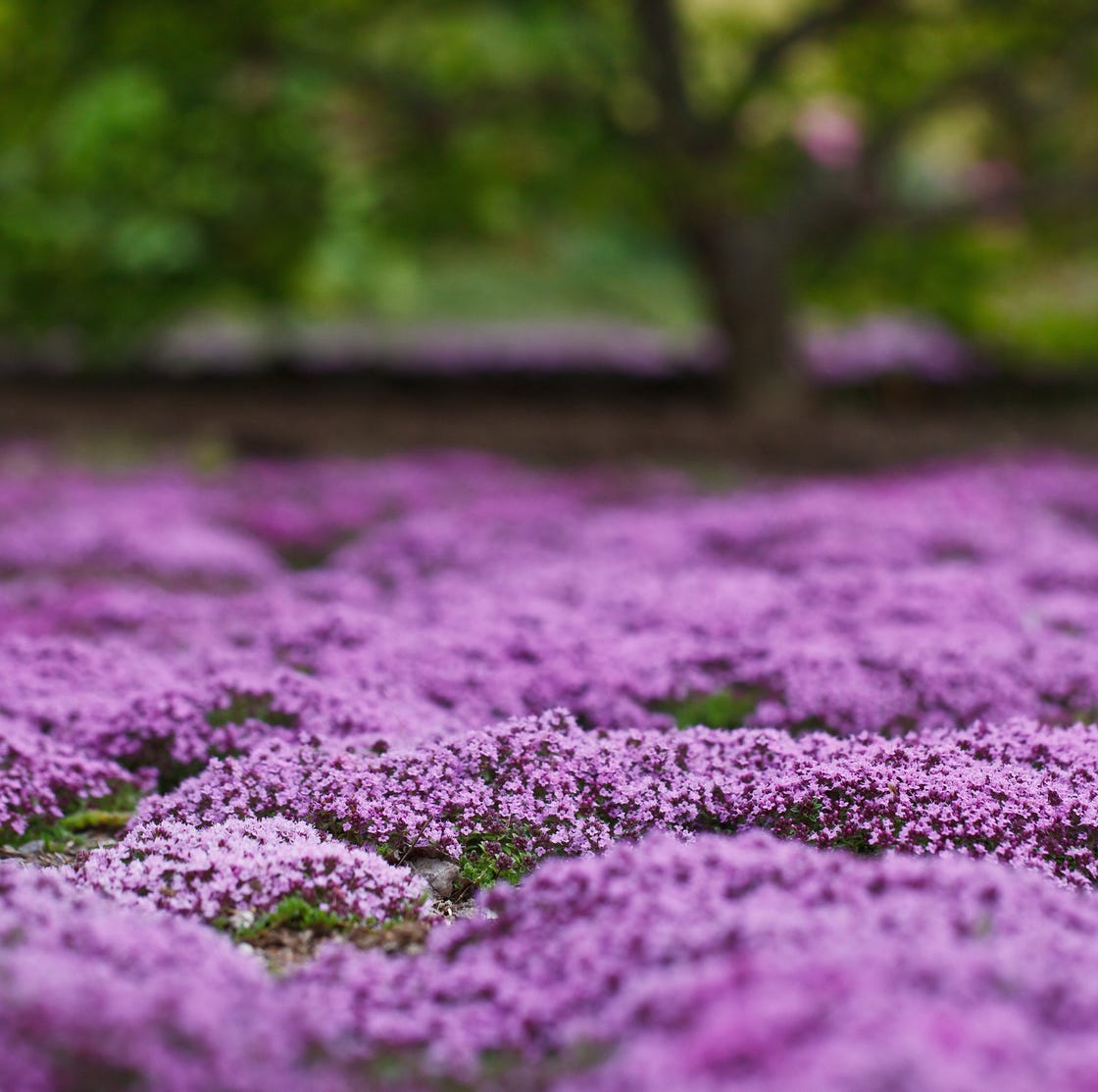
Fix Your Yard's Problems with These Ground Cover Flowers + Plants
These Pink-Blooming Beauties Are the Ultimate Yard Upgrade
This May Be One of the Most Beautiful Yards You’ll Ever See!

10 Tall Outdoor Plants for Landscaping

Hey, Gardeners! Plant These Summer Flowers for a Bright and Beautiful Yard

Blooming wonderful display around Ireland's country road hedgerows
We're Loving These 20 Rooms With Grasscloth Wallpaper


Brooklyn Garden: From Weeds to Wonderful With Groundworks
25 of the Prettiest Ornamental Grasses for Your Garden

10 of the prettiest flower fields in the world

Best plants to cover a fence – 10 ways to disguise a fence with beautiful flowers and foliage
Garden column: Get some visual interest in your garden with ornamental grasses
Pampas Grass Decor Is All the Rage Now — Here's How to Test the Trend

20 Beautiful Garden Design Ideas for Home In 2024
Wait, How Is This Green-on-Green Garden Low Water?

No-grass front yard ideas – 10 ways to say goodbye to that dry patch of lawn
These Vertical Gardens Are a Plant Lover’s Dream


A Family of Gardeners Shares 45 Years Worth of Lessons From Nurturing Their Oregon Backyard

10 No-Grass Backyard Ideas For Easy Maintenance In Any Season