1/11
10 Art Deco bathrooms that are filled with decadent character
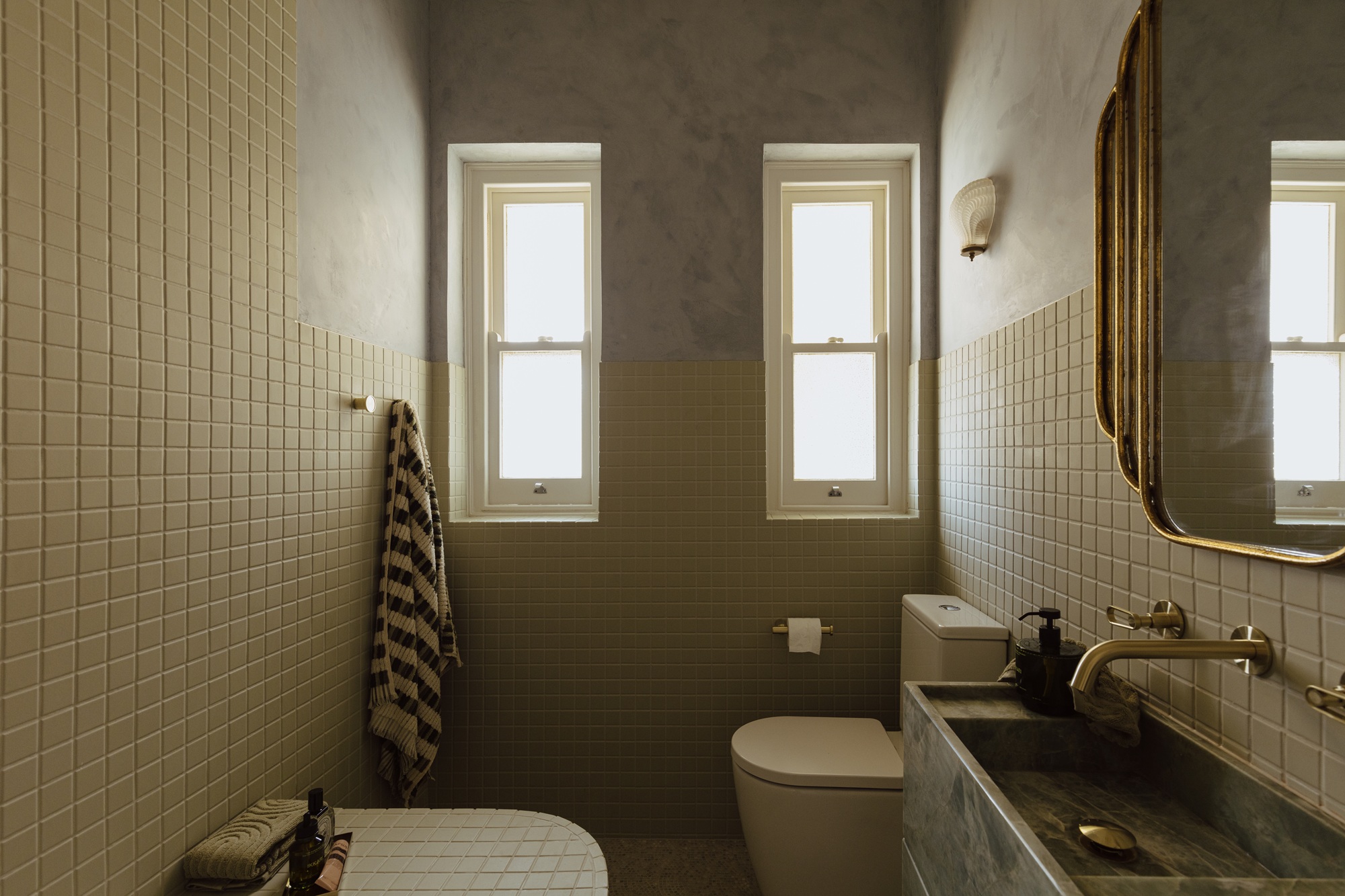
Art Deco, an iconic interior design style, continues to captivate and re-emerge in contemporary decor. Originating in Paris around 1910, this style served as a metaphor for new beginnings after World War I. It is characterized by geometric lines, symmetry, theatricality, and luxurious aesthetics, a stark contrast to the organic forms of Art Nouveau. This article explores how to integrate the timeless appeal of Art Deco into modern bathroom designs, drawing inspiration from expert designers.
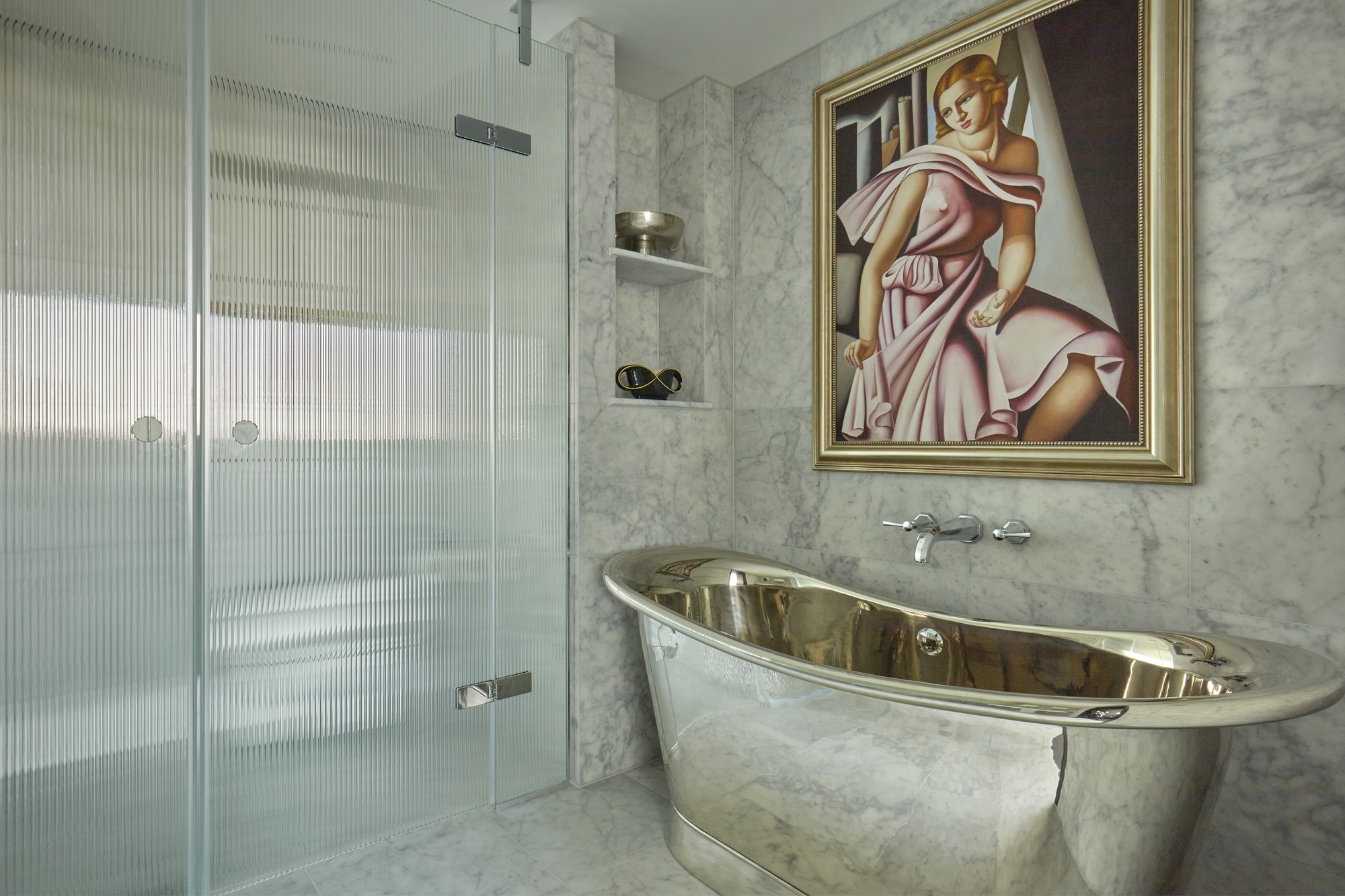
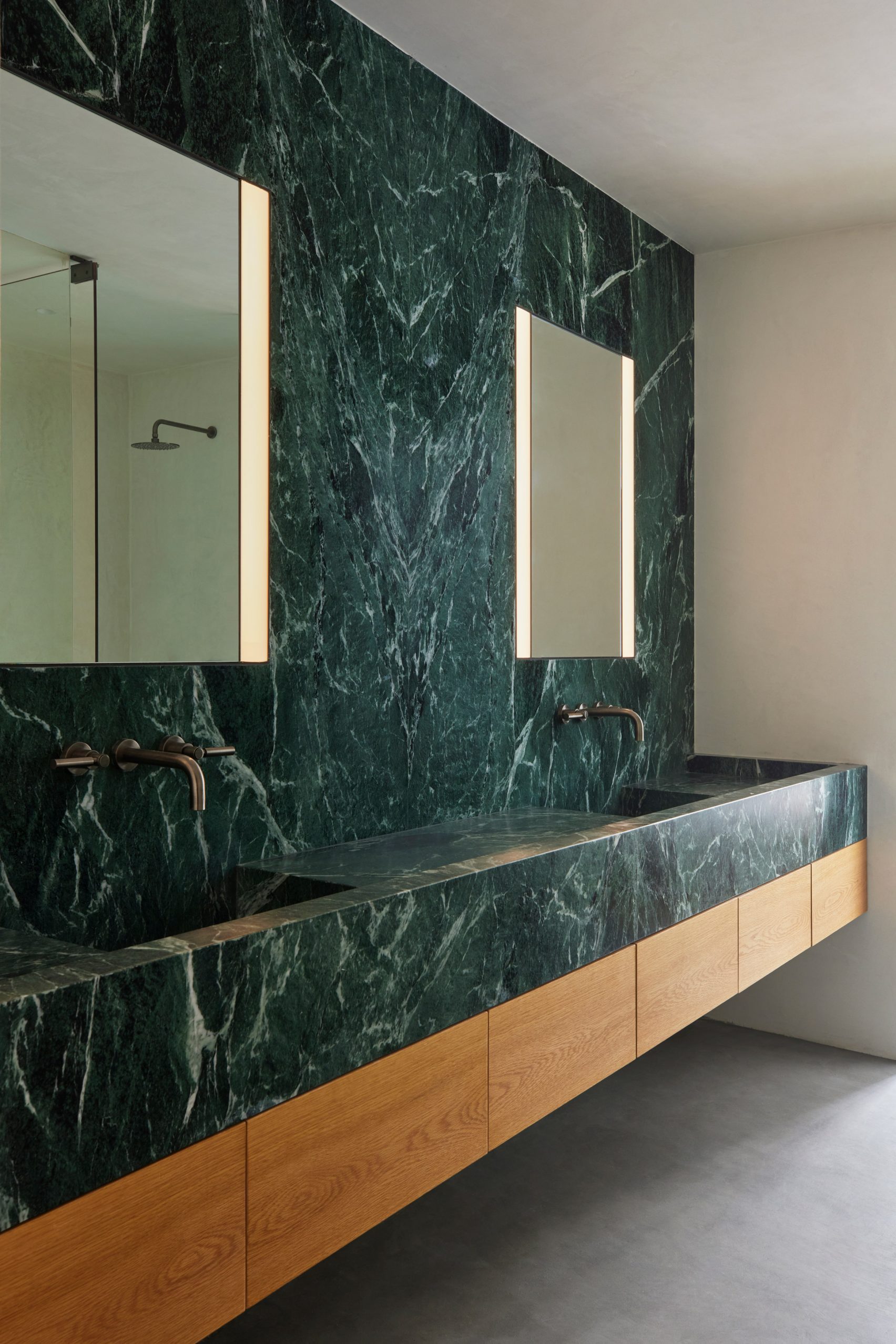
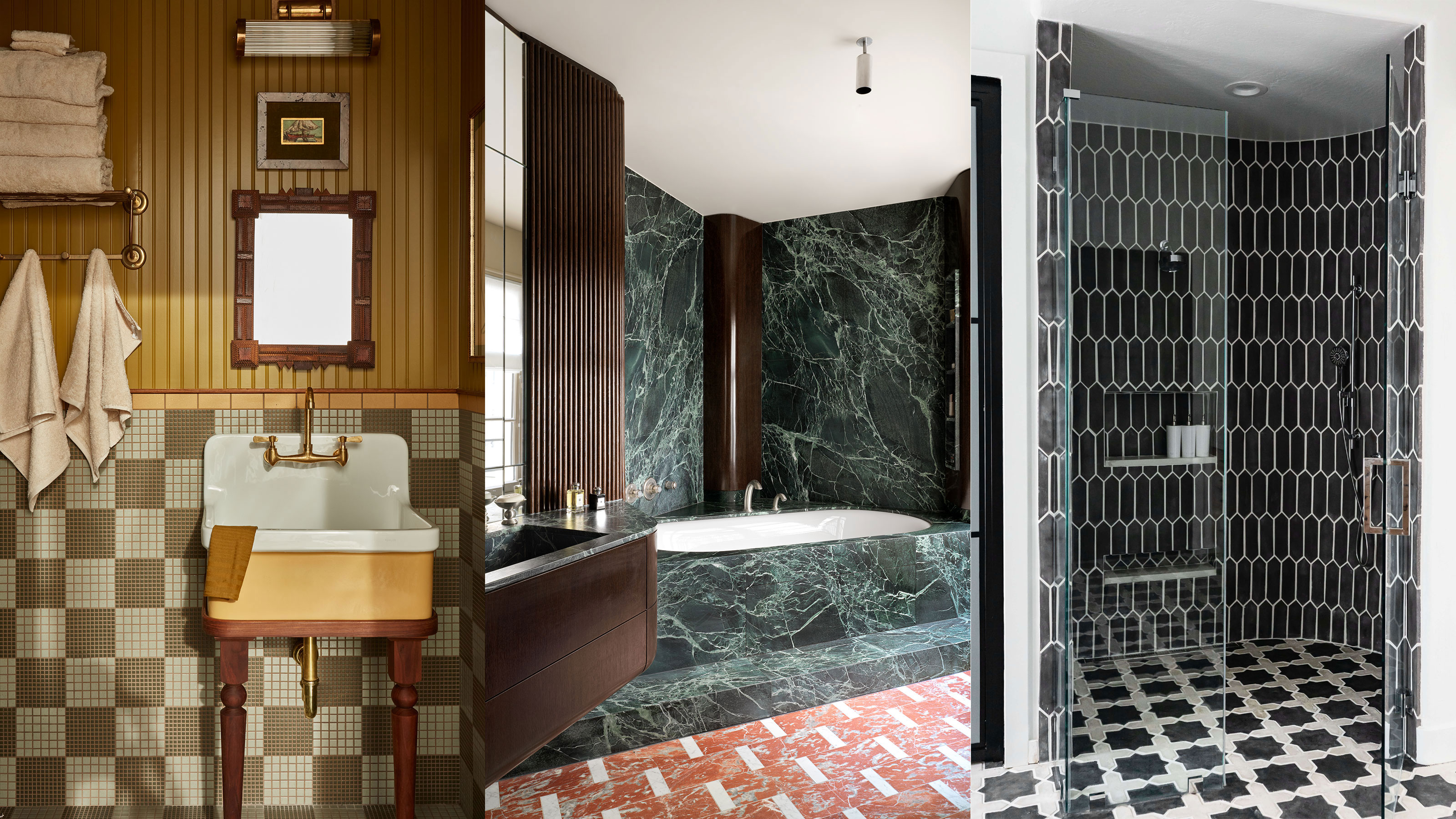
The article highlights ten distinct approaches to creating an Art Deco bathroom. The first approach emphasizes combining sumptuous paneling and marble, exemplified by Hugo Toro's Parisian apartment project. This design utilizes green marble and dark wood to create a rich, elegant contrast, with clean, strong lines and a 45-degree angled bathtub reflecting classic Art Deco geometry. The use of emerald green marble signifies the bold color choices of the era, and theatrical elements like steps and Lalique-signed fixtures further enhance the luxurious feel. The second approach focuses on incorporating intriguing colors and patterns to add warmth, as seen in a bathroom designed by Pierce and Ward for Josh and Kathryn Brolin. This design subtly nods to Art Deco with brass fixtures, a characterful mirror, and vibrant patterns and colors, demonstrating how coziness can be achieved while maintaining an exciting aesthetic.
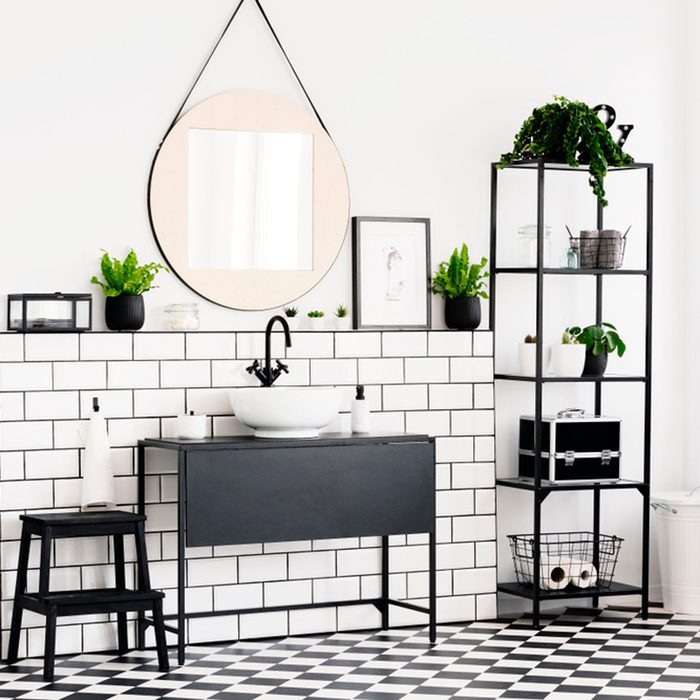
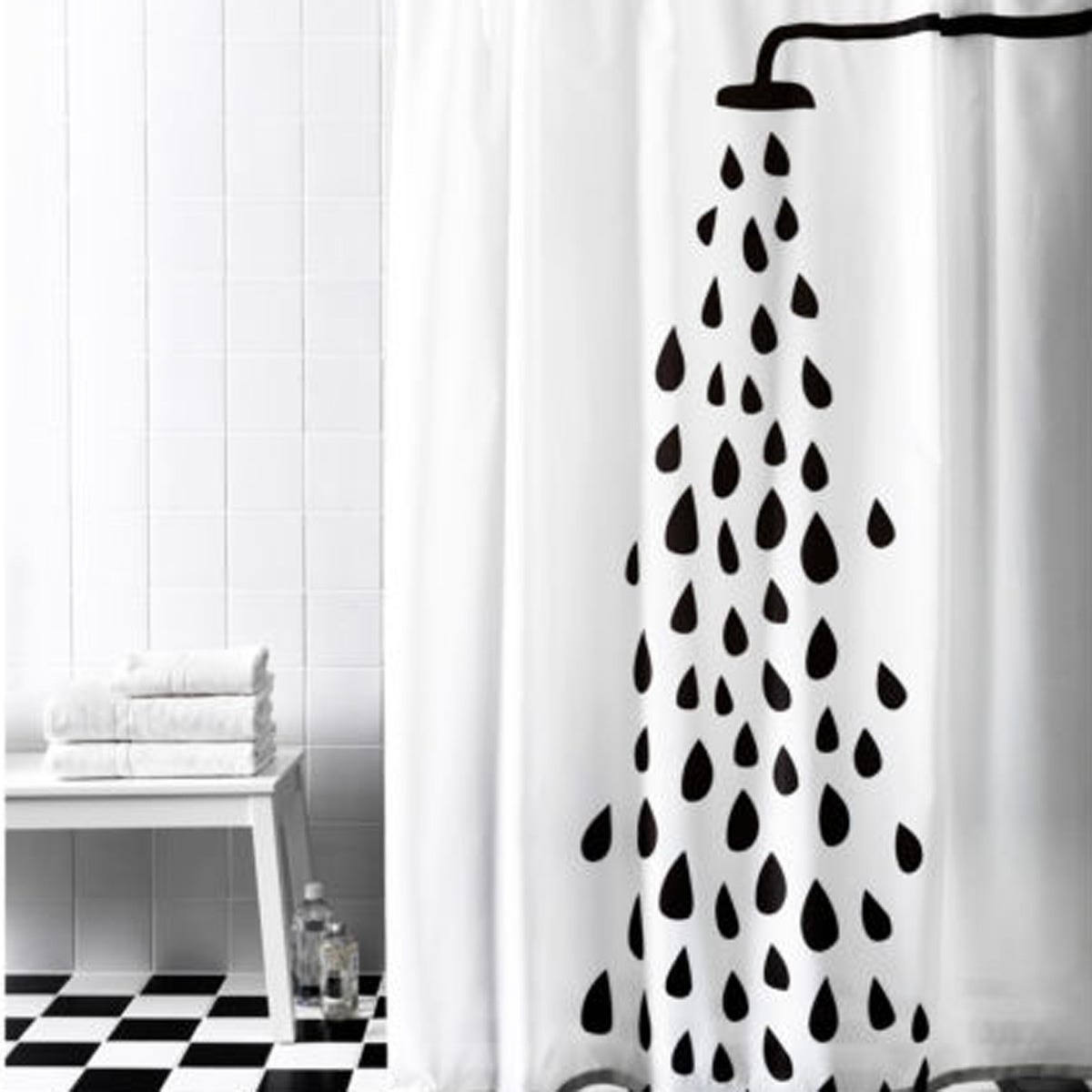
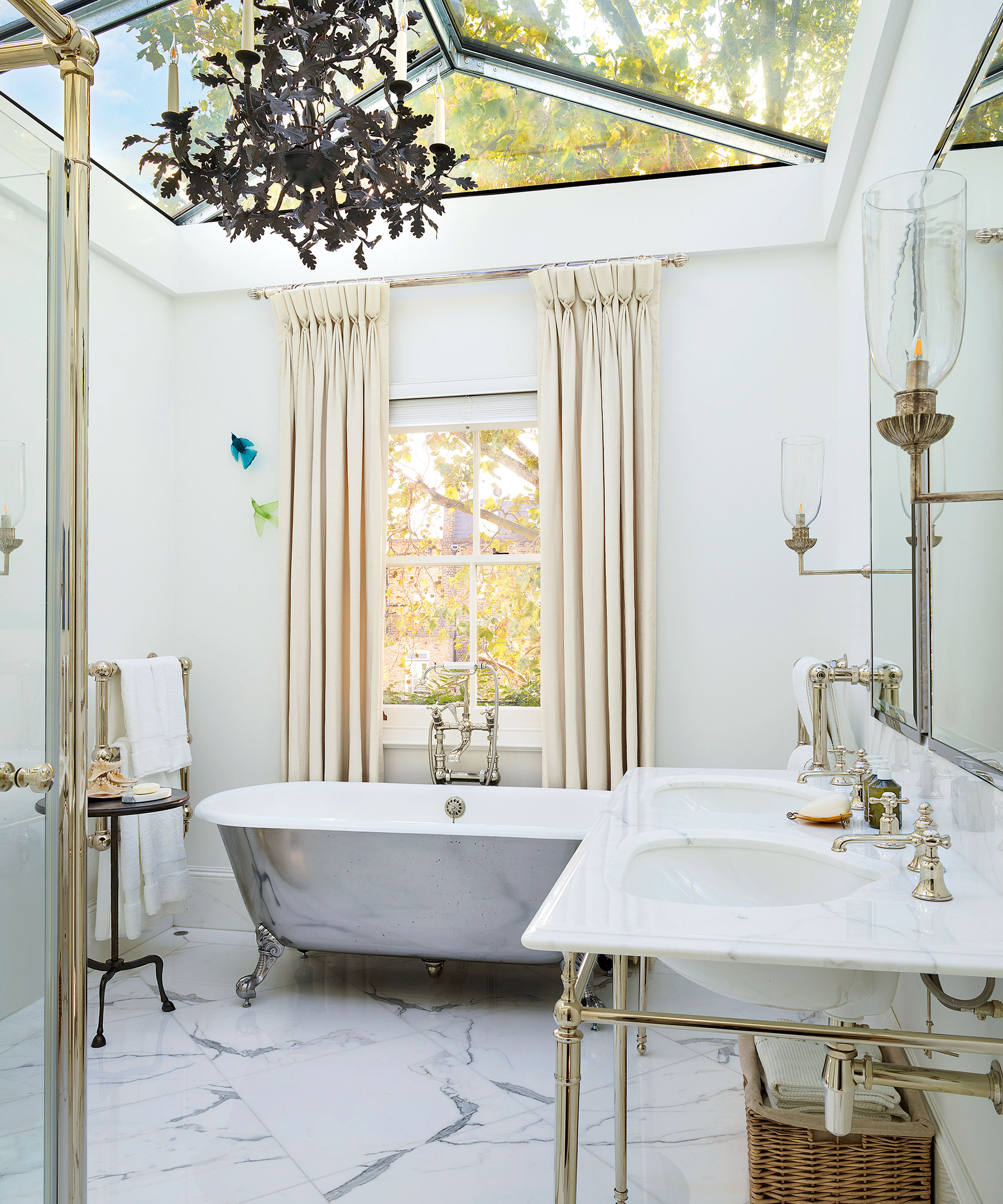
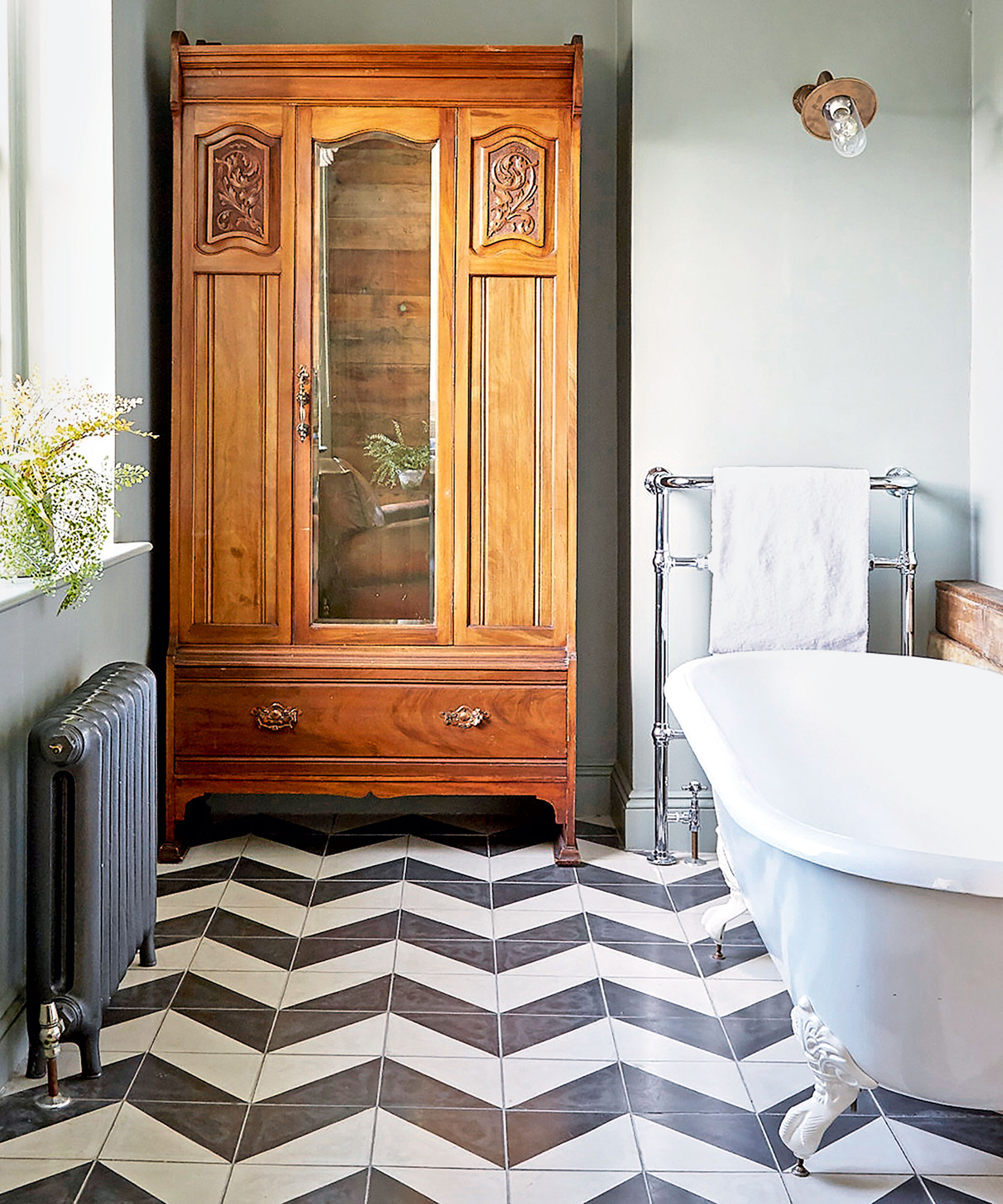
Thirdly, the article suggests adding a chandelier to capture the charm of the Art Deco period, as illustrated by Maestri Studio. Gold chandeliers and sconces introduce detailed shapes and dimensions, contributing to a luxurious atmosphere. Fluted designs, frosted bulbs, and gilded accents are recommended for bathroom fixtures. The fourth method involves playful details for theatrical flair, showcased again in a Pierce and Ward design for the Brolins. This features unapologetically bold bathroom tiles and a vintage sink with unique high heels, complemented by shapely sconces, exposed pipework, and artwork. Fifth, employing a black and white tile color palette is presented as a way to create monochromatic drama, with Lauren Lerner of Living with Lolo demonstrating a head-to-toe tiled walk-in shower that combines strong repeat patterns for a charismatic effect.
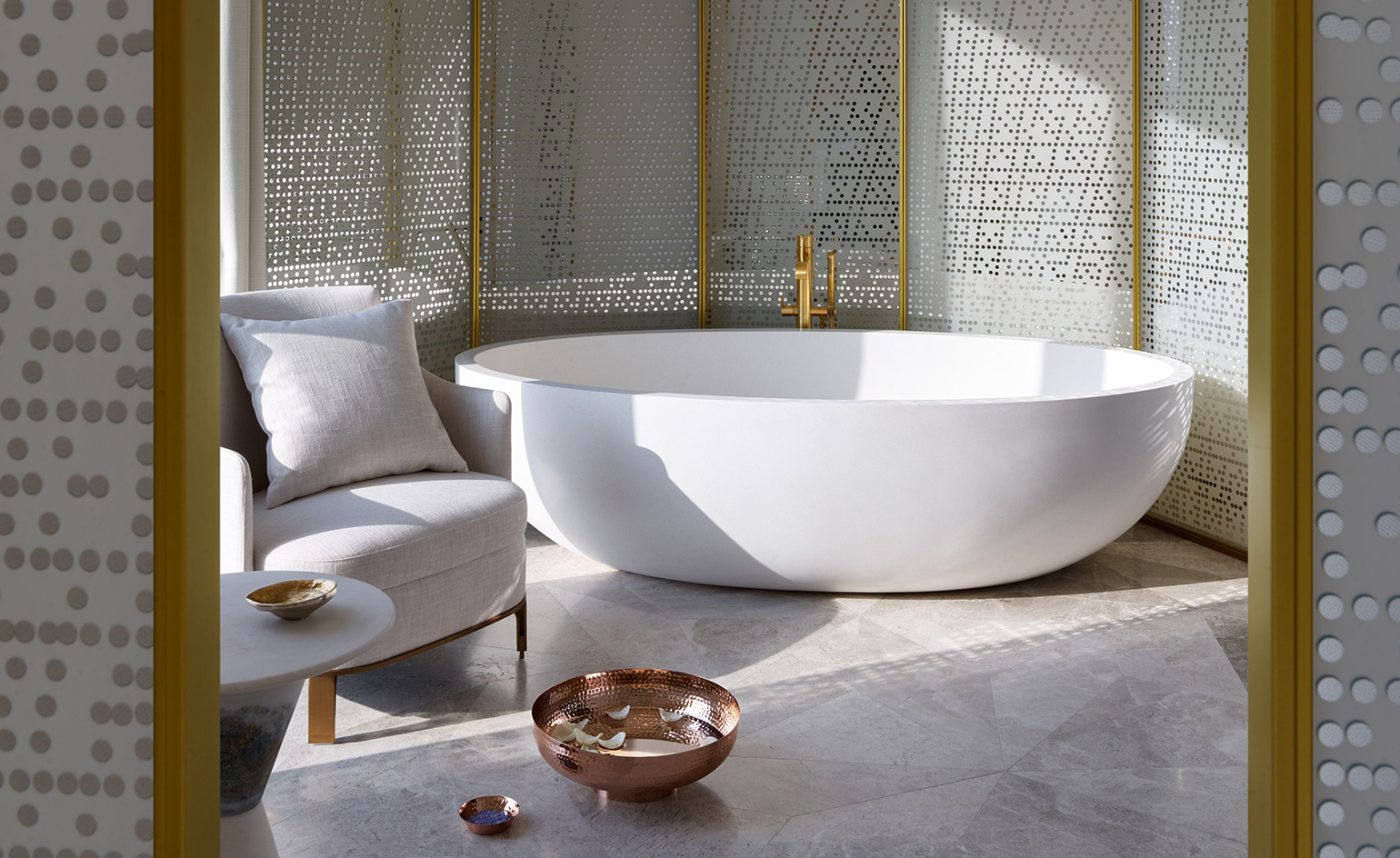
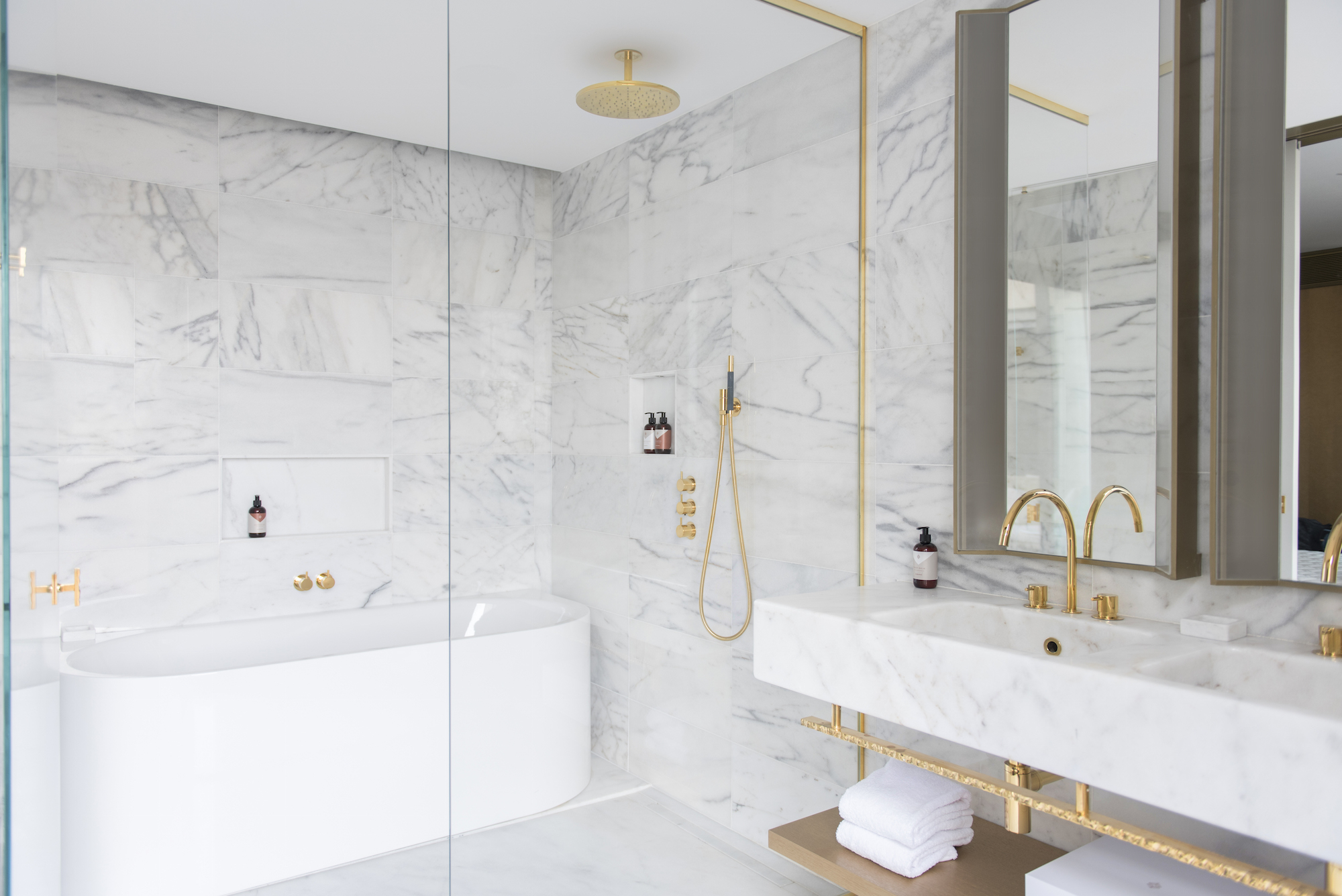
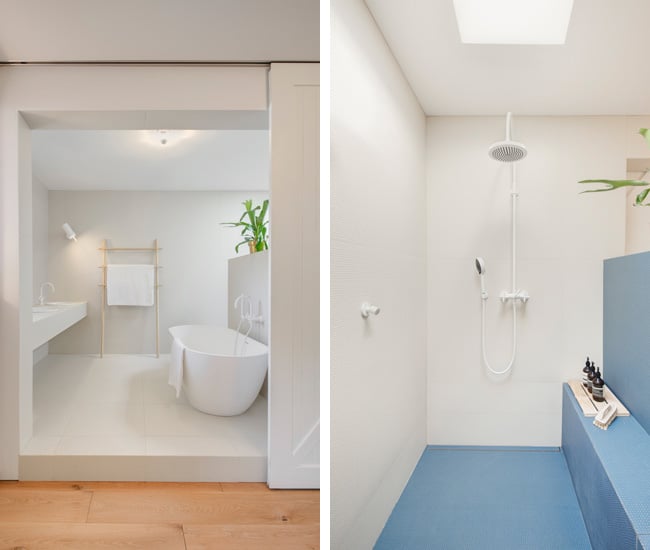
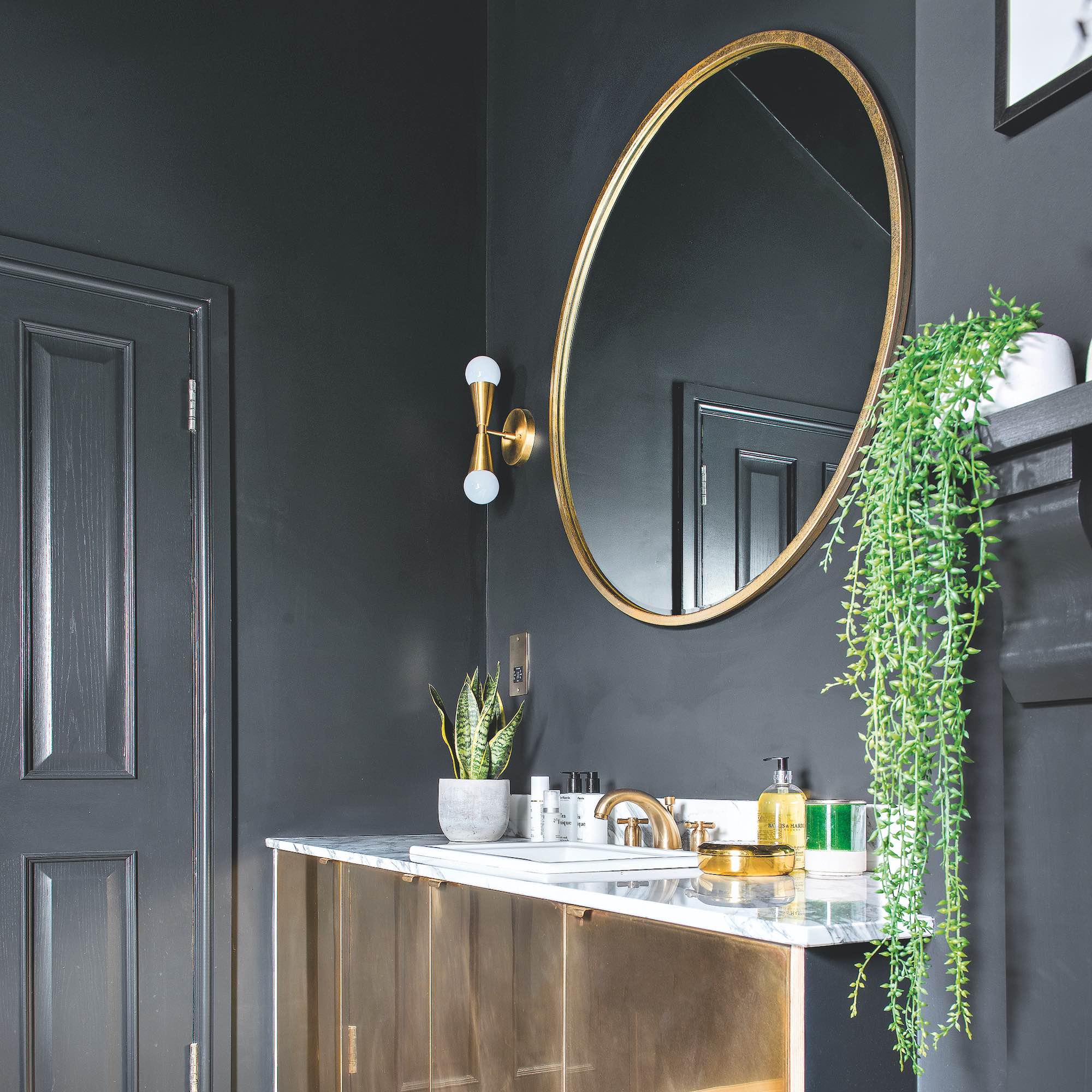
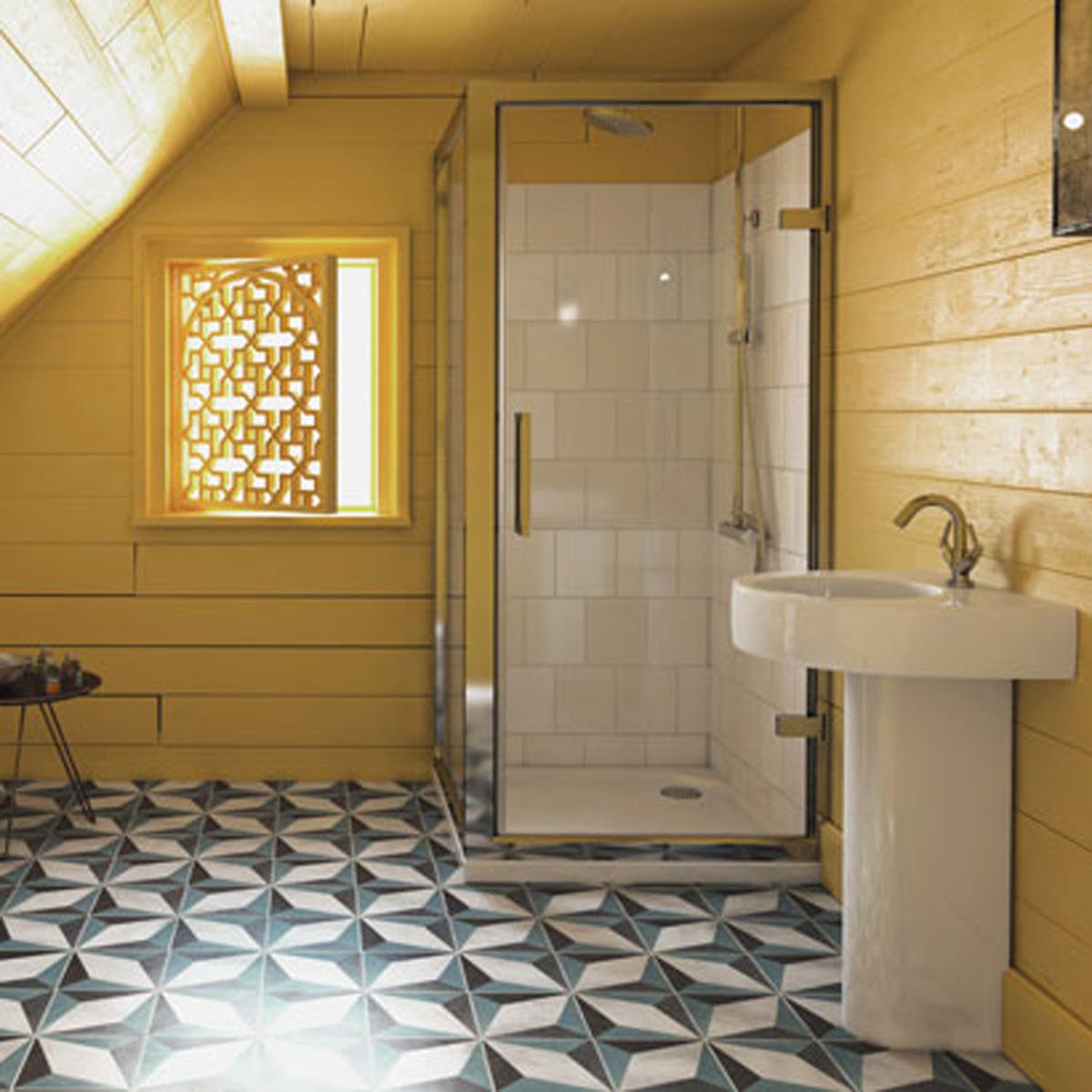
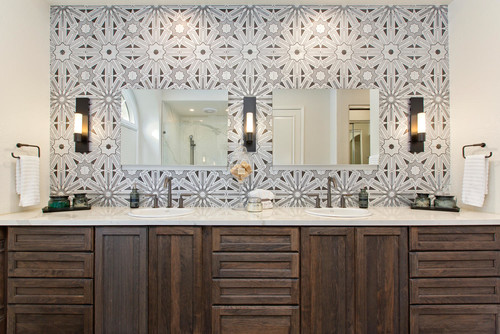
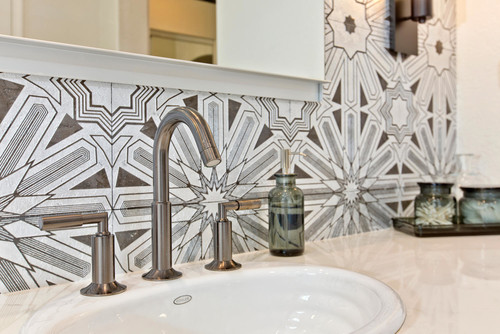
Next, the article discusses bringing life with brighter hues. While often associated with monochrome, Art Deco can incorporate vibrant colors, such as printed turquoise blue blinds, especially when paired with more demure materials. Lauren Lerner's design, for instance, uses black and white with splashes of color and brass accents, along with statement mirrors and ornate lighting, to create a sophisticated ambiance. The seventh approach suggests a zen and lofty aesthetic, pairing spa-like finishes with Art Deco elements. Ina Rinderknecht's design, featuring soft veining in marble, light gloss tiles, and frosted sconces, illustrates how neutral tones and layered patterns can create an understated yet chic Art Deco charm. Eighth, gold finishes are highlighted as a defining element, from reflective gold tones to circular mirrors, adding intrigue and accentuating other features in the bathroom.
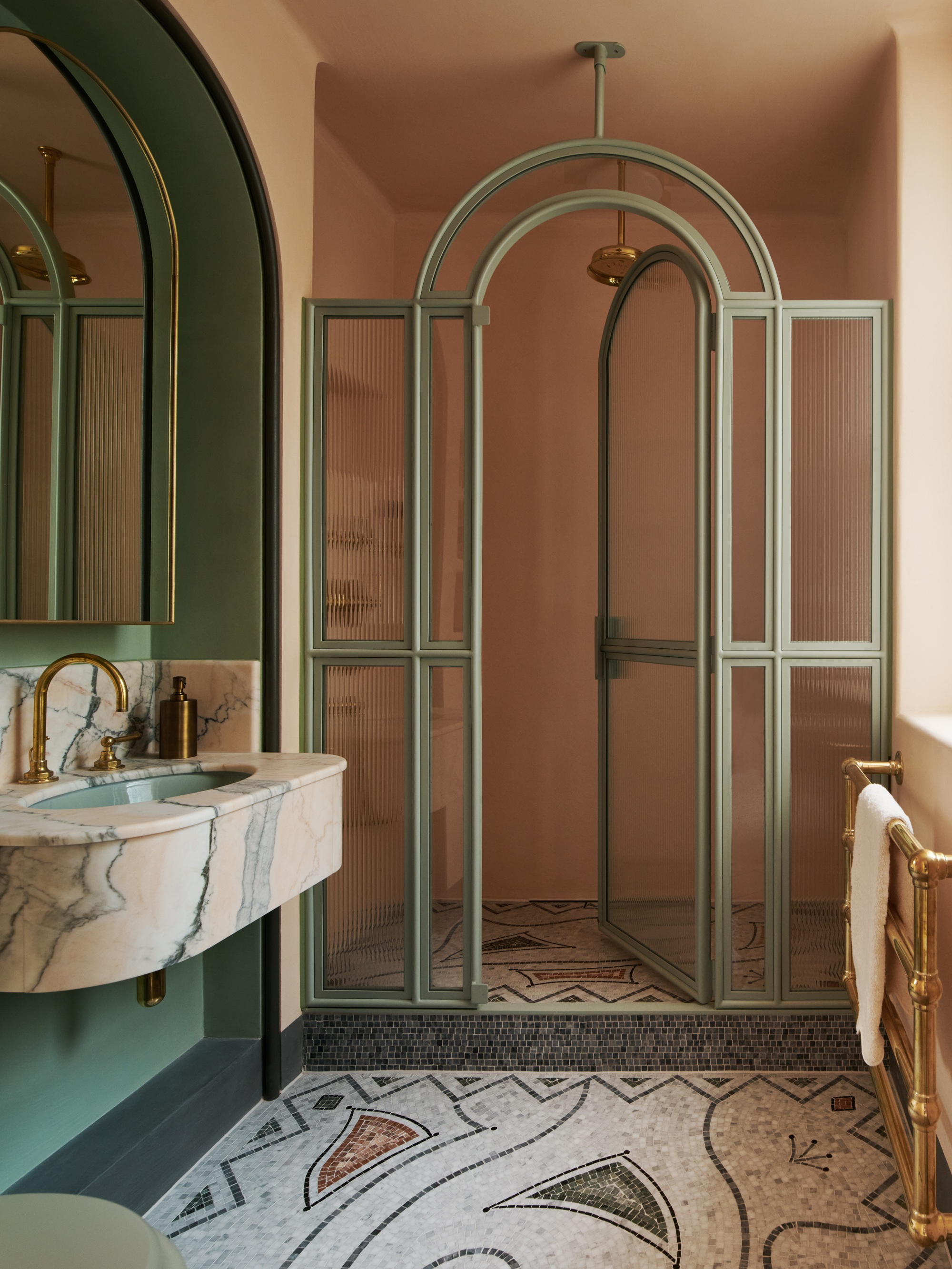
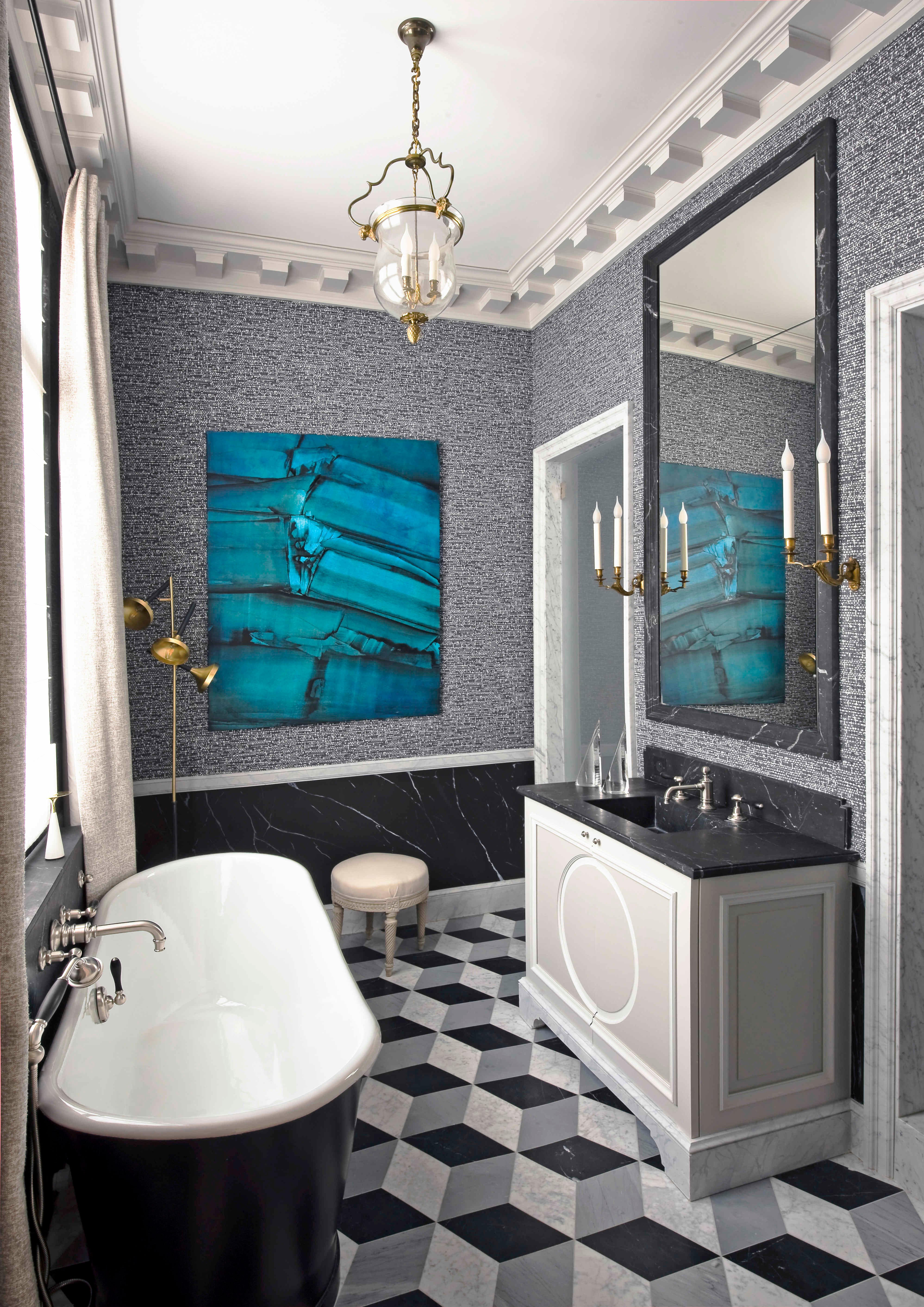
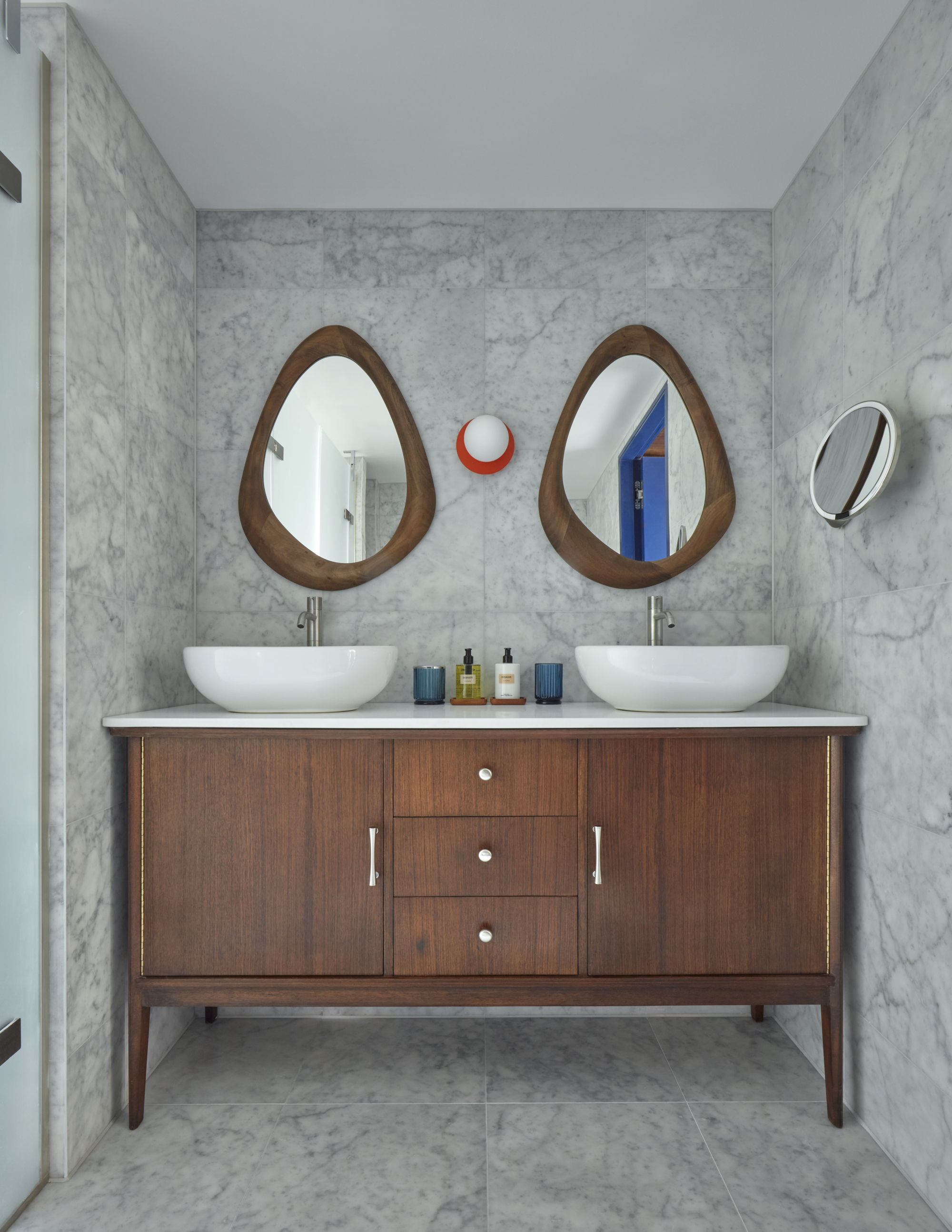
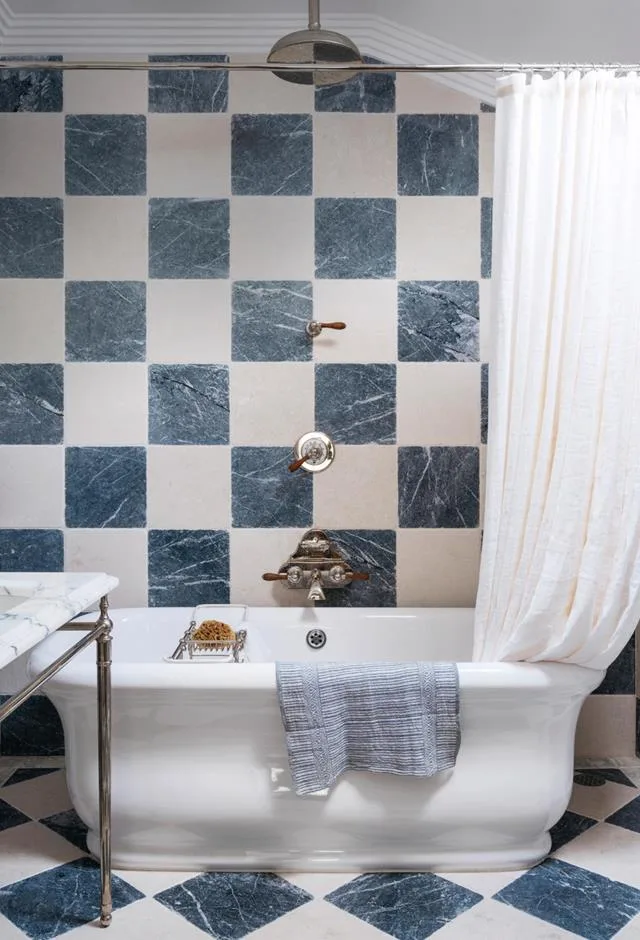
The ninth approach focuses on punctuating the canvas with geometric lines. Ripples' design uses black-framed mirrors in a neutral bathroom to add impact without overpowering the space, emphasizing the geometric characteristic of Art Deco. Finally, leaning into curves and arch details is recommended to integrate Art Deco shapes into architectural elements, as shown by Maestri Studio's metro tile arch. This design combines matte black shower fixtures with patterned floor tiles and gold accents to create a striking and elevated space.
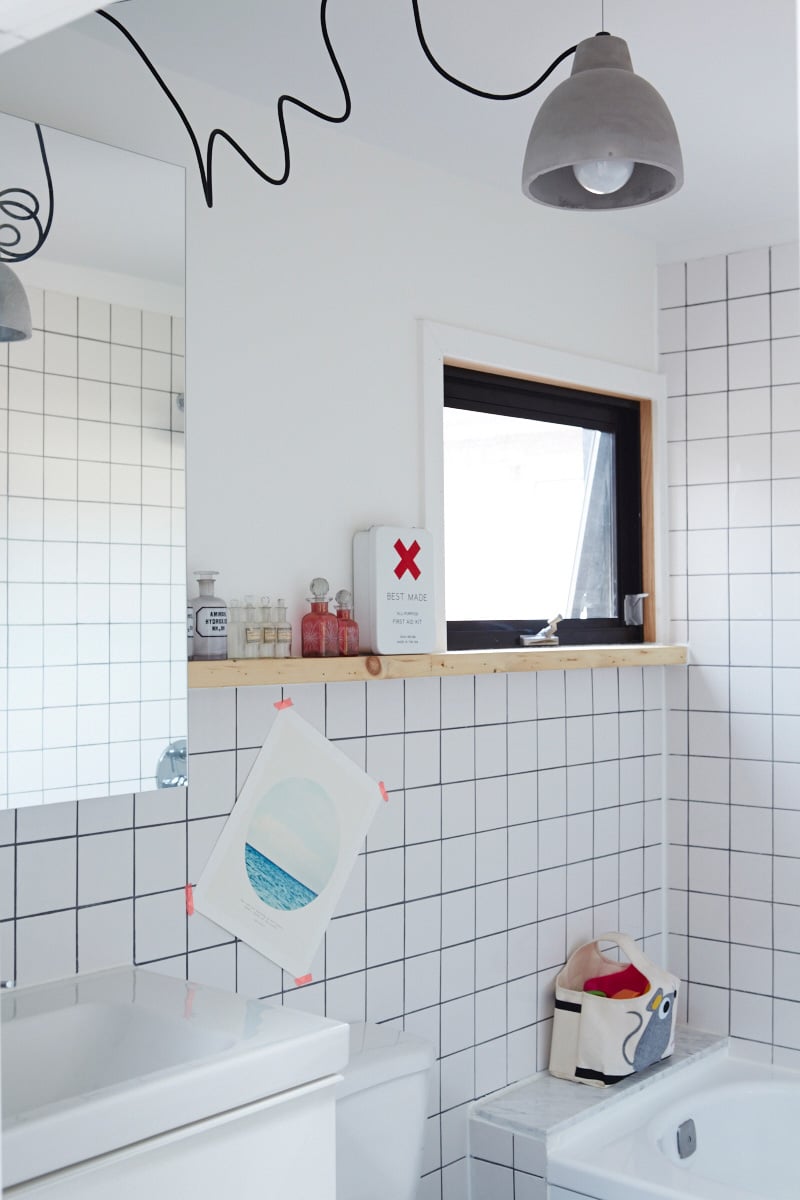
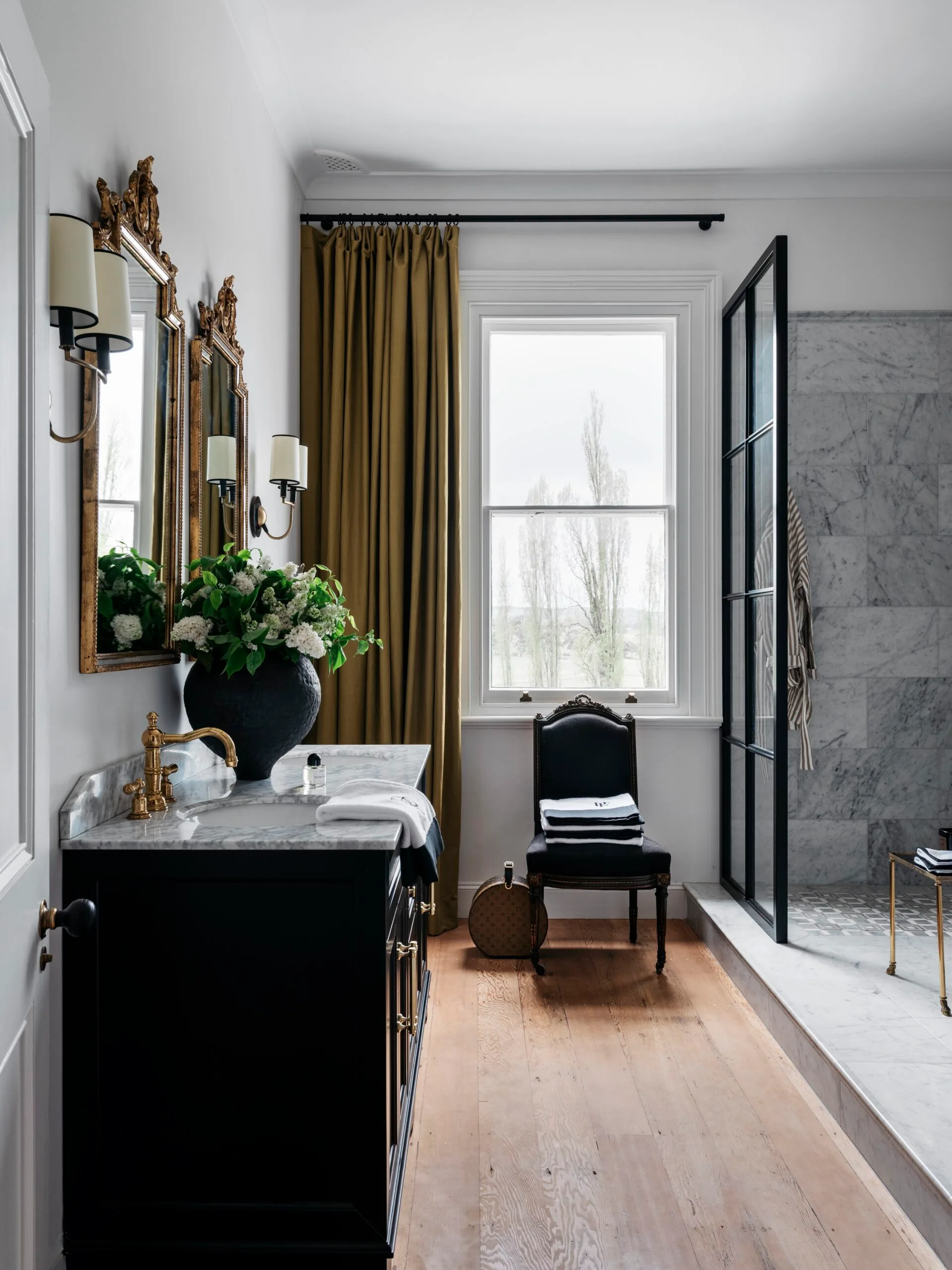
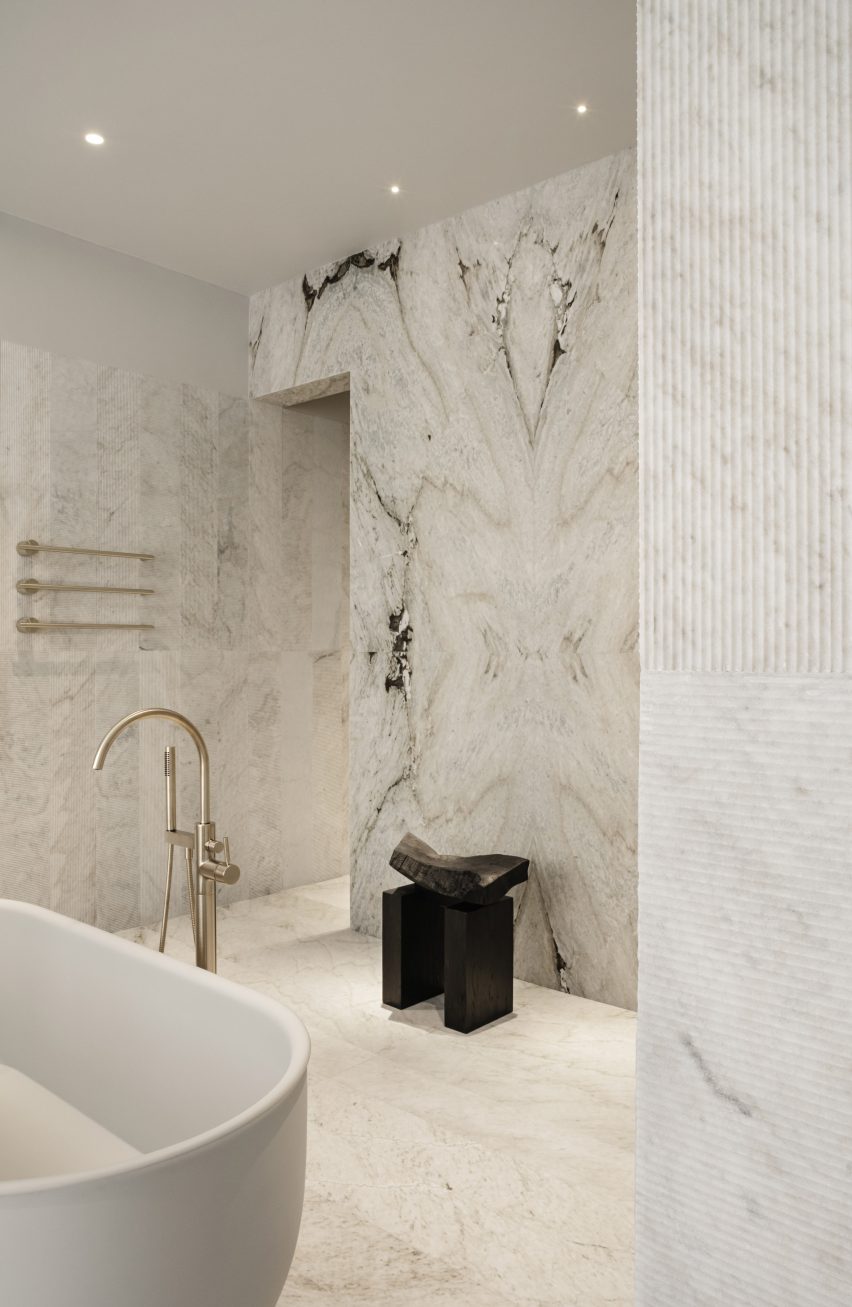
Regarding color palettes, rich, glamorous colors are suitable, alongside black and white or monochrome schemes. Joanne Sangster of Ripples suggests using white metro tiles with black grouting and incorporating pops of color like rich blues, deep greens, or mustard yellows through artwork, tiles, and fixtures. Special finish brassware further enhances the luxurious feel. Patterns such as scallop, diamond, or fan designs can be used in wallpaper or accessories to channel the era's glamour. The article concludes by affirming that Art Deco remains a timeless and continuously trending style.
#ArtDeco #BathroomDesign #InteriorDesign #LuxuryInteriors #GeometricPatterns #ColorPalette #LightingDesign #TileDesign #VintageDecor #HomeDecor #ArtDeco #BathroomDesign #InteriorDesign #LuxuryInteriors #GeometricPatterns #ColorPalette #LightingDesign #TileDesign #VintageDecor #HomeDecor
0 comment in total
 No comments yet
You may also like
8 Art Deco-Inspired Bathrooms — And the Lessons to Learn From Them to Make This Style Work for Now

20 Art-Filled Bathrooms We Can't Get Enough Of
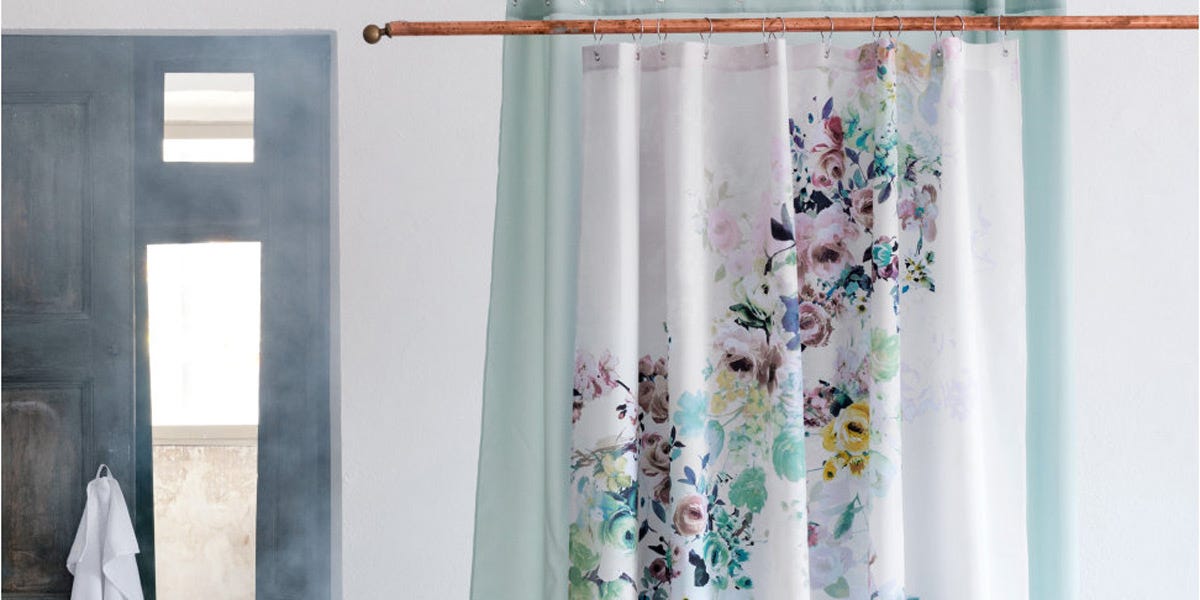
10 amazing shower rooms for your dream bathroom

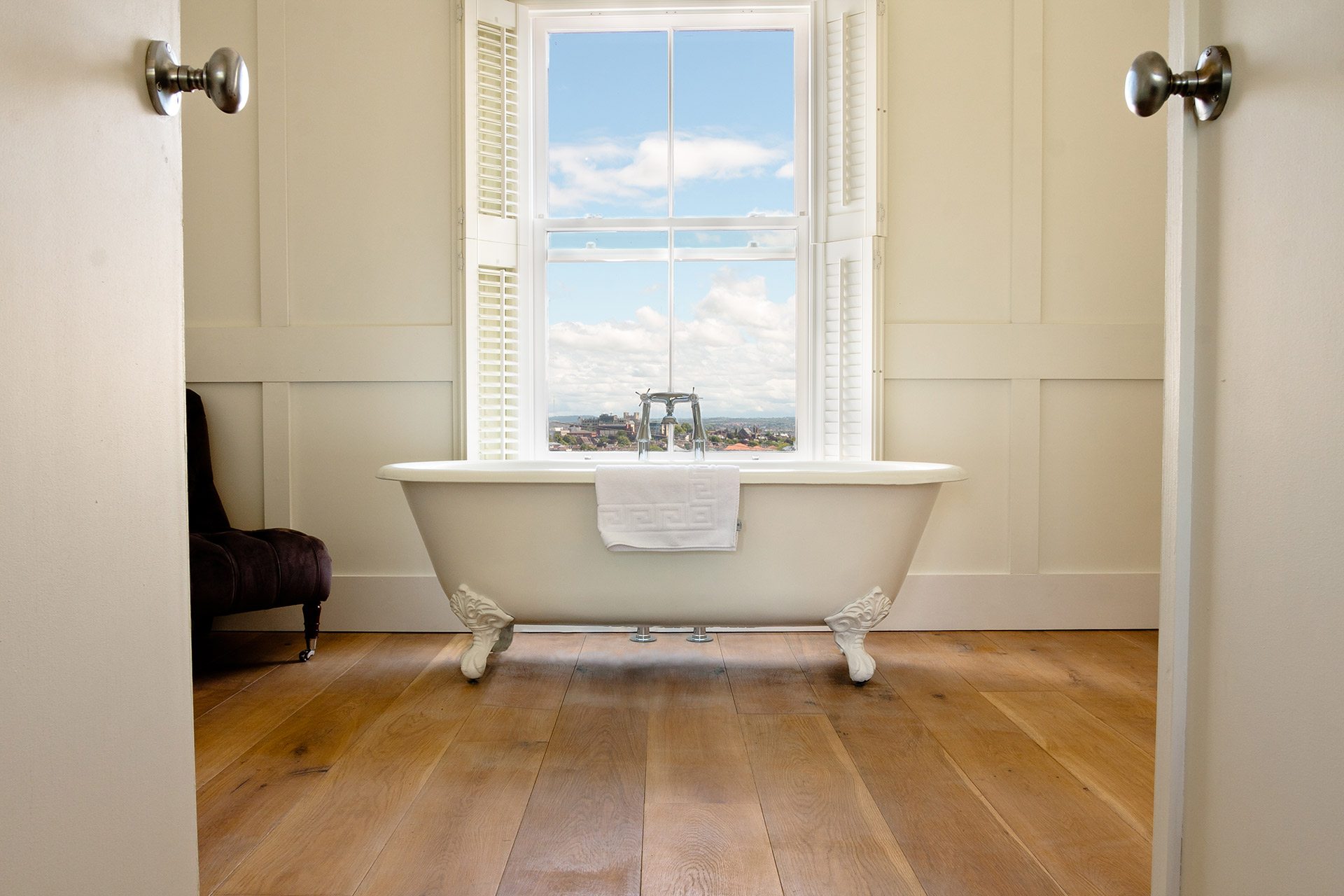
Beautiful Bathrooms: Interiors Inspiration
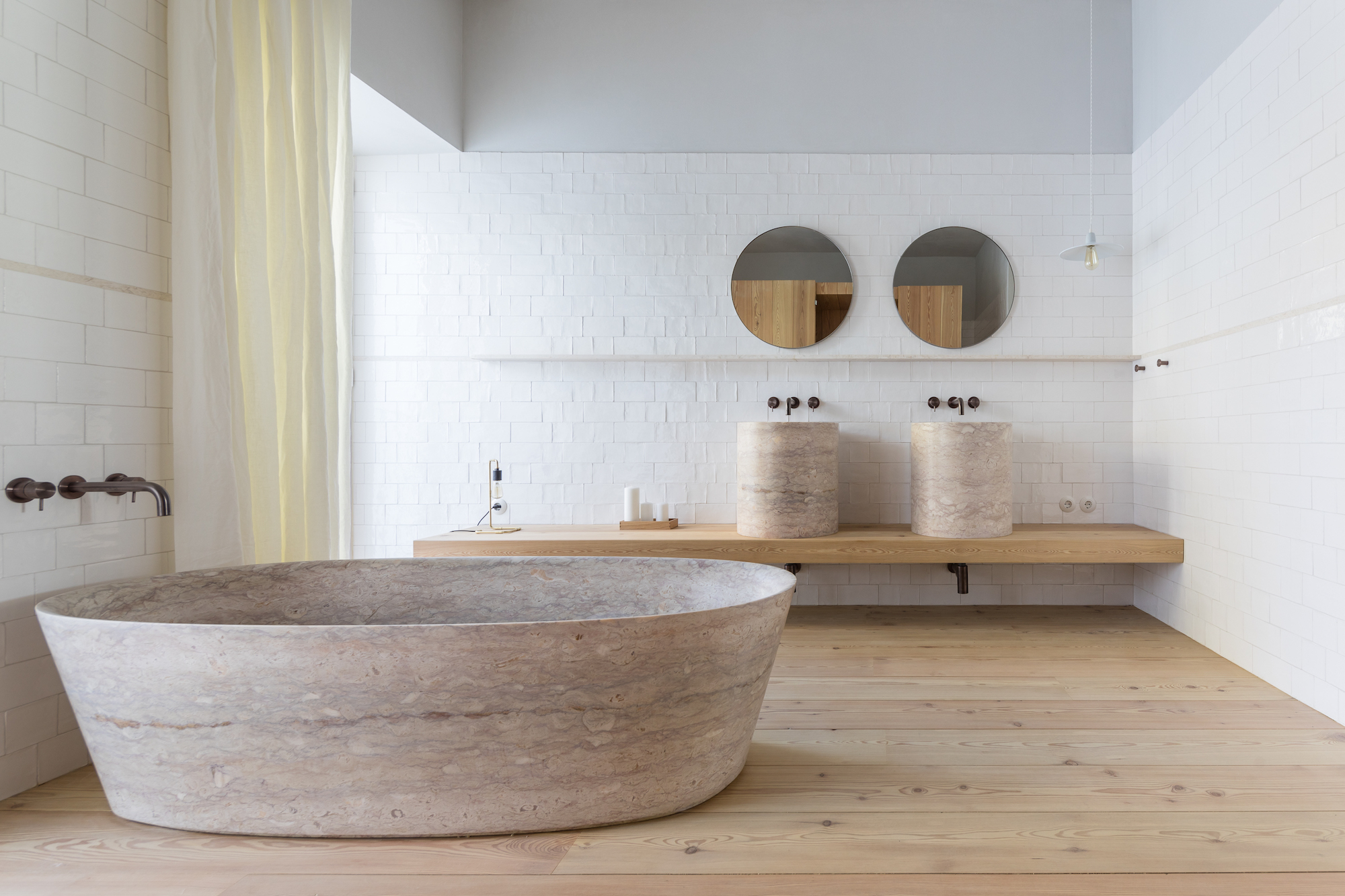
Linger for longer in these 10 design-led luxury hotel bathrooms

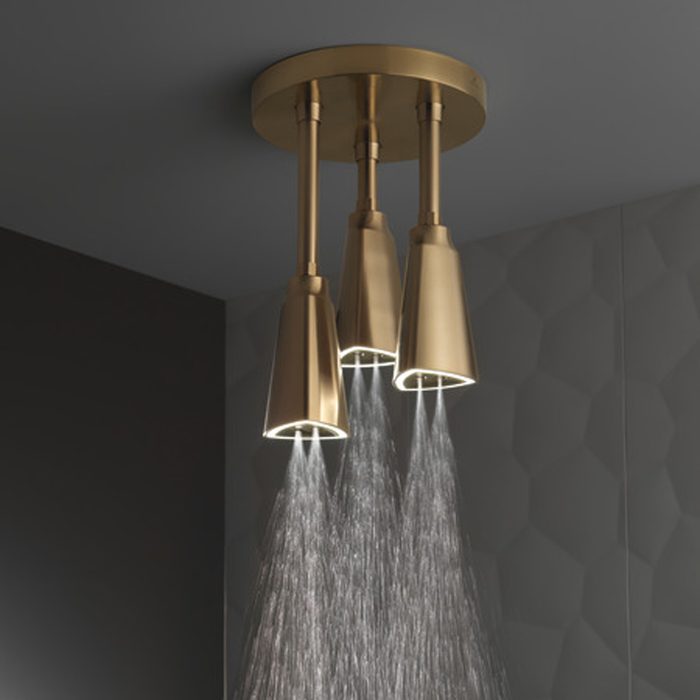
Home Designers Reveal 10 Details That Make a Bathroom Beautiful

10 Stylish Bathroom Design Ideas for Your Home Makeover
Magnificently moody bathrooms strike a chord
Ten bathroom design ideas from Dezeen's lookbooks
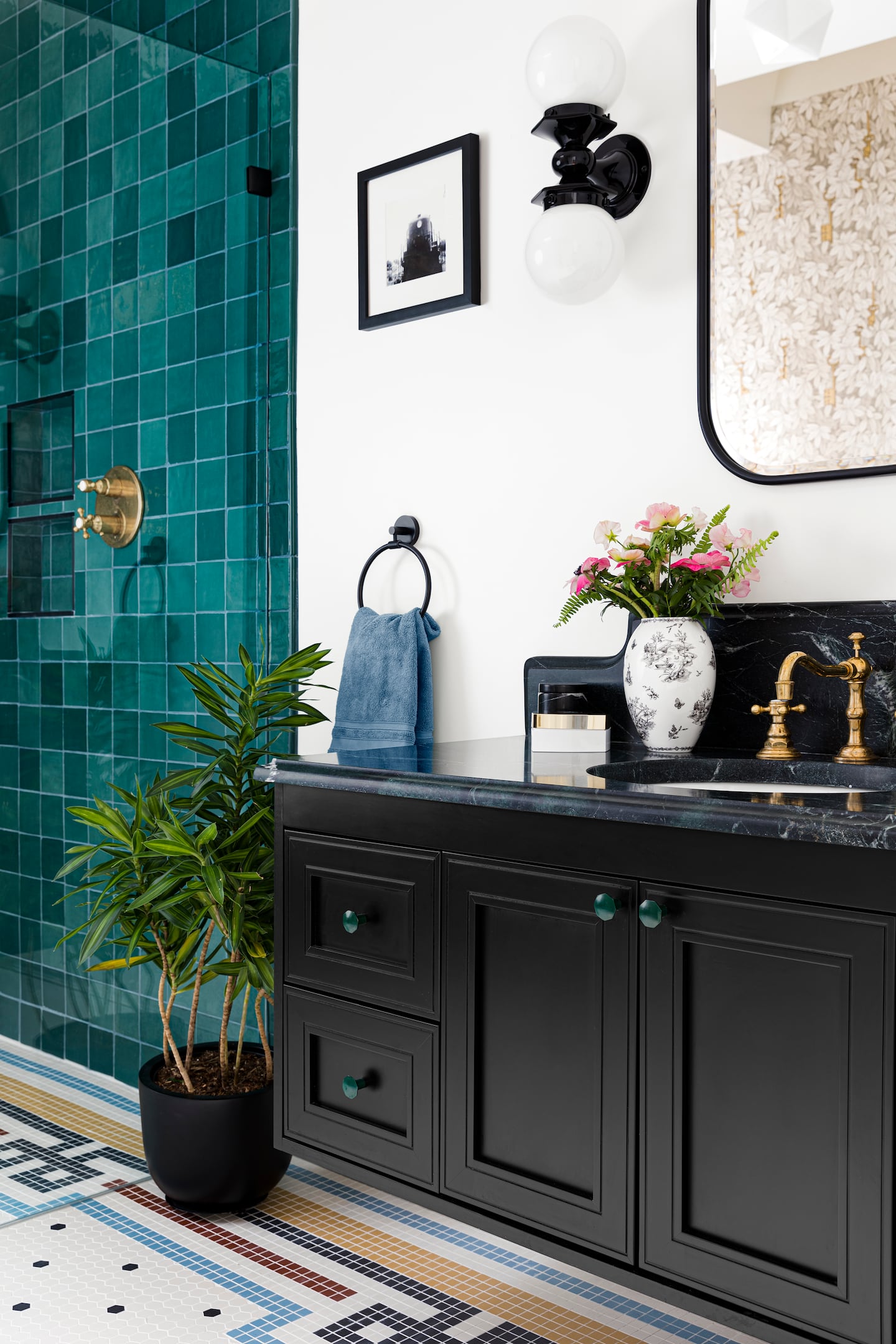
Home design ideas: An Art Deco bathroom inspired by railroads

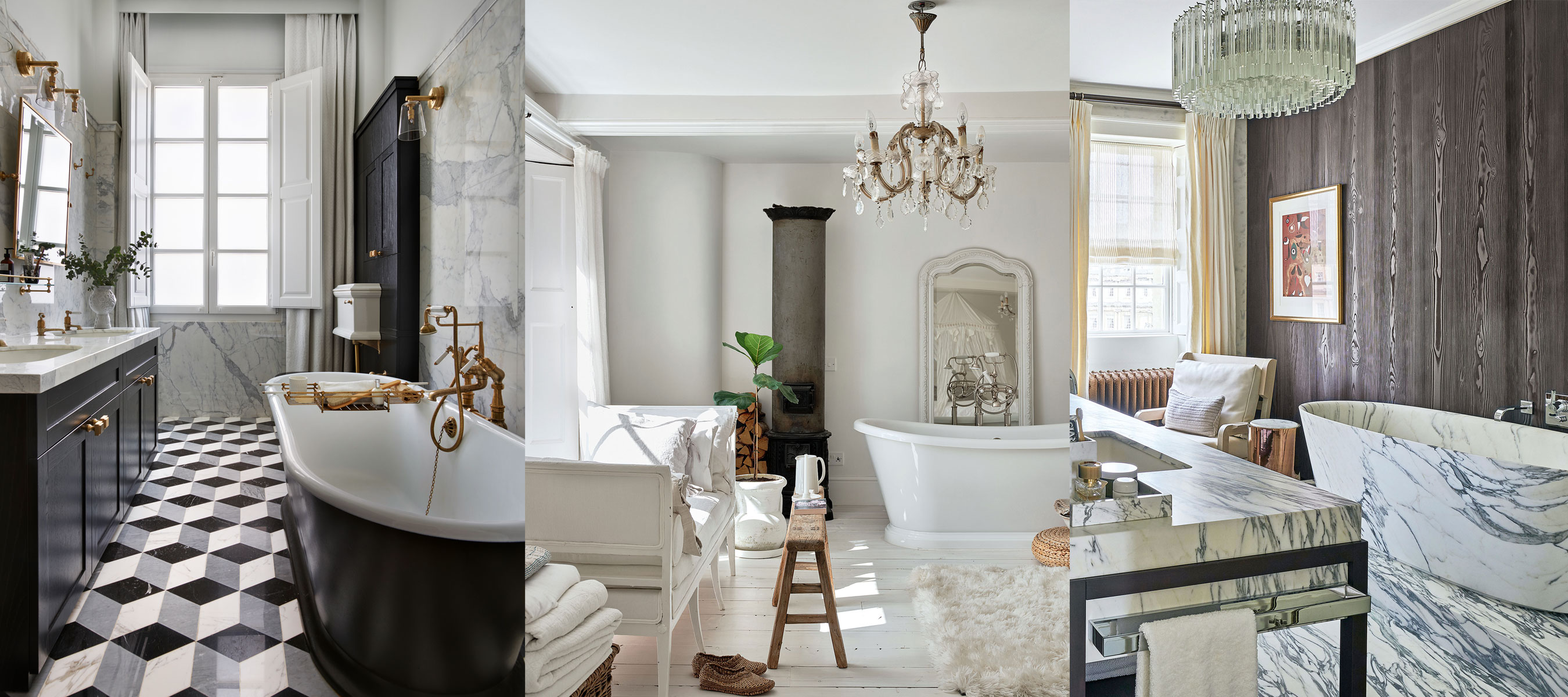
Parisian bathroom decor – 10 ways to achieve an elegant aesthetic
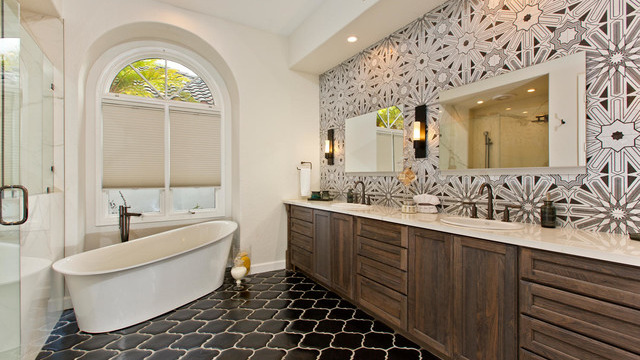
Weekend Design: Art Deco Styling Takes Master Bath from Drab to Dazzling

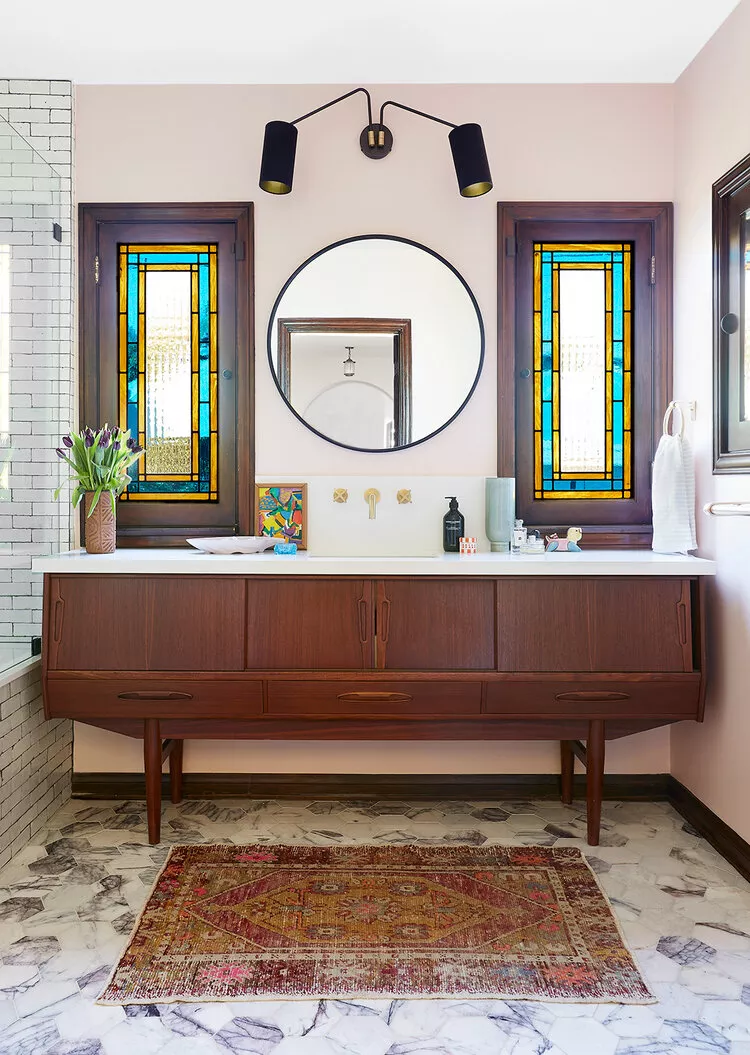
23 Art Deco-Inspired Bathrooms to Glam Up Your Life

10 ways to make your bathroom look more luxurious, according to design experts
8 luxe bathroom designs to inspire

10 space-saving bathrooms – clever tricks to steal from interior designers
10 Bathroom Design Ideas from Inspiring Homes

10 Mid-Century Modern Bathroom Ideas to Steal From Stylists
Ten bathrooms where marble lines the walls
20 Vintage Style Bathrooms Full of Throwback Charm